The 15 Best Menswear Collections of Spring/Summer 2027
From debut collections that redefined heritage houses to a renewed focus on craftsmanship, softness and wearability, these were the shows that defined Men's Fashion Week Spring/Summer 2027.
There are seasons remembered for a single spectacle, and then there are seasons that quietly reshape the direction of menswear. Spring/Summer 2027 belonged firmly to the latter.
Paris Men's Fashion Week unfolded beneath one of the most intense heatwaves France has experienced in recent years, with temperatures soaring well above 40°C. What could have simply been an uncomfortable backdrop quickly became one of the defining narratives of the week. Lightweight tailoring replaced rigid suiting, breathable fabrics overtook heavy layering, and designers began confronting an uncomfortable reality: luxury wardrobes must now adapt to a changing climate.
Yet the weather told only part of the story.
After several seasons dominated by viral moments and theatrical runway productions, many of fashion's leading designers returned to something more enduring. Rather than chasing novelty, Spring/Summer 2027 celebrated construction, proportion and longevity. Collections felt considered rather than attention-seeking, favouring garments designed to live beyond a single season.
Craftsmanship became the common language - tailoring softened without losing precision. Technical innovation sat comfortably alongside traditional handwork. Heritage brands looked inward to rediscover their own archives, while younger labels continued to challenge familiar silhouettes through subtle shifts in proportion and construction rather than overt experimentation.
It was also a season shaped by transition. Several houses entered new creative eras, while others demonstrated a renewed confidence in identities that had gradually evolved over recent years. The result was one of the strongest menswear calendars in recent memory—one where commercial relevance and creative ambition existed in rare balance.
From quietly luxurious tailoring to conceptual innovation, these are the 15 collections that defined Spring/Summer 2027.
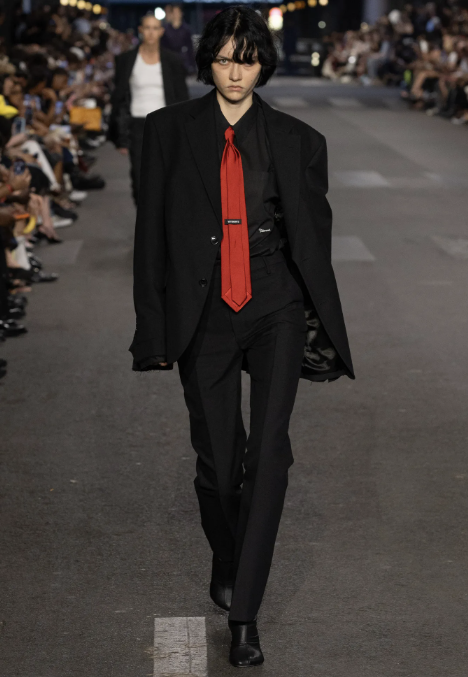
15. Vetements
Vetements returned to the Paris men's calendar with a collection that deliberately stepped away from shock value. Creative director Guram Gvasalia focused on clothes people genuinely want to wear, revisiting the brand's oversized tailoring, denim and outerwear through a more restrained lens. It wasn't the week's most groundbreaking collection, but it marked an important return to the label's roots, proving that confidence doesn't always require spectacle.
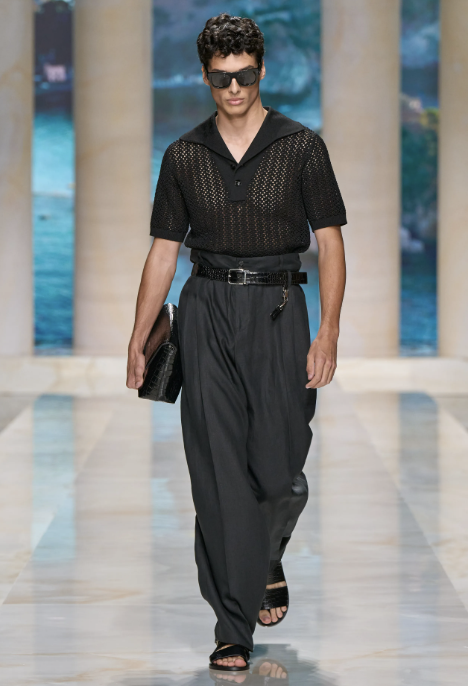
14. Dolce & Gabbana
Dolce & Gabbana stayed true to the house's Mediterranean identity with a wardrobe built around relaxed tailoring, fluid shirting and effortless eveningwear. Linen, silk and lightweight construction responded naturally to the summer season, while impeccable Italian craftsmanship ensured every look felt polished rather than overly styled. Sometimes consistency is just as compelling as reinvention.
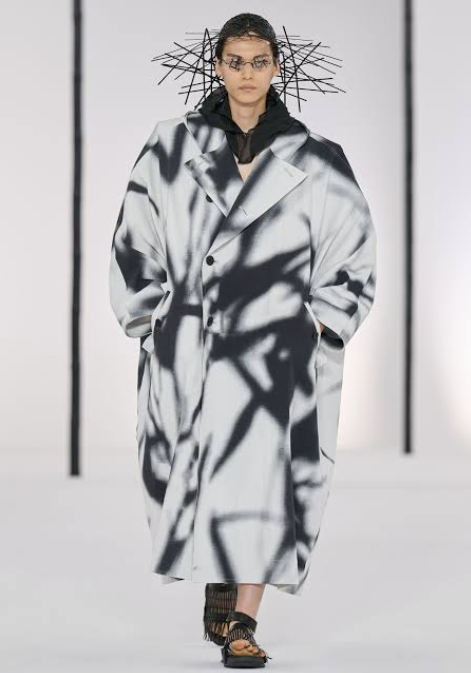
13. IM Men
IM Men once again demonstrated why it occupies a unique space within contemporary menswear. Technical fabrics, sculptural silhouettes and innovative construction came together in a collection that balanced function with quiet sophistication. Rather than relying on theatrics, the brand allowed its craftsmanship and material experimentation to take centre stage.
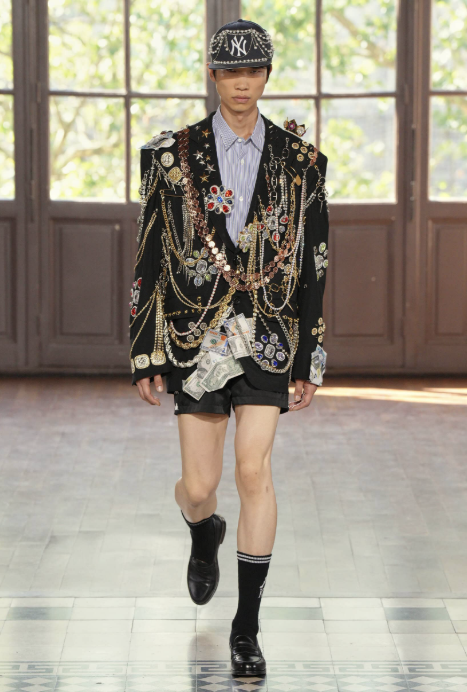
12. Junya Watanabe
Junya Watanabe continued to blur the boundaries between tailoring, workwear and technical design. Familiar garments were subtly reconstructed through the designer's masterful pattern cutting, creating silhouettes that felt fresh without sacrificing wearability. It was another reminder that true innovation often comes through precision rather than excess.
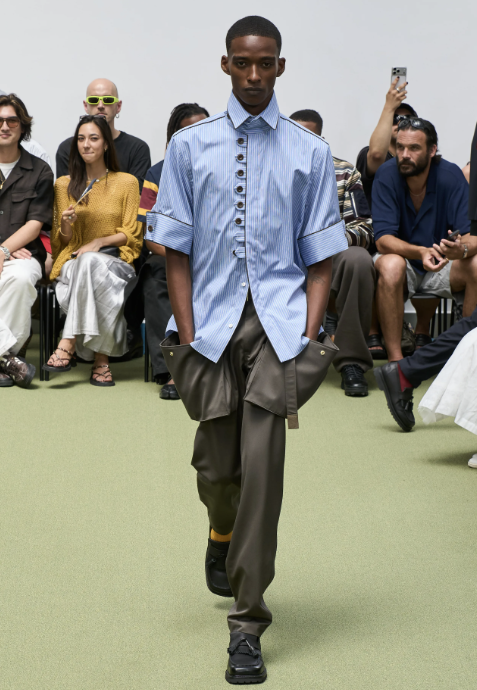
11. Sacai
Sacai blended Brooks Brothers tailoring with utility layers, slicing and rebuilding Ivy League staples into hybrid silhouettes. Familiar pieces were disrupted through layering, raw seams and subtle reworking rather than full reinvention.
A Birkenstock collaboration added function over fashion twist. Controlled, wearable, and consistent with Abe’s ongoing formula of collision dressing.
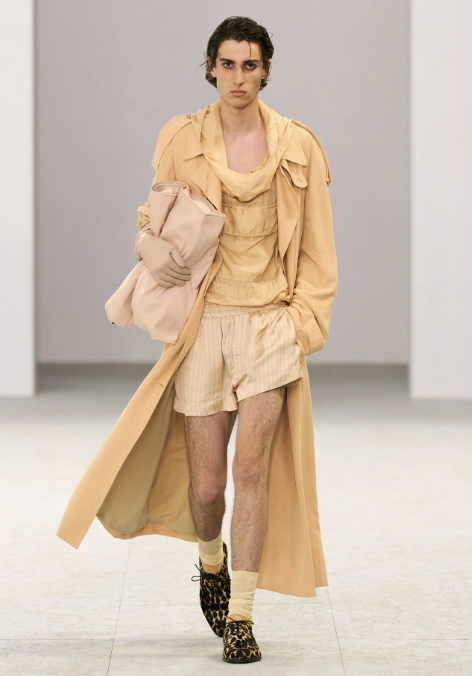
10. Dries Van Noten
Julian Klausner's first menswear collection for Dries Van Noten had one of the biggest expectations of the season, and he delivered a confident debut that respected the house's legacy while introducing his own perspective. Rich colour combinations, relaxed tailoring and tactile fabrics remained at the heart of the collection, but there was a lighter, more fluid energy running throughout.
Rather than attempting to imitate Dries Van Noten's signature style, Klausner focused on evolution instead of reinvention. The result felt modern without losing the quiet sophistication that has made the Belgian house so influential.
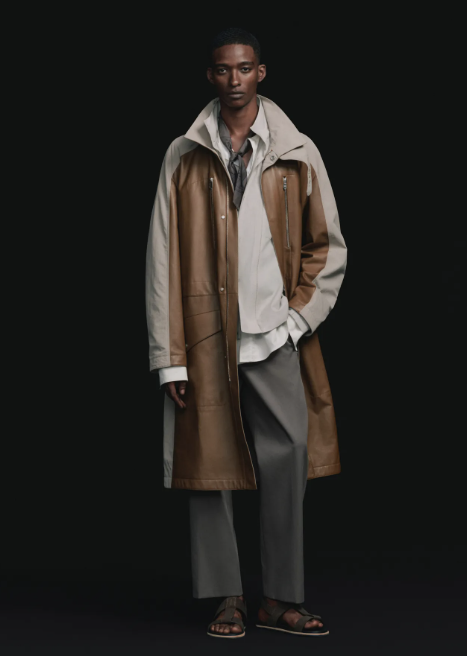
9. Hermès
Between the departure of Véronique Nichanian and the arrival of Grace Wales Bonner next season, Hermès chose continuity over spectacle. Presented in an intimate showroom rather than on the runway, the collection focused on beautifully crafted wardrobe essentials built around leather, lightweight tailoring and effortless knitwear.
Nothing felt forced or trend-driven. Instead, Hermès demonstrated why timeless craftsmanship remains one of luxury fashion's strongest assets, even during a moment of creative transition.
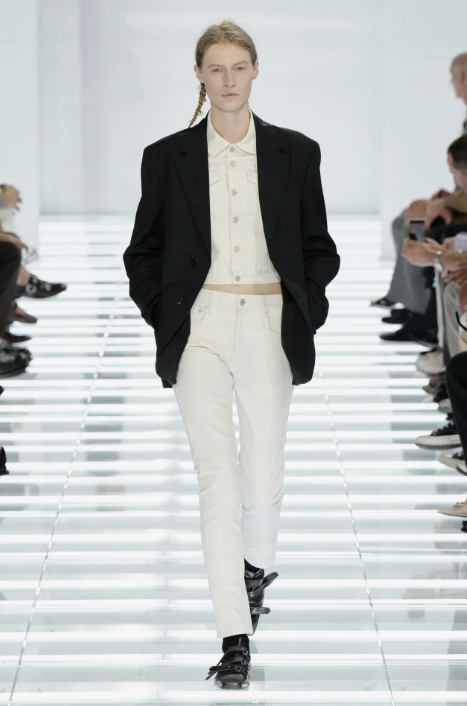
8. Prada
Few brands shape the direction of menswear quite like Prada. For Spring/Summer 2027, Miuccia Prada and Raf Simons continued their exploration of contemporary masculinity through clean tailoring, unexpected proportions and a balance between sophistication and ease.
The collection avoided obvious statements in favour of subtle shifts in silhouette and construction, reinforcing Prada's ability to influence the industry through restraint rather than excess.
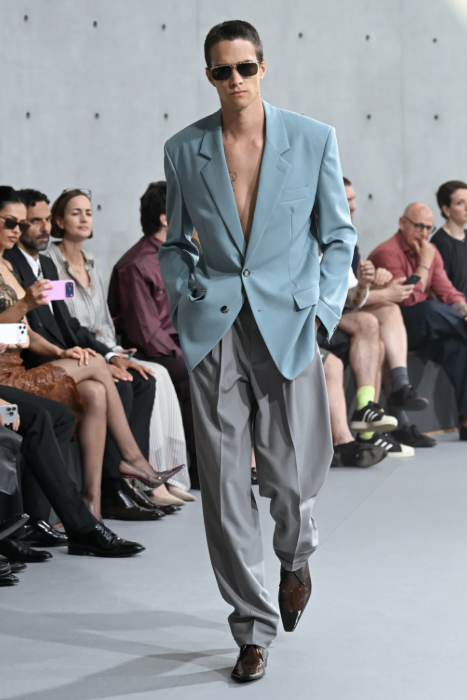
7. Saint Laurent
Anthony Vaccarello stripped menswear back to its essentials with one of the season's most refined collections. Sharp tailoring, elongated silhouettes and an elegant monochromatic palette captured everything Saint Laurent has become under his direction.
The clothes projected confidence without relying on embellishment, proving once again that impeccable cut and proportion remain the house's greatest strengths.
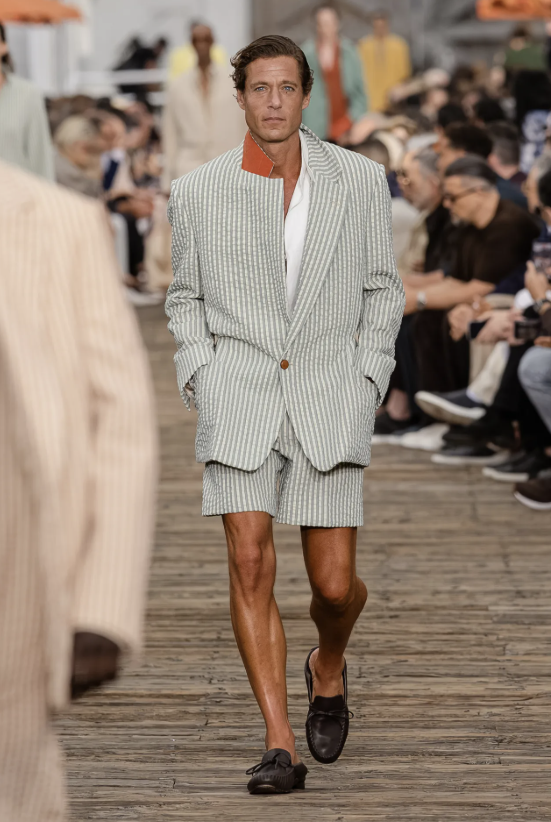
6. Zegna
Alessandro Sartori continued to redefine contemporary luxury through relaxed tailoring and effortless sophistication. Lightweight fabrics, fluid silhouettes and subtle texture created a wardrobe designed for modern life without sacrificing craftsmanship.
As many brands chase novelty, Zegna remains focused on perfecting timeless menswear through exceptional materials and understated design.
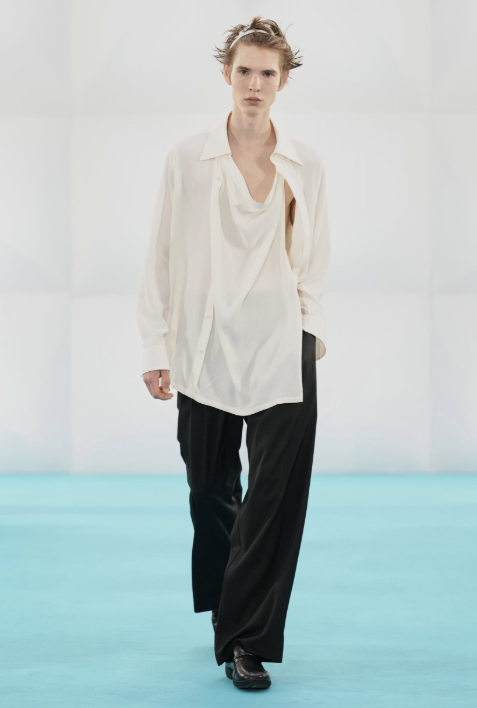
5. Kiko Kostadinov
One of the most intellectually rewarding collections of the season came from Kiko Kostadinov. Inspired by the sculptural work of Agostino Bonalumi, the designer introduced subtle architectural shifts rather than dramatic statements. Off-centre closures, hidden fastenings, curved seams and internal boning quietly transformed familiar garments into something entirely new.
The absence of visible decoration placed full attention on construction and material, allowing tailoring, coated denim and technical fabrics to speak for themselves. It was a masterclass in how innovation can emerge through precision rather than spectacle.
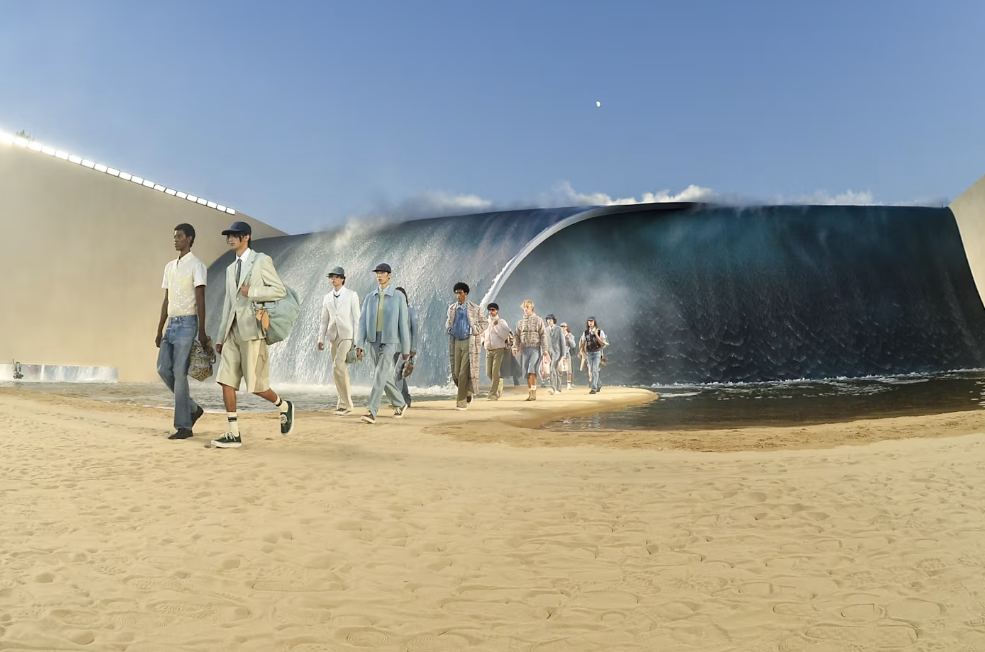
4. Louis Vuitton
Few shows generate as much anticipation as a Louis Vuitton runway, but Spring/Summer 2027 justified the attention. Pharrell Williams delivered what felt like his most cohesive menswear collection since taking over the house, balancing commercial appeal with genuine storytelling.
Presented against an elaborate runway inspired by contemporary travel and cultural exchange, the collection fused luxury tailoring with relaxed sportswear, rich embellishment and references drawn from Indian craftsmanship. Soft suiting, embroidered outerwear, relaxed shirting and beautifully executed leather goods demonstrated a growing confidence in Pharrell's vision, one that no longer relies solely on celebrity or spectacle.
Accessories once again proved central to the narrative. New luggage, footwear and jewellery reinforced Louis Vuitton's position as one of fashion's most influential luxury houses, while the styling felt more mature and refined than previous seasons.
Beyond the clothes themselves, the collection reflected the direction luxury menswear is moving towards: global craftsmanship, softer tailoring and wardrobes designed to move effortlessly between formal and casual occasions.
Pharrell has spent several seasons defining what Louis Vuitton menswear looks like under his leadership. Spring/Summer 2027 felt like the moment that vision fully came together.
Read our full review: Louis Vuitton Spring/Summer 2027: Pharrell Williams Looks East
3. Auralee
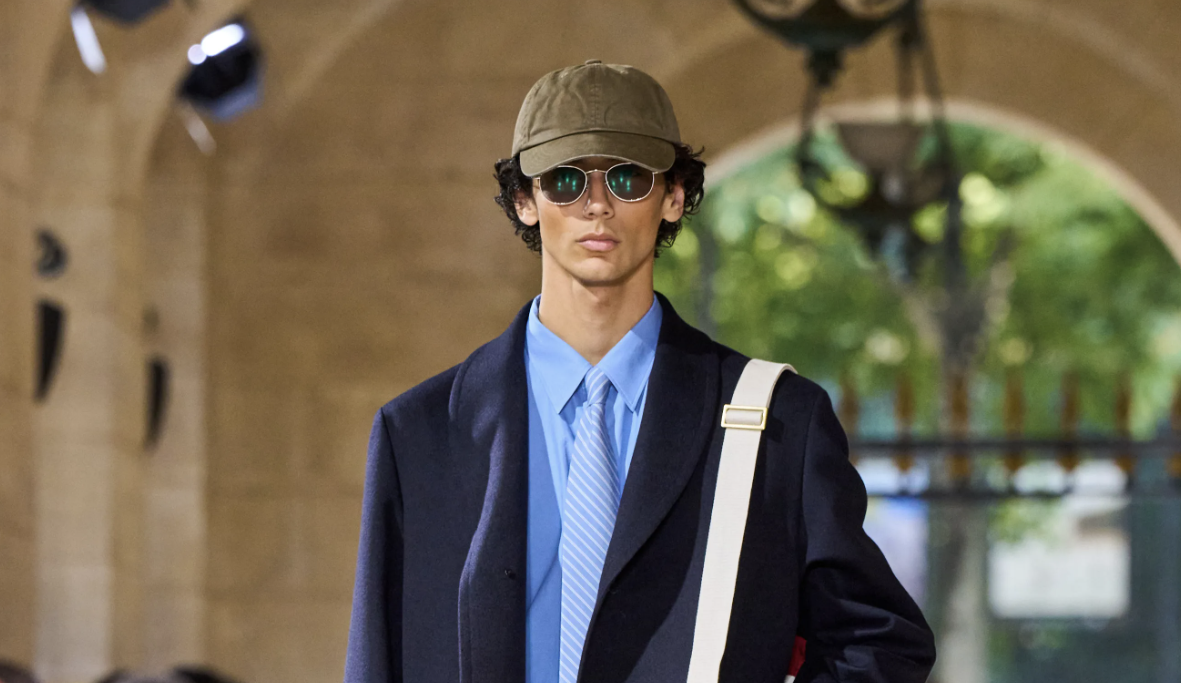
In a season filled with theatrical presentations and conceptual collections, Auralee demonstrated that restraint can be just as powerful. Ryota Iwai once again proved why his label has become one of fashion's most respected names by focusing almost entirely on fabric, proportion and construction.
Nothing appeared overly designed, yet every garment reflected remarkable technical precision. Relaxed tailoring, lightweight outerwear and fluid knitwear were cut to move naturally with the body, while the muted palette allowed the exceptional textiles to become the true focal point.
Auralee continues to redefine luxury through subtlety rather than logos or decoration. Every piece feels considered, timeless and quietly sophisticated, qualities that have earned the Japanese label an increasingly devoted international following.
As fashion continues to swing between maximalism and minimalism, Auralee occupies a space entirely of its own. It doesn't chase trends or attempt to dominate social media; instead, it builds wardrobes designed to last for years rather than seasons.
It was one of the calmest collections shown in Paris—and one of the most memorable.
2. Willy Chavarria
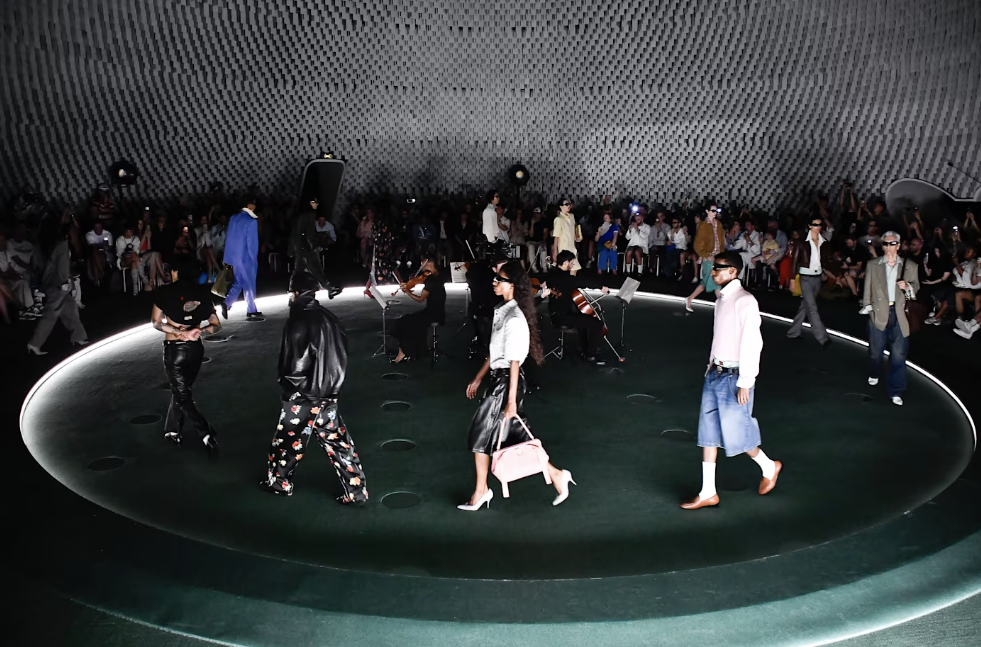
Few designers combine emotion, politics and exceptional tailoring quite like Willy Chavarria. His Spring/Summer 2027 collection was more than a runway show—it was a powerful statement about identity, community and the changing landscape of American menswear.
Oversized tailoring, dramatic proportions and beautifully cut shirting carried the unmistakable Chavarria silhouette, but beneath the strong visual language lay a deeper message about representation and dignity. Every look felt intentional, challenging conventional ideas of masculinity while celebrating individuality through clothing.
Despite its political undertones, the collection never lost sight of craftsmanship. Luxurious fabrics, impeccable construction and confident styling ensured the garments remained desirable beyond the runway.
Chavarria has become one of the defining voices in contemporary fashion because he understands that great design can communicate something far greater than aesthetics alone. His collections consistently balance cultural commentary with commercial relevance, and Spring/Summer 2027 was no exception.
At a time when many luxury brands feel increasingly detached from the world around them, Willy Chavarria continues to produce fashion that feels urgent, human and deeply connected to the present.
1. Dior
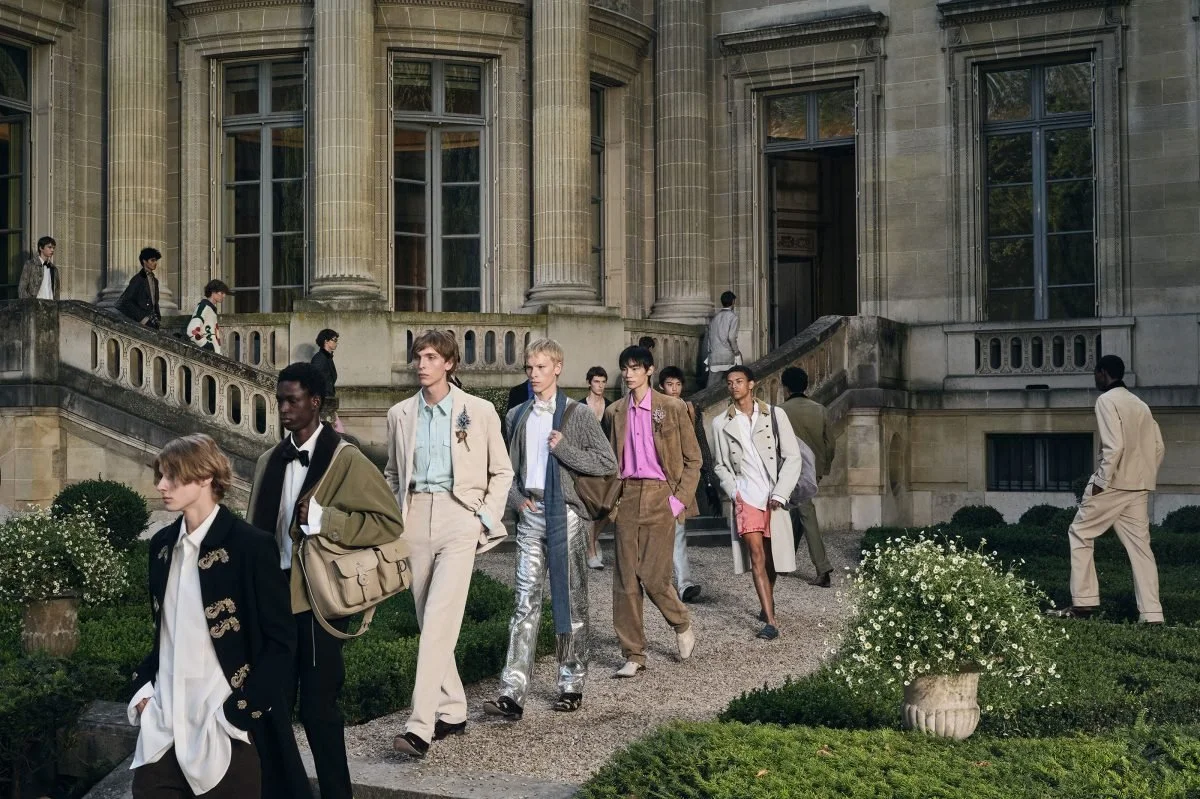
No collection generated more anticipation this season than Jonathan Anderson's first outing for Dior Men. Expectations were enormous, yet the Northern Irish designer delivered one of the strongest debuts Paris has seen in years.
Rather than discarding Dior's heritage, Anderson approached it with curiosity. Familiar tailoring codes were reinterpreted through his own distinctive lens, introducing softer proportions, playful styling and subtle artistic references that have defined his work at both JW Anderson and Loewe. The result felt unmistakably Dior while simultaneously signalling the beginning of a bold new era.
The collection balanced immaculate tailoring with relaxed knitwear, elegant outerwear and luxurious accessories, all presented with an ease that made even the most sophisticated looks appear effortlessly wearable. Every detail—from proportion to fabrication—reflected Anderson's remarkable understanding of modern luxury.
More importantly, the show represented a shift in mood. After several seasons dominated by spectacle and viral moments, Dior reminded audiences that exceptional design remains fashion's greatest form of storytelling. The collection was intellectual without feeling inaccessible, commercial without sacrificing creativity, and deeply respectful of the house's extraordinary legacy.
Its influence is likely to extend well beyond Spring/Summer 2027. Buyers, editors and designers alike will undoubtedly return to this collection as one of the defining moments of the season, and perhaps of the decade.
For Goldfoil, there was little debate. Jonathan Anderson's Dior debut wasn't simply the best collection of Paris Fashion Week—it set the benchmark against which the rest of the season was measured.
Read our full review: Dior Spring/Summer 2027: Jonathan Anderson Begins a New Era