How the Wealthy Are Redefining Travel Through Privacy, Wellness and Slow Living
Luxury travel is becoming harder to recognise in the way it once was.
For years, it was defined by visibility — the hotel lobby that doubled as a social stage, the resort that existed as much on Instagram as it did in reality, the itinerary that prioritised movement over meaning. But increasingly, a different kind of traveller is emerging. One that is less interested in being seen and more interested in not being interrupted. The era of hyper-visible travel — the kind associated with destinations like Capri and the Mediterranean beach club circuit — is beginning to feel increasingly exhausted.
What is changing is not simply where people are going, but how they are choosing to experience time while they are there. There is a growing preference for slower travel, more private environments, and a noticeable withdrawal from the constant documentation that has defined luxury culture over the past decade. In its place is something more restrained: privacy as a baseline expectation, wellness as structure, and travel as a form of recovery rather than display.
This shift begins before arrival.
Private aviation, once shorthand for efficiency, is now being reframed as part of this broader move towards control and insulation. A new generation of services, such as Private Jet Club, reflects this evolution. Built around a membership model rather than ownership, it focuses on access, discretion and continuity — offering everything from paired flights and empty-leg availability to concierge services that extend into hotels, yachts and otherwise inaccessible experiences.
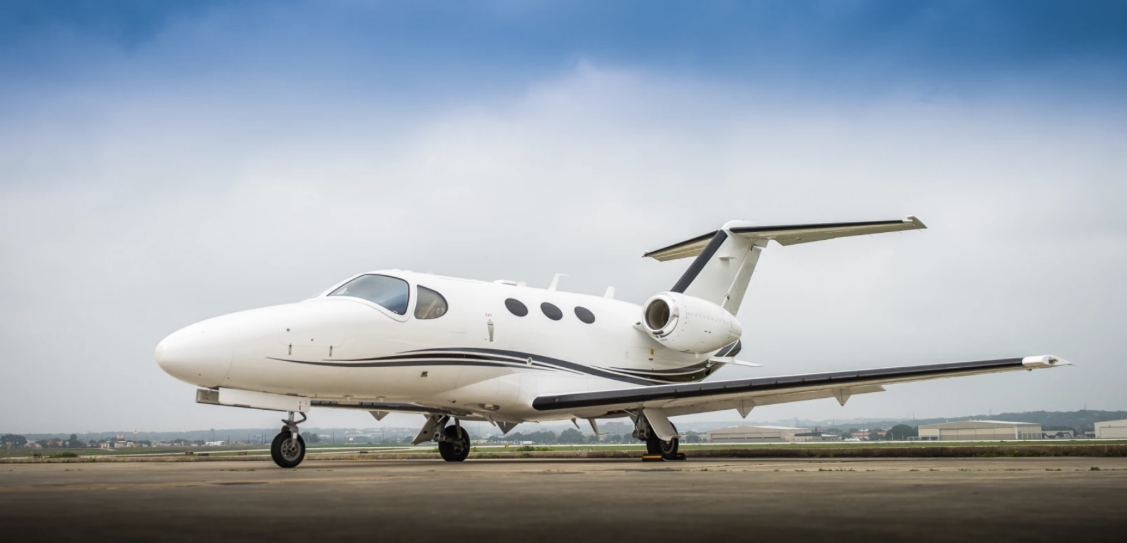
The language around private flying has changed subtly but significantly. It is no longer just about speed. It is about reducing friction entirely — from departure to arrival, and everything in between.
And it is this idea of reduced friction that is quietly reshaping hospitality itself.
Across Europe, the Caribbean and increasingly remote parts of the world, hotels are being designed around a similar principle: to remove interruption from the experience of being somewhere. Not necessarily through minimalism, but through control of pace.
The Hotels Redefining Slow Luxury
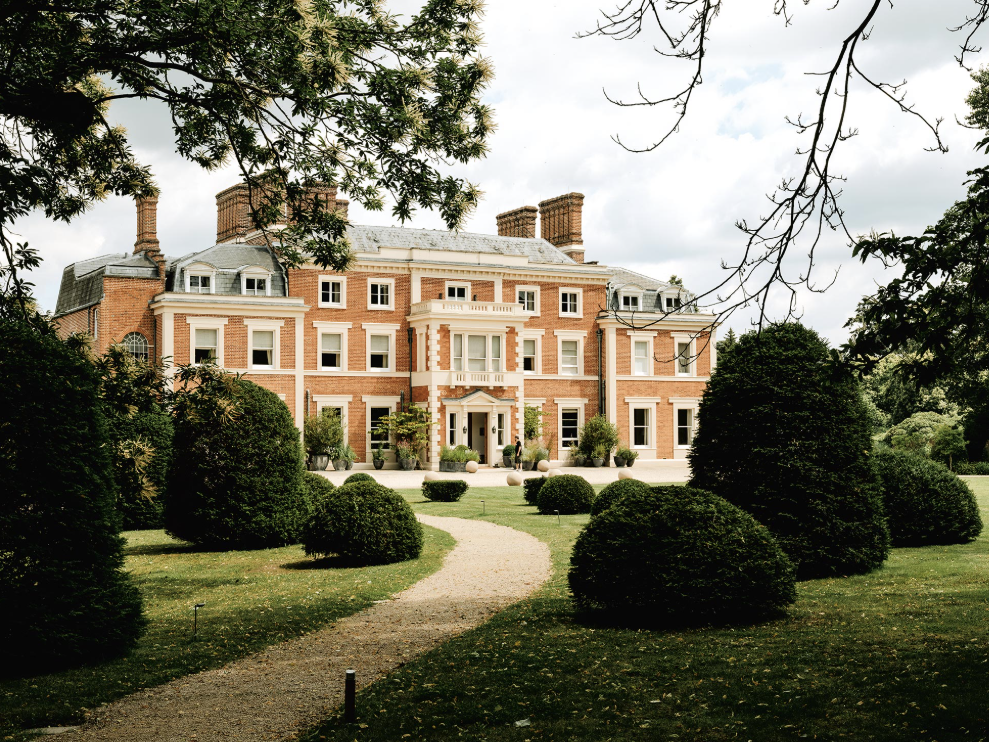
Heckfield Place
At Heckfield Place in Hampshire, this takes the form of deliberate slowness. The estate does not present itself as a destination so much as a landscape you enter into. Guests move between woodland, lake and spa in a rhythm that feels unforced, with The Bothy operating as a device-light space where treatment, nature and stillness are treated as a single system rather than separate offerings.
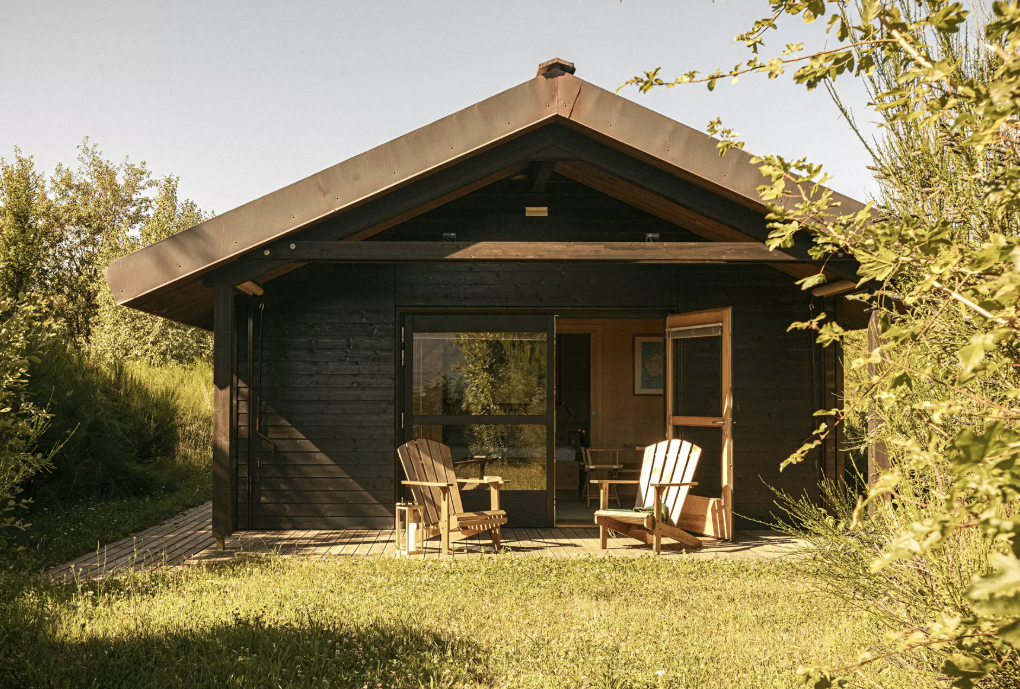
Oasyhotel
In Tuscany, Oasyhotel removes even more of the familiar language of hospitality. There is no sense of arrival in the conventional sense. Instead, wooden lodges sit within a protected WWF reserve, surrounded by forest that dictates the pace of the stay. Days are structured around walking, wildlife, and time spent outside rather than scheduled experiences. It is not designed for consumption of a place, but for gradual absorption of it.
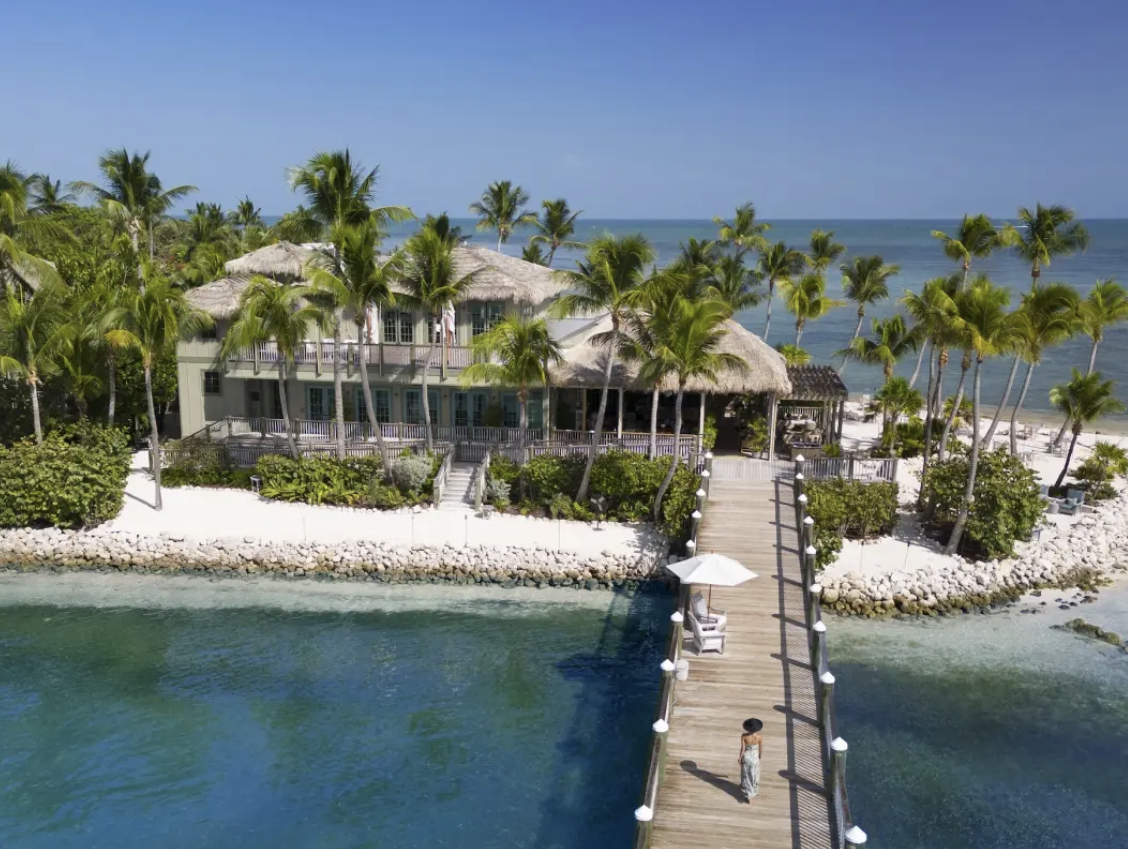
Little Palm Island
In the Florida Keys, Little Palm Island takes privacy to its most literal expression. Accessible only by boat or seaplane, and deliberately limited in its digital presence, it removes proximity to external life almost entirely. What remains is a contained environment where the absence of screens and schedules becomes the defining feature of the stay.
If these properties represent withdrawal, others represent recalibration.
Six Senses Rome
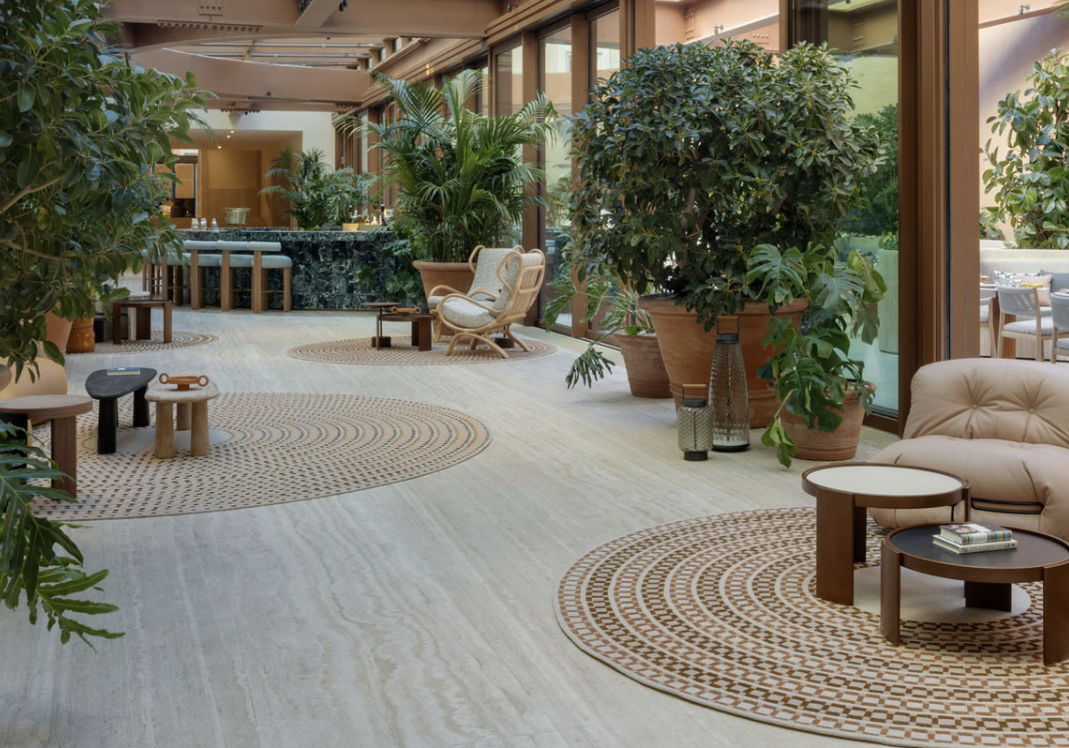
At Six Senses Rome, wellness is embedded directly into the architecture of the city. Within The Whiteley on Bayswater’s Queensway, Roman bathing rituals are reinterpreted through a contemporary lens — warm, cold and tepid circuits designed not as spa treatment, but as a structured way of resetting the body within an urban environment. Here, the idea of a “city break” is inverted. The city does not accelerate you; it slows you down.
The Woodward, Auberge Collection
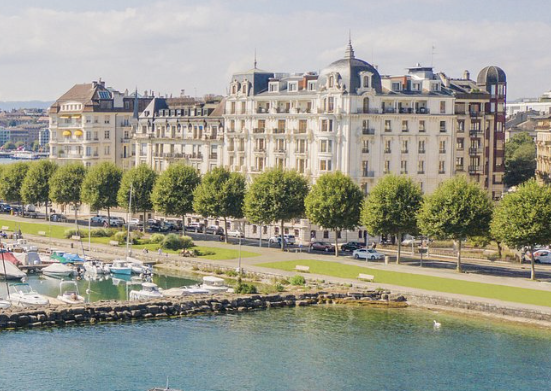
In Geneva, The Woodward, Auberge Collection approaches the same question from the opposite direction. Its Alpine Interlude programme is designed around performance recovery — positioning wellness as something that supports activity rather than replaces it. Ski, recovery, thermal therapy, repeat. The effect is less retreat than maintenance.
Sri panwa Phuket
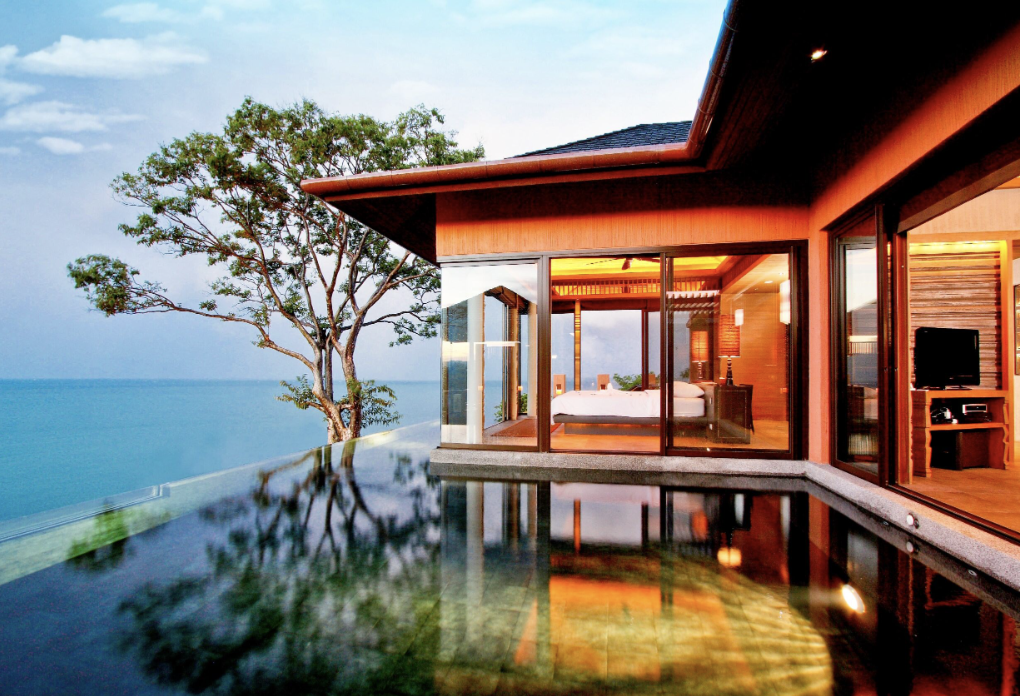
In Thailand, Sri panwa Phuket reflects the growing shift towards quieter, more insulated forms of luxury travel. Spread across Cape Panwa overlooking the Andaman Sea, the resort is structured around privacy and reduced stimulation, with every villa and suite featuring its own infinity-edge pool. Its newer Wellness Pool Suite West integrates sleep-focused wellness features, in-room fitness equipment and restorative treatments directly into the accommodation itself, reinforcing how wellness is increasingly becoming embedded into the architecture of luxury hospitality rather than existing separately from it.
Taken together, these hotels point towards something more consistent than any single trend. Luxury travel is no longer organised around spectacle or status. It is organised around attention.
And attention, increasingly, is something that has to be protected.
Slow travel, then, is not a style of travel so much as a response to saturation. It is the decision to extend time in one place rather than move quickly between many. It is the preference for fewer transitions, fewer decisions, fewer interruptions.
It is also, increasingly, a design choice — built into the way travel is booked, the way journeys are structured, and the way hotels position themselves within a wider ecosystem of experience. The destination is no longer the point of arrival. It is the environment in which attention is managed.
And in that sense, the most significant change in luxury travel is not aesthetic. It is behavioural.
The wealthy are not simply travelling differently. They are travelling with a different relationship to time.
And that, more than anything else, is what defines this new geography of luxury.
For inspiration on what to wear on your next Summer holiday, explore our Summer swimwear for her, and Summer swimwear for him.