Planning a trip to Capri in 2026? This Capri travel guide covers where to stay, the best luxury hotels in Capri, restaurants worth booking, beach clubs, things to do, and how to experience Italy’s most iconic island beyond the day-trip crowds.
Rising dramatically from the Tyrrhenian Sea just off the Amalfi Coast, Capri has long occupied a strange position between fantasy and reality. It is one of the most photographed destinations in Europe, endlessly reproduced through fashion campaigns, yacht imagery, and summer Instagram feeds, yet the island itself is far more layered than its mythology suggests.
Yes, there are designer boutiques climbing through Capri Town, impossibly blue water beneath limestone cliffs, and terraces filled with linen-clad visitors ordering €25 spritzes. But there is also exhaustion, steep staircases, ferry chaos, and a rhythm that only properly reveals itself once the crowds begin to leave in the evening.
Capri works best when approached slowly.
The island is less about ticking off landmarks and more about understanding how to move through it: long lunches overlooking Marina Piccola, late afternoon boat rides around the Faraglioni, quiet mornings in Anacapri before the day-trippers arrive.
This guide breaks down exactly how to experience Capri properly — including where to stay, the best things to do, where to eat, what to wear, and how to avoid the mistakes most first-time visitors make.
If you are planning a European summer itinerary, you may also enjoy our guides to the best European destinations to visit this summer, the best beach clubs in Europe. And for outfit inspiration - the best men’s swimwear brands, and the best women’s swimwear brands for luxury travel.
Why Visit Capri?
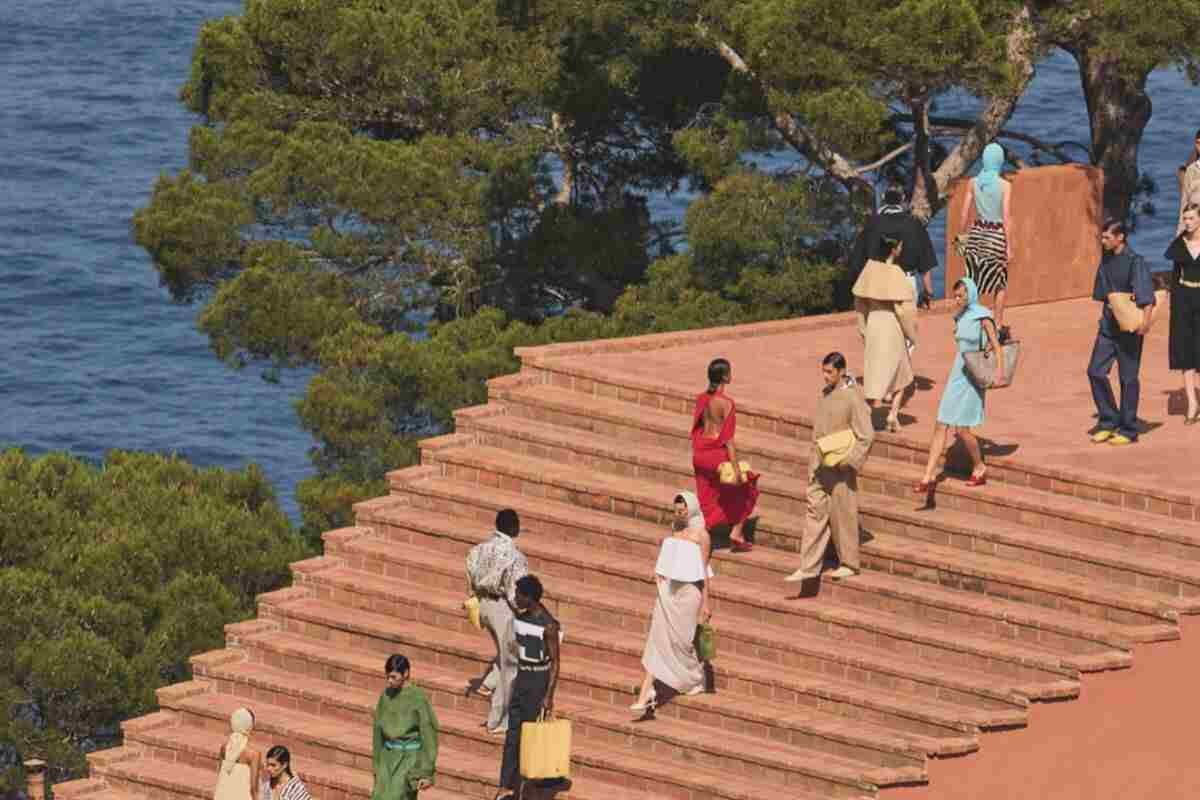
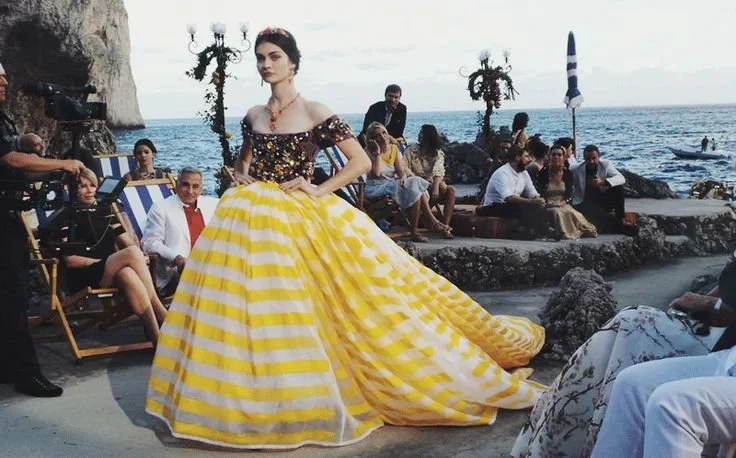
Capri remains one of the most iconic summer destinations in Italy because it offers something few places manage simultaneously: natural beauty, fashion culture, historic glamour, and genuinely dramatic geography.
The island sits within the Bay of Naples, surrounded by towering limestone cliffs, hidden coves, Roman ruins, and some of the Mediterranean’s most recognisable coastal scenery.
But what continues to draw visitors back is the atmosphere.
By day, Capri can feel chaotic and performative, especially around Marina Grande and the Piazzetta. By evening, however, the island transforms completely. The ferries leave, the streets quieten, and Capri begins to feel slower, more cinematic, and noticeably more exclusive.
This contrast is what defines the experience.
Getting Around the Island
Capri is small on a map, but it rarely feels that way in motion.
There are only a few ways to move around: walking, buses, taxis, or scooters. Each comes with its own logic. Walking is the most direct way to experience the island, but also the most physically demanding, especially in summer heat, where staircases become a constant presence rather than an occasional feature.
Public buses connect the main points (Capri town, Anacapri, Marina Grande), and while inexpensive, they are often full during peak hours, with queues forming quickly in central stops. Taxis are iconic in their own right: open-top vehicles designed for views rather than practicality, and priced accordingly.
And then there is Anacapri - slower, quieter, and noticeably less congested. It sits slightly above the rest of the island both geographically and atmospherically, offering a different version of Capri entirely. If Capri town is about energy and visibility, Anacapri is about space.
Where To Stay In Capri
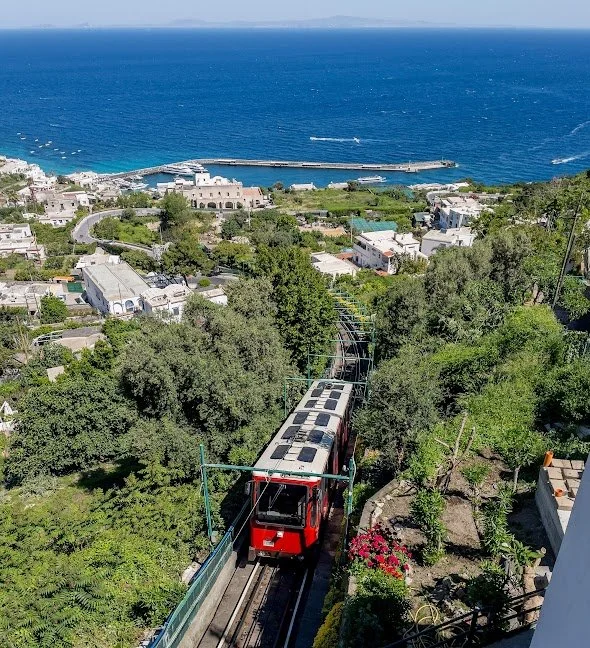
Choosing where to stay in Capri shapes the entire trip.
The island divides broadly into two areas:
Capri Town
Anacapri
Capri Town is livelier, more social, and closer to luxury shopping, restaurants, and nightlife. Anacapri is quieter, more spacious, and better suited to slower luxury travel.
Best Luxury Hotels In Capri
Capri Tiberio Palace
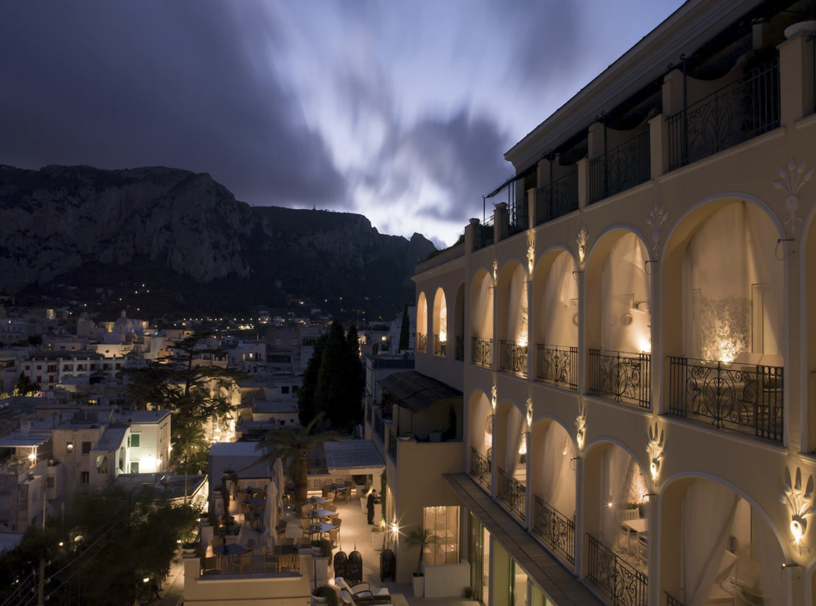
One of the most stylish hotels in Capri, Capri Tiberio Palace lends maximalist interiors with a central location just moments from the Piazzetta.
The hotel attracts a fashionable crowd during summer, particularly around the pool terrace and evening aperitivo service. Interiors lean colourful and cinematic rather than traditionally Mediterranean, giving the property a distinct identity compared to Capri’s more classic hotels.
Best for:
stylish luxury stays
Capri Town location
social atmosphere
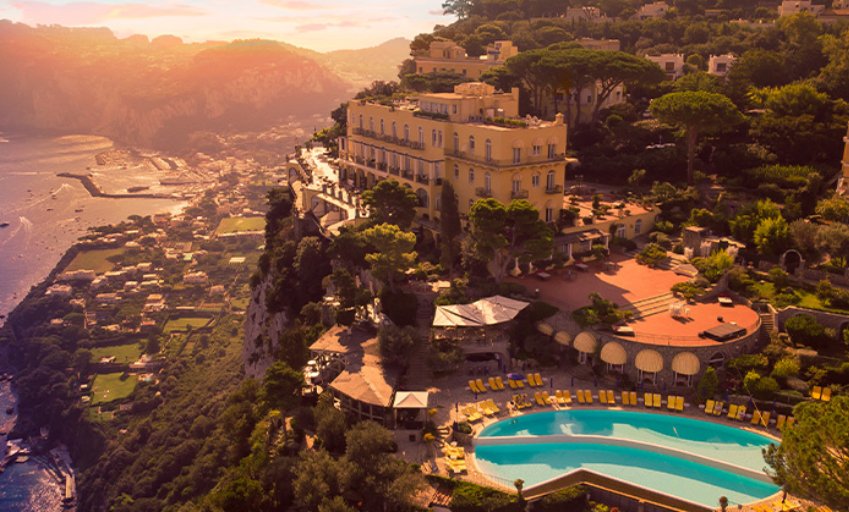
Caesar Augustus Hotel
Perched dramatically above the coastline in Anacapri, Caesar Augustus offers some of the best hotel views anywhere in Italy.
Infinity terraces open directly onto panoramic views across the Bay of Naples towards Mount Vesuvius, while the atmosphere feels noticeably calmer than Capri Town below.
This is one of the island’s strongest options for couples, honeymooners, and travellers prioritising privacy.
Best for:
panoramic sea views
luxury couples travel
quiet stays in Anacapri
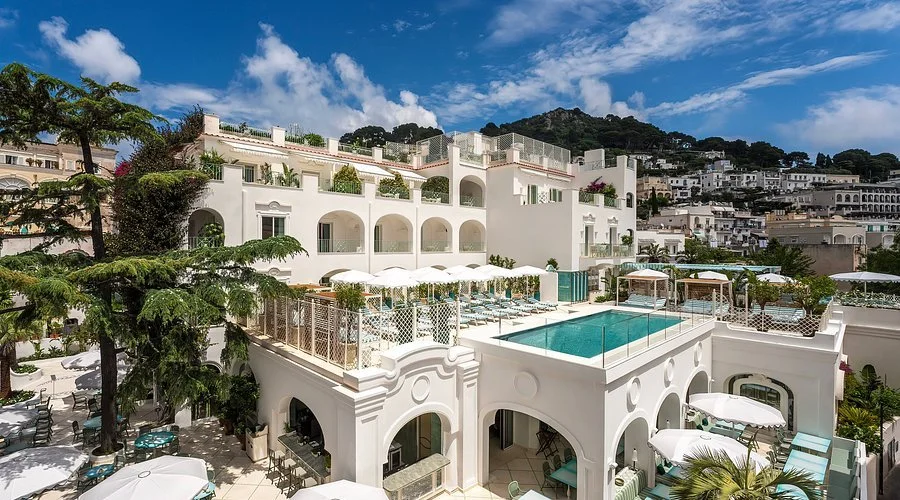
Hotel La Palma
Hotel La Palma represents Capri’s modern social luxury scene.
Recently redesigned, the hotel combines contemporary Mediterranean interiors with a more polished, international resort atmosphere, attracting a younger luxury crowd than many of Capri’s traditional grand hotels.
Its rooftop restaurant and central location place guests directly within Capri Town’s energy, making it ideal for travellers who want immediate access to the island’s restaurants, boutiques, and nightlife.
Best for:
modern luxury
social atmosphere
central Capri Town location
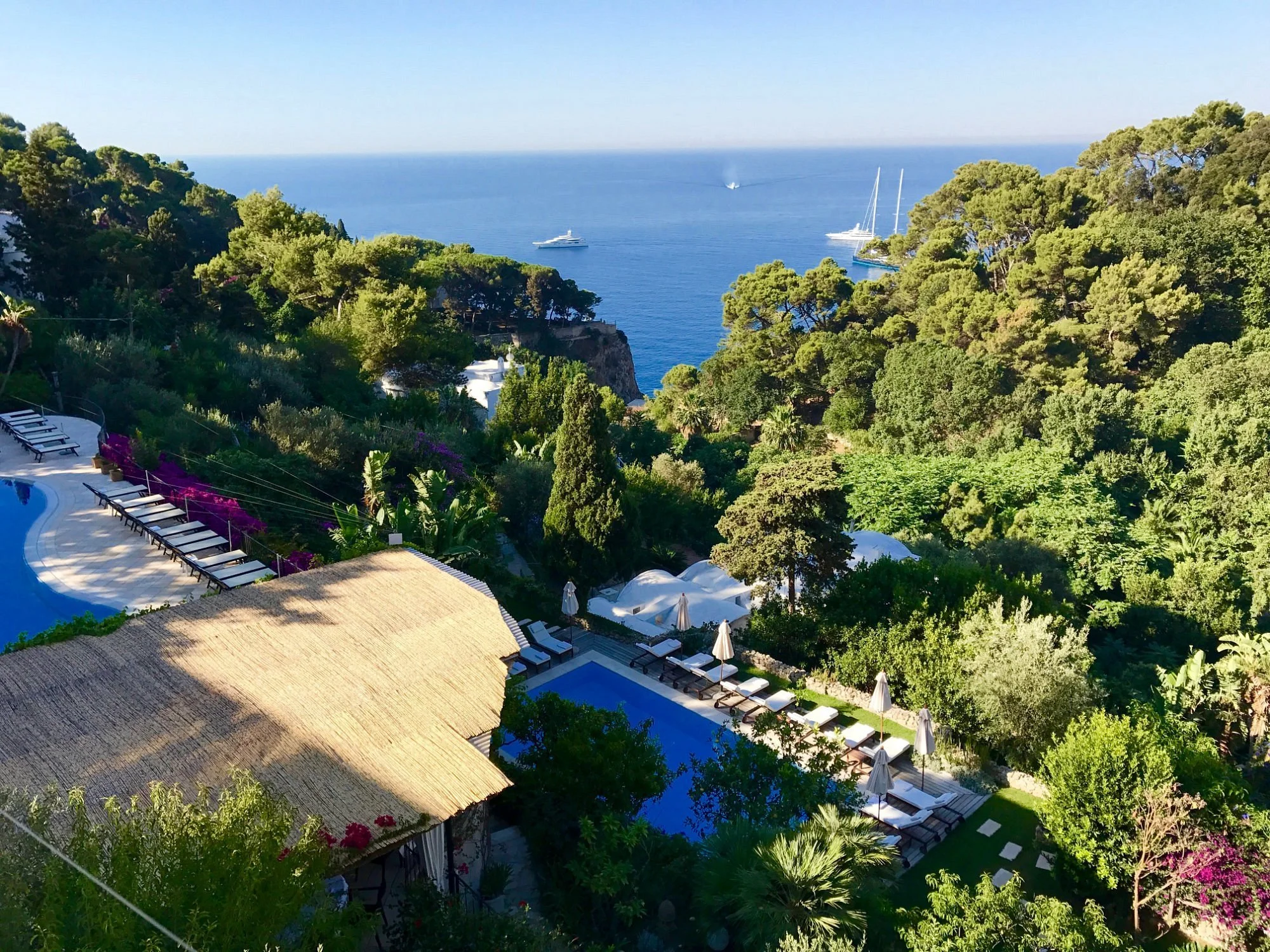
Hotel La Vega
Hotel La Vega represents Capri’s quieter, more traditional side.
Family-run and low-key, the hotel sits above Marina Piccola with panoramic sea views, a relaxed pool terrace, and a noticeably calmer atmosphere than many of the island’s larger luxury properties.
The experience here feels slower and more personal, appealing to travellers looking for simplicity, privacy, and classic Capri charm over scene-driven luxury.
Best for:
quiet atmosphere
sea views
relaxed boutique feel
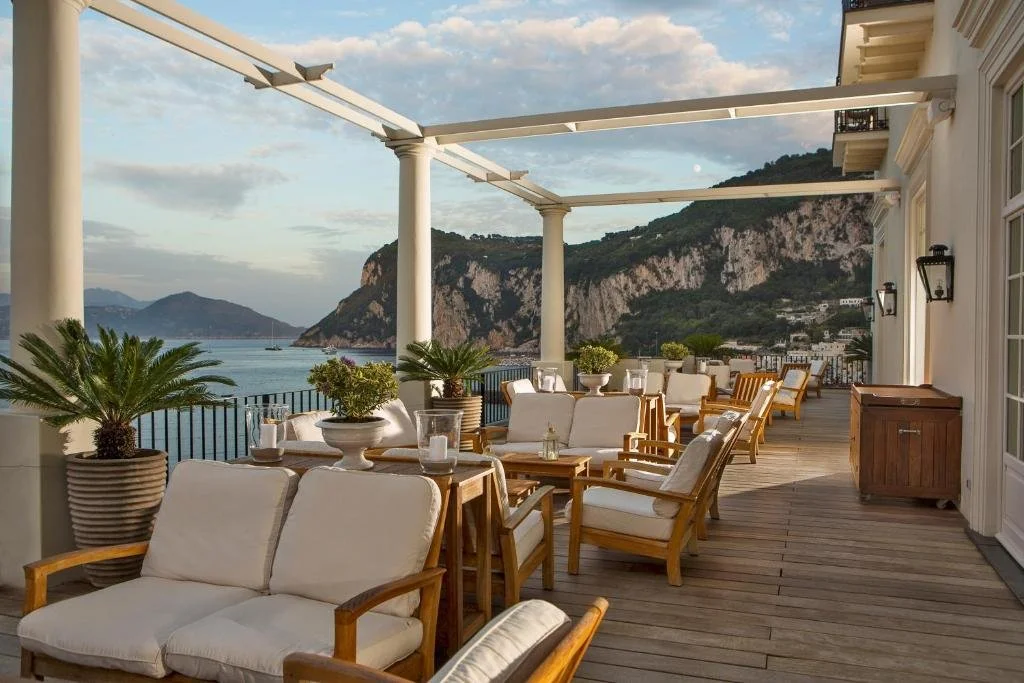
J.K. Place Capri
J.K. Place represents Capri’s quieter interpretation of luxury.
Located near Marina Grande, the hotel feels removed from the island’s intensity, focusing instead on understated interiors, soft neutral tones, and highly personalised service.
The atmosphere is discreet rather than scene-driven, making it ideal for travellers who prefer refined luxury over visibility.
Best for:
understated luxury
quiet atmosphere
elegant design
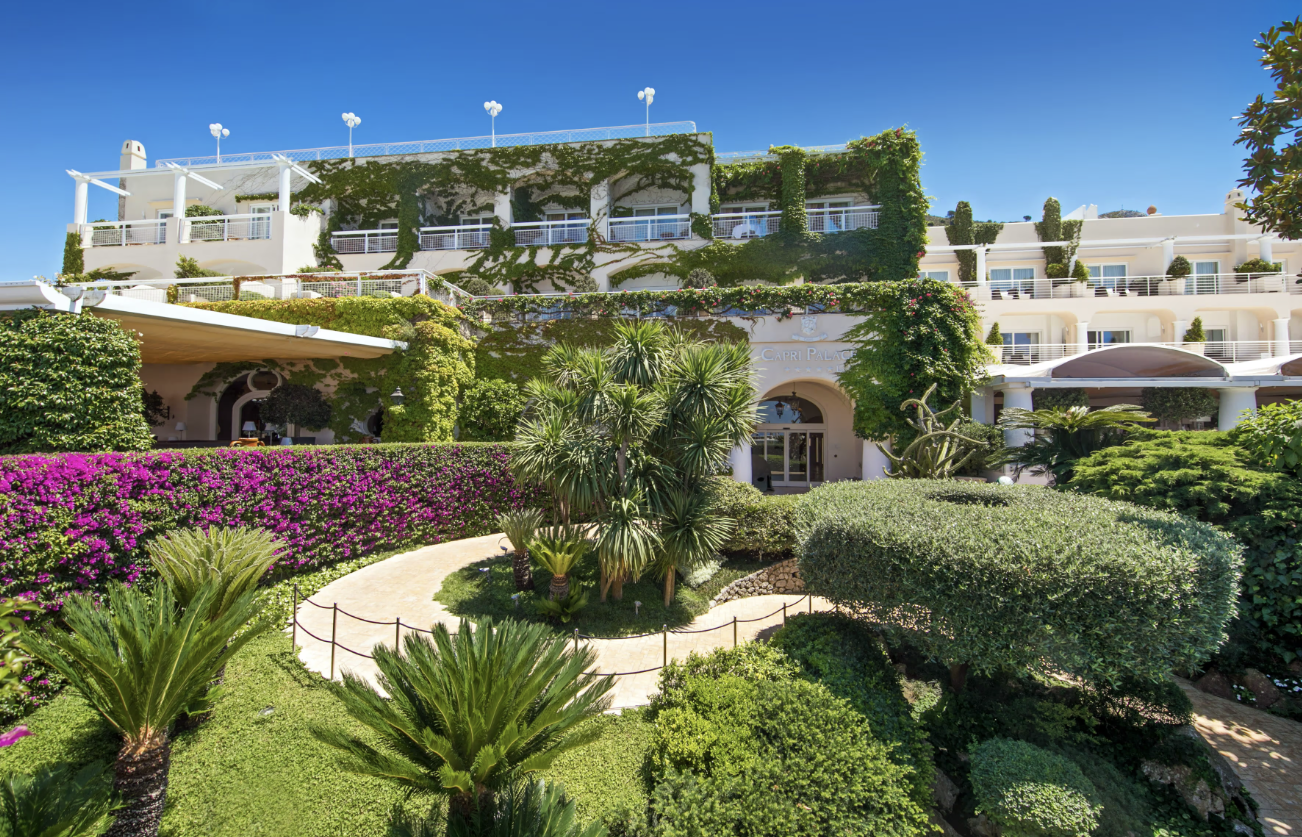
Capri Palace Jumeirah (Anacapri)
Capri Palace Jumeirah represents Anacapri’s elevated approach to luxury hospitality.
Located in the quieter upper part of the island, the hotel blends Mediterranean architecture with contemporary interiors, a strong wellness focus, and one of Capri’s most established luxury spa experiences.
The property feels more self-contained than Capri Town’s social hotels, with Michelin-level dining, curated art throughout the interiors, and access to the famous Il Riccio beach club.
Best for:
wellness and spa experiences
Anacapri location
design-led luxury
Best Things To Do in Capri
Capri is small enough to explore without rushing, but layered enough that the best experiences come from mixing the obvious with the quieter, slower moments. The island works best when you do less, not more, and let the geography guide the day.
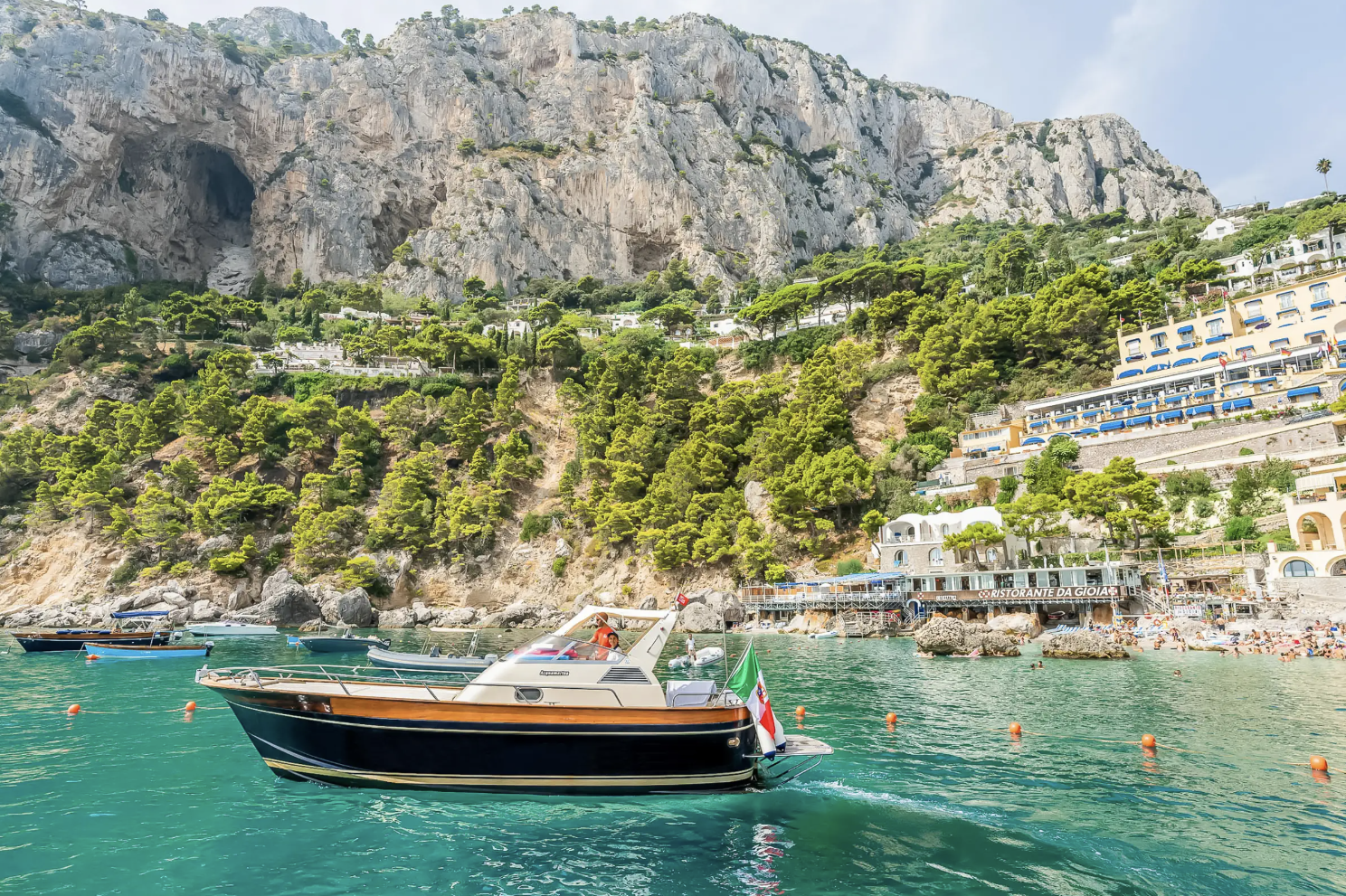
Boat trip around the island
A boat trip is the most complete way to understand Capri. From the sea, the island makes far more sense: cliffs sharpen, coves appear, and villas reveal themselves in places you would never spot from land. It also gives you the clearest view of the Faraglioni rocks, which feel entirely different when you are level with them rather than looking down from above.
Circle the island by private boat or small group tour
Pass under the Faraglioni rock arch for the classic photo moment
Explore sea caves and hidden coves along the coastline
Stop for swimming in quiet bays away from Marina Grande
Time it for late afternoon if you want softer light and calmer sea conditions
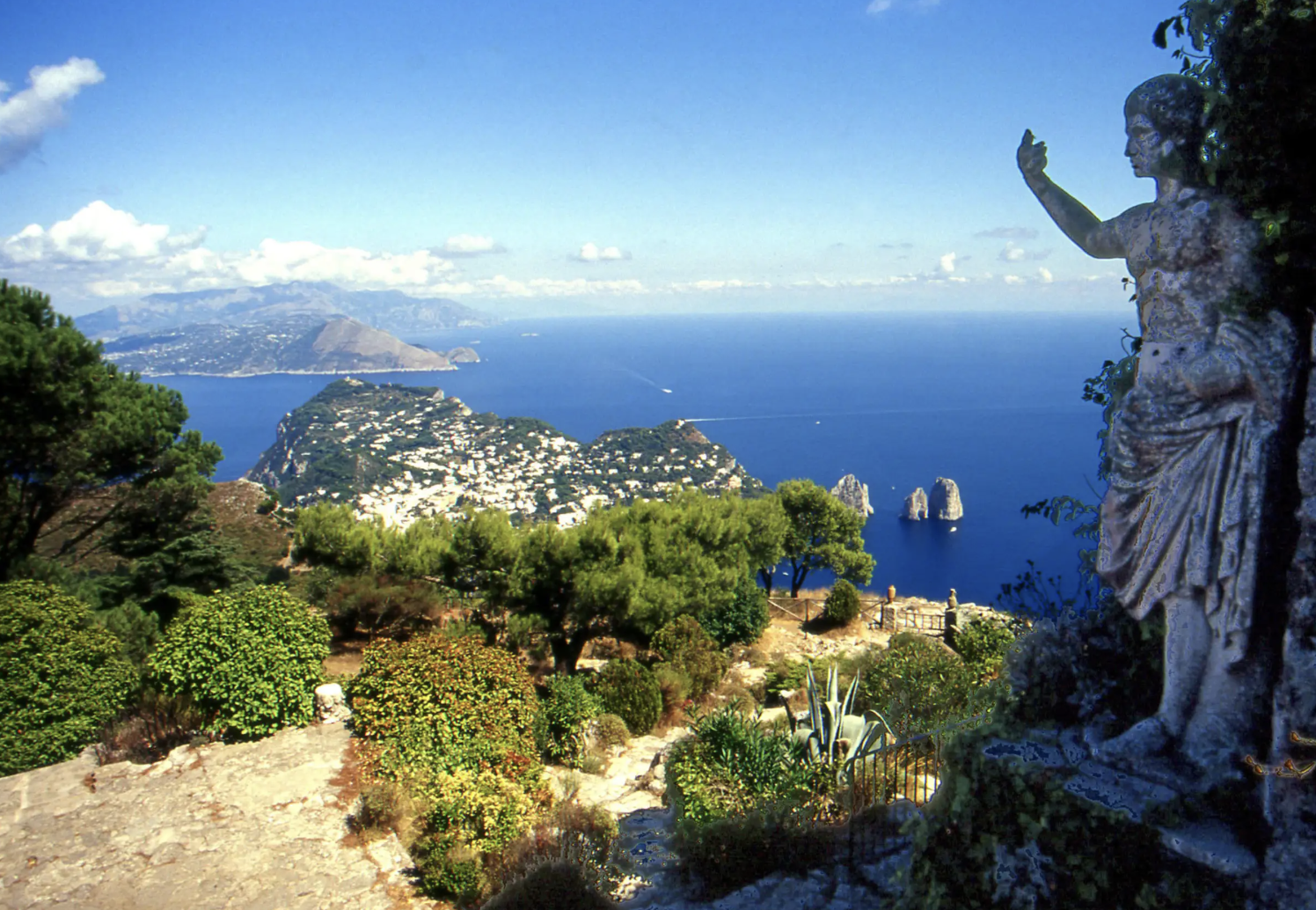
Monte Solaro chairlift (or walk)
Monte Solaro is the highest point on the island, and the views are unfiltered: the entire Bay of Naples, the Amalfi Coast, and surrounding islands spread out in every direction. The chairlift is simple but slightly exposed, which adds to the experience.
Take the chairlift from Anacapri for the easiest ascent
Walk down if you prefer a slower, scenic descent through quieter paths
Visit just before sunset for the best light over the coastline
Look out for the small café at the top for a short pause with a view
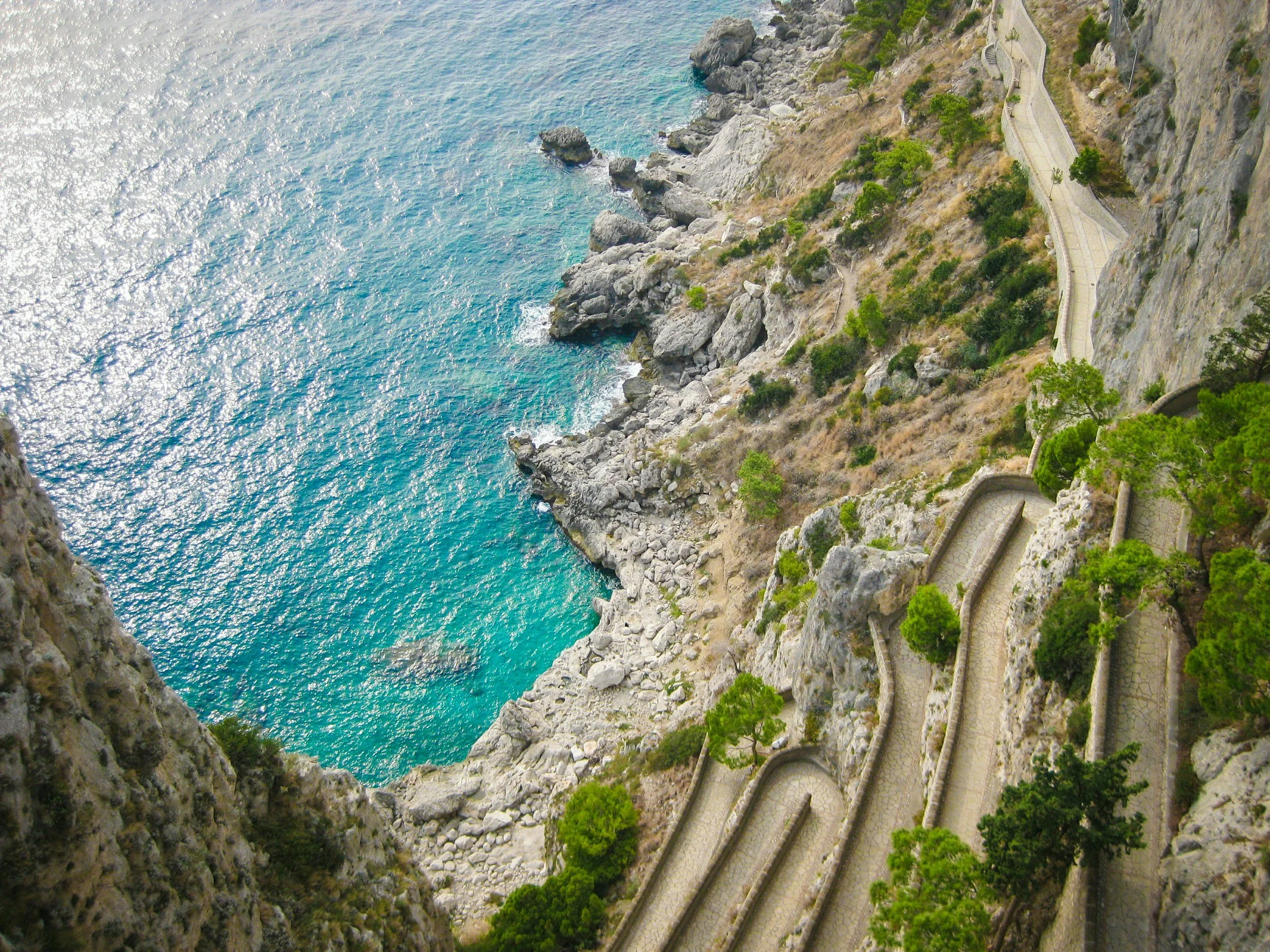
Via Krupp and the Gardens of Augustus
This is one of Capri’s most photographed viewpoints, but it is still worth doing in person. The contrast between manicured gardens and dramatic cliffs is what makes it memorable, and the view down Via Krupp feels almost unreal in its geometry.
Wander through the Gardens of Augustus for panoramic views of the Faraglioni
View Via Krupp’s winding switchbacks carved into the cliffside
Pause at multiple viewpoints rather than rushing through
Combine it with a walk down to Marina Piccola if the route is open
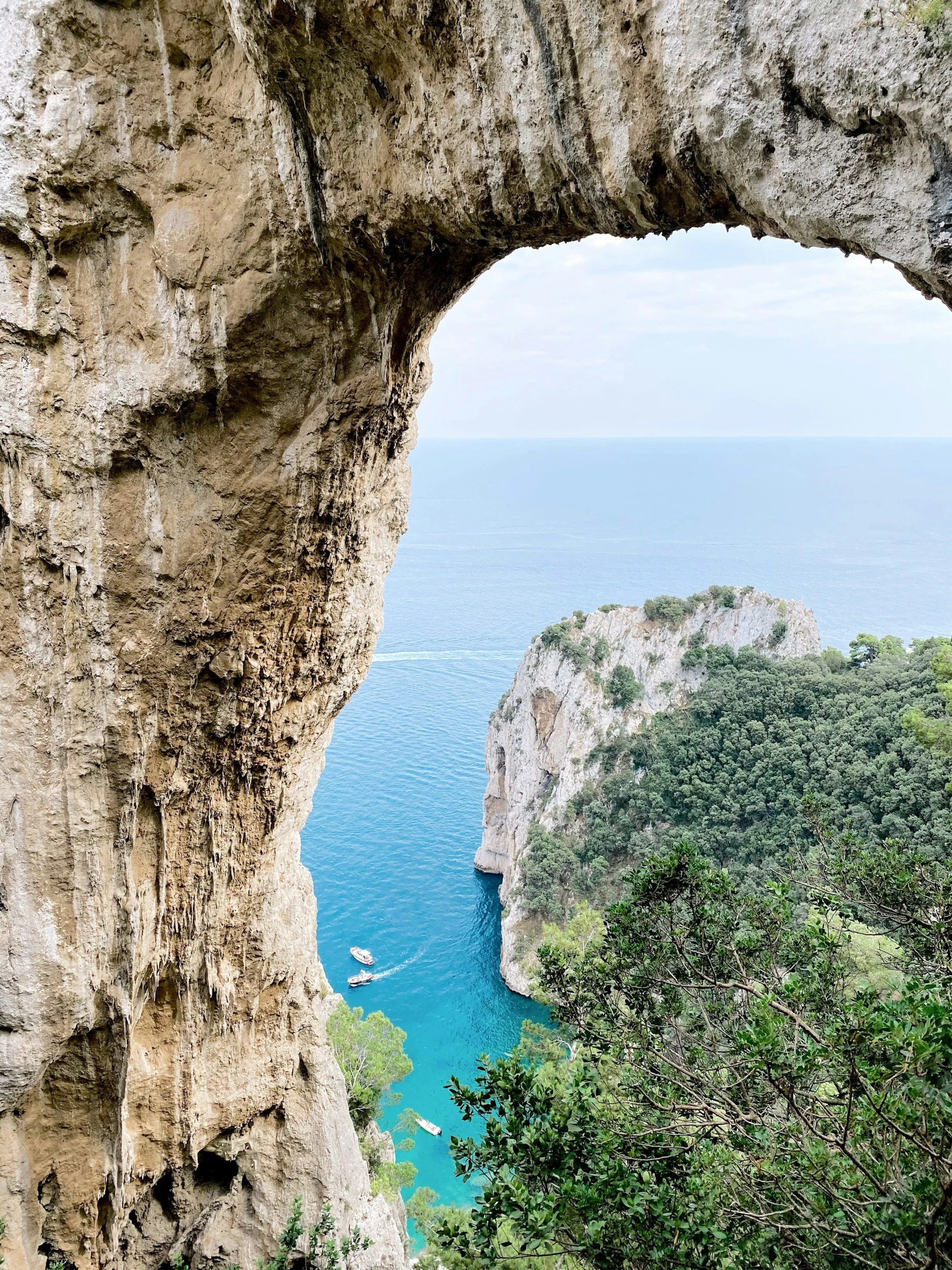
Arco Naturale and coastal walk
This is the island’s most complete walking route, combining cliffs, forested paths, ruins, and open sea views. It feels more remote than Capri Town, even though it is only a short walk away.
Start in Capri Town and follow signs towards Arco Naturale
Stop at the natural rock arch for one of the island’s key viewpoints
Continue along cliffside paths towards Grotta di Matermania
Pass Punta Tragara for elevated views over the Faraglioni
Finish back in town for a late lunch or aperitivo
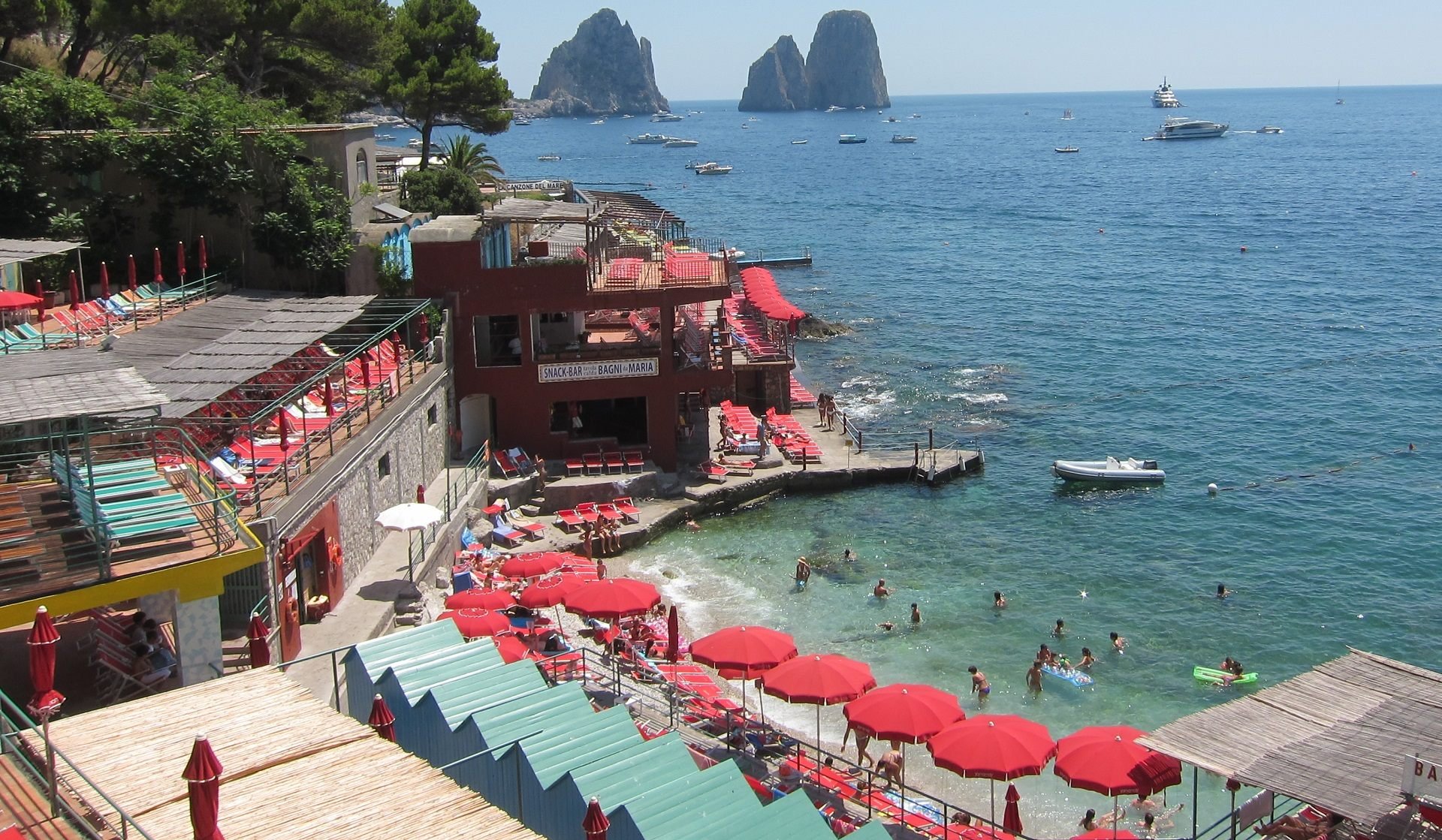
Marina Piccola beach clubs
Capri is not a traditional beach destination, but Marina Piccola offers one of the few accessible swimming spots with direct views of the Faraglioni. It is more about lounging and dining than sand.
Book a sunbed at a beach club for the full experience
Swim in clear water with direct views of the cliffs
Arrive early in peak summer as space is limited
Stay for a long lunch rather than treating it as a short stop
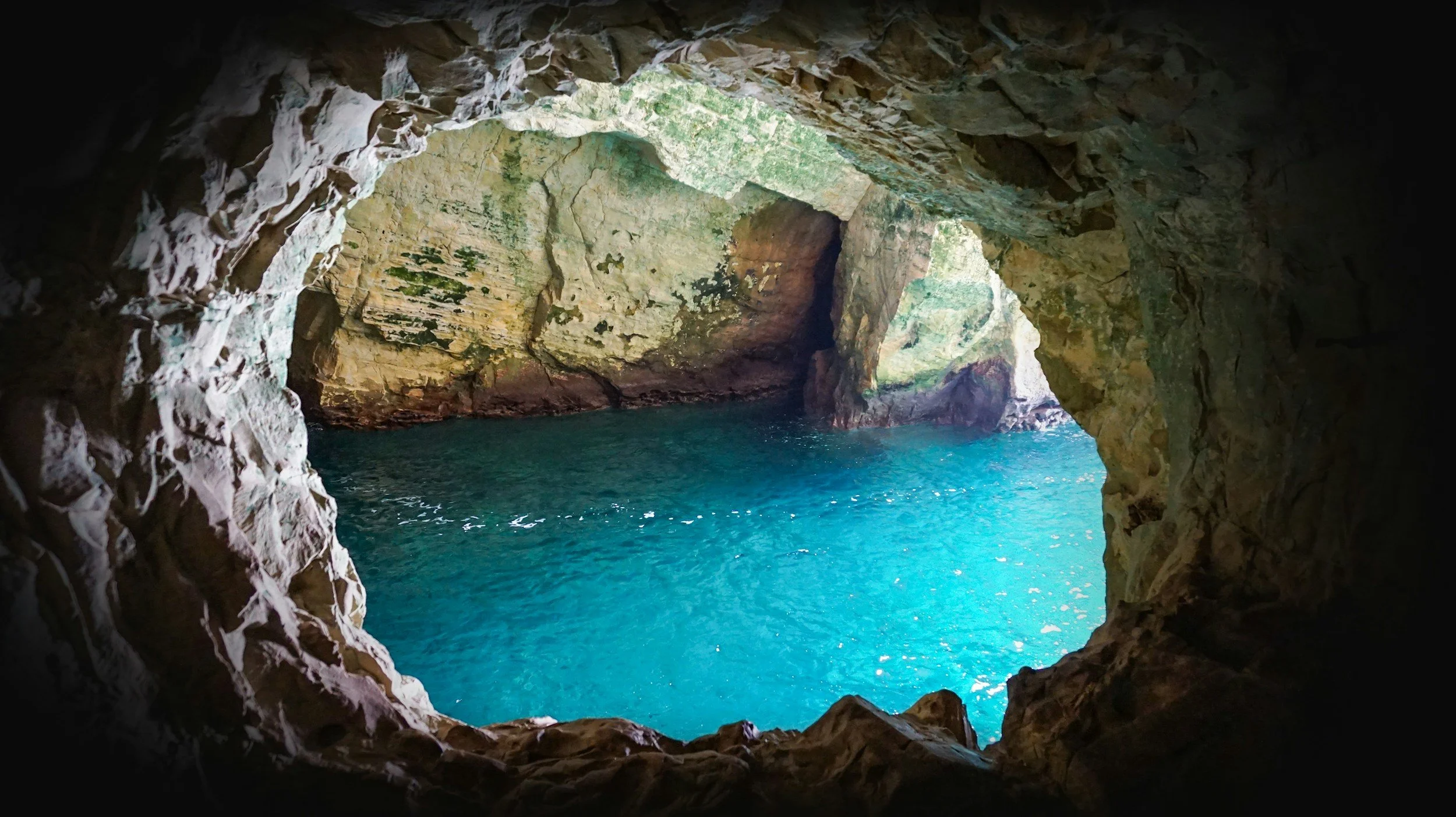
Blue Grotto (worth considering, but optional)
The Blue Grotto is one of Capri’s most famous attractions, but it is also the most unpredictable. Conditions, queues, and timing can make it either magical or slightly underwhelming, depending on the day.
Visit early morning to avoid peak queues
Be prepared for waiting times and small boat transfers
Enter only when sea conditions allow access
Consider it optional if you have already booked a private boat
Why Capri Feels Different
What defines Capri is not just its beauty, but its contrast.
It is an island that operates in two distinct states: high-intensity daytime tourism and a more restrained, almost private evening atmosphere once the ferries leave. During the day, it can feel like the entire Mediterranean has arrived at once. By evening, it reverts to something more controlled - a place where light, sea, and architecture begin to matter more than movement.
This duality is why Capri continues to attract repeat visitors rather than one-time travellers. It is not a destination you fully absorb in a single visit. It is something you gradually learn to time correctly.
Stay with it, and it becomes less about what you see and more about how you move through it.
Capri vs Anacapri: Where To Stay
Anacapri
Anacapri feels noticeably different from Capri Town. It sits higher up the island, both physically and atmospherically, and moves at a slower pace. Where Capri Town is polished and performative, Anacapri is quieter, more residential, and more relaxed, with whitewashed streets, local cafés, and fewer overtly luxury cues.
One of the key experiences here is the chairlift up Monte Solaro Monte Solaro. It is a simple ride, but the views from the top stretch across the entire Bay of Naples on a clear day, with Capri, Ischia, and the mainland all visible at once. It is one of the best vantage points on the island, especially just before sunset when the light softens across the sea.
Another highlight is Villa San Michele, the former home of Swedish physician Axel Munthe. It combines history, sculpture, and gardens in a way that feels unusually calm for Capri. The terrace alone is worth the visit, offering a wide, uninterrupted view over Marina Grande and beyond.
Anacapri is also where you will find more traditional food spots and family-run restaurants. It is less about scene-setting and more about simple, well-prepared local dishes, often with produce grown nearby or sourced from the island.
Capri Town
Capri Town is the island’s main hub and the first place most visitors properly experience after arriving at Marina Grande. It is compact, but tightly layered, with winding pedestrian streets, designer boutiques, hidden courtyards, and sudden viewpoints that open out over the sea. Despite the crowds in peak season, it still manages to feel atmospheric rather than chaotic once you drift away from the main routes.
At its centre is the Piazzetta di Capri Piazzetta di Capri, often described as the island’s living room. By day it functions as a meeting point for arrivals, taxis, and coffee stops. By evening, it becomes something closer to a ritual space, where aperitivo hour sets the rhythm and people linger far longer than they planned. It is not a quiet experience, but it is one of the most recognisable on the island.
Just above the town, the Giardini di Augusto Giardini di Augusto offer a slower contrast. The gardens are neatly arranged, but the real focus is the view: the Faraglioni rocks, the switchback curves of Via Krupp, and the deep blue drop of the coastline below. It is a short visit, but one that gives context to the island’s dramatic geography.
Capri Town is also where Via Camerelle and the surrounding streets concentrate the island’s shopping scene. Luxury brands sit alongside local artisans, creating a mix that feels more theatrical than practical. Even if you are not shopping, walking these streets is part of the experience, especially in the late afternoon when the light softens and the day begins to shift towards evening.
Further along the edges of town, quieter paths lead towards viewpoints like Punta Tragara, where the landscape opens out again and the density of the centre falls away. This transition from busy lanes to open sea views is what defines Capri Town more than any single landmark.
Best Restaurants In Capri
Capri’s restaurant scene ranges from highly polished luxury dining to more traditional seafood spots hidden away from the main tourist routes.
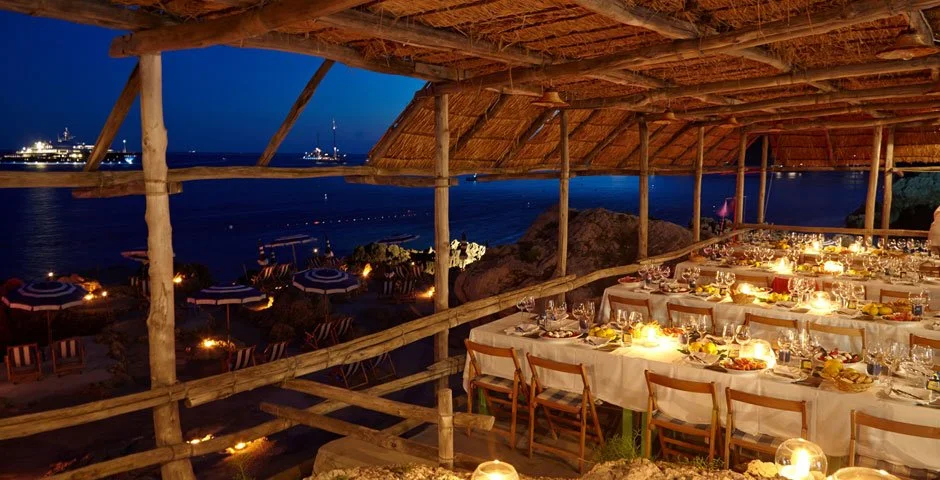
La Fontelina
If you do one meal in Capri, make it here. La Fontelina is basically the definition of Capri vibes: sunbeds perched under the Faraglioni rocks, impossibly chic crowds pretending not to notice each other, and seafood so fresh you’ll wonder if the lobster was sunbathing next to you five minutes earlier. Book ahead, both tables and loungers vanish faster than a spritz on a hot day.
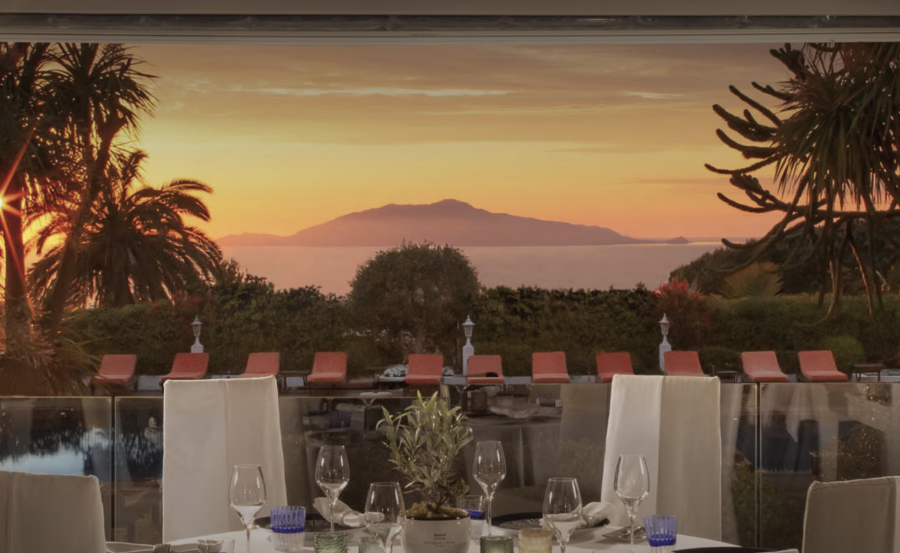
L’Olivo
When flip-flops and pasta no longer cut it, head to L’Olivo at the Capri Palace Jumeirah. Two Michelin stars, a menu crafted by Andrea Migliaccio (a local hero from Ischia), and pasta that feels like edible poetry. The lemon-scented tagliolini with burrata, red prawns, and sea asparagus is the sort of dish you’ll dream about on the ferry home.
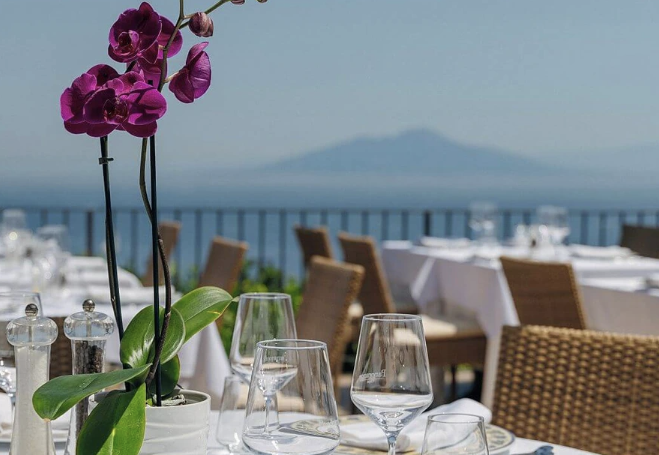
Ristorante Panorama
The name is no lie, the views here are spectacular. Panorama is known for its warm, attentive service (though occasionally you’ll wait a little longer than you’d like), and the seafood pasta is exactly what you want after a day of shopping and stair climbing. It’s not cheap, but the views alone almost justify the bill. Almost.
Is Capri Expensive?
Yes — Capri is one of the most expensive destinations in Italy.
Average summer prices include:
luxury hotels: €700–€2,500+ per night
beach clubs: €80–€250 for sunbeds
cocktails: €20–€30
seafood restaurants: €100–€250 per person
ferry tickets from Naples: around €30–€50 each way
Travellers on tighter budgets often stay in Naples, Sorrento, or the Amalfi Coast and visit Capri as a day trip instead.
What To Wear In Capri
Capri’s aesthetic sits somewhere between relaxed Italian tailoring and luxury resortwear.
The island’s style leans toward:
linen shirts
relaxed tailoring
luxury sandals
swimwear as daywear
oversized sunglasses
lightweight summer fabrics
For more inspiration, explore our guides to the best luxury swimwear brands, the best men’s swim shorts, and the ultimate European summer packing list.
Final Thoughts
Capri is not simply a beautiful island. It is one of the defining symbols of Mediterranean summer culture — a place shaped equally by geography, fashion, hospitality, and performance.
At times it can feel overcrowded, expensive, and exhausting. But approached correctly, particularly outside the peak daytime rush, it becomes one of the most rewarding destinations in Europe.
The key is understanding that Capri is less about seeing everything and more about settling into its rhythm.
That is when the island finally begins to make sense.