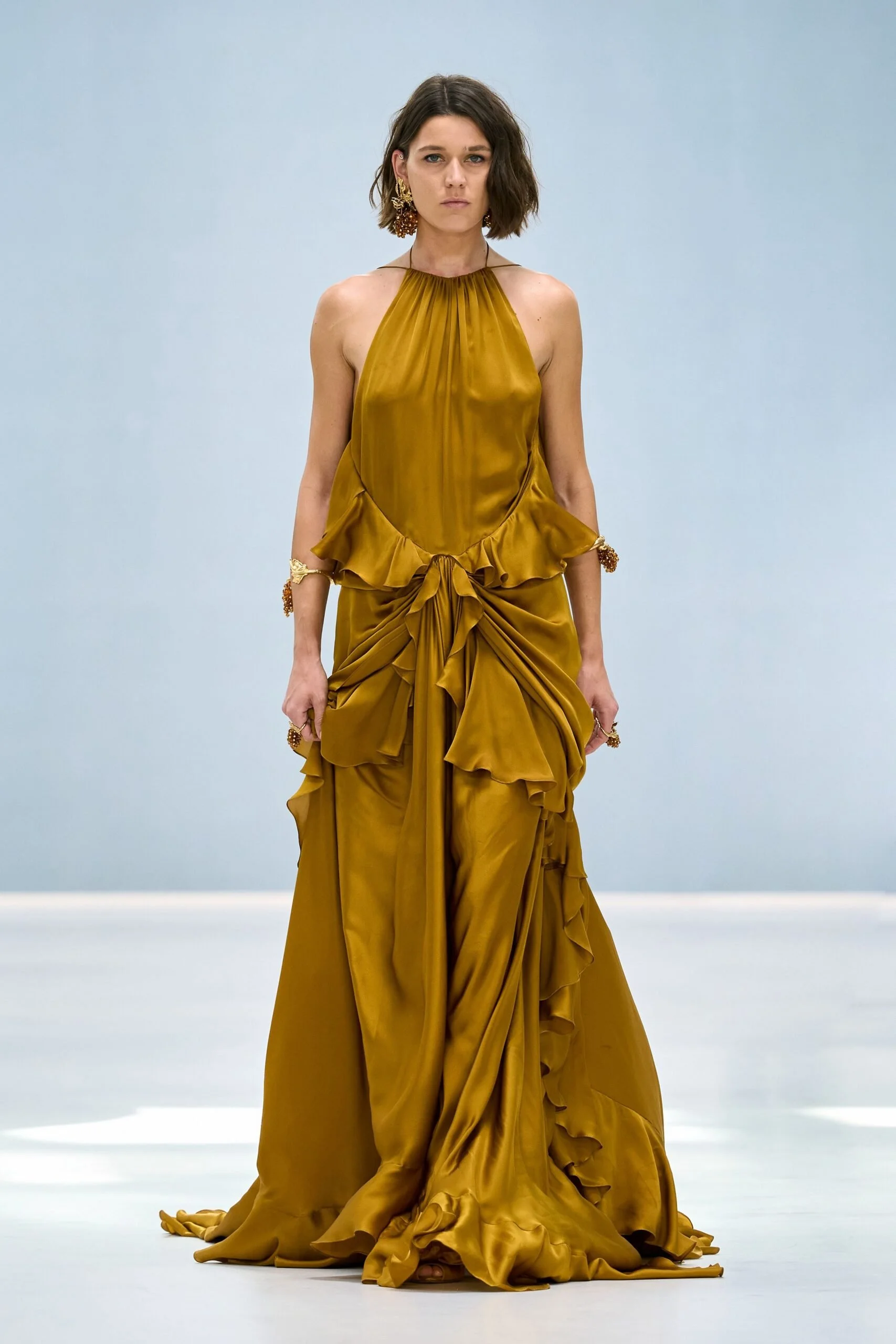
Zimmermann Spring 2027
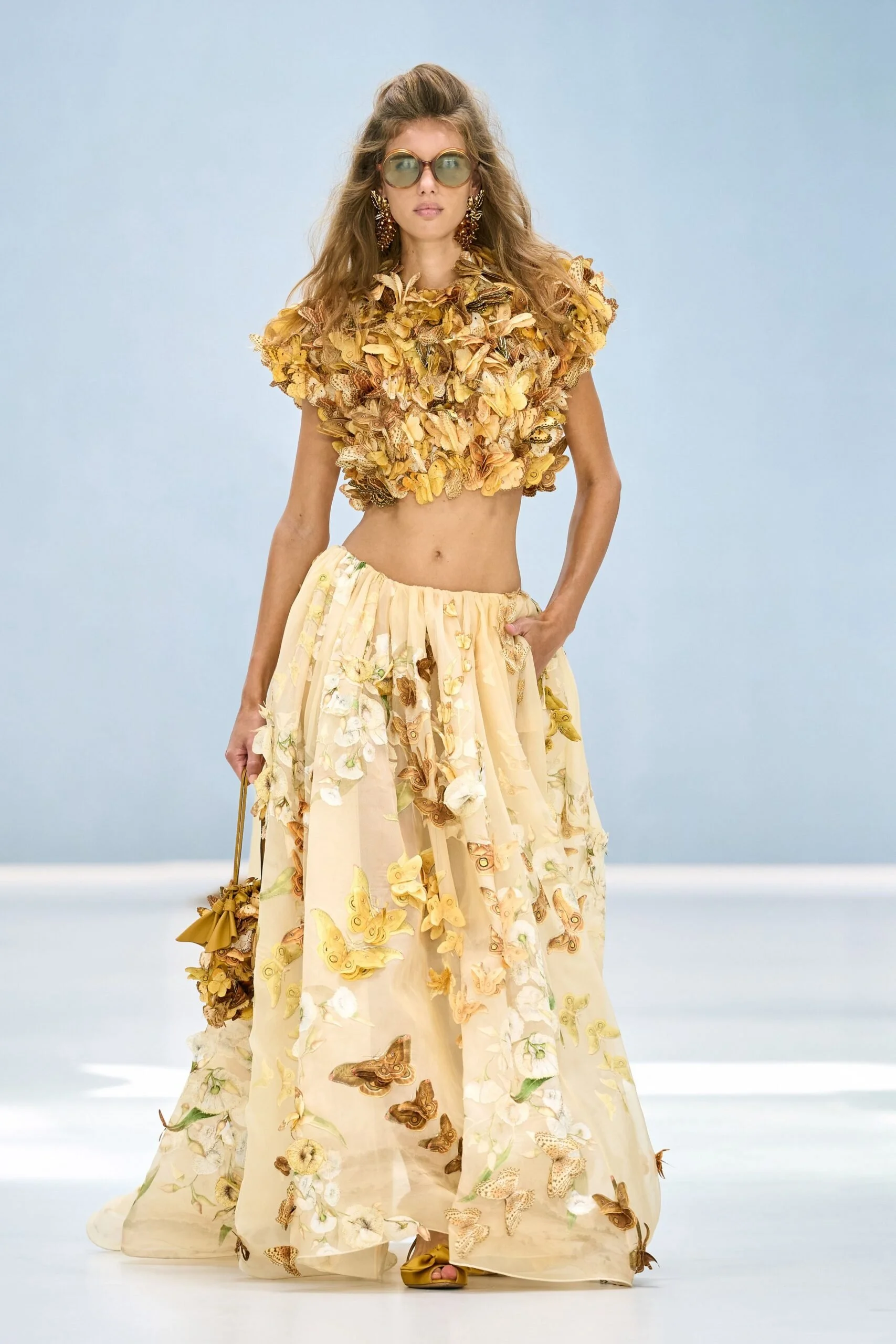
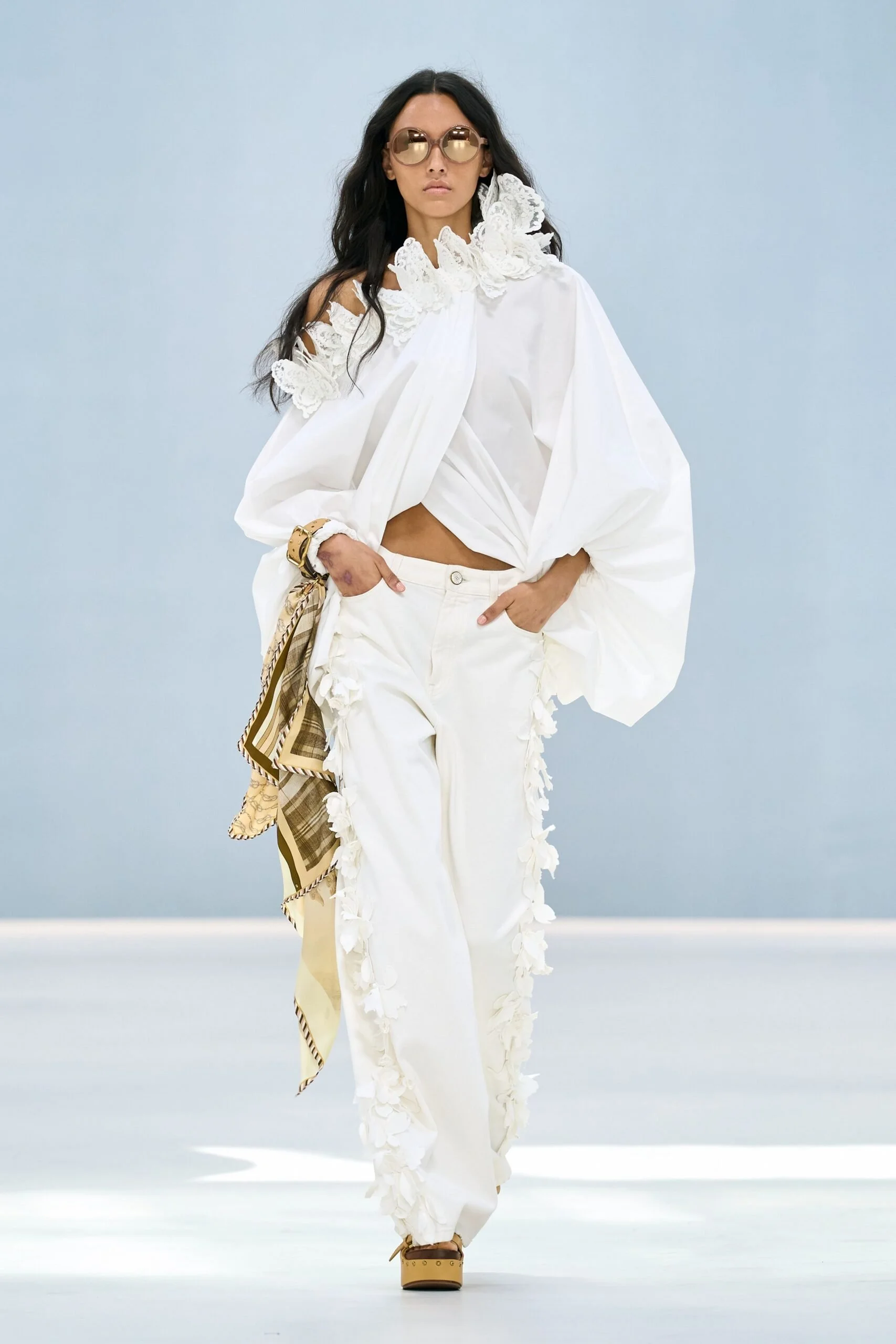
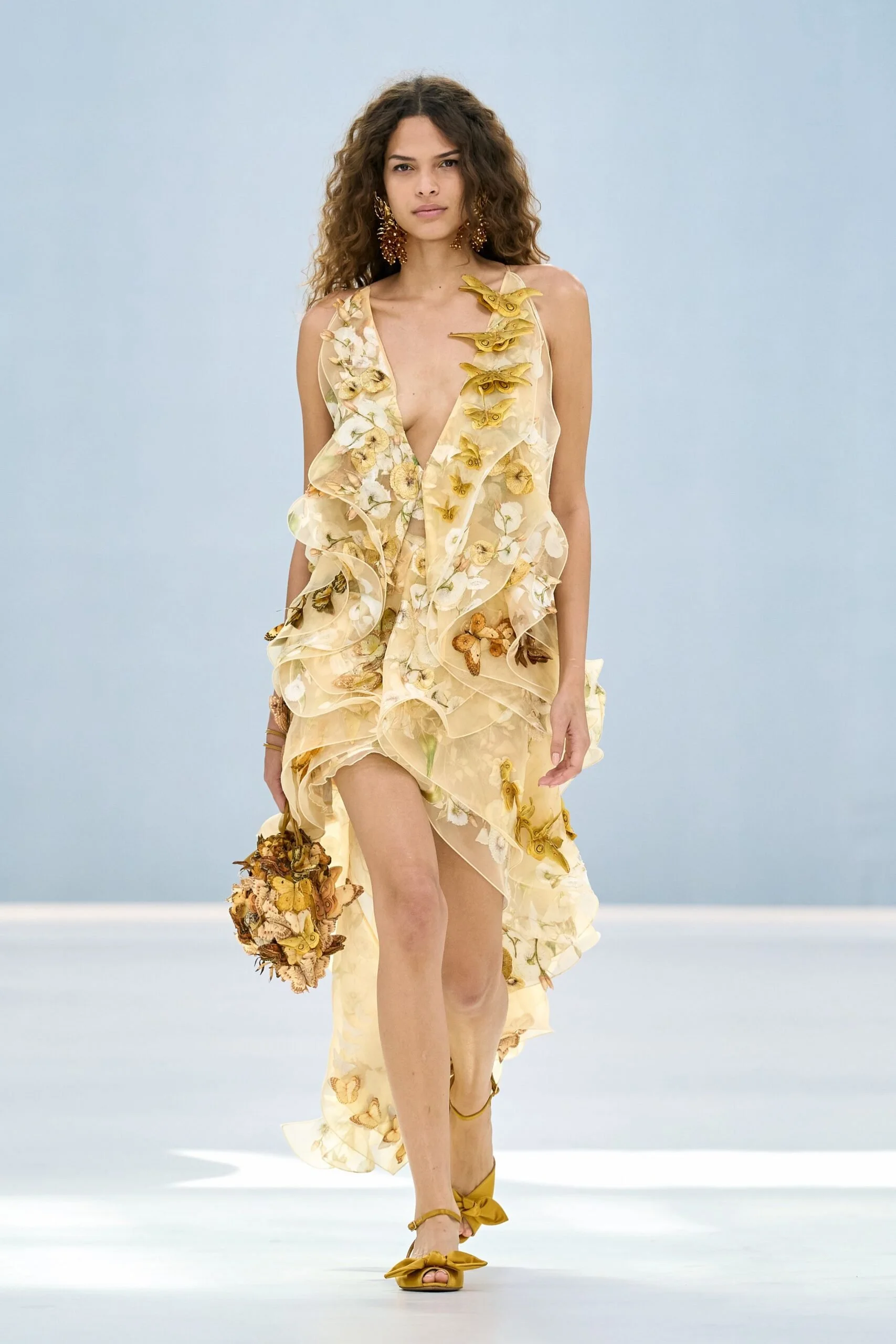
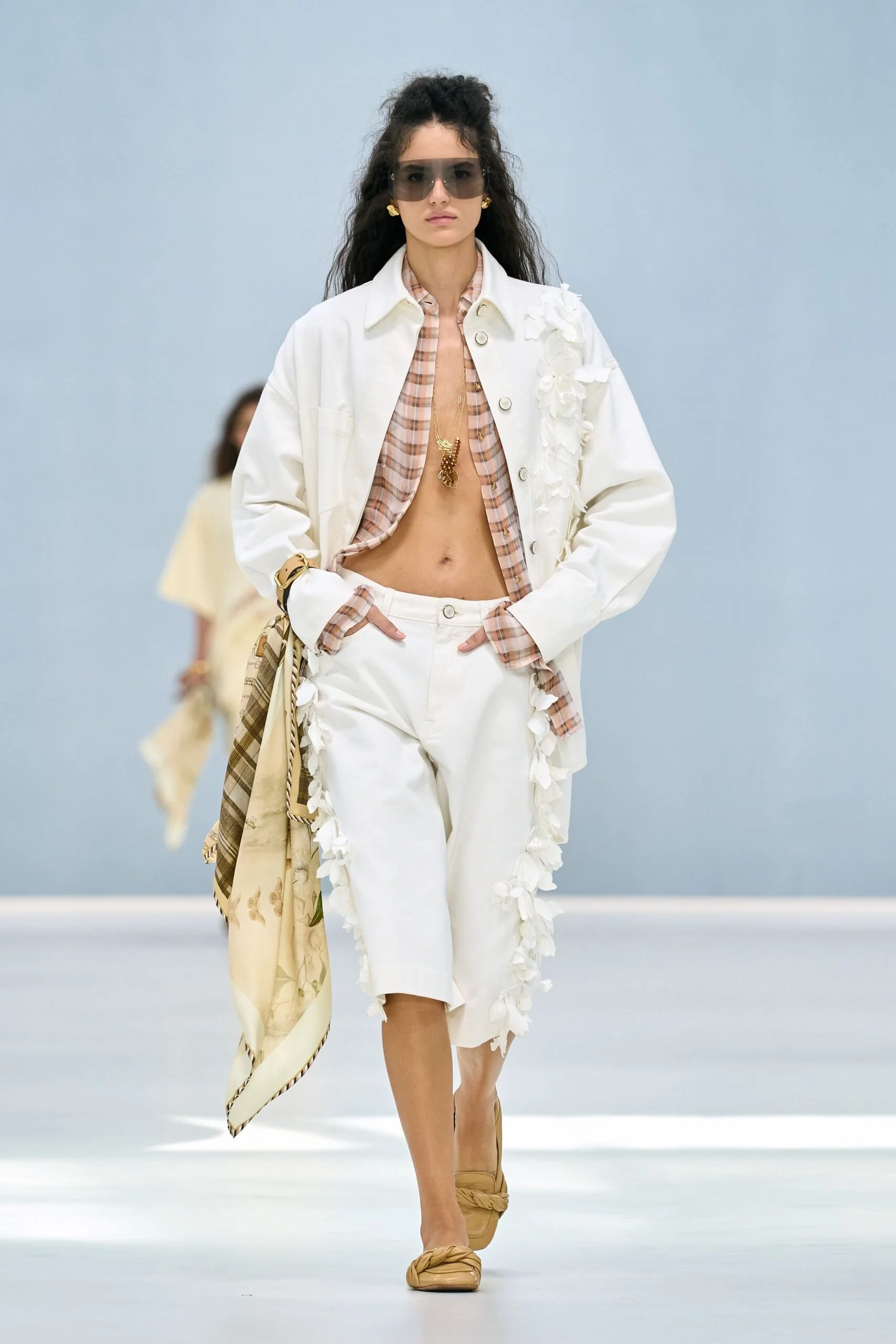
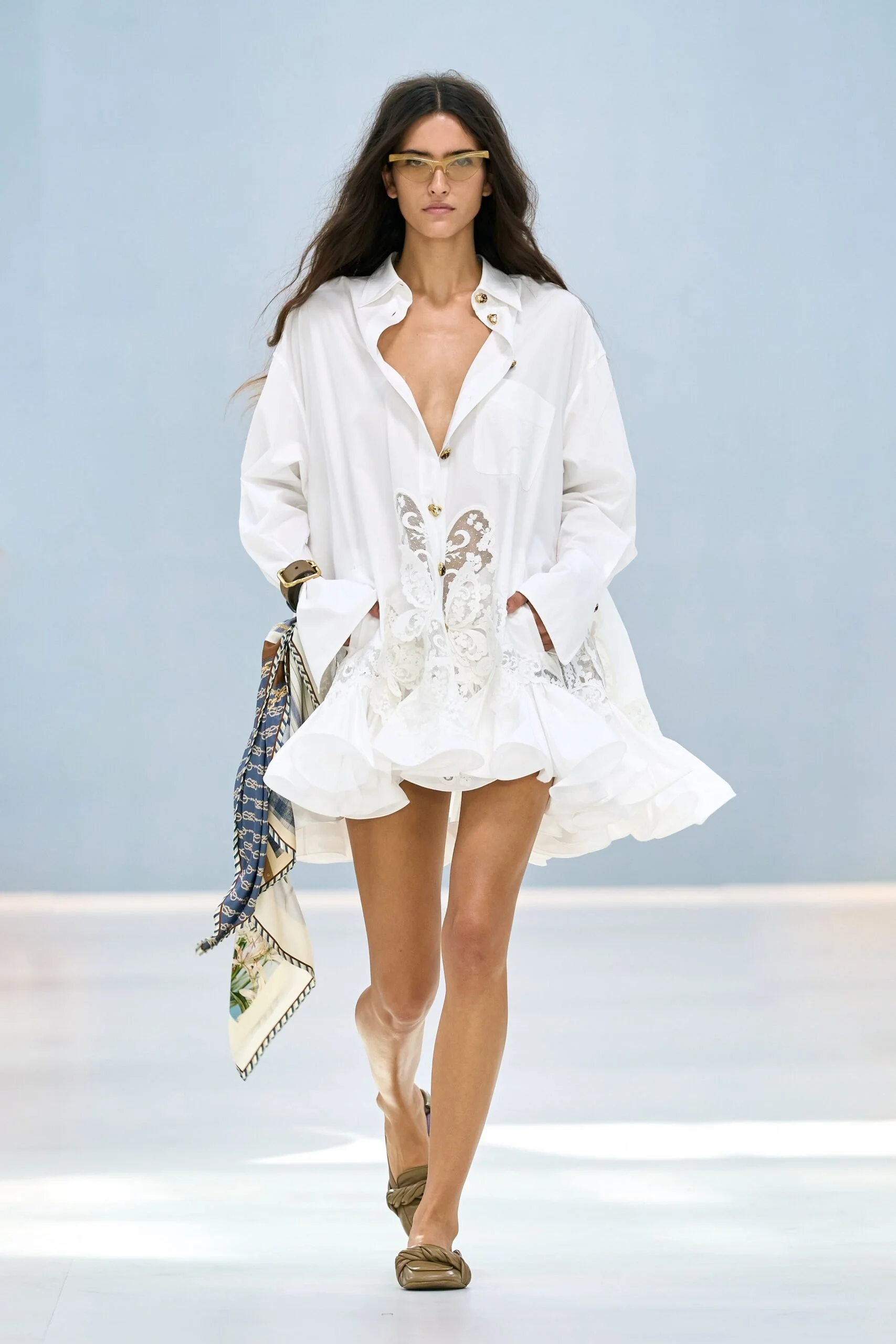
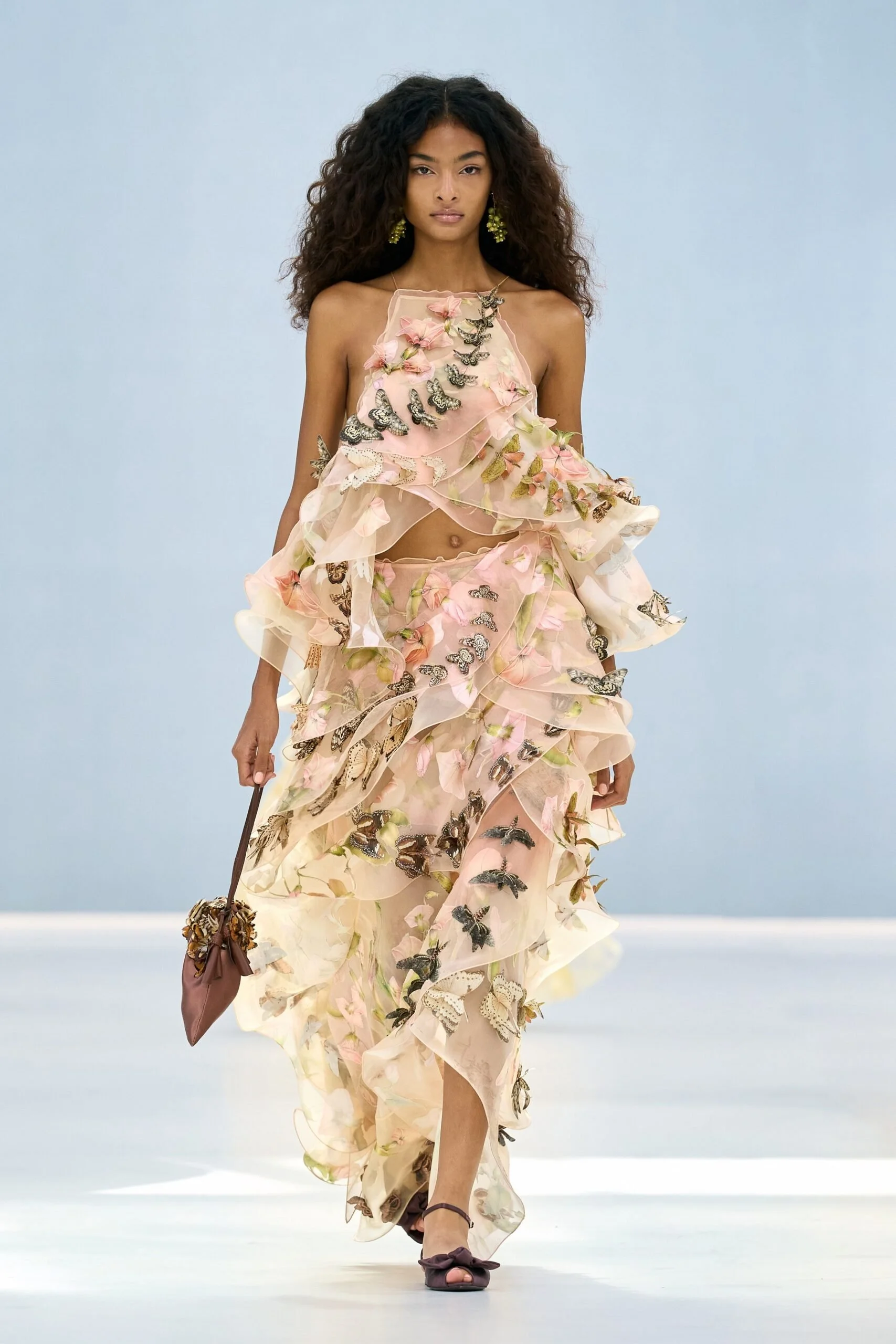
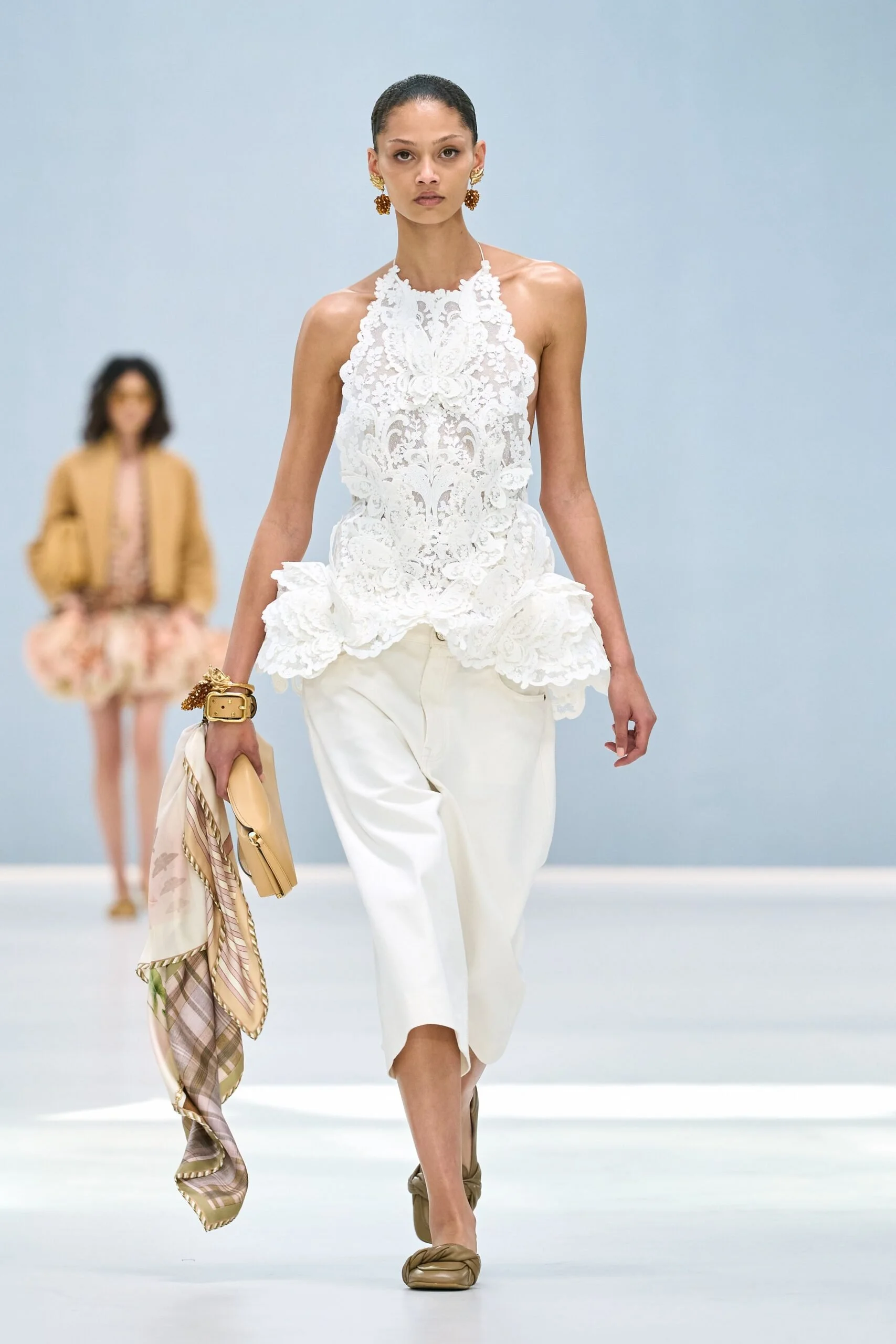
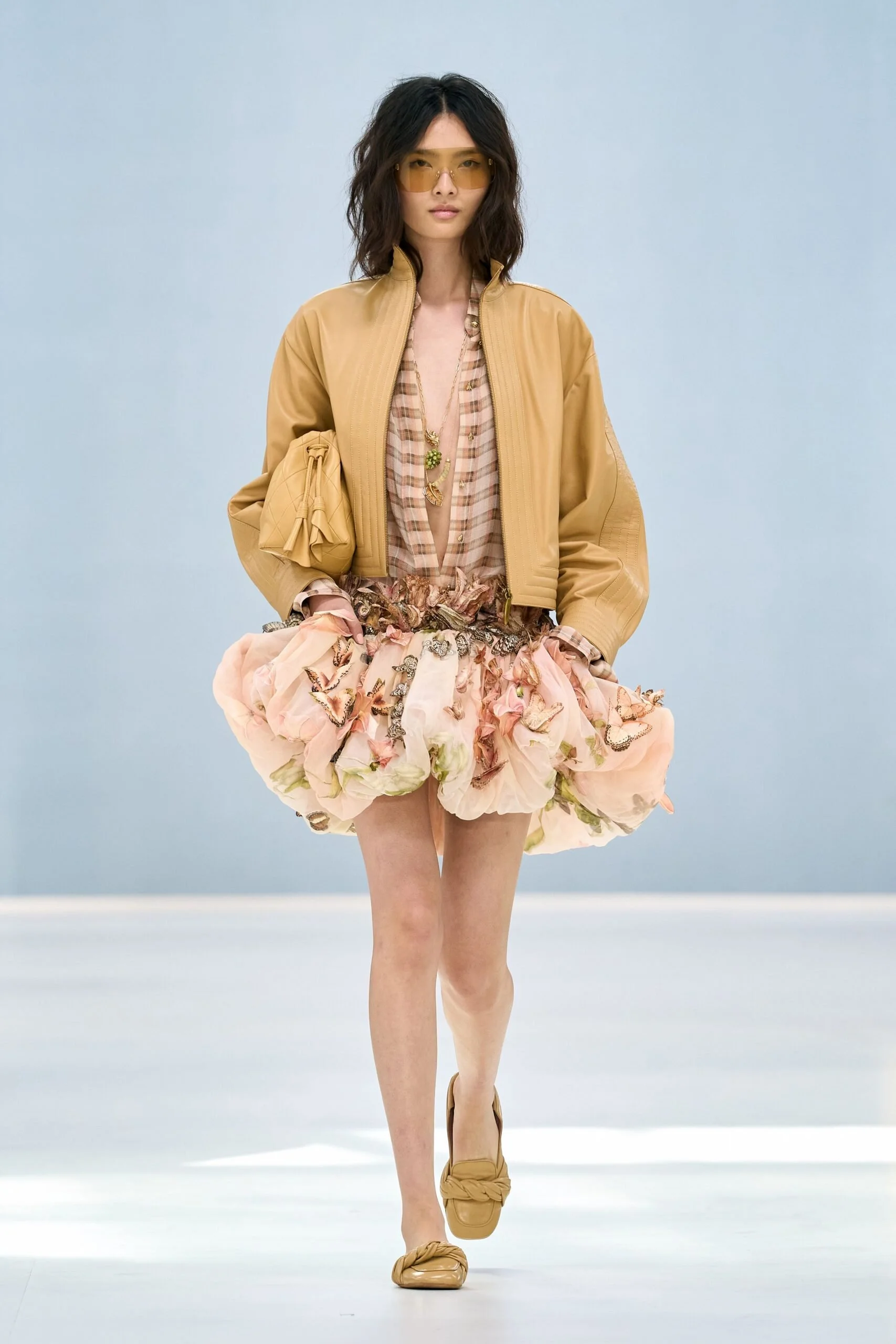
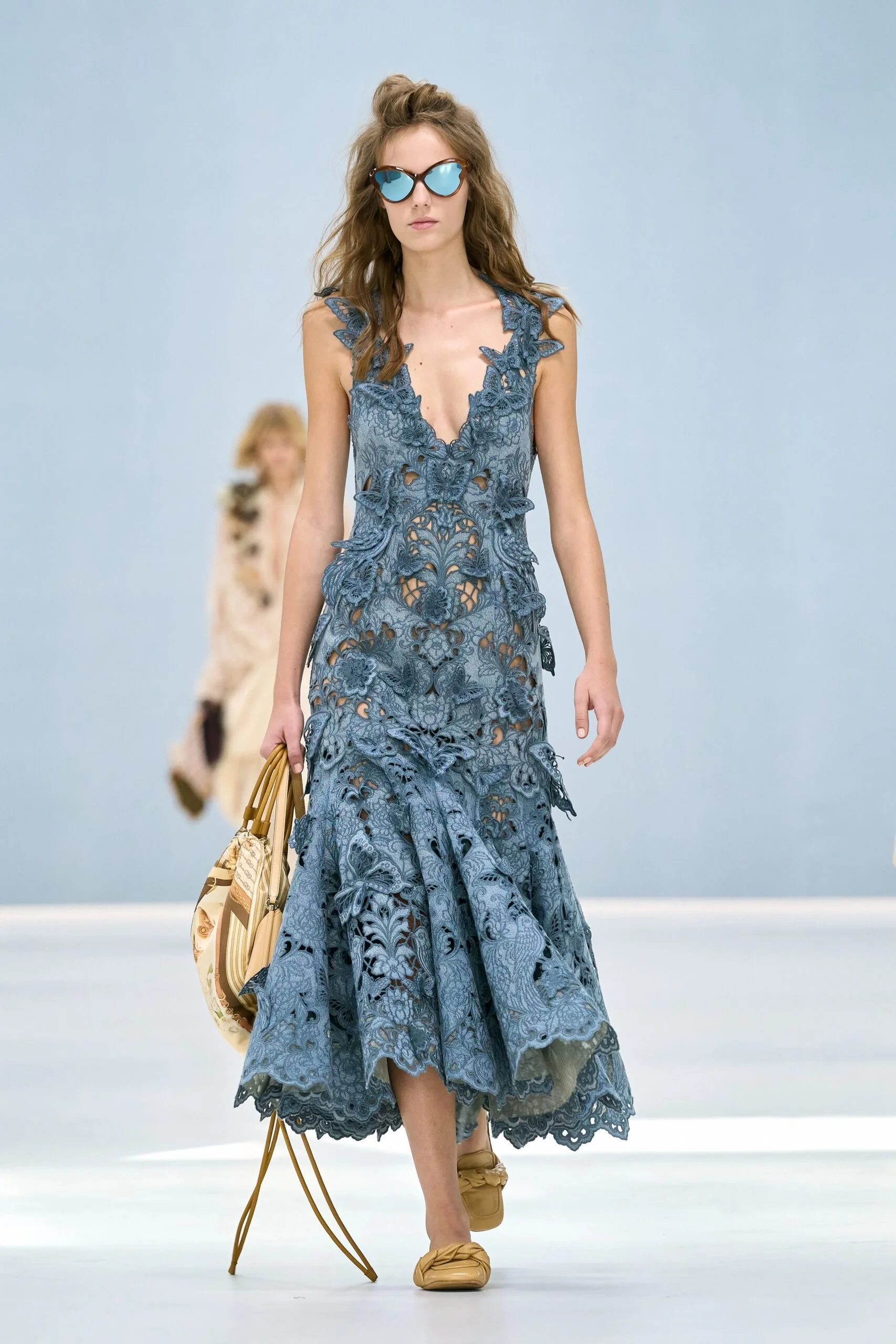
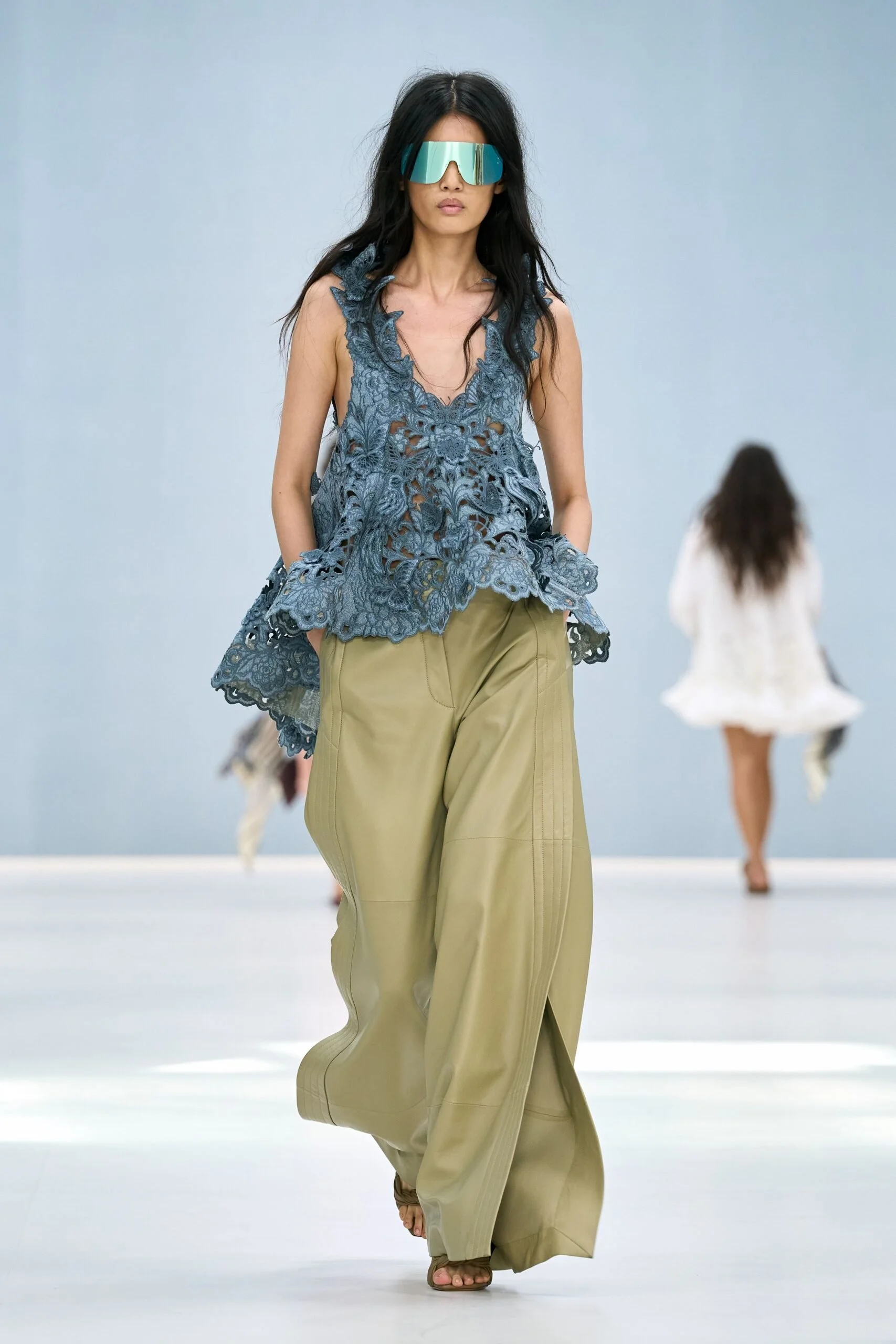
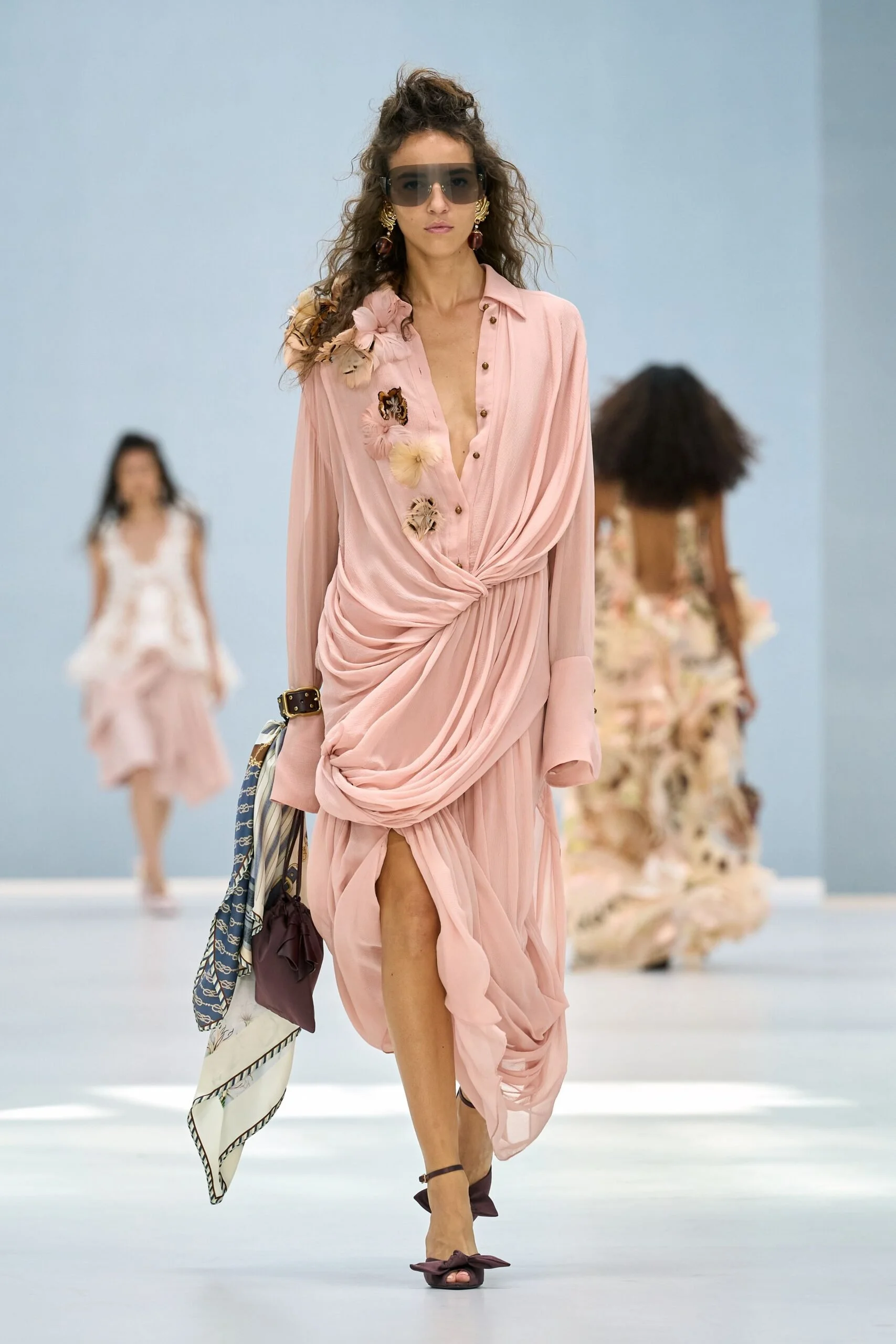
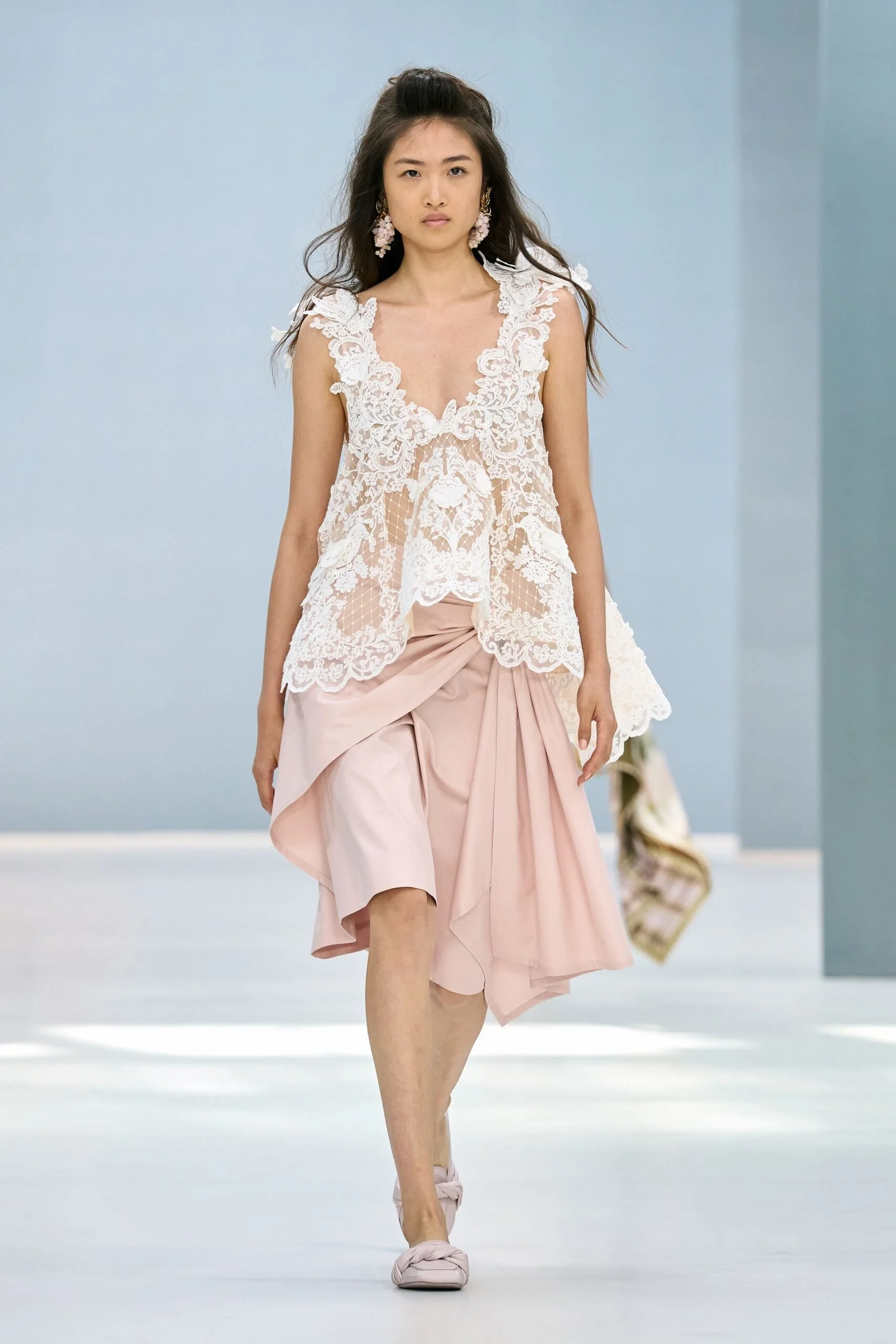
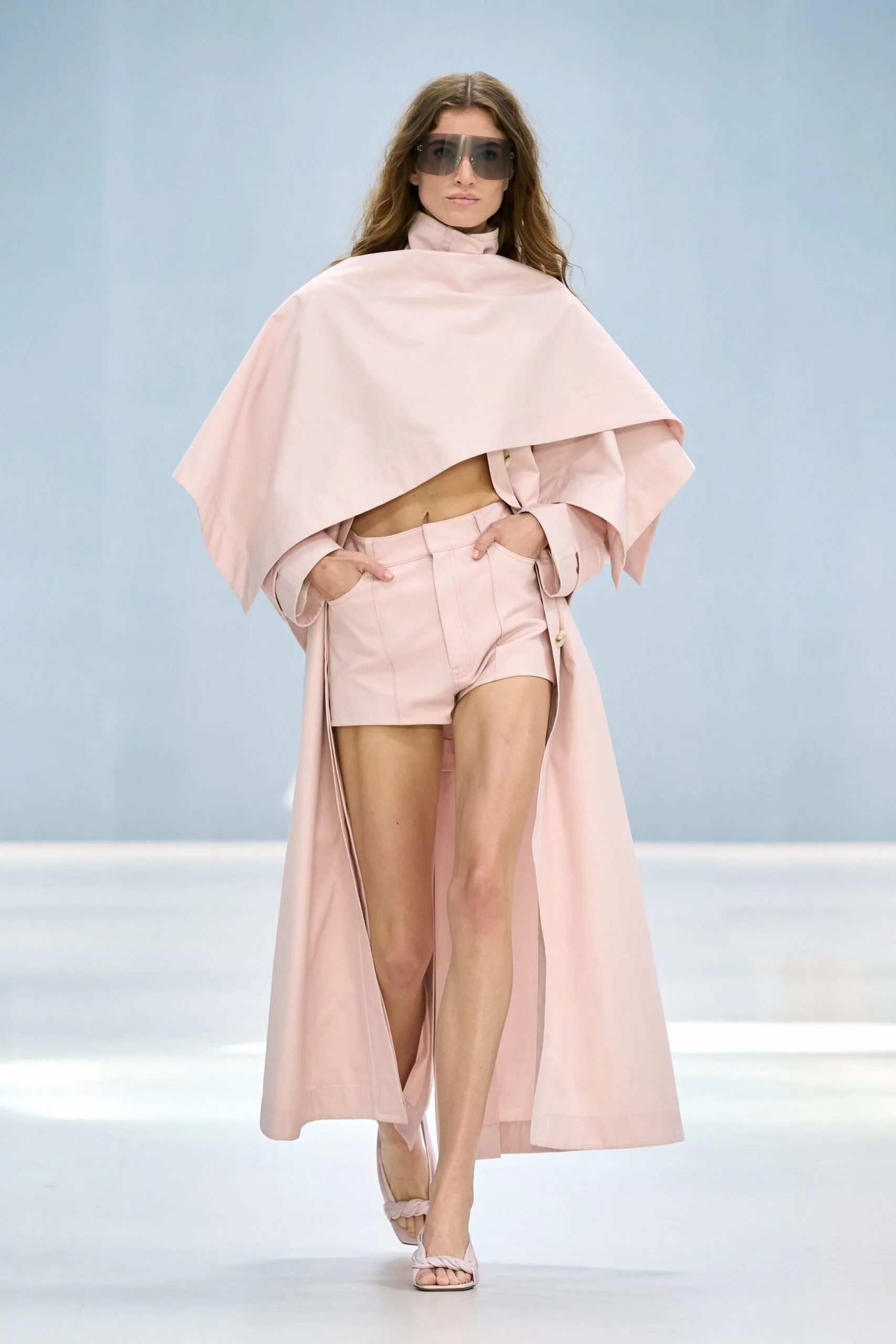
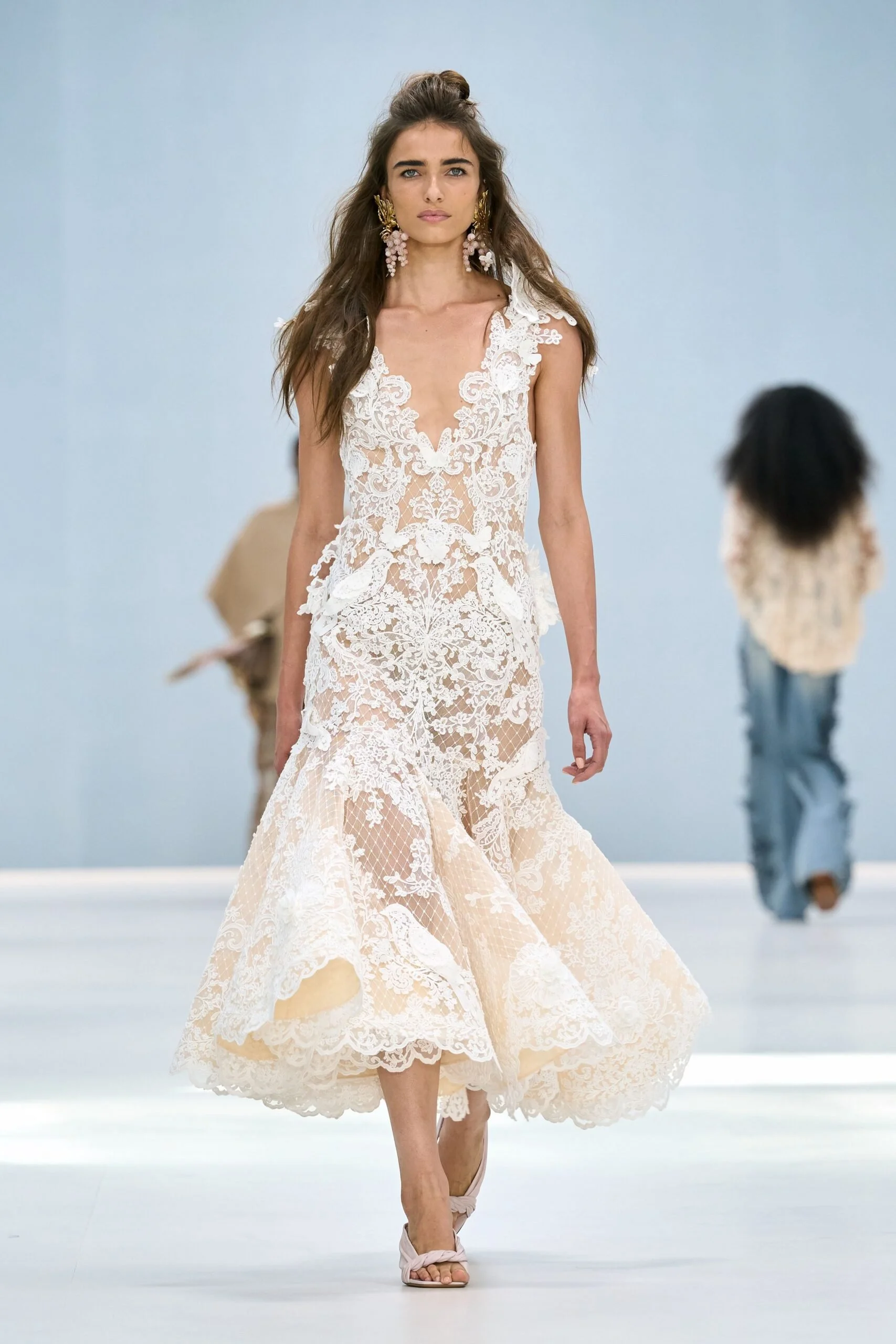
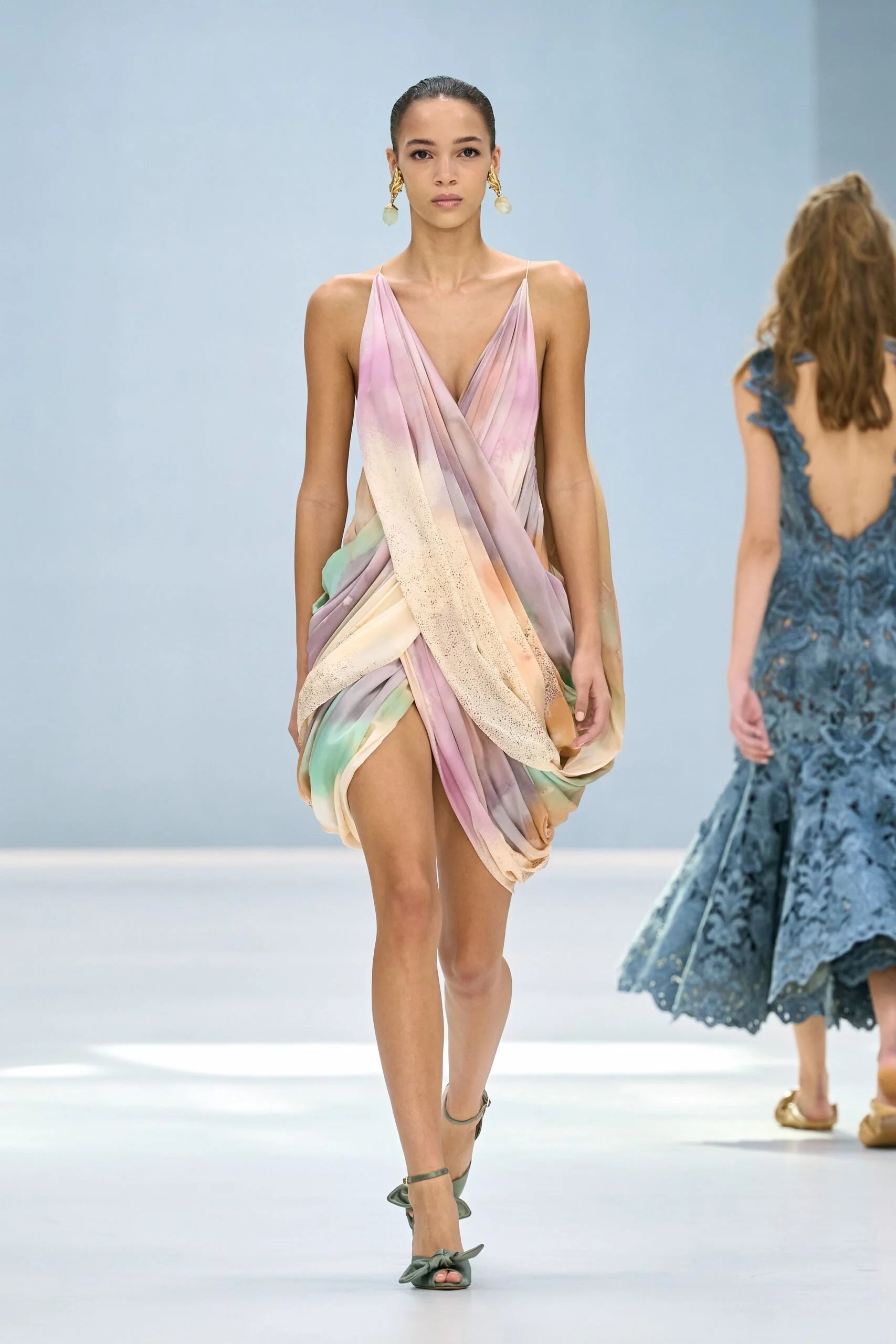
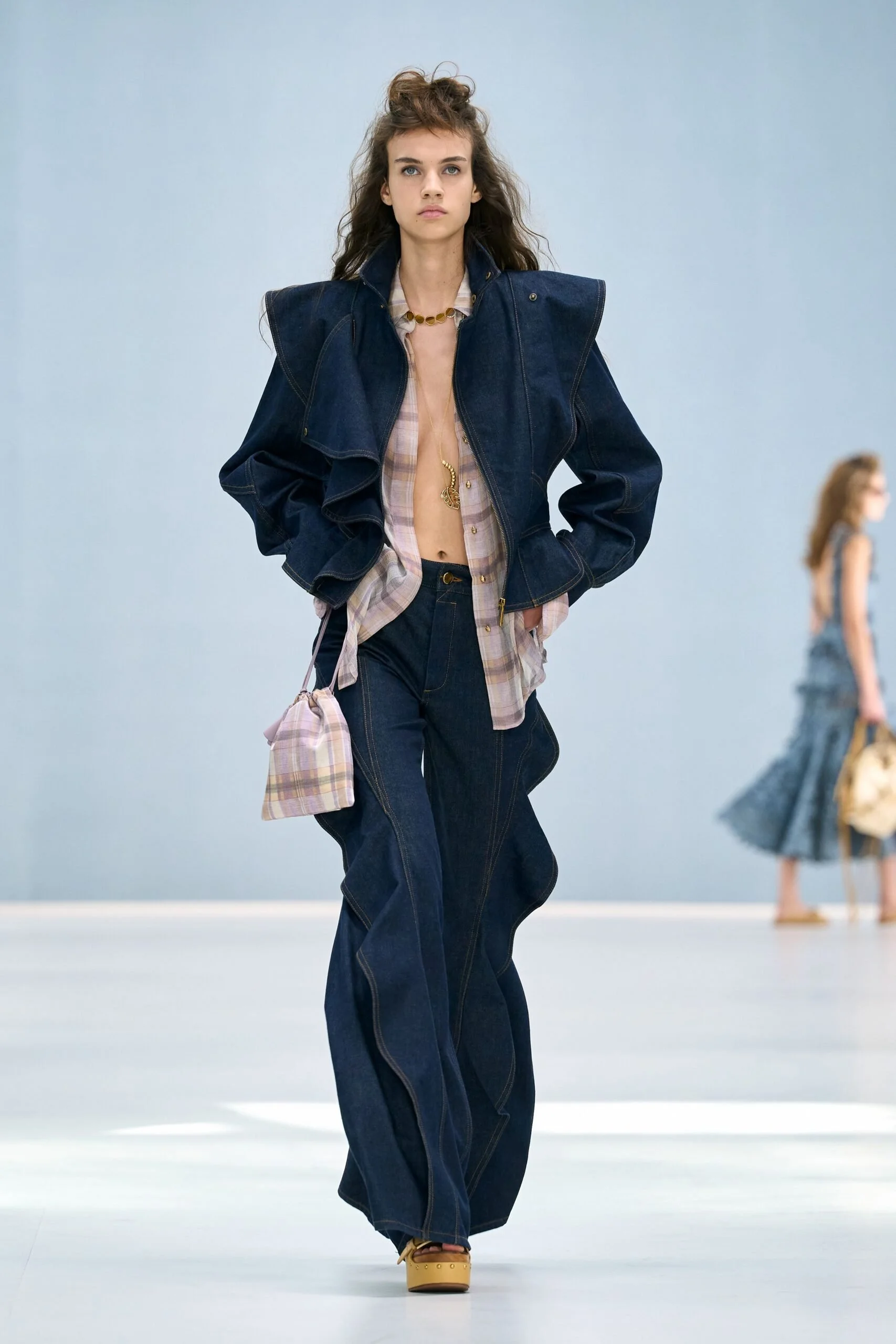
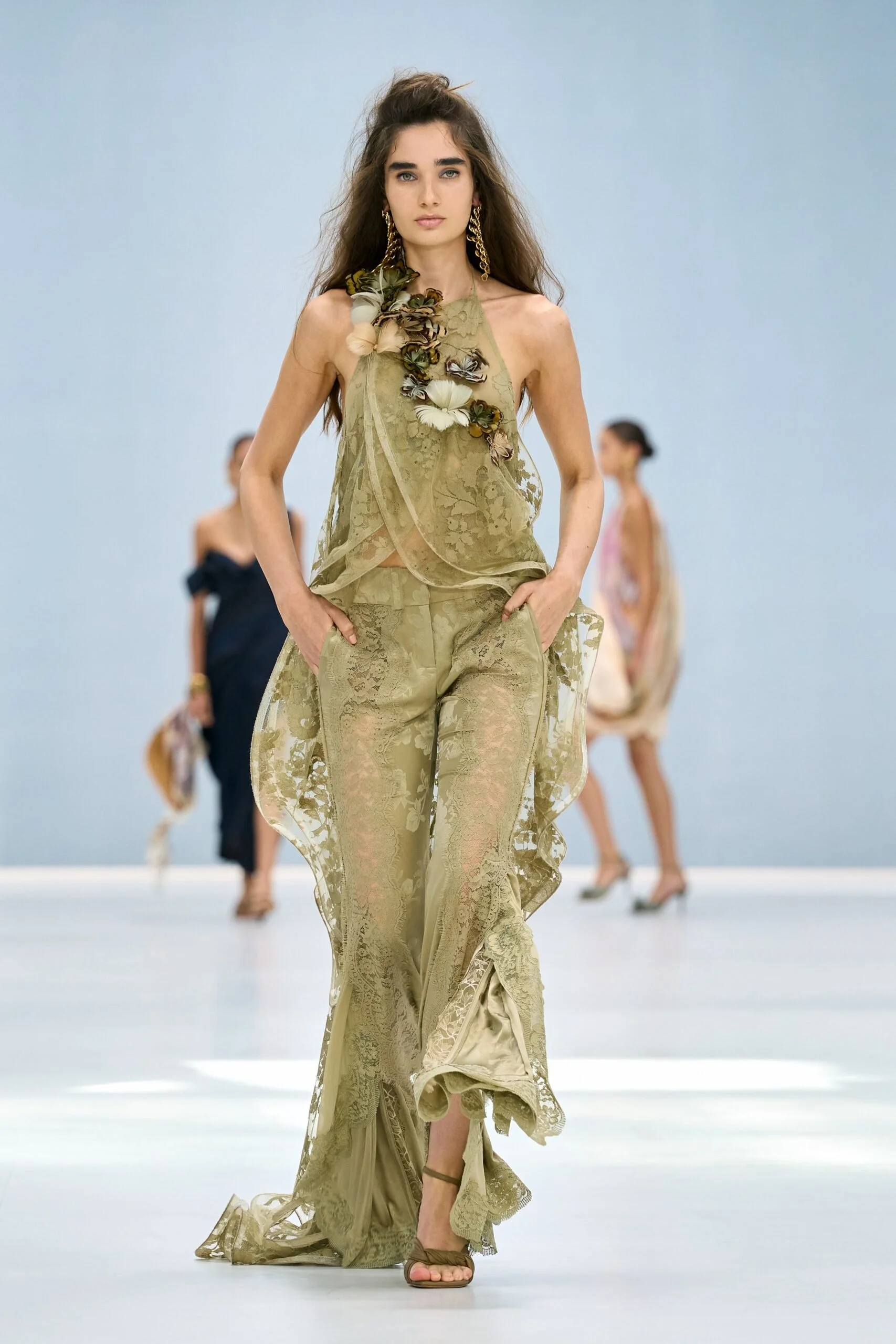
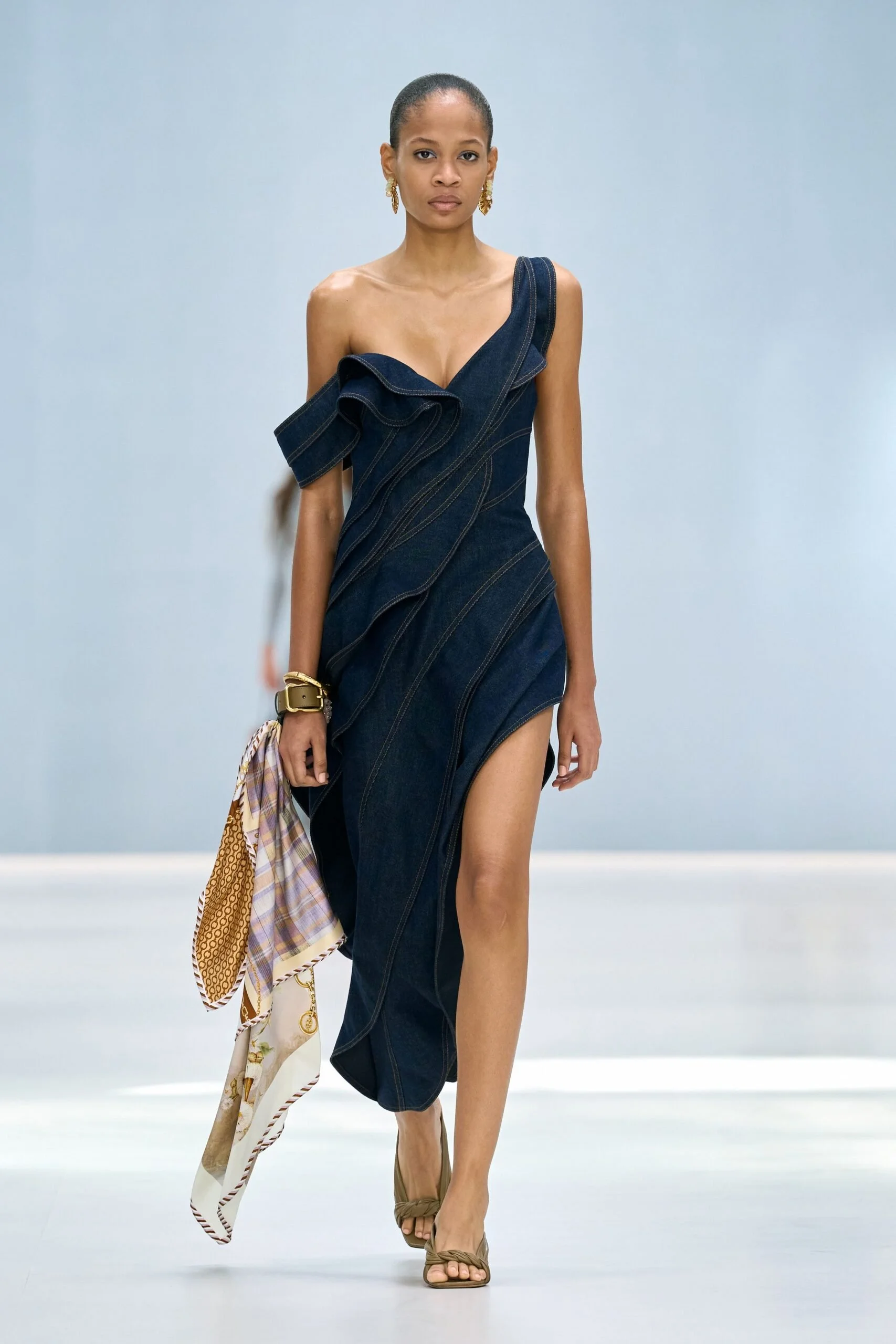
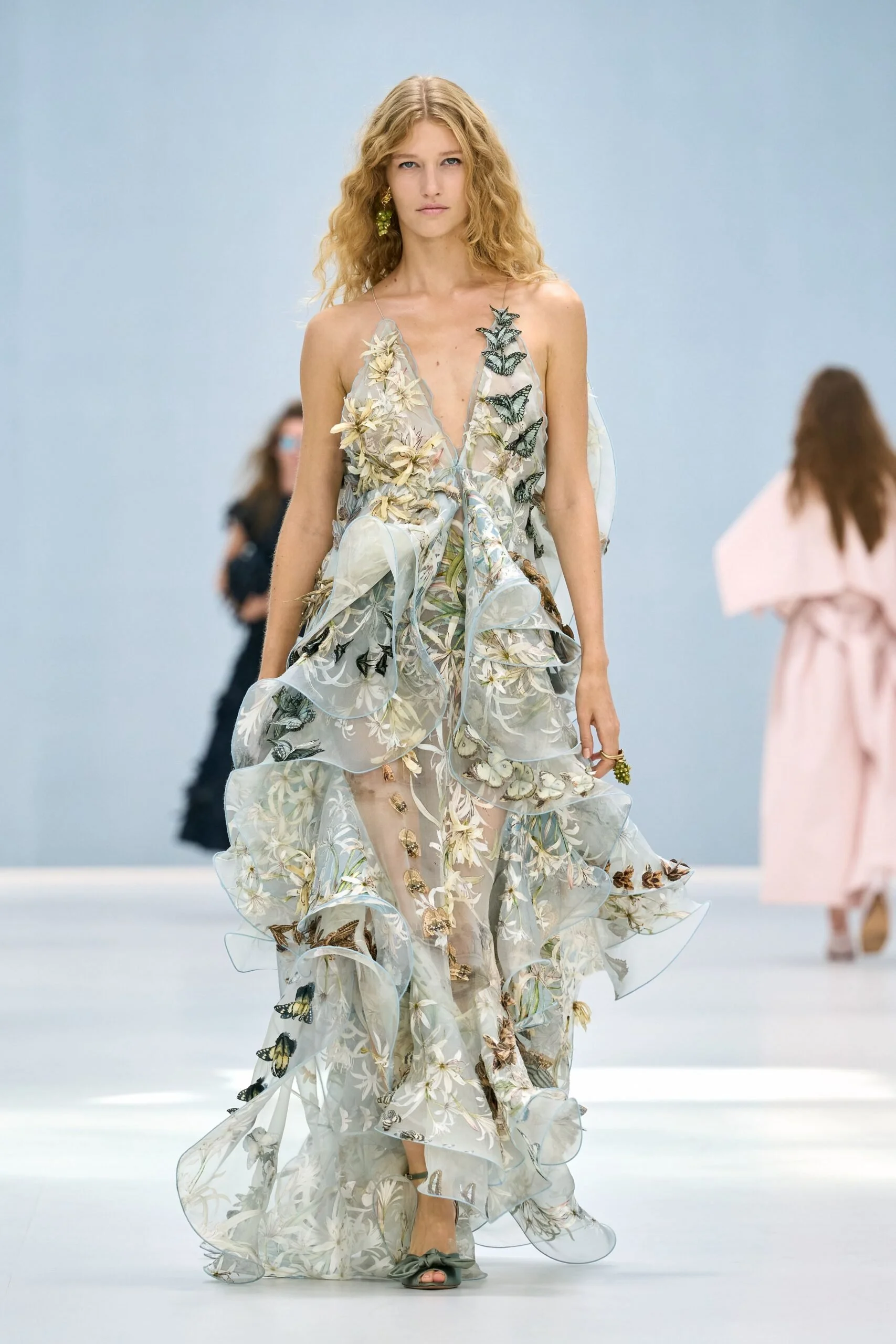
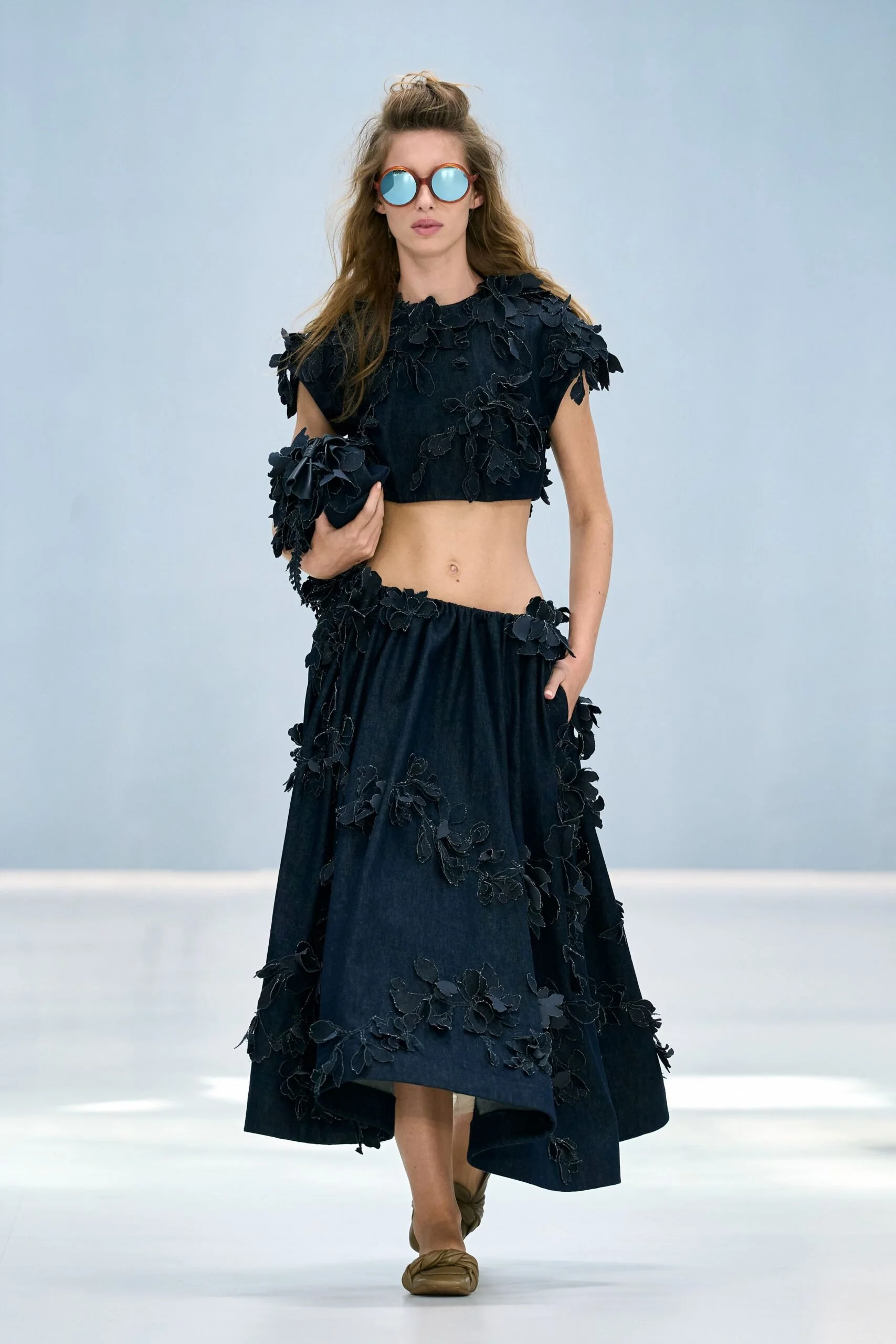
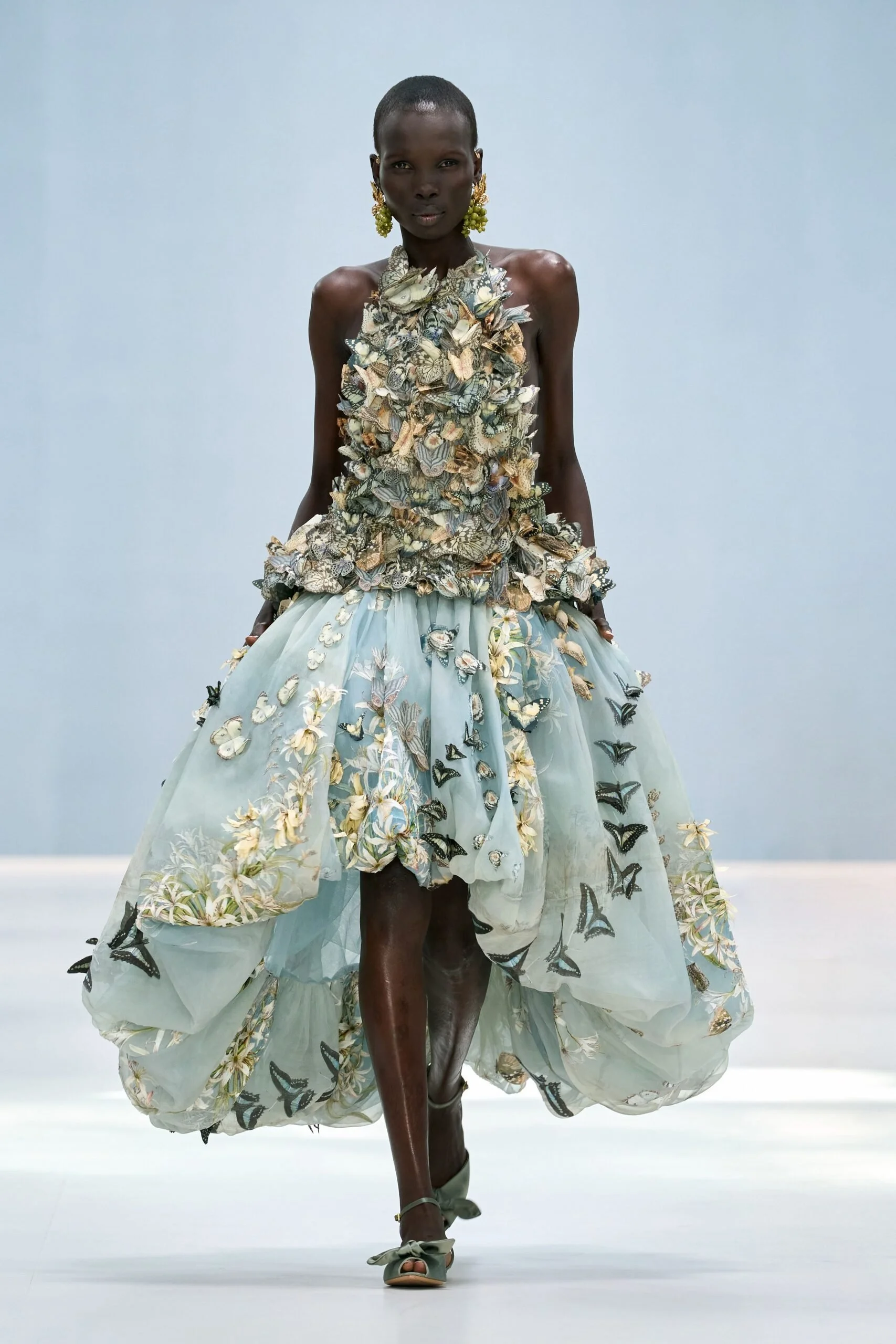
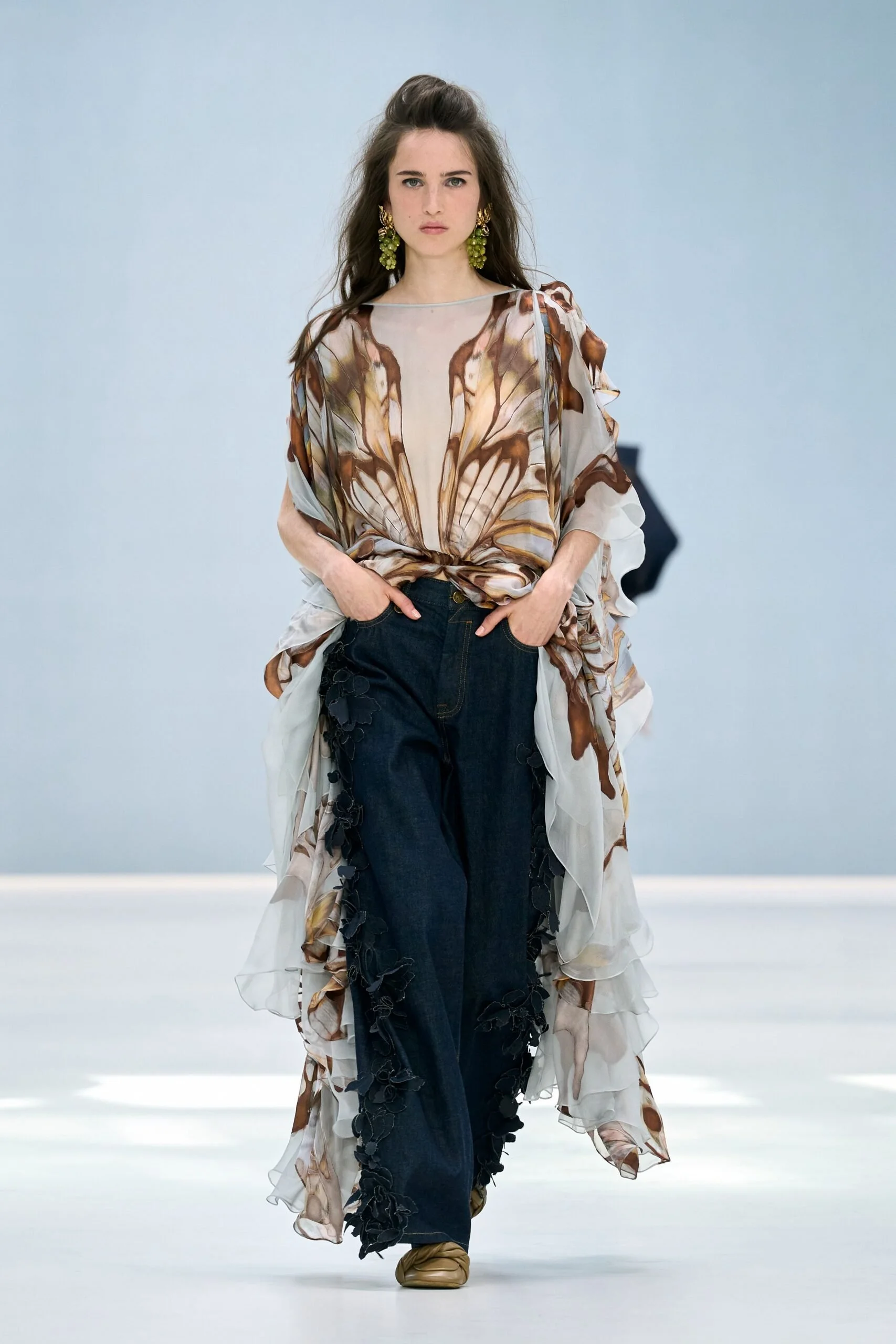
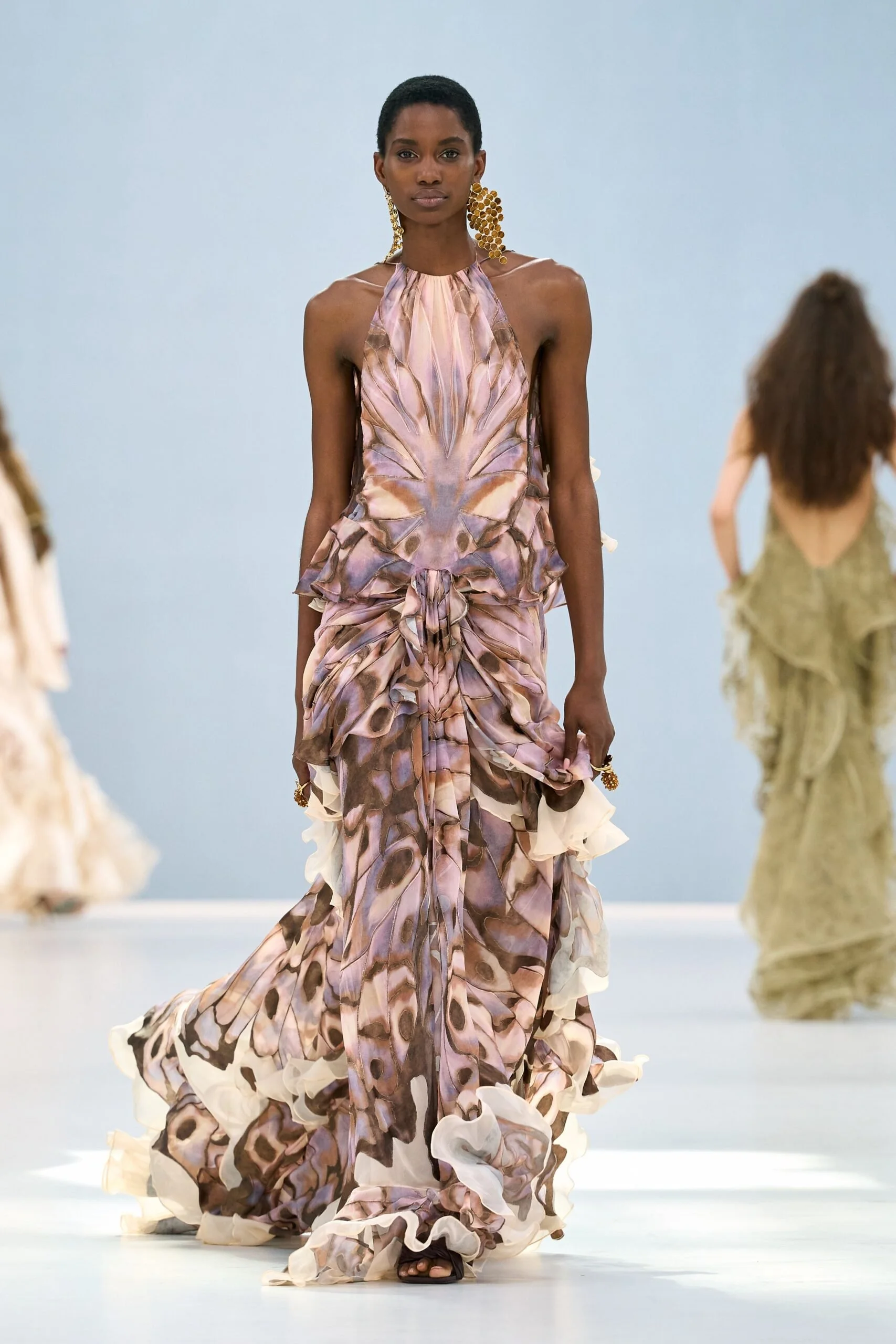
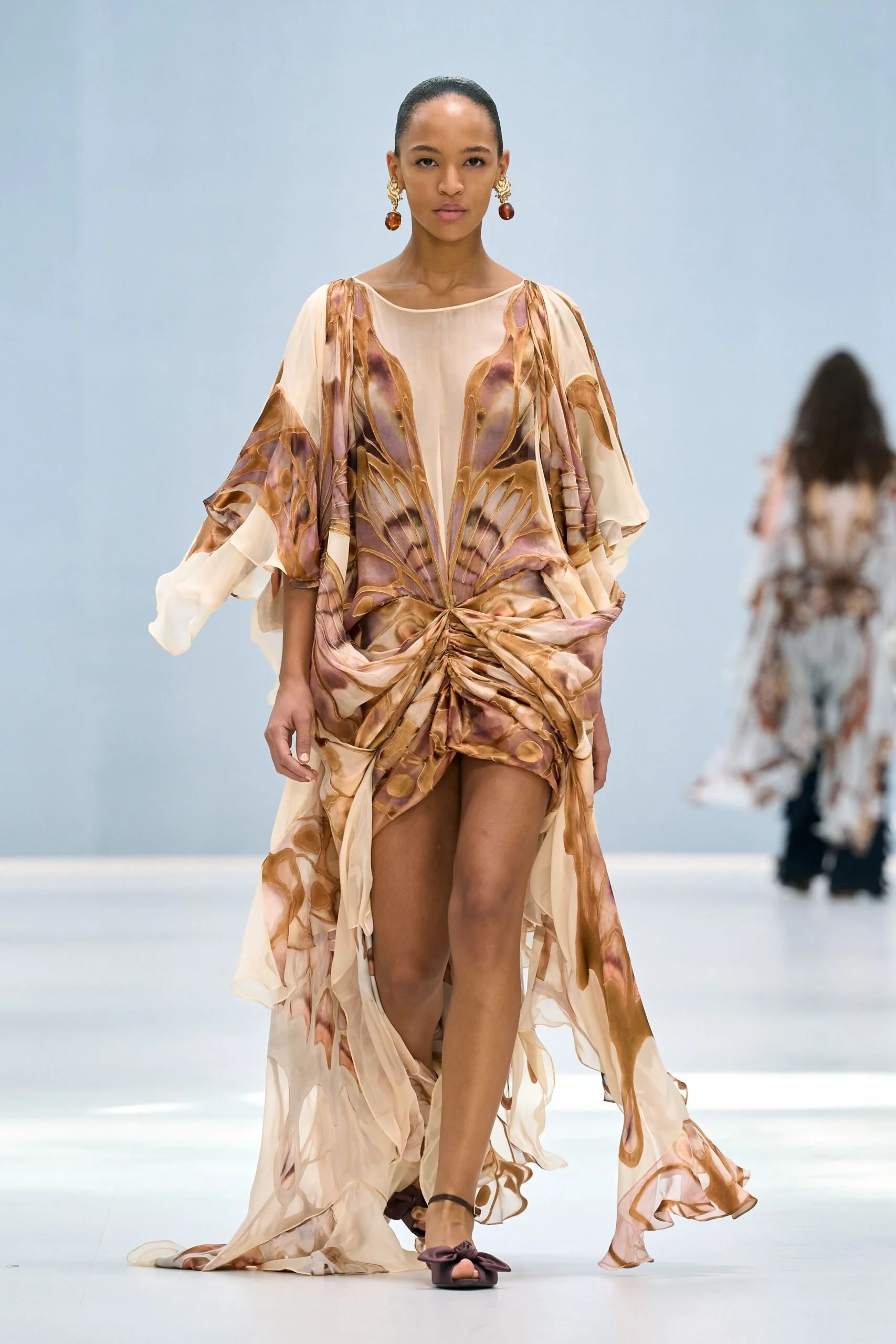
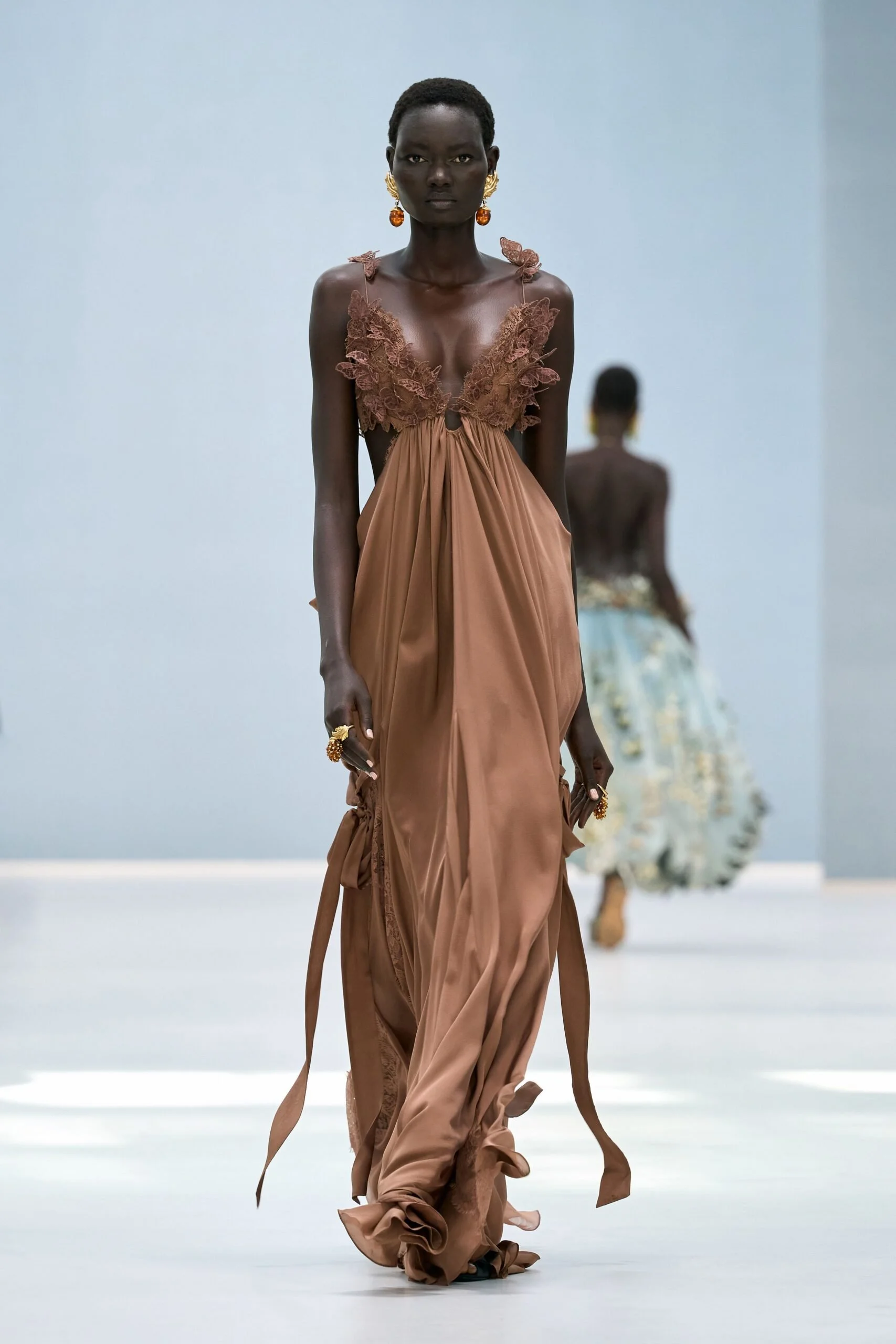
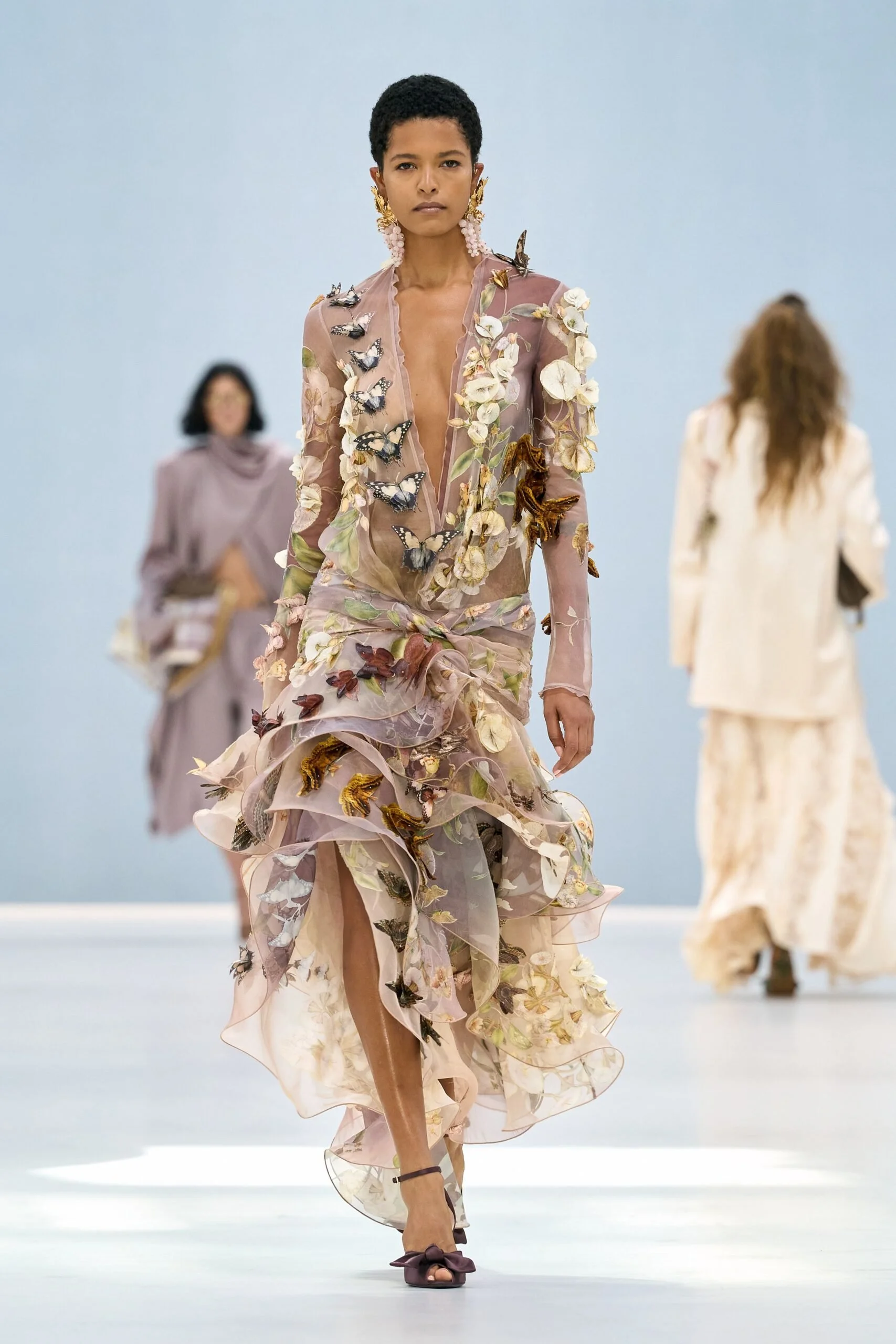
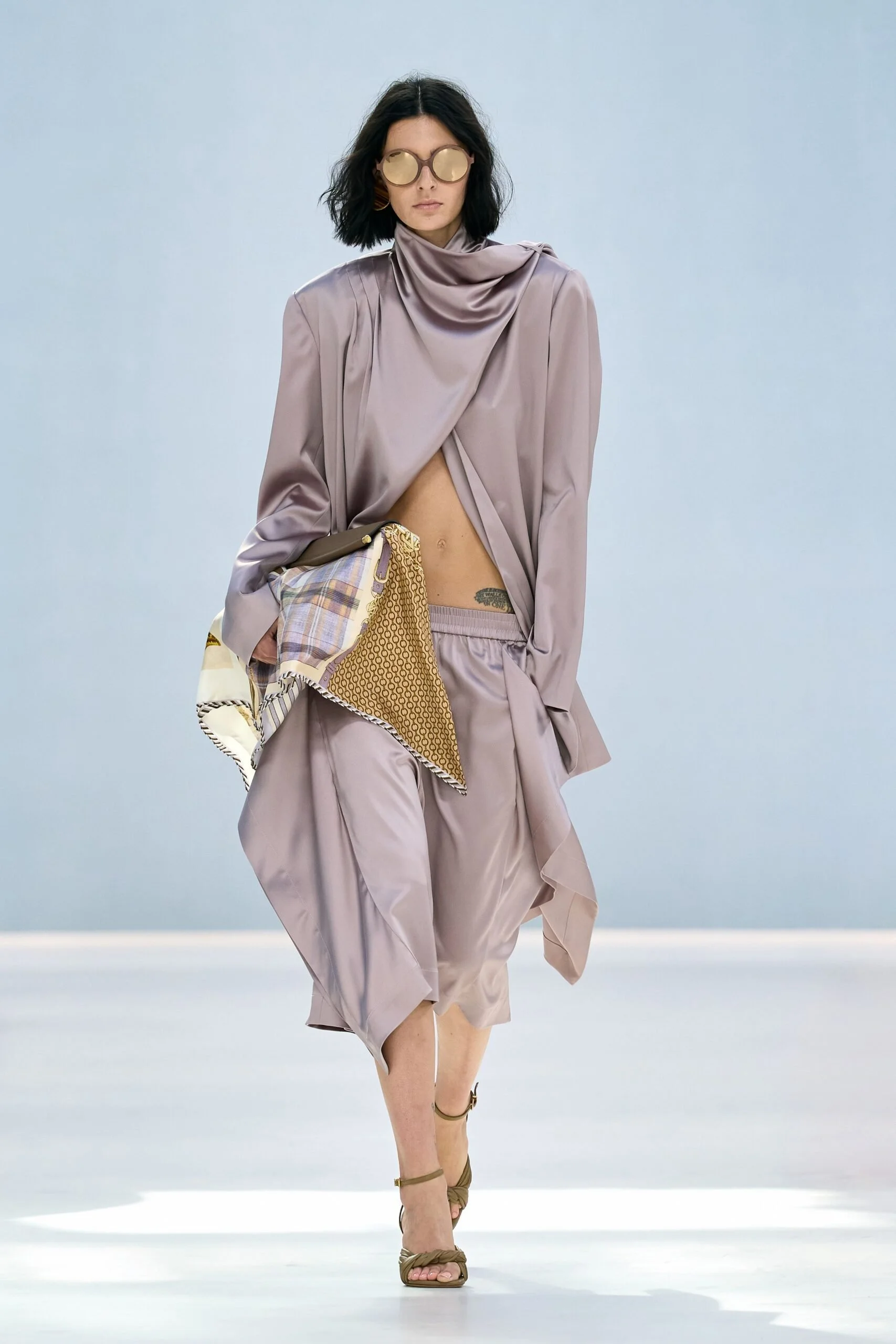
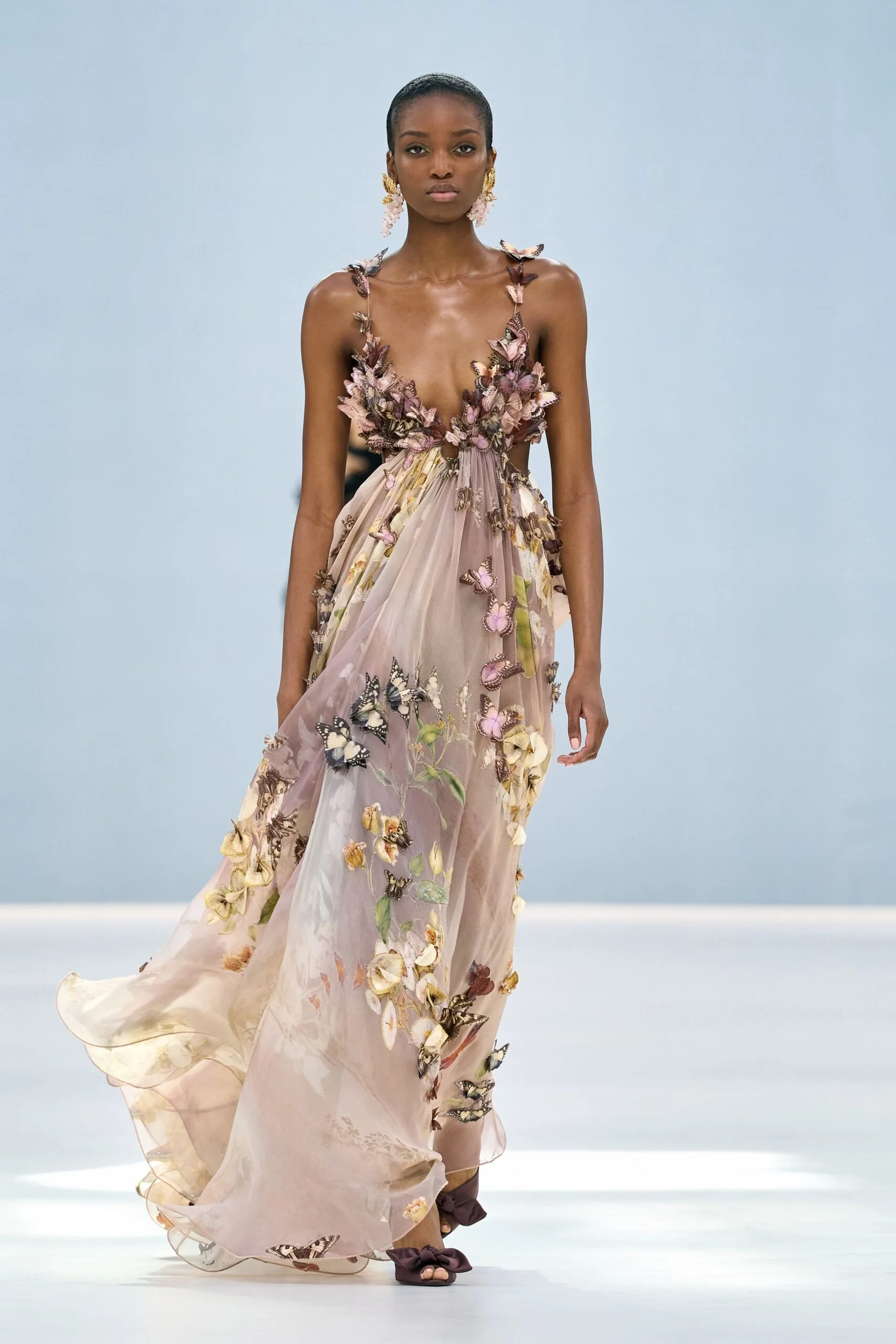
If nature is becoming one of fashion's great luxuries, Nicky Zimmermann is hardly going to approach it quietly. For Spring 2027, the designer returned to the work of Australian natural history illustrators Harriet and Helena Scott, whose 19th-century studies of moths and butterflies became the starting point for a collection obsessed with movement. At Le Carreau du Temple, guests including Uma Thurman, Naomi Watts, Jessica Alba and Sarah Snook watched as butterflies appeared to swarm across a cropped top, though the insects were in fact laser-cut organza, double-printed with the sisters' delicate illustrations. From there they migrated onto sweeping maxi skirts, chiffon slips and pouf skirts, while the motif was translated more subtly through openwork panels on faded denim and lace edging on crisp white poplin. Zimmermann's approach to nature remains romantic rather than restrained, with colour and movement doing much of the emotional work.
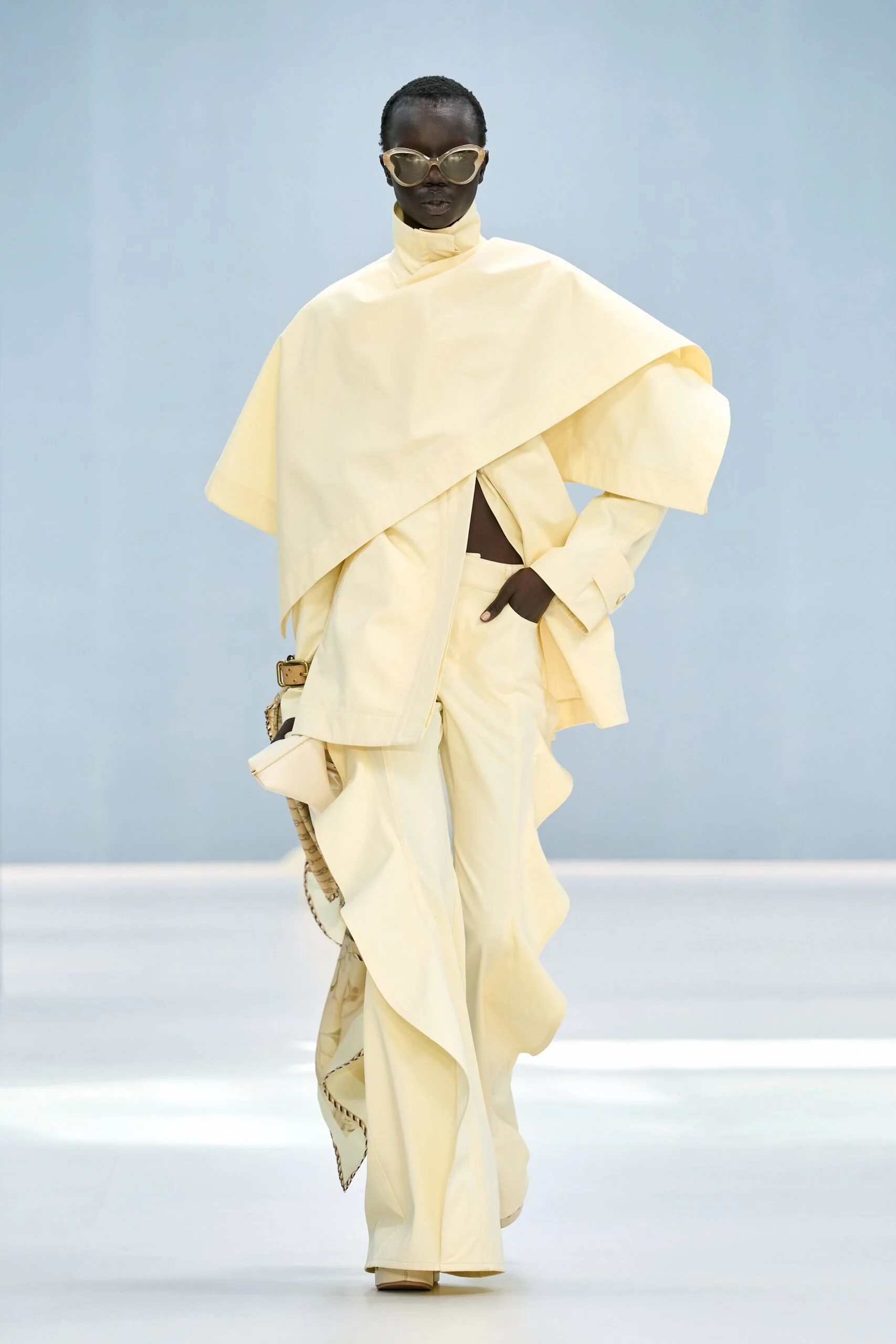
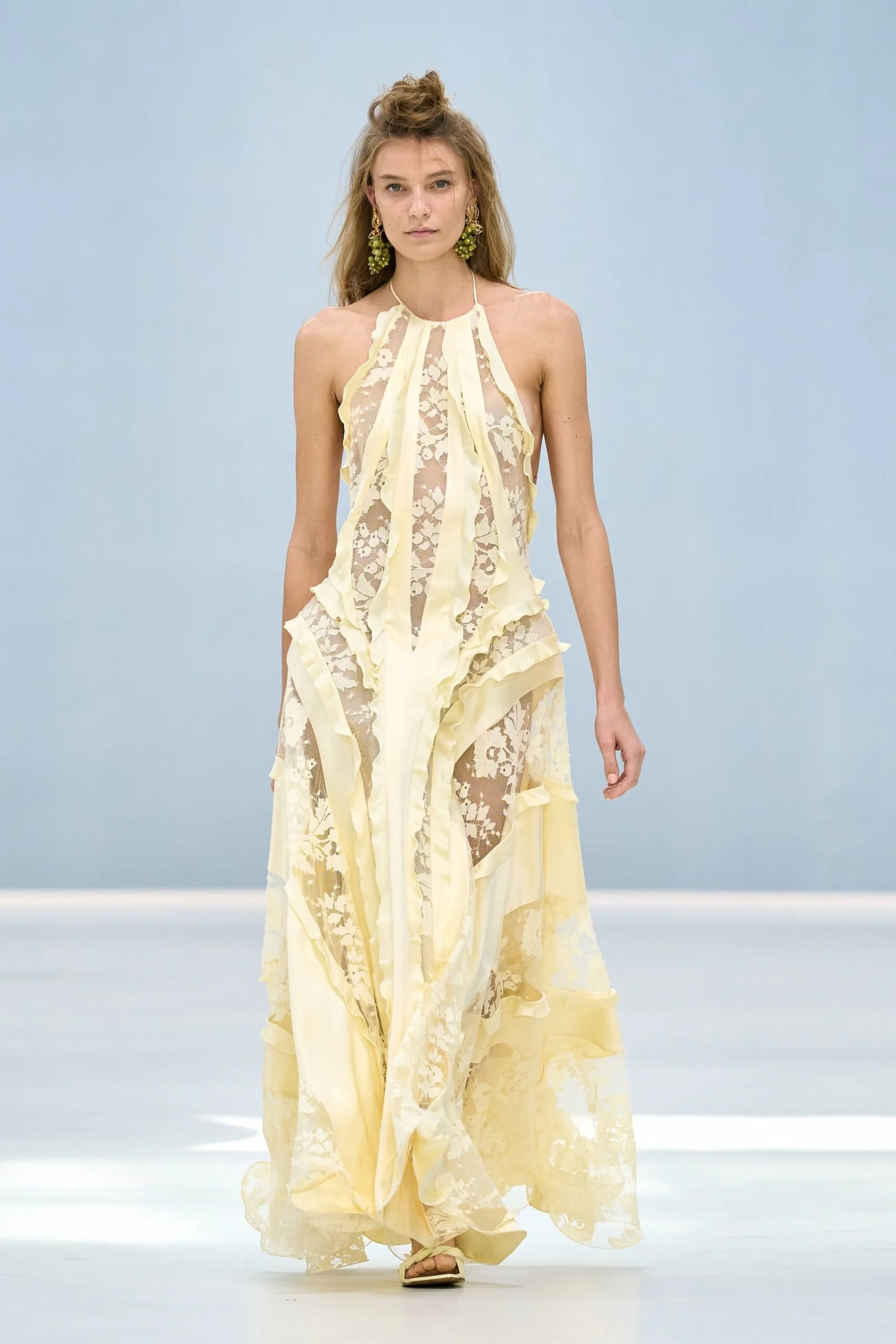
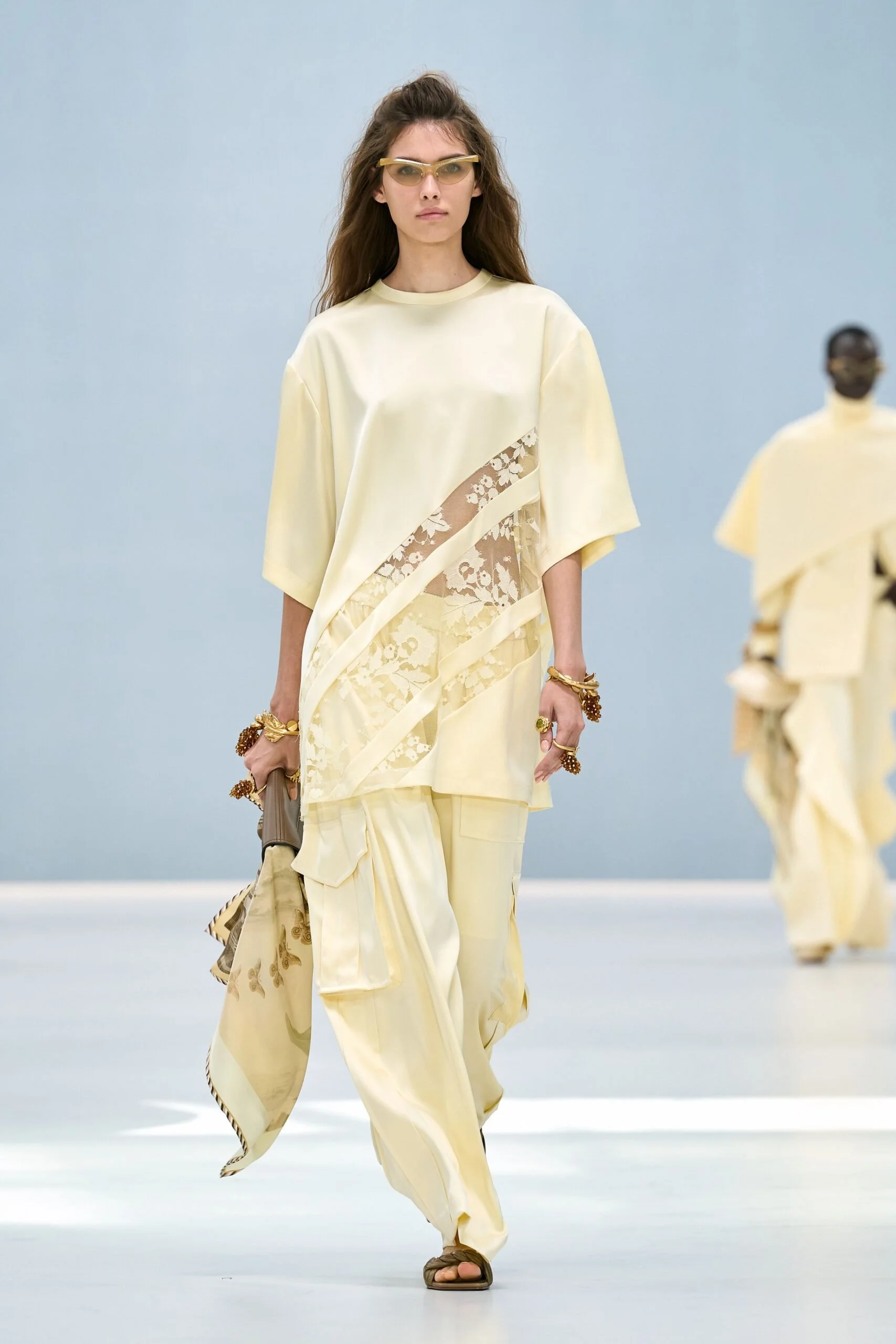
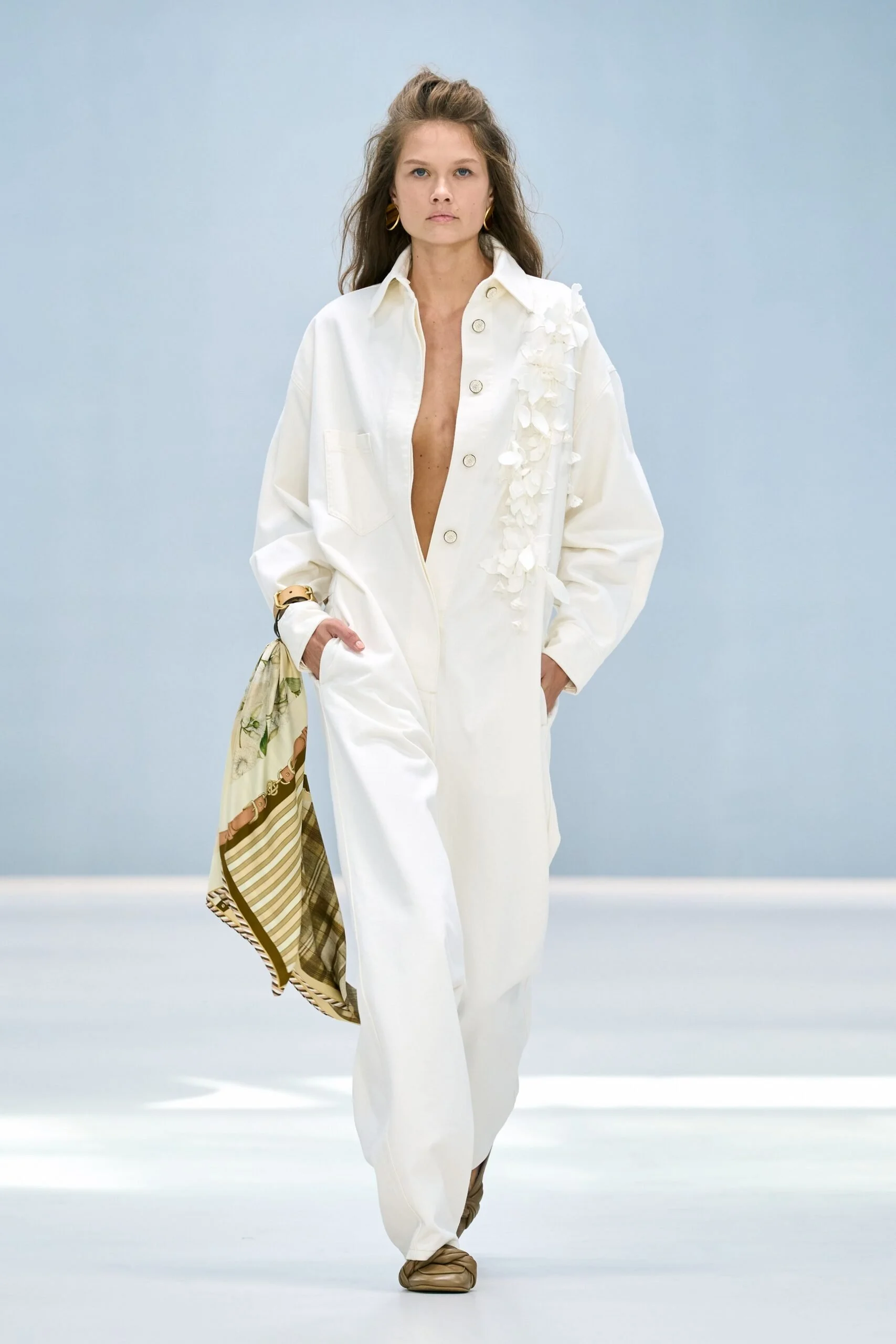
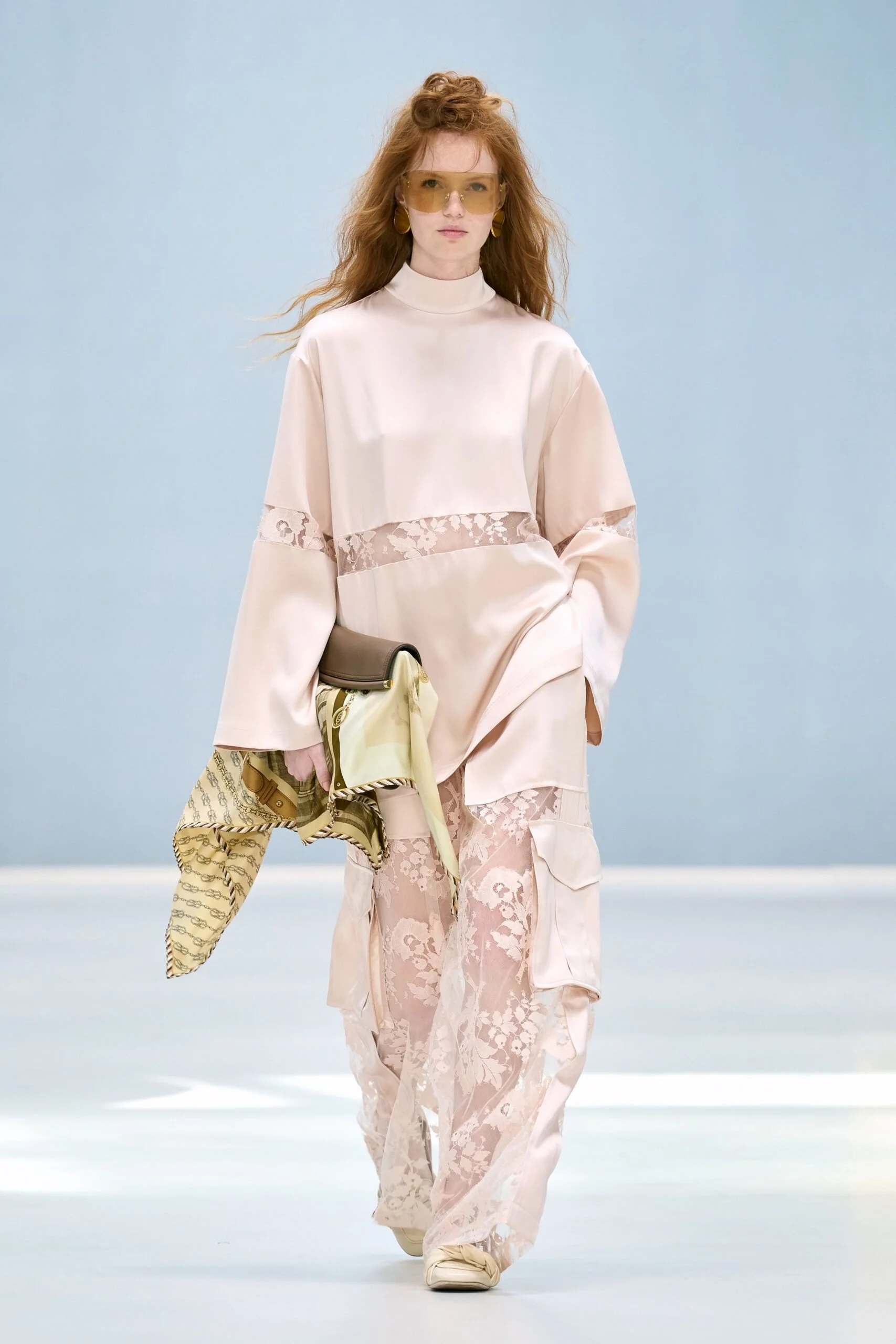
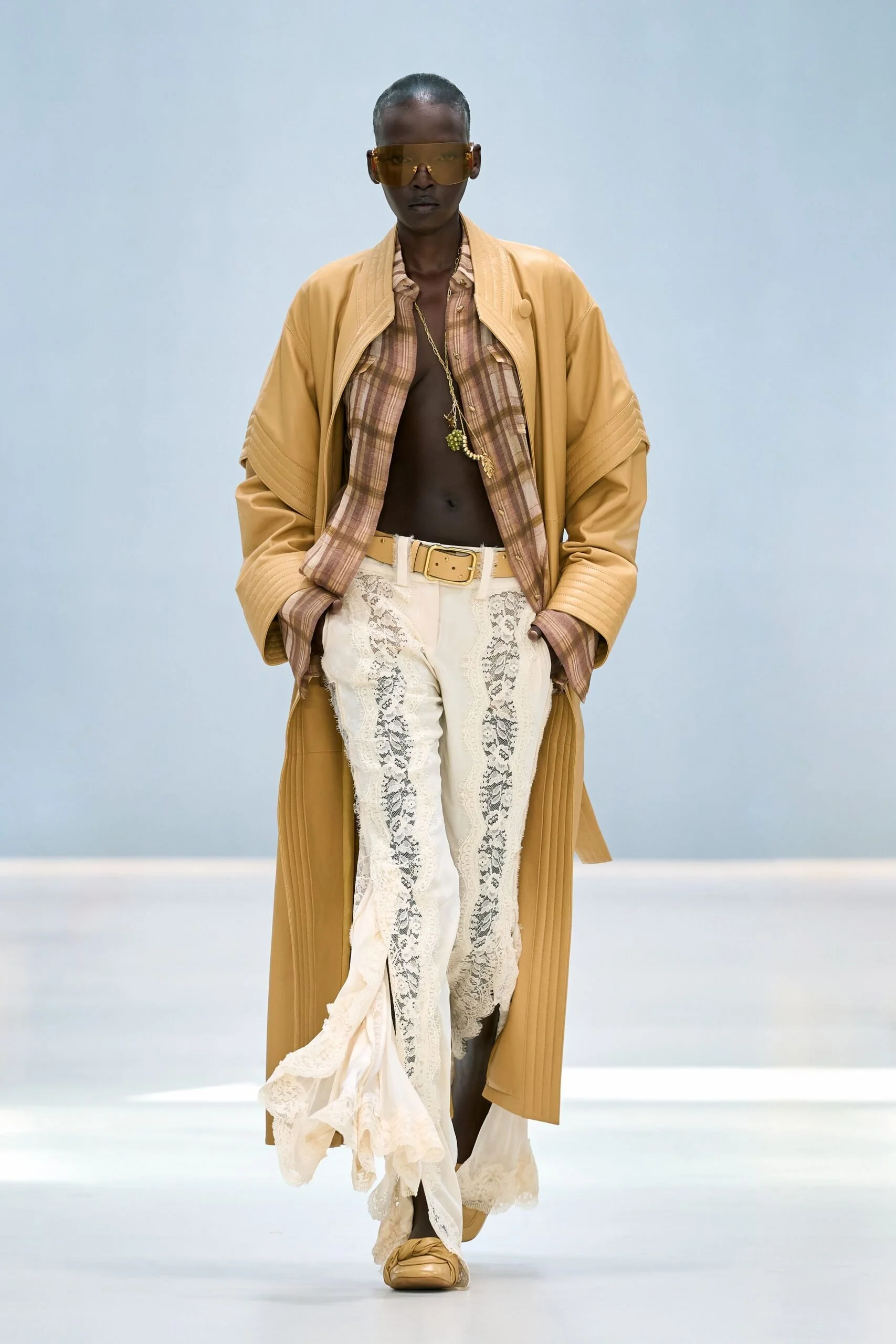
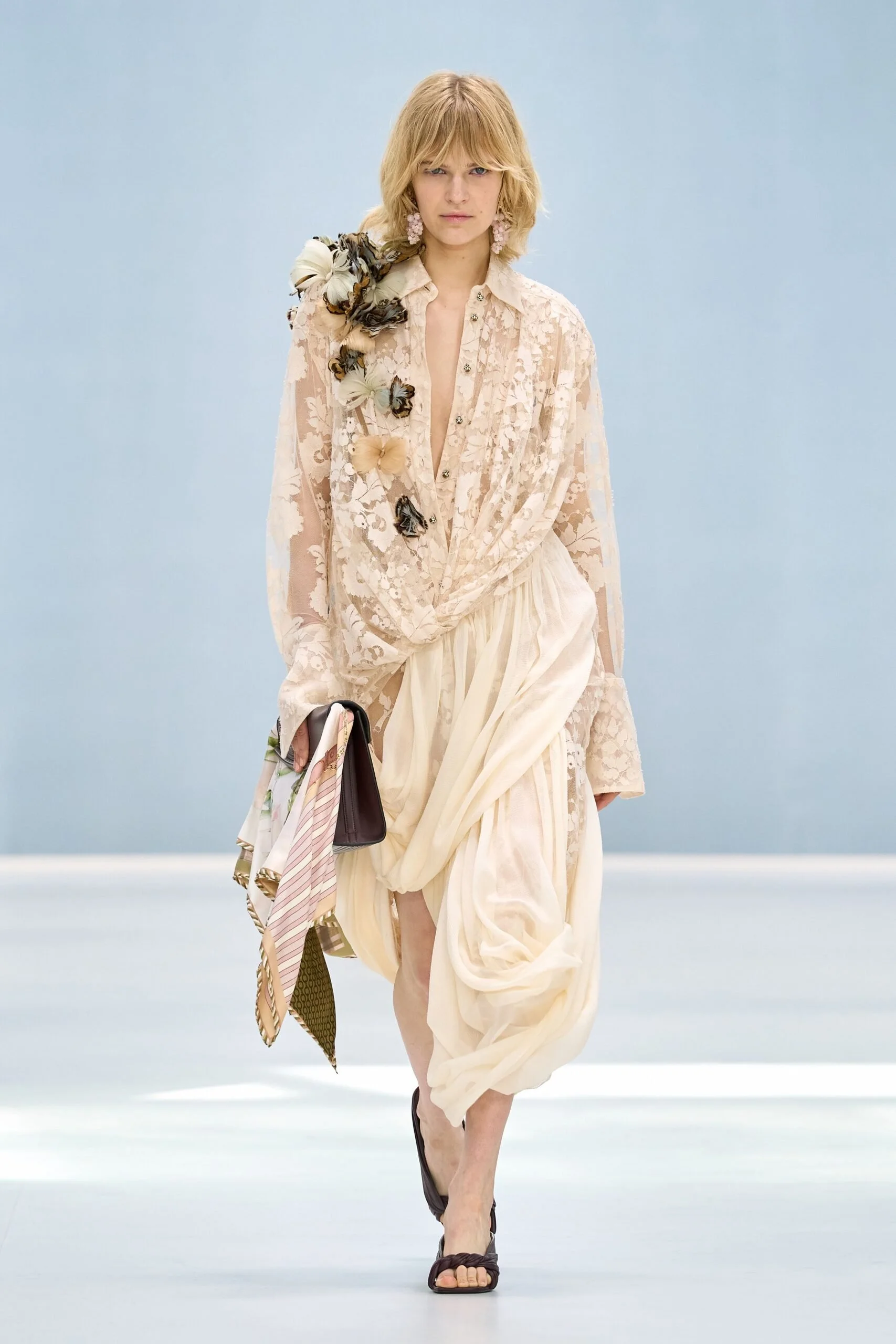
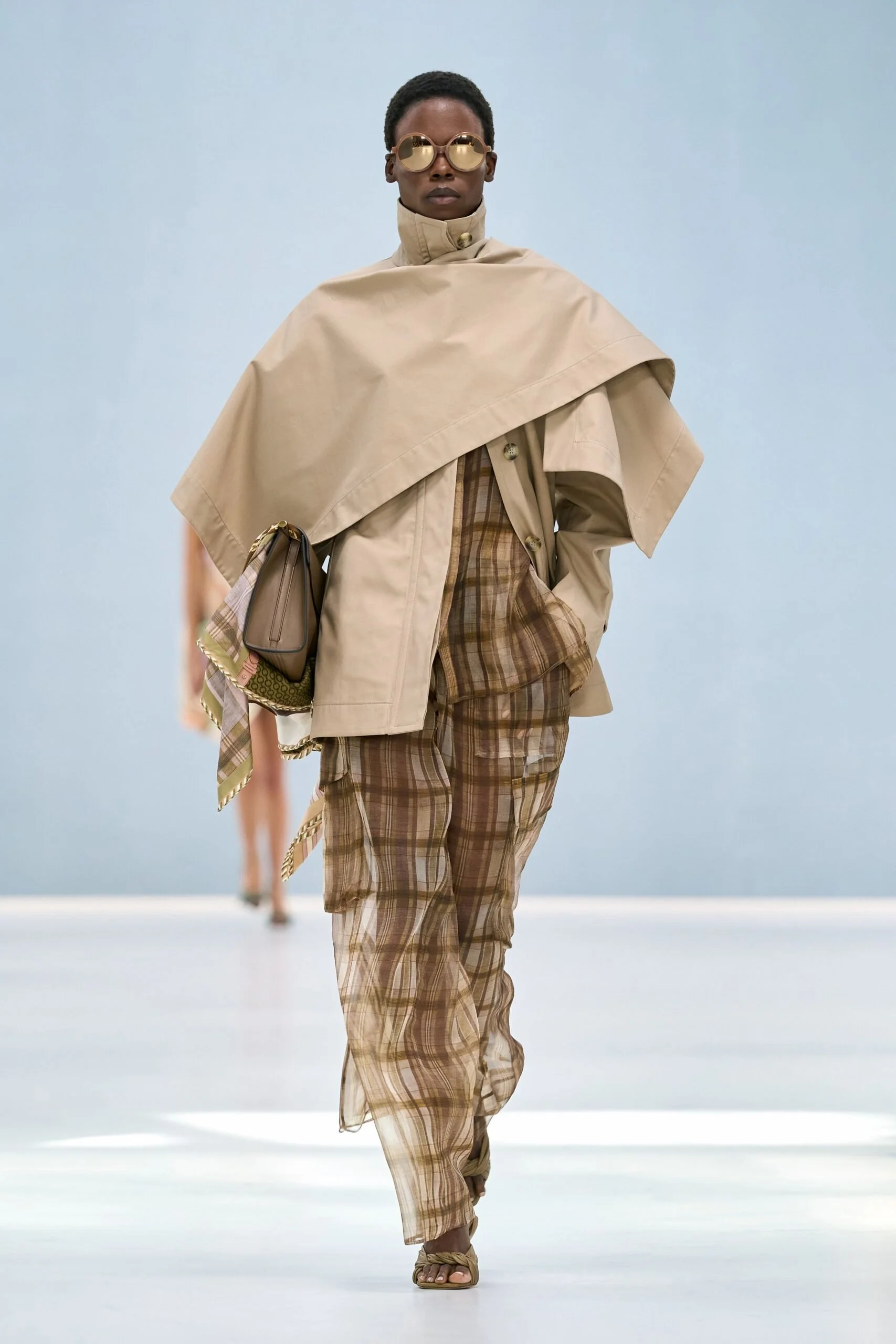
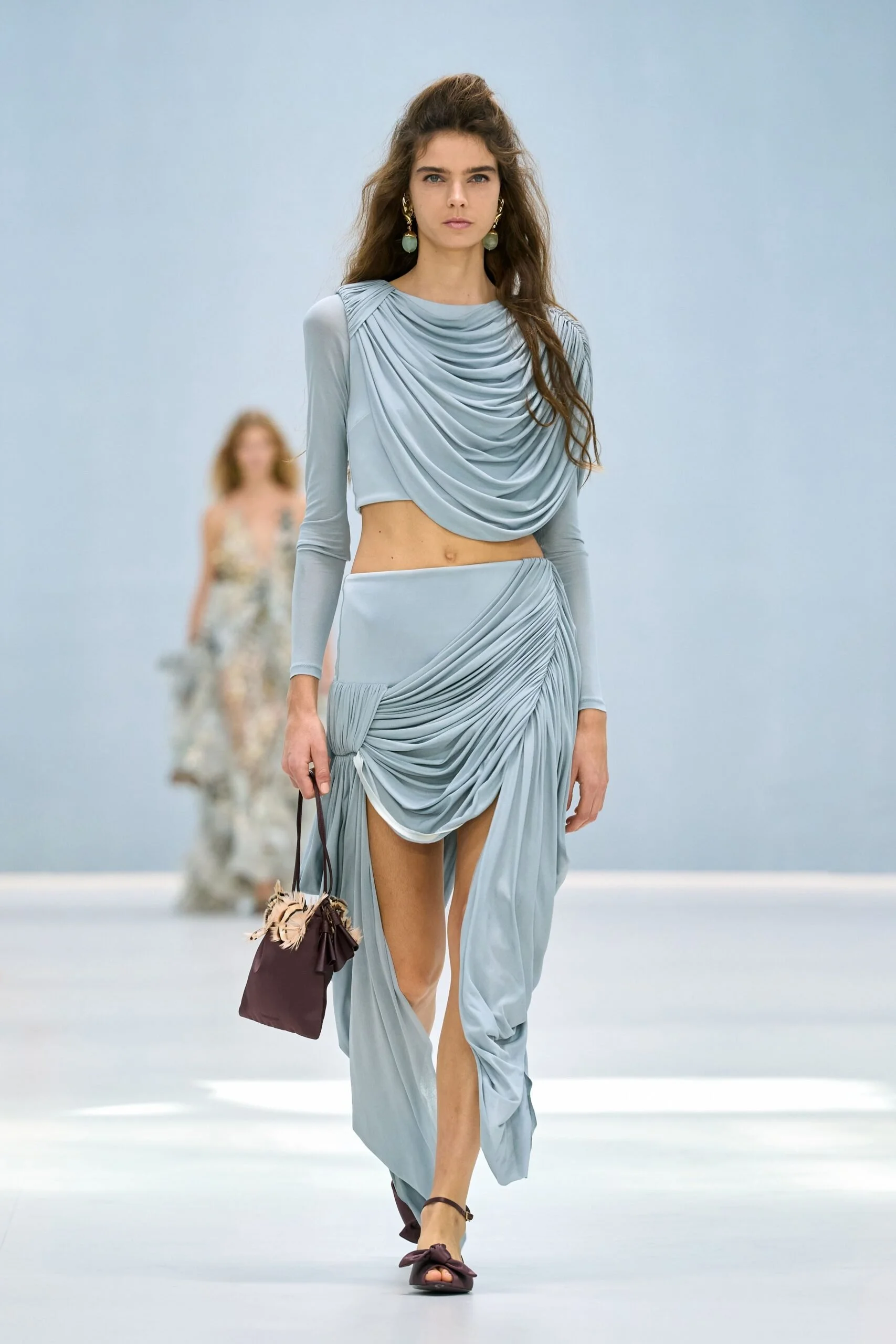
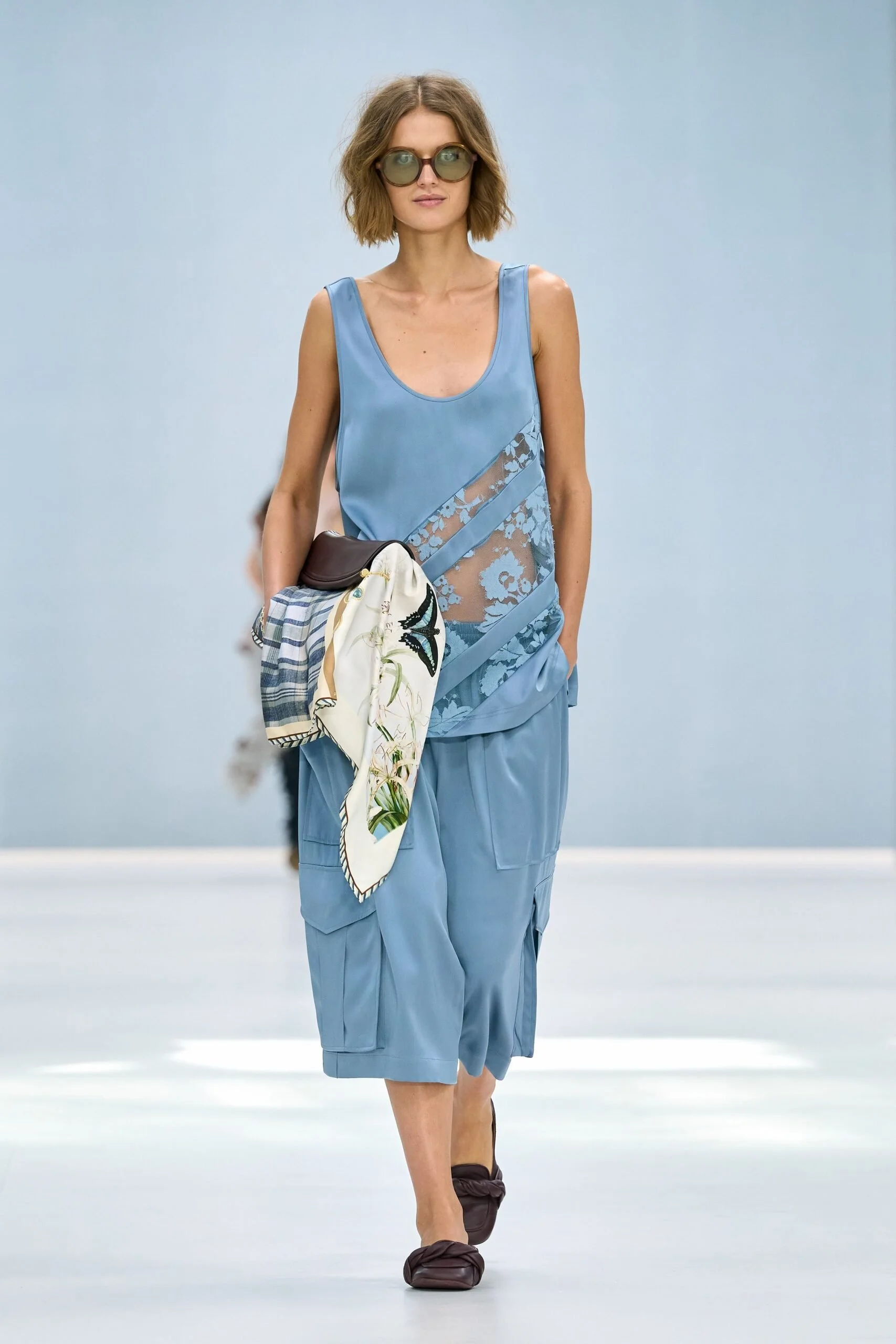
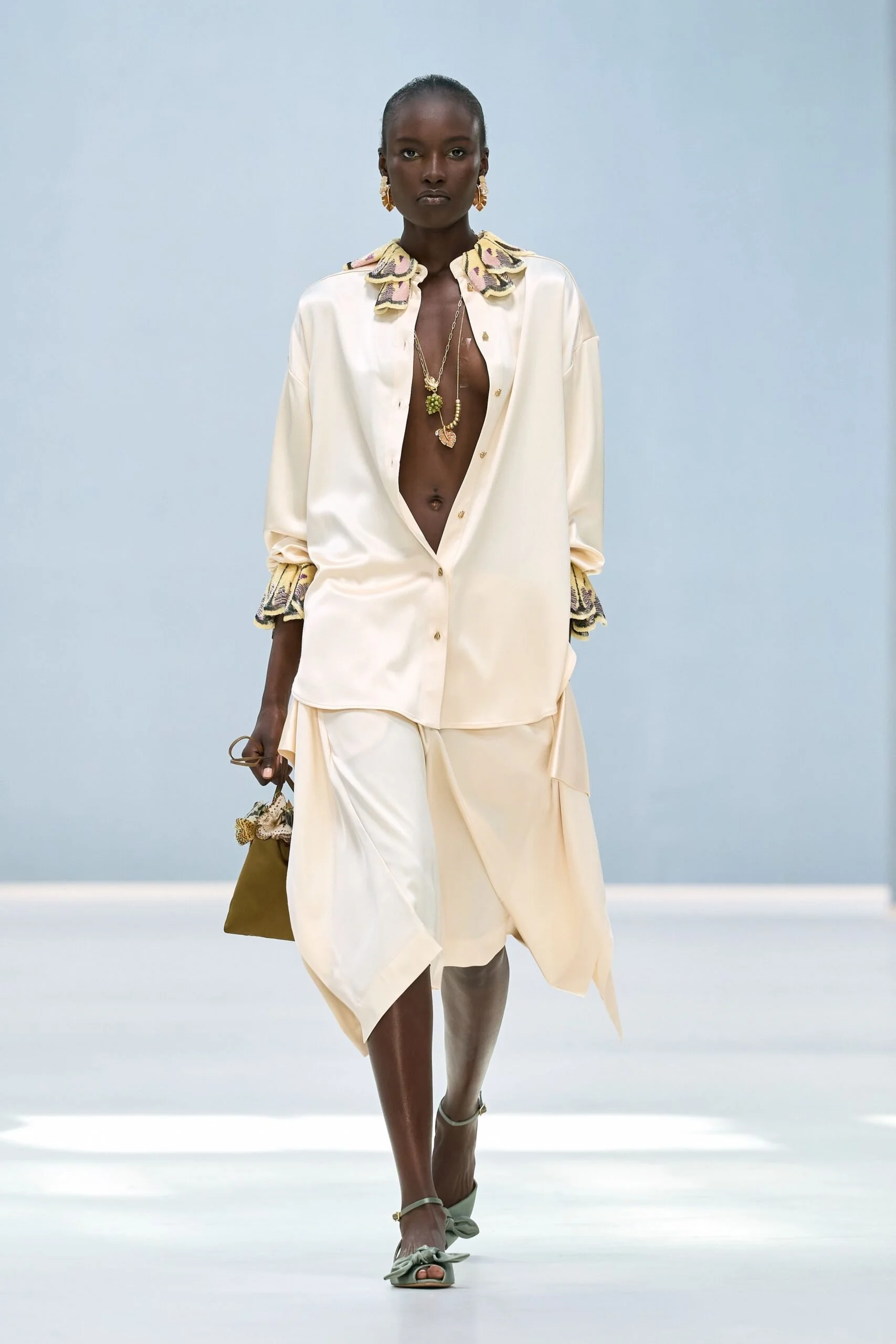
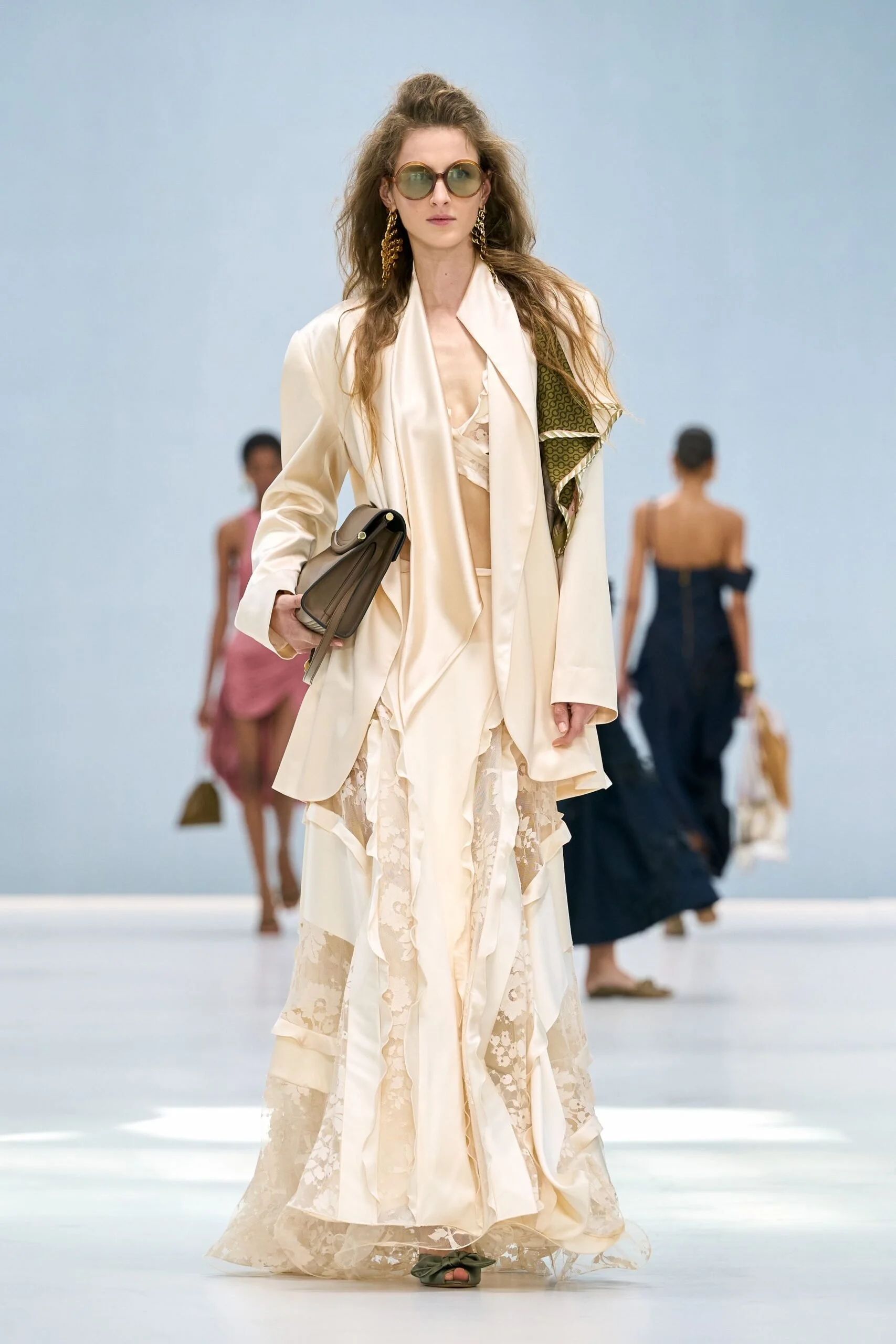
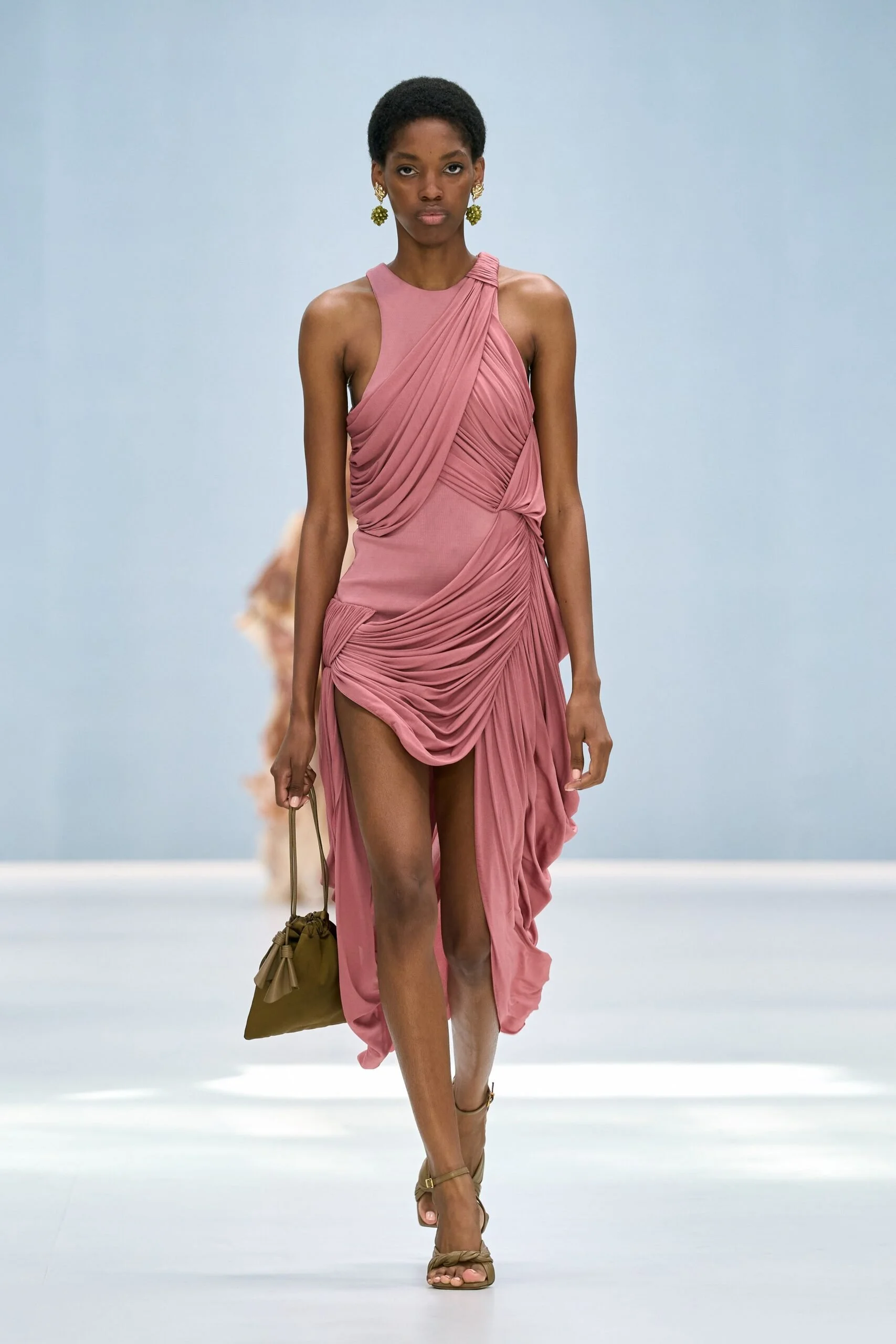
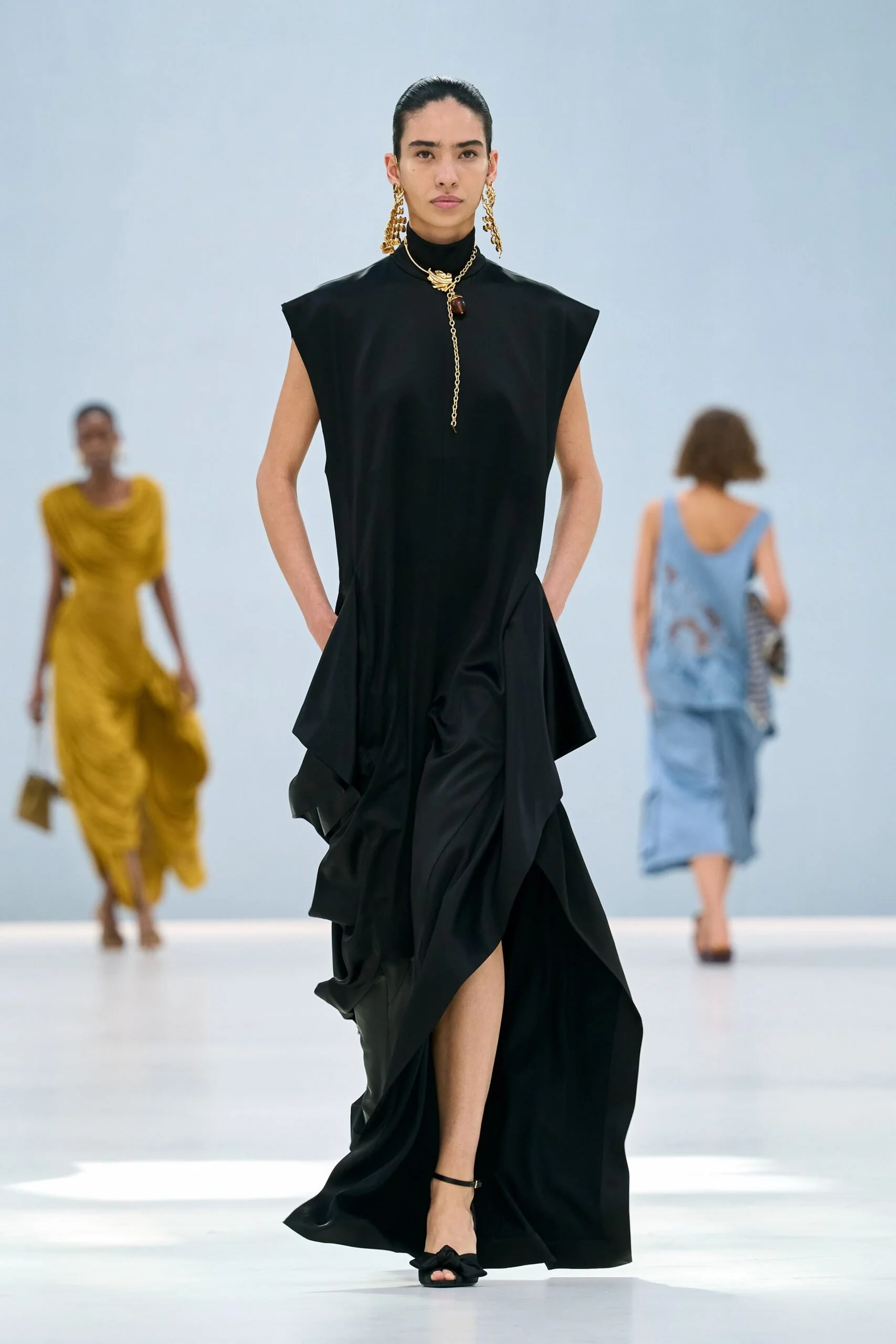
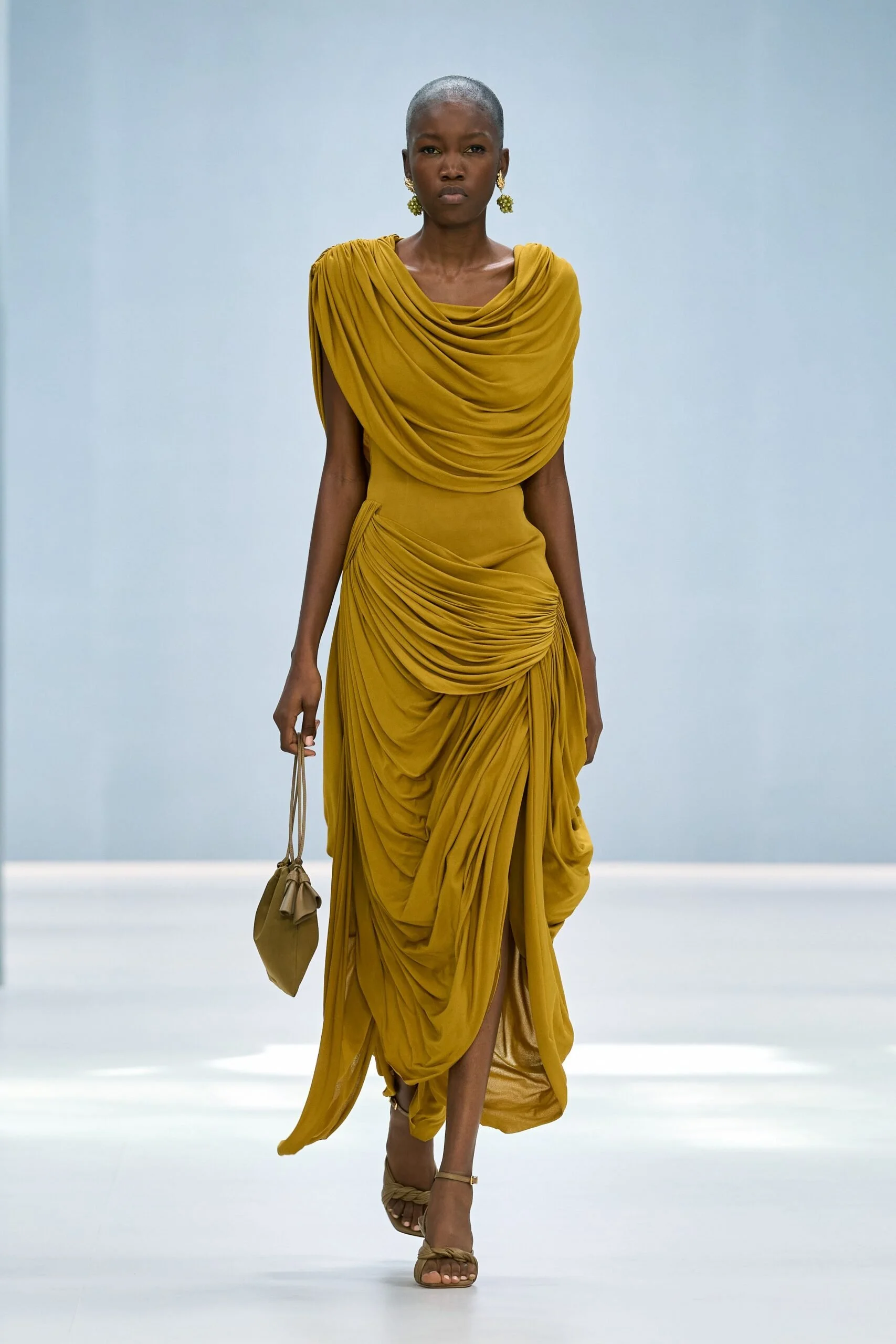
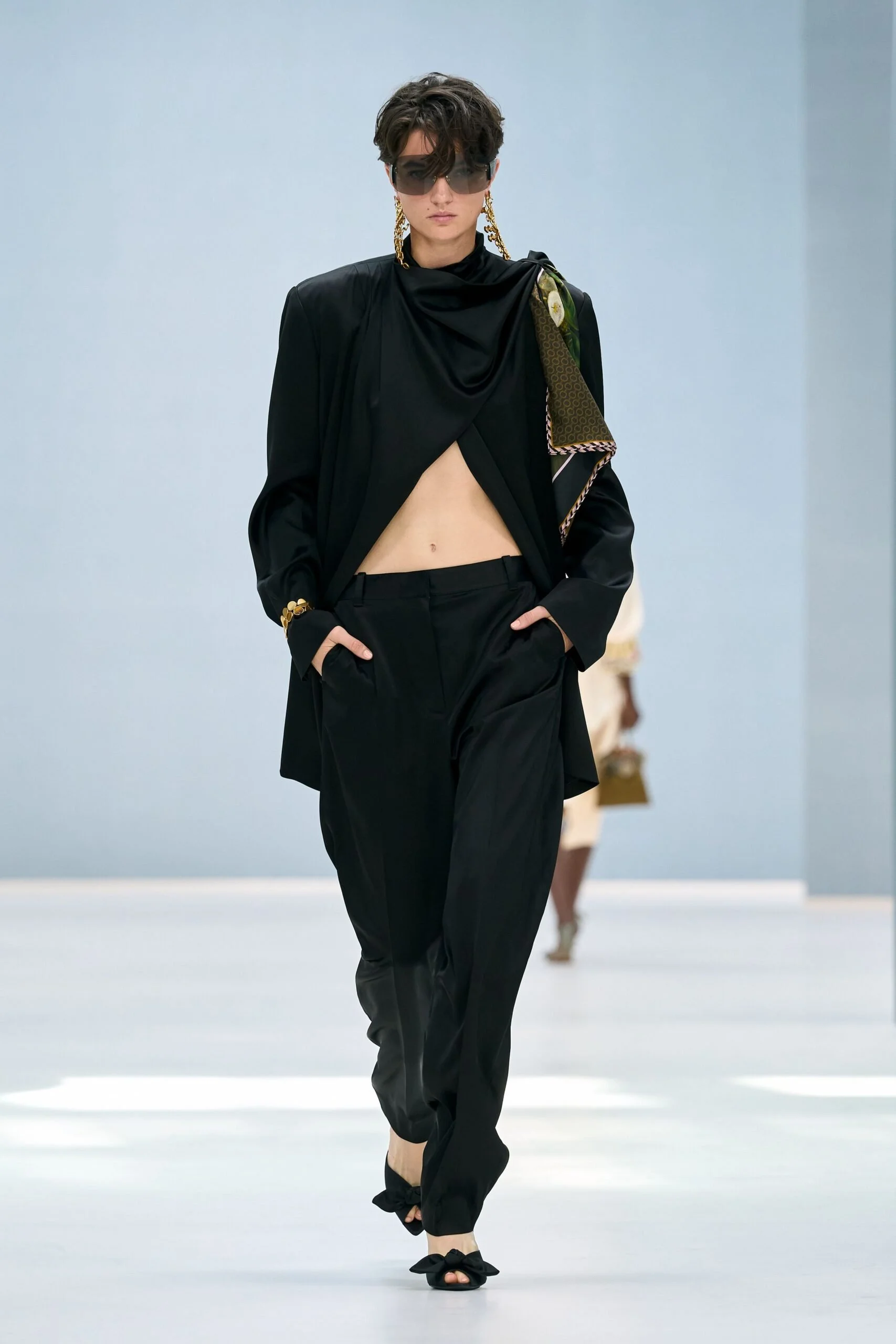
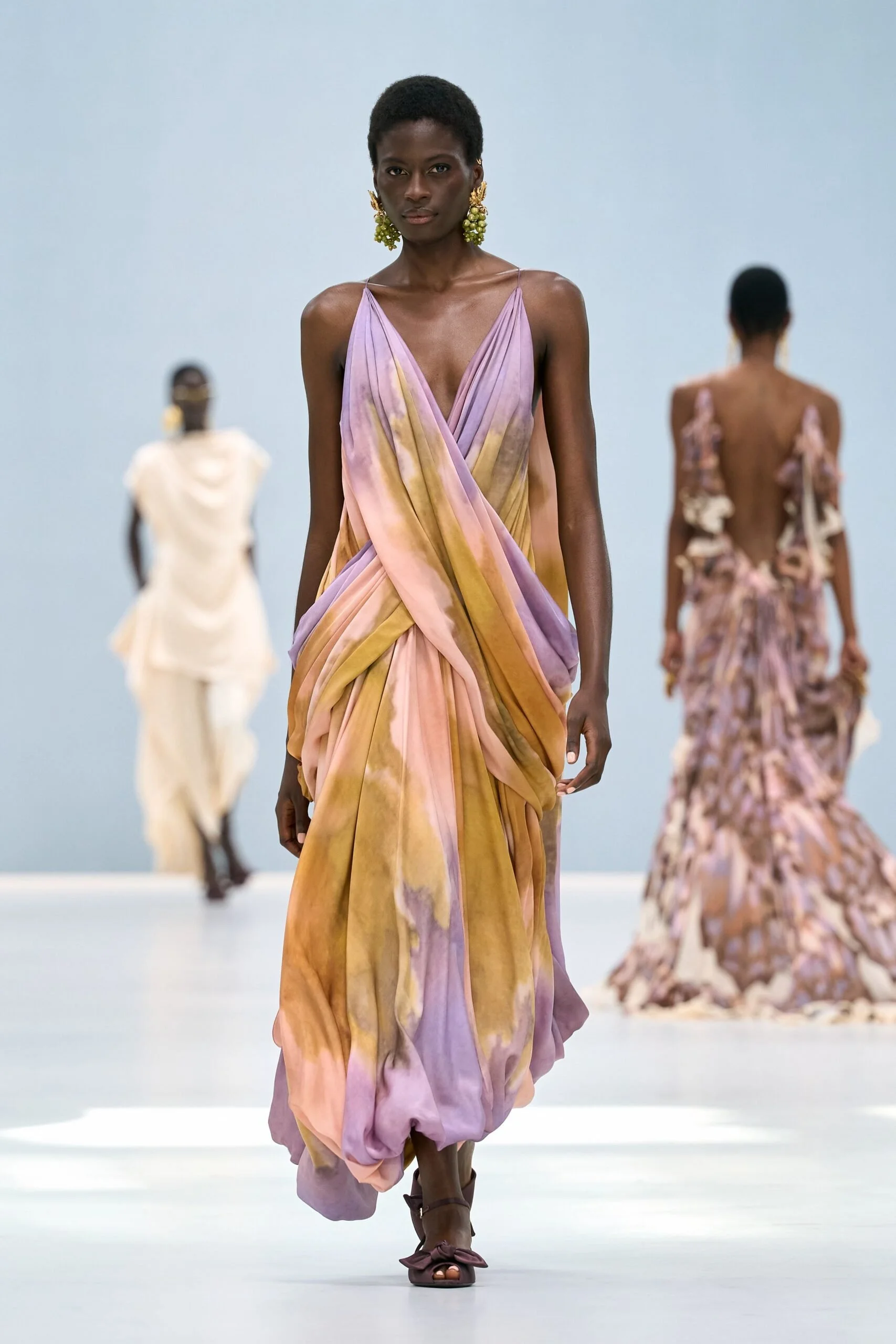
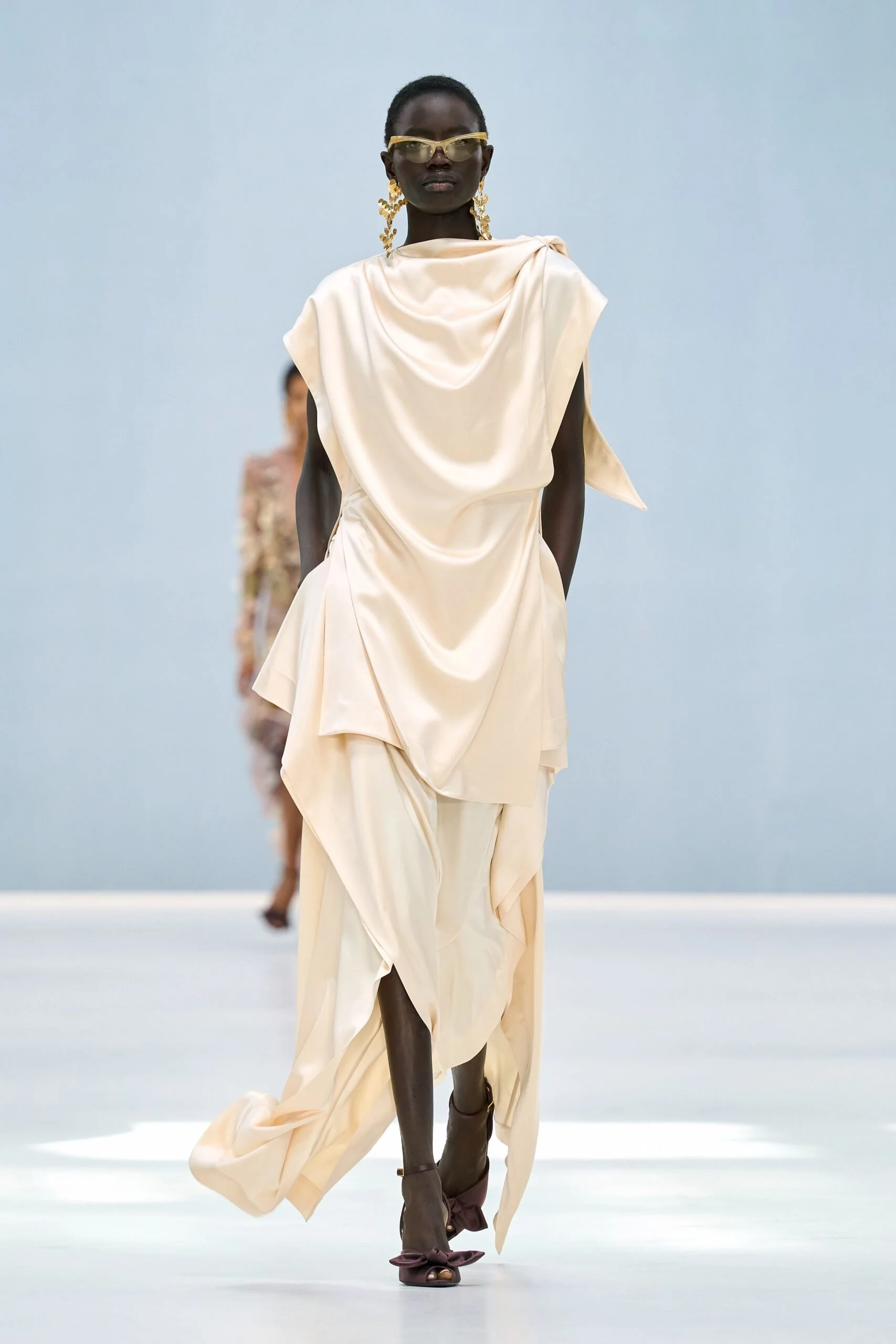
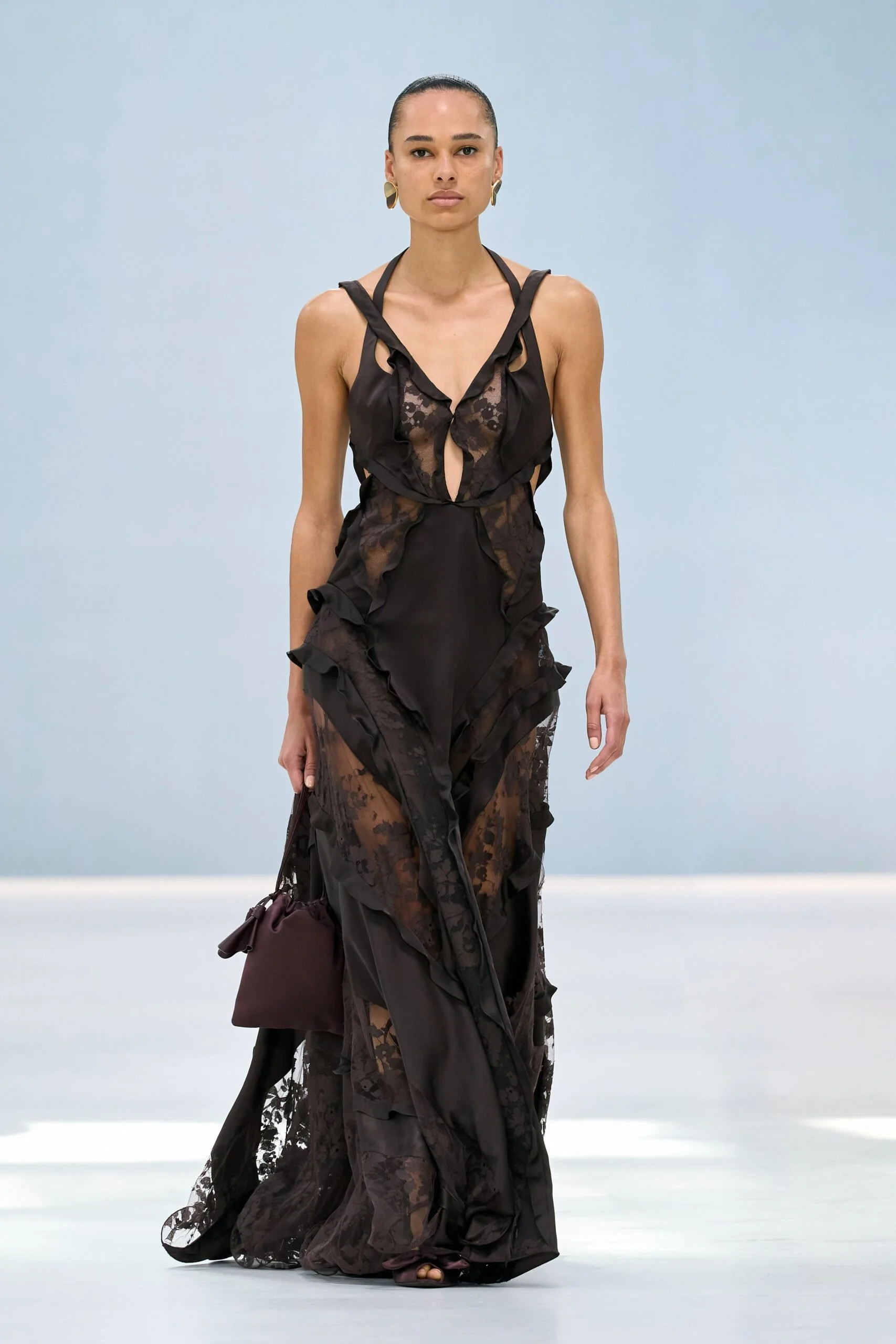
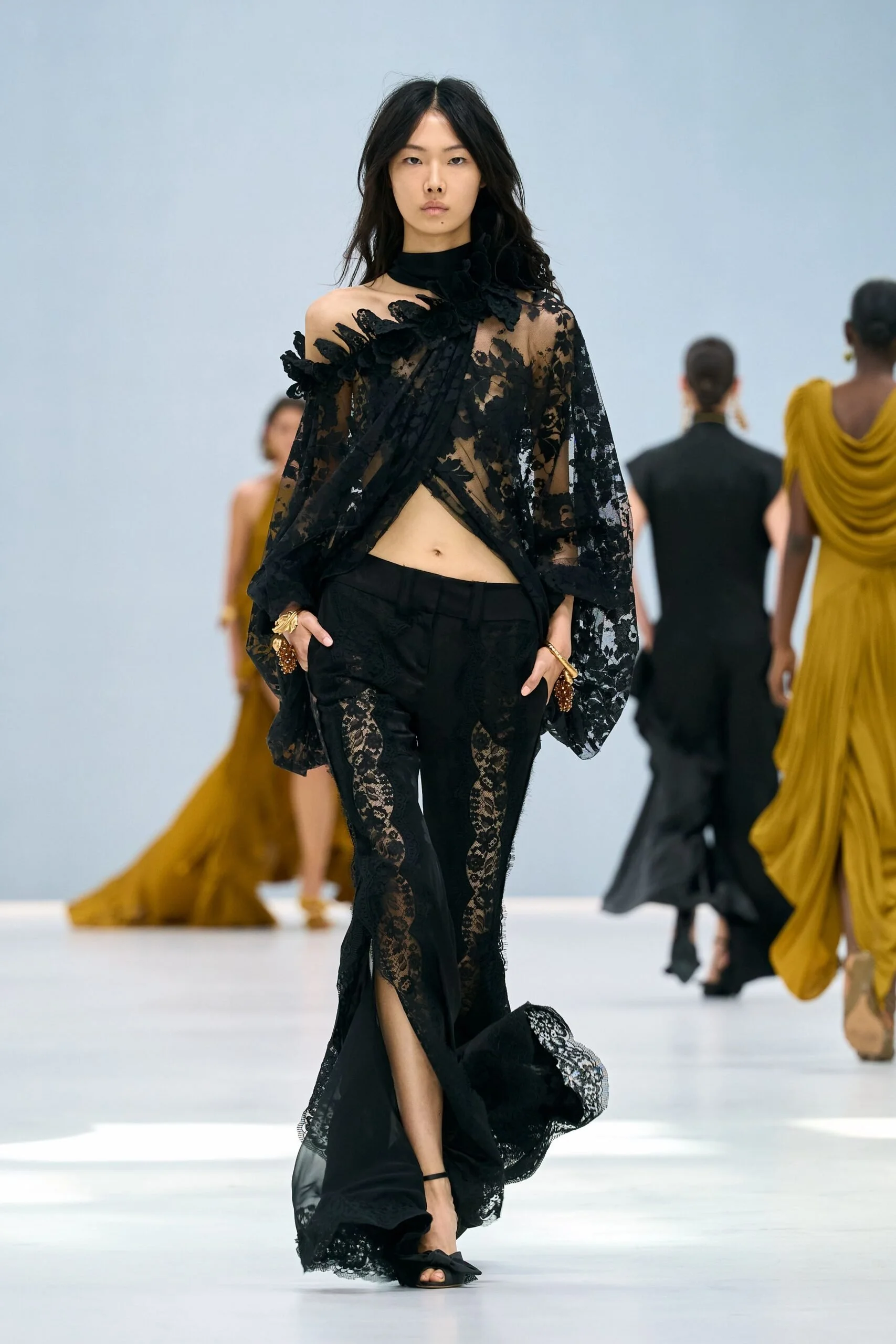
The butterflies were most convincing when they were allowed to become part of the silhouette rather than simply sit on its surface. Billowing silk gowns in burnout motifs, curtain-like layers of jersey and fluid flares moved around the body with the same sense of flight, giving the collection a cinematic quality on the runway. It was a deliberate continuation of Zimmermann's maximalism at a moment when many designers are reconsidering how much fabric fashion needs in a warming world. There was certainly an abundance of it here, and while the drama worked beautifully in motion, the practical question remained: where does all that volume go once you sit down? For those wanting something less theatrical, cream shirts and culottes carried restrained embroidery at the collar and cuffs, while satin T-shirts with graphic lace stripes came paired with matching cargo trousers.
Zimmermann's answer to an increasingly overheated world was not to make fashion smaller, but to make it feel alive. The Scott sisters' illustrations provided a useful reminder that nature has always been observed through movement, colour and detail, and Zimmermann translated that idea into clothes designed to move with the wearer. There was joy in the collection, but also something slightly wistful about it: butterflies and moths are beautiful precisely because they are fleeting. As summers become hotter and the natural world becomes more precarious, fashion cannot offer much of a solution, but Zimmermann can at least make the fantasy of escape feel convincing for a few minutes on the runway.