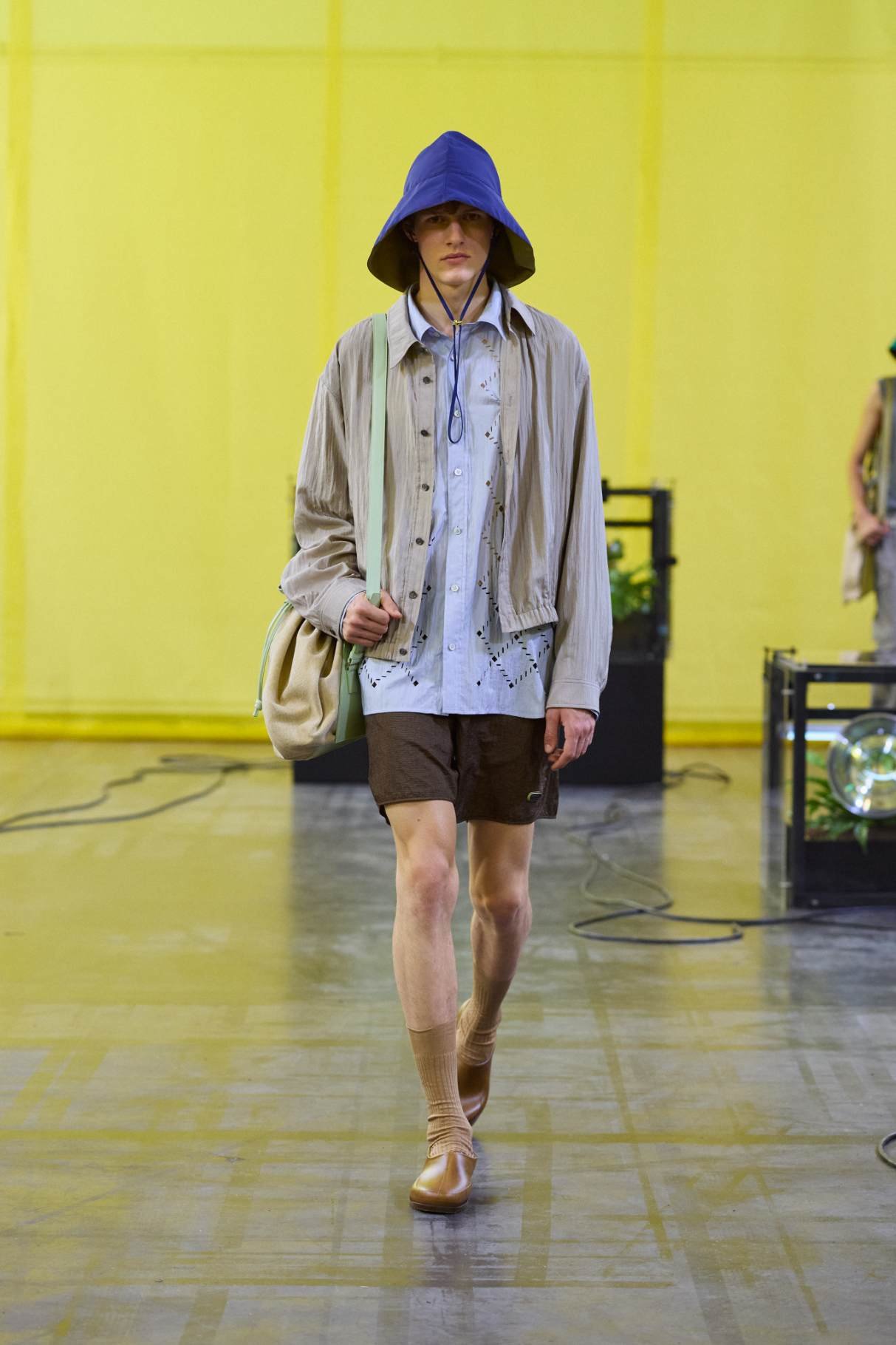
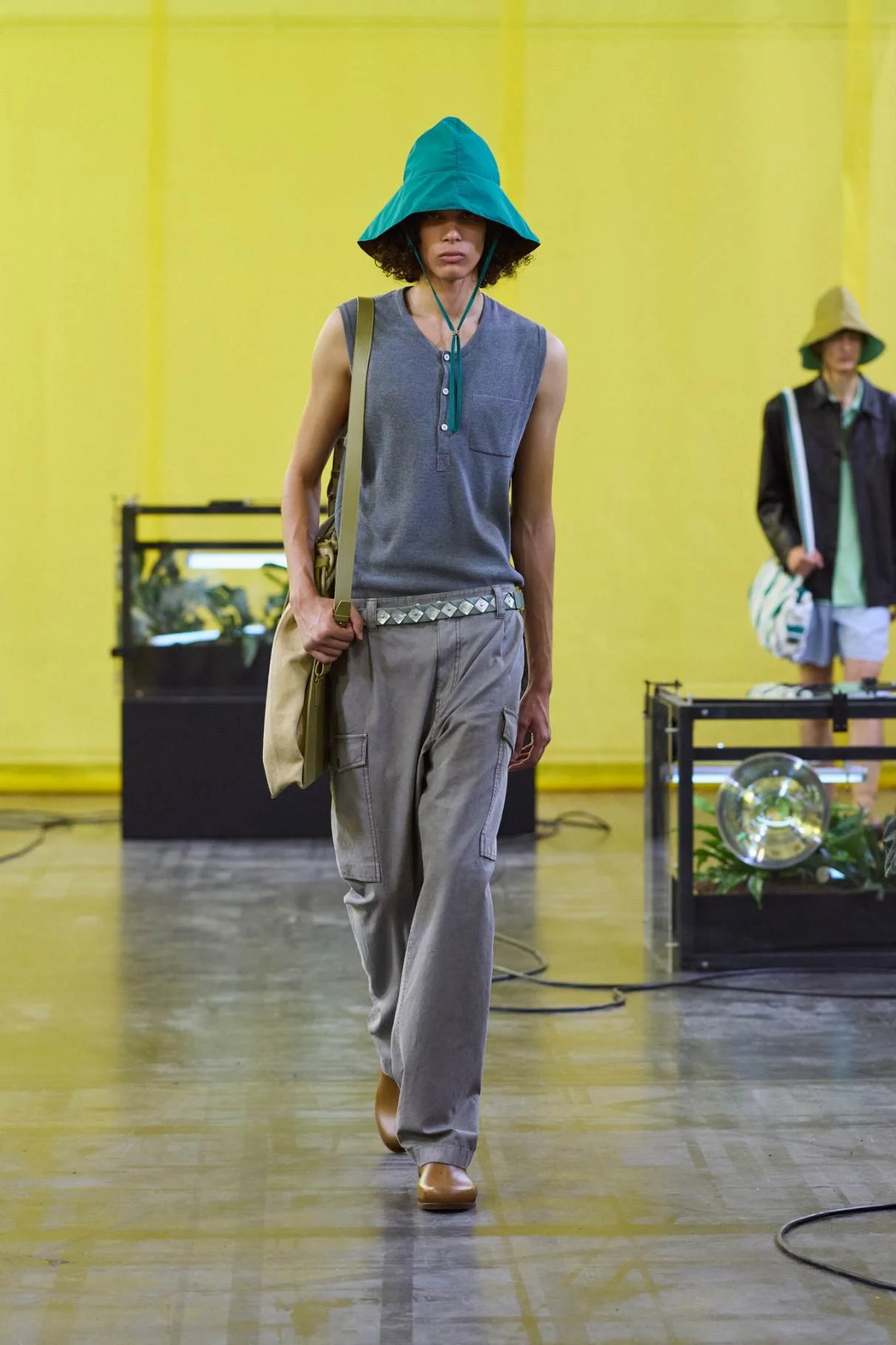
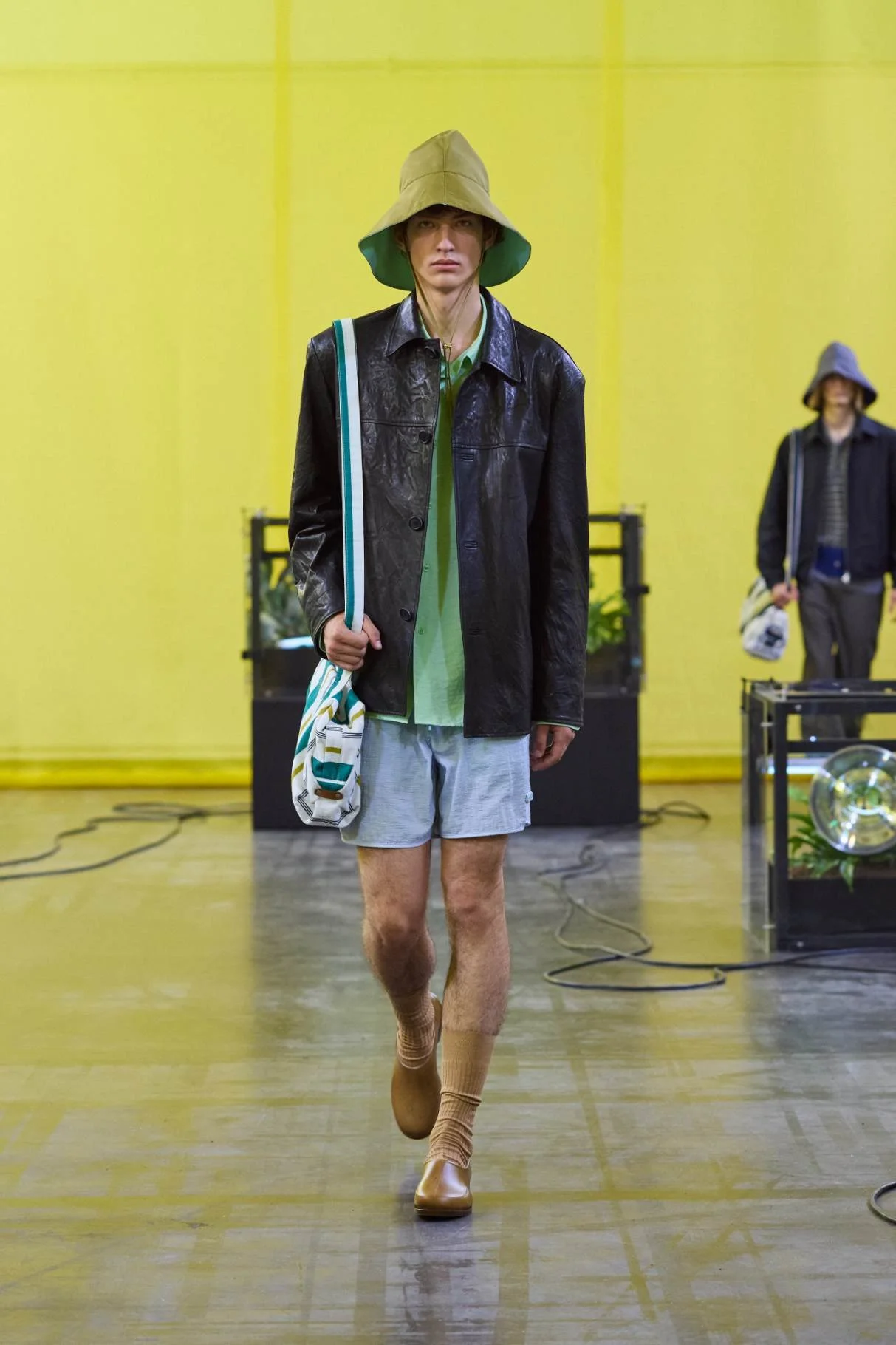
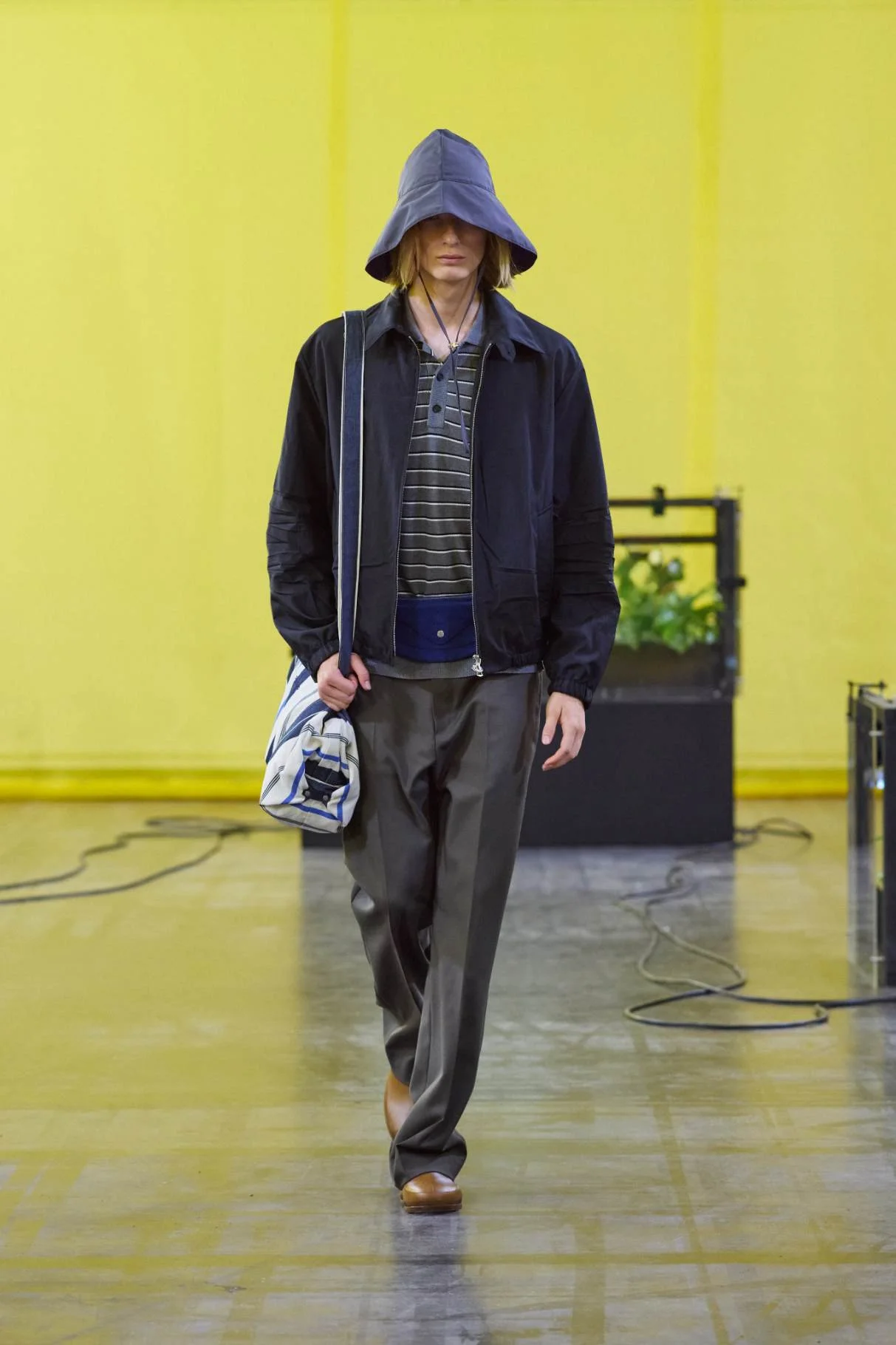
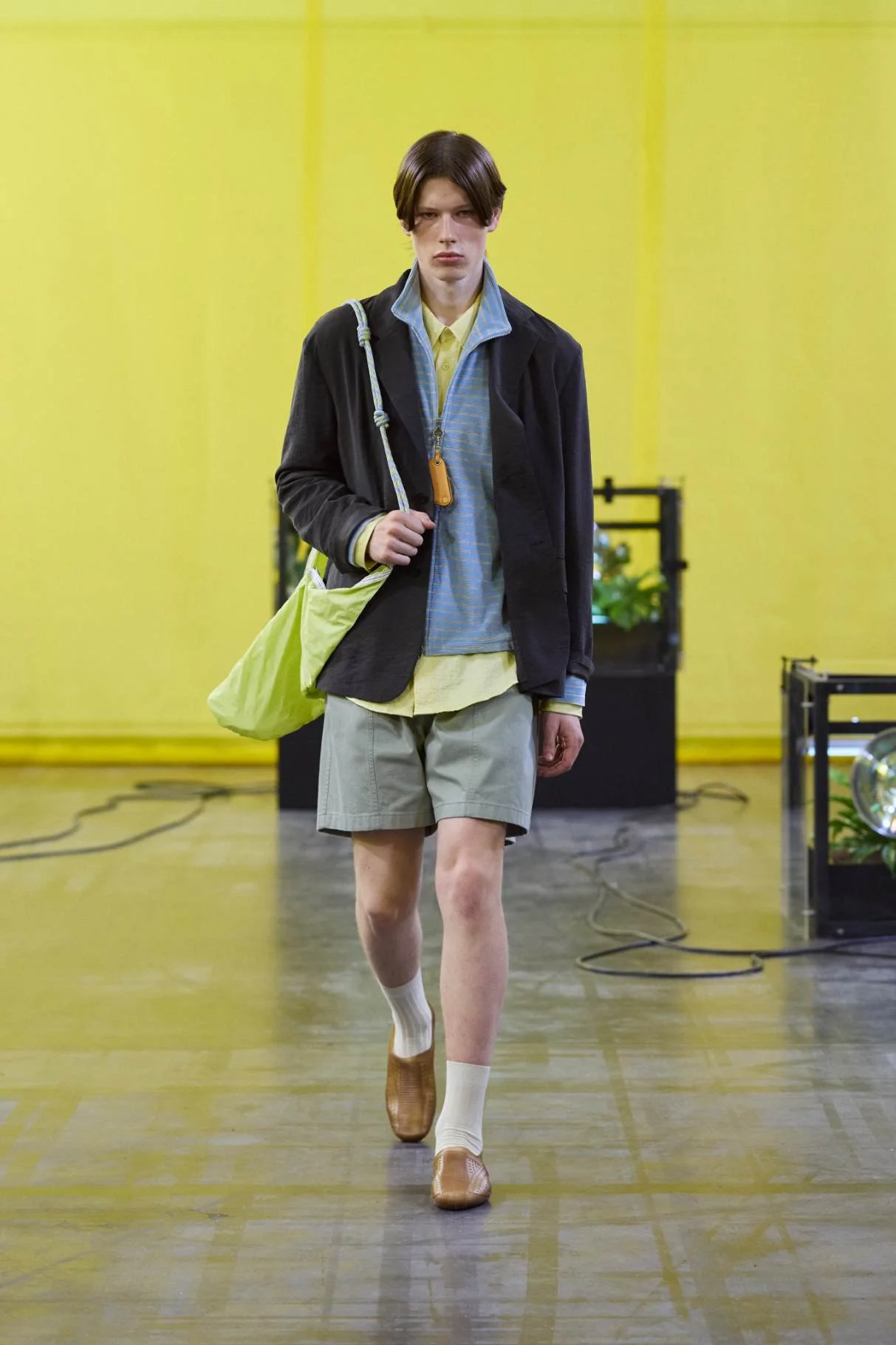
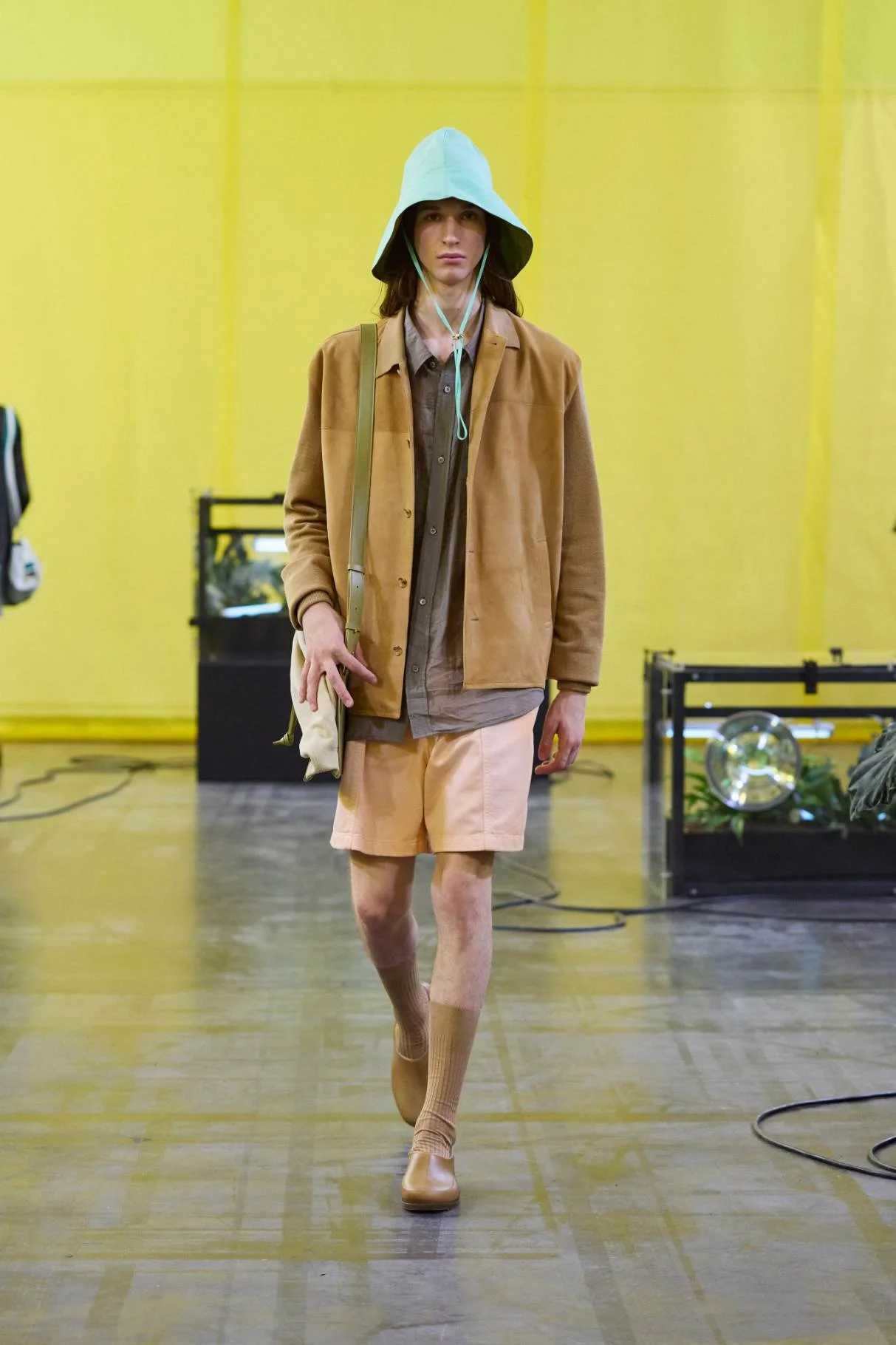
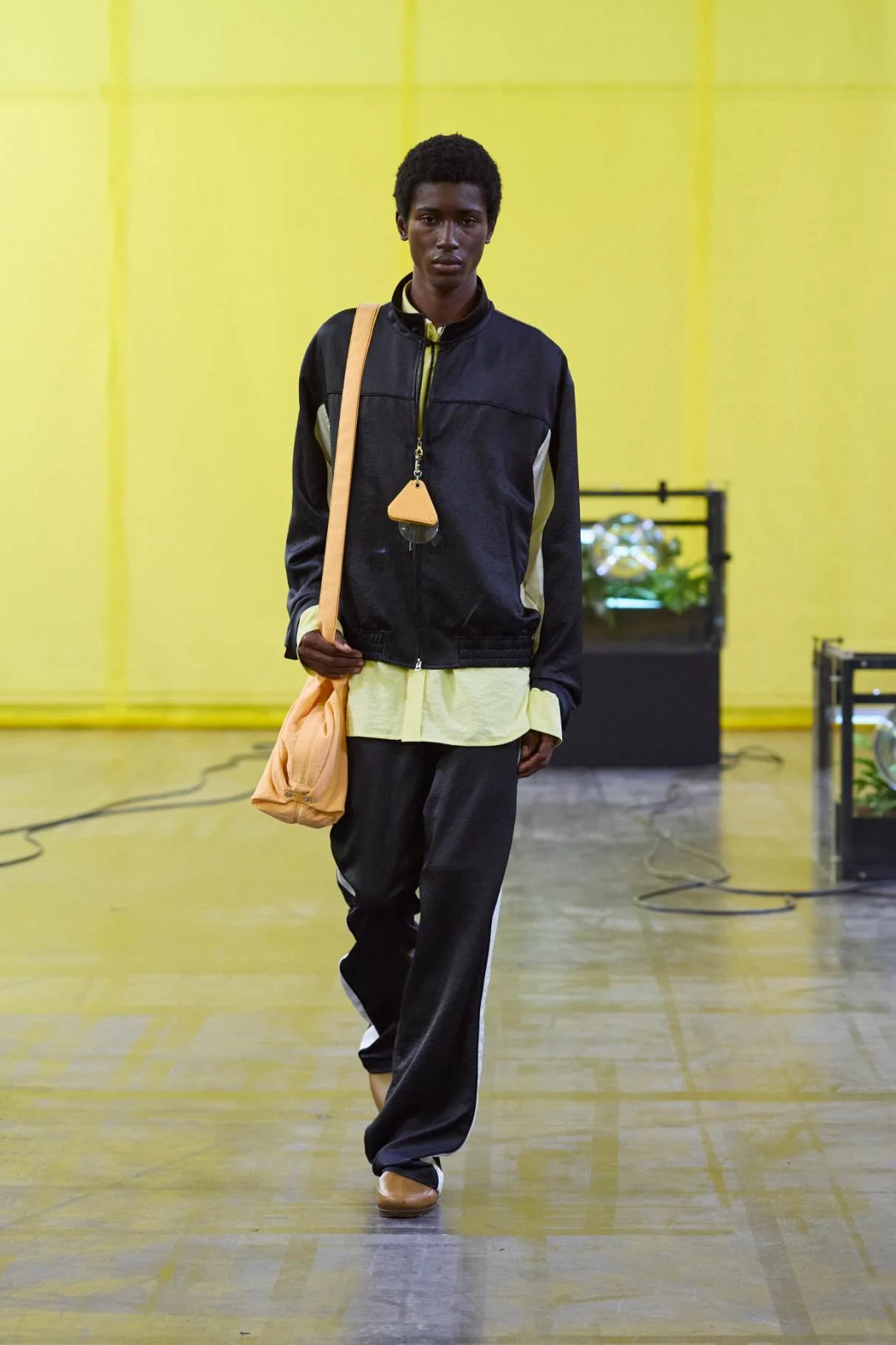
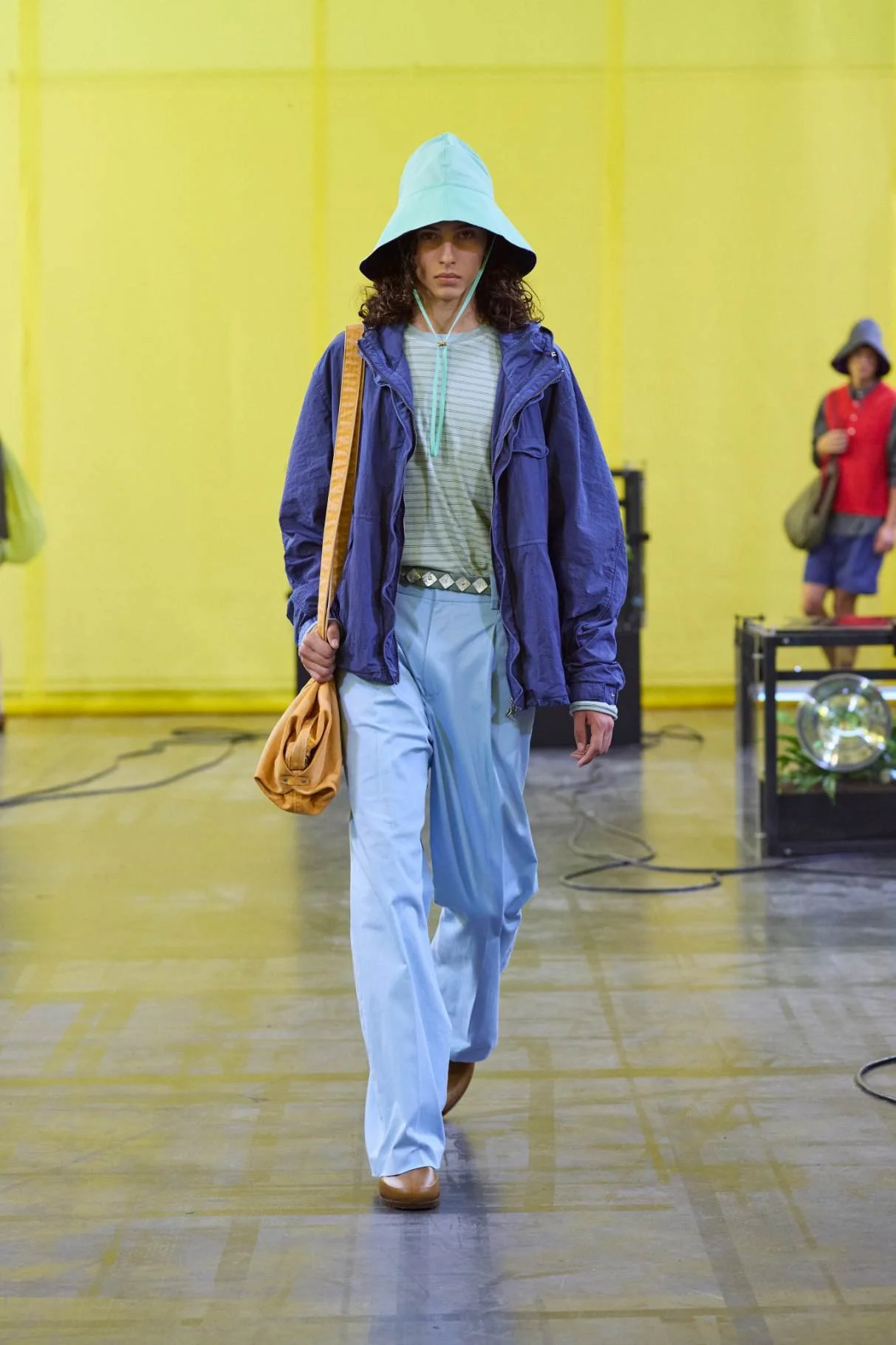
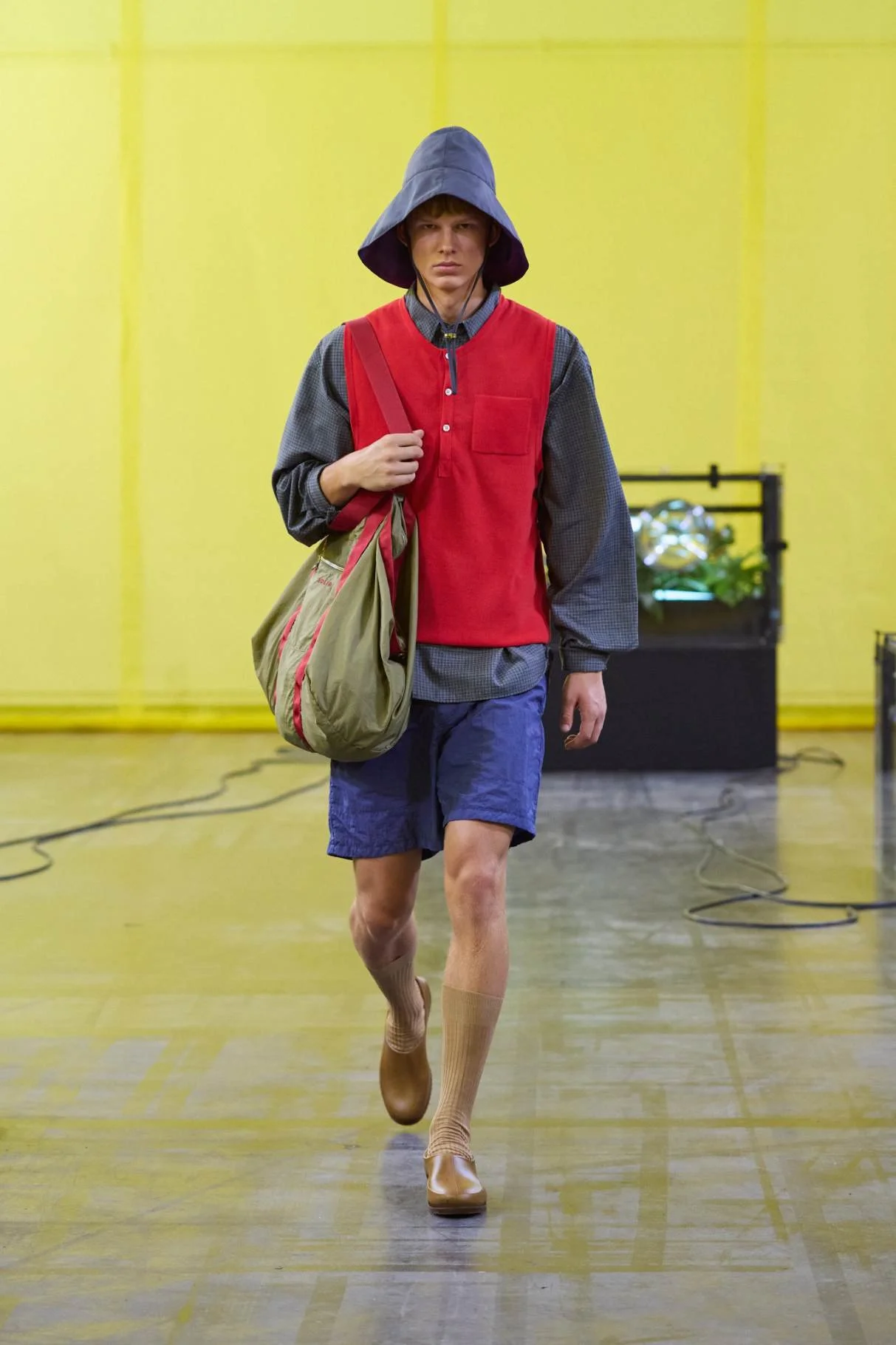
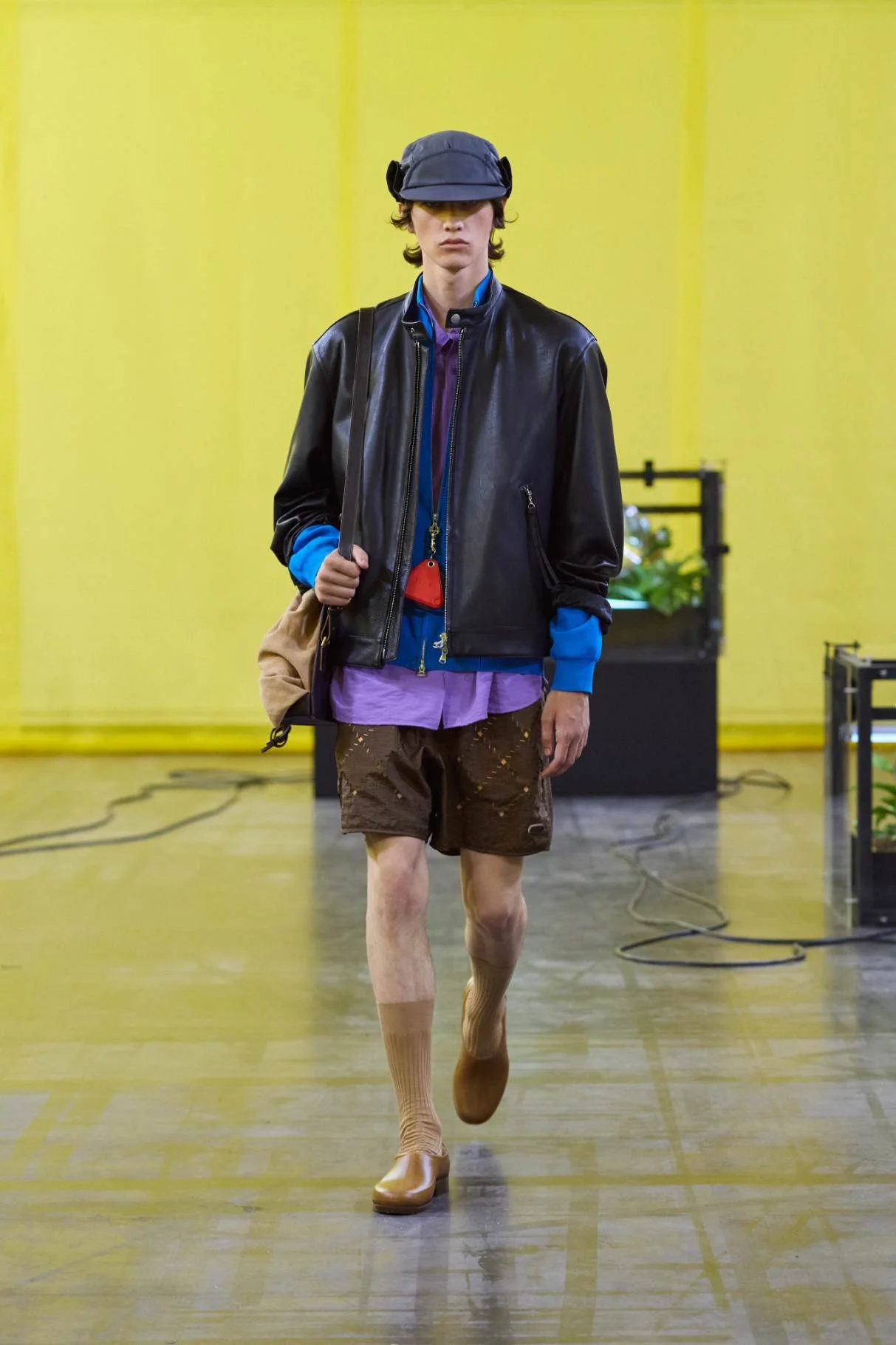
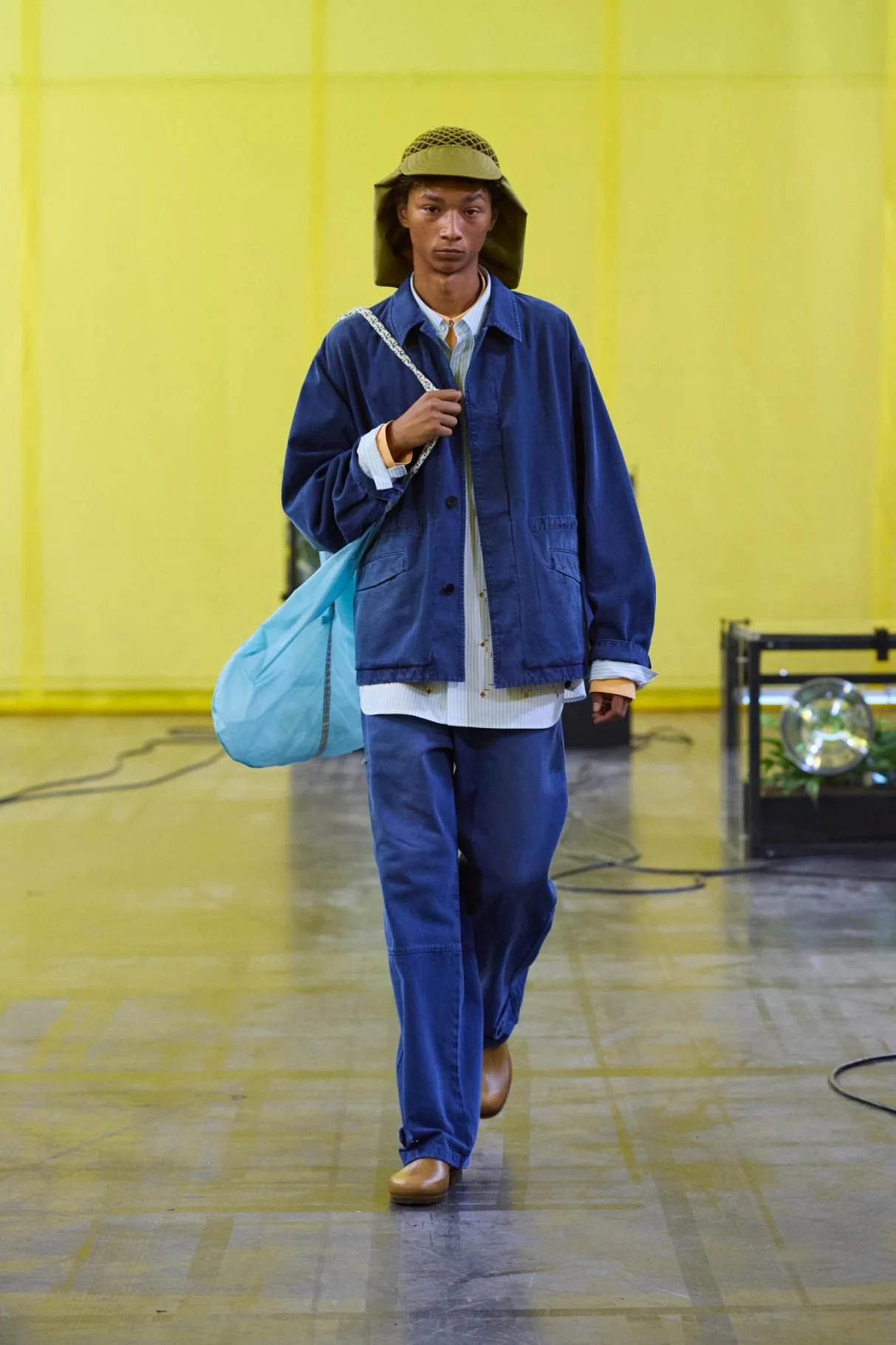
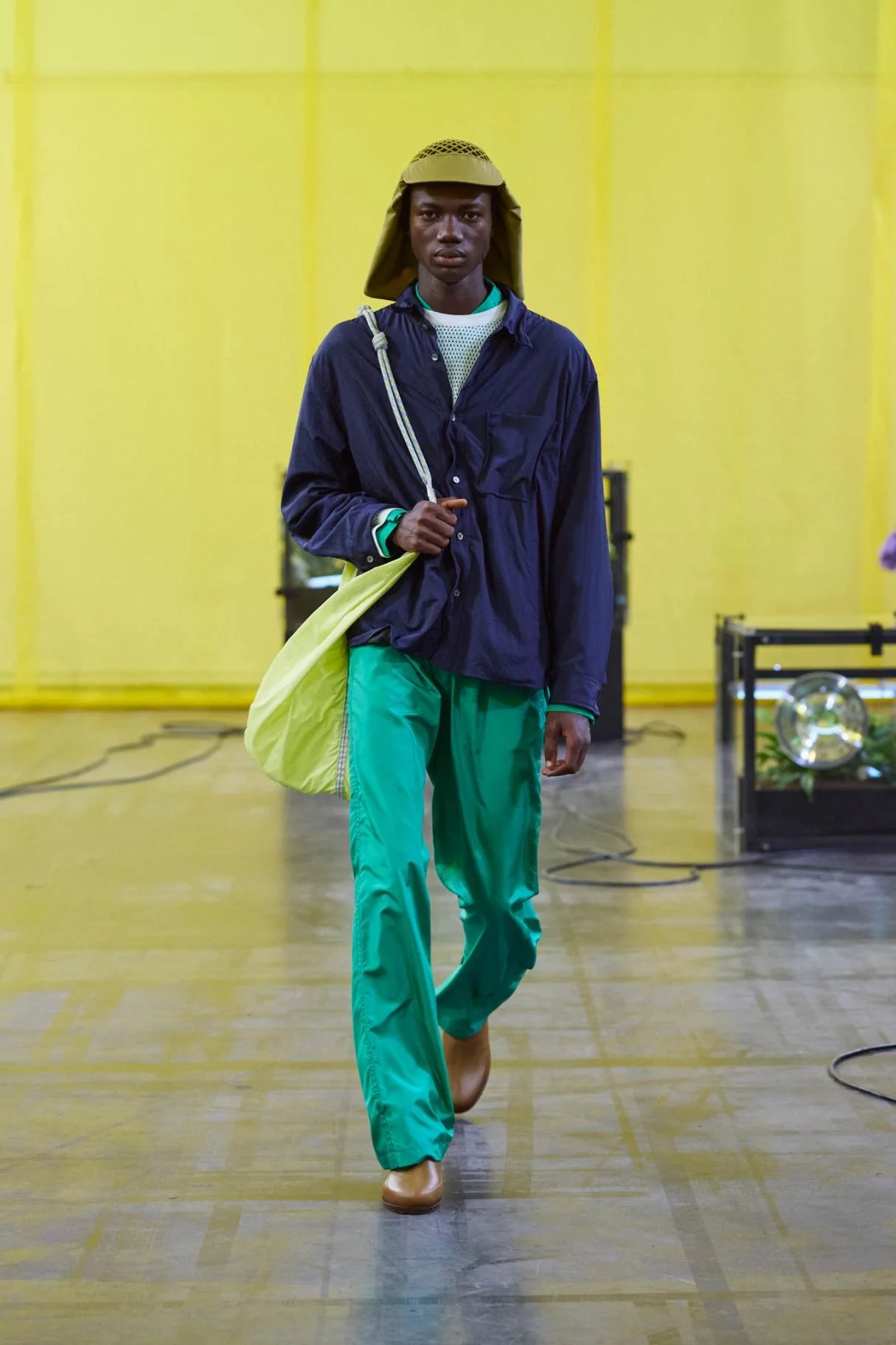
Solid Homme Men’s 2027
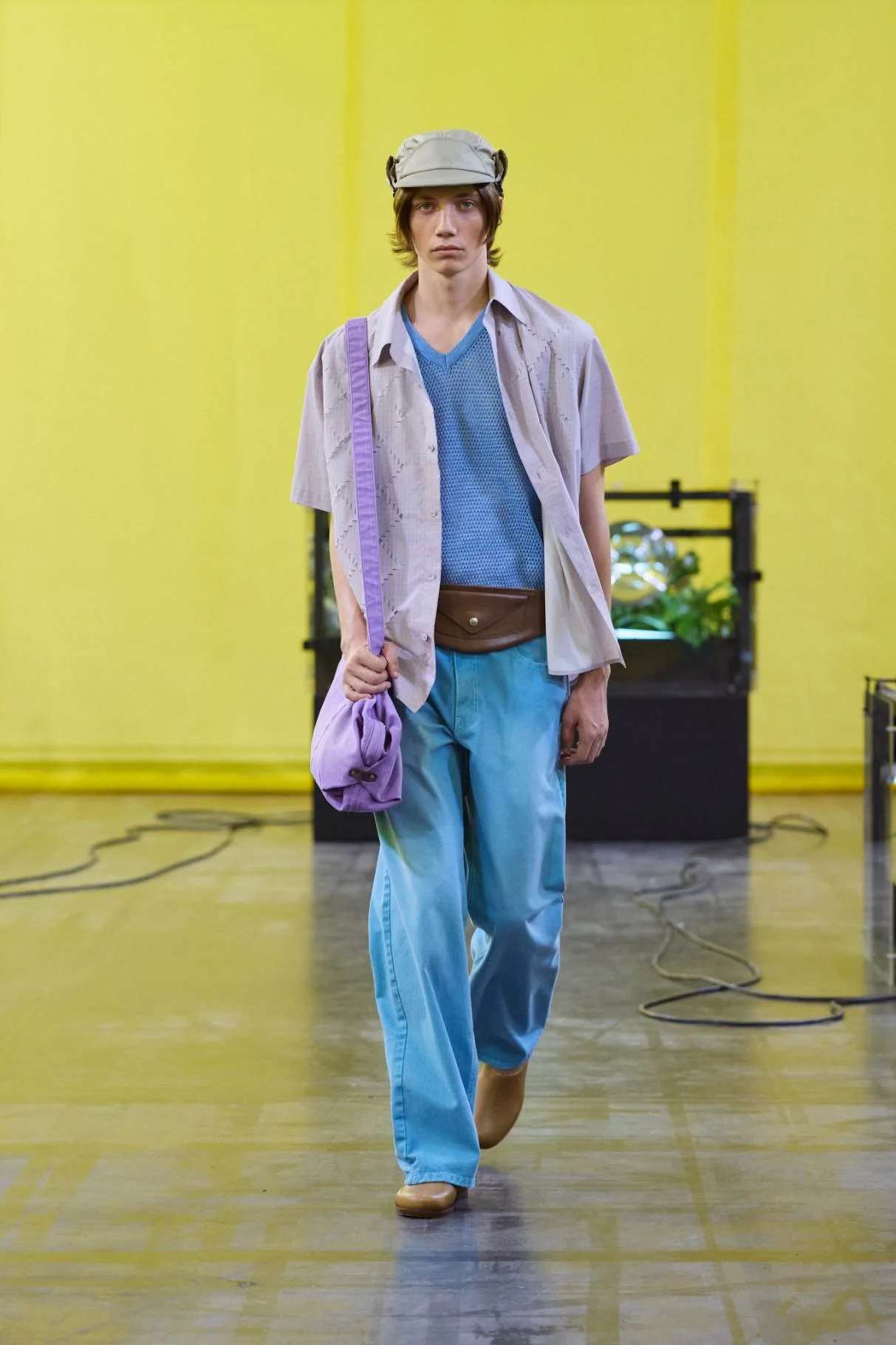
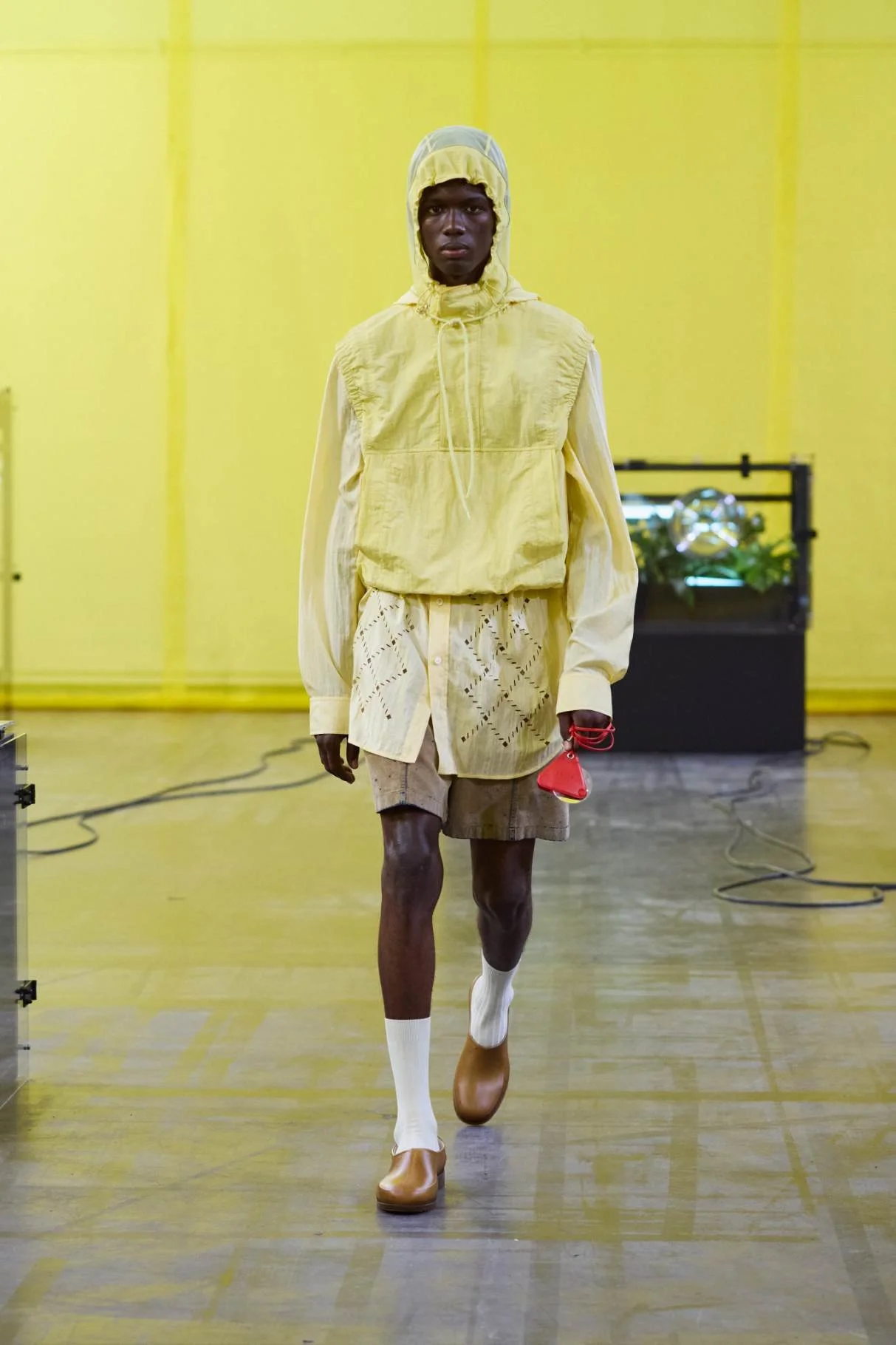
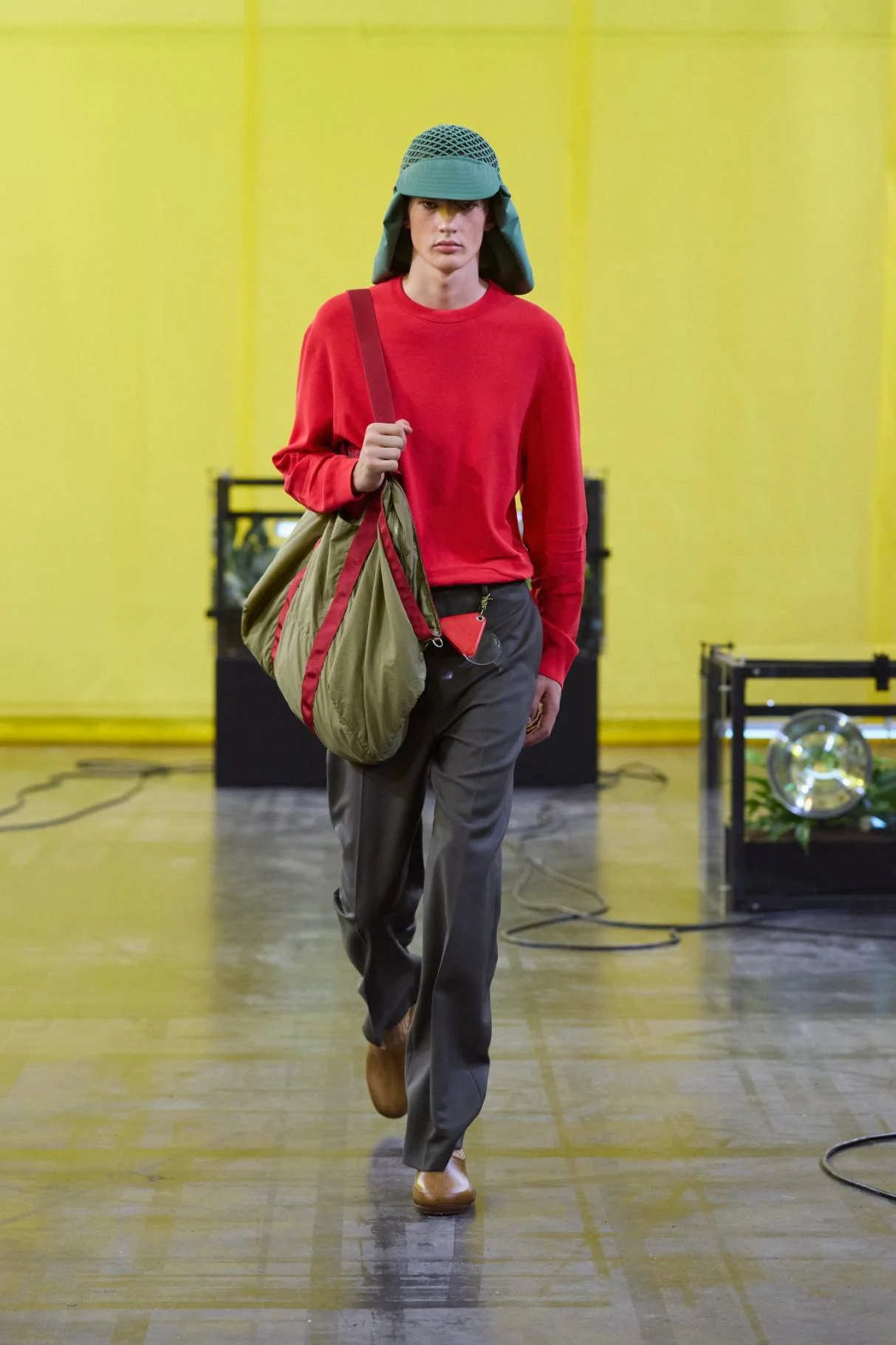
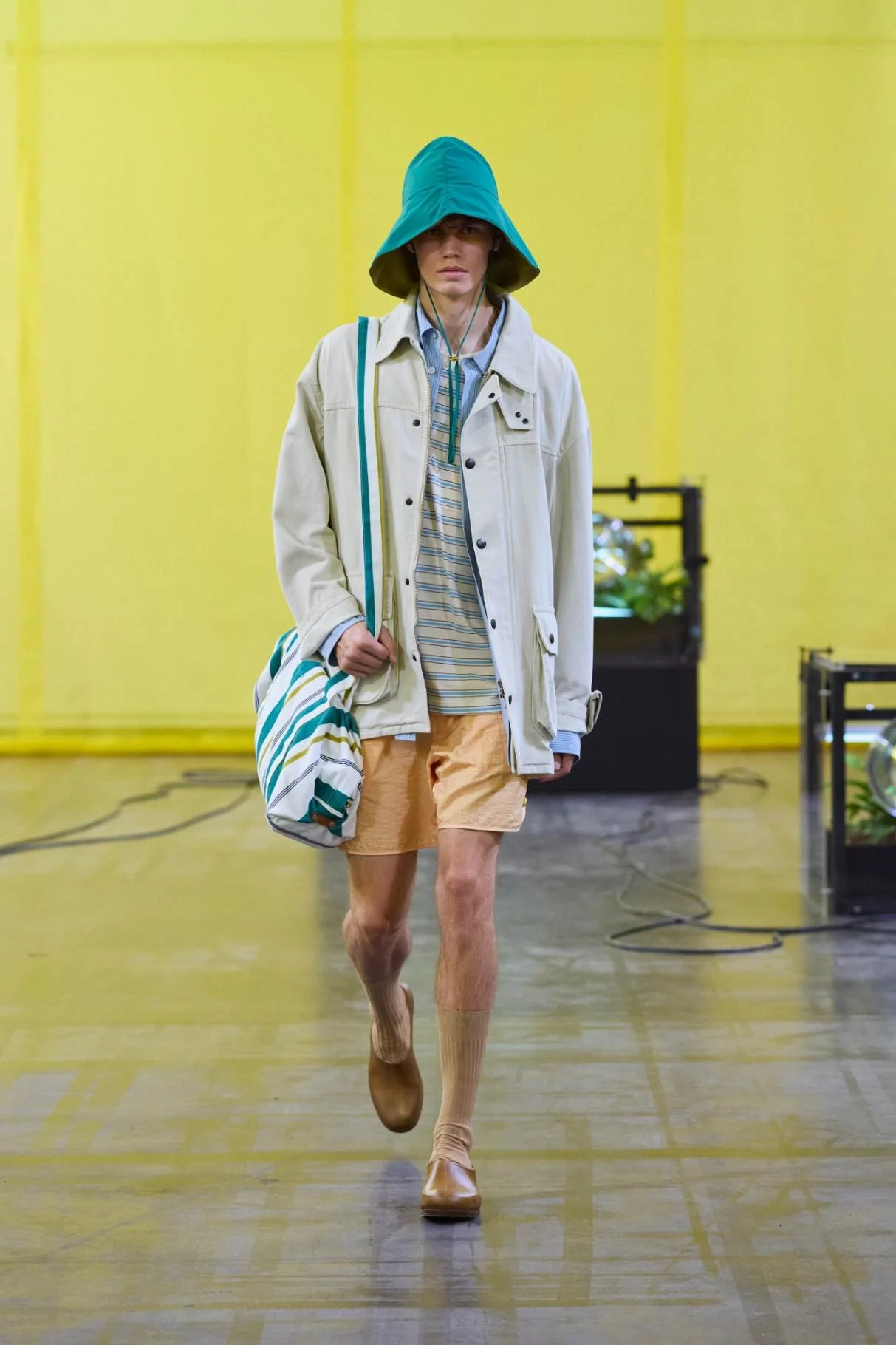
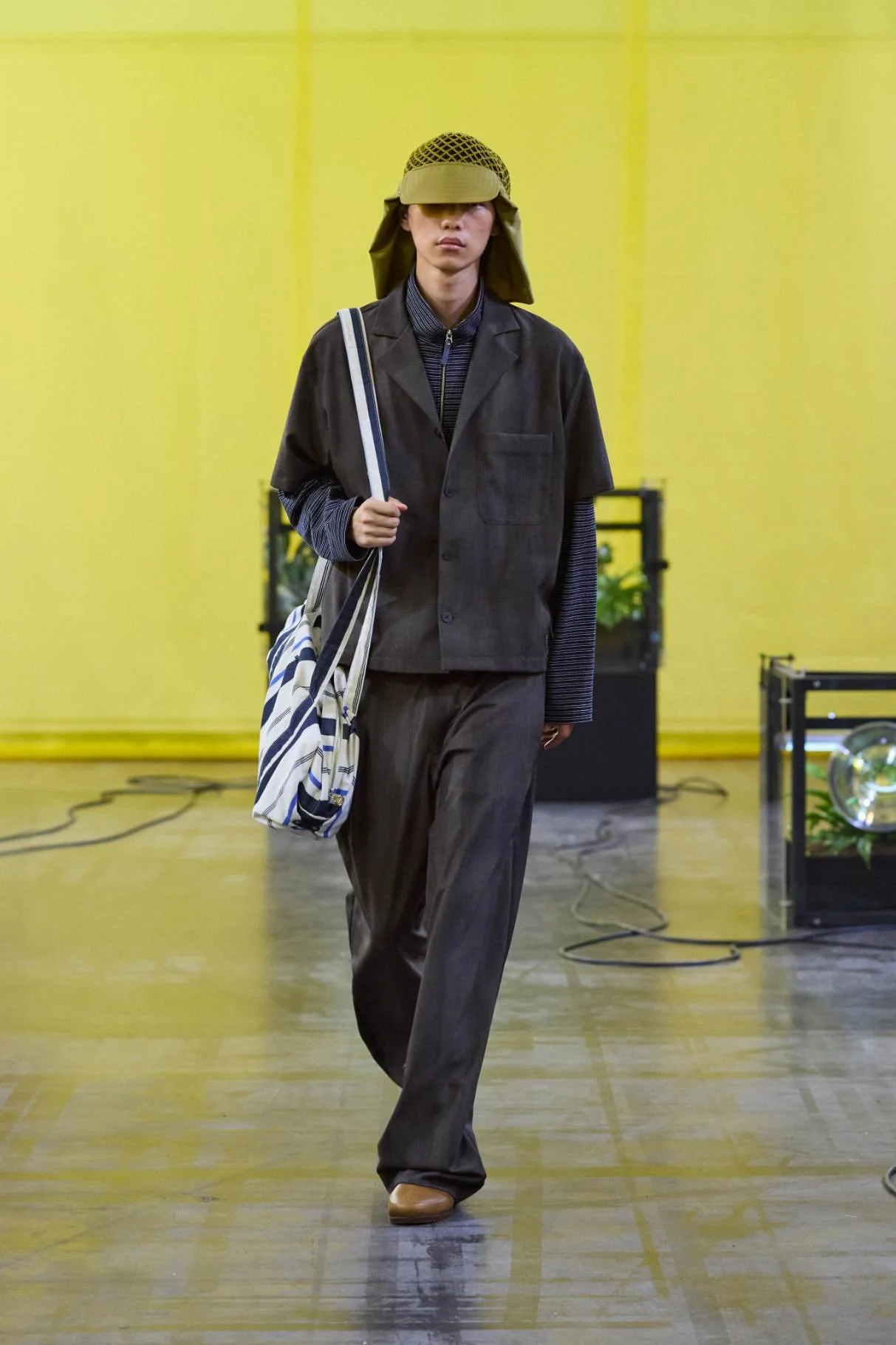
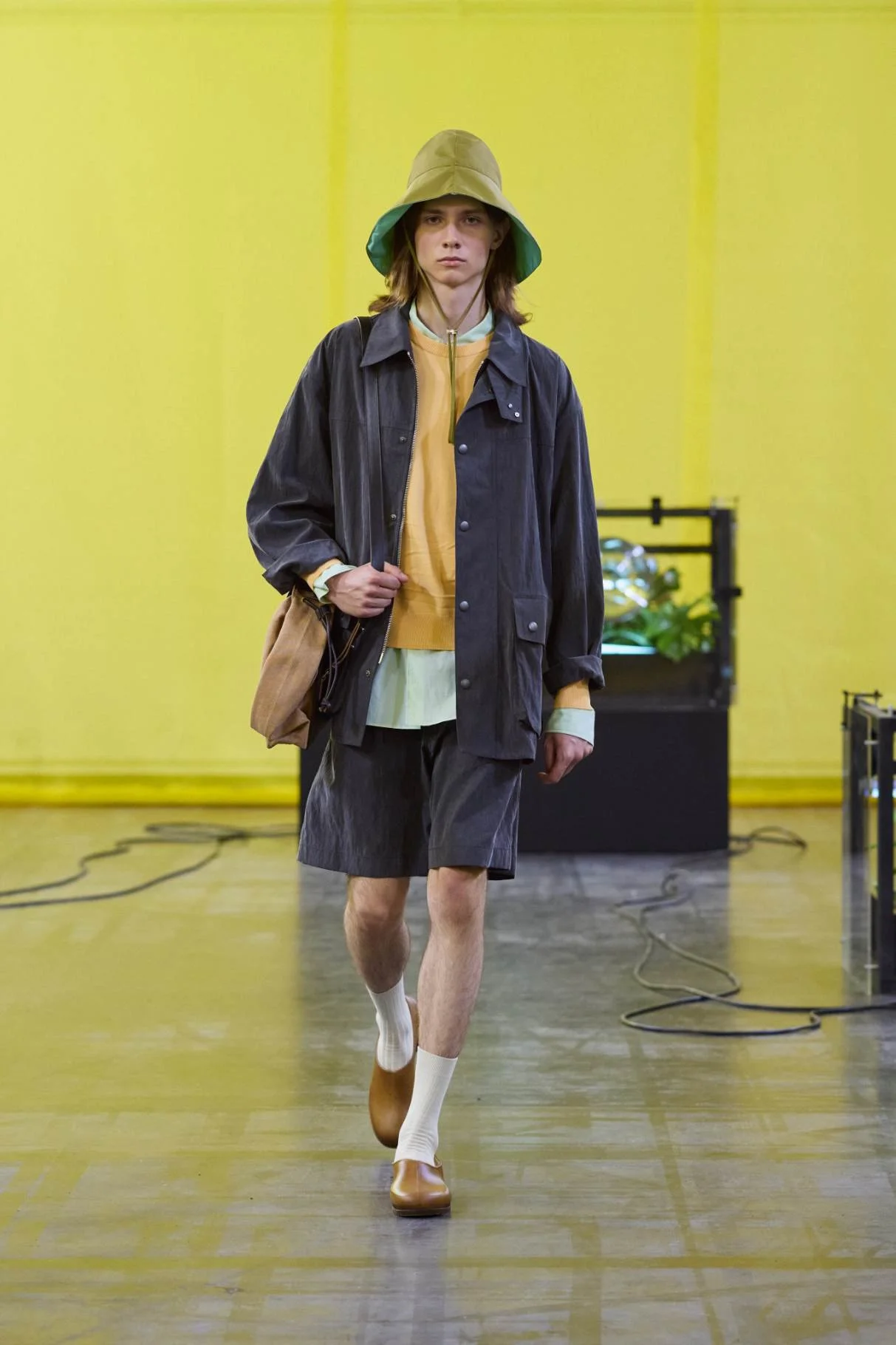
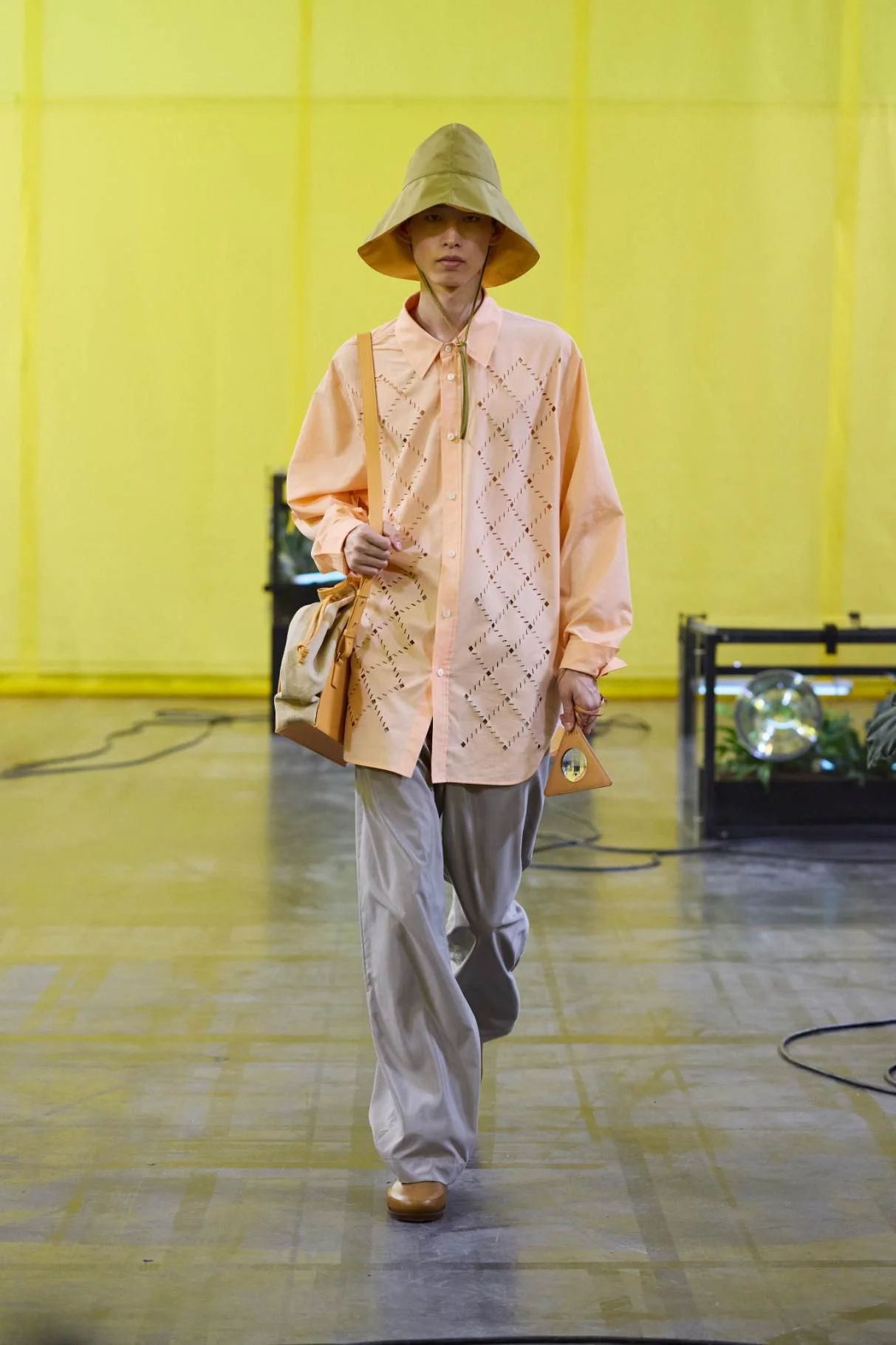
For Spring 2027, Woo Young Mi invited guests into a greenhouse—not as a place of escape, but as a carefully controlled ecosystem. Covered in yellow netting and filled with lush tropical plants, the Paris show space became a living metaphor for humanity's increasingly complicated relationship with the natural world.
Titled After Nature, the latest collection from Solid Homme questioned what happens when preservation becomes another form of intervention. Can nature remain natural once it has been curated, protected and endlessly redesigned? Rather than answering that question outright, Woo translated the tension into clothing that balanced utility with refinement, functionality with elegance.
The result was one of the season's quietest yet most intelligent collections.
Clothing for the Modern Explorer
Instead of building the collection around traditional tailoring, Woo imagined wardrobes for those who spend their lives observing nature rather than simply consuming it. Botanists, researchers and field explorers became the collection's unlikely muses, resulting in garments that felt purposeful without slipping into technical performance wear.
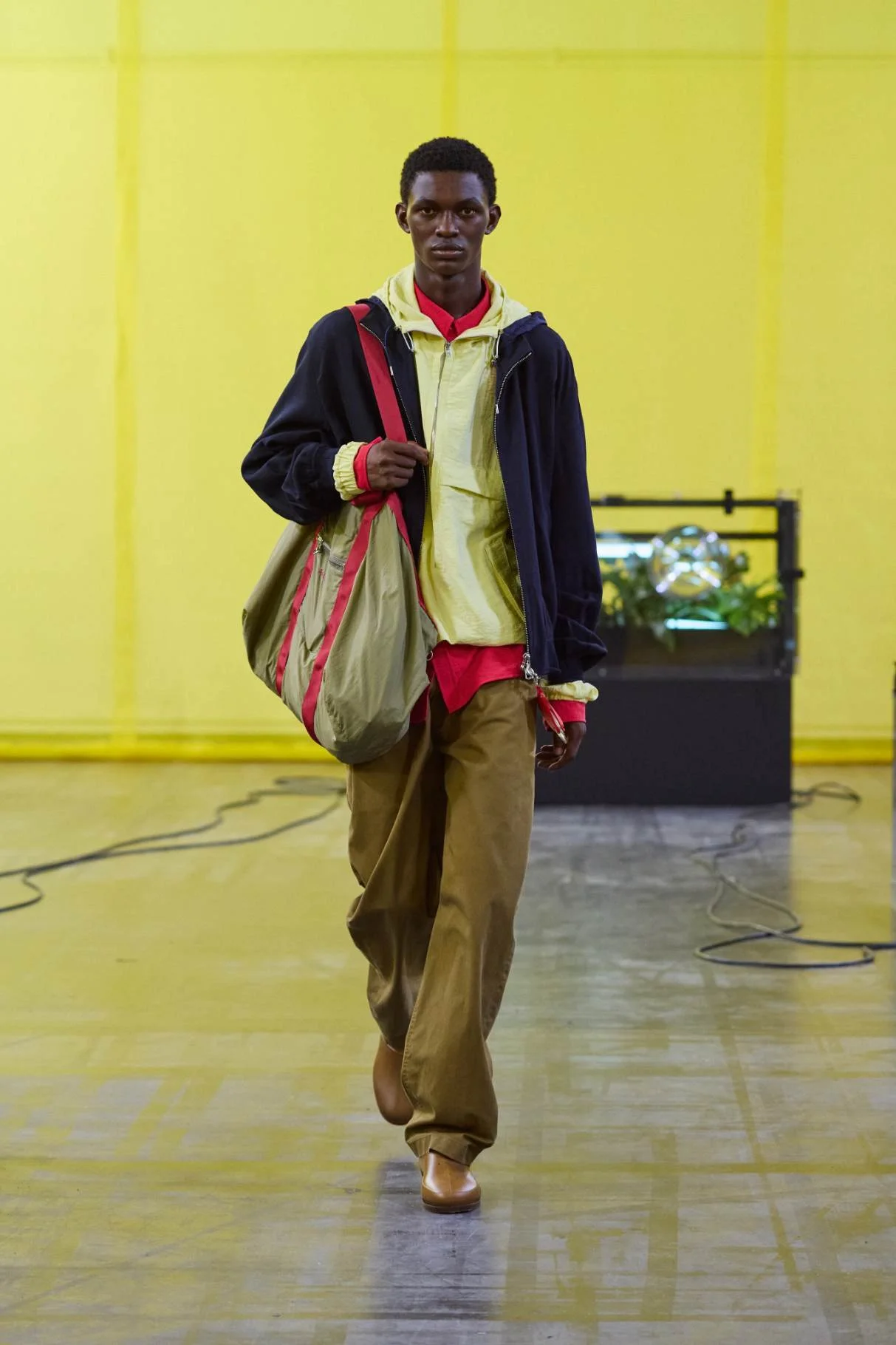
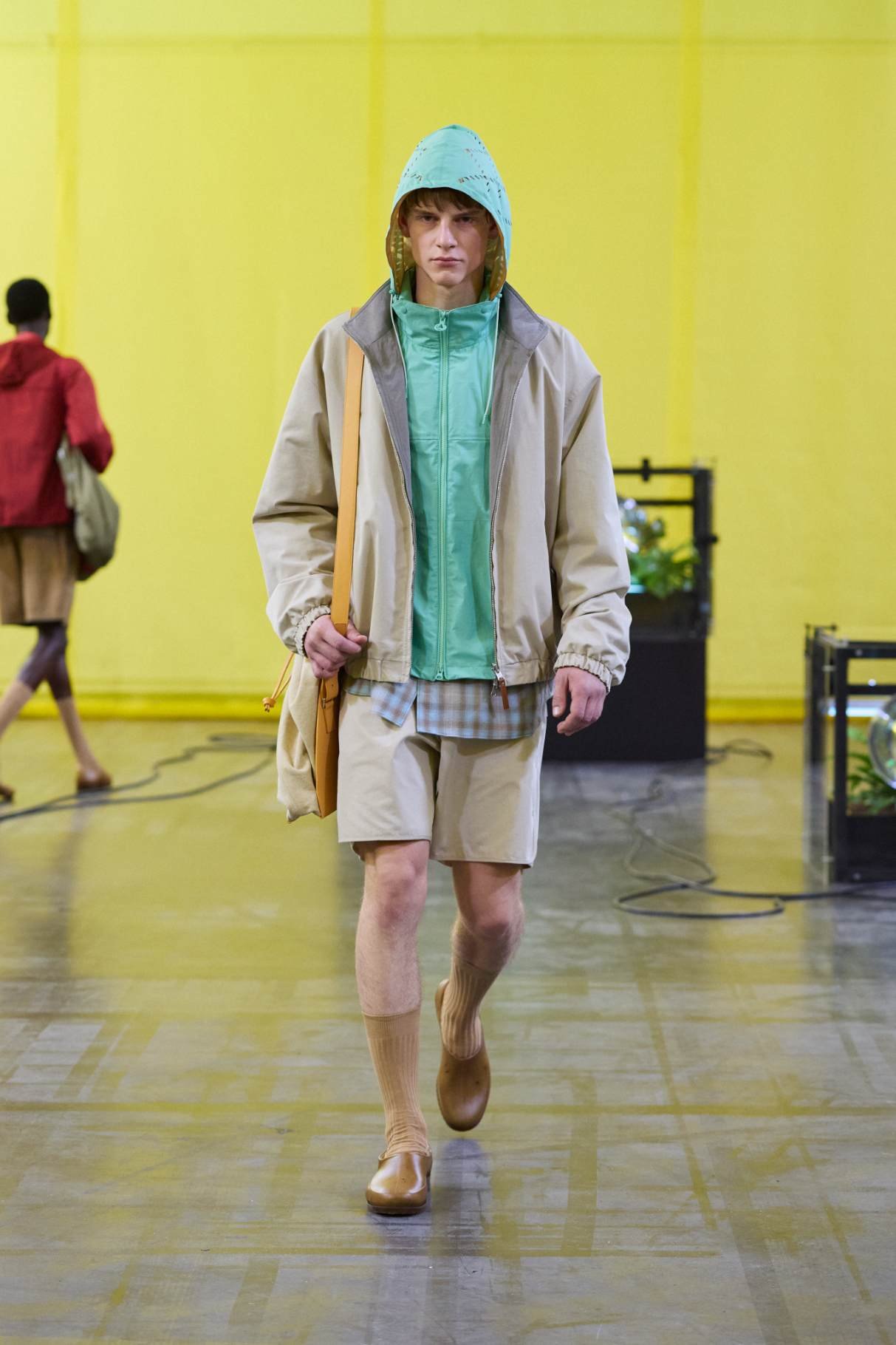
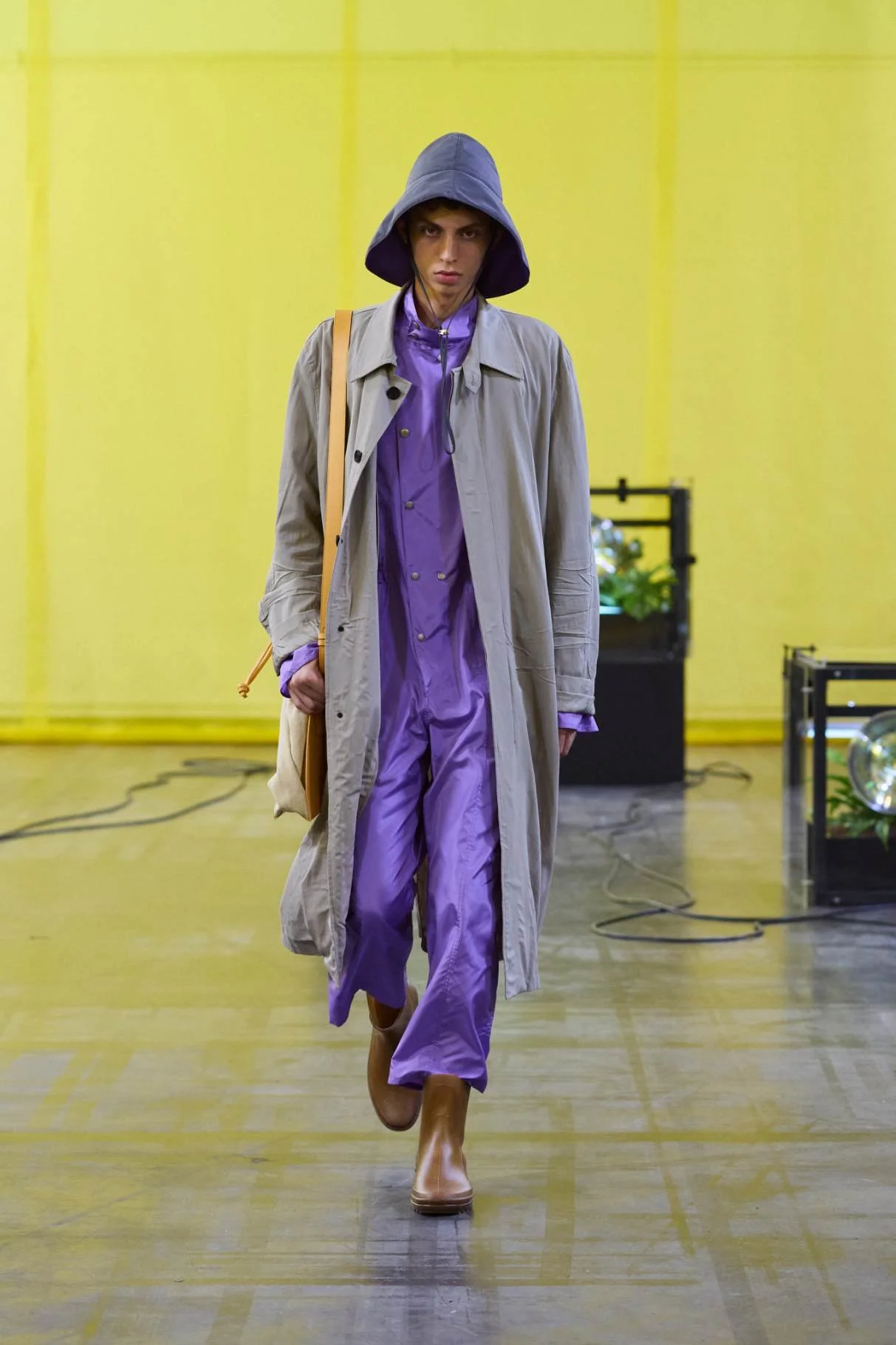
Relaxed workwear jackets, lightweight blousons and easy windbreakers formed the backbone of the collection, while washed silks and deliberately wrinkled outerwear introduced a softness that suggested garments weathered by time and repeated journeys.
Nothing appeared overly precious. Instead, every piece carried the feeling of clothing designed to accompany discovery.
The Greenhouse Effect
The collection's strongest visual dialogue emerged through its colour palette.
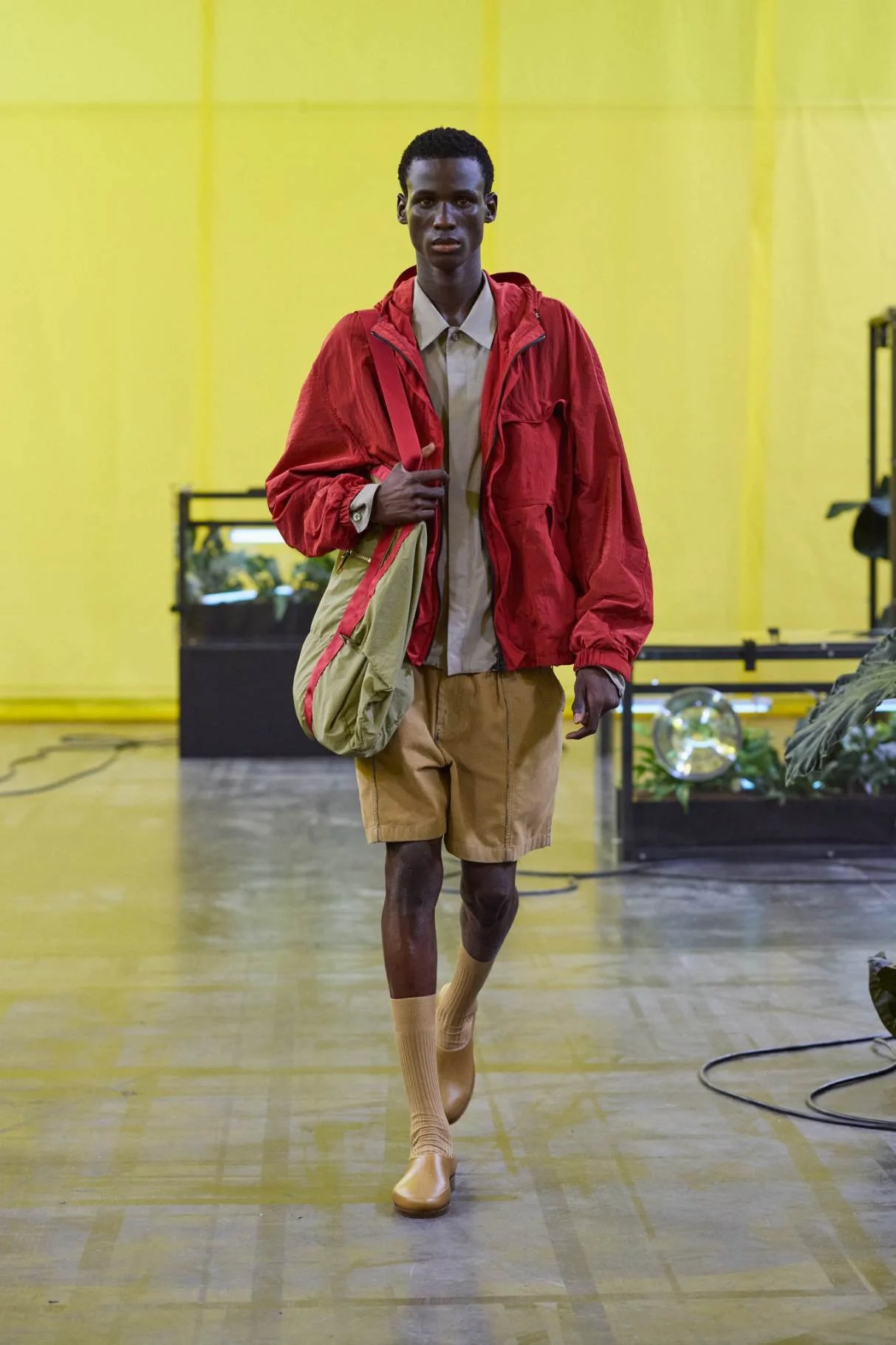
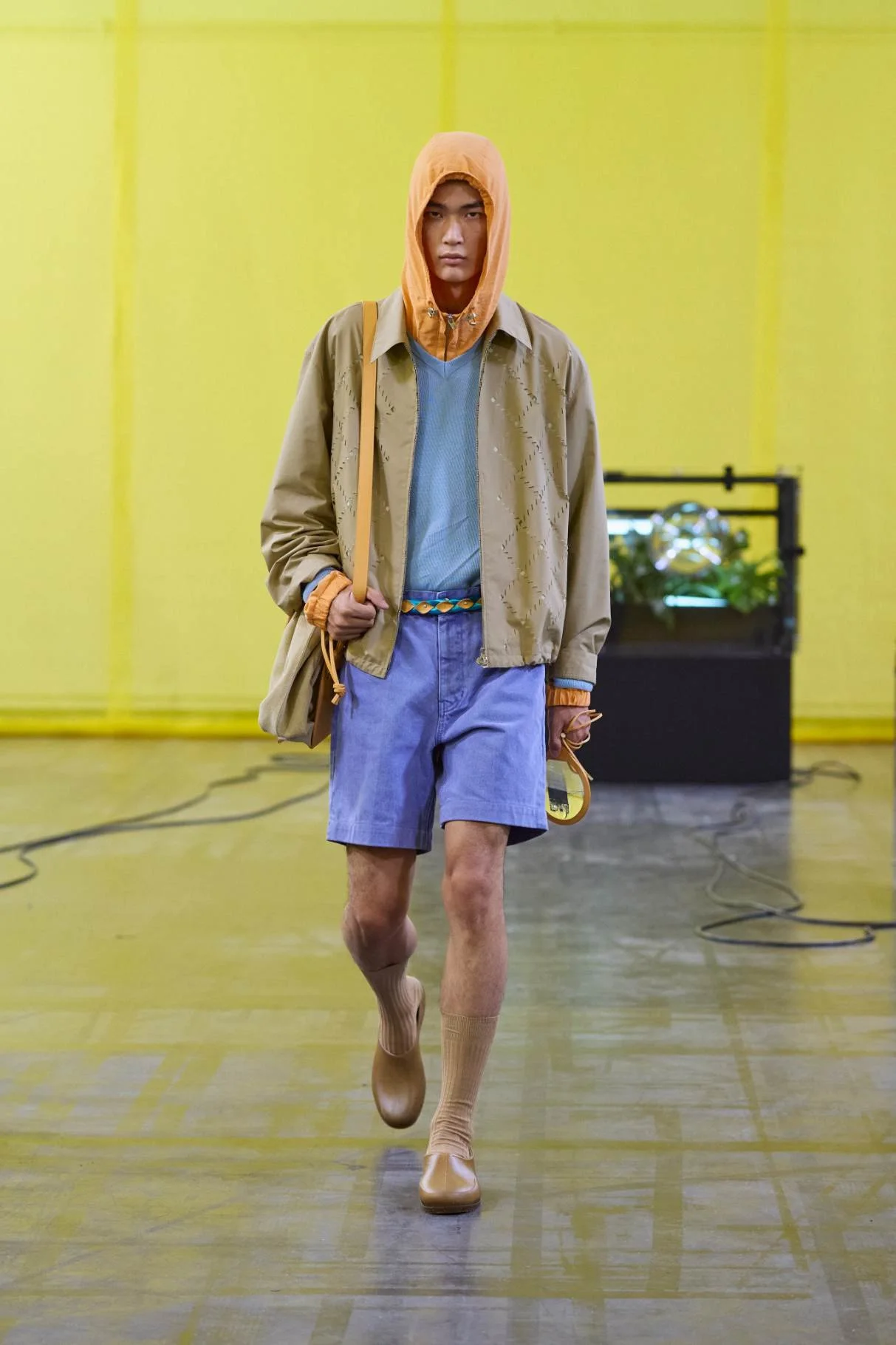
Muted khakis, sandy neutrals and earthy greys established a calm foundation before flashes of neon green, bright violet and vivid red interrupted the landscape. These saturated accents echoed the artificial structures found inside botanical gardens—plastic netting, protective coverings and scientific equipment—highlighting the uneasy coexistence between untouched nature and human control.
Fabric development reinforced the concept. Textured cottons, lightweight silk blends and perforated materials recreated the shifting shadows cast by greenhouse glass, allowing sunlight to become a design element in its own right.
The effect was subtle rather than theatrical, rewarding closer observation.
Utility Without Excess
Utility dressing has become a familiar language across menswear, but Woo resisted turning functionality into costume.
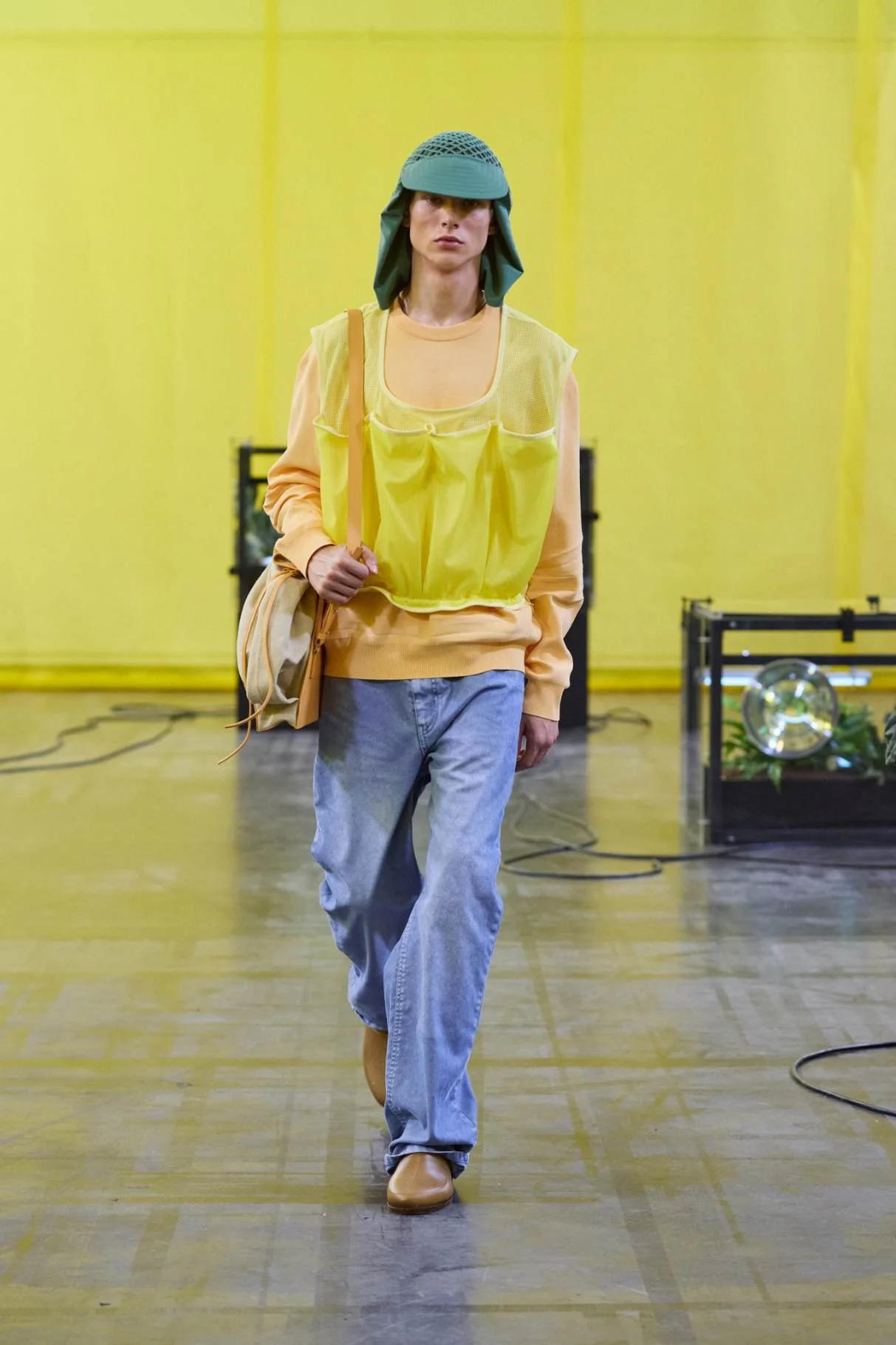
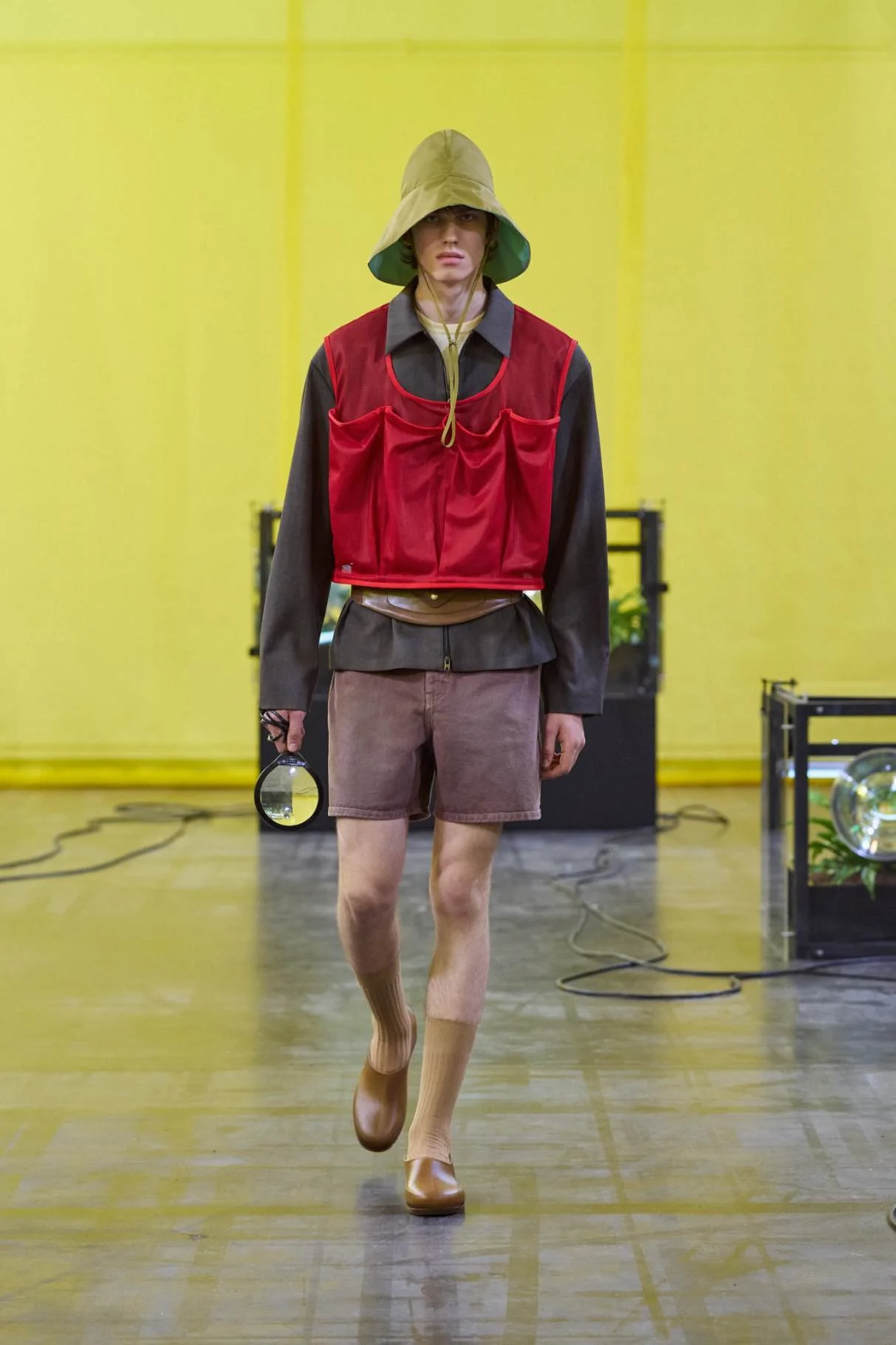
Grey boonie hats, technical hoods and magnifying glasses hanging around the neck felt less like survival gear and more like the tools of quiet observation. Canvas and leather bags referenced traditional field equipment and woven foraging baskets, grounding the collection in everyday practicality rather than exaggerated outdoor aesthetics.
One of the standout looks paired a vivid red mesh utility vest beneath a softly tailored tan zip jacket with washed denim shorts and a compact leather belt bag. It demonstrated Woo's ability to inject energy into otherwise understated silhouettes without overwhelming their quiet sophistication.
A Softer Vision of Menswear
Perhaps the most compelling aspect of After Nature was its restraint.
While many designers this season leaned into oversized proportions or overt nostalgia, Woo instead explored ease. Silk matching sets moved fluidly against crisp cotton outerwear, while relaxed tailoring suggested a masculinity unconcerned with rigid definitions or performative power dressing.
The collection never chased spectacle. Instead, it proposed that modern luxury can exist in thoughtful fabrication, intelligent layering and garments designed for everyday movement.