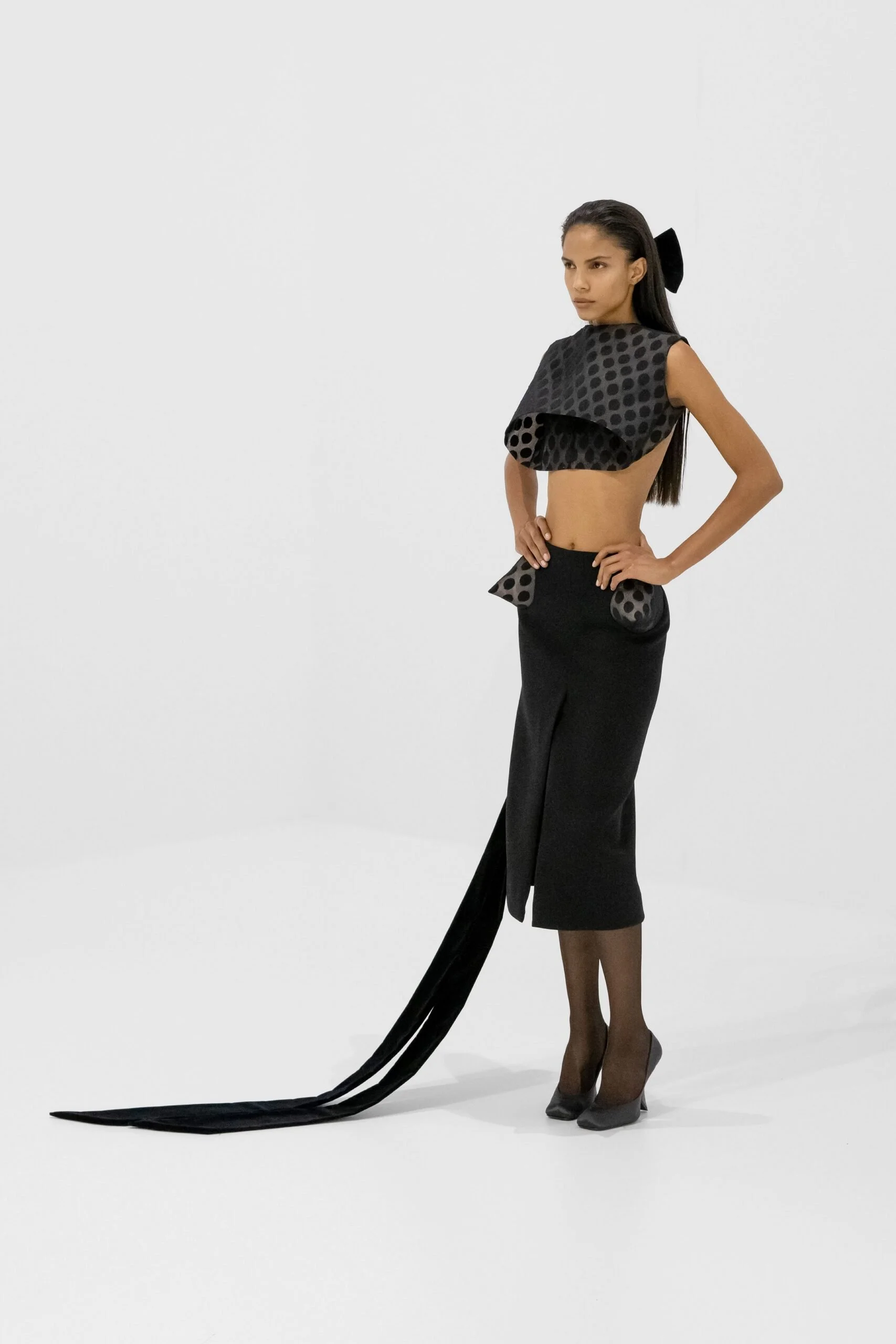
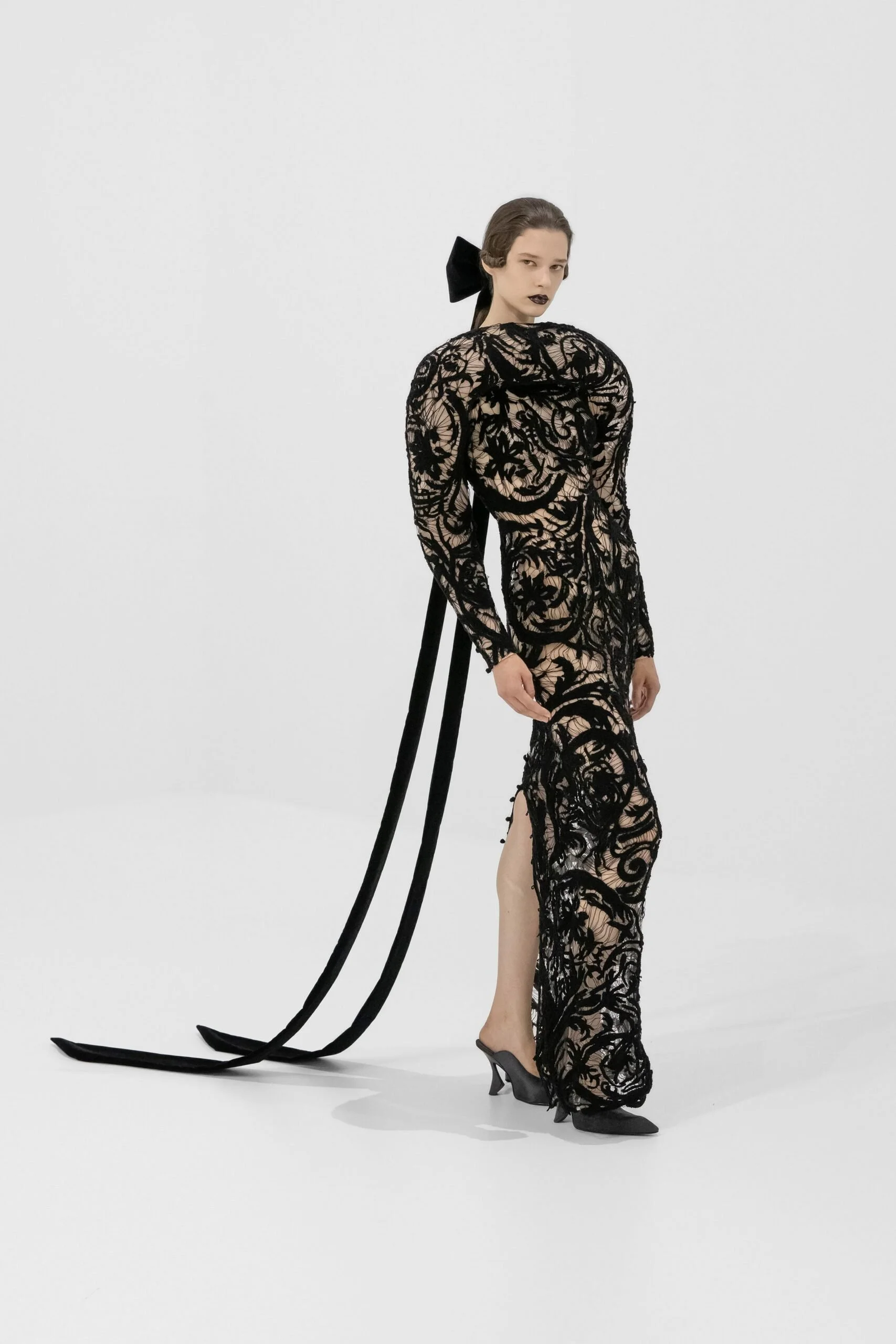
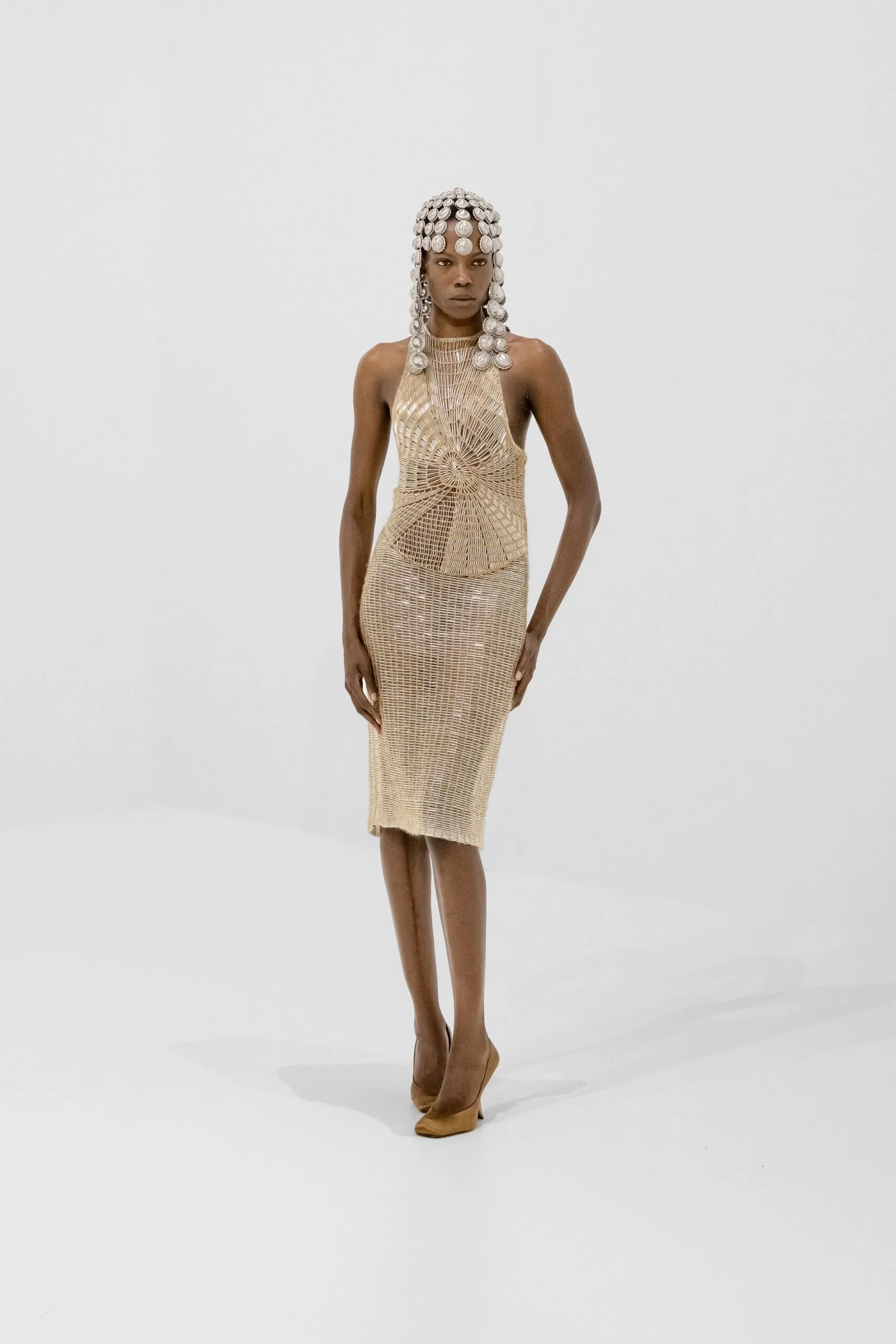
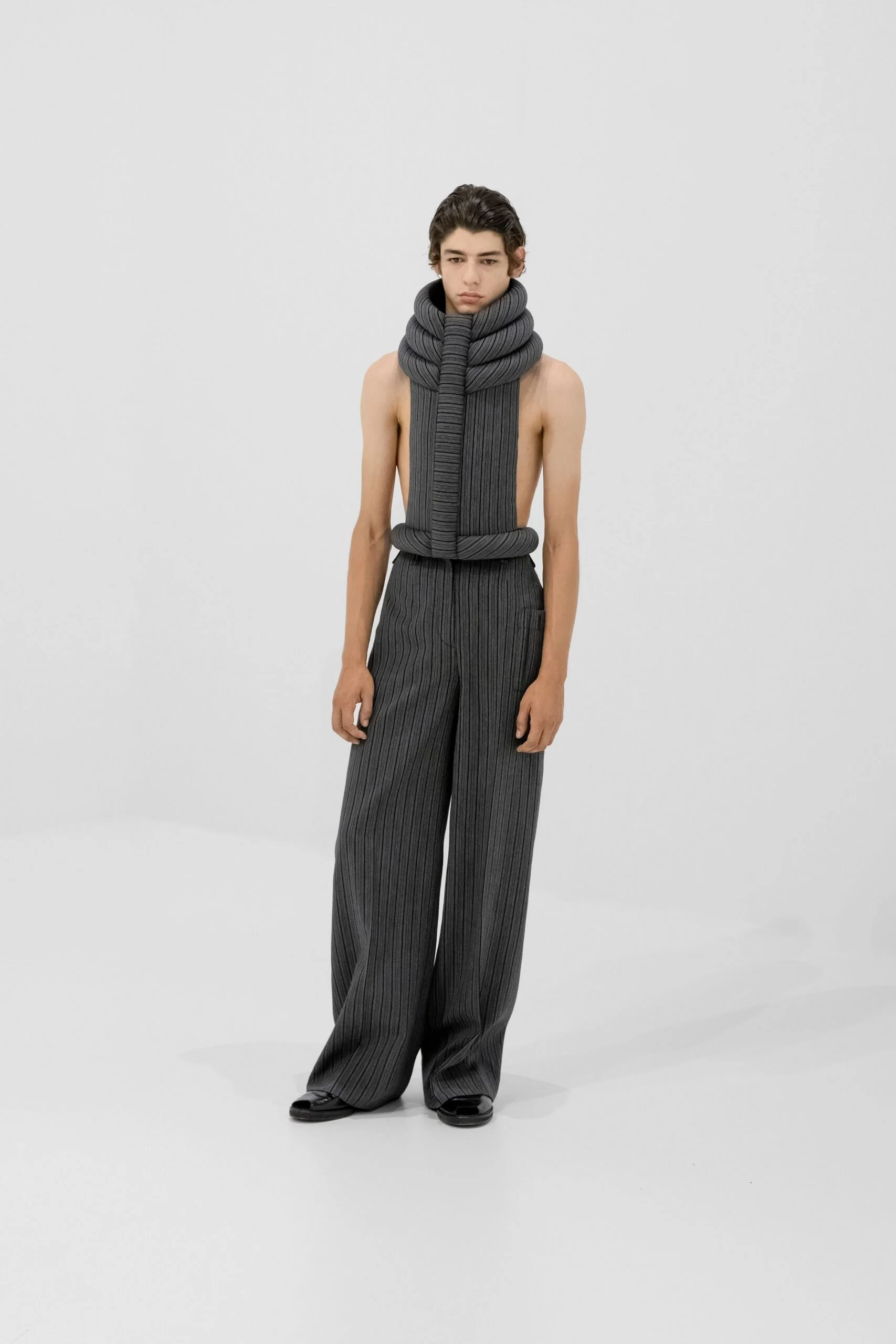
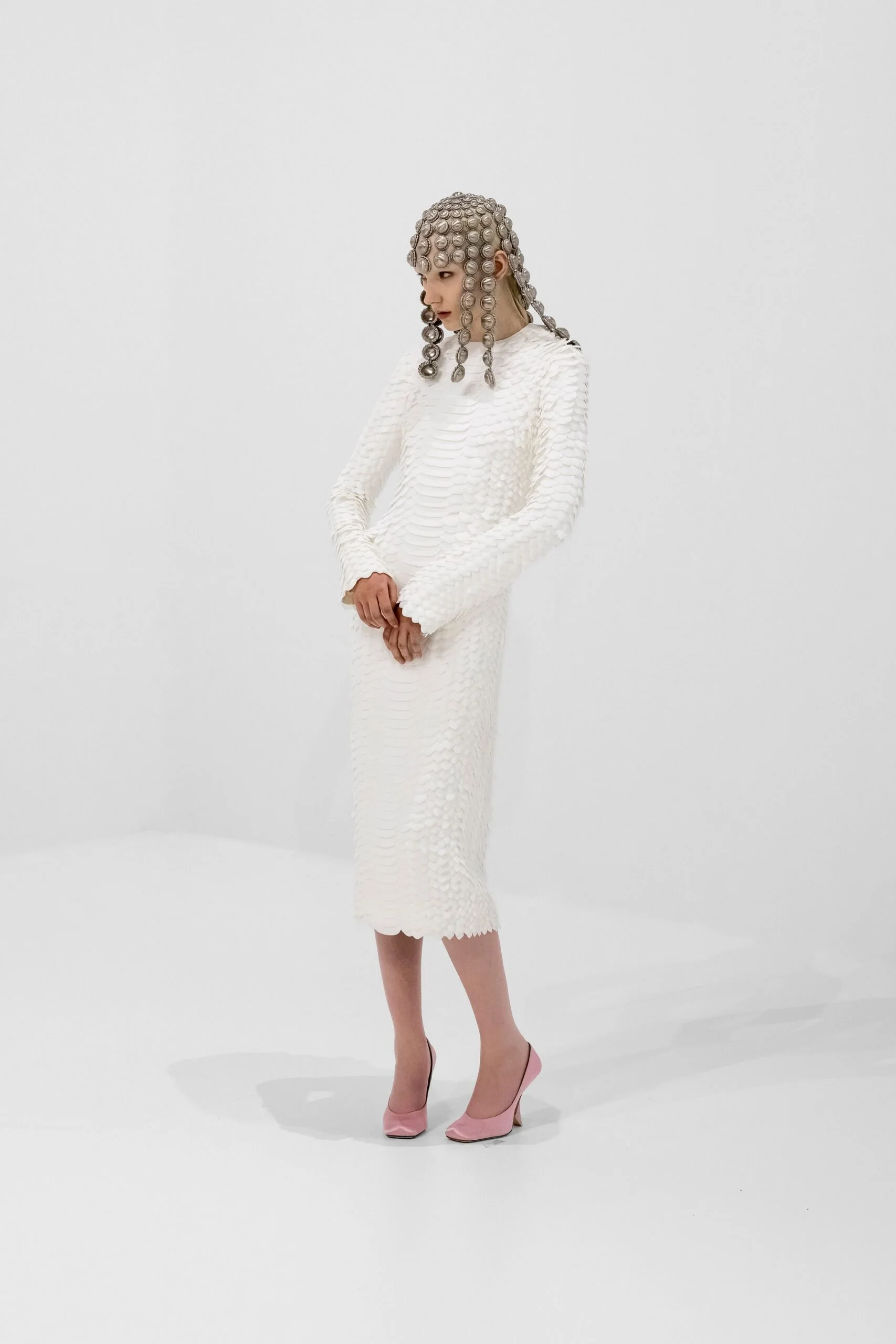
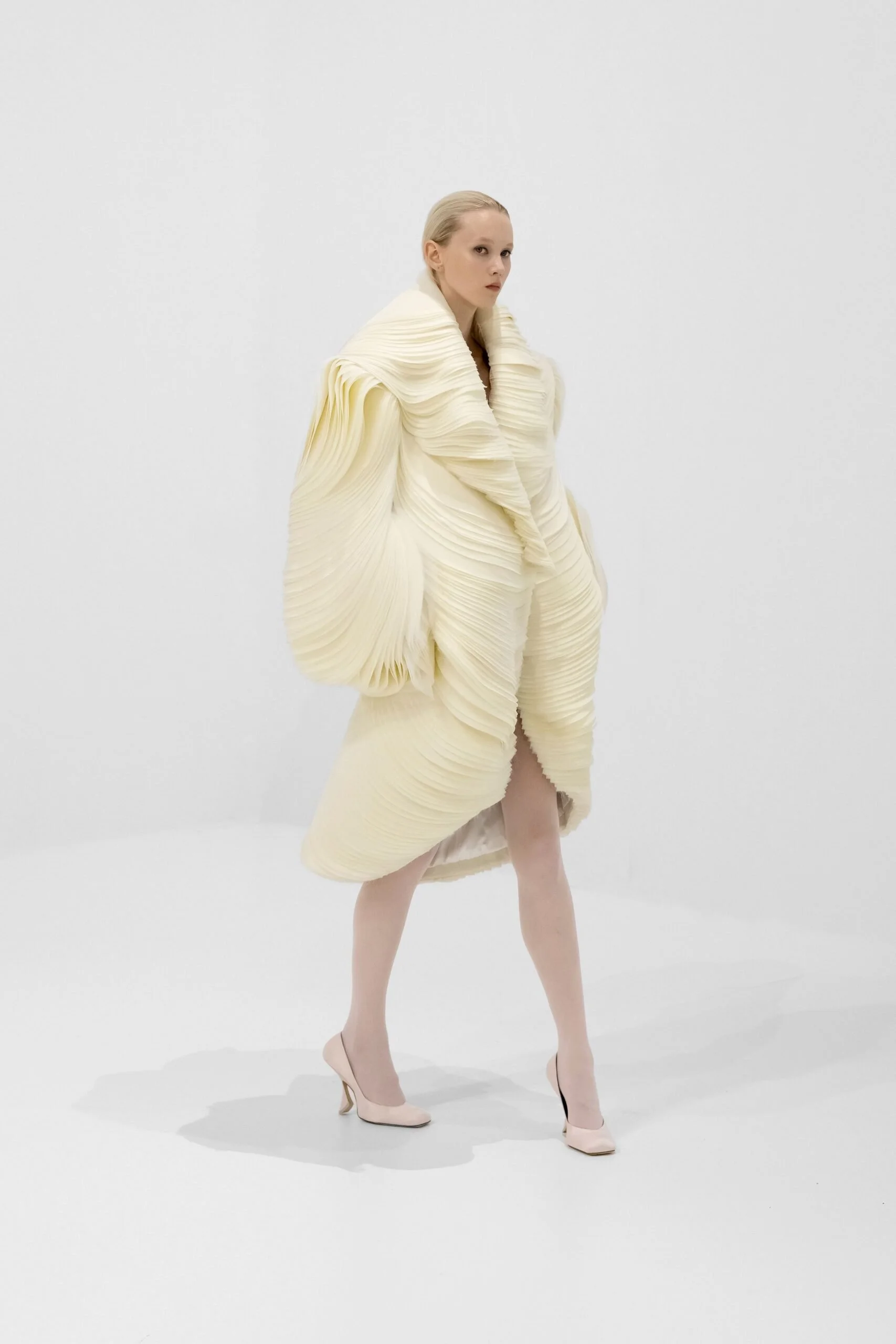
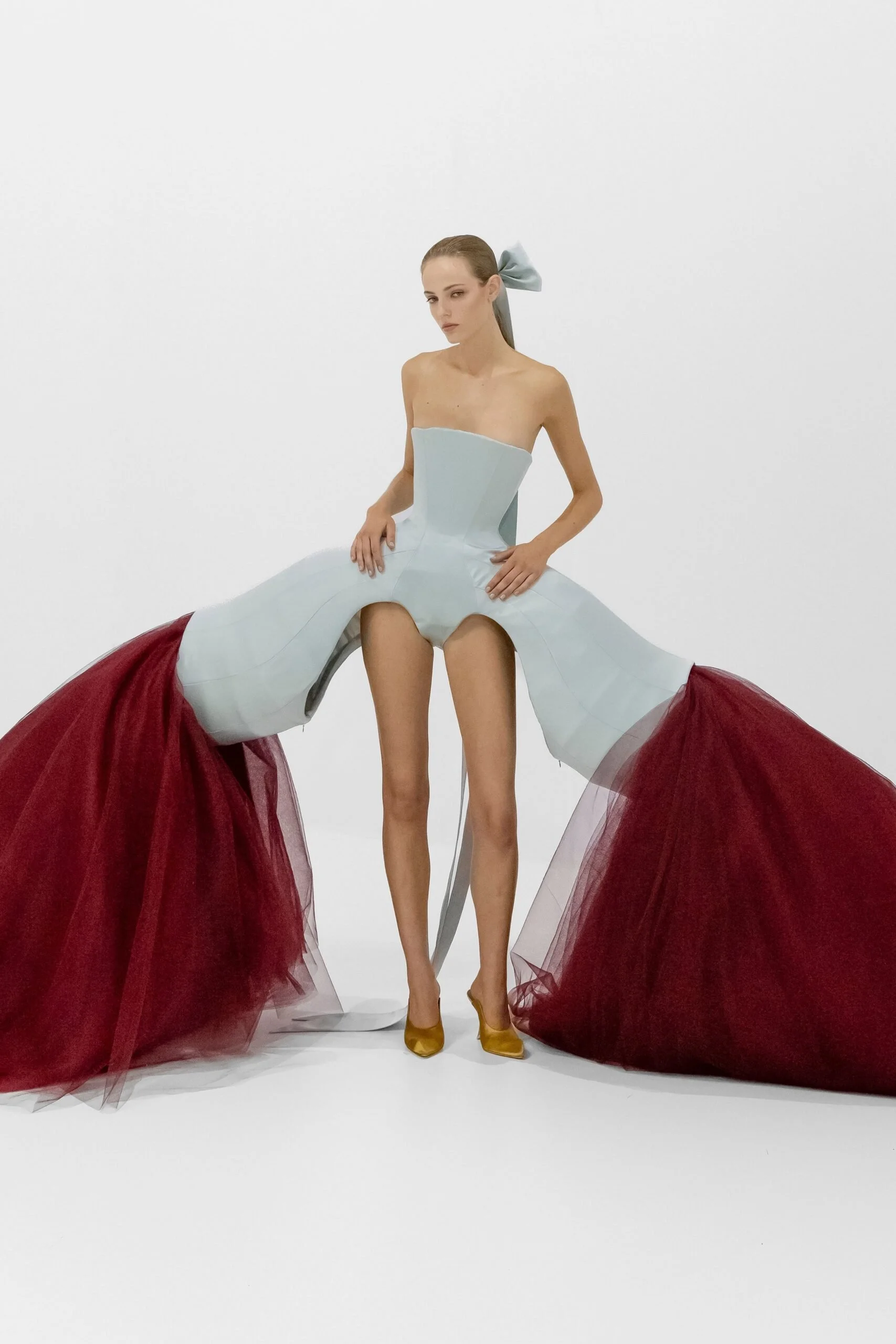
Jean Paul Gaultier Fall 2026 Couture
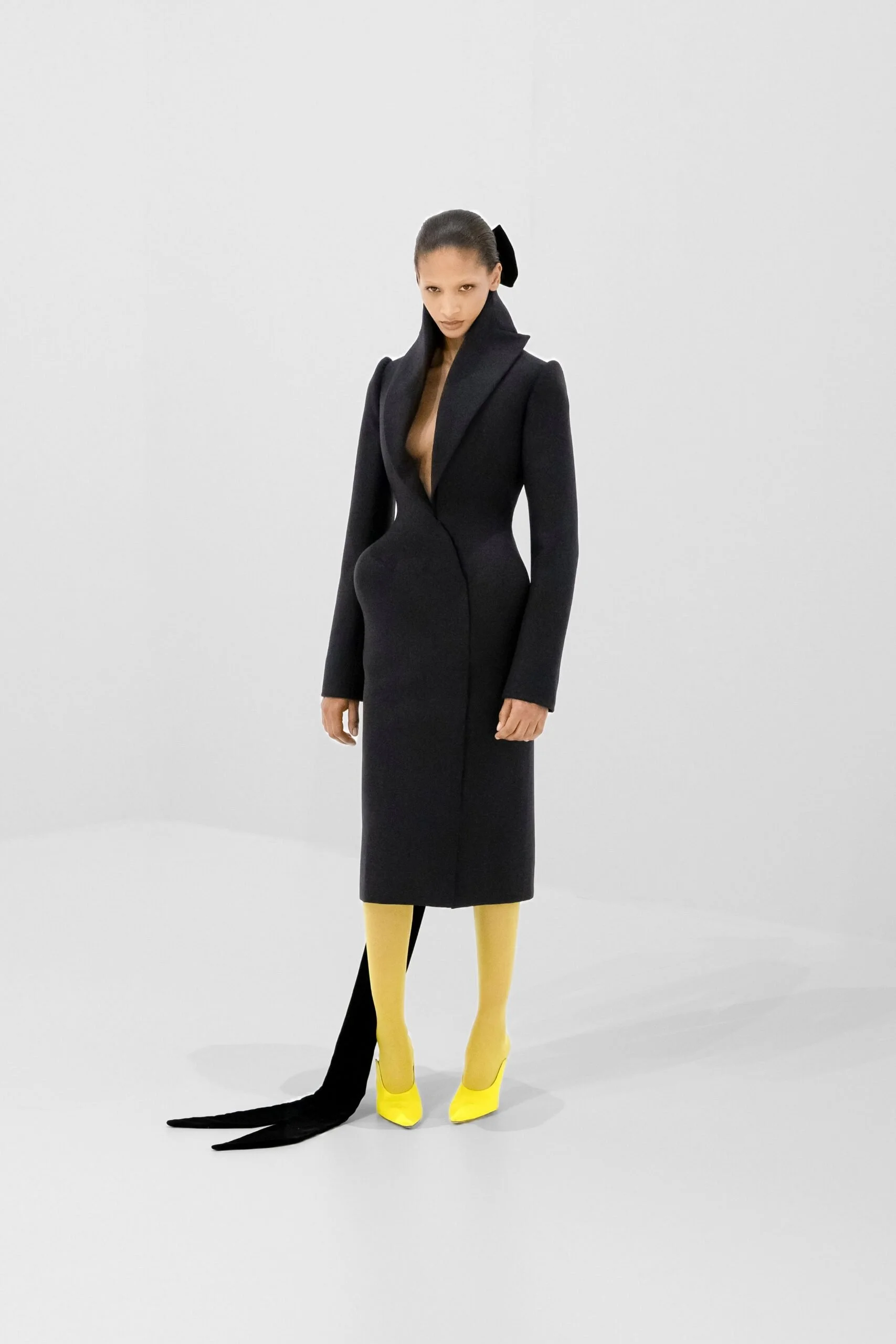
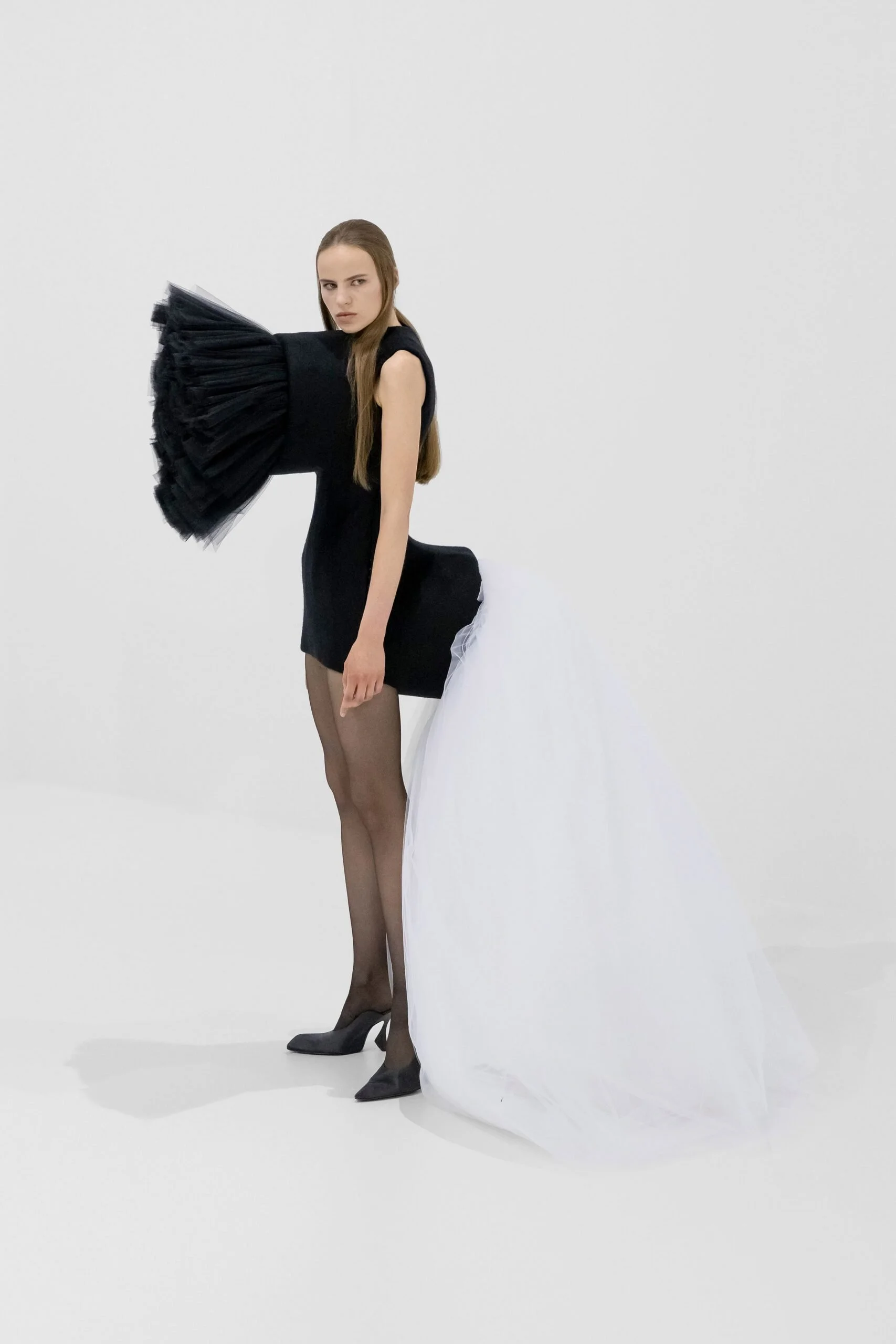
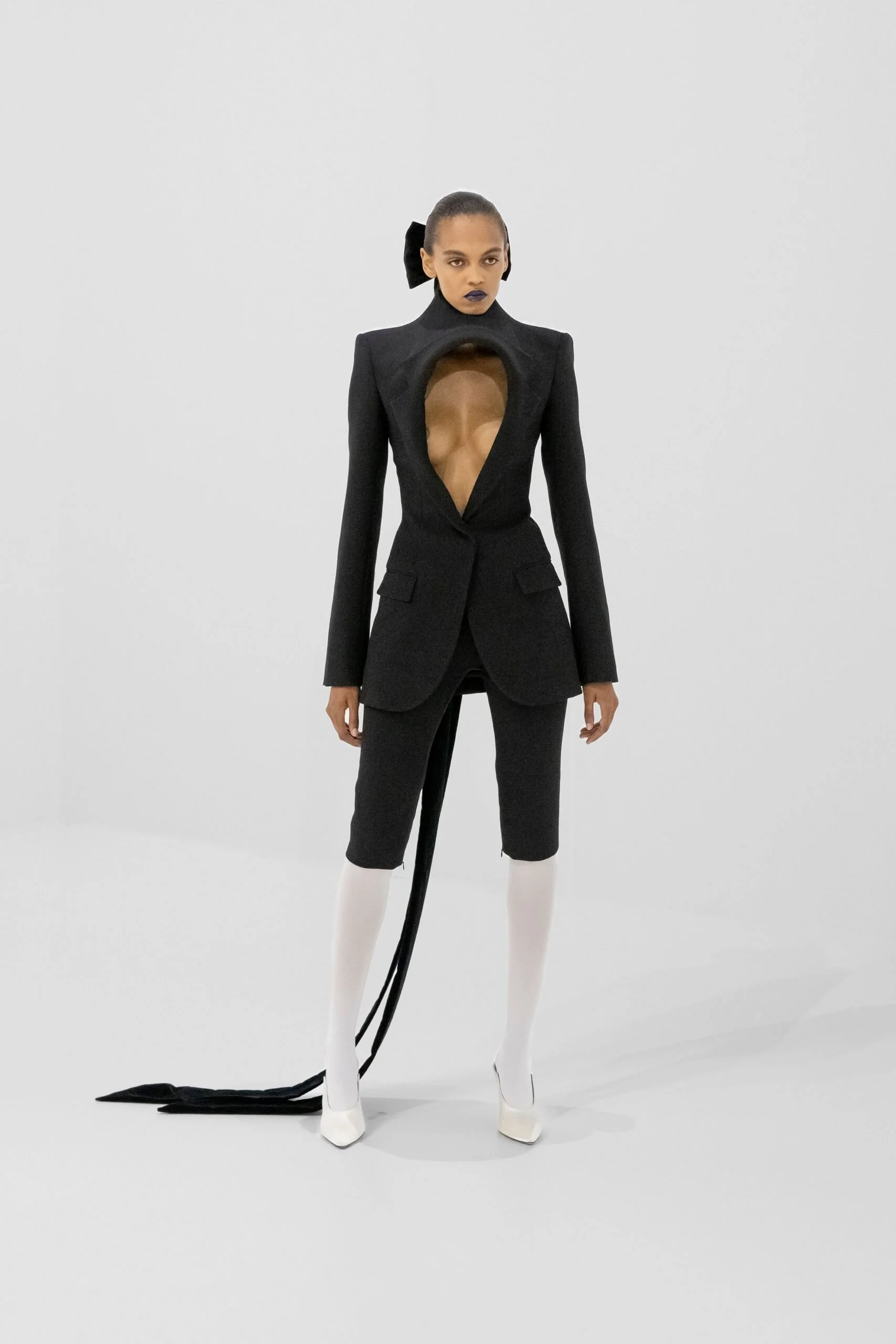
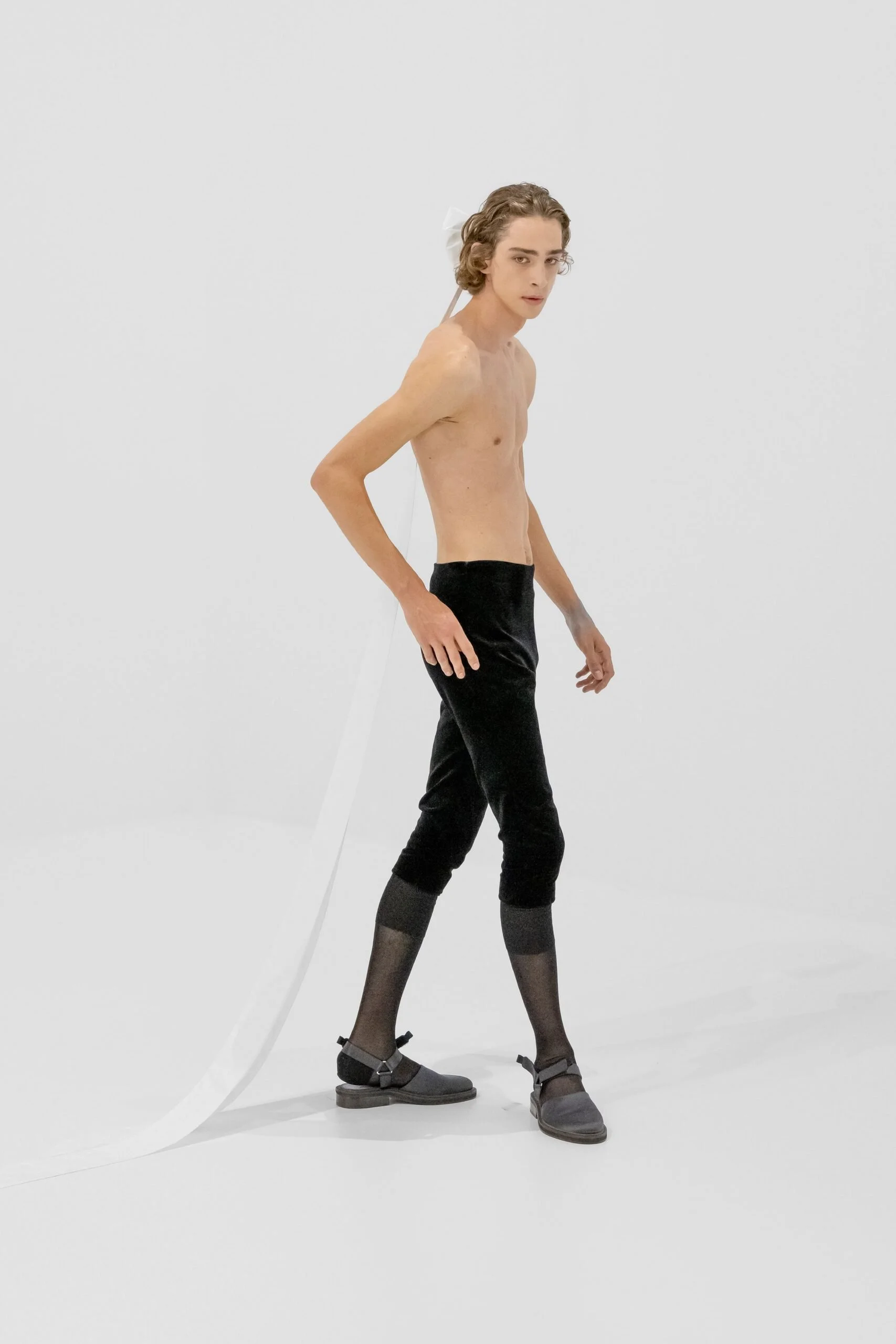
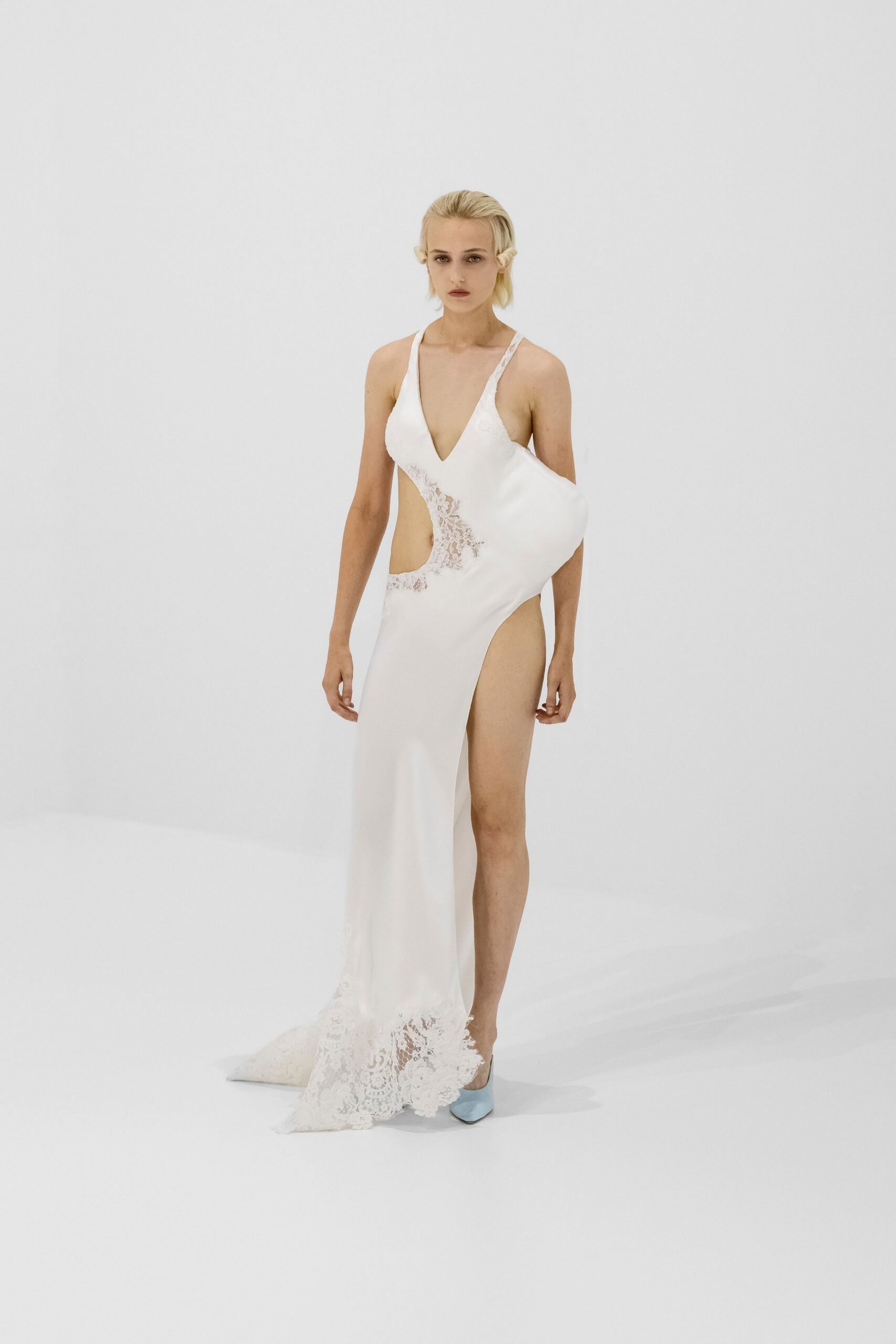
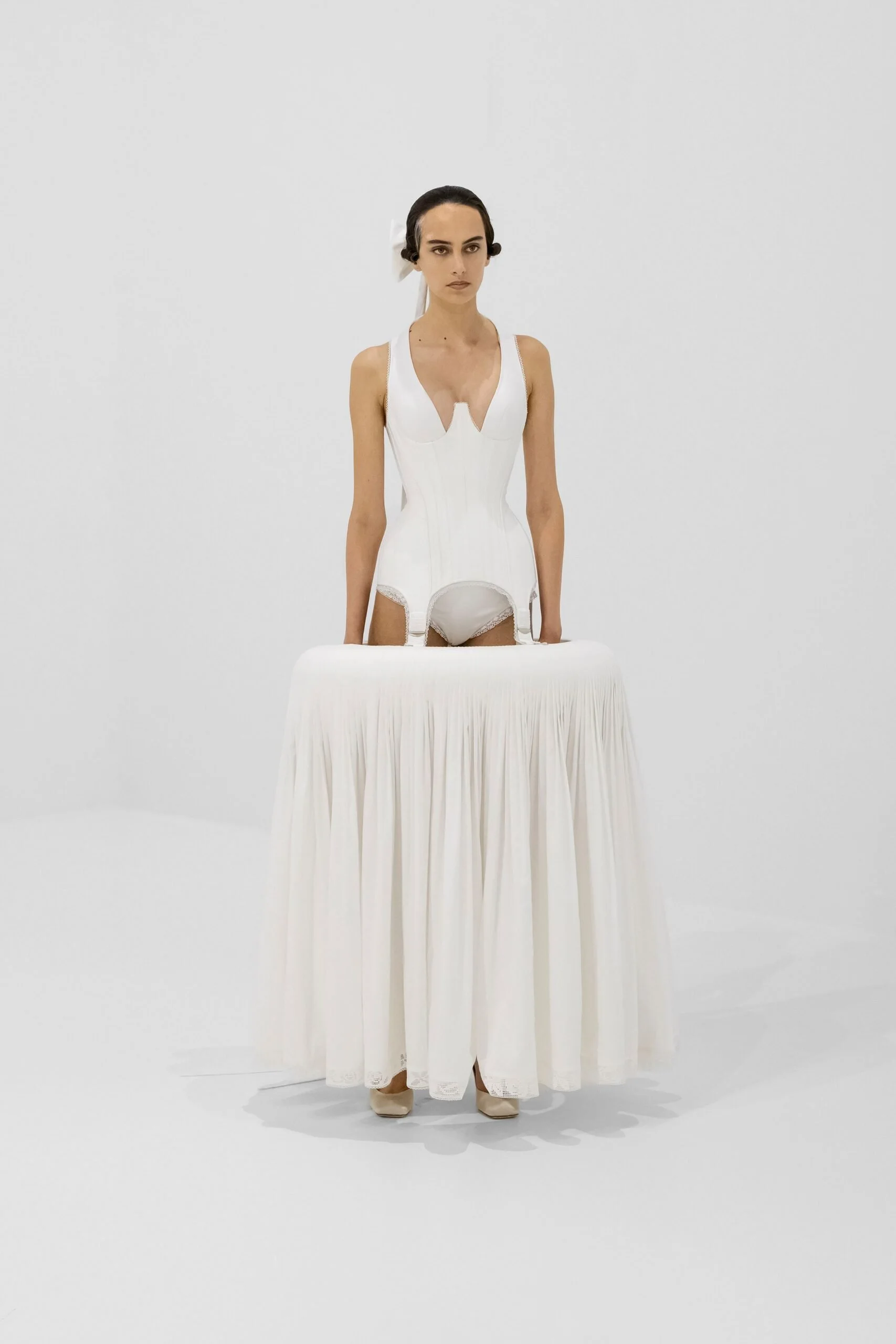
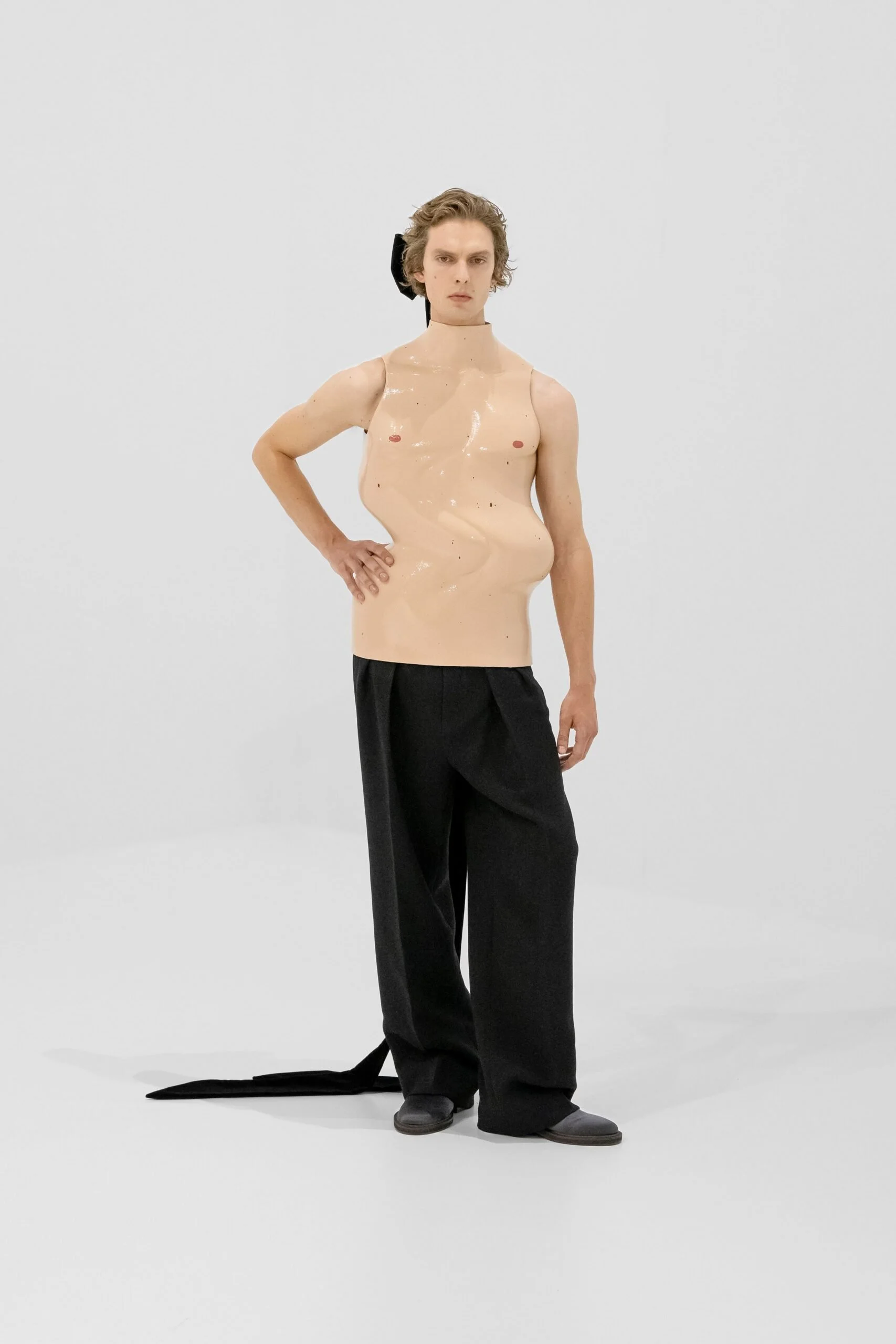
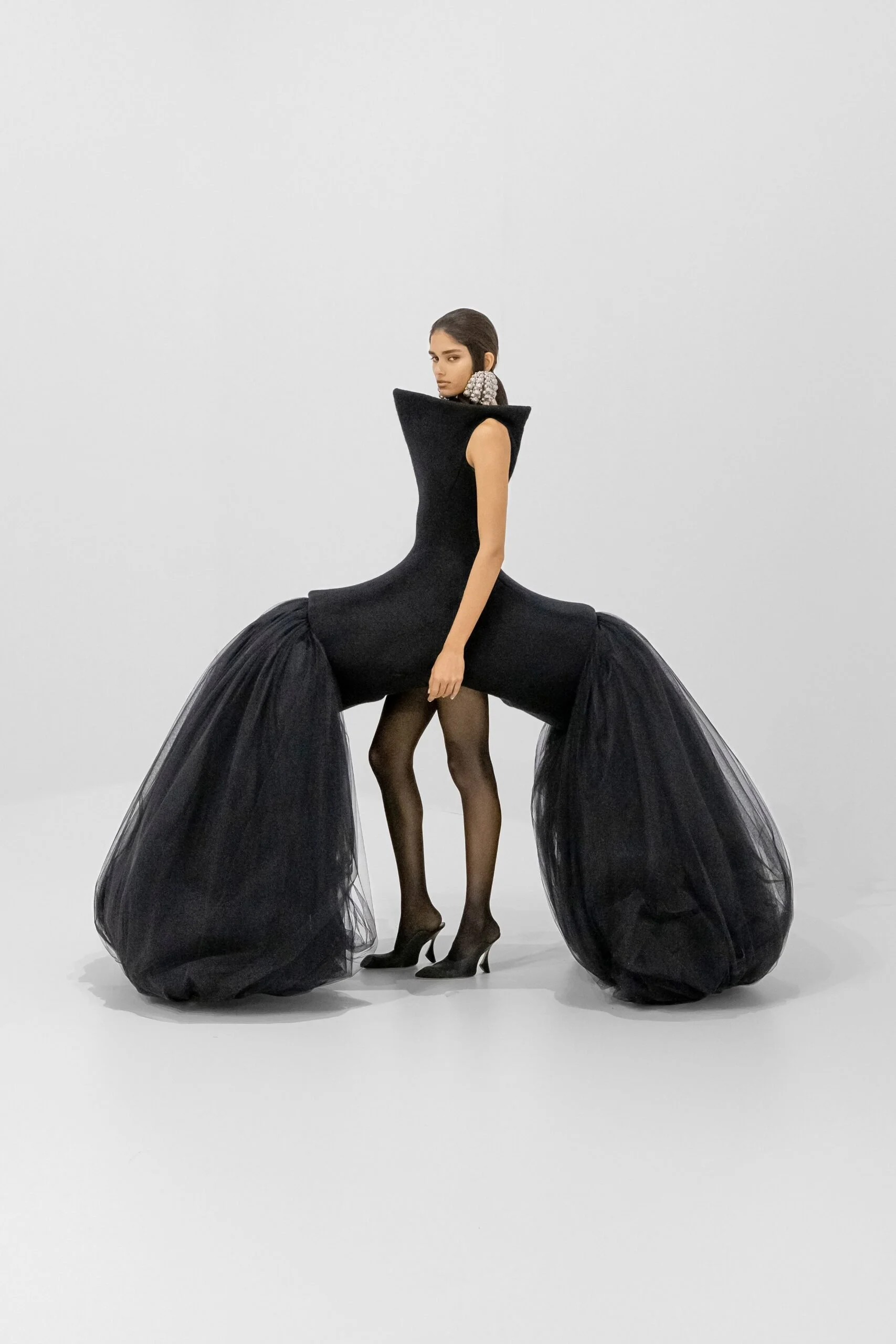
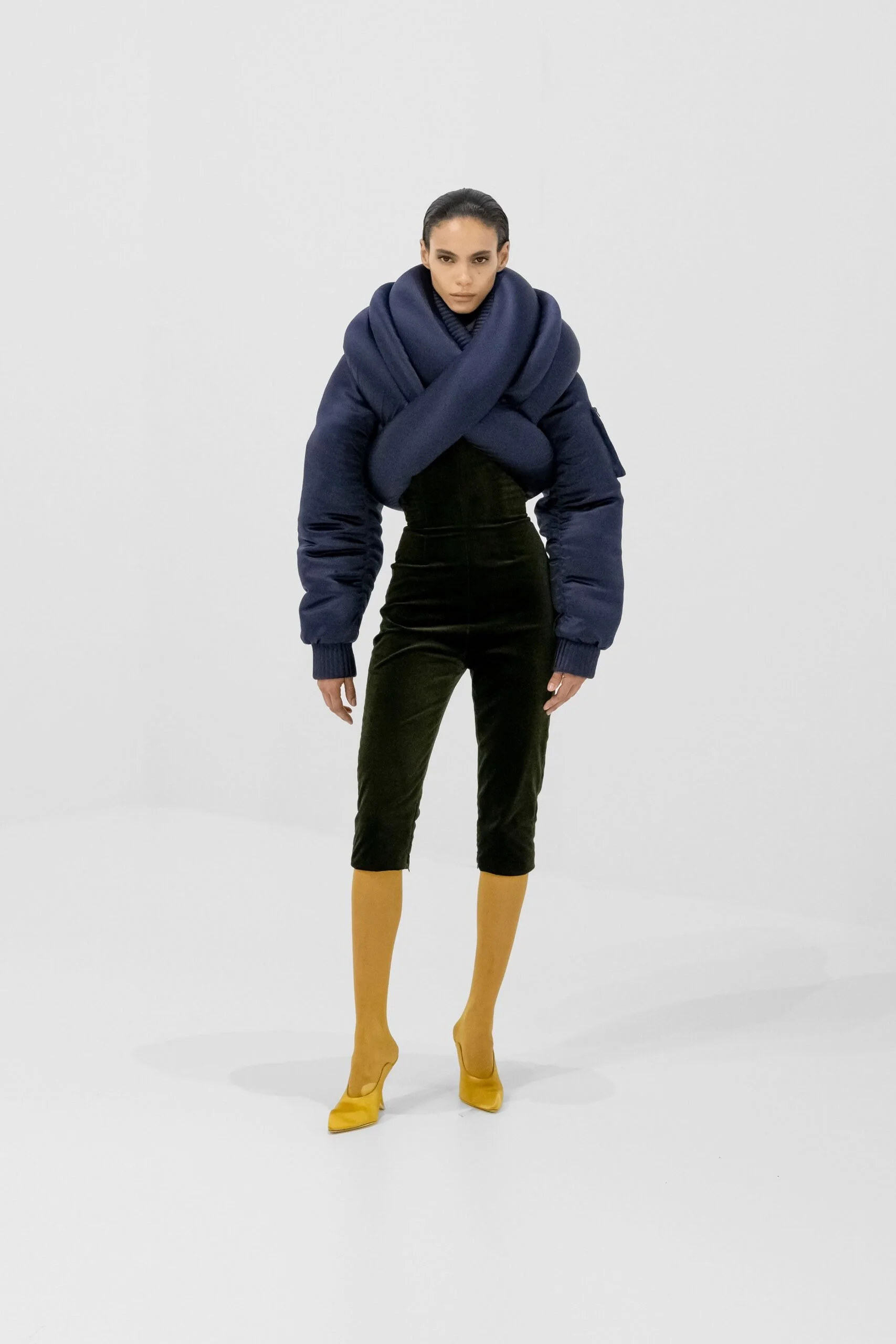
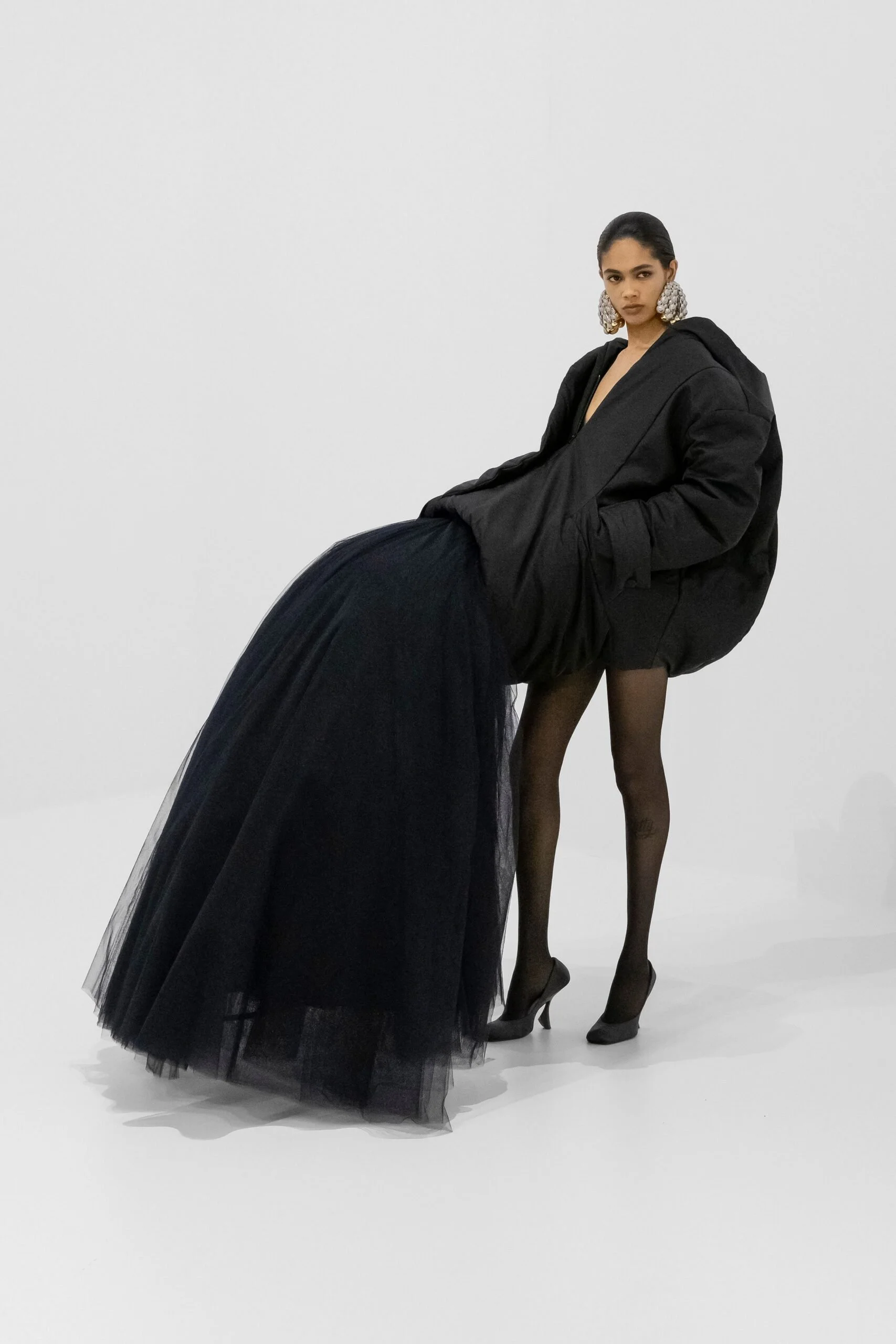
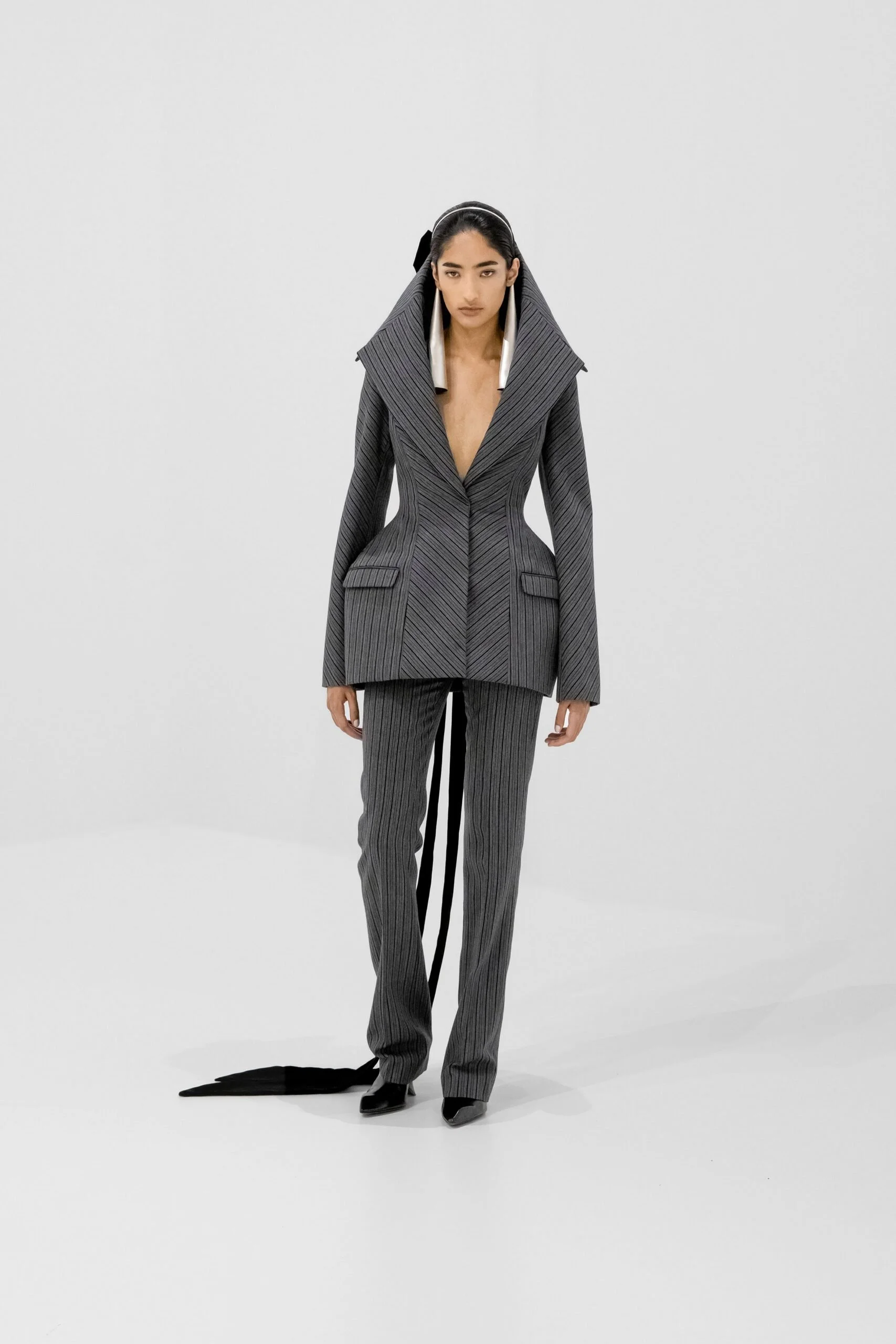
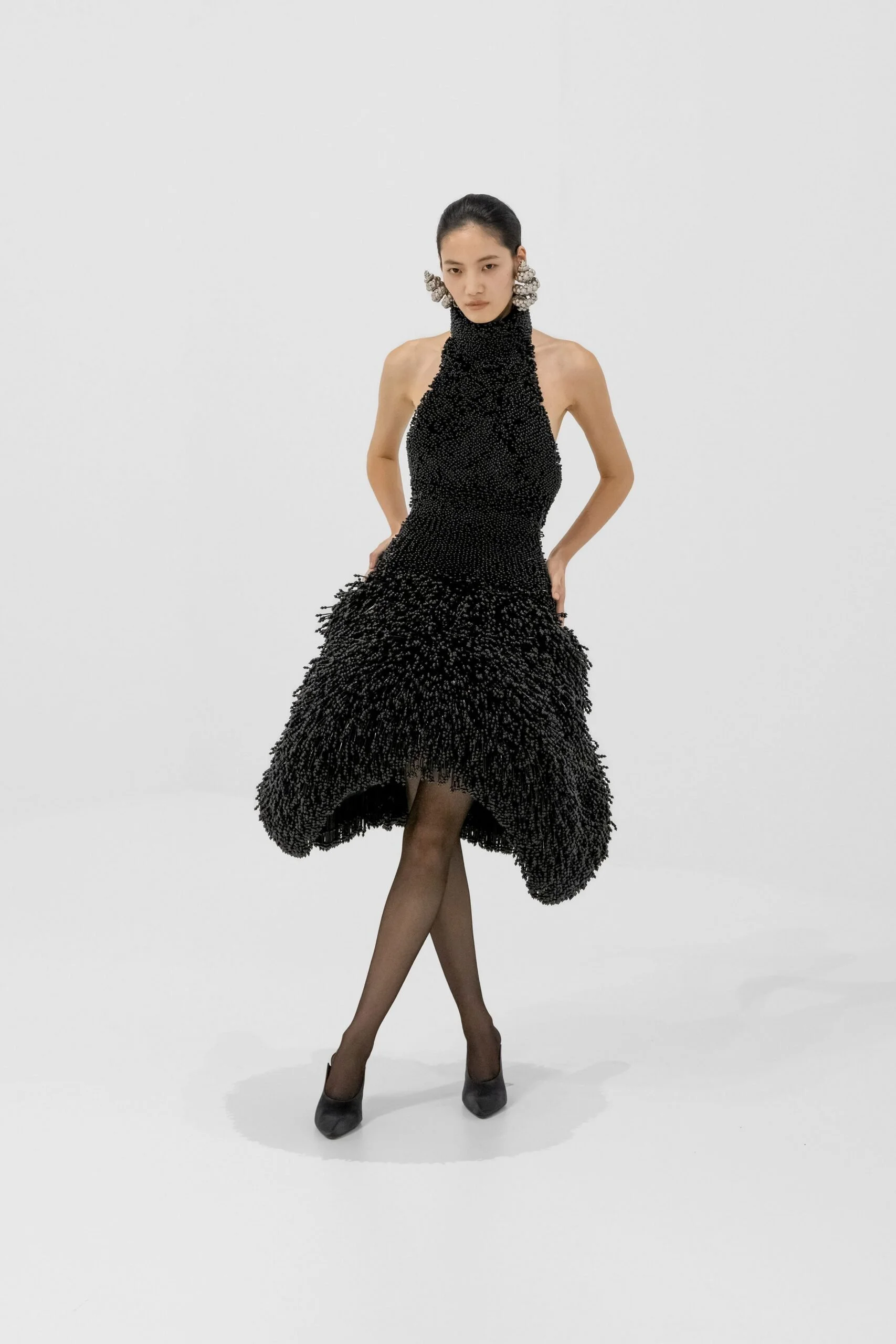
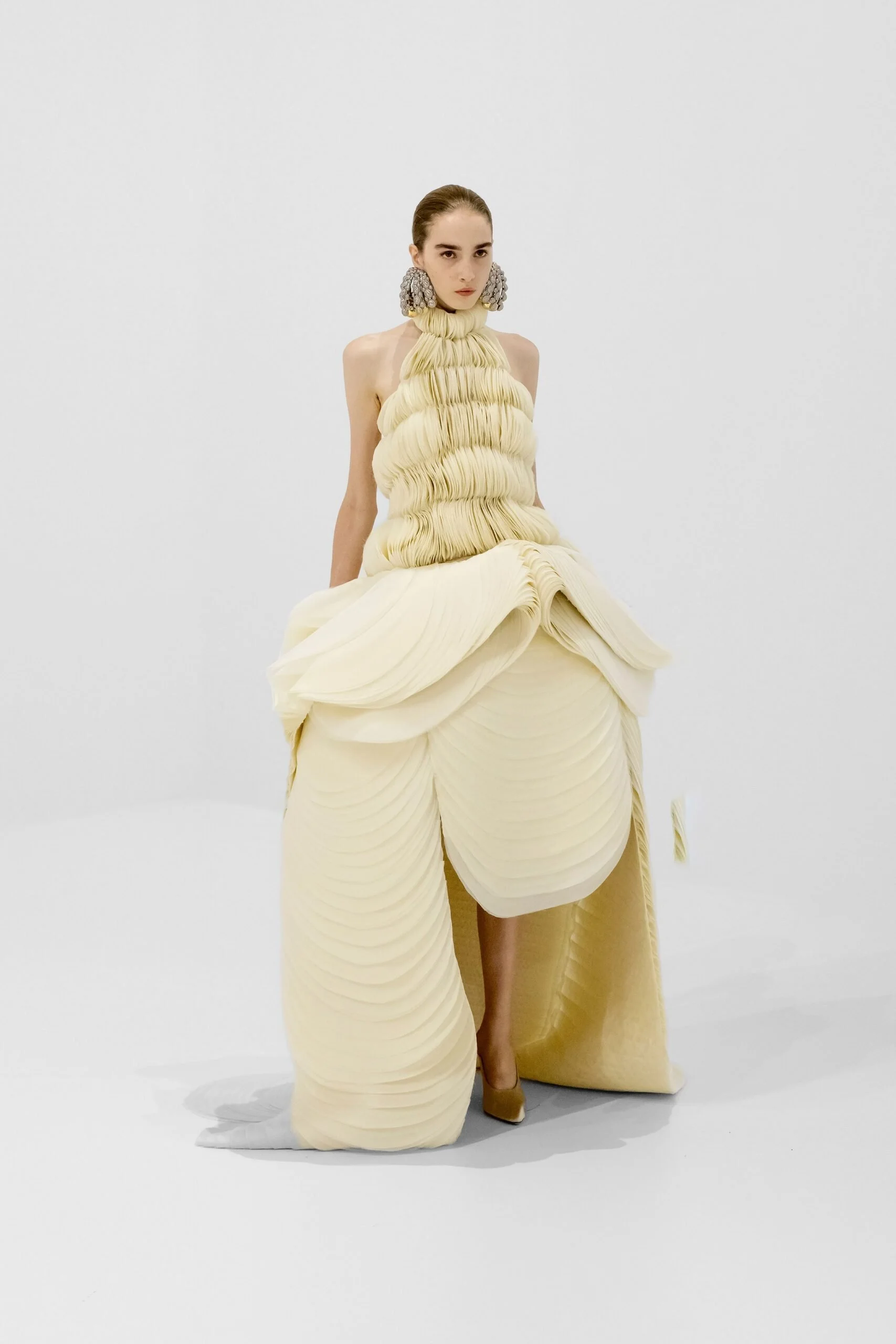
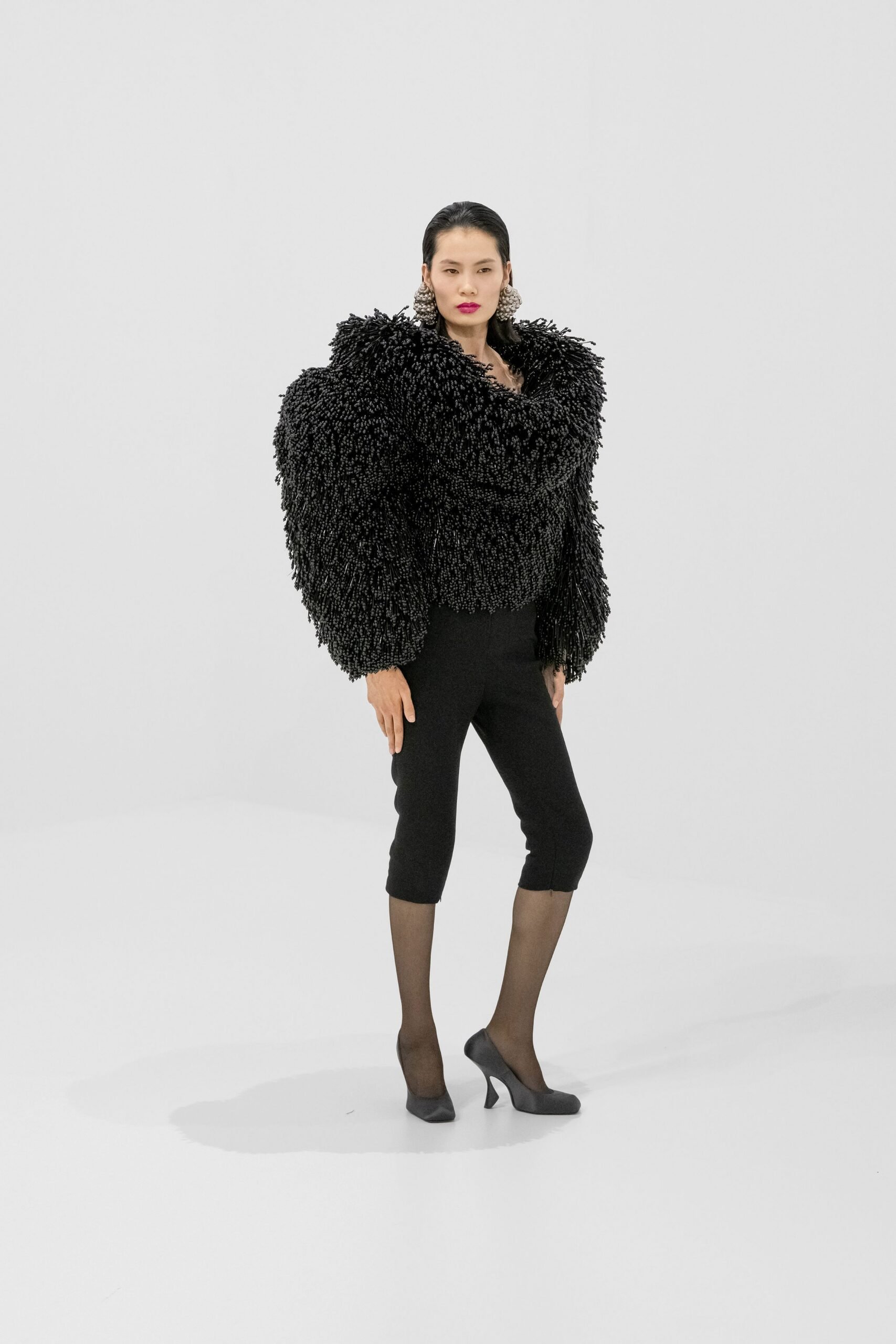
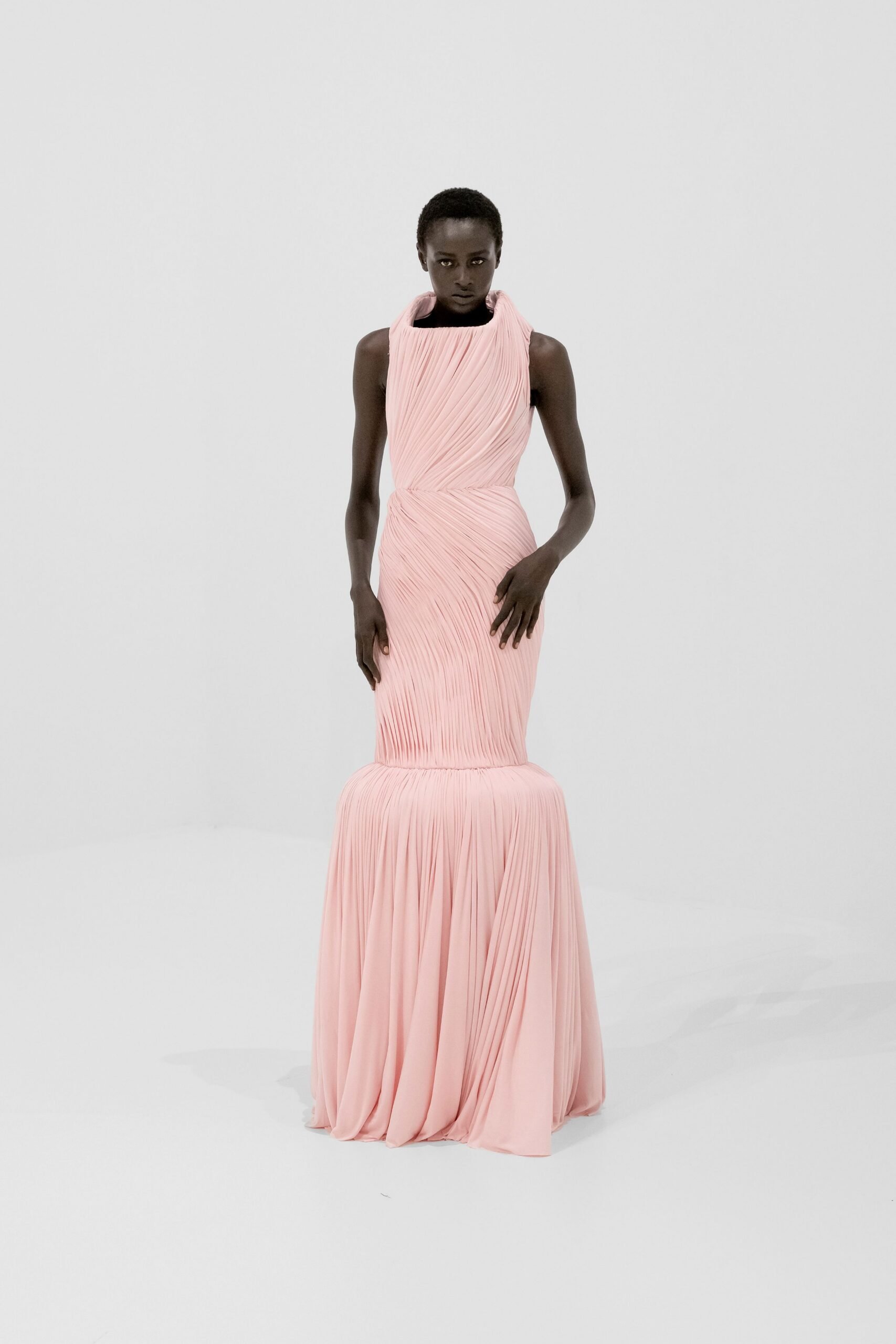
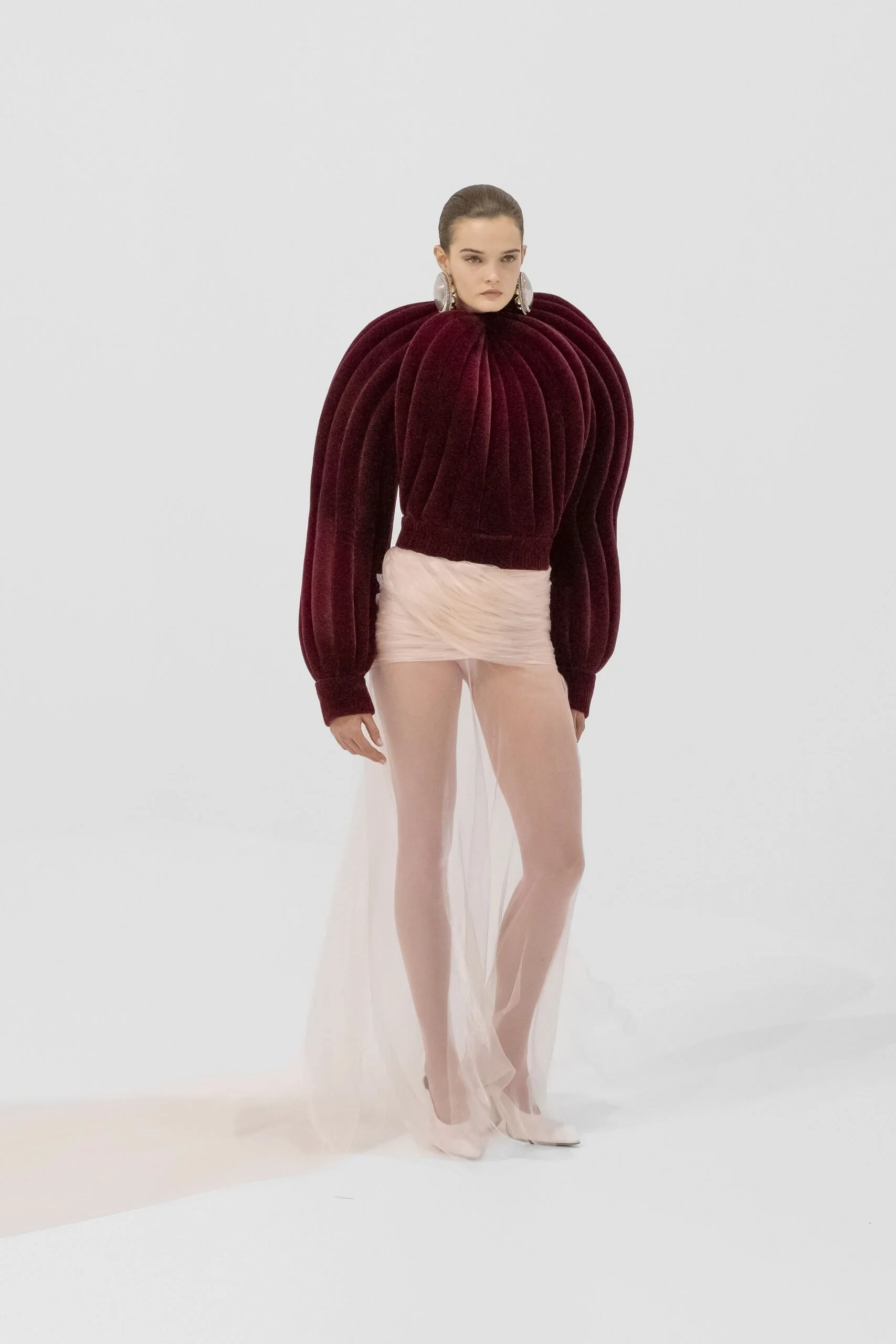
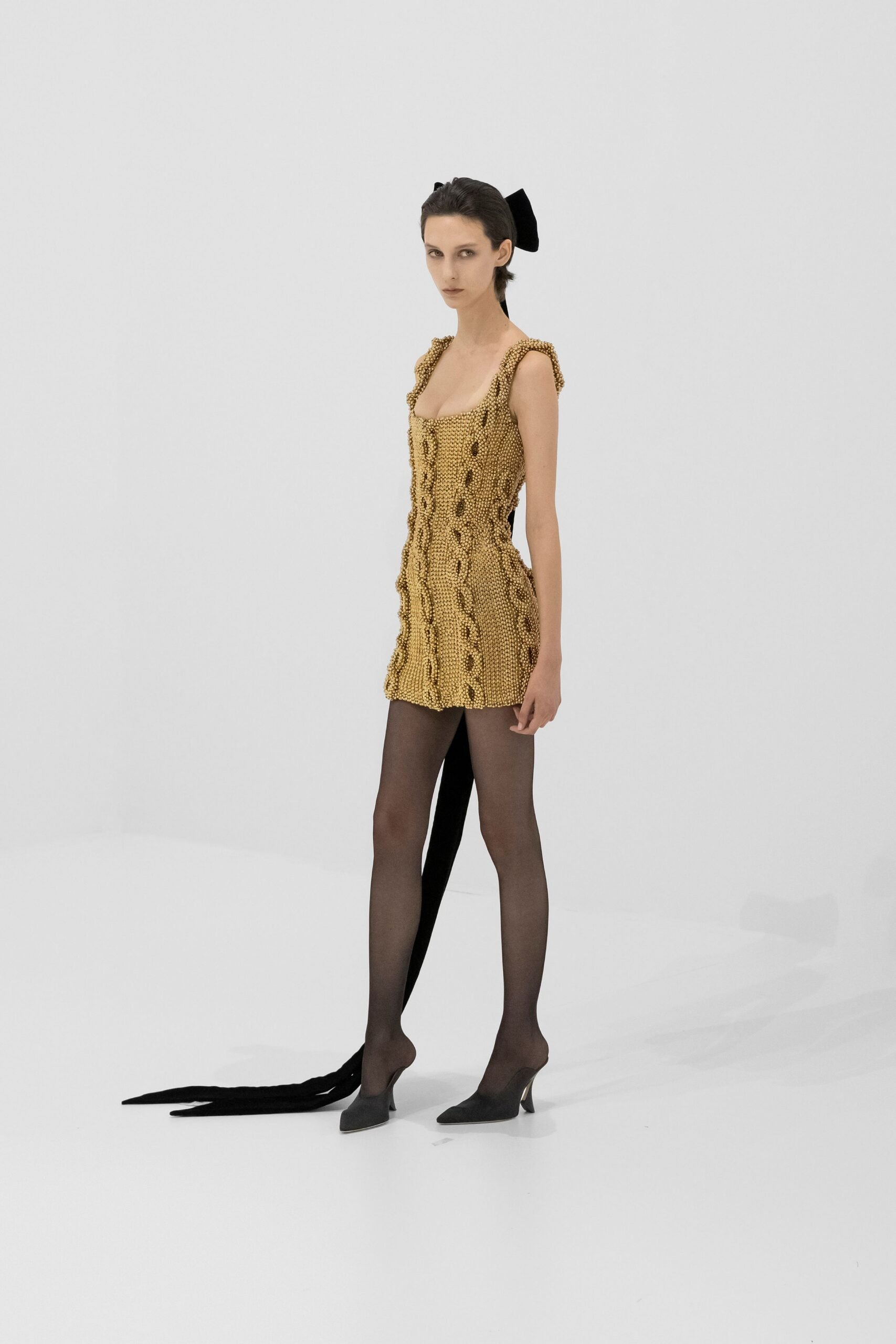
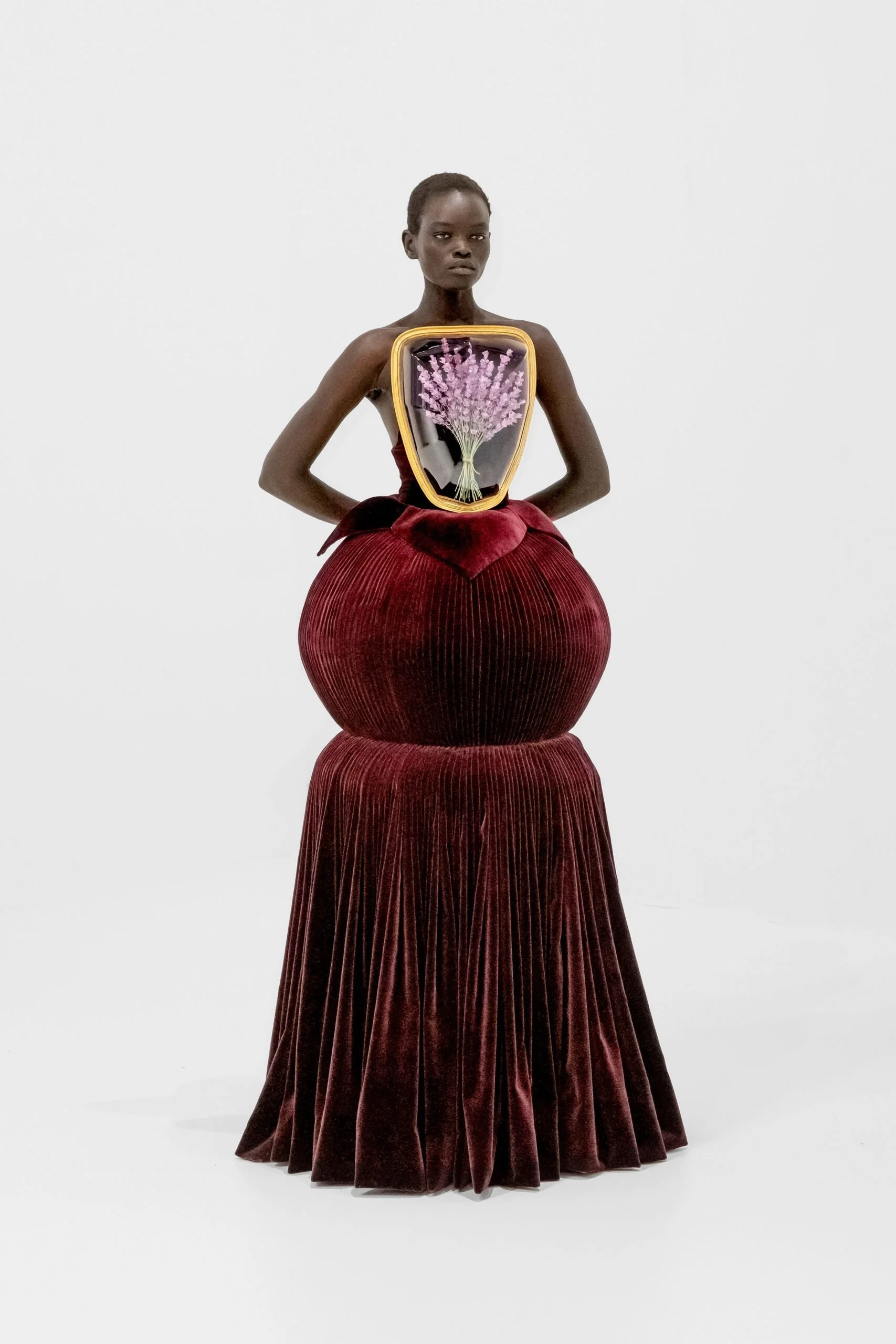
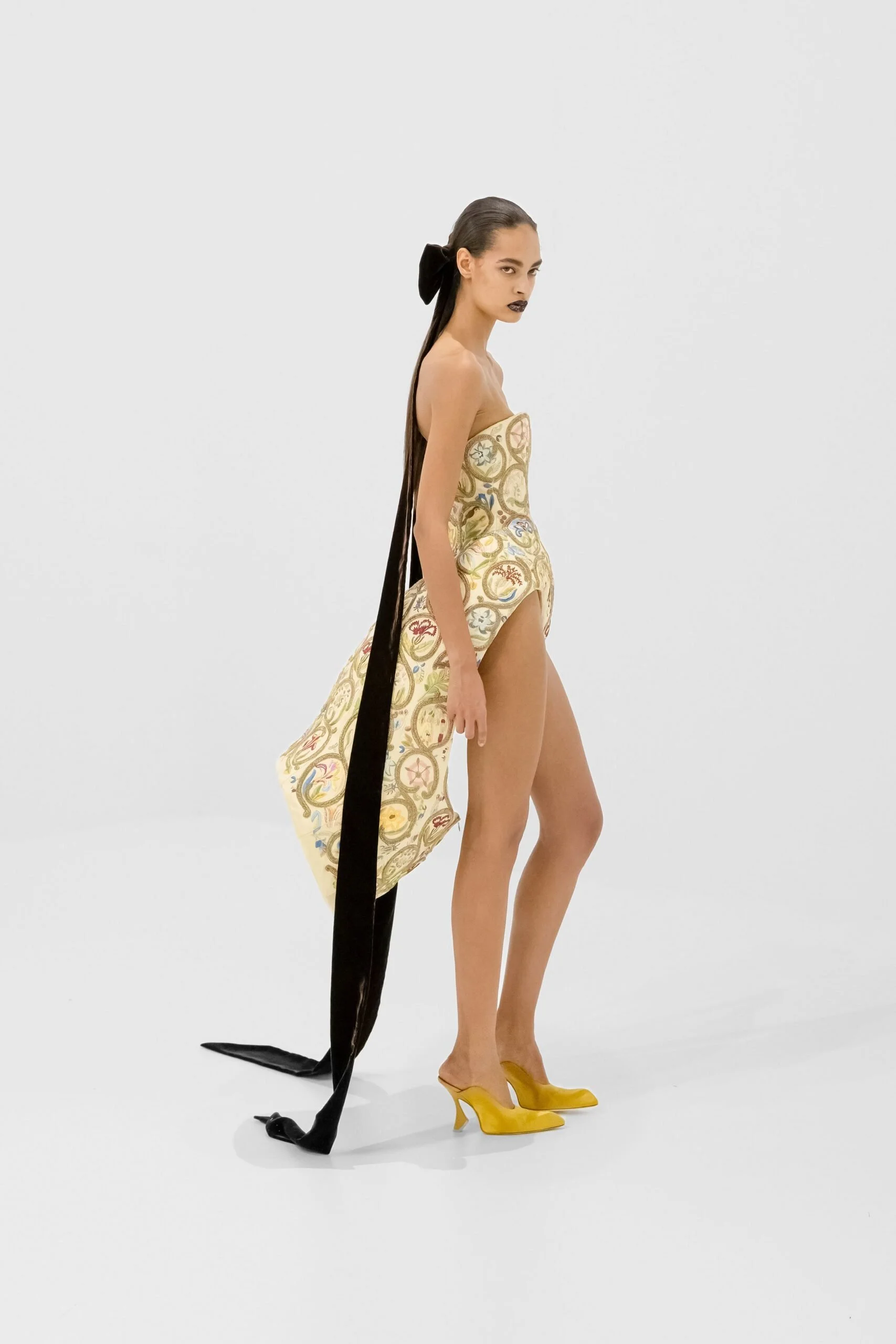
Is AI making couture stranger? At Paris Couture Week, where traditional gowns and thousands of hours of handcraft still dominate the runway, Duran Lantink offered a glimpse into a more surreal future for haute couture. His debut collection for Jean Paul Gaultier blurred the line between fashion, technology and fantasy, presenting garments that looked almost like digital creations brought into the physical world.
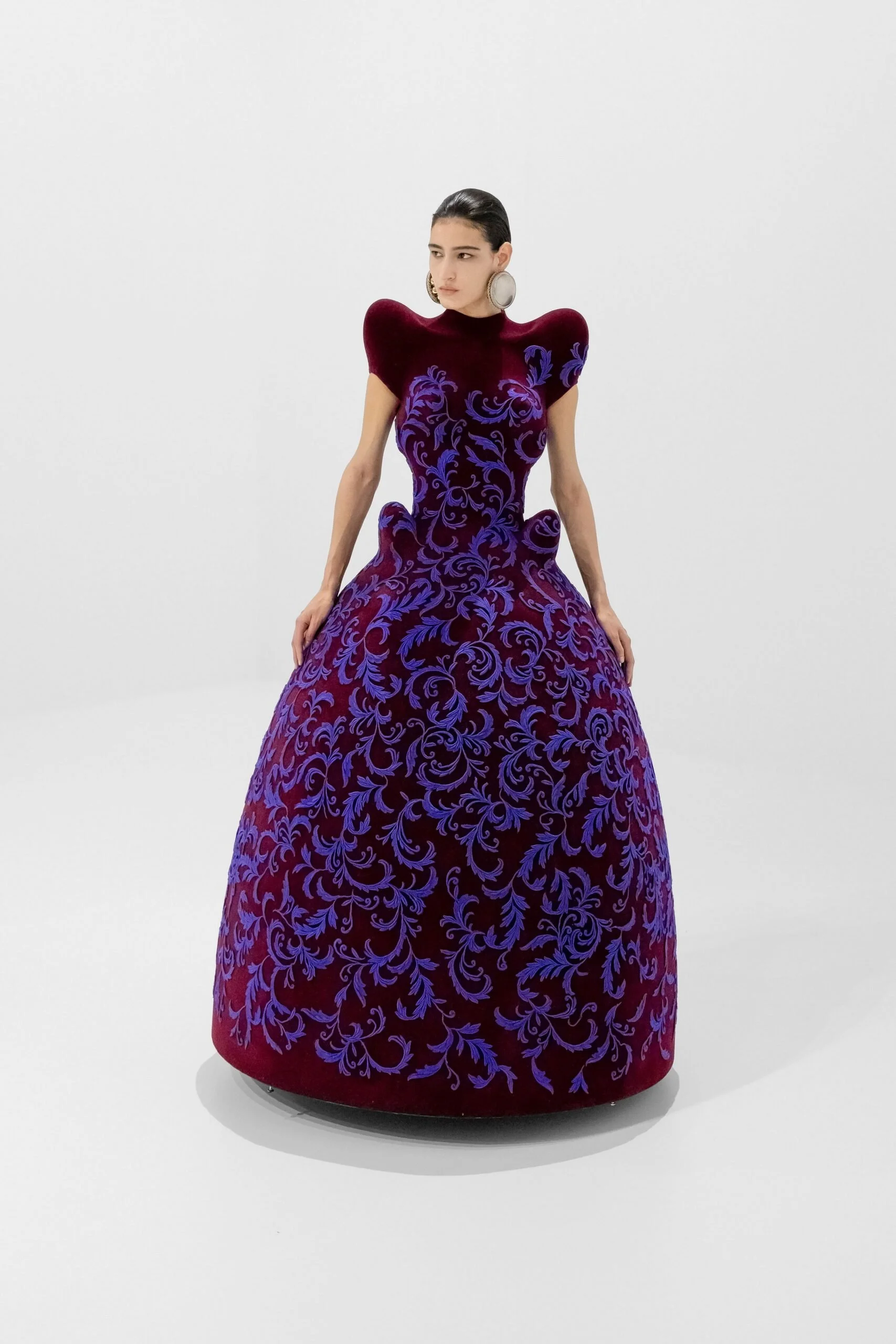
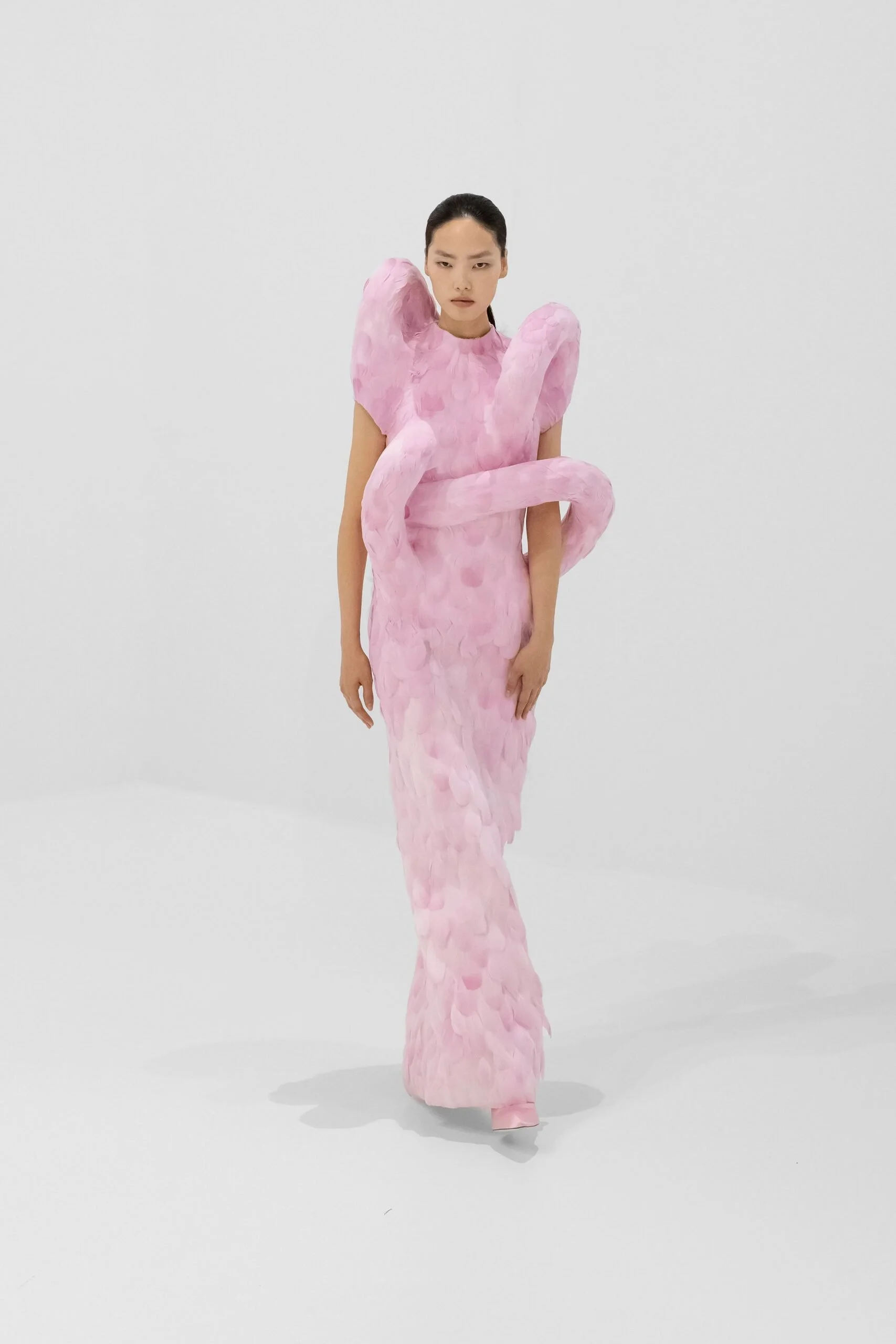
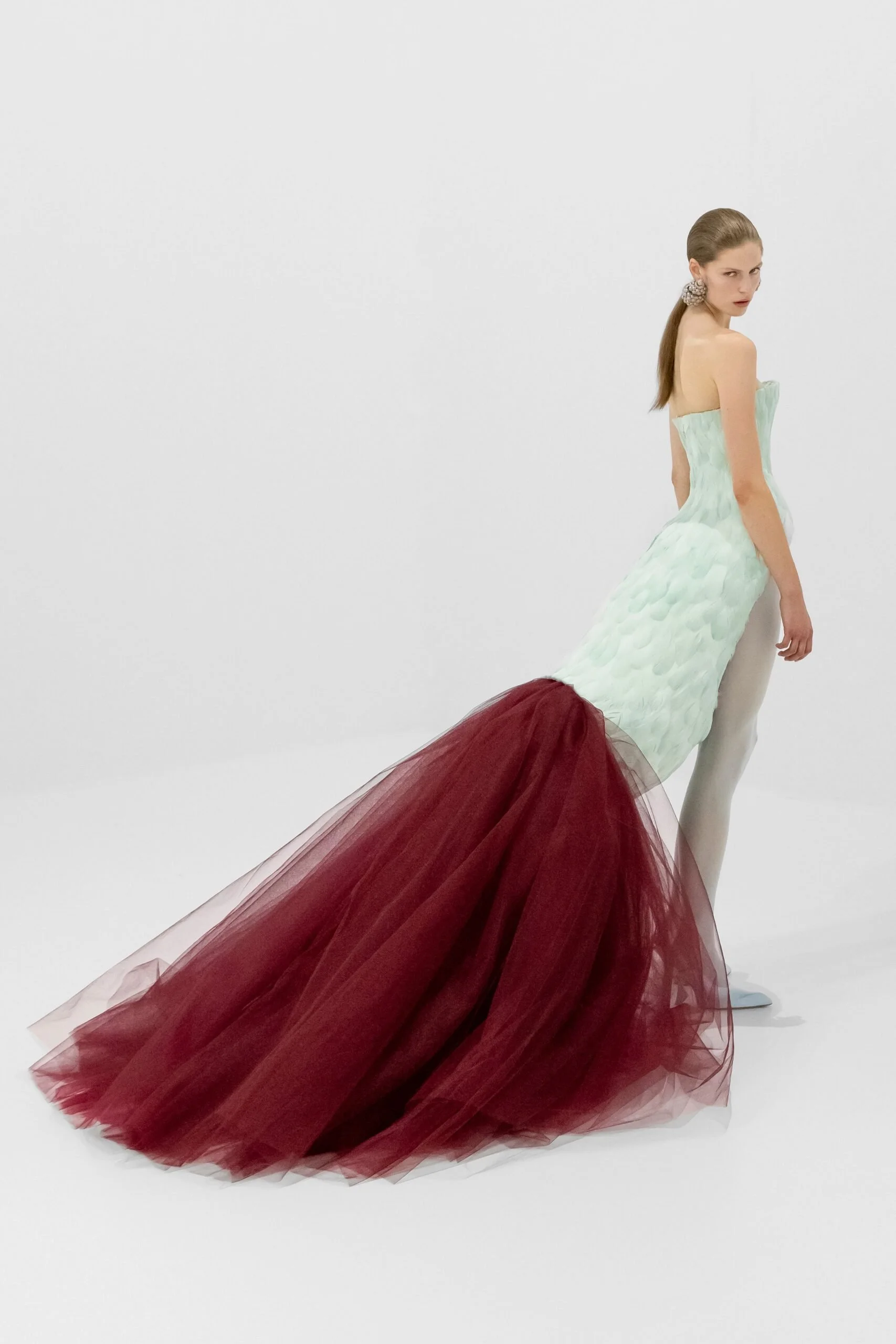
Inspired by Queen Marie Antoinette and her legendary ability to command attention through exaggerated silhouettes, Lantink explored the idea of taking up space. Voluminous tulle gowns, oversized forms and sculptural shapes transformed the body into something theatrical, while references to Jean Paul Gaultier’s own archive — particularly his 1985 costumes for choreographer Régine Chopinot’s “Le Défilé” — connected the collection to the house’s history of challenging convention.
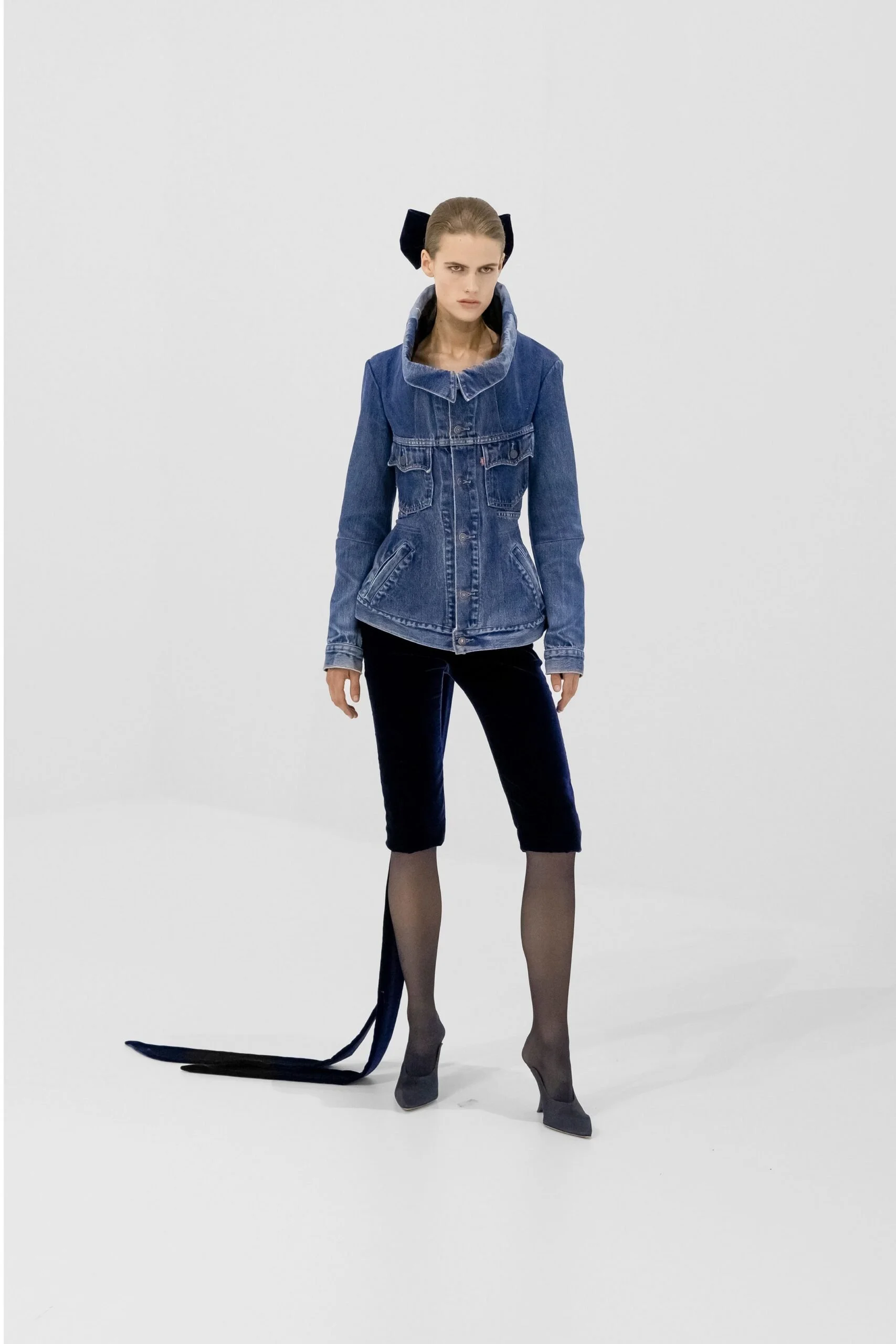
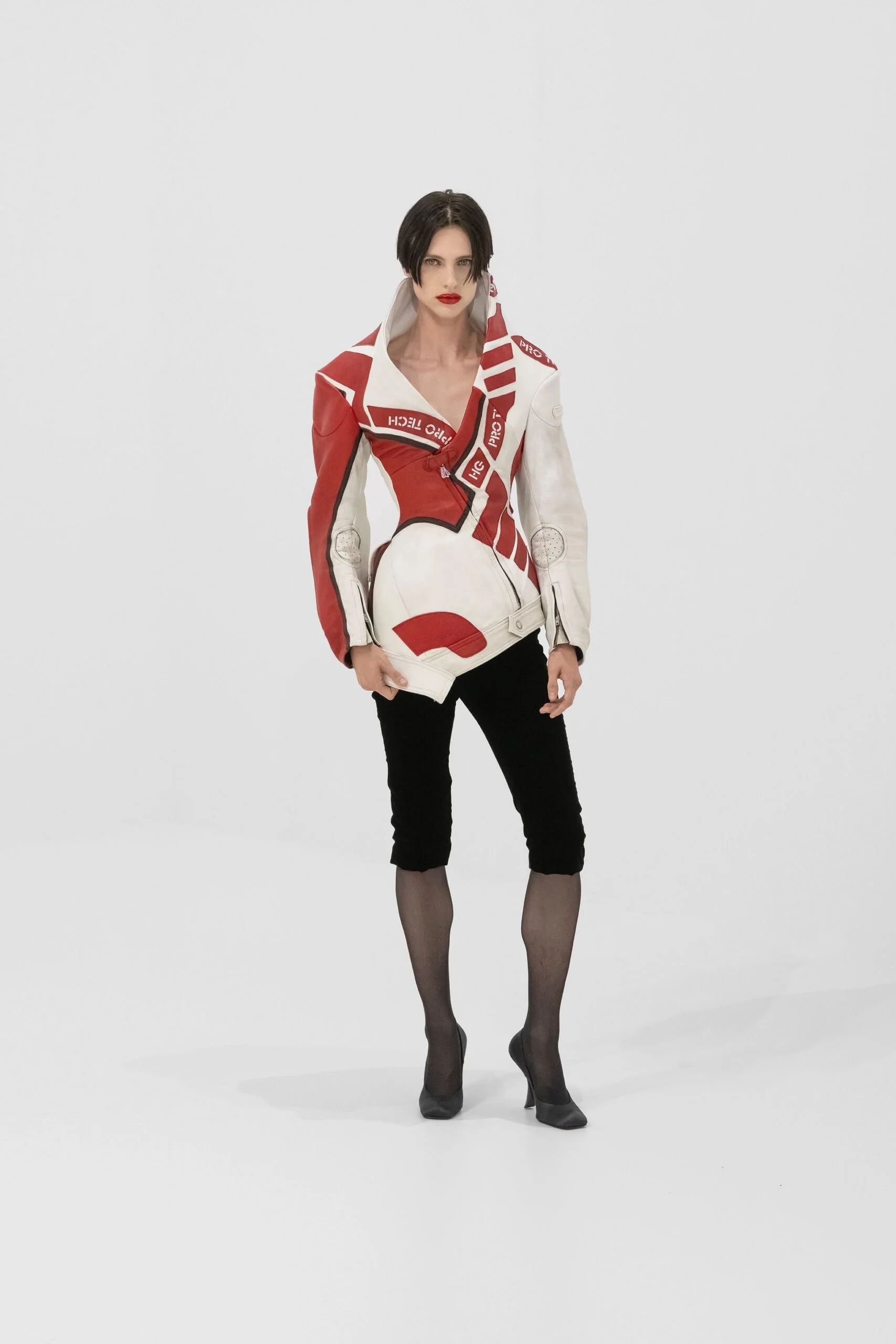
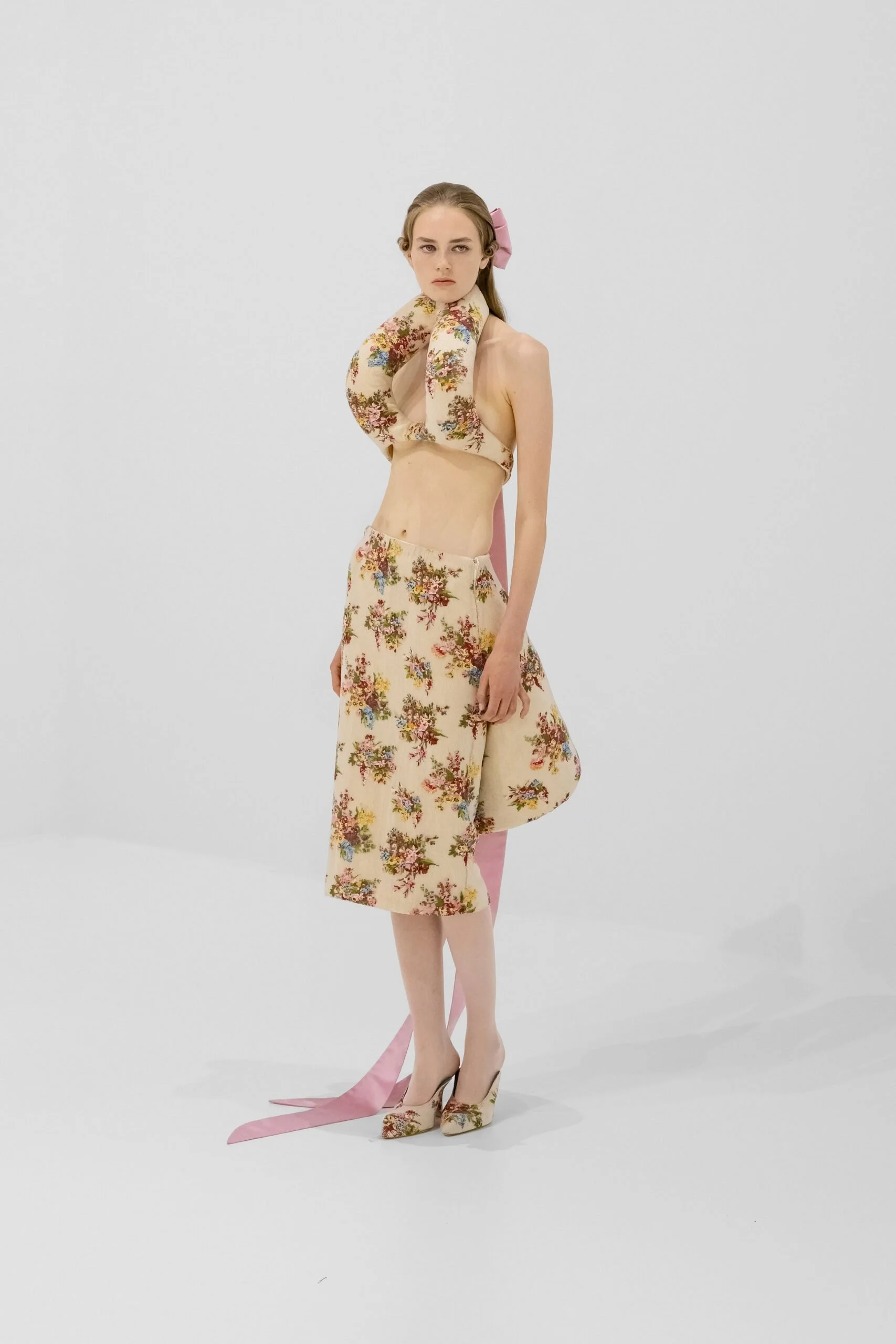
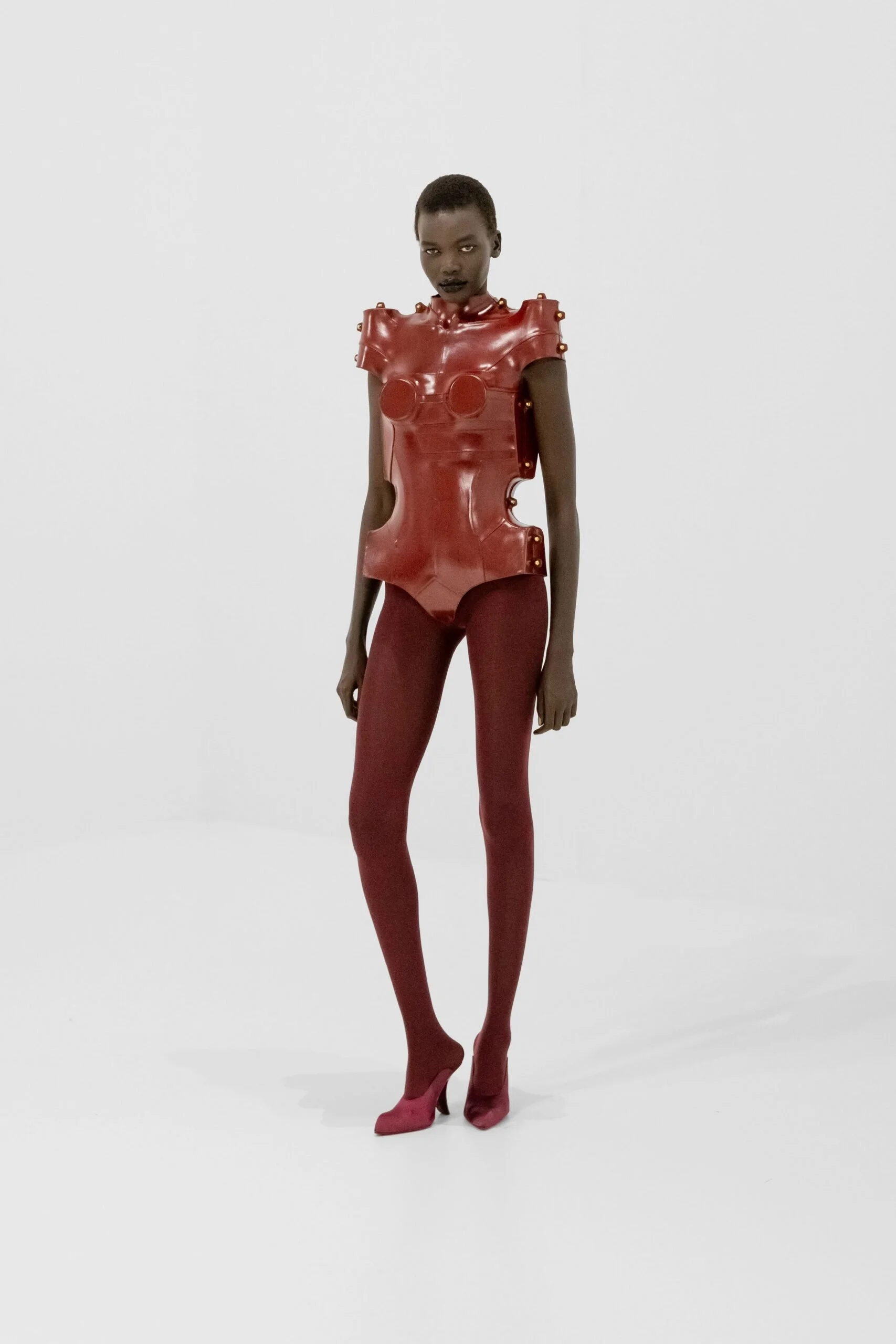
The designer combined couture craftsmanship with experimental techniques, including 3D printing, hand-flocking and unconventional materials. A bell-shaped gown resembling a futuristic sculpture was layered with lace motifs, while a feathered column dress and a sci-fi inspired molded leather bustier pushed the boundaries between fashion and wearable art. Even more familiar pieces, such as a tailored jacket reconstructed from three upcycled Levi’s denim jackets, carried Lantink’s interest in reimagining existing forms.
For his first couture collection, Lantink embraced the fearless spirit of the Jean Paul Gaultier woman: bold, expressive and unafraid of attention. Whether his more extreme creations become future icons remains to be seen, but his arrival signals an exciting new chapter for the house — one where history, technology and imagination collide.