NAOMI: In Fashion - An Exciting Fashion Exhibition At The V&A
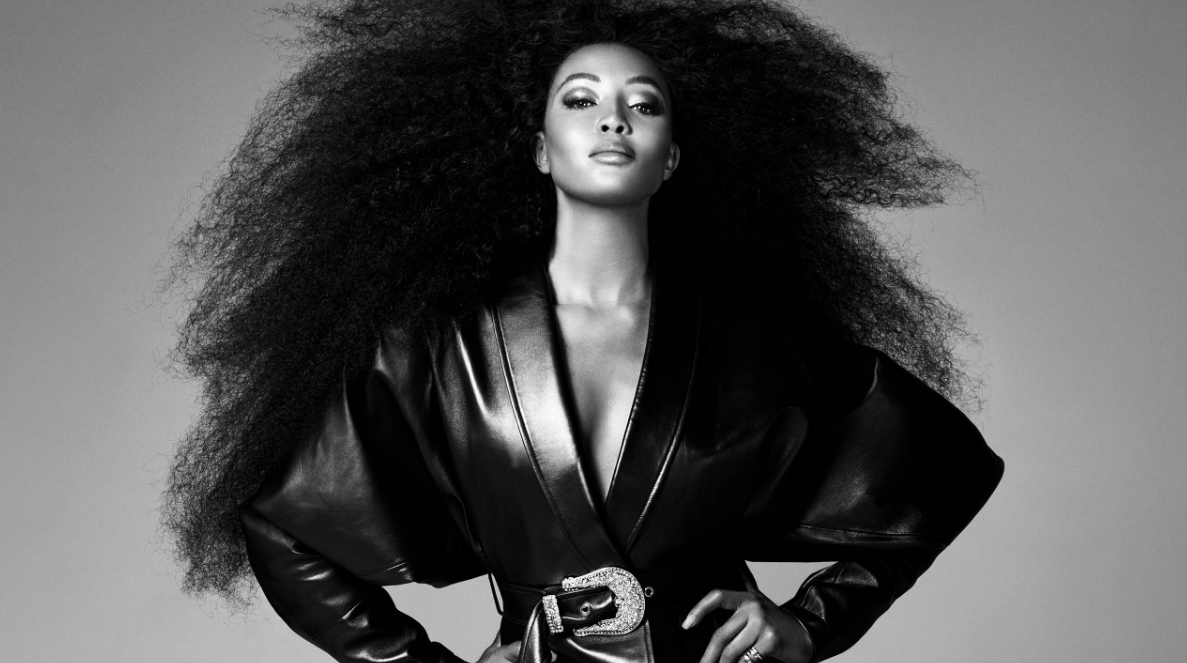
When Victoria and Albert Museum opened Naomi: In Fashion, it did something surprisingly rare for an institution of its kind. It placed a model, not a designer, at the centre of fashion history. The exhibition, which ran from 2024 to 2025, charted the four-decade career of Naomi Campbell, reframing her not simply as a muse, but as an active force within the industry’s evolution. It was both a celebration and a recalibration, positioning Campbell as a figure through whom fashion itself could be understood.
Produced in close collaboration with Campbell, the exhibition drew heavily from her personal archive, combining haute couture, ready-to-wear and photography with a more intimate set of artefacts. Curated by Sonnet Stanfill, it brought together around 100 looks and accessories, spanning designers from Gianni Versace to Azzedine Alaïa and Alexander McQueen. What emerged was less a chronological retrospective and more a portrait of collaboration, where Campbell’s image and presence shaped the work as much as the designers themselves.
The opening section, Becoming Naomi, grounded the exhibition in biography. A south London childhood, early dance training and a chance encounter with agent Beth Boldt in Covent Garden formed the familiar origin story, but here it was given texture through objects and imagery. Early photographs and ephemera hinted at the speed of her ascent, from teenager to global figure within a matter of years. Her breakthrough as the first Black model on the cover of Paris Vogue in 1988 was presented not as a milestone already absorbed into fashion mythology, but as a rupture that exposed the industry’s exclusions.
From there, Supermodel captured the particular intensity of the 1990s, when fashion became mass entertainment and models became celebrities in their own right. Alongside peers such as Cindy Crawford and Claudia Schiffer, Campbell helped define an era in which the runway extended far beyond the catwalk. Designers including Karl Lagerfeld and Yves Saint Laurent championed her, while photographers like Steven Meisel constructed the visual language that would cement her status. The exhibition suggested that Campbell’s success lay not only in her image, but in her ability to move between these worlds with unusual fluency.
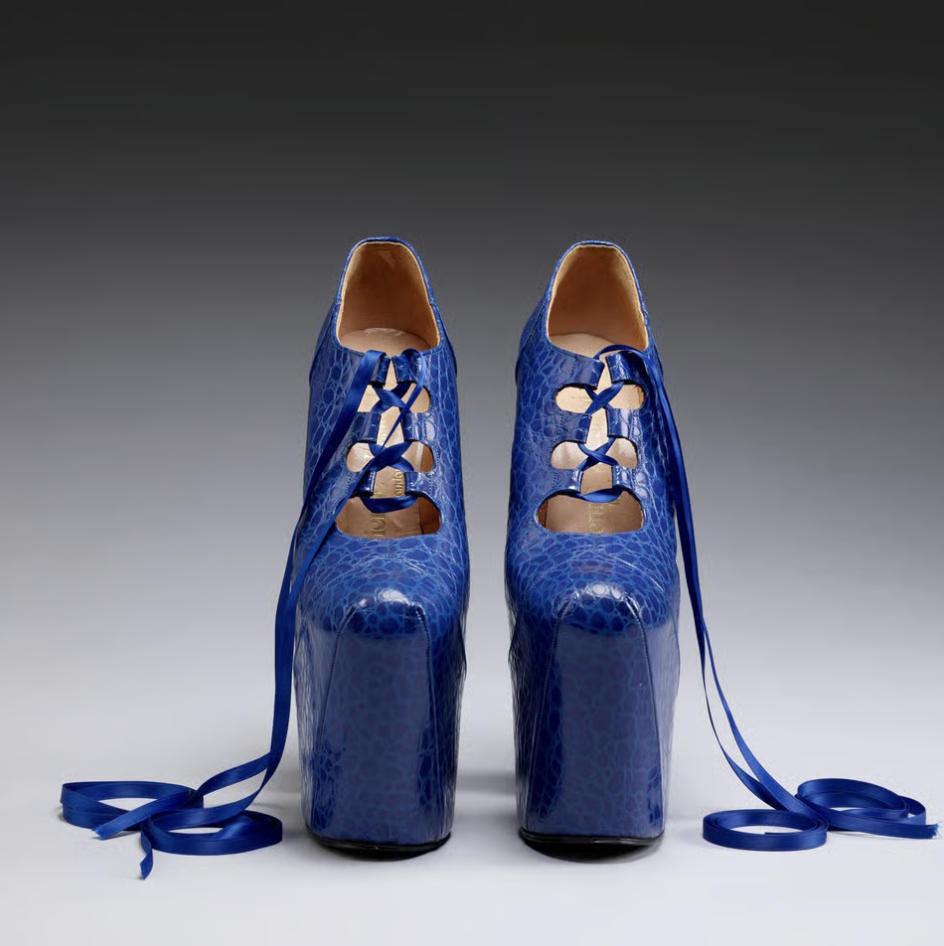
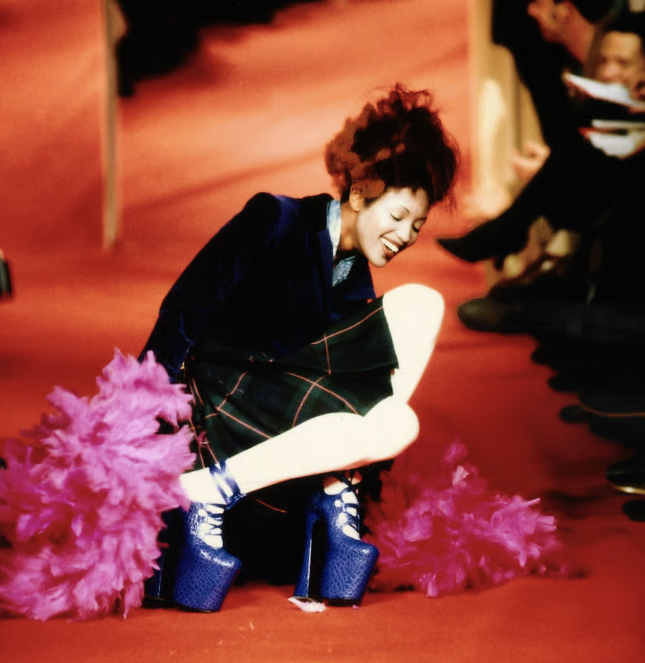
A more intimate tone emerged in the section dedicated to Azzedine Alaïa, whose relationship with Campbell was framed as both personal and professional. His sculptural designs, shaped in response to her body, revealed a dialogue between designer and model that felt almost symbiotic. It was one of the exhibition’s more compelling arguments: that Campbell was not merely wearing clothes, but actively influencing their creation.
The exhibition did not entirely sidestep controversy. In The Spotlight, moments of public scrutiny, including her court-ordered community service, were acknowledged, though handled with a certain restraint. A Dolce & Gabbana look worn during that period was displayed as evidence of her ability to maintain control of her image even under pressure. It was a brief but notable reminder that Campbell’s career has unfolded under an unusually intense level of visibility.
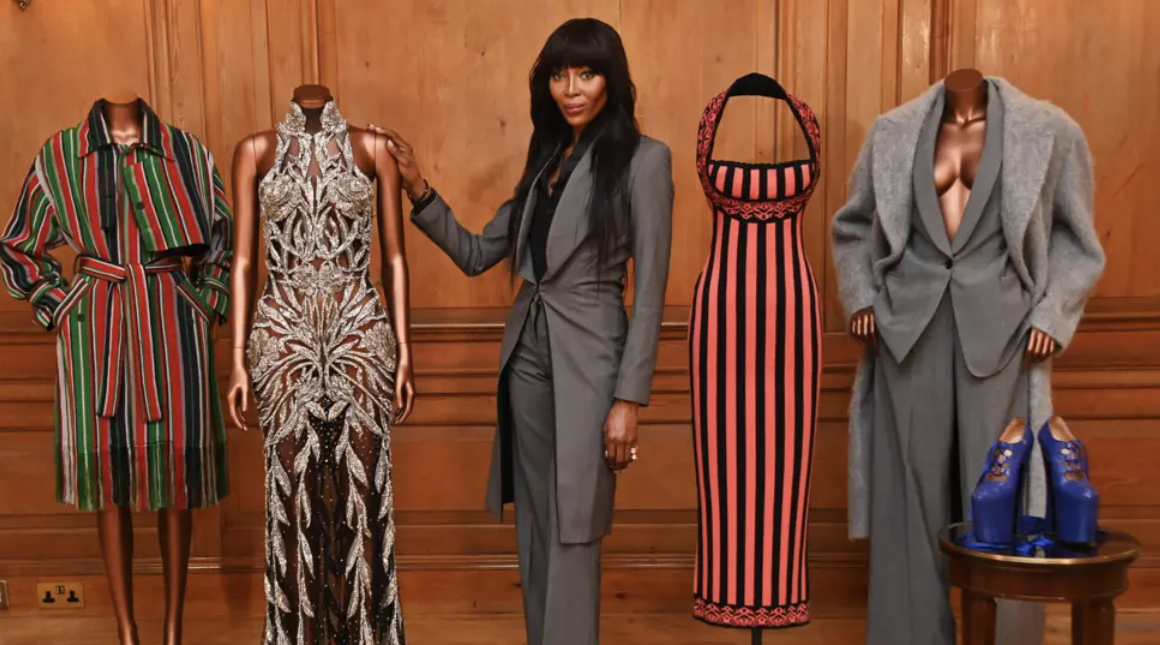
Photography formed a parallel narrative throughout, curated by Edward Enninful. Images by figures such as Nick Knight and Peter Lindbergh captured Campbell across decades, emphasising her adaptability and consistency in equal measure. These photographs underscored a central idea: that modelling, at its highest level, is a form of performance, requiring precision, intelligence and an acute awareness of the camera.
If the exhibition occasionally leaned towards reverence, it was difficult to dispute its central premise. Campbell’s career intersects with some of the most significant shifts in modern fashion, from the rise of the supermodel to ongoing conversations around race and representation. Her activism, including her work with figures such as Nelson Mandela and her advocacy for diversity on the runway, was woven into the narrative without overwhelming it.
By the final section, Archetype, Campbell emerged less as an individual and more as a symbol. The exhibition suggested that her enduring relevance lies in her ability to adapt while maintaining a distinct identity, a quality that few in fashion manage to sustain over such a prolonged period. It was not simply a story of longevity, but of control.
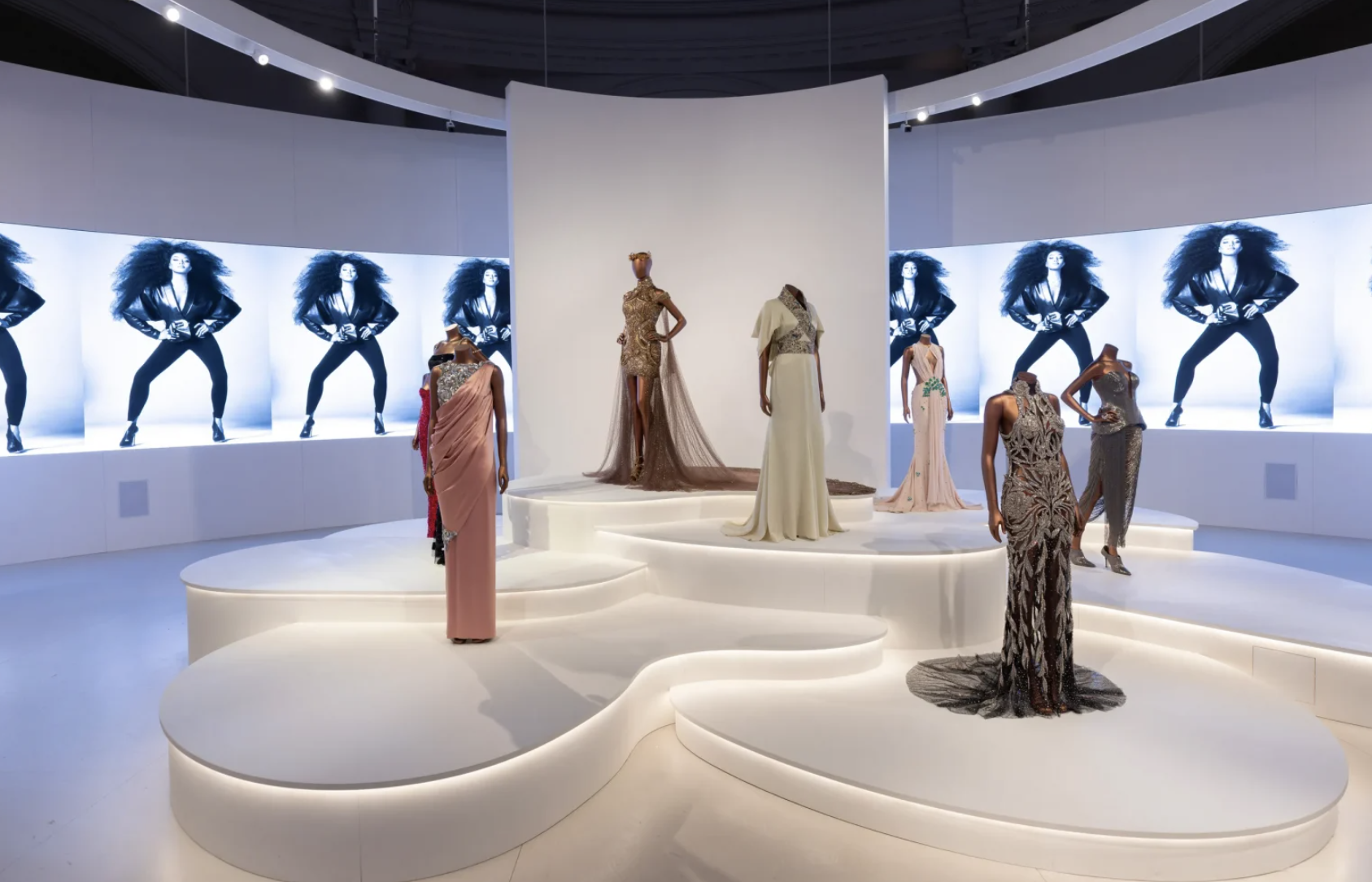
In the end, Naomi: In Fashion functioned as both tribute and study. It asked viewers to reconsider the role of the model within fashion’s hierarchy, elevating Campbell from subject to author of her own image. The result was a portrait of a career that has not merely reflected the industry, but helped shape it.