Zankov Spring 2027
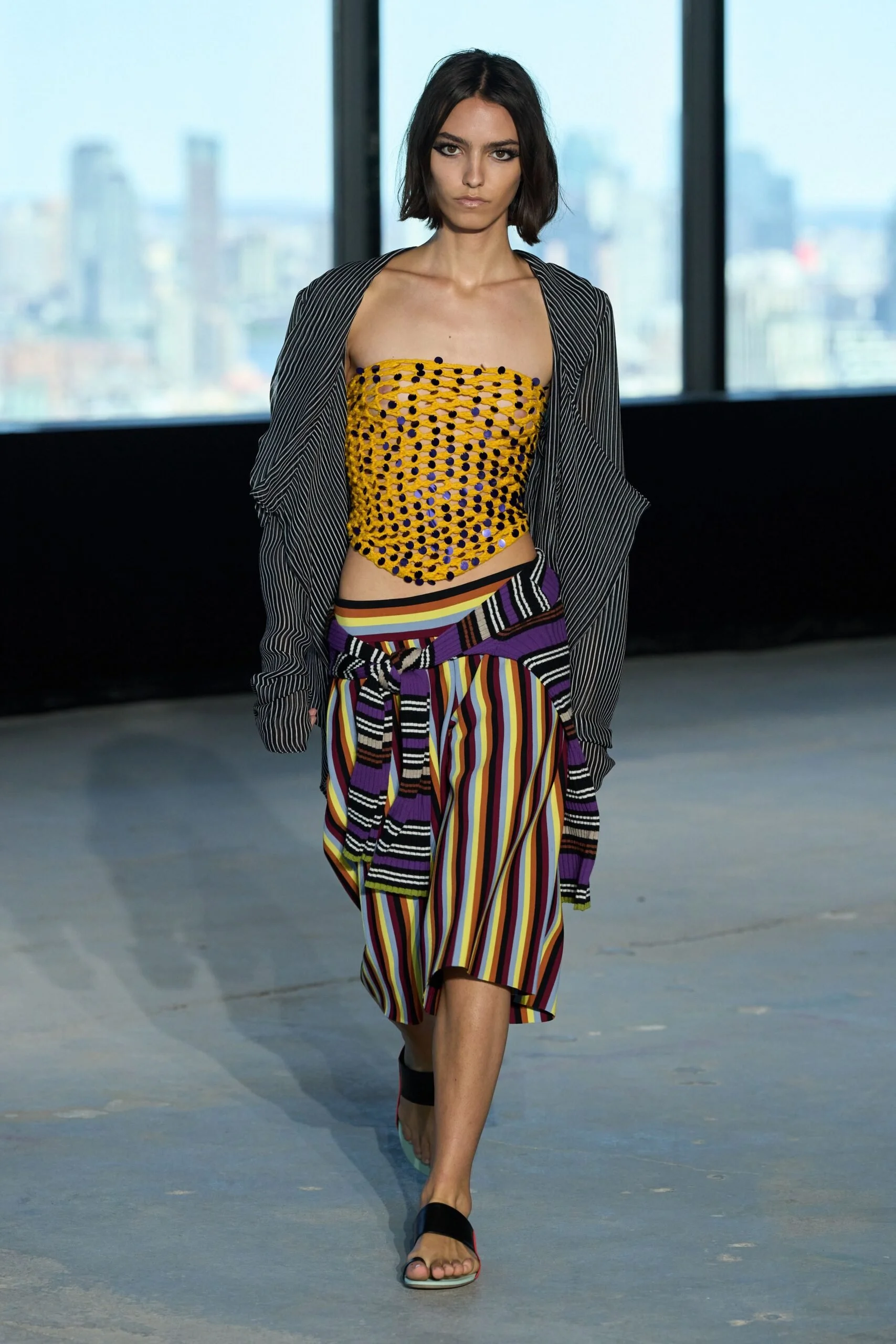
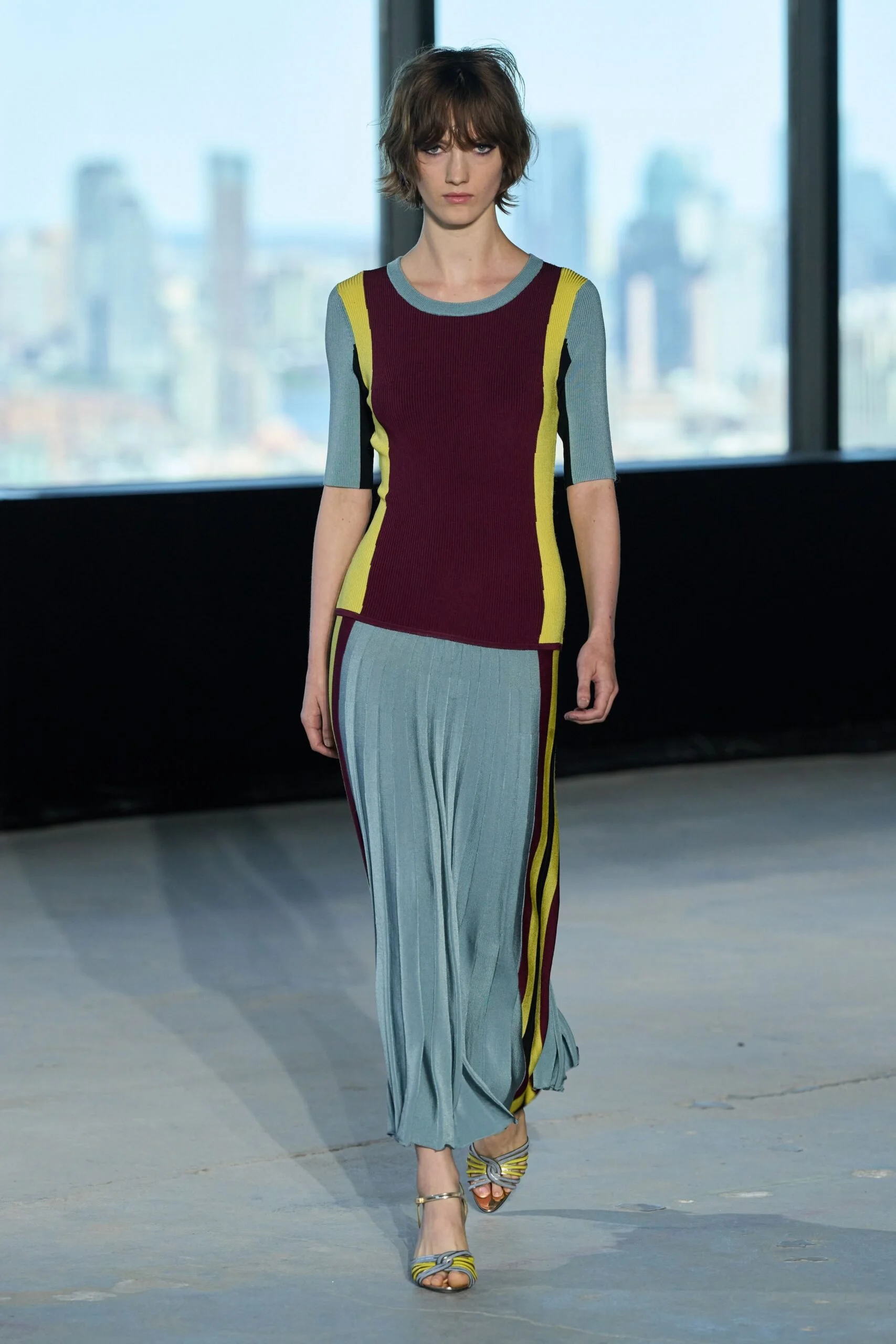
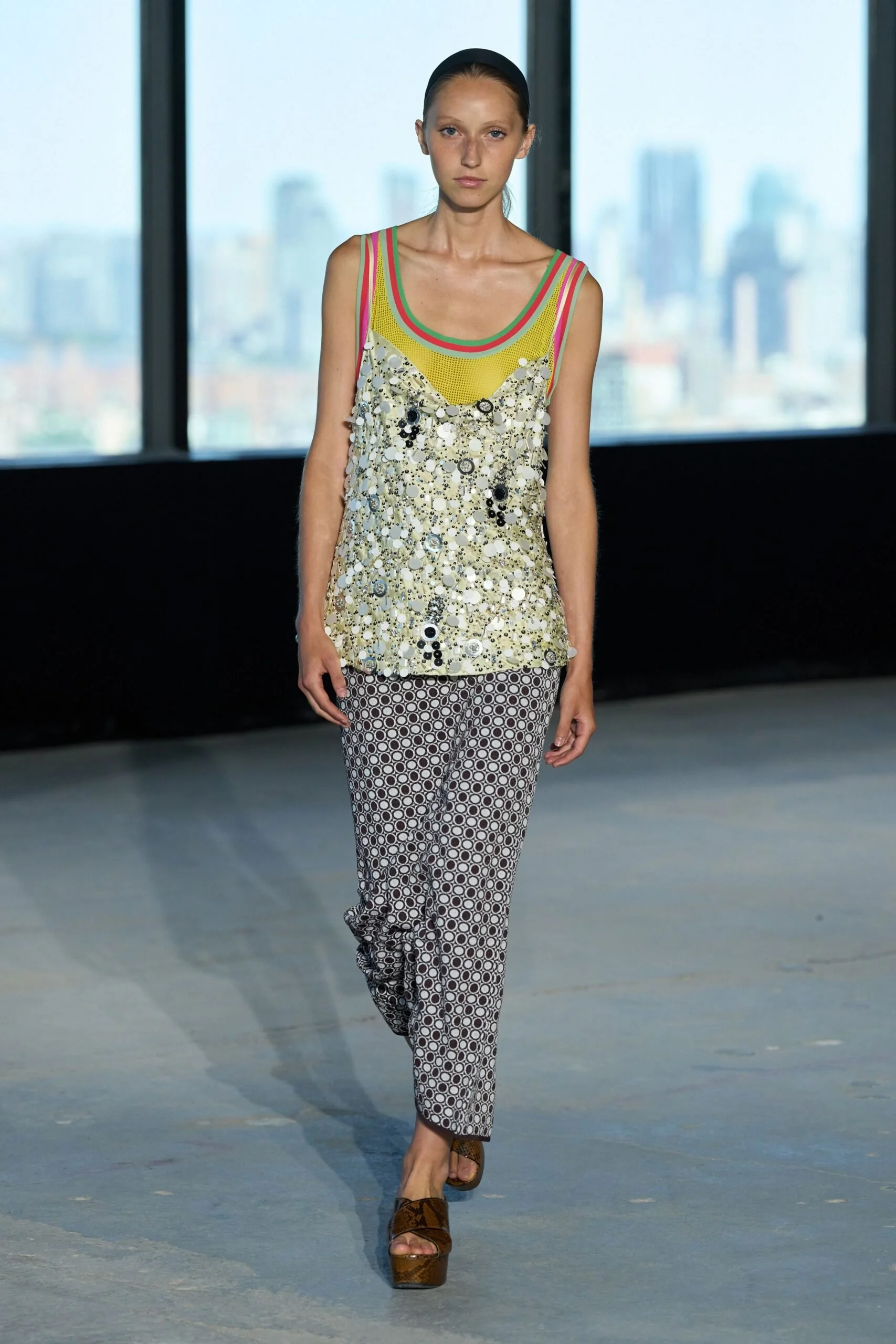
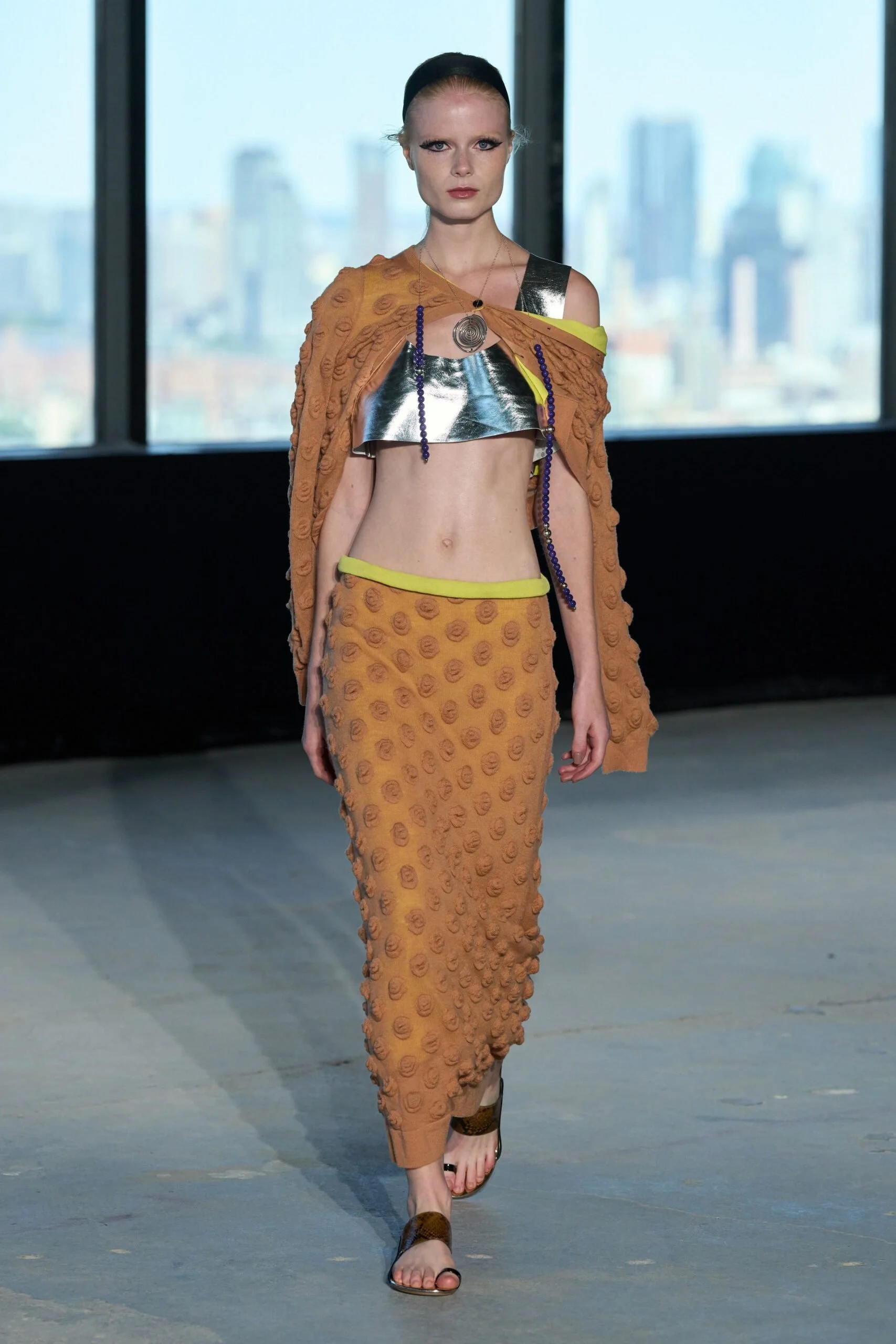
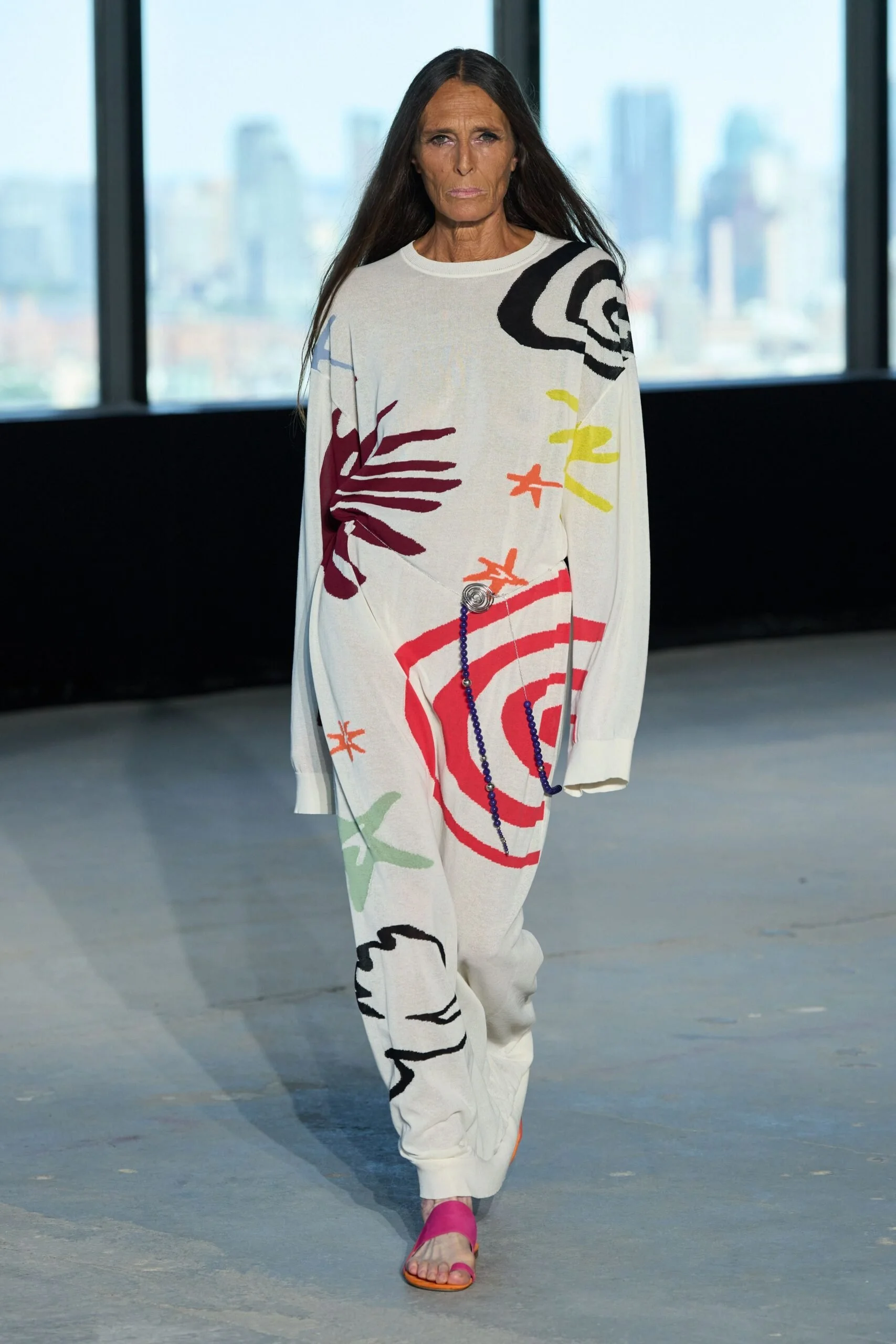
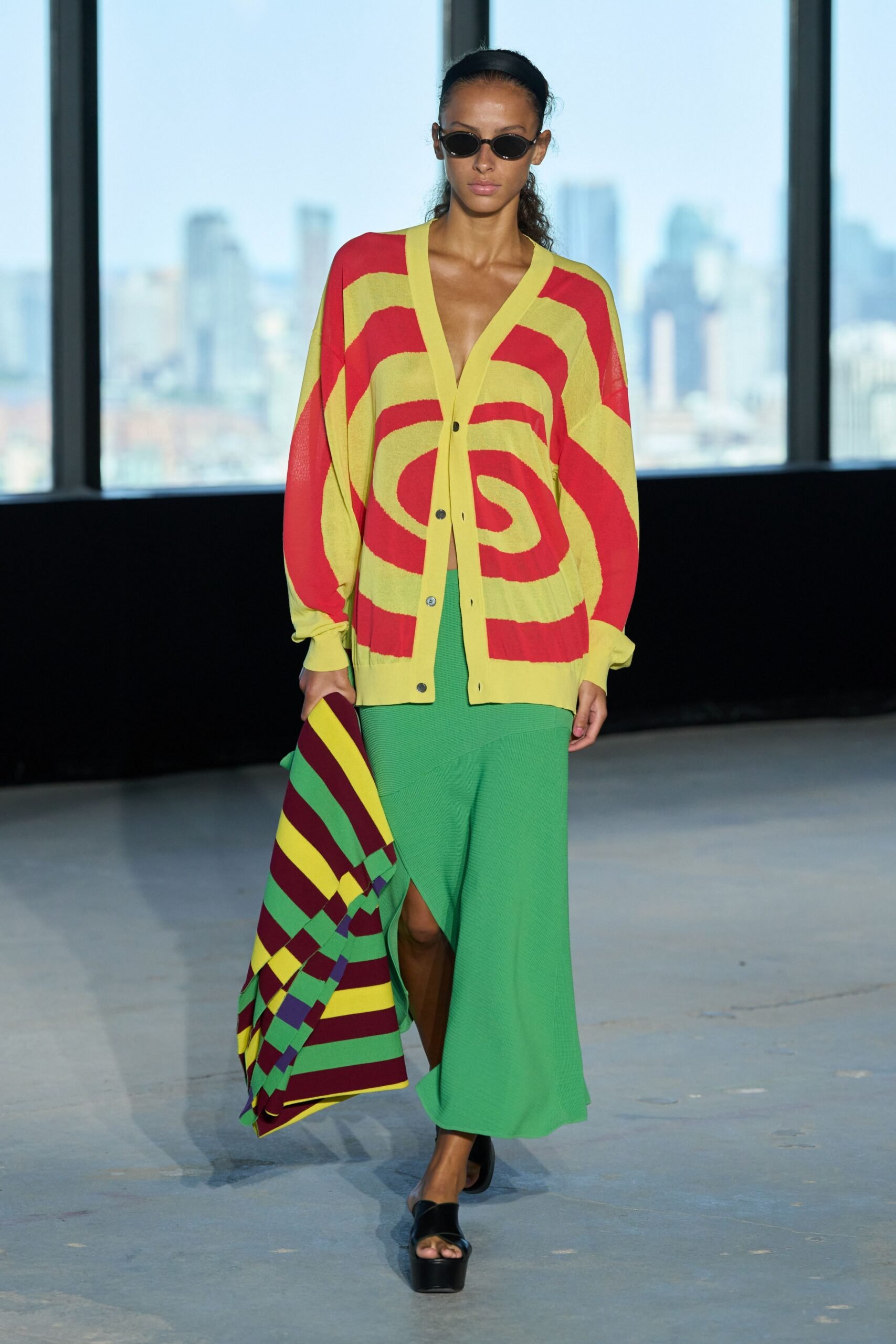
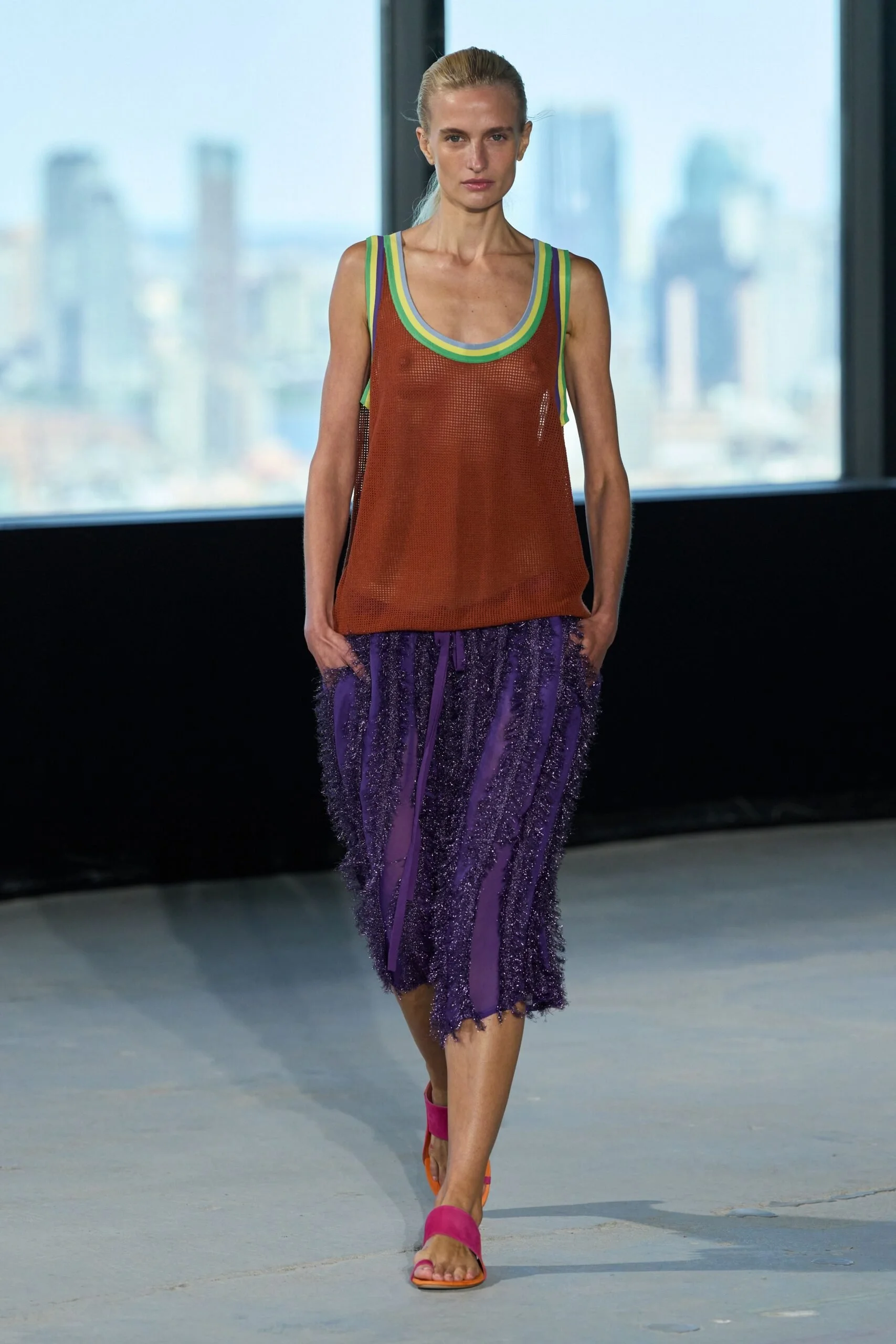
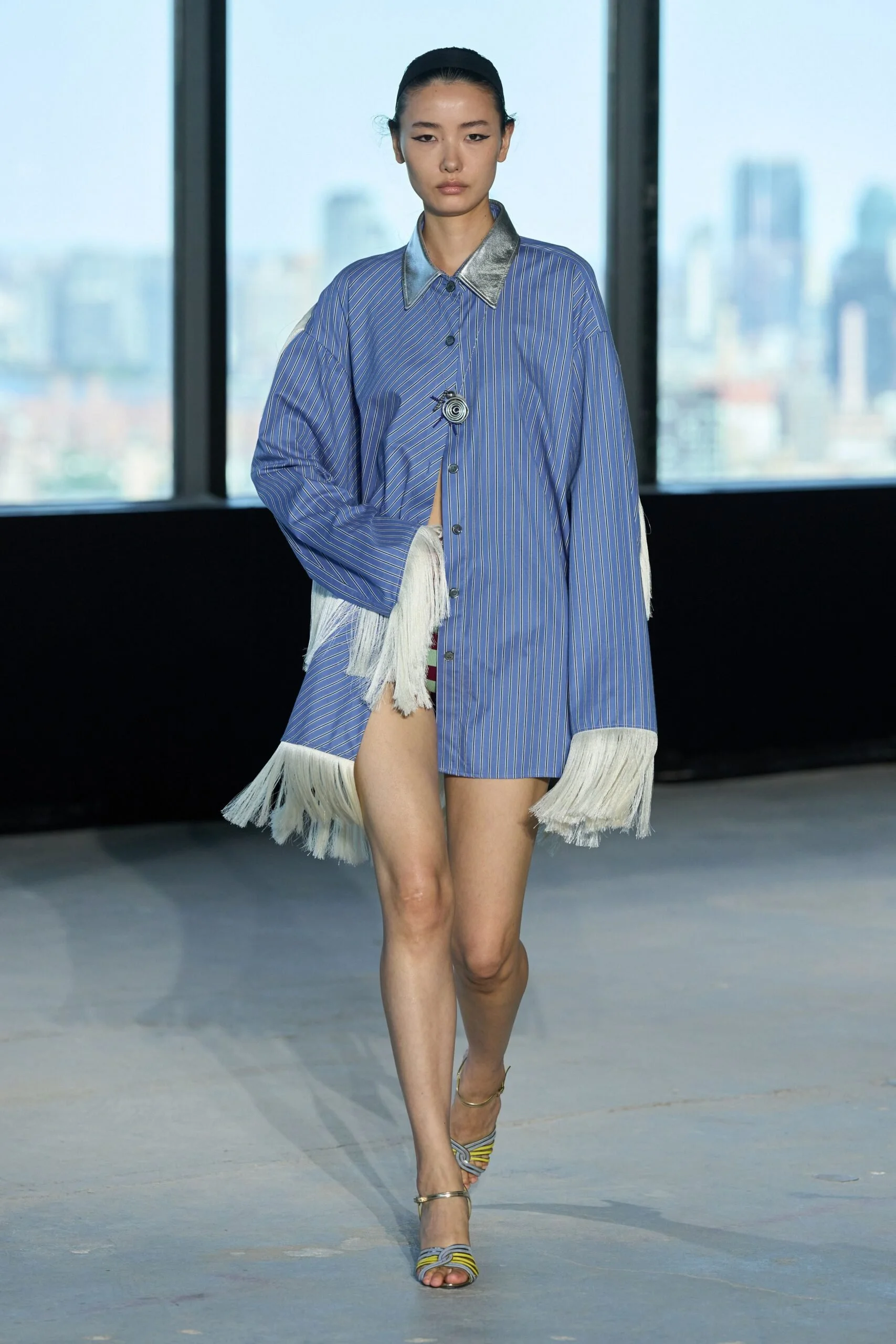
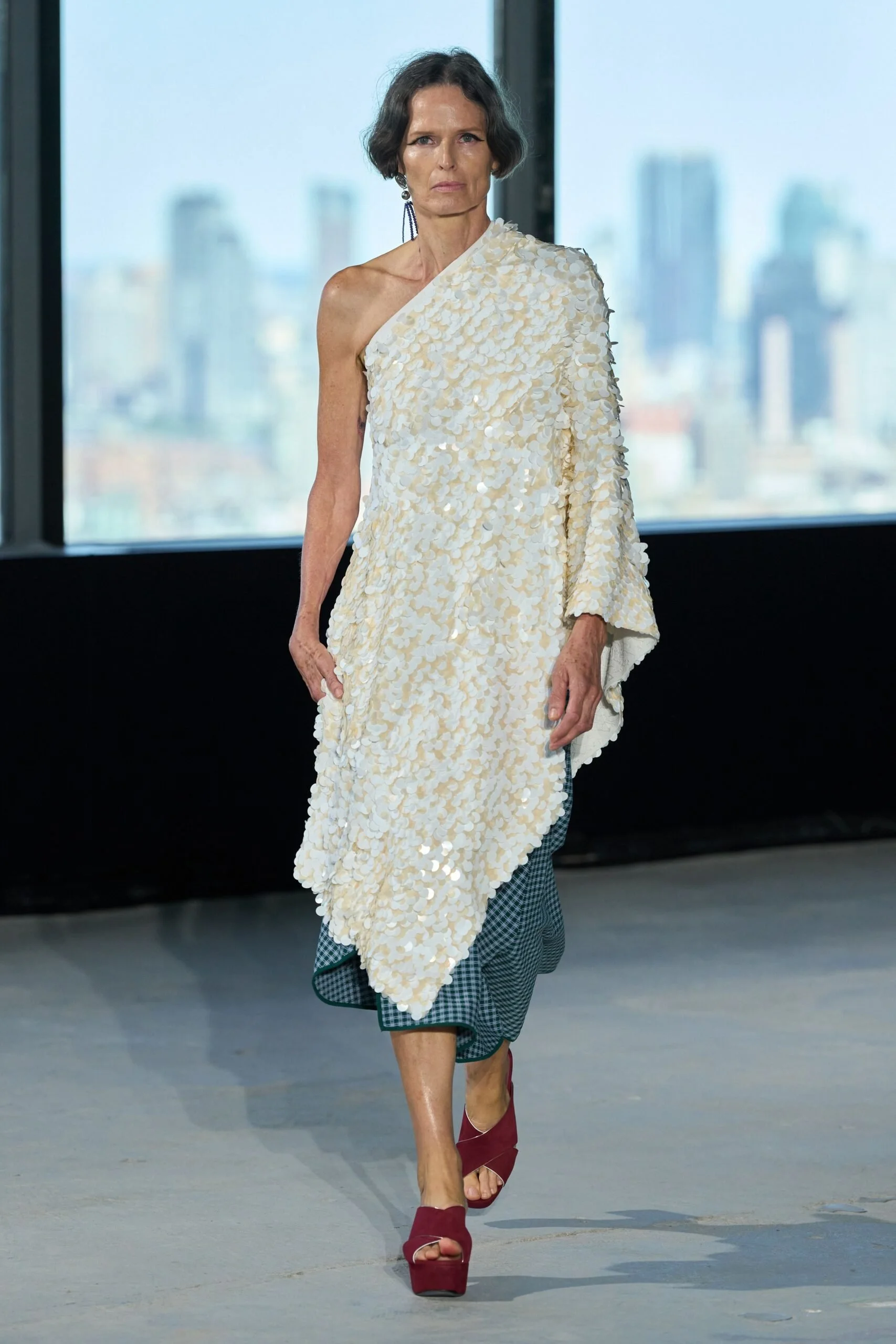
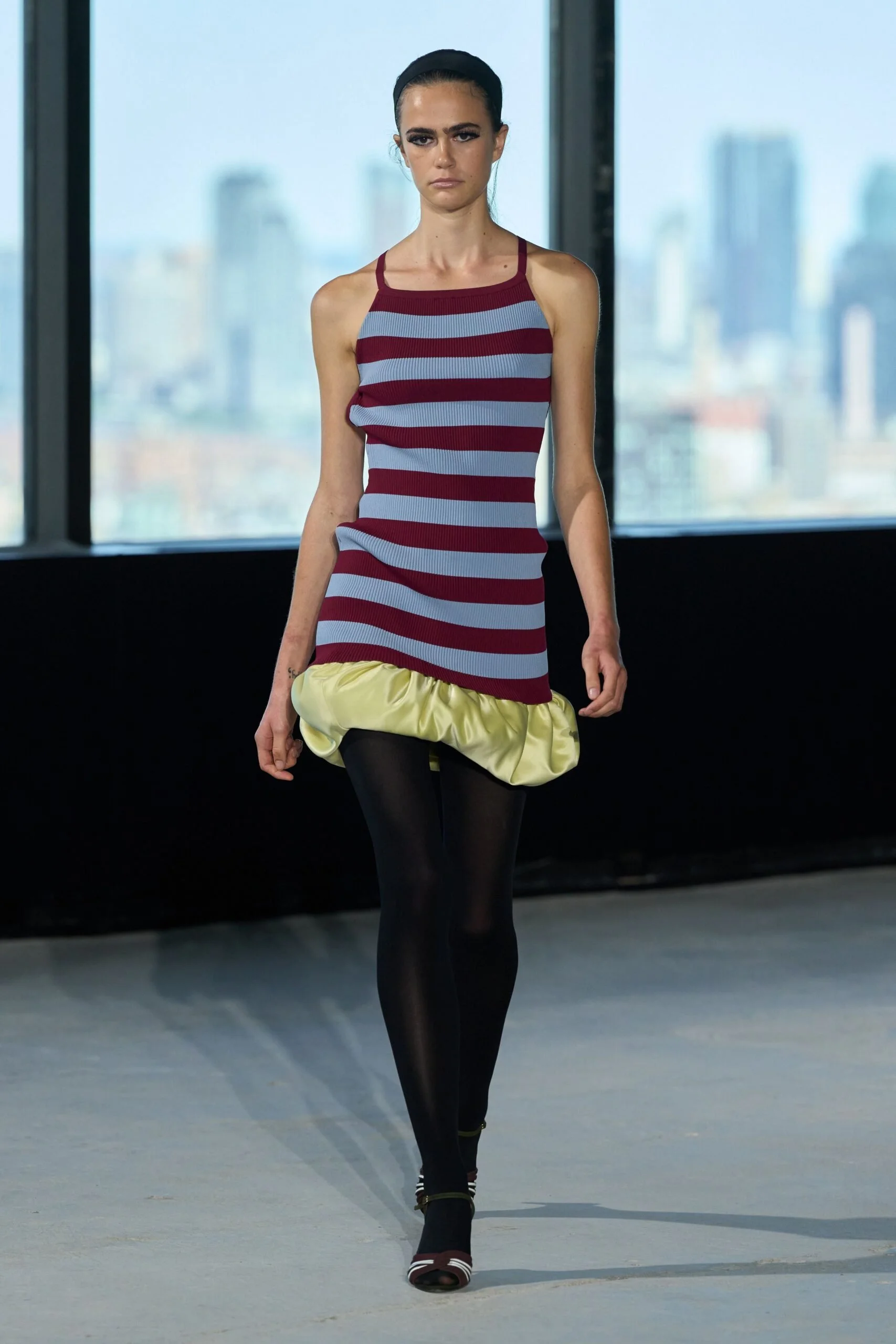
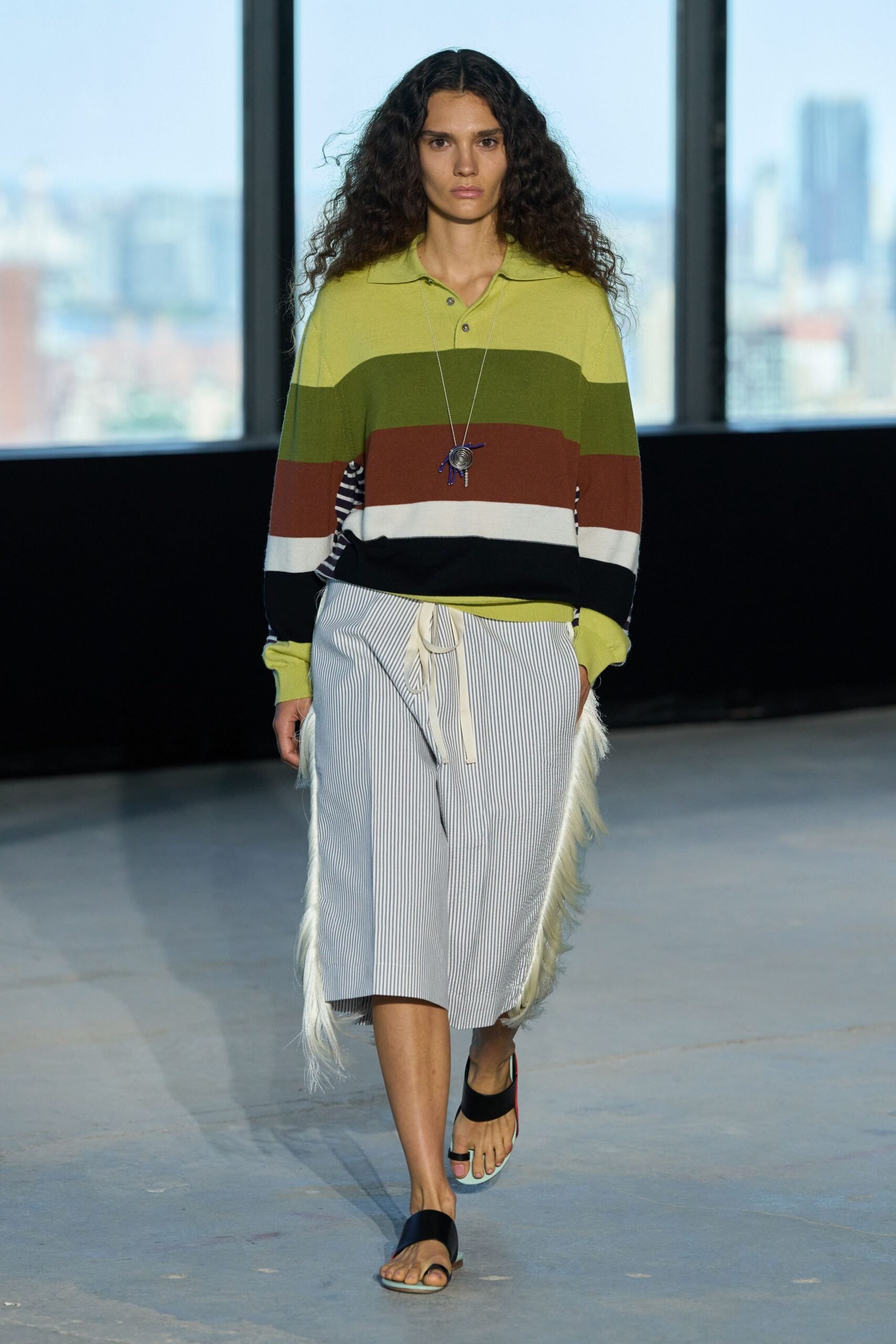
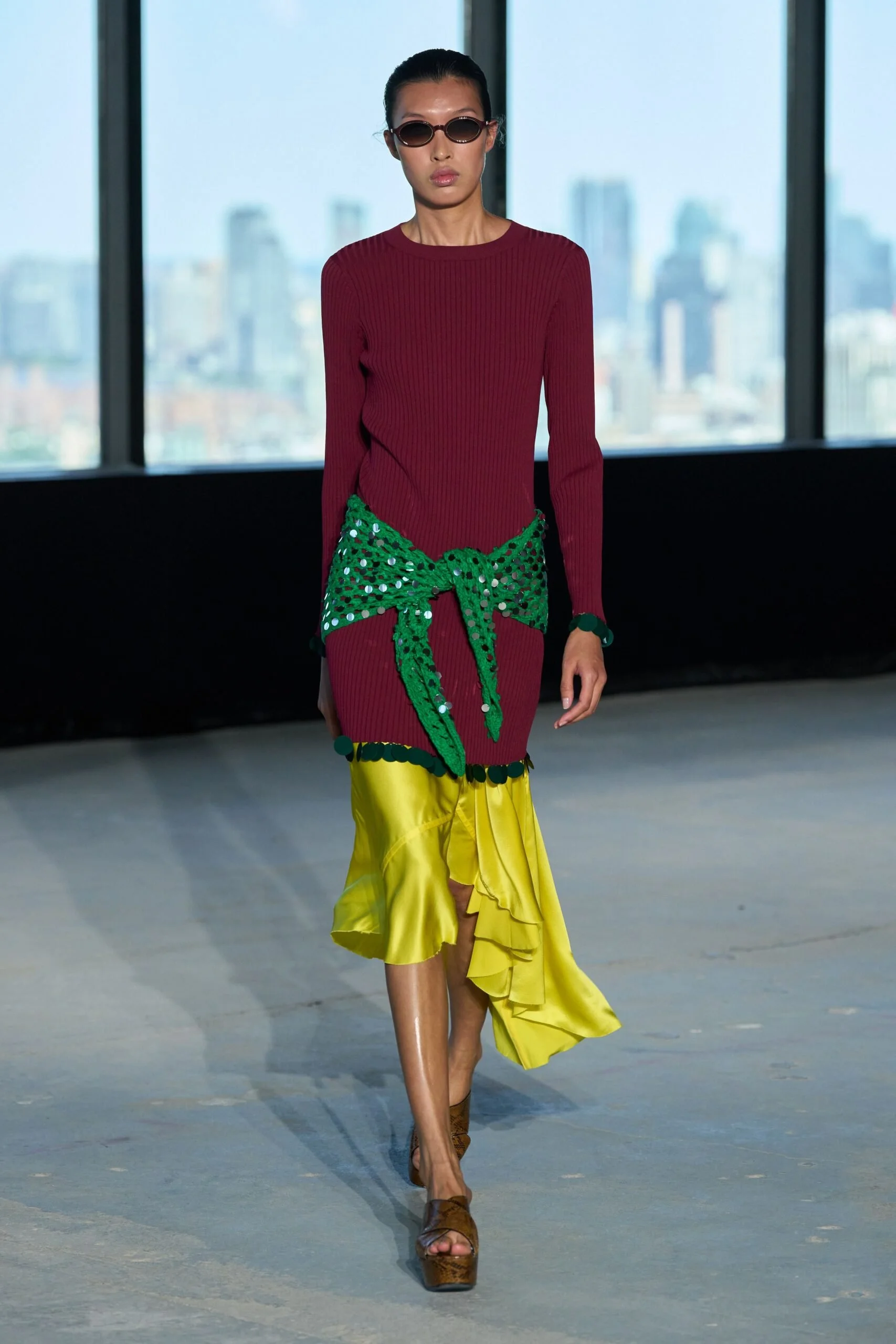
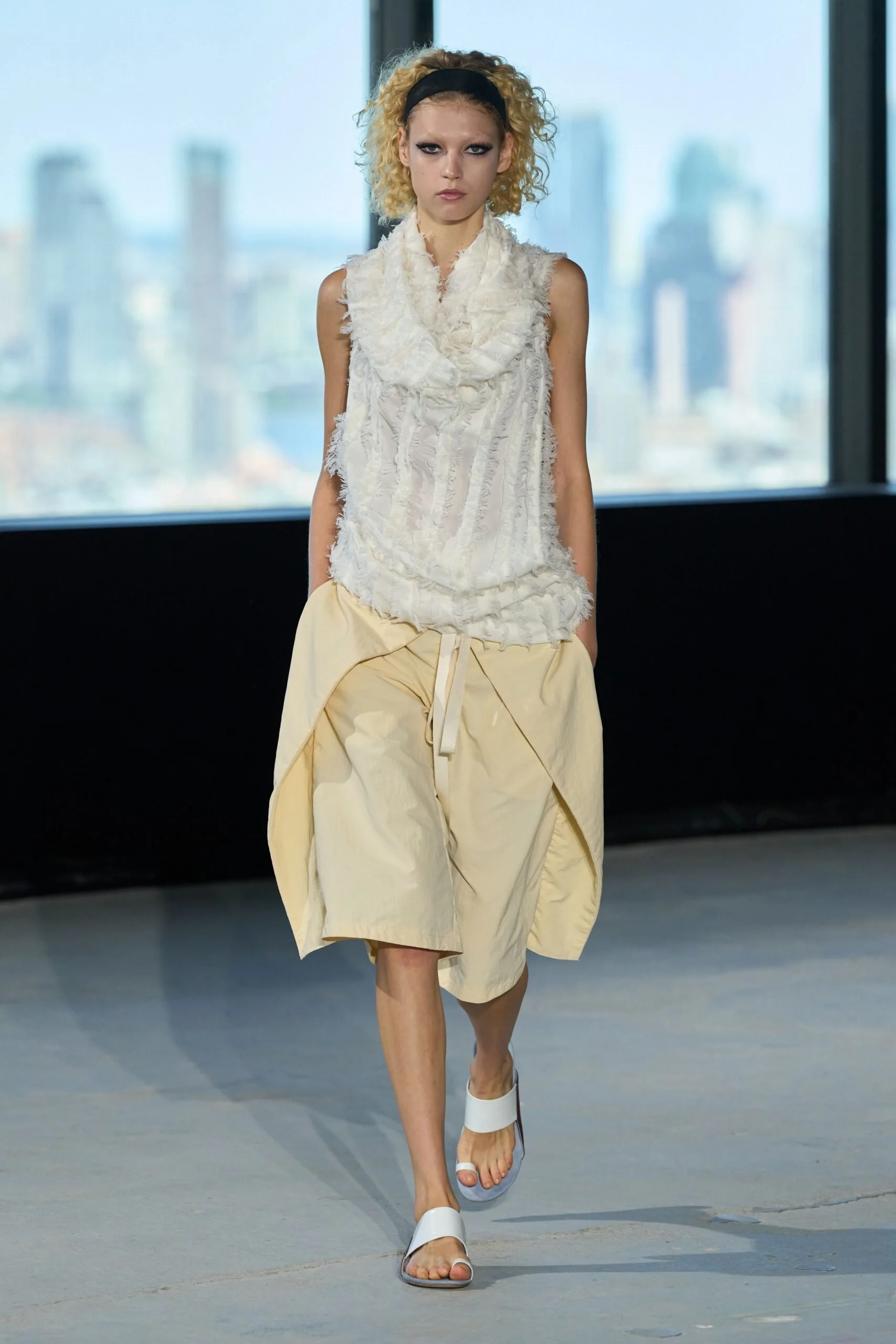
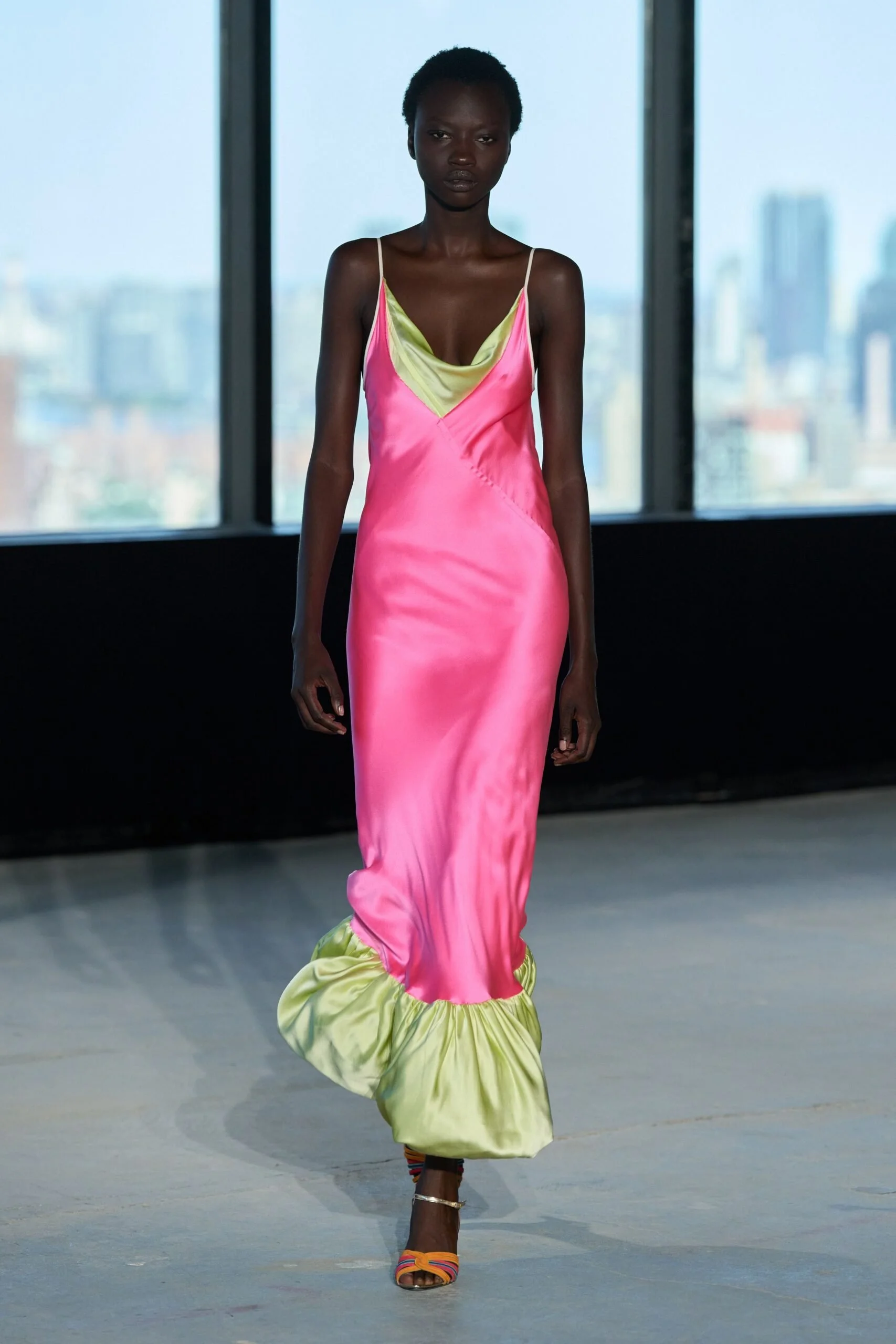
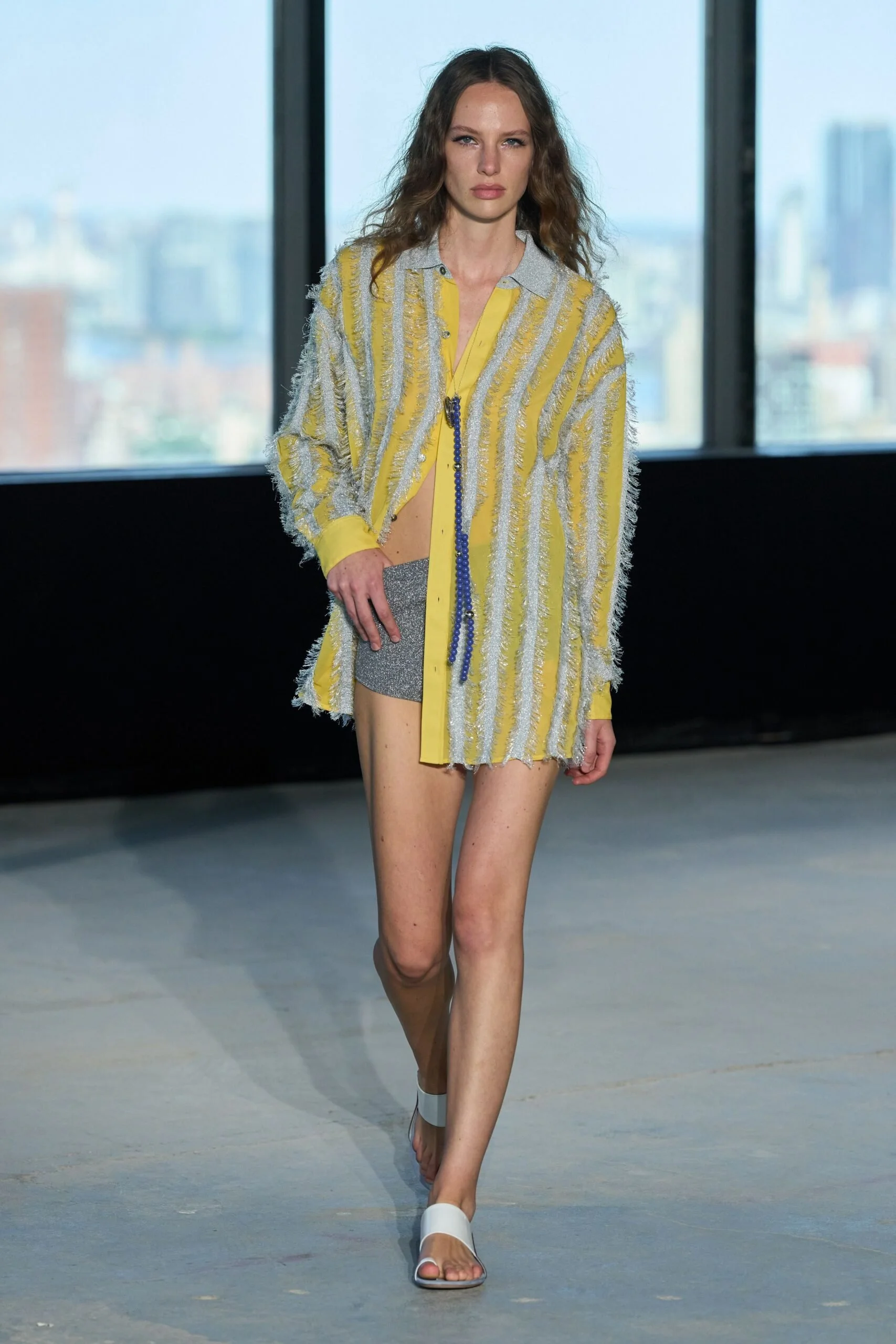
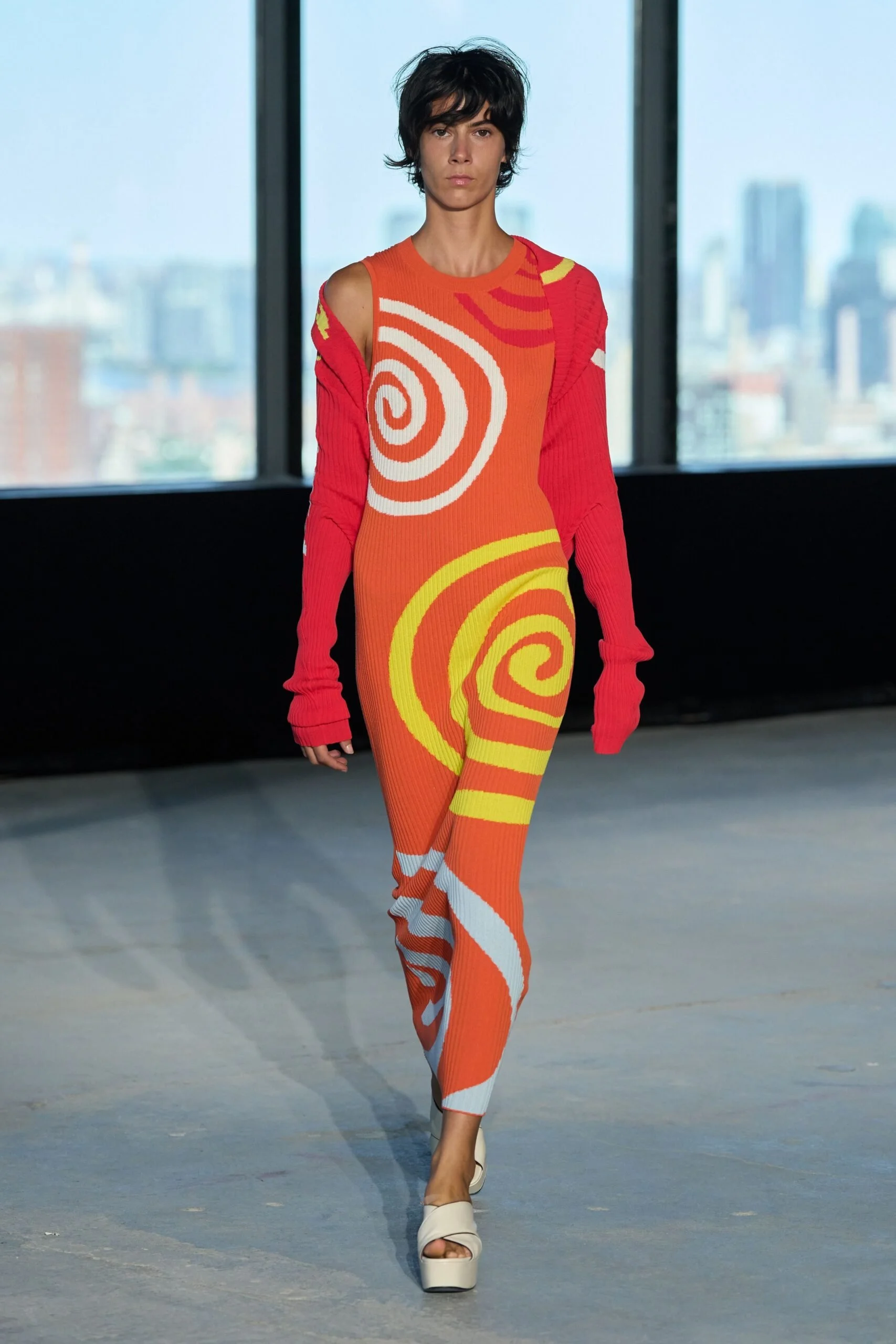
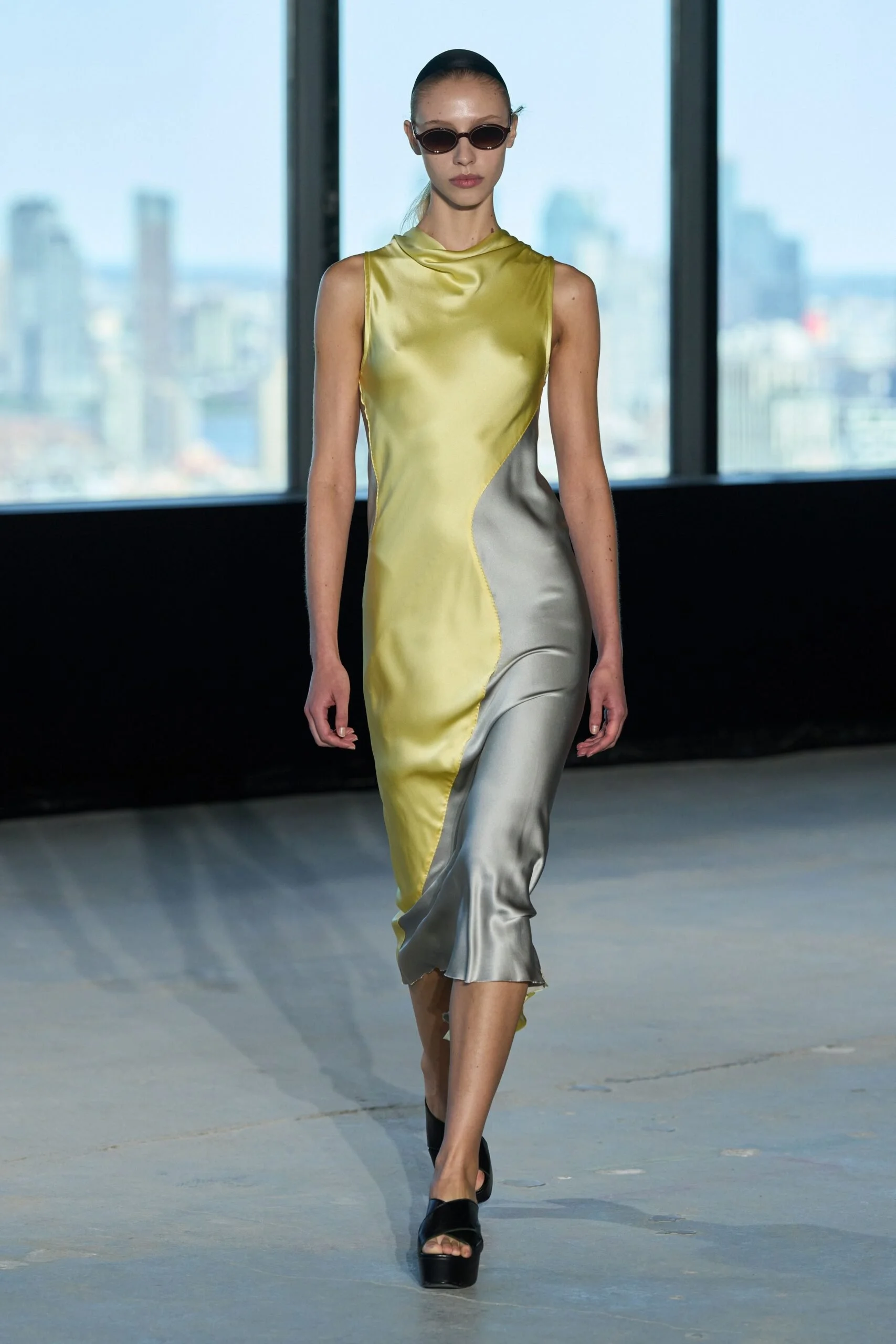
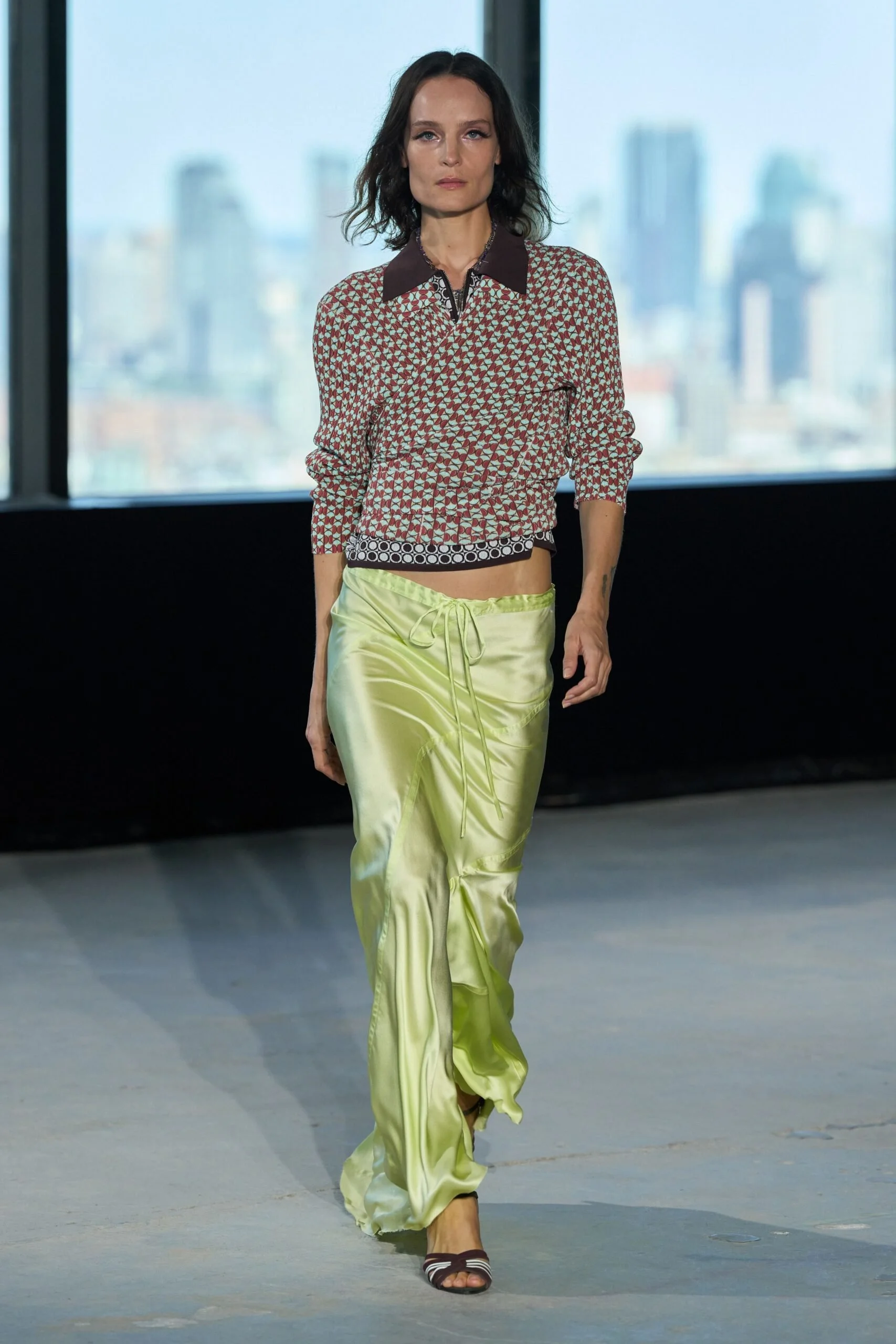
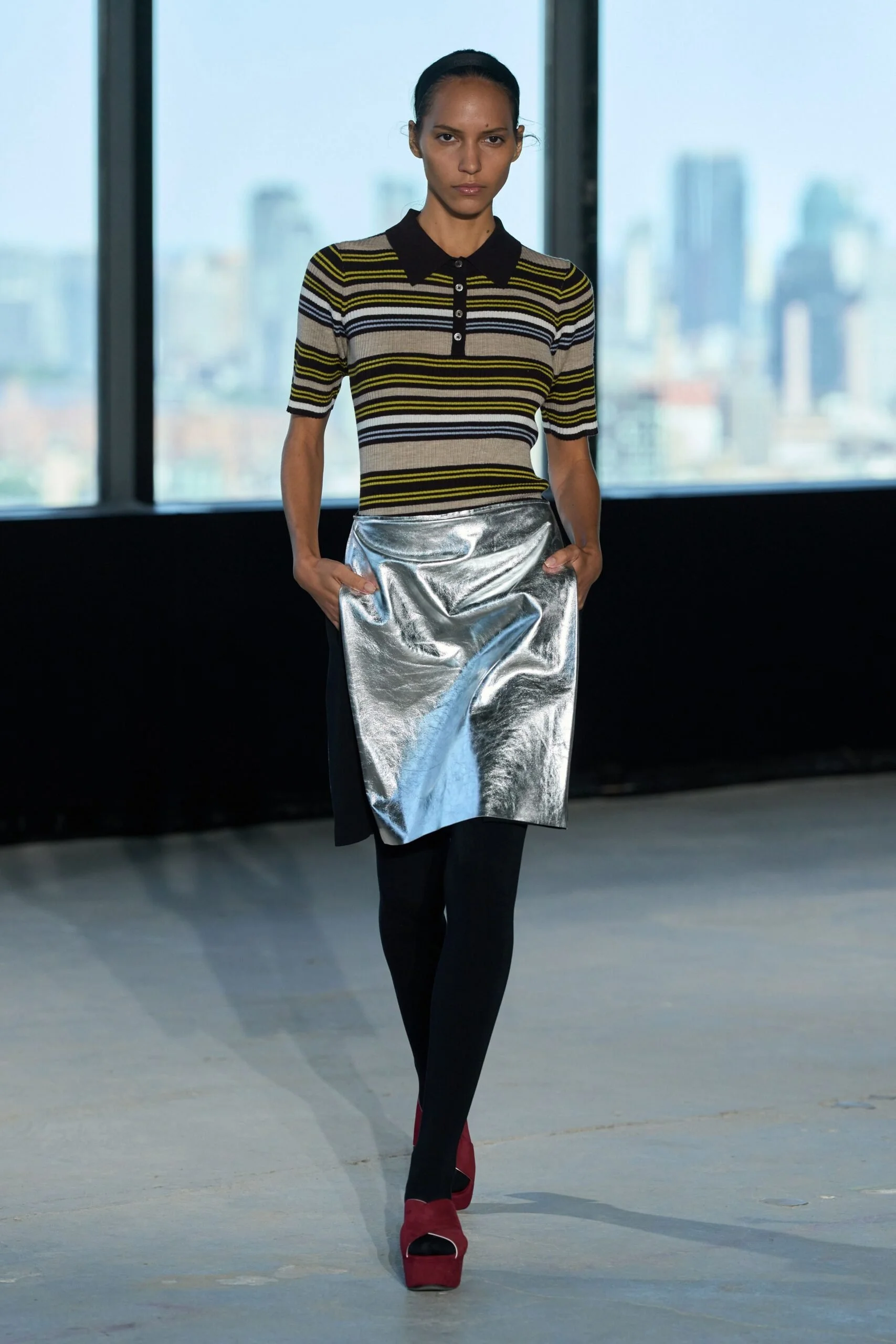
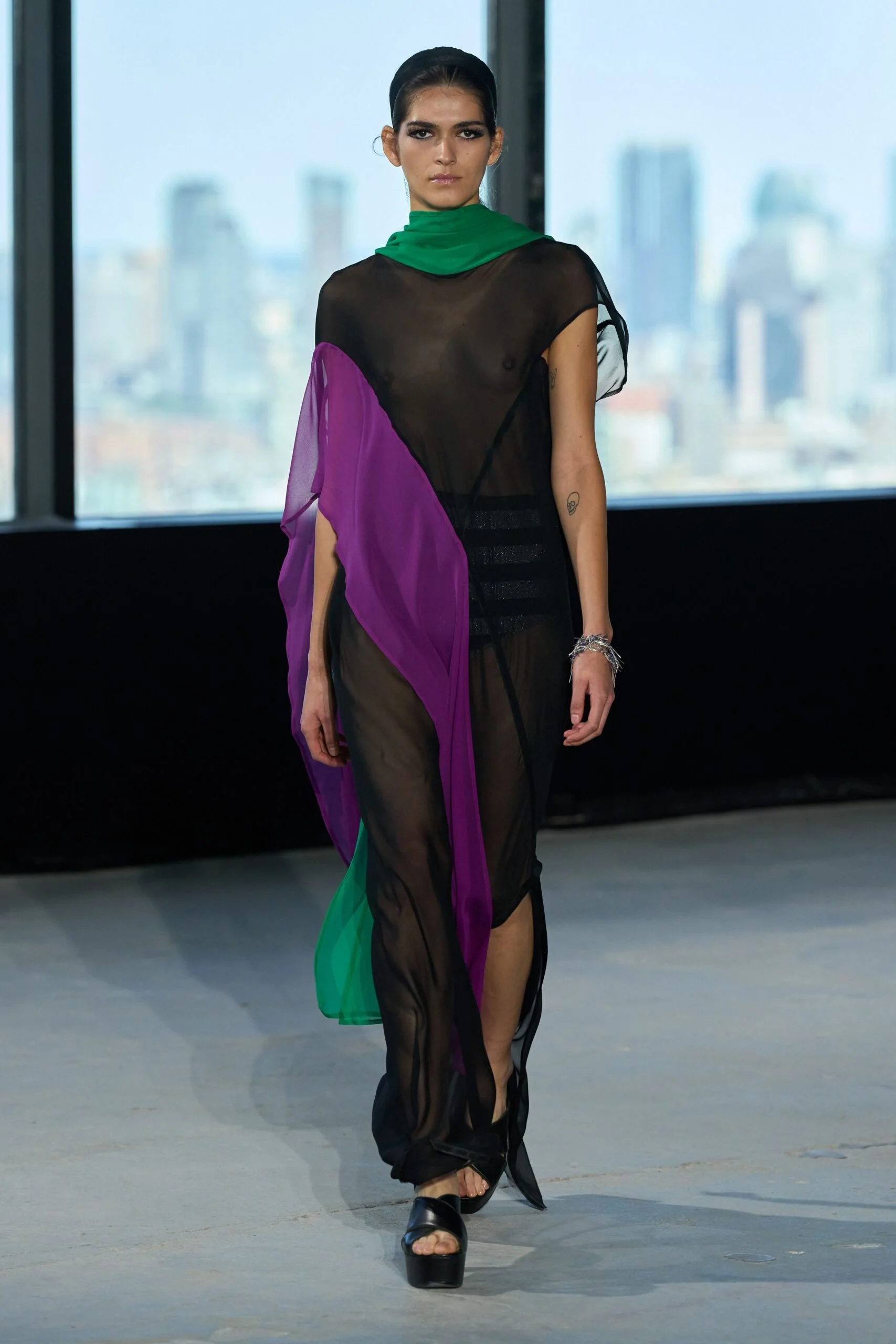
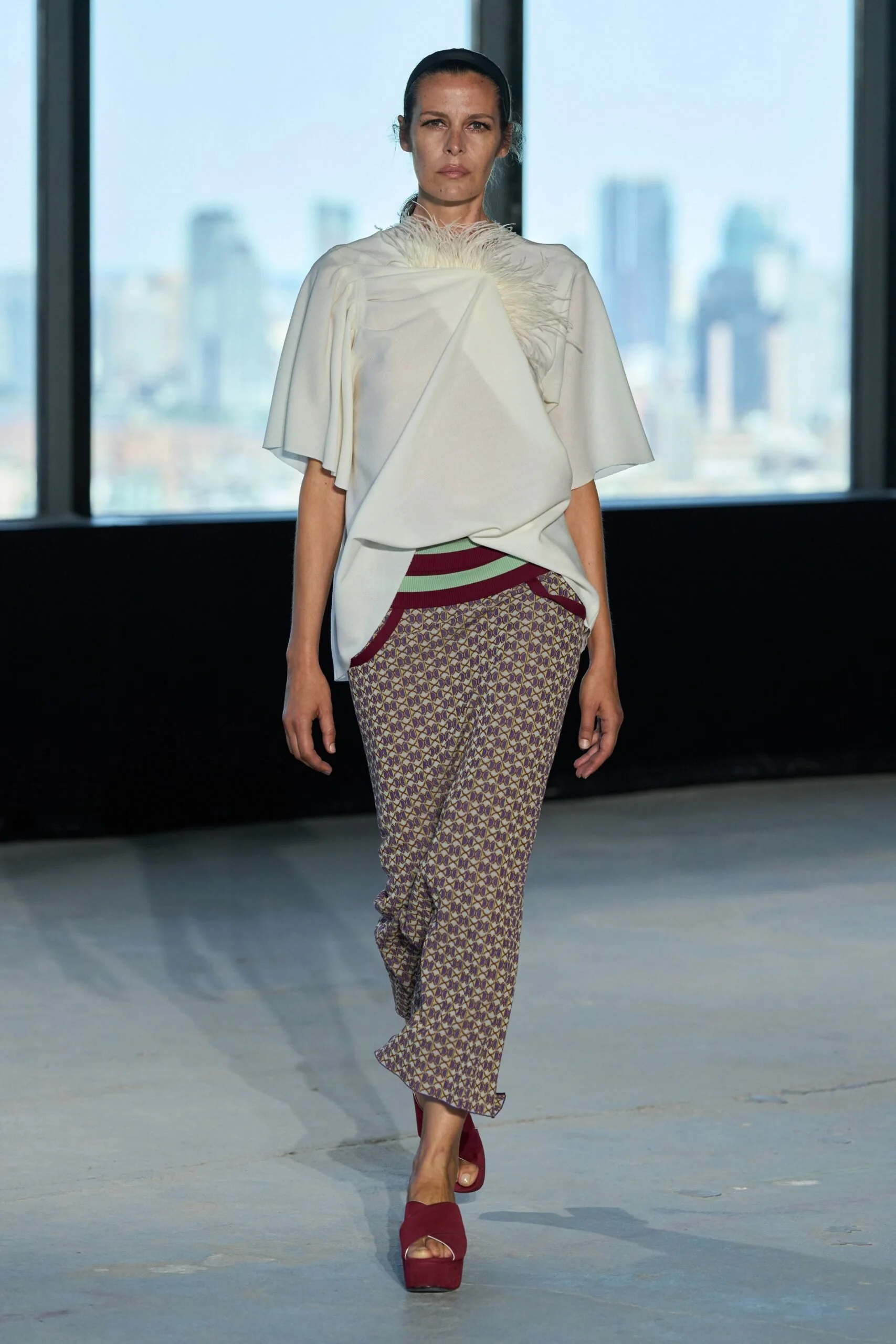
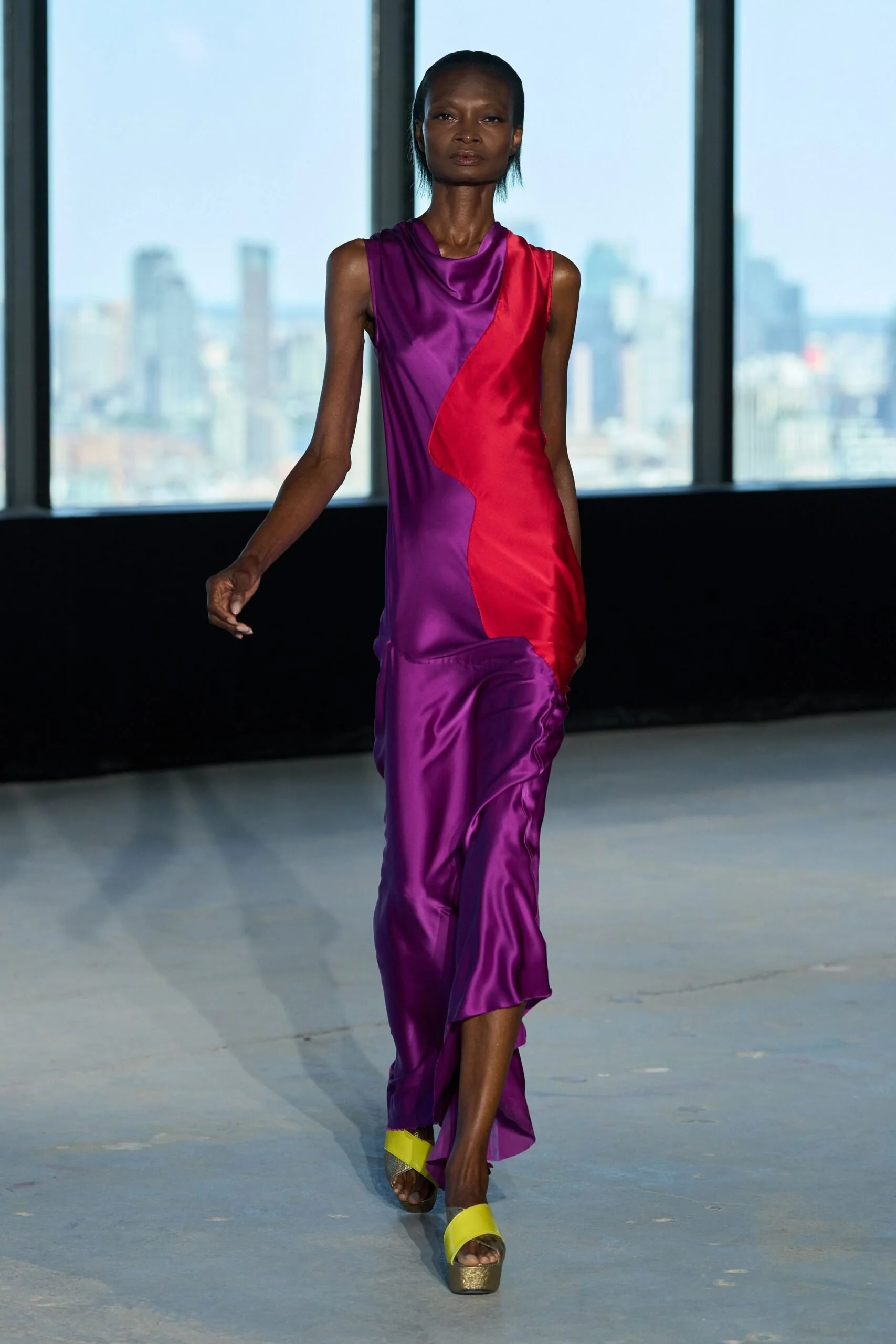
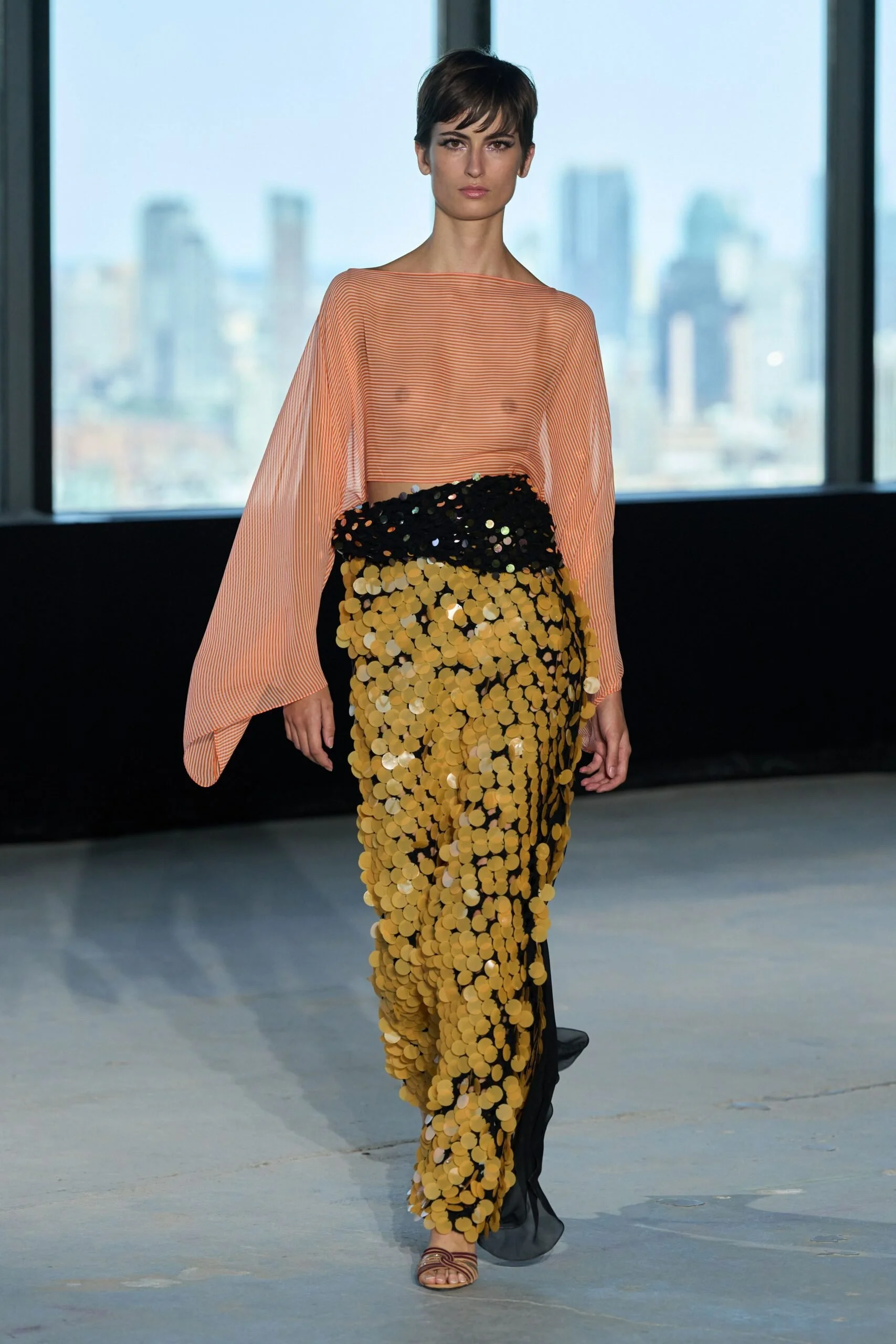
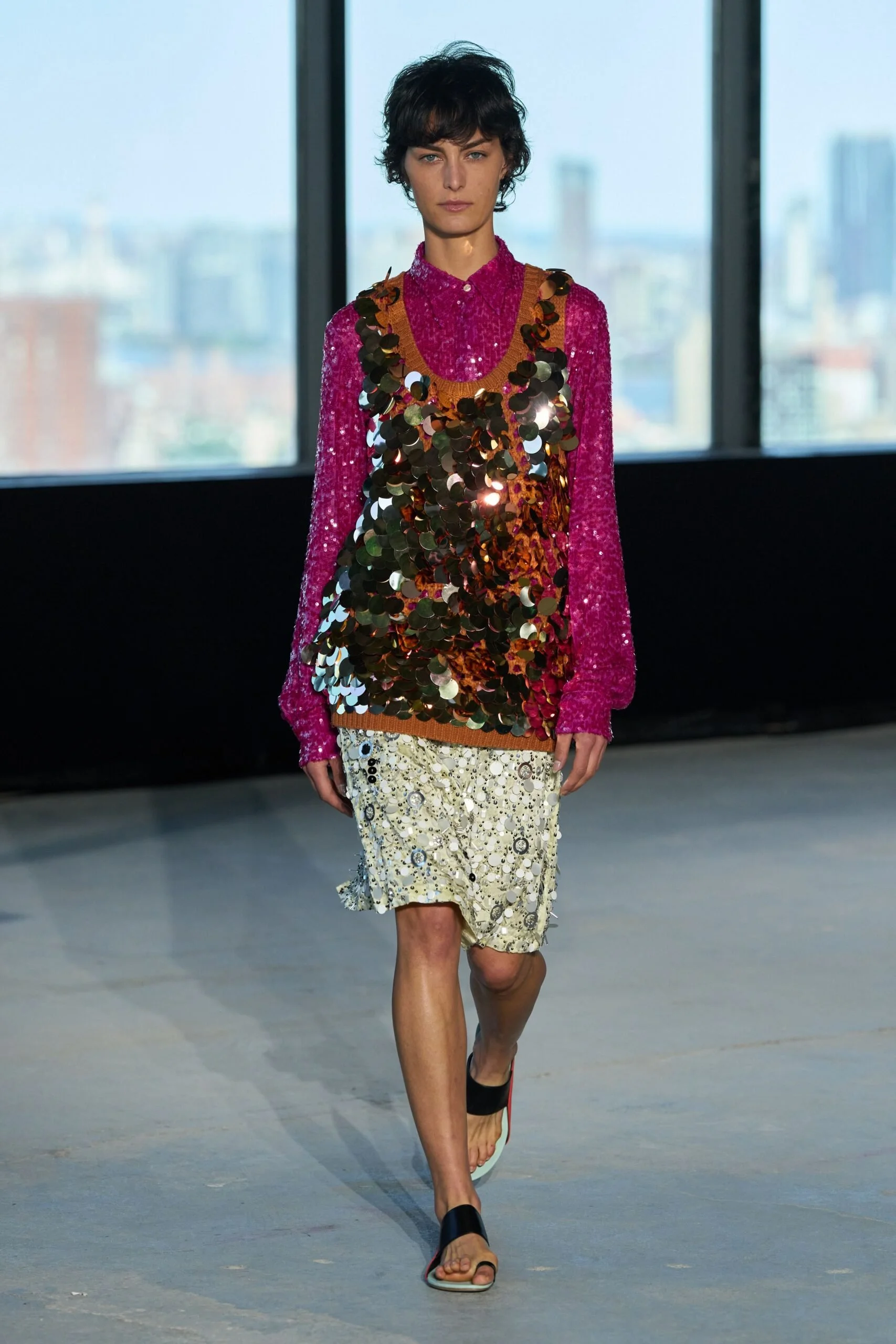
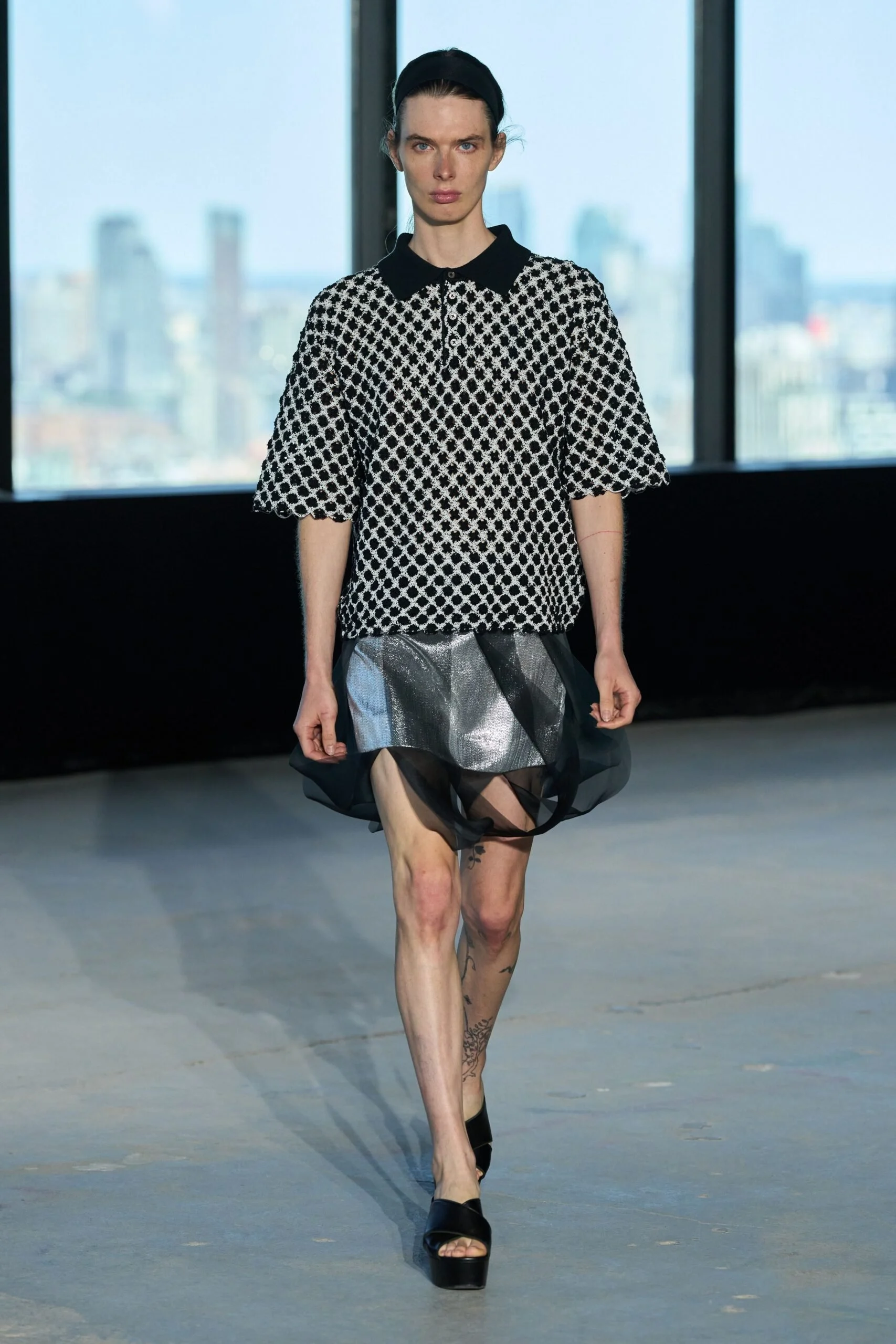
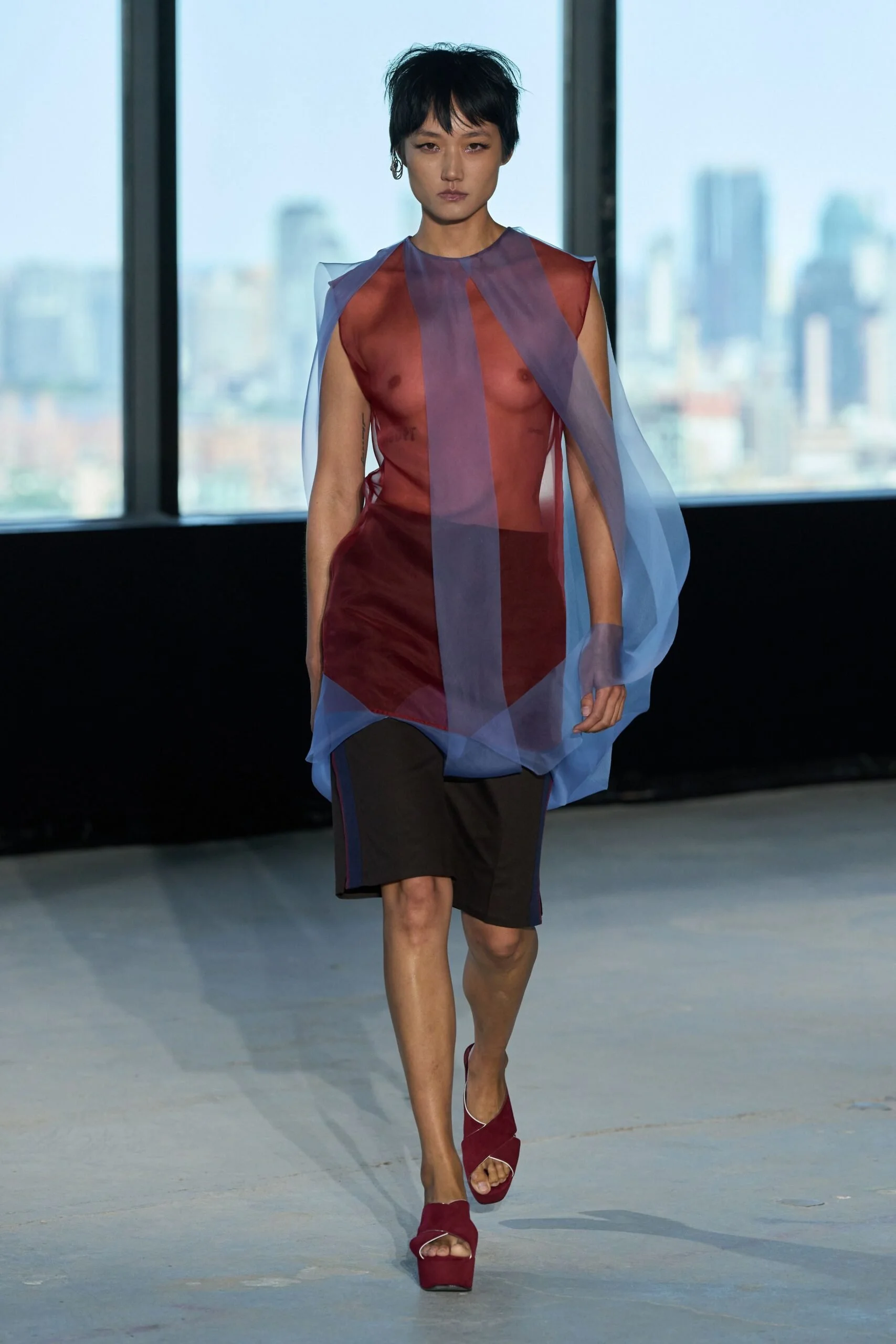
For Spring 2027, Henry Zankov looked to the optimism of the Space Race and memories of his mother’s past, translating them into sculptural knitwear, vivid colour and a more enveloping approach to the body.
Just four days after presenting his first runway collection for Diane von Furstenberg, Henry Zankov returned to New York Fashion Week with his own label, shifting the mood from DVF’s overt sensuality towards something stranger and more exploratory. Titled “Le Tourbillon” after the Jeanne Moreau song, the collection was rooted in the designer’s romanticised vision of the 1960s and his mother’s story of immigrating to St Petersburg in metallic platform heels and purple corduroys. That personal reference became part of a broader fascination with optimism and the future, particularly the Russian Space Race.
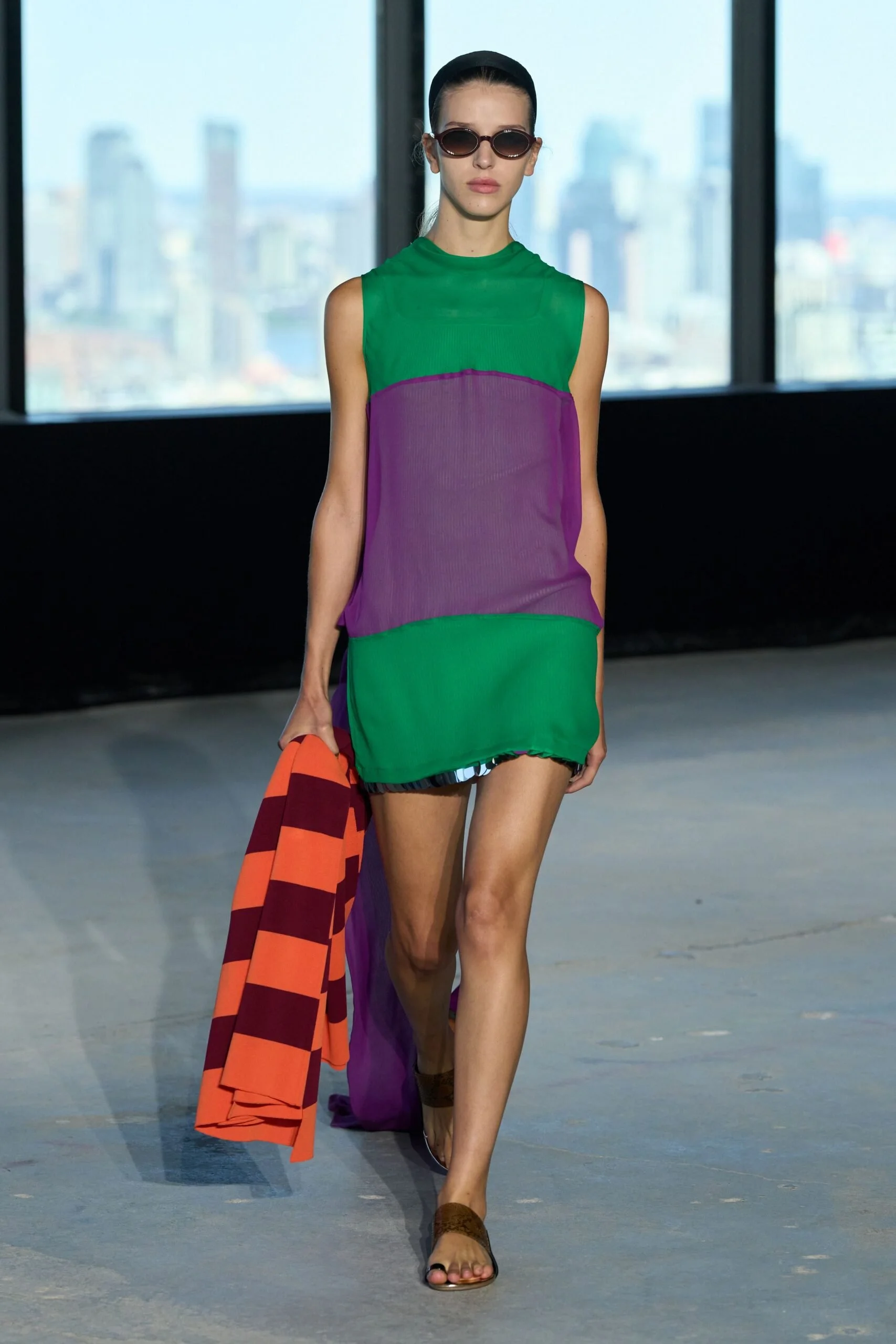
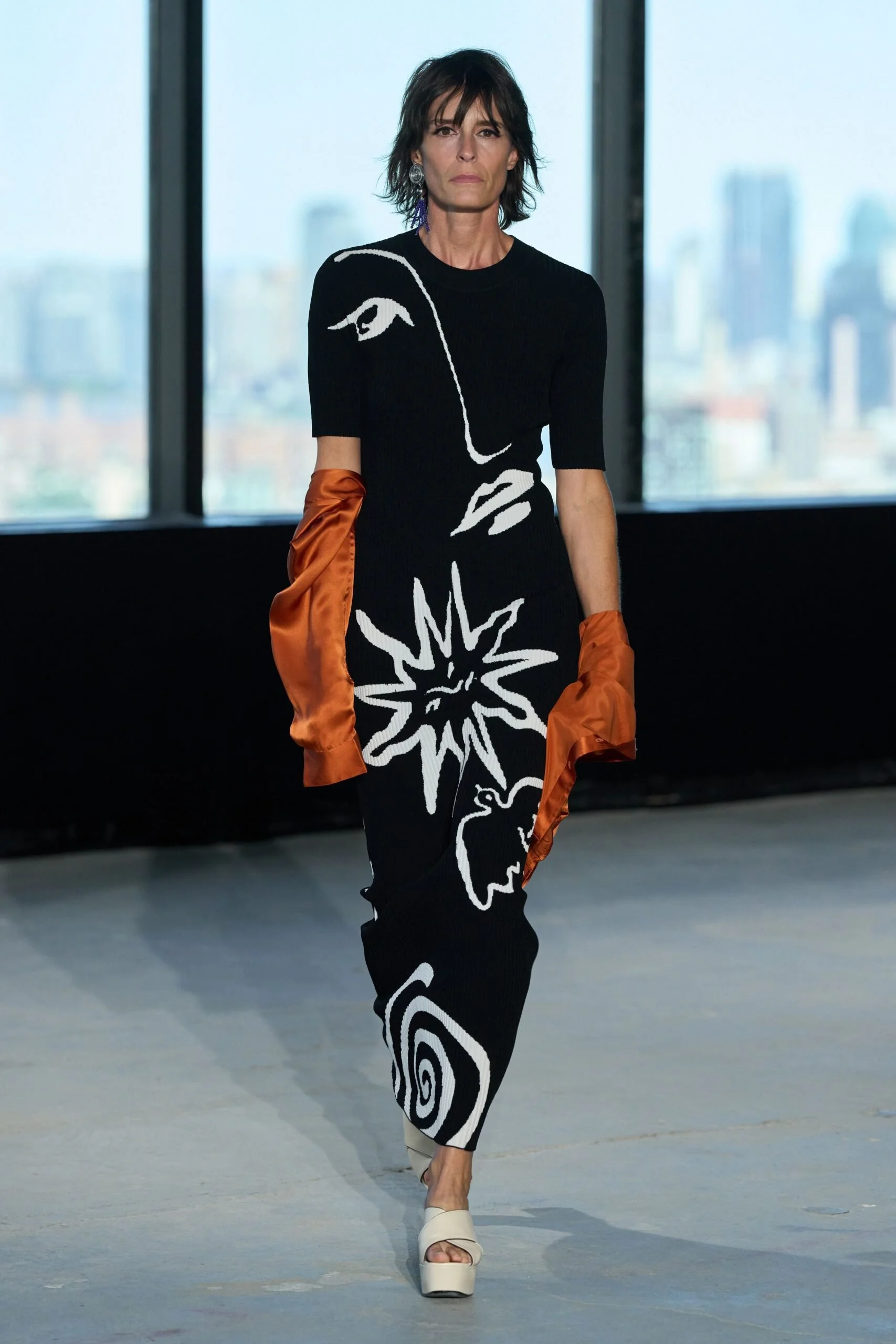
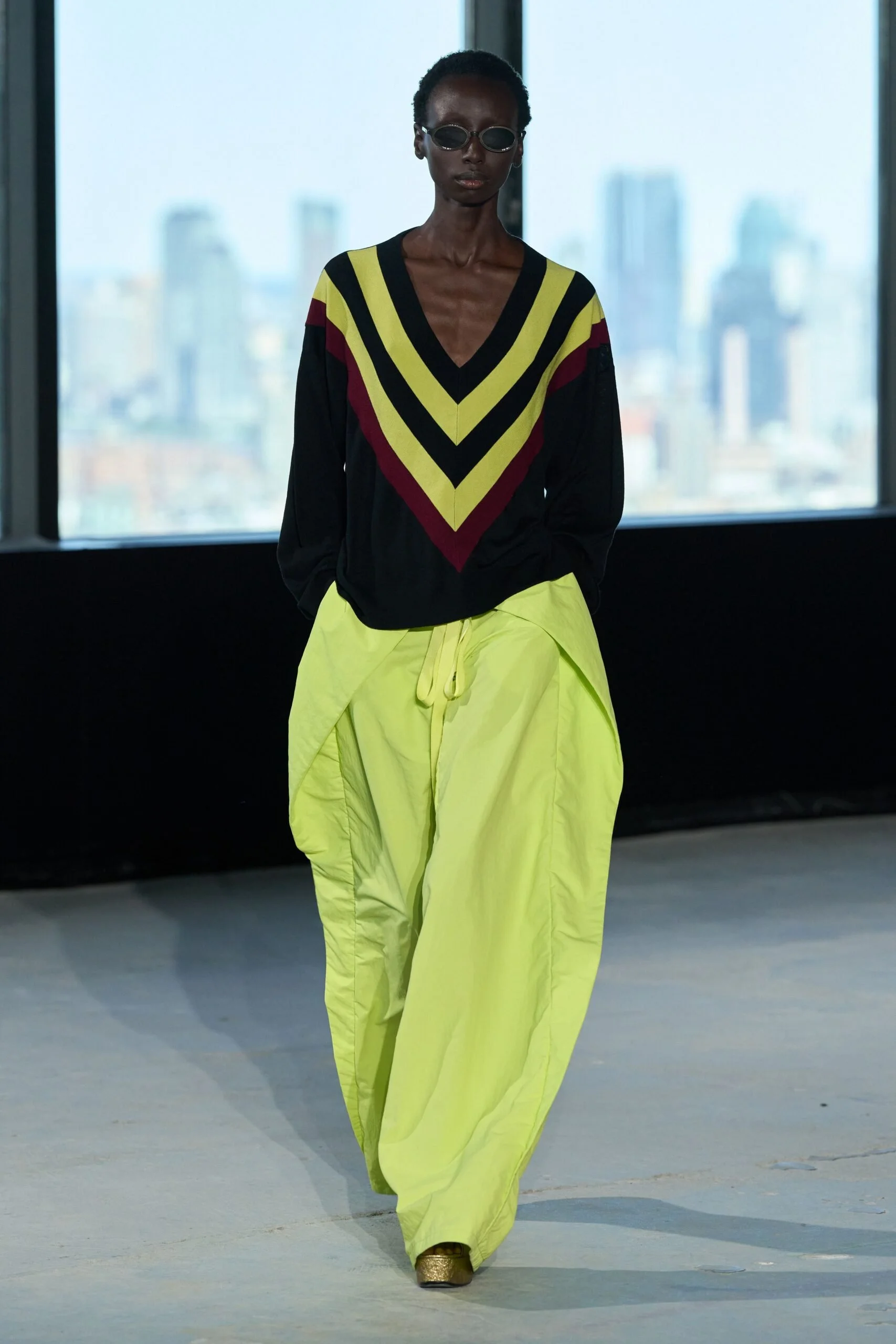
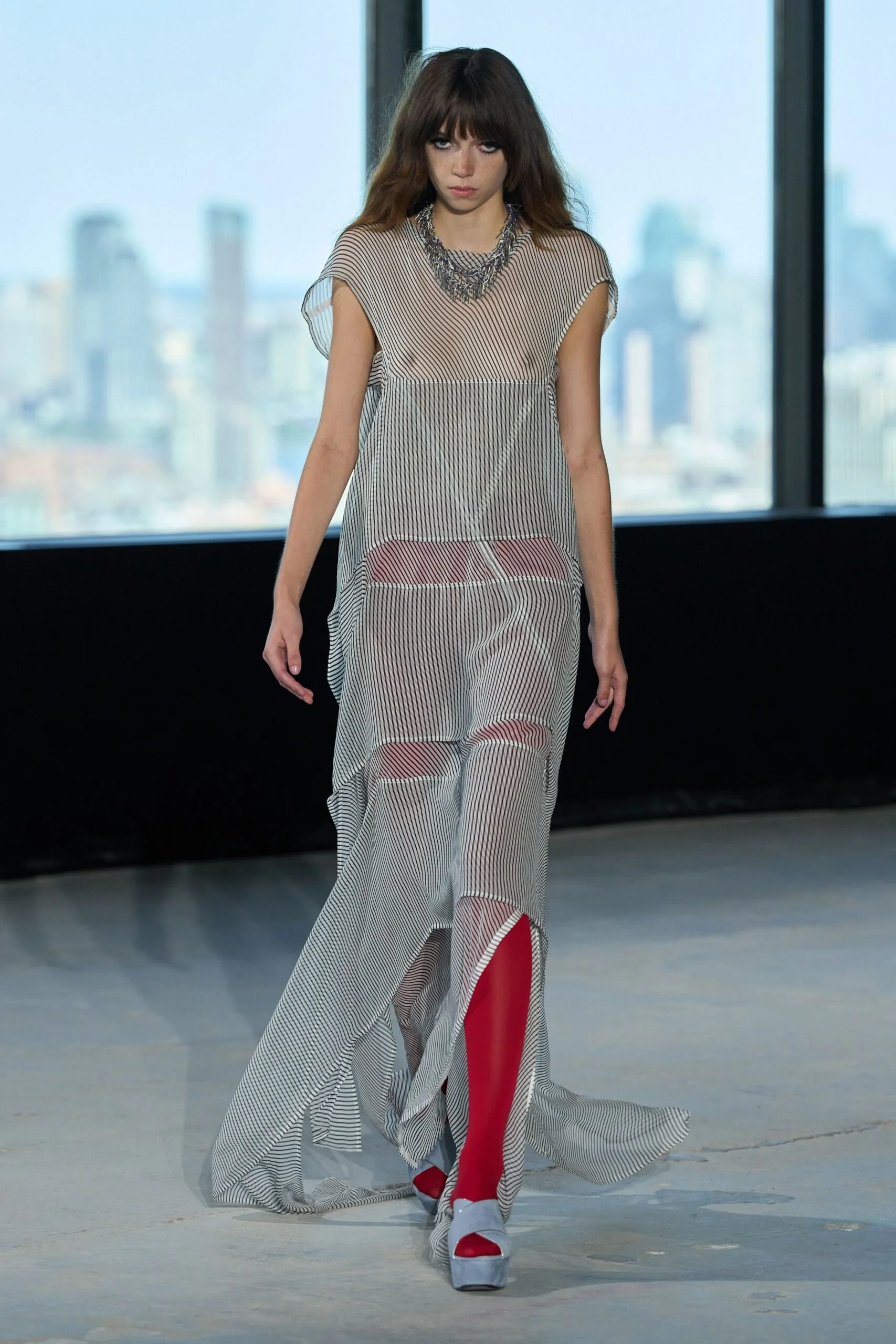
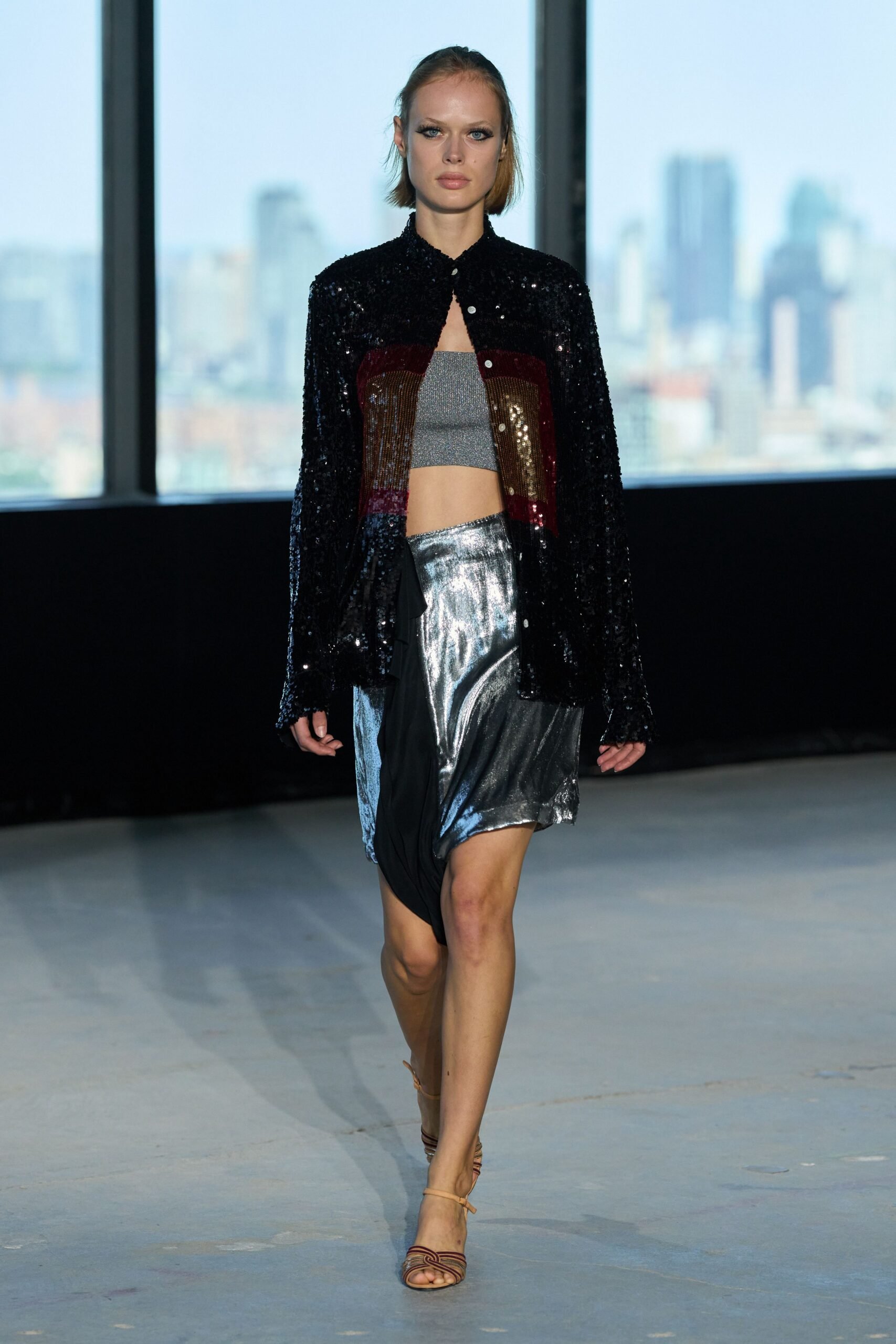
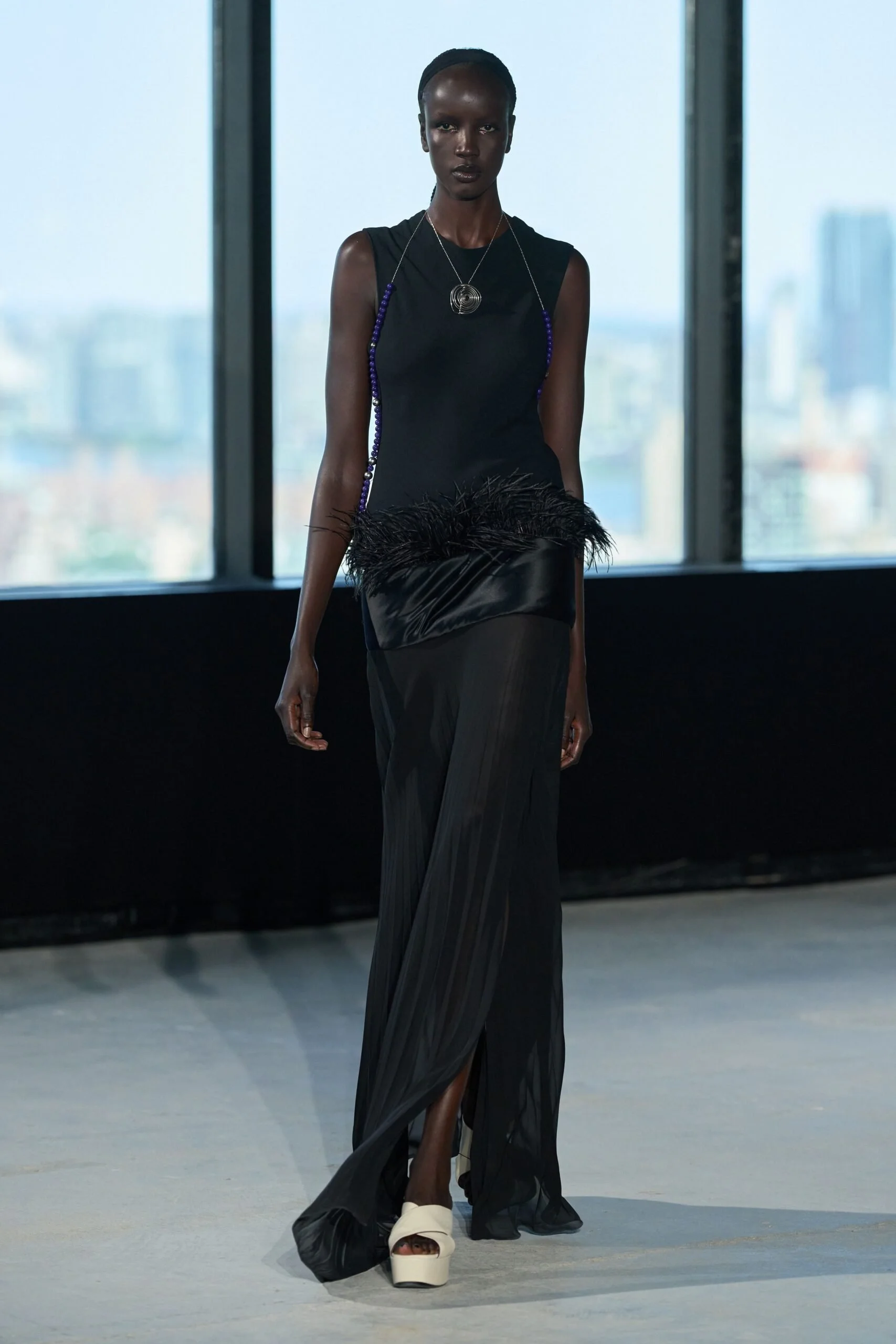
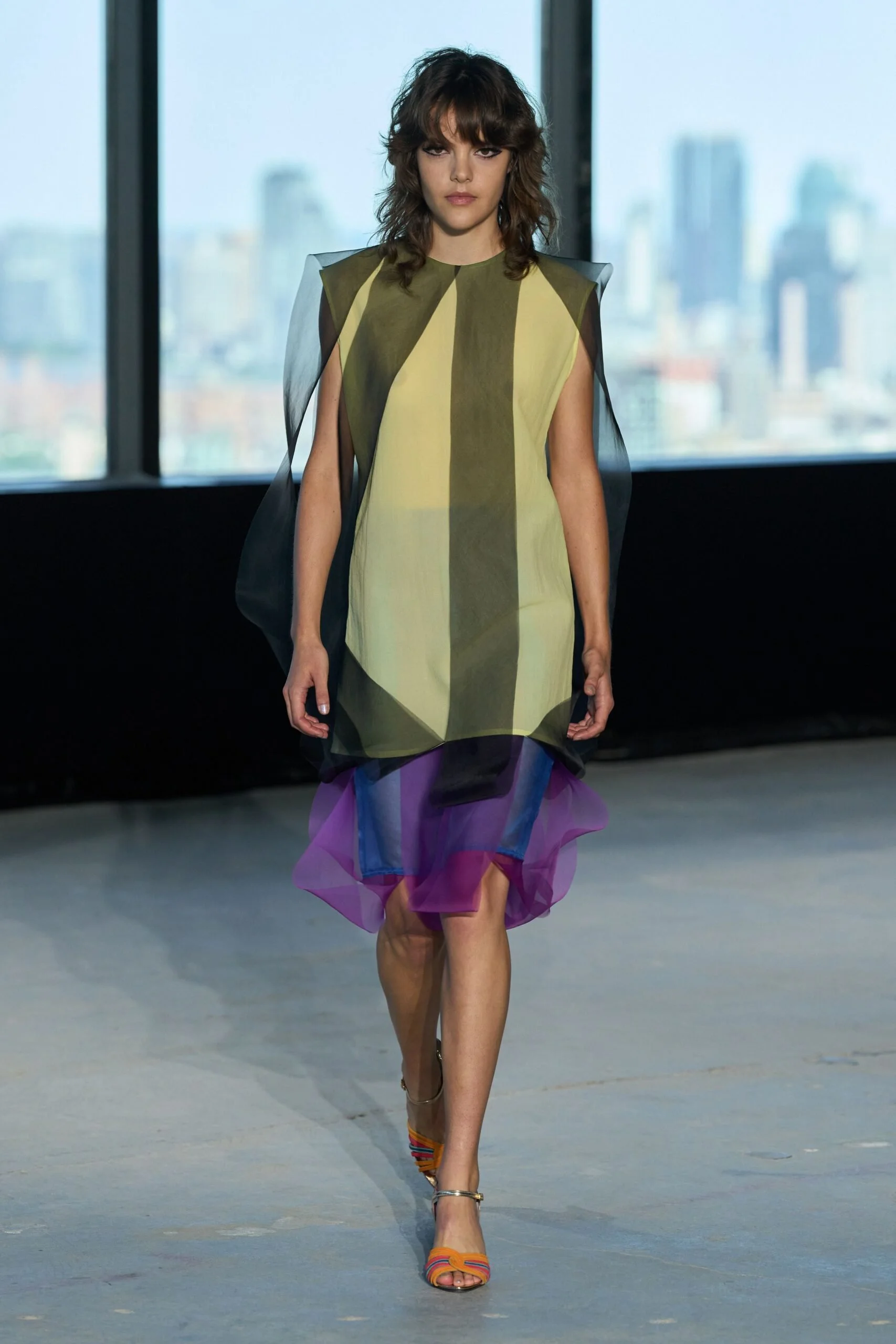
The space-age idea appeared most clearly through chrome patent leather, a new material for Zankov, alongside fluorescent shades and silhouettes that seemed to expand away from the body. His knitwear remained central, including a revived collaboration with artist Phillipine de Richmont Tunstall featuring comic-book solar-system imagery. A Kelly green minidress with a trailing purple chiffon panel introduced the collection’s Mod sensibility, while fluorescent yellow trousers incorporated folded, gill-like side panels. Rather than emphasising the body’s curves, Zankov allowed the clothes to become increasingly wonky, loose and enveloping.
Movement became another defining element as the collection progressed. Organza strips inflated with each step in the closing looks, giving the clothes a sense of animation, while unusual proportions and layered construction made the silhouettes feel almost weightless despite their sculptural quality. The contrast with Zankov’s work at Diane von Furstenberg was intentional: where DVF celebrates the body through wrapping and definition, his own label approaches sensuality more indirectly, allowing shape, texture and movement to do the work.
The collection also marked a practical expansion for the brand, with Zankov introducing his first shoe line in partnership with Portuguese footwear producer Luis Onofree, naturally centred around platforms. After a week that placed his work in two very different fashion conversations, the designer’s own label emerged with a clearer identity — one built around knitwear, personal memory, optimism and clothes that refuse to sit entirely still. If the Space Race supplied the fantasy, Zankov’s distinctive approach to texture and proportion kept the collection grounded.