Niccolò Pasqualetti Fall 2026
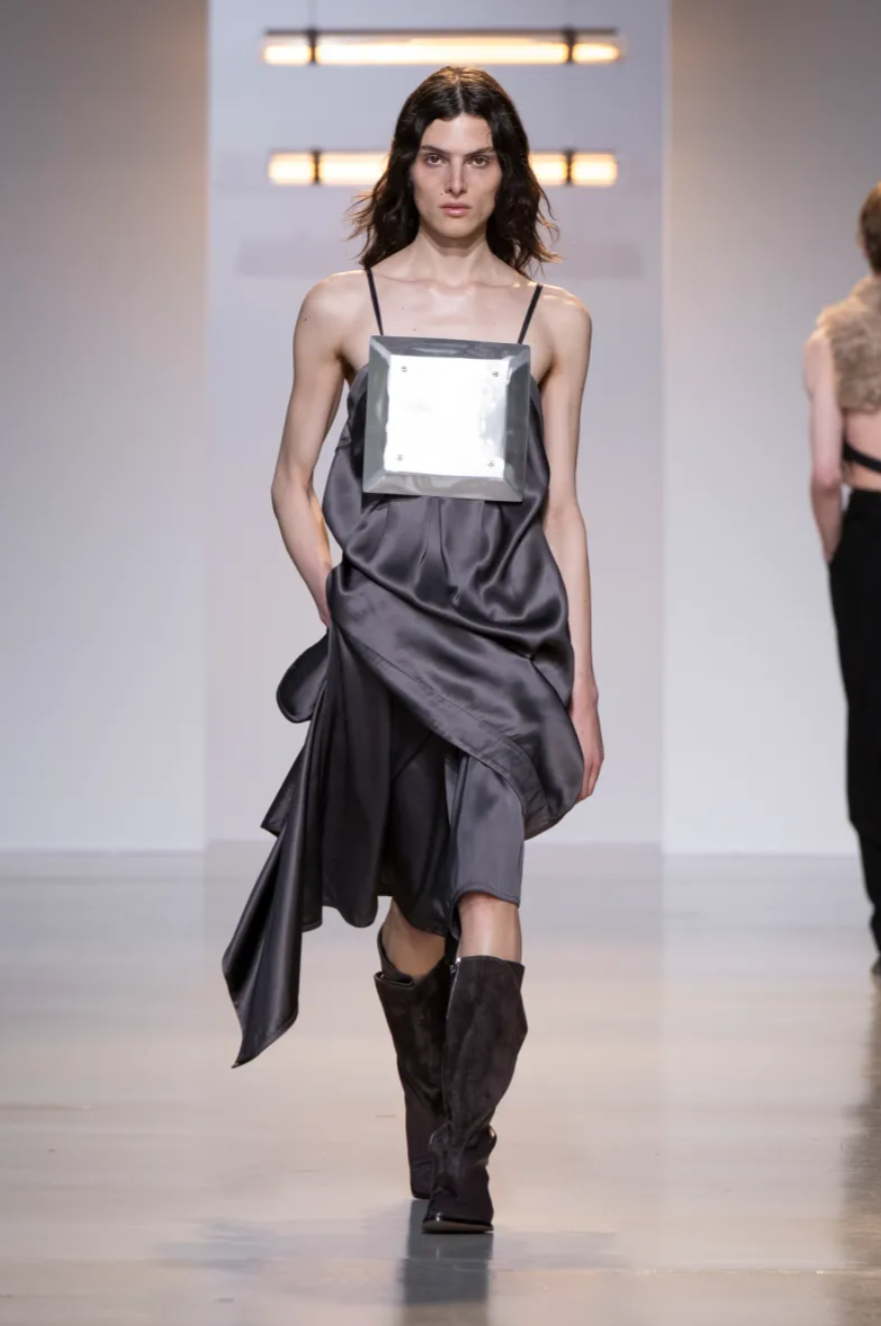
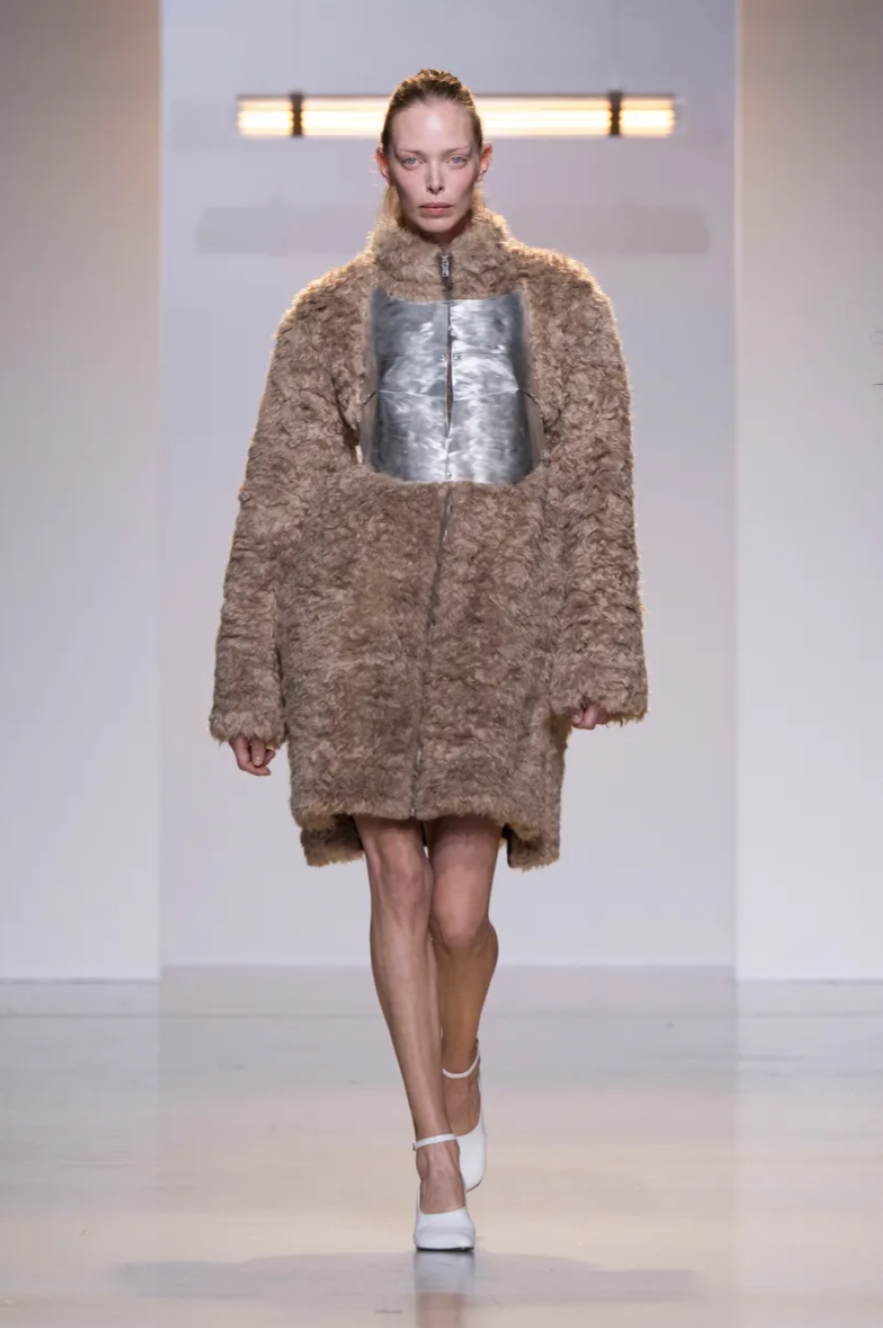
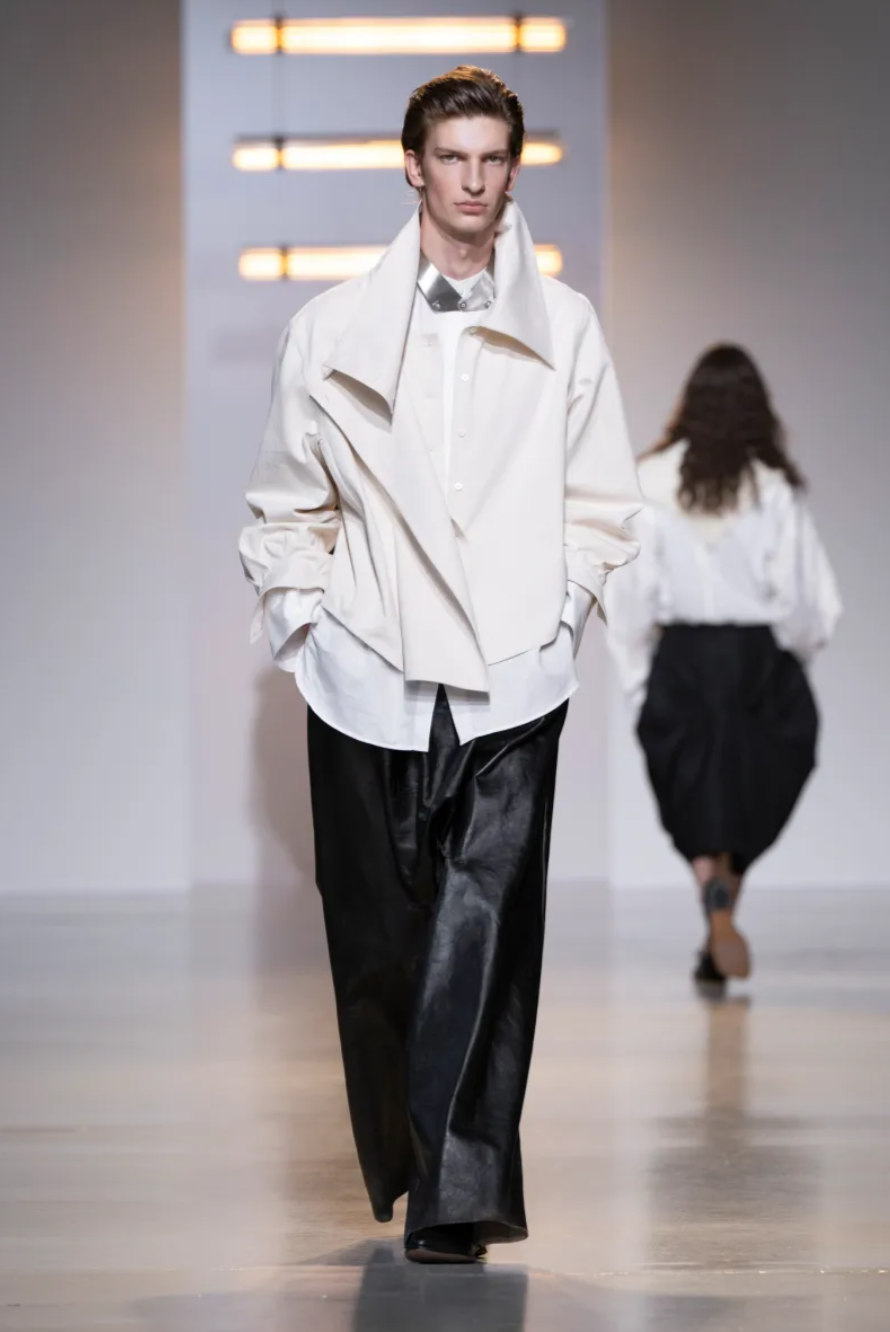
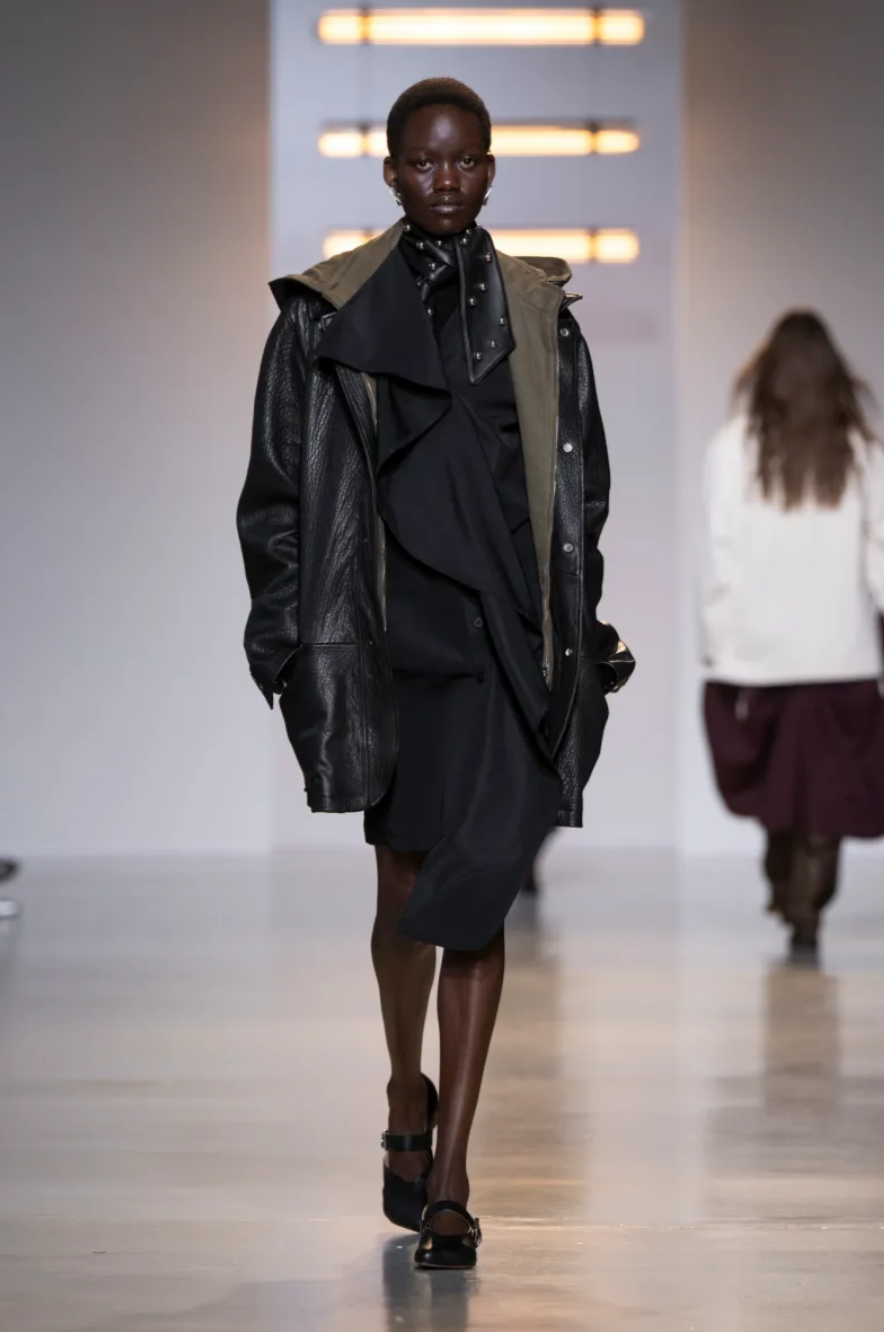
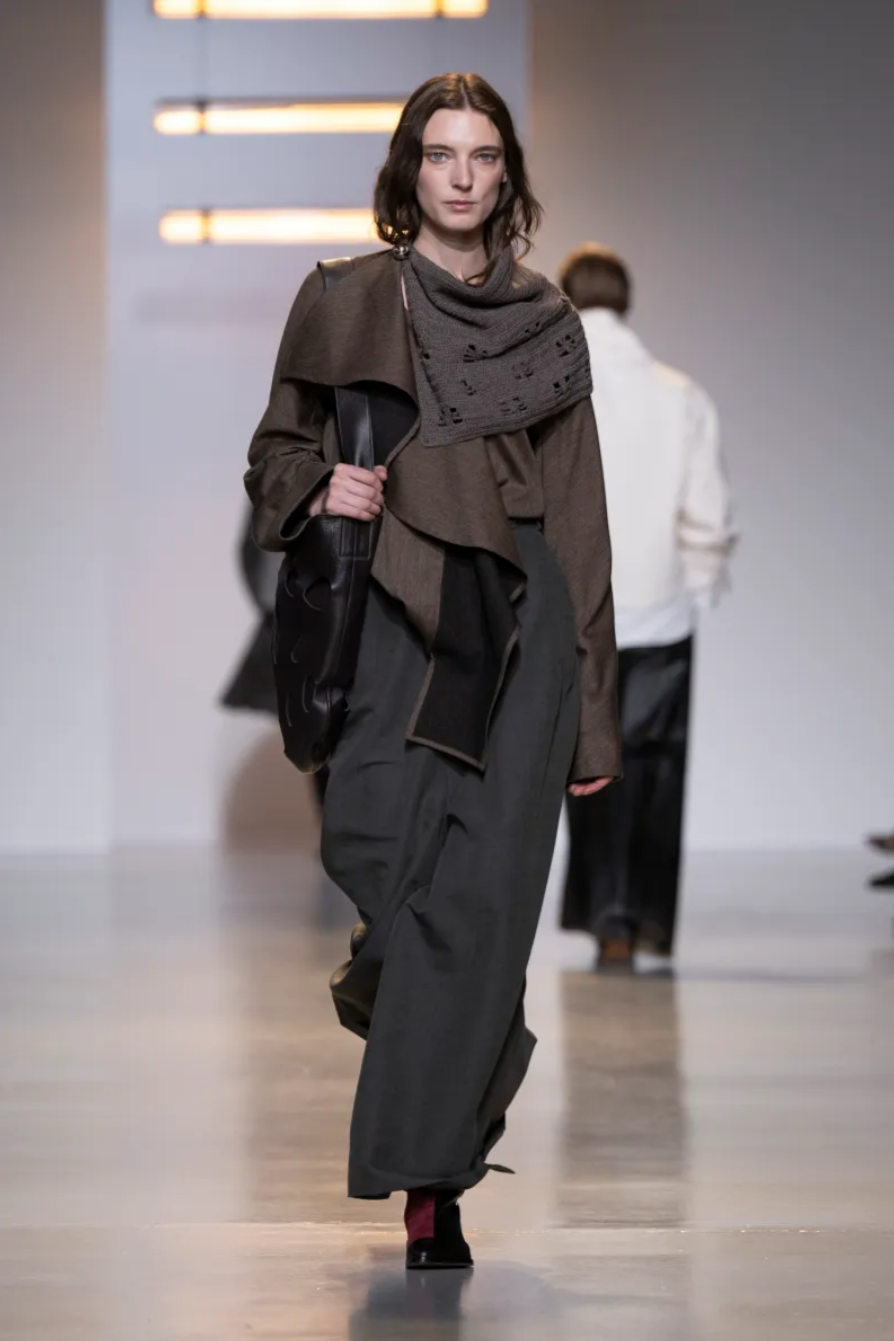
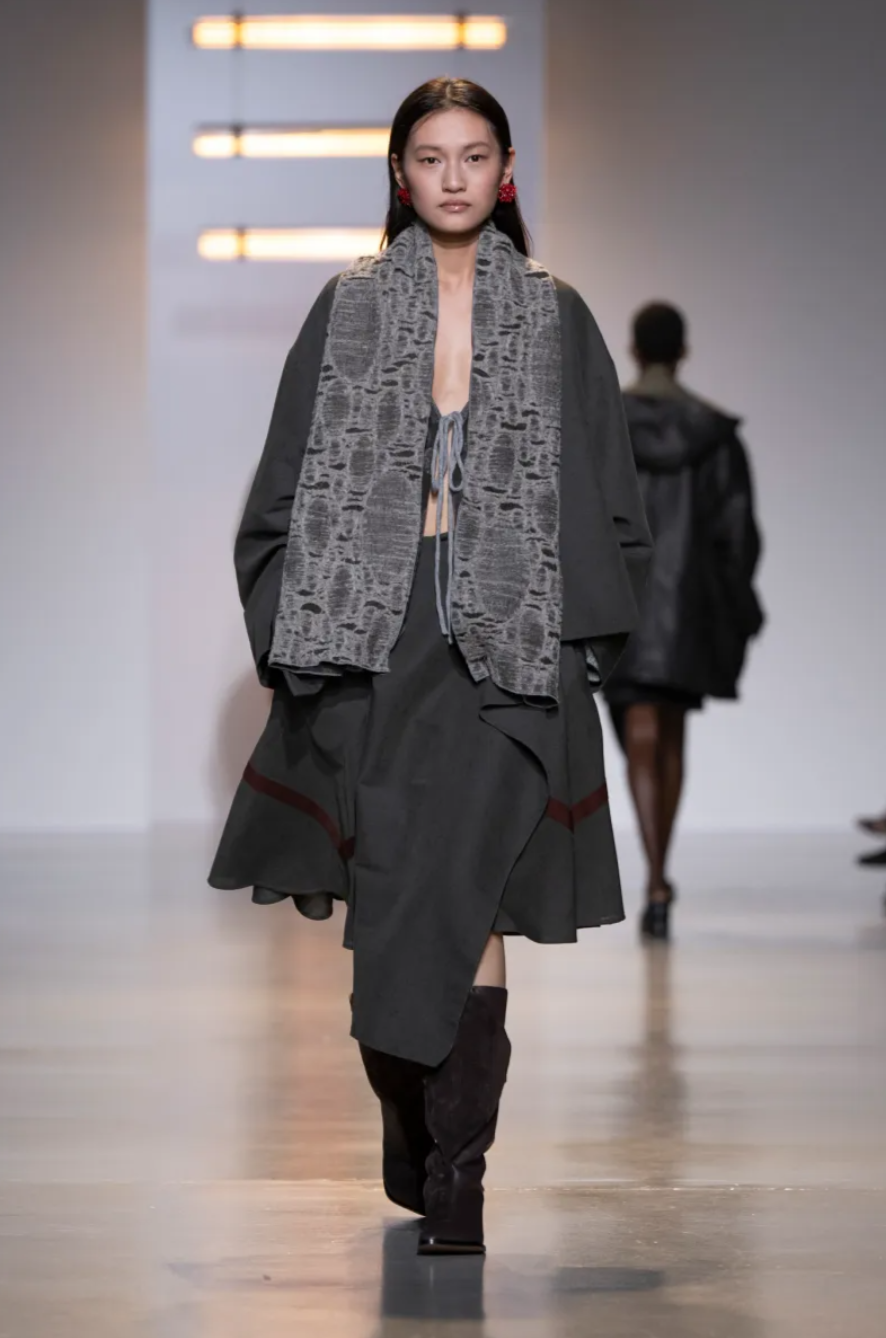
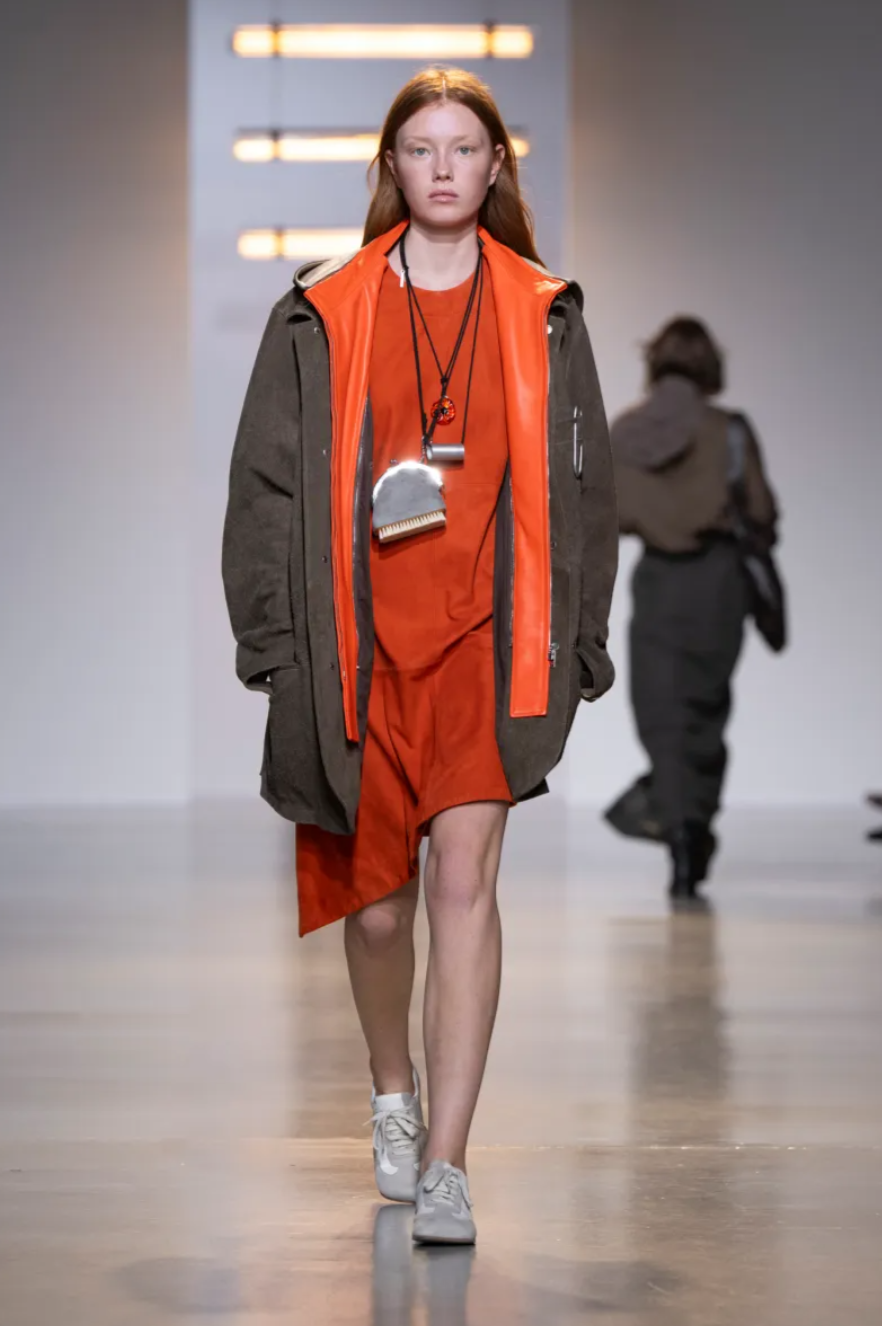
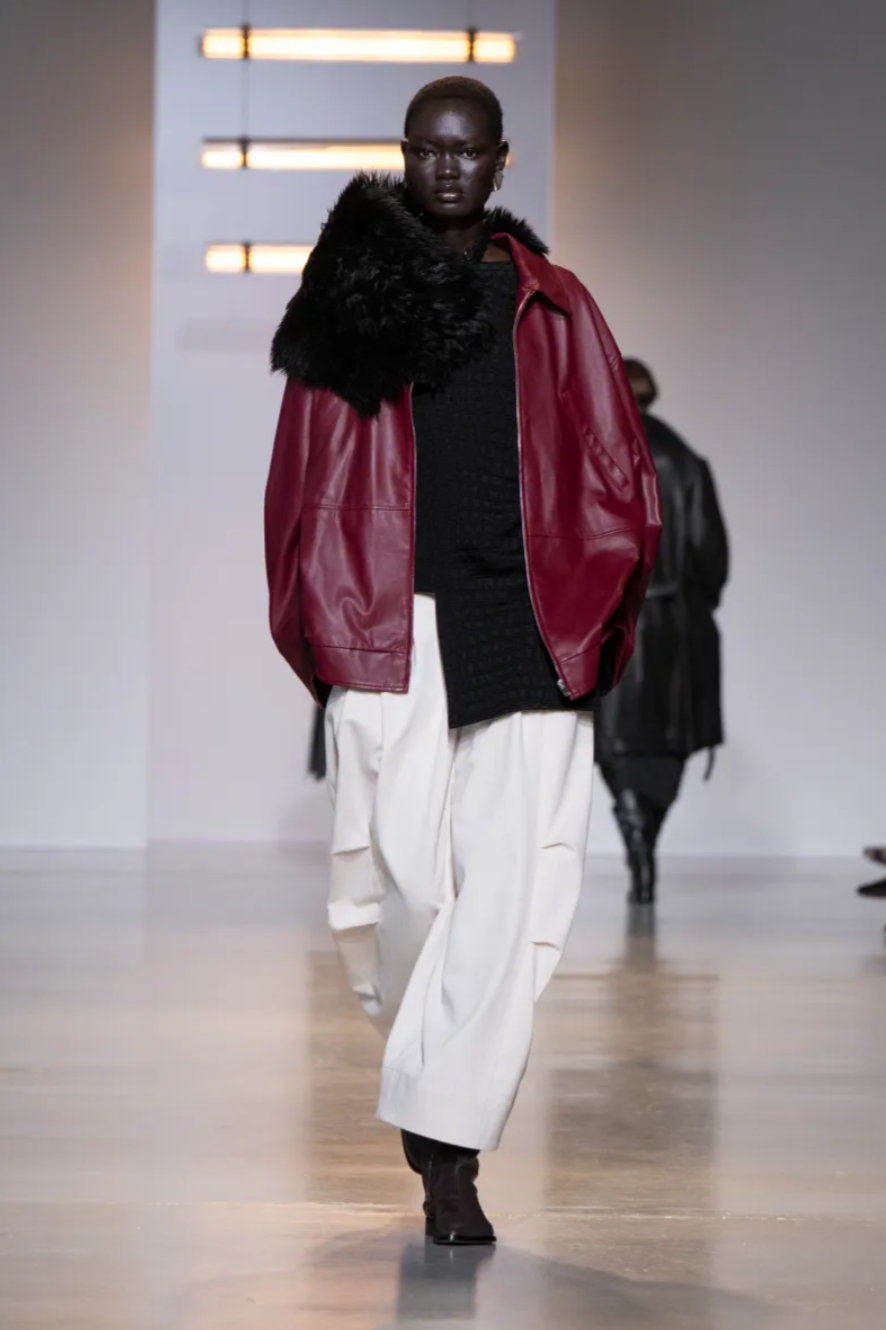
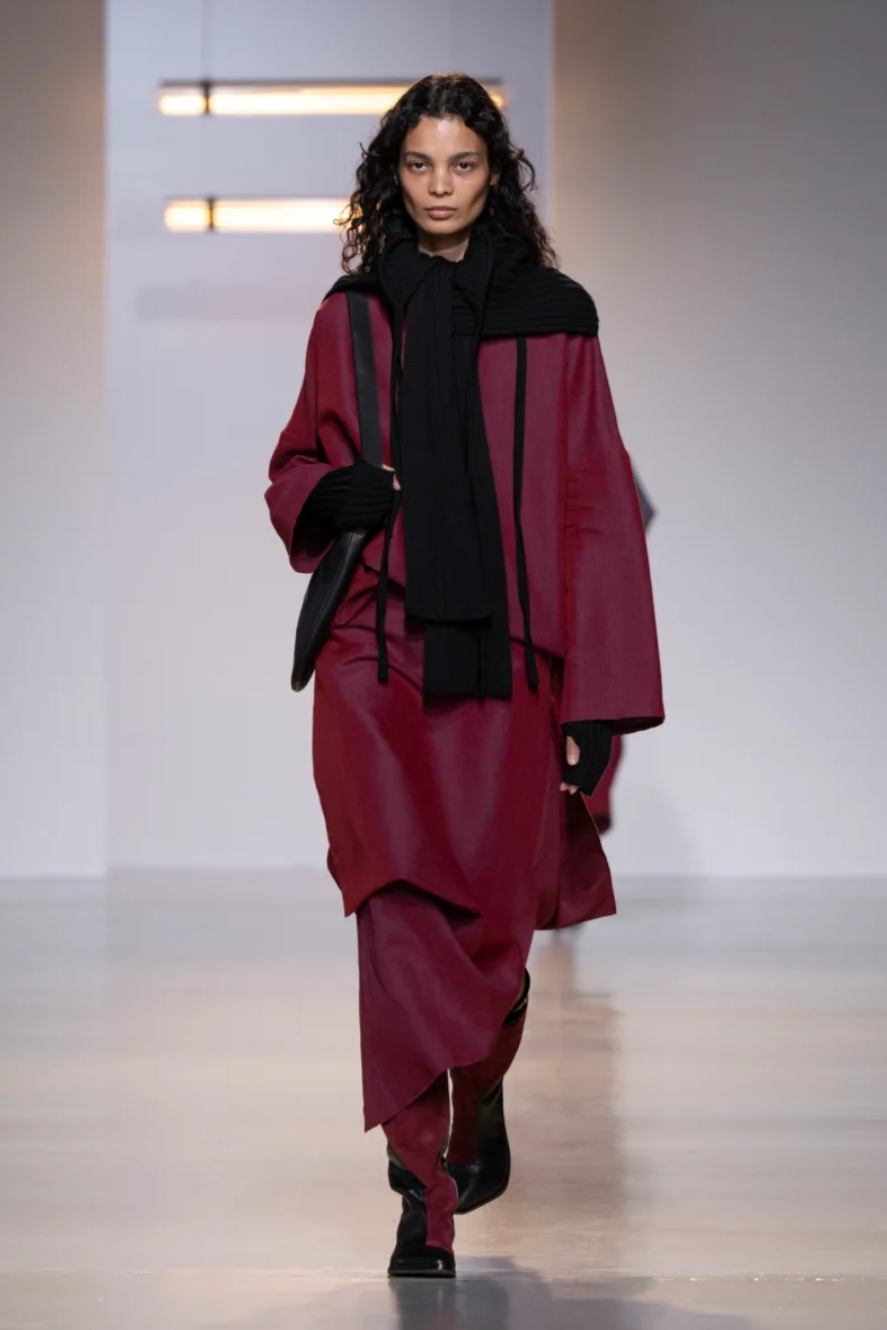
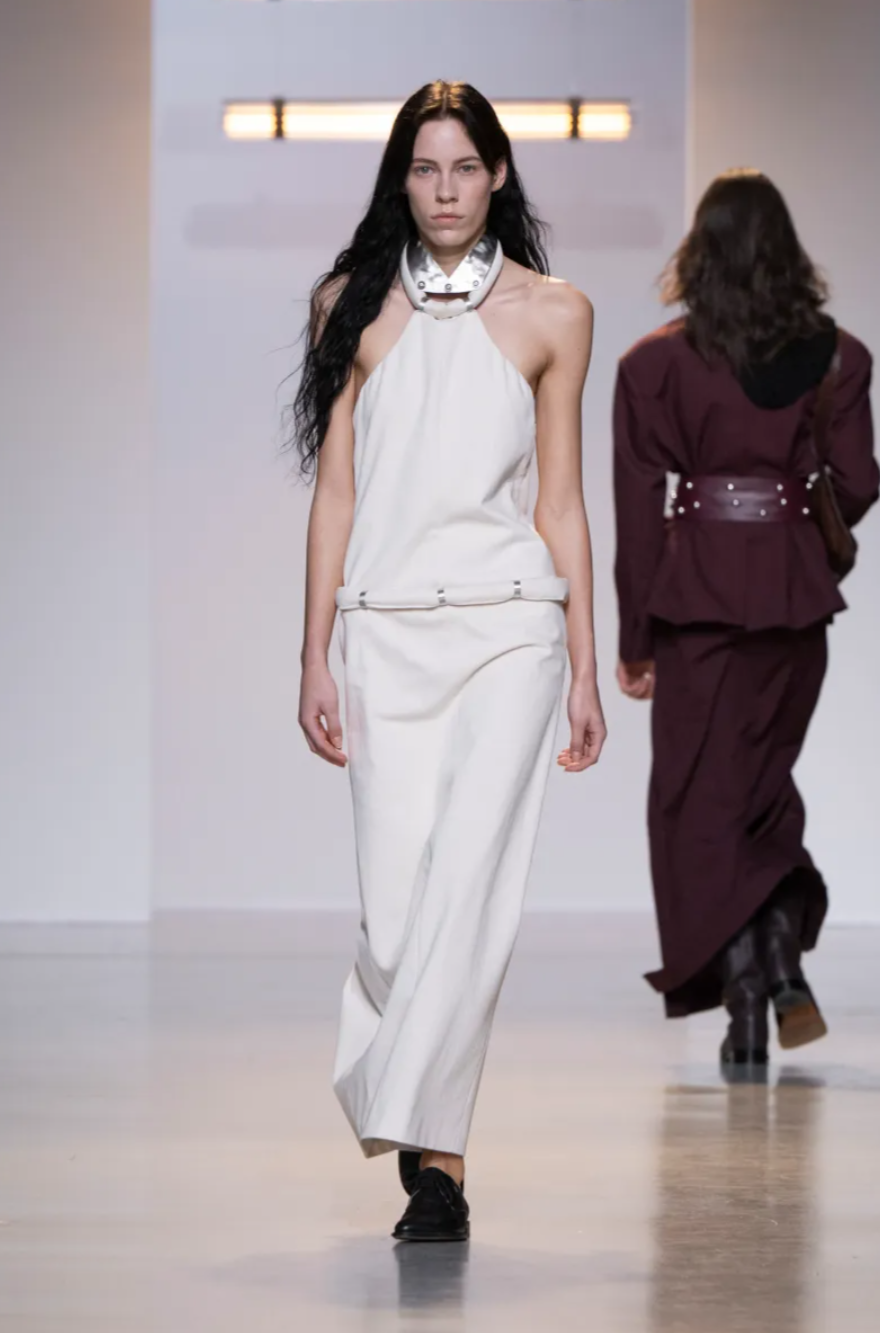
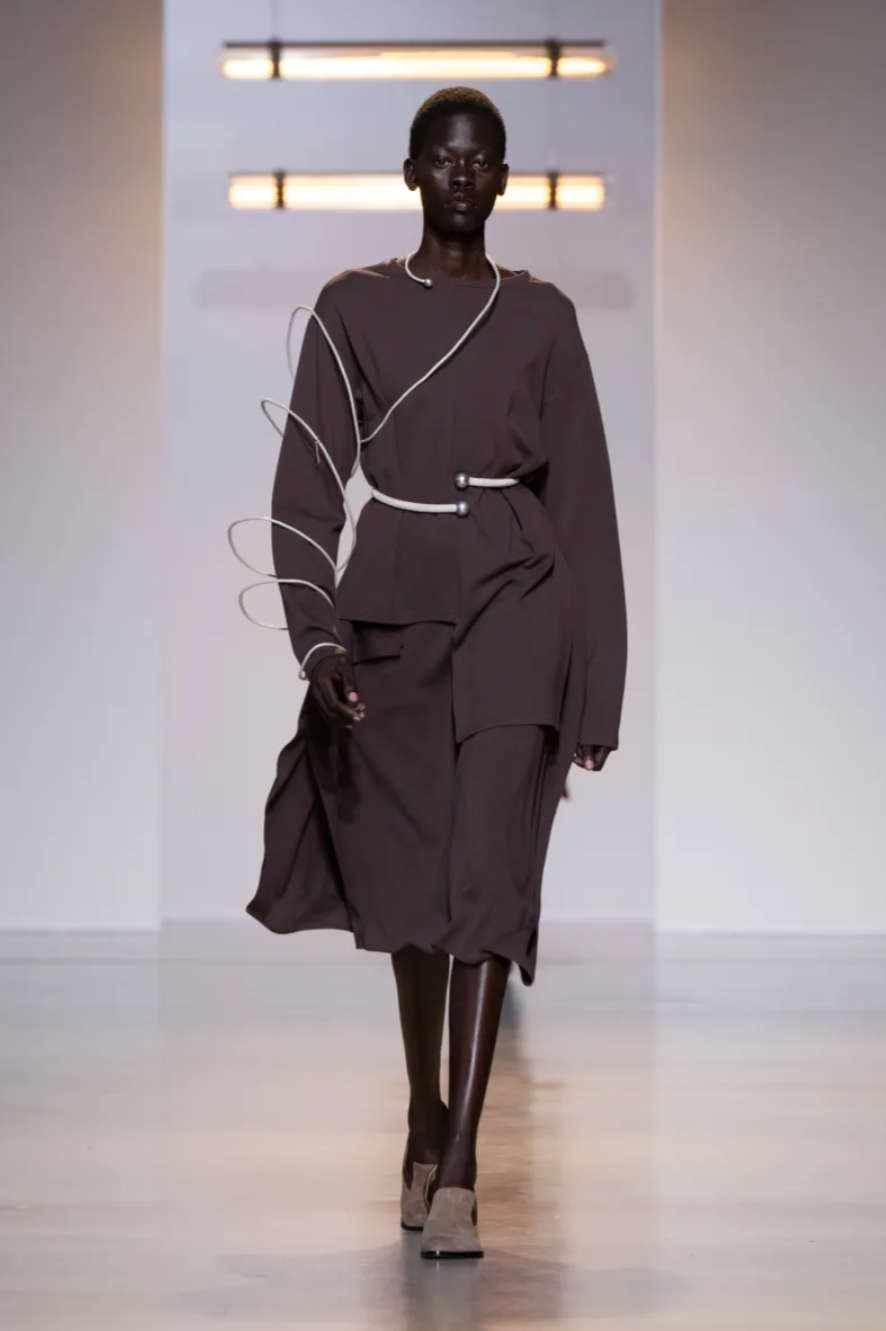
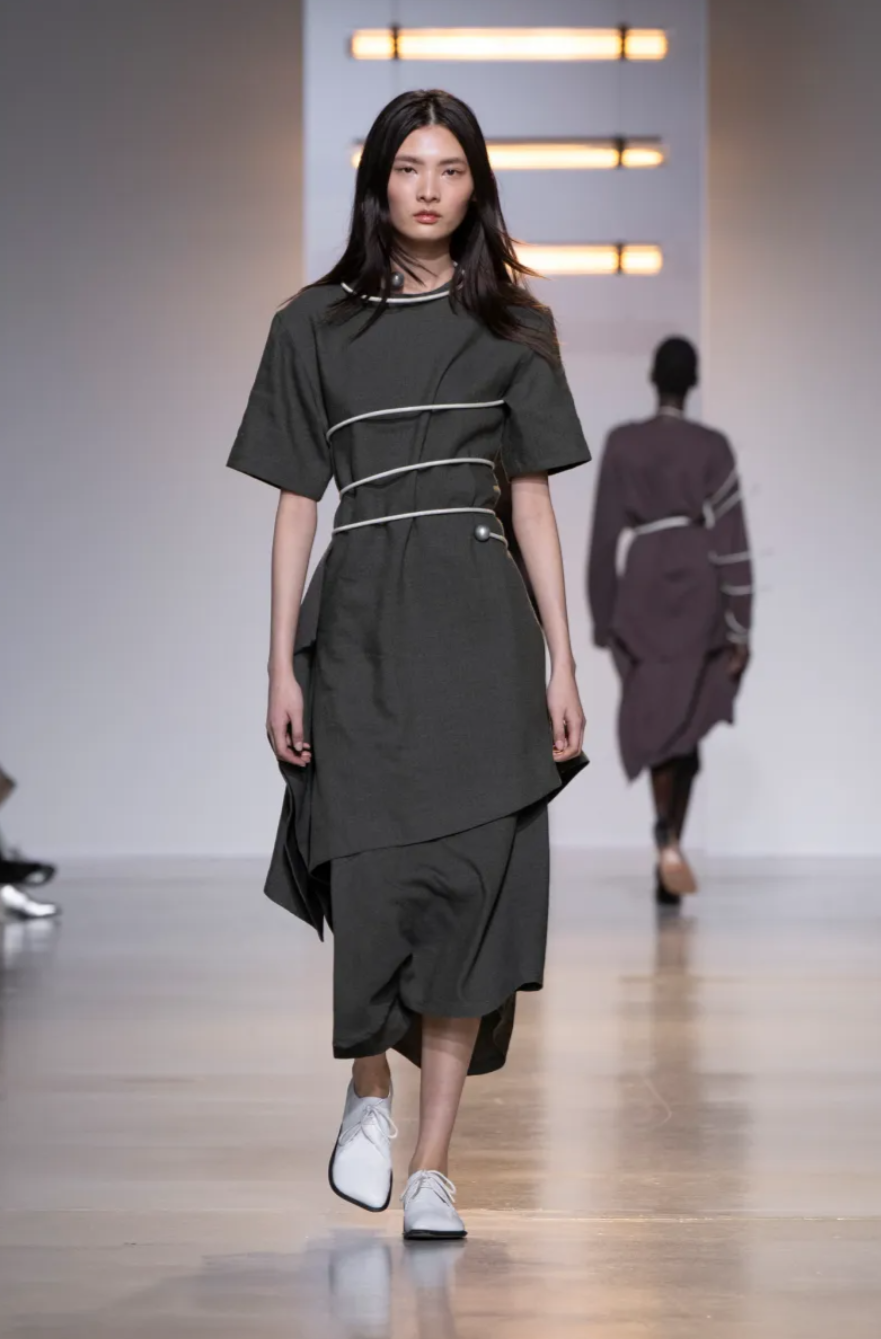
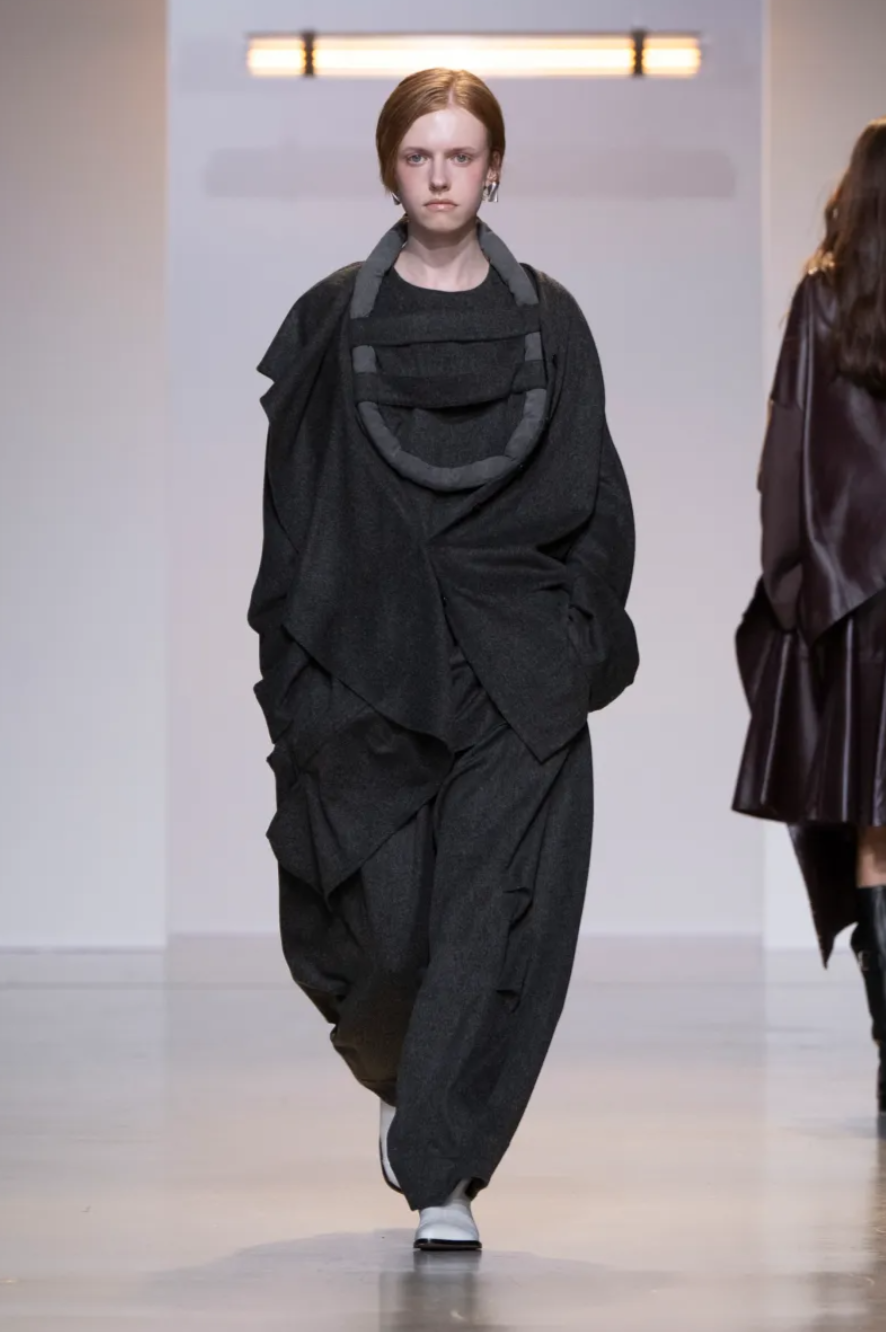
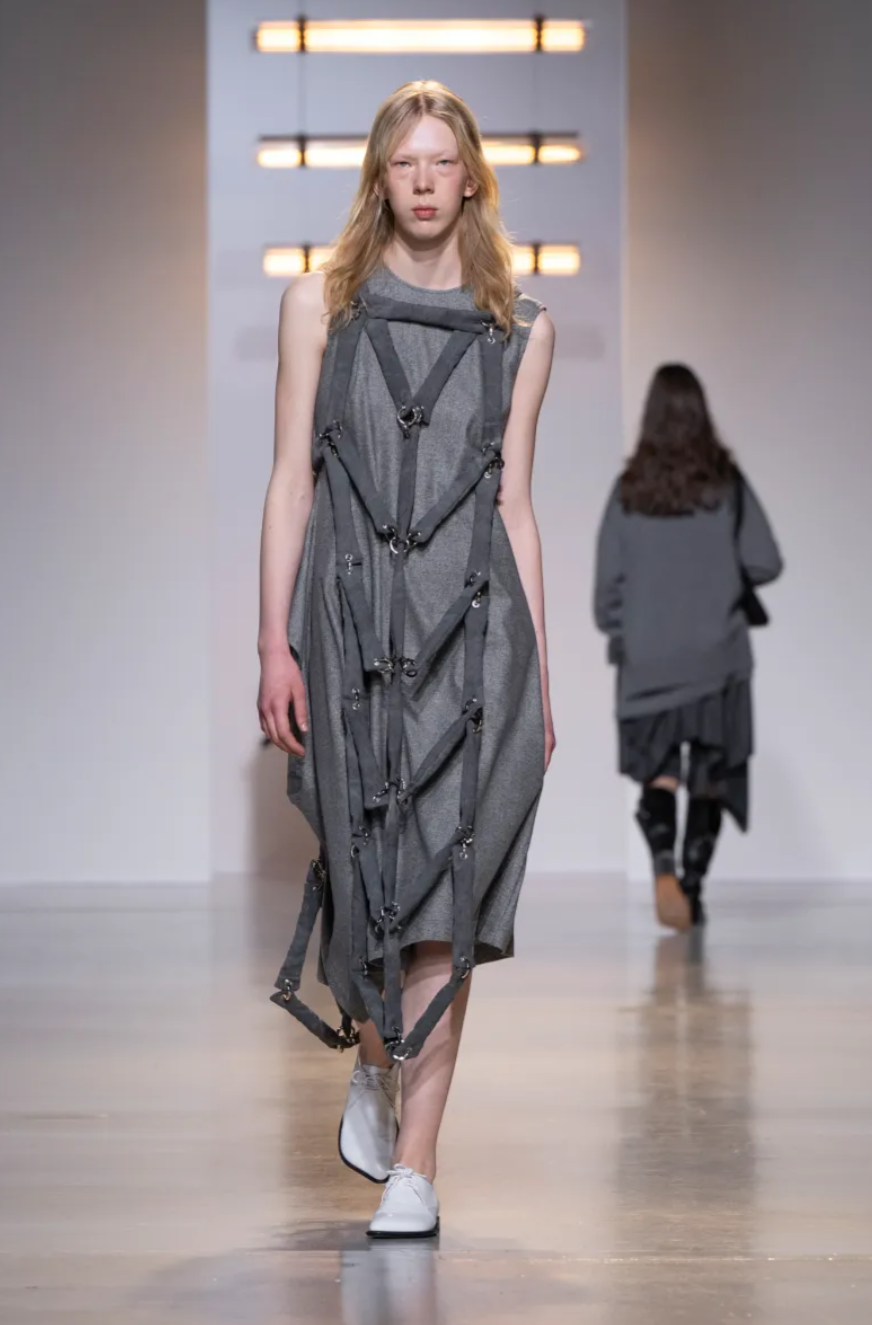
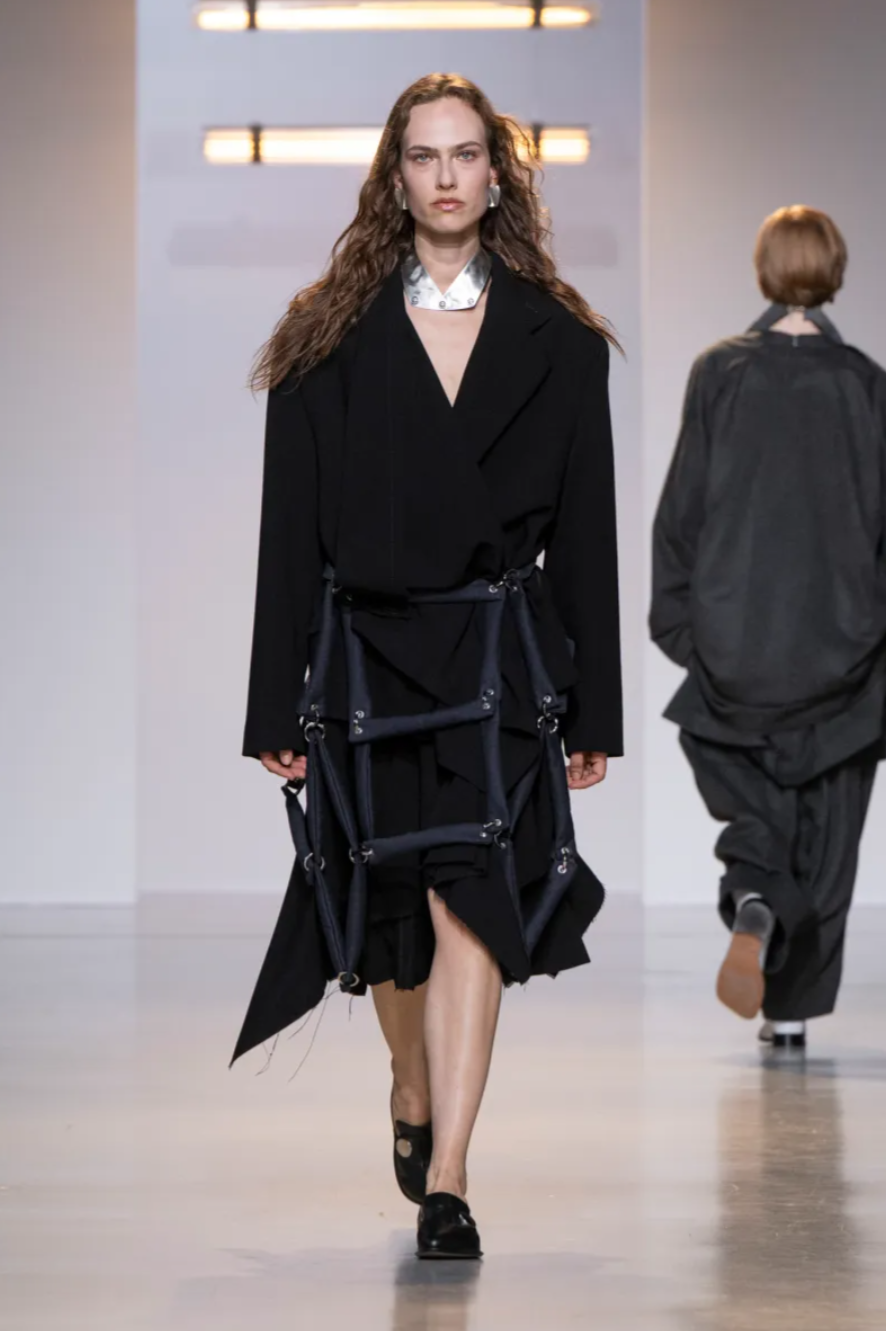
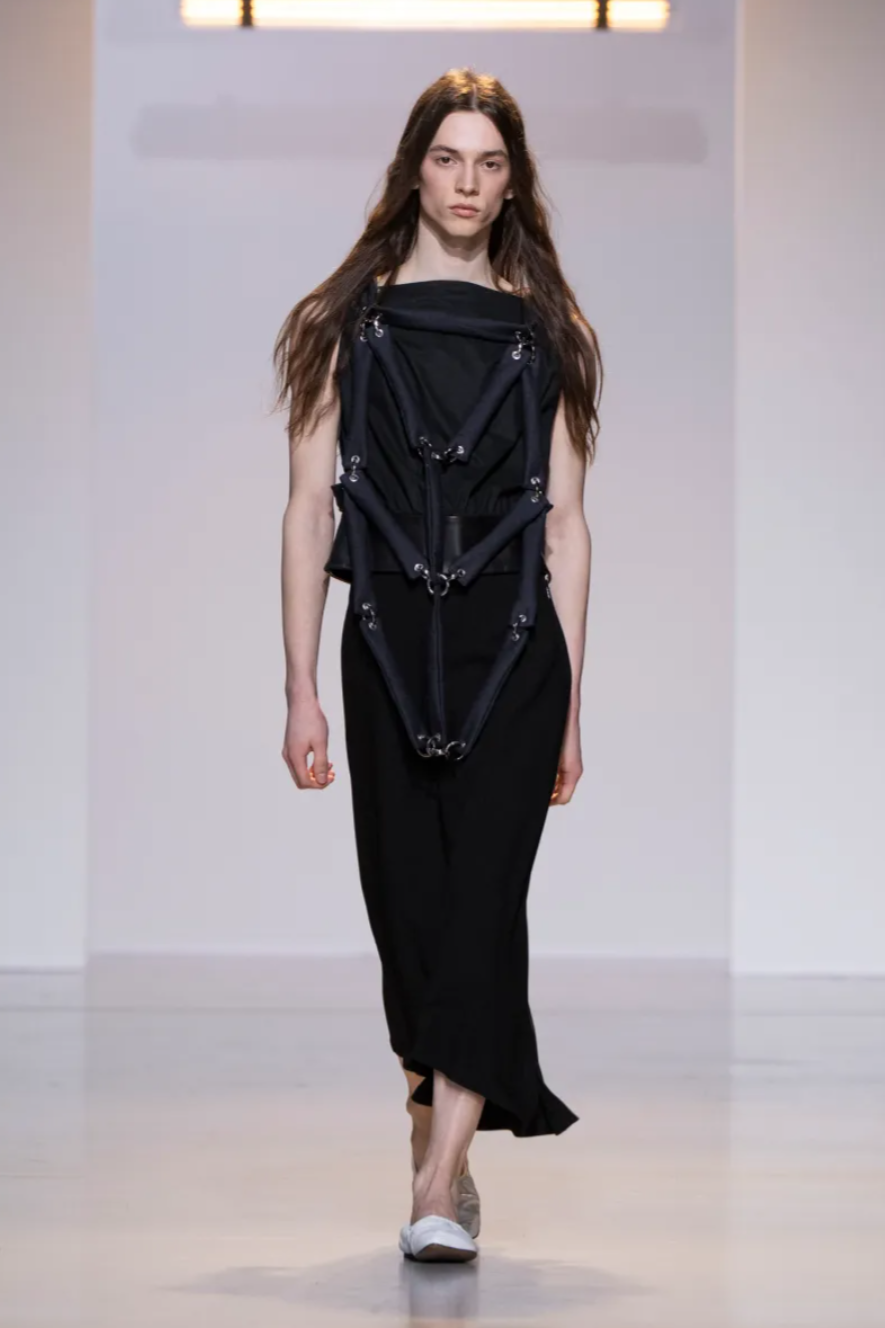
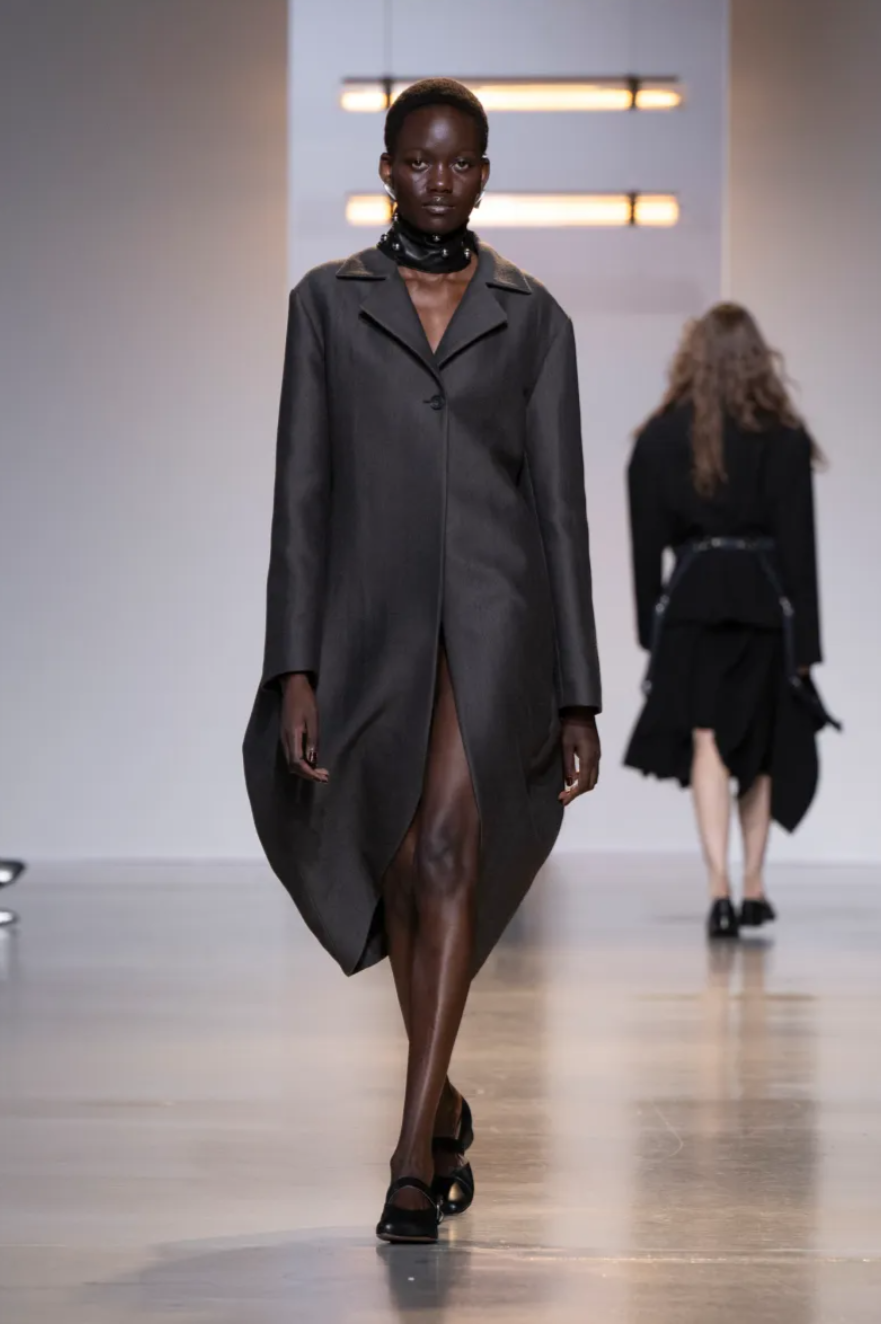
At Paris Fashion Week, Niccolò Pasqualetti presented a Fall 2026 collection that treated the body less as something to dress and more as something to build around. The young Italian designer has developed a reputation for approaching fashion with a sculptor’s sensibility, and this season he described the work as an attempt to close the distance between the physical and the spiritual. Garments, jewellery and accessories folded into one another until the distinctions almost disappeared. Wire structures curved around the neck, arms and torso like protective shields, suggesting that the body itself was the architecture holding everything together.
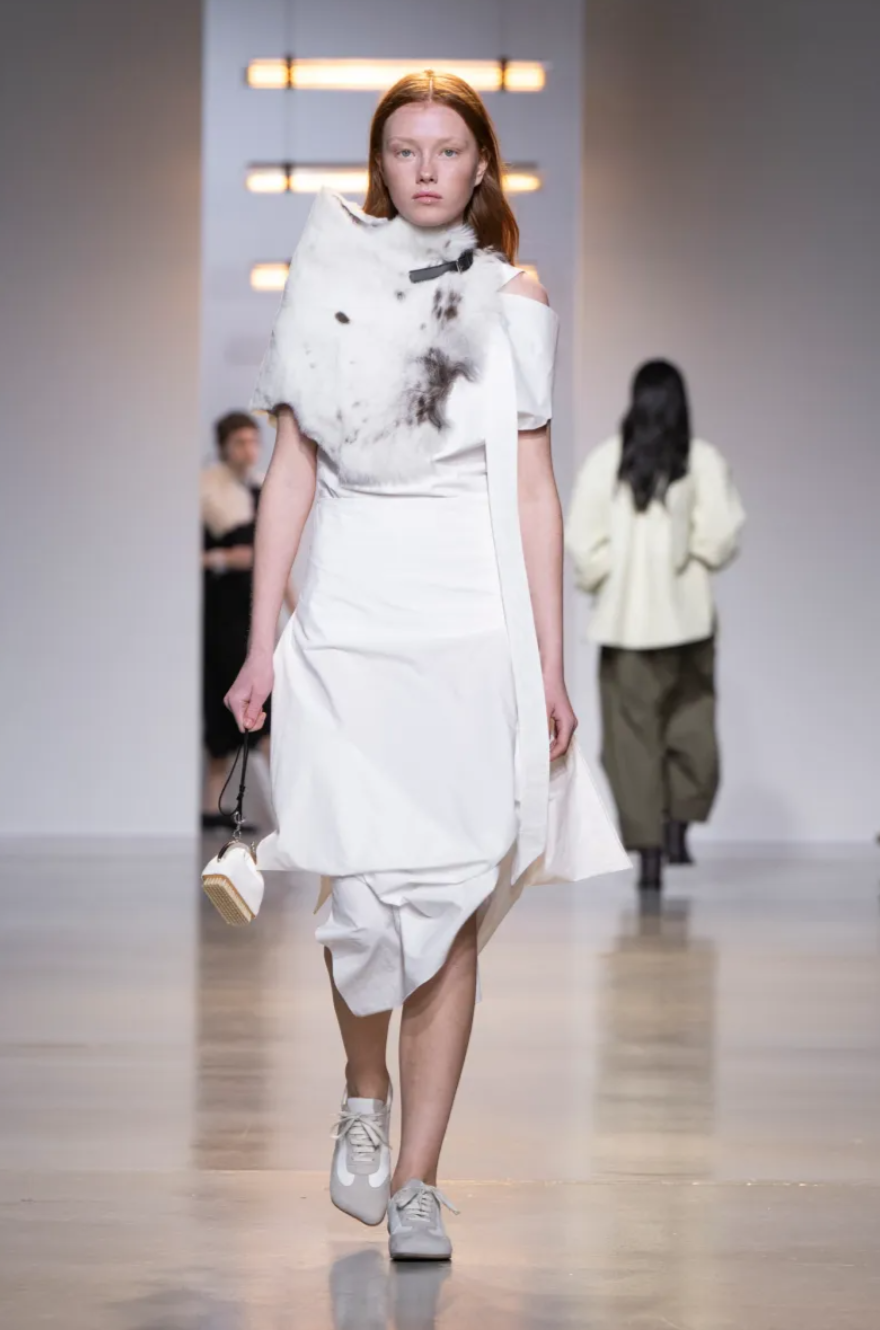
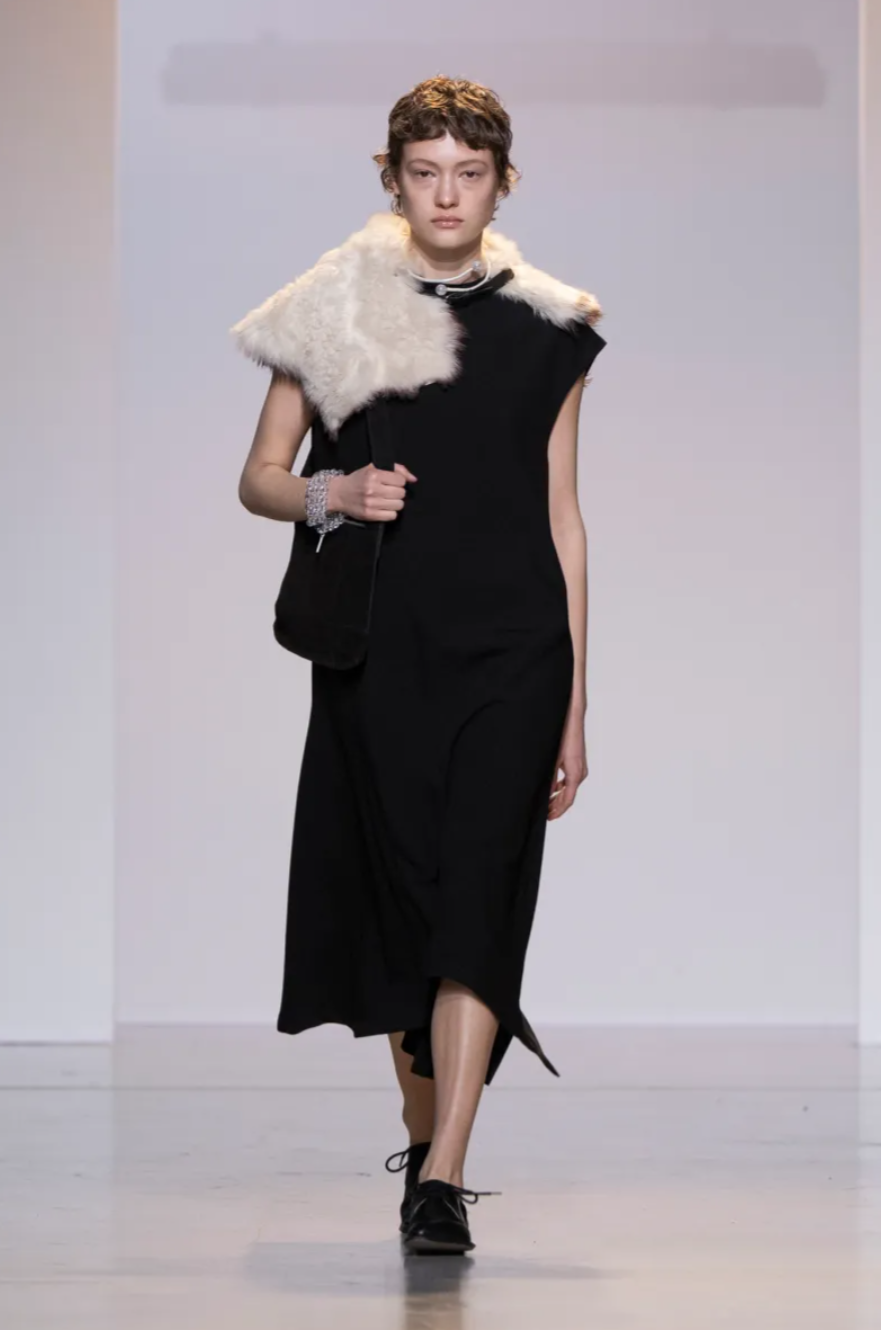
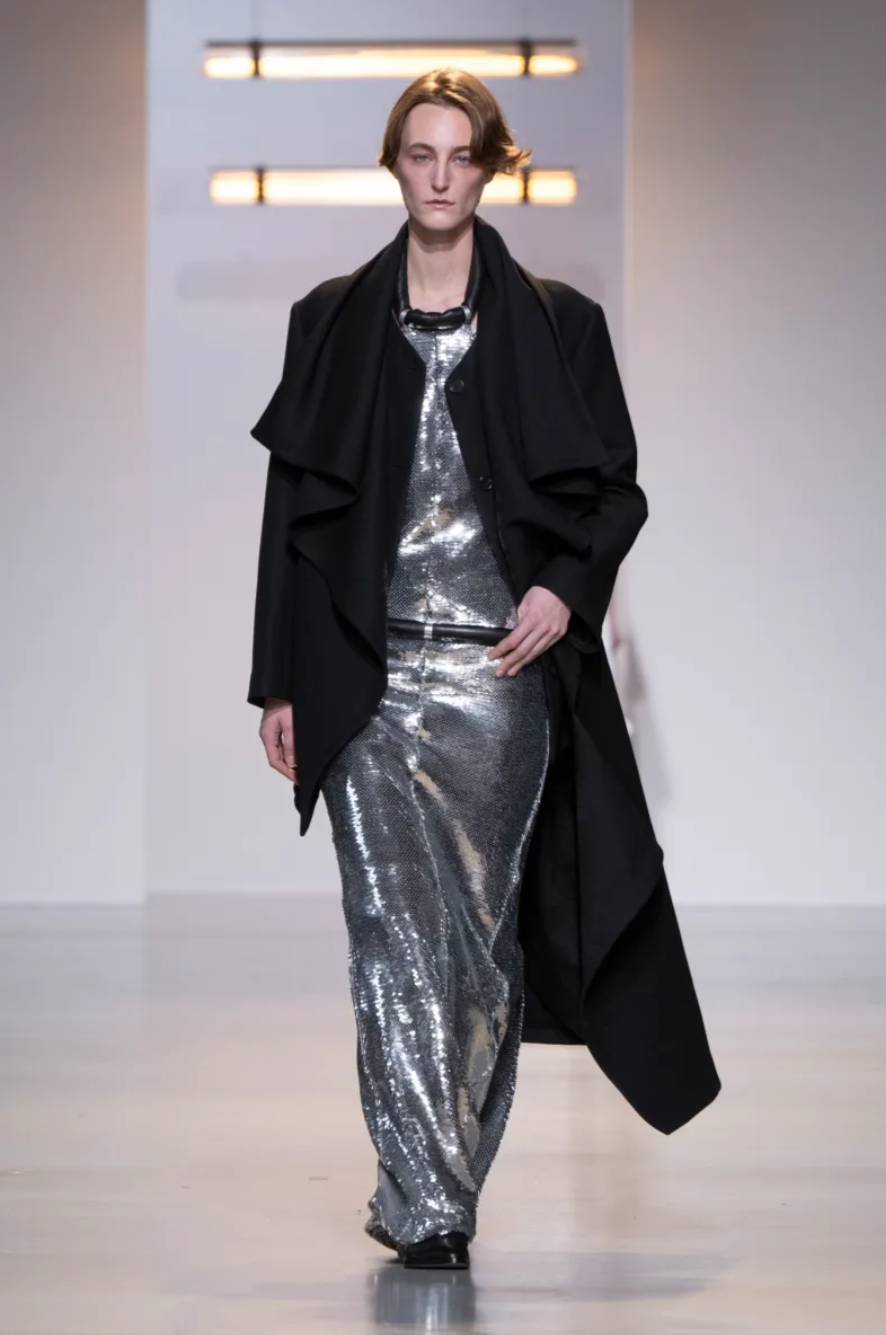
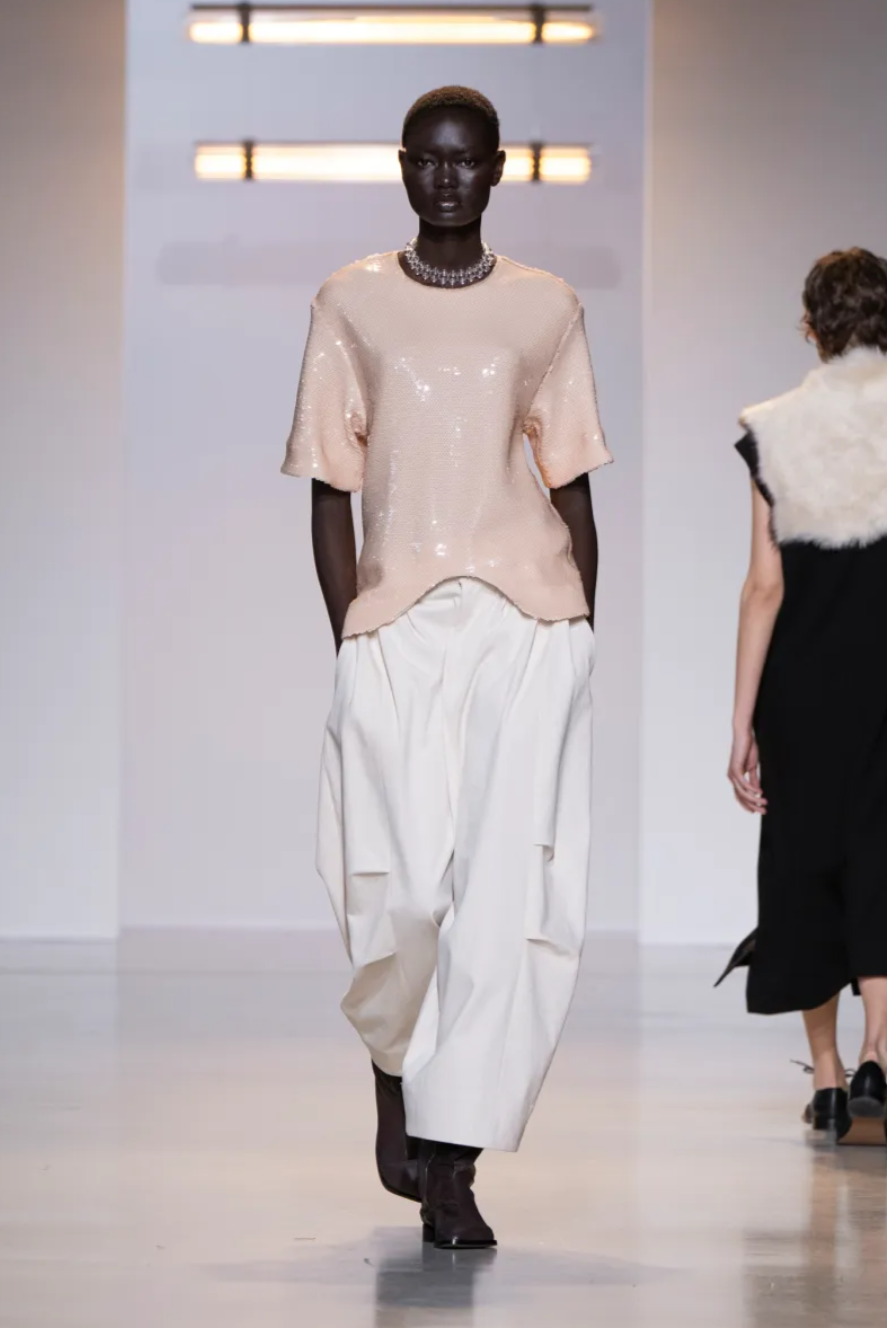
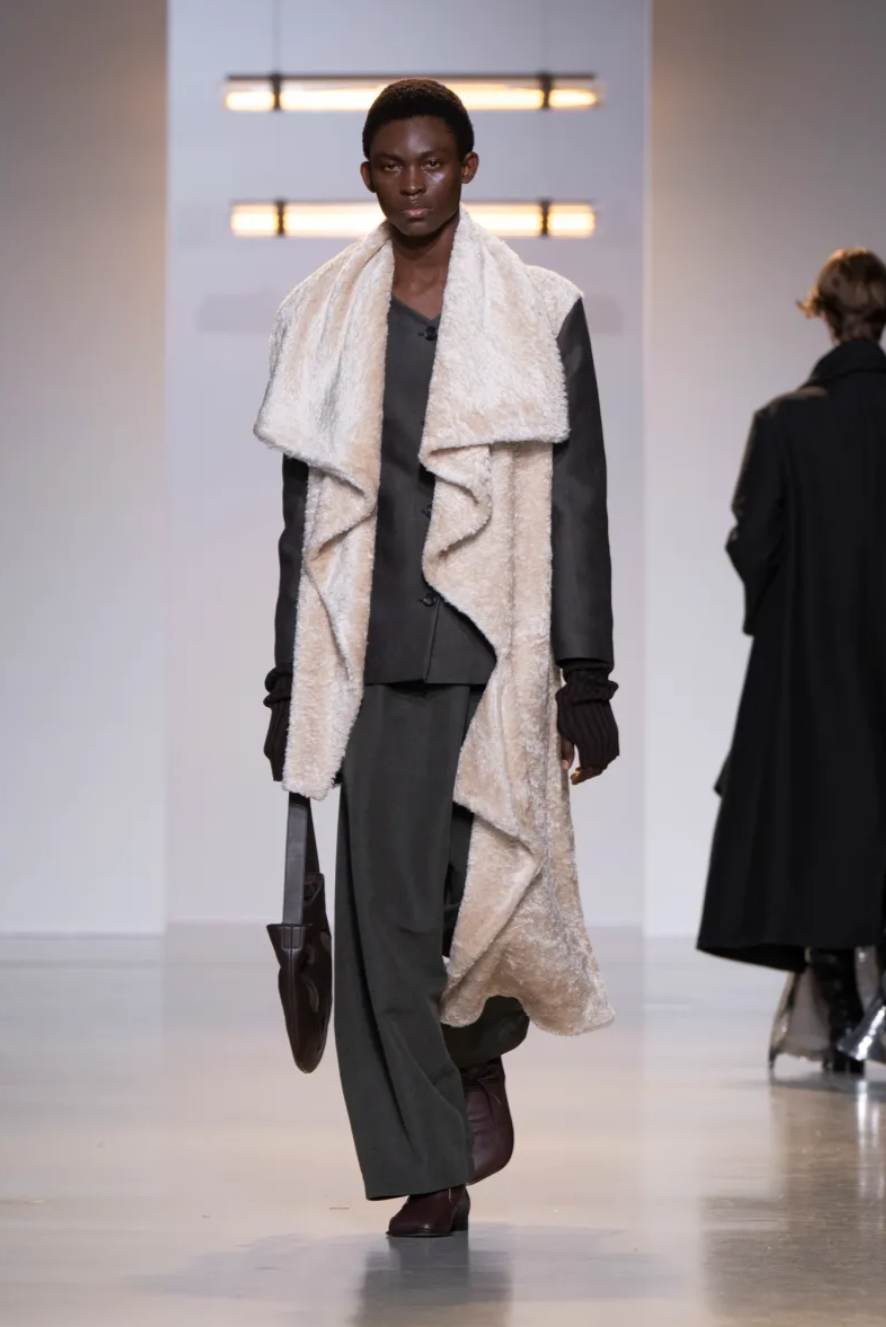
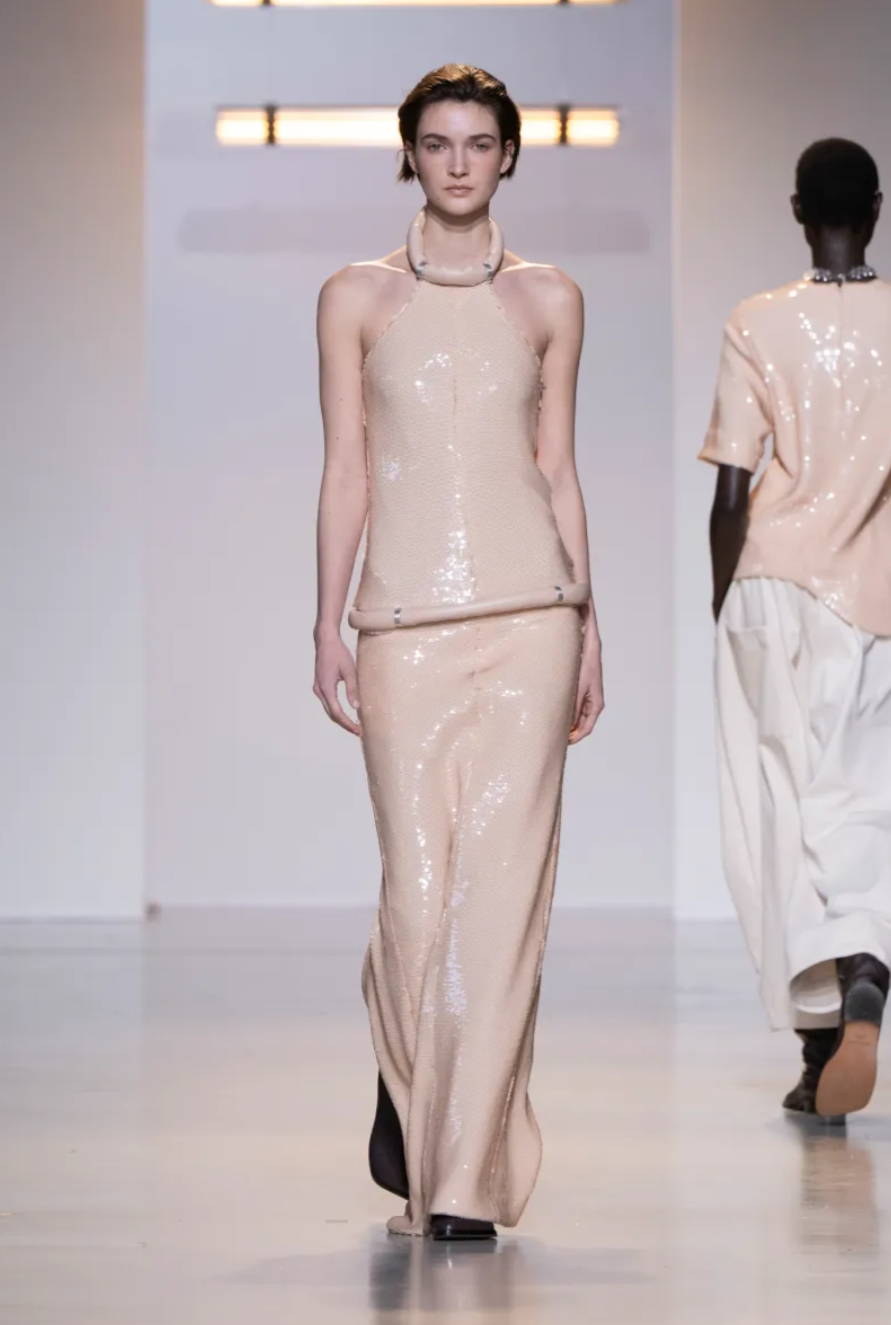
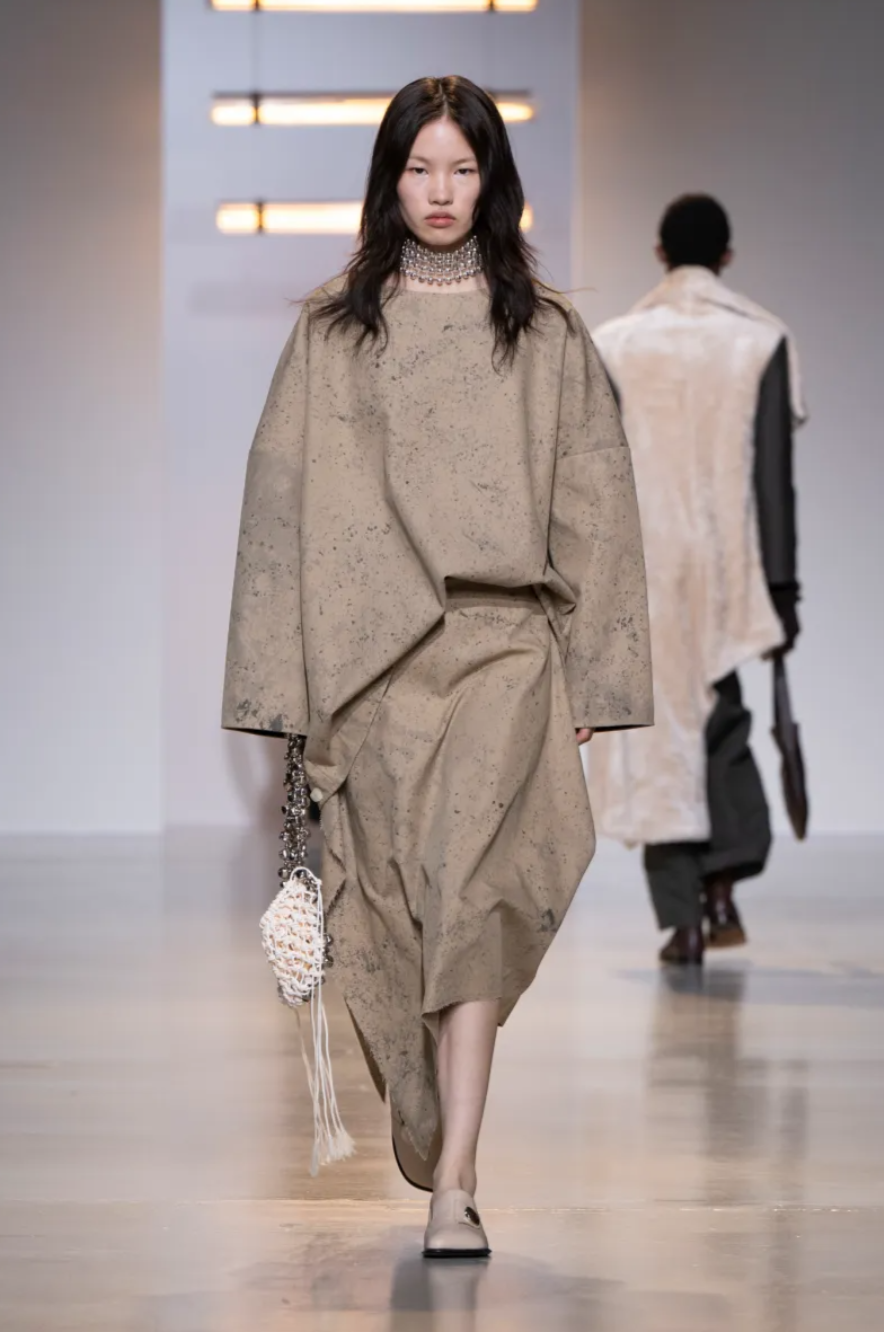
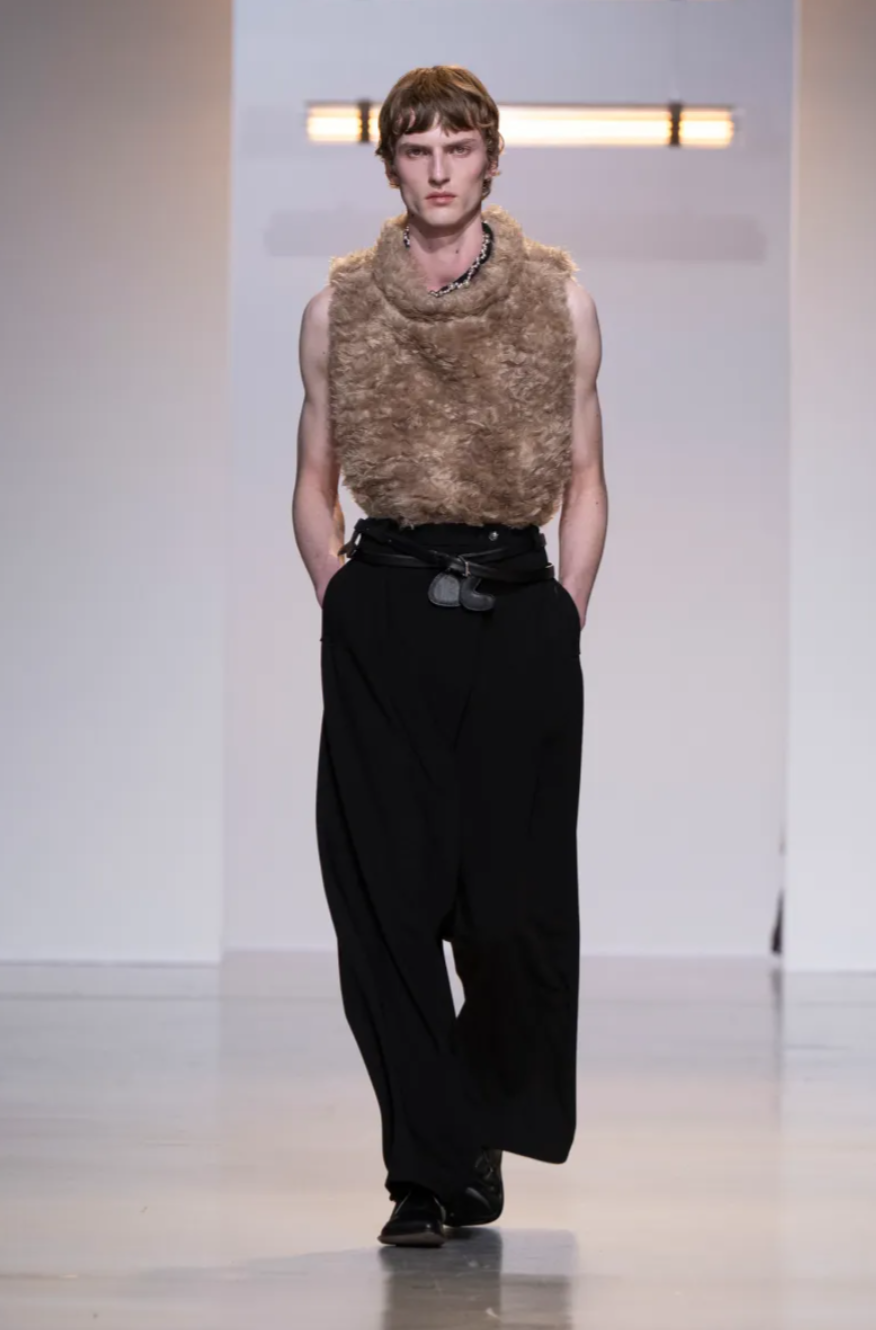
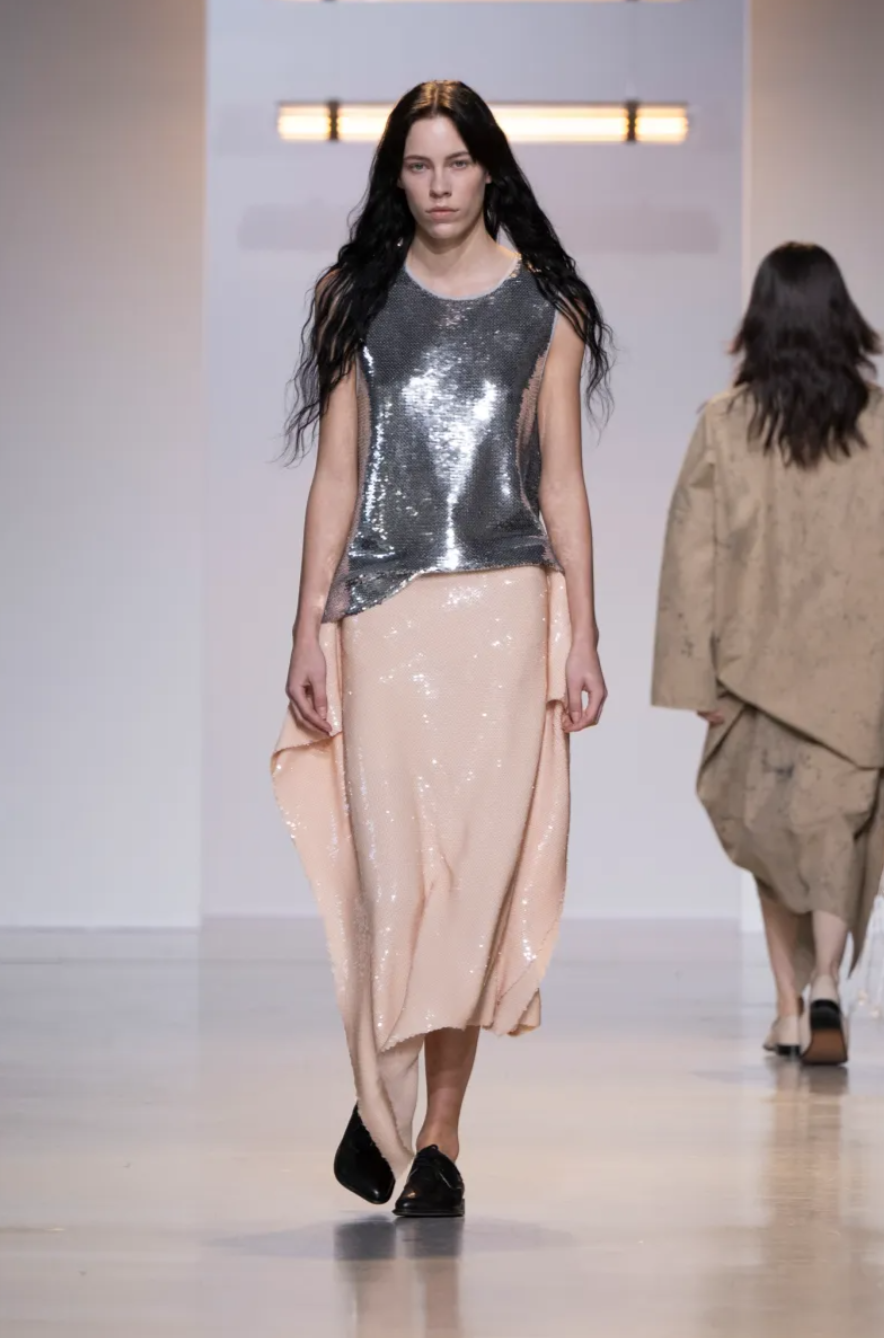
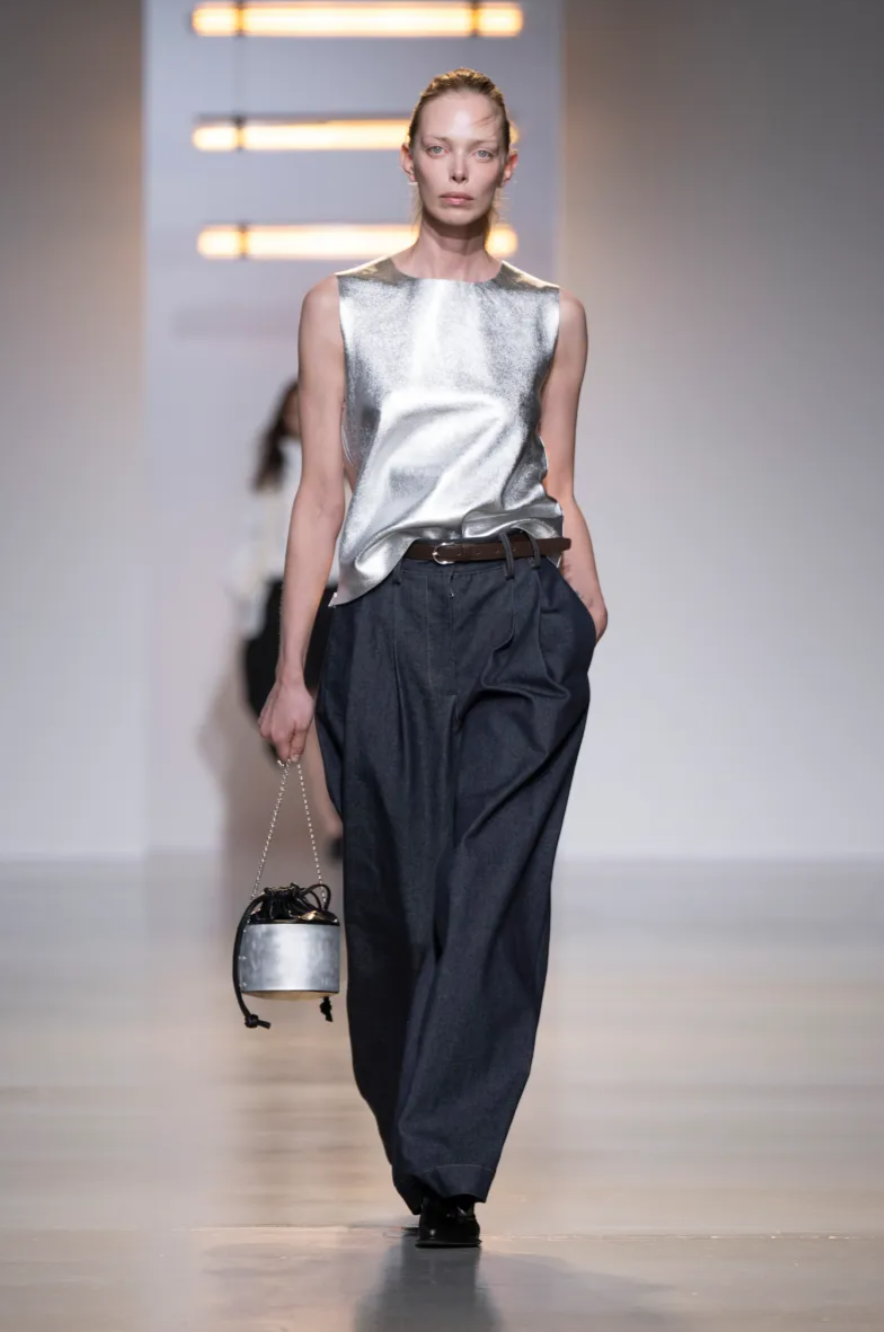
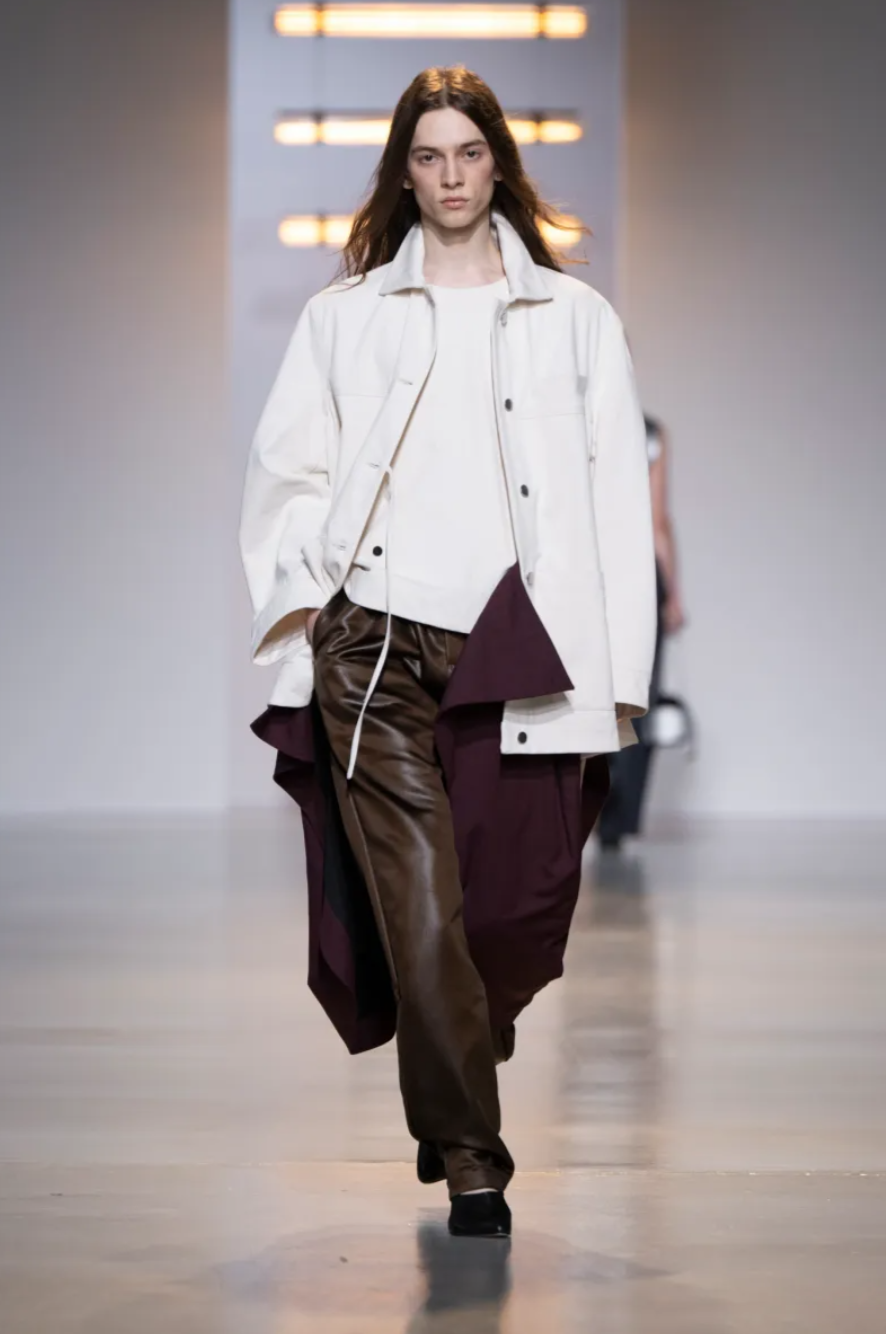
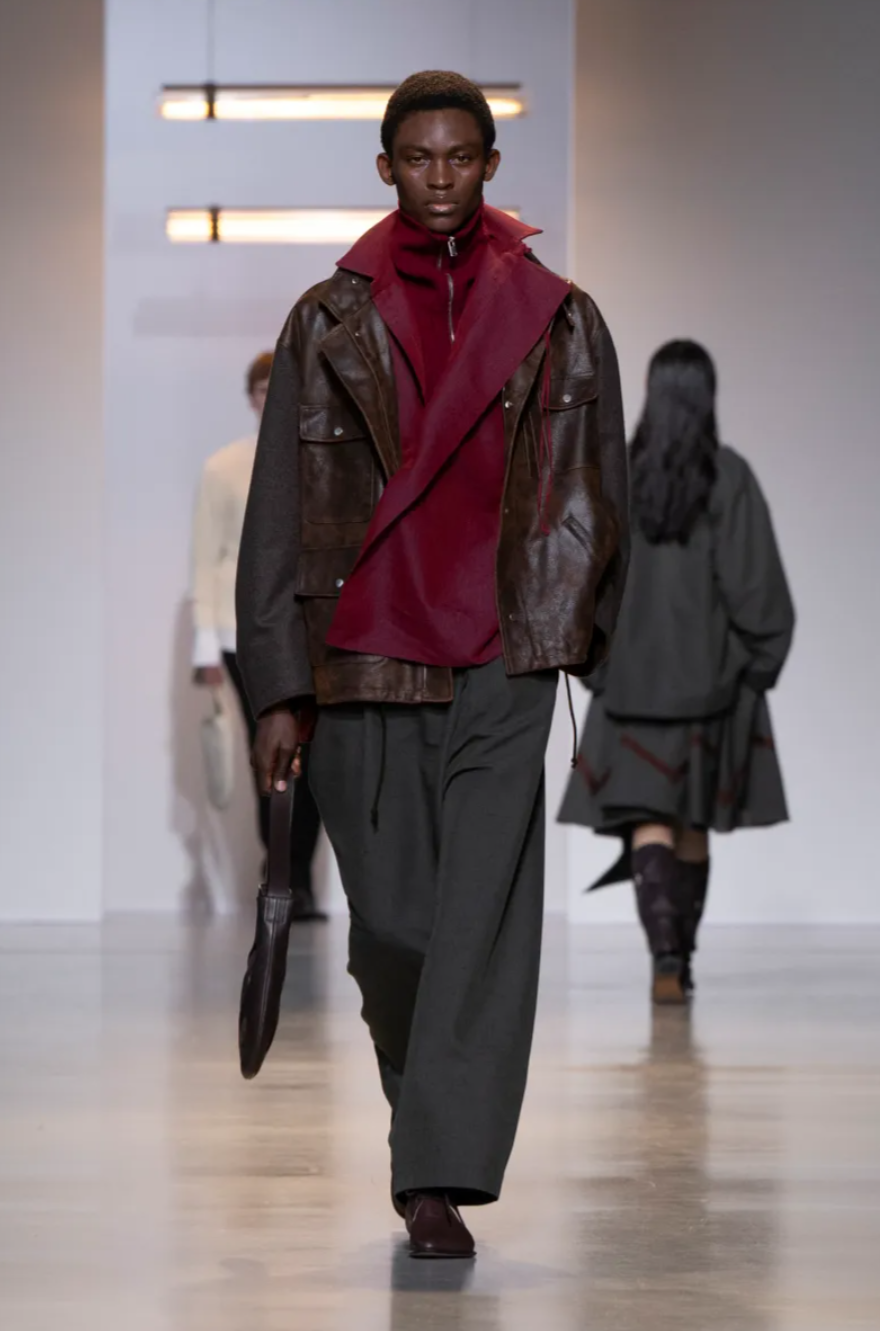
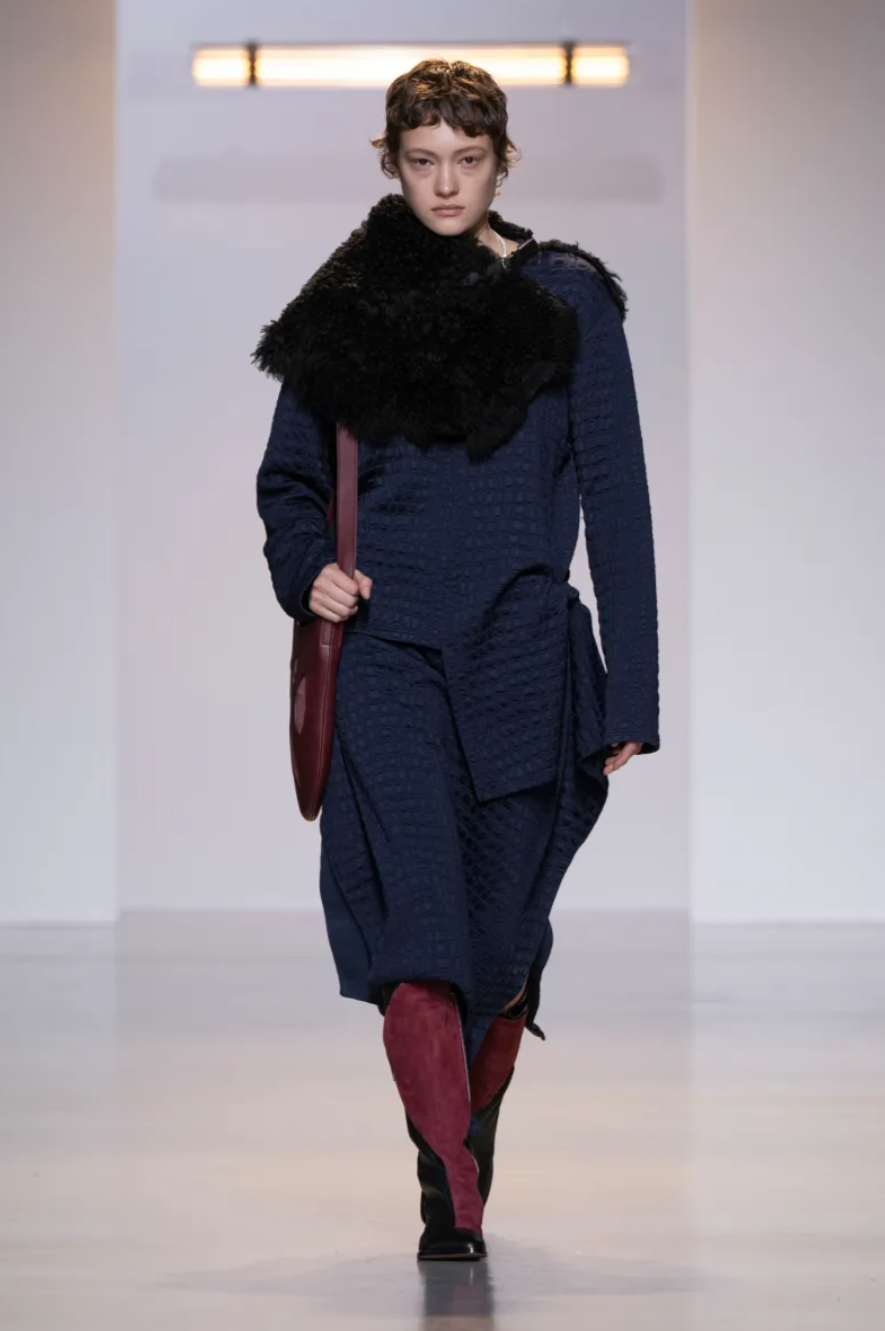
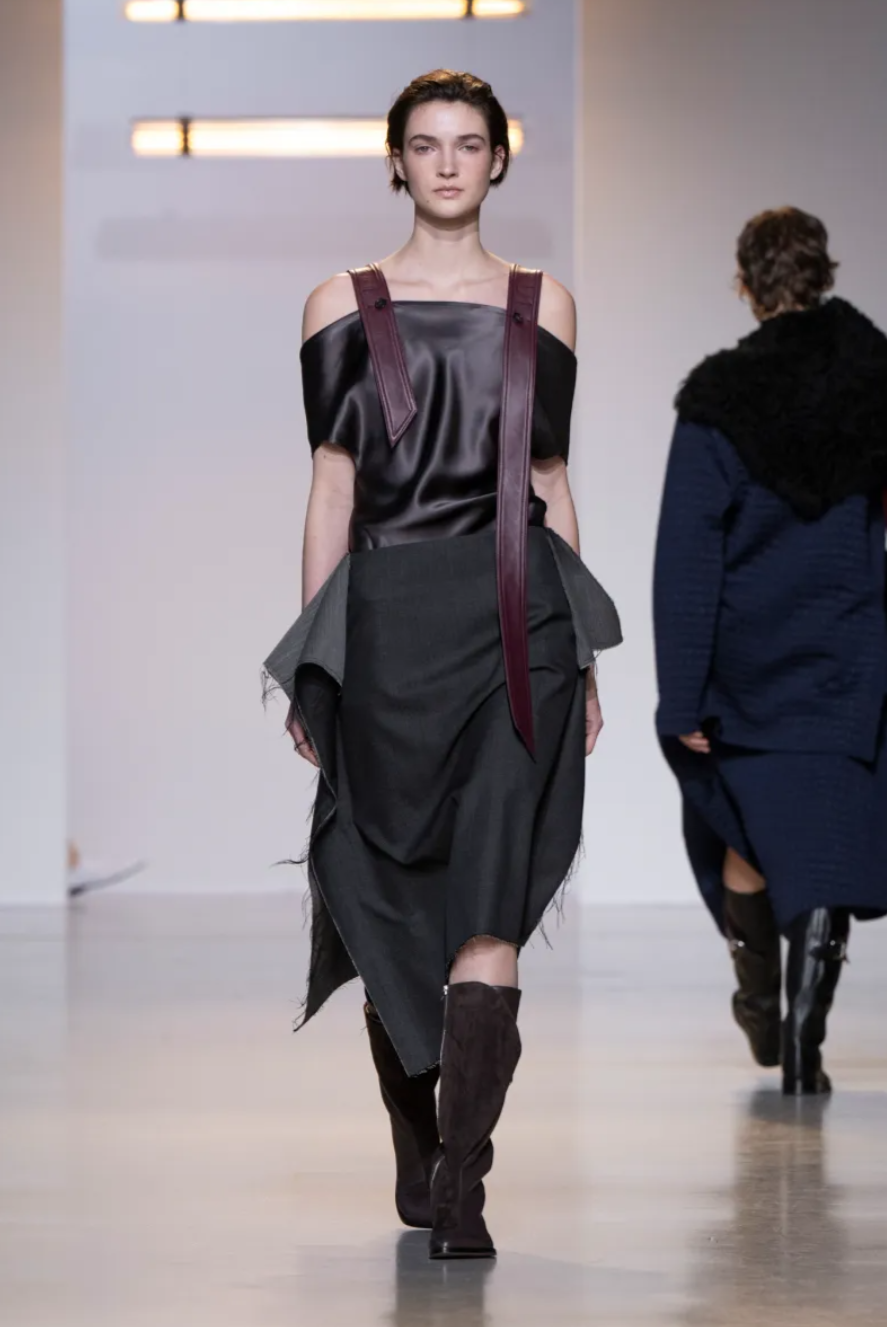
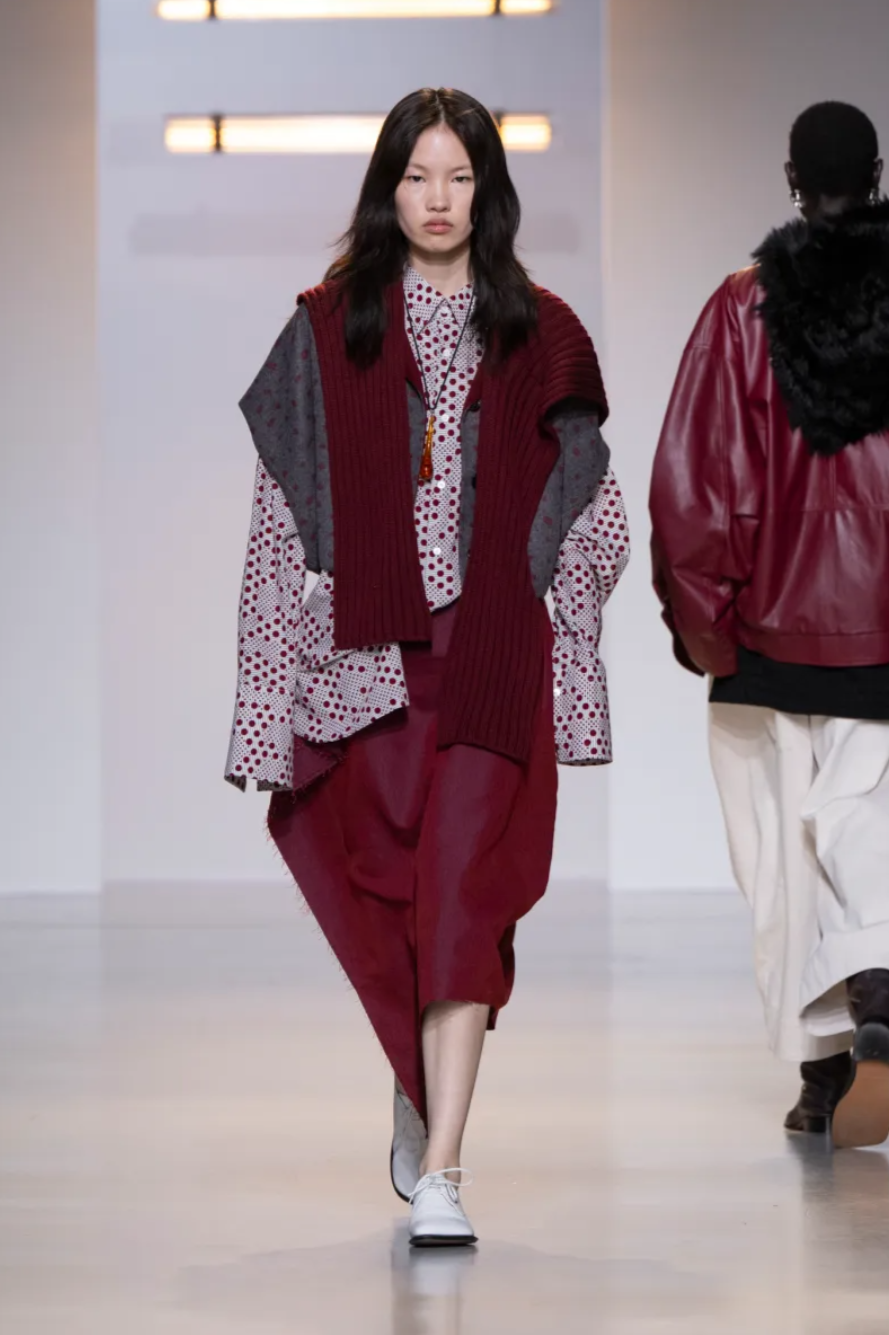
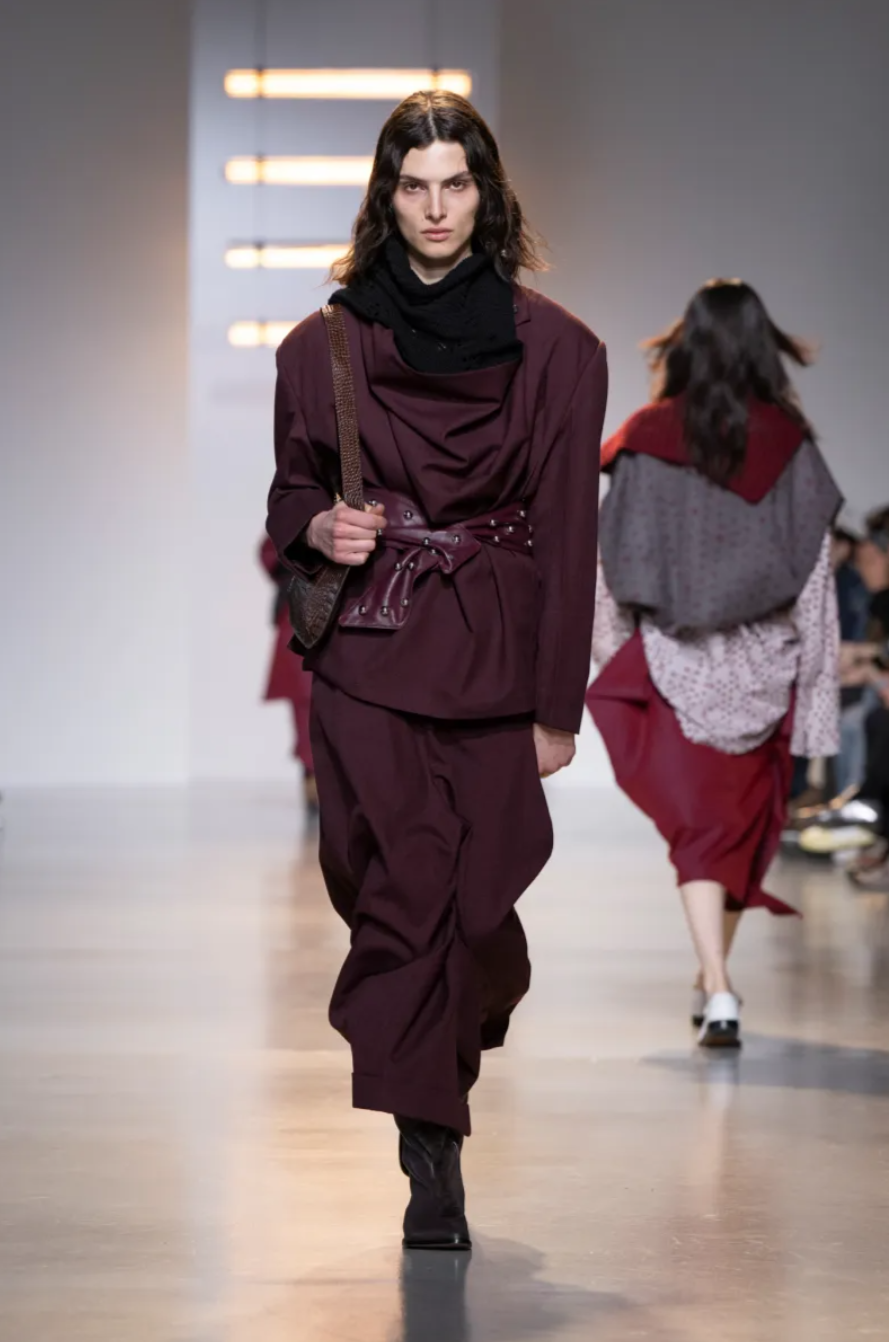
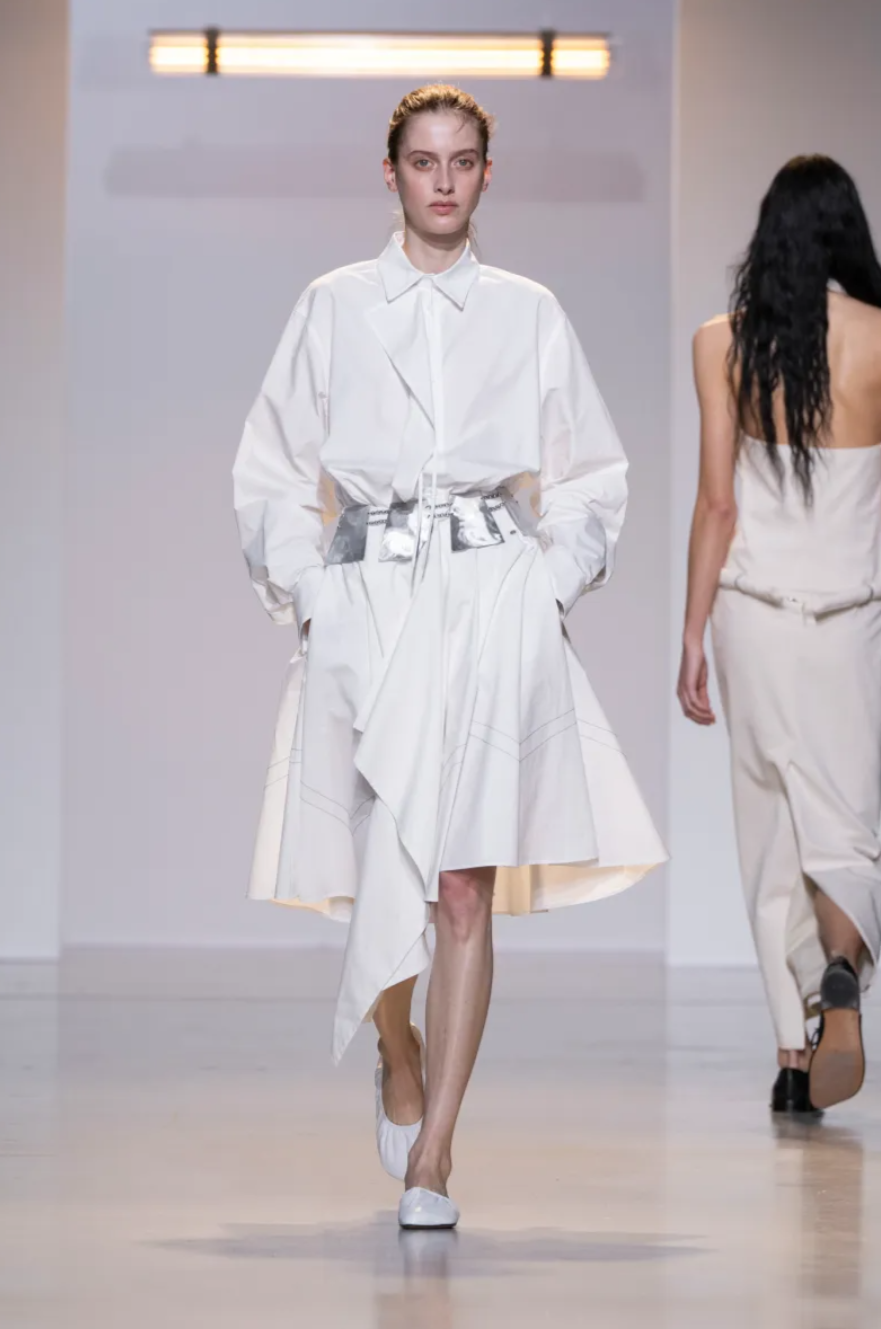
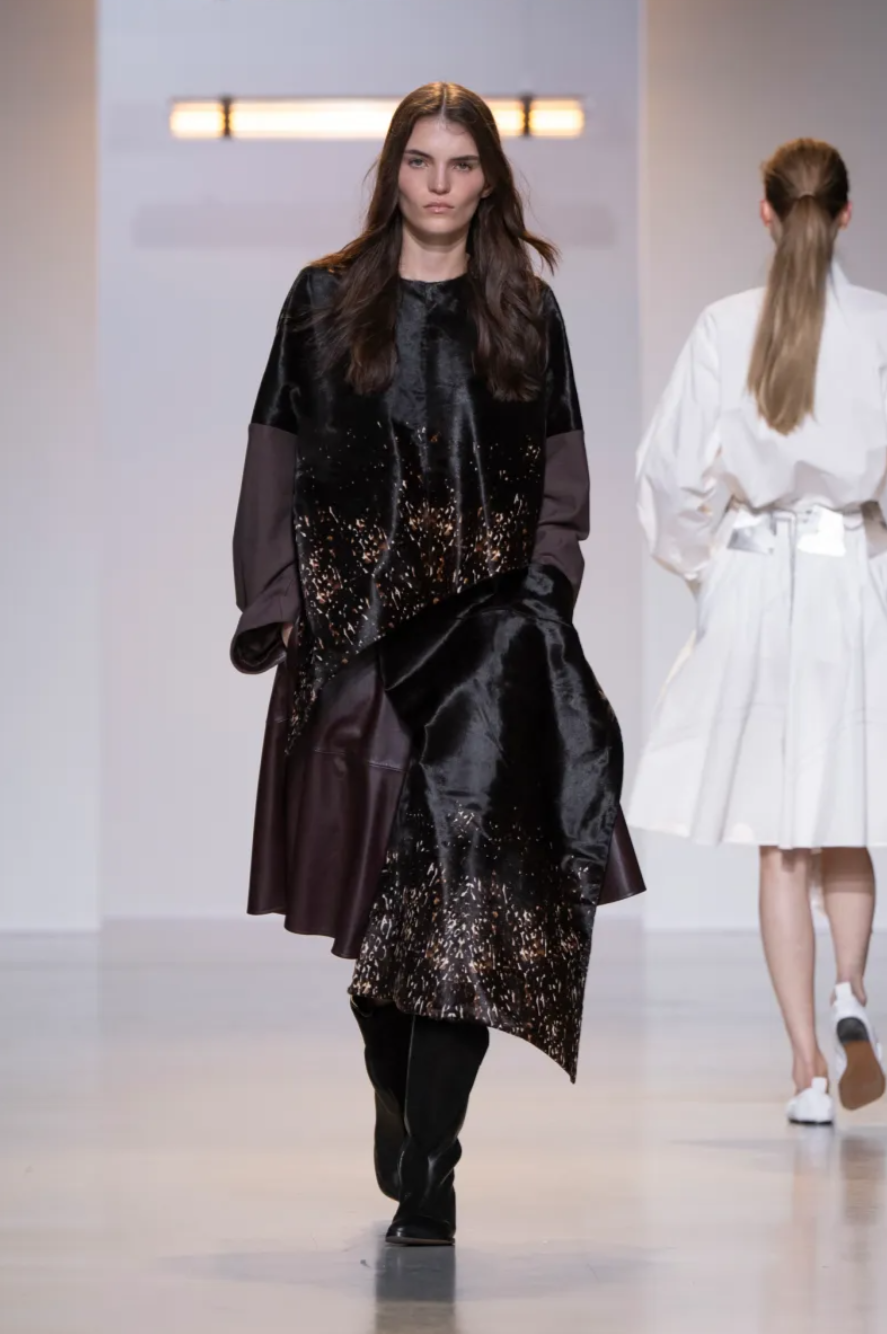
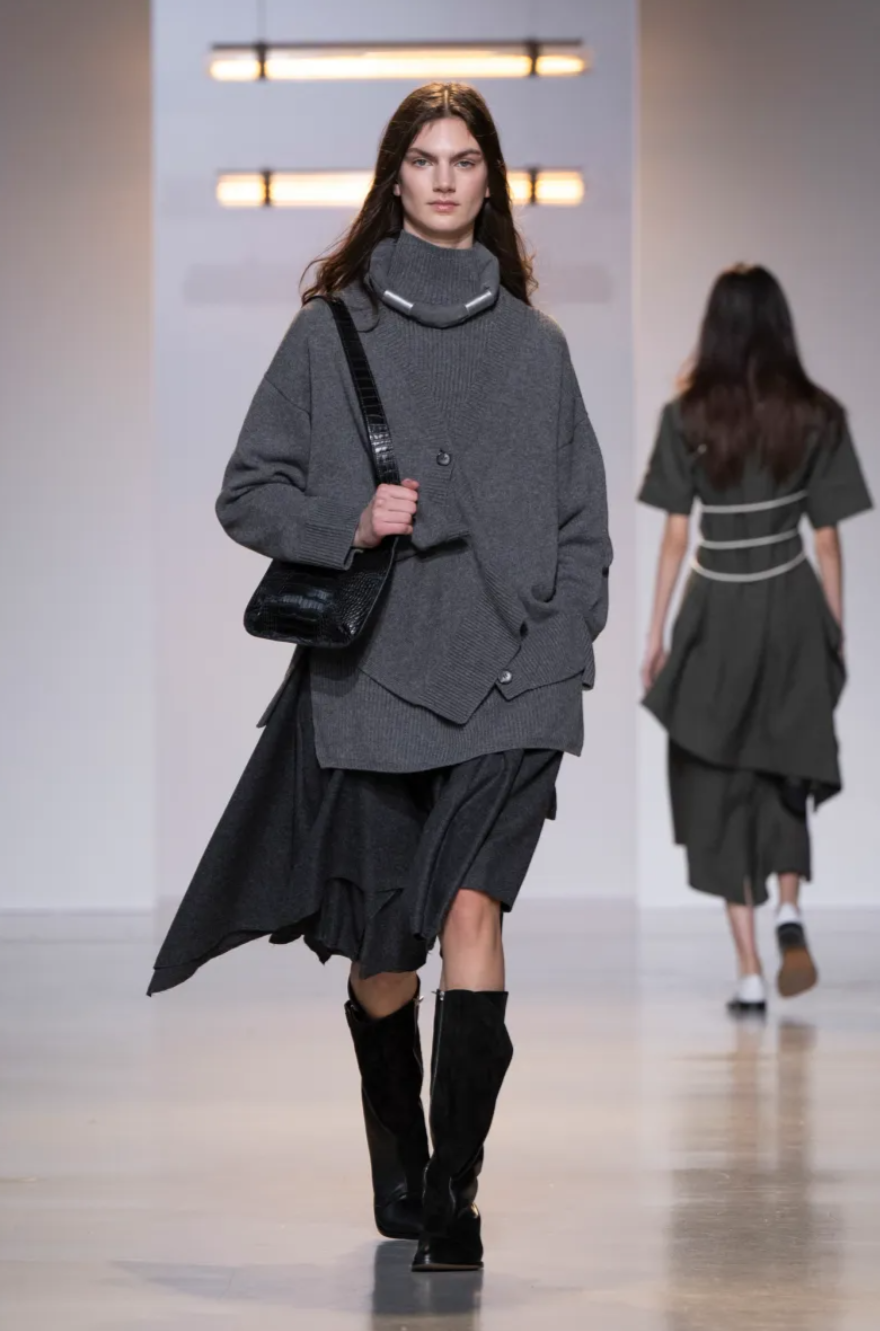
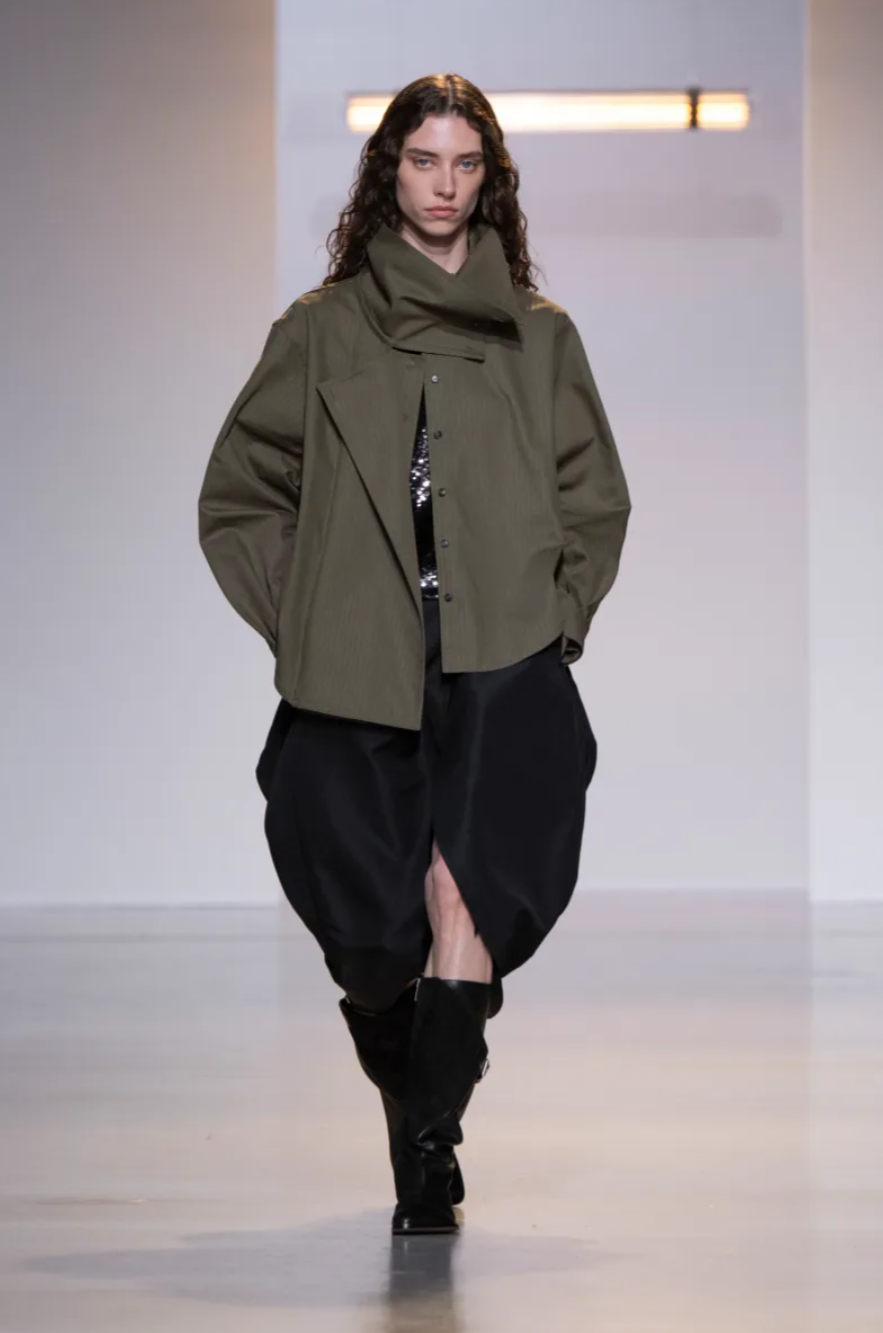
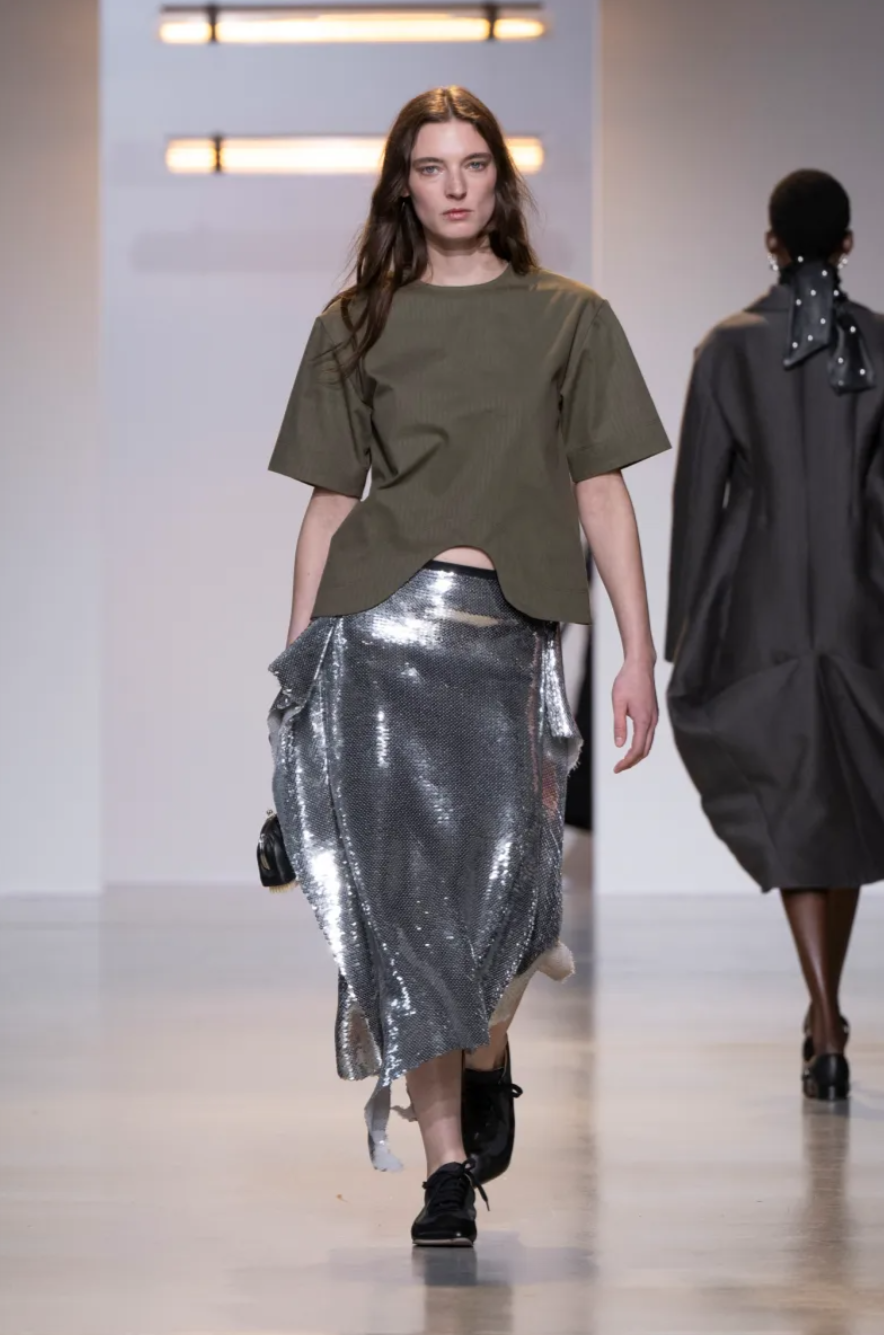
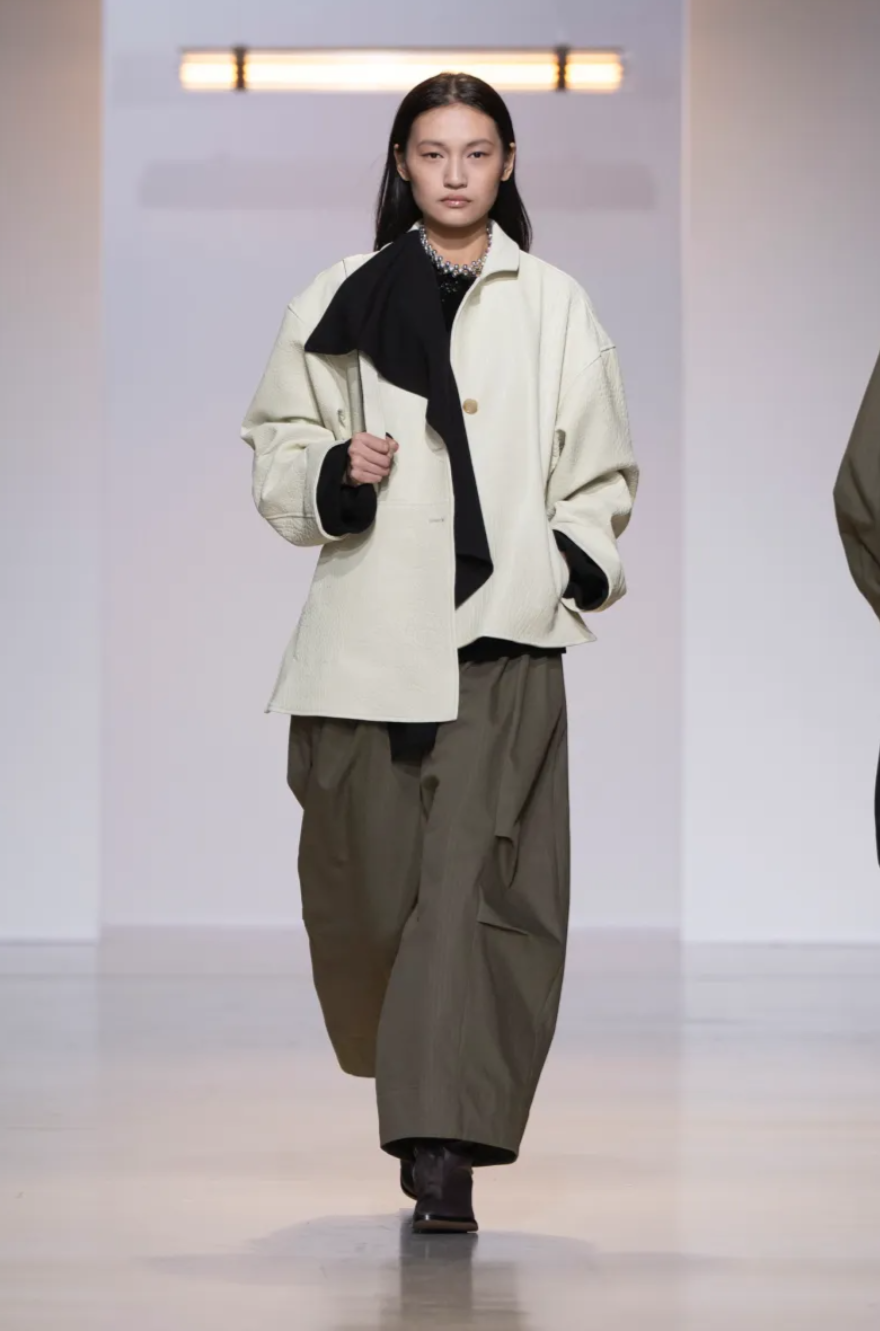
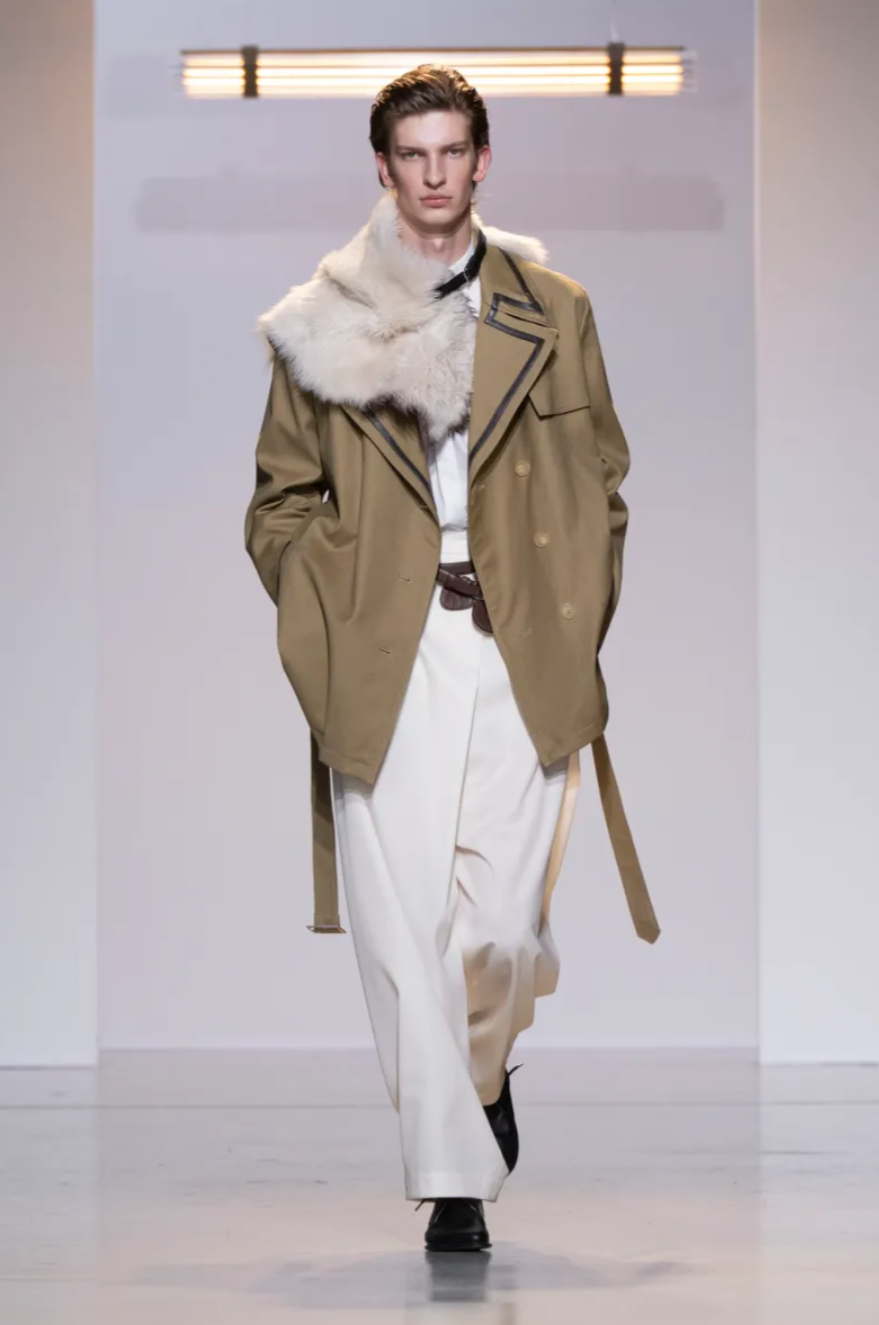
That sculptural instinct carried through the materials. Treated canvas held its shape with a quiet rigidity, while knits bearing alligator motifs and layered constructions added depth to otherwise minimal silhouettes. Pasqualetti’s technical manipulations were particularly striking: silk was engineered to resemble fur, and fabrics were dyed and stained to evoke earthy textures that looked almost excavated from the ground. The palette moved through deep reds, mossy greens, rusty oranges and saturated blues, punctuated occasionally by flashes of sequins that caught the light like sudden reflections on metal.
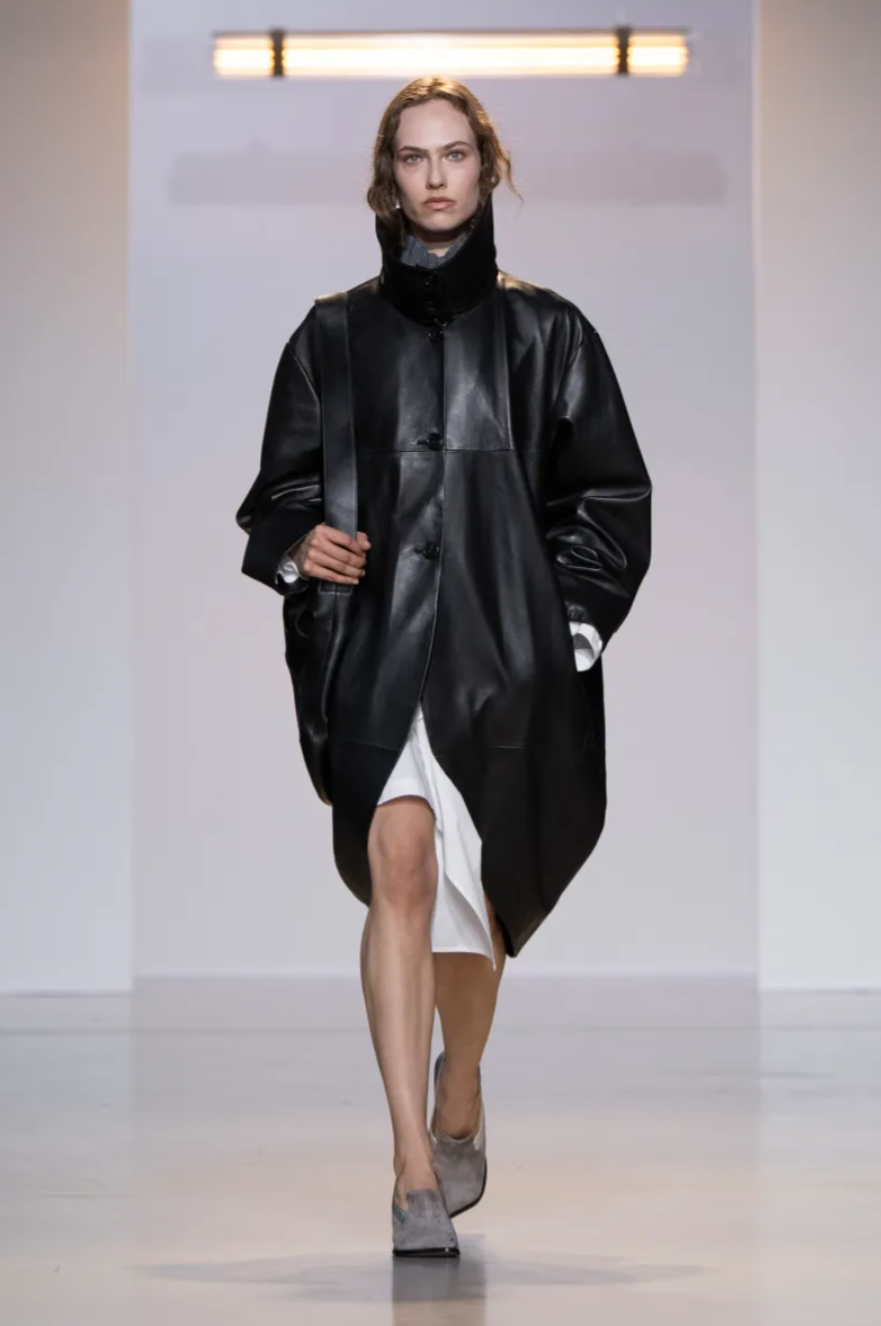
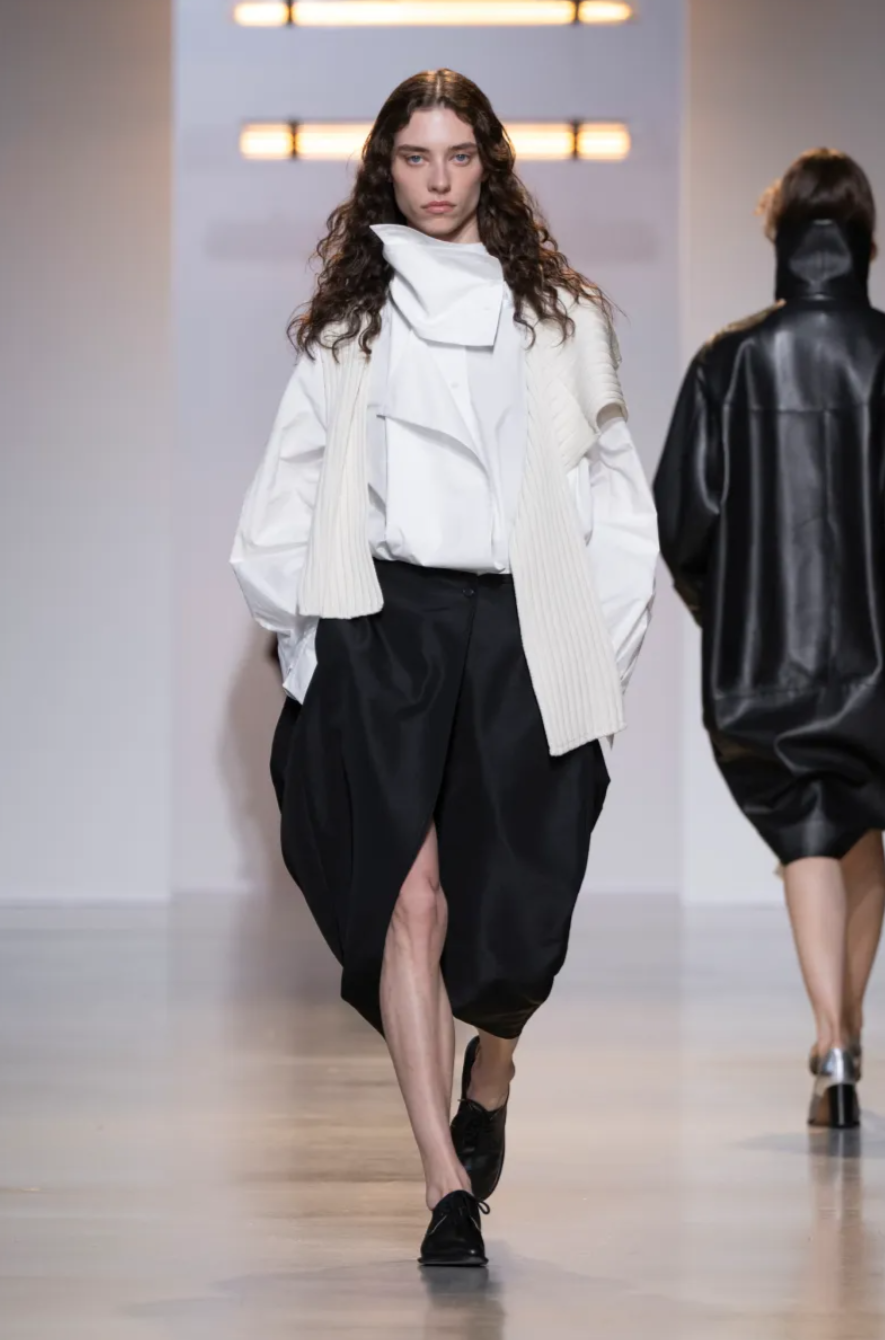
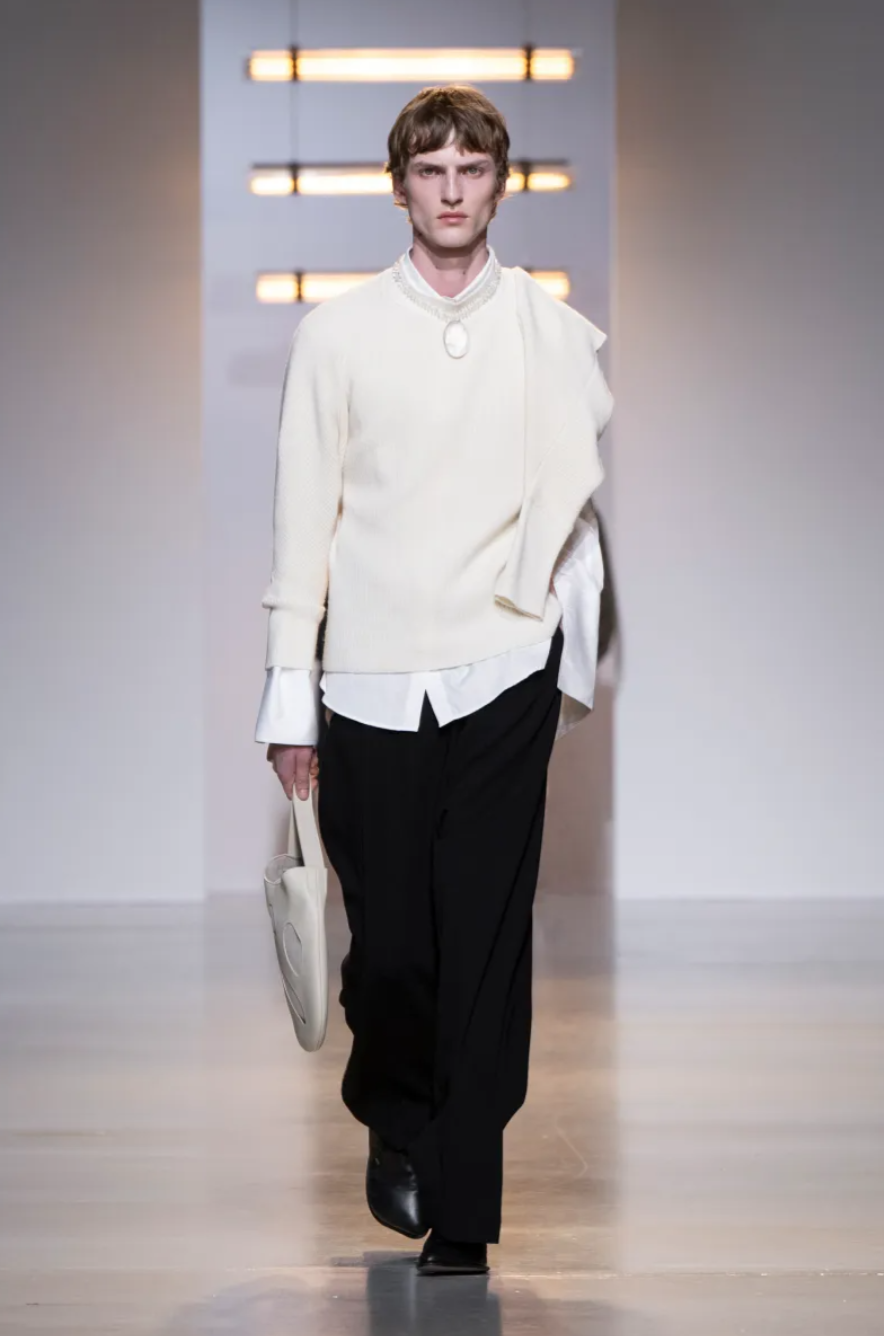
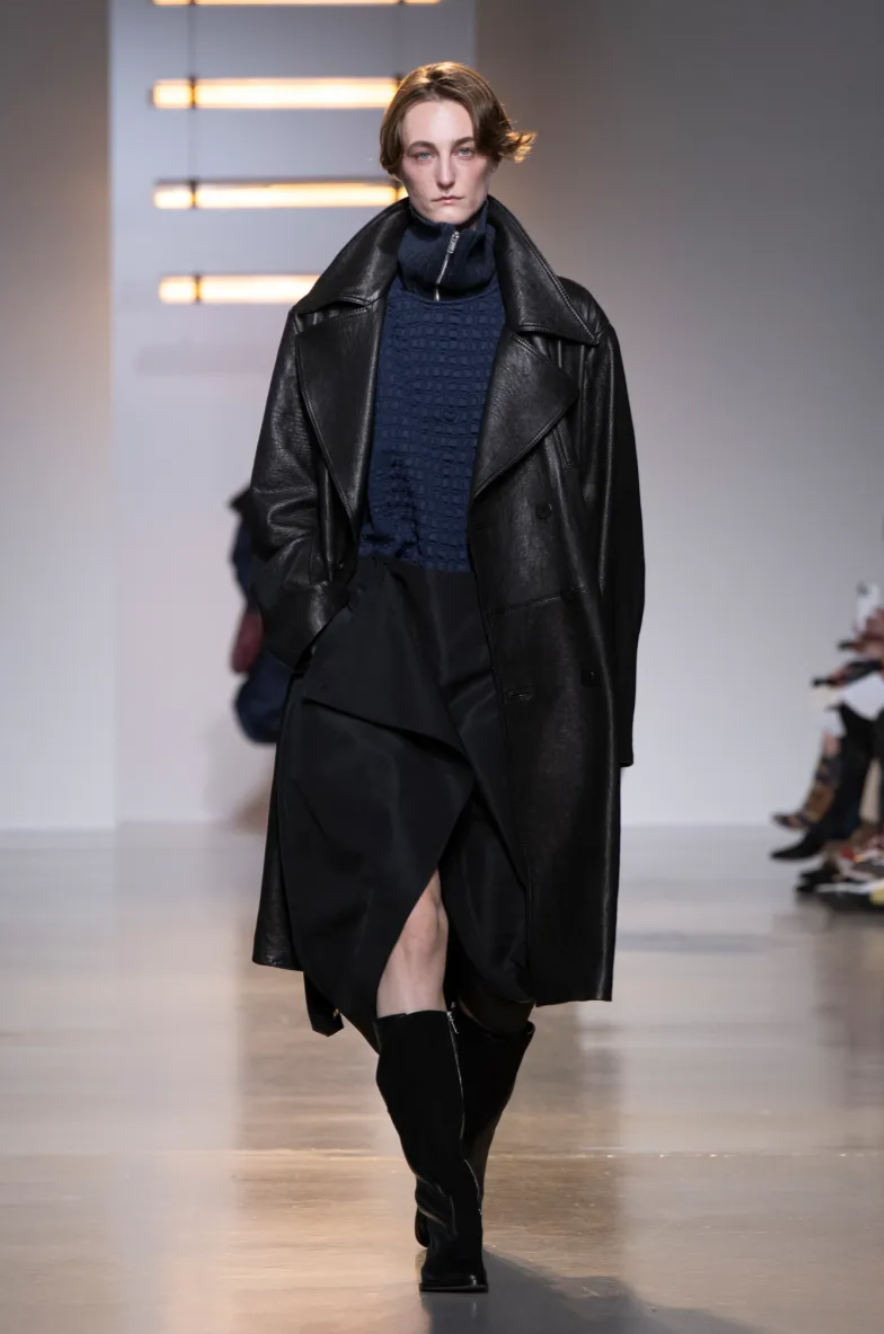
Silhouettes played with hybridity, a signature theme for the designer. Knitwear was layered in unexpected ways, including a one sleeve sweater draped over a crisp shirt so that the second sleeve hung forward like a scarf. Skirts and coats opened into inverted pleats at the back, creating cocoon like volumes that lifted away from the body. Men’s trousers were cut high at the waist and sliced at the knee to form pant skirt hybrids, while long skirts twisted and slit along the leg, dissolving the line between tailoring and drapery. Even the eveningwear followed this logic: sequined gowns in silver and pale peach shimmered with glamour, yet were paired with flat boots or brogues, grounding the look in something deliberately pragmatic. The result was a collection that felt both primal and precise, a reminder that Pasqualetti’s real subject is not clothing alone but the strange, shifting relationship between the body and the objects we place upon it.