N. Hoolywood Spring 2027
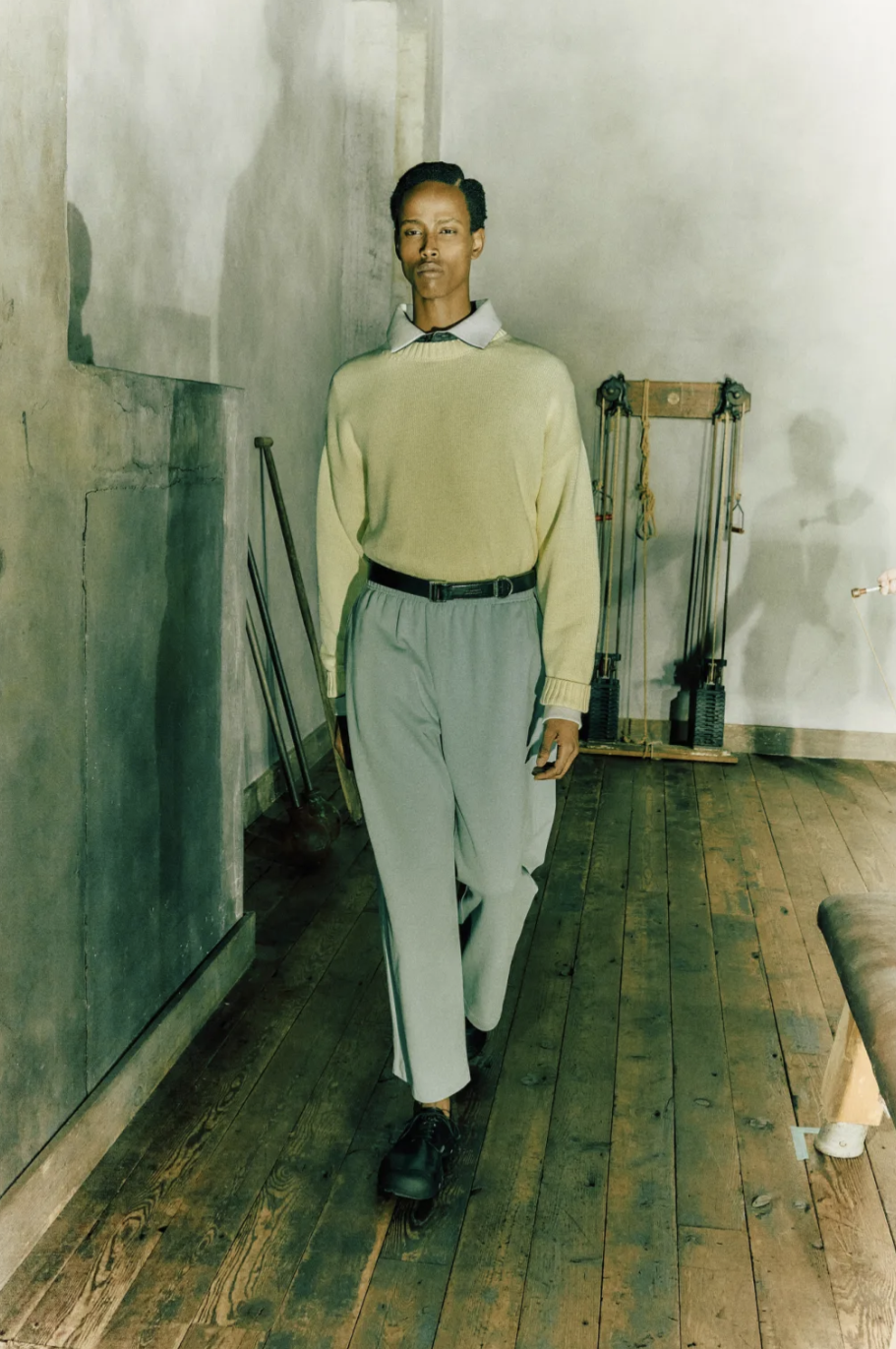
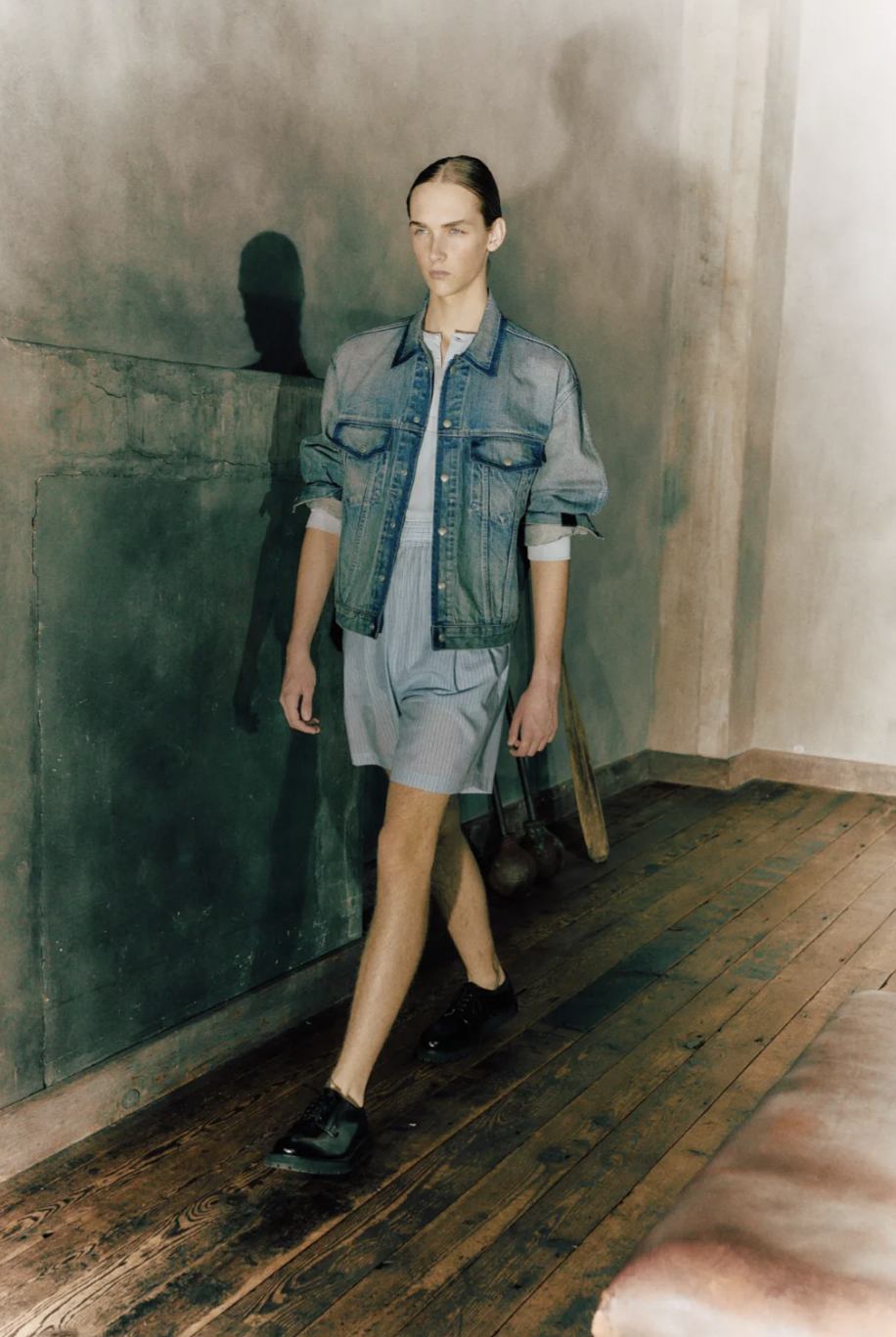
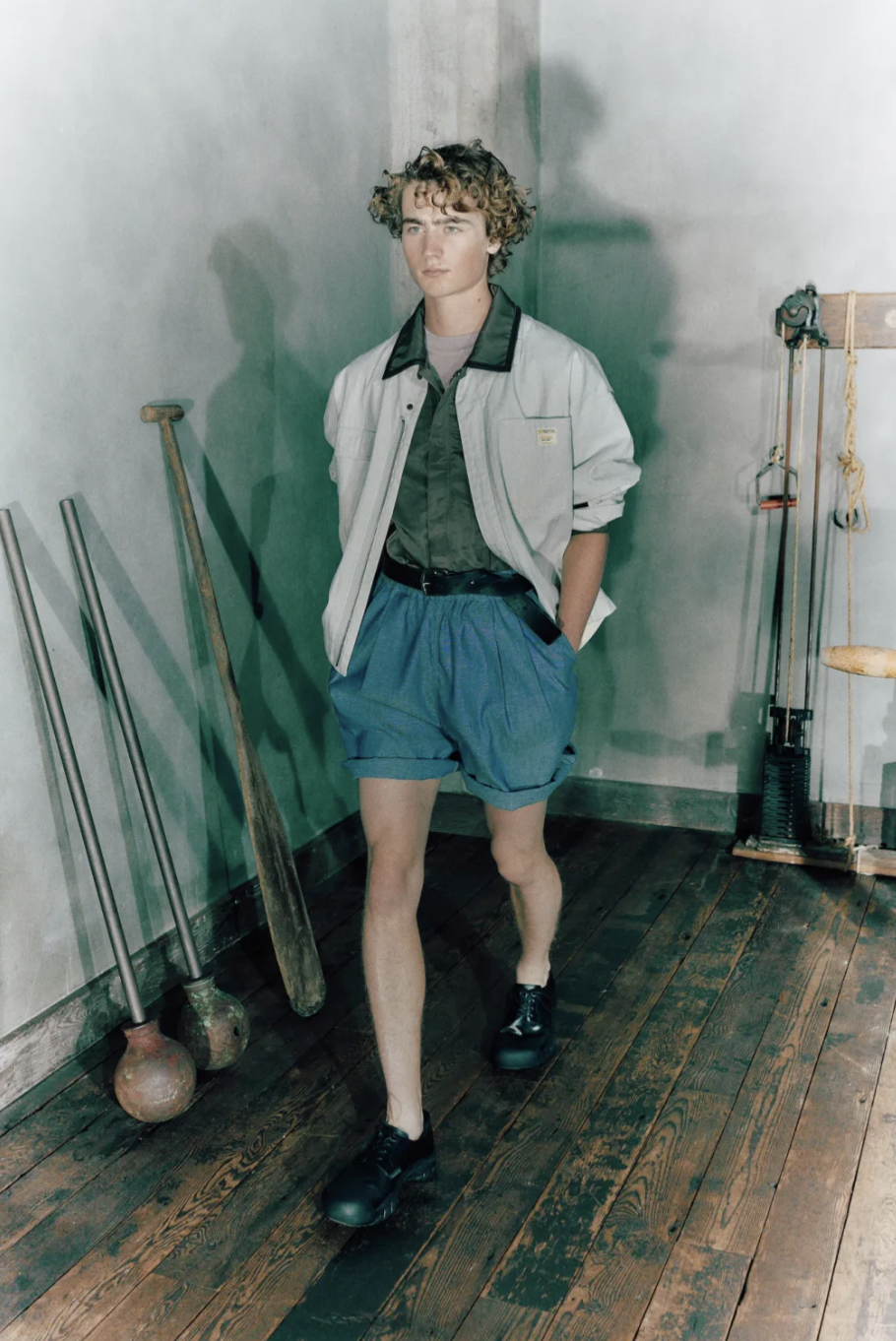
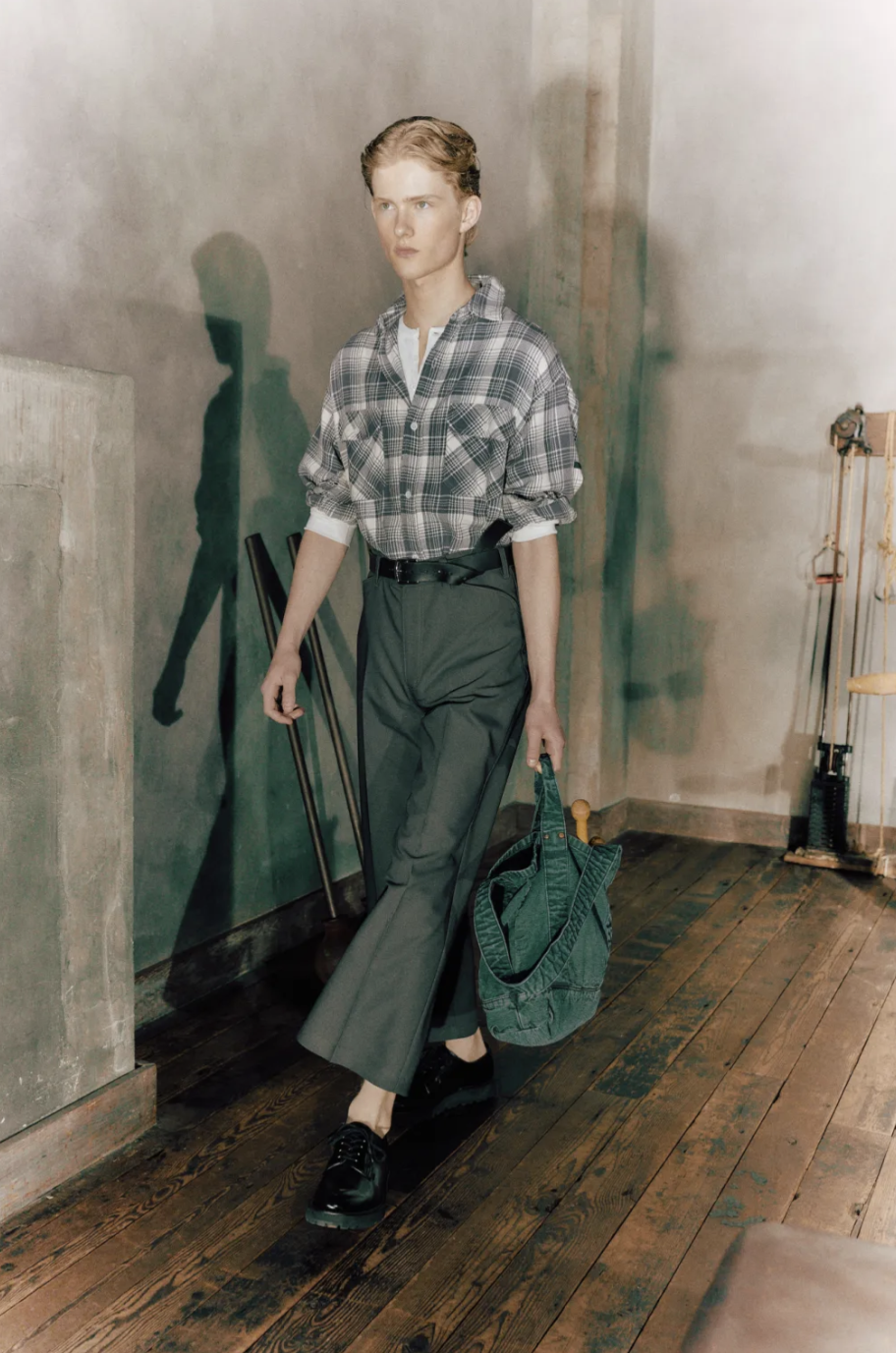
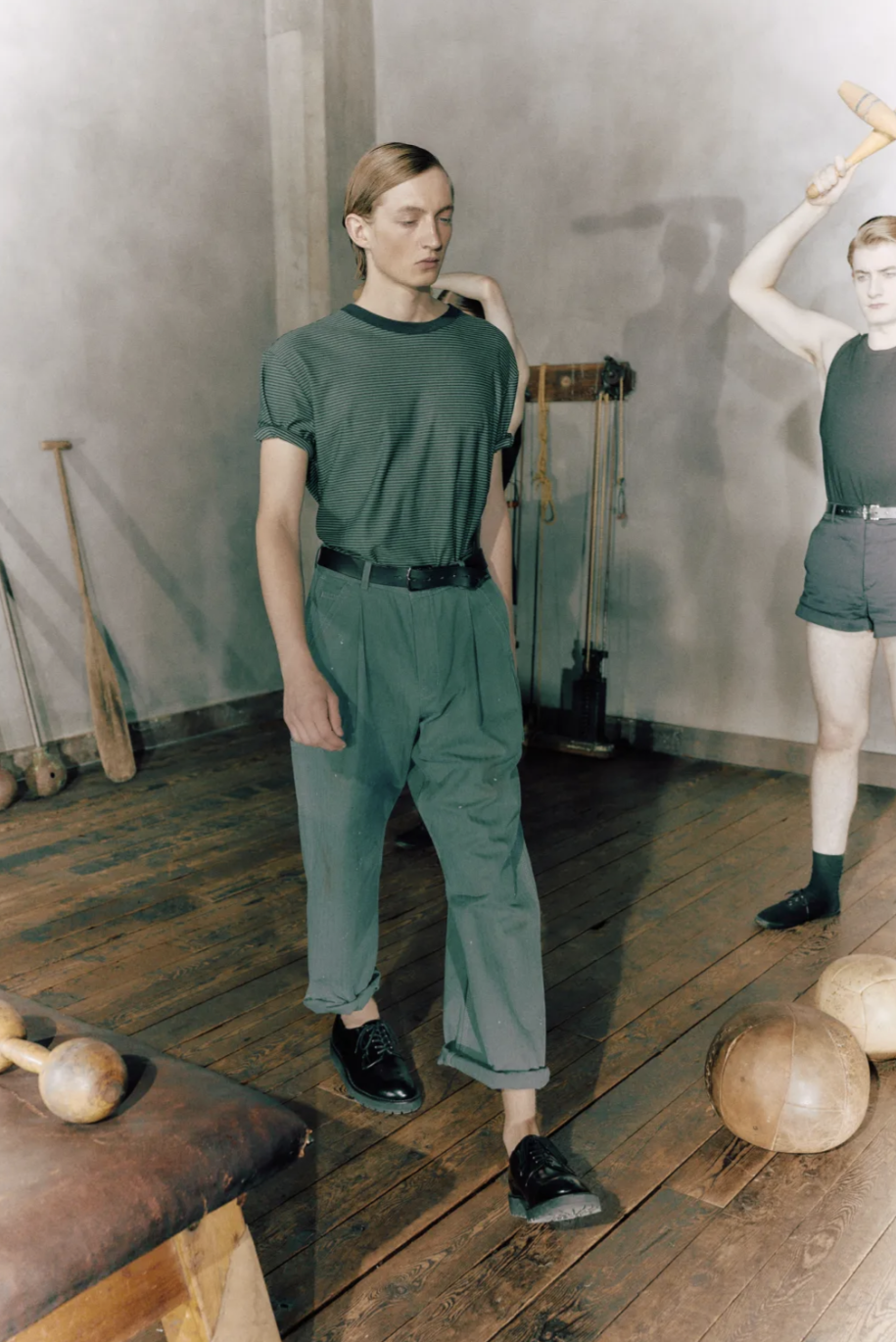
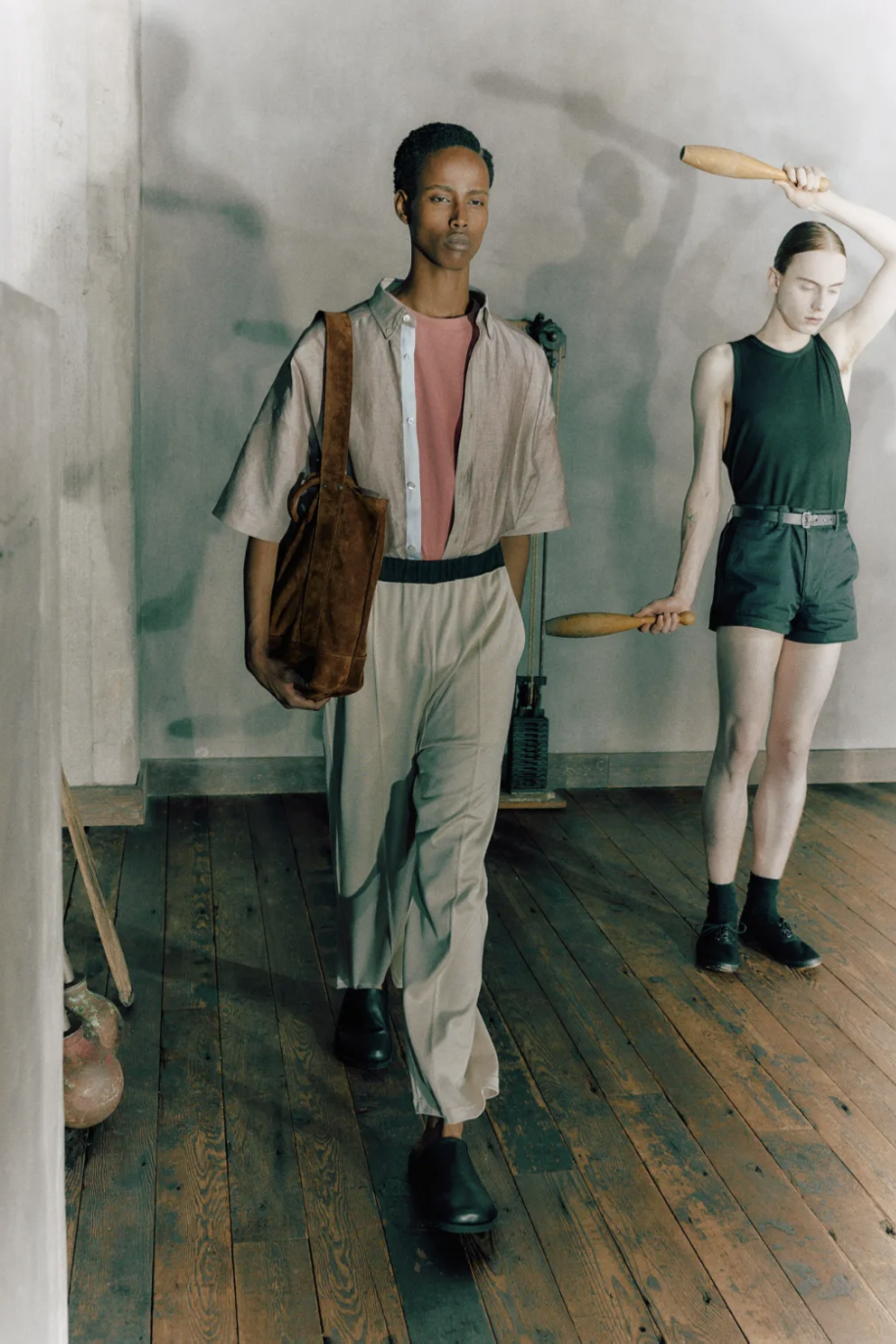
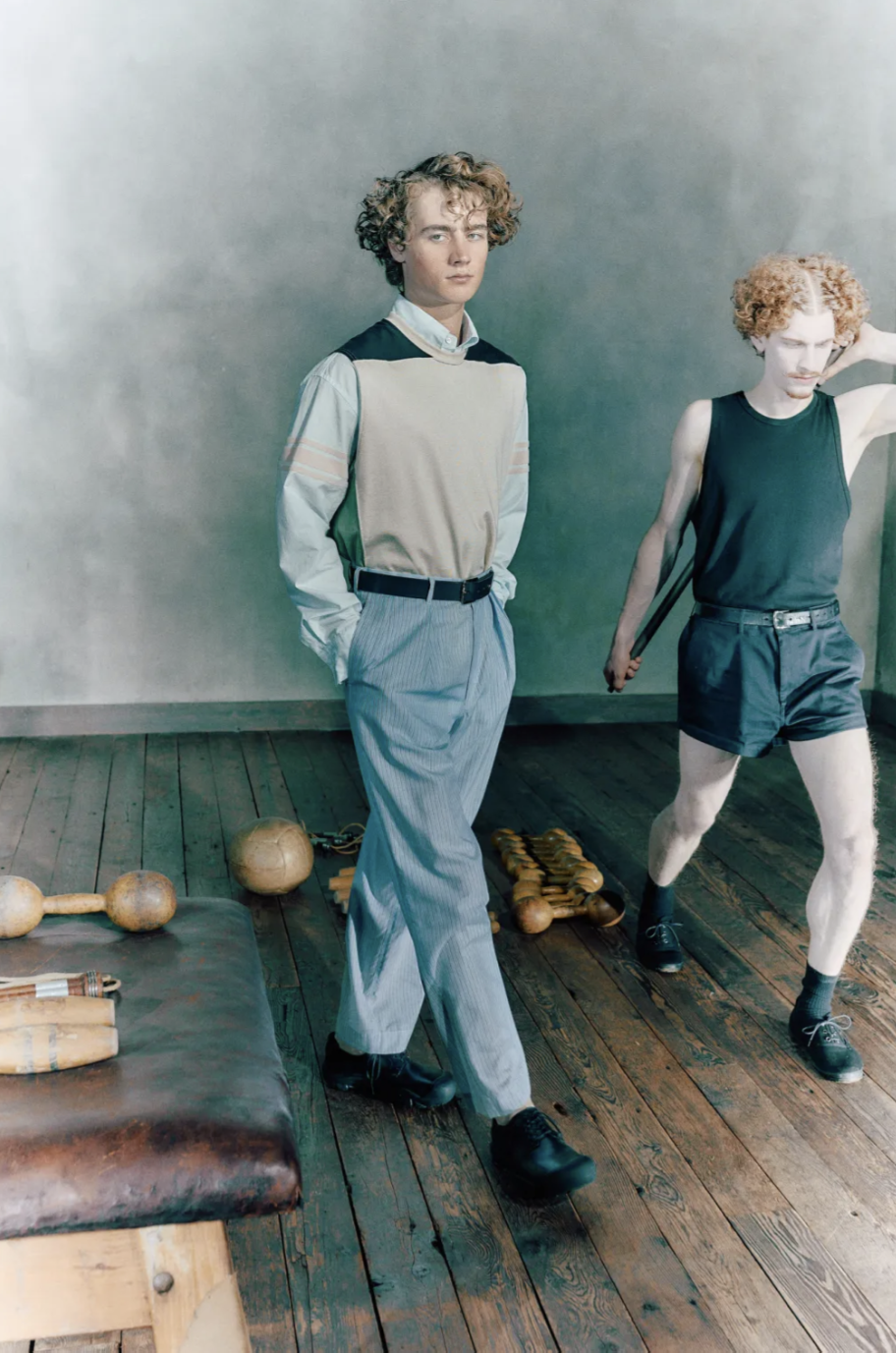
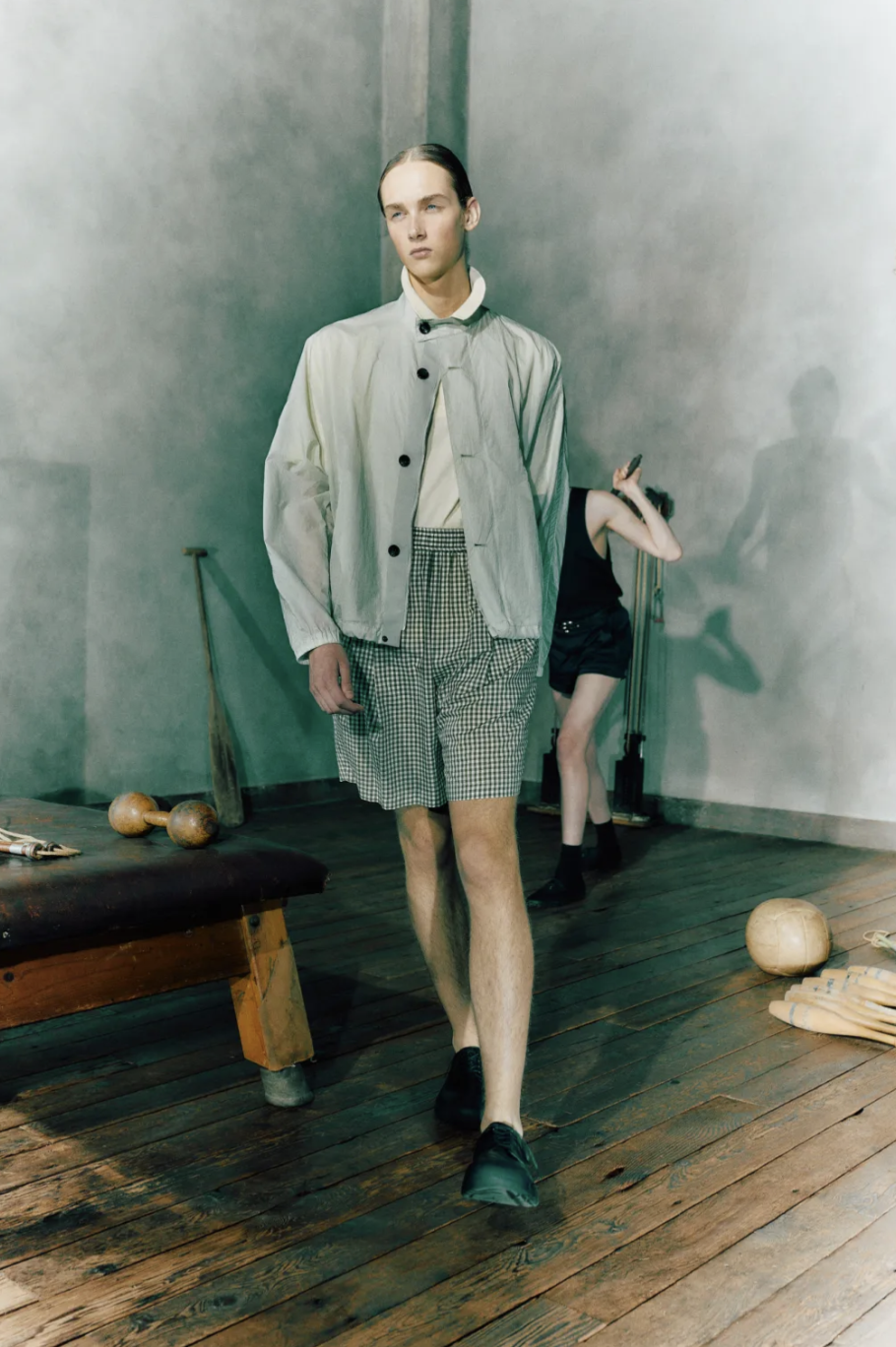
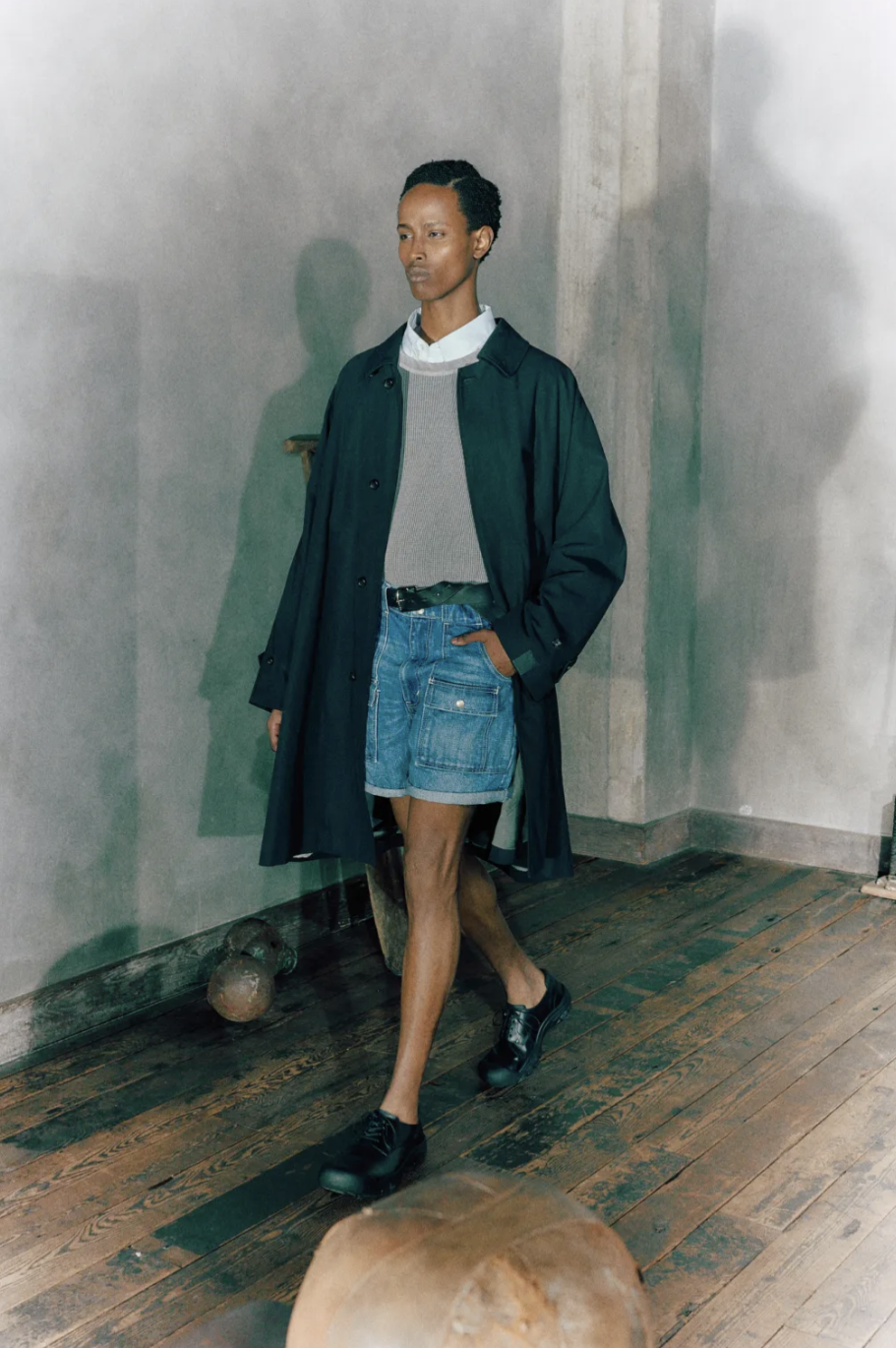
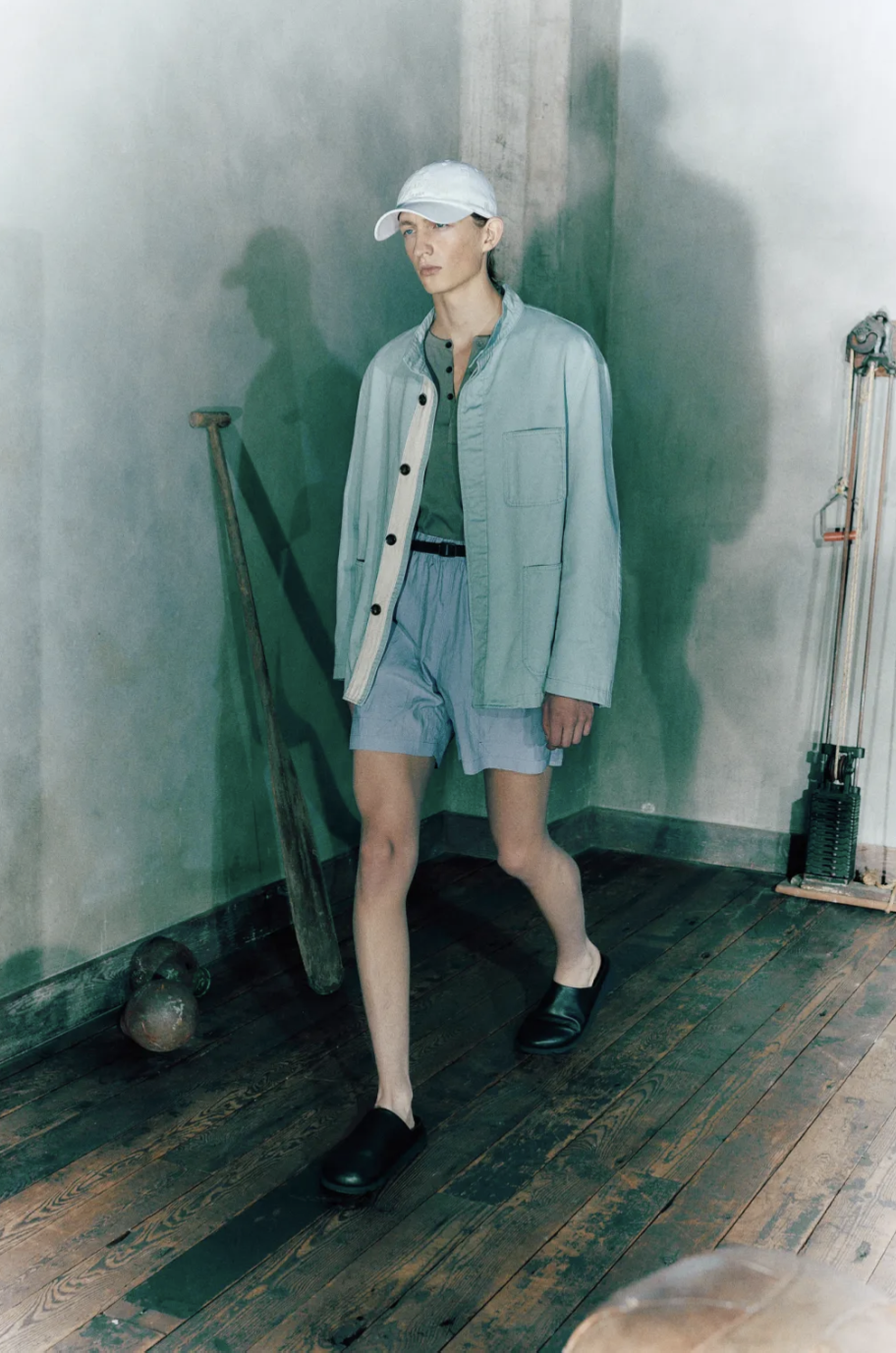
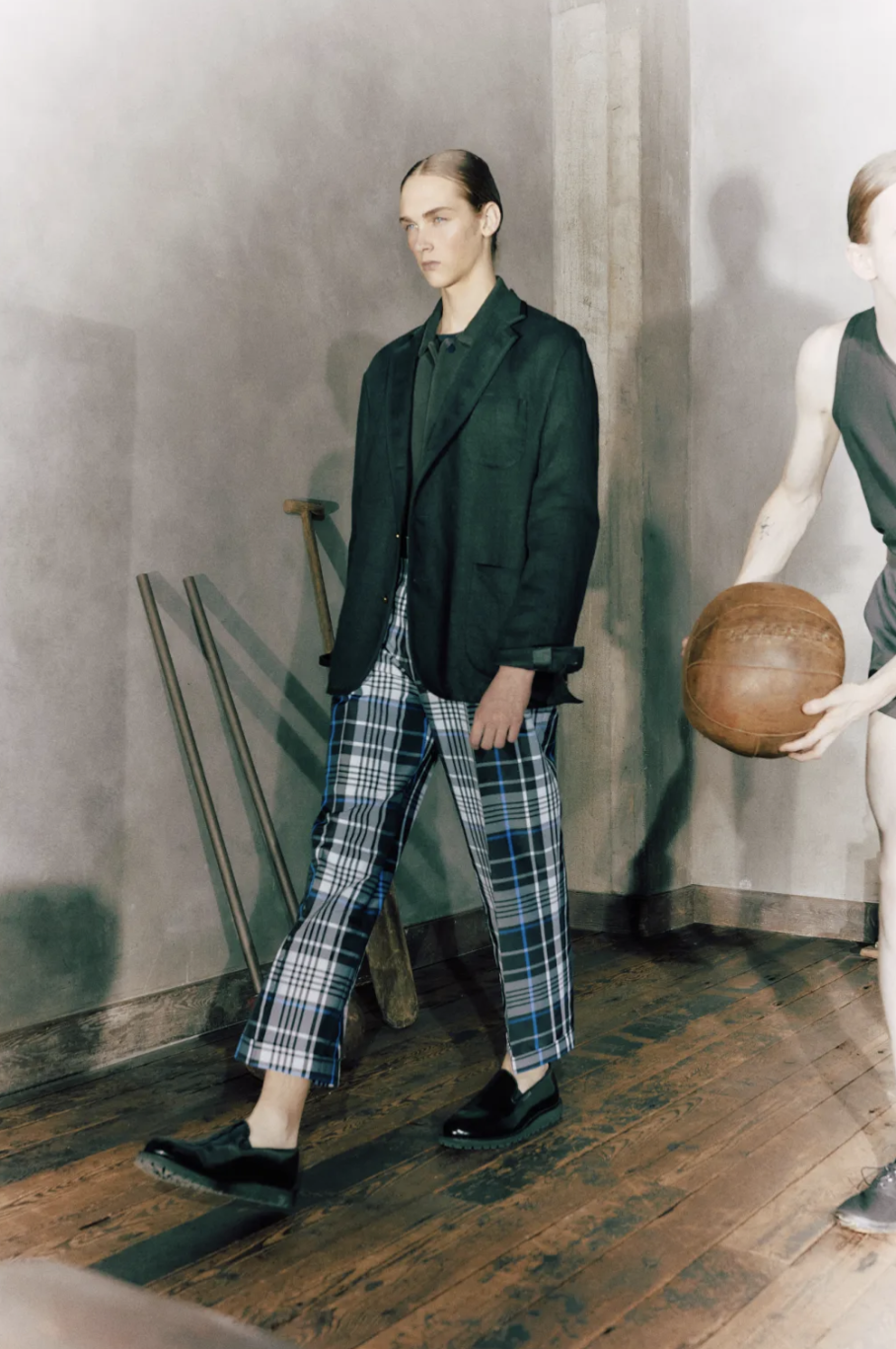
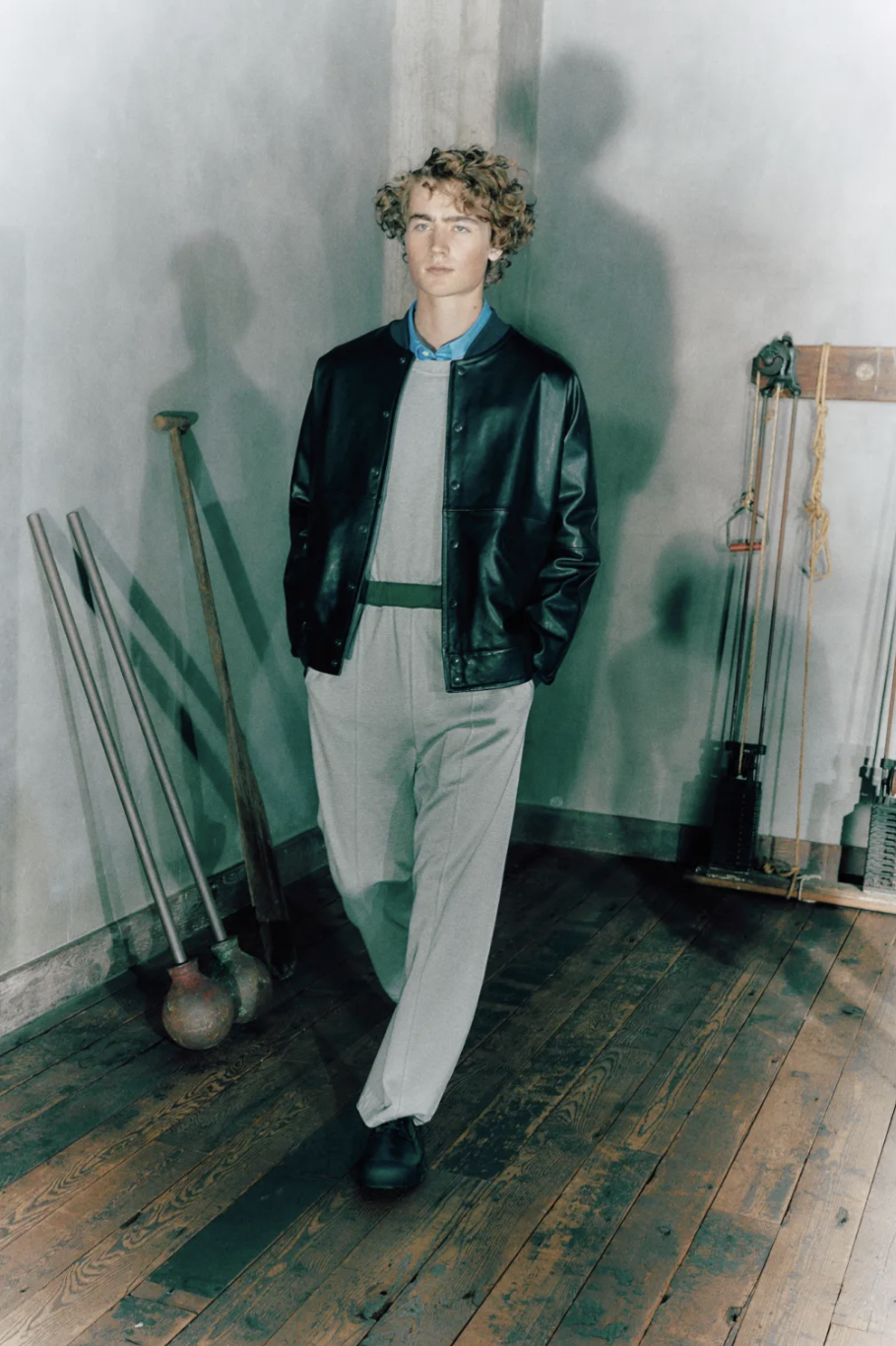
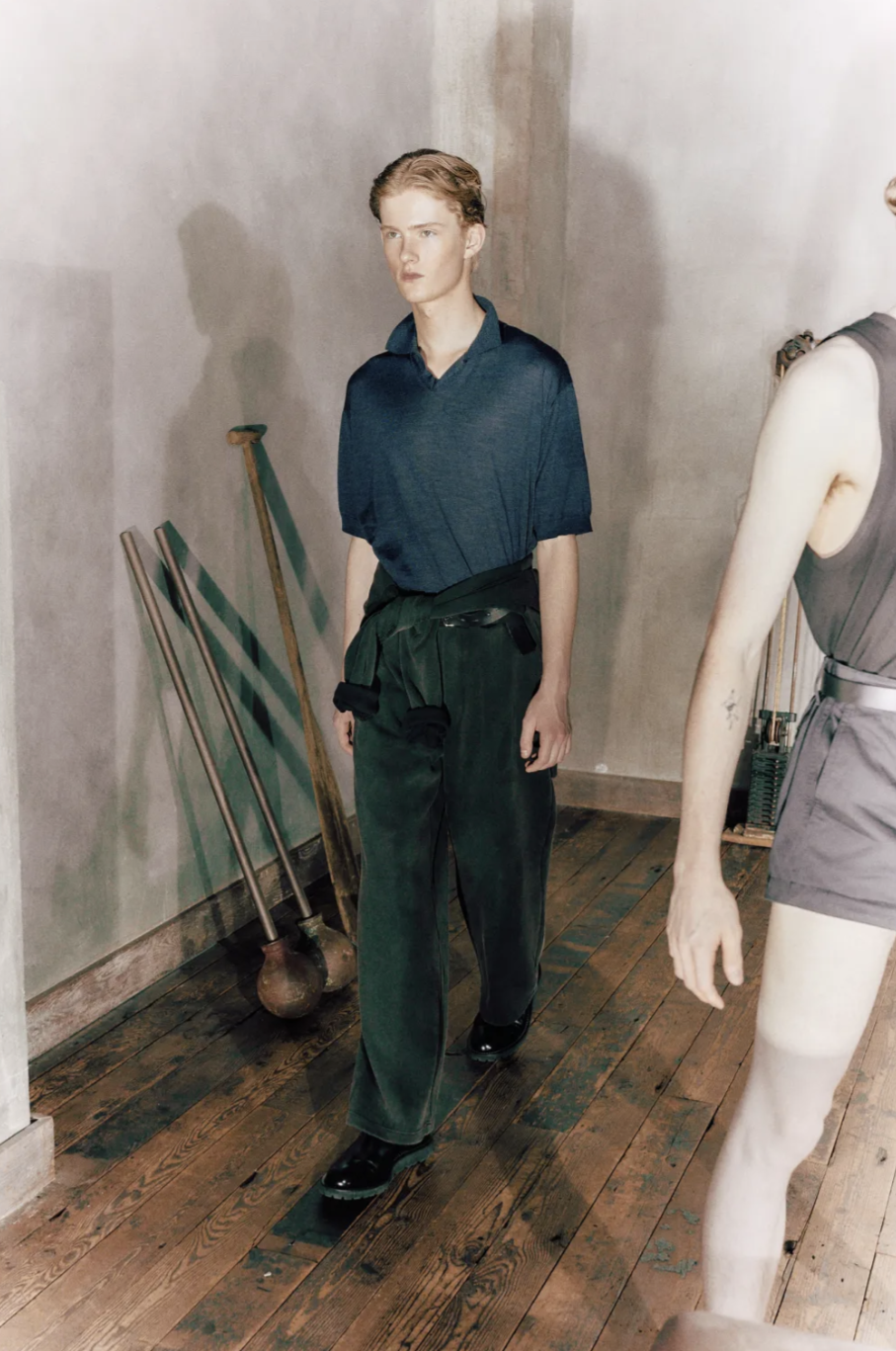
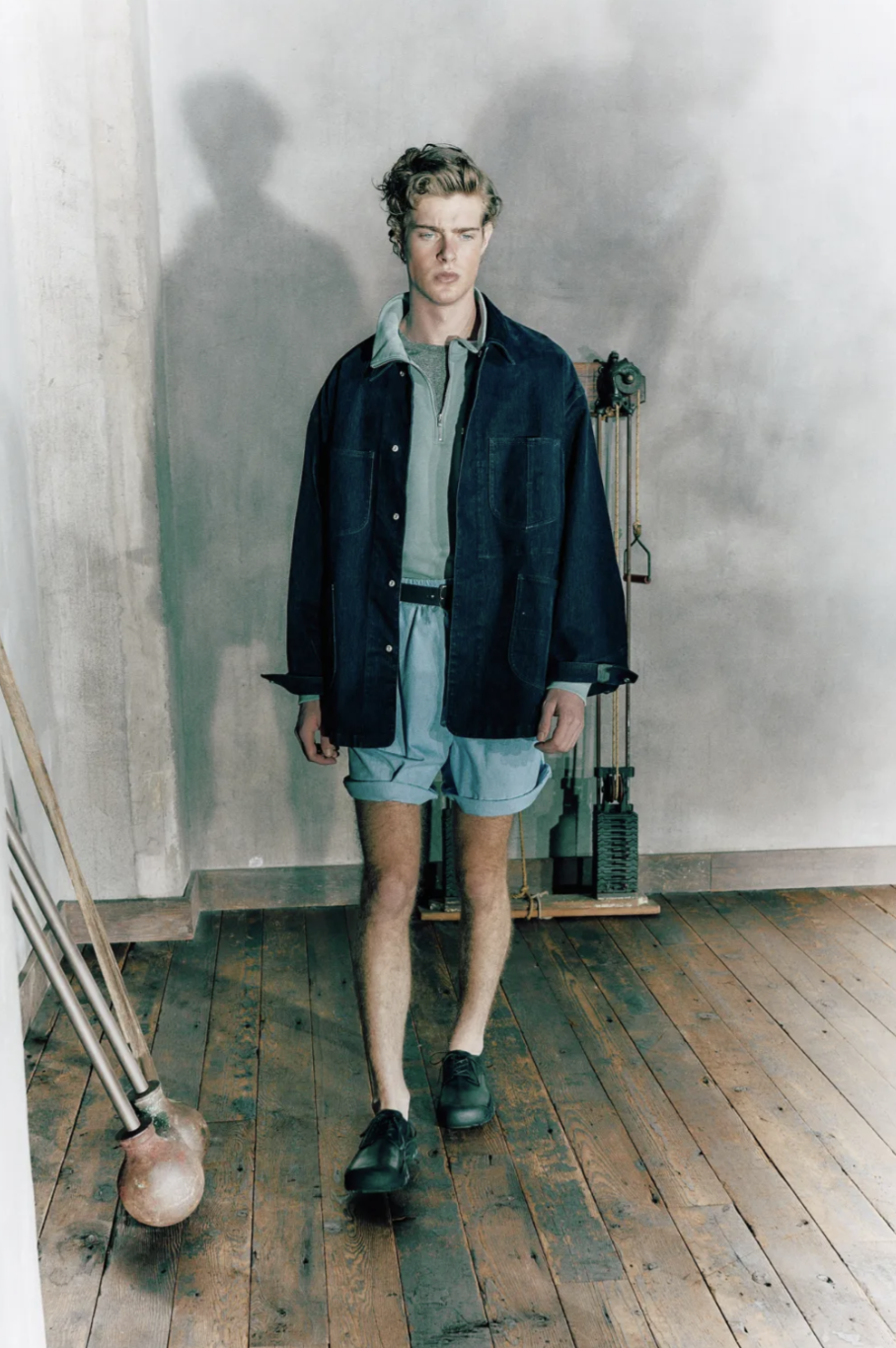
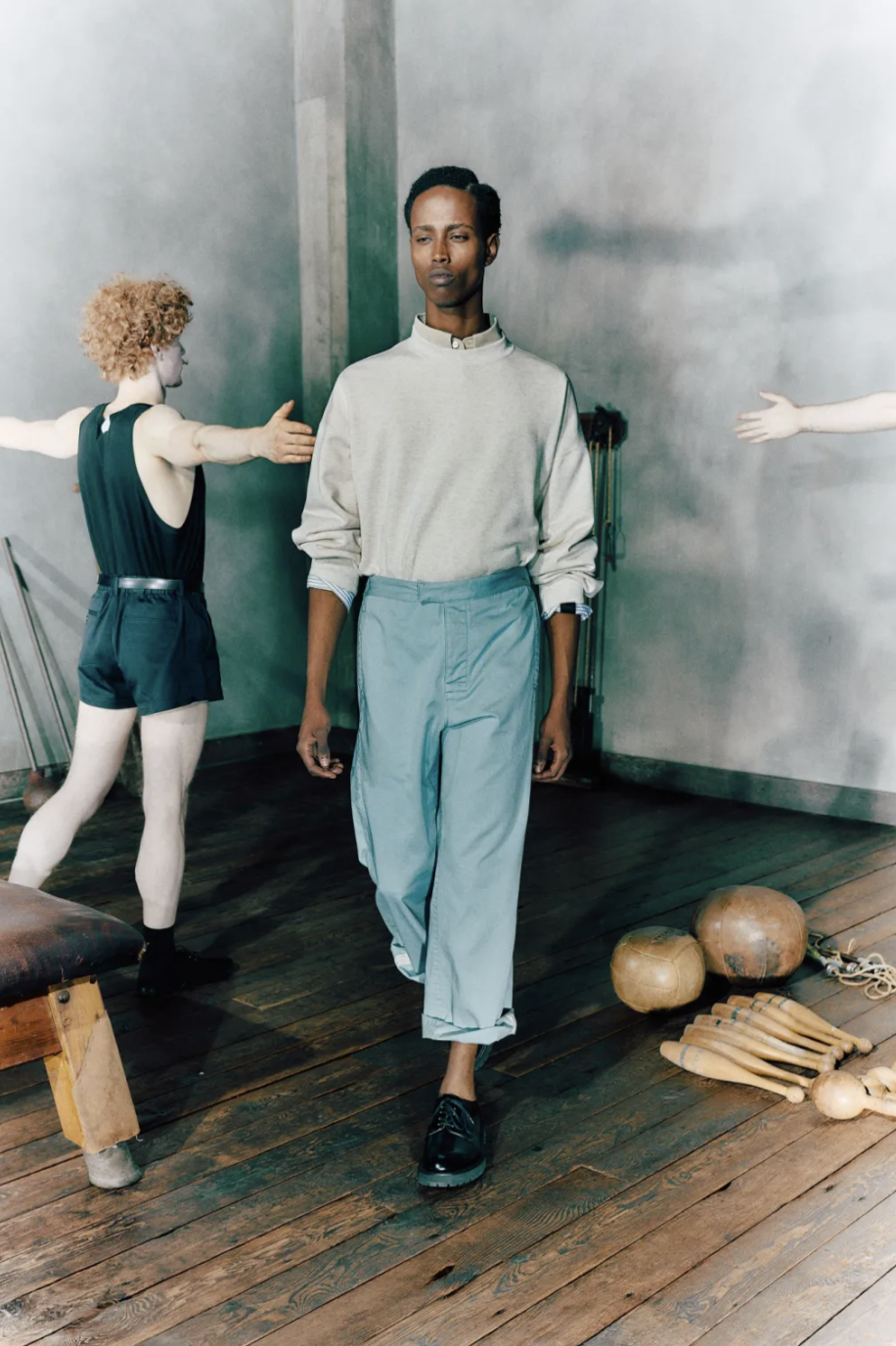
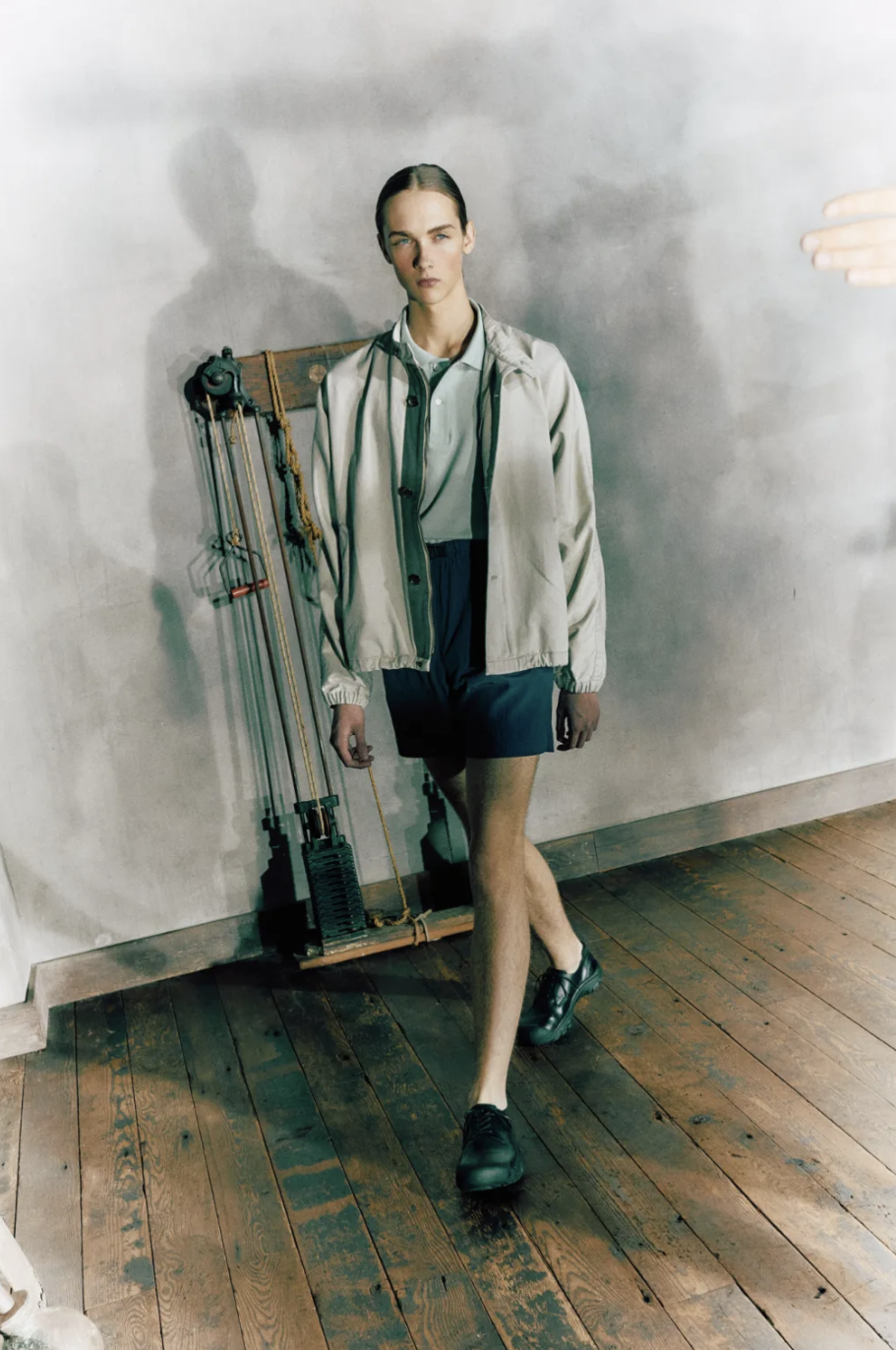
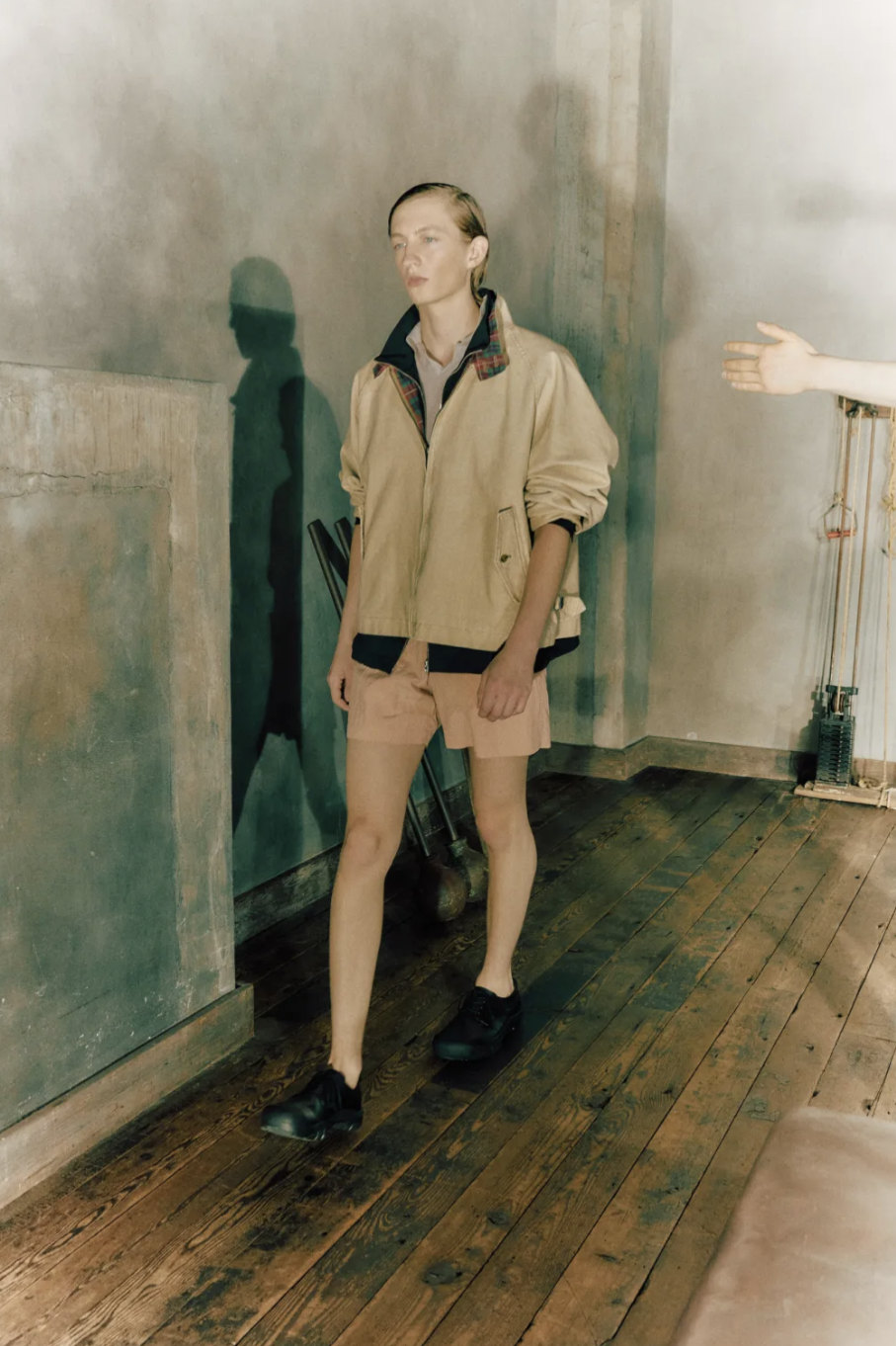
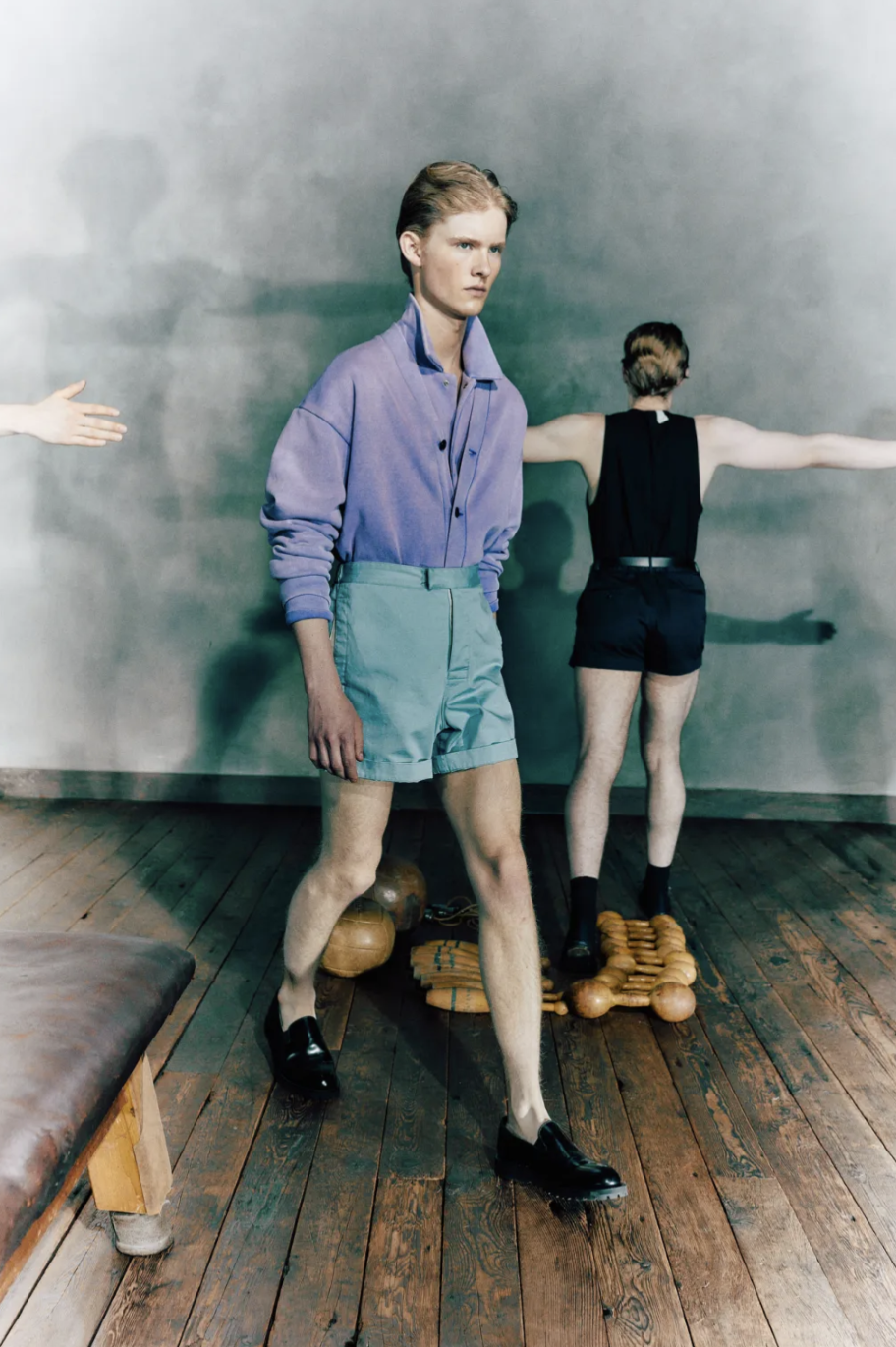
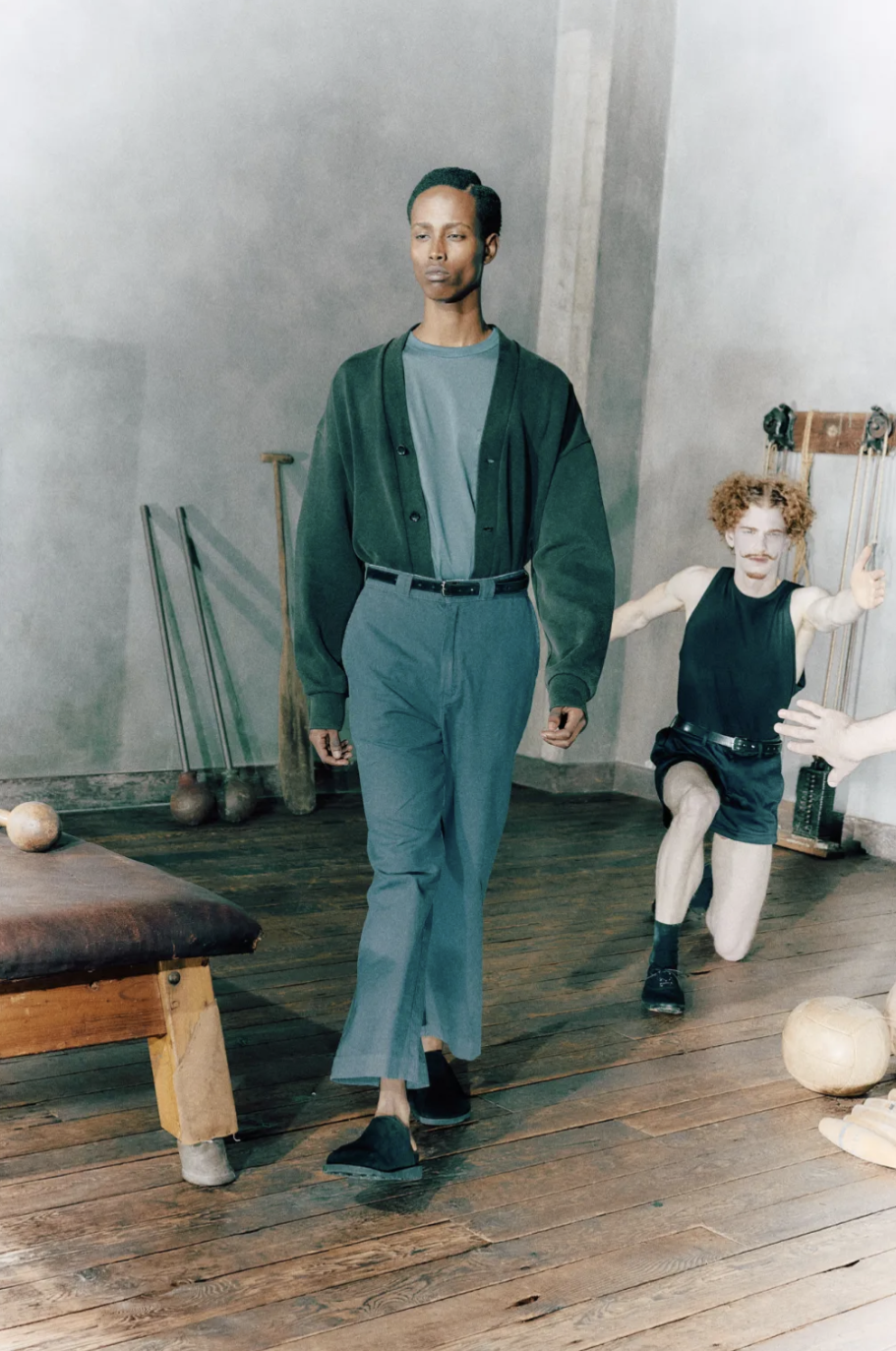
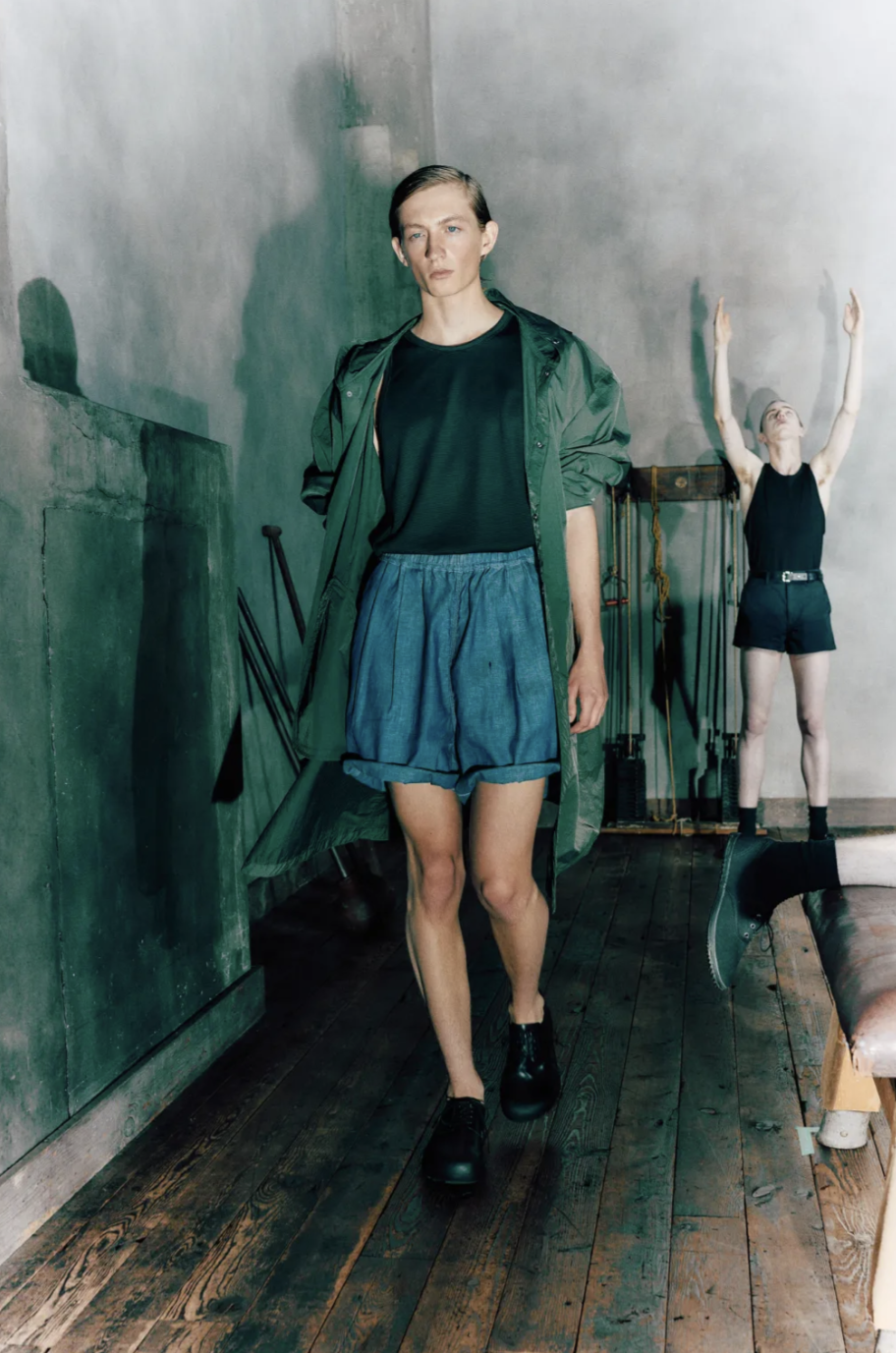
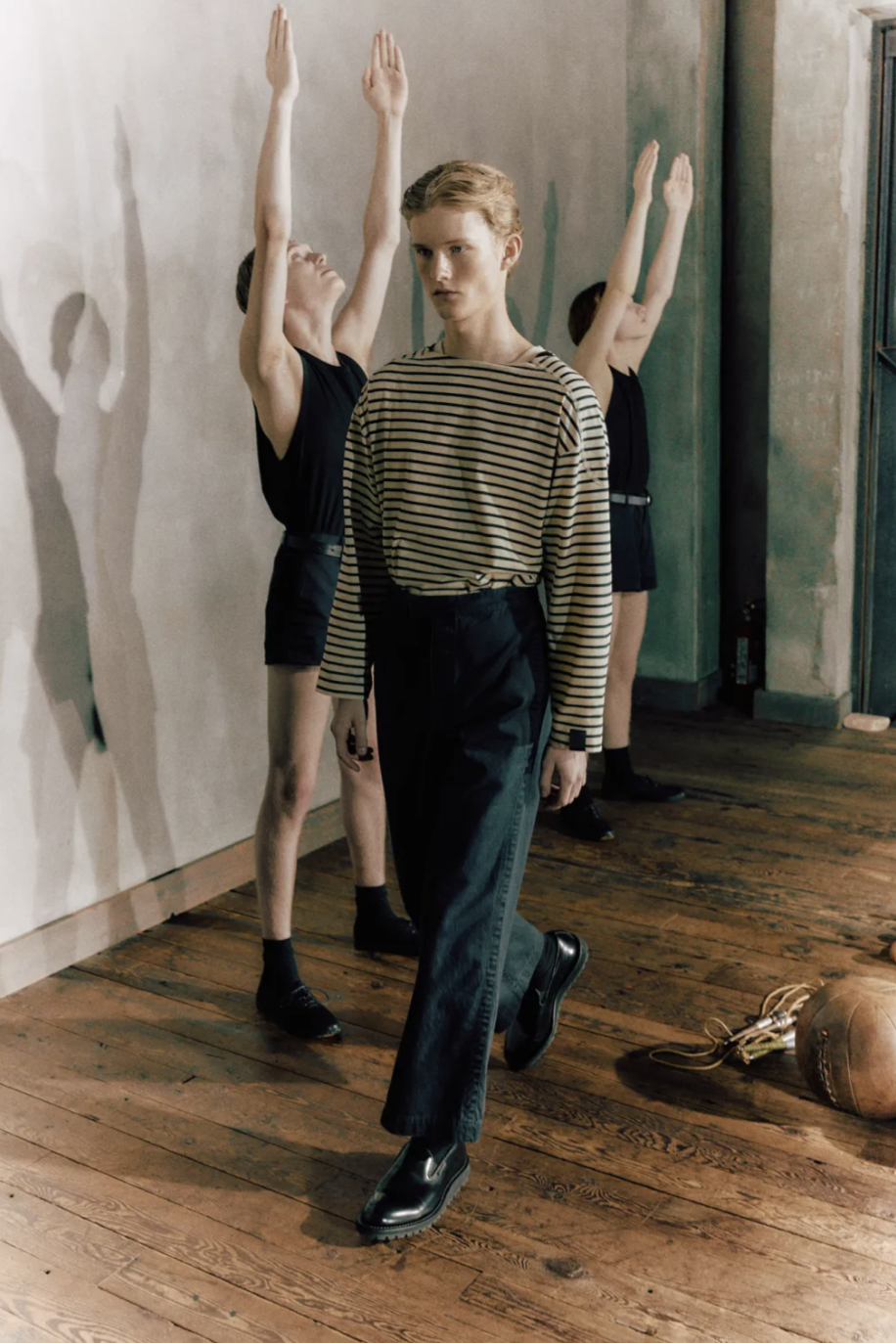
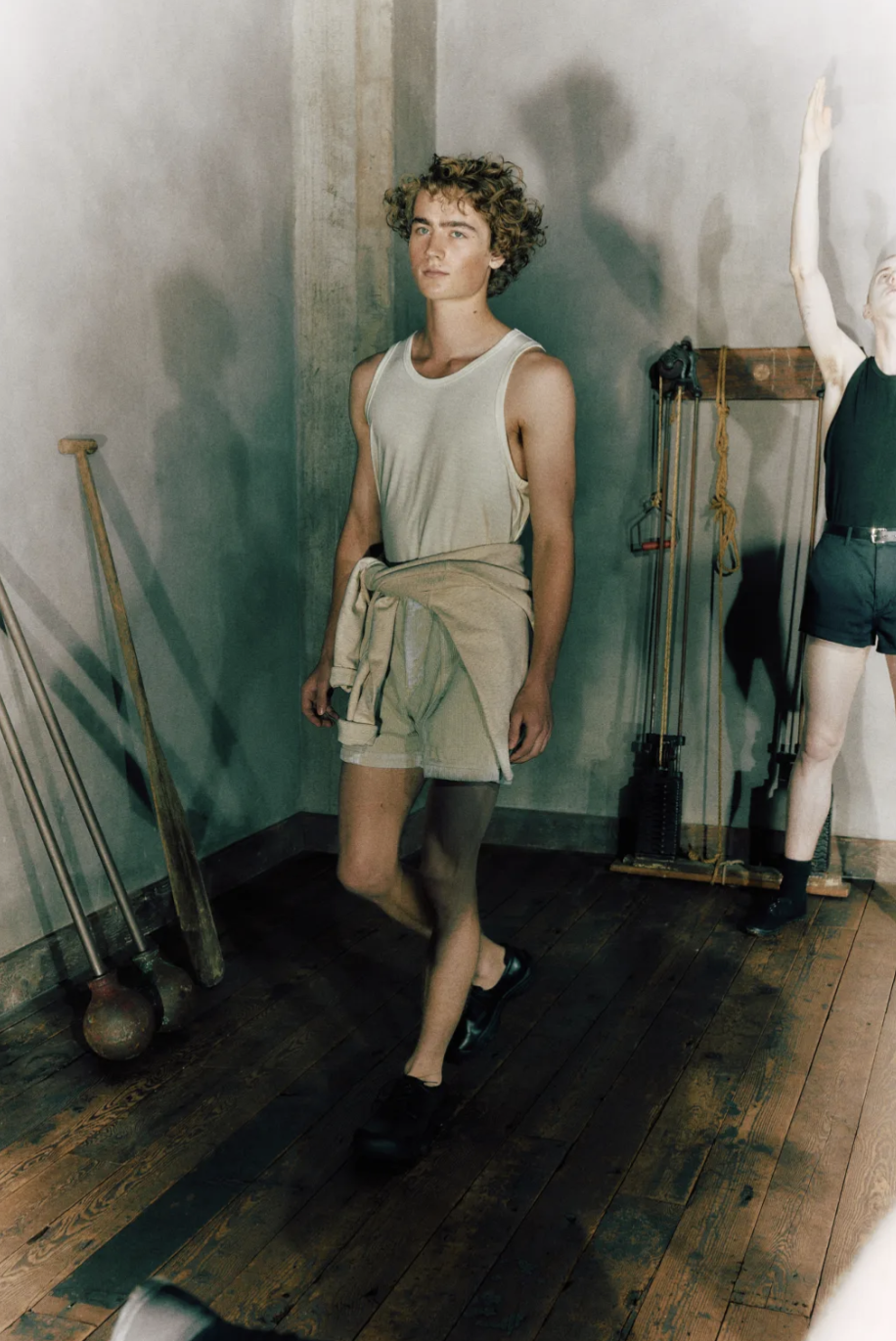
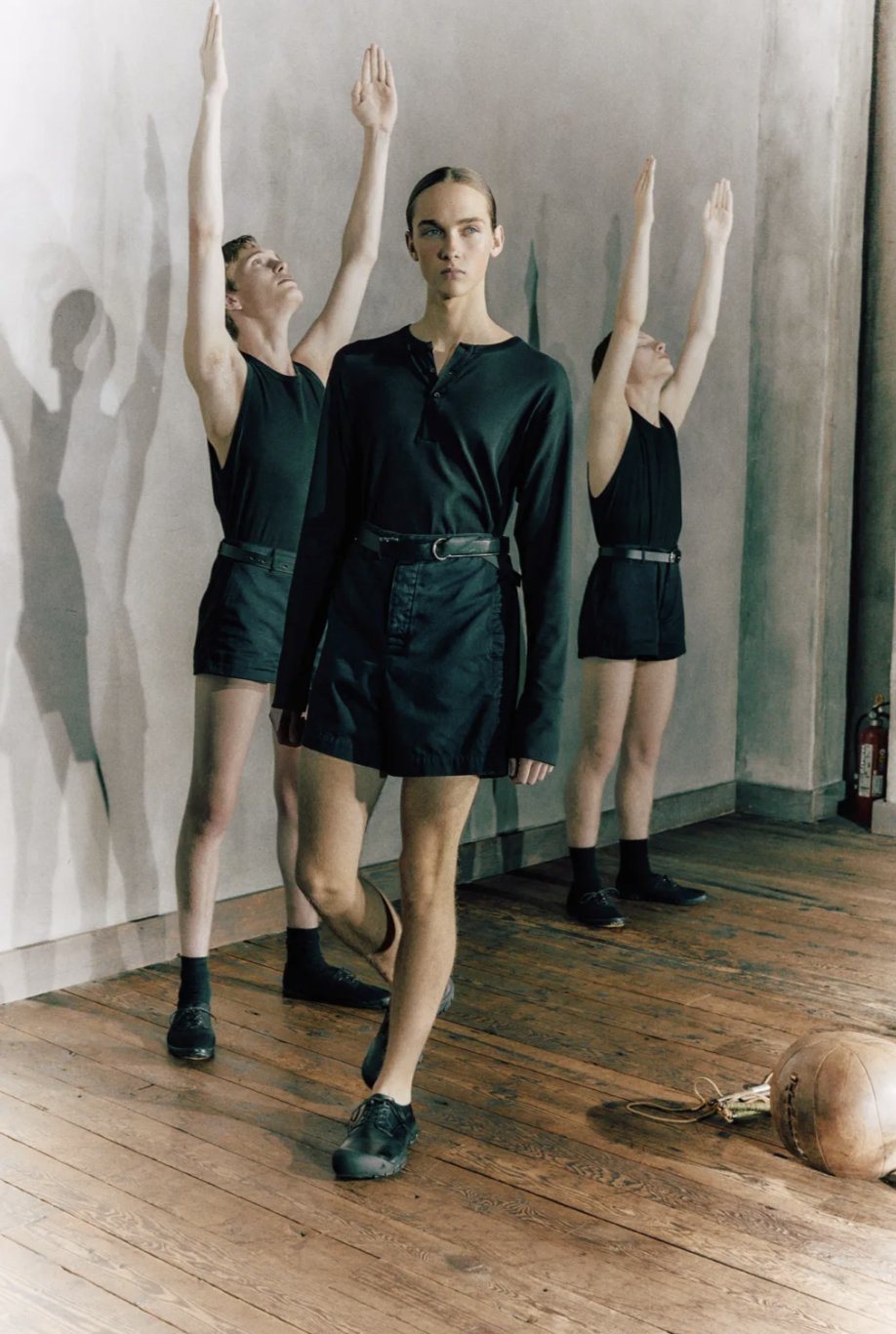
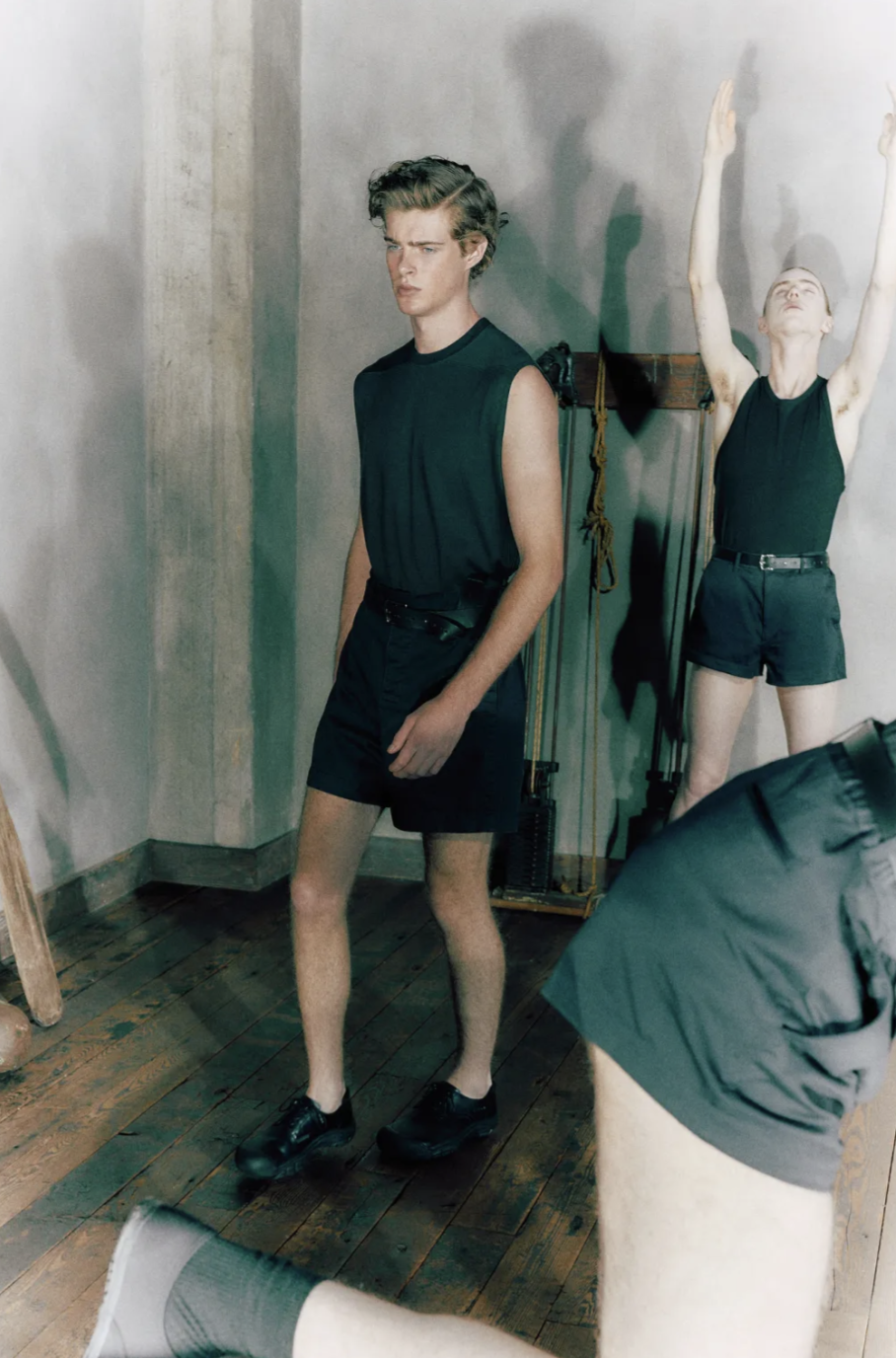
For Spring 2027, Daisuke Obana revisited Ivy style through the physical culture of 1920s rowing clubs, combining traditional menswear with workwear, athletic references and contemporary technical fabrics.
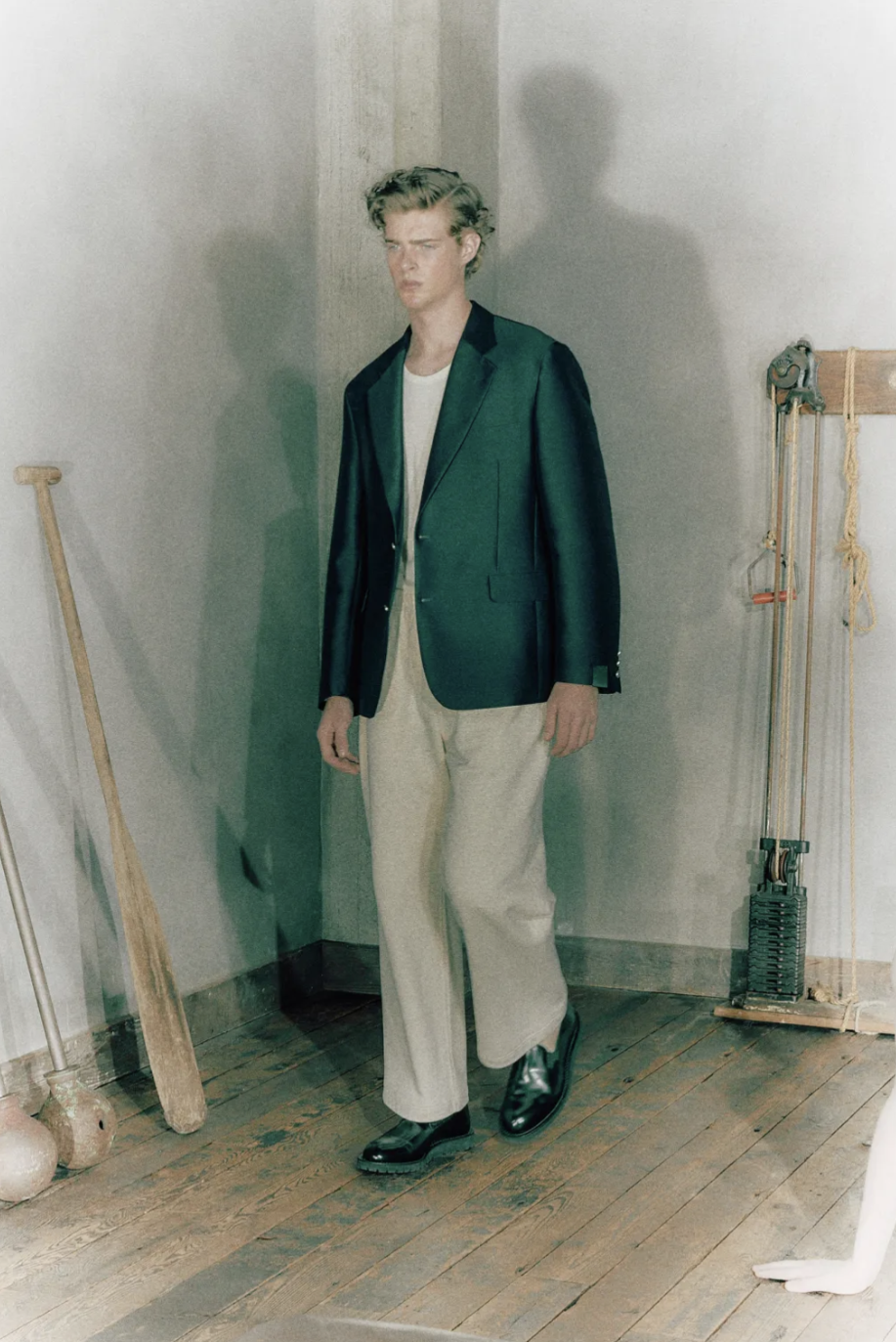
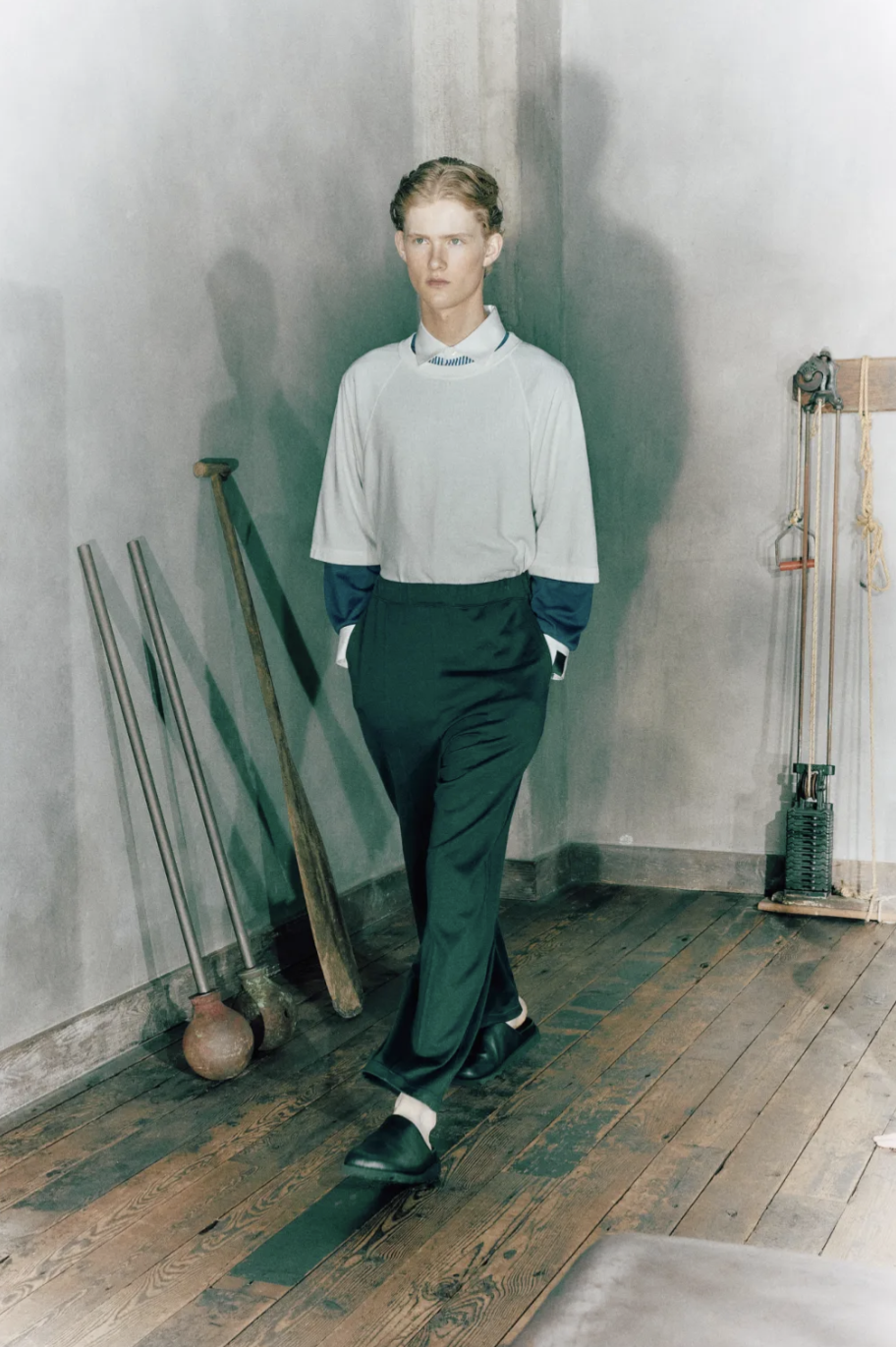
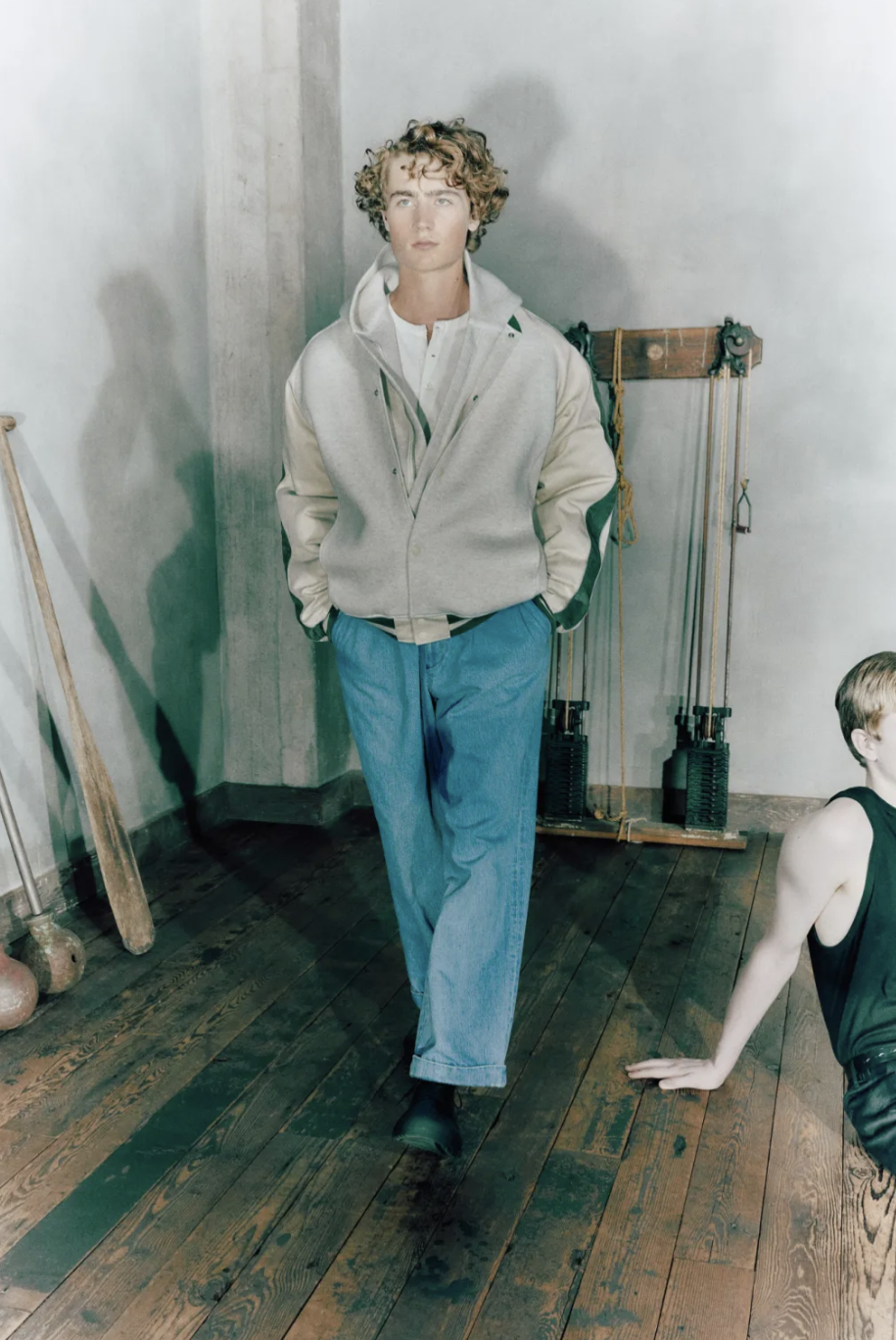
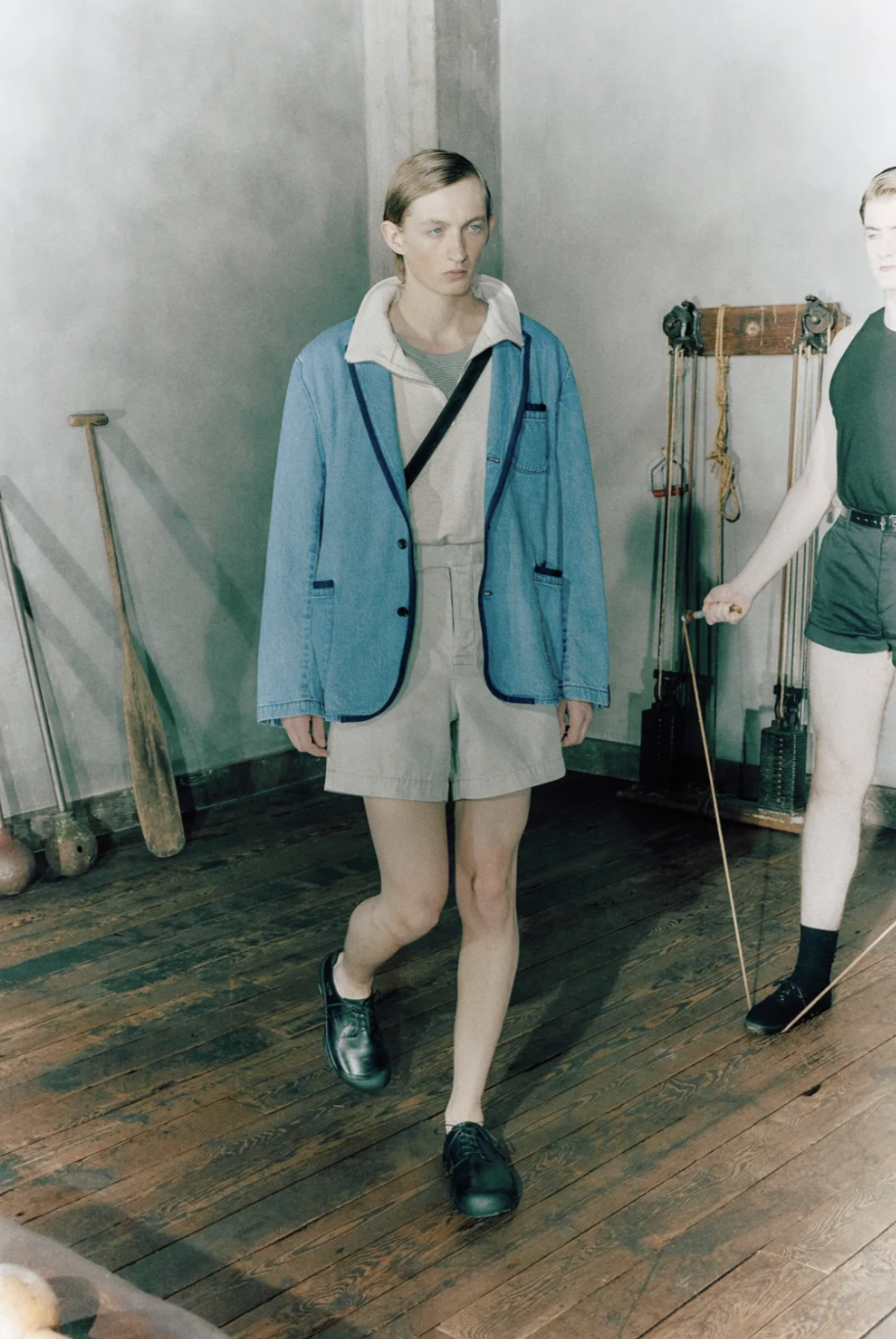
N. Hoolywood’s Spring 2027 collection, titled Physical Culture, began with Daisuke Obana’s longstanding relationship with Ivy and traditional American clothing. His memories of working in Japanese vintage stores during the 1990s led him back to the refined way Ivy pieces were collected and worn, while visits to athletic clubs in New York and Los Angeles introduced a more physical dimension. The architecture and equipment of 1920s rowing culture became a framework for considering how traditional clothing could move beyond nostalgia.
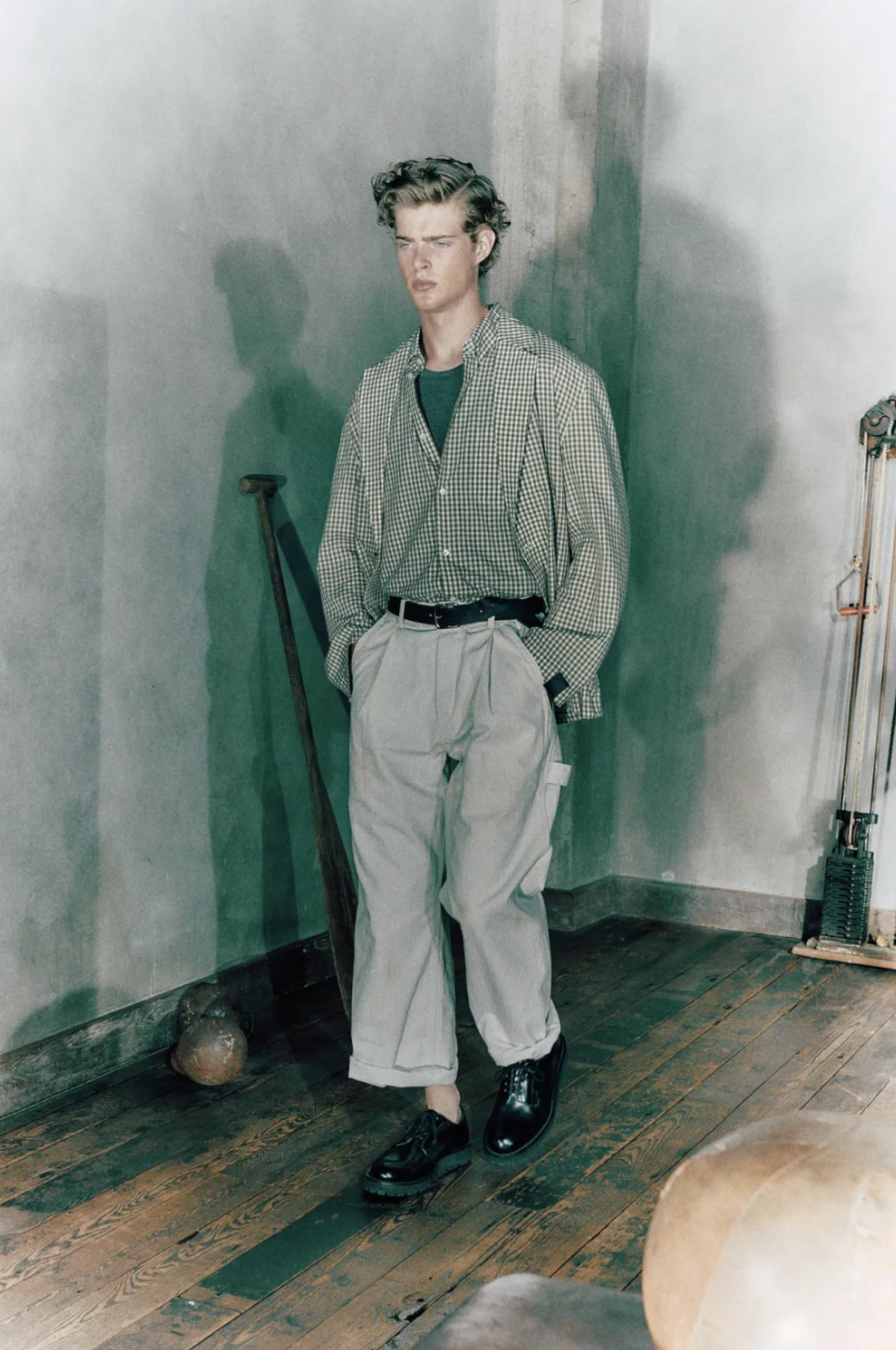
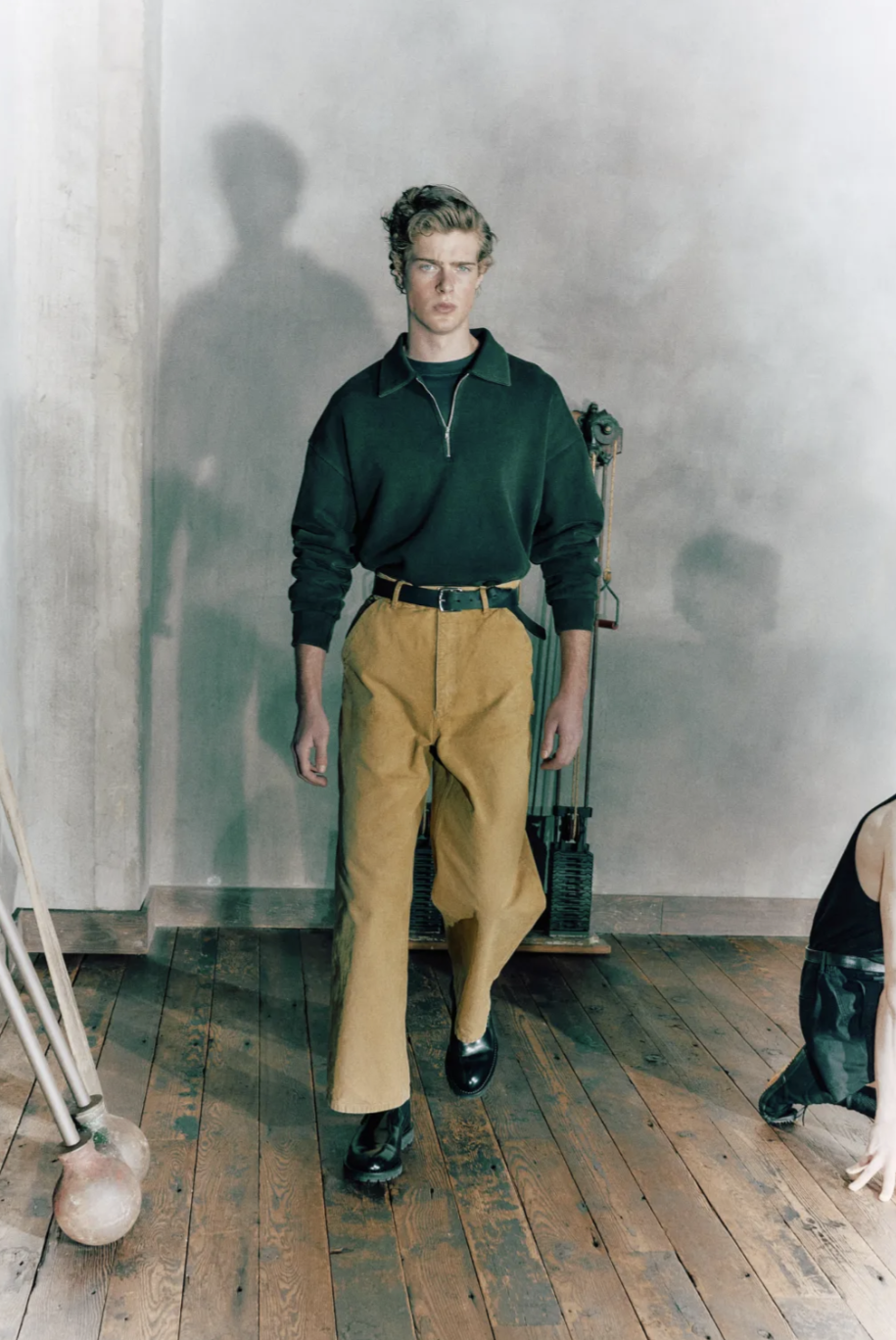
The resulting wardrobe placed sportswear and tailoring alongside one another. Tank tops, long-sleeved T-shirts and shorts sat beside tailored suits, blazers, dress shirts and pleated trousers, while technical coats, polos, sweaters and drawstring trousers expanded the vocabulary further. Classic colours, patterns and materials kept the collection grounded in Ivy tradition, but contemporary proportions and functional details prevented it from becoming a historical reproduction.
Workwear provided another layer of contrast. Toughened details, signs of ageing and practical construction were introduced into otherwise polished pieces, while technical fabrics brought the same tension between utility and refinement. Collaborations with Brooks Brothers, Dickies, Baracuta and Danner reinforced the connection to American menswear, with a Brooks Brothers shirt carrying the Golden Fleece logo as one of the clearest expressions of that dialogue.
Obana’s most interesting proposition is that tradition does not need to be preserved by leaving it untouched. By combining Ivy with training clothes, workwear and modern sportswear, N. Hoolywood treats the style as something that can continue to evolve while retaining its underlying discipline. Spring 2027 makes a convincing case for a new kind of traditional wardrobe — one shaped as much by movement and function as by history.