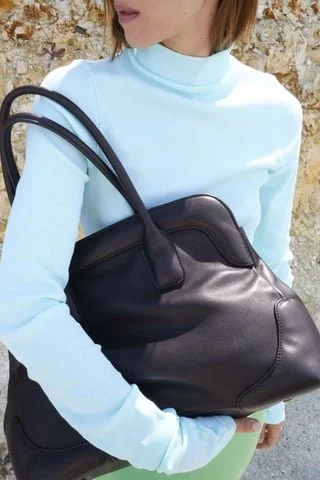
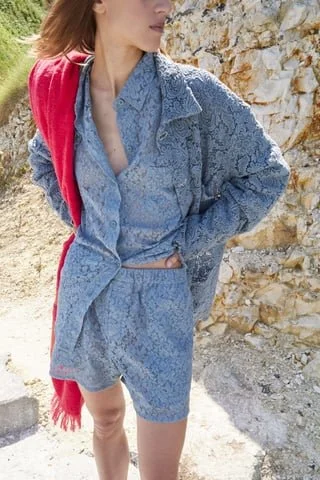
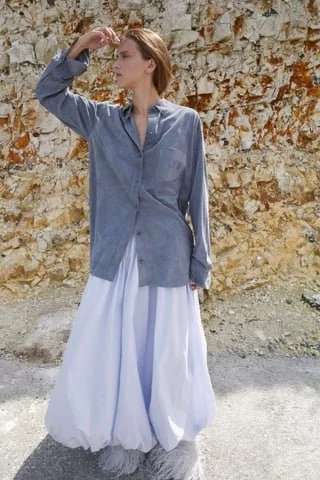
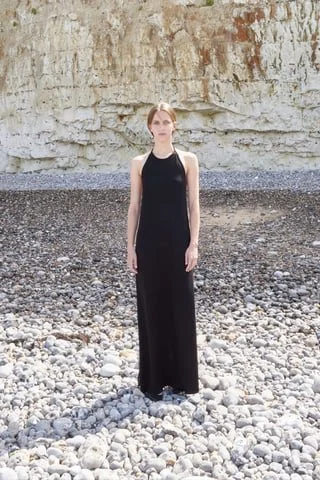
Meta Campania Collective Spring 2027
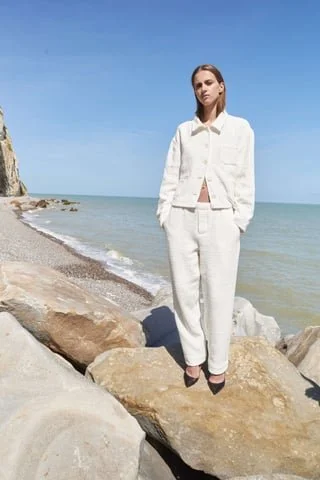
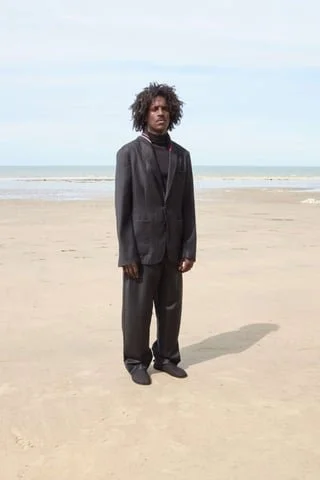
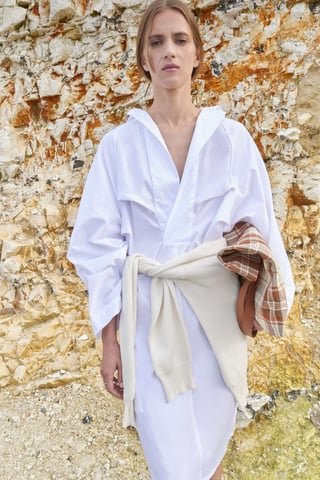
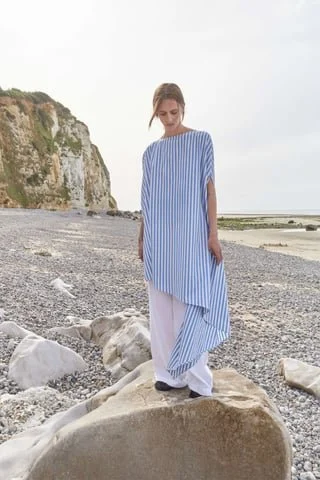
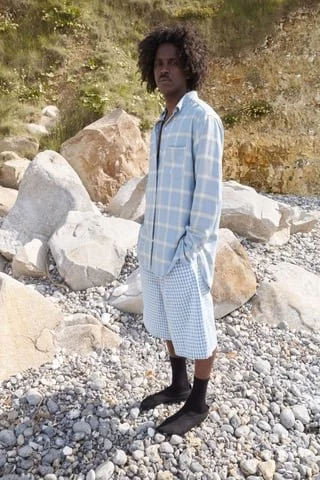
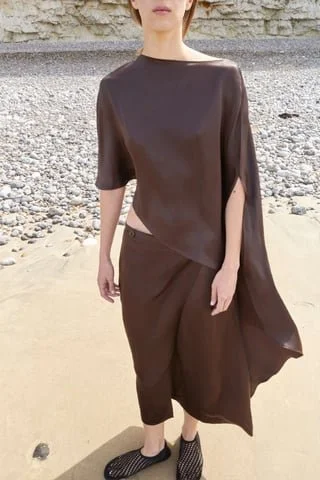
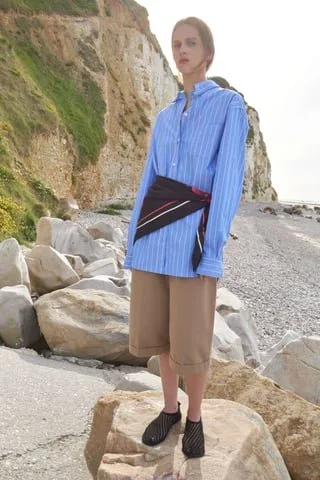
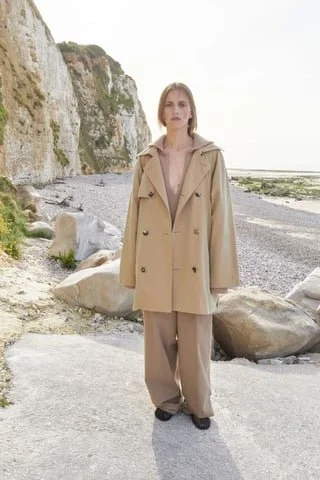
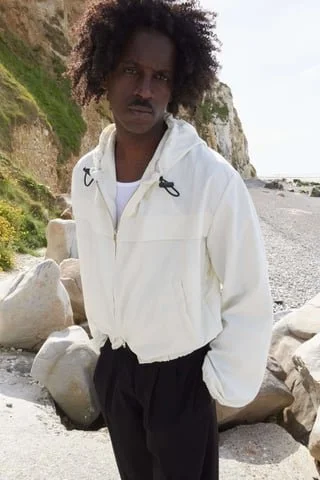
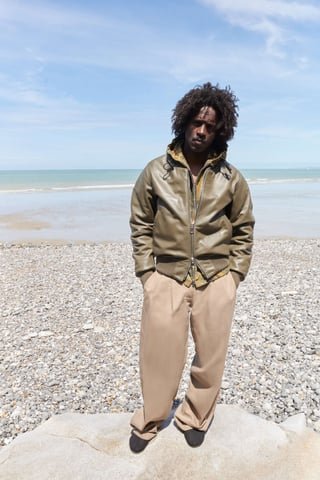
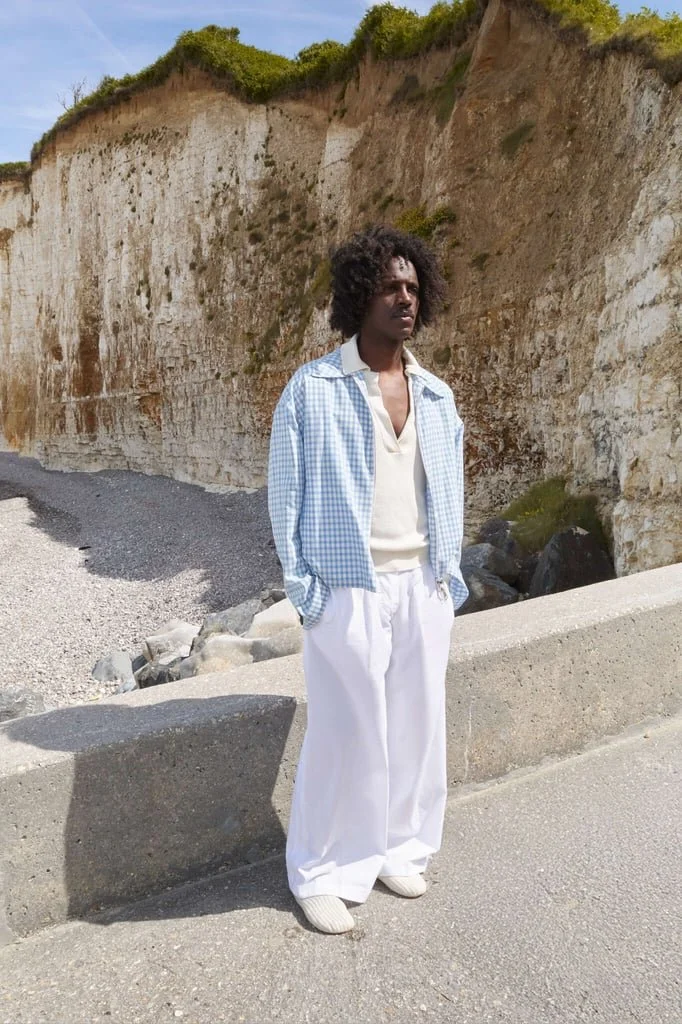
There is a particular kind of calm that Meta Campania Collective has made its signature—an ease that feels increasingly deliberate in a season defined by heat, excess and overstimulation. For Spring/Summer 2027, Jon Strassburg returned to that idea with Mohn, a collection shaped by the windswept coastline of Normandy and the personal histories embedded within it. Photographed and presented against chalk cliffs and open Atlantic skies, the setting was not simply atmospheric staging but an extension of the collection’s central proposition: that clothing should feel lived in, responsive and unforced, even when constructed with considerable precision.
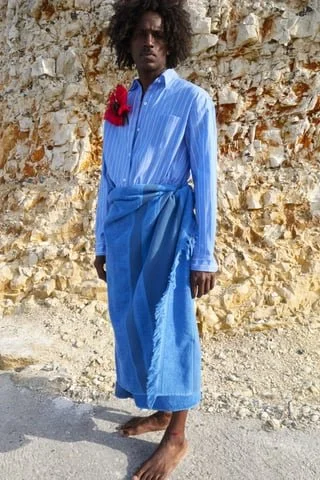
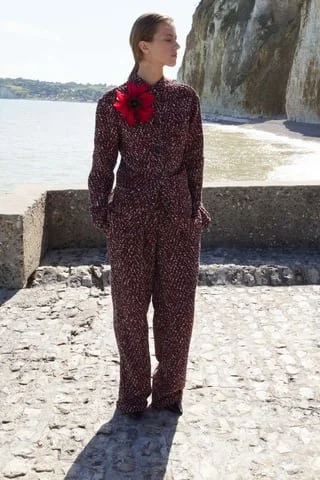
The emotional undercurrent of the collection is rooted in Strassburg’s family history, particularly his British grandfather’s experience as a pilot during the Second World War and the symbolic presence of the poppy across European memory. Yet rather than translating that into overt narrative dressing, Meta Campania Collective filters it into atmosphere. Mohn—the German word for poppy—becomes less a literal motif than a recurring suggestion of fragility and fleeting beauty, expressed through colour, movement and texture rather than storytelling on the surface of garments.
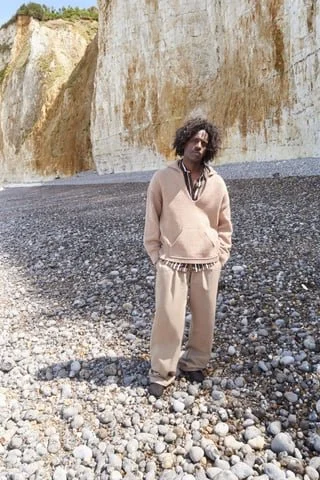
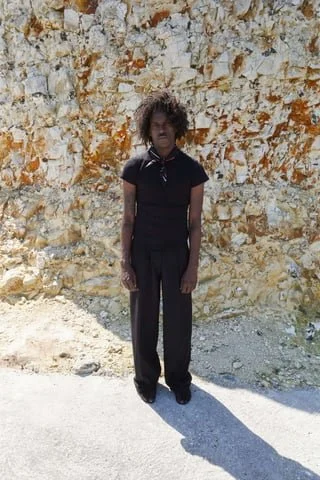
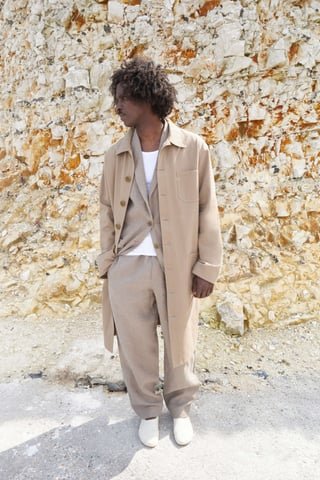
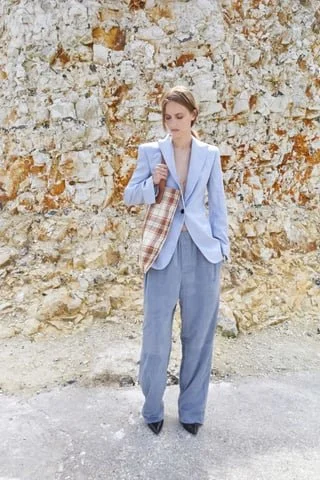
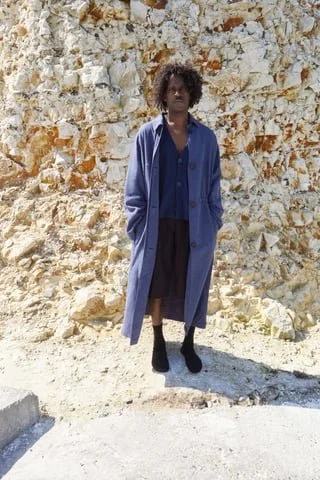
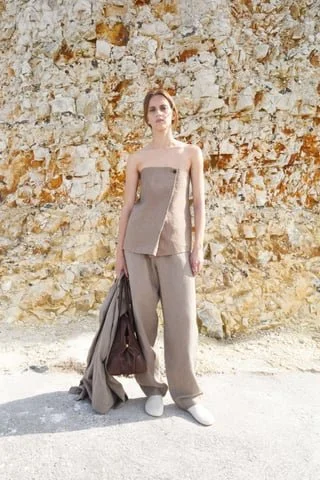
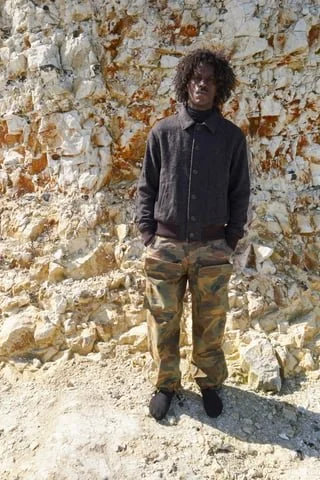
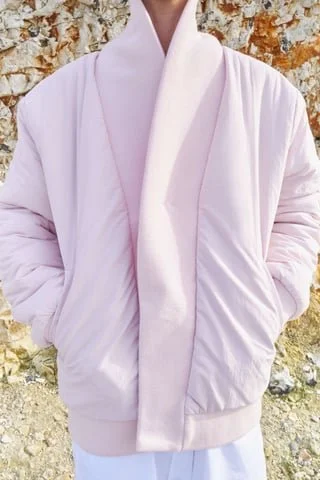
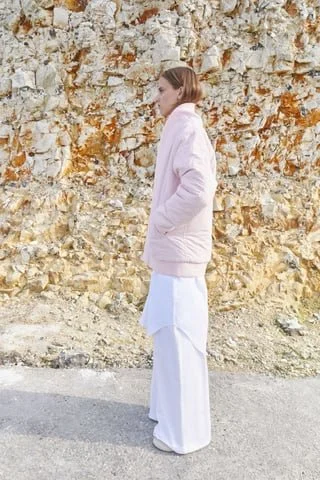
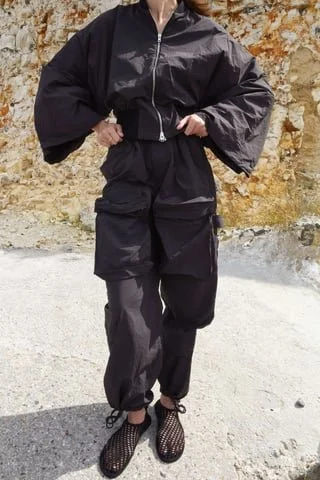
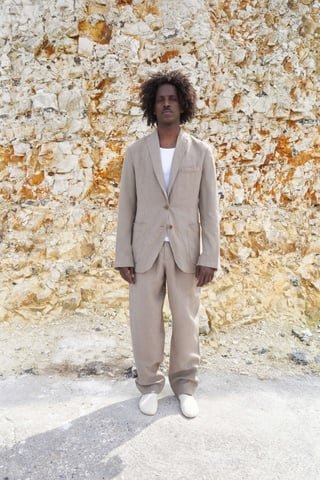
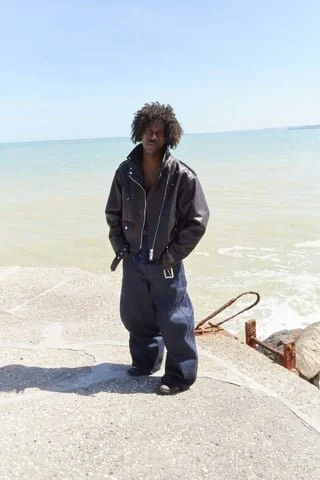
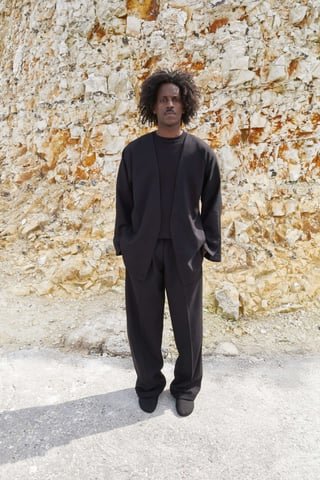
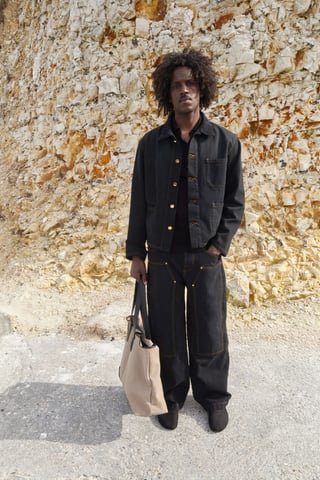
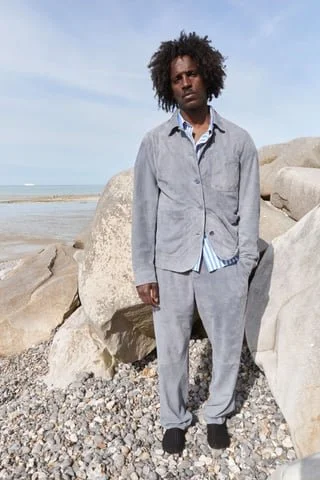
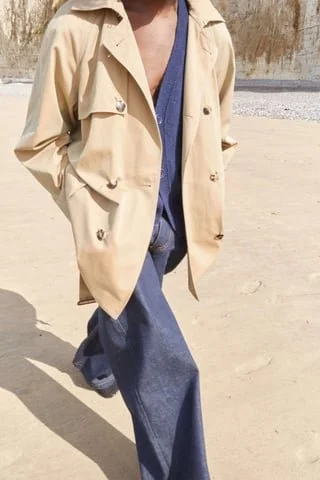
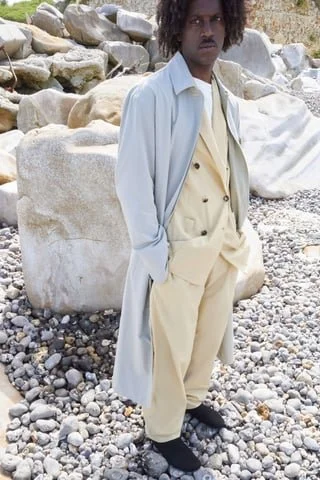
At the core of the collection remains the brand’s now well-established concept of the “artist’s uniform,” a wardrobe system built around ease, adaptability and a refusal of fixed identity. For Spring/Summer 2027, that idea feels more refined than reinterpreted. Unconstructed tailoring, softened workwear jackets and elongated outerwear form the backbone of the menswear and womenswear offering, blurring distinctions between categories in favour of a shared language of dressing. The effect is less about reinvention than continuation, as if Strassburg is slowly expanding a vocabulary rather than rewriting it each season.
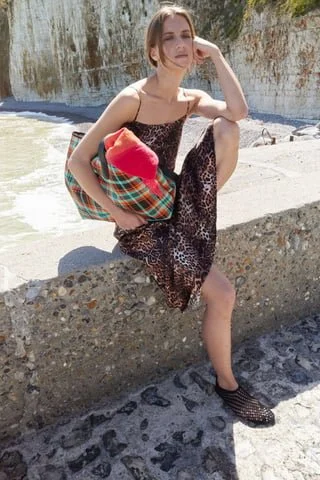
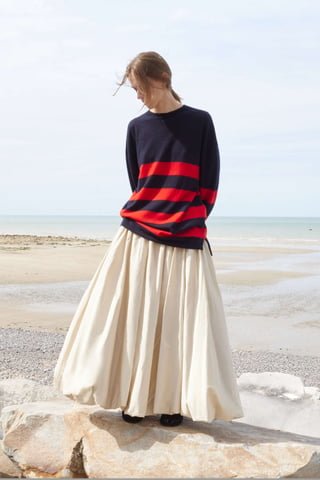
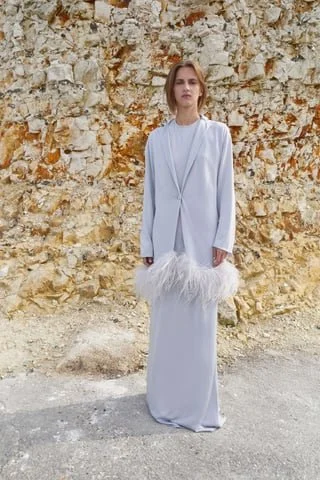
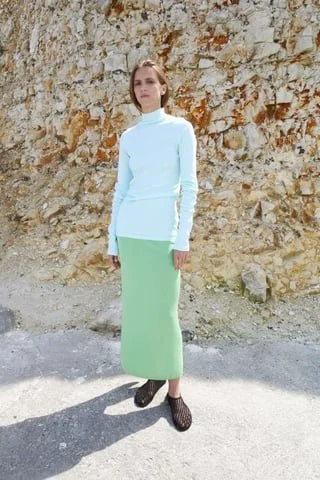
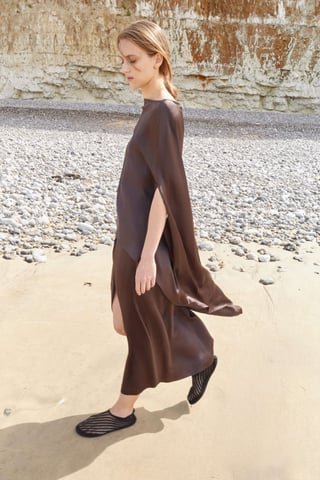
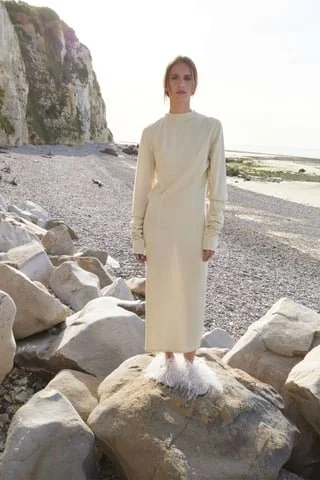
Utility remains present, but increasingly abstracted. Workwear jackets and chore-inspired silhouettes are no longer rigid references to function but softened propositions shaped by proportion and movement. Cargo pockets swell into sculptural volumes, jackets lose their architectural stiffness, and familiar forms are loosened until they sit somewhere between garment and gesture. Alongside this, fluid dresses and elongated skirts introduce a counterpoint of lightness, reinforcing the idea that structure and softness are not opposites but coexisting states within the same wardrobe.
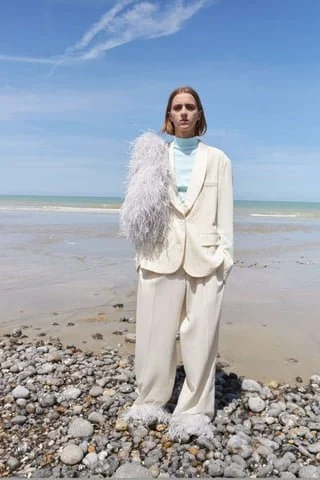
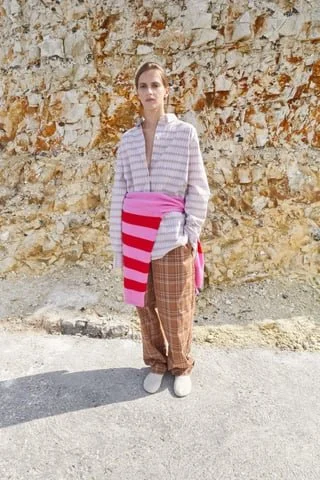
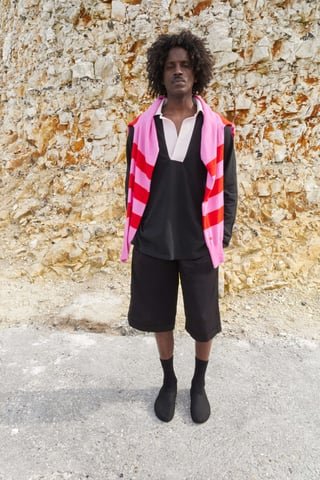
Colour plays a defining role in anchoring the collection to its landscape origin. Chalk whites, faded stone, sea-washed blues and soft sand tones dominate, evoking the muted palette of the Normandy coastline under shifting light. Against this restrained base, moments of saturated poppy red appear with intention rather than excess, breaking the calm rather than overwhelming it. These interruptions feel less decorative than structural, guiding the eye through a collection that is otherwise committed to restraint.
Fabrication continues to be where Meta Campania Collective quietly distinguishes itself. Garment-dyed silks, silk-cashmere blends and washed cottons create a sense of weightlessness that never slips into fragility, while silk jacquards and leather introduce necessary tension. Even more expressive materials, such as ostrich feathers or leopard print, are handled with control, appearing as moments of movement or punctuation rather than spectacle. There is a consistent sense that materials are being allowed to behave naturally rather than being forced into dramatic effect.
What becomes clear in Mohn is that Strassburg is not interested in overturning his own design language. Instead, he is refining it to a point of near-effacement, where clothing becomes less about statement and more about atmosphere. In a broader context where many brands are grappling with how to respond to changing climates—both literal and cultural—Meta Campania Collective offers a quieter answer. These are garments designed for movement, travel and uncertainty, but without the rhetoric of “climate dressing” or overt functionality. Their intelligence lies in their refusal to announce themselves.
If there is a limitation, it is that this consistency can verge on predictability. The codes of the “artist’s uniform” are now firmly established, and while they are carefully executed, the question remains how far this system can evolve without expanding its emotional or visual range. Yet even this sense of repetition feels intentional, as if Strassburg is more interested in deepening a mood than disrupting it.
Ultimately, Mohn is a collection about atmosphere rather than narrative, about the space between function and feeling. Meta Campania Collective continues to position itself outside the volatility of seasonal trends, instead building a world where clothing exists as part of a continuous landscape—soft, adaptable and quietly self-assured.