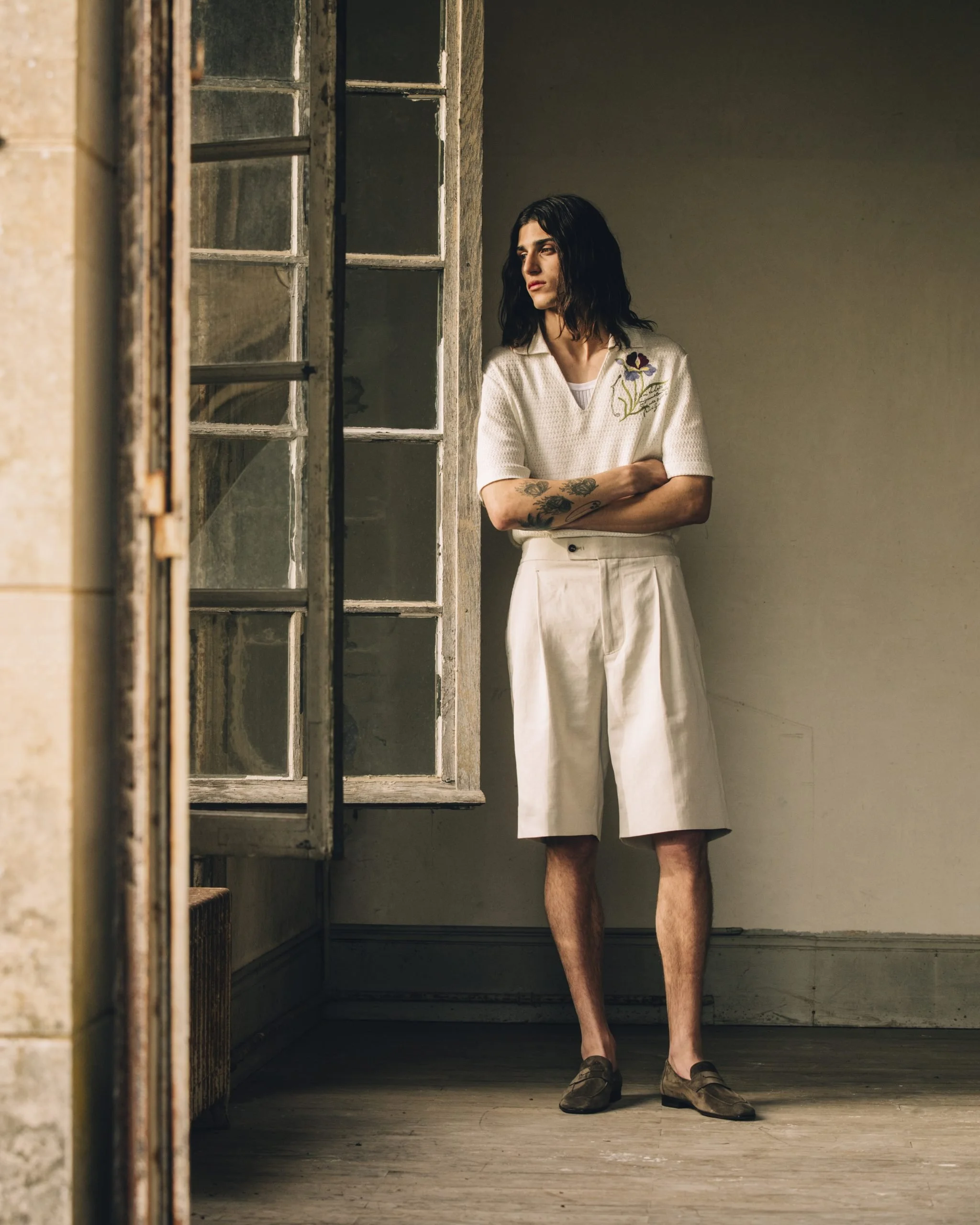
Berluti Spring 2027
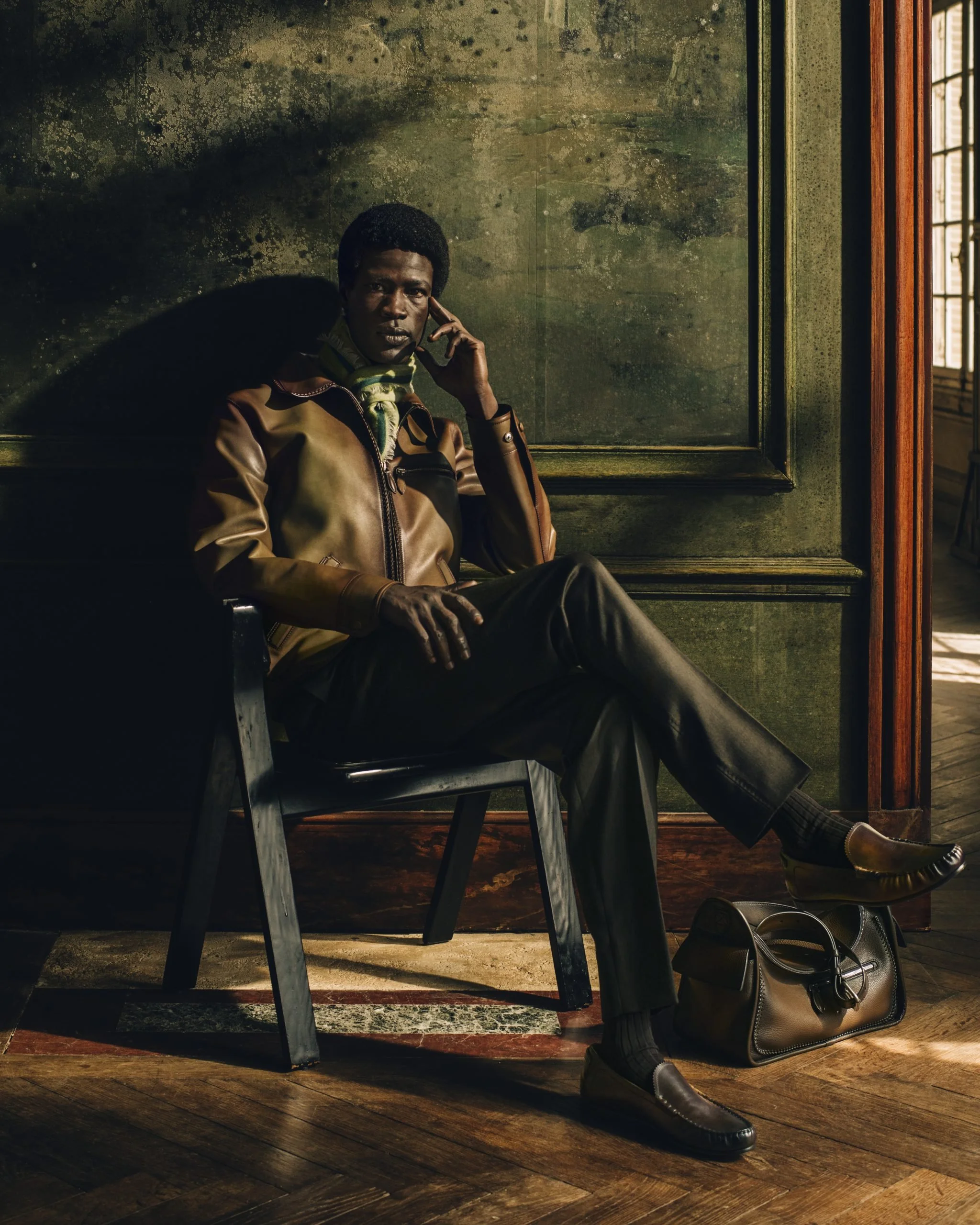
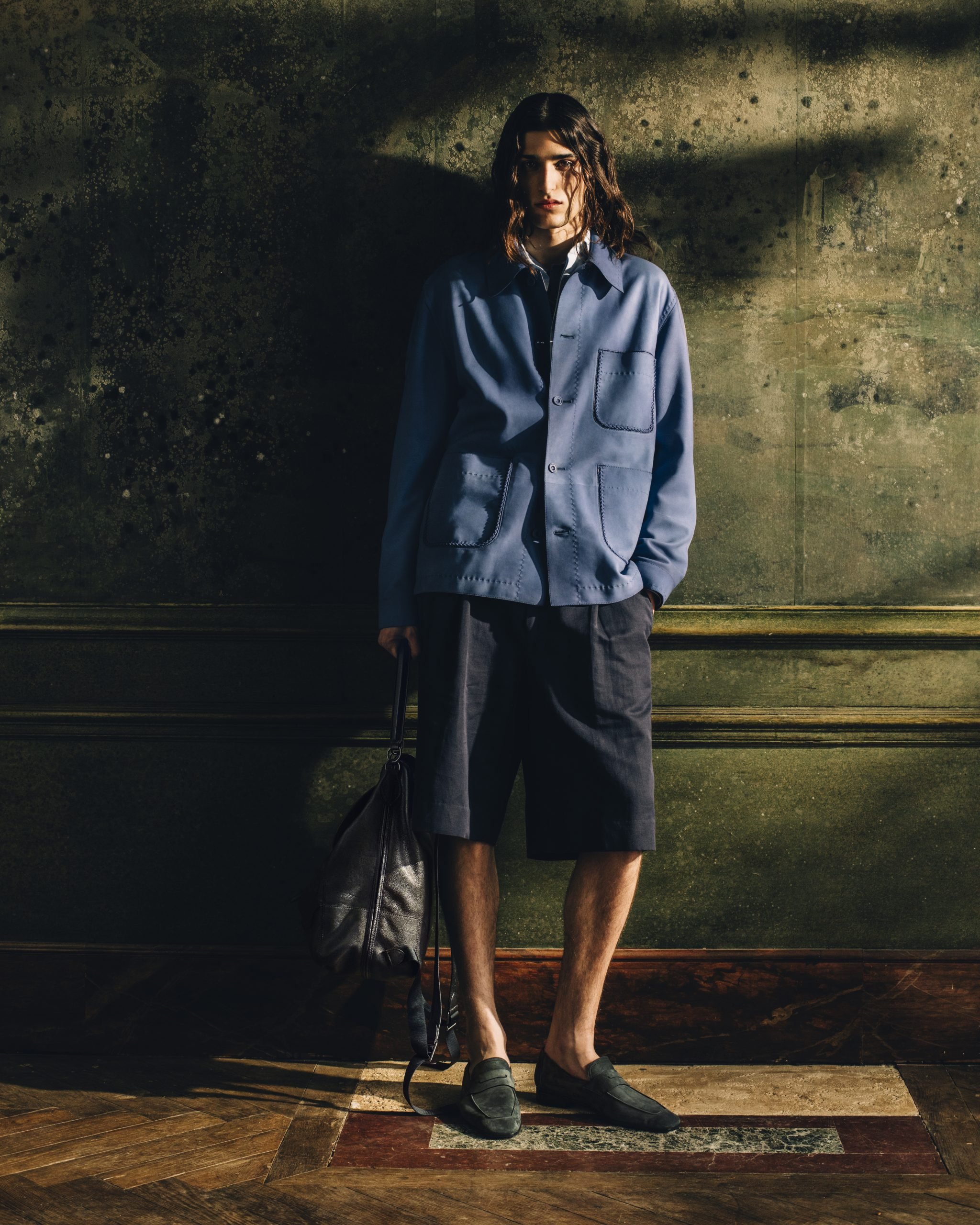
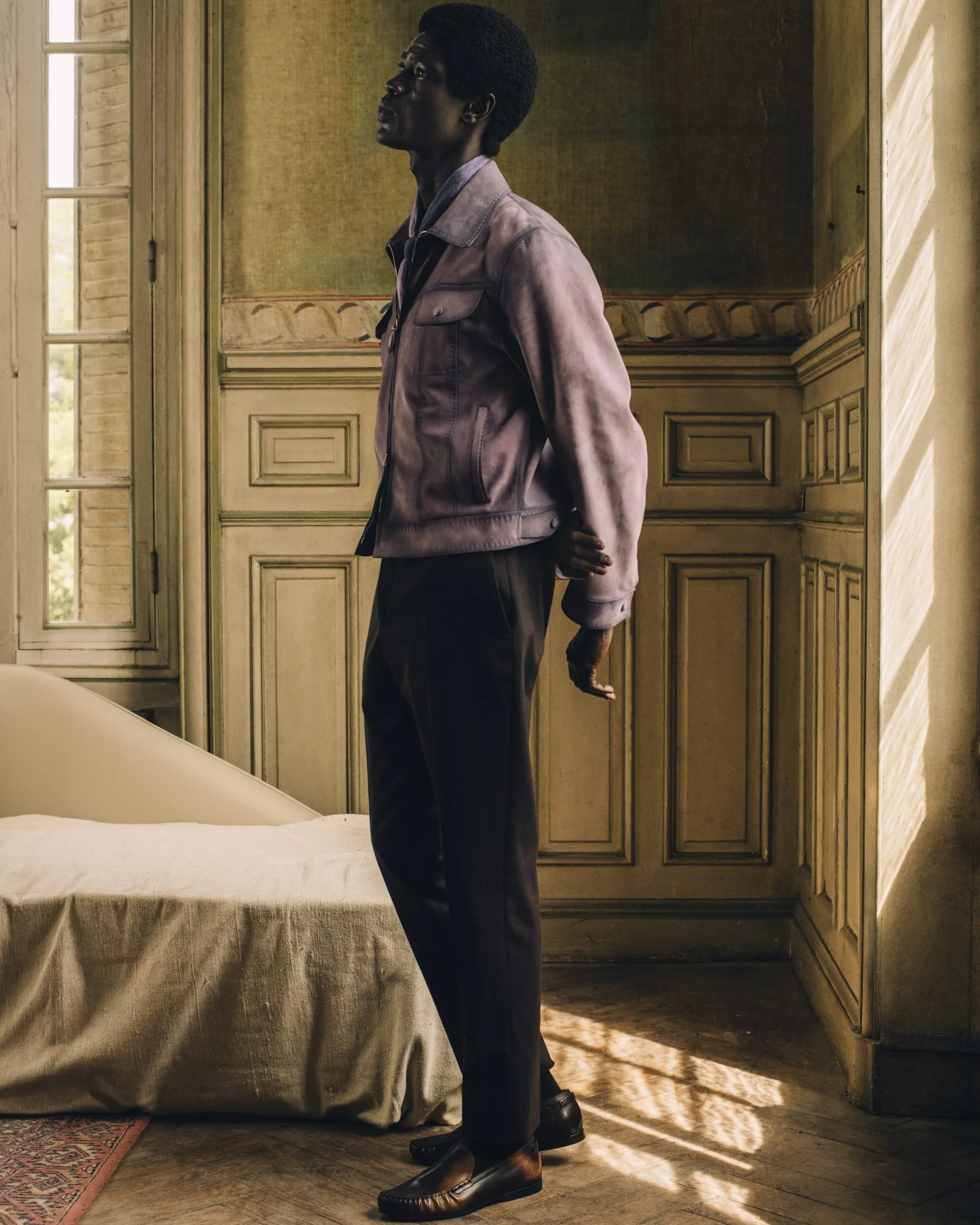
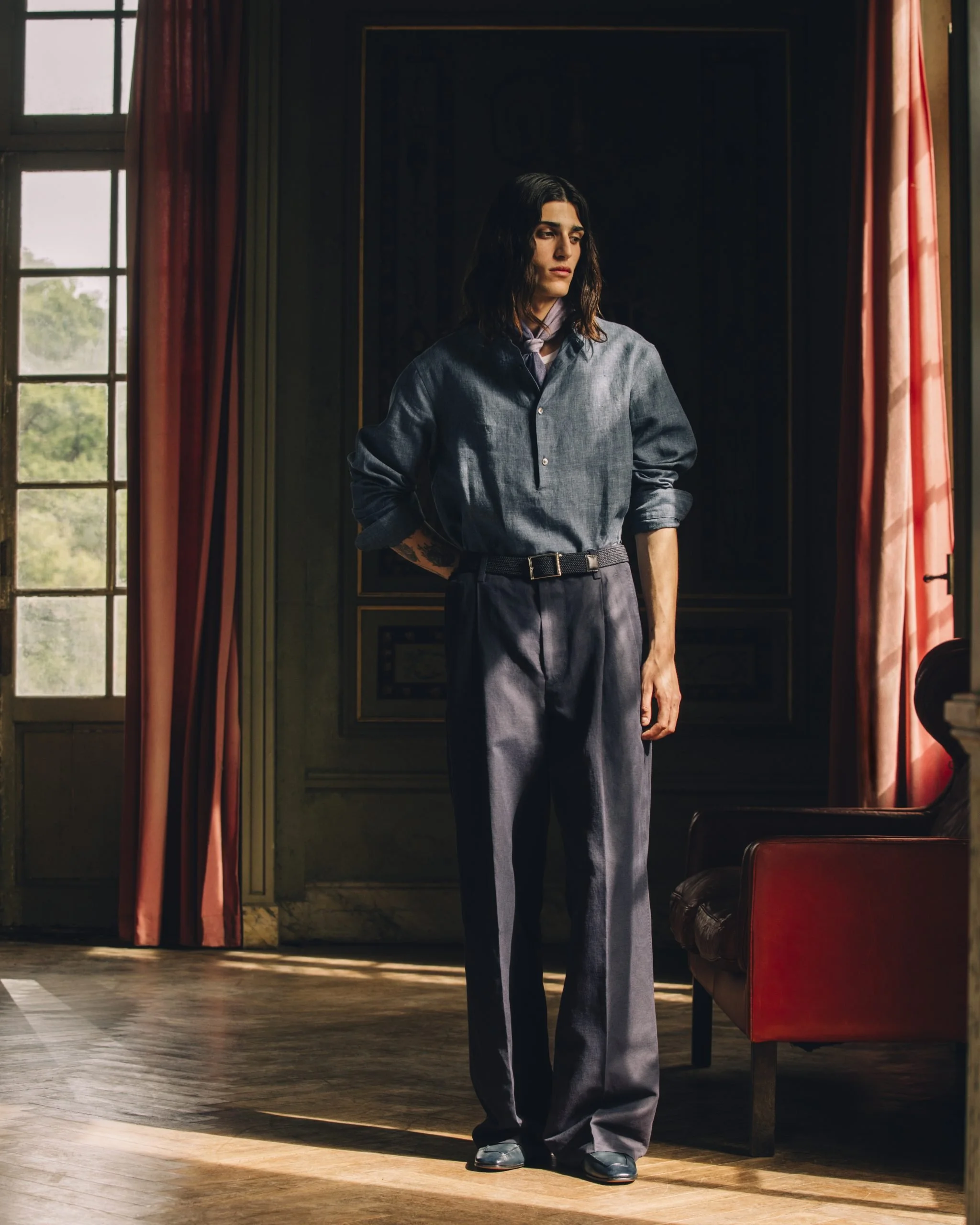
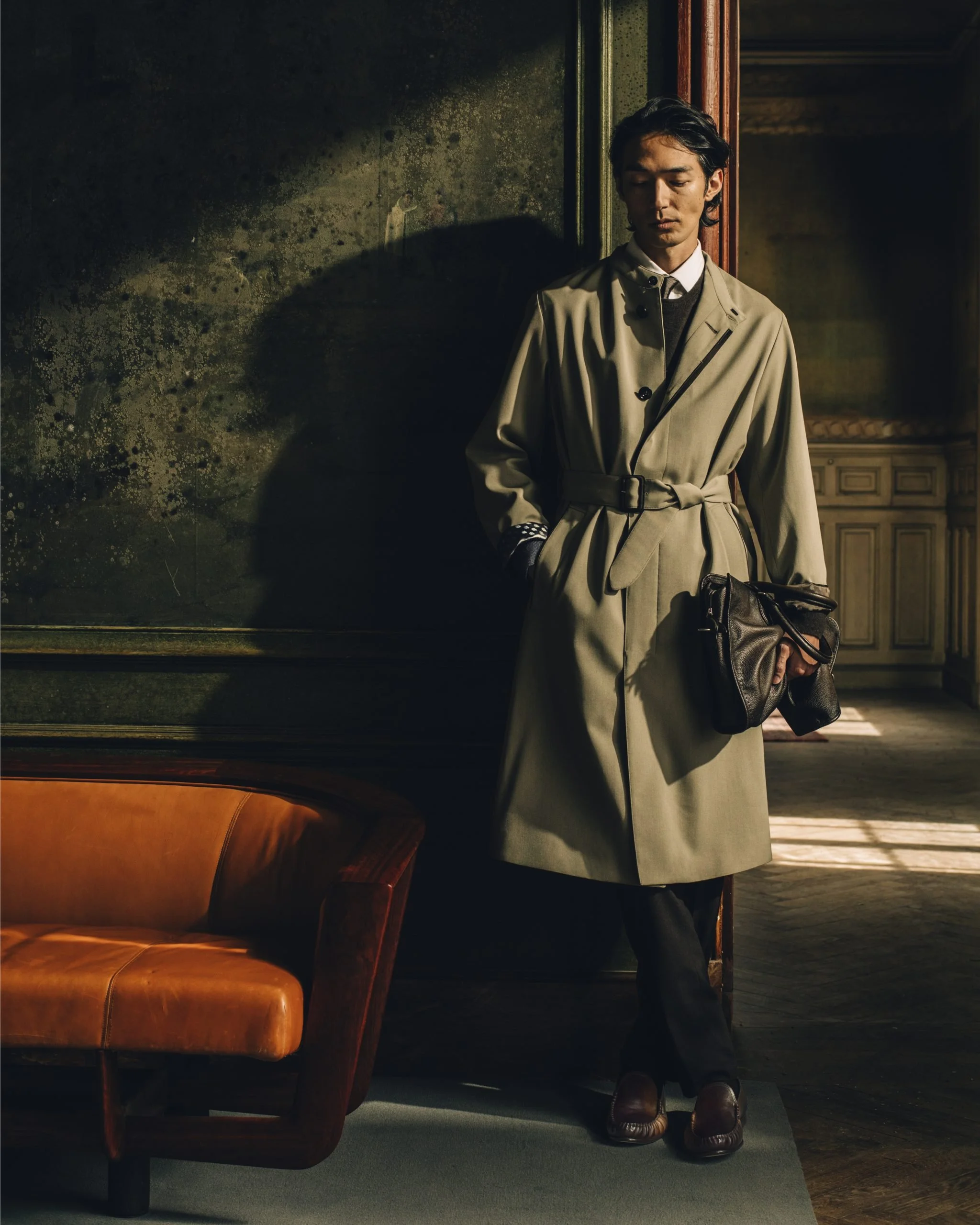
There is a particular kind of restraint that defines Berluti at this point in its evolution, one that feels less like limitation and more like a deliberate commitment to refinement. For Spring/Summer 2027, the maison once again returned to the Simone & Cino Del Duca Foundation, the 19th-century townhouse overlooking Parc Monceau that has become something of a home for its annual presentations. The setting, steeped in Franco-Italian cultural history, mirrors Berluti’s own identity, and this season it provided a fitting backdrop for a collection that sought meaning not through reinvention, but through interpretation—specifically of Antoine de Saint-Exupéry’s The Little Prince.
The literary reference was not treated as costume or overt storytelling, but as a framework for exploring ideas of essentiality, memory and emotional clarity. A handwritten quote from the fox in The Little Prince—“I shall know a sound of footsteps that will be different from all the others”—set the tone for a presentation that leaned heavily on symbolism and quiet narrative gestures. It also subtly echoed Olga Berluti’s famed ability to identify clients by their footsteps, a detail that folds the house’s own mythology into the broader literary universe it was drawing from.
Inside the townhouse, the presentation unfolded as a series of atmospheric tableaux rather than a traditional runway. A reimagined version of Saint-Exupéry’s office, complete with aviator references, led into darker, more theatrical spaces where accessories floated like celestial objects in softly lit displays. The effect was closer to a curated exhibition than a fashion show, reinforcing Berluti’s ongoing shift away from seasonal spectacle towards experiential storytelling rooted in craftsmanship.
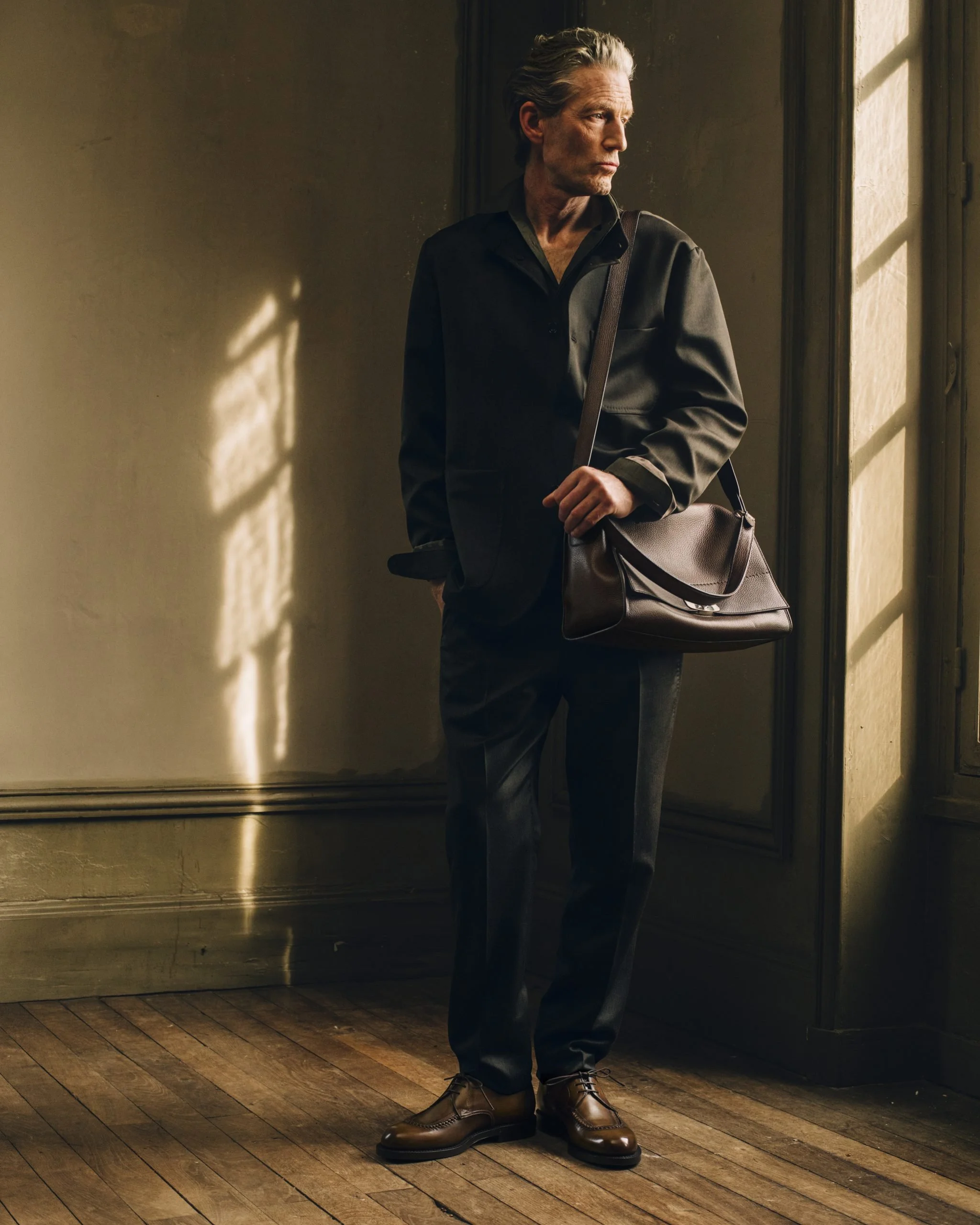
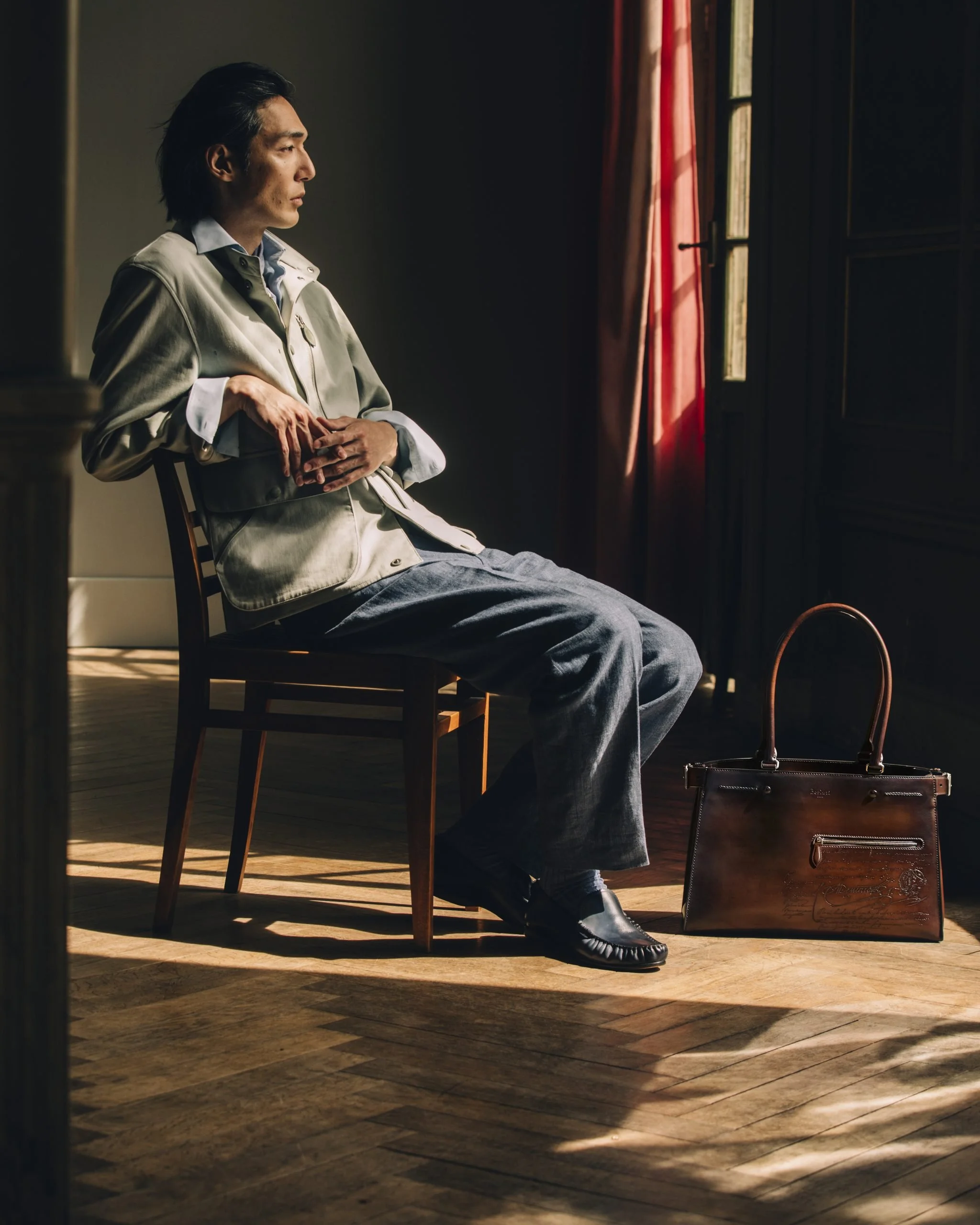
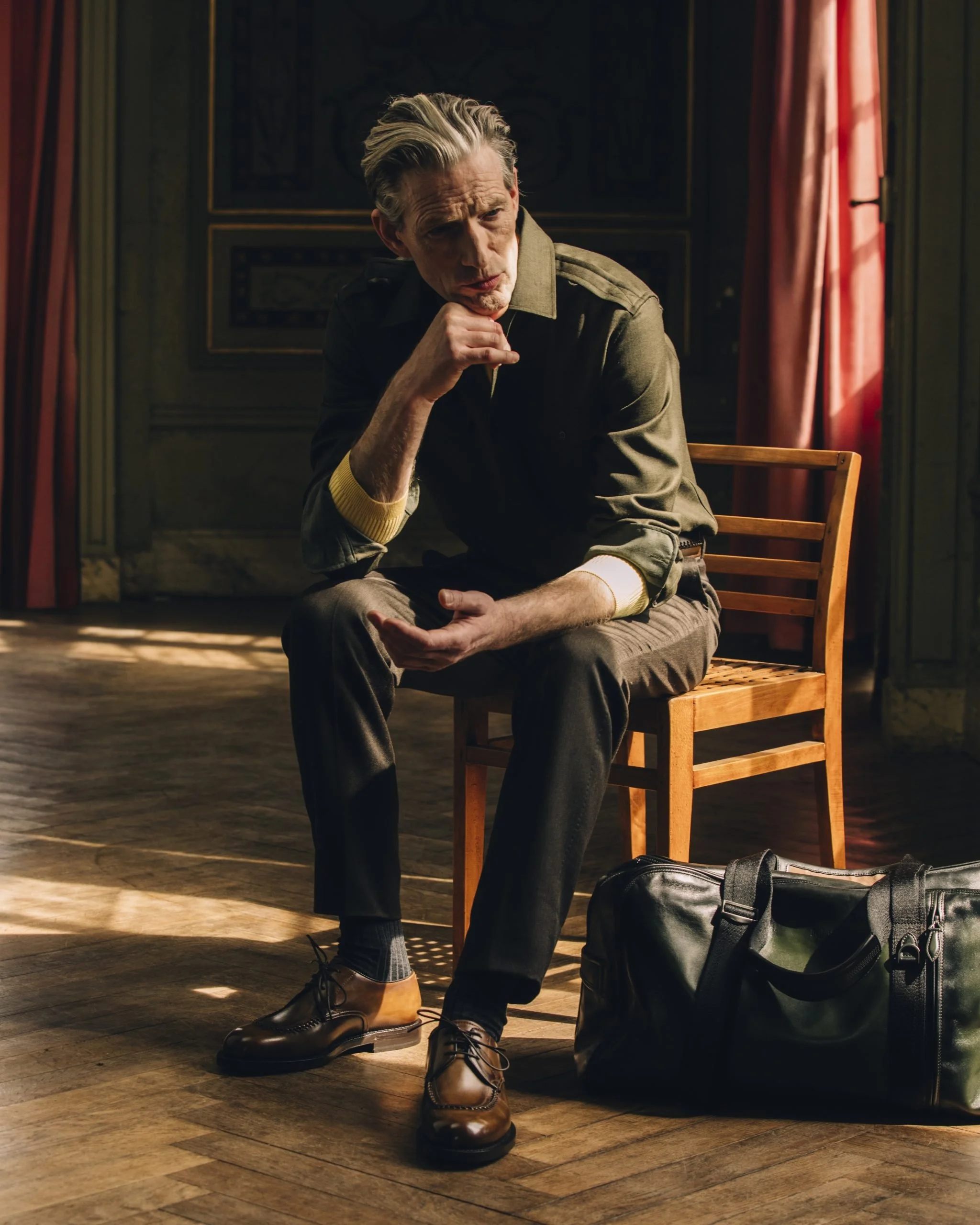
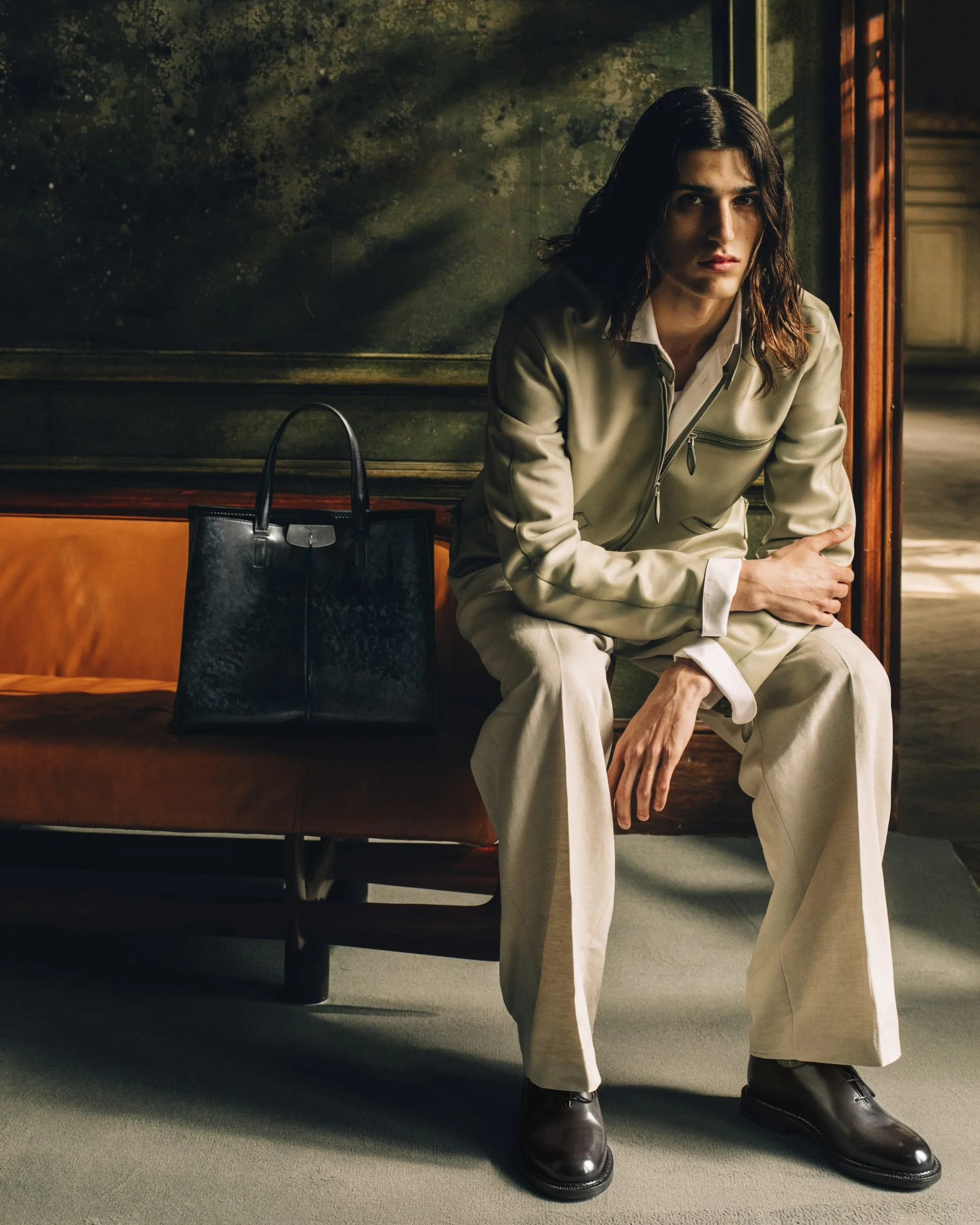
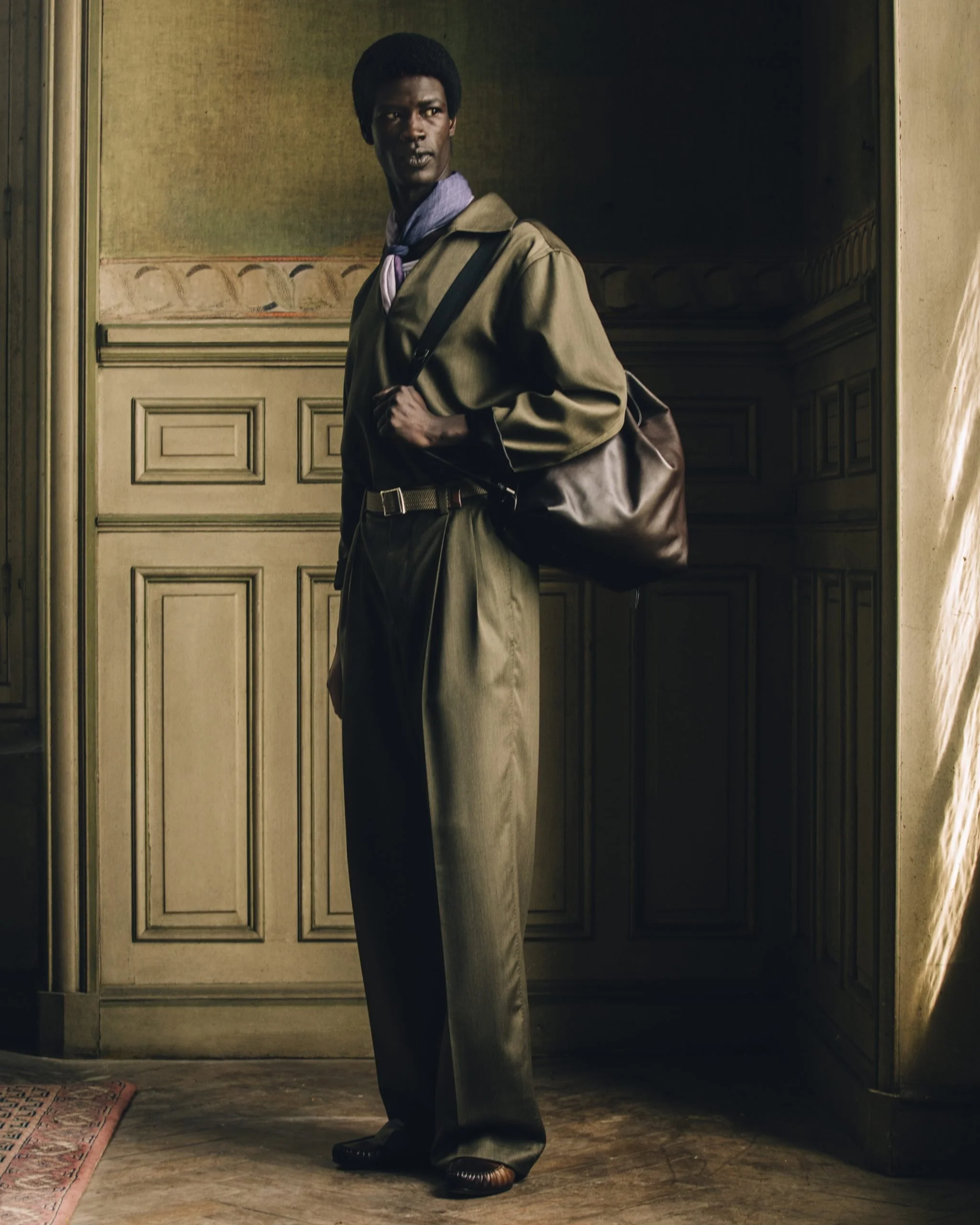
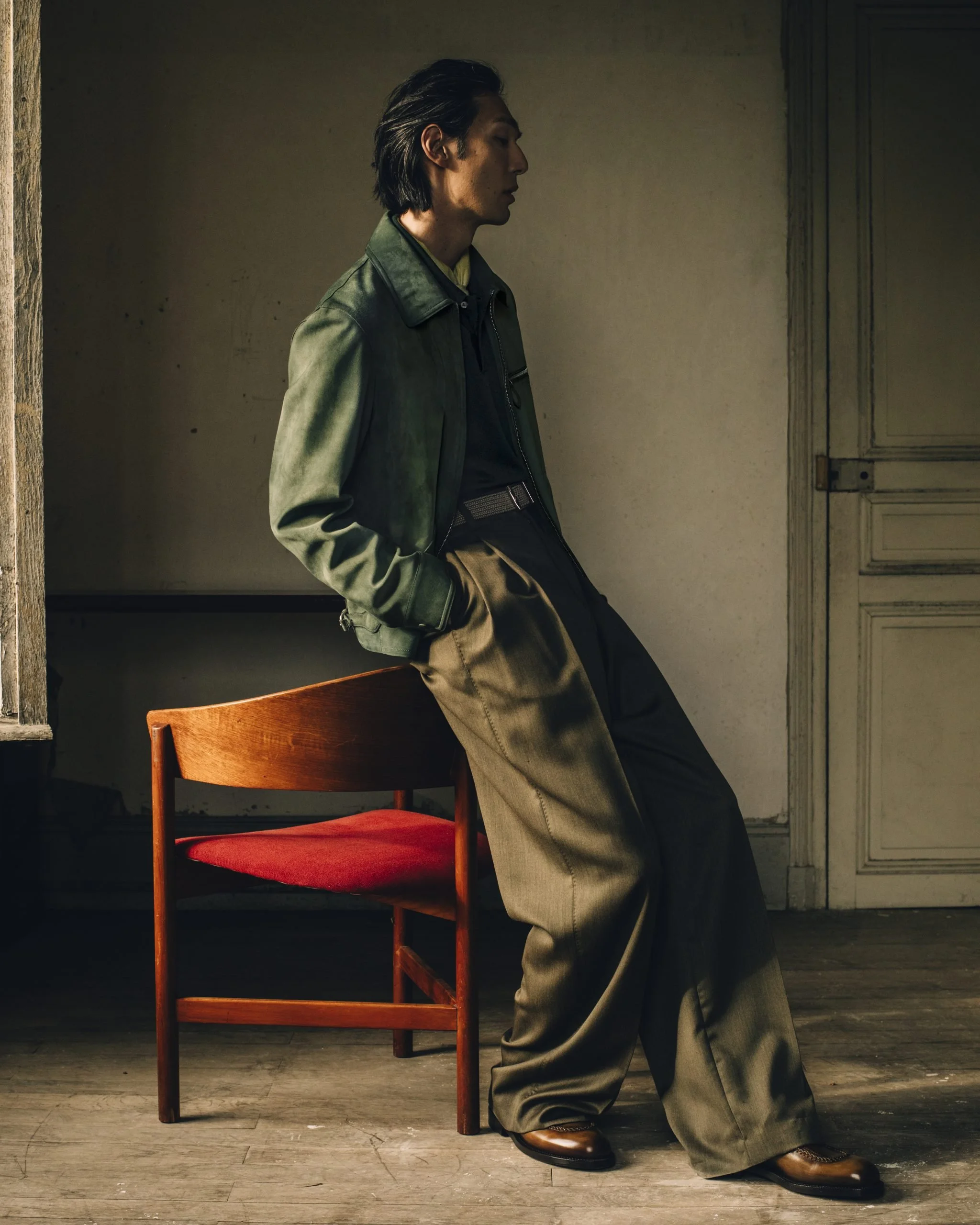
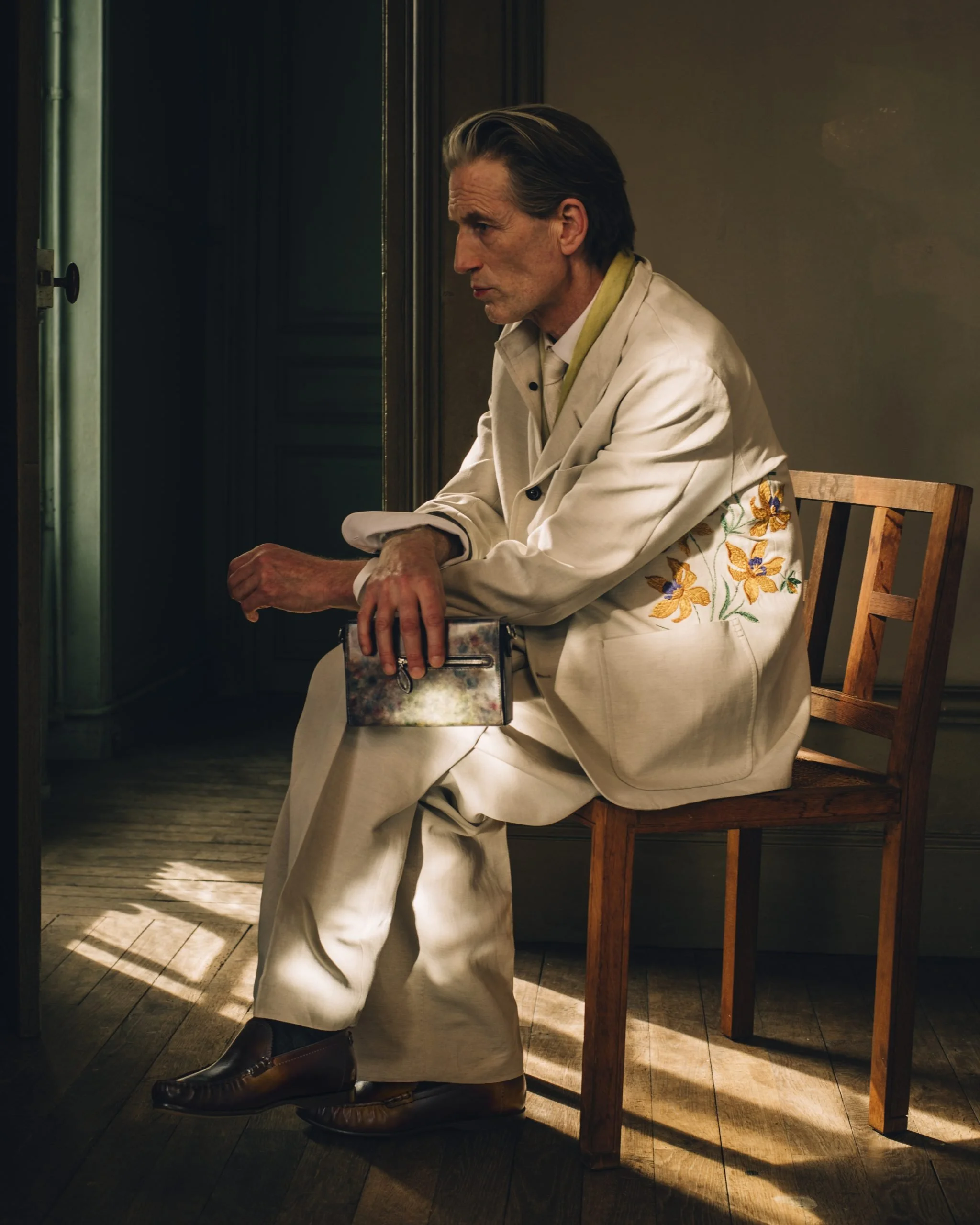
The collection itself extended this sensibility into product. Footwear remained central, with new iterations of signature loafers including a buffalo leather version of the Lorenzo and the Alessandro loafer embossed with a rose motif. These pieces, while grounded in the house’s technical mastery of patina and leatherwork, carried a lightness of touch that aligned with the season’s overarching garden theme. Elsewhere, bags and small leather goods were treated as narrative objects, from softly structured designs resembling rolled newspapers to more expressive pieces flecked with multiple colours, recalling Impressionist painting rather than literal decoration.
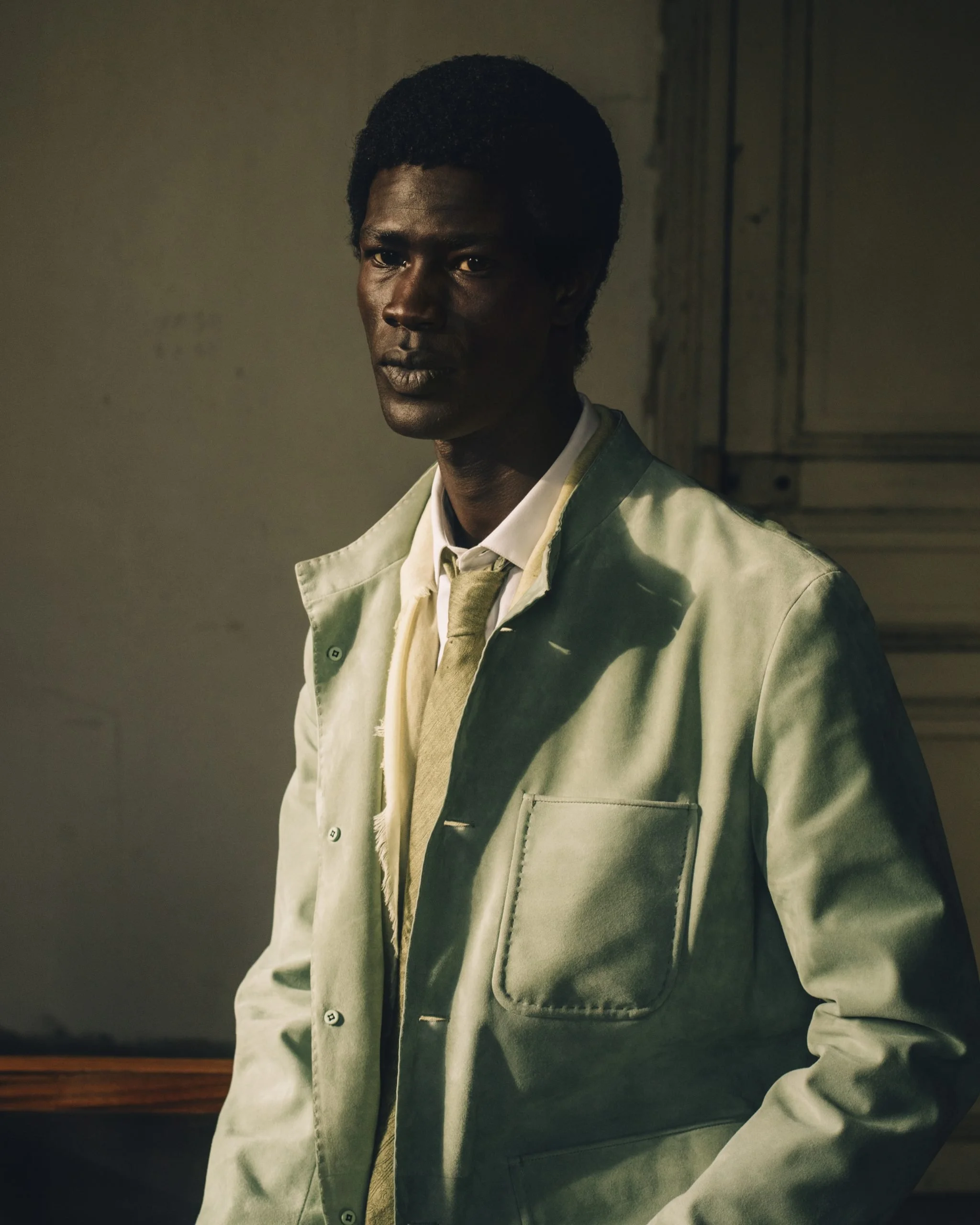
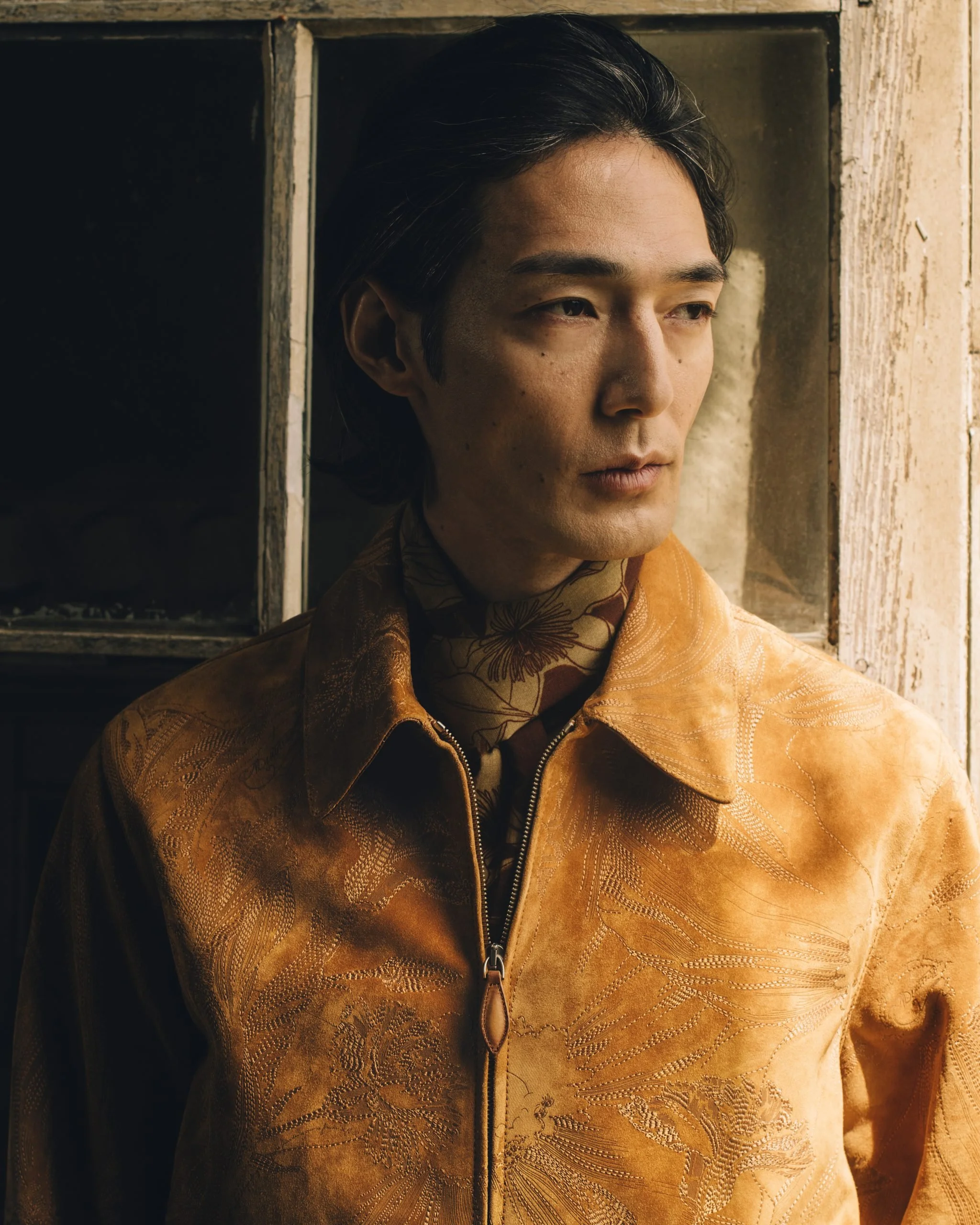
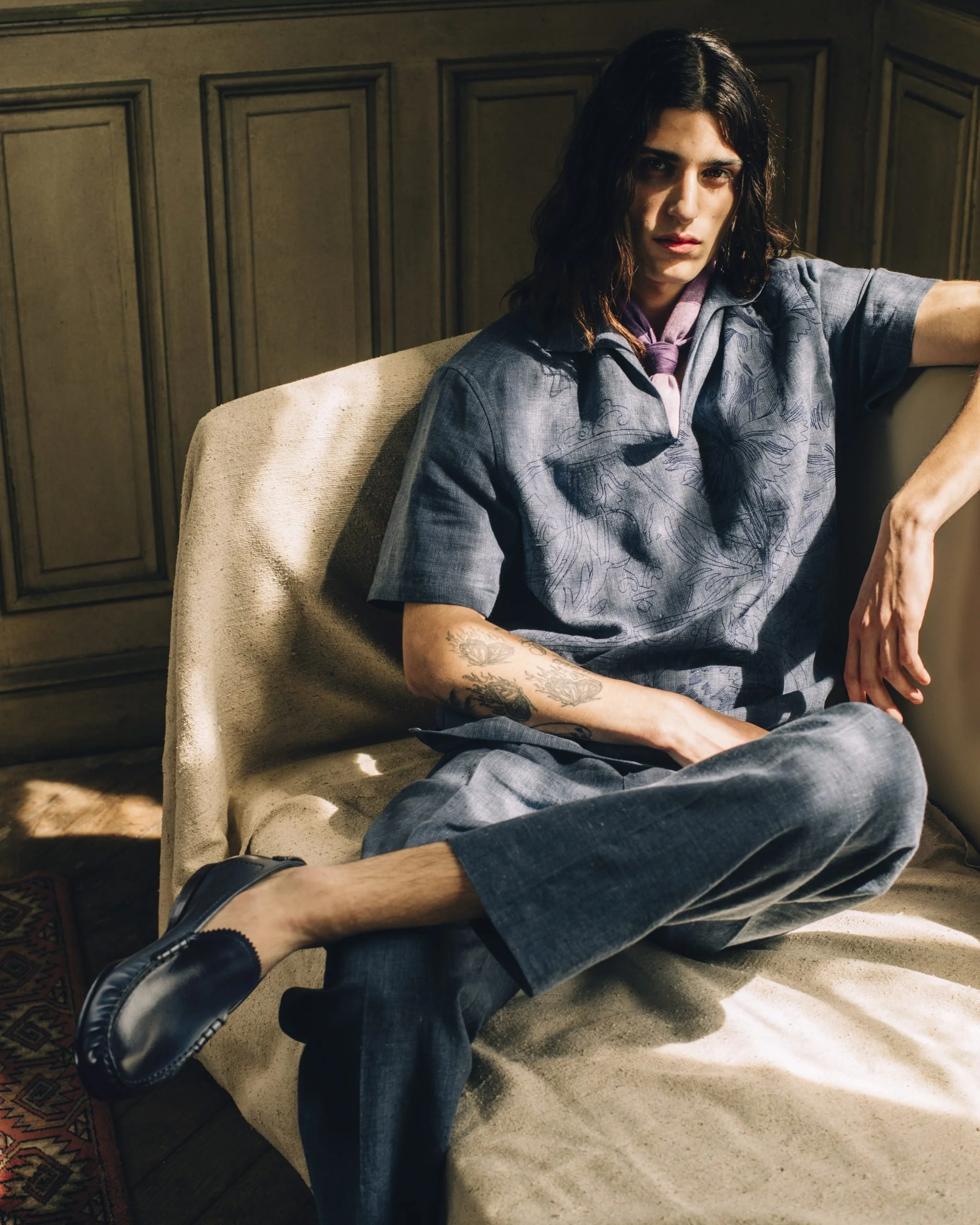
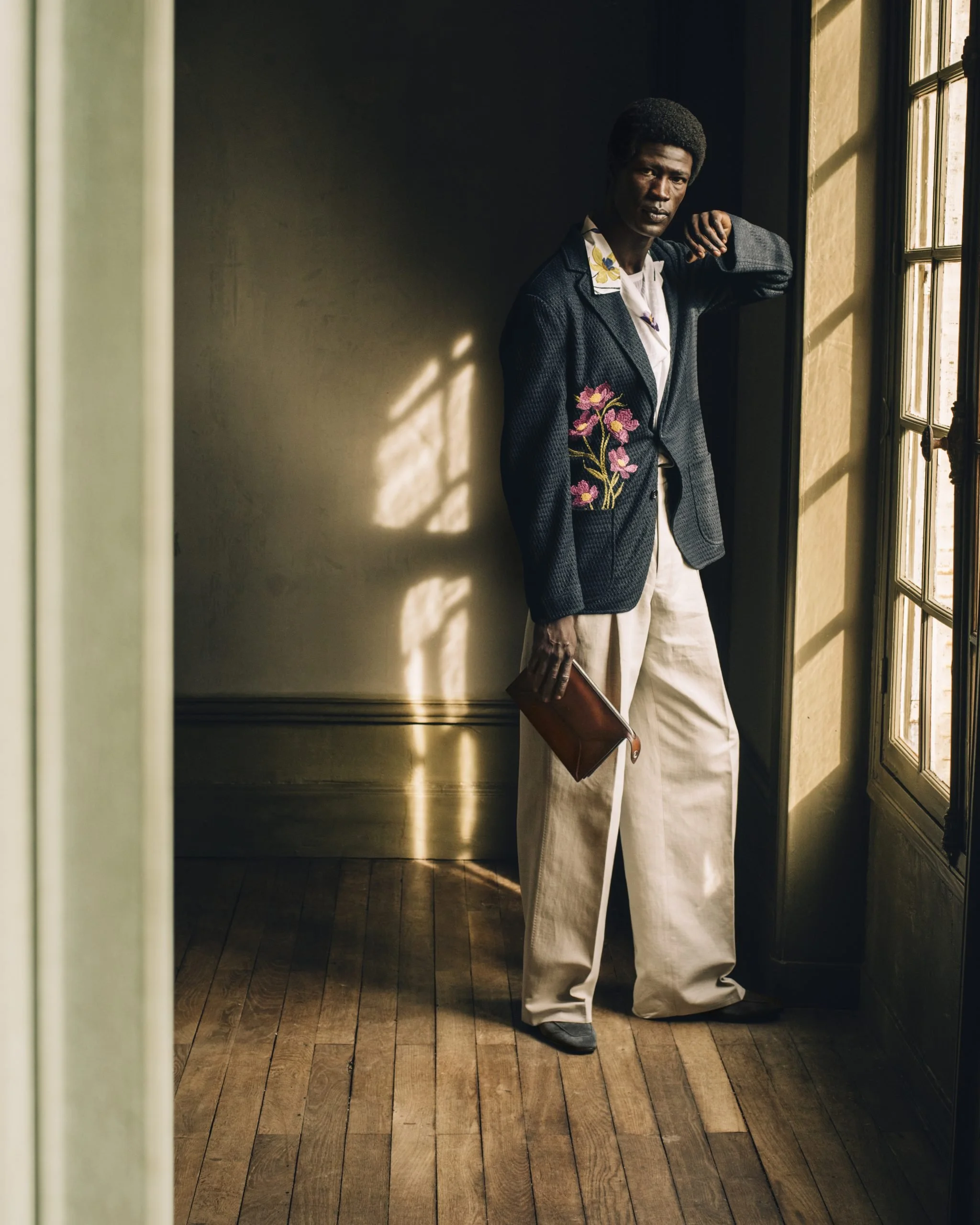
Clothing played a quieter but important supporting role, continuing Berluti’s exploration of relaxed elegance. Linen jackets were subtly embroidered with floral motifs that crept along seams rather than dominating surfaces, while suede and leather pieces were enriched with tonal stitching that added depth without disrupting silhouette. A sense of ease ran throughout, with silhouettes softened and proportions relaxed, reinforcing the idea that luxury here is experienced through material and construction rather than overt design statements.
What emerges from Berluti Spring/Summer 2027 is less a collection built around The Little Prince than one filtered through its sensibility. The themes of travel, innocence and poetic perception are present, but never literalised. Instead, they inform a broader design language centred on craftsmanship, subtle narrative and emotional restraint. In a luxury landscape often driven by maximal storytelling, Berluti continues to operate in a quieter register, where meaning is embedded in material detail rather than declared outright.
There is, however, an inherent risk in this consistency. As the brand continues to refine its aesthetic vocabulary, the boundaries between evolution and repetition become increasingly delicate. Yet within that tension lies Berluti’s distinct position: a house less concerned with seasonal reinvention than with the slow accumulation of meaning across time.
Ultimately, Poet in Pumps is not about spectacle or reinterpretation on a grand scale. It is about intimacy—between craft and wearer, between story and object, between heritage and imagination. Berluti once again proves that its most compelling narratives are those whispered rather than spoken aloud.