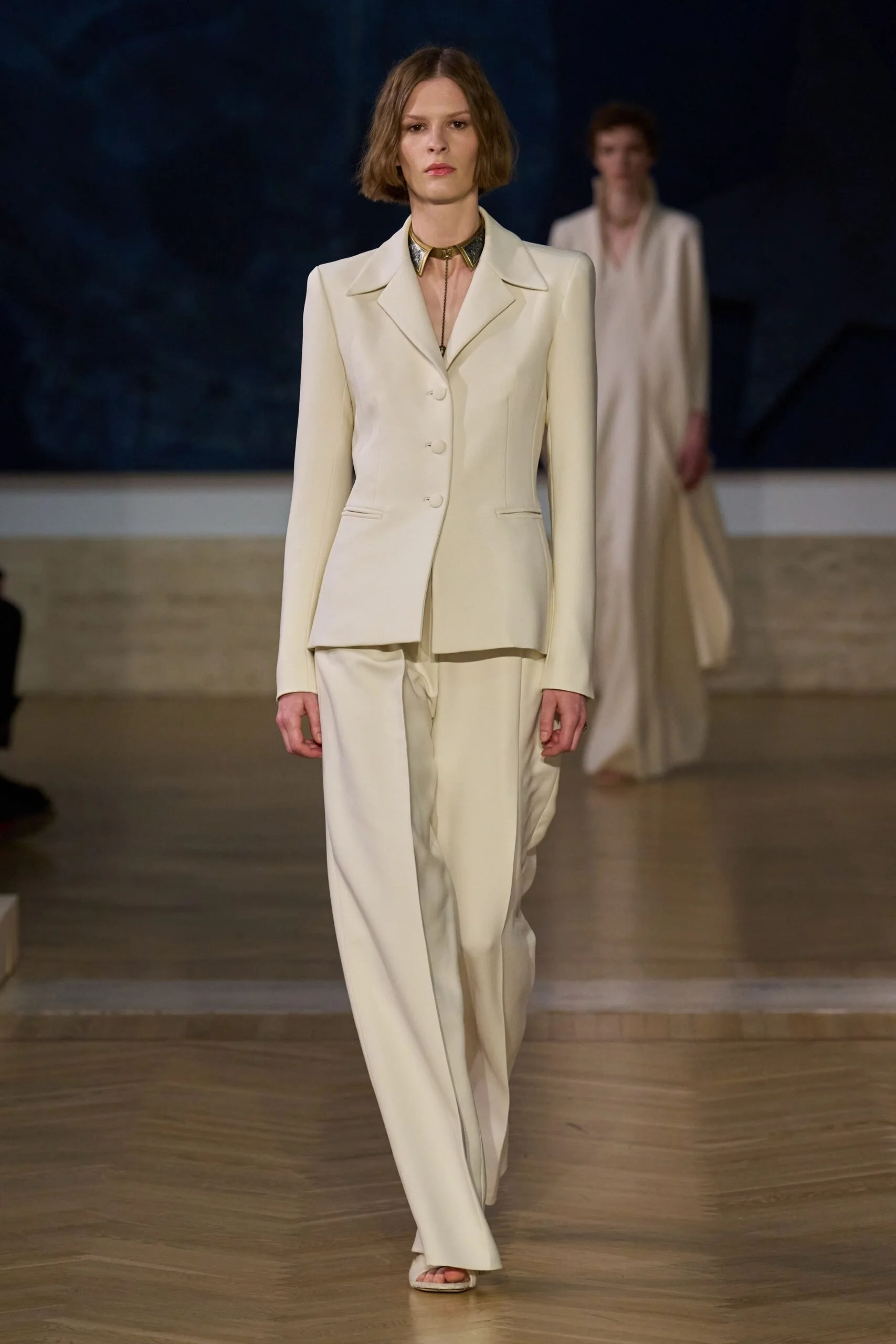
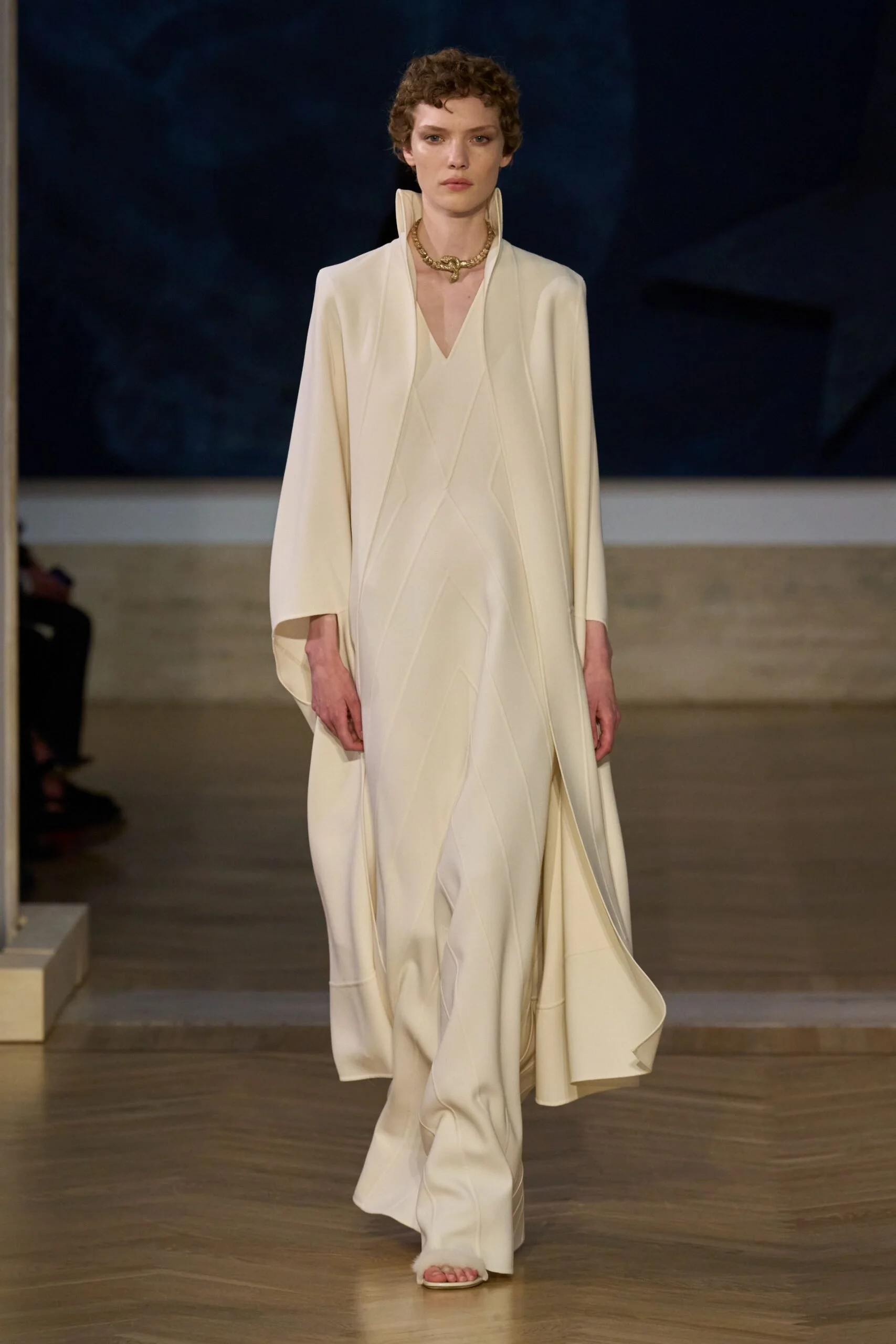
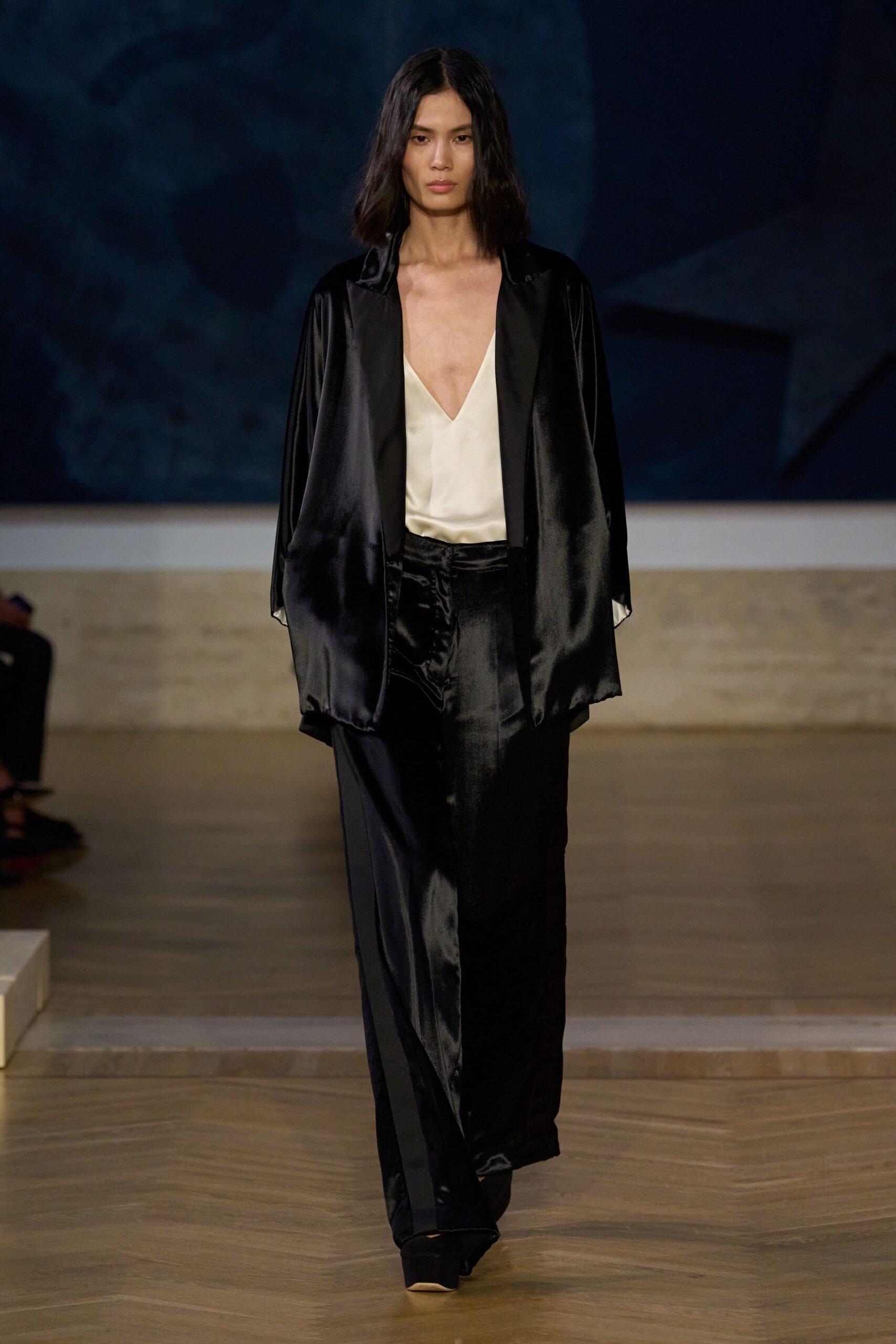
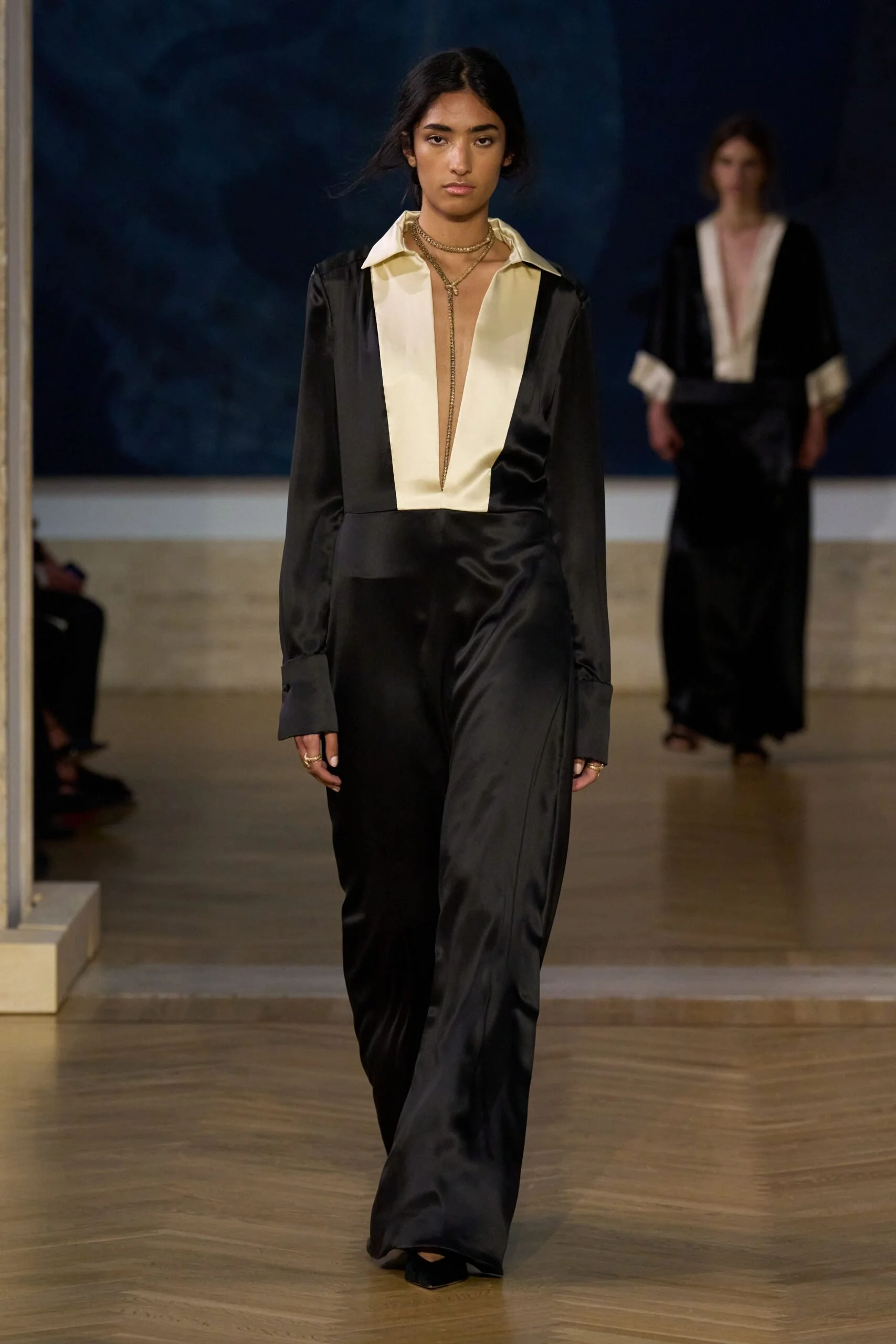
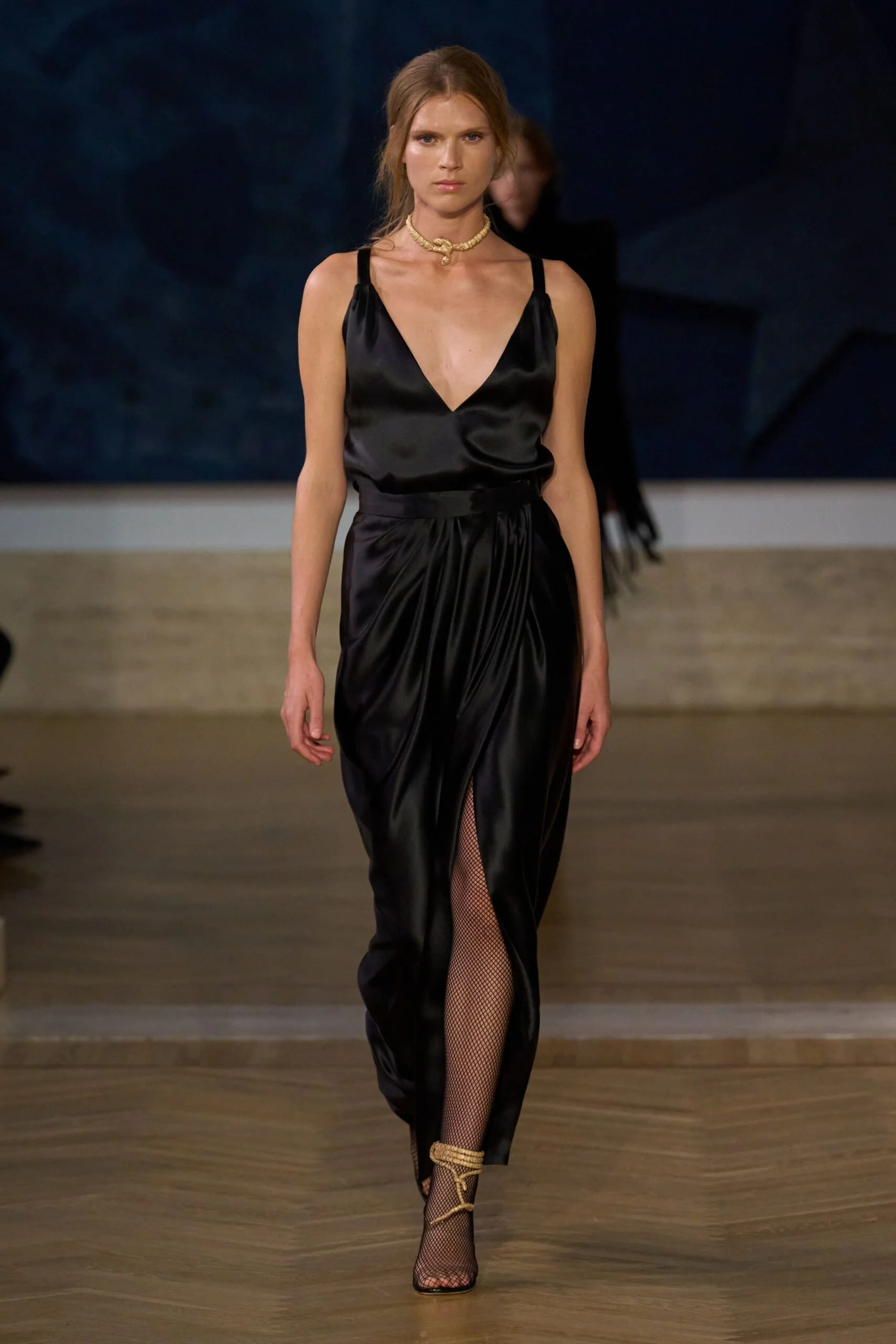
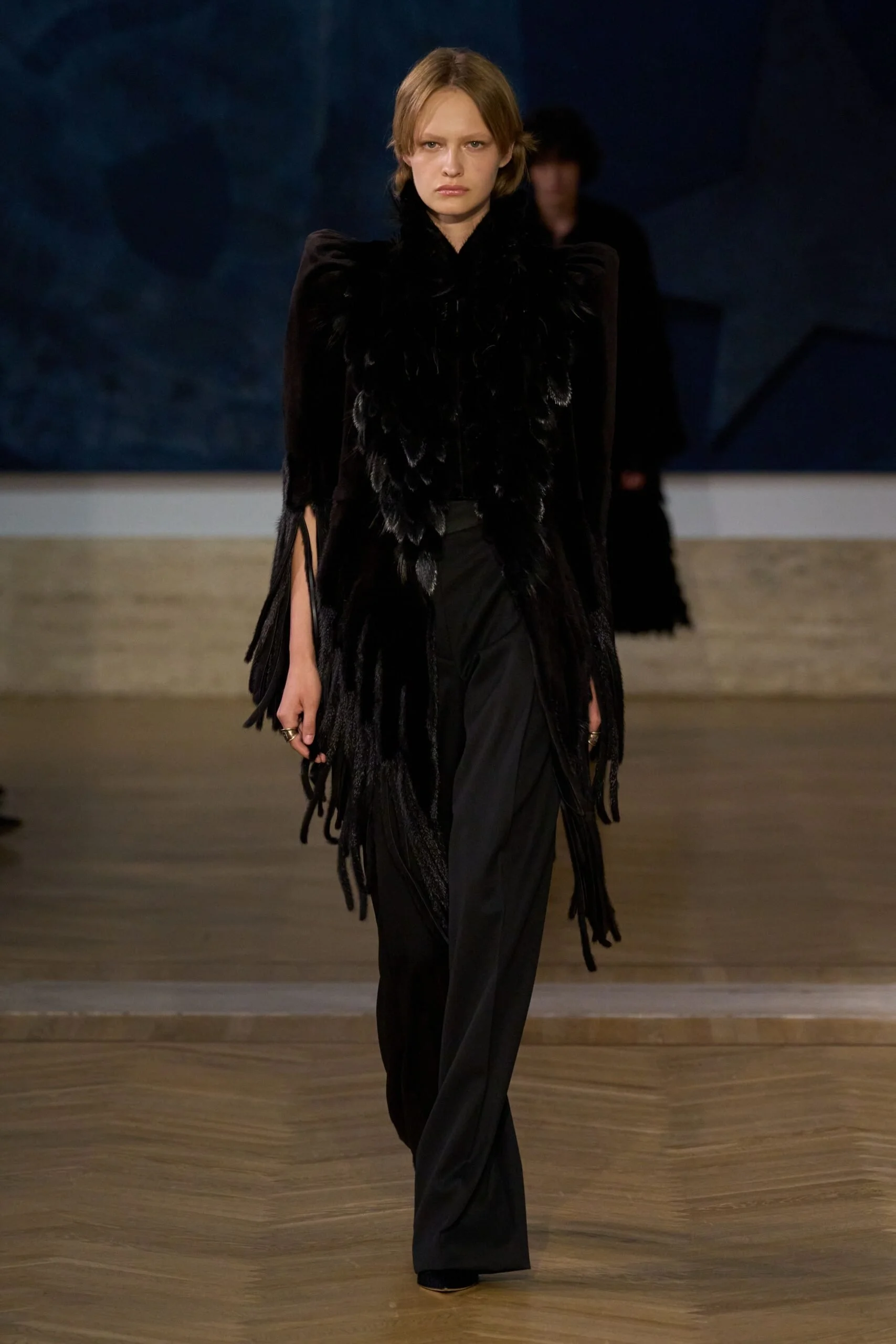
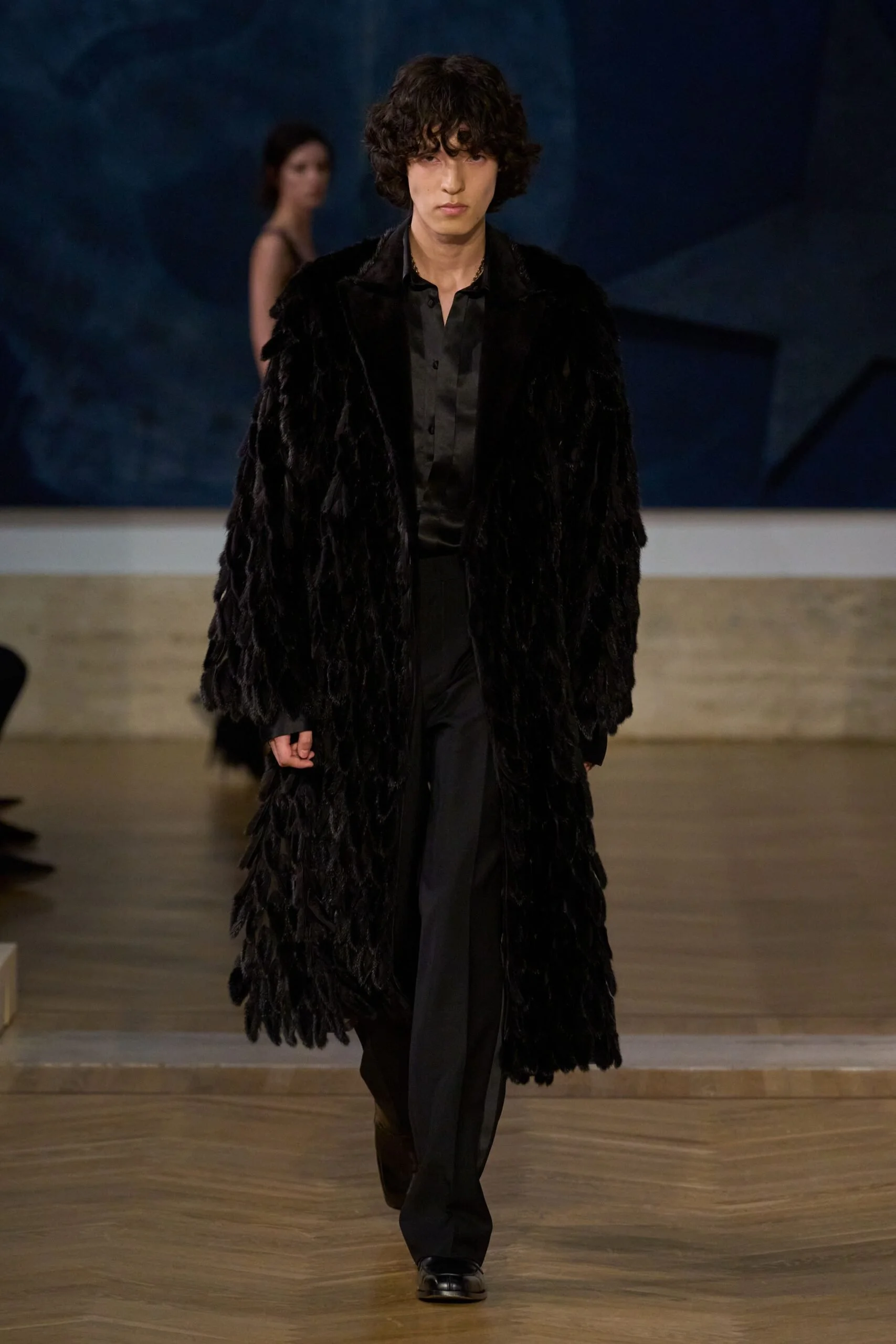
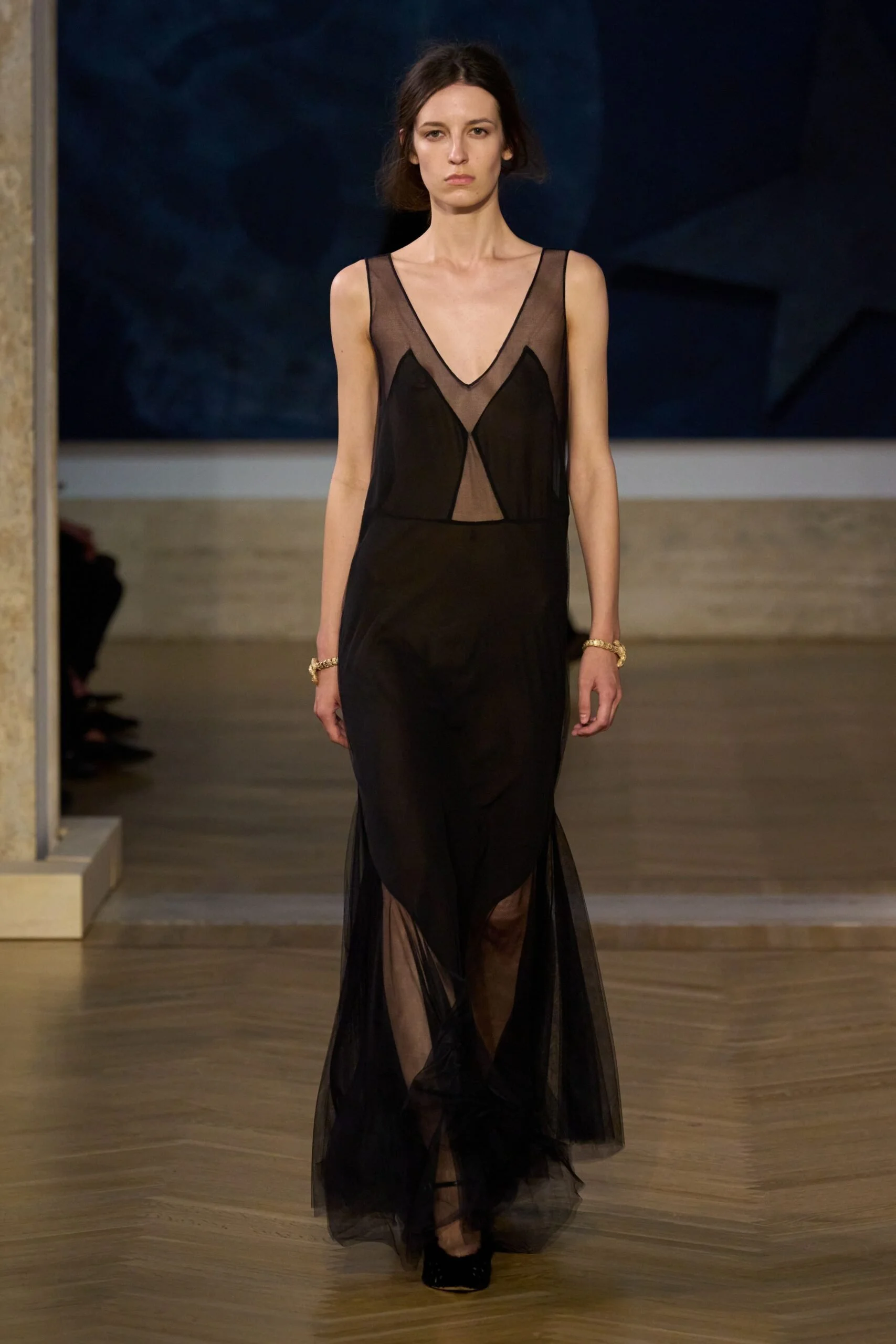
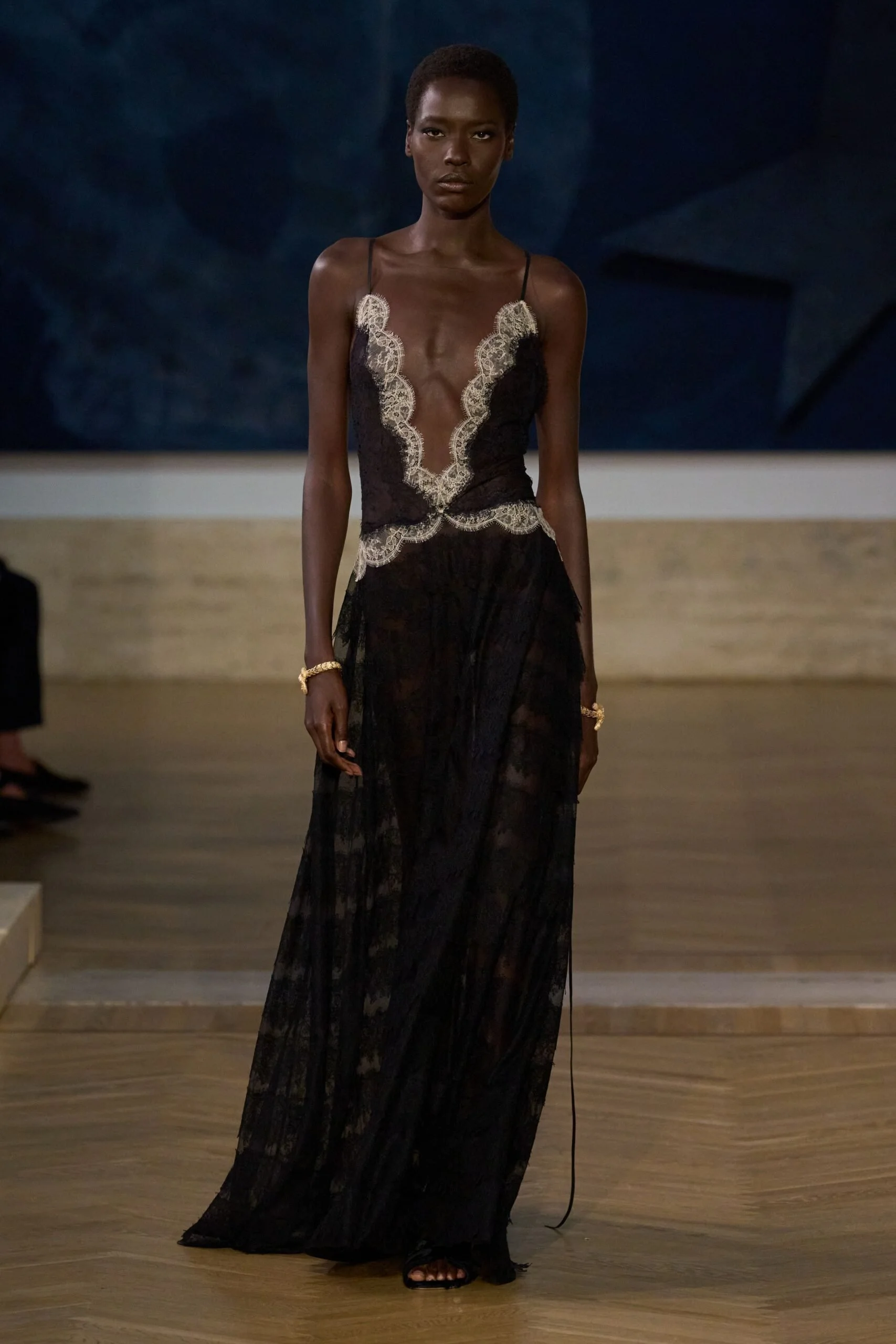
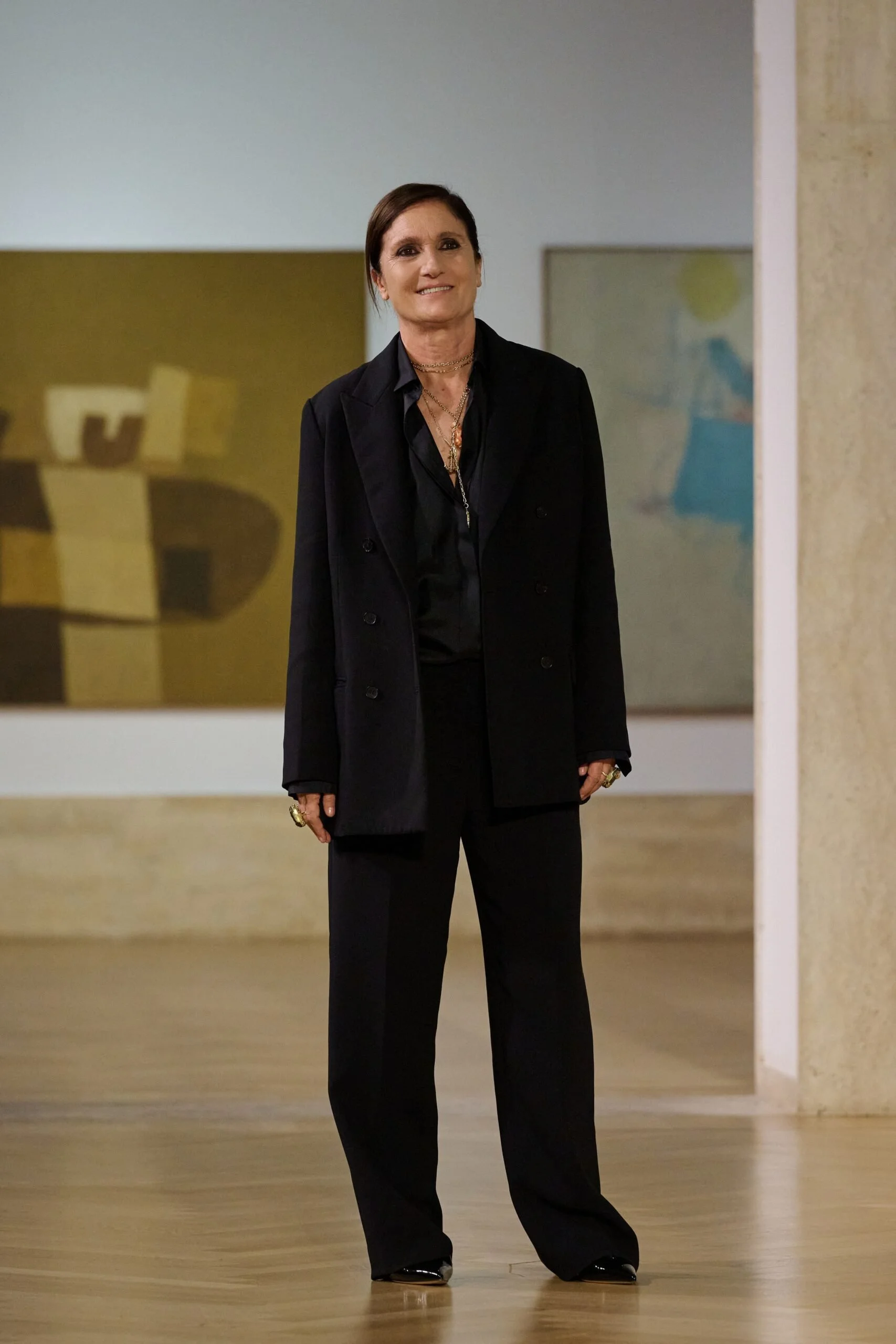
Fendi Fall 2026 Couture
After years of defining femininity at Dior, Maria Grazia Chiuri arrived at Fendi Couture without the need for a dramatic reset. Instead, her first haute couture collection for the Roman house was remarkably restrained. There were no headline-grabbing silhouettes or viral runway moments. What she offered instead was something increasingly uncommon in luxury fashion: patience.
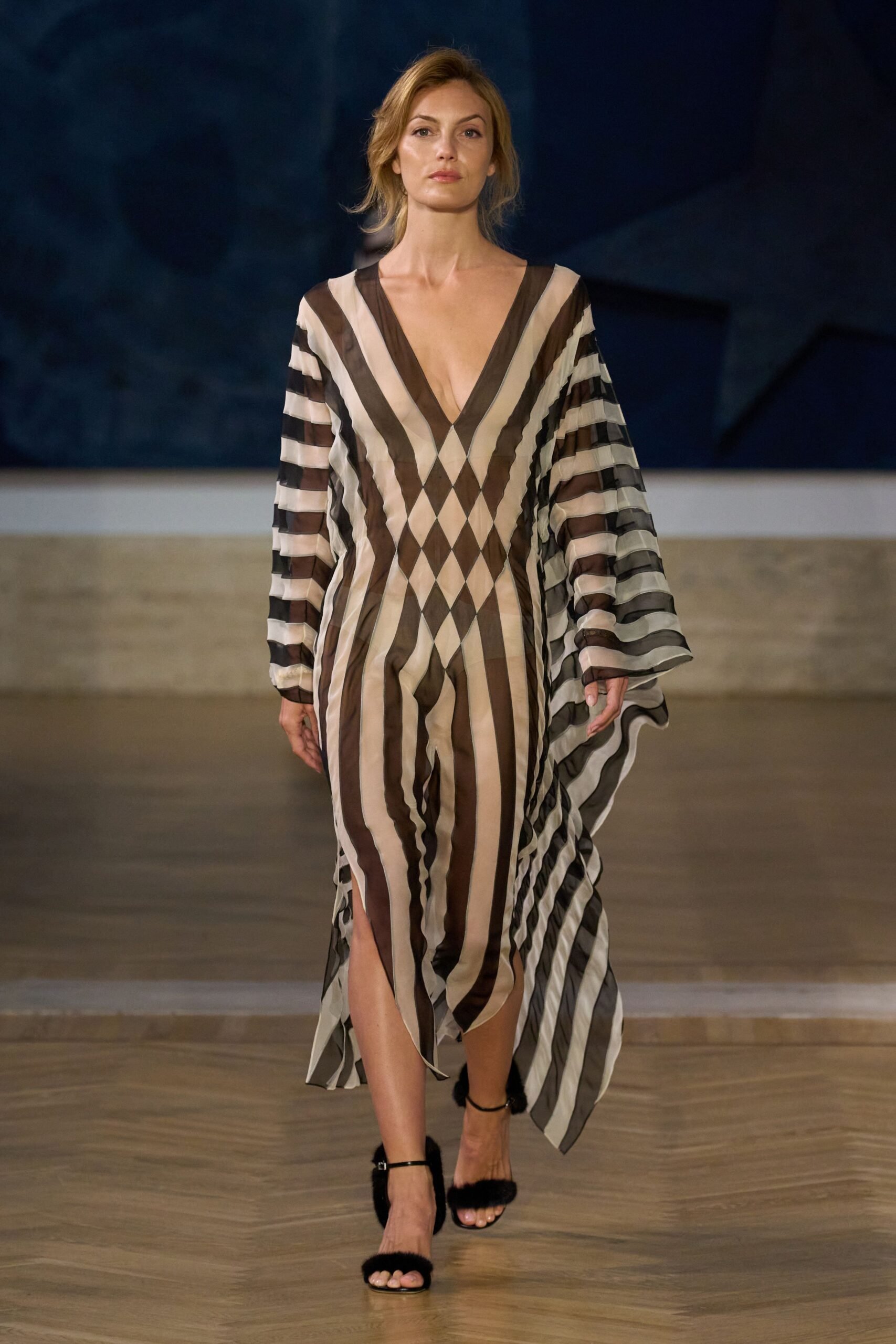
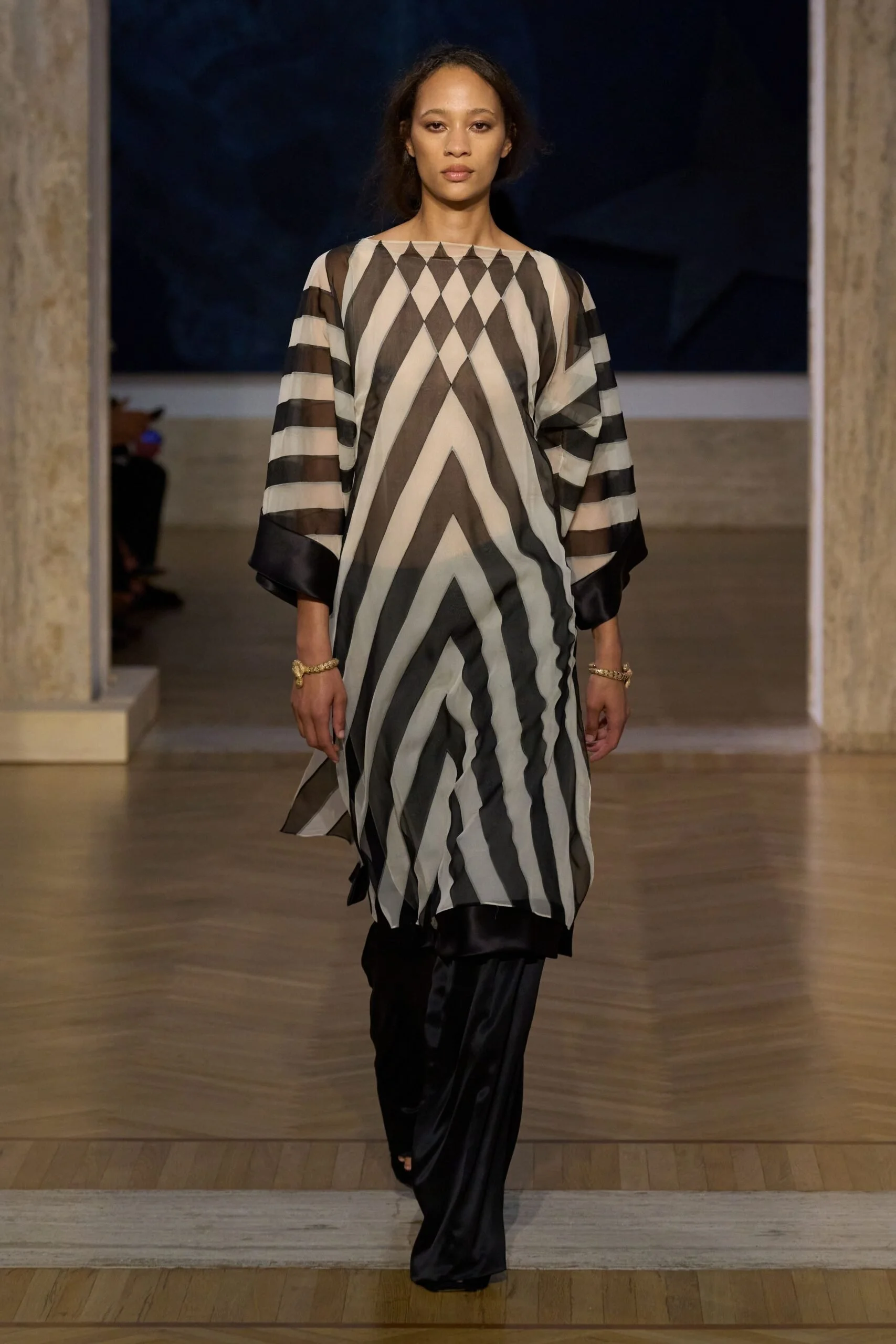
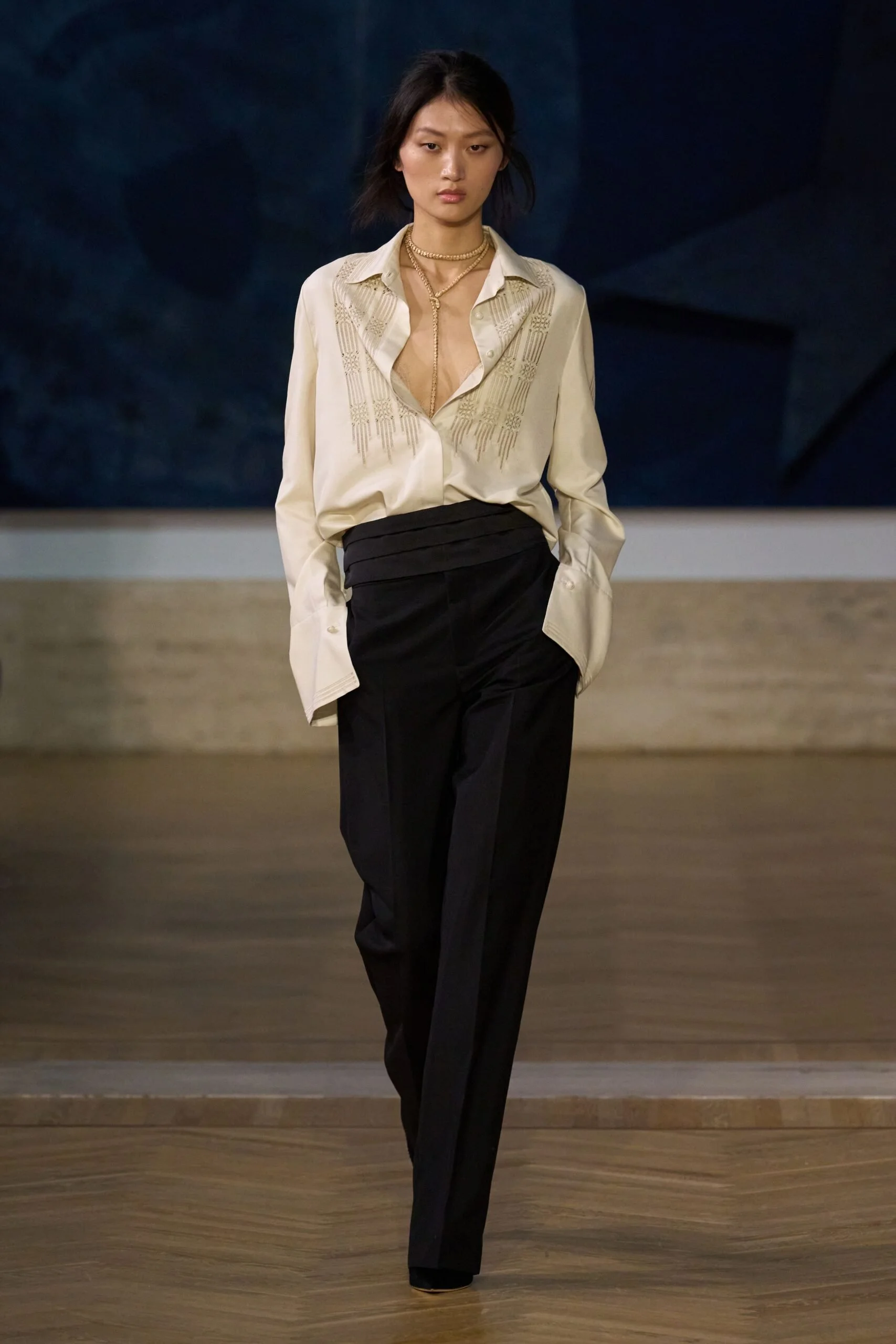
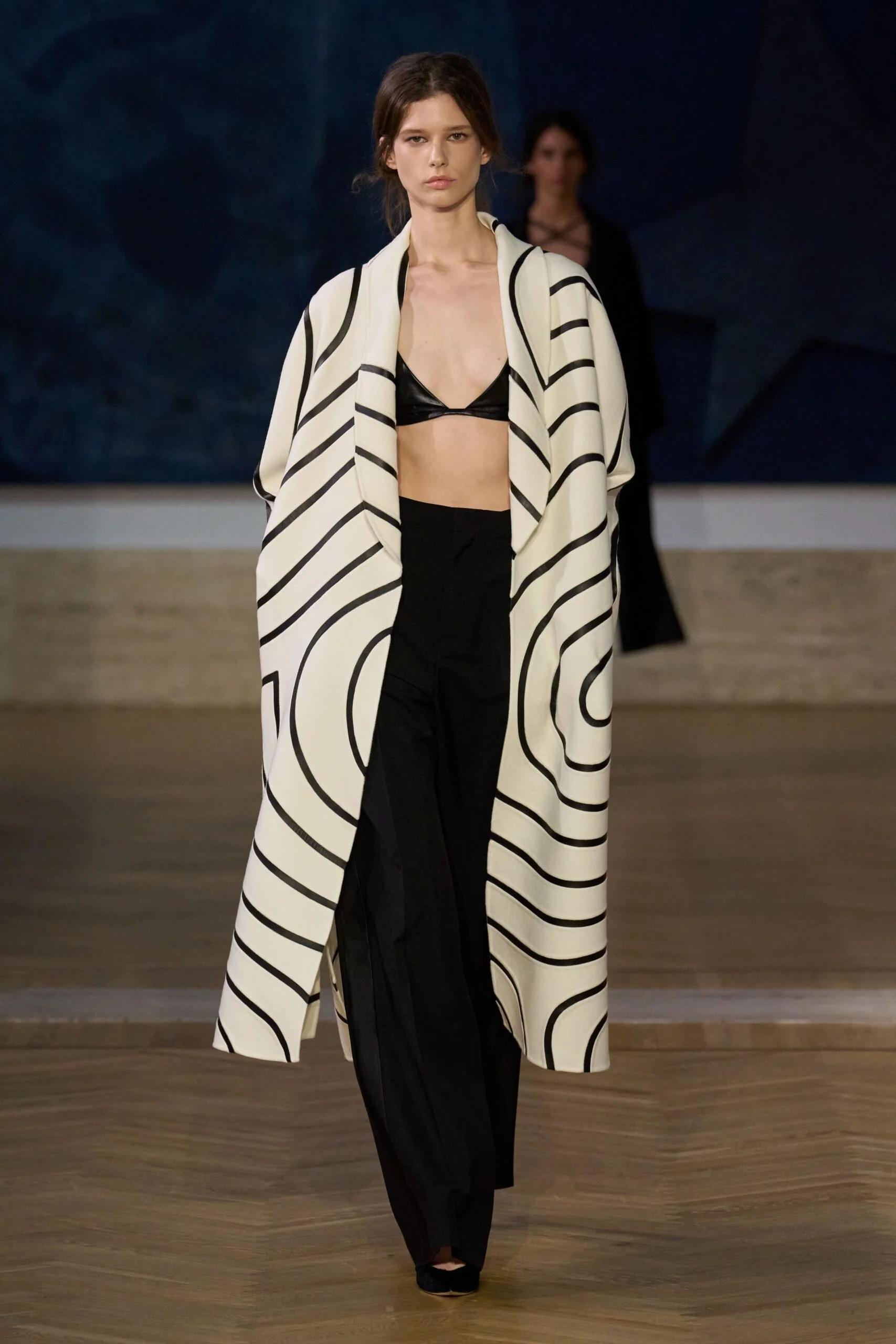
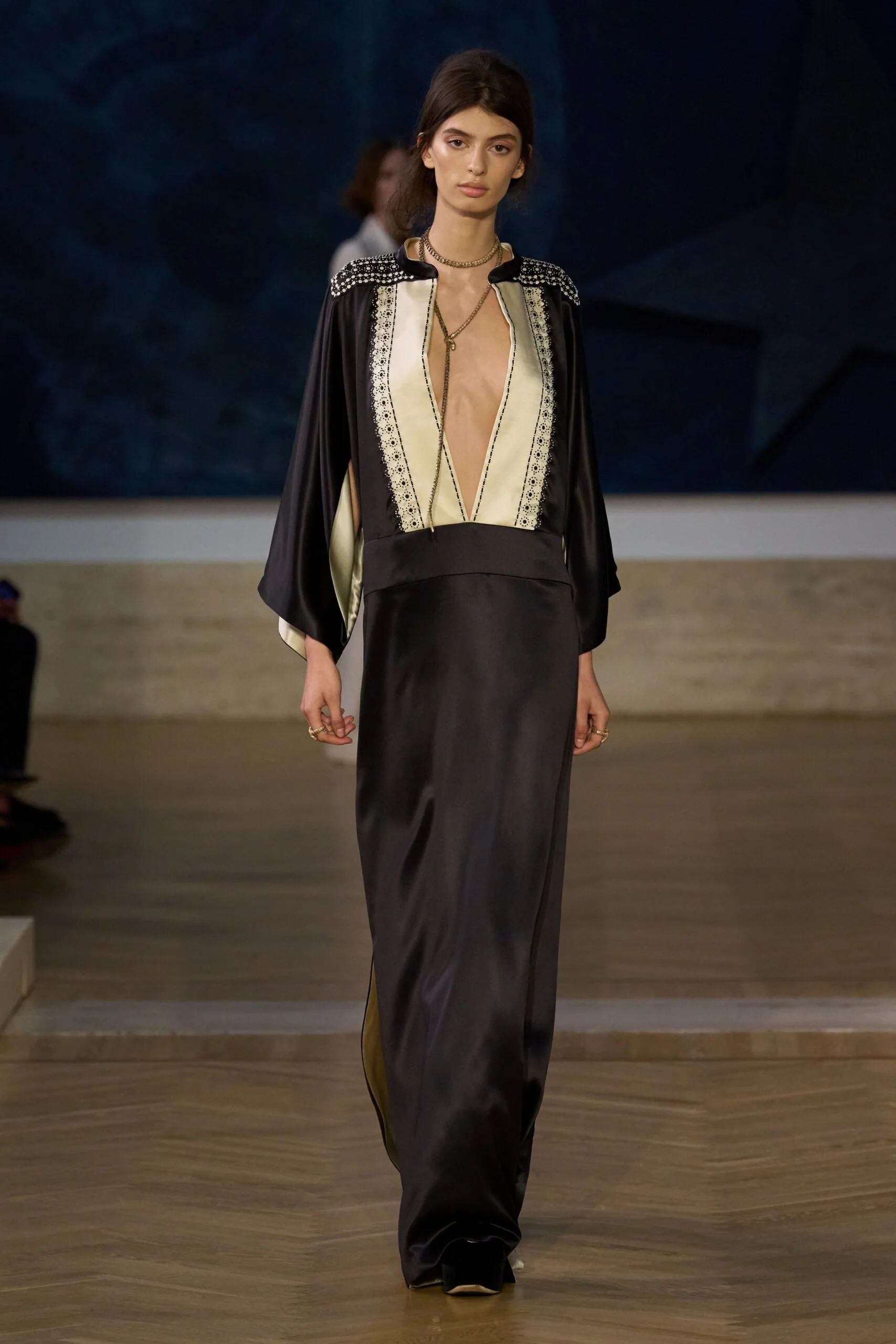
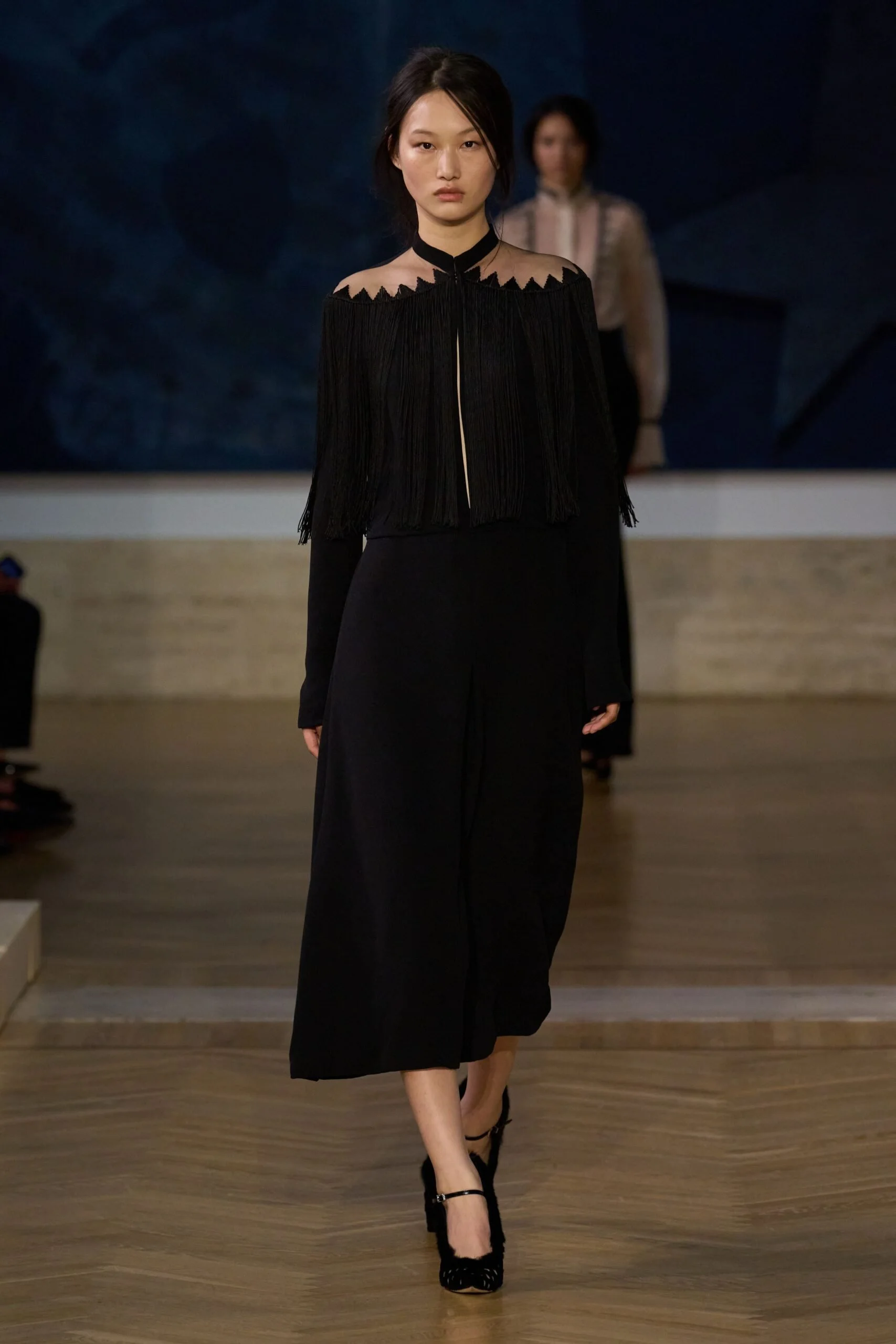
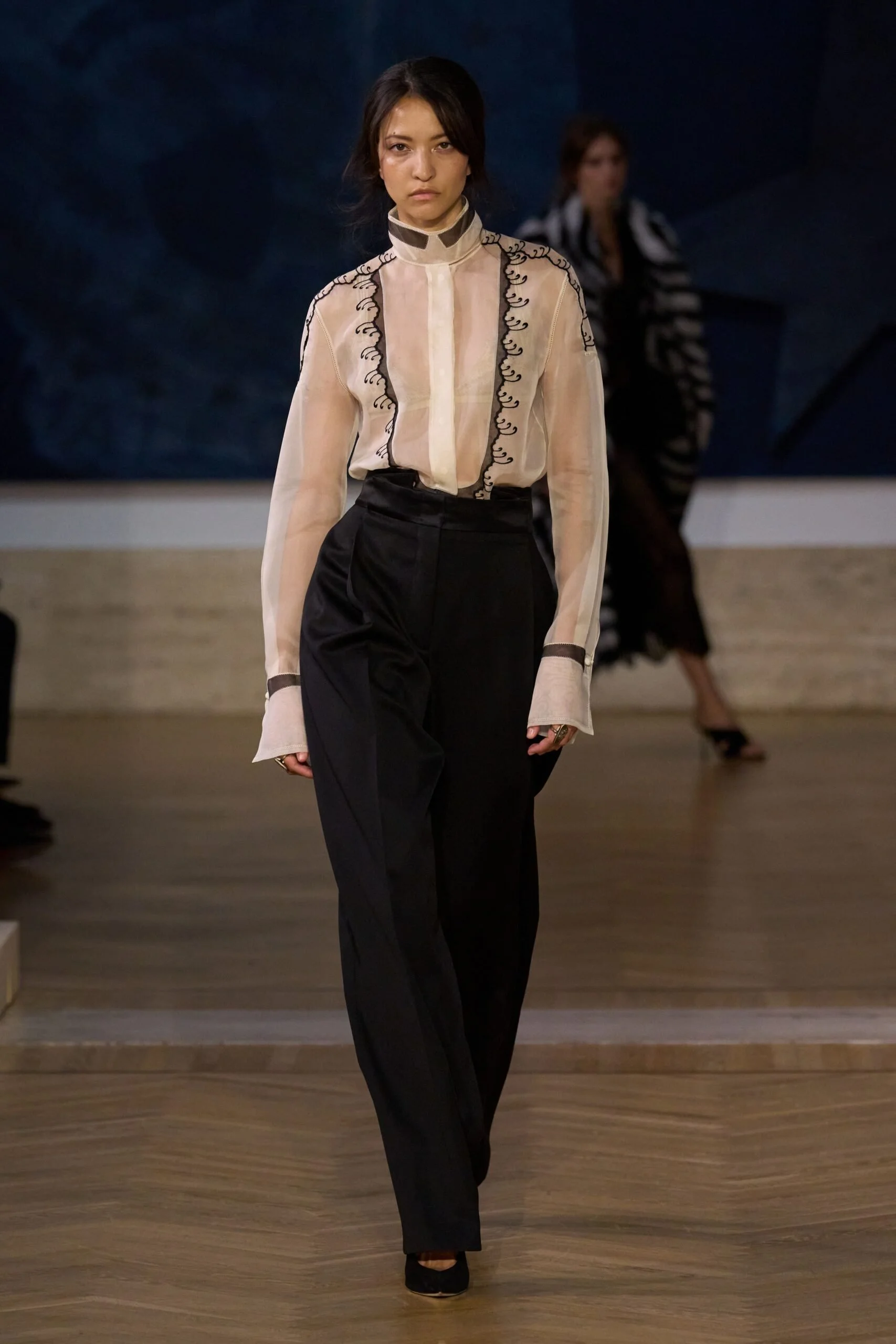
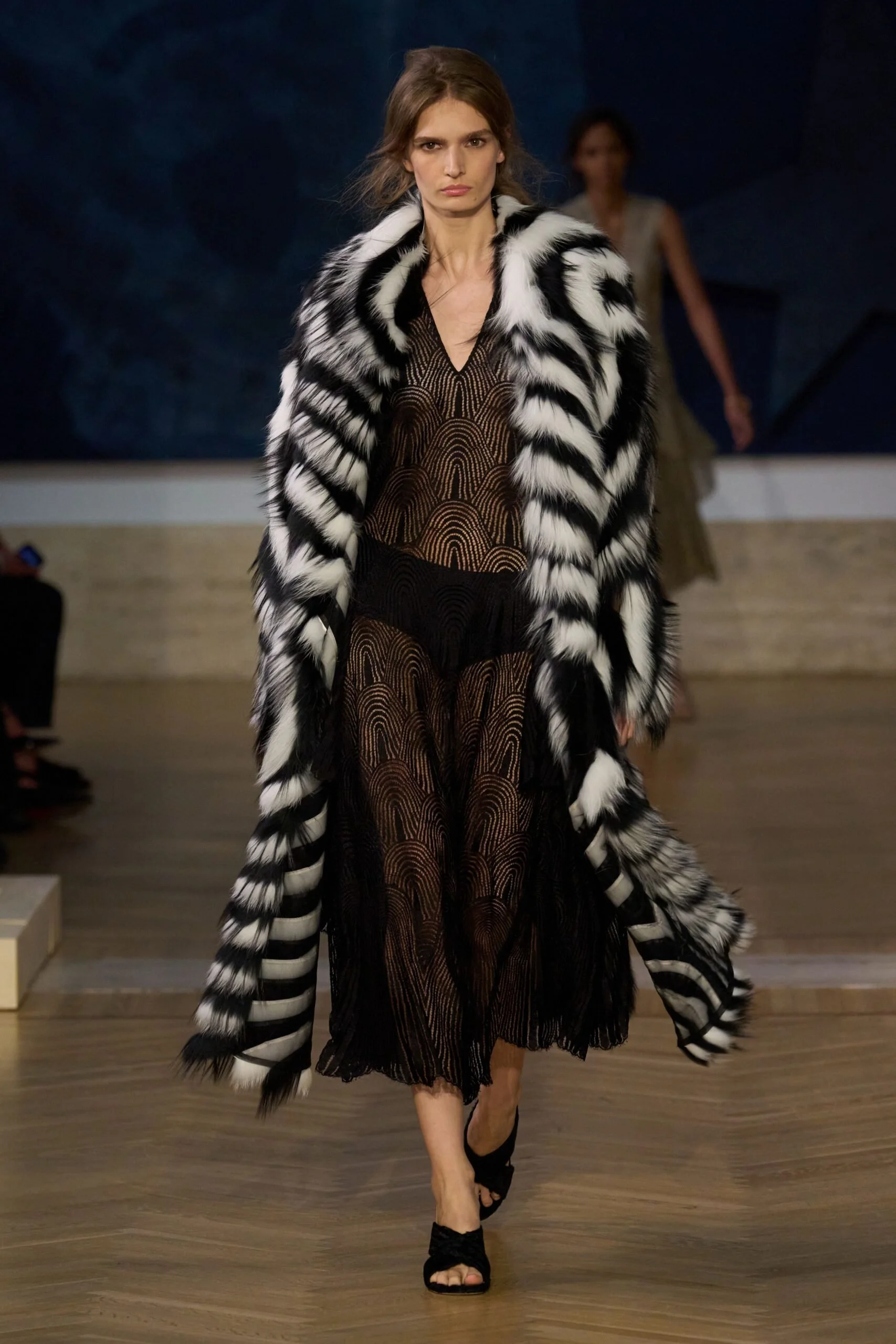
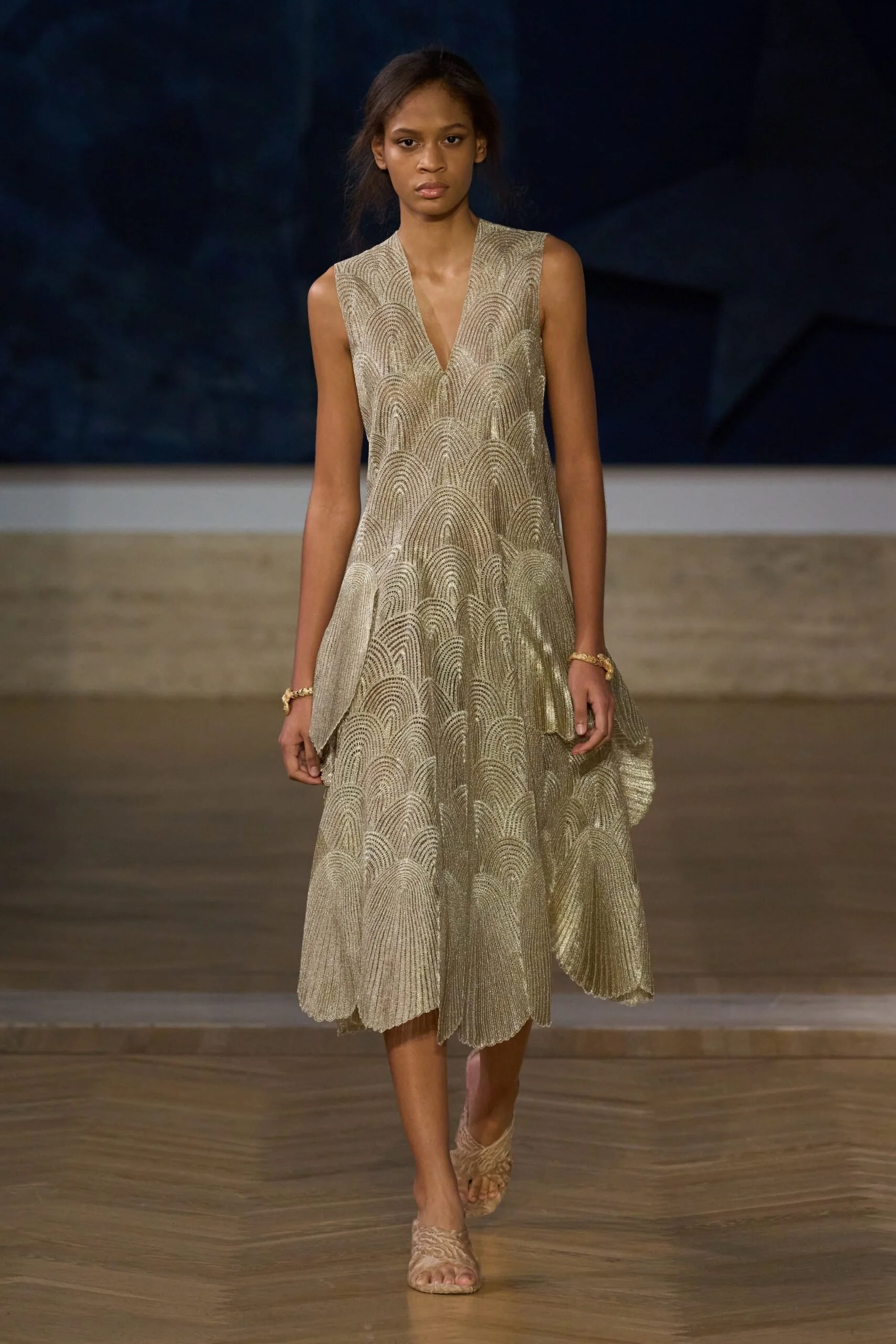
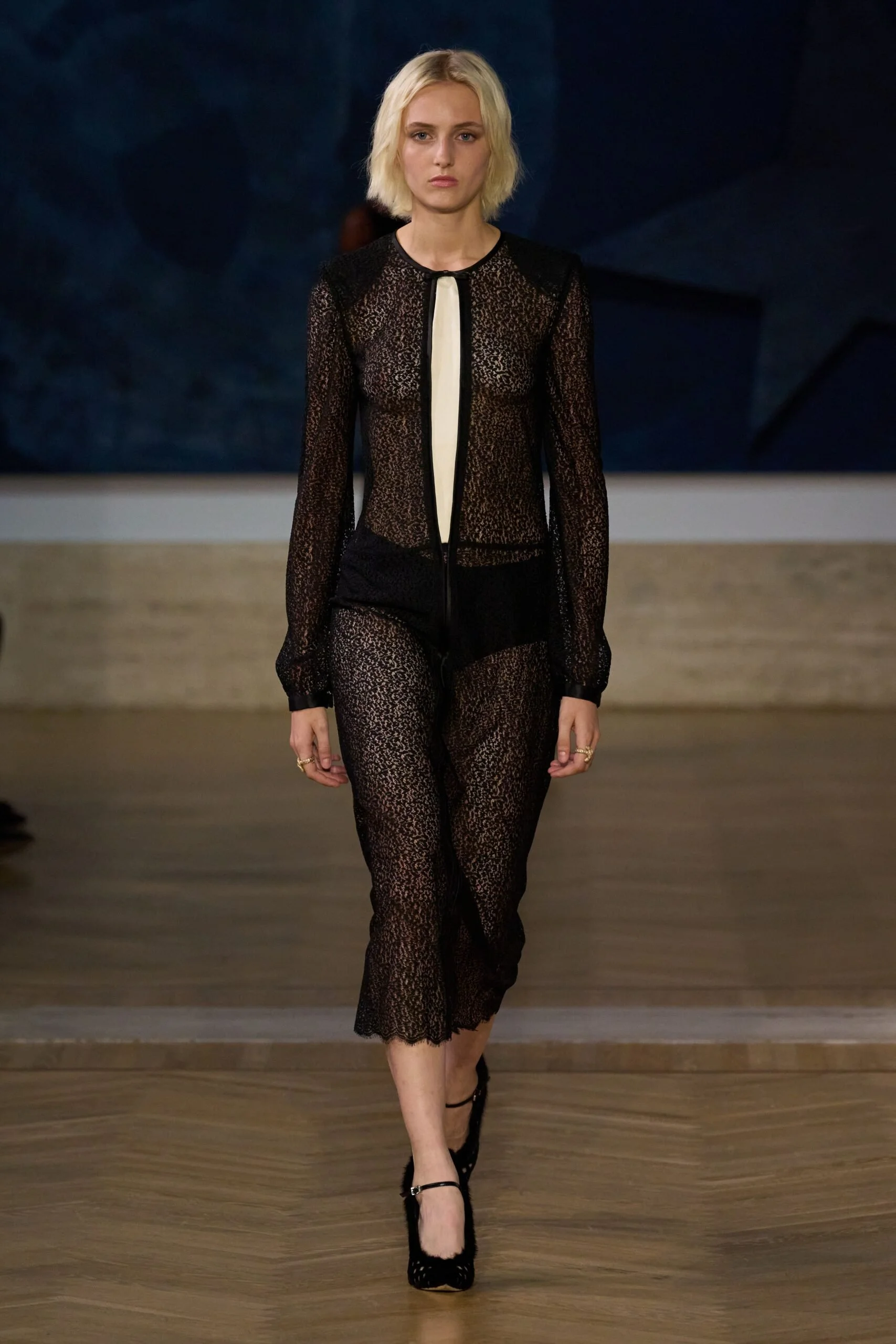
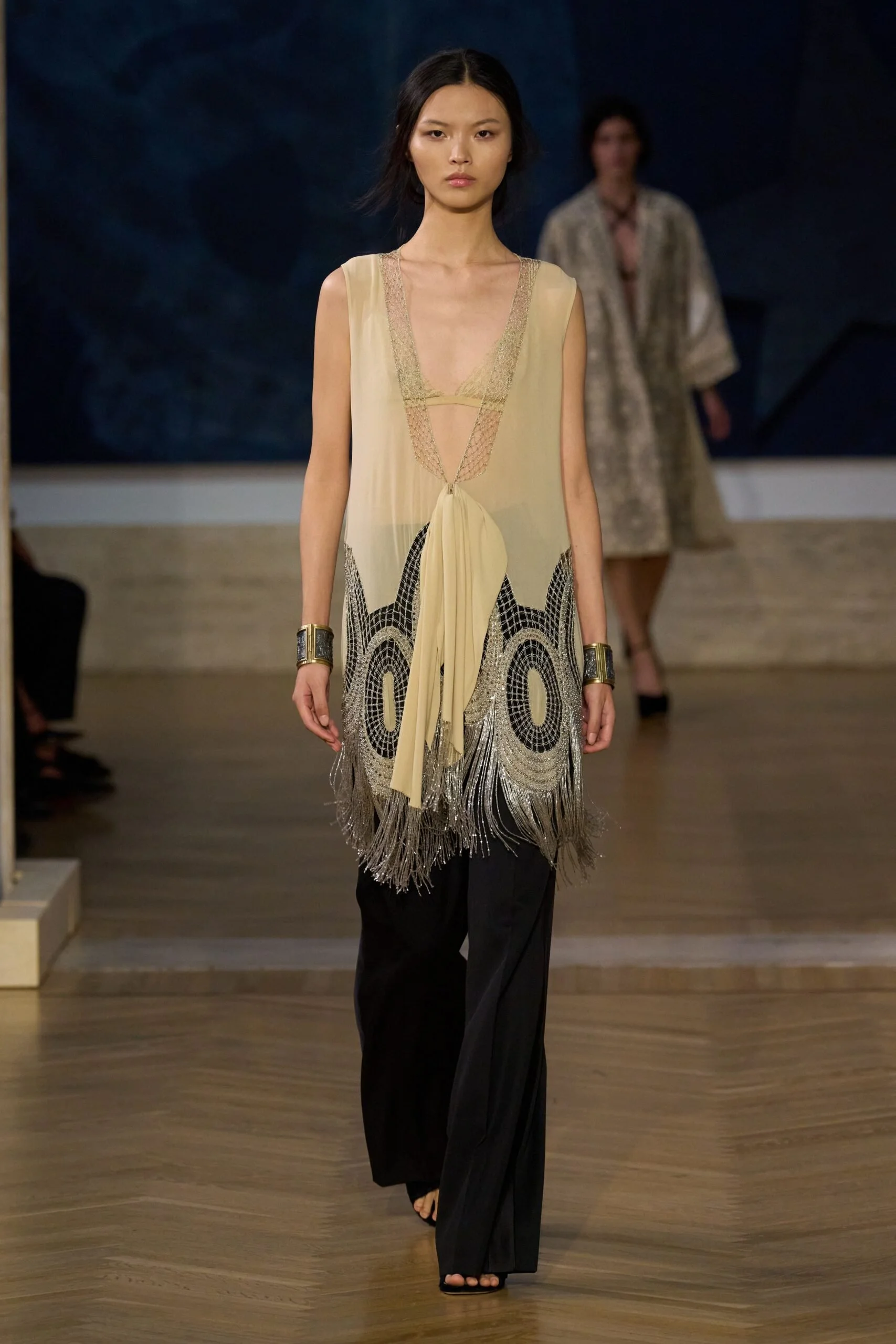
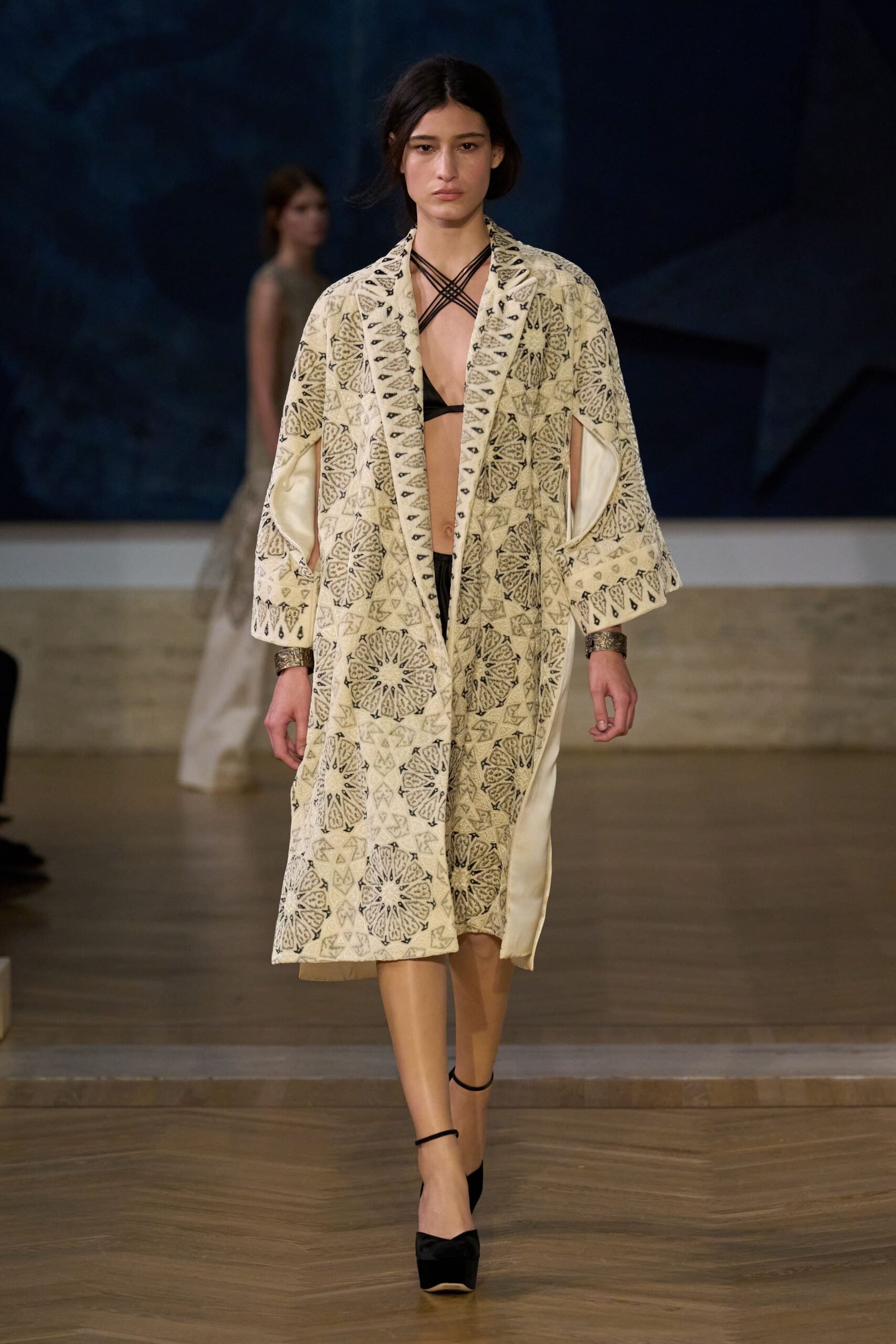
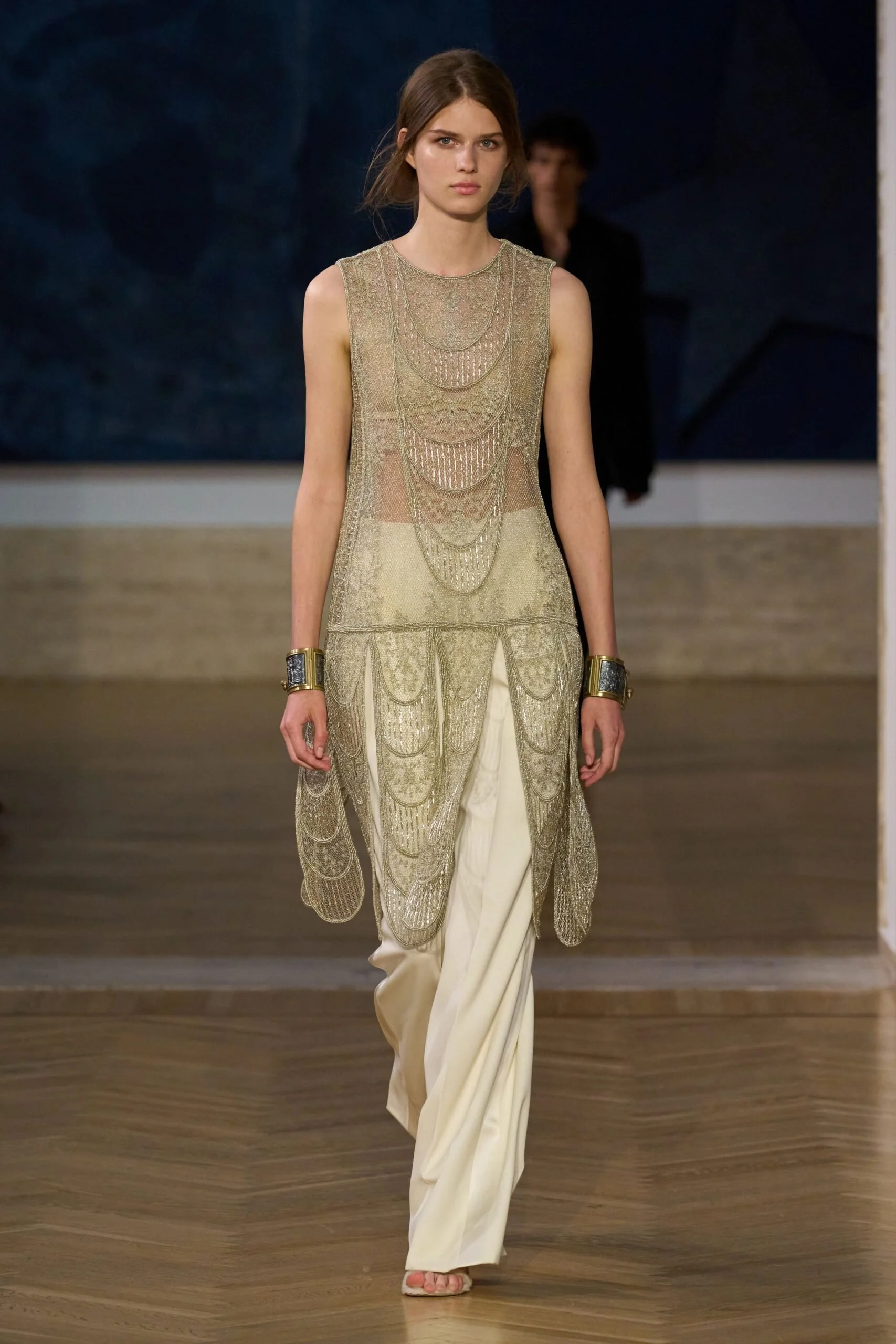
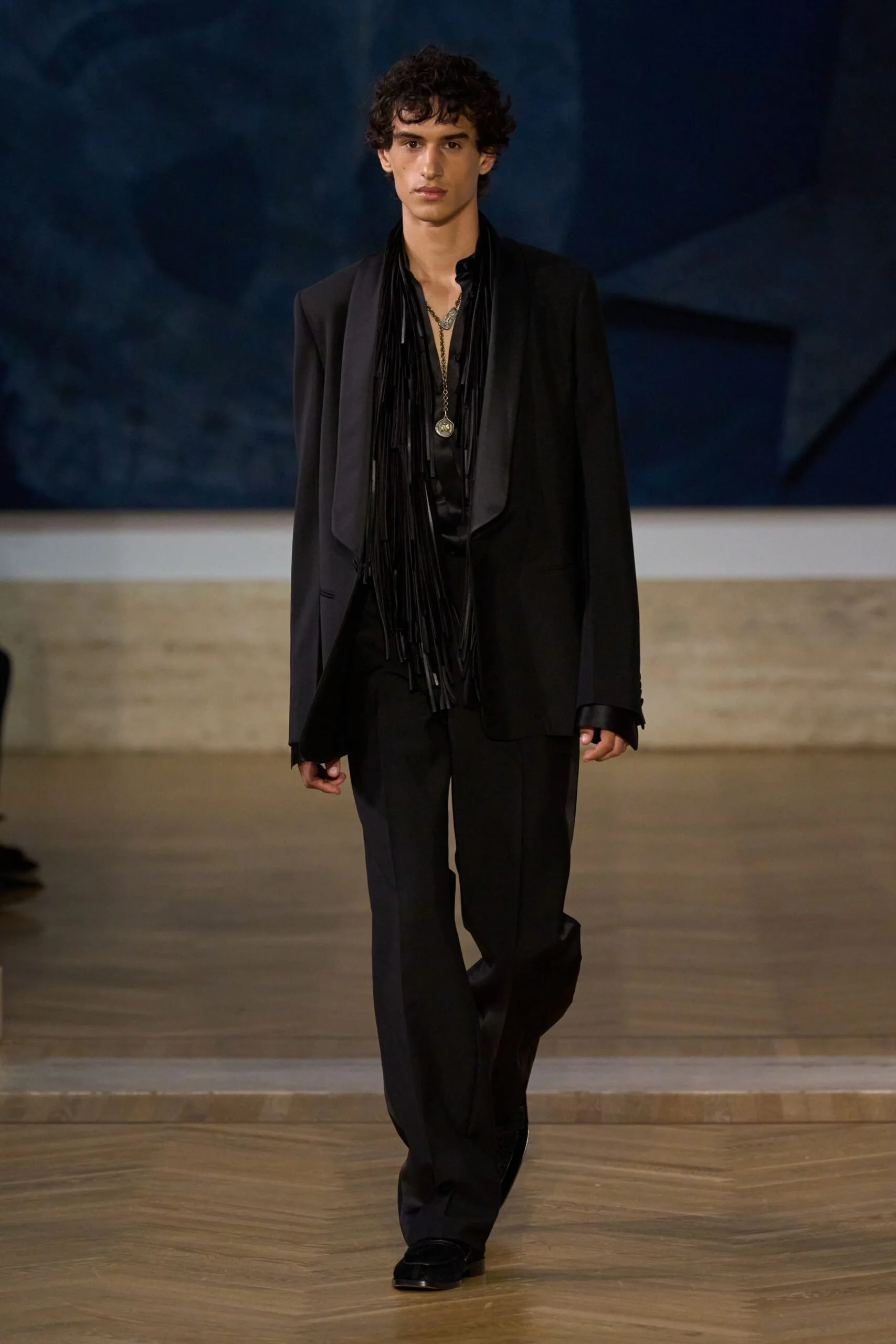
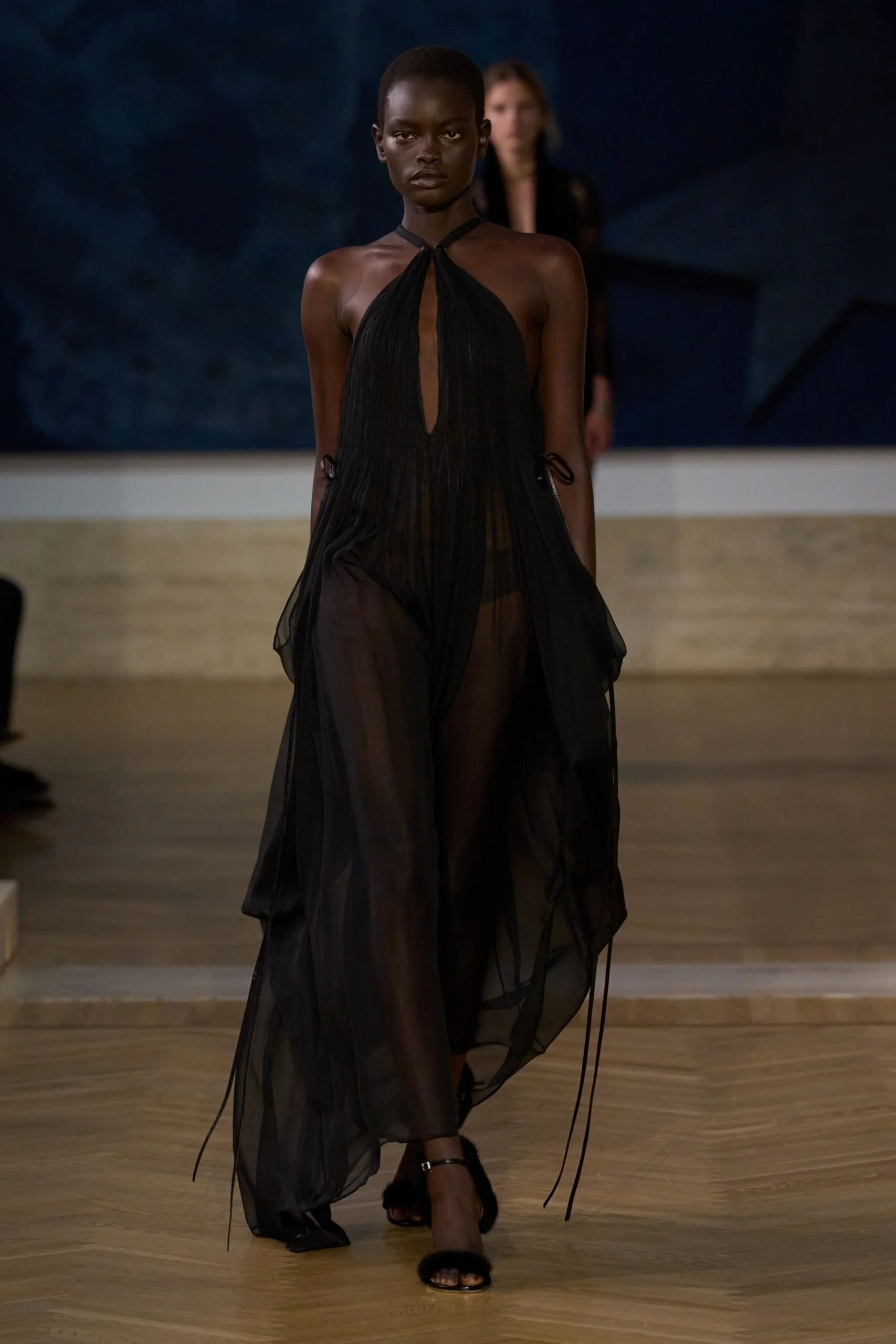
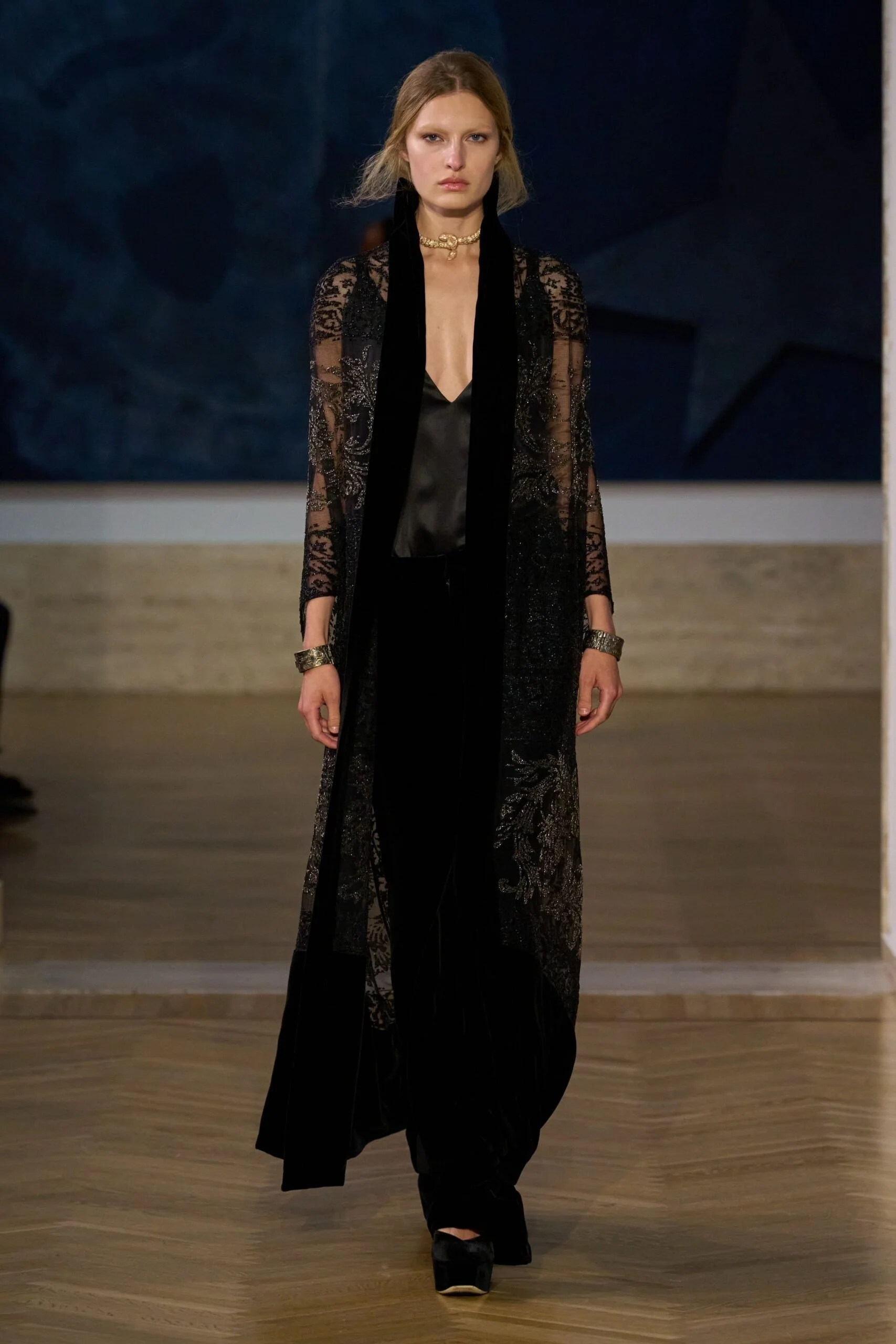
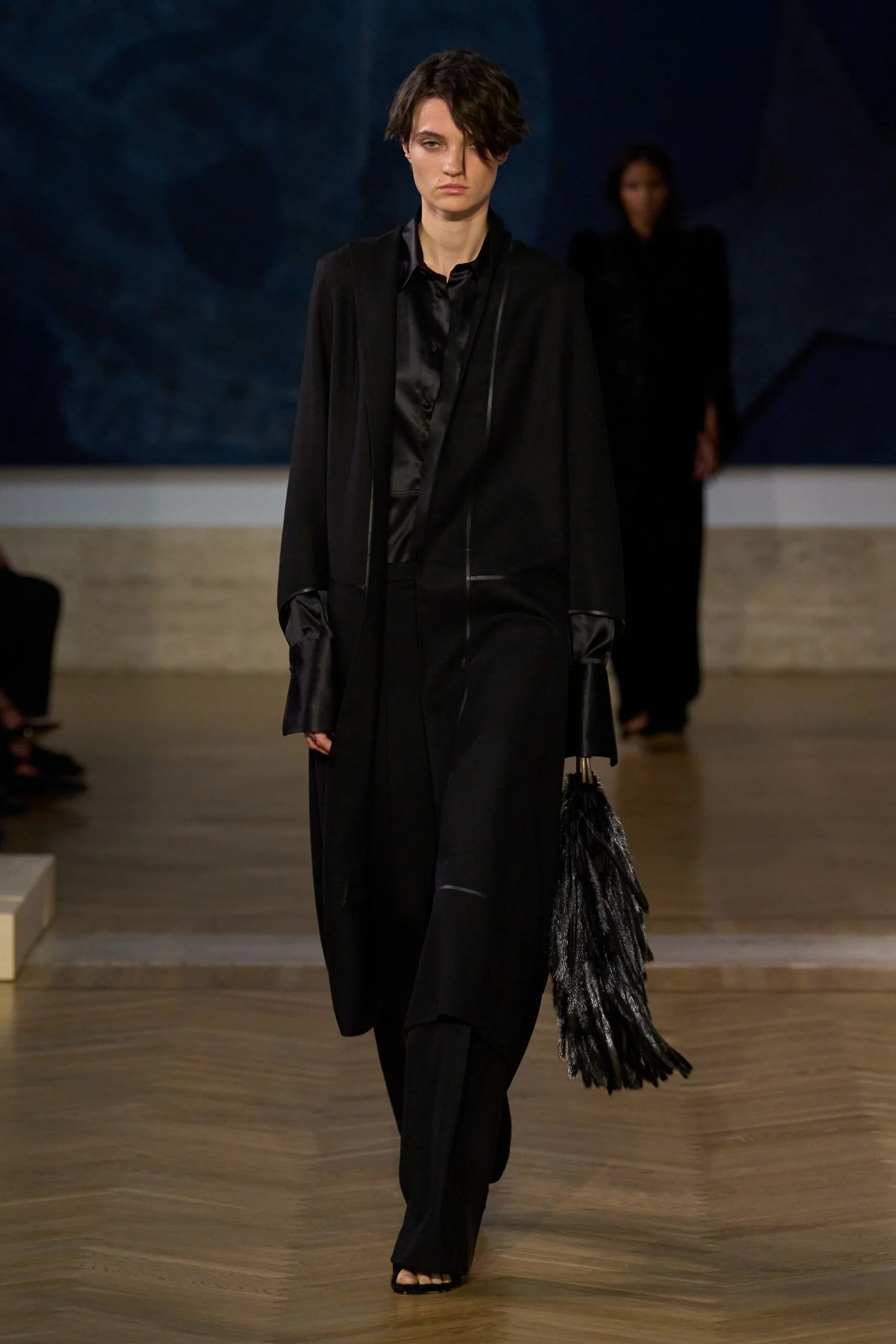
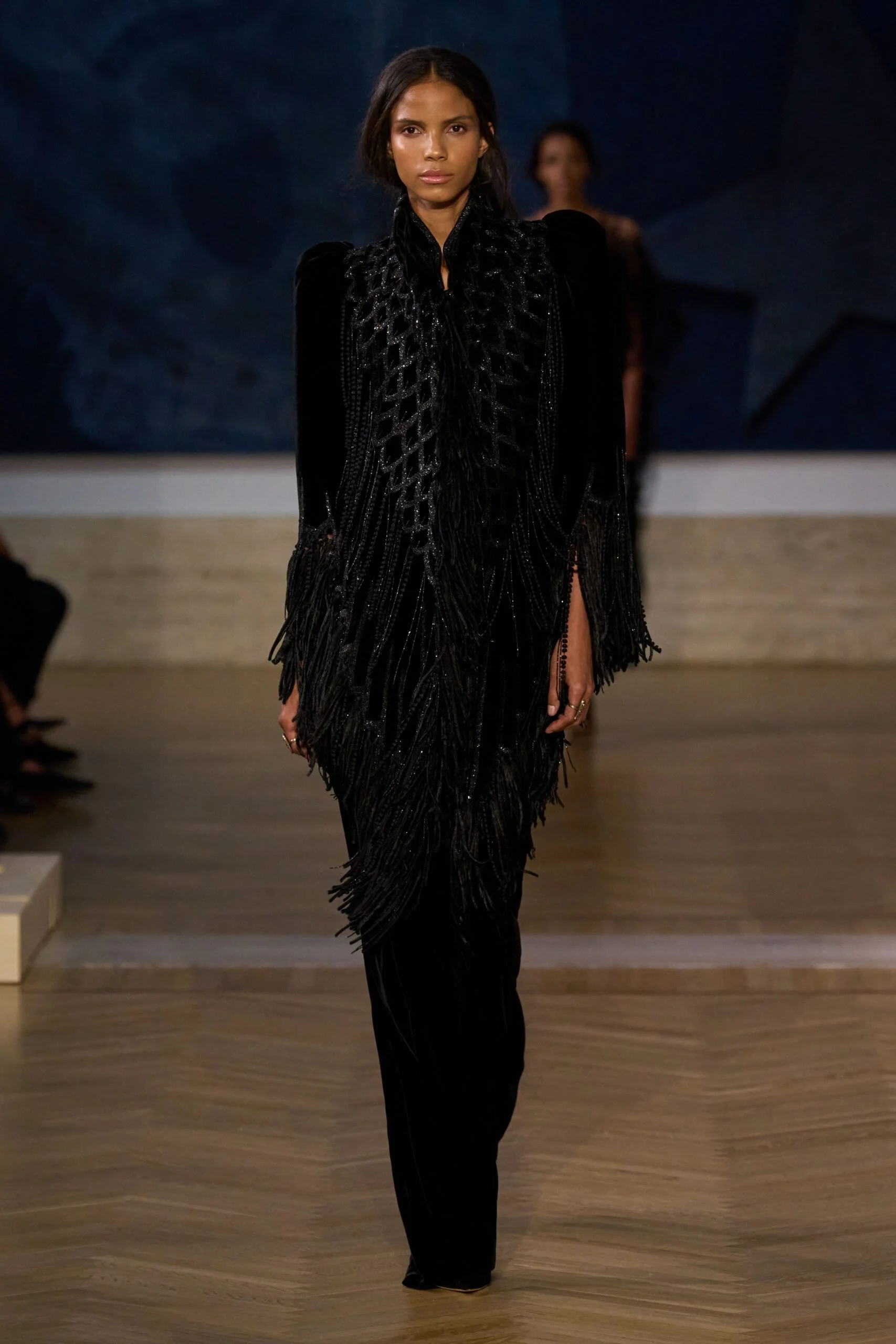
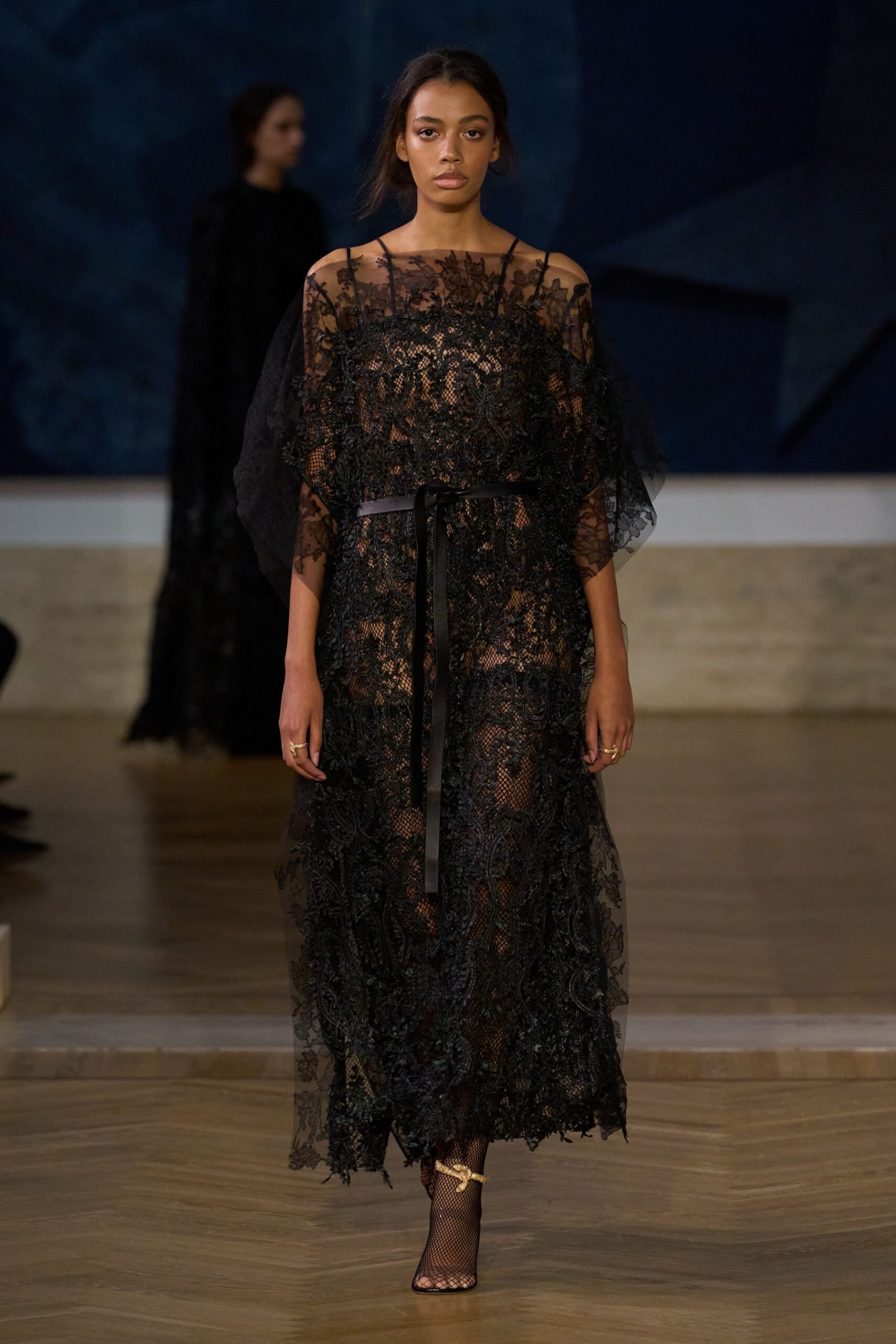
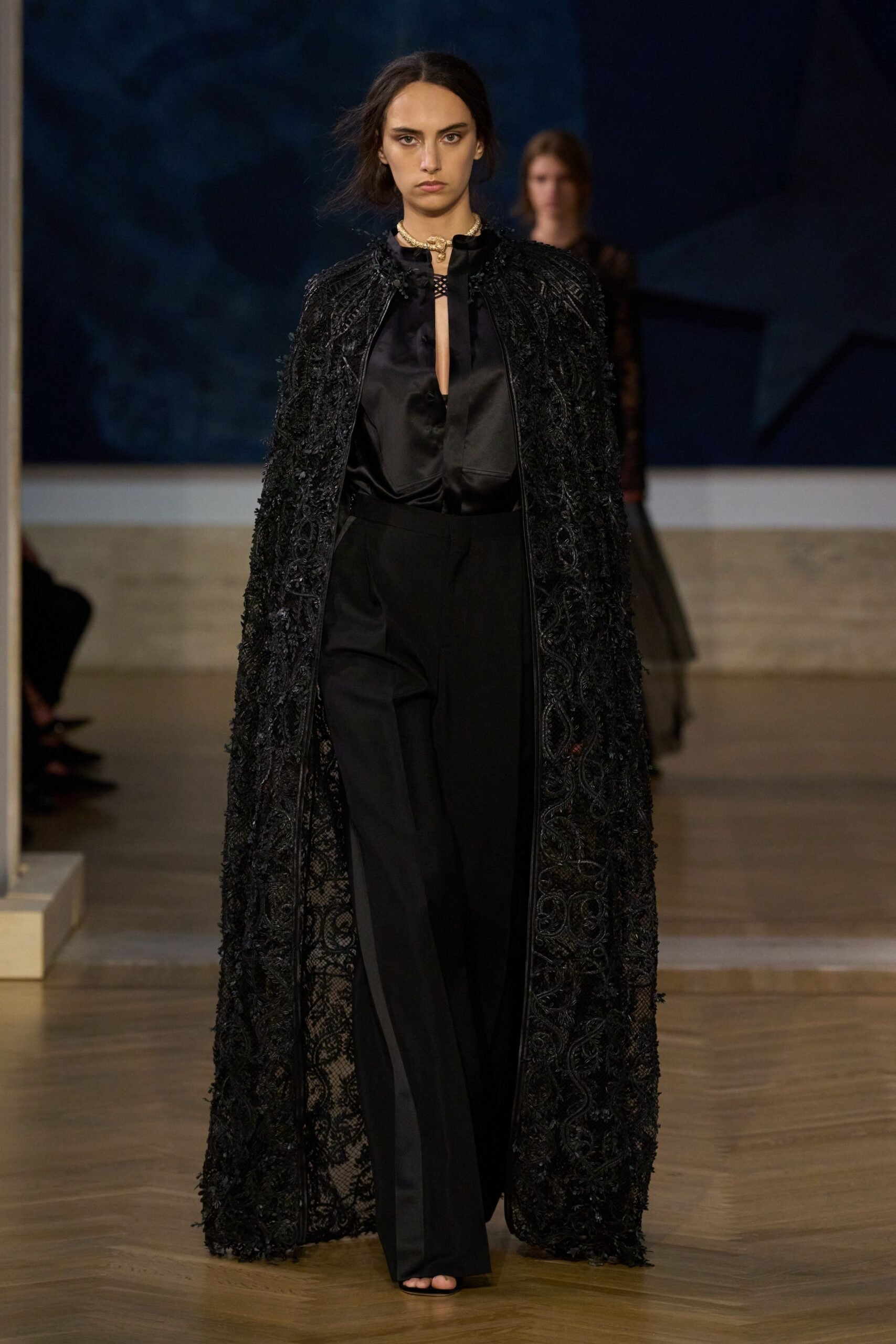
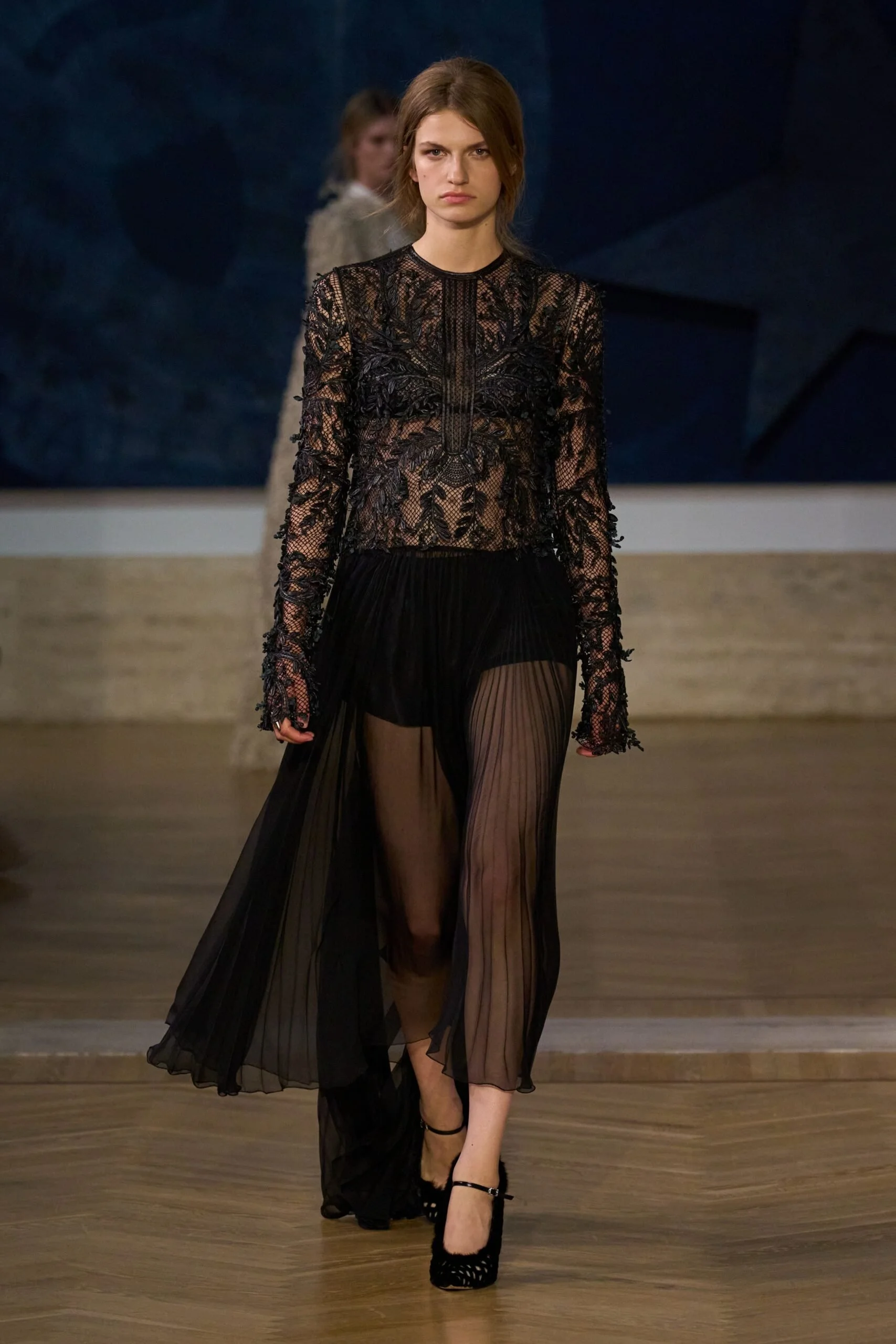
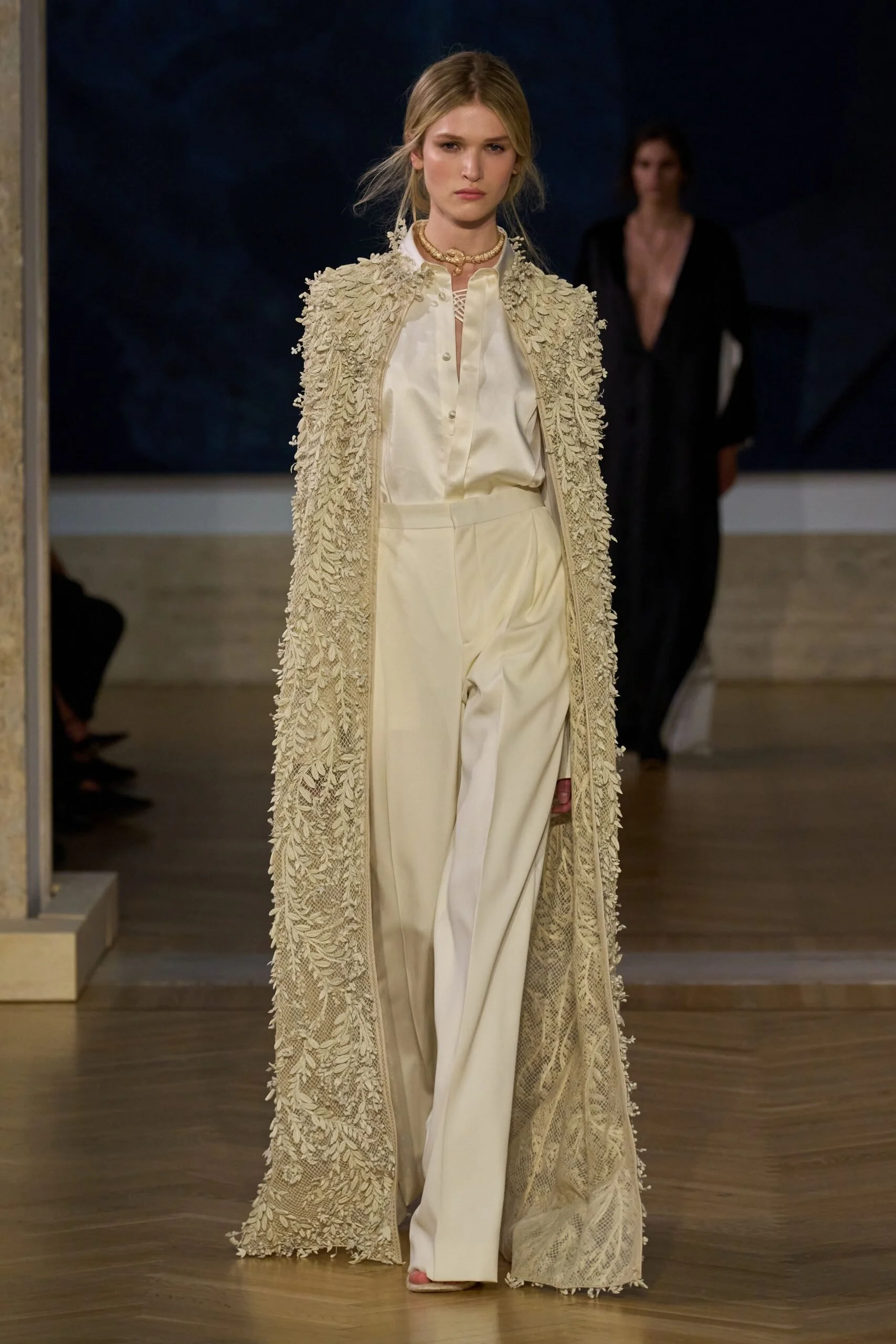
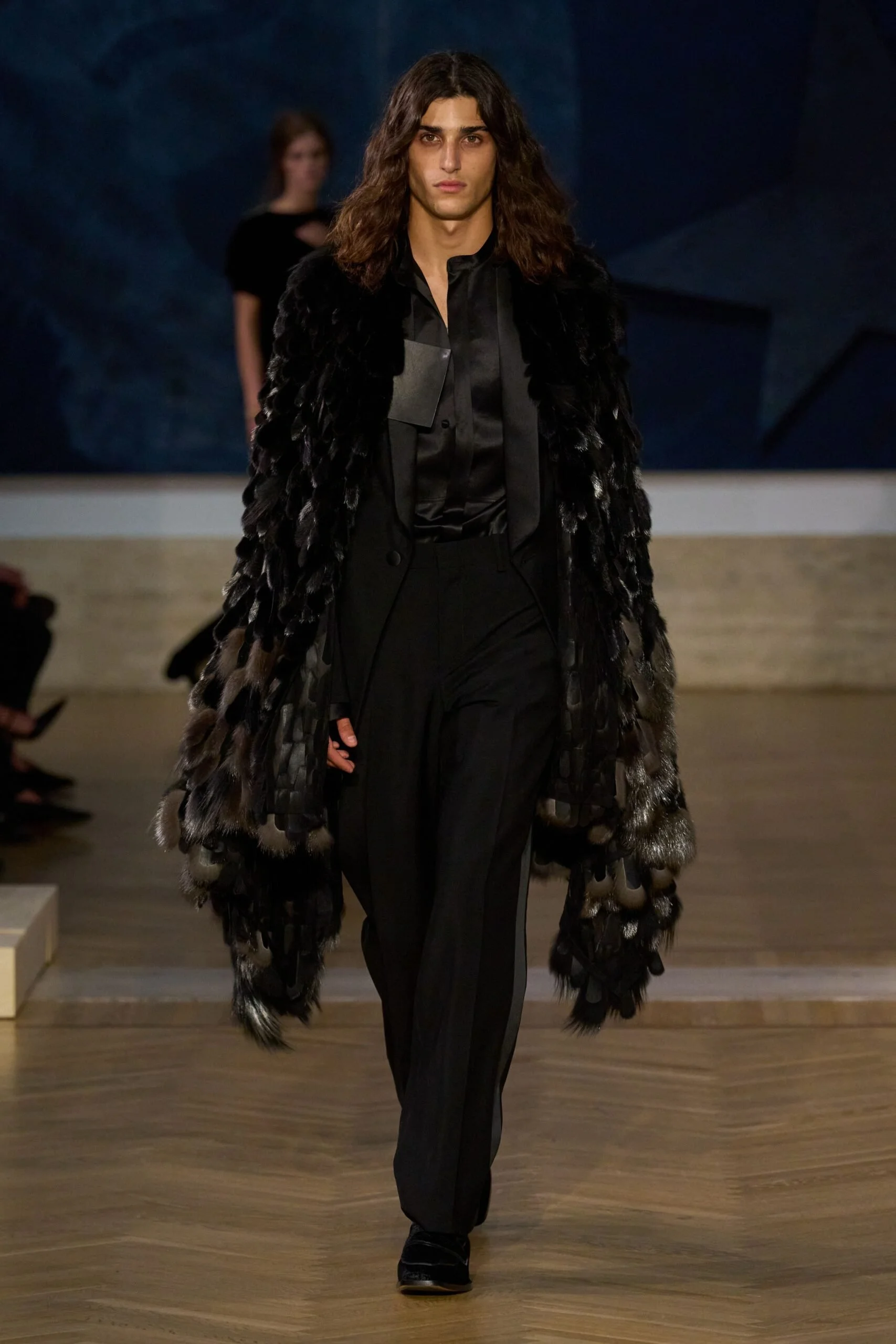
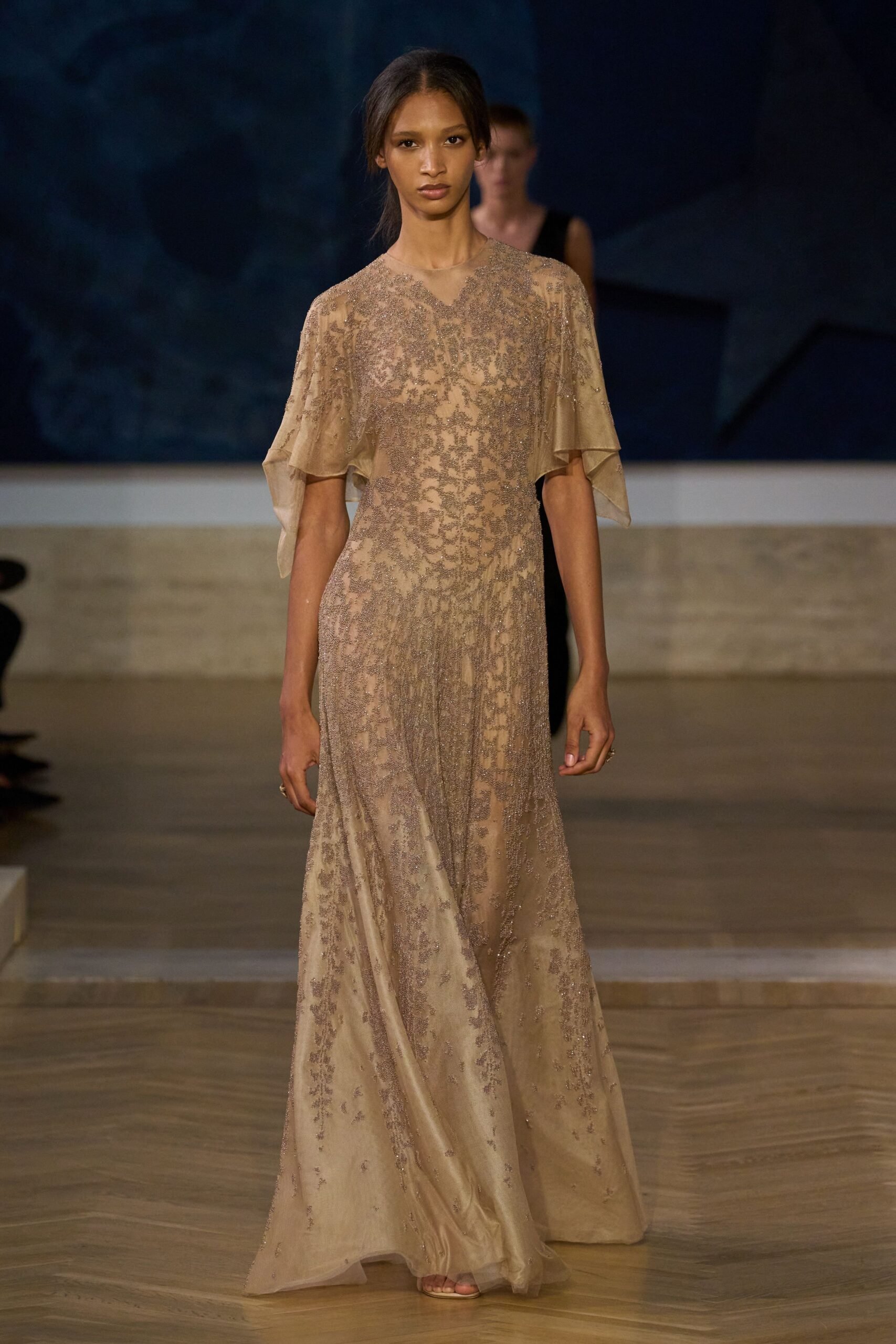
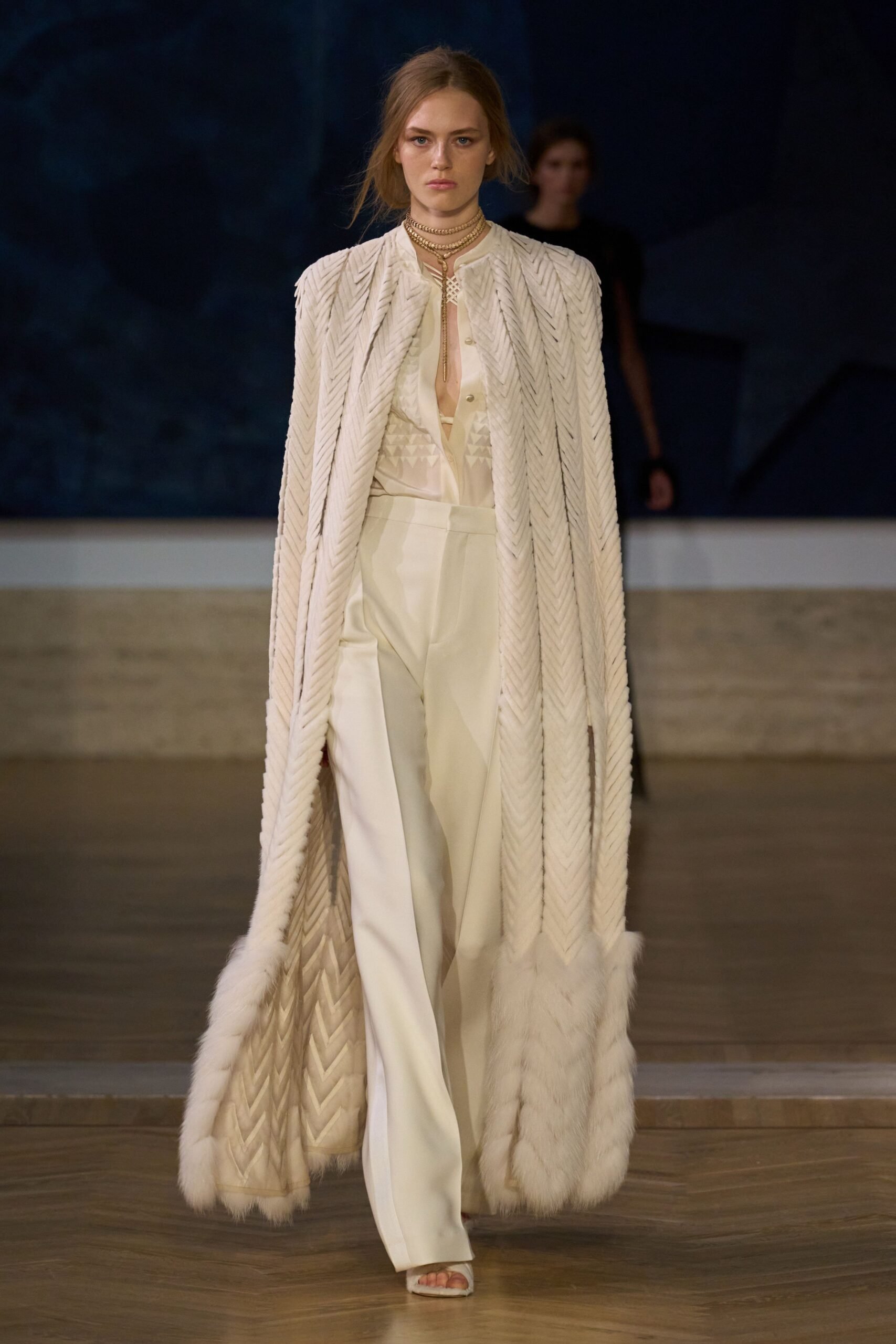
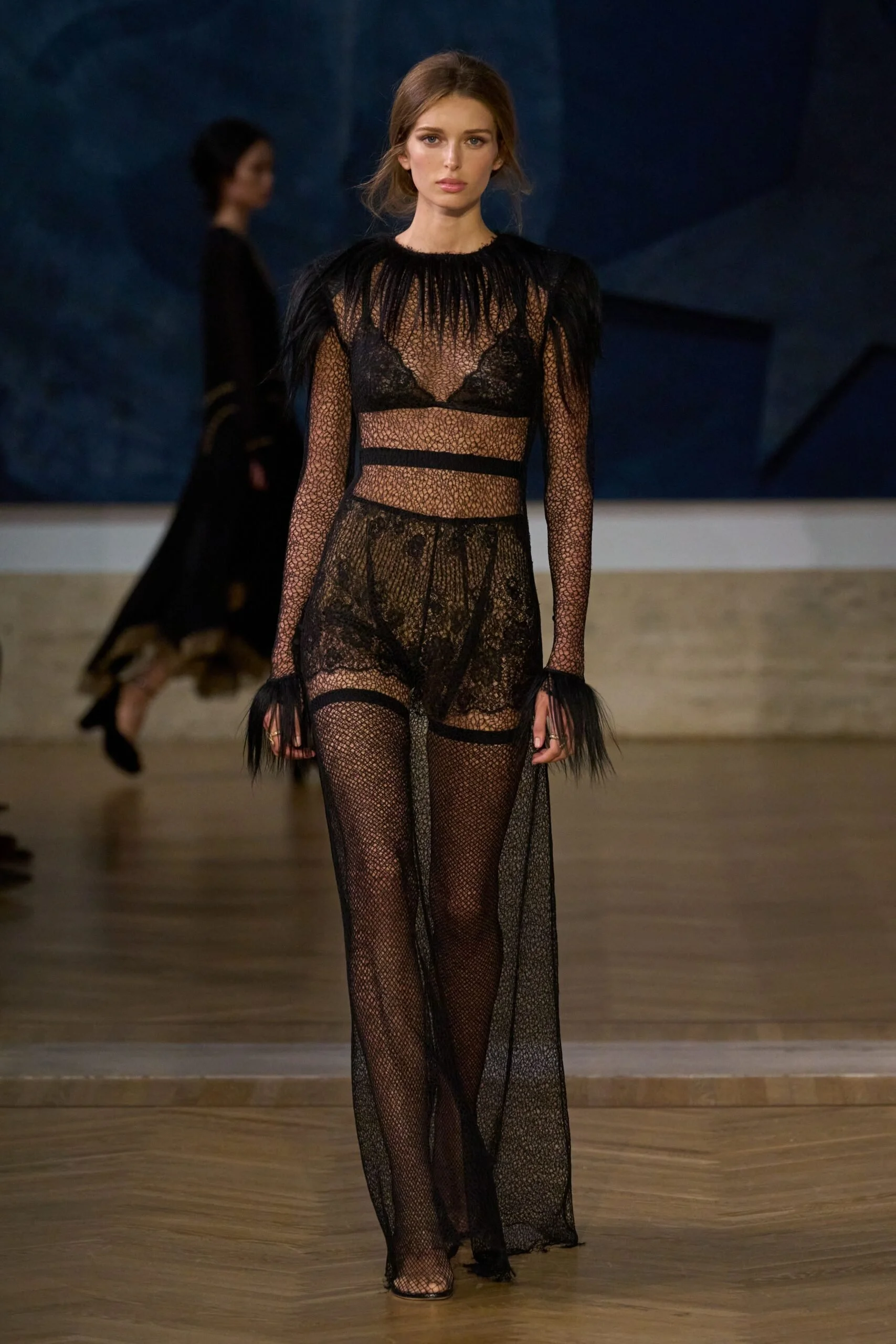
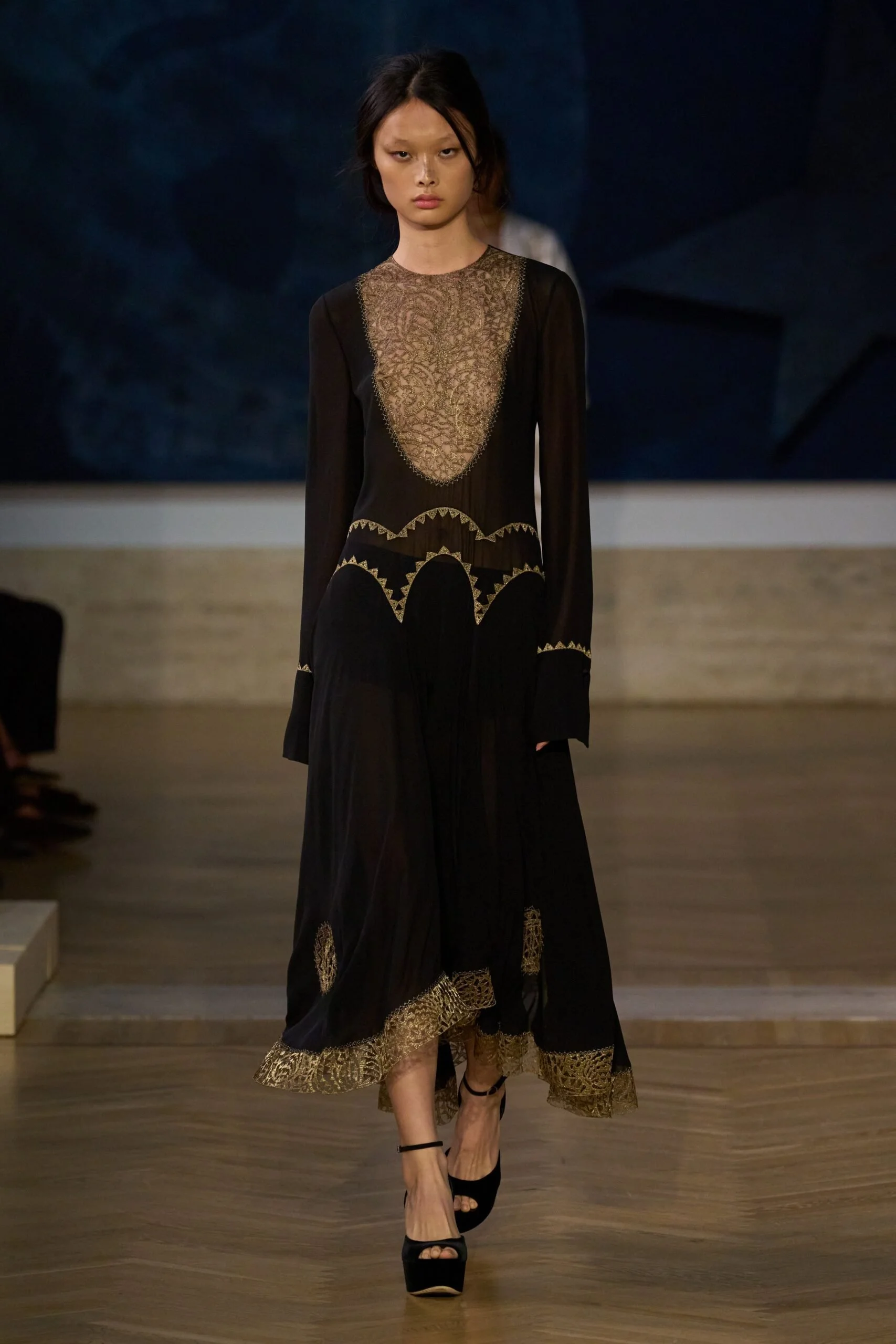
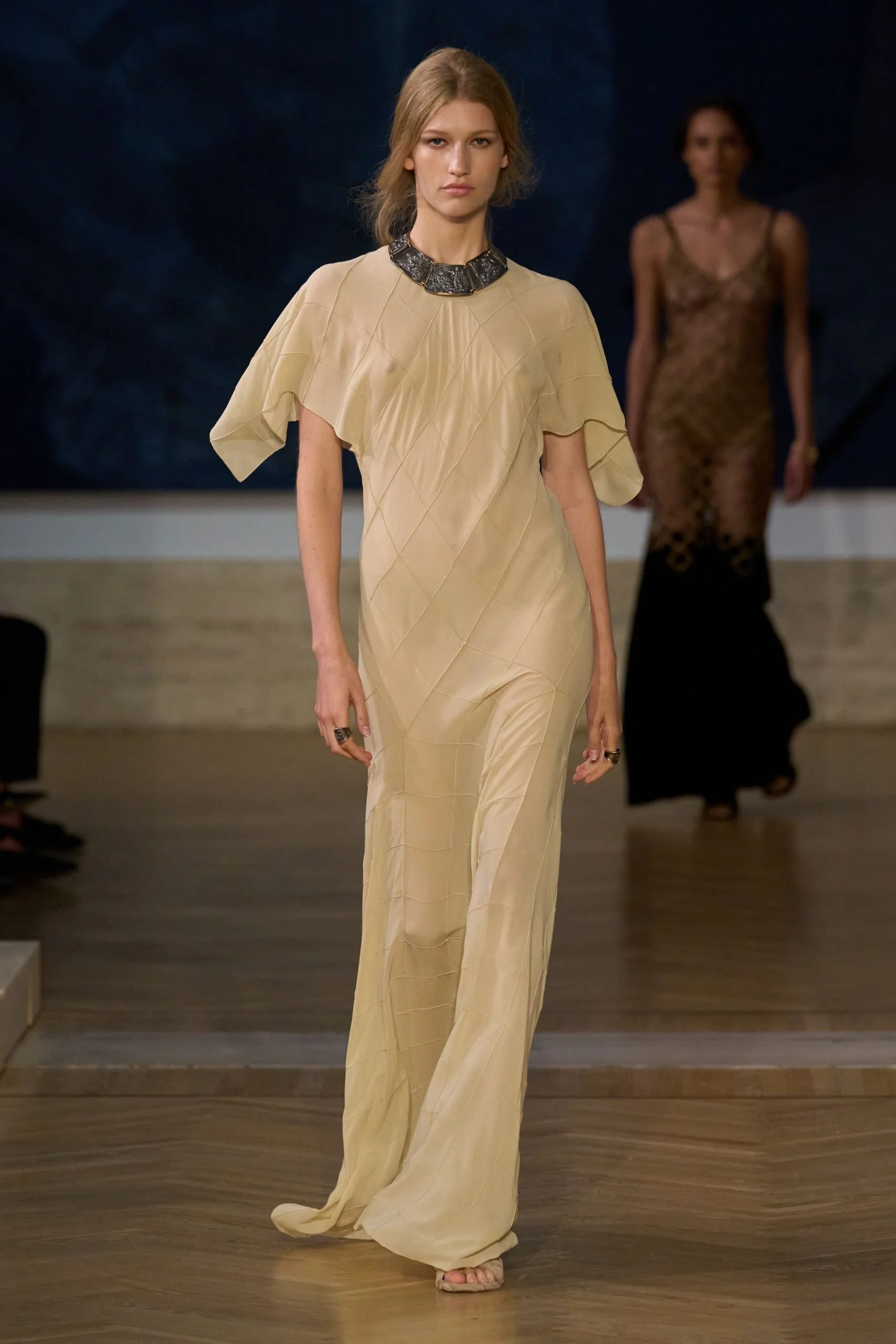
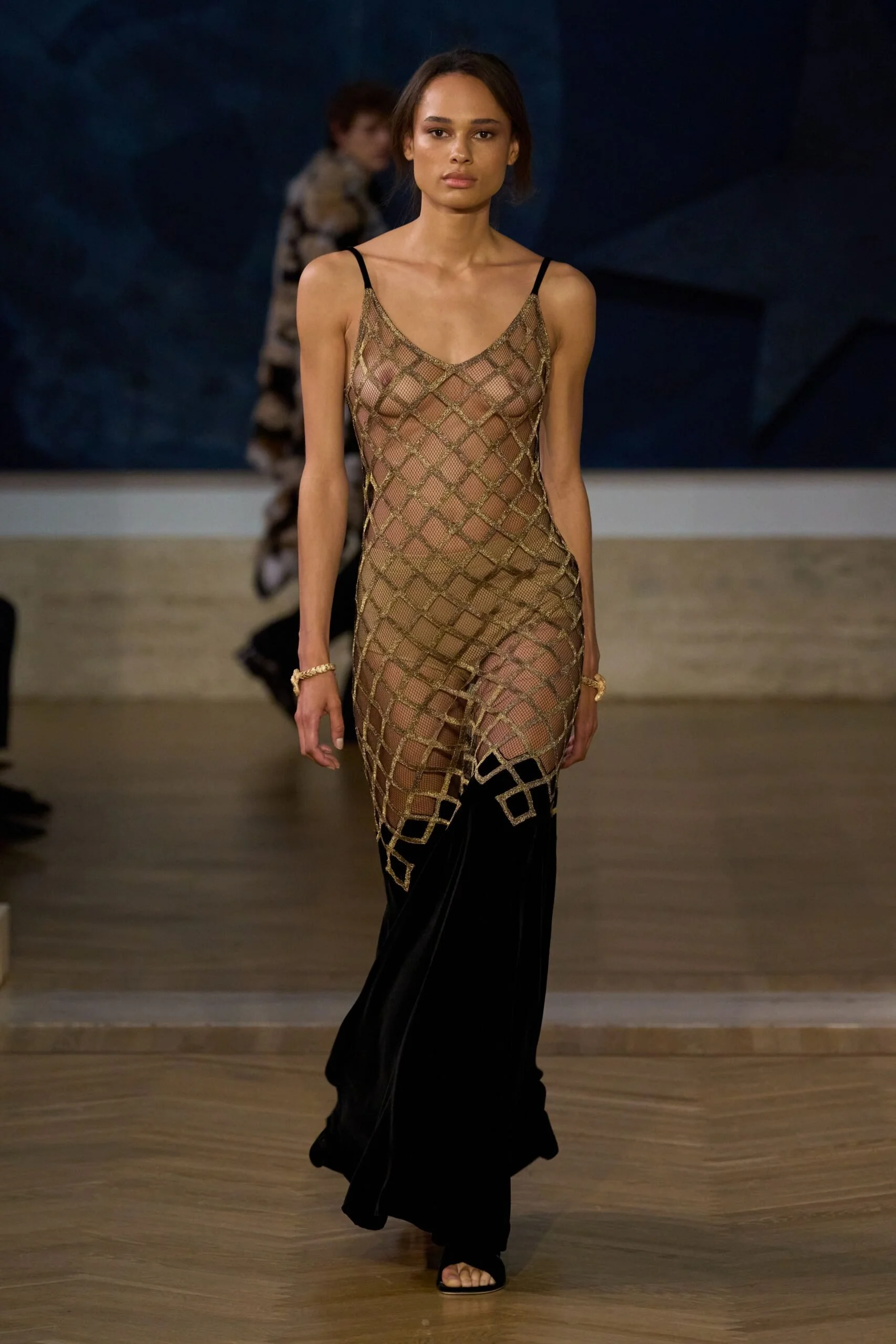
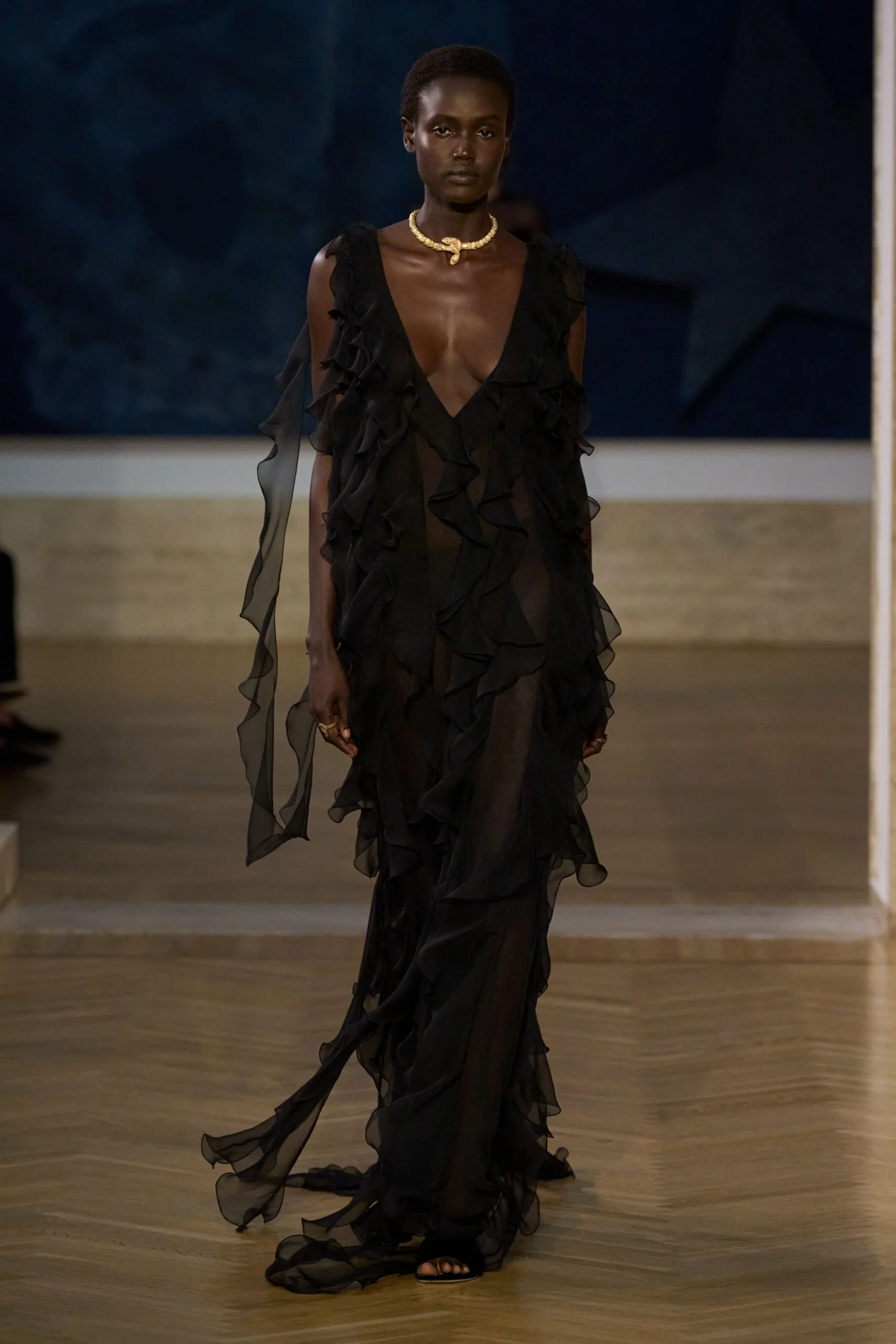
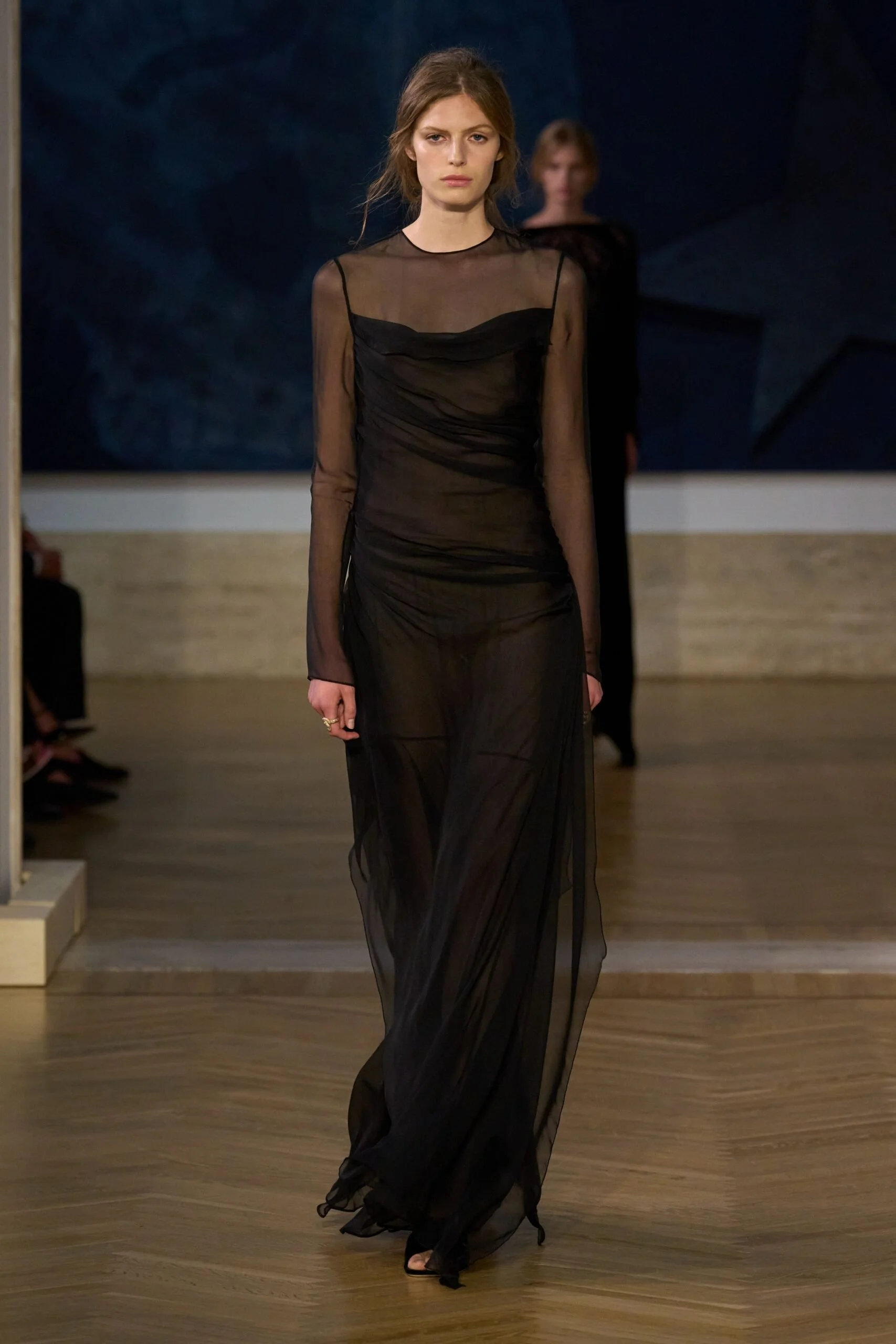
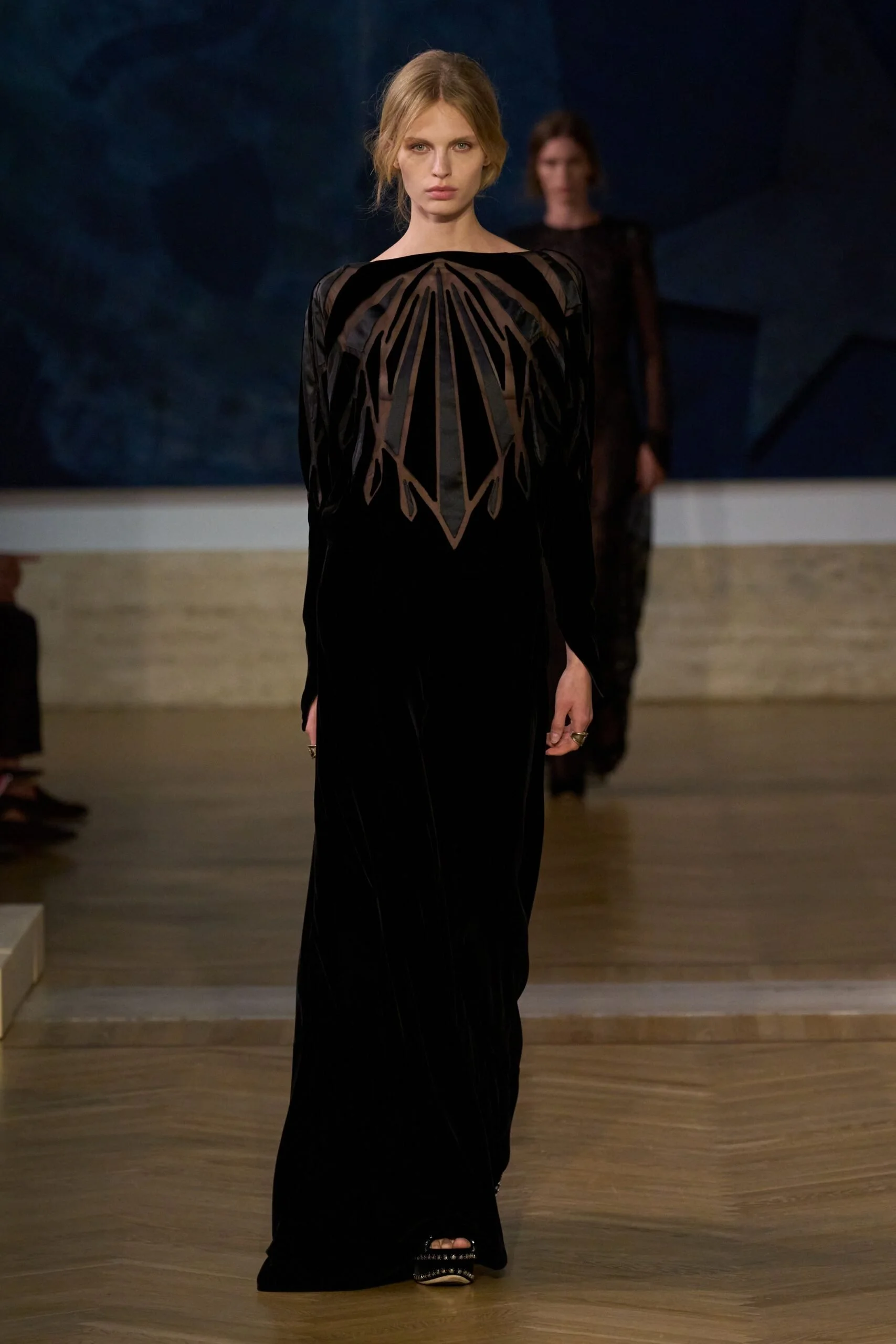
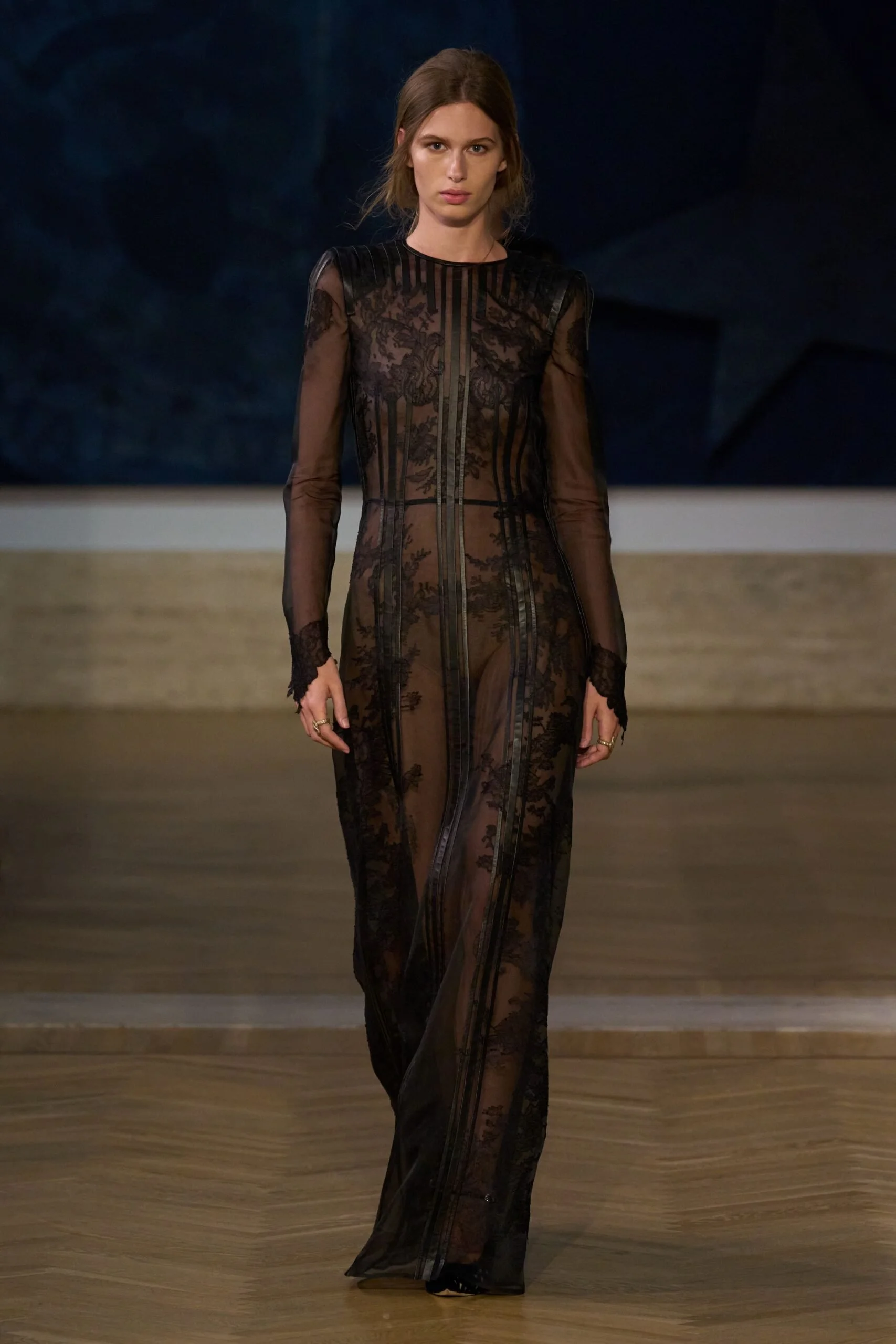
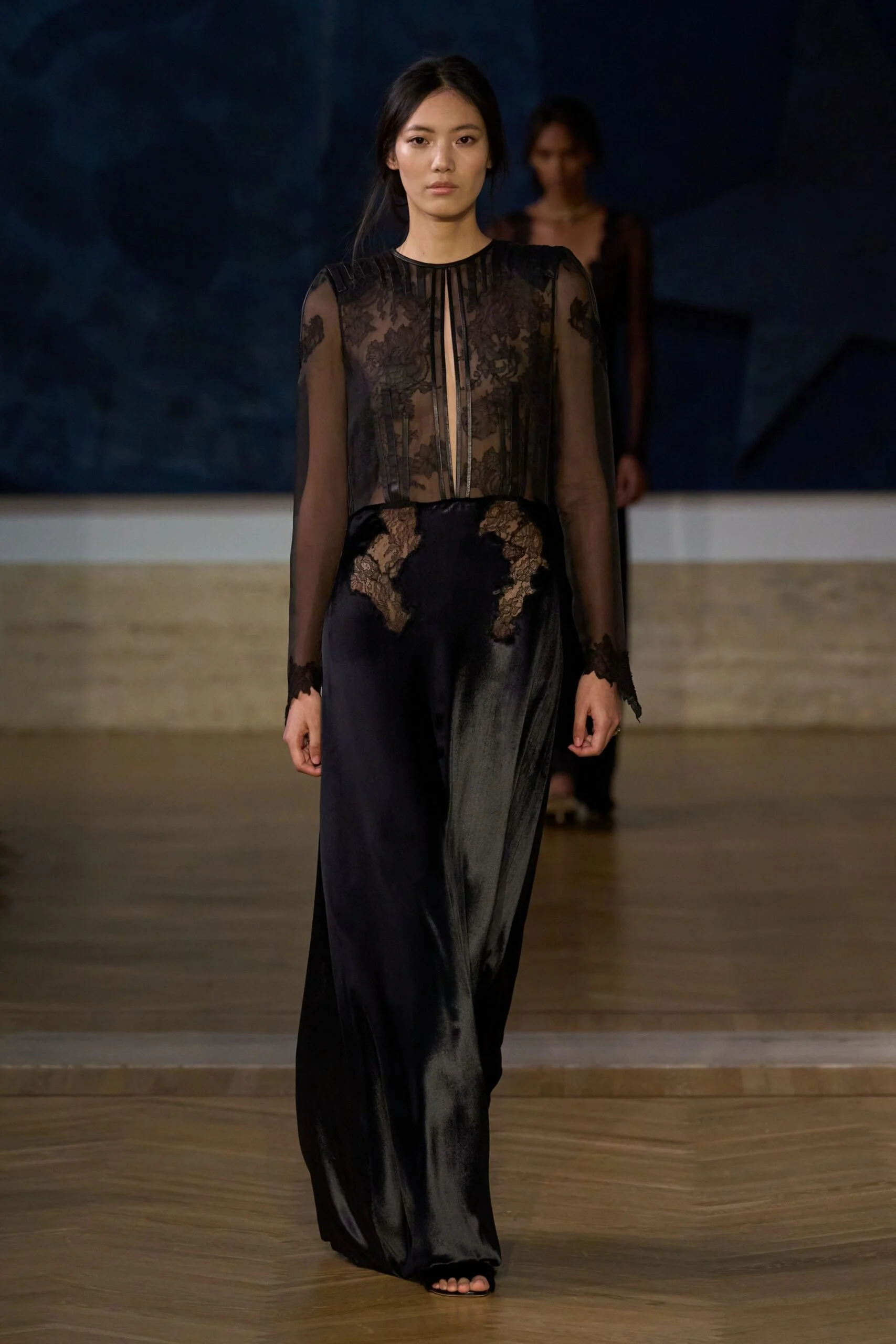
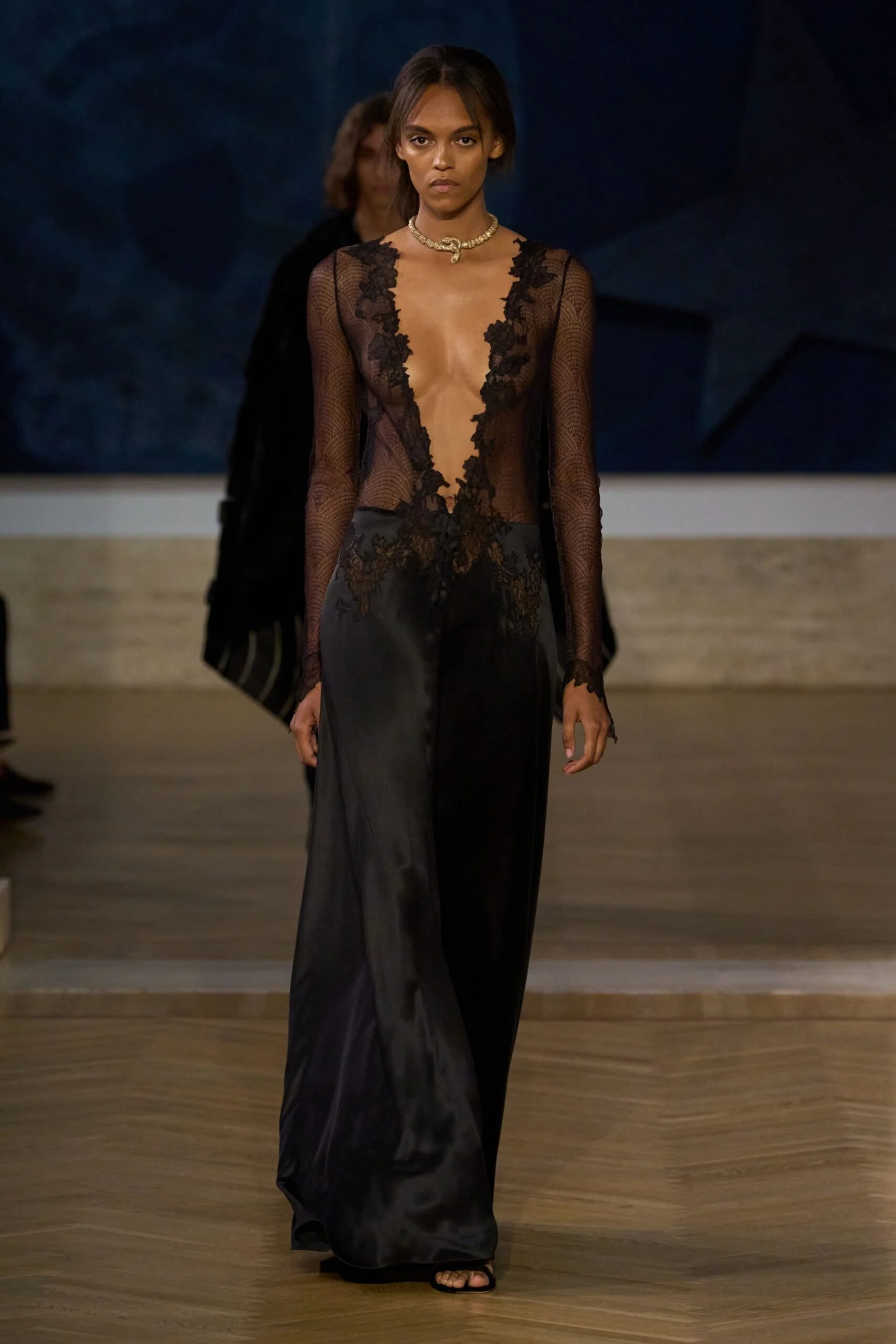
Presented inside Rome's Galleria Nazionale d'Arte Moderna e Contemporanea, the collection read almost like an exhibition of artisanal skill. Every look rewarded close inspection. Leather intarsia dissolved into georgette so seamlessly it appeared printed rather than assembled. Embroidery wasn't decorative; it became architecture. Lace functioned as structure instead of embellishment.
The collection made a persuasive argument that Fendi's identity has never been rooted in logos or trend cycles, but in materials.
Chiuri repeatedly described Fendi as "craft", and the clothes proved the point.
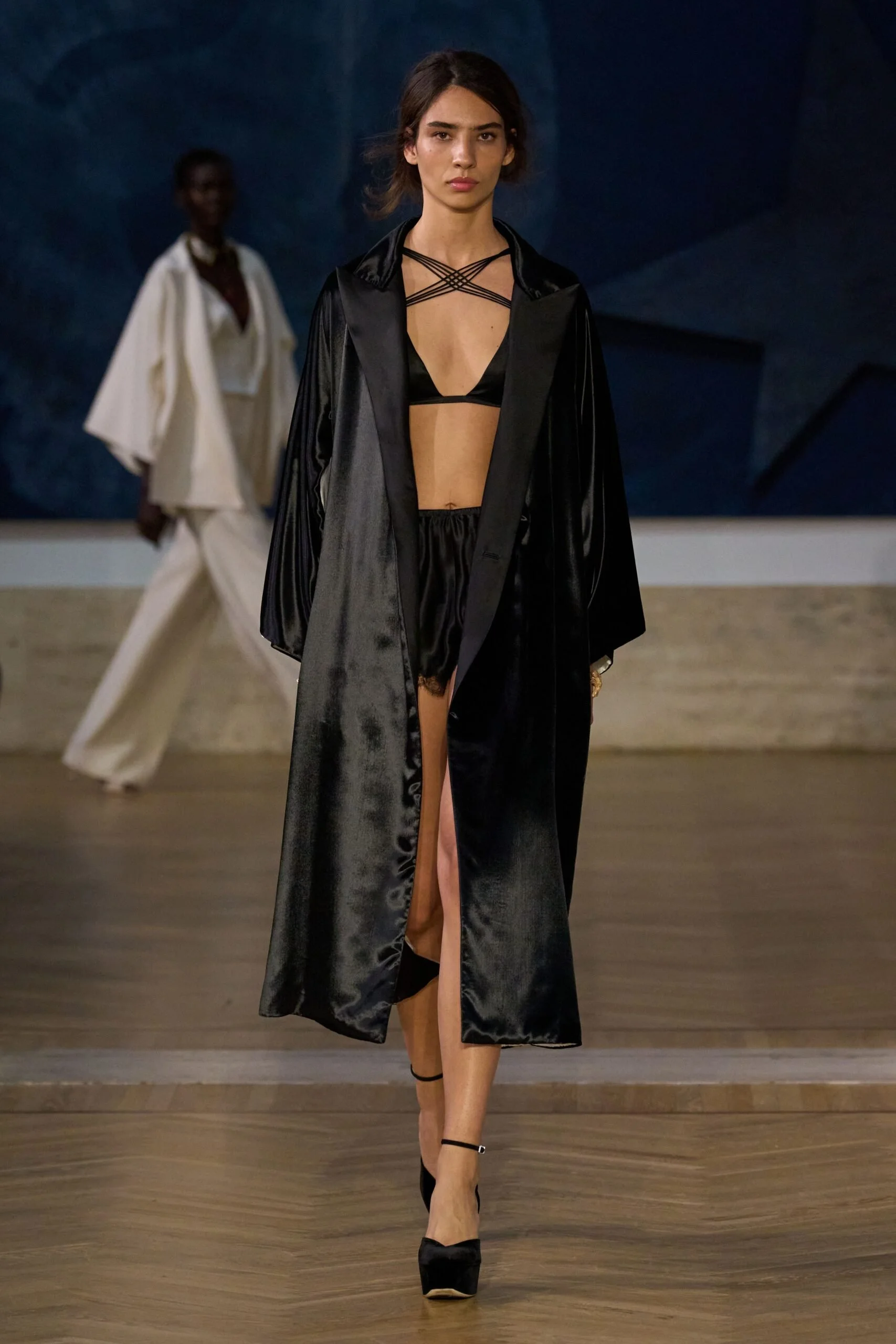
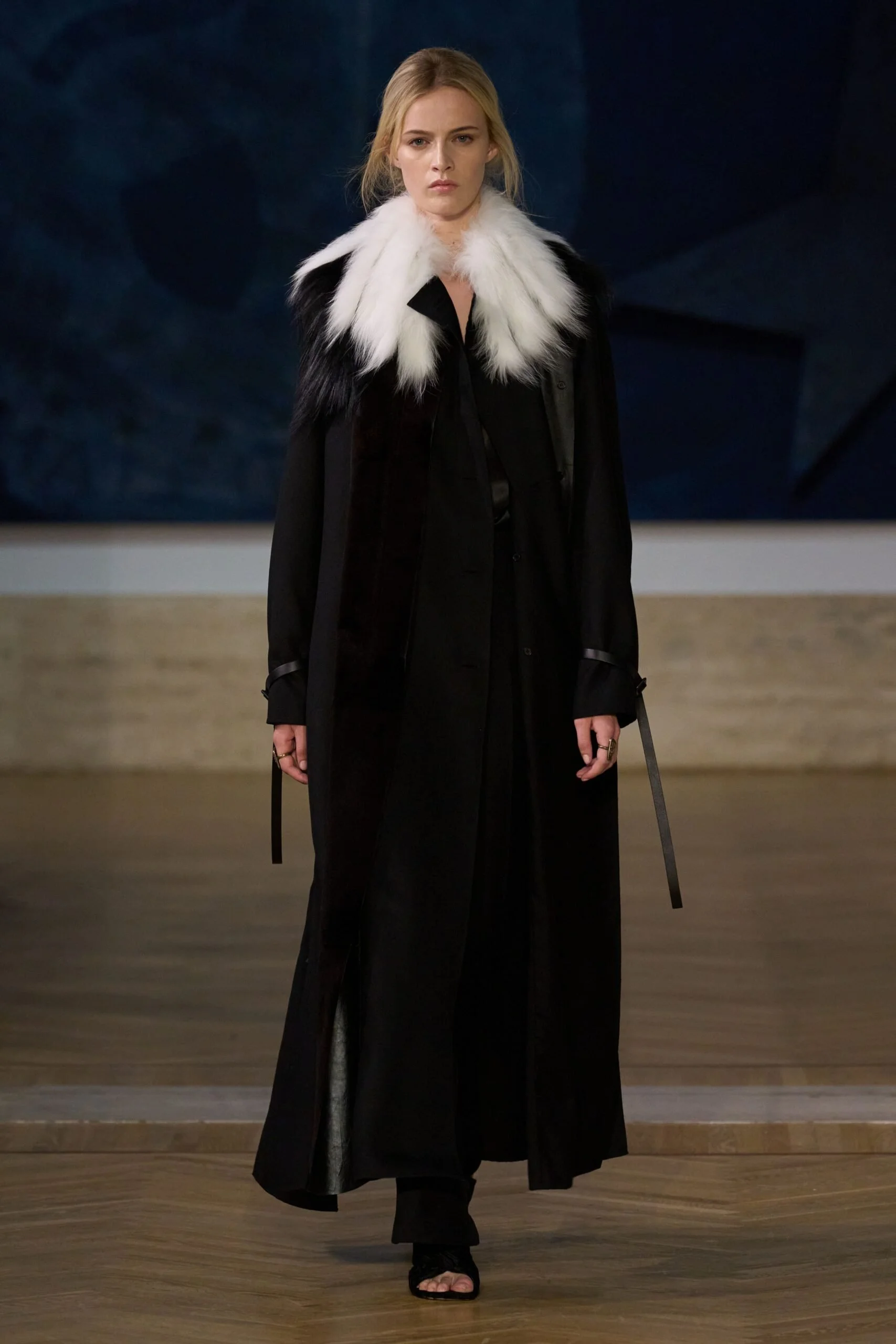
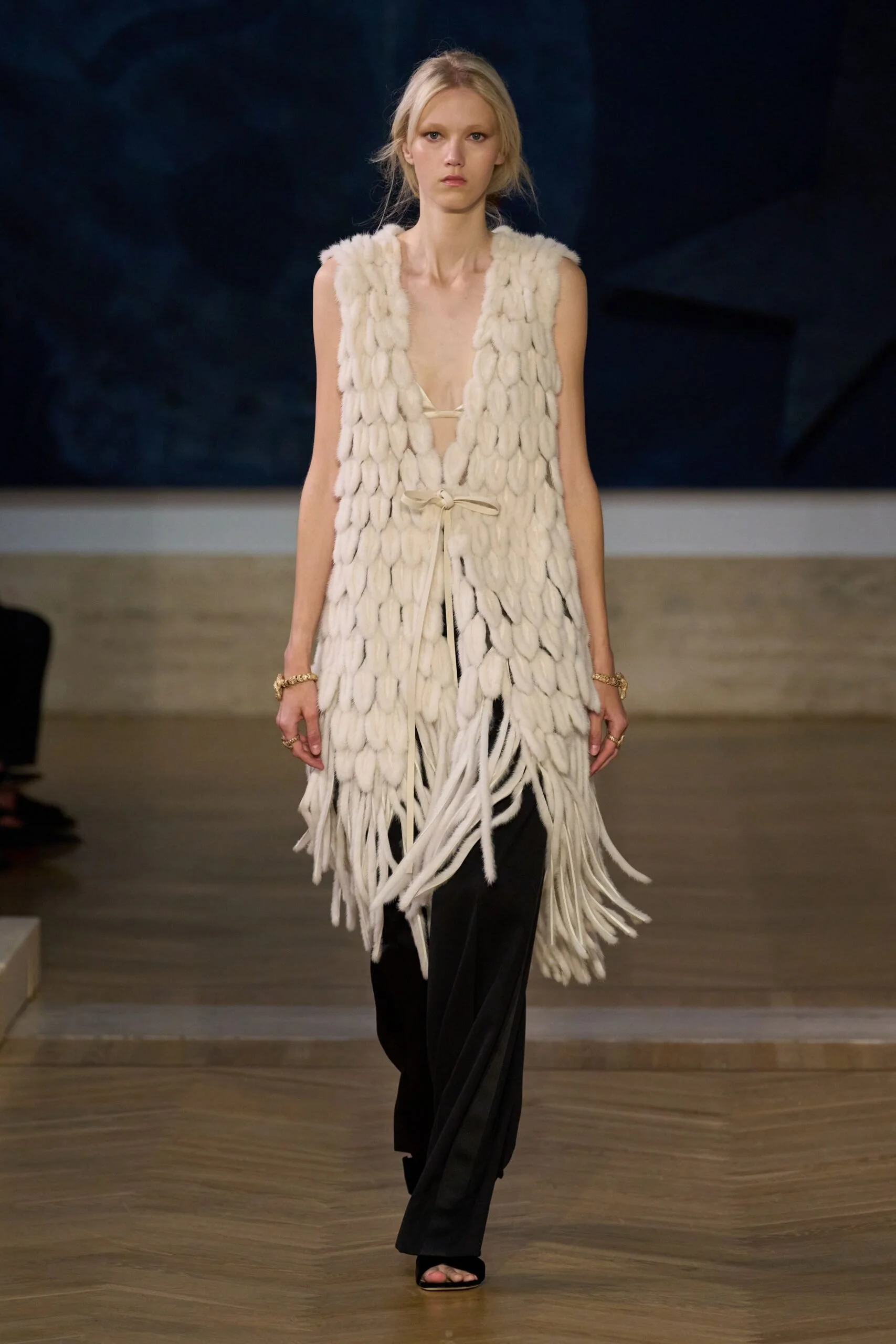
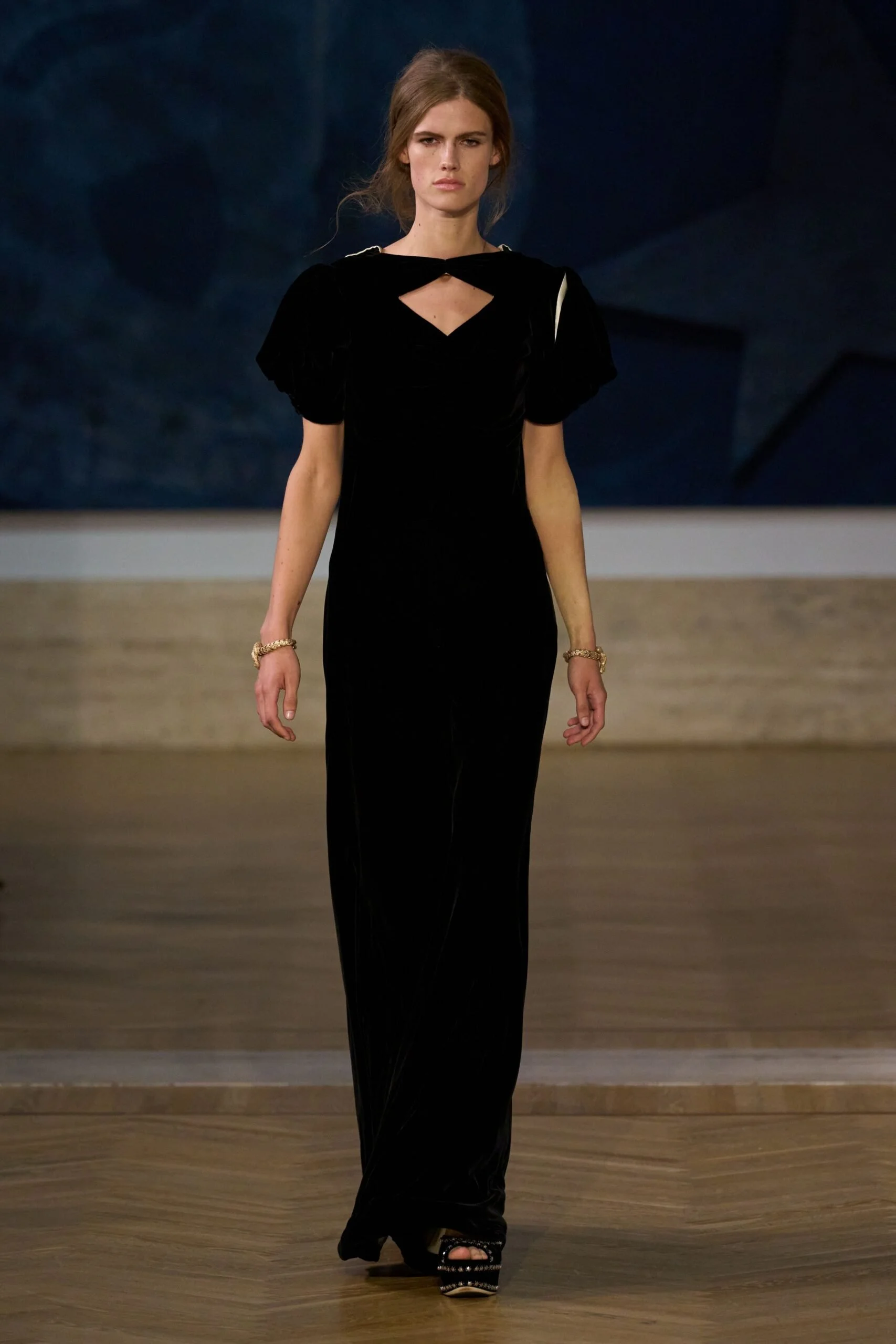
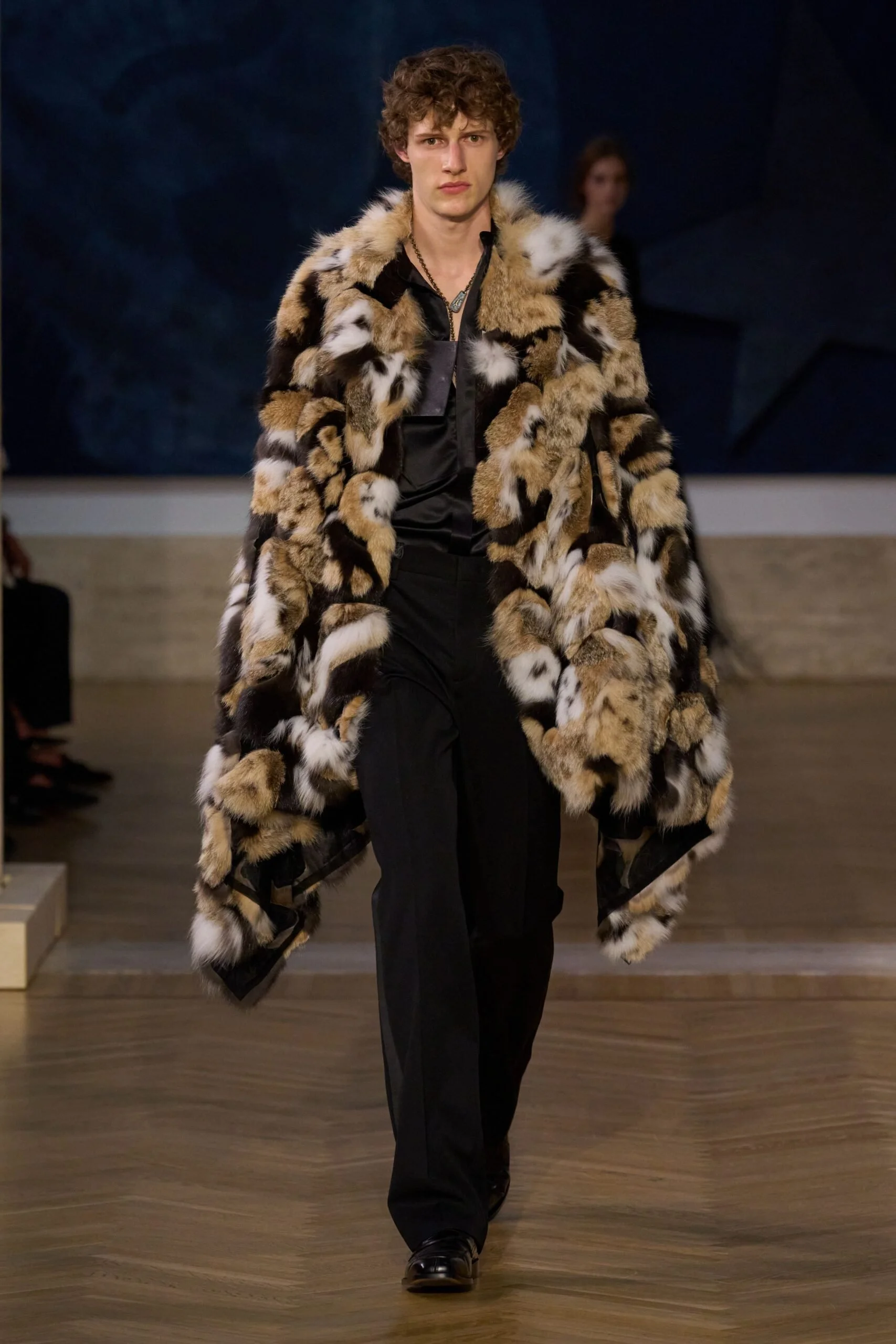
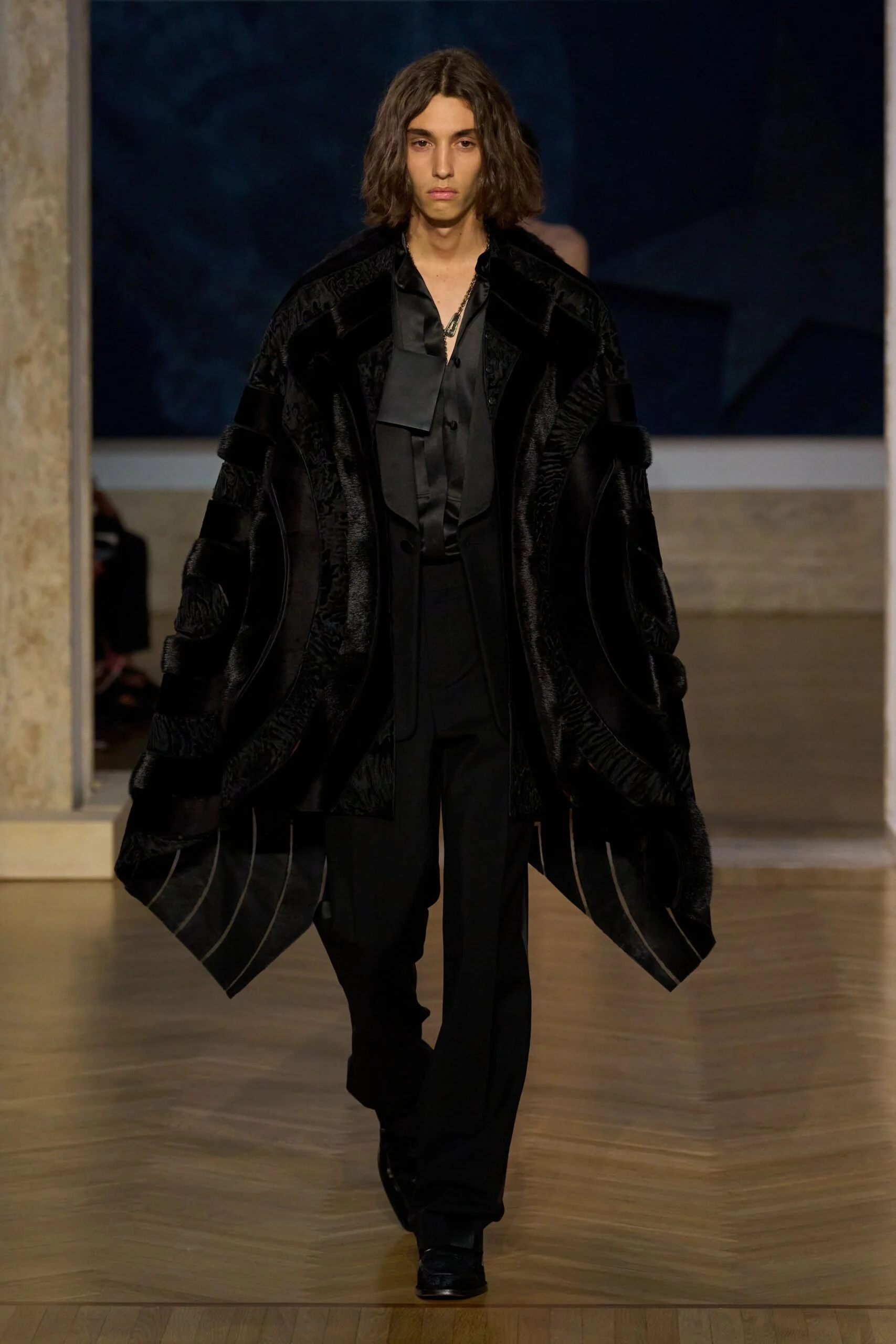
Rather than beginning with silhouette, she began with leather, fur, velvet and parchment—the house's historic vocabulary. The garments then adapted themselves around those materials. It's almost the reverse of how couture is traditionally approached, where construction dictates fabrication. At Fendi, the fabric remains the protagonist.
That philosophy resulted in clothes that felt unexpectedly modern.
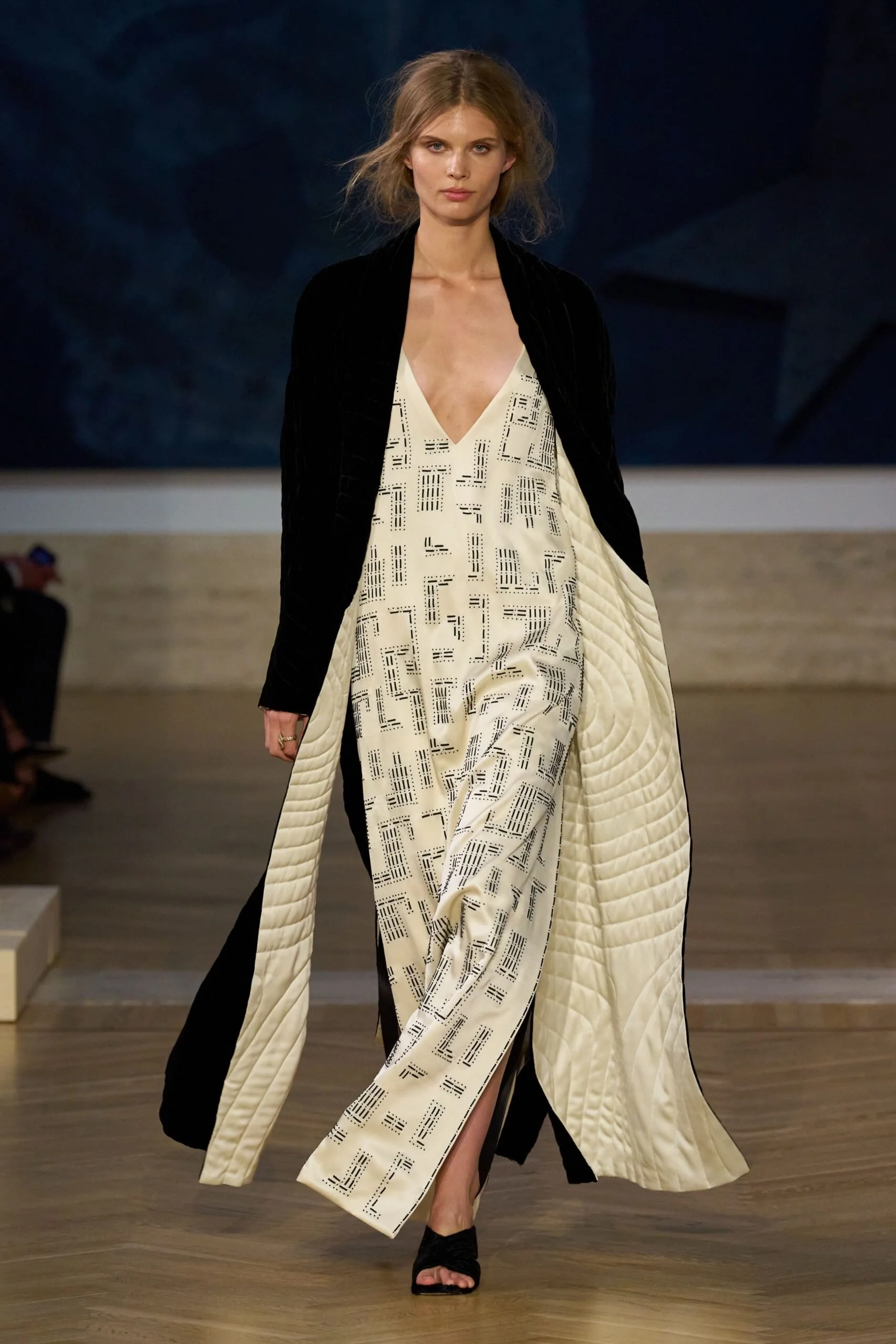
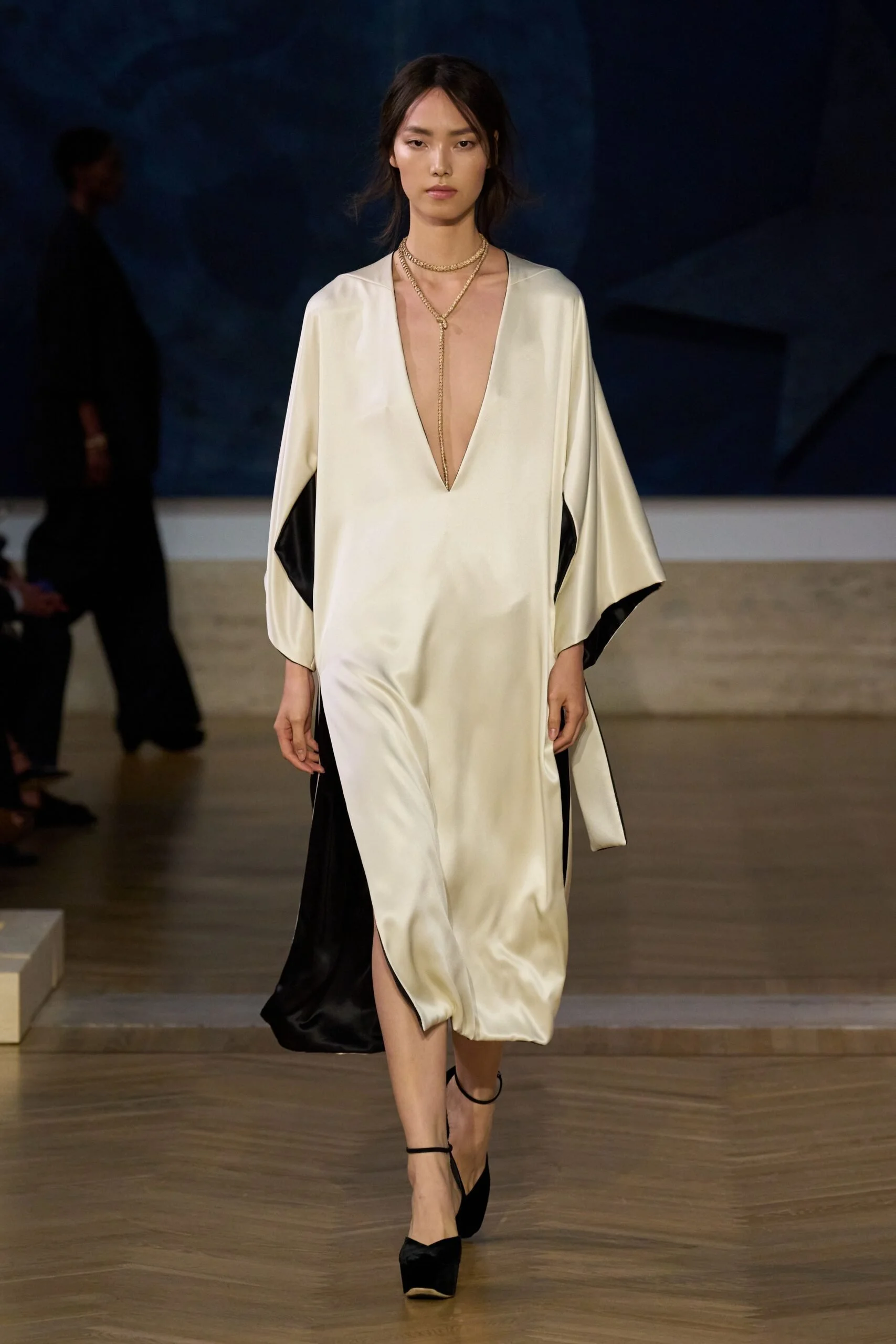
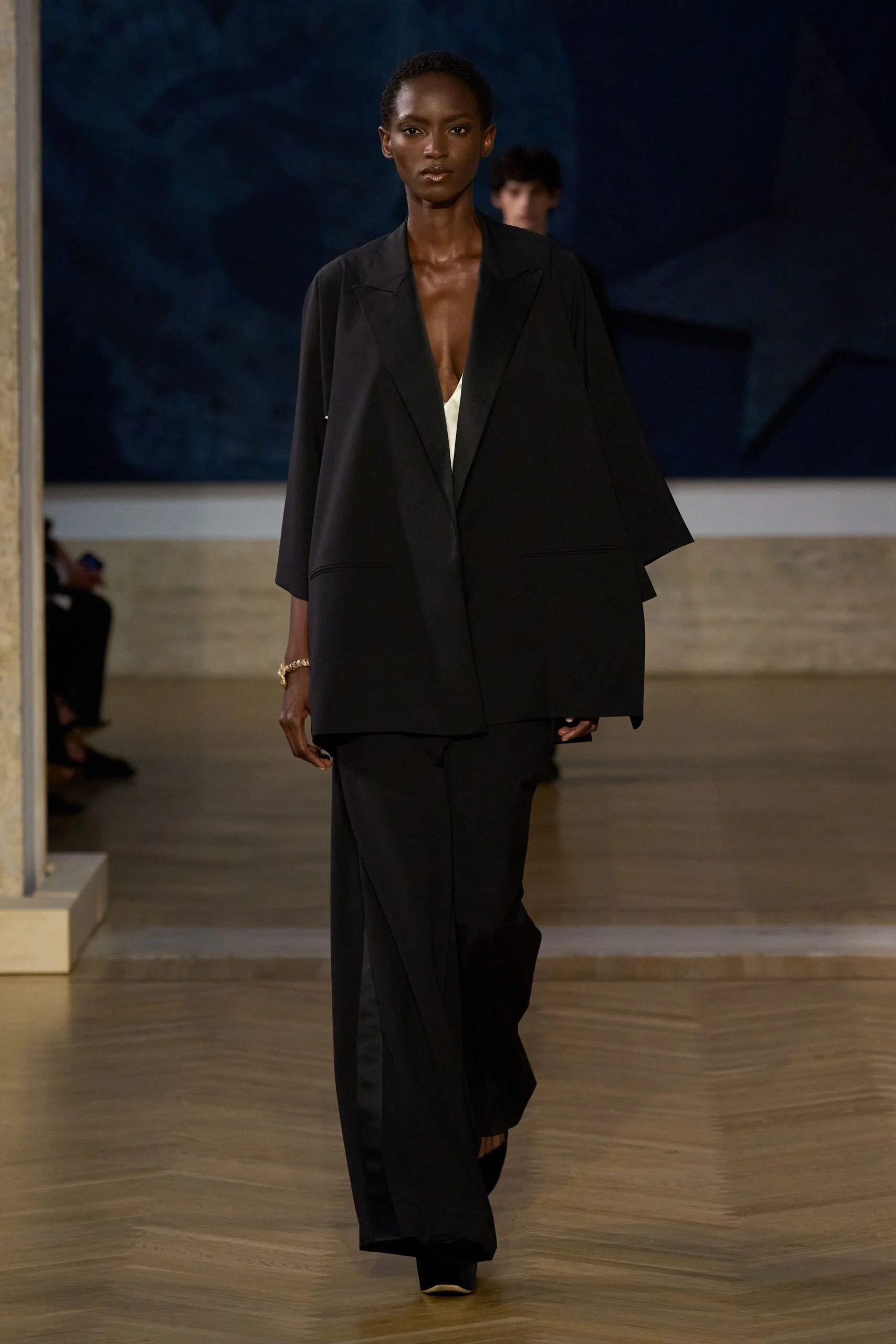
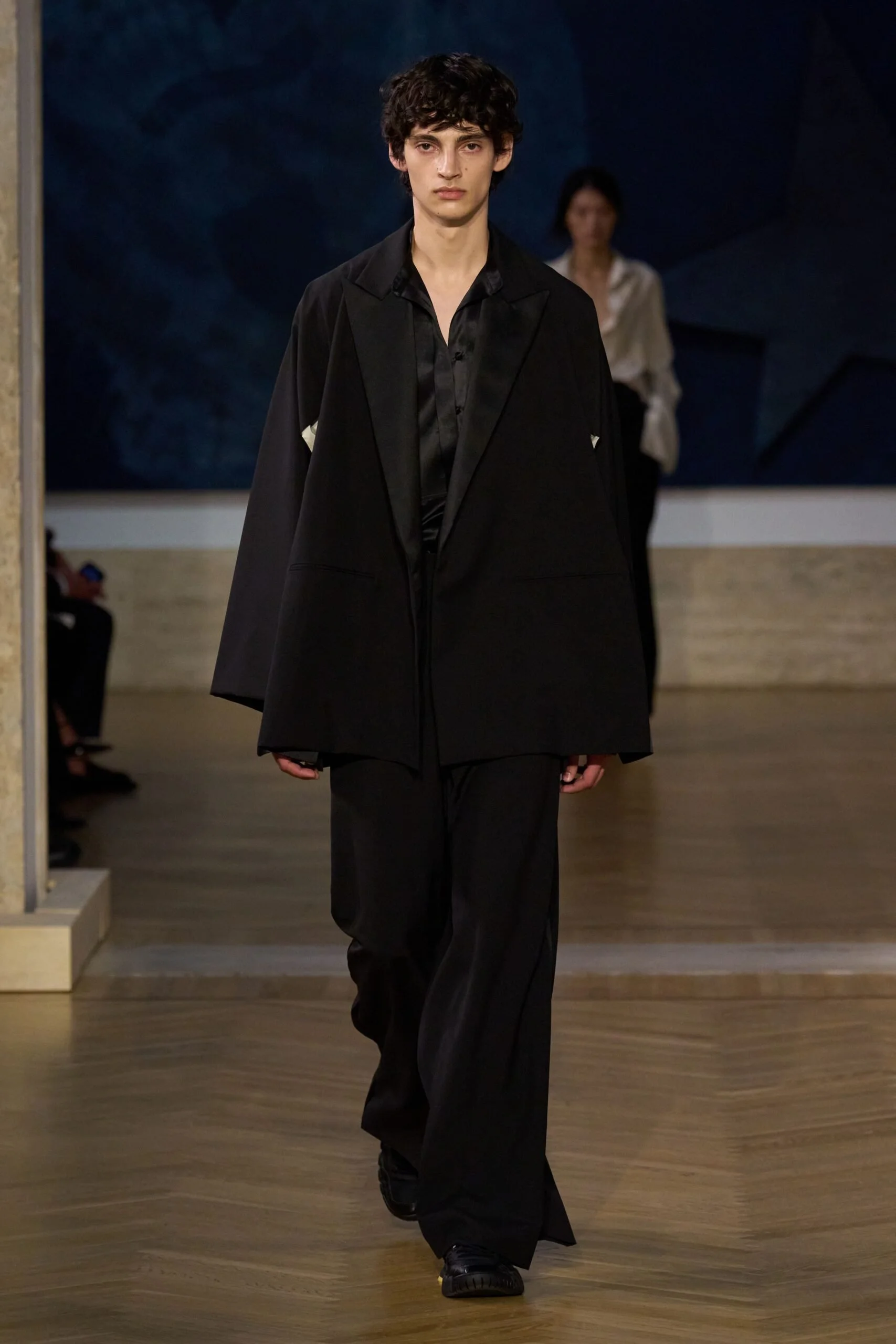
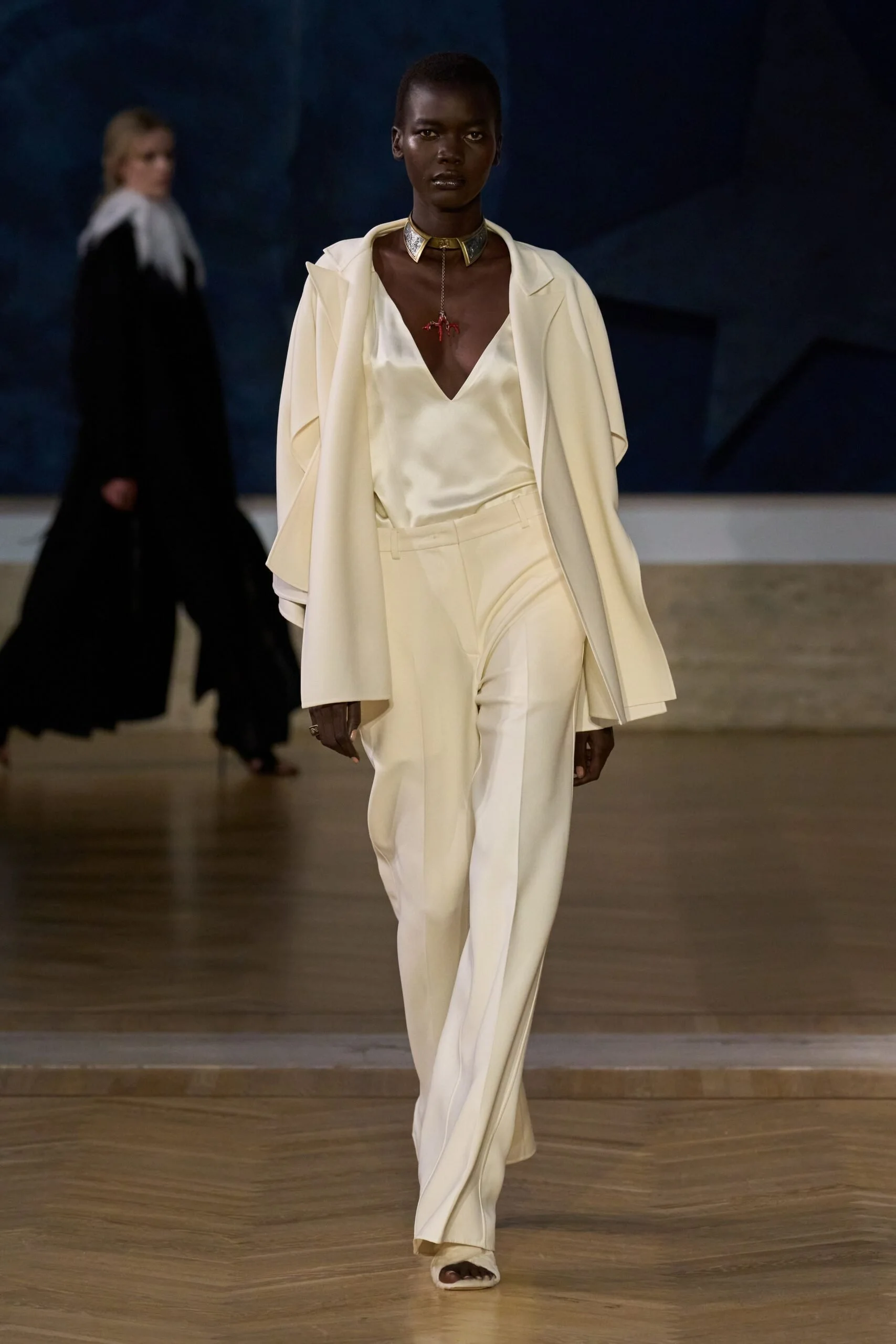
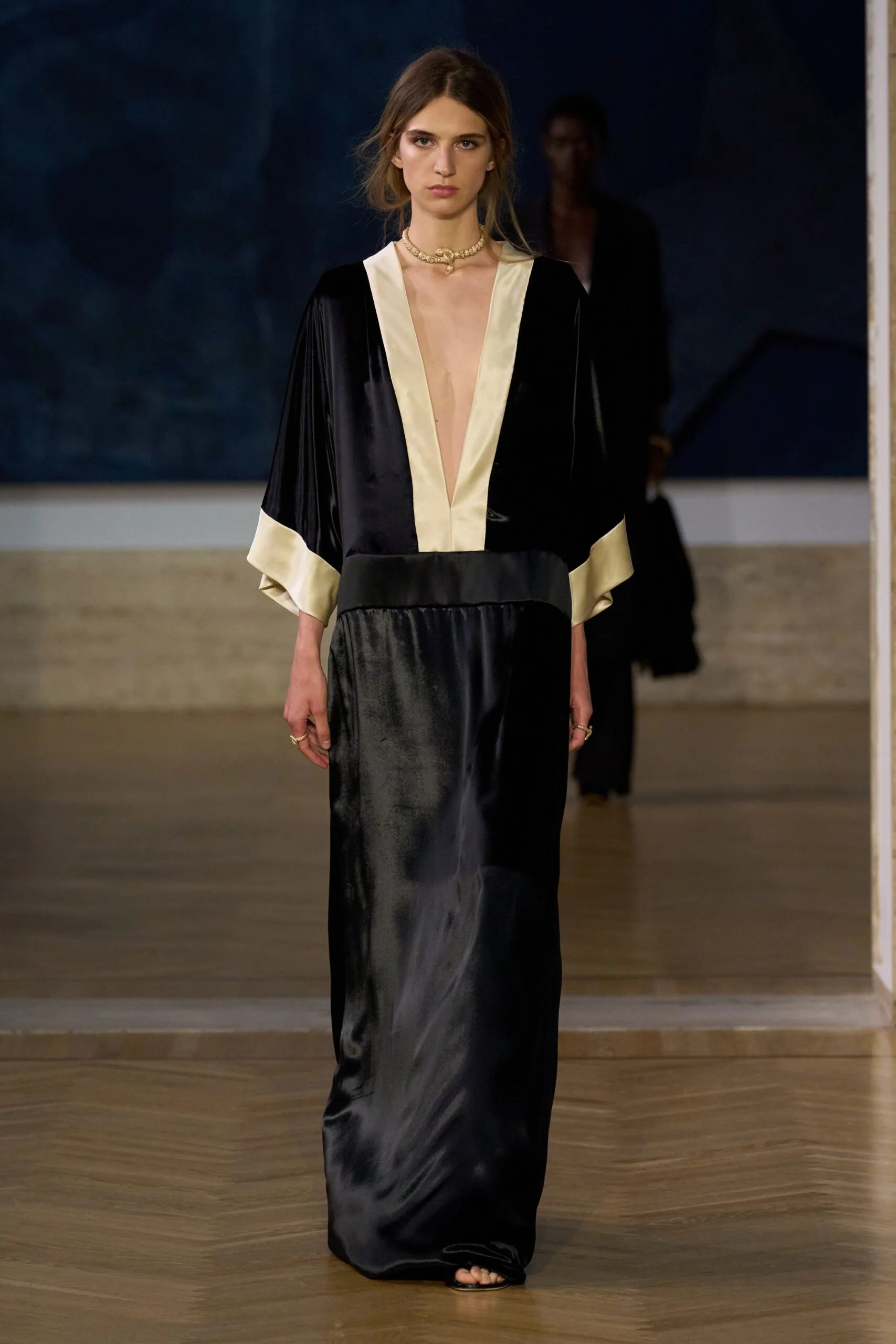
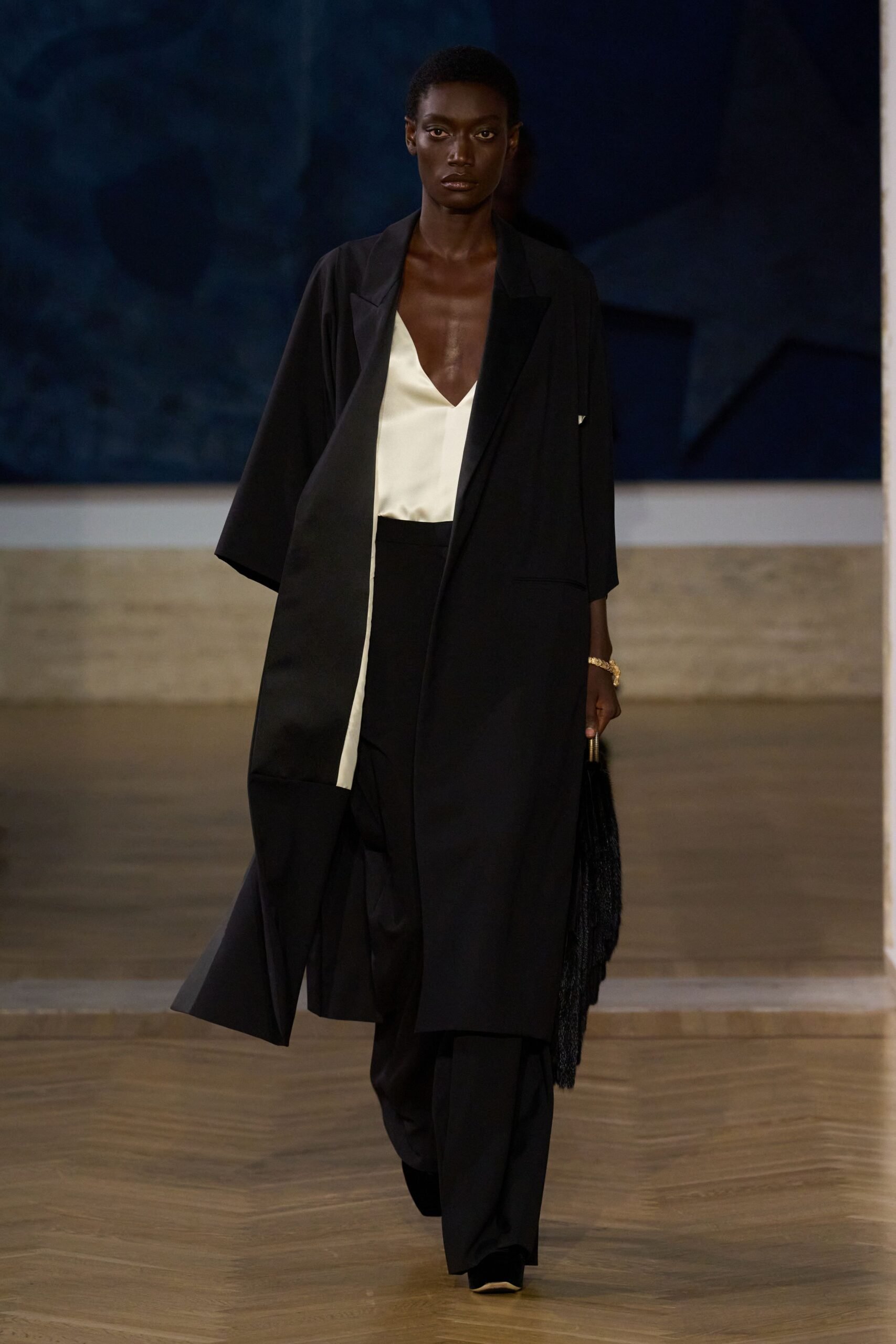
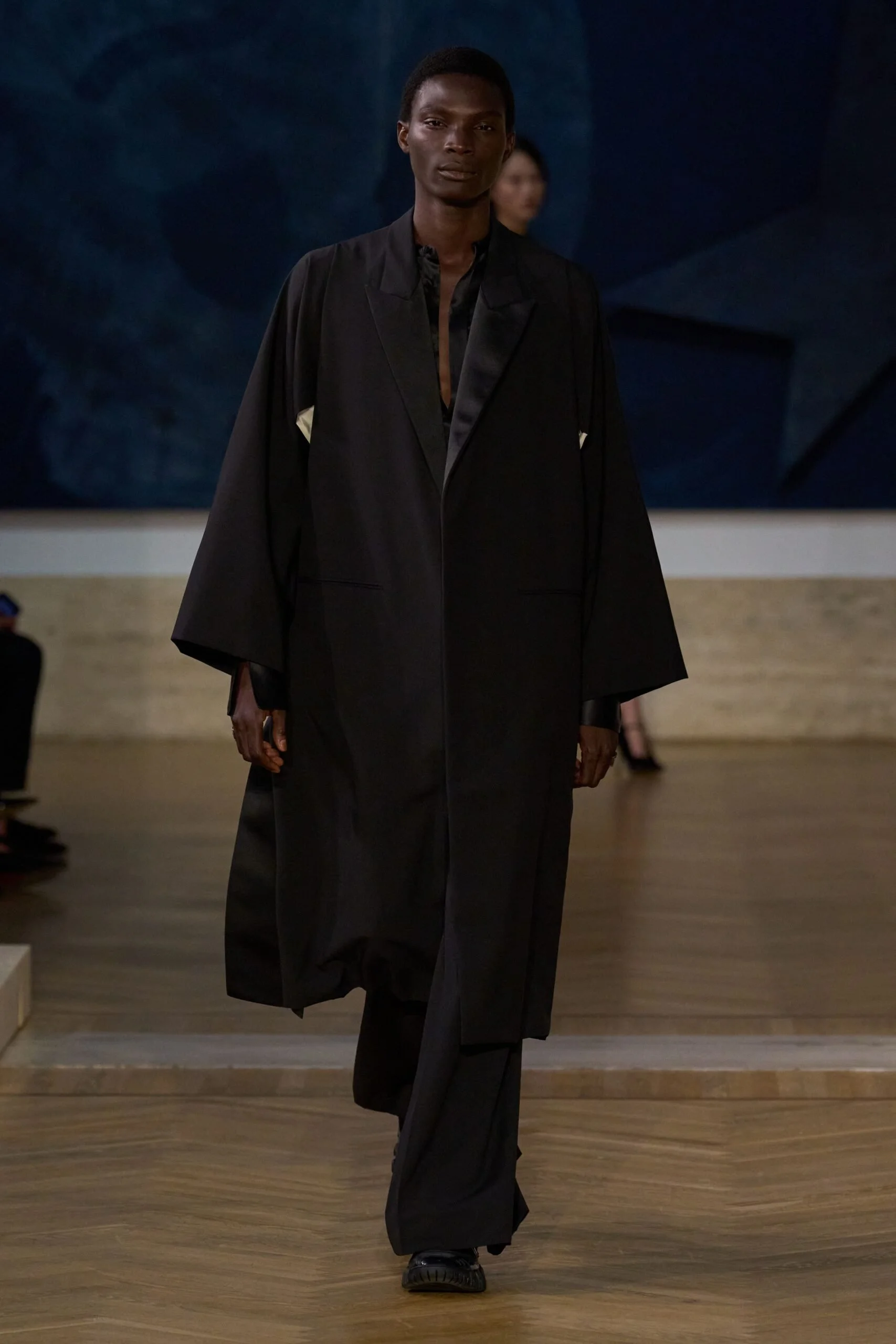
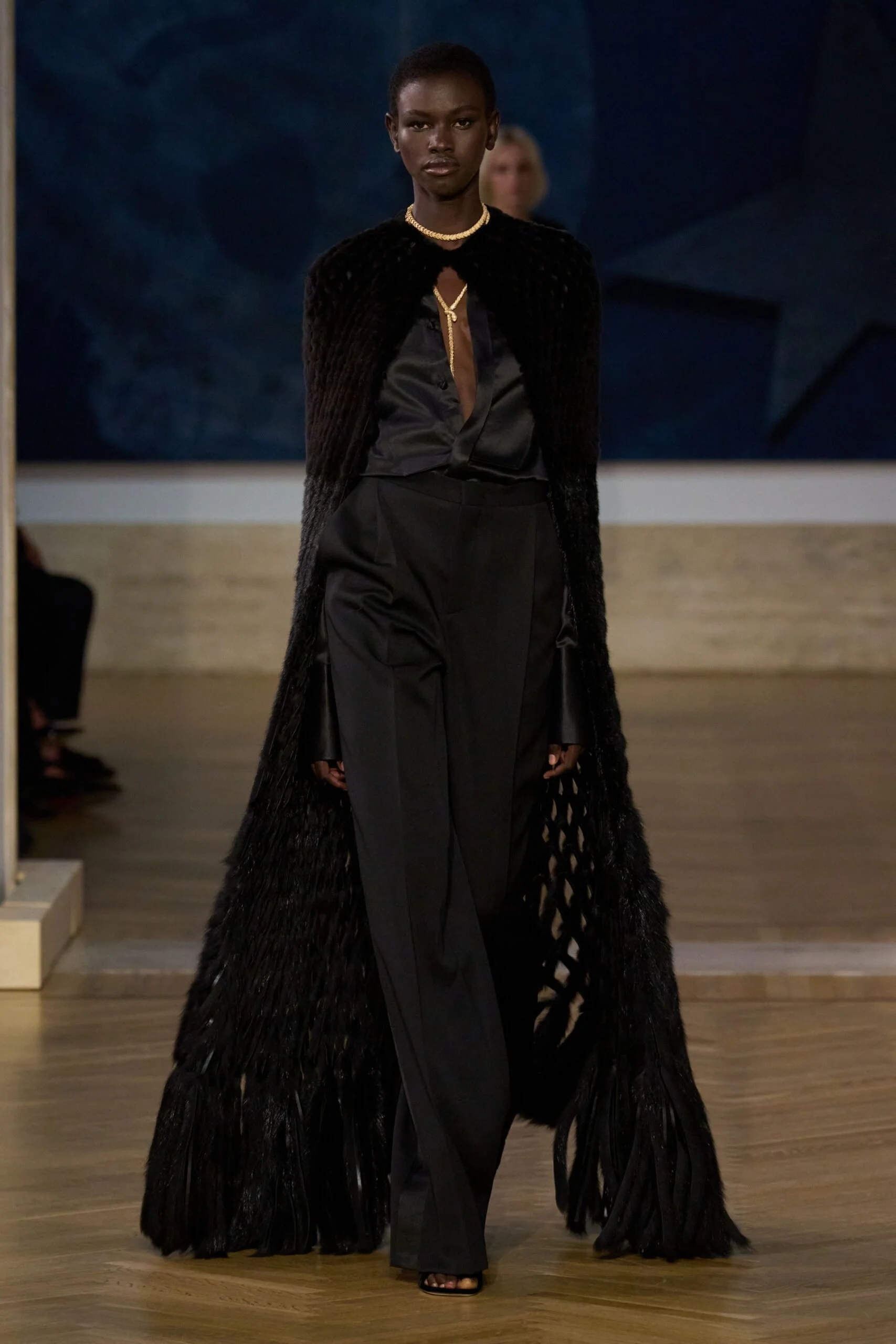
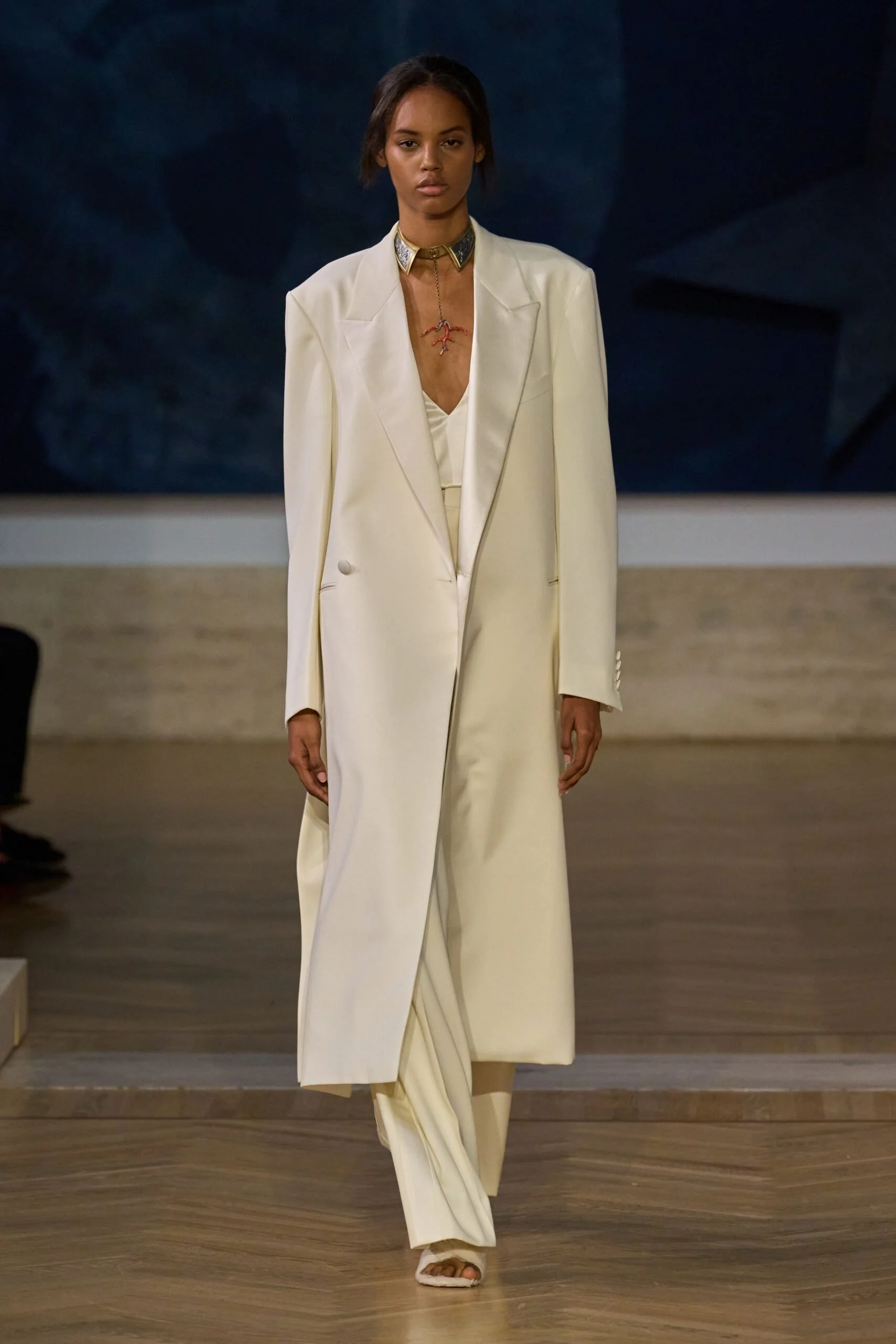
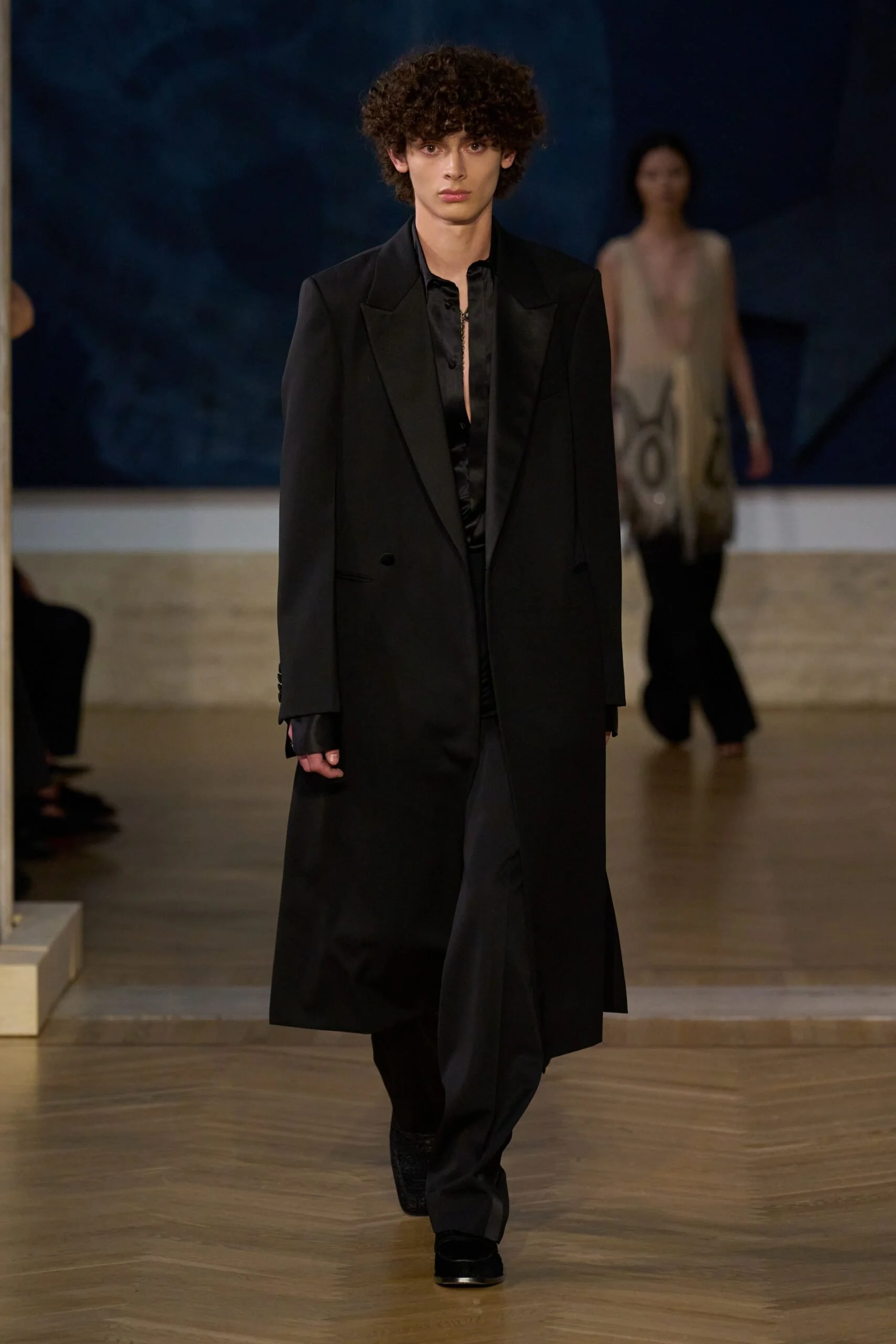
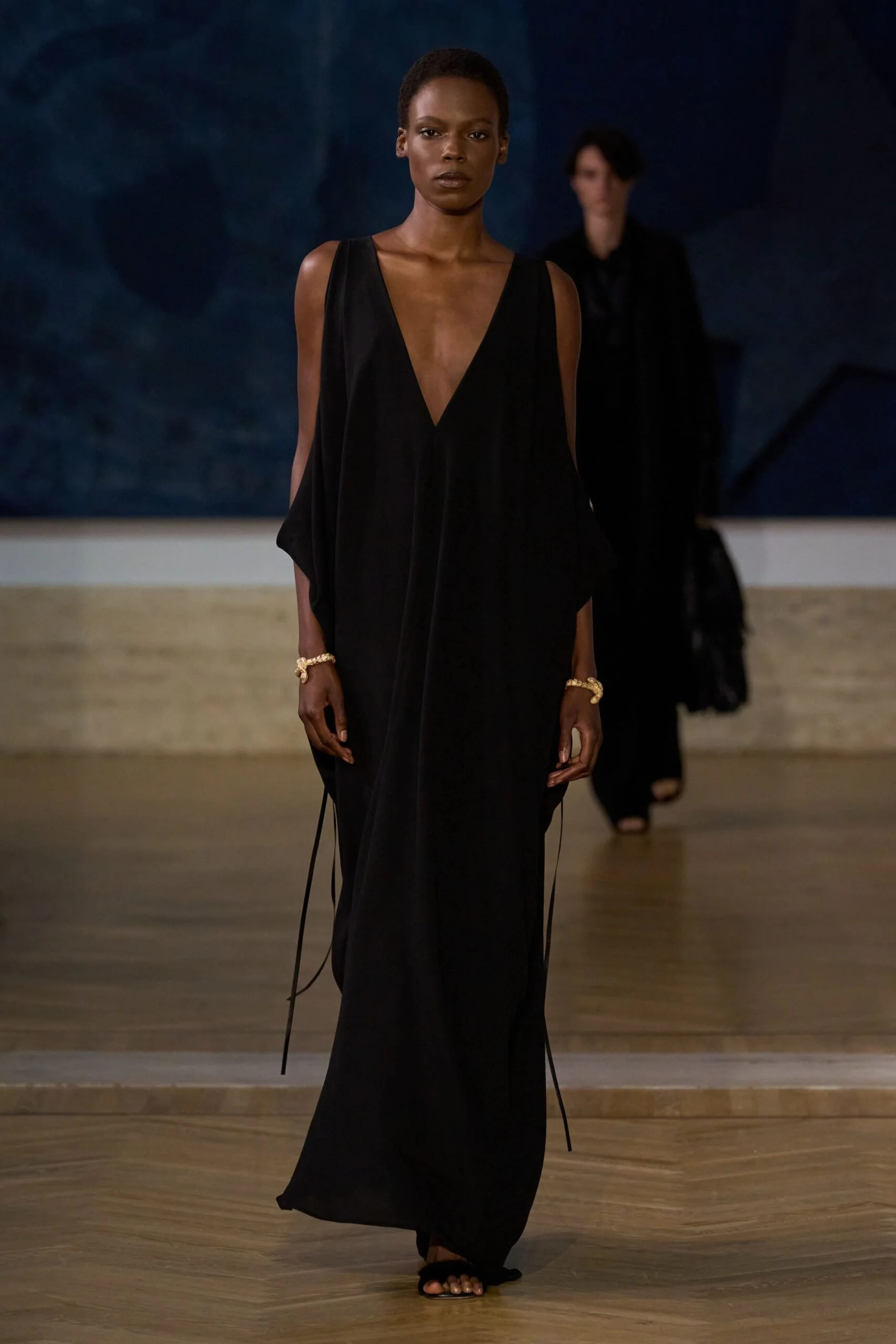
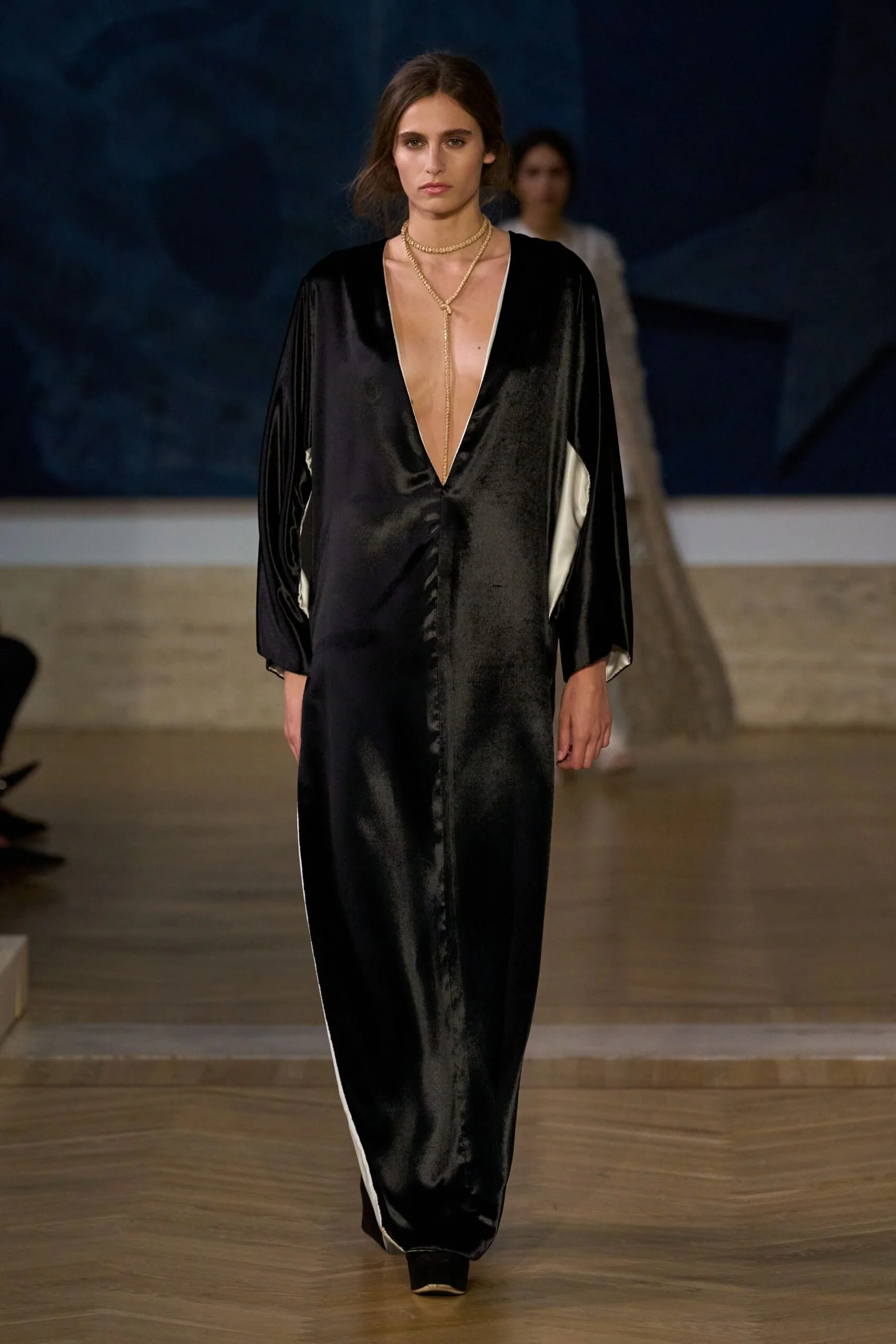
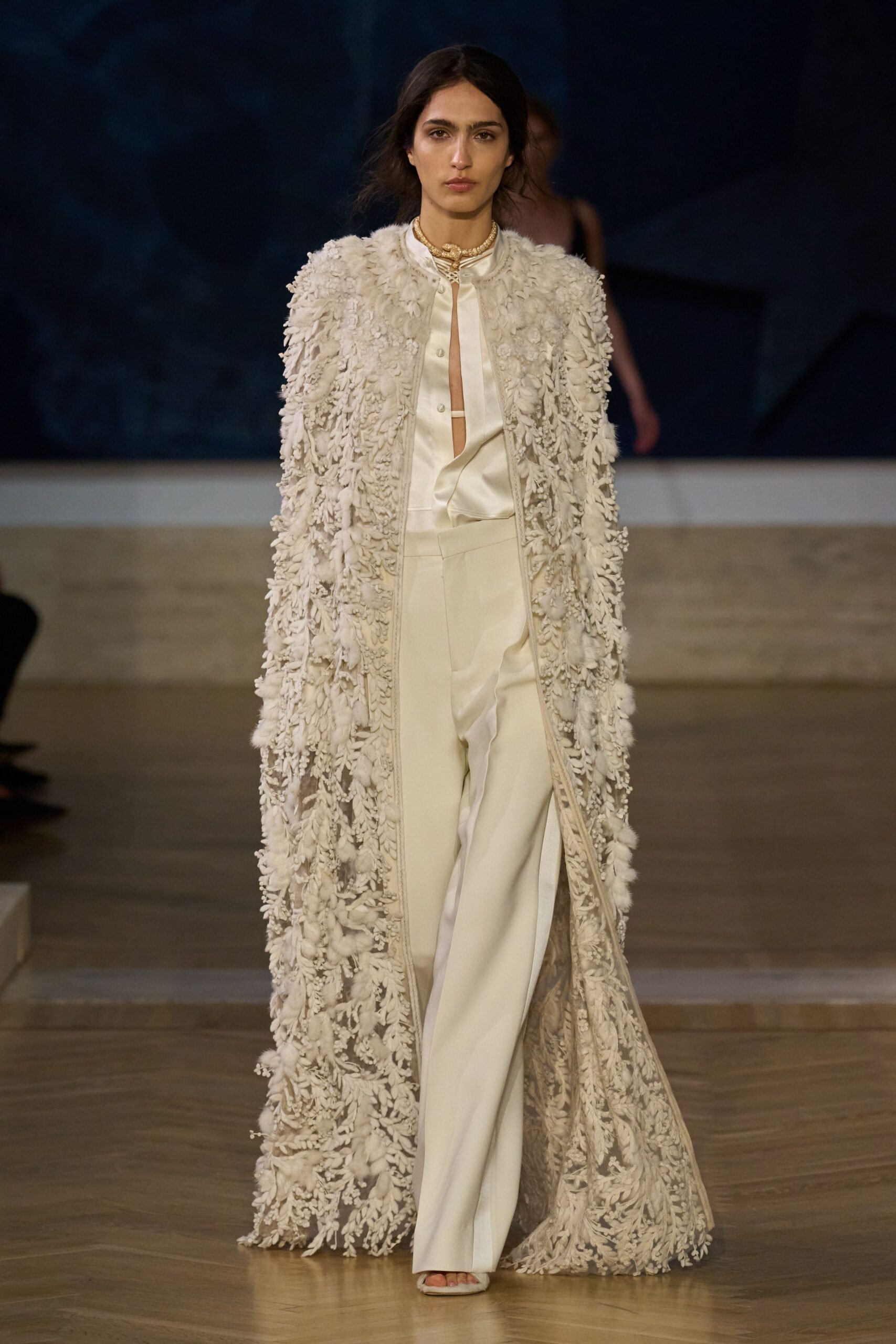
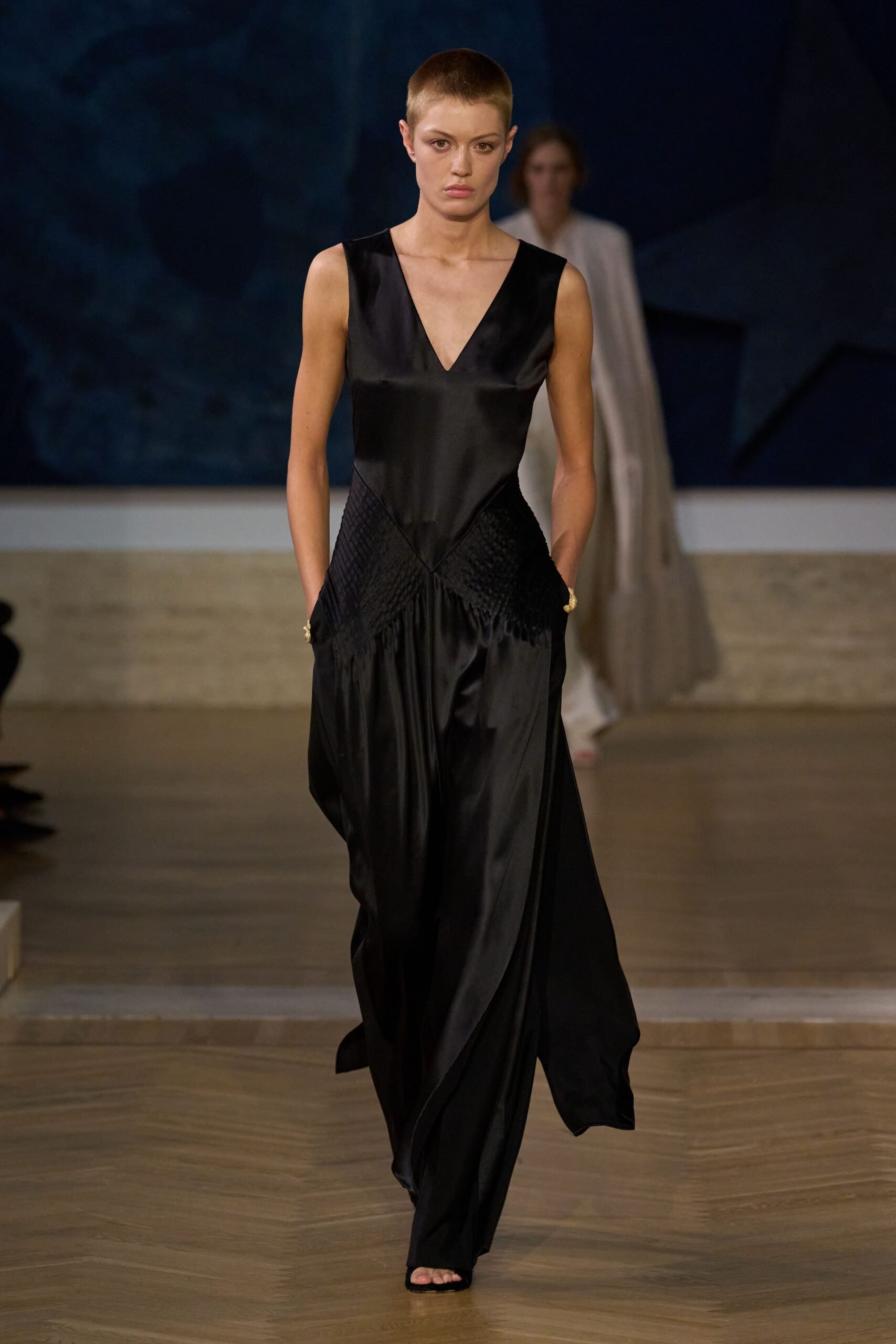
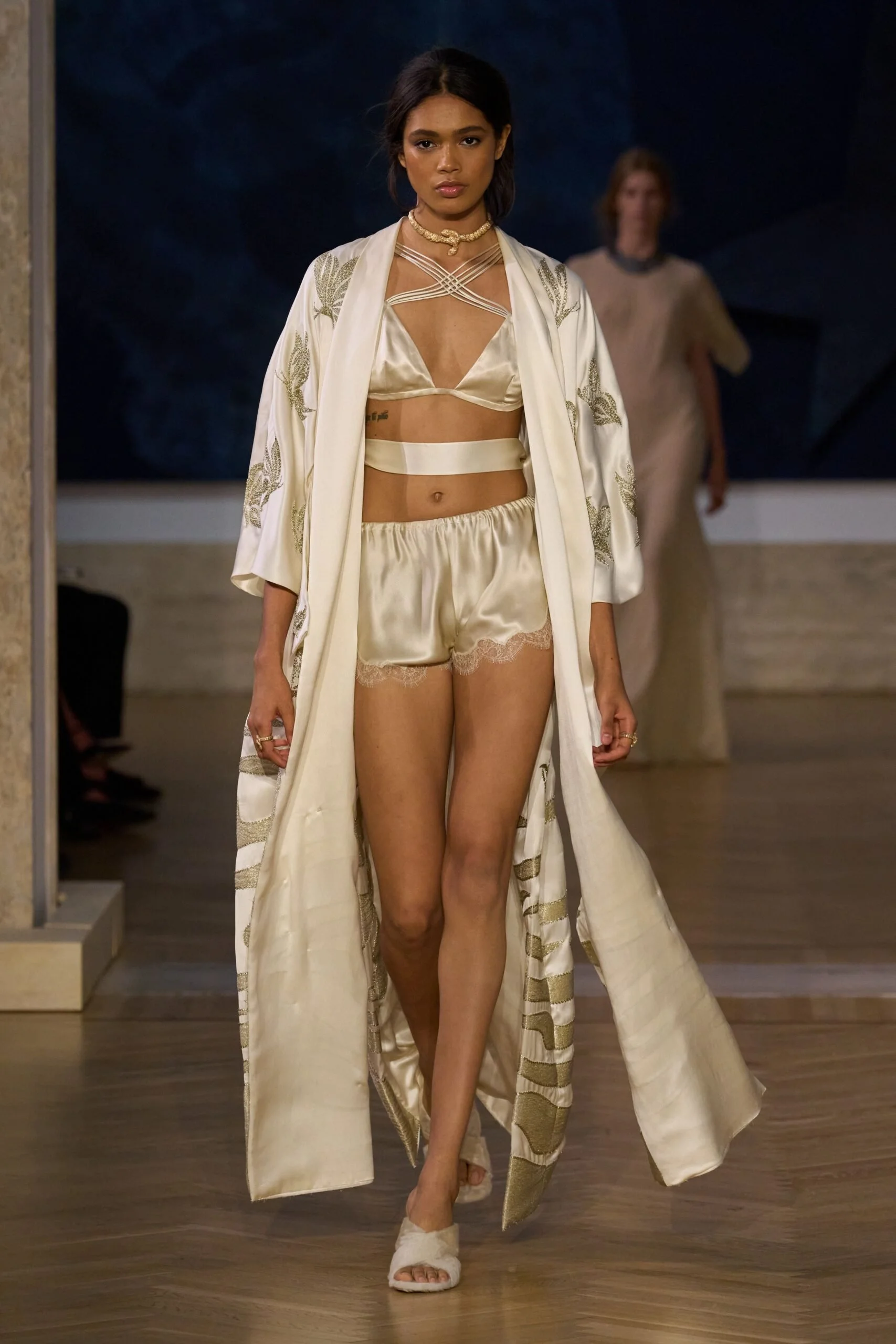
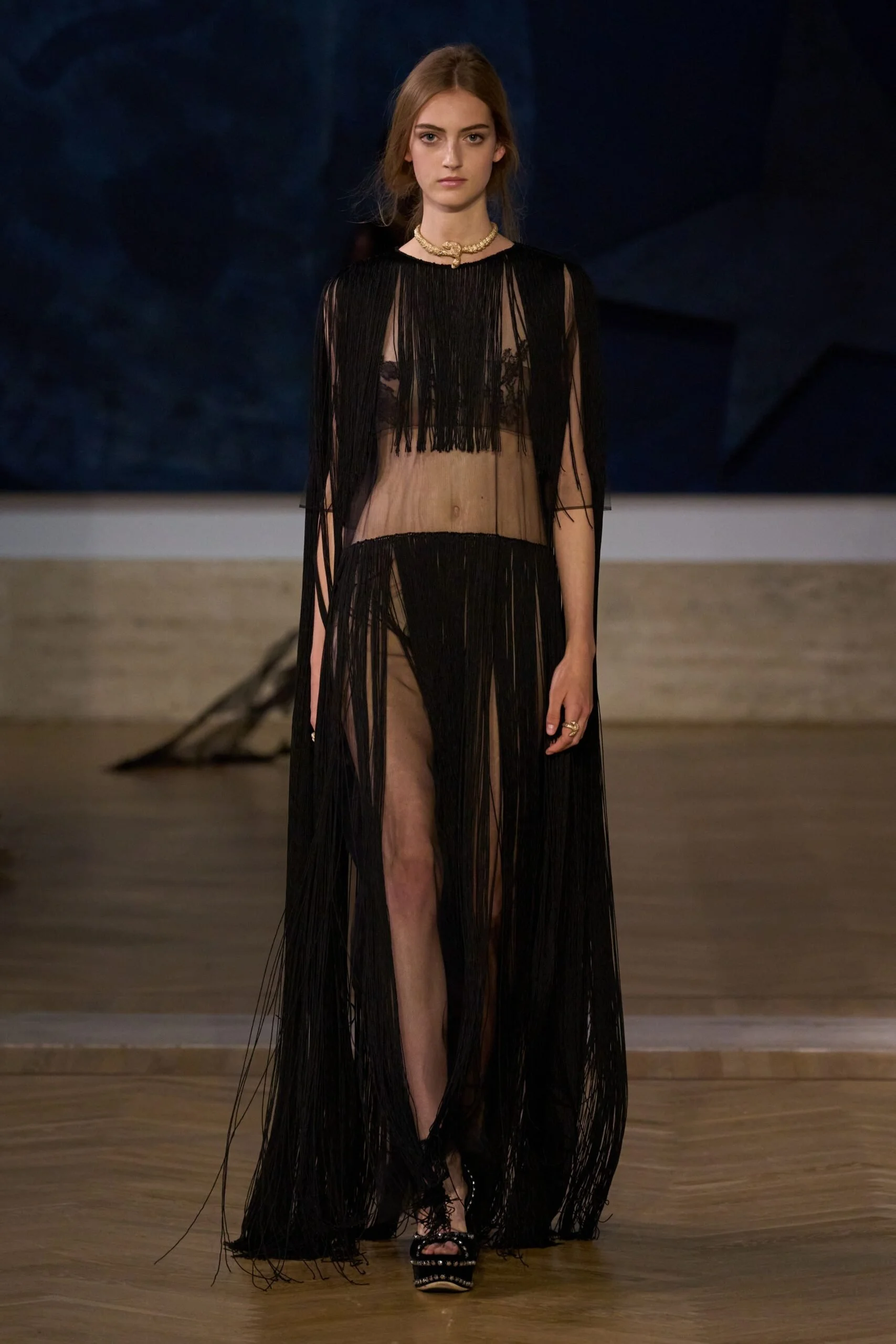
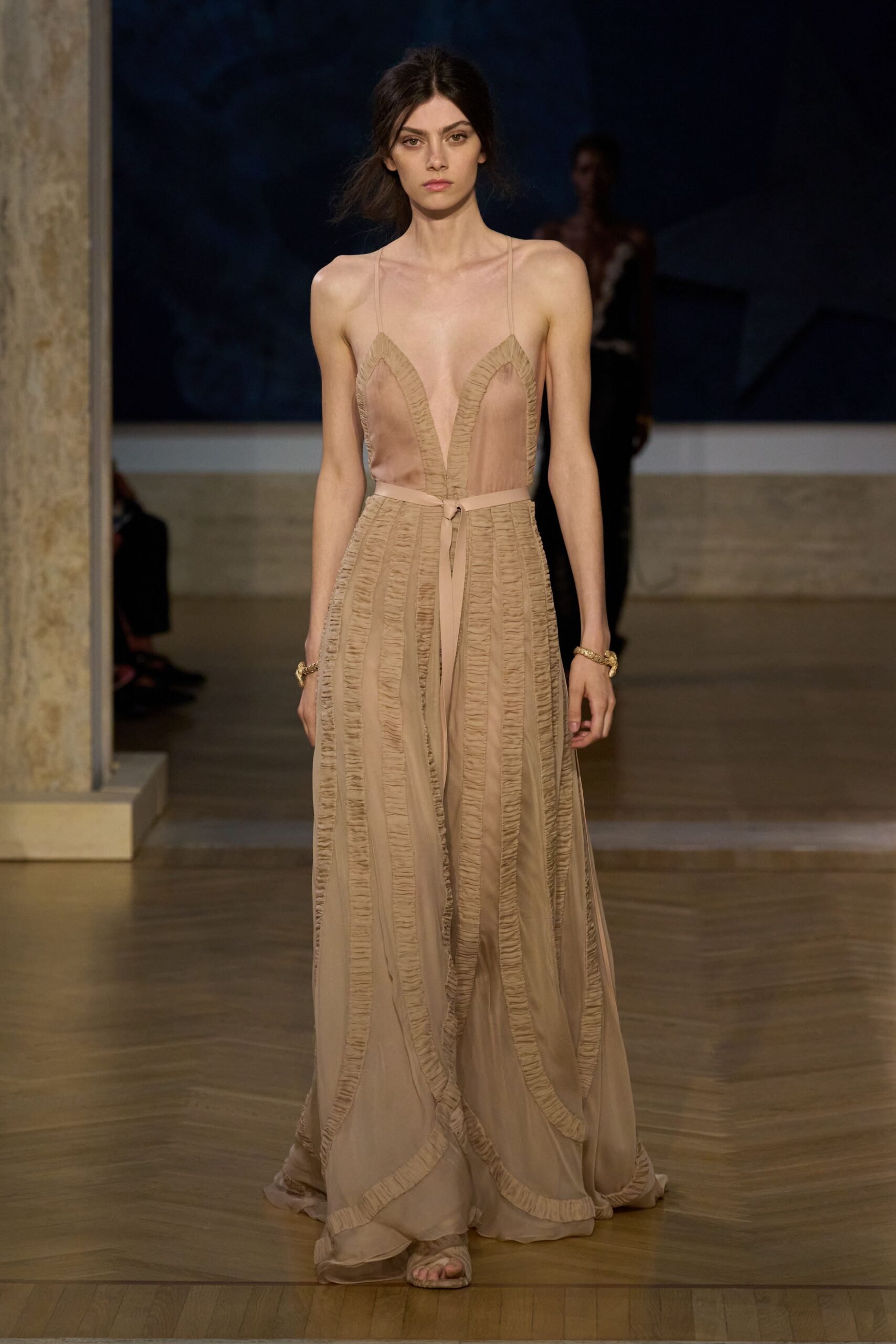
Kimono-inspired tailoring, softly sculpted coats and featherweight capes abandoned the rigid theatricality often associated with couture. Even when referencing ecclesiastical robes or Viennese decorative arts, the collection never tipped into costume. Instead, the garments floated around the body with remarkable ease.
One of the strongest moments came in a floor-length coat assembled entirely from leftover leather and fur fragments, transformed into an intricate floral composition. In an industry increasingly eager to discuss sustainability, Chiuri demonstrated that couture's slow, painstaking processes may already offer one of fashion's most thoughtful forms of responsible luxury.
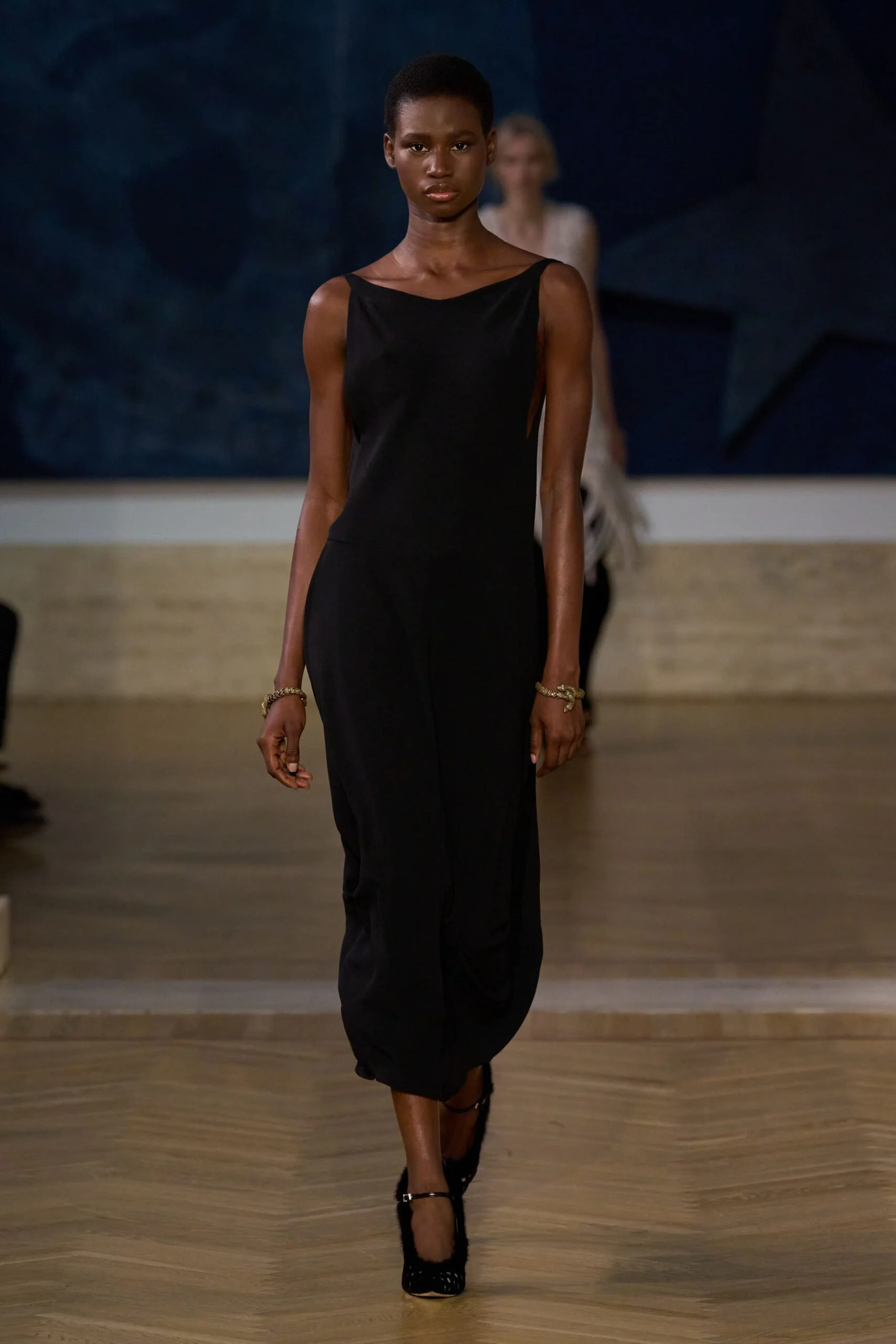
The palette remained intentionally disciplined. Black dominated, punctuated by parchment—the creamy neutral that recalls Fendi's early luggage business. Rather than relying on colour for impact, Chiuri allowed texture to carry the emotion of the collection.
Throughout the show, Karl Lagerfeld's presence could be felt, but never imitated. References to his fascination with Bauhaus geometry, Vienna Secession ornamentation and liberated tailoring appeared subtly woven into the collection instead of becoming nostalgic recreations.
Perhaps the most successful aspect of the debut was what it chose not to do.
Fashion often expects a new creative director to announce themselves with disruption. Chiuri resisted that temptation. Instead of trying to overwrite Fendi's history, she quietly repositioned herself inside it, drawing equally from the Fendi sisters, Lagerfeld's decades of experimentation and her own lifelong relationship with Roman craftsmanship.
It was couture that whispered rather than shouted.
In a season increasingly dominated by spectacle, celebrity and algorithms, Fendi reminded everyone that luxury still begins with a needle, a pair of hands and the patience to make something extraordinary.