Reading Festival 2026: The Weekend That Refuses to Stand Still
Every August Bank Holiday, Reading Festival returns less as a tradition and more as a temperature check, a precise read on where music, fashion, and youth culture are heading next. For 2026, that reading is clear: bigger, faster, and increasingly difficult to categorise.
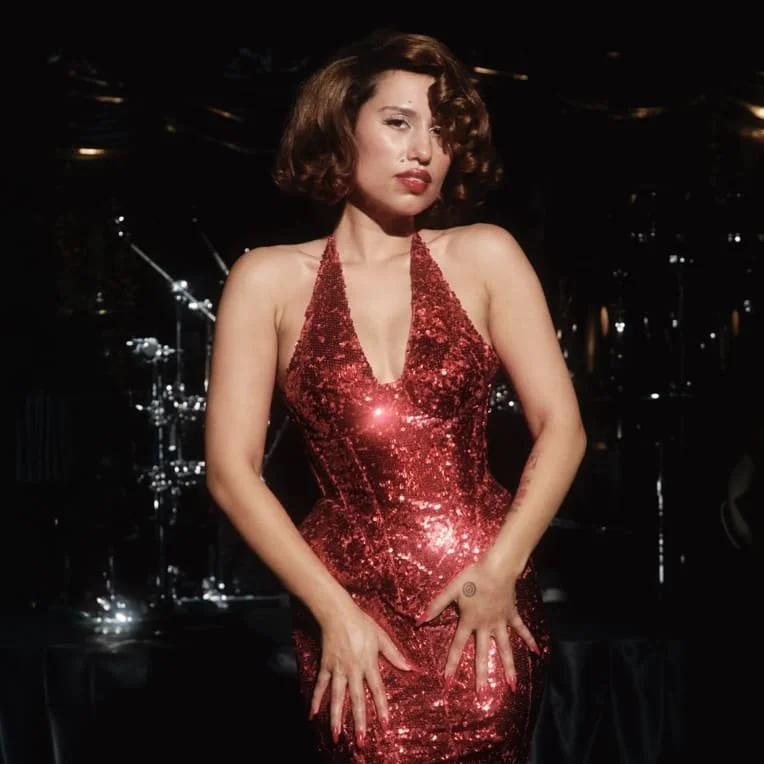
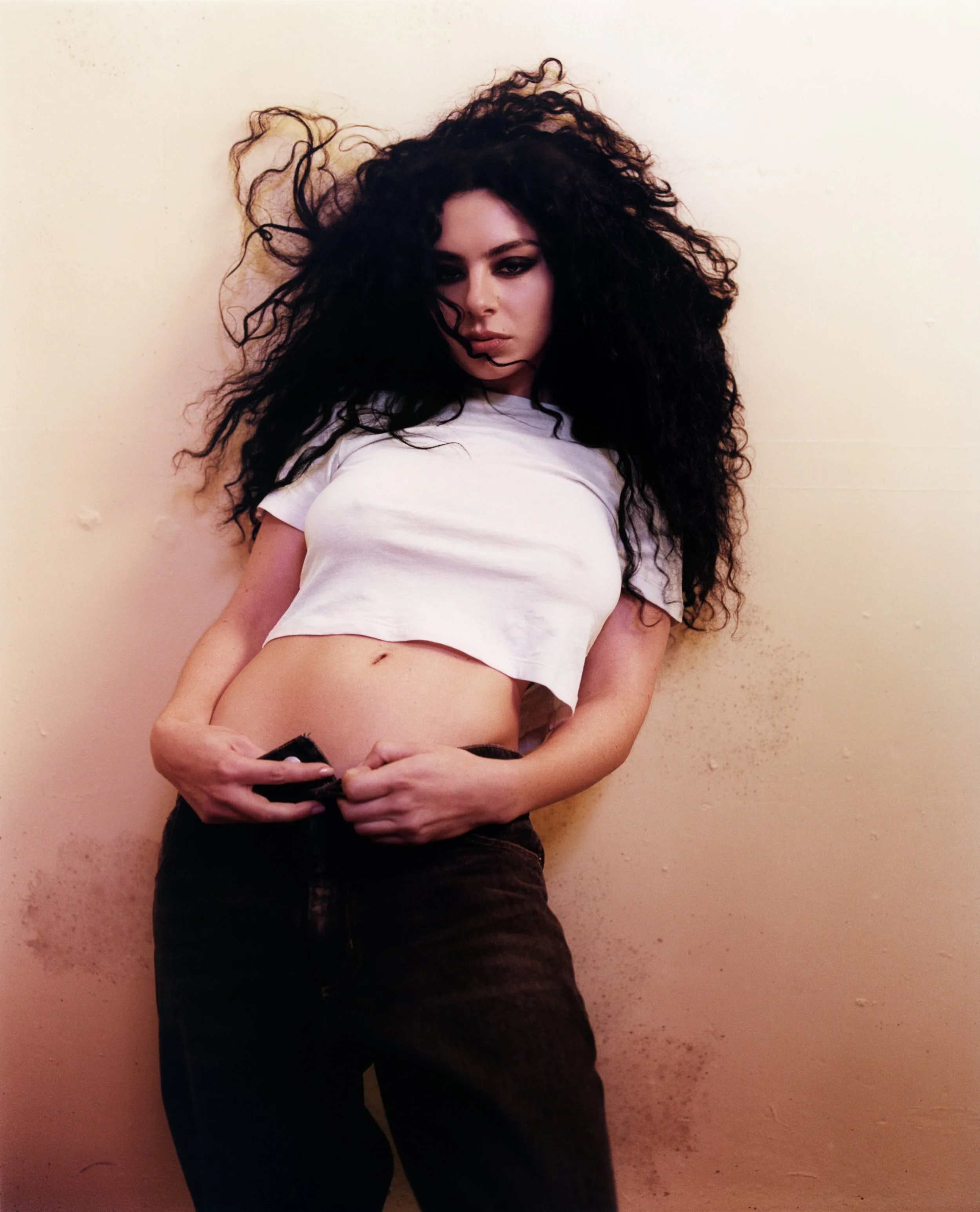
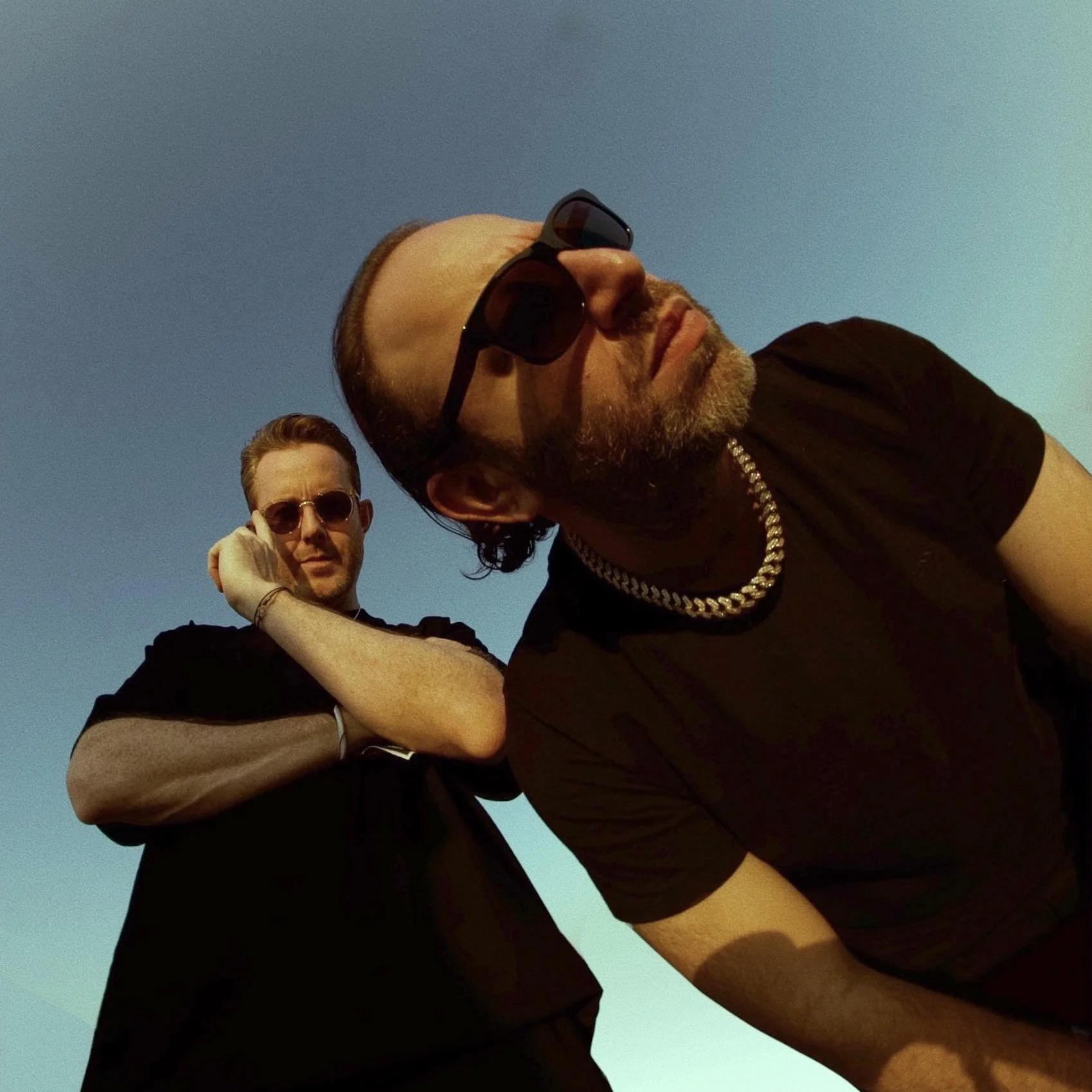
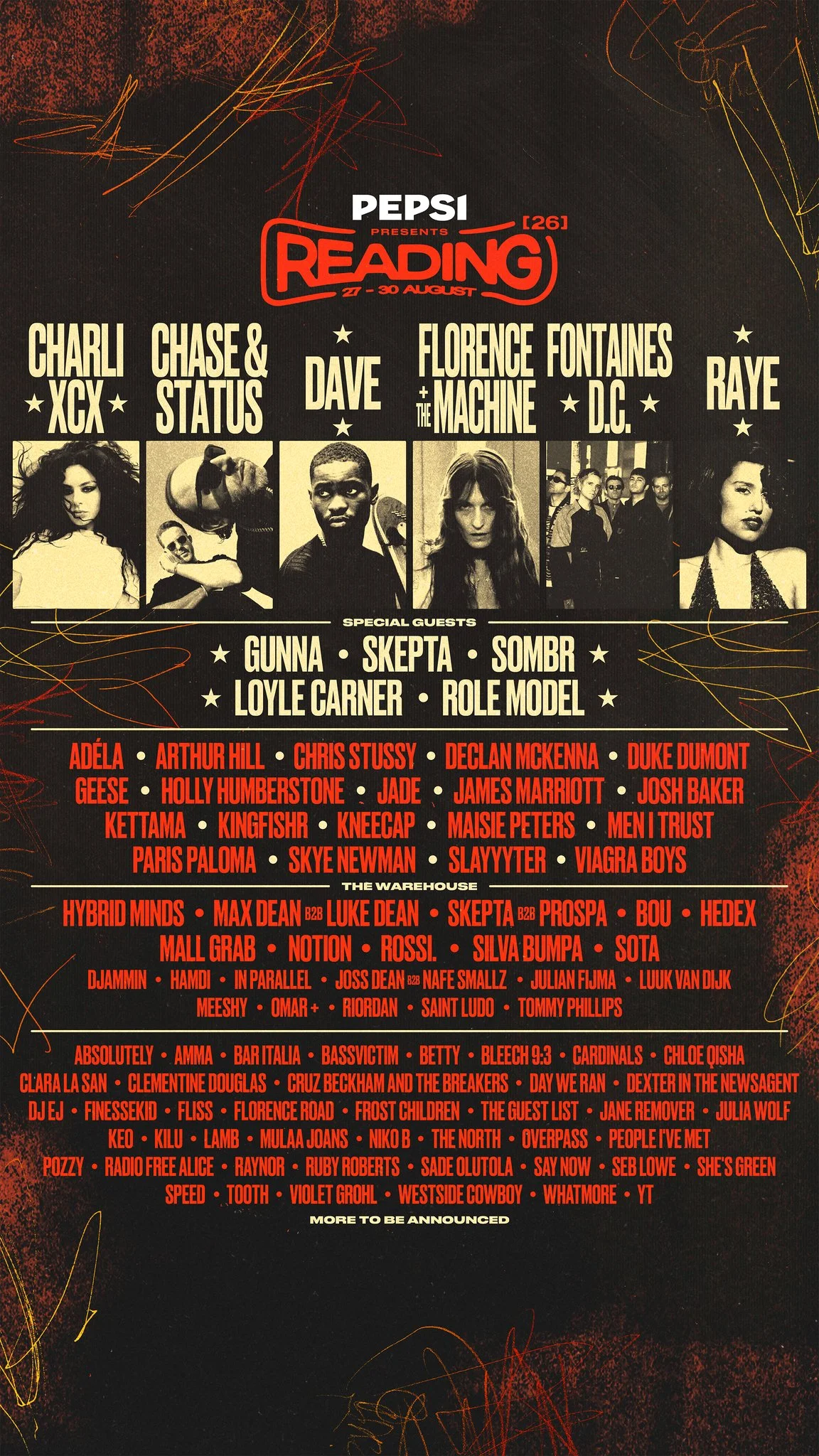
Set once again along Richfield Avenue from 27 to 30 August, this year’s edition builds on an already formidable foundation. Headliners Charli XCX, Chase & Status, Dave, Florence + The Machine, Fontaines D.C. and RAYE suggested a line up already calibrated for both cultural relevance and scale. But the latest announcement, more than 60 new names, reframes the weekend entirely. This is no longer just a festival, it is an ecosystem hosted by Live Nation.
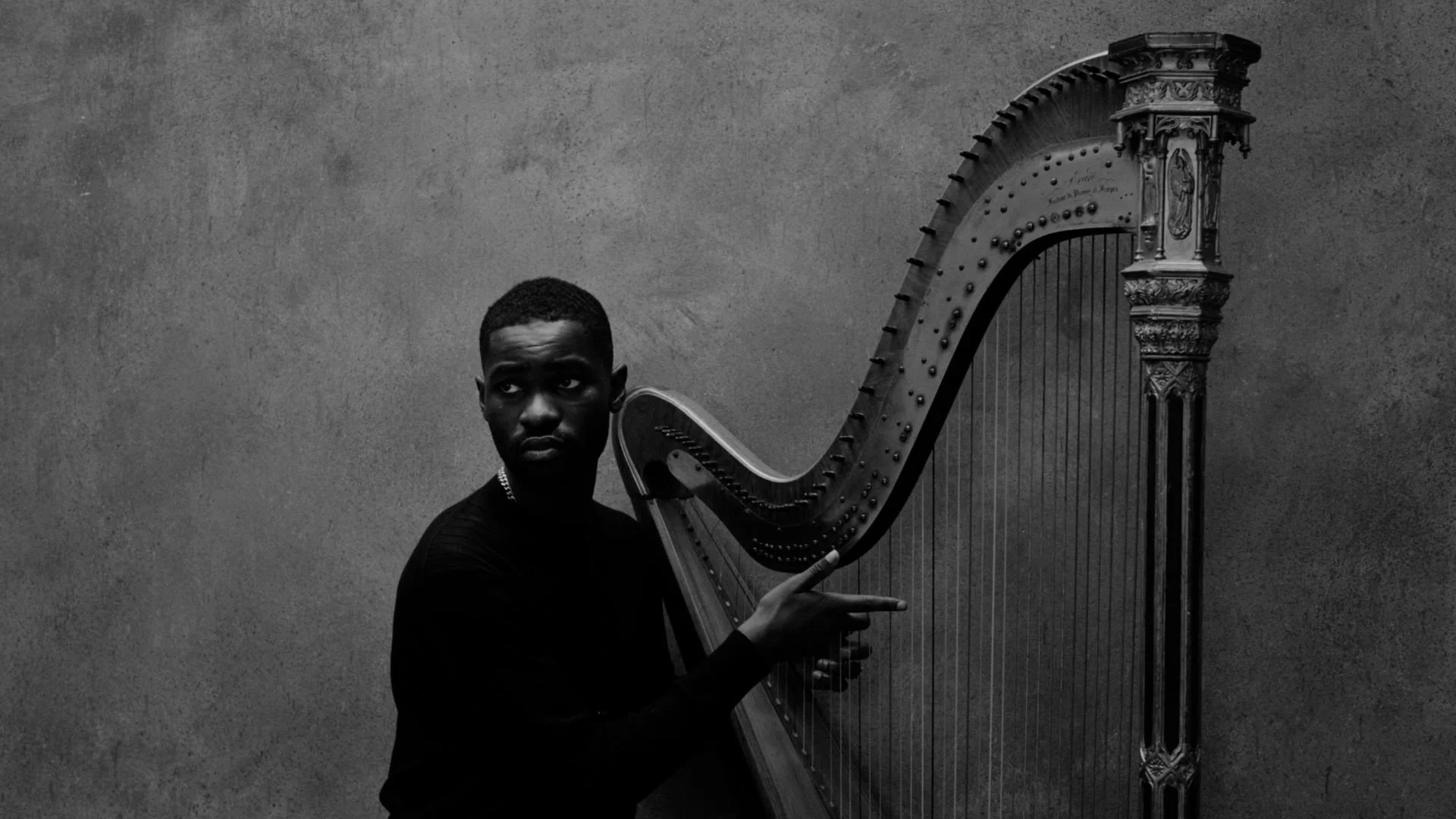
Dave
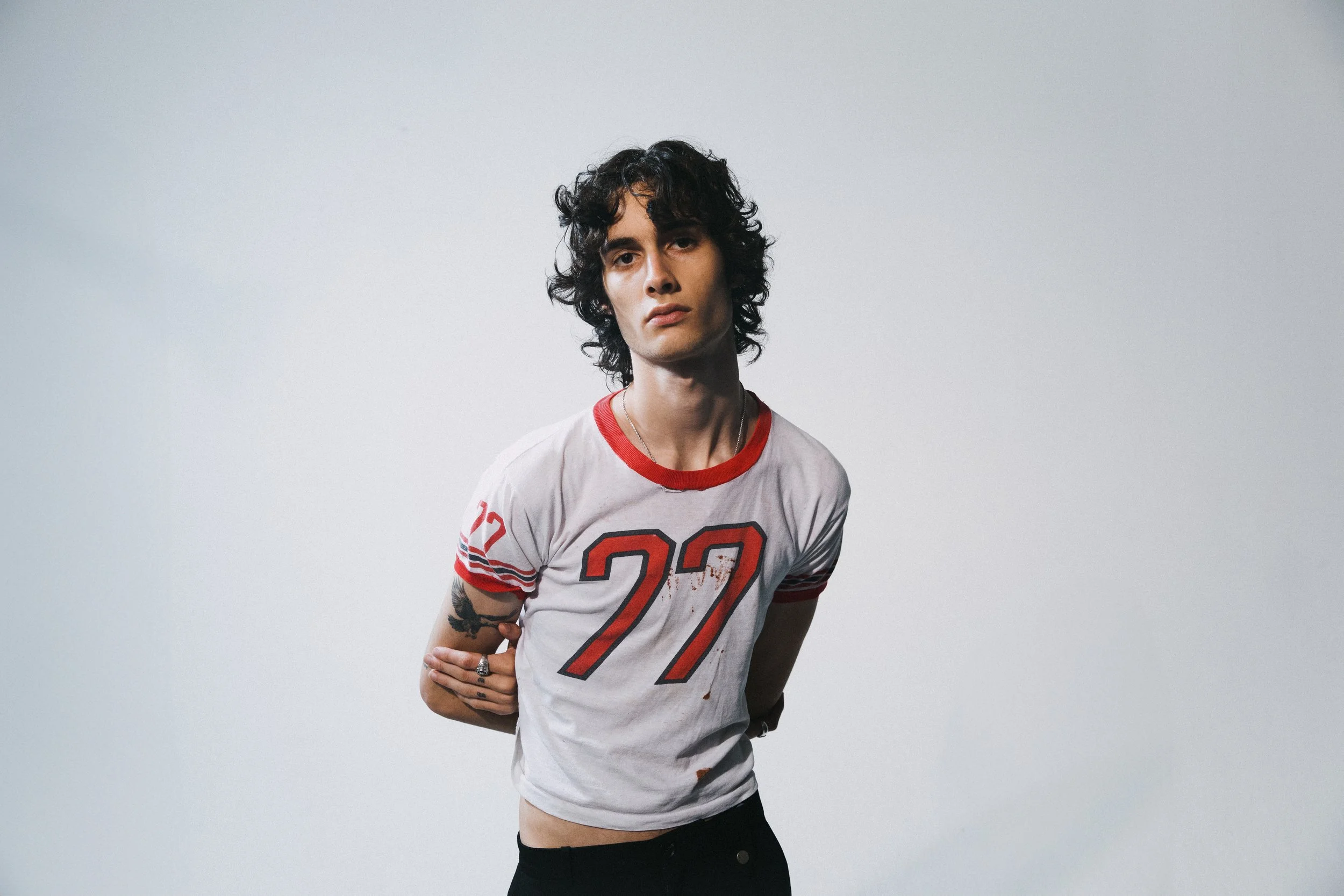
Sombr
The additions read like a study in contrasts. Gunna and Loyle Carner bring a certain introspective cool to the bill, while Declan McKenna and Maisie Peters continue to define a softer, emotionally literate strain of British pop. Elsewhere, Viagra Boys and Men I Trust offer something more subversive, less polished, more deliberate.
There is also a noticeable emphasis on artists who exist just outside the traditional centre. Clara La San, Paris Paloma and Holly Humberstone sit within a new kind of alternative mainstream, one that prioritises mood, intimacy, and identity over chart position. Even the inclusion of names like Cruz Beckham and Violet Grohl, both performing at defining early stages in their careers, signals a continued fascination with legacy, lineage, and the making of cultural figures in real time.
But the most telling addition is not a name. It is a space.
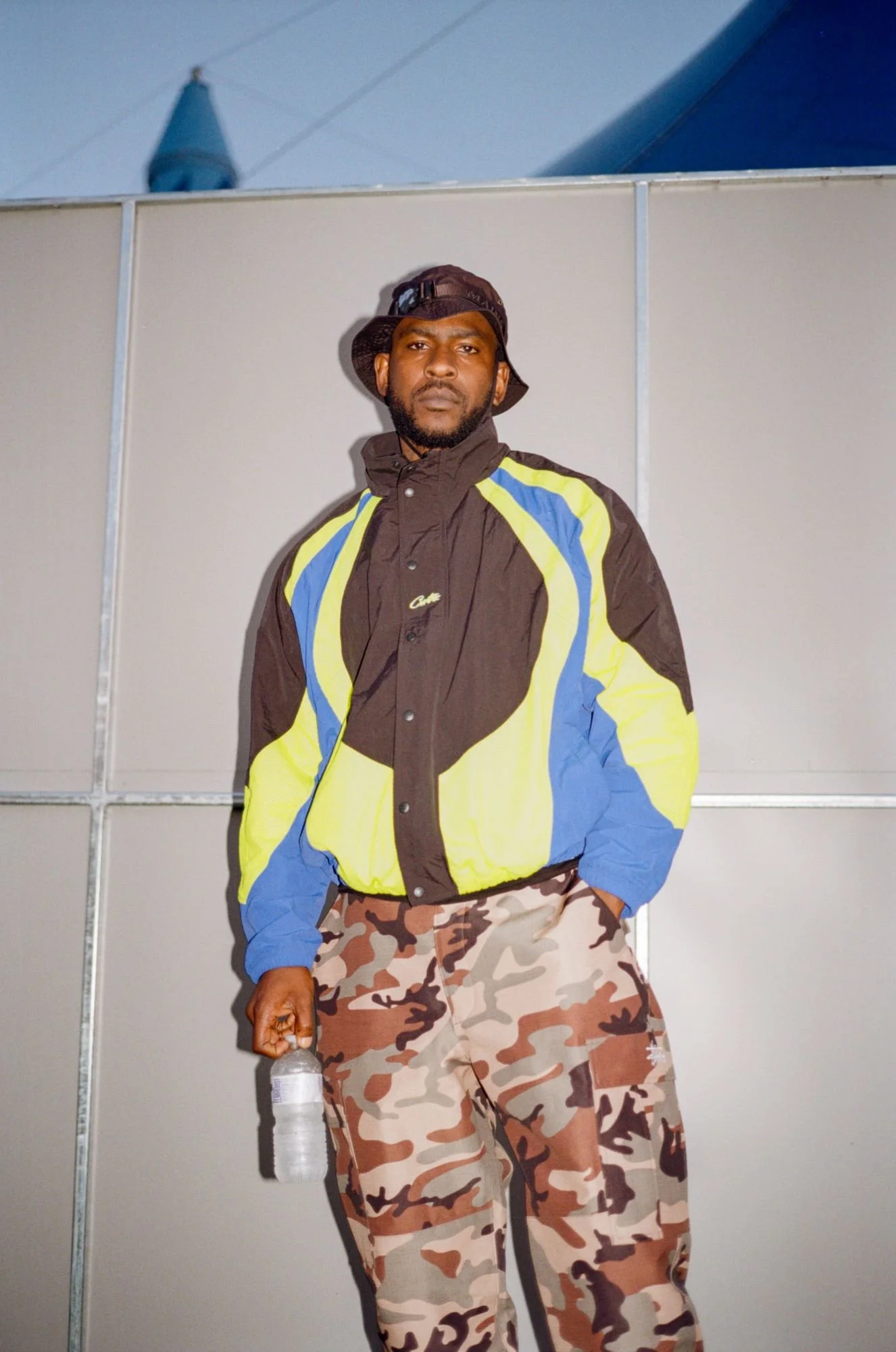
For 2026, Reading introduces The Warehouse, a purpose built stage dedicated entirely to dance music, less festival tent, more fully realised club environment. With a focus on immersive sound and high spec production, it reflects a broader shift in how audiences want to experience electronic music, not as an aside, but as a central pillar. Artists including Skepta, appearing in back to back sets alongside Prospa and East End Dubs, sit comfortably alongside figures like Mall Grab and Hedex, blurring the lines between rap, rave, and underground club culture.
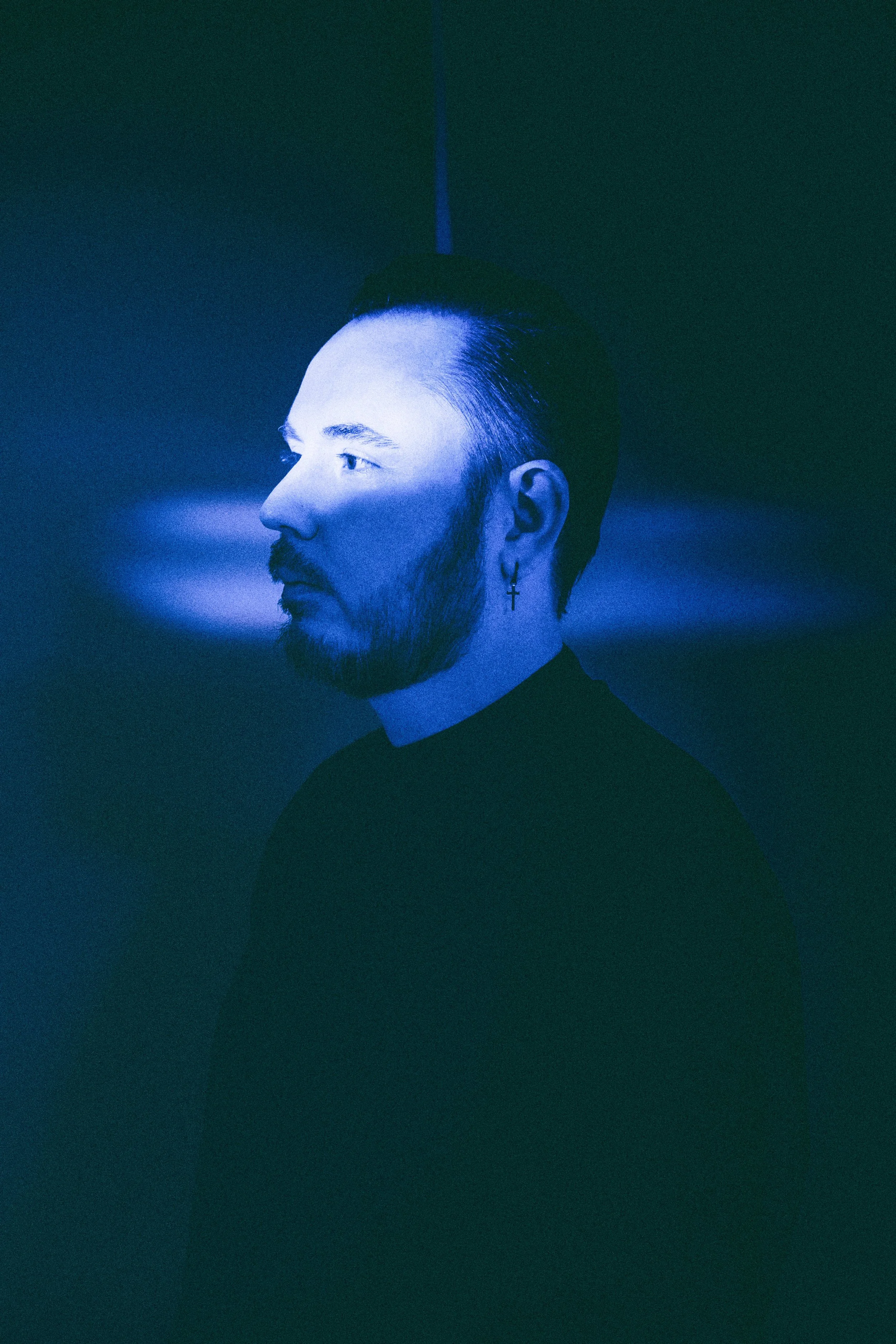
It is this fluidity that defines Reading in its current form. Where festivals once relied on genre, Reading now trades in energy, moving seamlessly from the diaristic songwriting of James Marriott to the controlled chaos of Niko B, from the polished euphoria of Duke Dumont to the quiet pull of Julia Wolf.
And then there is the audience, arguably the most important shift of all. Reading no longer belongs to a single type of attendee. It is where fashion students stand beside finance graduates, where archive Prada meets resale streetwear, where the line between performer and spectator continues to blur. The festival has become as much about observation as participation.
What emerges is something more complex than a line up. Reading Festival 2026 is a study in convergence, of sounds, scenes, and sensibilities. It is a place where legacy acts and first time performers share the same stage, where dance music claims architectural significance, and where the idea of what a festival looks like continues to evolve.
Tickets are on sale now. But more importantly, so is the moment.