or a story of how the Luxury Industry is fighting a relevance crisis
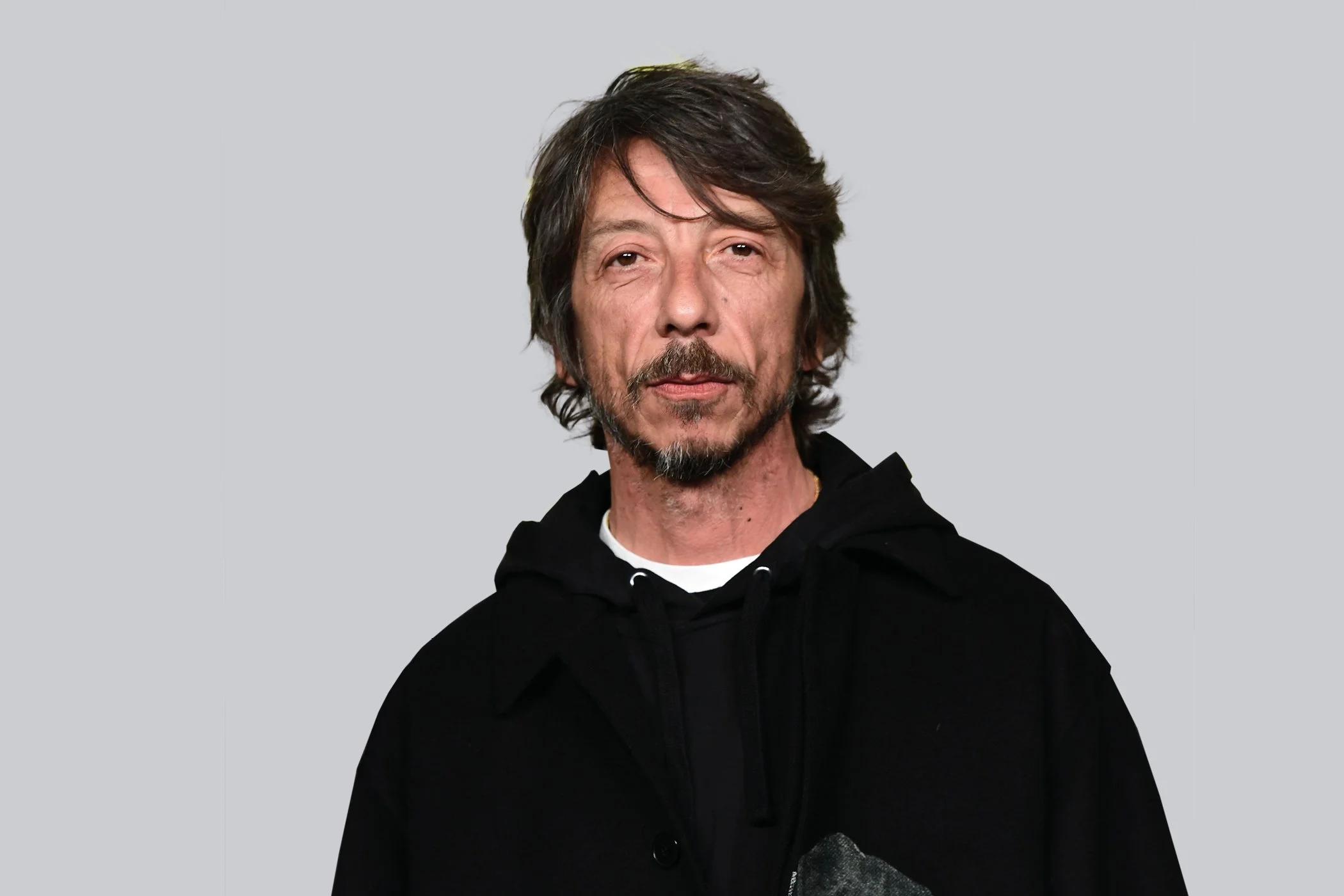
Balenciaga is facing another creative reset. Pierpaolo Piccioli is stepping down as creative director after less than sixteen months at the helm, marking another abrupt change for the Parisian house as its parent company, Kering, attempts to regain momentum amid a prolonged luxury slowdown. His departure, announced on 5 November, comes against a difficult financial backdrop for the group, with Gucci still searching for a sustained recovery and a wider reshuffling of its creative leadership underway.



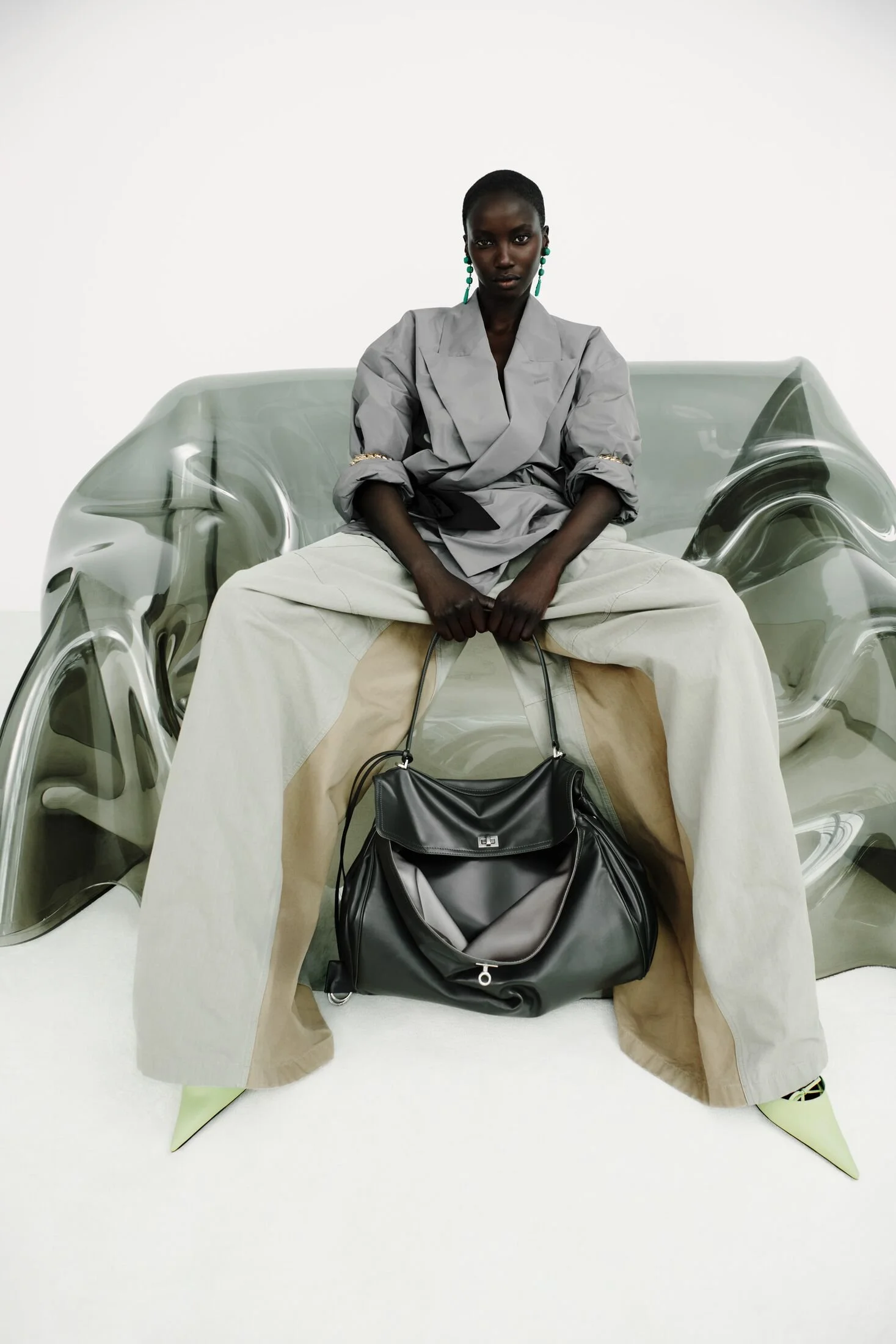
Images from Balenciaga Spring 2027
Yet Balenciaga's latest departure carries a particular significance. Piccioli was appointed to succeed Demna, whose decade at the house fundamentally altered its position within the fashion industry. Replacing him was never going to be a straightforward exercise in creative succession. It meant following a designer who had made Balenciaga one of the defining fashion houses of the 2010s, transforming its visual language and, arguably, changing the way an entire generation understood luxury.
When Demna arrived in 2015, fashion was beginning to move away from the polished minimalism that had dominated much of the previous decade. Drawing on his experience at Vetements, he introduced a deliberately disruptive vision of Balenciaga, built around exaggerated proportions, everyday clothing, subcultural references and an irreverent attitude towards traditional luxury. The Triple S sneaker, oversized hoodies, distressed tailoring and exaggerated outerwear became defining pieces of a new fashion vocabulary. His collections blurred the boundaries between high fashion and streetwear, making the ordinary desirable and challenging the industry's long-held ideas about aspiration.
More importantly, Demna understood the mechanics of contemporary culture. He knew how to generate conversation, whether through provocative runway presentations, unexpected collaborations or campaigns that deliberately unsettled conventional ideas of taste. Balenciaga became more than a fashion label; it became a cultural reference point, influencing everything from streetwear and celebrity dressing to the visual language of contemporary luxury. His impact extended well beyond the runway, helping establish the oversized, ironic and deliberately unconventional aesthetic that came to define much of the decade.
There was also a deeper connection to the house's history. Cristóbal Balenciaga had built his reputation on challenging established silhouettes and redefining the possibilities of construction. Demna approached that same spirit of experimentation through a contemporary lens, using distortion, volume and unconventional materials to question what clothing could be. His legacy was therefore not simply a departure from the house's heritage, but another interpretation of its avant-garde foundations.
Piccioli arrived with an entirely different proposition. After 25 years at Valentino, where he established himself as one of couture's most accomplished contemporary designers, his appointment suggested a return to craftsmanship, elegance and the house's historic relationship with haute couture. His collections sought to reintroduce a more romantic sensibility to Balenciaga, reconnecting the brand with its founder's technical legacy. His departure after just three seasons raises questions about whether the house, and perhaps Kering, had underestimated the difficulty of moving beyond the cultural identity Demna had spent a decade building.
The wider implications extend beyond Balenciaga. Across the luxury sector, creative directors are increasingly being asked to deliver immediate commercial results while simultaneously redefining the identity of heritage houses. Constant changes in leadership suggest an industry struggling to distinguish between a genuine creative evolution and the pursuit of short-term relevance.

Martine Rose's appointment as Piccioli's successor introduces another interesting dimension. Known for her distinctive interpretation of British subcultures, underground music and contemporary menswear, Rose brings a perspective that feels closer to the cultural territory in which Demna once operated. Having previously consulted on Balenciaga's menswear during his tenure, she is not entirely unfamiliar with the house. However, translating the independent spirit of her eponymous label into a global luxury business will be a considerable undertaking.
Ultimately, Balenciaga's next chapter will be about more than finding a successful creative director. It will be about establishing an identity that can exist independently of Demna's considerable legacy, while retaining the unconventional spirit that made the house relevant in the first place. The question is whether Kering is prepared to give that vision the time it needs to develop.