After watching Laika’s new stop-motion film at the cinema I found myself thinking less about the technology behind it and more about something increasingly rare: a story that knows exactly where it is going.
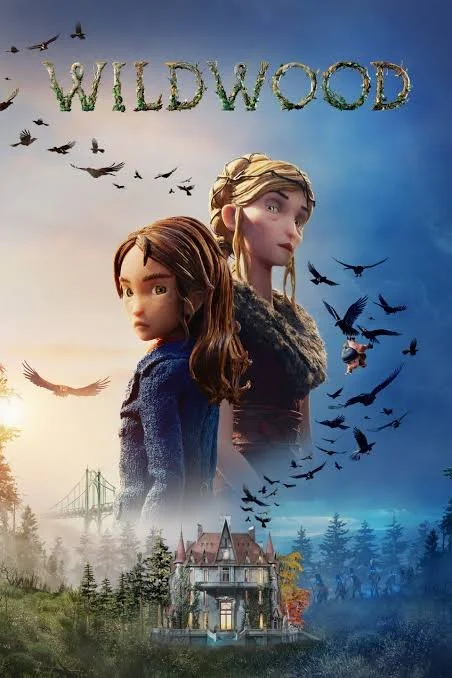
There is a particular pleasure in watching a film that doesn’t make you check the time. I felt it watching Wildwood, Laika’s new stop-motion adventure, in the cinema. More than two hours passed without the story losing its grip. There was no sense of the film stretching itself to fill a running time, no unnecessary detours or succession of twists designed simply to keep the audience guessing. Instead, the plot unfolded with a confidence that made me want to follow it wherever it went.
That might sound like a modest compliment. In an era when films can feel determined to be bigger, longer and more complicated than they need to be, it is not. What struck me most was how completely Wildwood drew me into its world. Its characters were not merely figures moving through an elaborate fantasy landscape. Their pain, anger, excitement and curiosity felt tangible. The film gave its story room to breathe without losing momentum, and trusted its audience to keep up. And then there was the audience itself. The cinema was full of grown-up adults. Not children dragged along by their parents, but people who had chosen to spend an afternoon watching an animated film. There was something quietly reassuring about that. A good story does not have to be categorised by the age of the person watching it.
Perhaps that is what Wildwood understands so well. It captures the mentality of a child setting out to explore the world: knowing very little, but wanting to know everything. The excitement of discovering something unfamiliar, the fear of what might be waiting around the corner, and the instinct to keep going.
It is an experience that belongs to childhood, but is not exclusive to it.
A film that trusts its audience
One of my frustrations with contemporary cinema is how often length is mistaken for depth. Films can run for hours and still feel as though they have very little to say. Plotlines multiply, twists arrive with predictable regularity, and the audience is left wondering whether the story is genuinely evolving or simply performing complexity. The narrative was exceptionally well developed, with a sense of momentum that never came at the expense of its characters. The emotional shifts felt connected to what had come before. There was a reason to keep watching, and it was not simply the promise of another revelation.
A story can surprise you without constantly trying to trick you. It can be emotionally complex without becoming convoluted. And it can hold an audience's attention without relying on artificial urgency.
What Wildwood reminded me of is that the most compelling stories are not necessarily those that keep us guessing. They are the ones that make us care about what happens next.
The extraordinary patience of stop-motion
The film's emotional impact is made all the more remarkable by the way it was created.
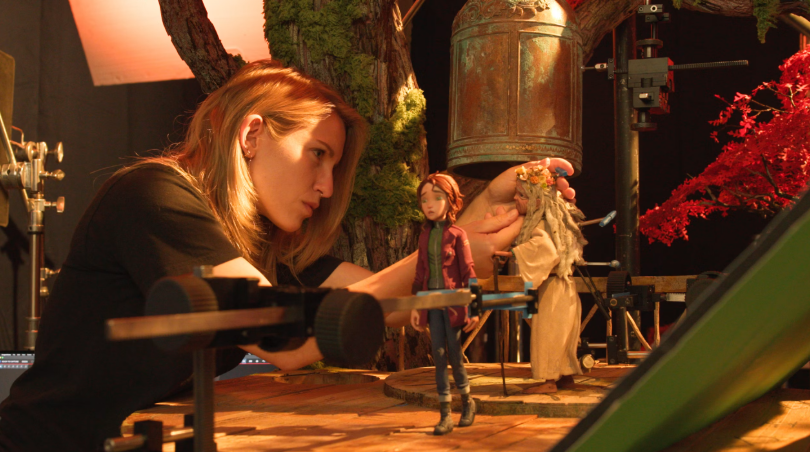
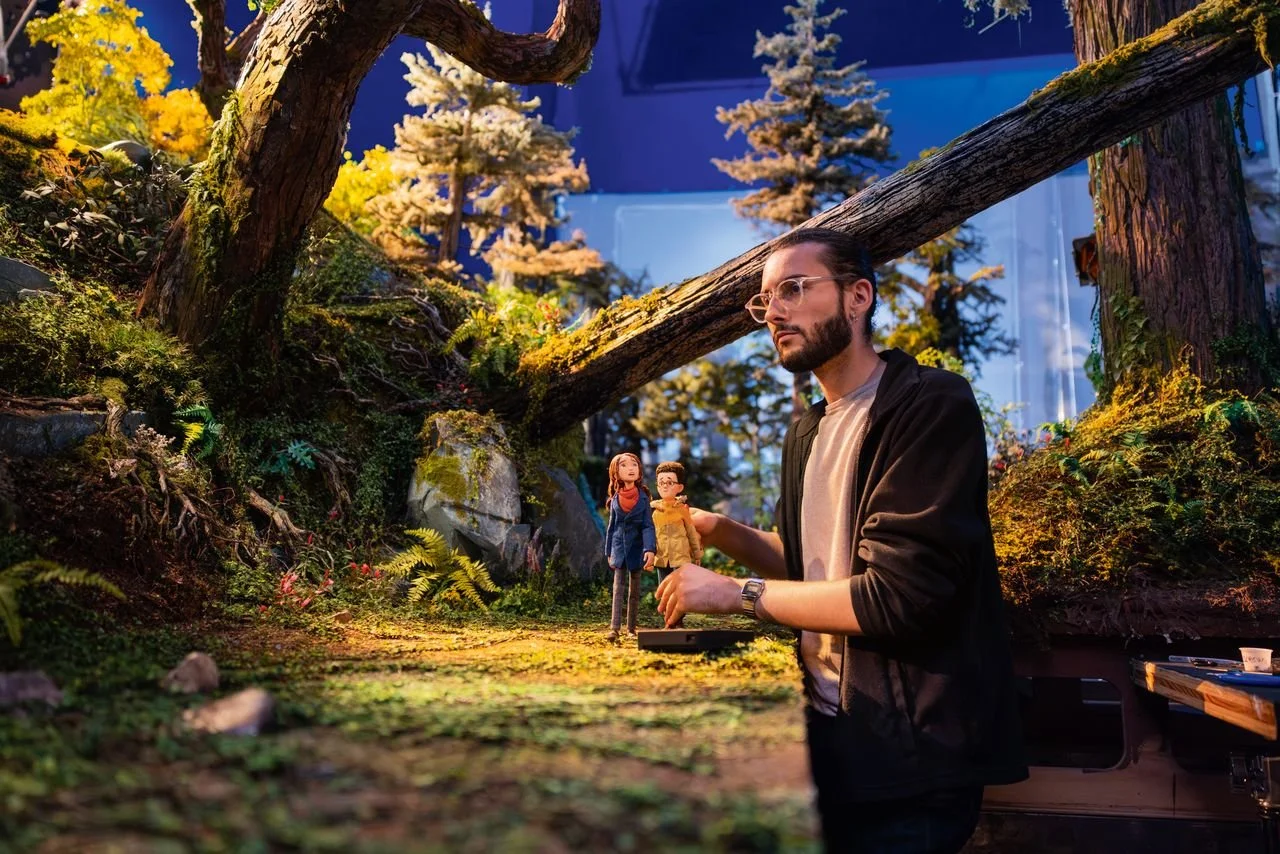
At a time when digital tools can produce almost anything, Laika has continued to work with stop-motion animation: puppets, miniature sets and physical objects brought to life one frame at a time. A movement that appears effortless on screen may require an animator to adjust a puppet by the smallest increment, photograph it, and repeat the process thousands of times. Yet watching Wildwood, I was struck by how fluid the animation felt. The movements were exceptionally smooth, and the characters seemed to inhabit their world rather than simply move through it. The artifice becomes invisible, allowing the audience to focus on the story. That is perhaps the greatest compliment one can pay to the people who made it: the work is extraordinary, but never asks to be admired at the expense of the film itself.
Seeing the work behind the wonder
Having seen Wildwood in the cinema, I’m now looking forward to exploring the world behind it at the Design Museum, where LAIKA presents WILDWOOD: The Exhibition has just opened. If the film left me thinking about storytelling, the exhibition promises a closer look at the craftsmanship, creative decisions and technical ingenuity involved in bringing that story to life.
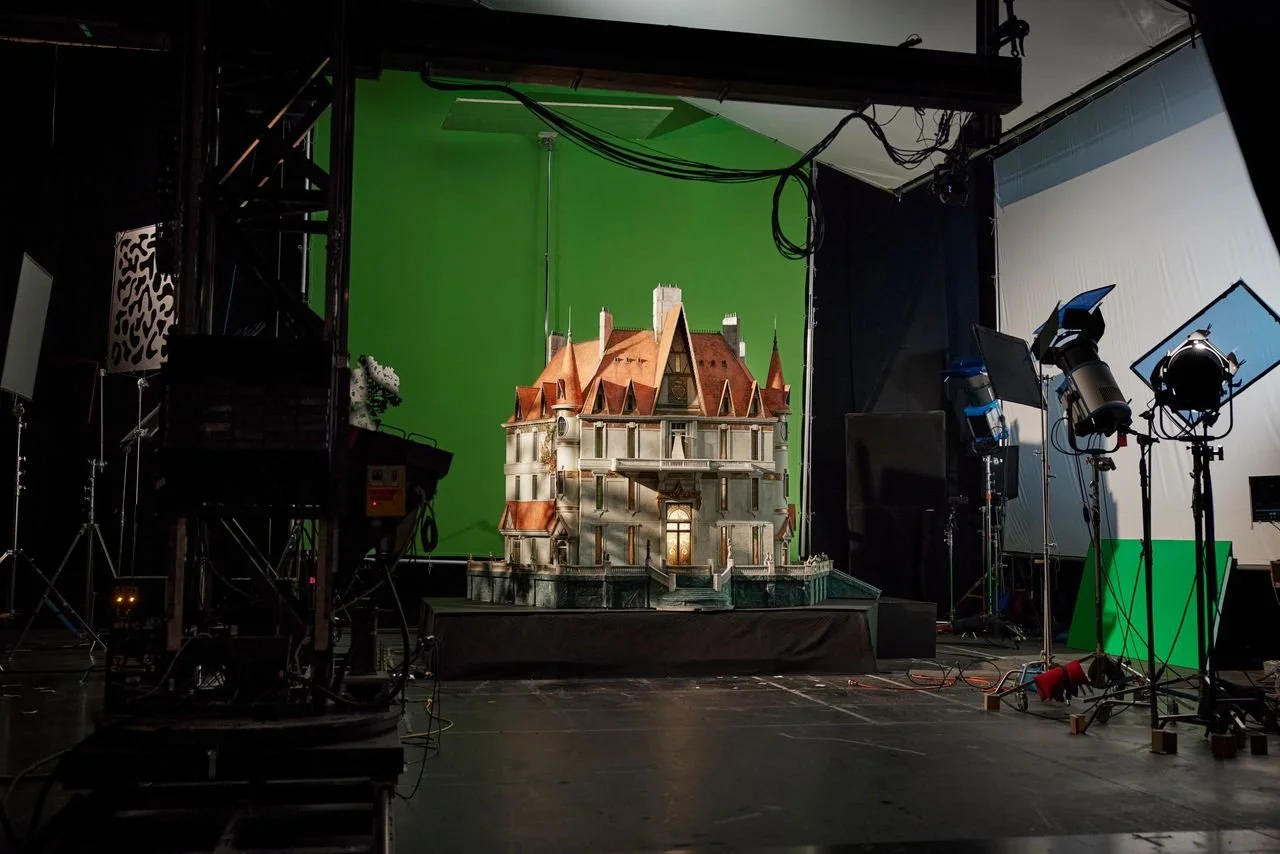
Featuring 170 objects from Laika’s studio archive, the exhibition follows the making of Wildwood from early visual research and concept art through to character design, puppet fabrication, costumes, miniature sets, animation and cinematography. Its main installation takes inspiration from the Impassable Wilderness, inviting visitors into the world of the film through original artwork, production objects, behind-the-scenes footage and interviews with the artists and technicians.
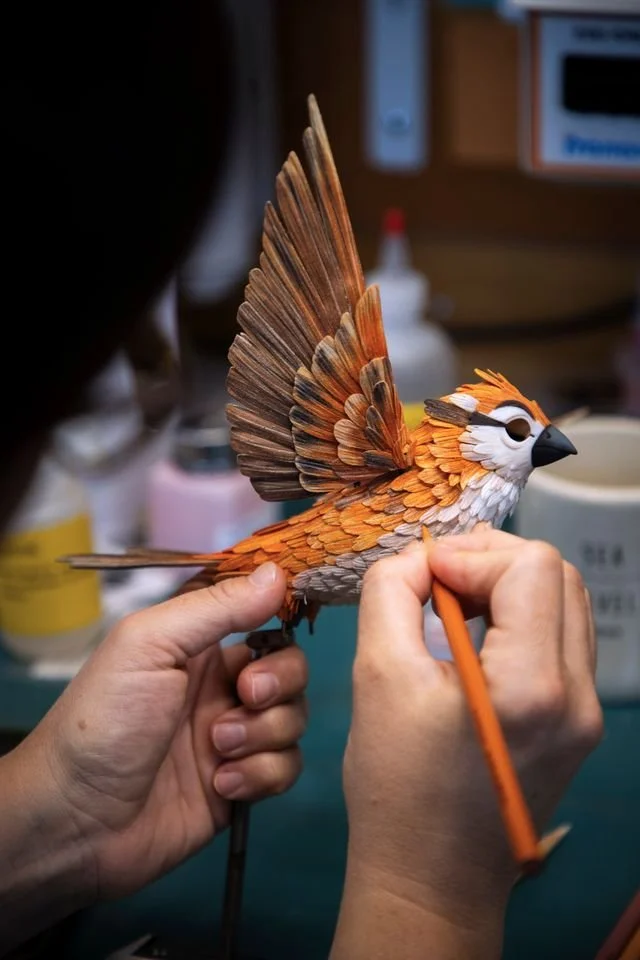
I’m particularly interested in seeing how the exhibition reveals the physical work behind the film’s seemingly effortless animation. A puppet is not simply a character, but a carefully designed object built to move. Costumes and miniature sets must function within the practical demands of stop-motion, while every movement is painstakingly created frame by frame.
The exhibition offers an opportunity to look beyond the finished film and understand the process that makes its world feel so alive. I’ll be visiting soon, with a closer look at the exhibition and the artistry behind Laika’s work to follow.
Why the handmade still matters
It would be easy to position Laika's approach as a response to AI and the increasing availability of digital filmmaking tools. But I don't think the appeal of Wildwood lies in a simple opposition between handmade and digital. What matters is the intention behind the work. Stop-motion requires time, collaboration and precision. The material world is not an afterthought; it is the foundation of the film. Its characters have weight, its environments have texture, and their movements are created by people who have to imagine how a fictional being might behave and then make that behaviour possible, one frame at a time.
The Design Museum exhibition reveals how much creative and technical thinking sits behind what, on screen, can look effortless.
But the film itself is the real proof. The craft would mean little if the story were not compelling. What makes Wildwood work is that the physical artistry and the emotional narrative feel inseparable. The technique gives the story a distinctive texture, while the story gives the technique a reason to exist.
A story for anyone willing to follow it
The exhibition also includes a free-to-visit introduction on the museum's mezzanine, featuring a timeline of Laika's films, behind-the-scenes photography, concept art and puppets from its earlier productions, including an original Coraline puppet with interchangeable faces. It offers a reminder of the studio's wider practice, but I kept returning to Wildwood itself.
The film left me thinking about storytelling as one of the few things capable of making people of different ages sit together and become absorbed in the same world. In the cinema, adults were following the same adventure, responding to the same characters and sharing the same moments of tension and excitement.
We often talk about films in terms of their audience demographics, technology or commercial potential. Wildwood made me think about something simpler: the human instinct to listen to a story, imagine a world beyond our own and care about what happens inside it.
That is what I took away from both the film and the exhibition. Not simply that stop-motion is an extraordinary art form, or that Laika has created an impressive body of work, but that a story, when carefully conceived and genuinely felt, can hold an audience without resorting to excess.
And that, in itself, feels worth celebrating.
LAIKA presents WILDWOOD: The Exhibition is at the Design Museum, London, from 15 October 2026 to 10 January 2027. Wildwood, directed by Travis Knight, opens in UK and Irish cinemas on 23 October 2026.