The Best Luxury Summer Destinations in Europe
If you’re planning a luxury summer holiday in Europe for 2026, you’ll want more than a beautiful beach and an overpriced spritz. The new era of Mediterranean luxury travel is less about spectacle and more about atmosphere: discreet five-star hotels, elegant coastal towns, private villas, yacht culture, and destinations that still feel genuinely transportive.
From the old-money glamour of Antibes and the cinematic beauty of Lake Como to the beach clubs of Mykonos and the timeless elegance of Capri, Europe’s best luxury summer destinations are increasingly defined by experience rather than excess.
Whether you’re searching for the best luxury hotels in Europe, exclusive Mediterranean beach destinations, or stylish European islands for a summer escape, these are the places defining luxury travel in 2026.
For packing inspiration, explore our guide to the best men’s swimwear brands.
Antibes, France
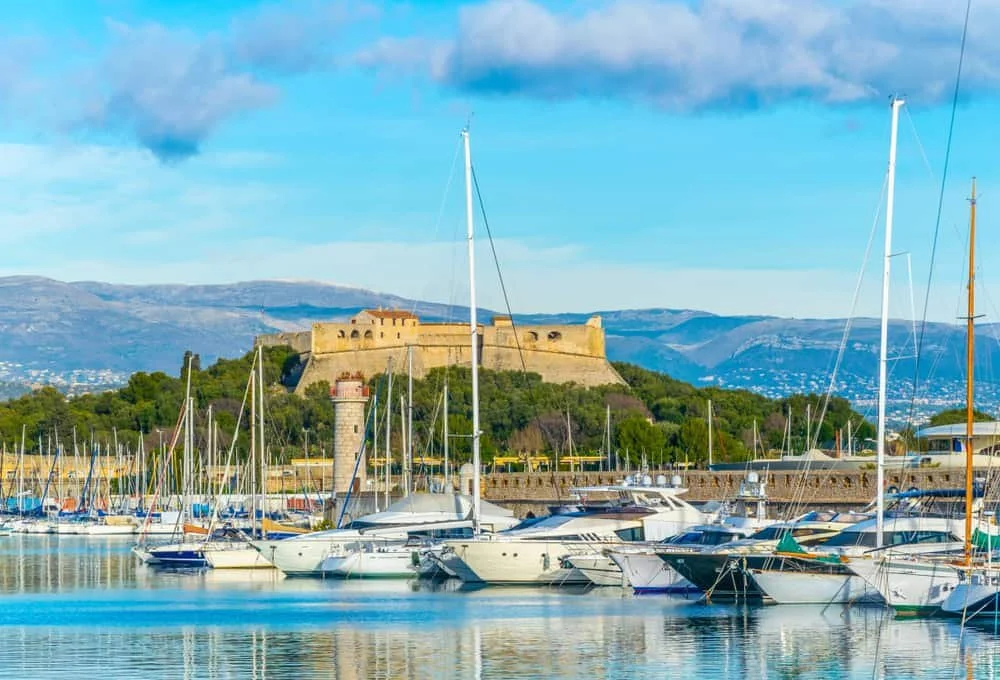
Why Visit Antibes in Summer 2026
Antibes offers a quieter, more discreet version of the French Riviera luxury holiday. Less performative than nearby Saint-Tropez, the coastal town has become one of the chicest summer destinations in Europe for travellers seeking Mediterranean glamour without the chaos of larger resort towns.
Where to Stay:
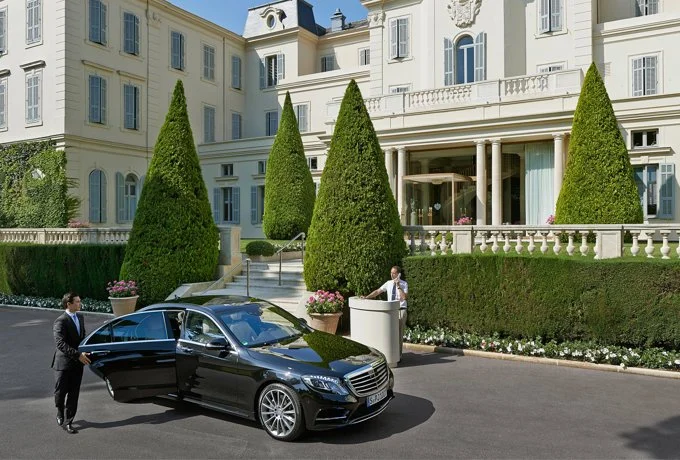
Hôtel du Cap-Eden-Roc
One of the most iconic luxury hotels on the French Riviera, Hôtel du Cap-Eden-Roc has hosted everyone from Hollywood royalty to fashion industry insiders for decades. The property remains one of the most exclusive summer hotels in Europe thanks to its private coastline, legendary pool, and discreet atmosphere.
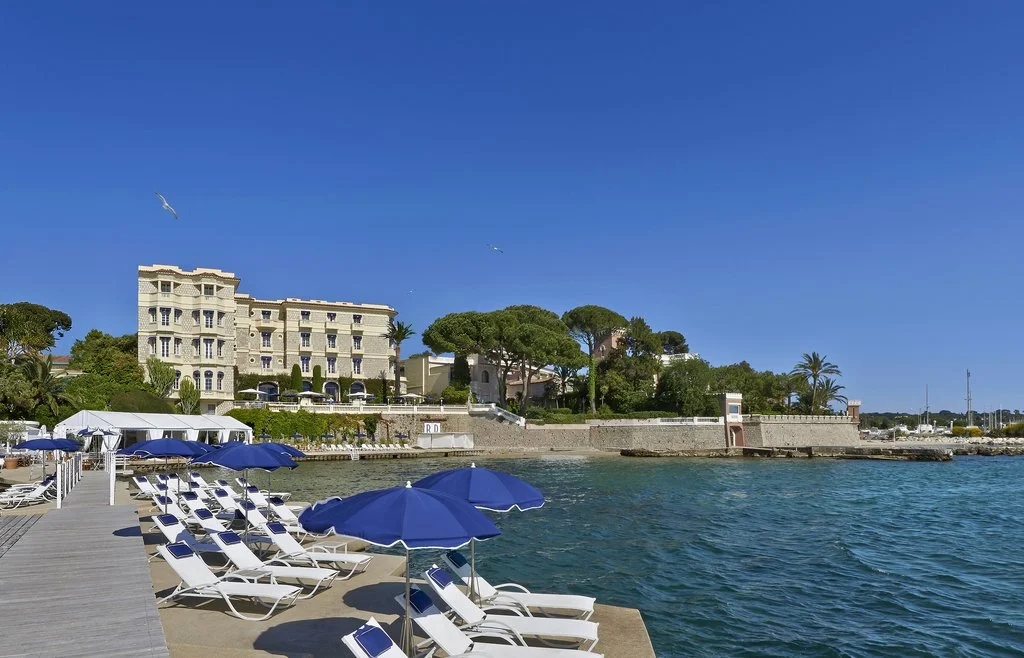
Belles Rives
Art Deco Riviera elegance at its most atmospheric. Once home to F. Scott Fitzgerald and Zelda, the historic Belles Rives beachfront hotel still feels like a preserved moment in literary and cinematic history. A favourite among travellers seeking boutique luxury on the French Riviera, it offers direct access to the Mediterranean and a quieter alternative to larger luxury resorts.
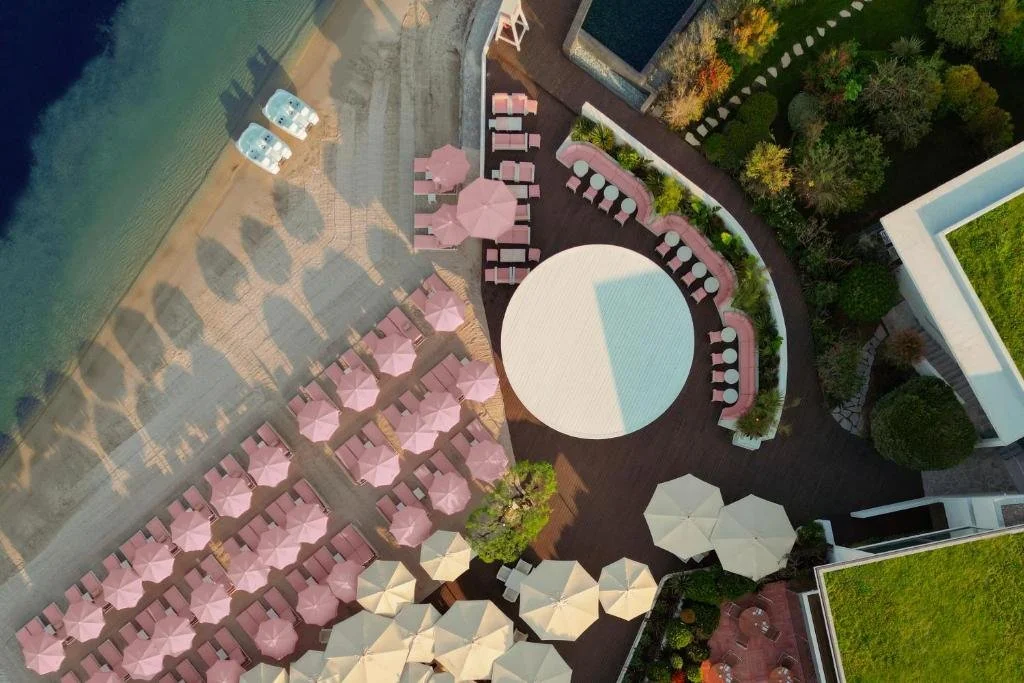
Cap d’Antibes Beach Hotel
Minimalist, contemporary luxury on the water’s edge. This design-led boutique hotel has become one of the most desirable modern stays in Antibes, combining beachfront access with understated interiors and a strong sense of privacy. Ideal for a modern luxury beach holiday in the South of France.
What to Do
Swim in hidden coves around Cap d’Antibes
Walk the coastal path at sunset
Spend slow afternoons at discreet beach clubs
Lake Como, Italy
Lake Como continues to define European summer luxury travel. It is cinematic in every sense — where mountains fall sharply into water and historic villas sit quietly behind cypress trees.
This is a destination built on stillness. Days are slow, transport is by boat, and everything feels slightly suspended in time.
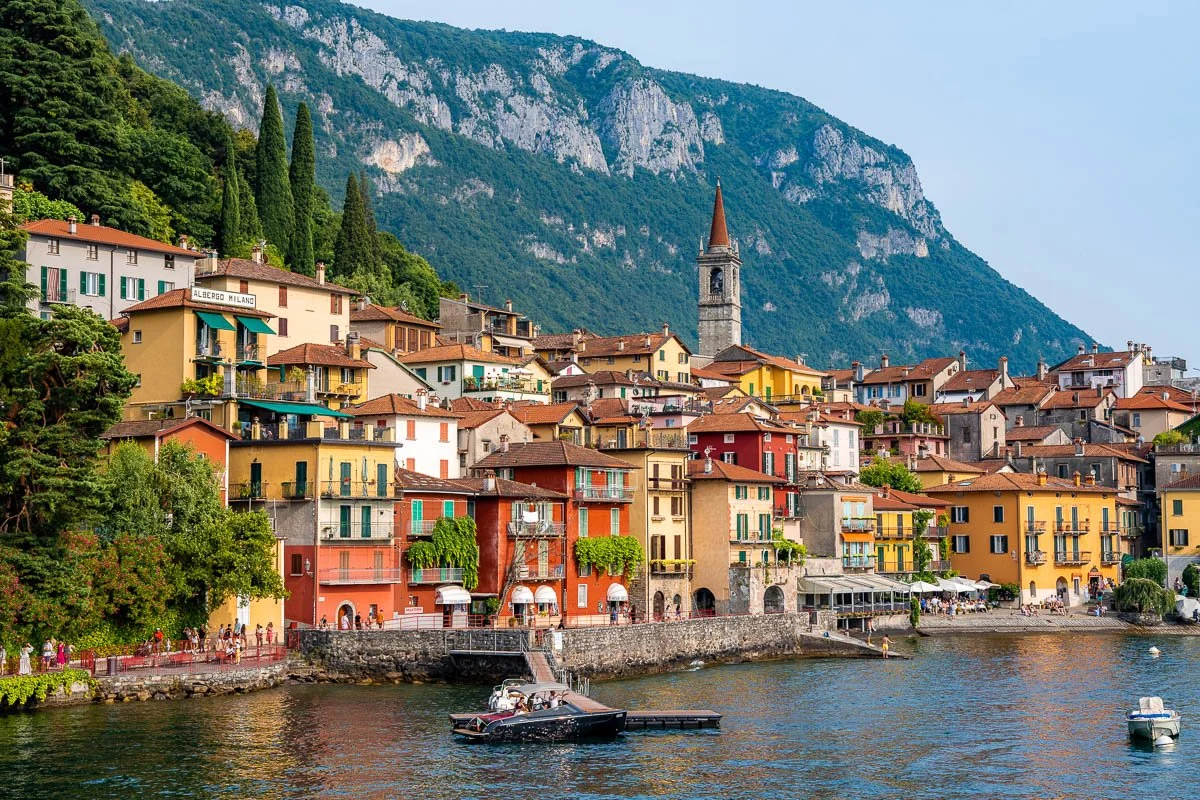
Why Lake Como Remains One of Europe’s Most Luxurious Summer Destinations
Lake Como has long been synonymous with luxury travel in Italy. From historic five-star hotels and private villas to glamorous Riva boat tours across the lake, the destination continues to attract celebrities, fashion executives, and travellers searching for one of the most exclusive summer holidays in Europe.
Where to Stay:
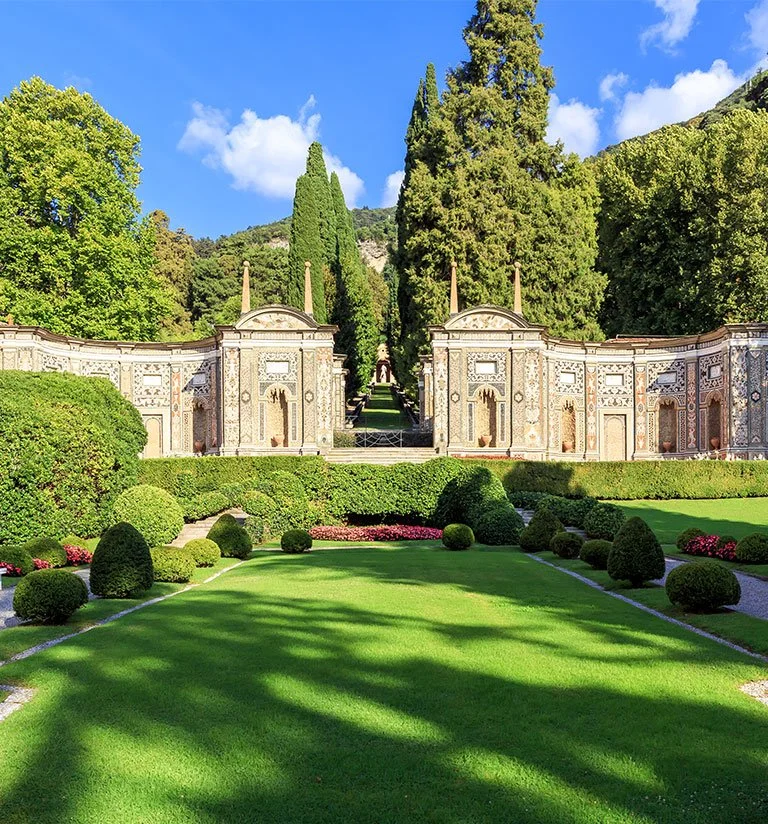
Villa d’Este
One of Europe’s most iconic grand hotels, Villa d’Este is pure Renaissance-era opulence. Set within manicured gardens that open directly onto the lake, it has hosted aristocracy, Hollywood figures, and political leaders for decades. The floating pool on the lake is one of its defining features - a space that captures the essence of Como’s glamour.
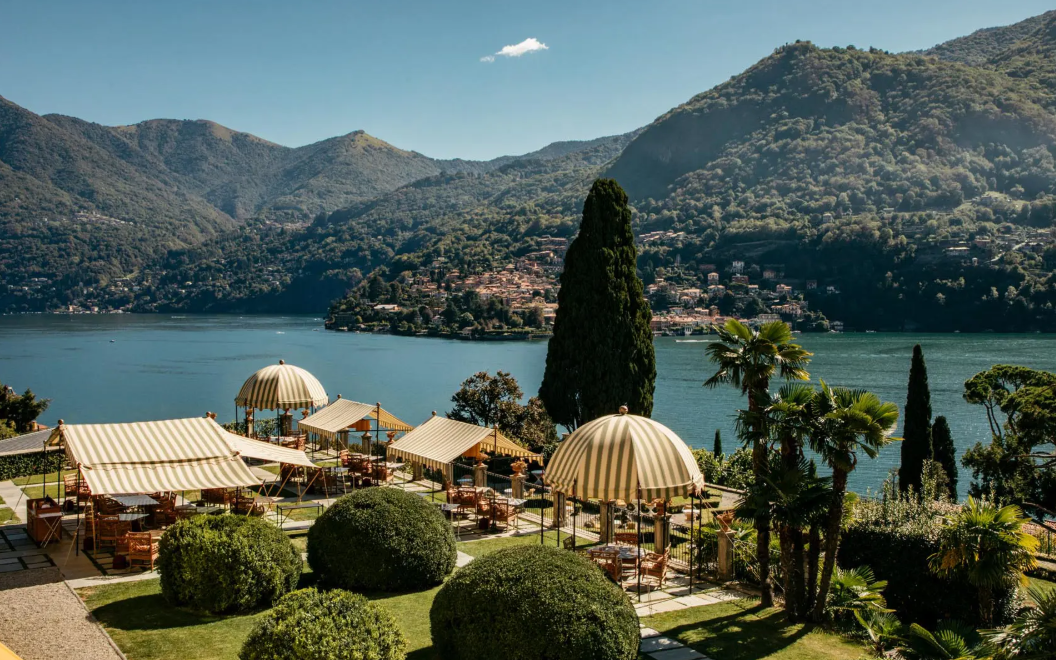
Passalacqua
A restored 18th-century villa turned boutique hotel, Passalacqua feels intensely personal. Frescoed ceilings, terraced gardens, and lake views from almost every room make it one of the most atmospheric stays in Italy. It is intimate luxury rather than grand spectacle.
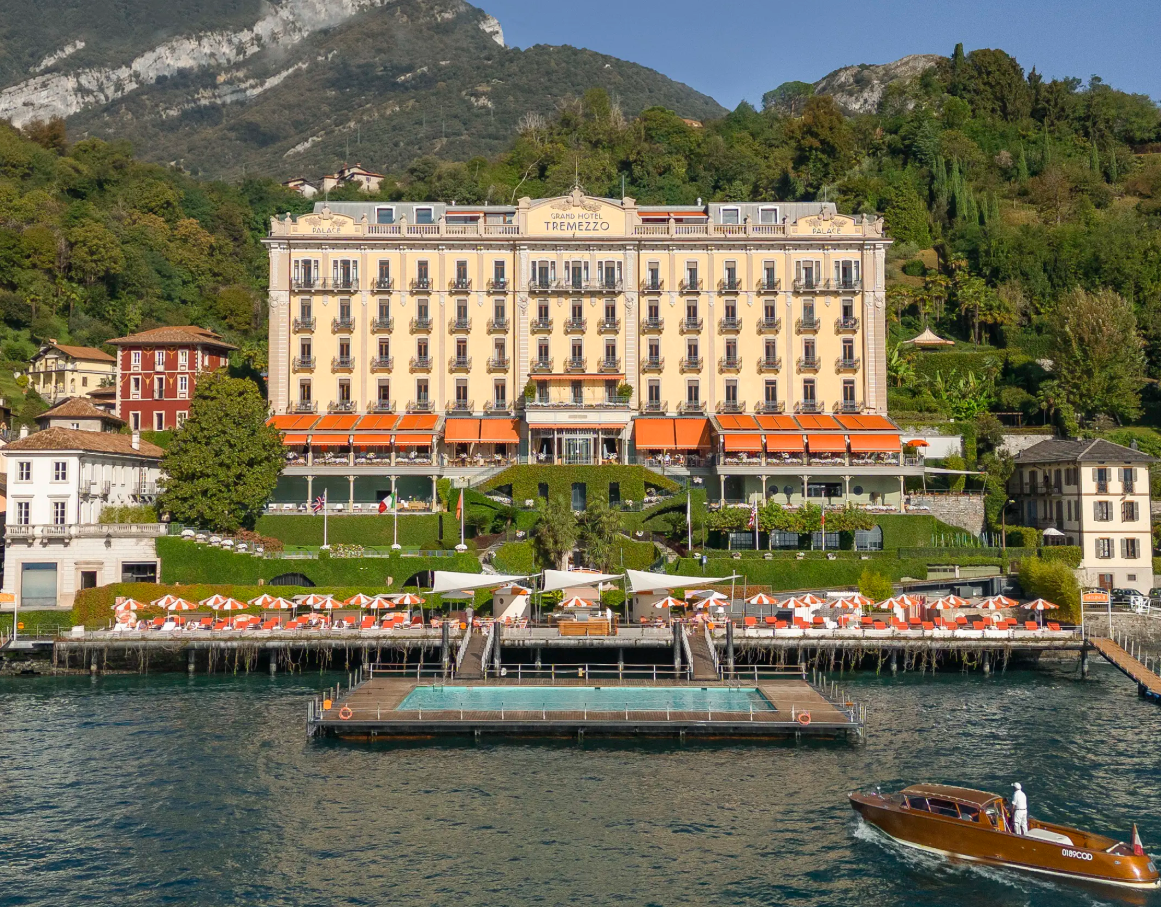
Grand Hotel Tremezzo
Known for its iconic orange floating pool and Art Nouveau interiors, Grand Hotel Tremezzo balances heritage with a slightly more playful sense of luxury. It’s positioned directly across from Bellagio, making it one of the most visually striking hotels on the lake.
What to Do in Lake Como
Take a private Riva boat between villages
Explore Bellagio’s historic centre
Visit Villa Balbianello
Swim in hidden coves around the lake
Dine lakeside at sunset
Saint-Tropez, France
Saint-Tropez is the most recognisable expression of summer luxury on the French Riviera. Once a quiet Provençal fishing village, it evolved into a global symbol of glamour after the 1950s, and today it sits at the intersection of heritage, fashion, and high-energy coastal living.
Unlike Antibes, which leans discreet, Saint-Tropez is intentionally performative. It is a place where luxury is visible, in the yachts lining the harbour, the fashion houses taking over beach clubs, and the constant rhythm of long lunches that drift into sunset dinners.
Yet beneath the surface spectacle, Saint-Tropez still retains a historic core. The old village, with its ochre façades and narrow streets, offers a slower counterpoint to the beachfront energy of Pampelonne.
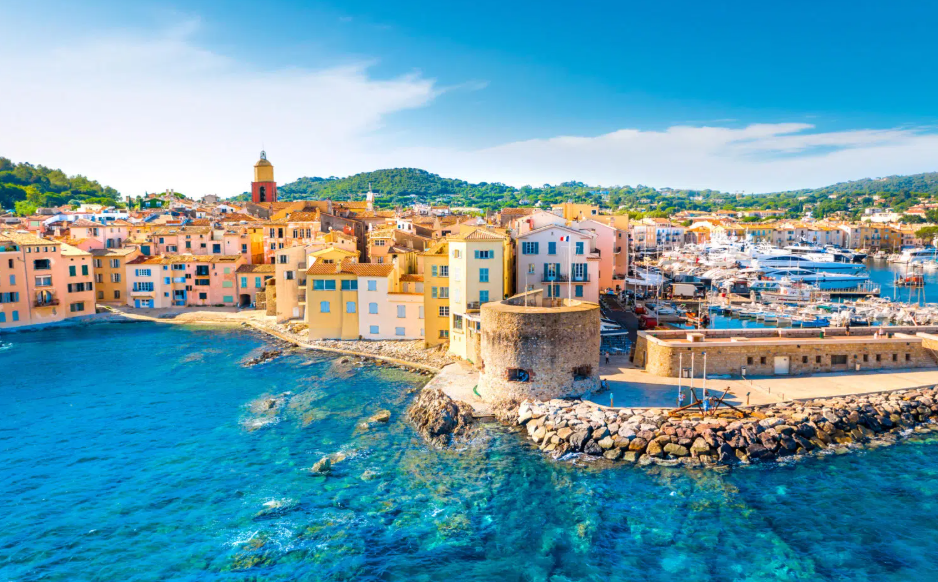
Why Saint-Tropez Remains One of Europe’s Most Luxurious Summer Destinations
Saint-Tropez remains one of Europe’s most sought-after summer destinations due to its unique combination of superyacht culture, heritage Provençal charm, and globally recognised beach clubs that define modern Riviera luxury.
Where to Stay:
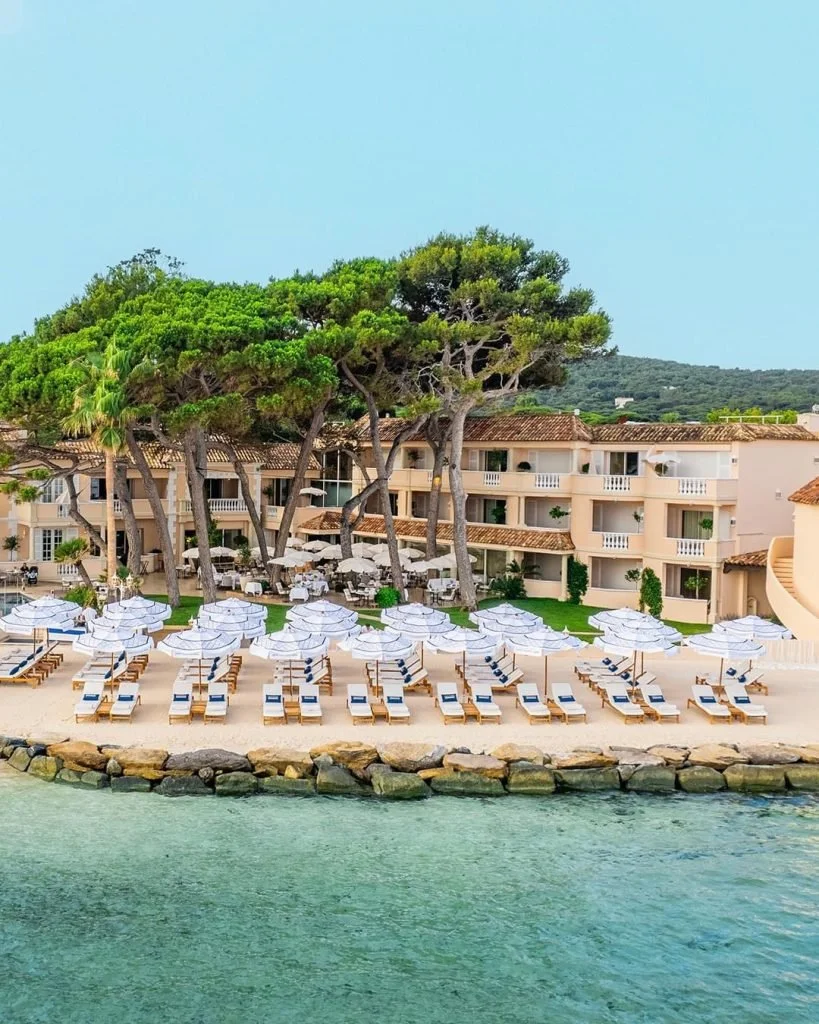
Cheval Blanc St-Tropez
Cheval Blanc represents the most refined expression of contemporary luxury in Saint-Tropez. Owned by LVMH, the property is designed with a restrained palette of soft neutrals, natural textures, and sea-facing terraces that prioritise calm over spectacle. The private beach is one of its defining features, offering a controlled, almost hidden extension of the Riviera coastline. The Guerlain spa and personalised service model position it firmly within the upper tier of European luxury hospitality.
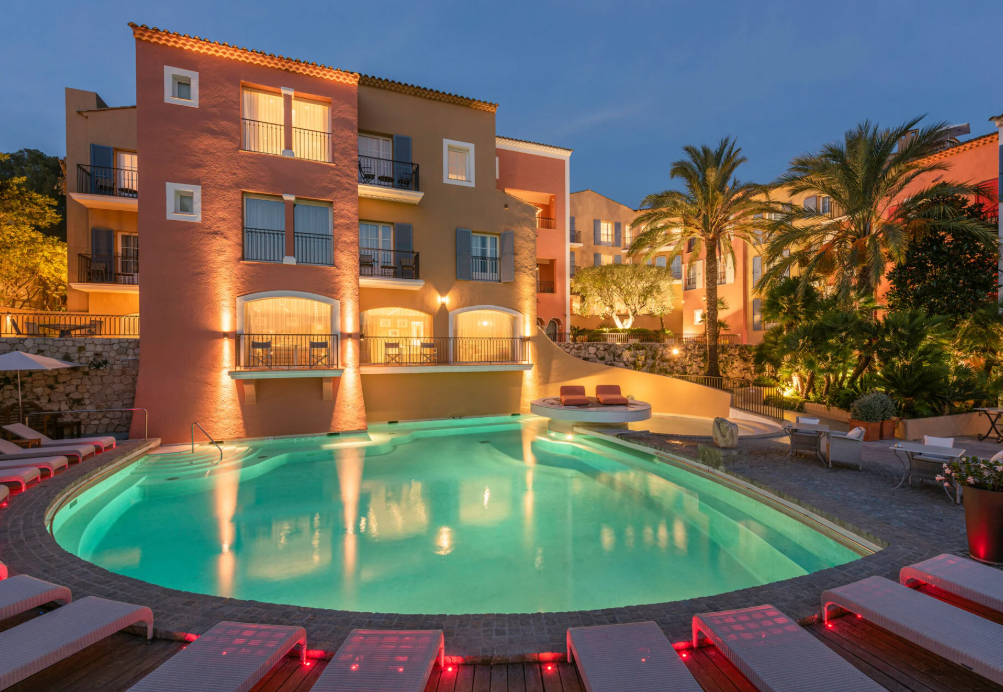
Hotel Byblos
Hotel Byblos is one of Saint-Tropez’s most historic properties, deeply tied to the village’s 1960s and 70s cultural boom. Its architecture feels deliberately theatrical, with a labyrinth-like layout of courtyards, bold interiors, and a central pool that becomes a social focal point in summer. The hotel’s nightclub, Les Caves du Roy, remains one of the most famous nightlife institutions in the South of France, blending legacy with ongoing relevance.
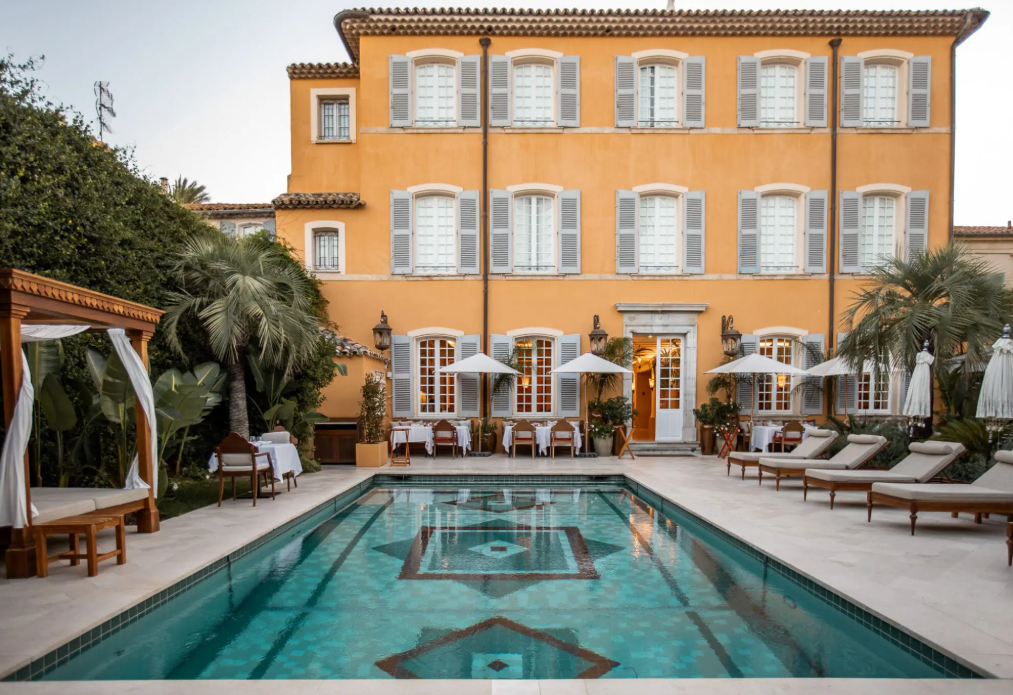
Pan Deï Palais
Pan Deï Palais offers a quieter, more intimate counterpoint to the larger Saint-Tropez hotels. Originally built as a private mansion, it retains a residential atmosphere with shaded gardens, understated interiors, and personalised service. It feels less like a hotel and more like a private residence embedded in the village itself, making it ideal for those seeking privacy without distance from the centre.
What to Do in Saint-Tropez
Spend a long lunch at Club 55 on Pampelonne Beach, the most iconic beach club in the region
Visit Place des Lices in the morning to see the local Provençal market in full rhythm
Explore Dior Des Lices, where fashion heritage meets garden dining in the heart of the village
Charter a private yacht from the harbour for a full-day cruise along the Côte d’Azur coastline
Spend the afternoon at Nikki Beach or Loulou Ramatuelle for a more contemporary beach club experience
Walk the cobbled streets of the old town at sunset when the crowds thin and the light softens
Porto Cervo, Sardinia
Porto Cervo sits at the heart of Costa Smeralda, one of the most exclusive stretches of coastline in Europe. Designed in the 1960s with the backing of the Aga Khan, it was intentionally developed as a low-density luxury enclave where architecture, landscape, and privacy work in harmony.
Unlike more theatrical Mediterranean destinations, Porto Cervo is defined by restraint. There are no high-rise hotels, no visual excess, just curved stone architecture, hidden villas, and a marina filled with some of the most expensive yachts in the world. Summer here is less about visibility and more about controlled access.
The surrounding coastline is one of the most pristine in the Mediterranean, with emerald-green water, pink granite rock formations, and protected coves that feel almost untouched despite its global reputation.
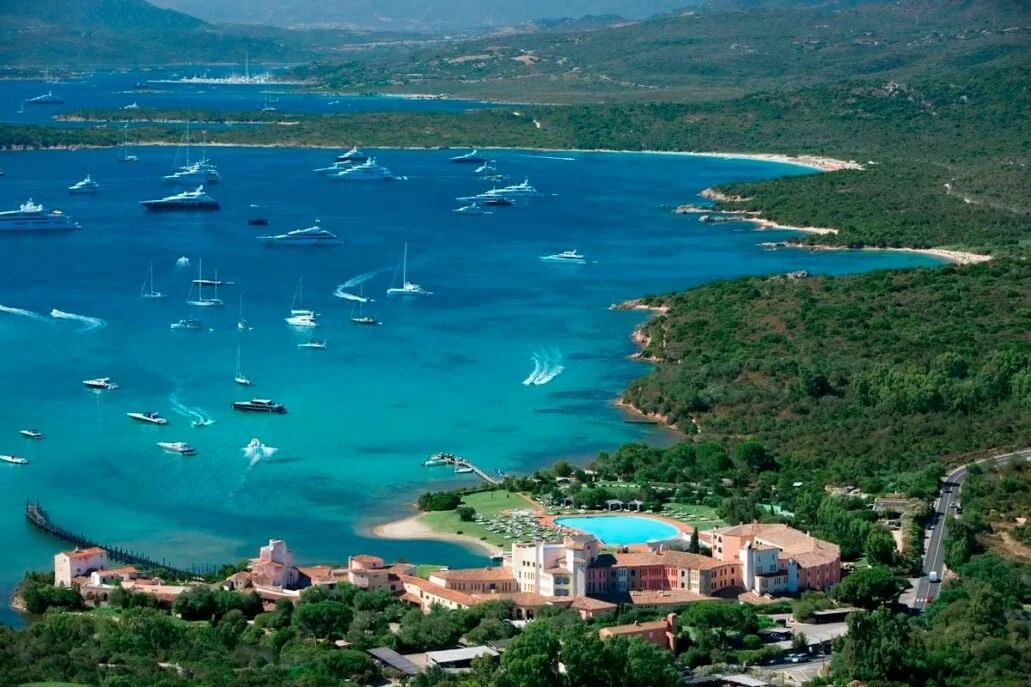
Why Porto Cervo Remains One of Europe’s Most Luxurious Summer Destinations
Porto Cervo remains one of Europe’s most exclusive summer destinations due to its yacht culture, discreet luxury infrastructure, and protected coastline along Sardinia’s Costa Smeralda.
Where to Stay:
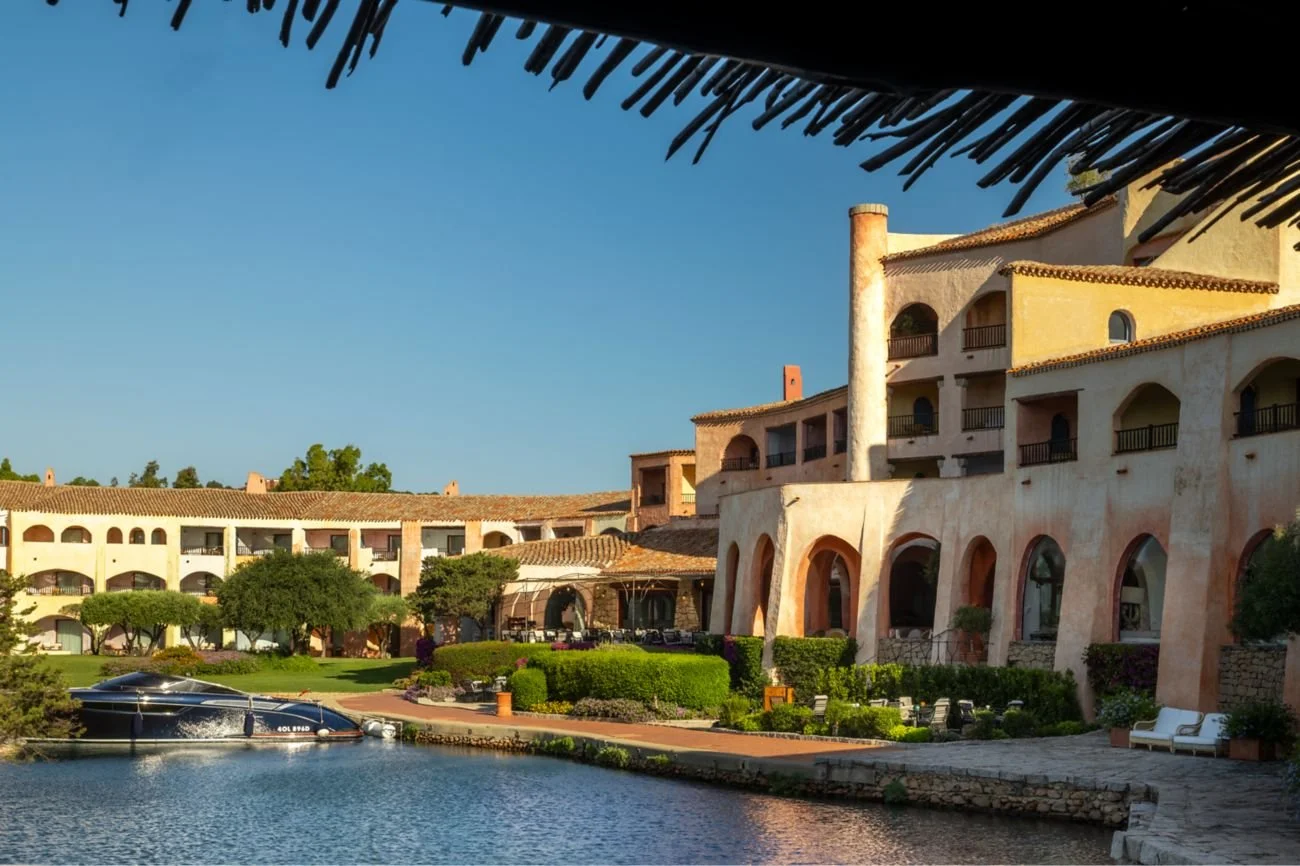
Hotel Cala di Volpe
Hotel Cala di Volpe is one of the most recognisable luxury hotels in the Mediterranean. Designed to resemble a traditional Sardinian village, it features terracotta tones, arched walkways, and tiered structures that blend into the natural landscape. The marina below is filled with superyachts throughout summer, making it as much a social landmark as a hotel. Its cinematic reputation, cemented by its appearance in The Spy Who Loved Me, adds to its enduring cultural status.
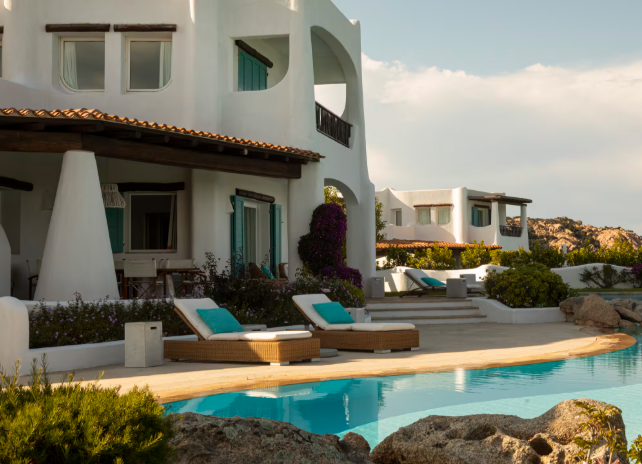
Romazzino, A Belmond Hotel
Romazzino is the more understated counterpart within Costa Smeralda’s luxury portfolio. With soft pink façades, lush gardens, and direct access to a private beach, it feels quieter and more residential. The hotel is designed around privacy and space, making it particularly appealing for longer summer stays where discretion is key.
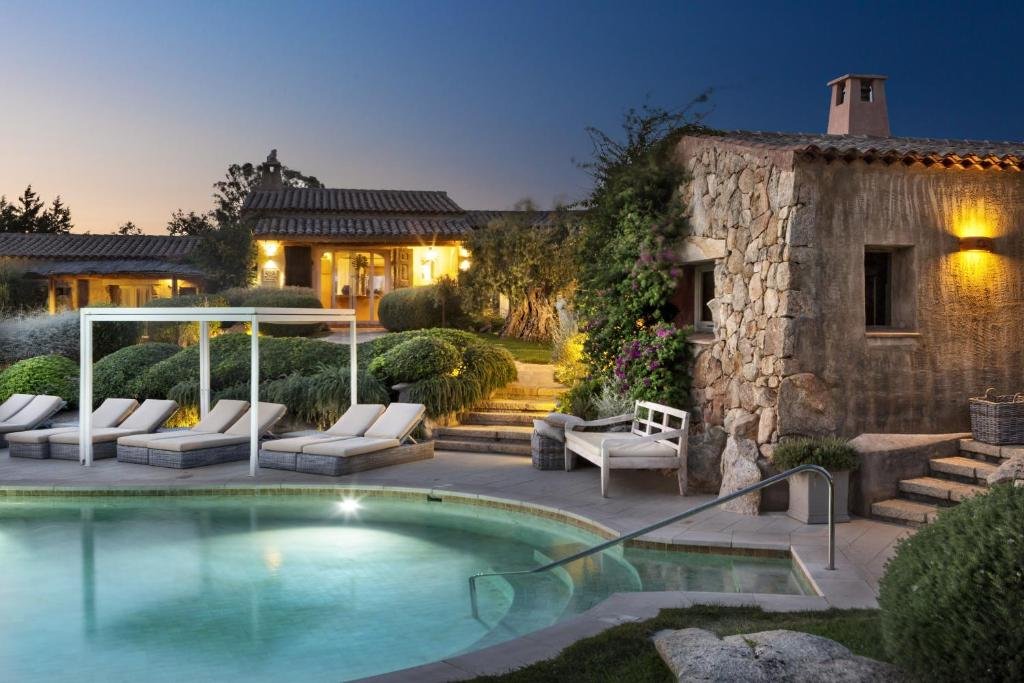
Petra Segreta Resort & Spa
Located inland rather than on the coast, Petra Segreta offers a completely different interpretation of Sardinian luxury. Set among granite hills and Mediterranean scrubland, it focuses on wellness, tranquillity, and landscape immersion. It is less about beach culture and more about retreat-style living with elevated service.
What to Do in Porto Cervo
Take a private boat trip to the Maddalena Archipelago and swim in protected turquoise waters
Spend the afternoon at Phi Beach for sunset DJ sets and coastal dining
Explore the marina in Porto Cervo and observe some of Europe’s most expensive yachts
Swim in secluded coves along Costa Smeralda’s coastline
Book a beach club day at Romazzino or nearby Cala di Volpe beaches
Dine in Porto Cervo’s harbour restaurants during golden hour
Capri, Italy
Capri is one of the most enduring symbols of Mediterranean luxury. Rising dramatically from the Bay of Naples, the island has long attracted artists, writers, film stars, and fashion editors drawn to its combination of natural drama and highly curated glamour.
Unlike wider coastal destinations, Capri is compact and vertical. Everything feels stacked: beach clubs below cliffs, villas carved into rock faces, and the main town perched above it all. Movement is slow and intentional, defined by boats, funiculars, and steep stone pathways.
In summer, Capri becomes a study in contrast, early morning calm around the Faraglioni rocks, followed by long lunches in shaded courtyards, then a social rhythm that builds again at sunset in the piazzetta.
For a deeper look at the island, including where to eat, swim, and stay in more detail, see our full Capri guide.
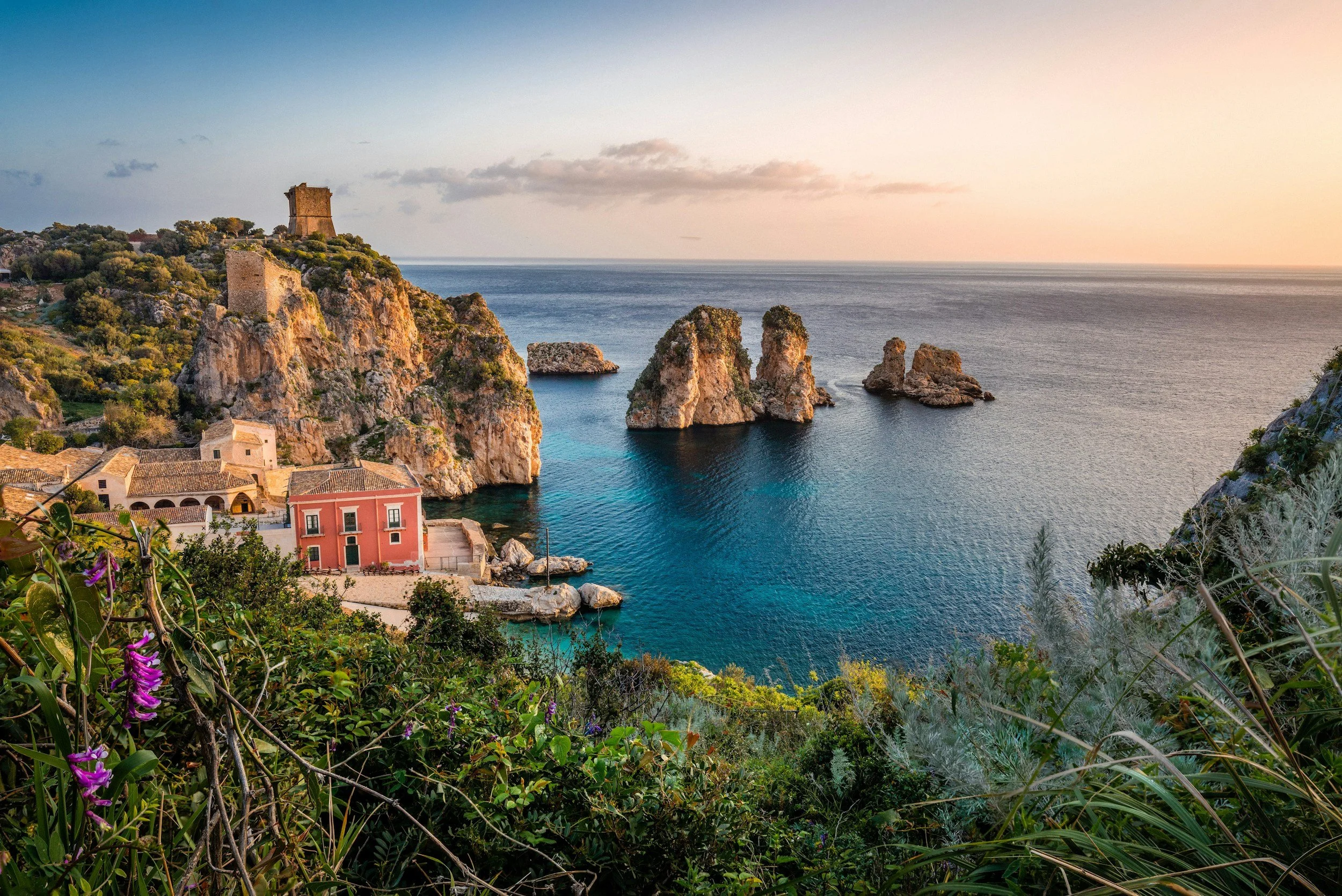
Why Capri Remains One of Europe’s Most Luxurious Summer Destinations
Capri remains one of Europe’s most luxurious summer destinations due to its cinematic coastline, historic Italian glamour, and tightly held boutique hotel scene that prioritises exclusivity over scale.
Where to Stay:
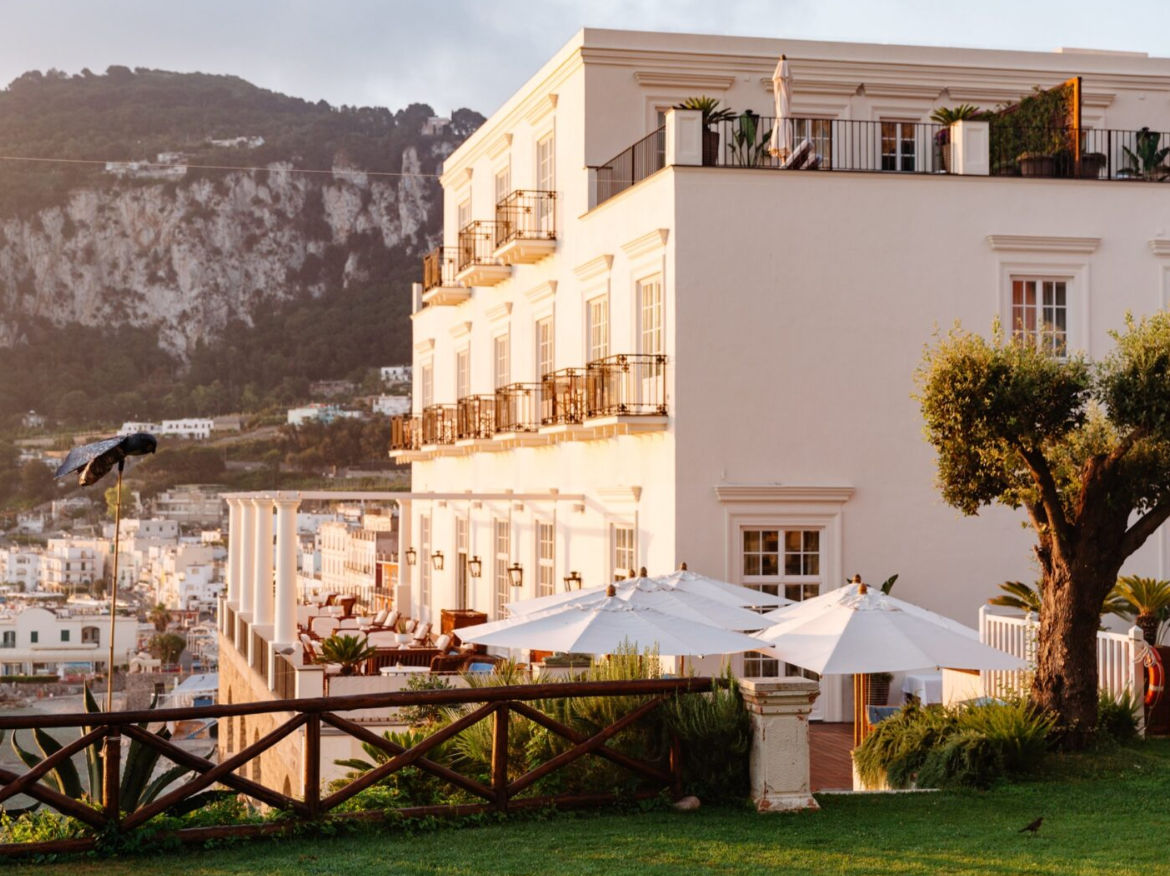
JK Place Capri
JK Place Capri represents a contemporary interpretation of island luxury. Designed with a residential sensibility, the interiors are clean, coastal, and filled with natural light. Terraces open onto uninterrupted sea views, and the overall atmosphere is intentionally calm, more private residence than resort. It appeals to travellers seeking modern design without losing Capri’s sense of place.
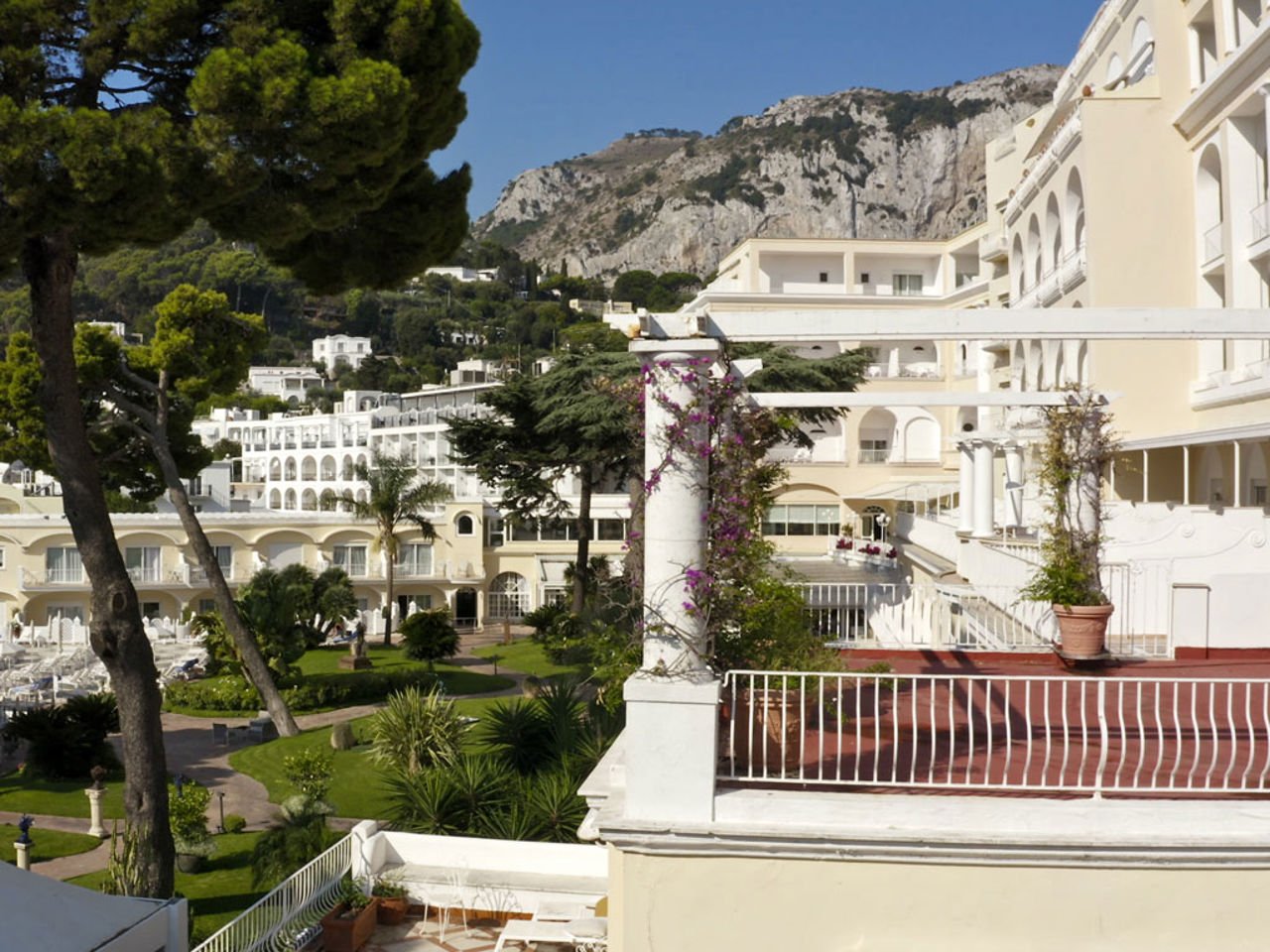
Hotel Quisisana
Hotel Quisisana is one of Capri’s most historic and recognisable grand hotels. Located in the centre of Capri town, it has long been associated with film stars, writers, and international figures who shaped the island’s reputation in the mid-20th century. The hotel retains a classic Italian elegance, with large rooms, traditional service, and immediate access to the island’s social core.
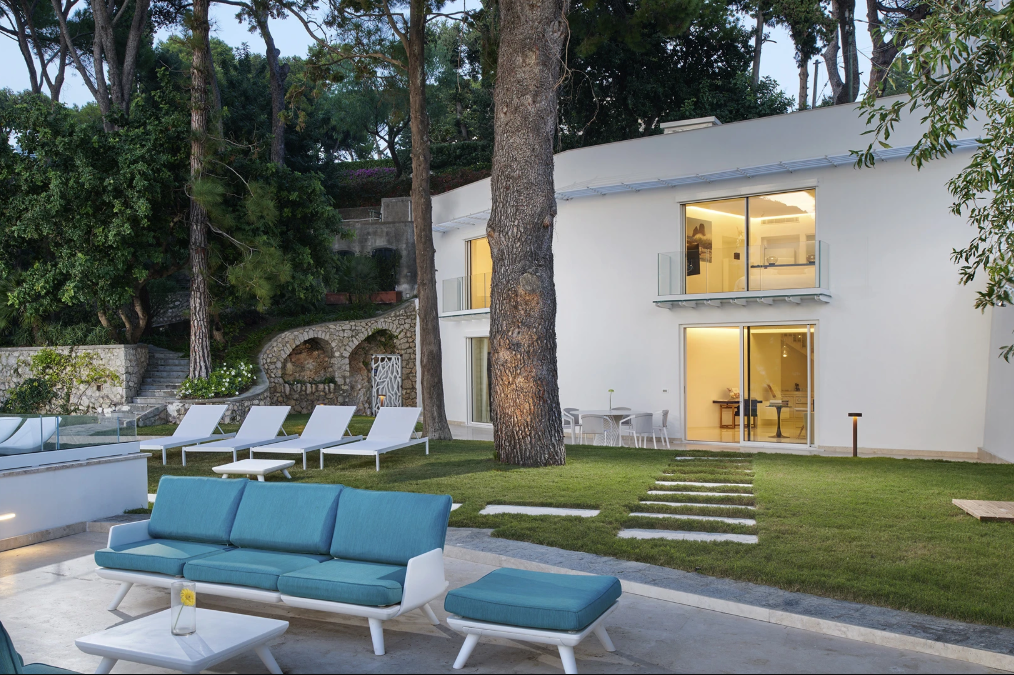
La Scalinatella
La Scalinatella offers a more intimate version of Capri hospitality. Family-run and quietly luxurious, it focuses on personalised service and traditional design rather than modern spectacle. The terraced layout provides sweeping sea views, while the atmosphere remains calm and highly individual compared to larger properties.
What to Do in Capri
Visit the Blue Grotto early in the morning before crowds arrive
Take the chairlift to Monte Solaro for panoramic island views
Explore Capri town’s luxury boutiques including Italian fashion houses and independent ateliers
Charter a traditional wooden boat to circle the Faraglioni rock formations
Swim in hidden coves around Marina Piccola
Take the funicular down to the port and enjoy sunset aperitivo by the marina
Dubrovnik, Croatia
Dubrovnik sits on the southern edge of Croatia’s Adriatic coastline, where medieval stone walls meet deep blue water and the city appears almost carved directly into the cliffs. It is one of Europe’s most visually recognisable coastal destinations, shaped as much by its maritime history as by its cinematic modern fame.
In summer, the Old Town becomes a layered experience: early mornings belong to quiet stone streets and empty cafés, while afternoons bring yacht arrivals and a steady flow of visitors along the limestone promenades. By sunset, the city softens again, with golden light hitting the walls and the sea turning almost glass-like.
Beyond its UNESCO-listed centre, Dubrovnik also offers immediate access to islands, private coves, and quieter coastal stretches that define its luxury appeal.
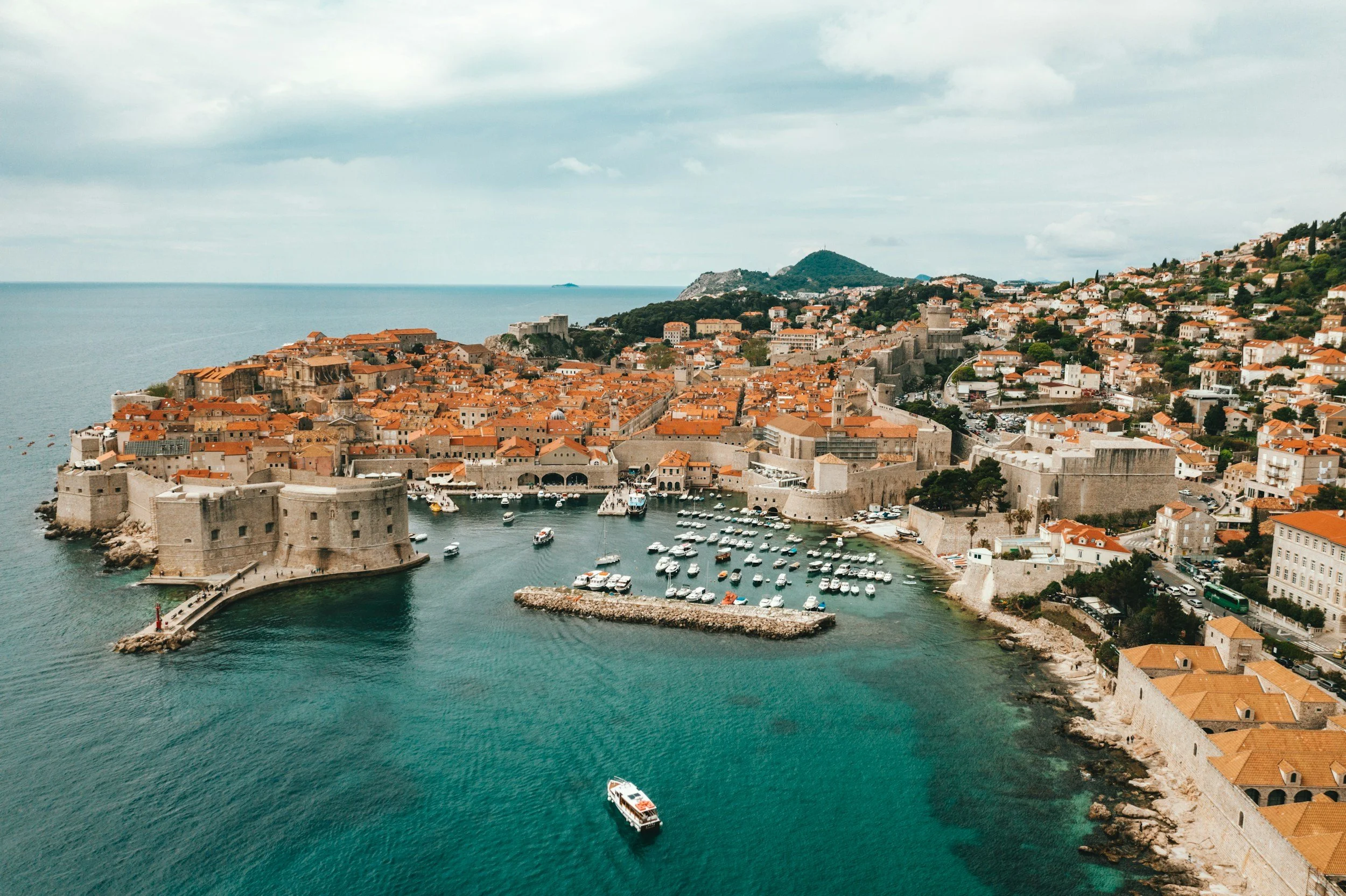
Why Dubrovnik Remains One of Europe’s Most Luxurious Summer Destinations
Dubrovnik remains one of Europe’s most luxurious summer destinations thanks to its preserved medieval architecture, high-end coastal hotels, and seamless access to the Adriatic’s private island and yacht culture.
Where to Stay:
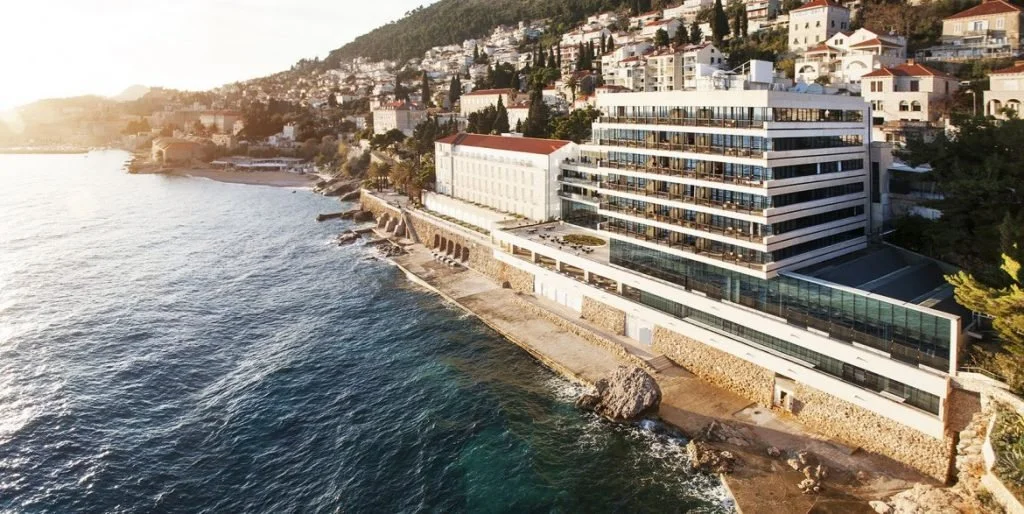
Hotel Excelsior
Hotel Excelsior is one of Dubrovnik’s most established luxury addresses, positioned just outside the Old Town with uninterrupted views across the Adriatic Sea. The property blends historic grandeur with contemporary interiors, offering direct access to both the coastline and the cultural centre. Its terraces are a defining feature, particularly at sunset when the city walls glow above the water.
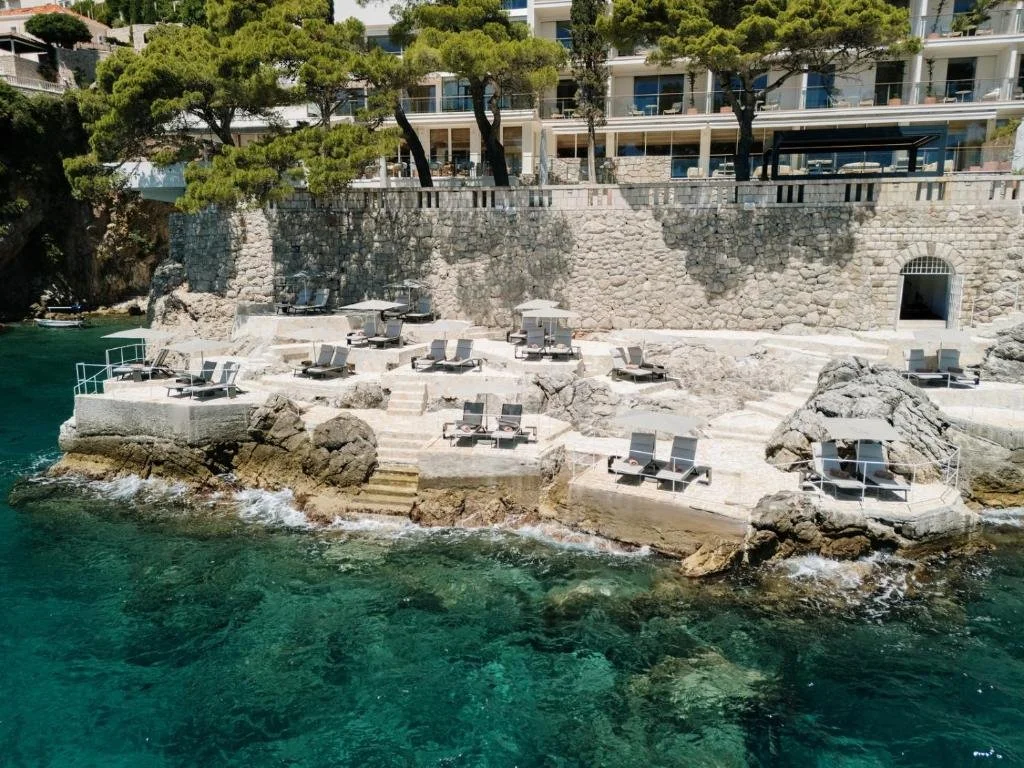
Villa Dubrovnik
Villa Dubrovnik hotel is a more secluded alternative, designed for privacy and direct sea immersion. Built into the cliffside, it offers a quieter interpretation of luxury, with minimalist interiors and floor-to-ceiling sea views. The emphasis here is on space, calm, and exclusivity rather than scale or spectacle.
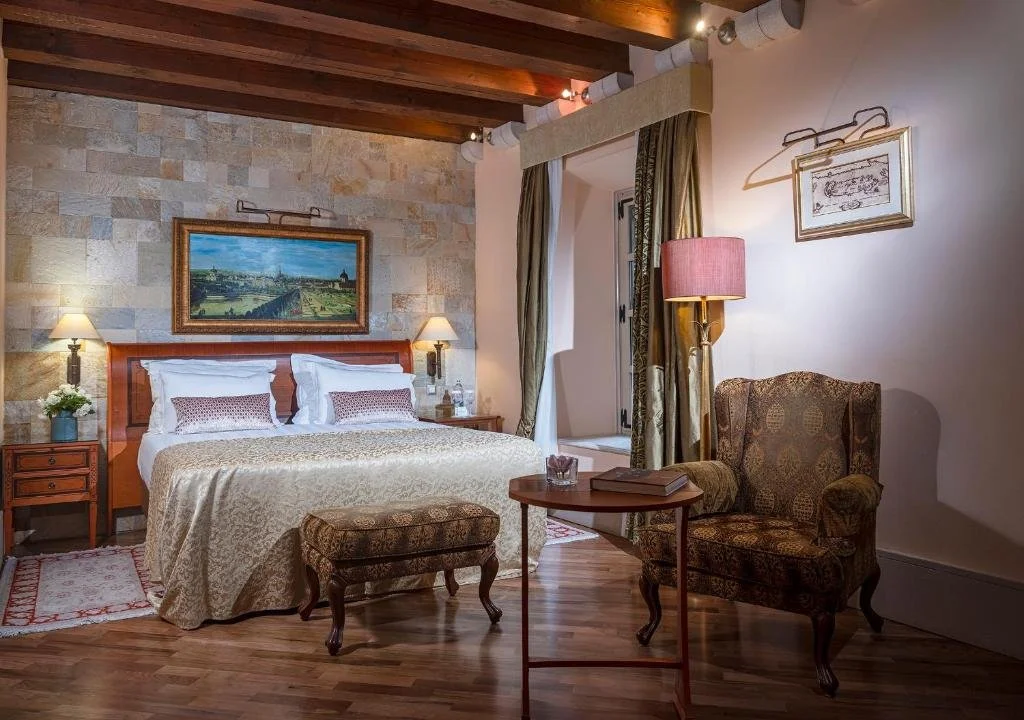
The Pucić Palace
Located within the Old Town itself, The Pucić Palace occupies a restored 18th-century aristocratic residence. It offers a more intimate, heritage-led experience, placing guests directly within Dubrovnik’s historic streets. Interiors reflect traditional Dalmatian design with antique furnishings and stone architecture.
What to Do in Dubrovnik
Walk the city walls at sunrise before the heat and crowds build
Take a boat trip to Lokrum Island for swimming and quiet beaches
Explore the marble streets of the Old Town and hidden courtyards
Visit Fort Lovrijenac for panoramic views over the Adriatic
Charter a yacht to the Elafiti Islands for secluded coves and beach clubs
Book a sunset dinner overlooking the harbour at elevated coastal restaurants
Mykonos, Greece
Mykonos is one of the most recognisable names in Mediterranean travel, an island where Cycladic architecture, beach club culture, and high-end hospitality collide. Whitewashed buildings, narrow winding streets, and wind-swept coastlines create an instantly identifiable backdrop that has made Mykonos a global summer reference point.
In peak season, the island operates on its own rhythm. Days begin slowly with late brunches overlooking the Aegean, build into long afternoons at beach clubs, and peak again at sunset when the energy shifts towards dining and nightlife. Despite its reputation for excess, Mykonos also contains quieter corners, especially in its inland villages and more secluded northern beaches.
Luxury here is less about formality and more about access - to views, to curated social spaces, and to some of the most photographed sunsets in Europe.
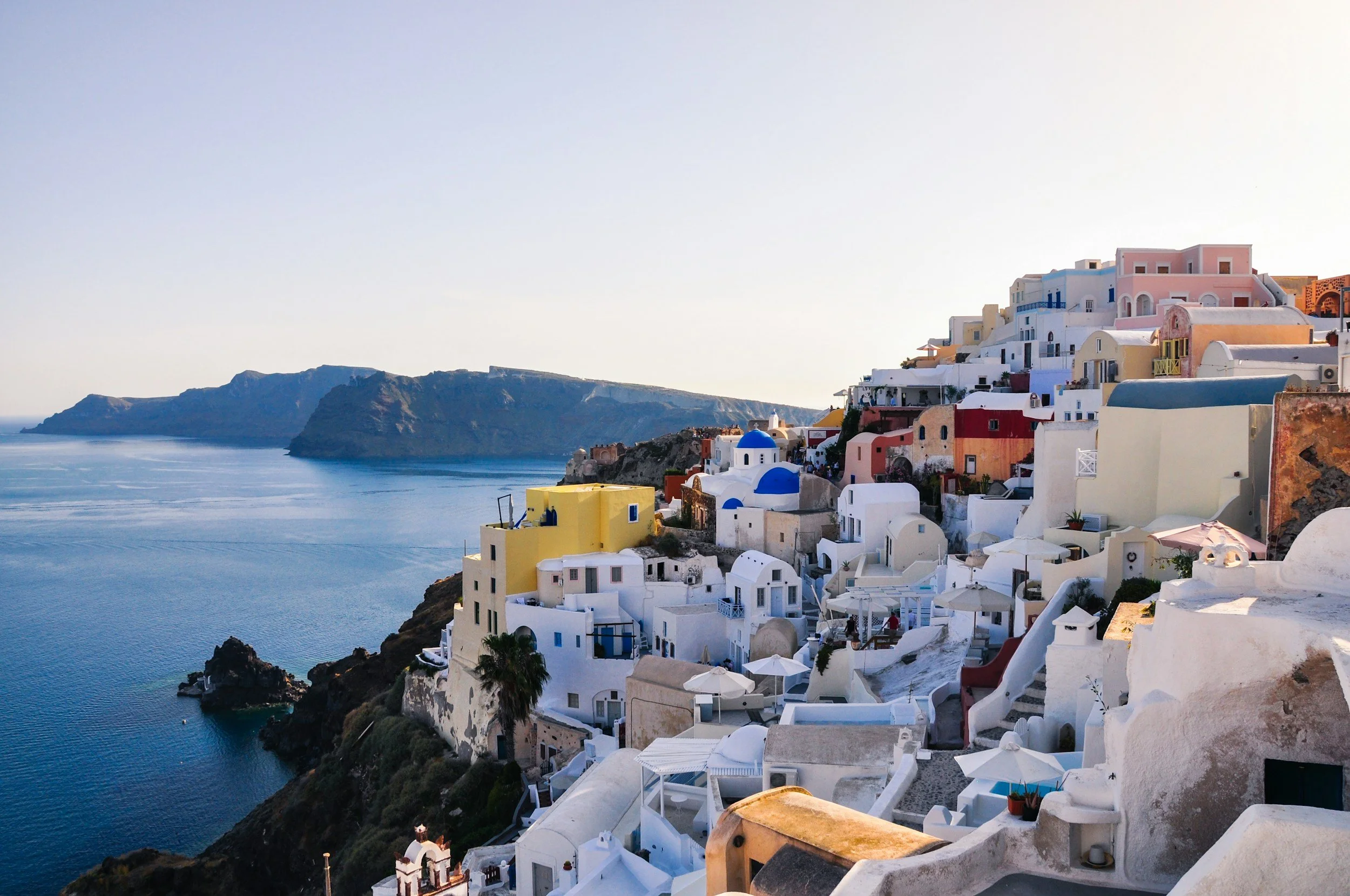
Why Mykonos Remains One of Europe’s Most Luxurious Summer Destinations
Mykonos remains one of Europe’s most luxurious summer destinations due to its combination of private villa living, high-end beach clubs, designer-led hospitality, and a globally influential nightlife and fashion scene.
Where to Stay:
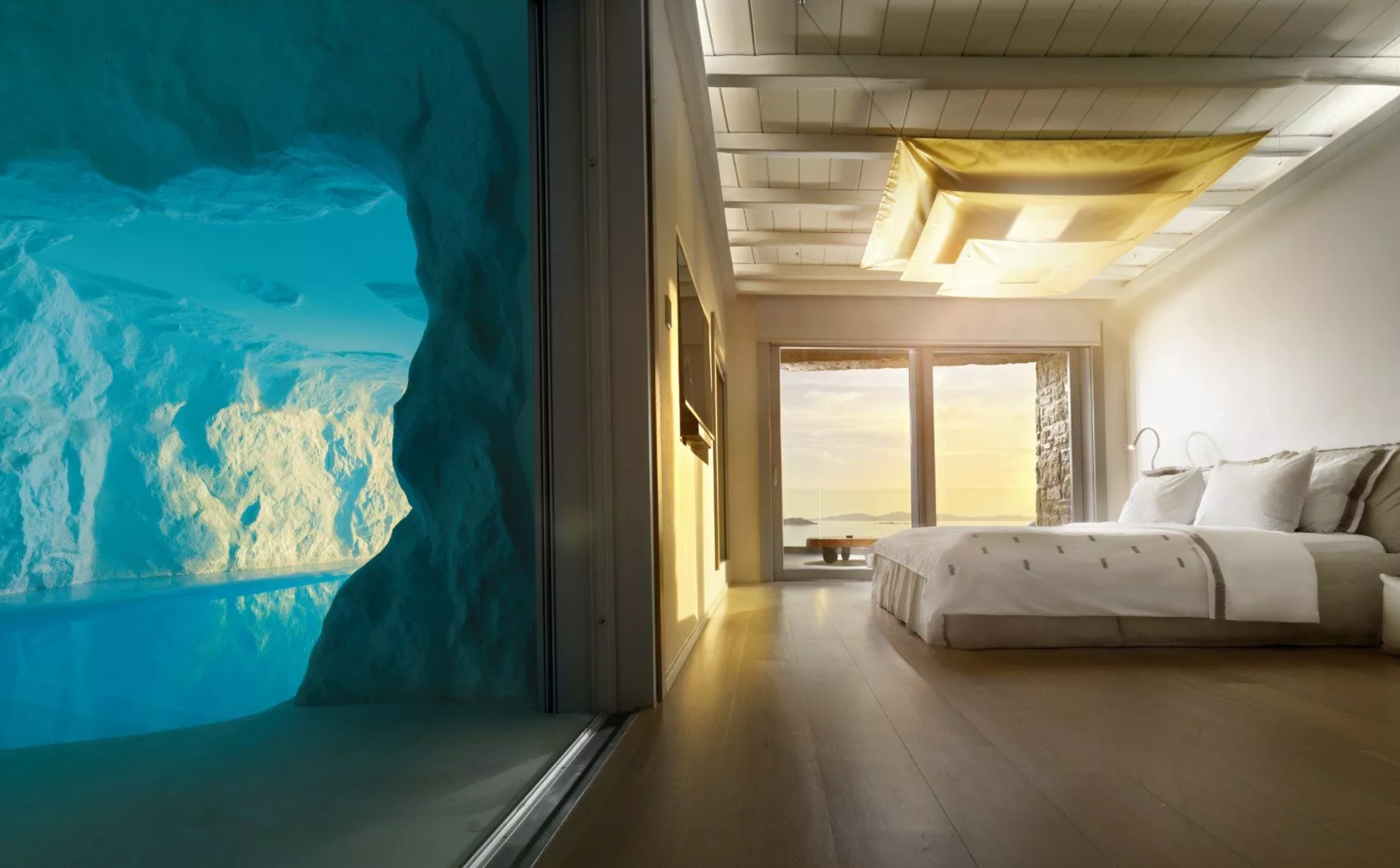
Cavo Tagoo
Cavo Tagoo is one of the island’s most recognisable luxury hotels, known for its cliffside infinity pools and minimalist white architecture. The design is highly visual, with terraces that frame the Aegean Sea and create a strong sense of place. It attracts a fashion-forward crowd and is often associated with Mykonos’ more glamorous, social side.
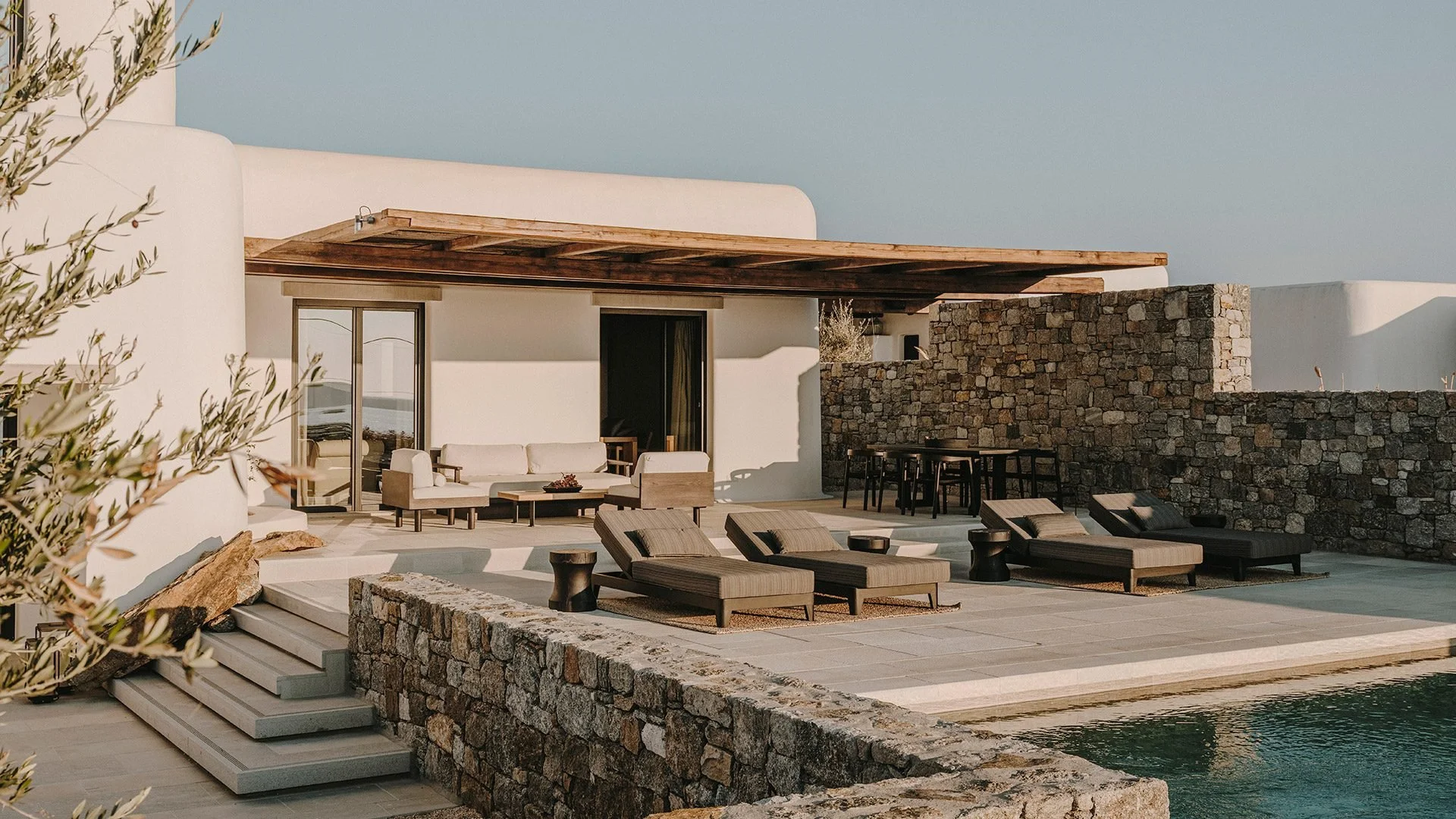
Kalesma Mykonos
Kalesma Mykonos offers a more restrained and architectural interpretation of Cycladic luxury. Set above Ornos Bay, it feels more like a private village than a resort, with low-rise suites, neutral tones, and a strong emphasis on privacy. The atmosphere is quieter, designed for slow living with uninterrupted sunset views.
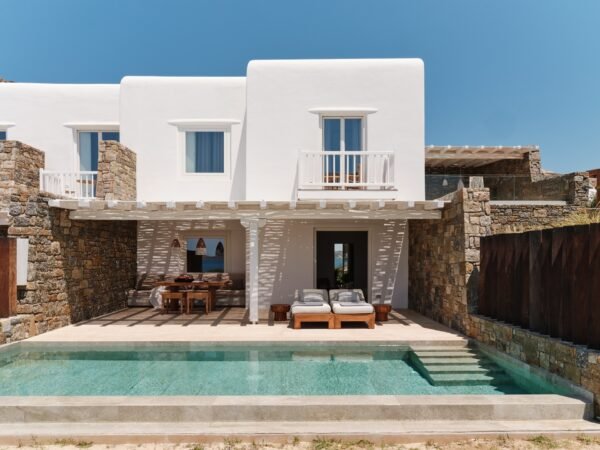
Bill & Coo Coast Suites
Bill & Coo Coast Suites is positioned closer to the shoreline and focuses on a more intimate, boutique experience. Suites are designed with understated elegance, and the property prioritises calm over spectacle. It is often chosen by returning visitors who want Mykonos’ energy without the intensity of its central hotspots.
What to Do in Mykonos
Spend the day at Scorpios for long, music-led beachside dining
Explore Mykonos Town’s maze-like streets and independent boutiques
Watch sunset from Little Venice with waterfront cocktails
Charter a boat to Delos for ancient archaeological exploration
Visit quieter beaches such as Agios Sostis for a more relaxed swim
Book a private yacht experience around the surrounding Cyclades islands
Why Luxury Travellers Are Choosing Europe for Summer 2026
Luxury travel in Europe is increasingly shifting away from obvious excess and toward slower, more immersive experiences. Travellers are prioritising private villas, boutique hotels, coastal wellness retreats, and destinations that balance glamour with authenticity.
From the French Riviera and the Italian Lakes to the Greek Islands and the Croatian coastline, Europe continues to offer some of the world’s most luxurious summer destinations, especially for travellers seeking beauty, privacy, and exceptional hospitality.
For travellers planning a wider European itinerary beyond luxury coastal escapes, explore our complete guide to Europe’s best summer destinations.