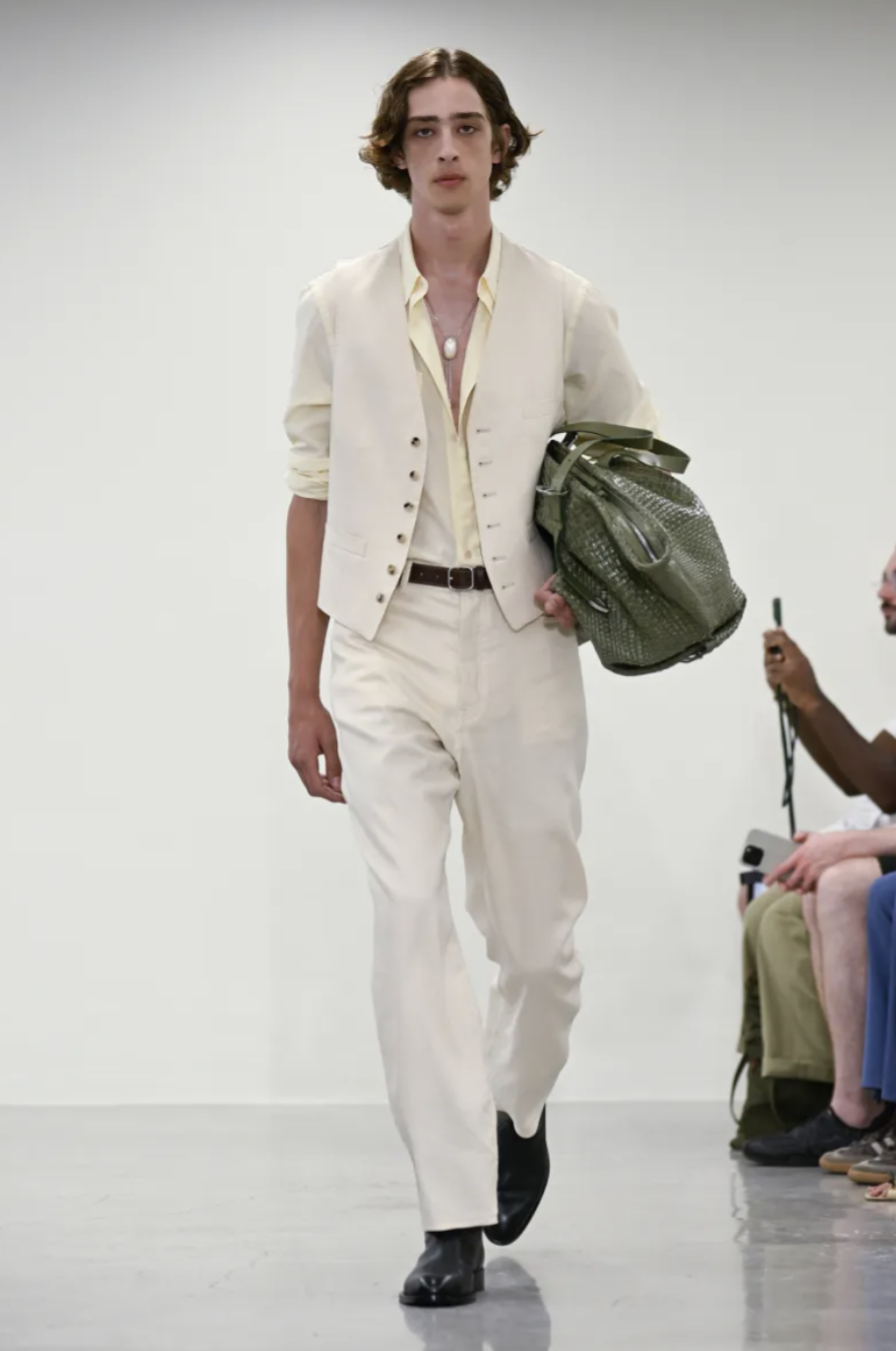
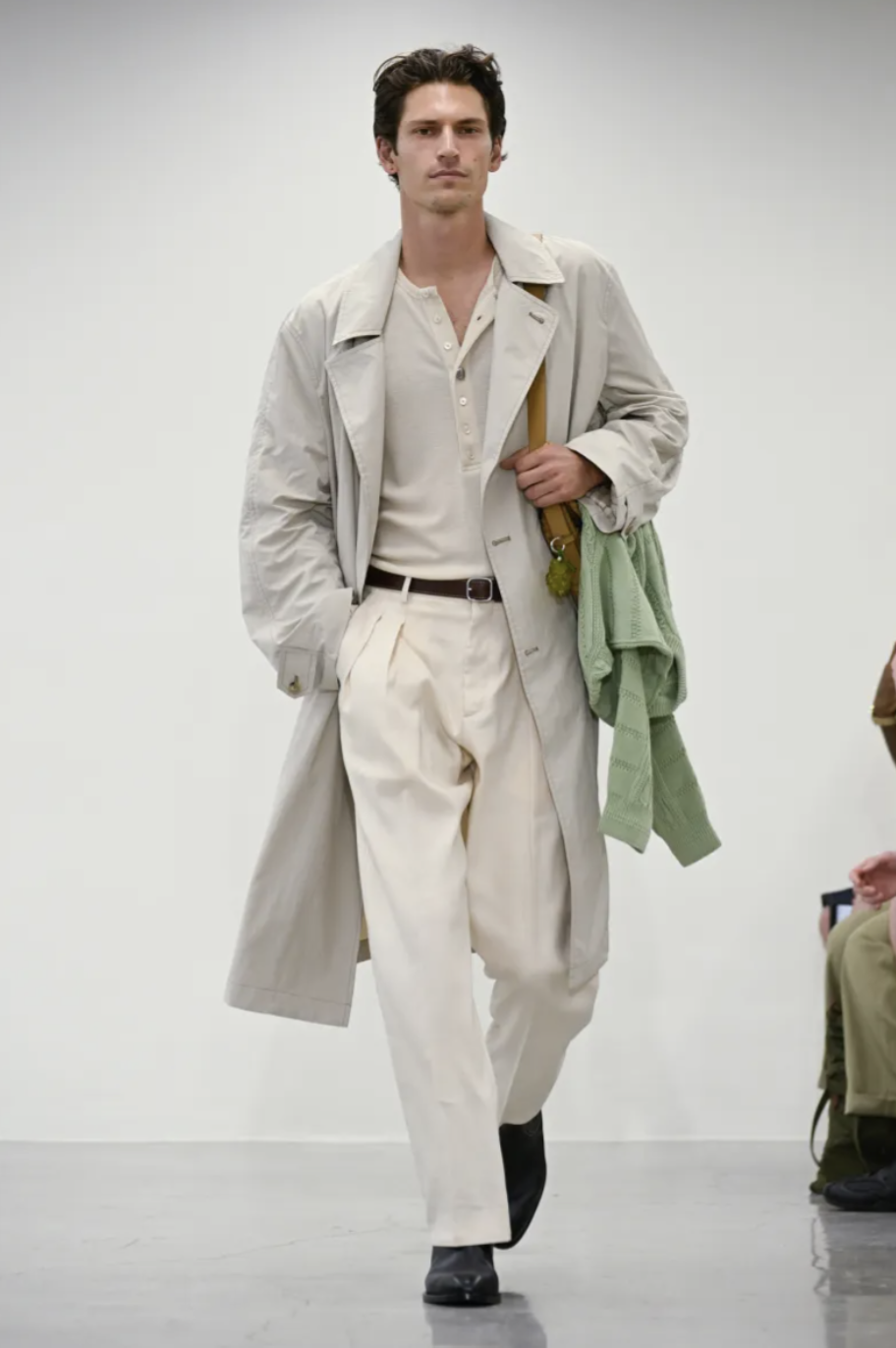
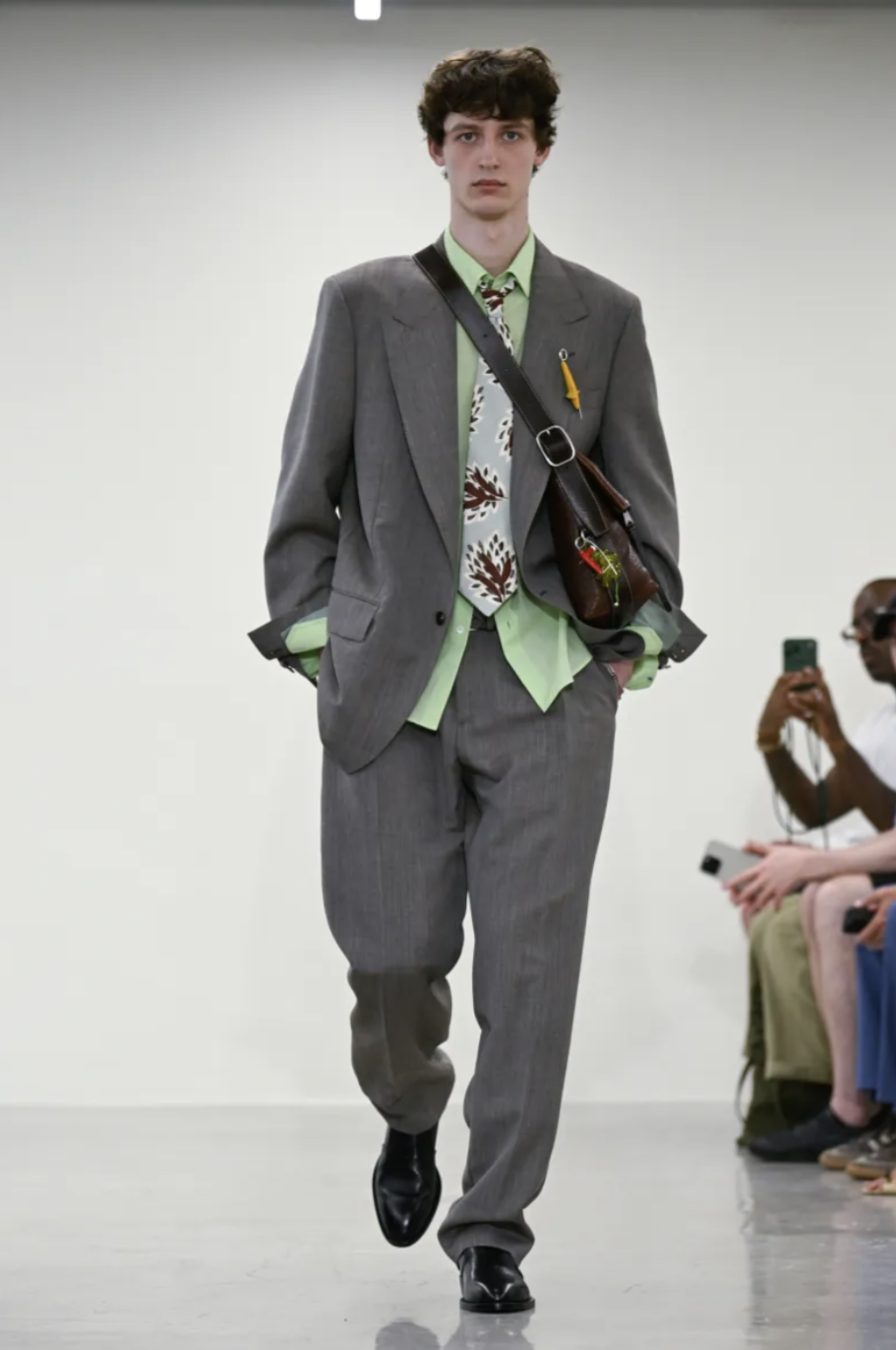
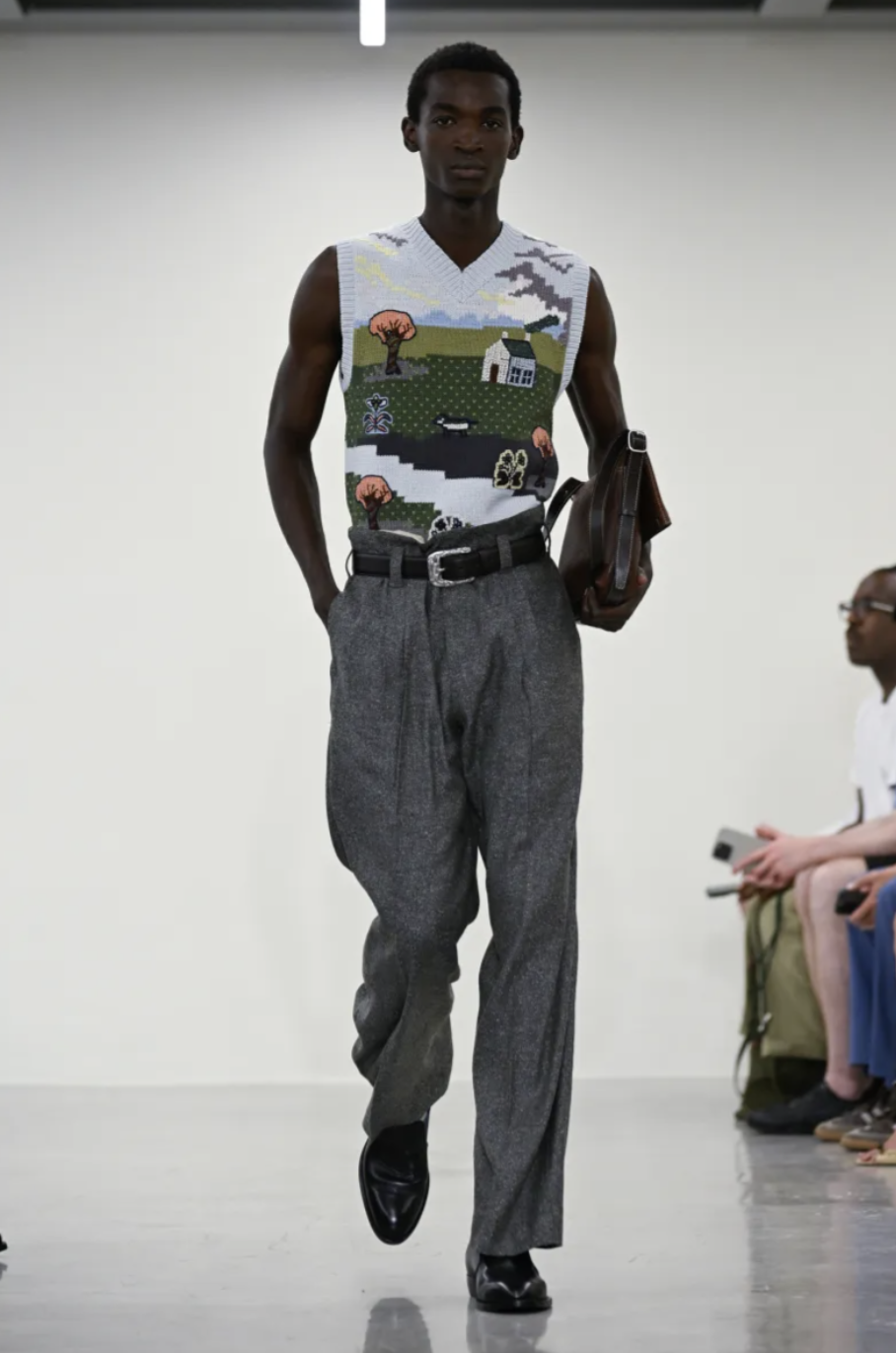
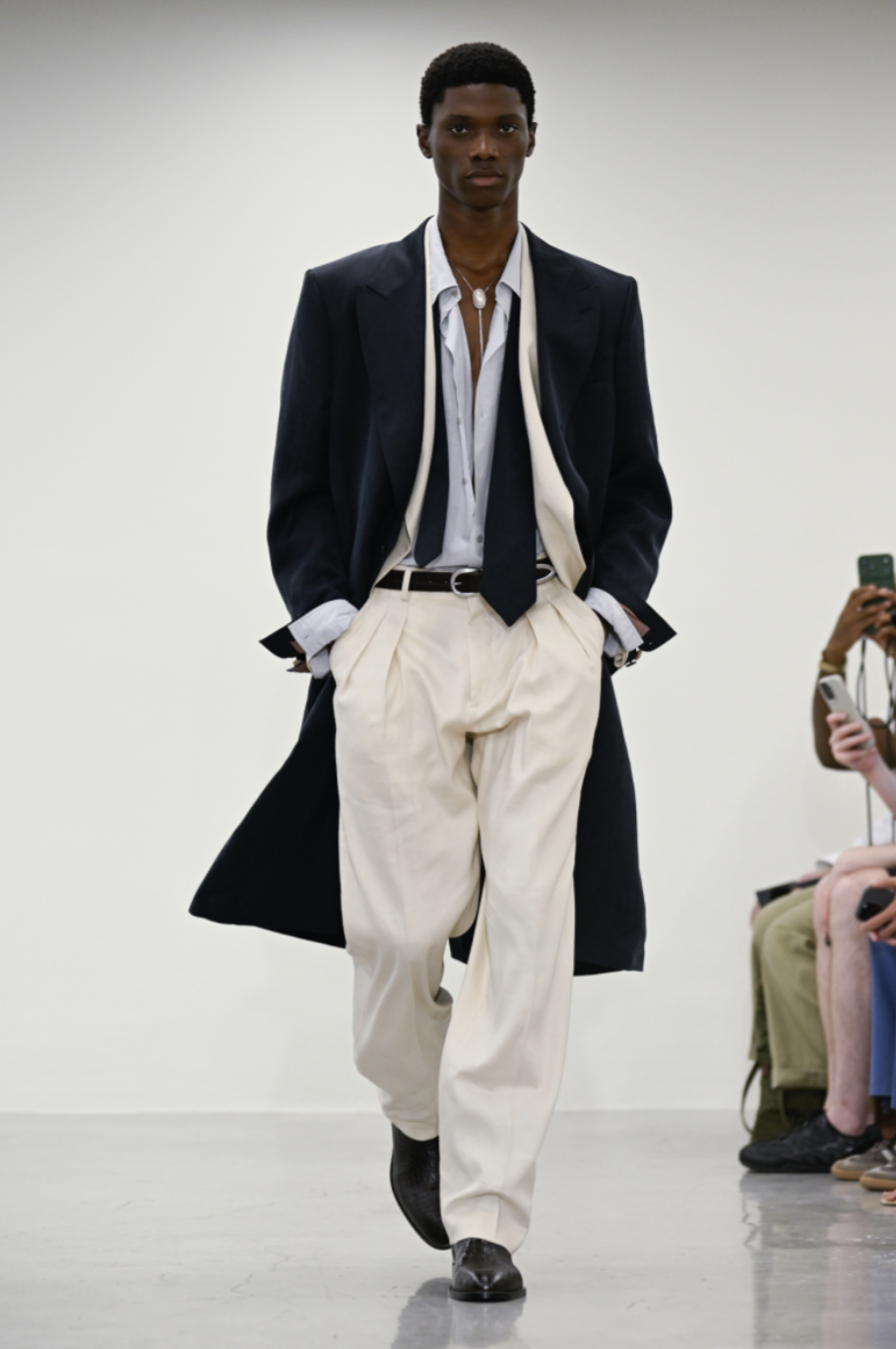
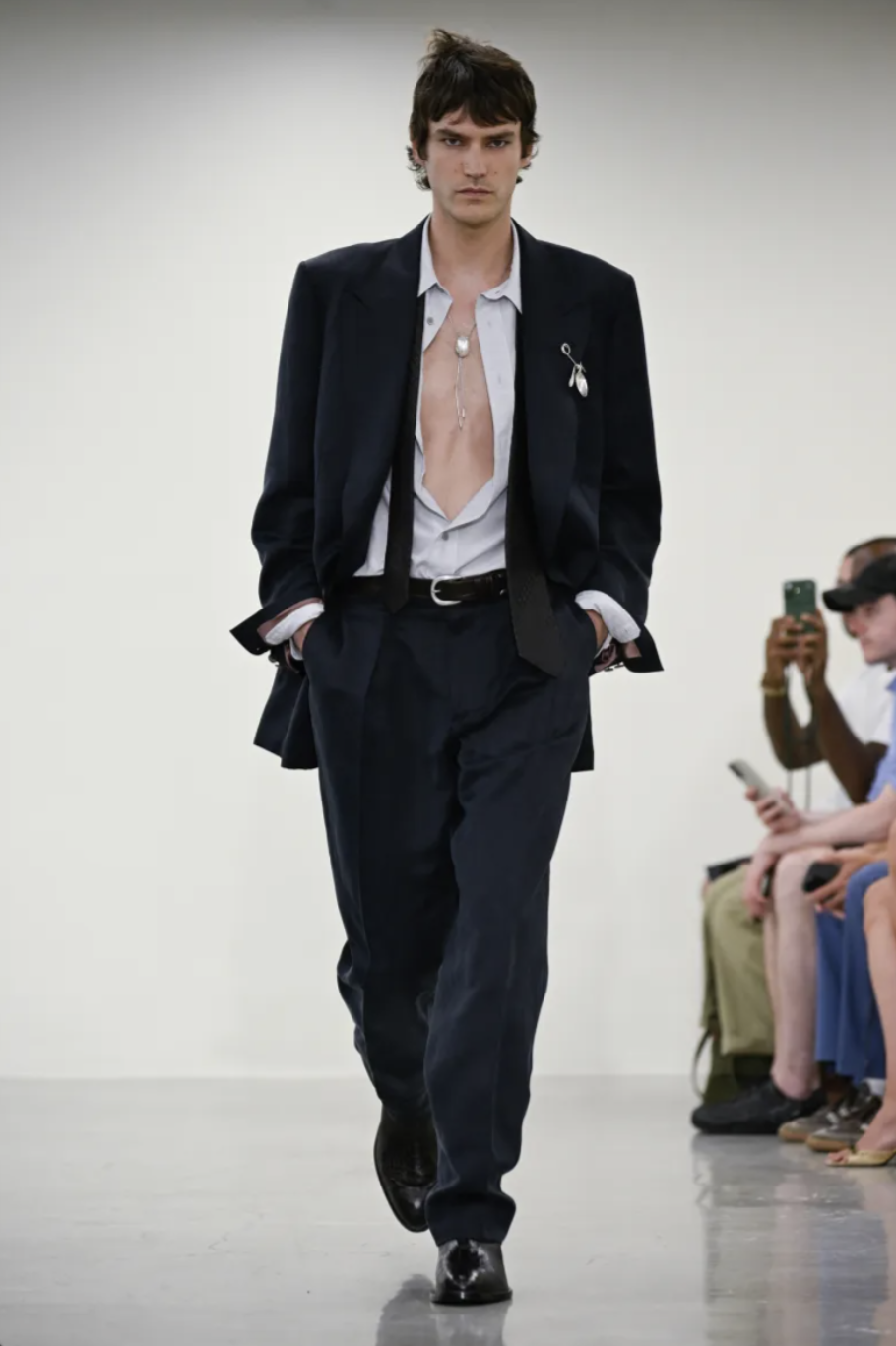
Paul Smith Spring/Summer 2027
For decades, Sir Paul Smith has championed tailoring with a distinctly British sense of ease. While much of the fashion industry has spent recent years debating the future of the suit, the veteran designer has never questioned its relevance. Instead, his Spring/Summer 2027 collection demonstrated that tailoring doesn't need reinvention—it simply needs to be worn differently.
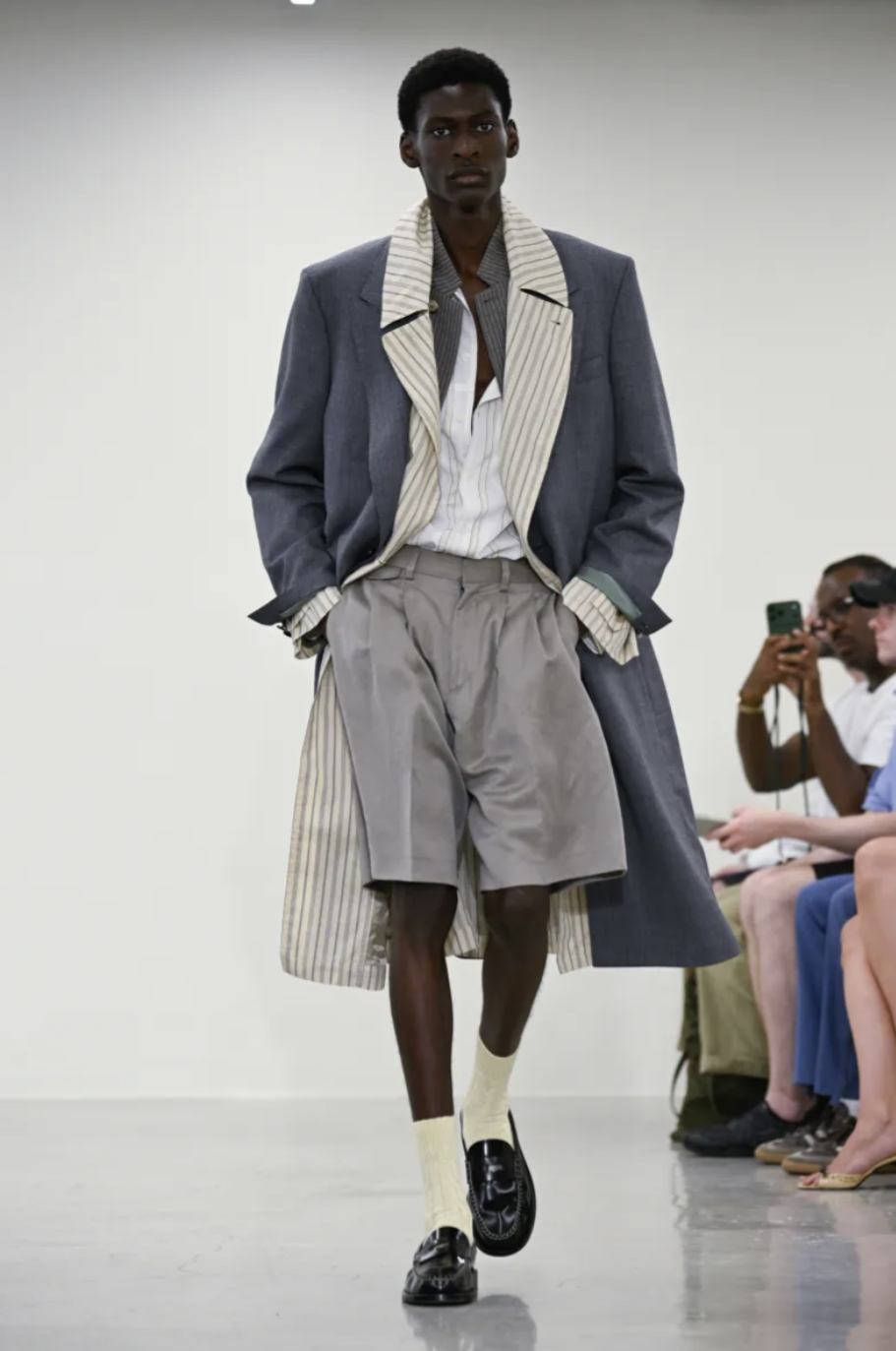
Presented during Milan Fashion Week, the collection revisited Smith's influential 1990s archive, drawing on relaxed proportions, fluid fabrics and effortless styling to create suits that felt liberated from the boardroom. The result was one of the season's strongest arguments for the return of classic menswear, proving that elegance and comfort are no longer mutually exclusive.
Revisiting the 1990s With Fresh Eyes
Rather than celebrating nostalgia for its own sake, Smith looked back to one of his most influential decades to uncover ideas that feel surprisingly relevant today.
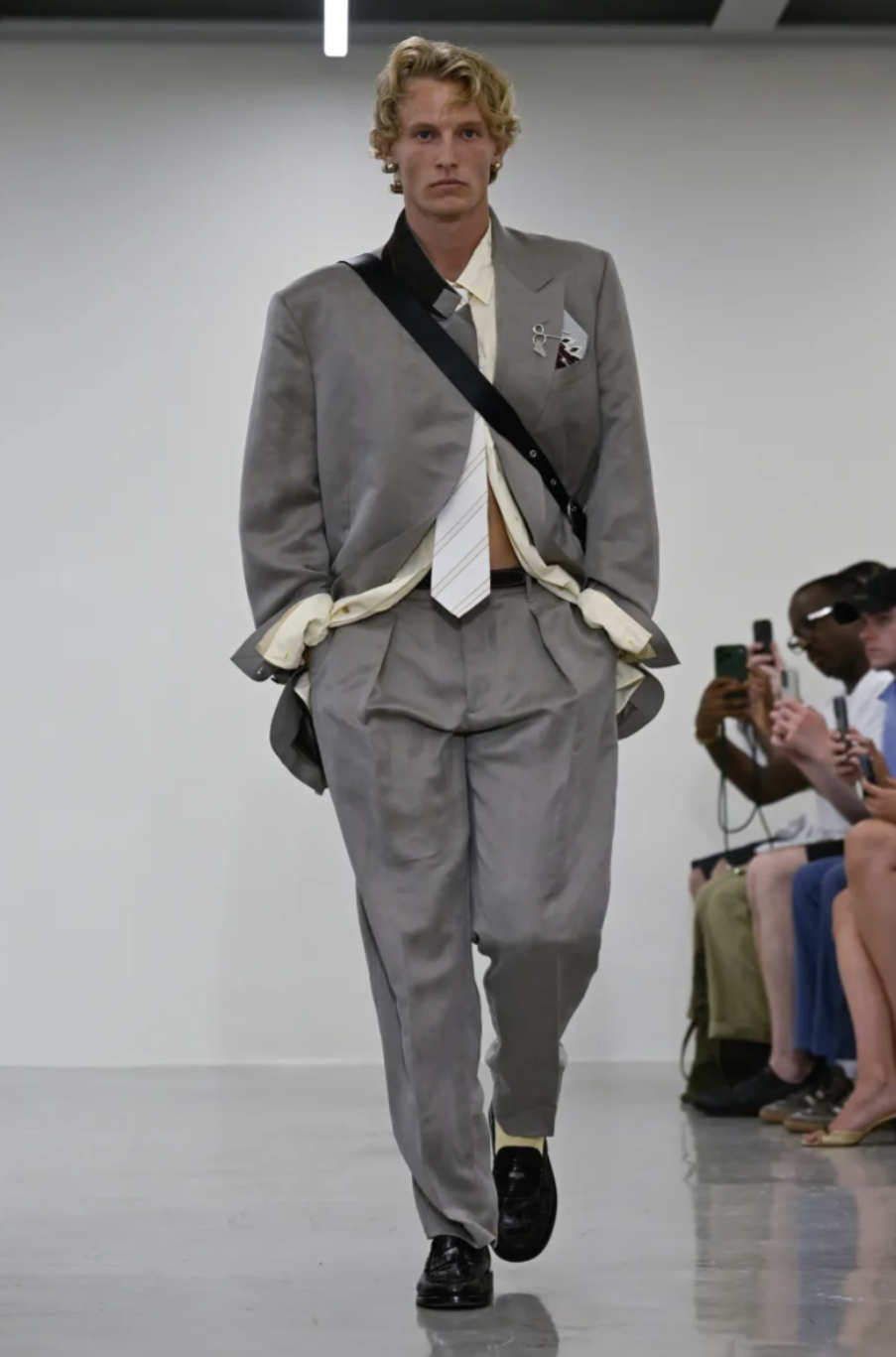
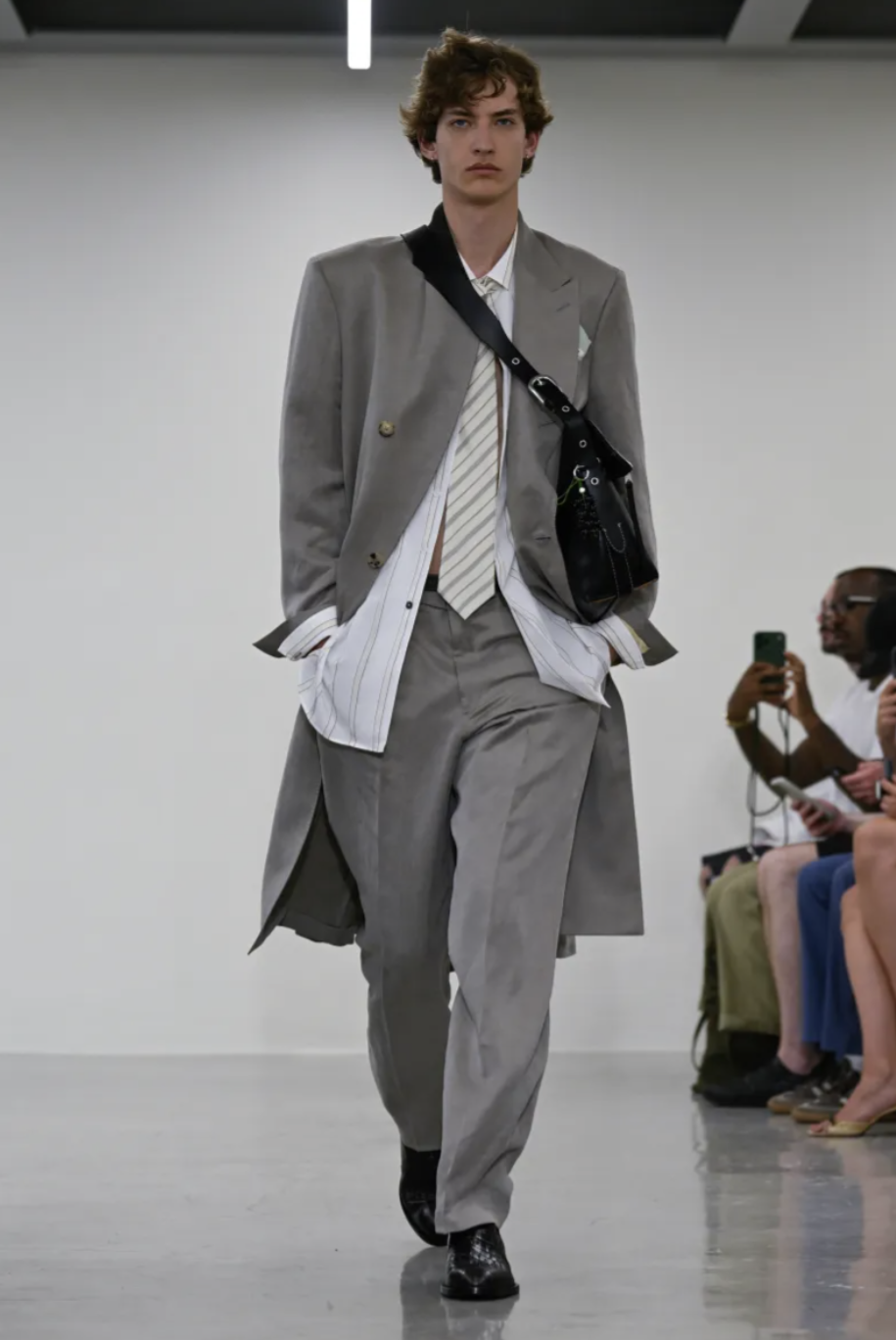
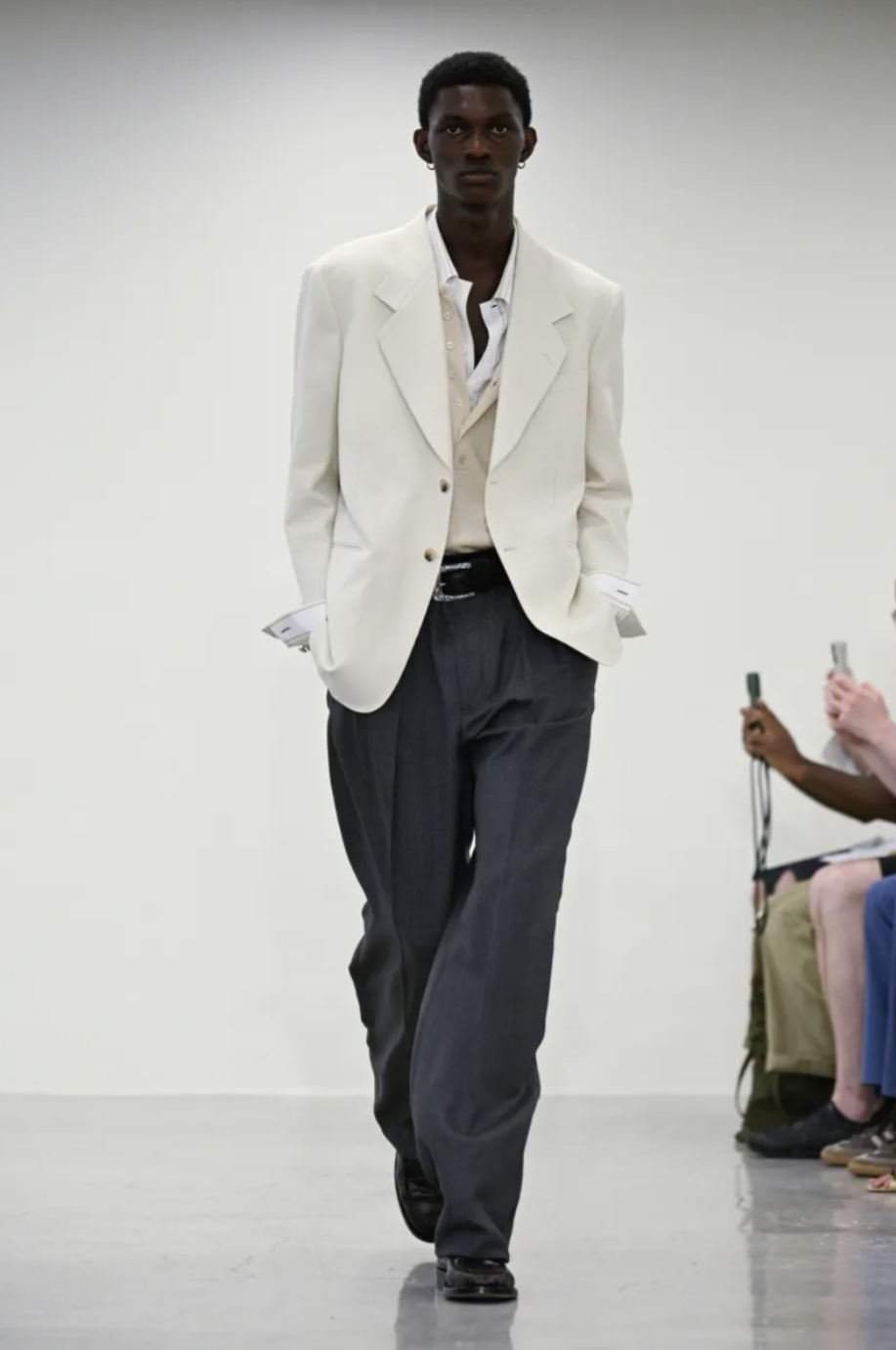
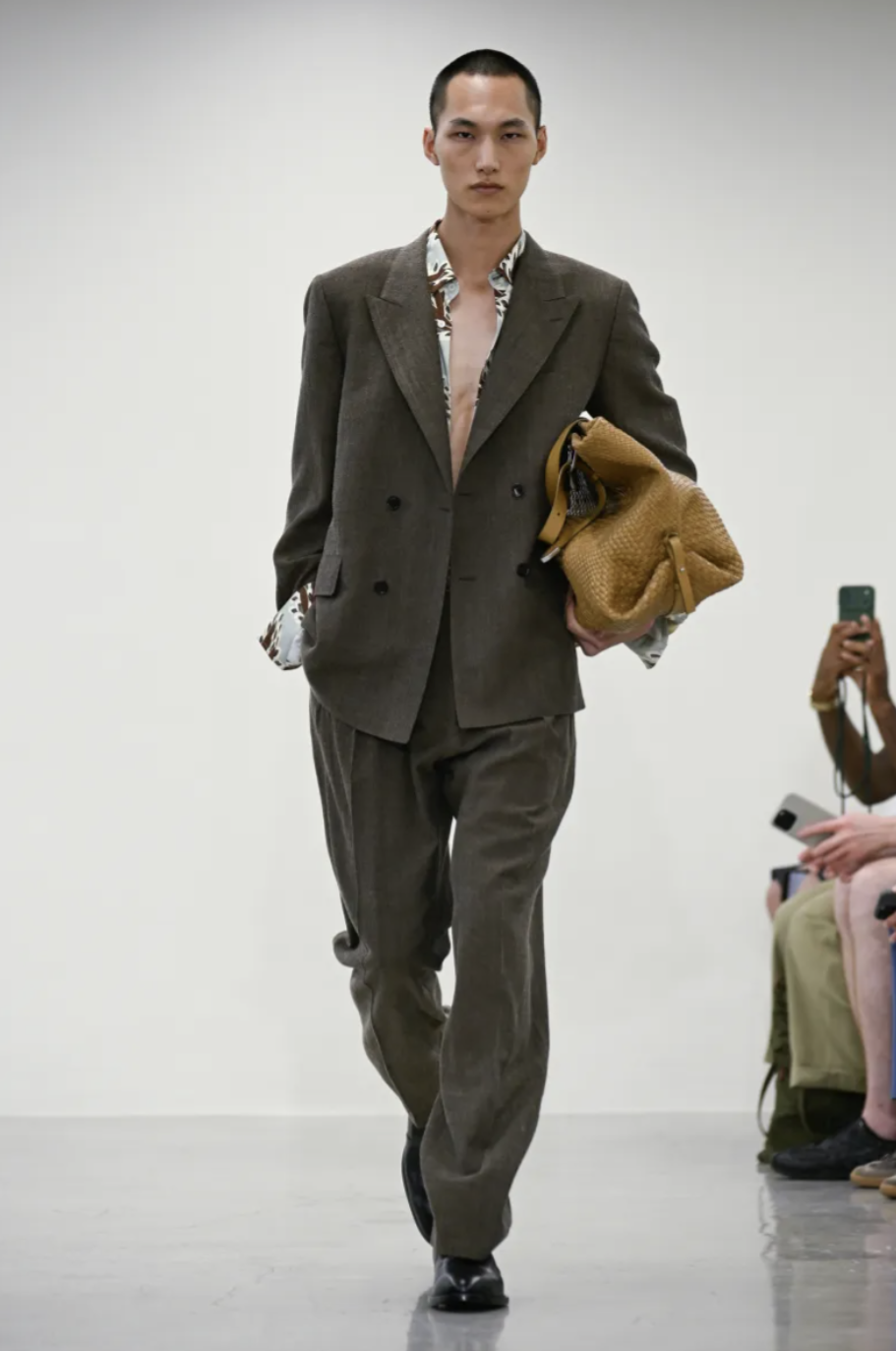
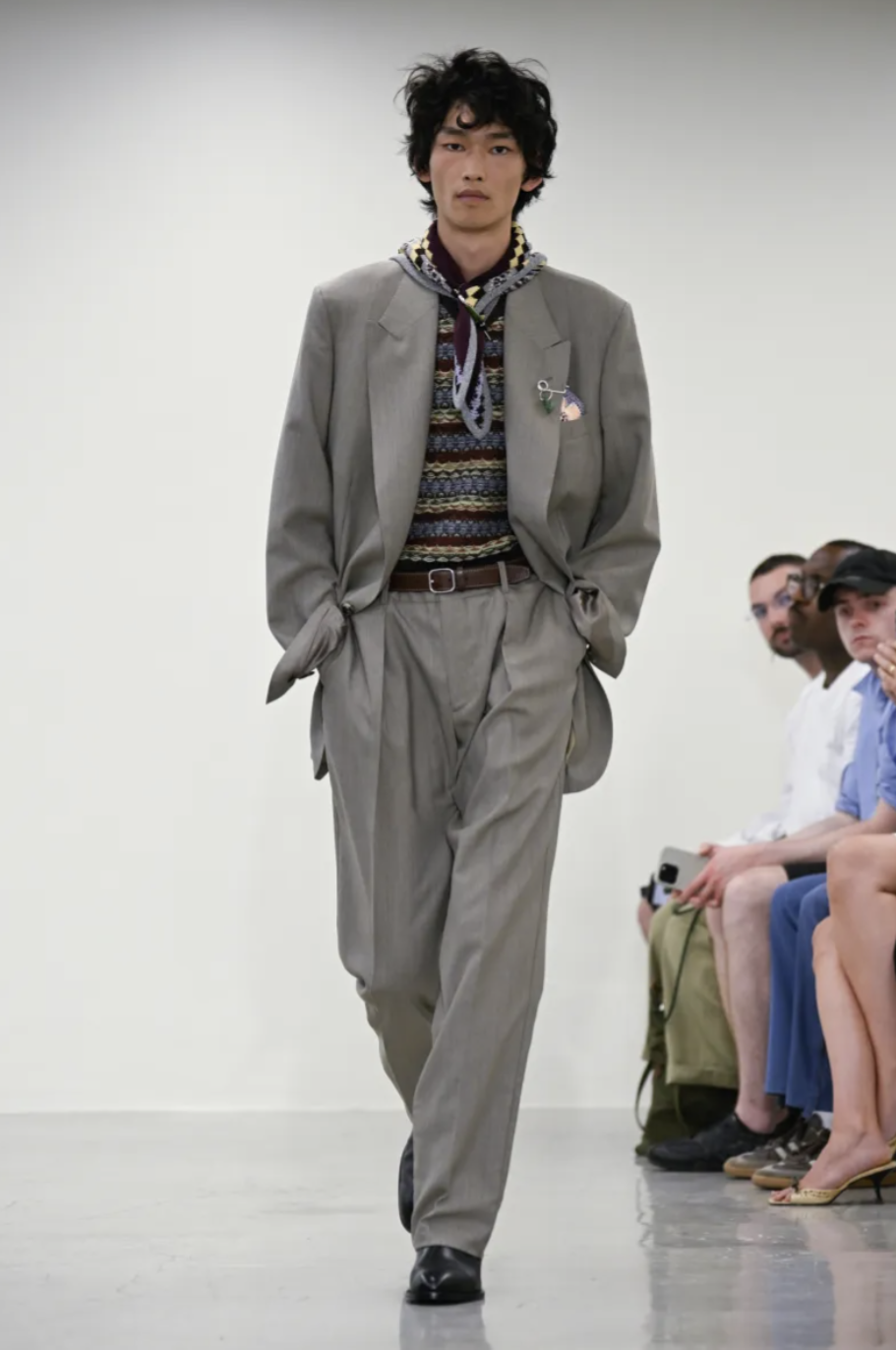
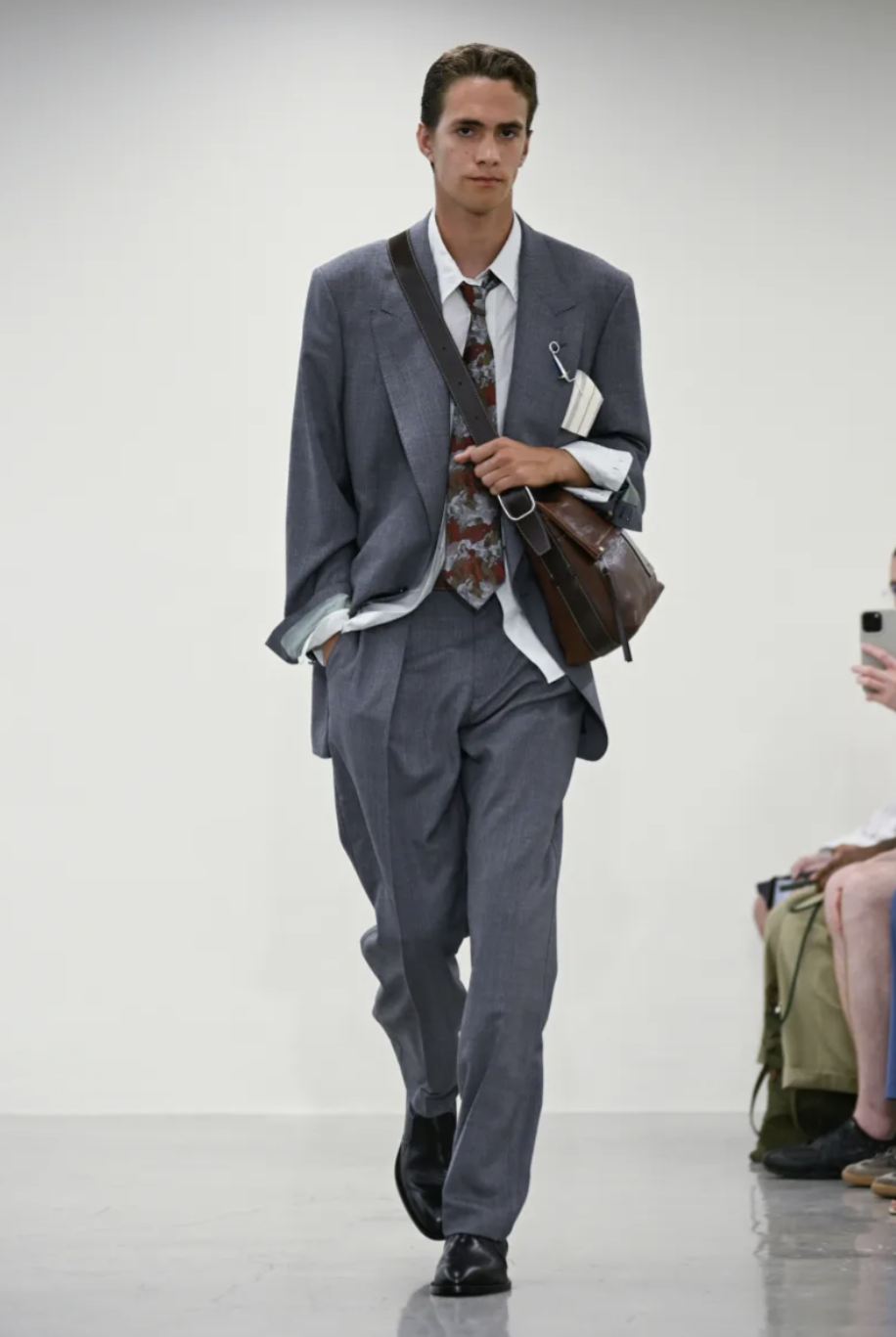
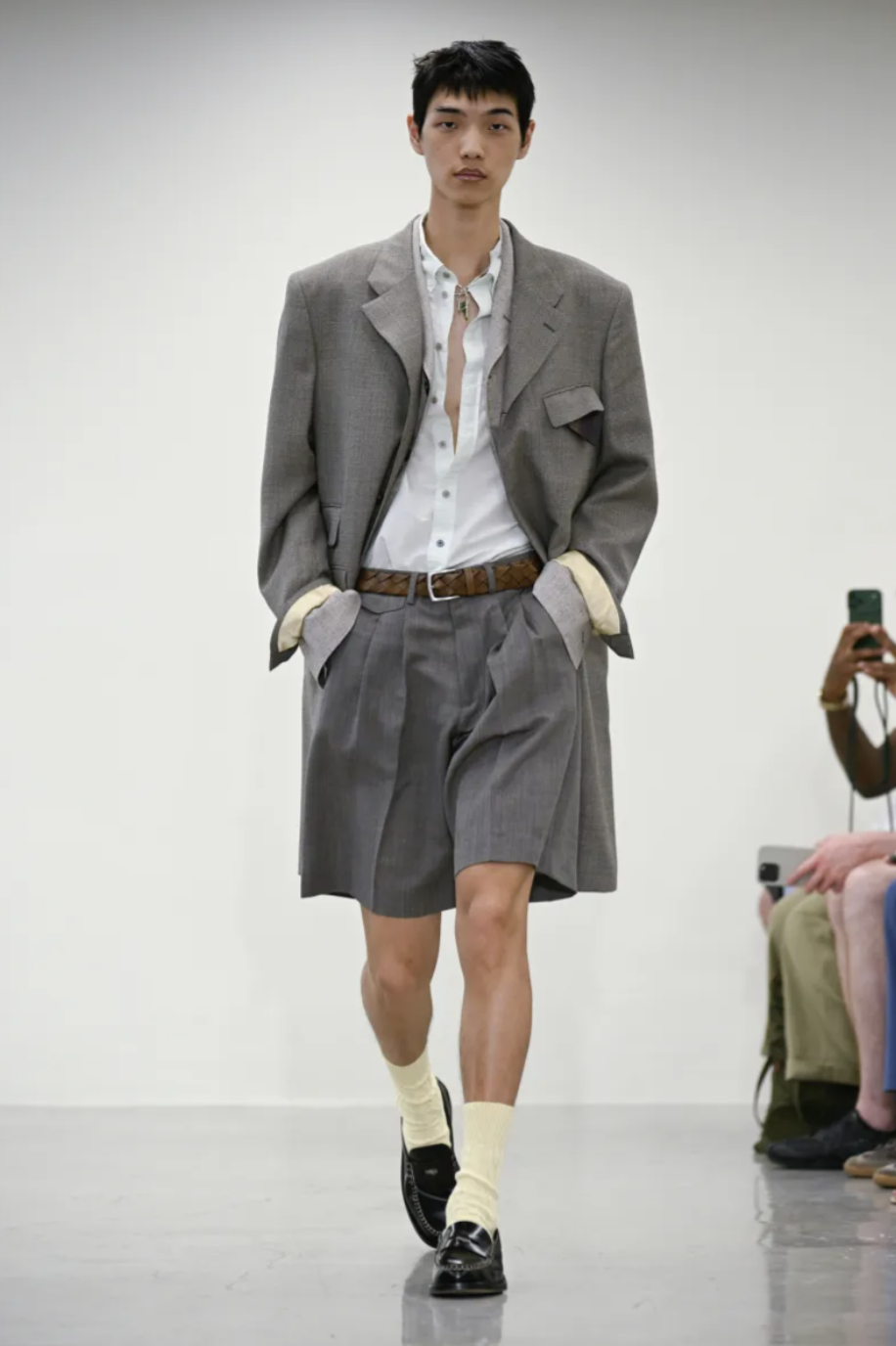
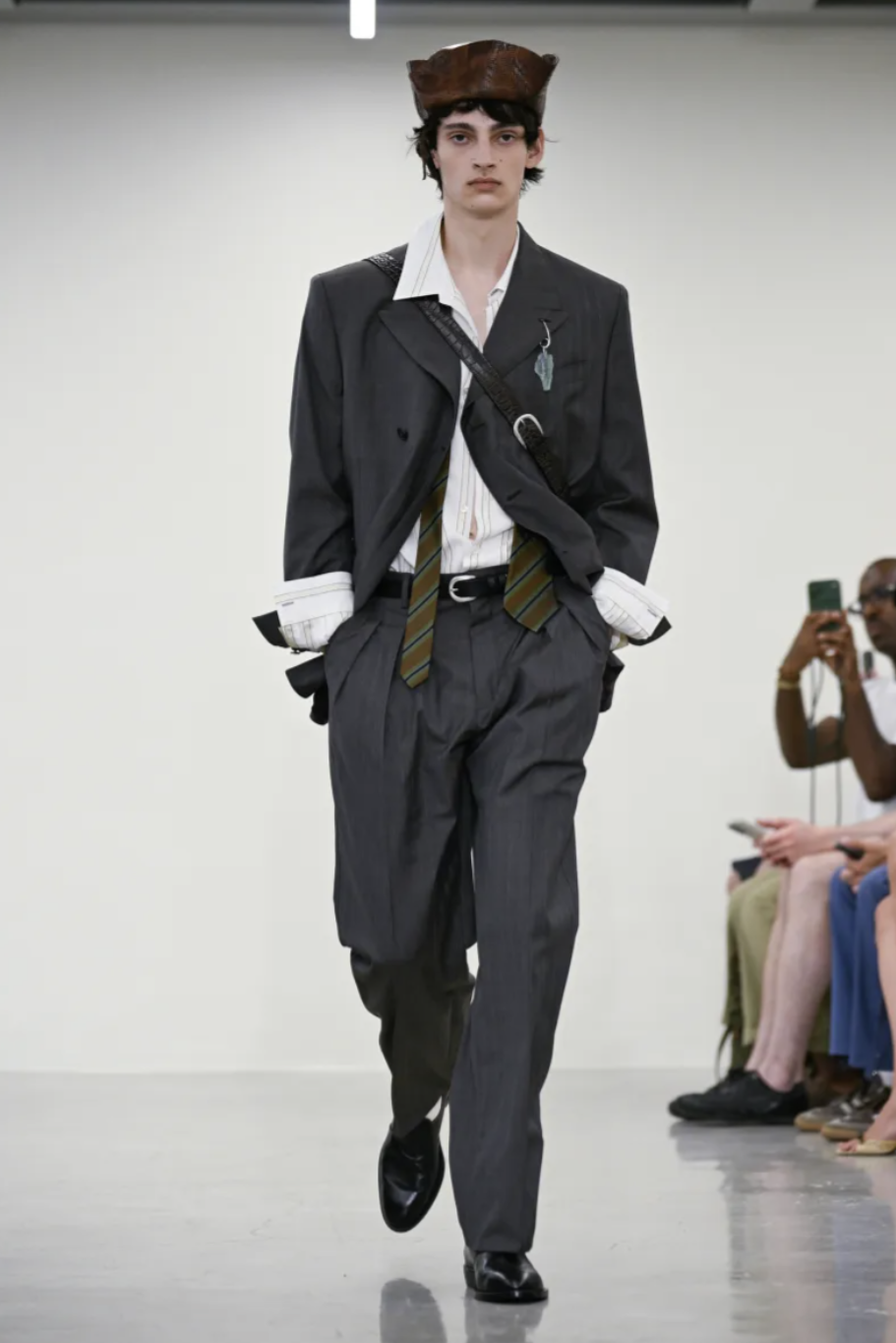
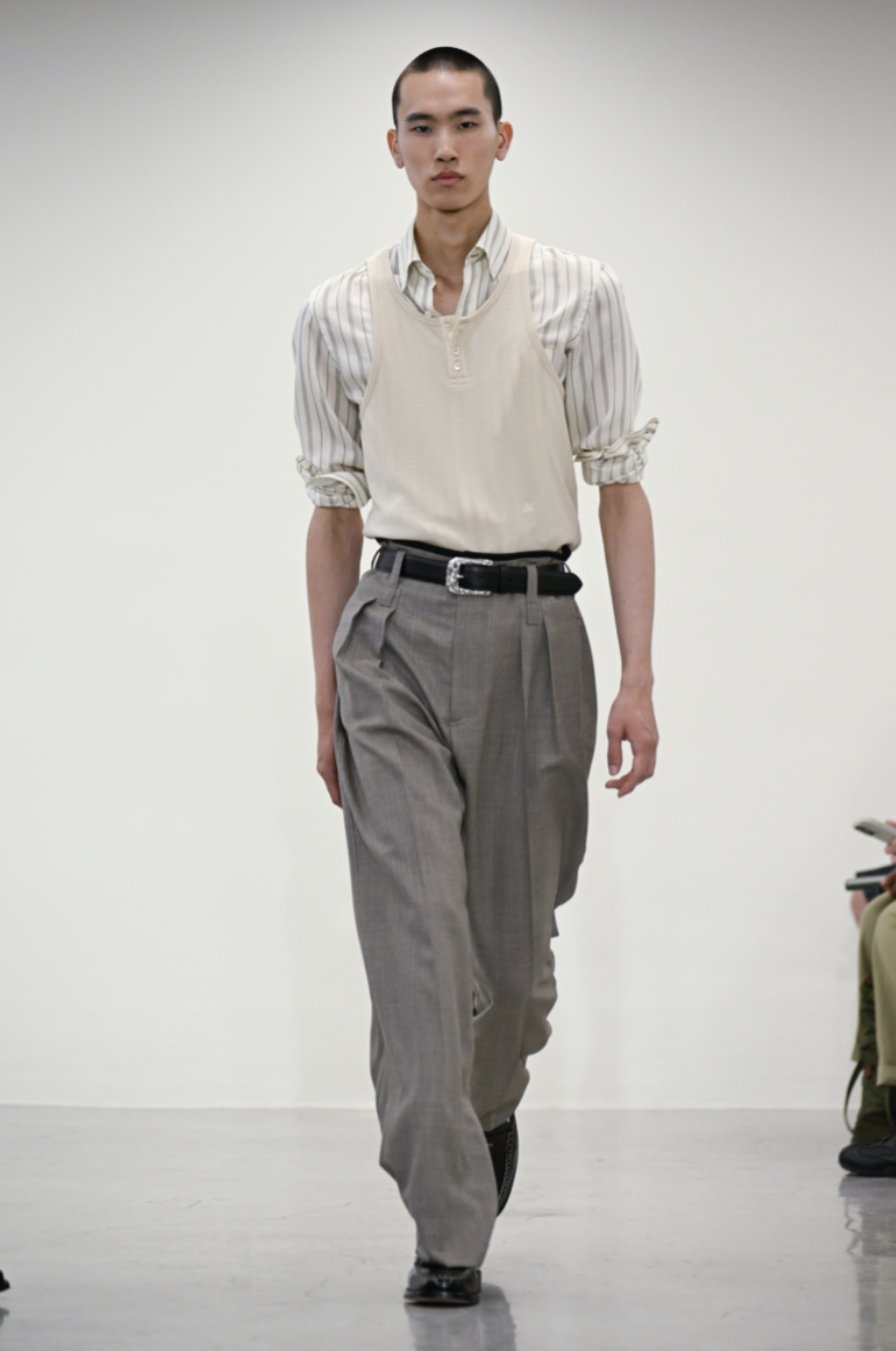
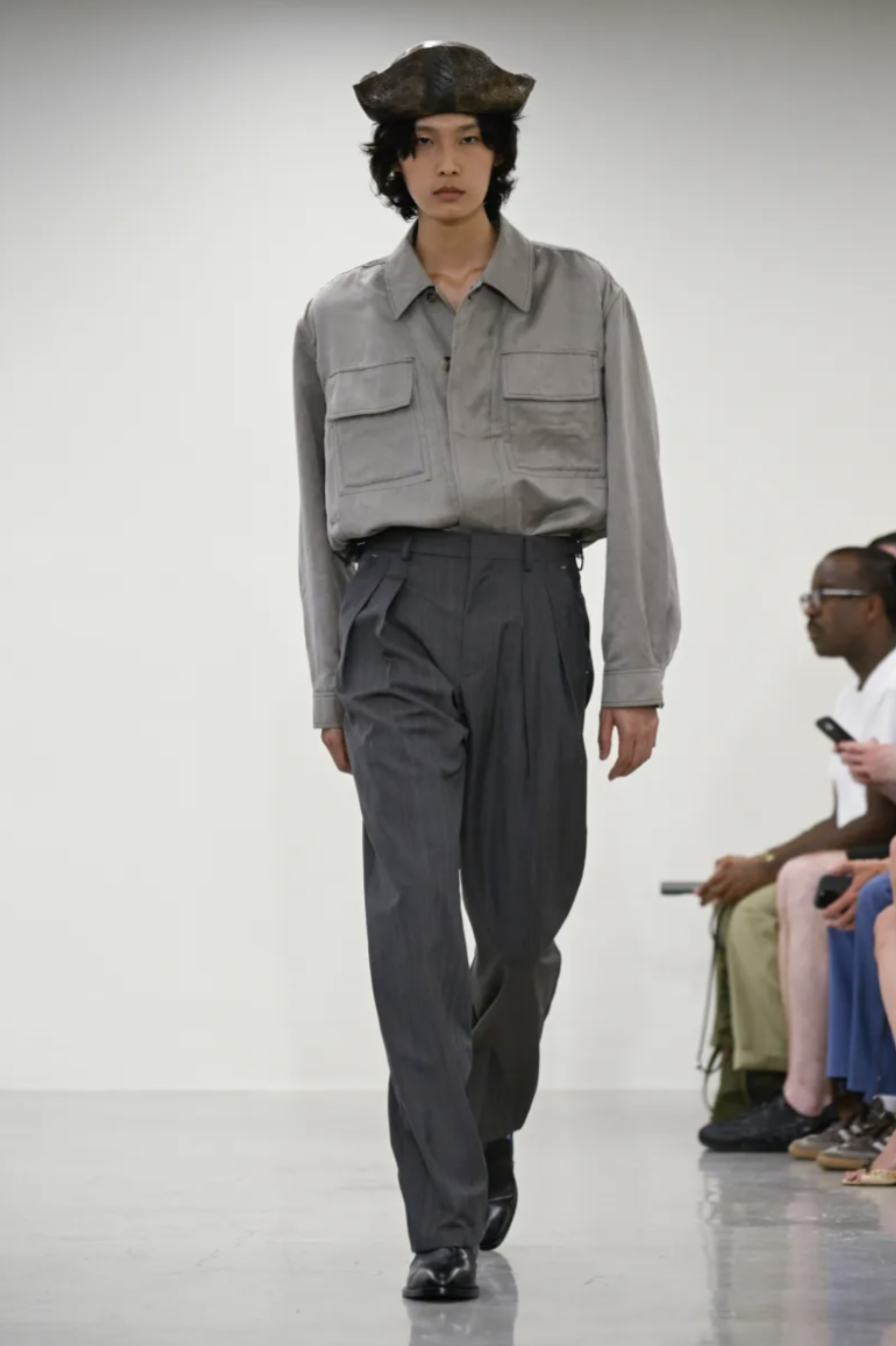
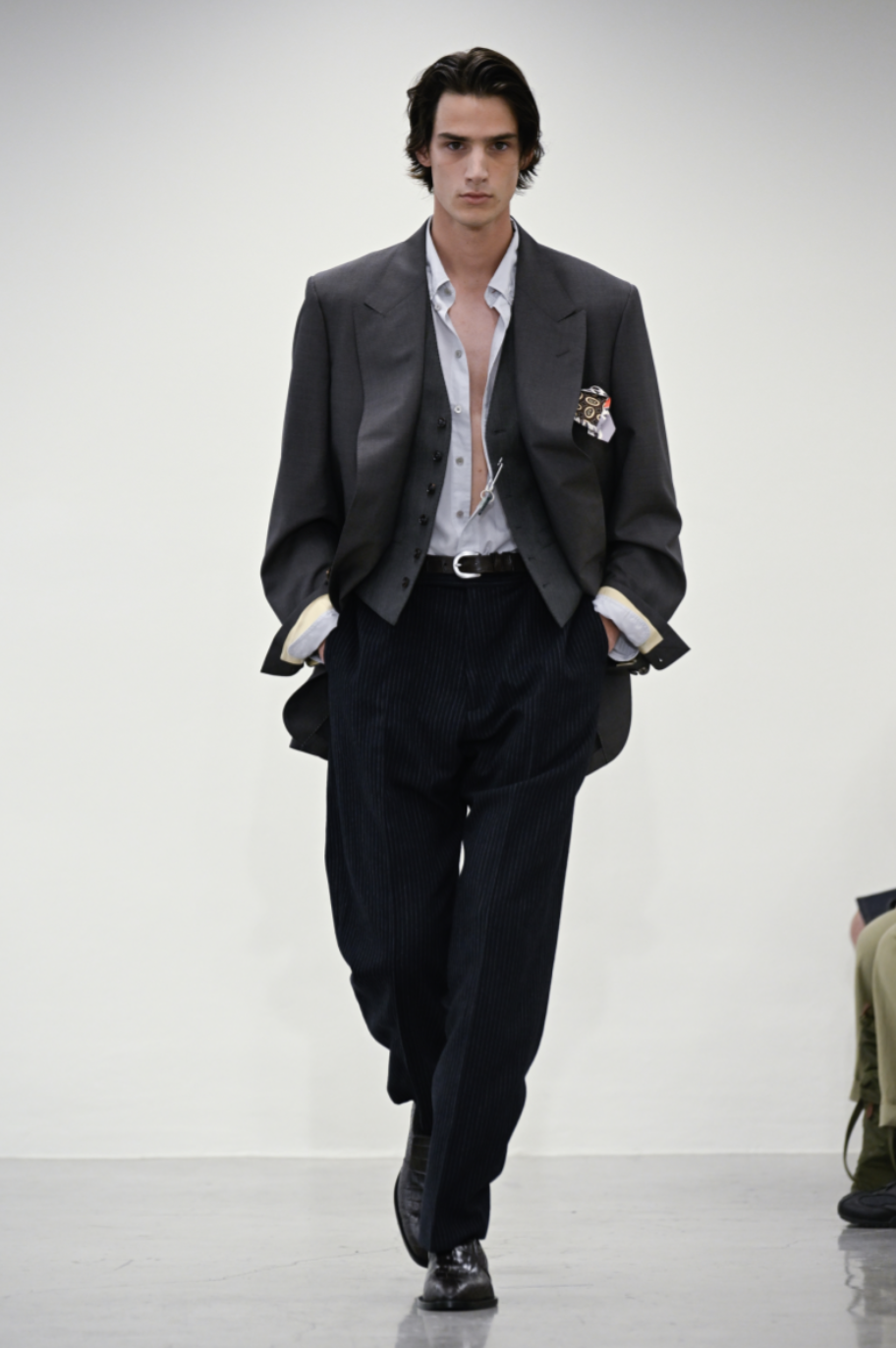
His design team revisited oversized blazers, boxy shirts, loose-cut trousers and practical utility pockets that defined much of his work throughout the 1990s. Yet instead of recreating archival pieces, they refined them through softer construction, lighter fabrics and contemporary styling.
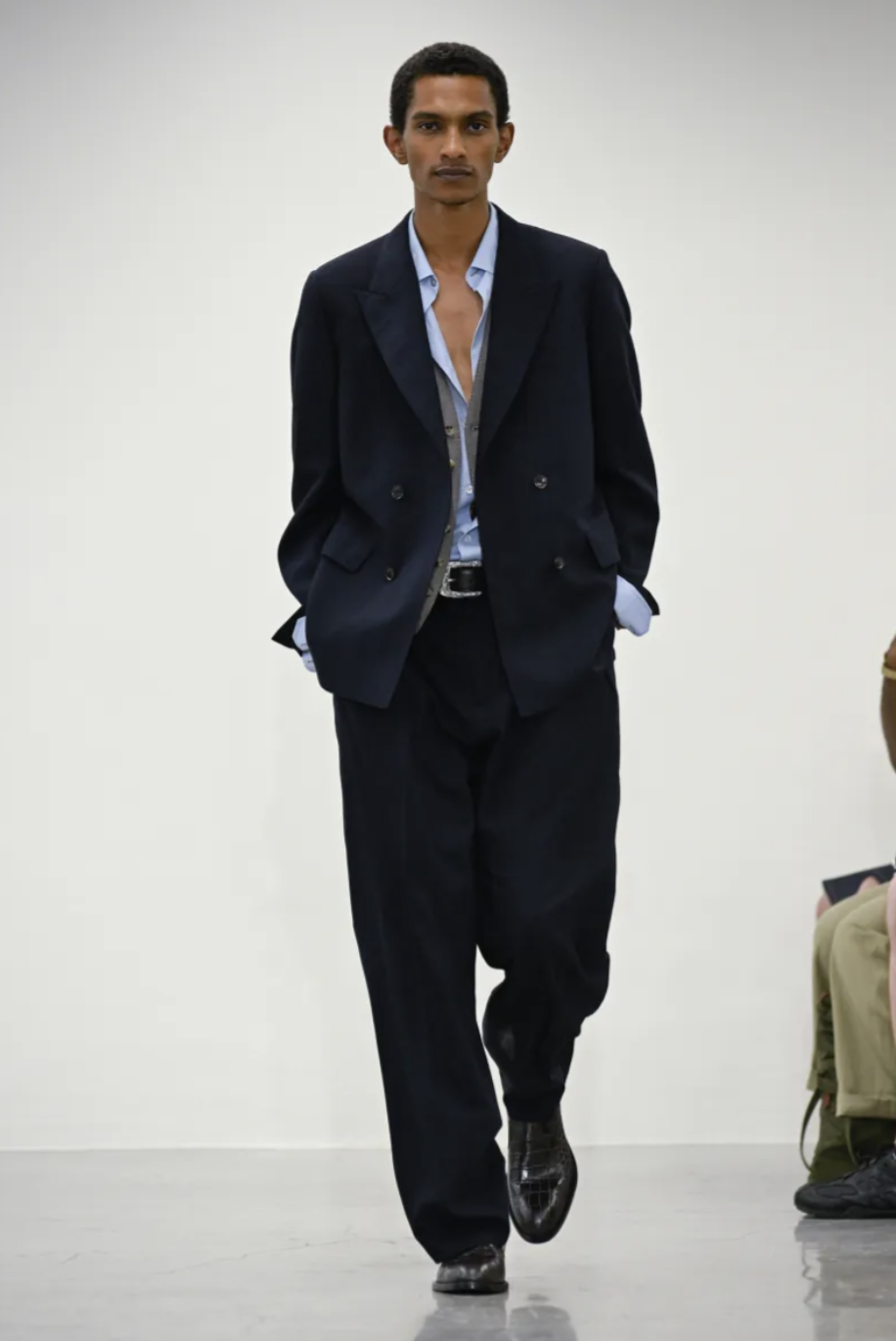
The silhouettes remained generous without appearing oversized, striking a balance between relaxed tailoring and polished sophistication.
It was a reminder that some of the best ideas in menswear simply deserve another conversation.
The Suit Without the Formality
The suit remained the undisputed centrepiece of the collection, but any association with corporate dressing quickly disappeared.
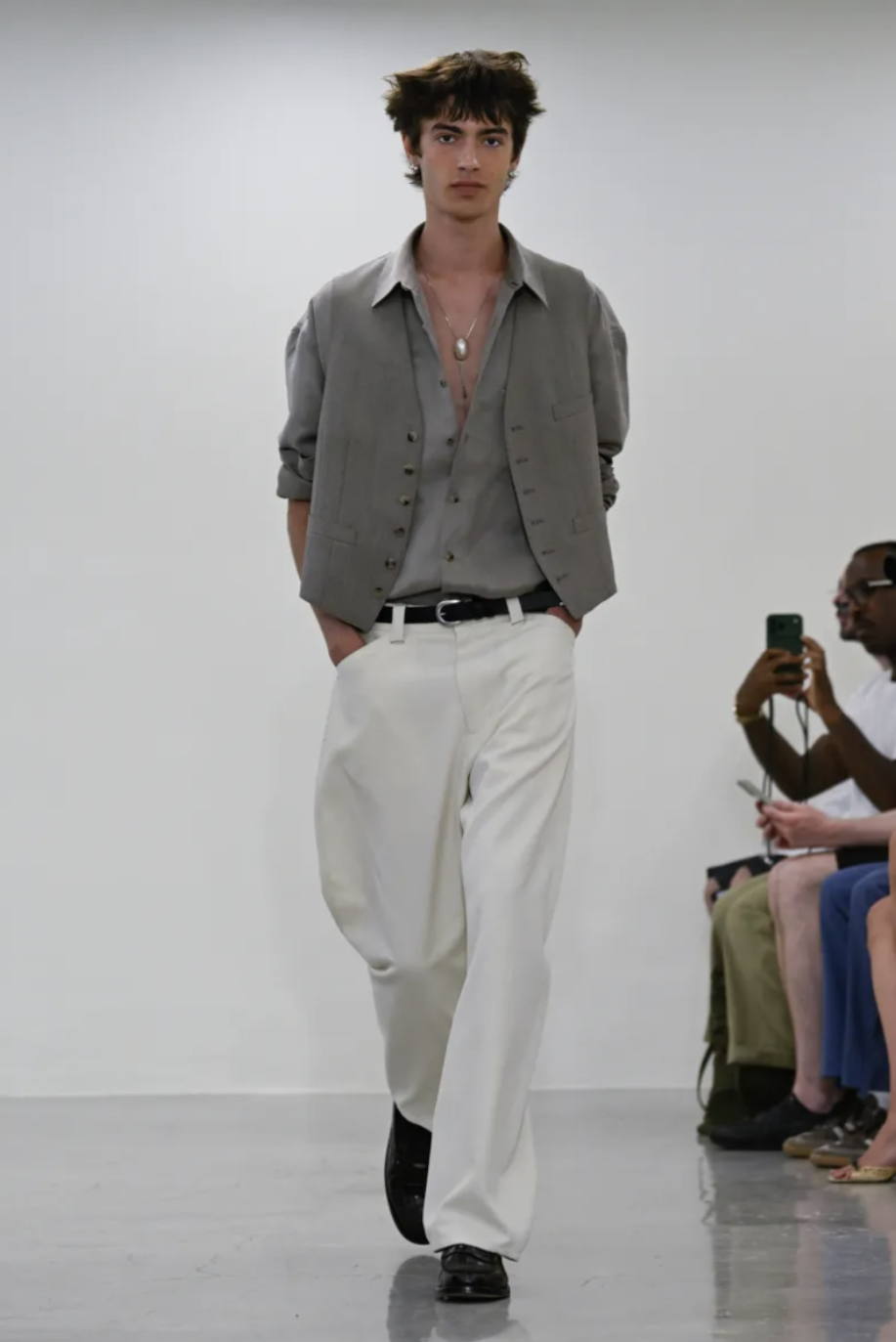
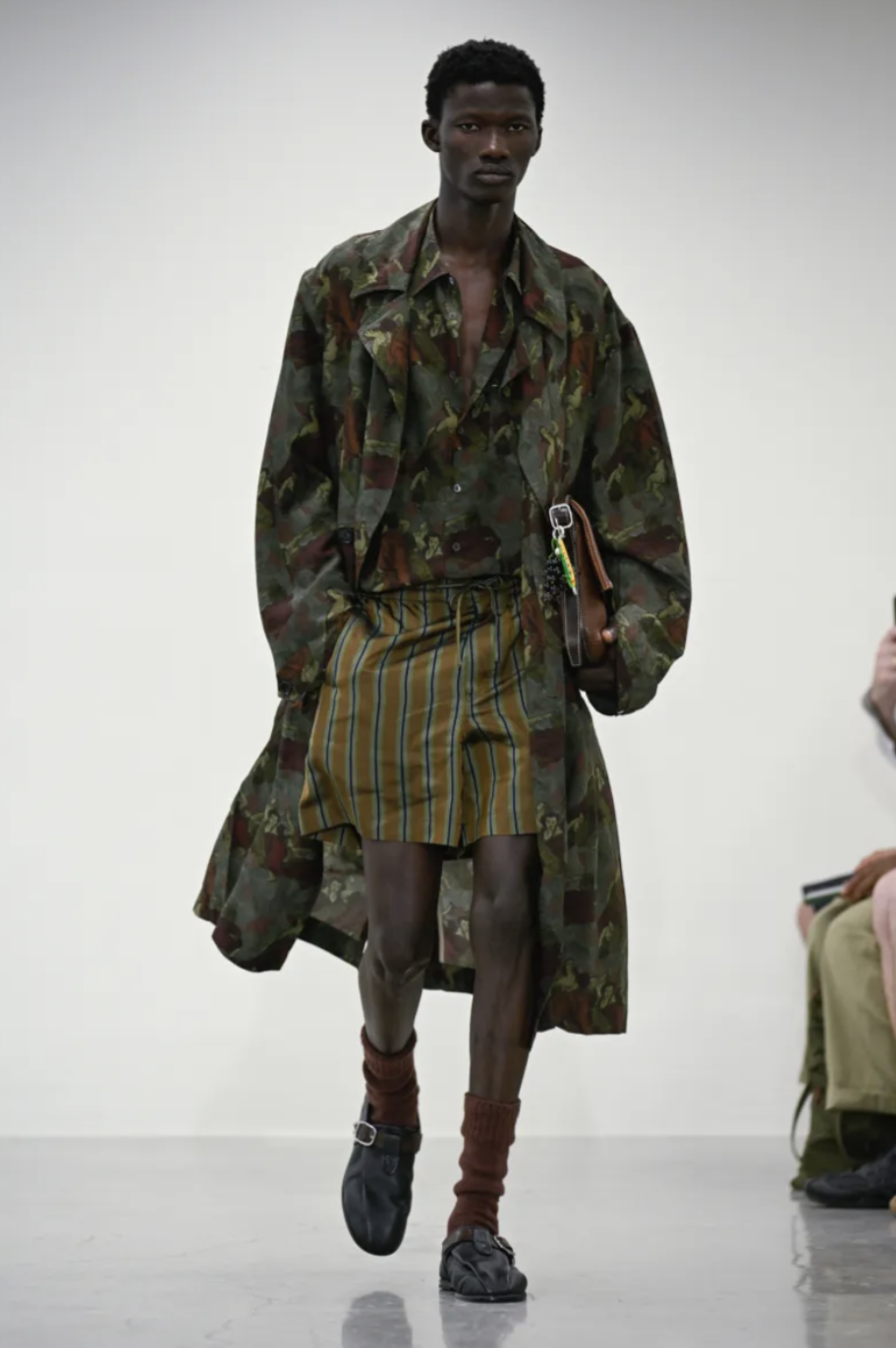
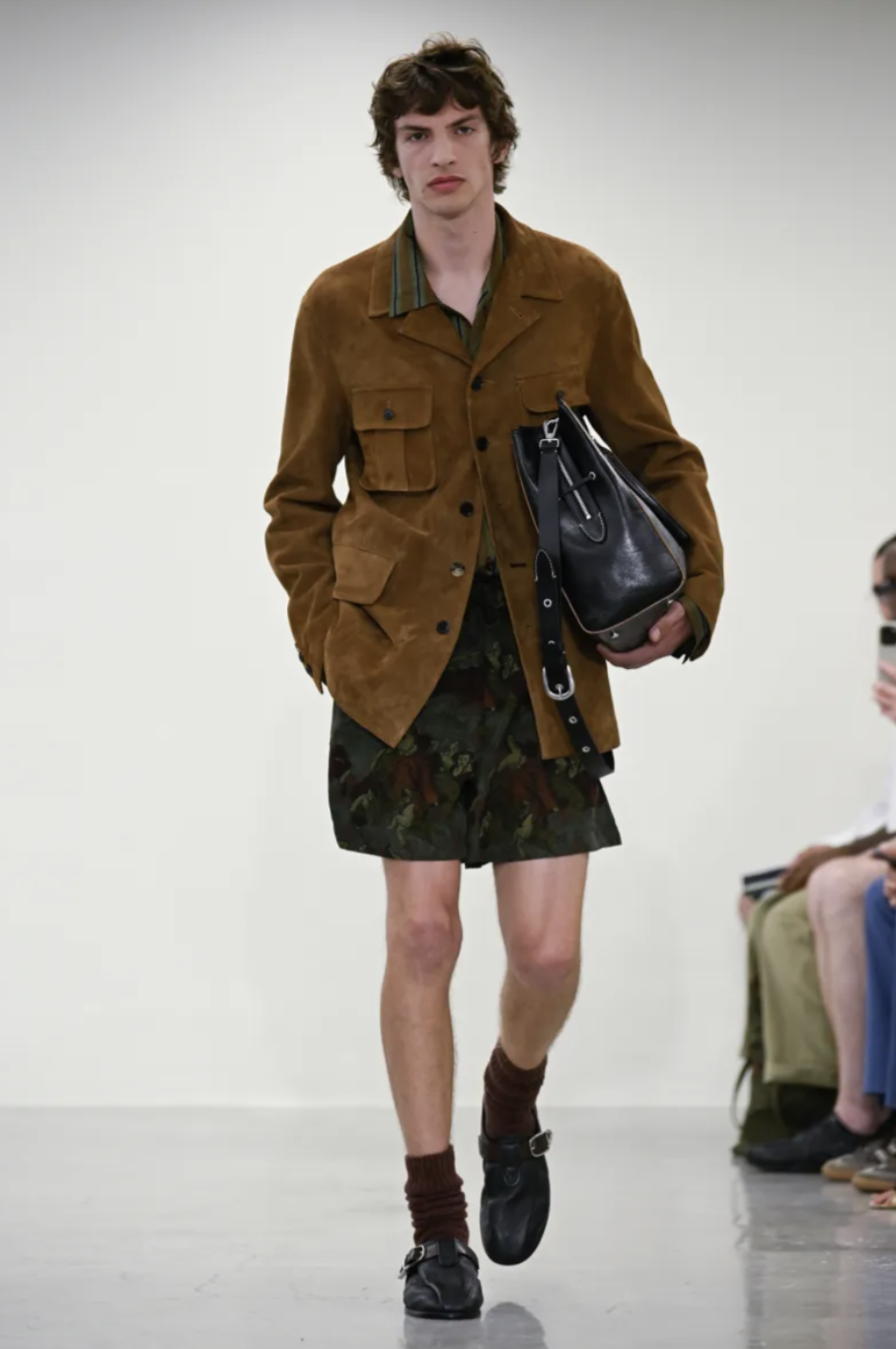
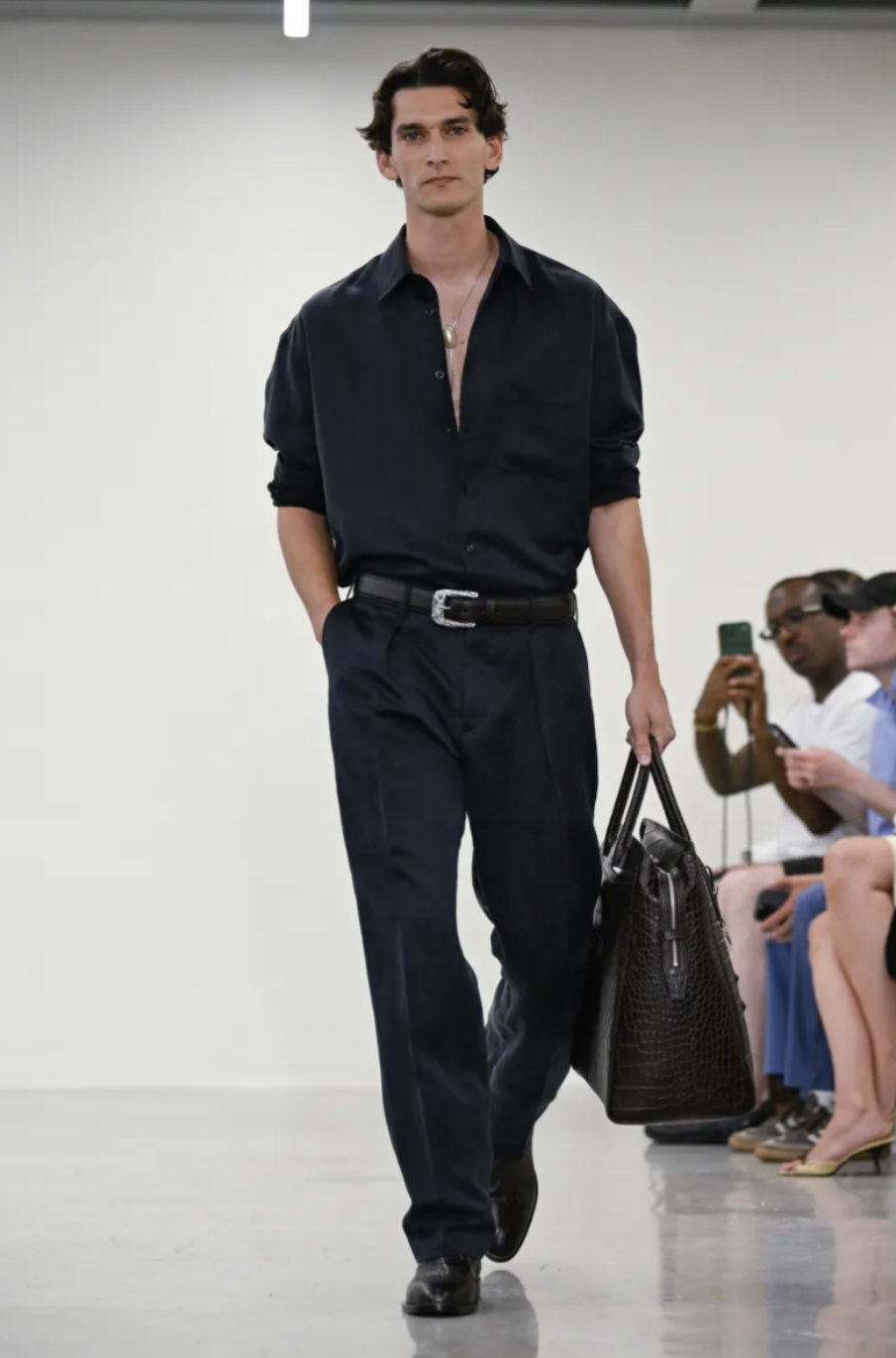
Dusty shades of blue, soft browns, faded greens and muted neutrals replaced predictable navy business suits, while fluid wools and silk-rich fabrics introduced movement that softened every silhouette.
Styling played an equally important role.
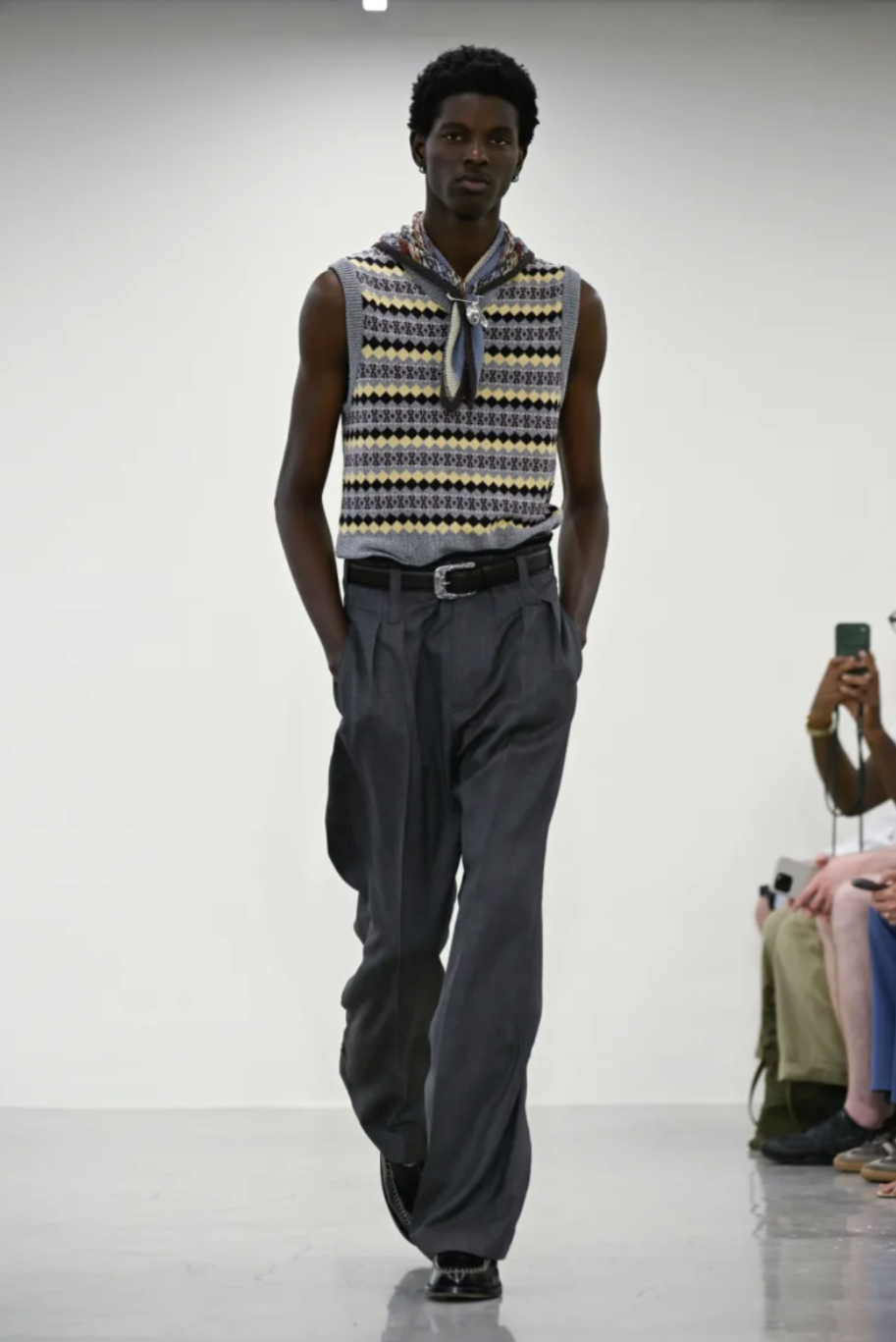
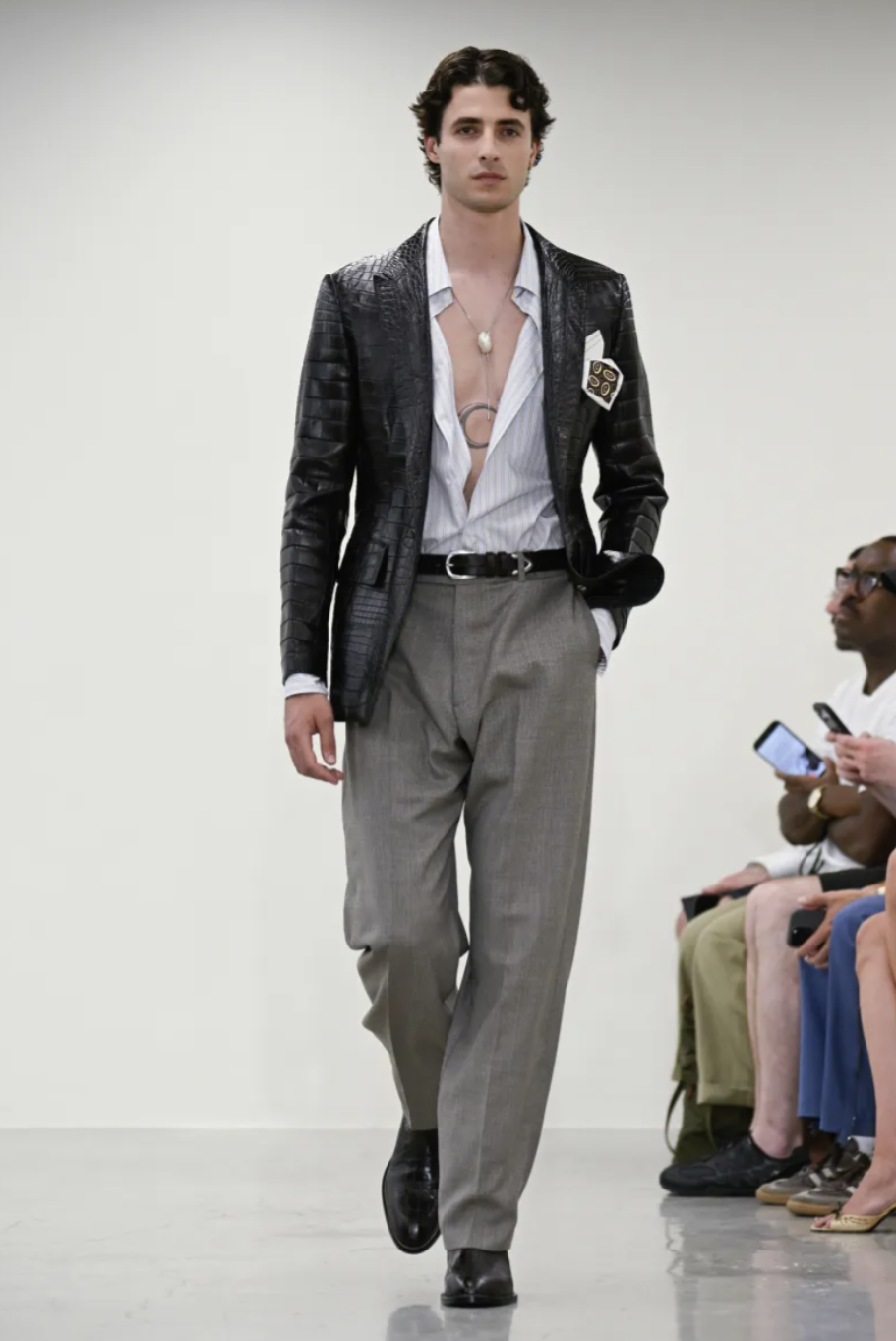
Traditional shirts were frequently replaced with Hawaiian prints, colourful knitwear or open collars, while playful details—including fishing lures worn as boutonnières—introduced the irreverence that has always distinguished Paul Smith from more traditional tailoring houses.
The collection consistently demonstrated that tailoring can be expressive without losing sophistication.
Relaxed Luxury for Everyday Dressing
Beyond traditional suiting, Smith continued exploring the growing intersection between tailoring and casualwear.
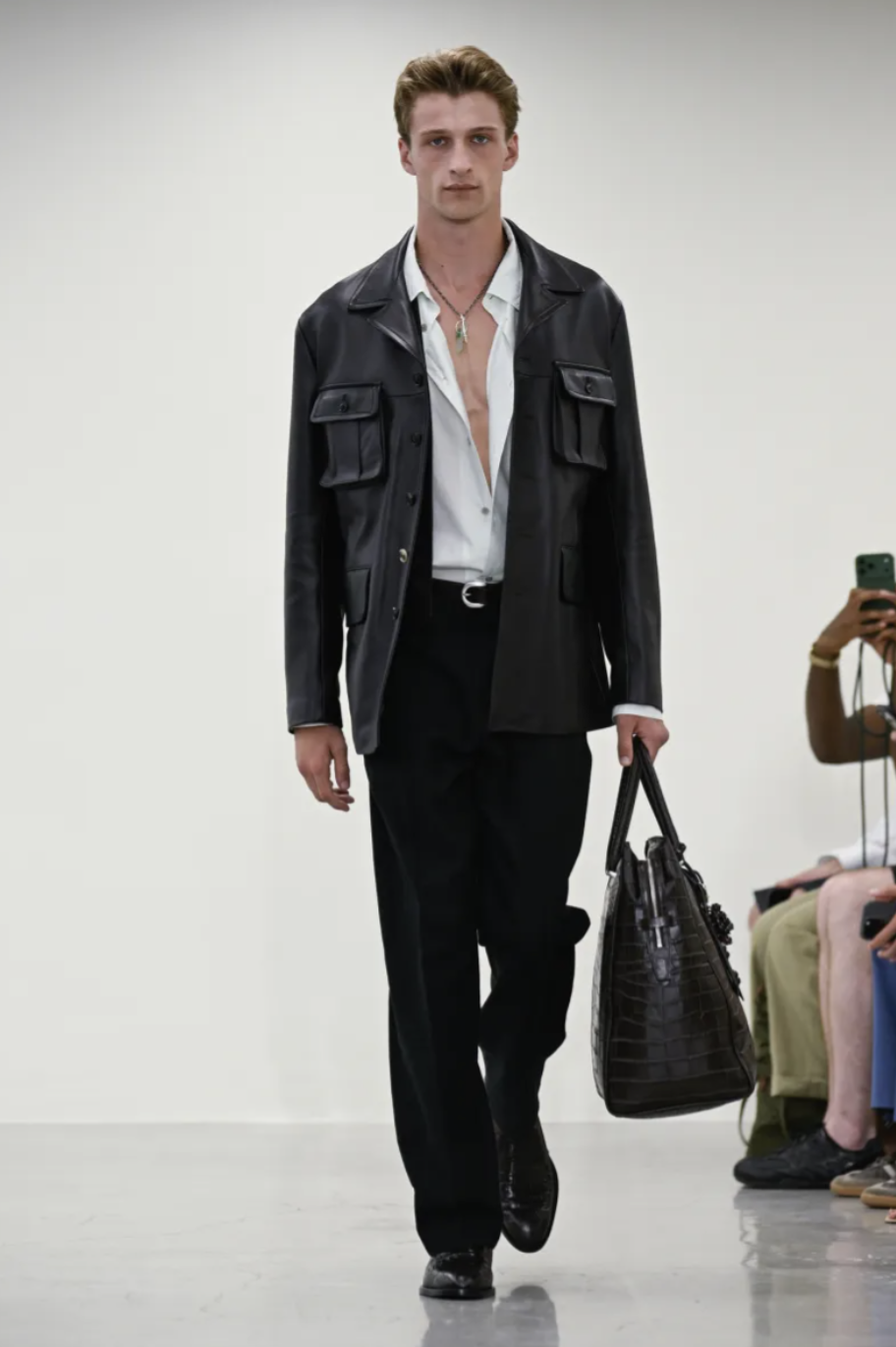
Chore jackets cut from luxurious wool fabrics, denim-inspired trousers made using suiting cloth and tailored Bermuda shorts all reflected a broader shift occurring across luxury menswear. Increasingly, consumers want garments that offer the comfort of casual clothing without sacrificing refinement.
The fabrics themselves elevated even the simplest pieces.
Lightweight tailoring cloths, fine wools and soft textured knits allowed relaxed silhouettes to retain a distinctly luxurious finish, proving that craftsmanship can transform everyday wardrobe staples.
Why Tailoring Is Making a Comeback
One of the collection's most interesting observations extended beyond fashion itself.
Smith noted a renewed enthusiasm for tailoring among younger generations, pointing to musicians once again embracing suits both on stage and at public appearances. Rather than representing corporate conformity, tailoring has become a vehicle for individuality.
That cultural shift was reflected throughout the collection.
The suits never appeared uniform or restrictive. Instead, they functioned as flexible foundations that could be personalised through colour, layering and accessories.
In many ways, Smith proposed a wardrobe built around versatility rather than dress codes.
British Character Remains at the Heart
Although the collection embraced contemporary styling, it never abandoned the understated humour that has defined Paul Smith for more than five decades.
Unexpected colour combinations, playful accessories and relaxed proportions injected personality without overwhelming the clothes themselves.
The collection also reflected the designer's longstanding philosophy that style should feel lived-in rather than overly polished. Every outfit appeared assembled naturally, encouraging individuality instead of prescribing rigid rules.
That sense of authenticity remains one of Paul Smith's greatest strengths.
A Timely Reminder of Tailoring's Enduring Appeal
At a time when many luxury brands continue to experiment with increasingly exaggerated silhouettes, Paul Smith delivered a compelling case for the enduring relevance of beautifully cut tailoring.
Spring/Summer 2027 wasn't about abandoning tradition, nor was it about chasing fleeting trends.
Instead, it demonstrated how thoughtful updates—softer fabrics, relaxed proportions and imaginative styling—can completely transform one of menswear's oldest staples.
If recent seasons have suggested that the suit is making a comeback, Paul Smith showed exactly why.
Not because men are returning to rigid dress codes, but because tailoring has finally become something it always had the potential to be: comfortable, expressive and effortlessly cool.