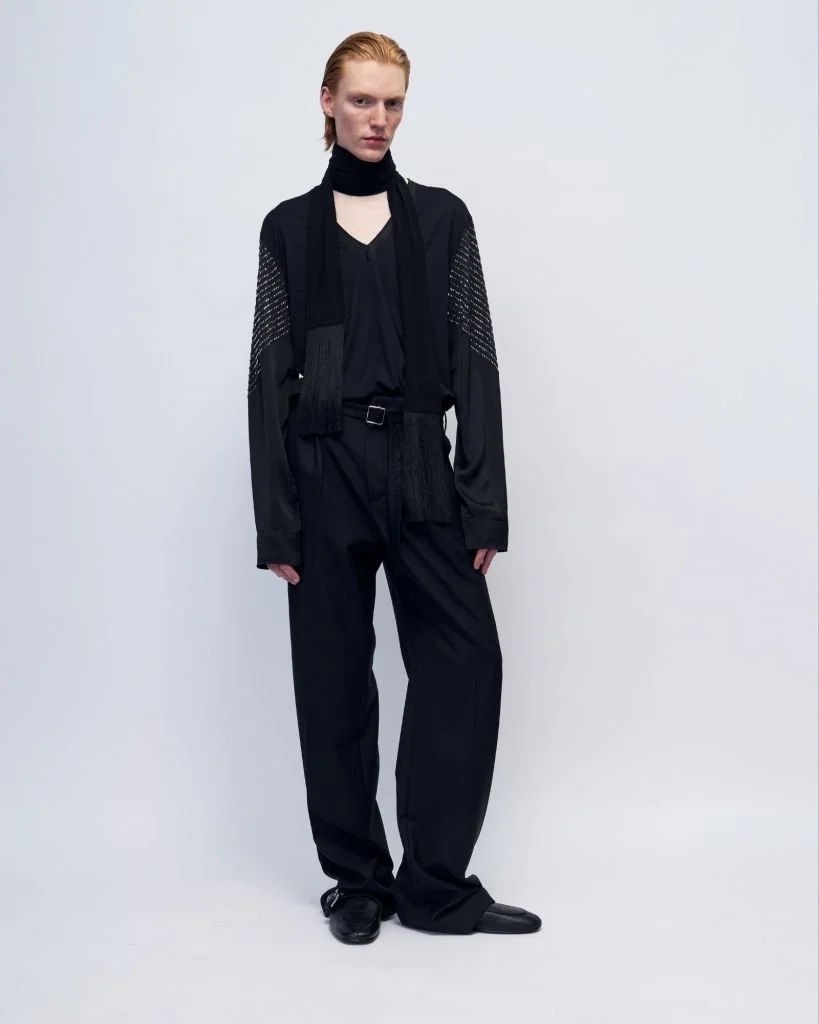
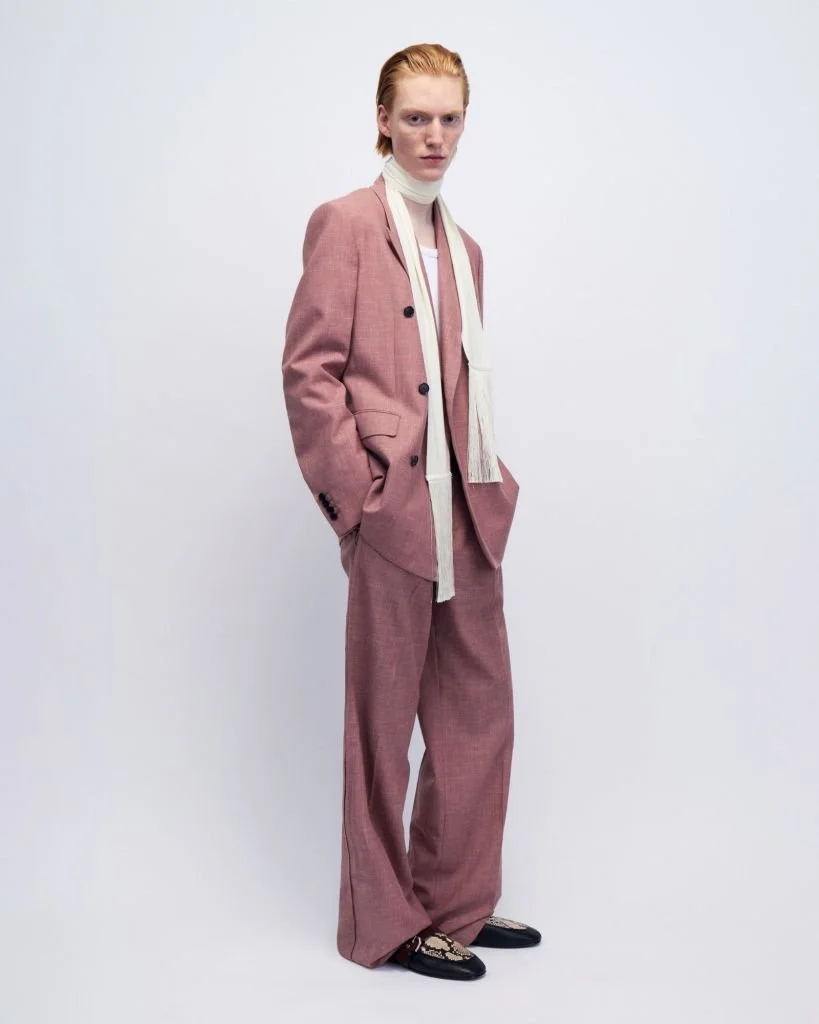
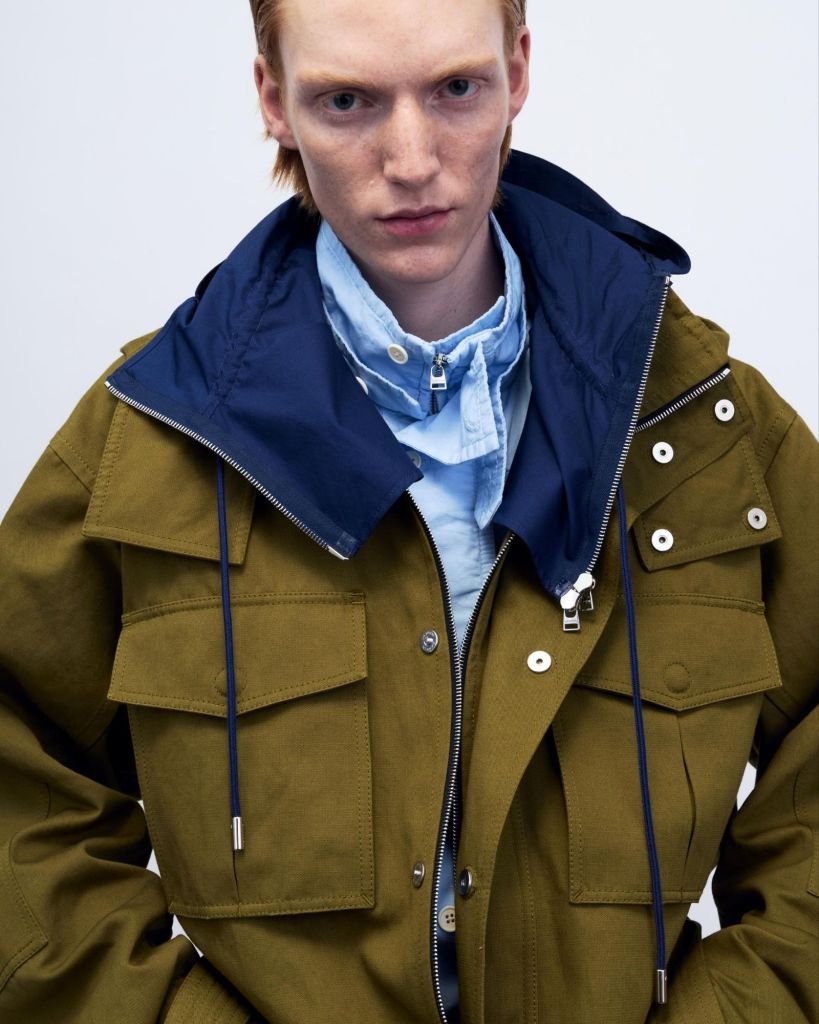
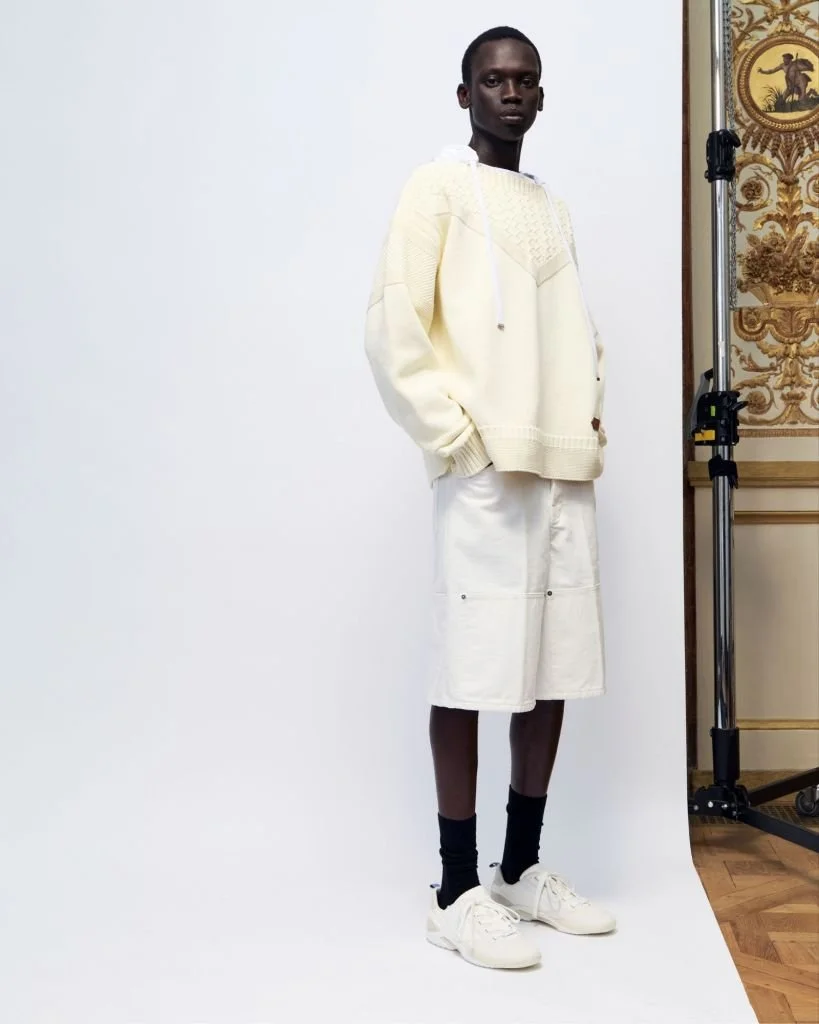
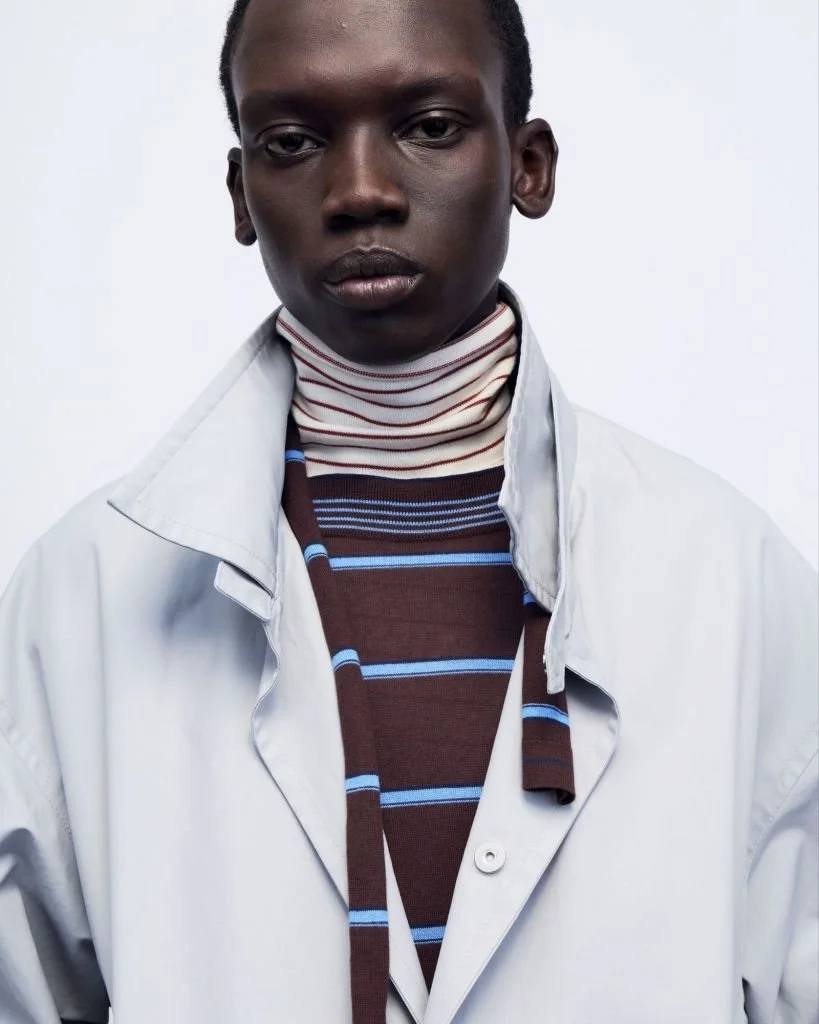
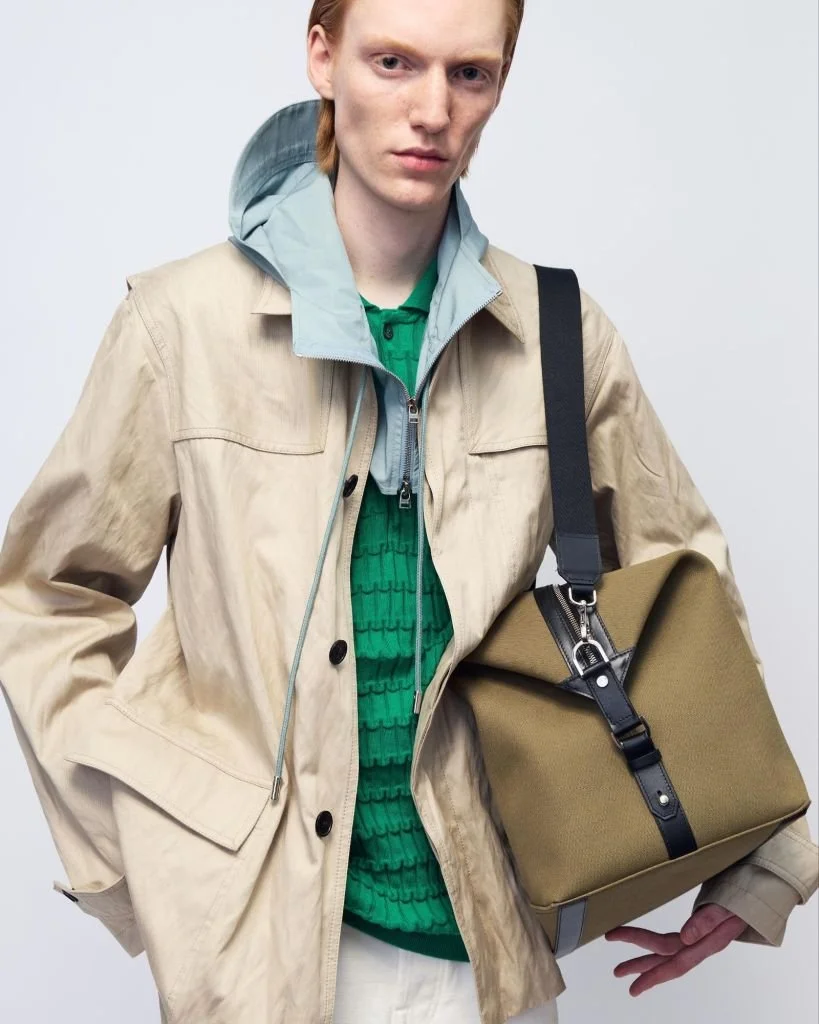
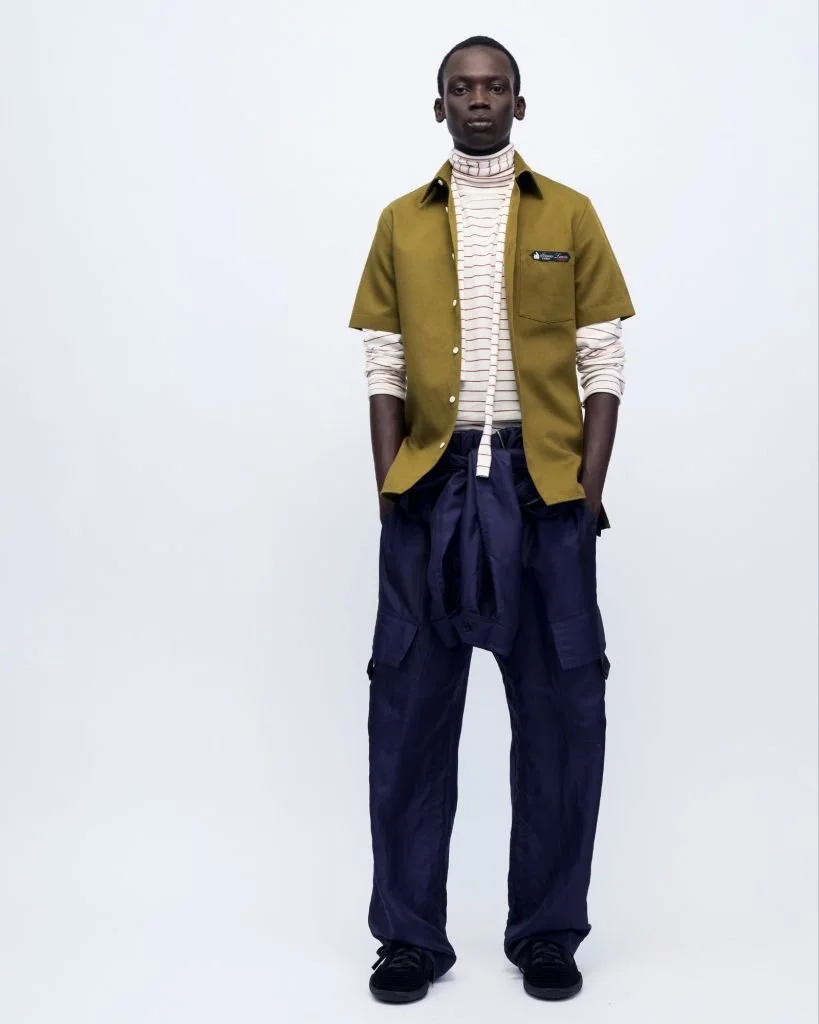
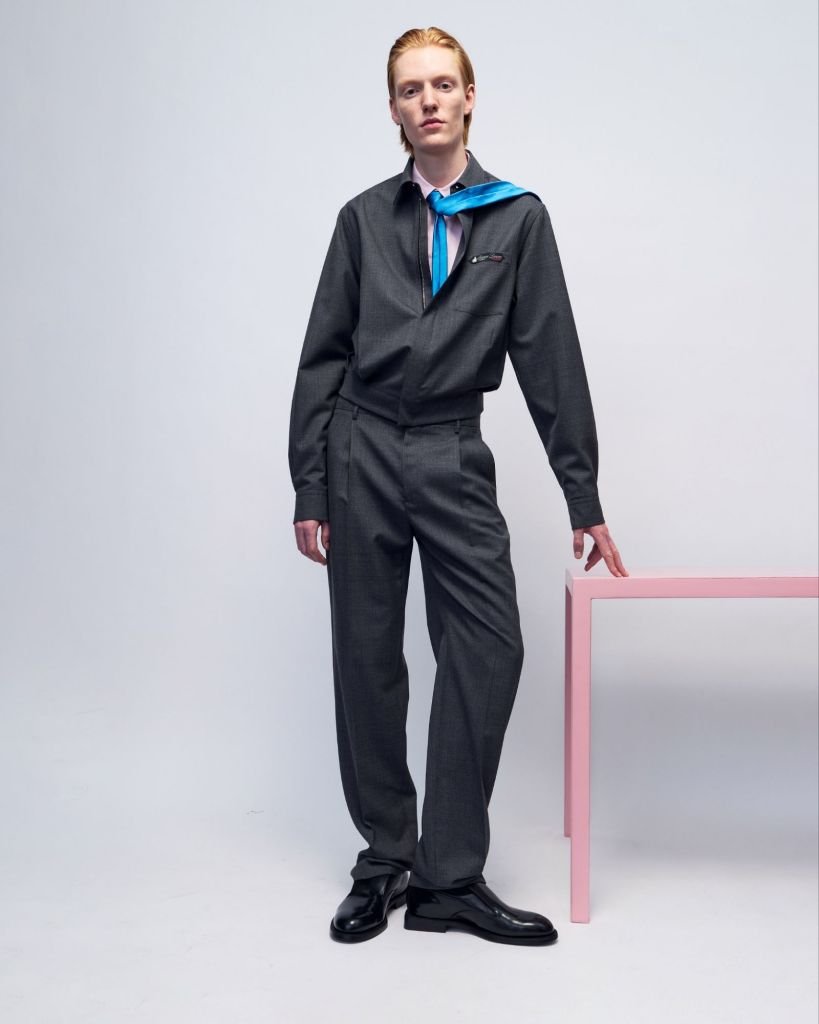
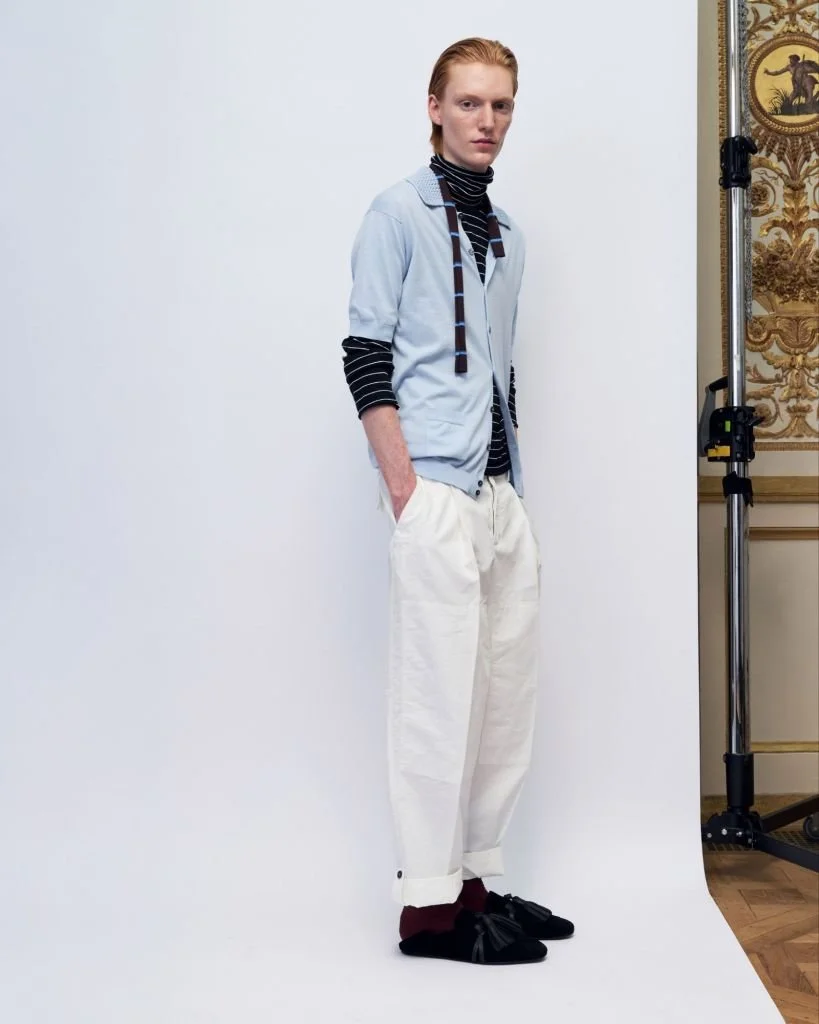
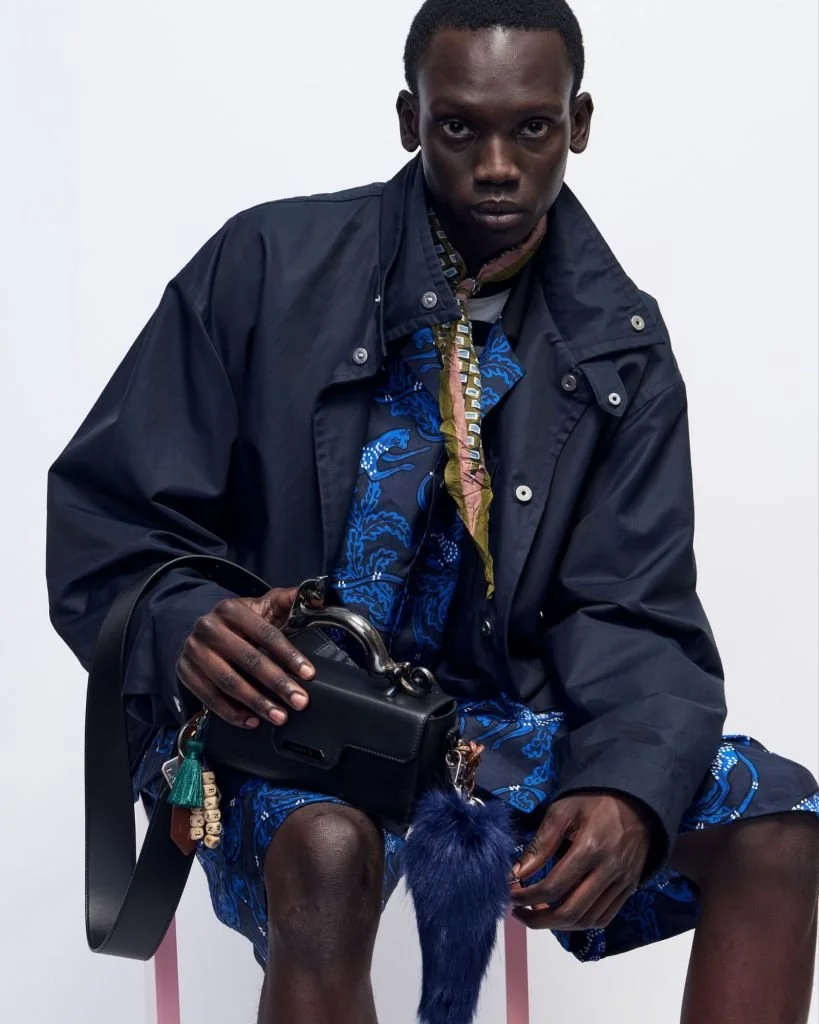
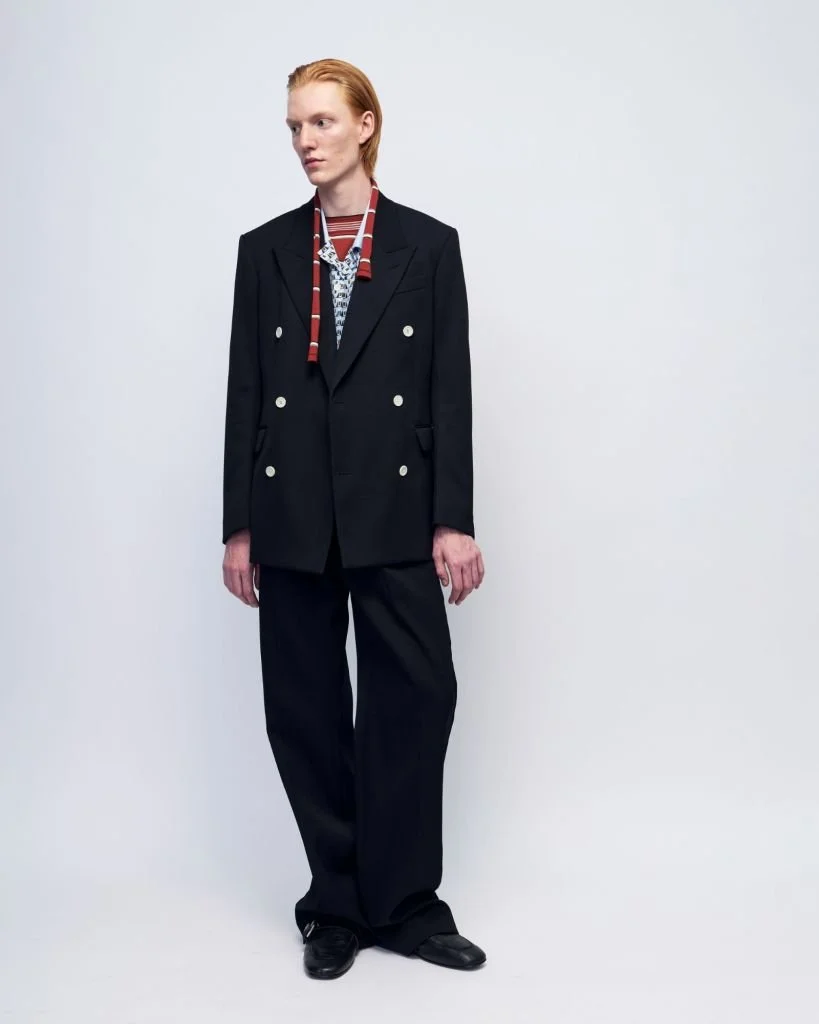
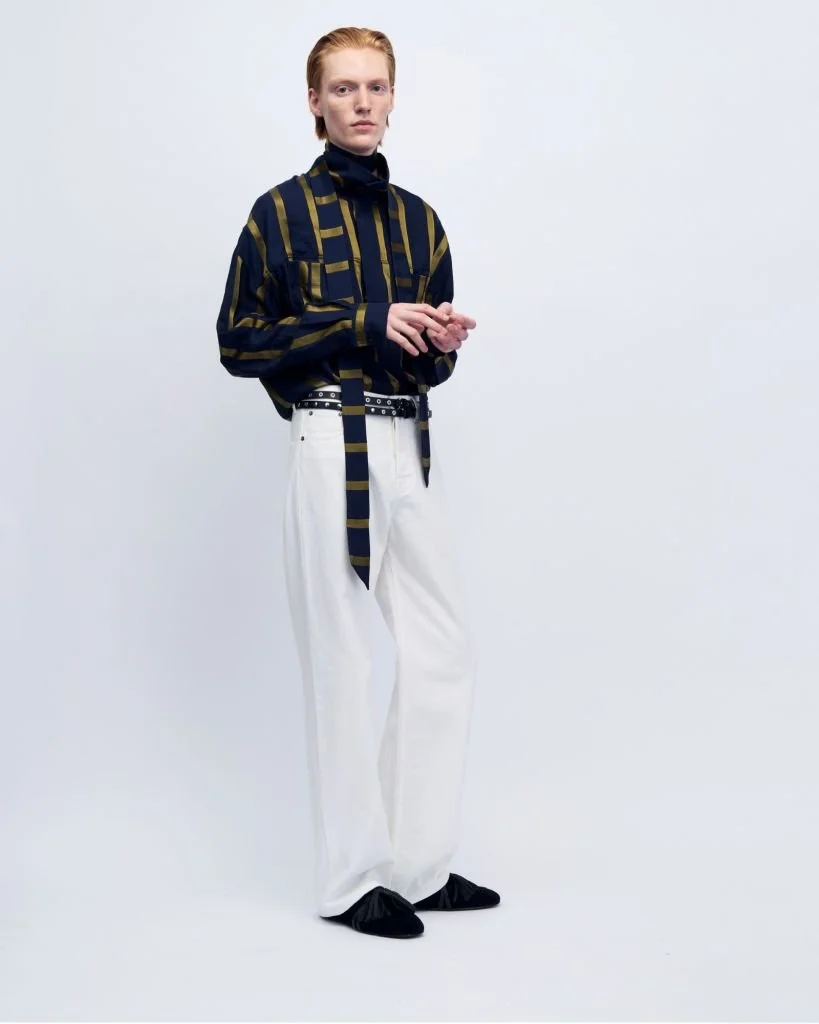
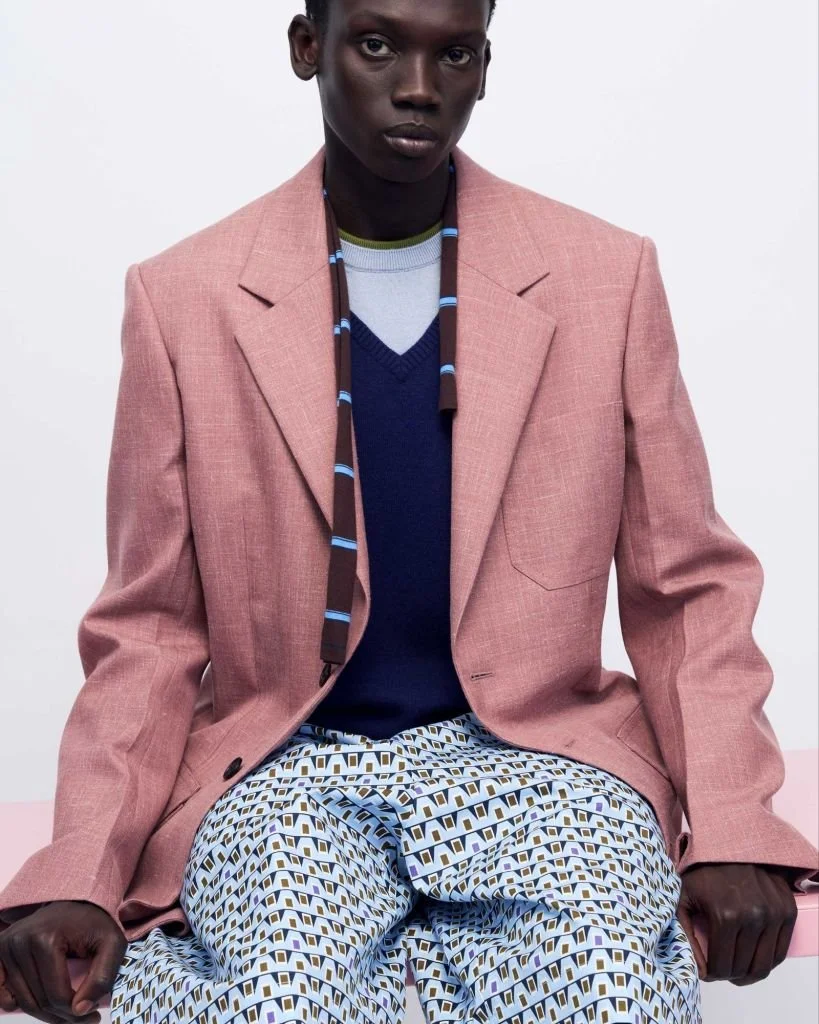
Lanvin Spring/Summer 2027
Paris Men's Fashion Week is rarely short on spectacle. Monumental sets, celebrity front rows and social media moments increasingly dominate the conversation, often long before the clothes themselves have a chance to speak.
Lanvin chose a different approach.
Presented inside the newly restored Hôtel de Botterel-Quintin in Paris's 10th arrondissement, Peter Copping's Spring/Summer 2027 menswear collection unfolded like an intimate studio visit rather than a theatrical production. Fabric swatches, paper patterns and reference imagery surrounded guests, offering a glimpse into the creative process instead of another carefully engineered viral moment.
It was a fitting setting for a collection that quietly reaffirmed what luxury menswear can still be: thoughtful, beautifully constructed and remarkably wearable.
A Century of Menswear, Reimagined
The collection also marked an important milestone.
This year celebrates 100 years since Lanvin launched what is widely regarded as the first dedicated menswear line created by a Parisian couture house. Yet rather than producing an exercise in nostalgia, Copping looked forward.
While researching the archives, he discovered that much of Lanvin's historical menswear had disappeared over time. Instead of reproducing garments that no longer existed, he focused on the men who once wore them.
Artists, writers and intellectuals such as Jean Cocteau, André Breton and Salvador Dalí became starting points for a wardrobe that feels cultured without becoming costume.
The result isn't historical reconstruction.
It's historical interpretation.
The Return of Ease
The strongest aspect of the collection was its sense of proportion.
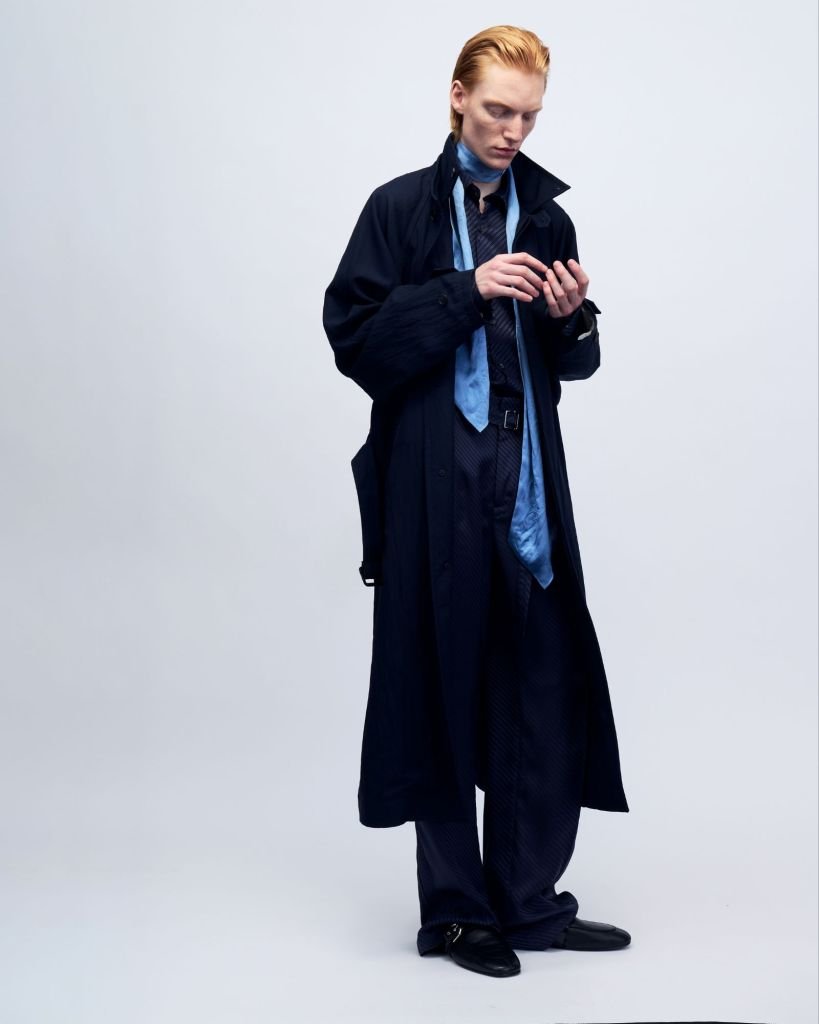
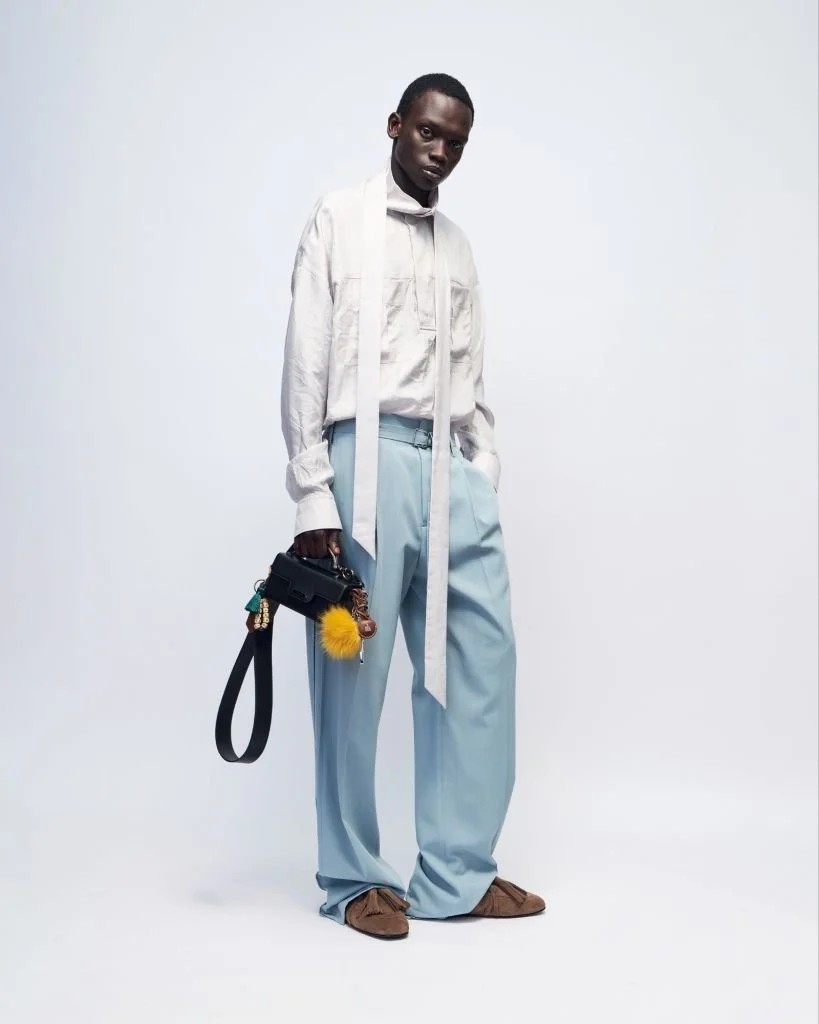
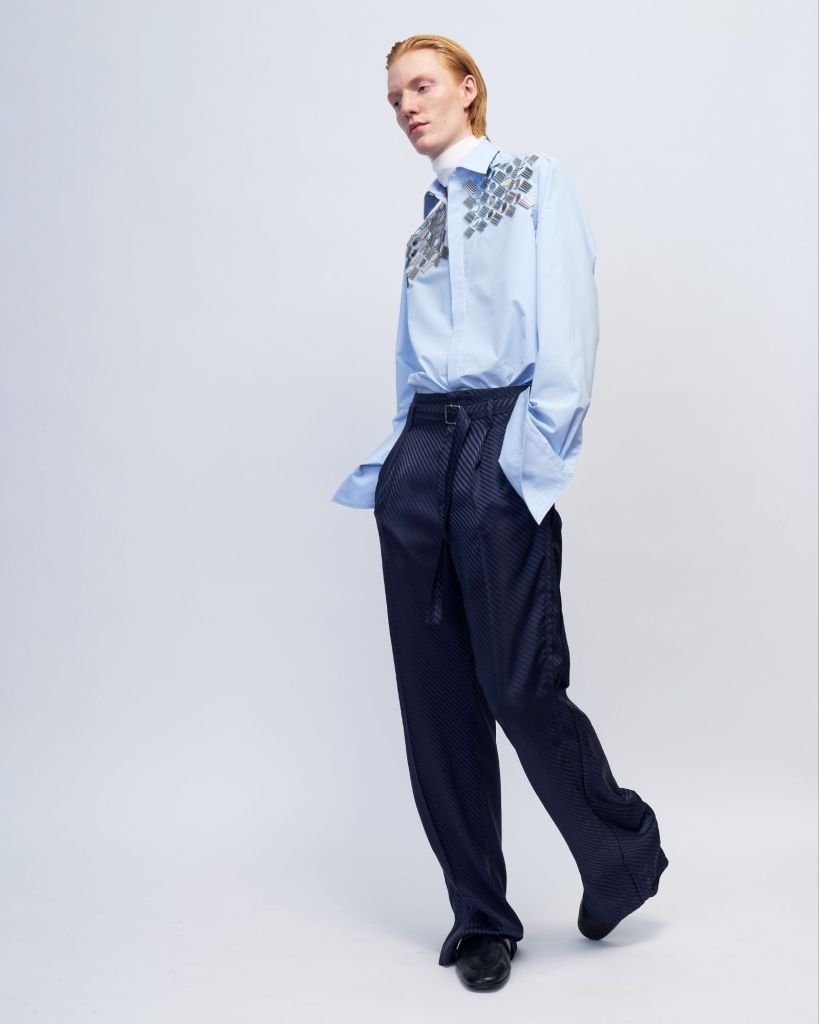
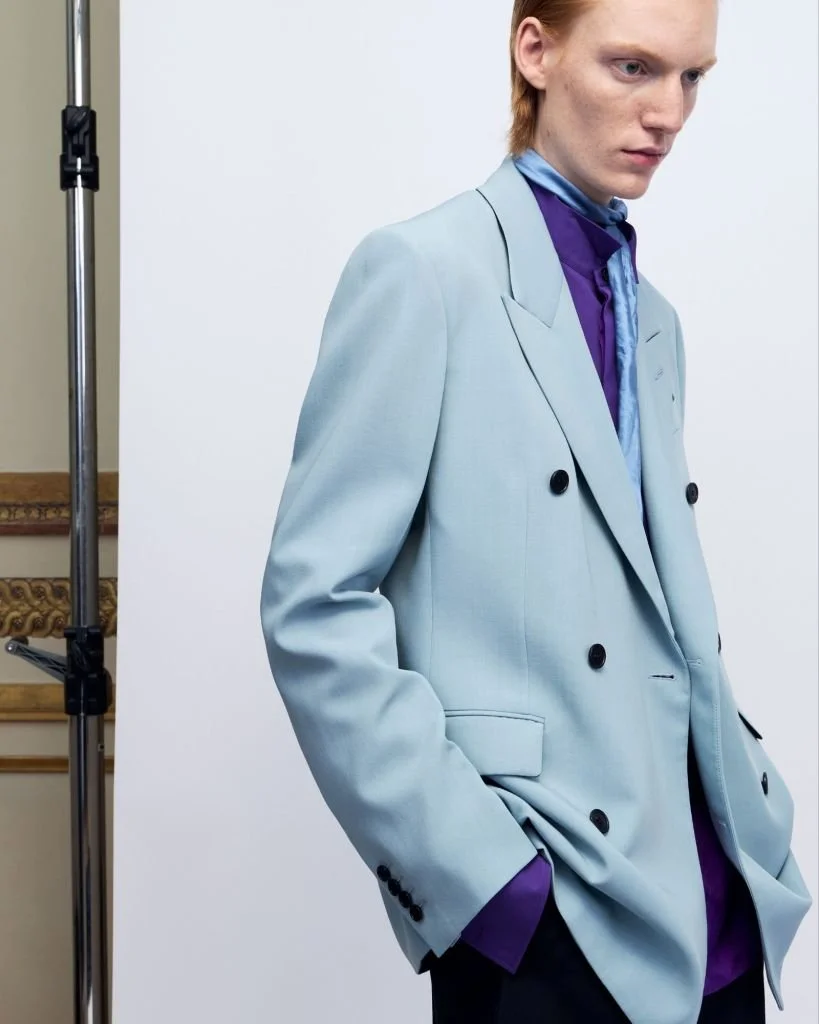
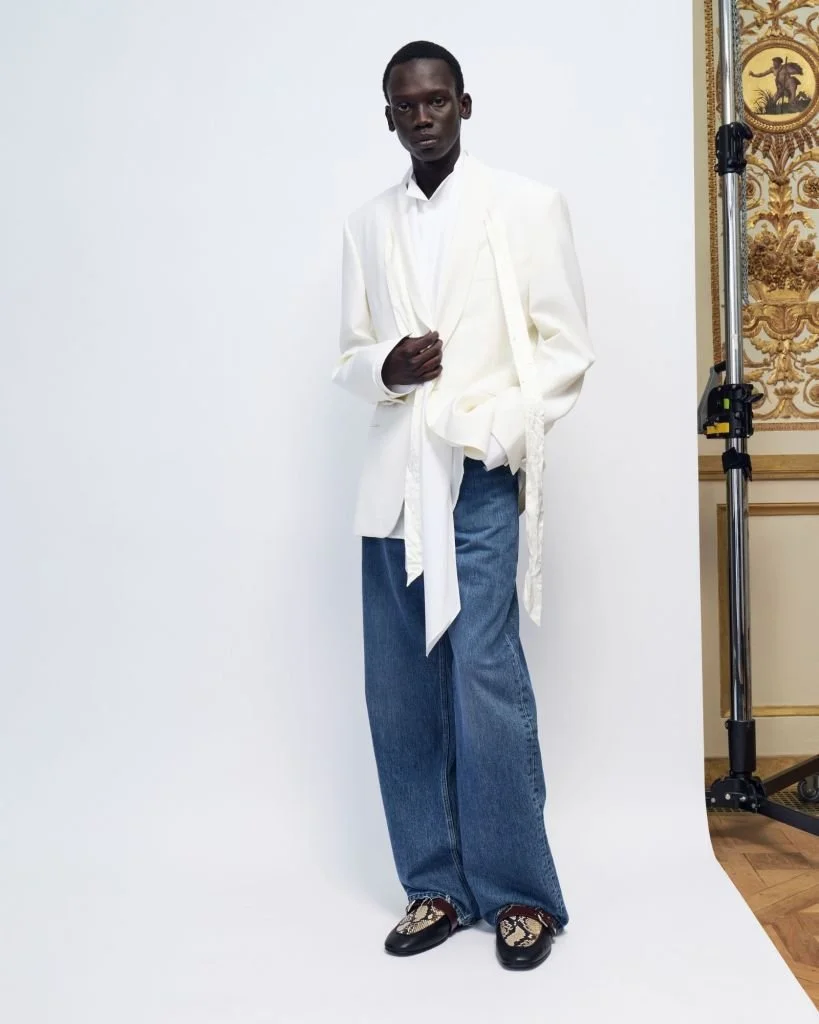
Tailoring remained central, but almost nothing felt rigid. Double-breasted jackets skimmed rather than structured the body, while relaxed trousers fell with an effortless elegance that has become increasingly rare amid fashion's recent obsession with exaggerated volume.
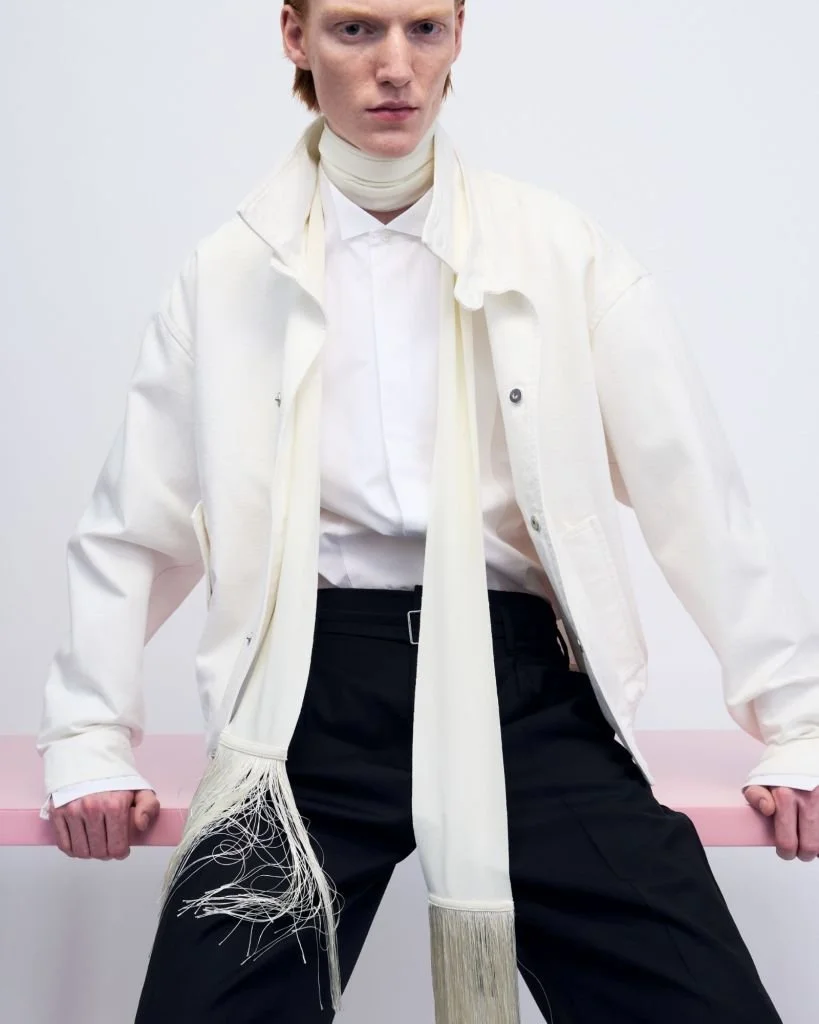
Silk, lightweight wool, textured cotton and washed fabrics introduced movement into almost every look. Even formalwear appeared liberated from convention.
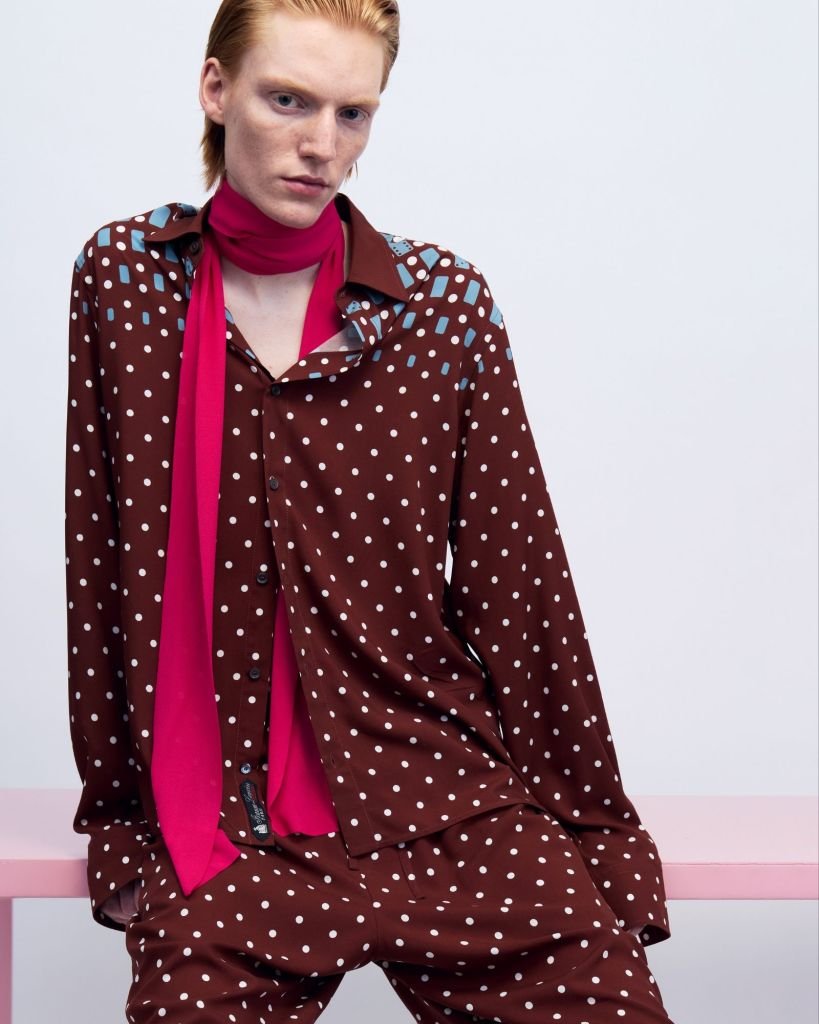
A tuxedo jacket worn with straight-leg denim felt surprisingly natural. Silk pyjamas escaped the bedroom altogether, becoming relaxed daywear rather than novelty dressing.
Throughout the collection, Copping demonstrated an understanding that contemporary luxury increasingly values comfort alongside craftsmanship.
Where Fabric Becomes the Statement
If silhouette established the mood, textiles delivered the personality.
This is where Copping's experience truly became evident.
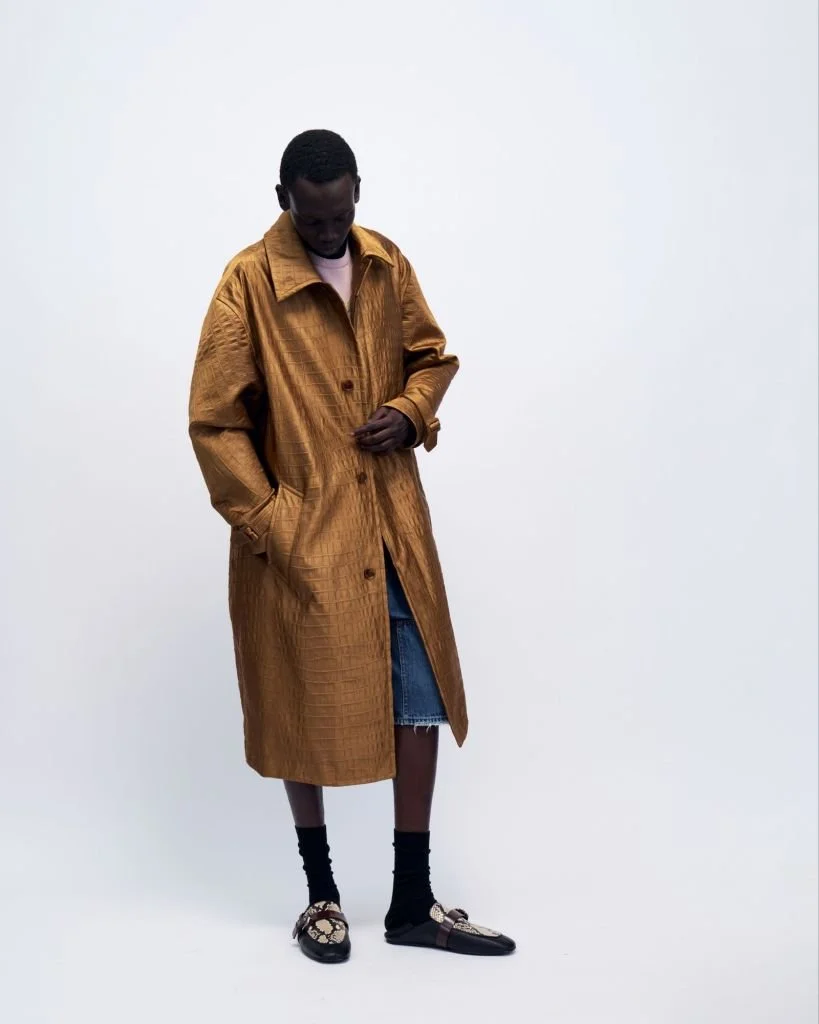
Fine cotton canvas carried an unexpected lustre. Crocodile jacquards offered subtle richness rather than obvious extravagance. Linen blousons, washed silks and softly crinkled finishes introduced texture without overwhelming the eye.
Nothing shouted.
Everything rewarded a closer look.
That restraint feels increasingly refreshing within today's luxury landscape, where visual impact often takes precedence over material quality.
A Wardrobe Instead of a Collection
Many designers continue to build collections around singular concepts or theatrical narratives.
Lanvin approached menswear differently.
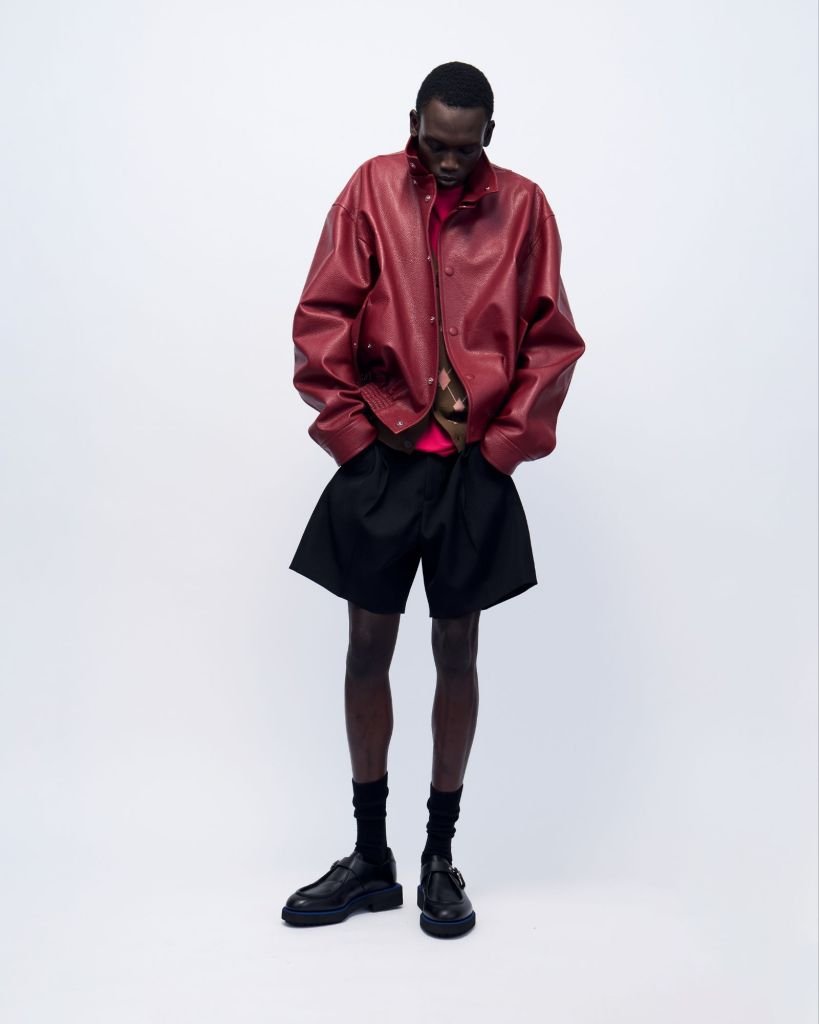
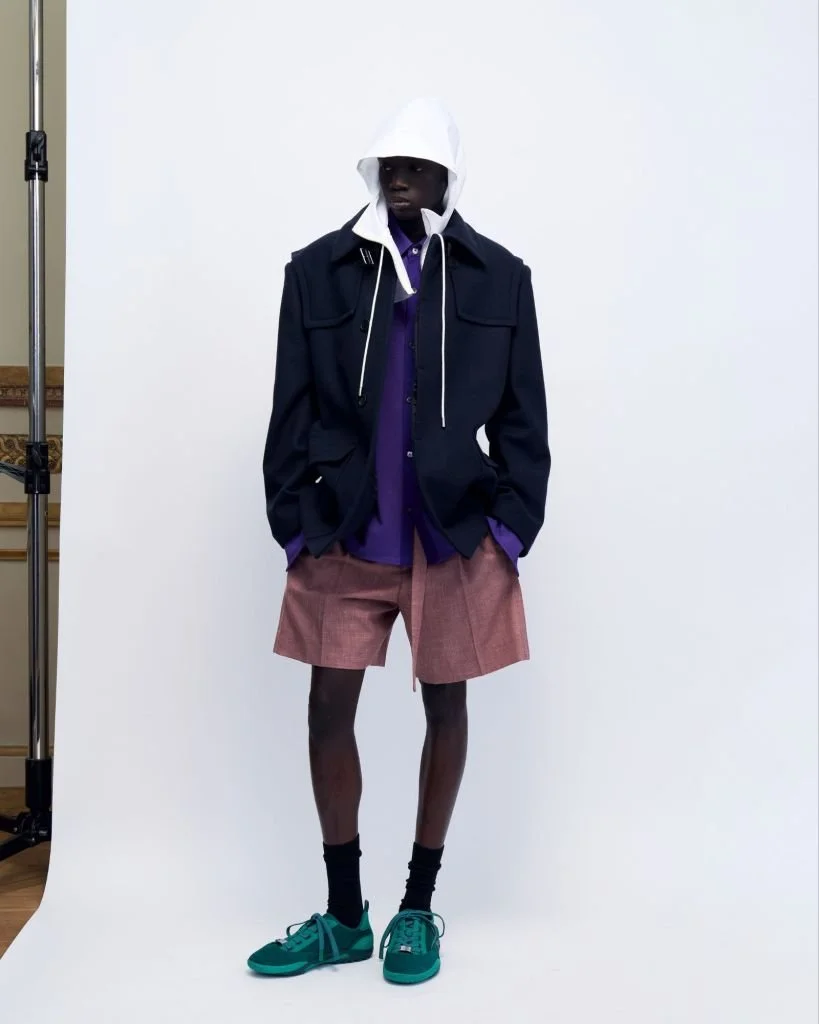
Safari jackets, workwear trousers, trench coats, knitwear, tailoring and eveningwear all coexisted naturally, forming a wardrobe rather than a series of runway statements.
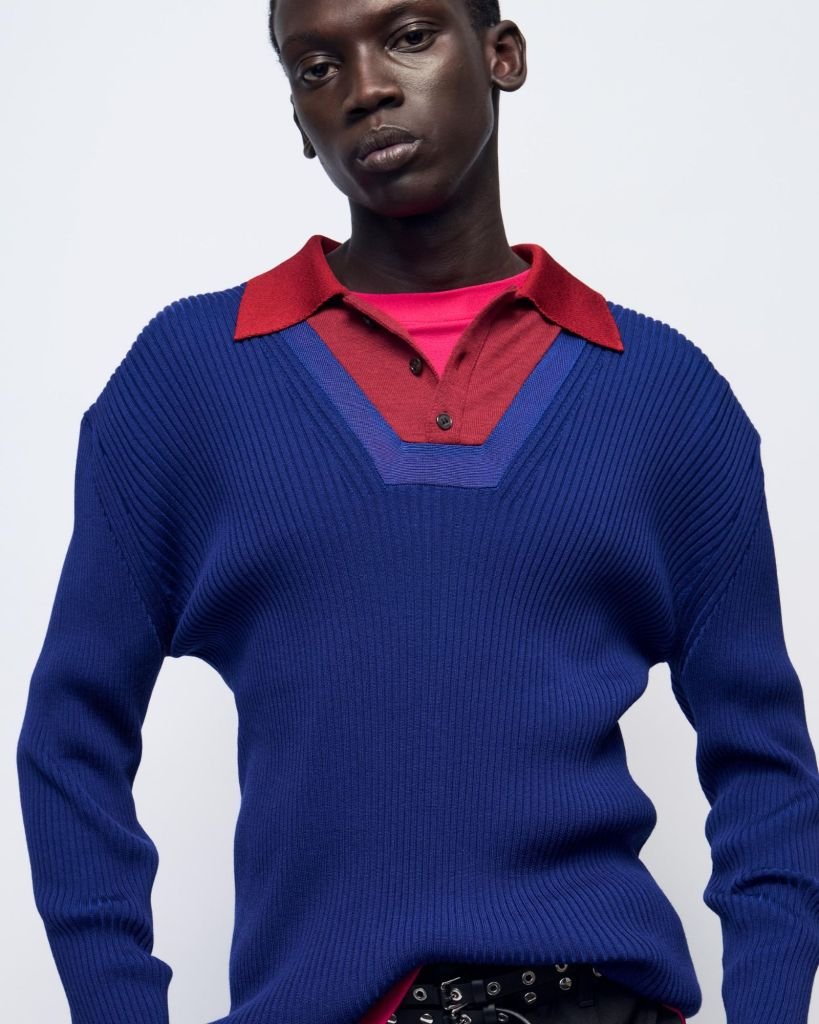
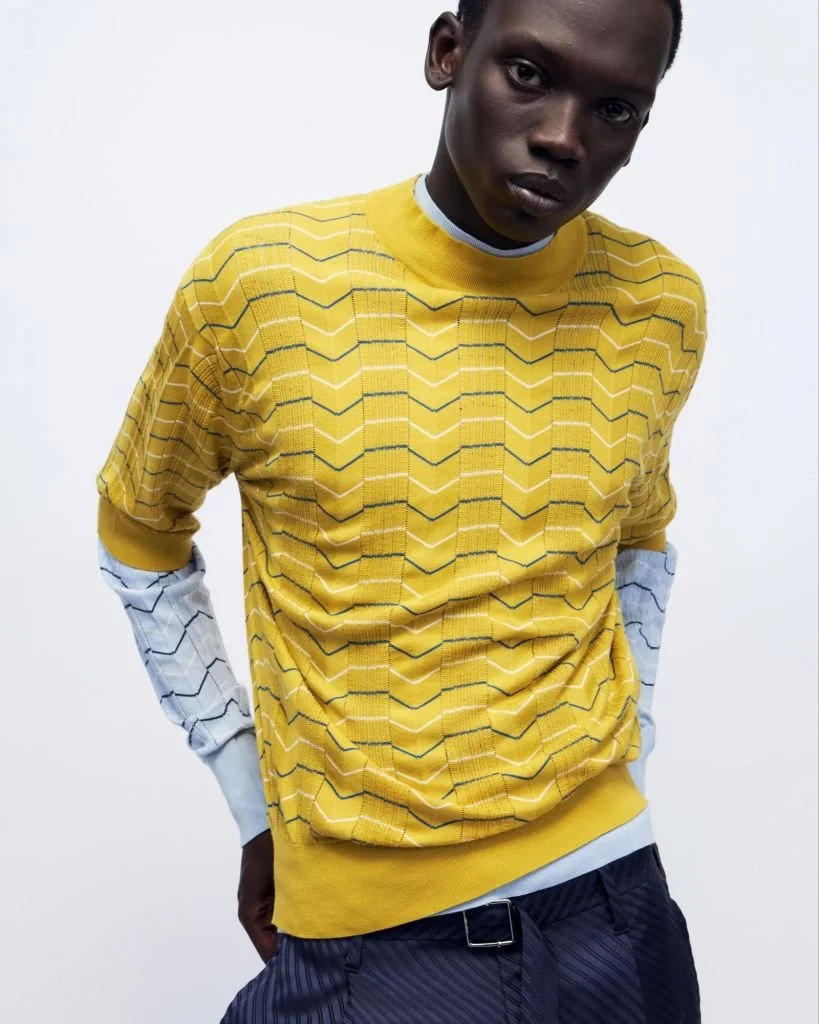
The collaboration with British knitwear specialist John Smedley was particularly successful, celebrating Lanvin's menswear centenary through refined striped sweaters and lightweight knits that felt entirely integrated rather than commercially opportunistic.
Even the colour palette reflected that balance.
Navy, black, beige and khaki provided familiar foundations before flashes of pink and cobalt blue introduced optimism without disrupting the collection's calm confidence.
The New Lanvin Doesn't Need to Shout
There is a temptation in modern luxury to equate relevance with visibility.
Peter Copping appears unconvinced.
Instead of chasing trends, oversized logos or headline-generating collaborations, he continues to rebuild Lanvin through consistency, proportion and impeccable construction.
His menswear doesn't ask to dominate social media feeds.
It asks to remain relevant long after the fashion cycle has moved on.
In today's industry, that may be the more radical position.
Verdict
Peter Copping's Spring/Summer 2027 collection is less about reinvention than refinement.
Without abandoning Lanvin's heritage, he continues to shape a contemporary menswear vocabulary built around elegance, ease and exceptional fabrication. Every silhouette feels considered, every textile purposeful and every garment designed with real life in mind rather than runway spectacle.
It may not generate the loudest headlines of Paris Men's Fashion Week.
But when these clothes reach the shop floor, they are likely to become some of the season's most enduring pieces.
Quietly, confidently and without unnecessary distraction, Lanvin has produced one of the strongest menswear collections of Spring/Summer 2027.