Jil Sander Fall 2026
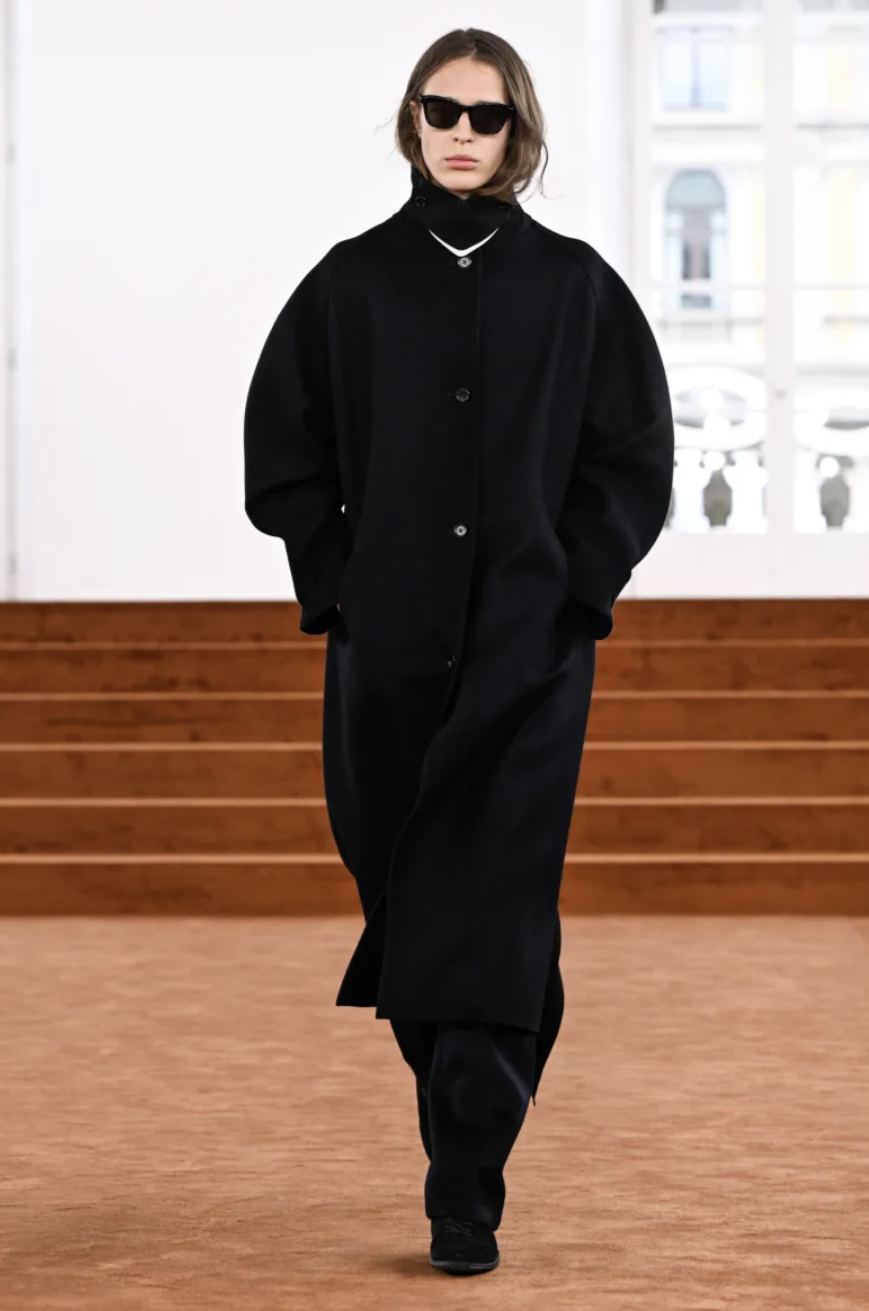
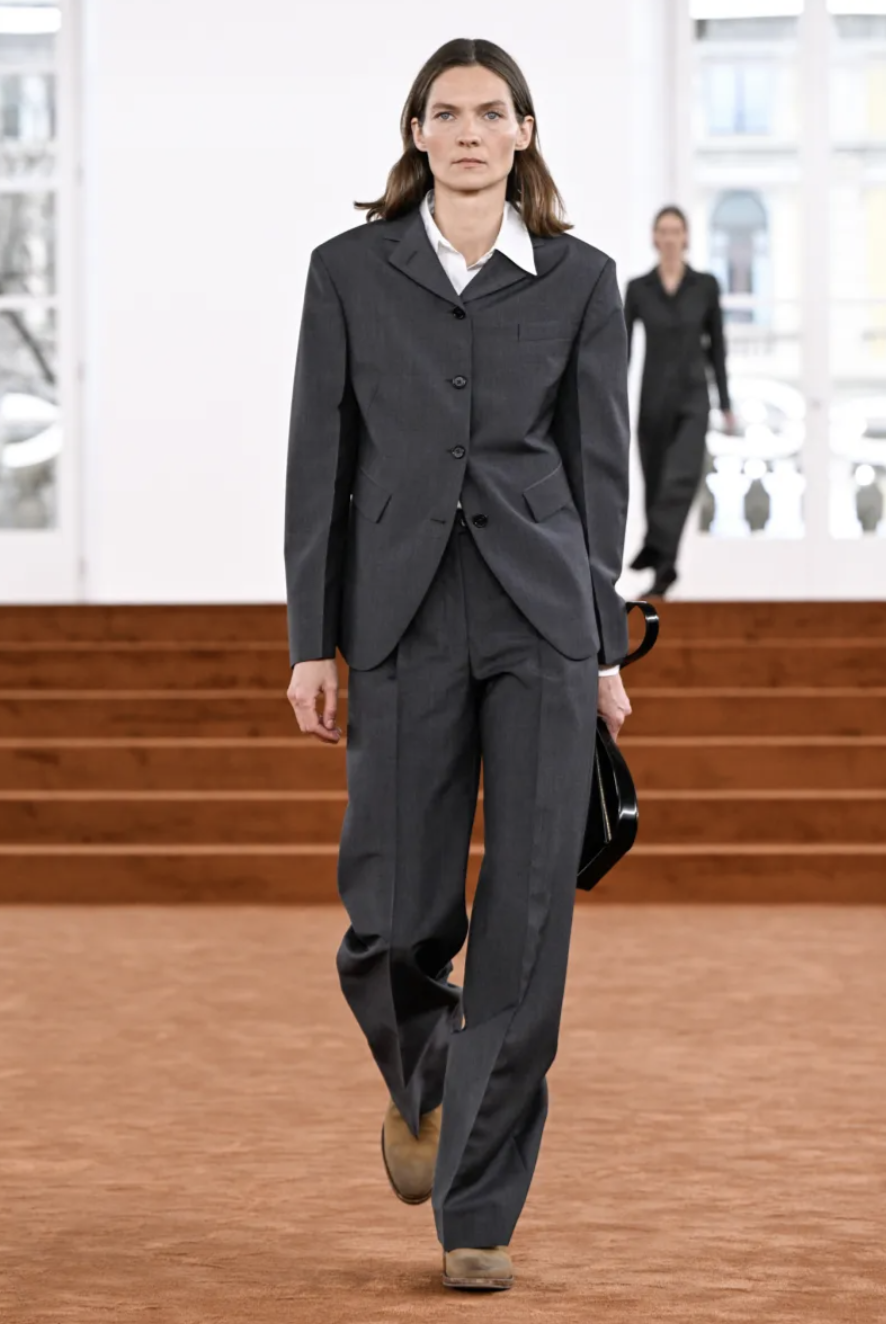
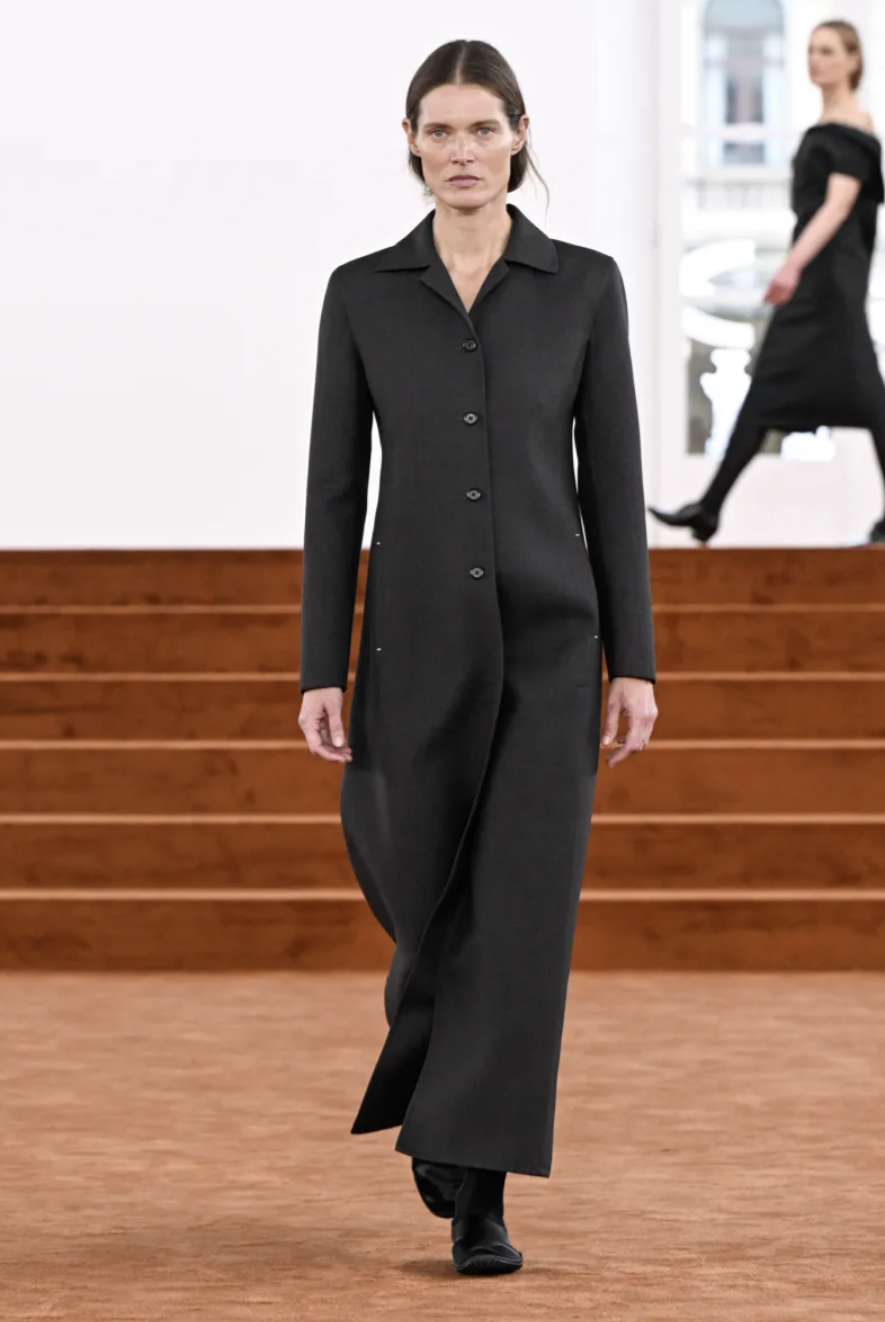
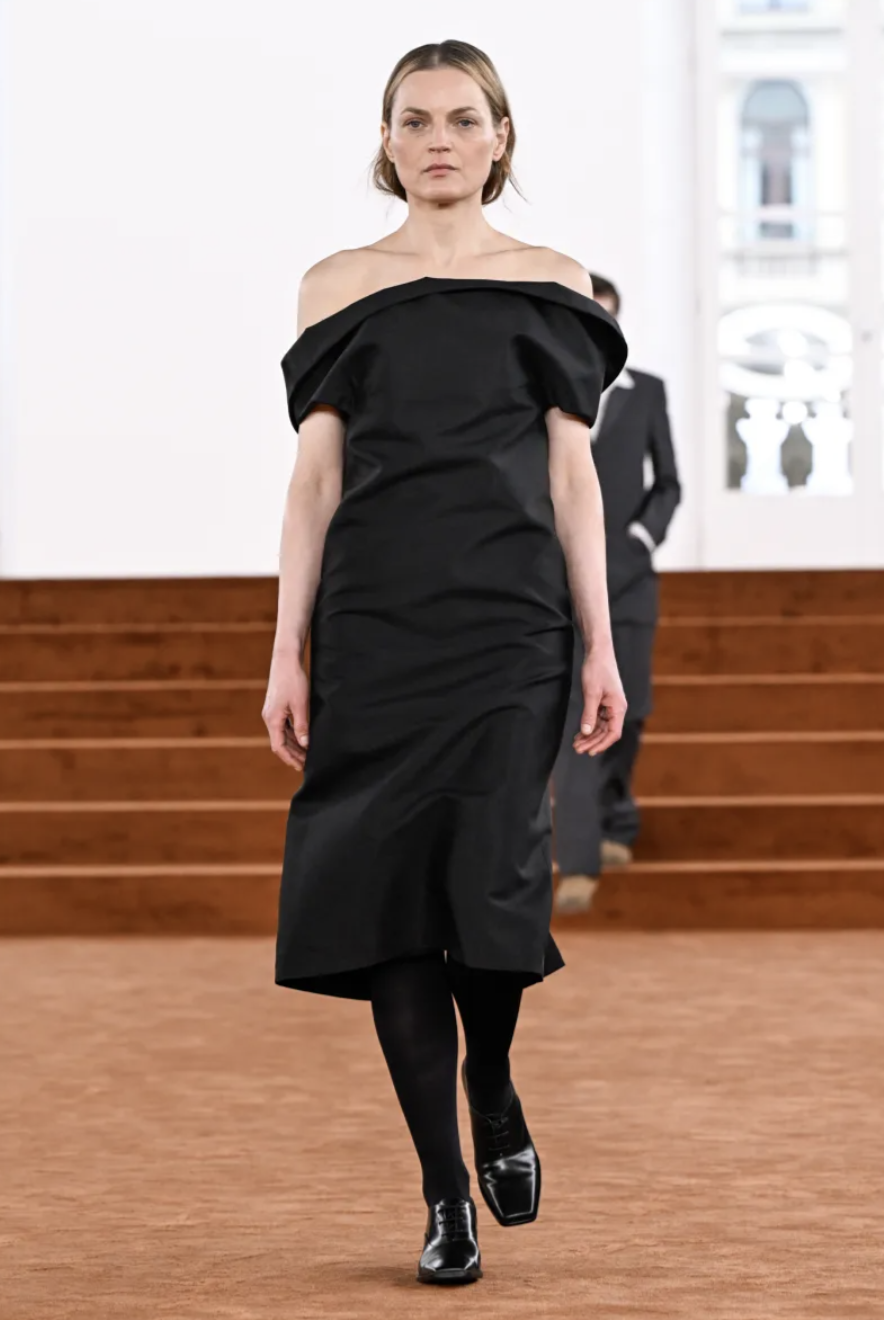
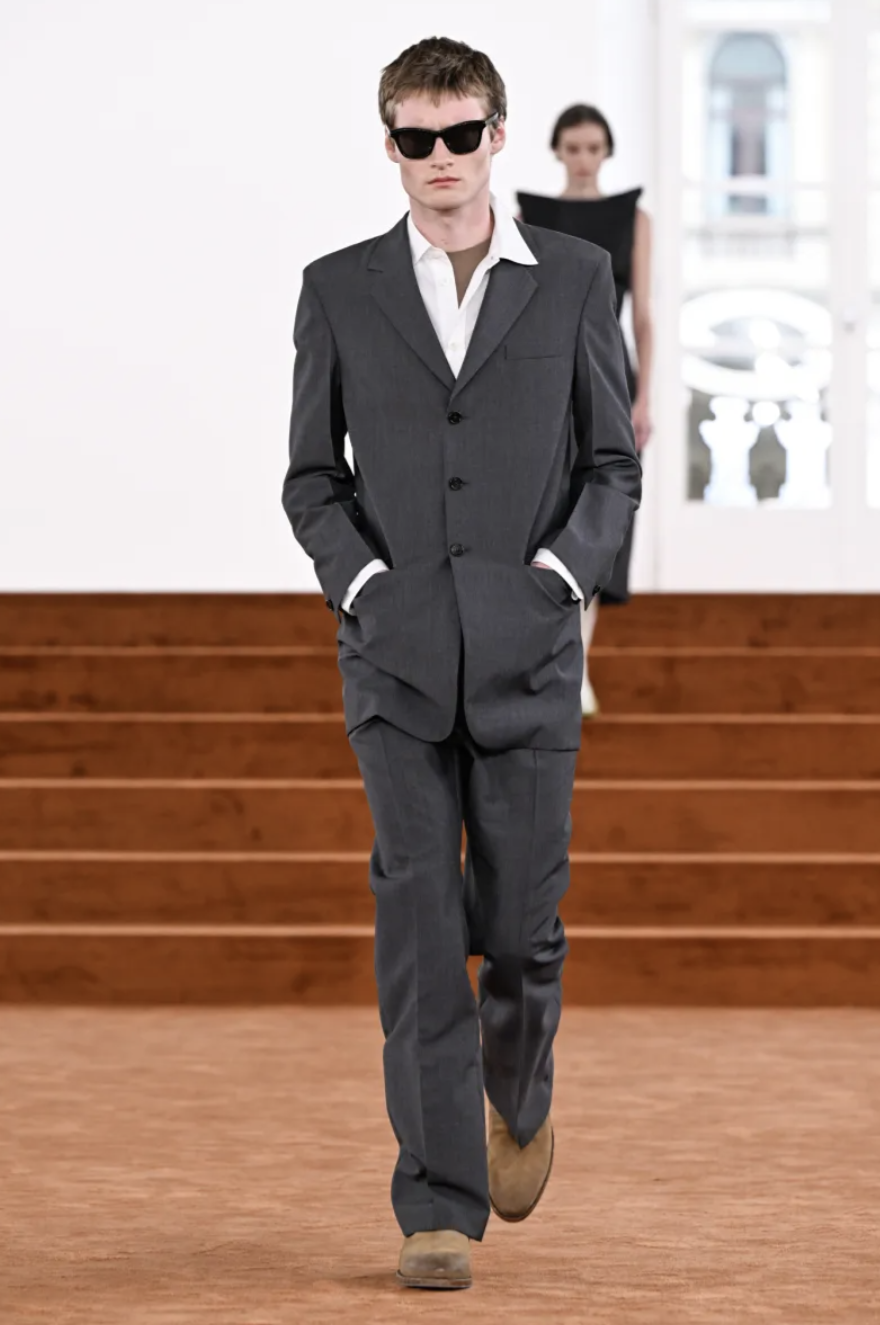
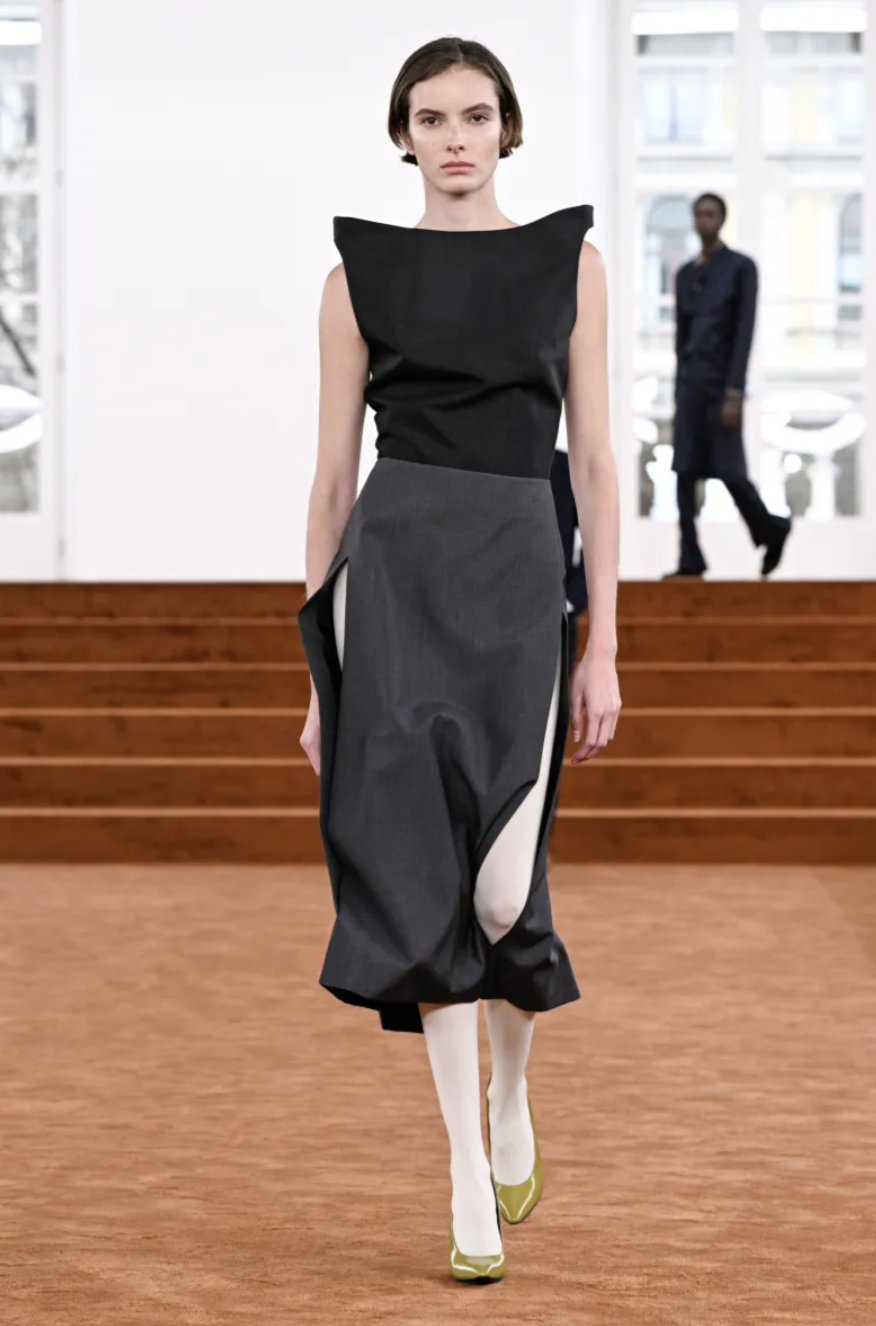
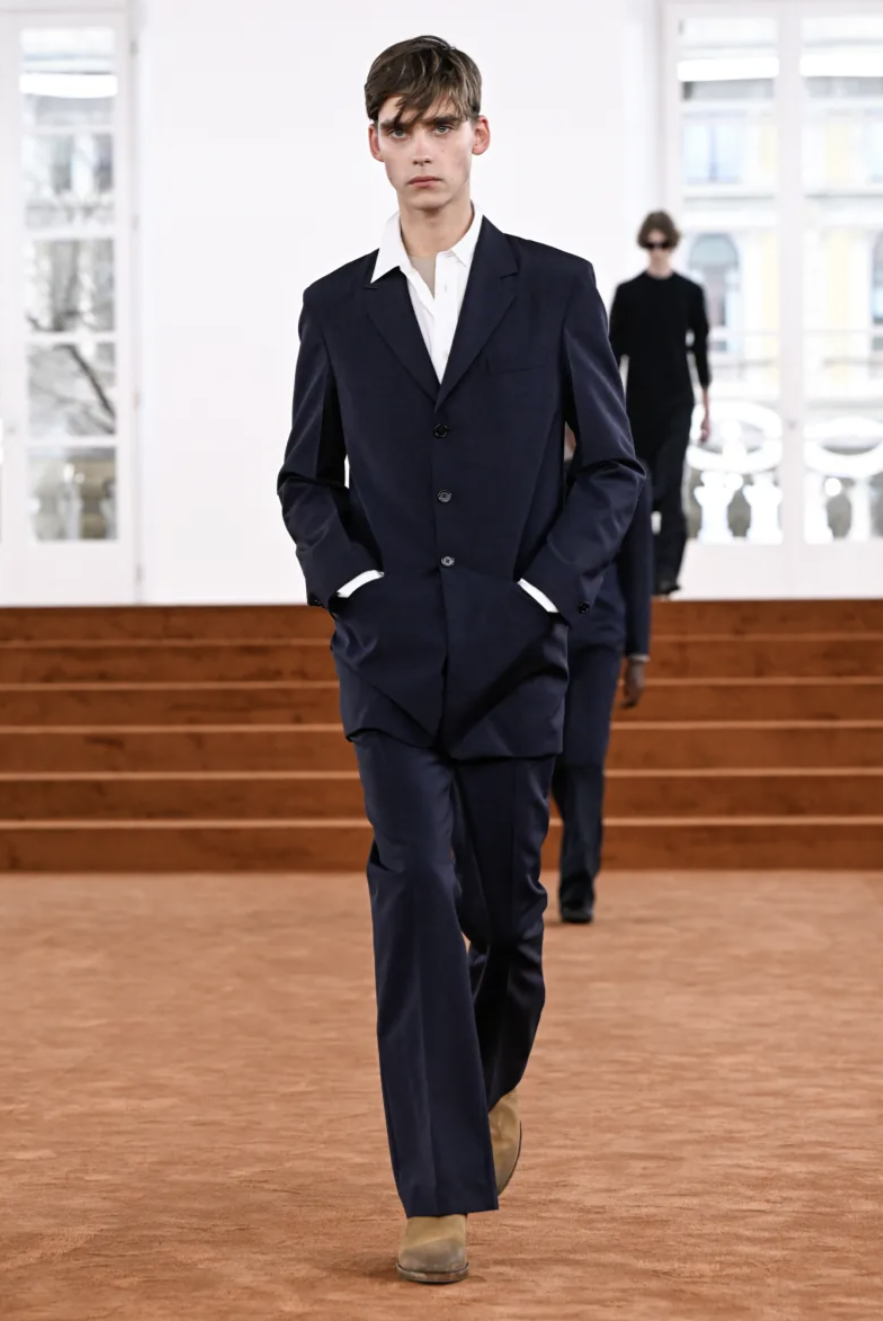
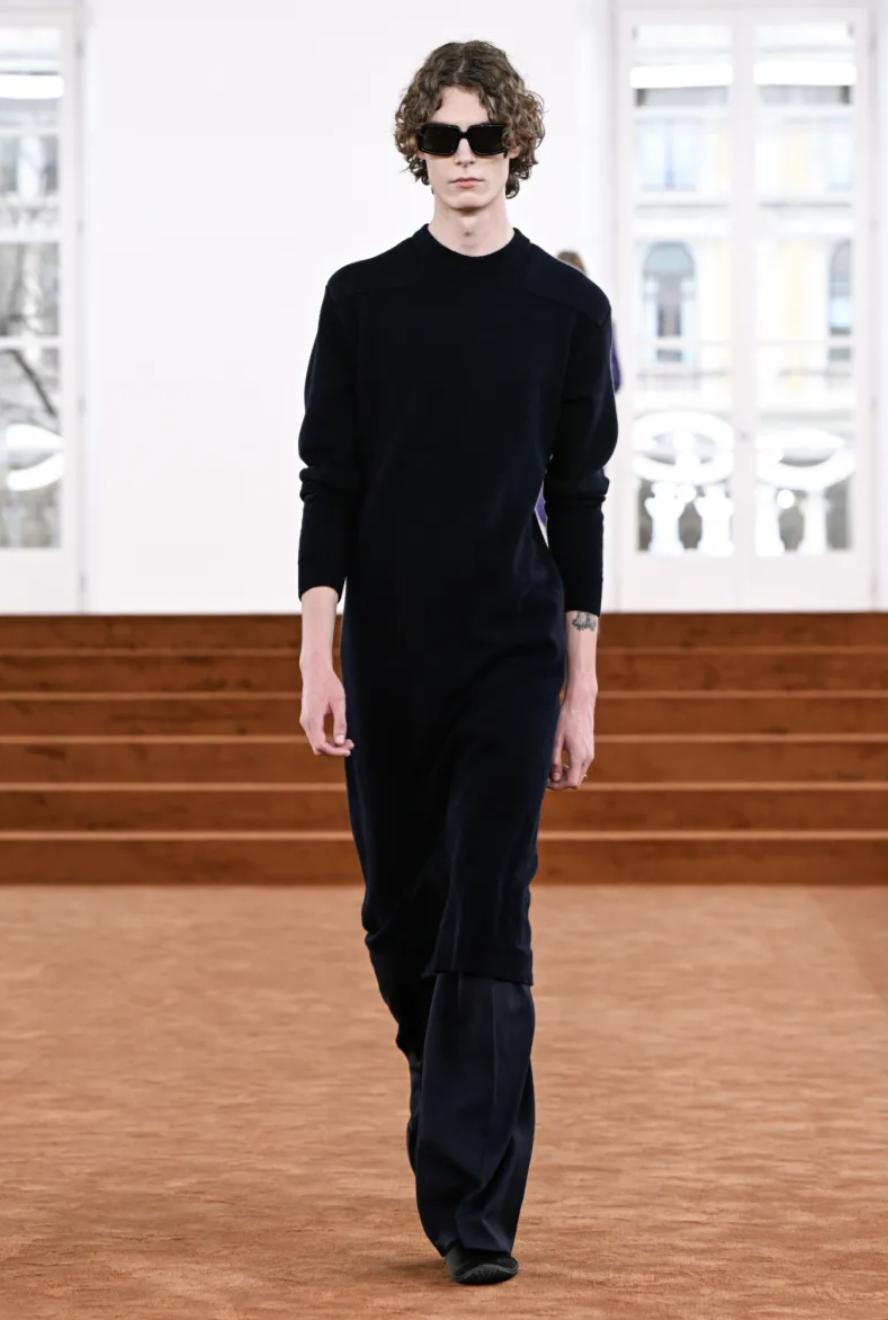
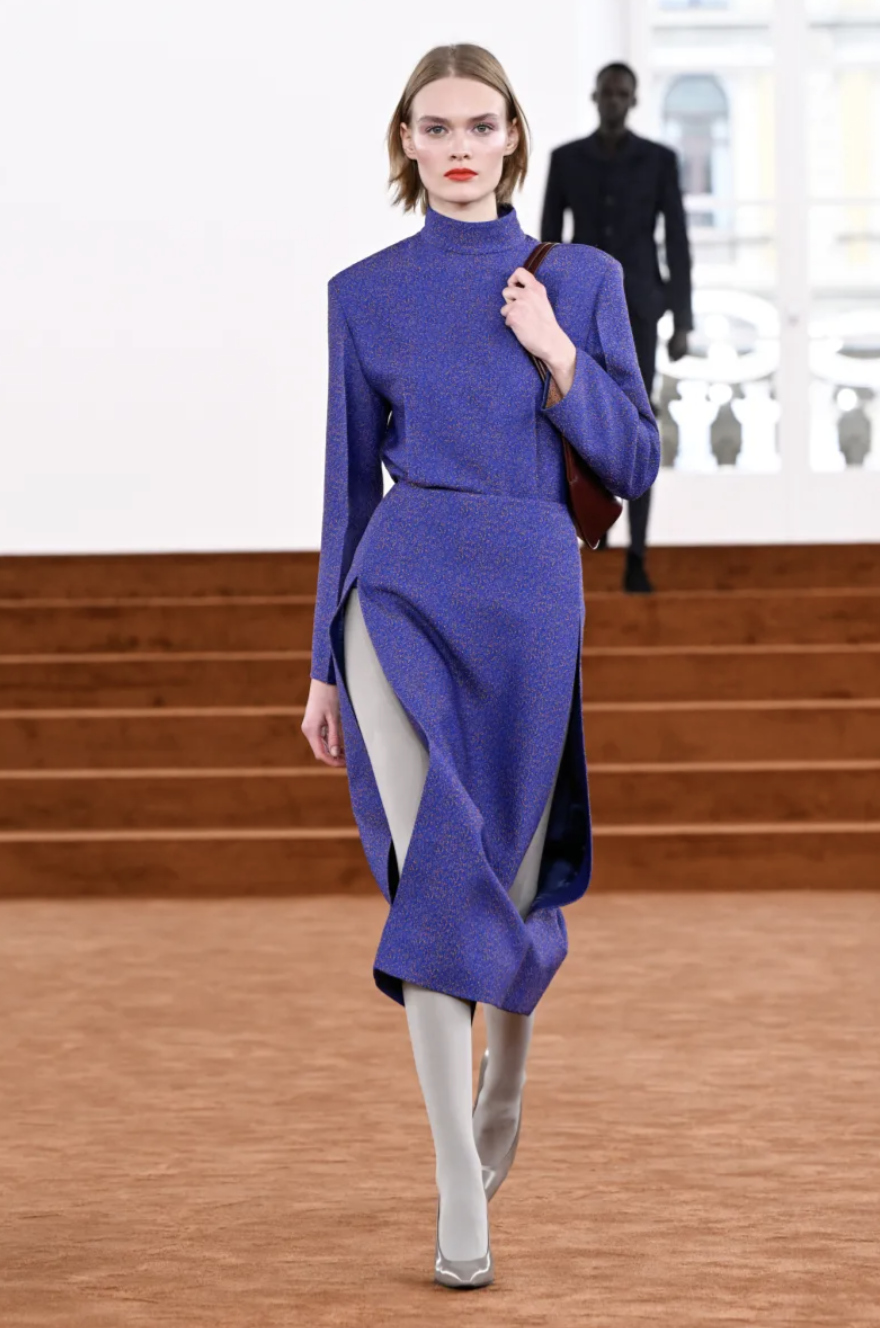
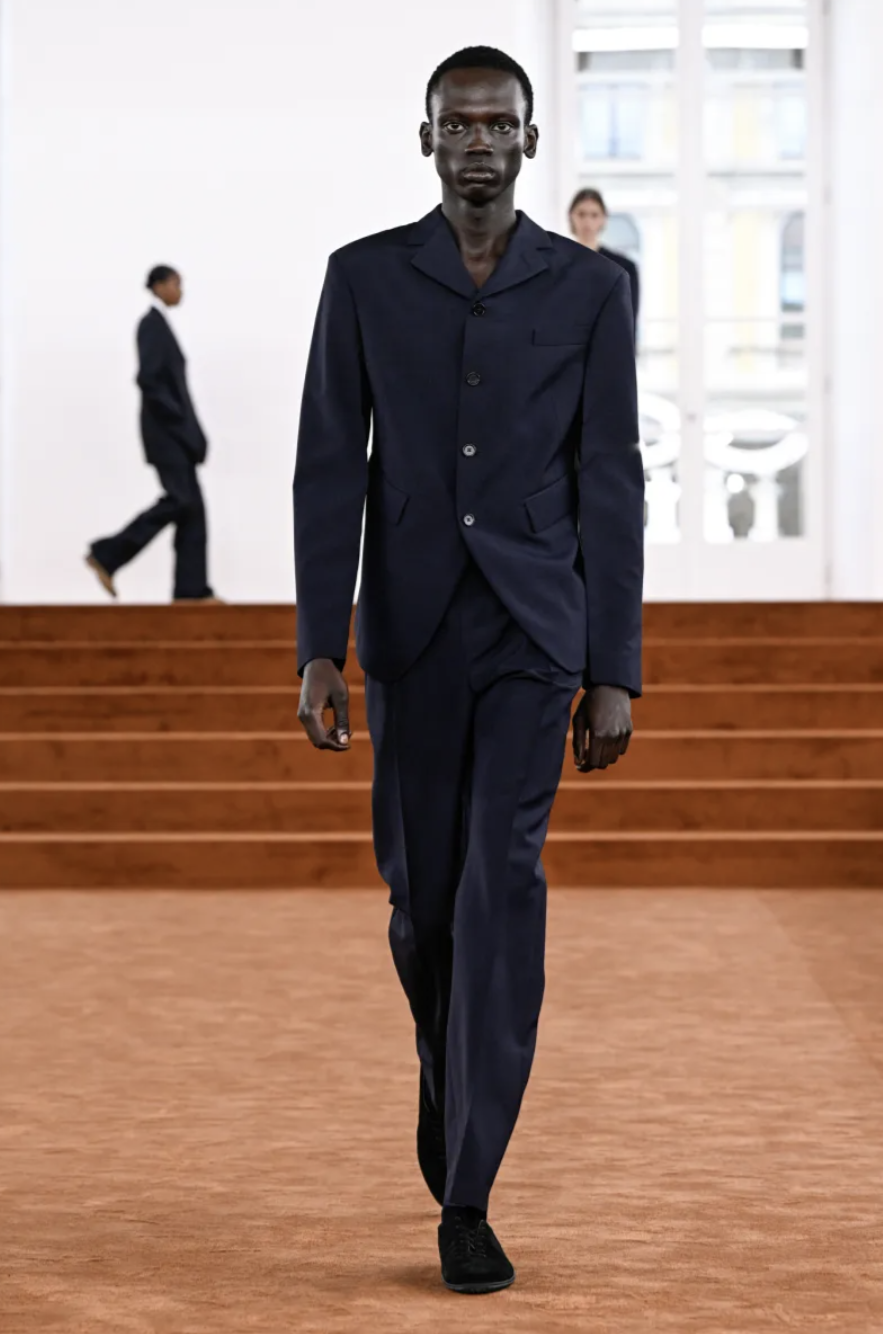
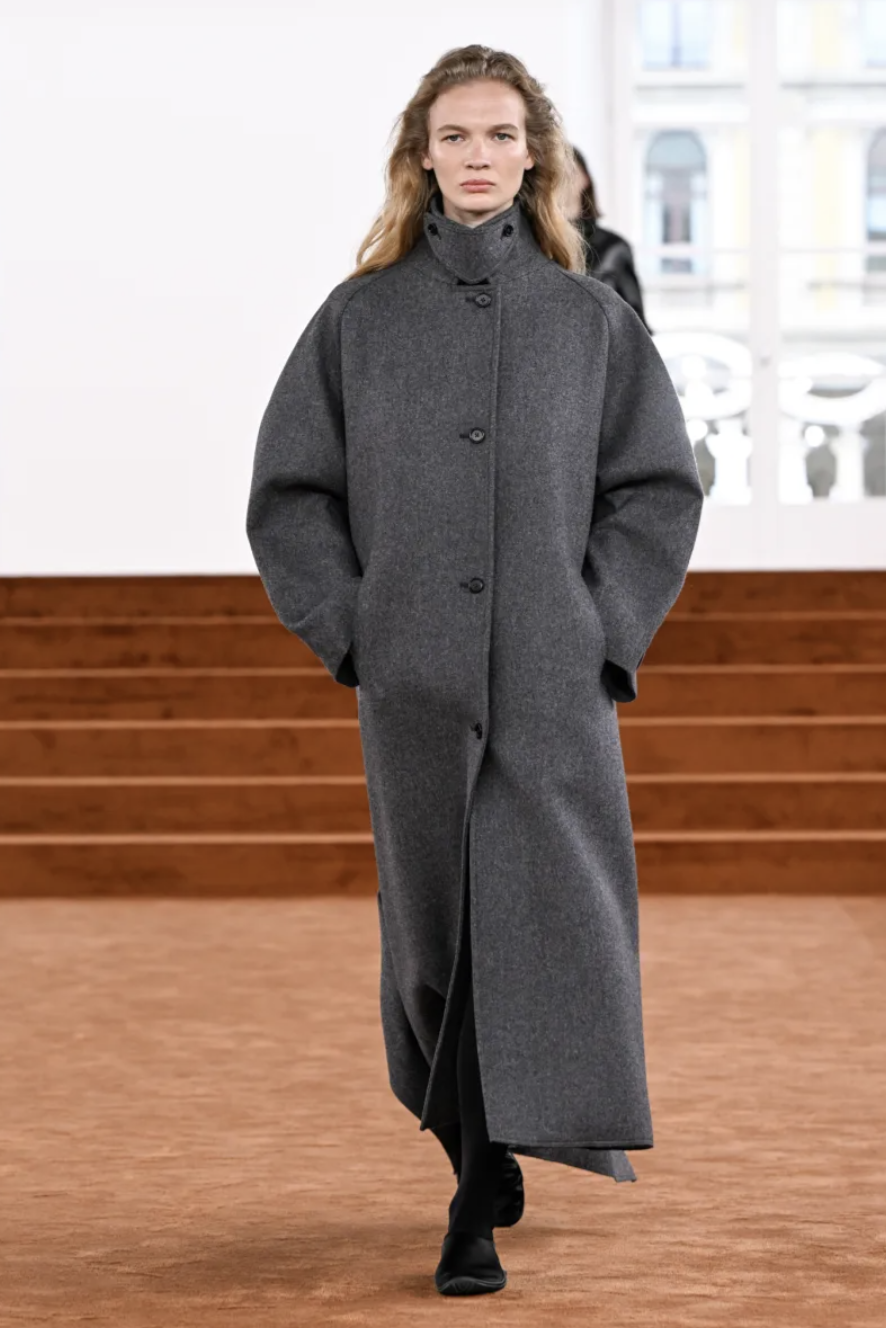
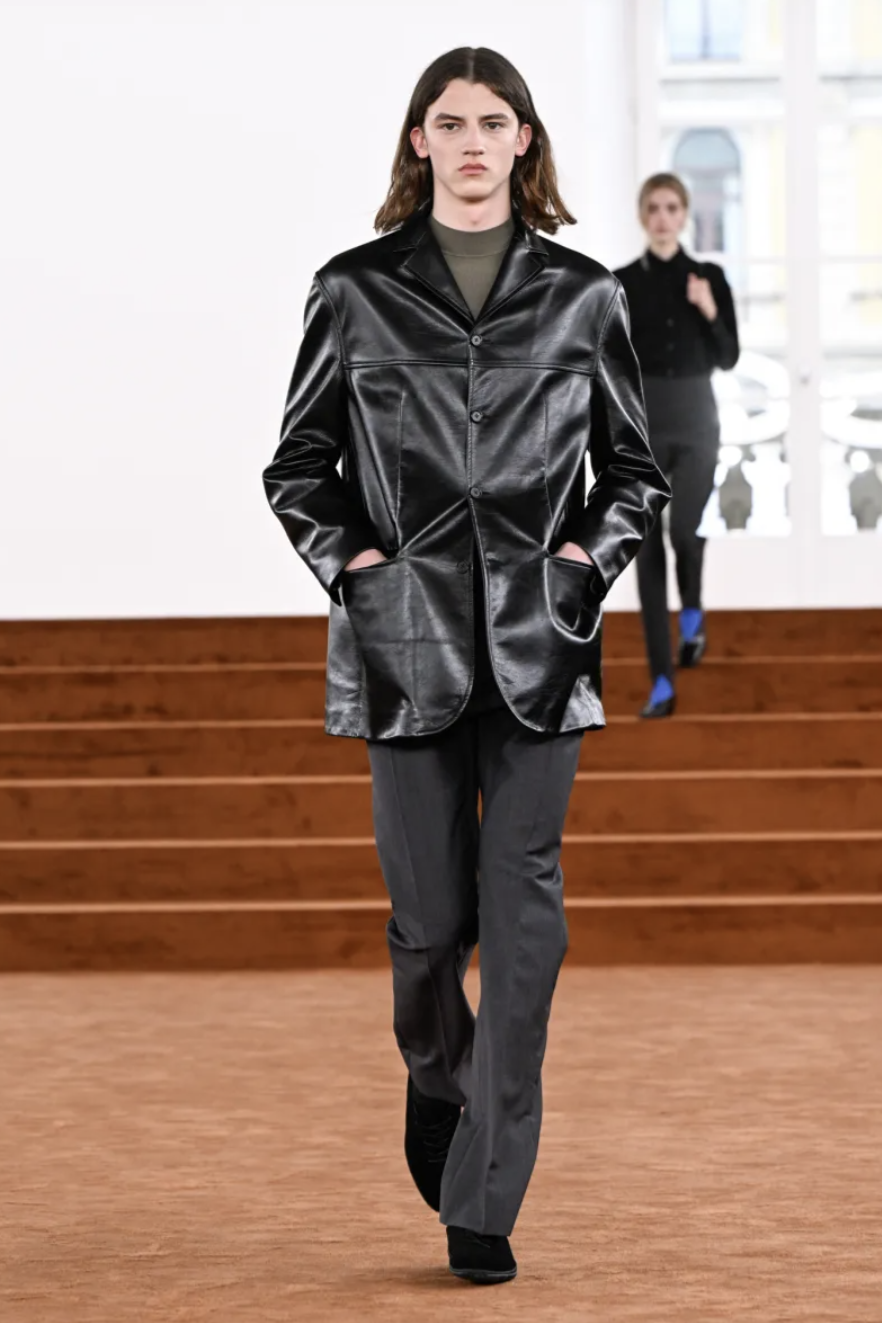
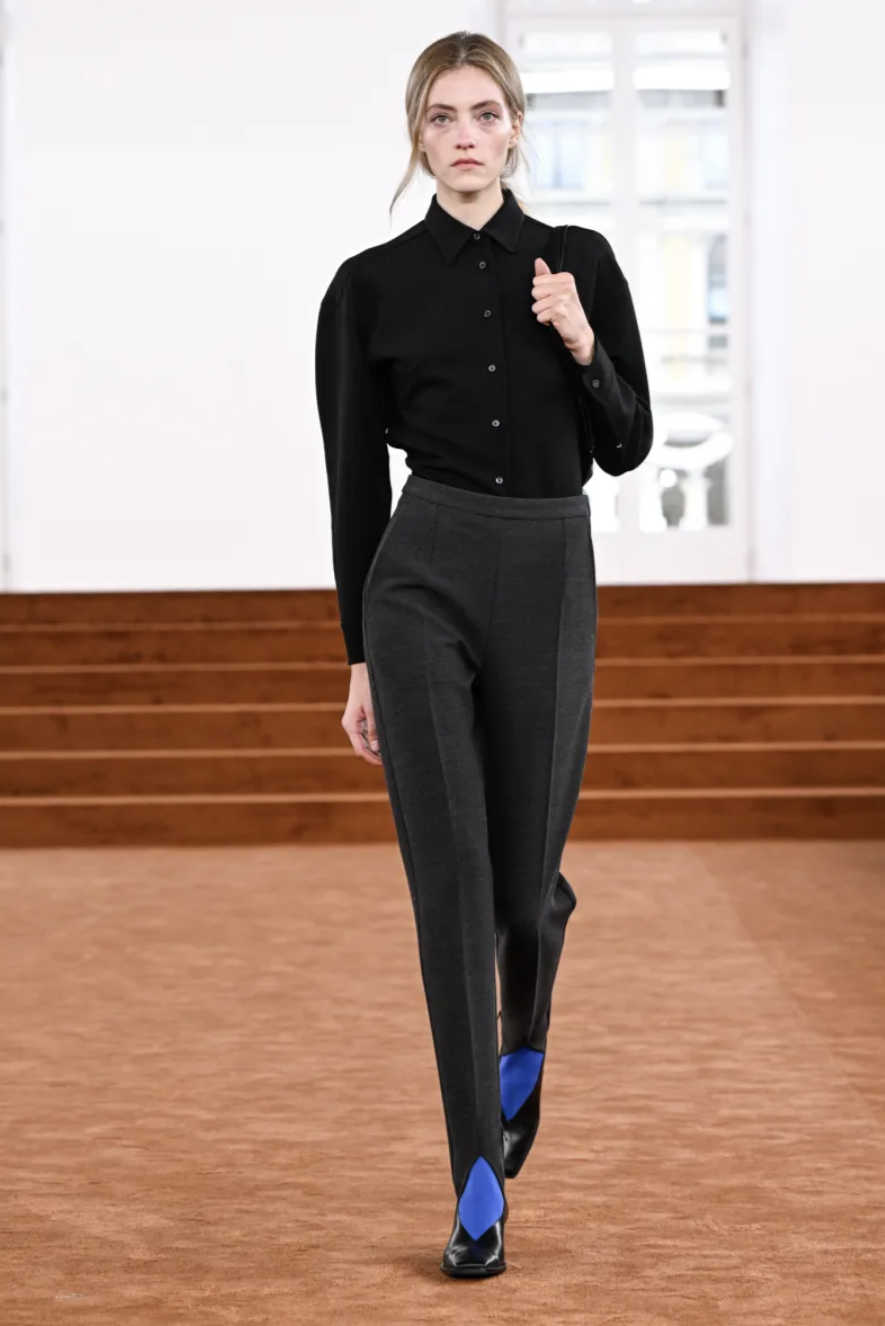
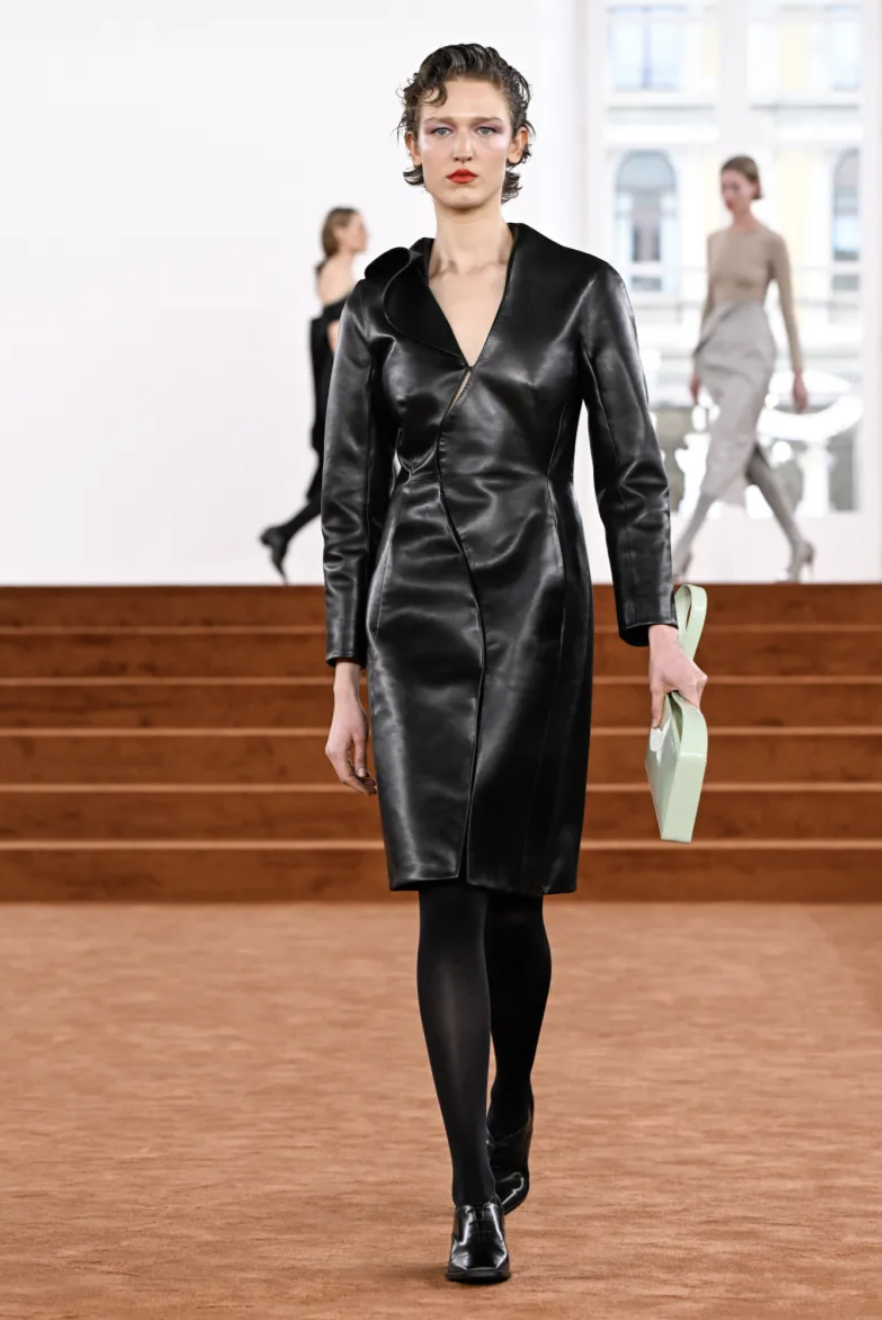
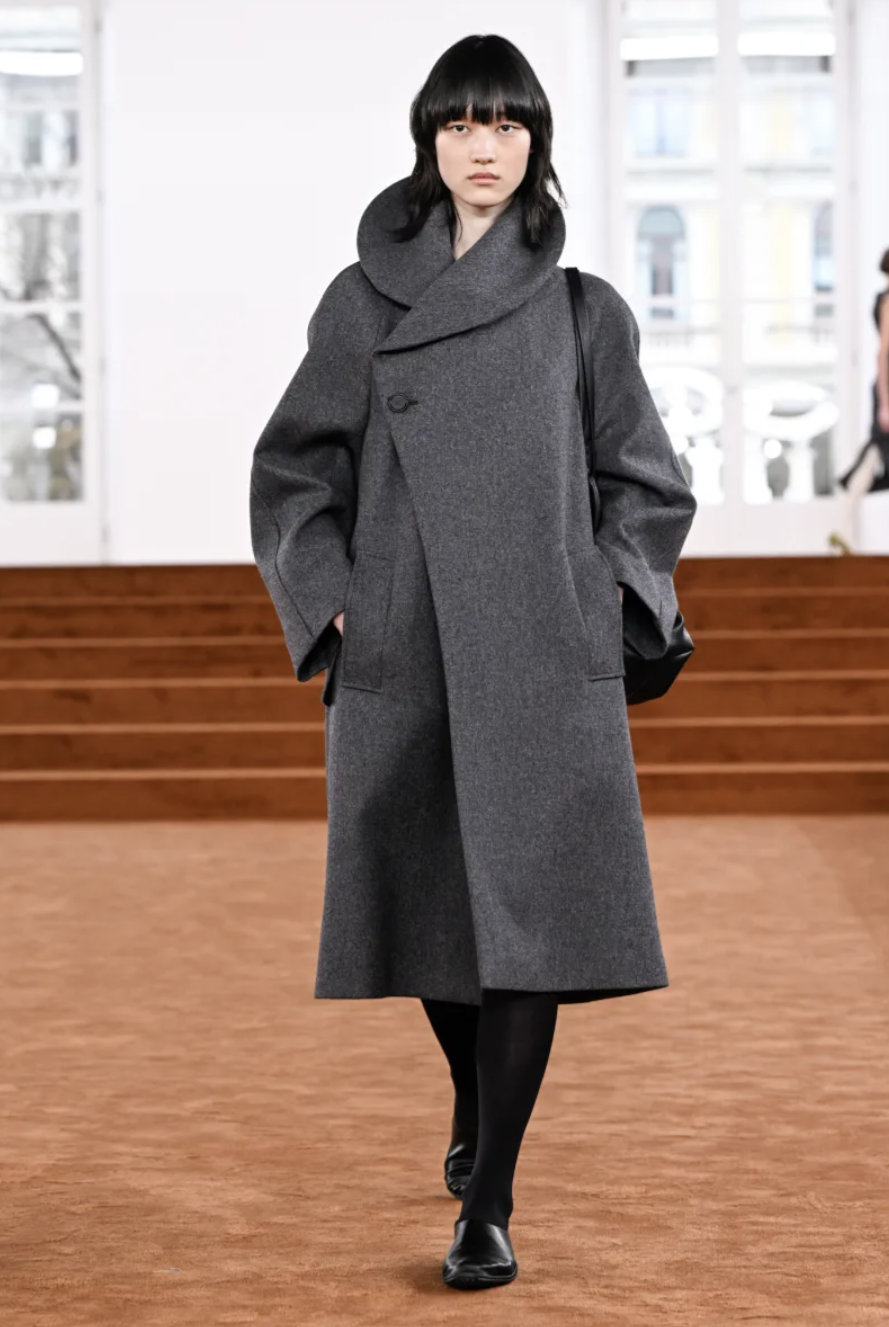
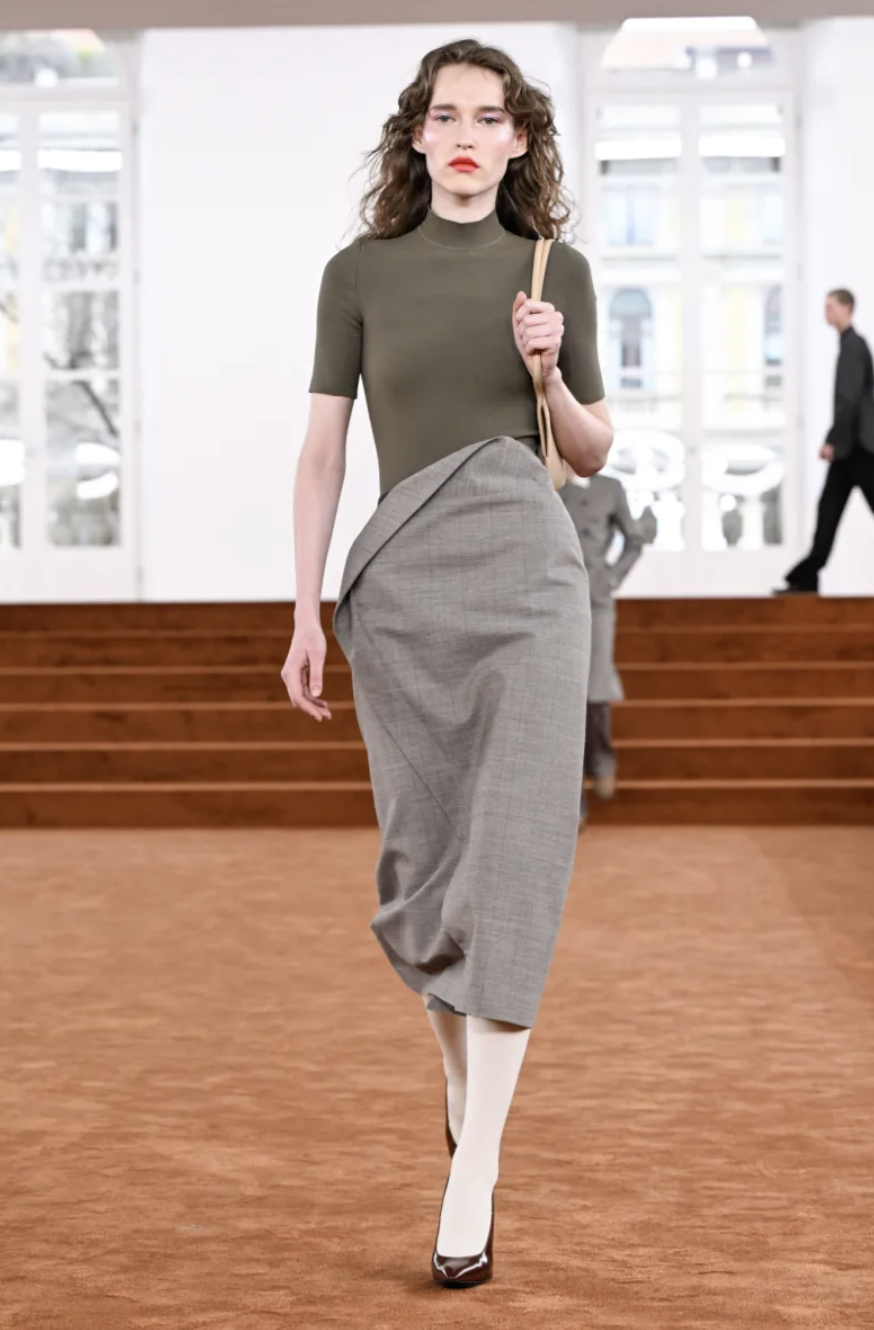
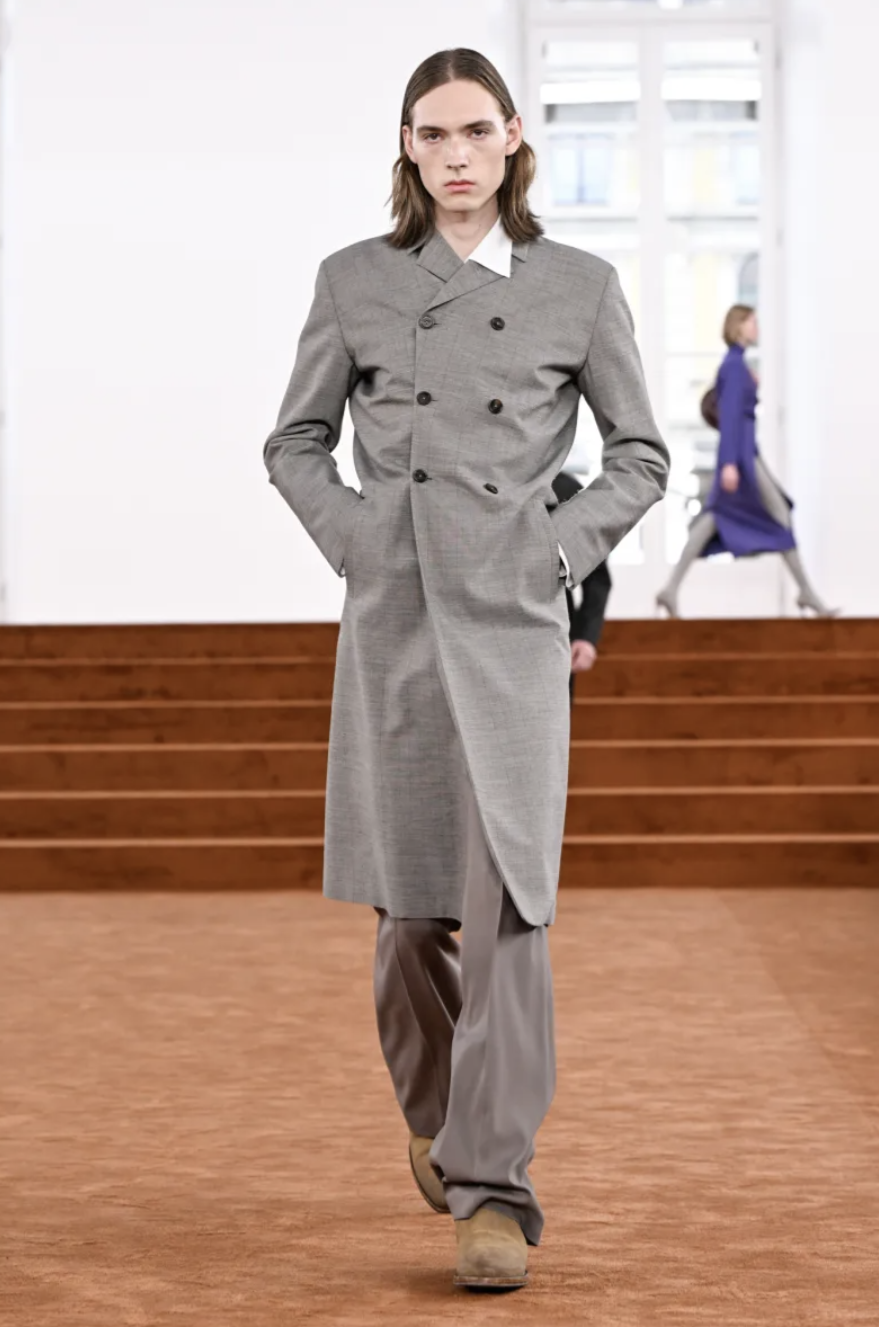
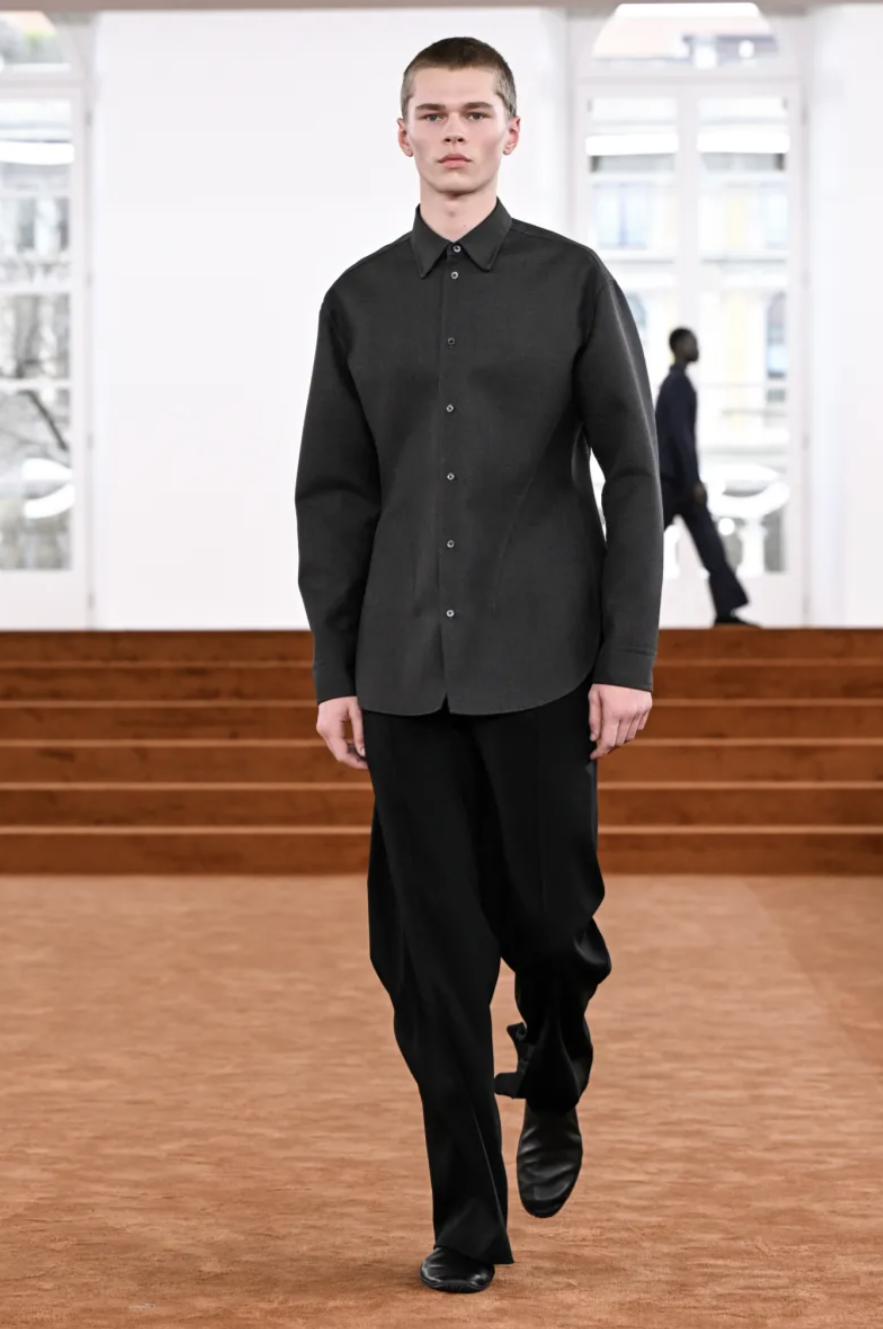
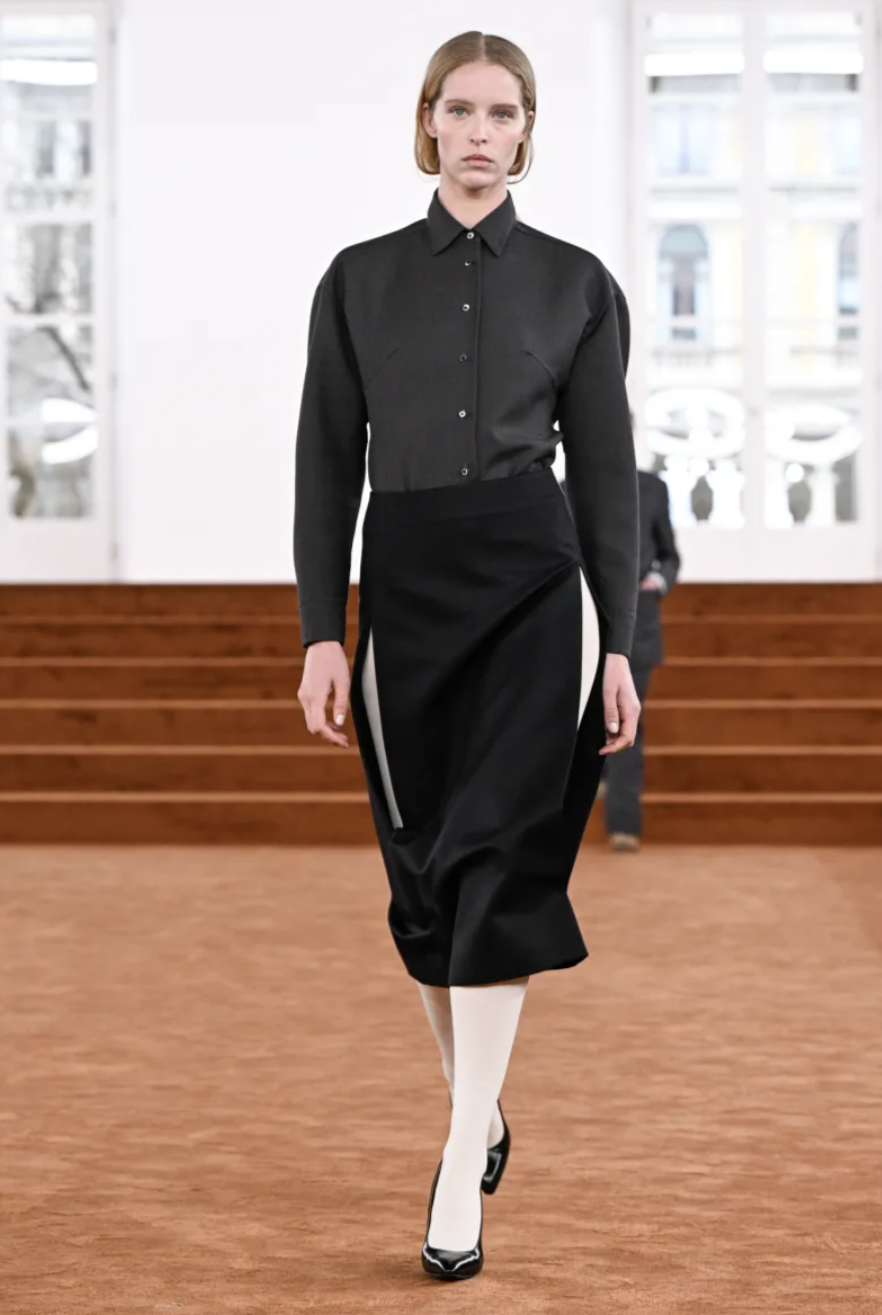
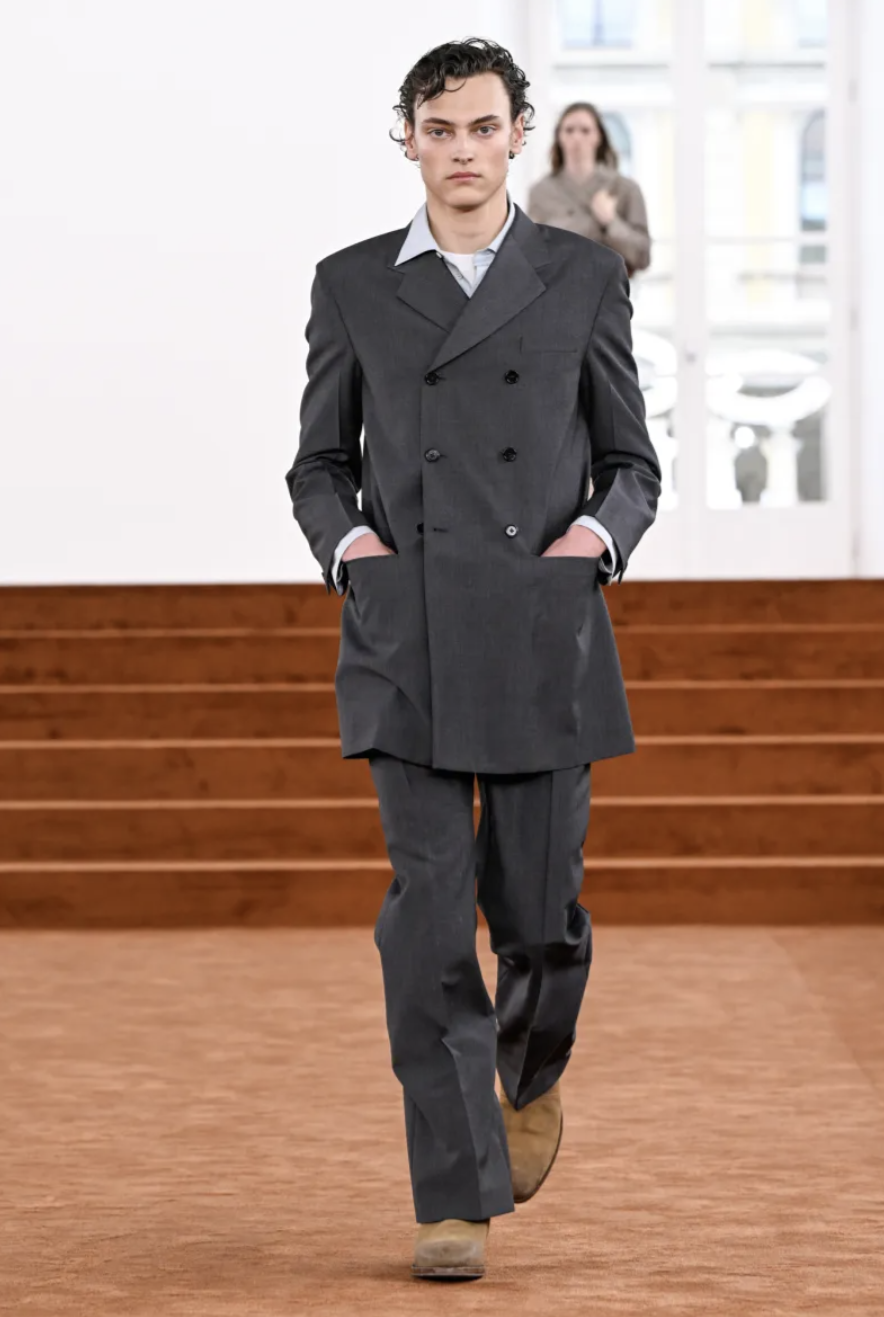
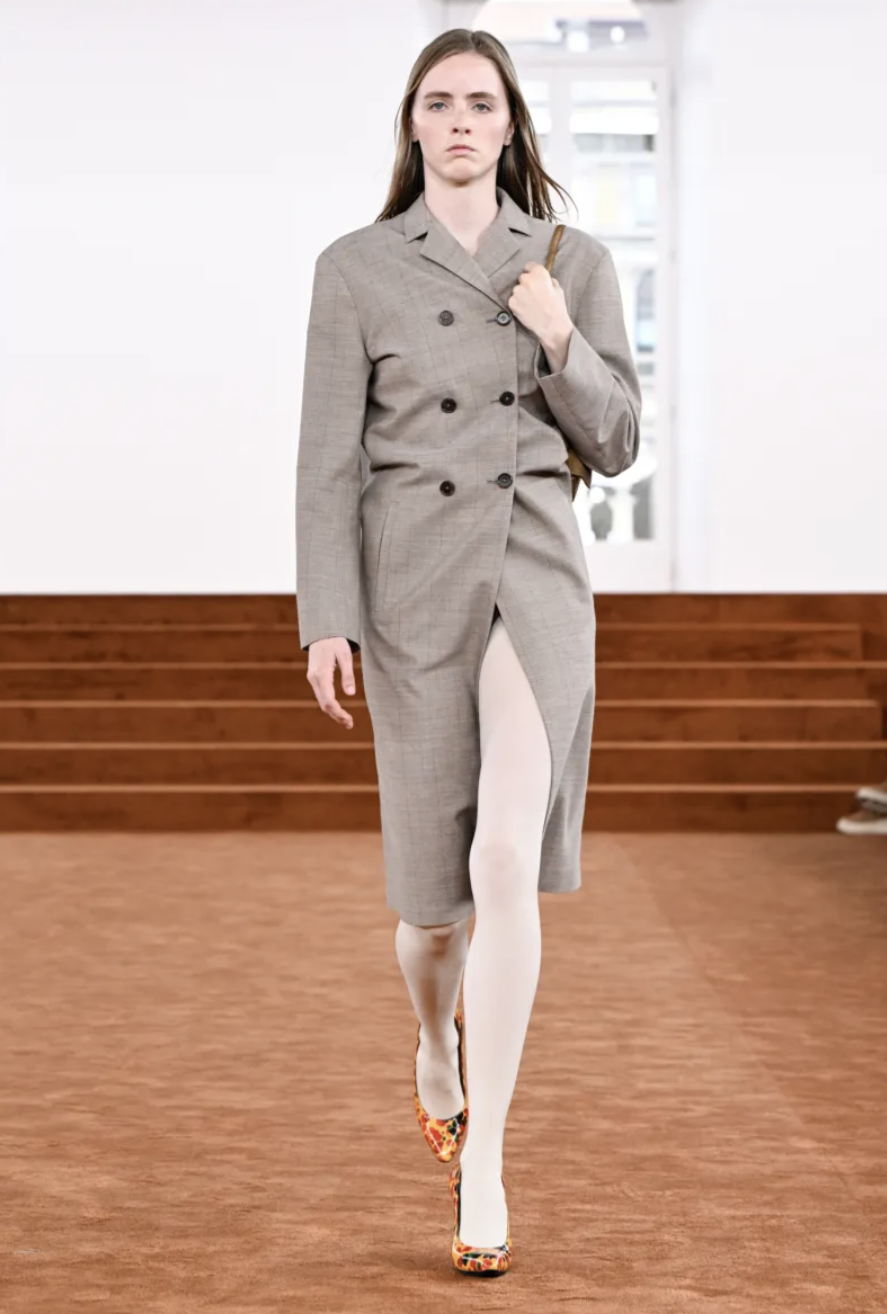
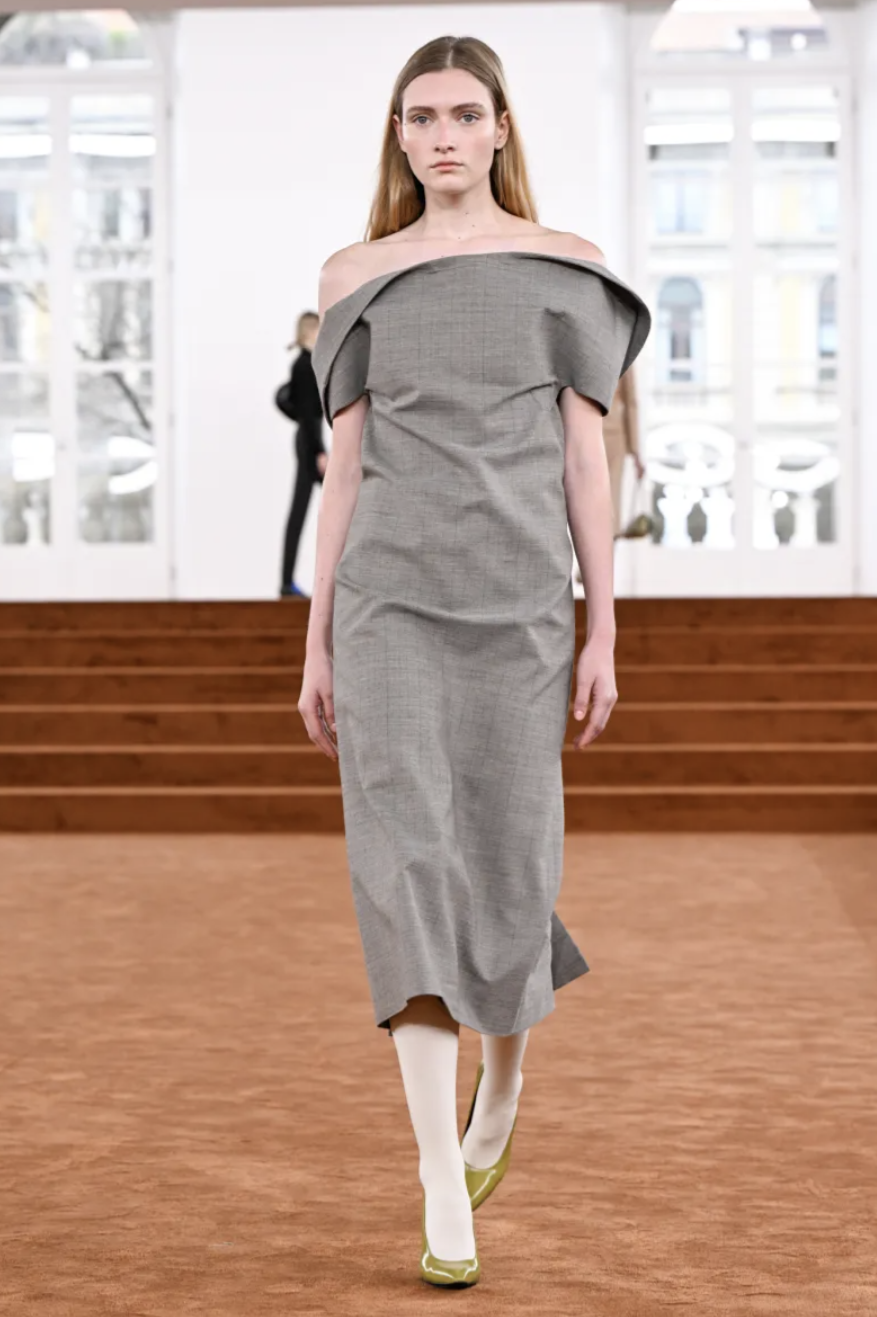
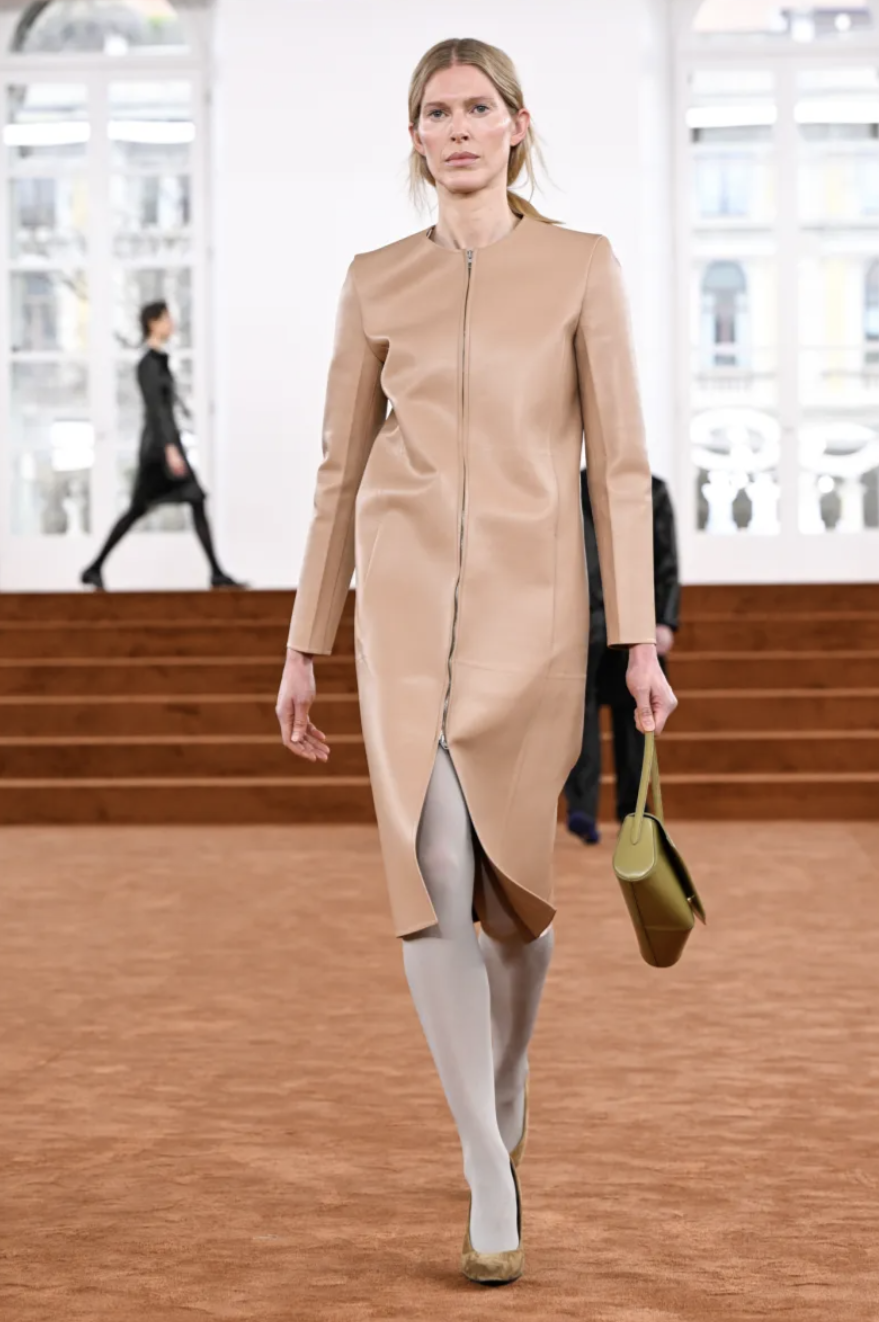
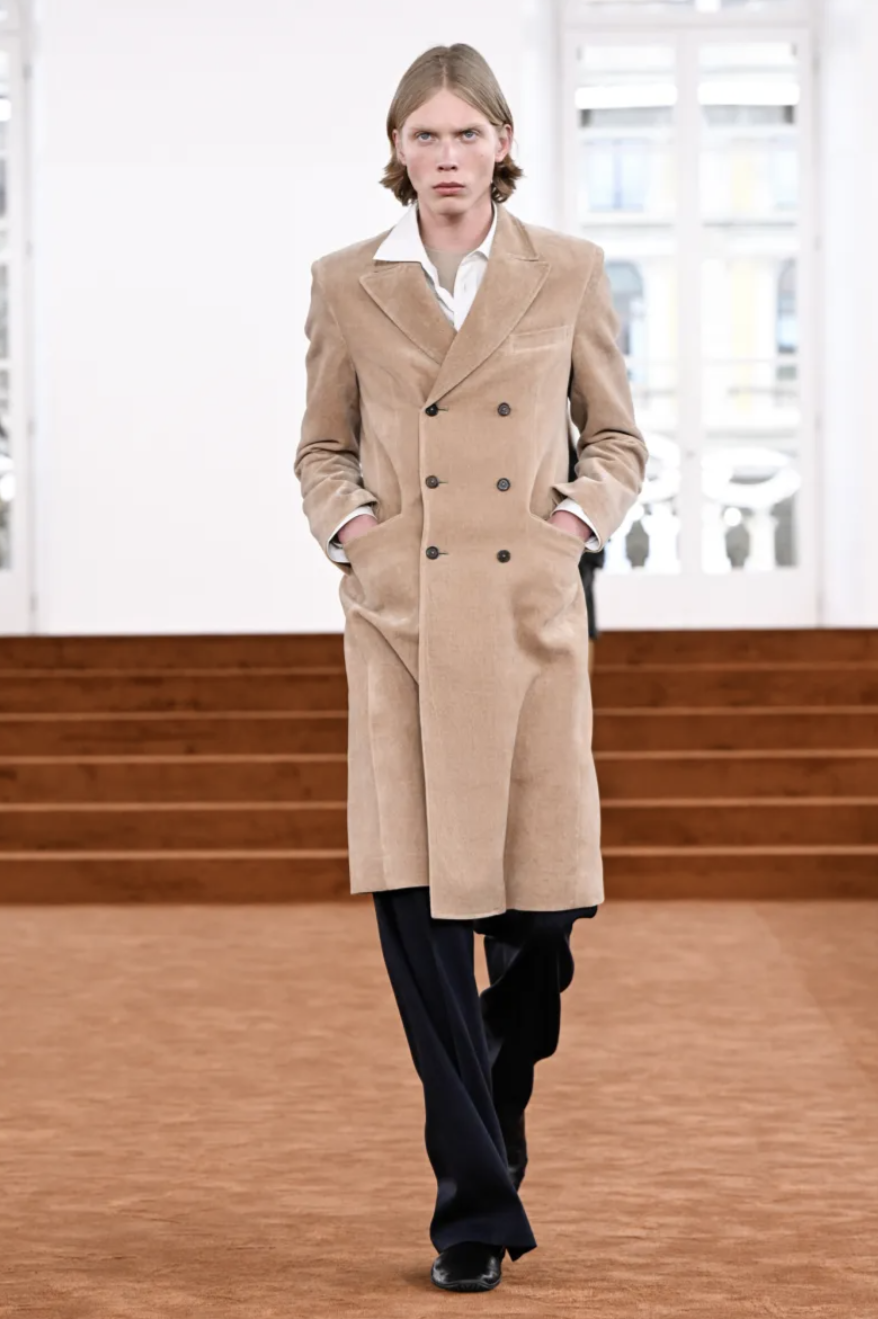
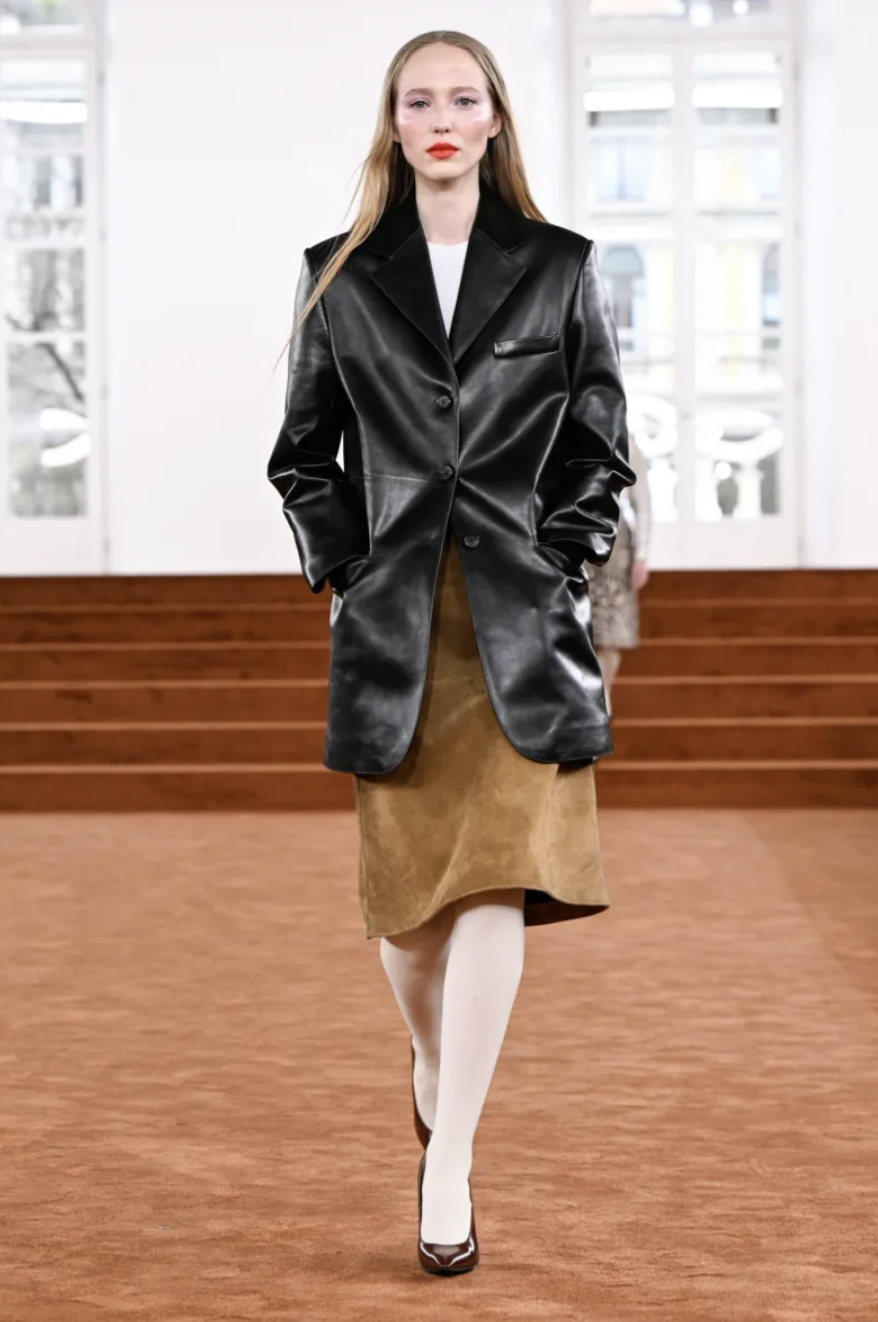
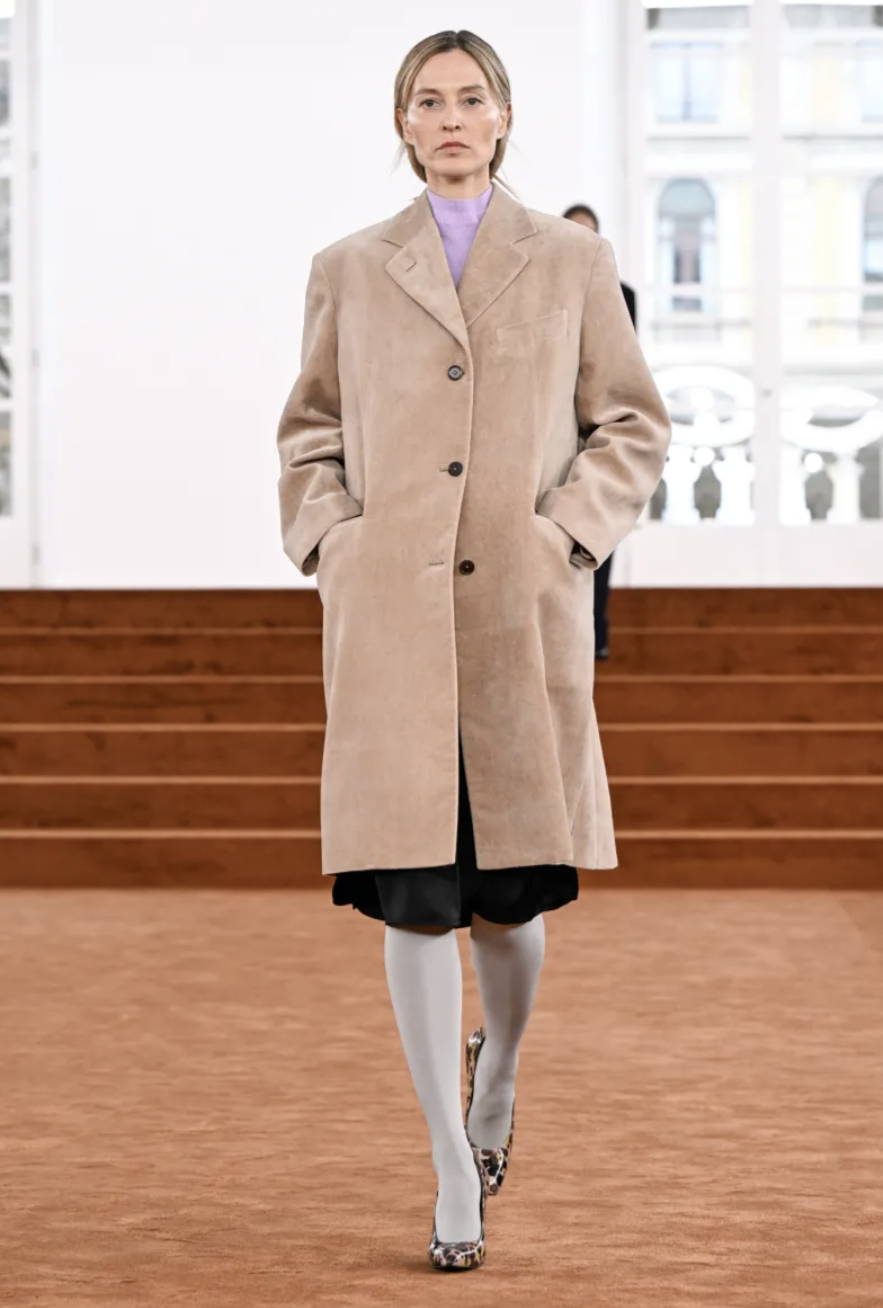
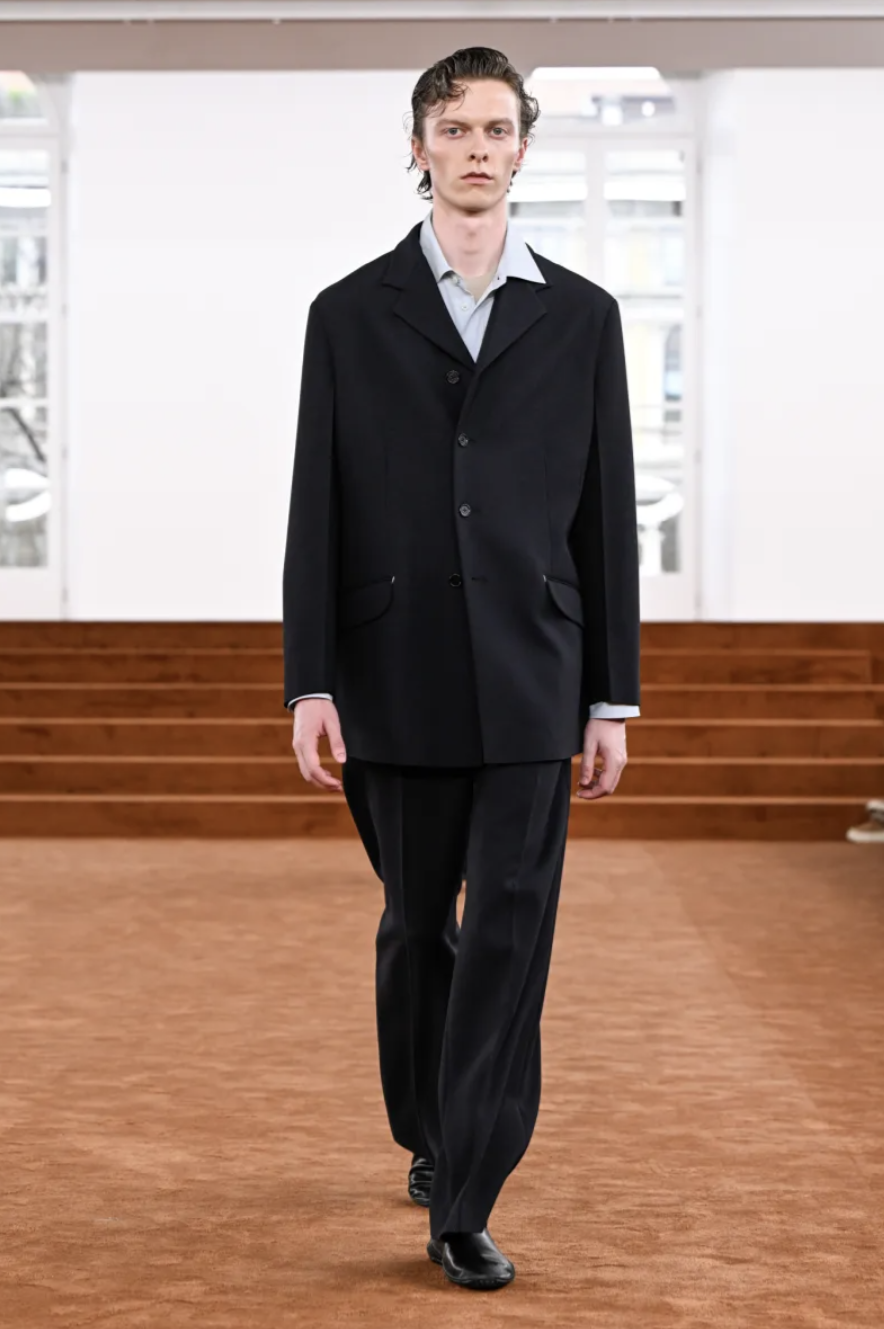
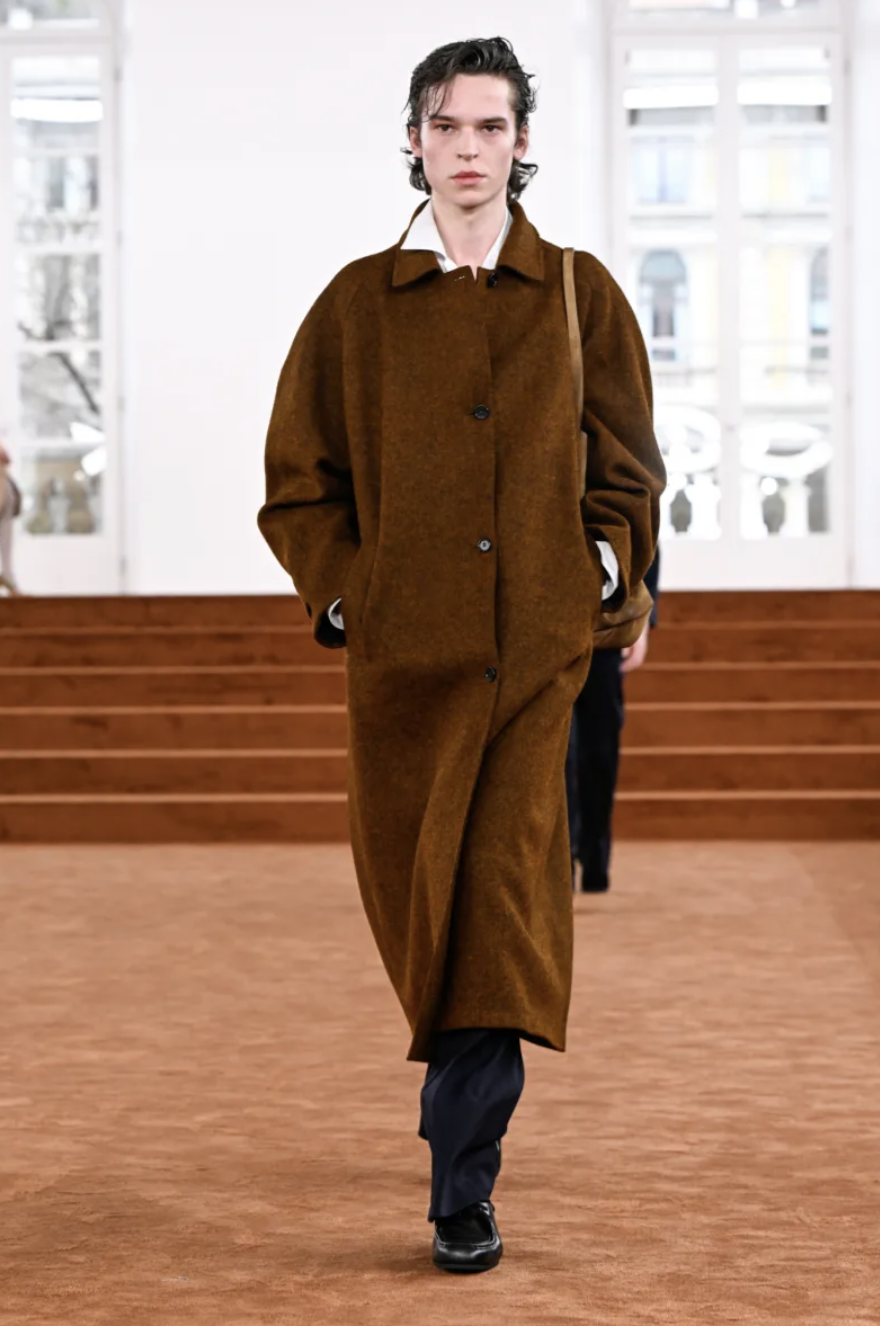
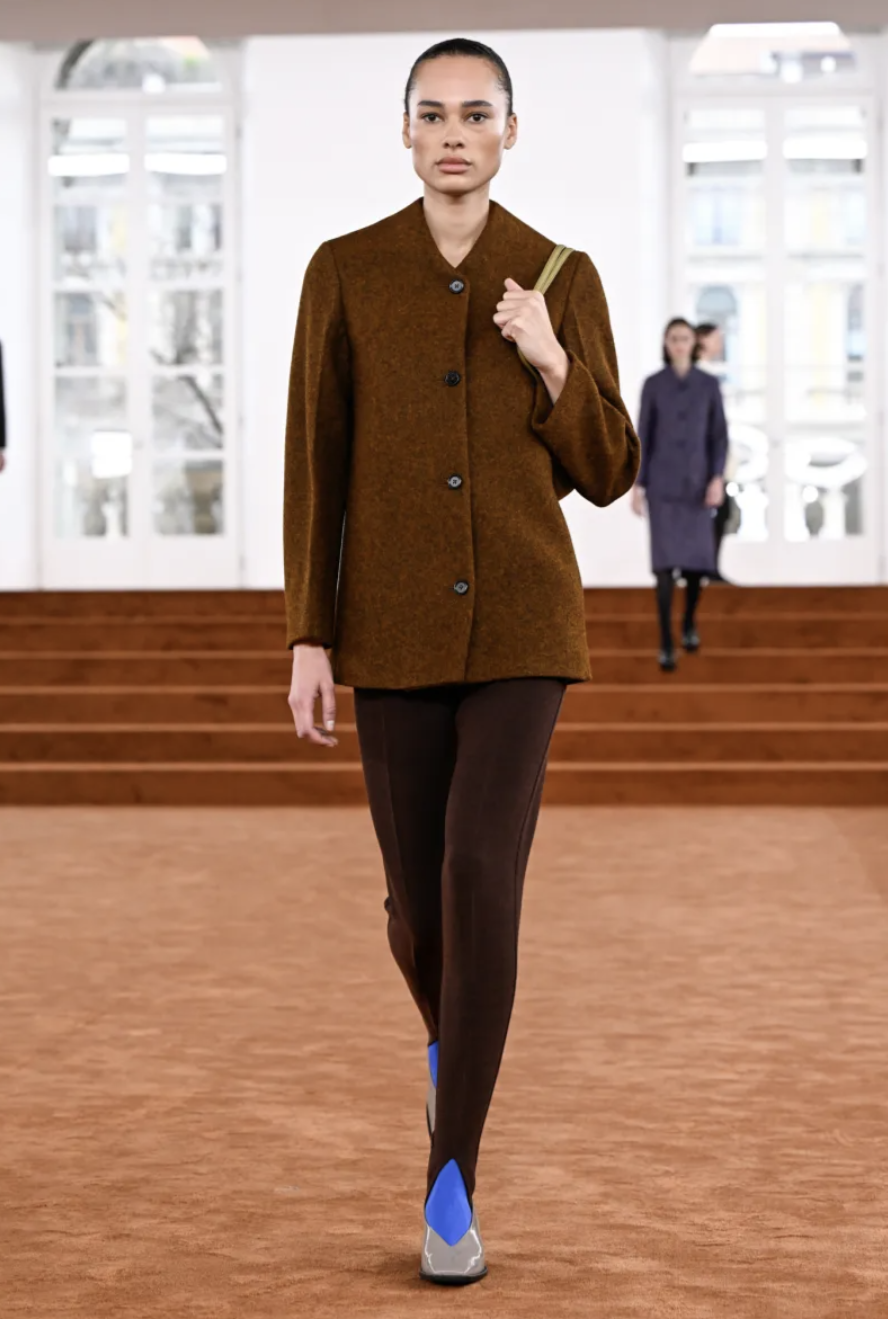
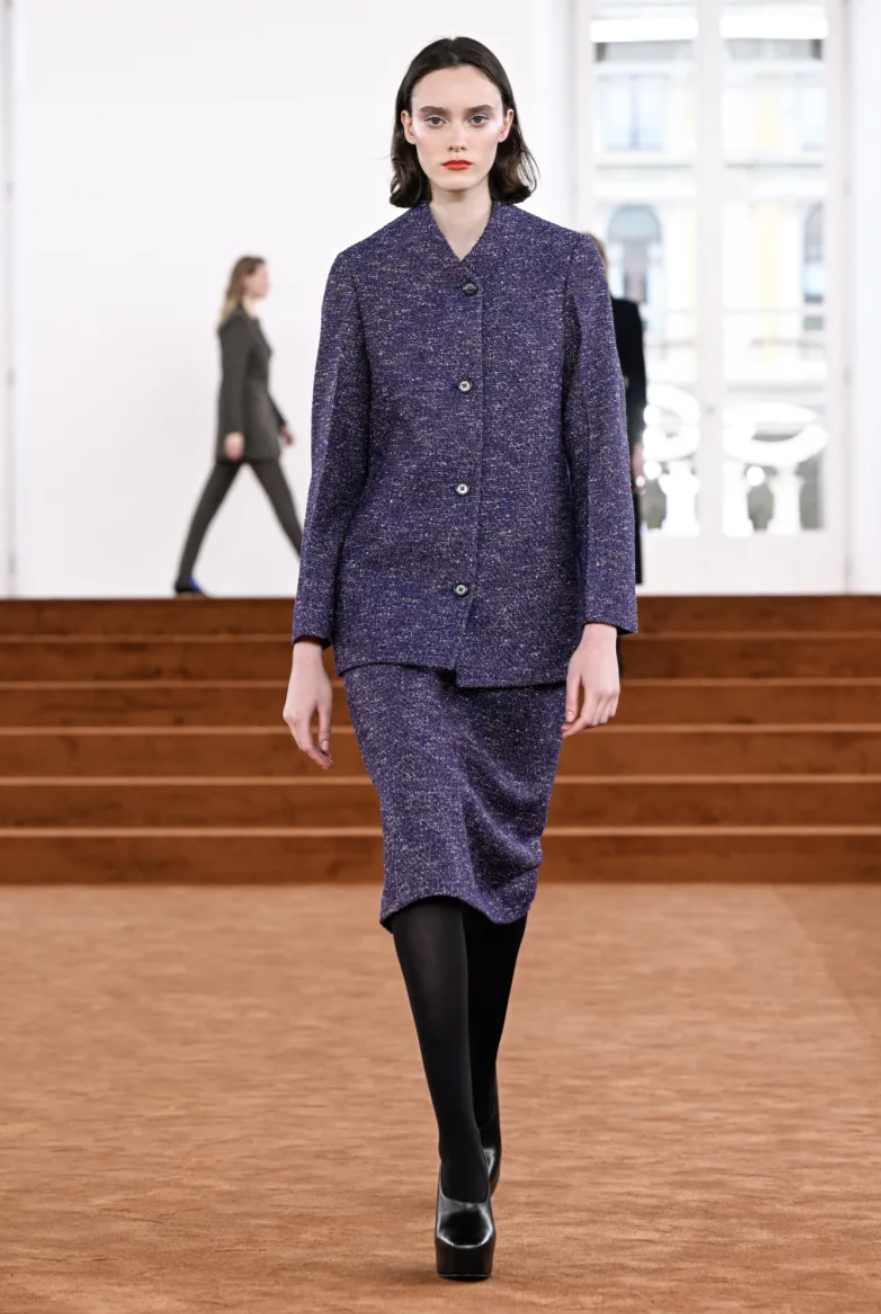
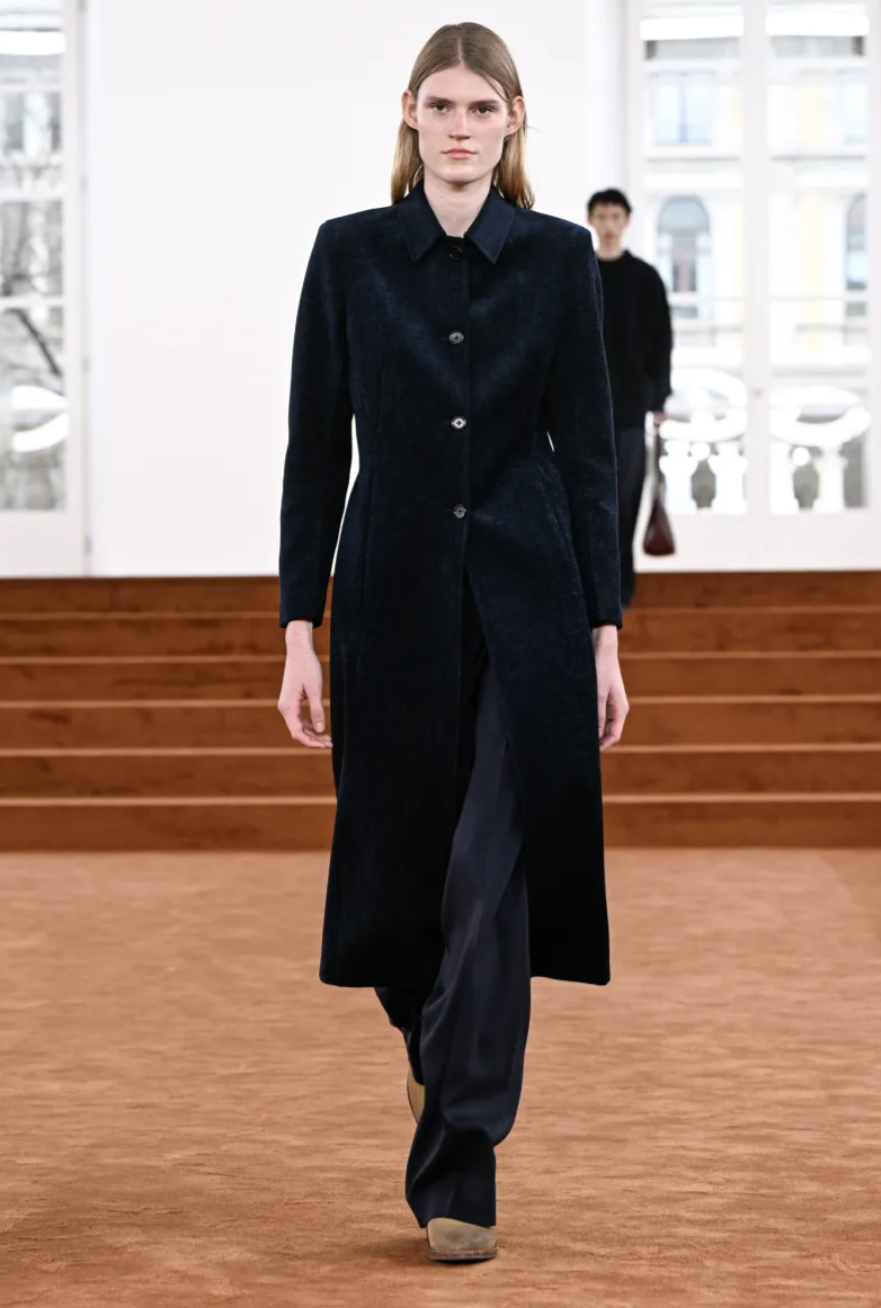
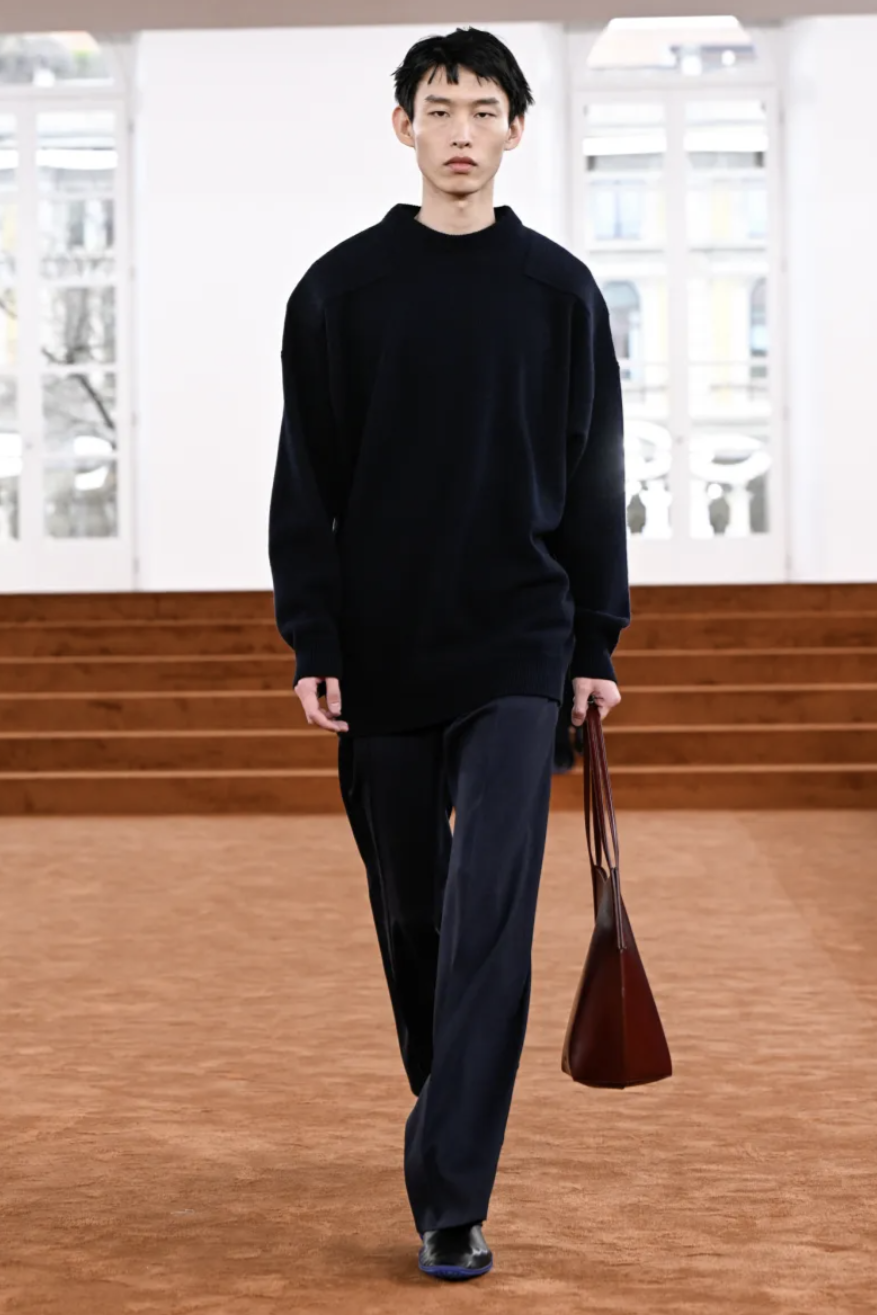
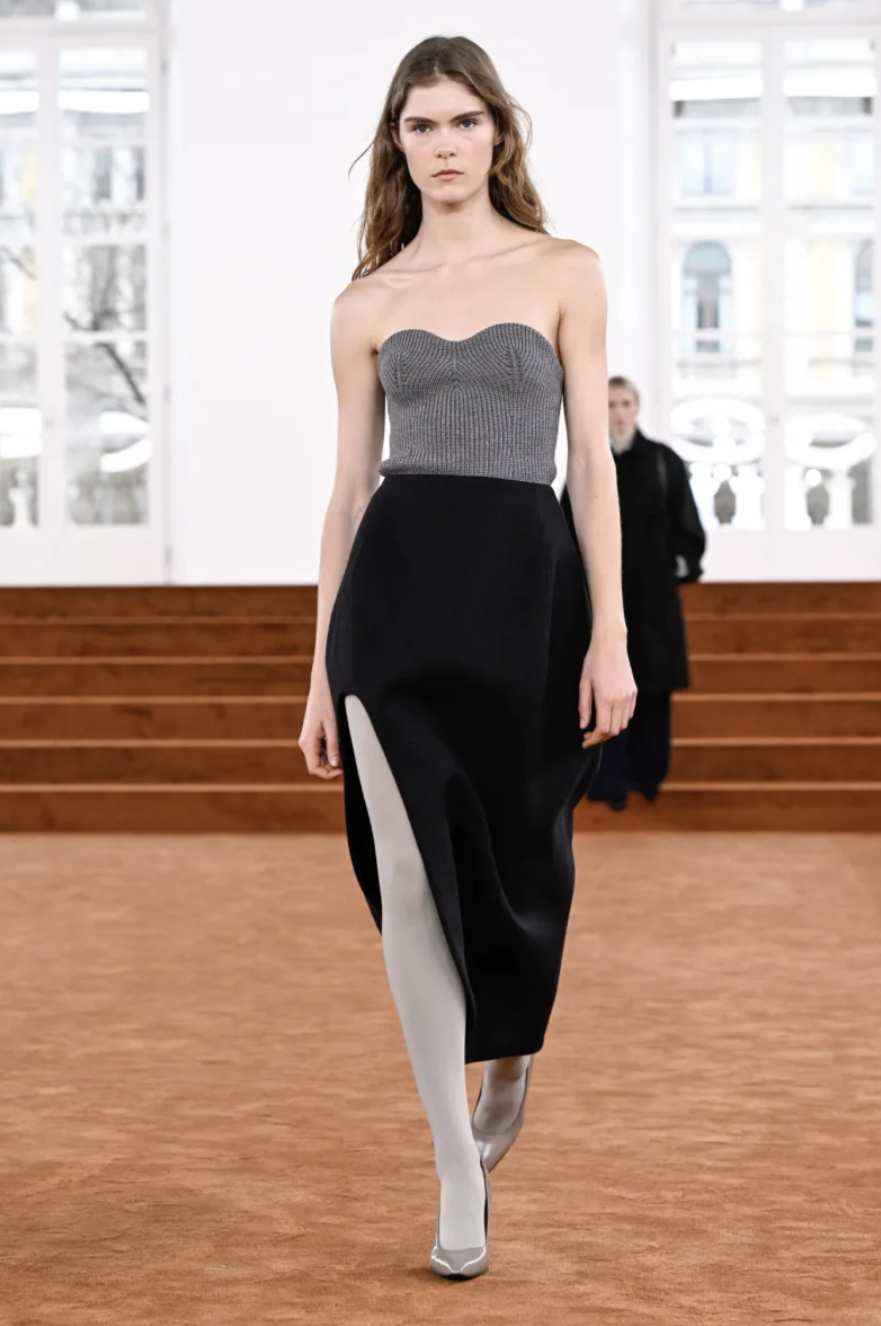
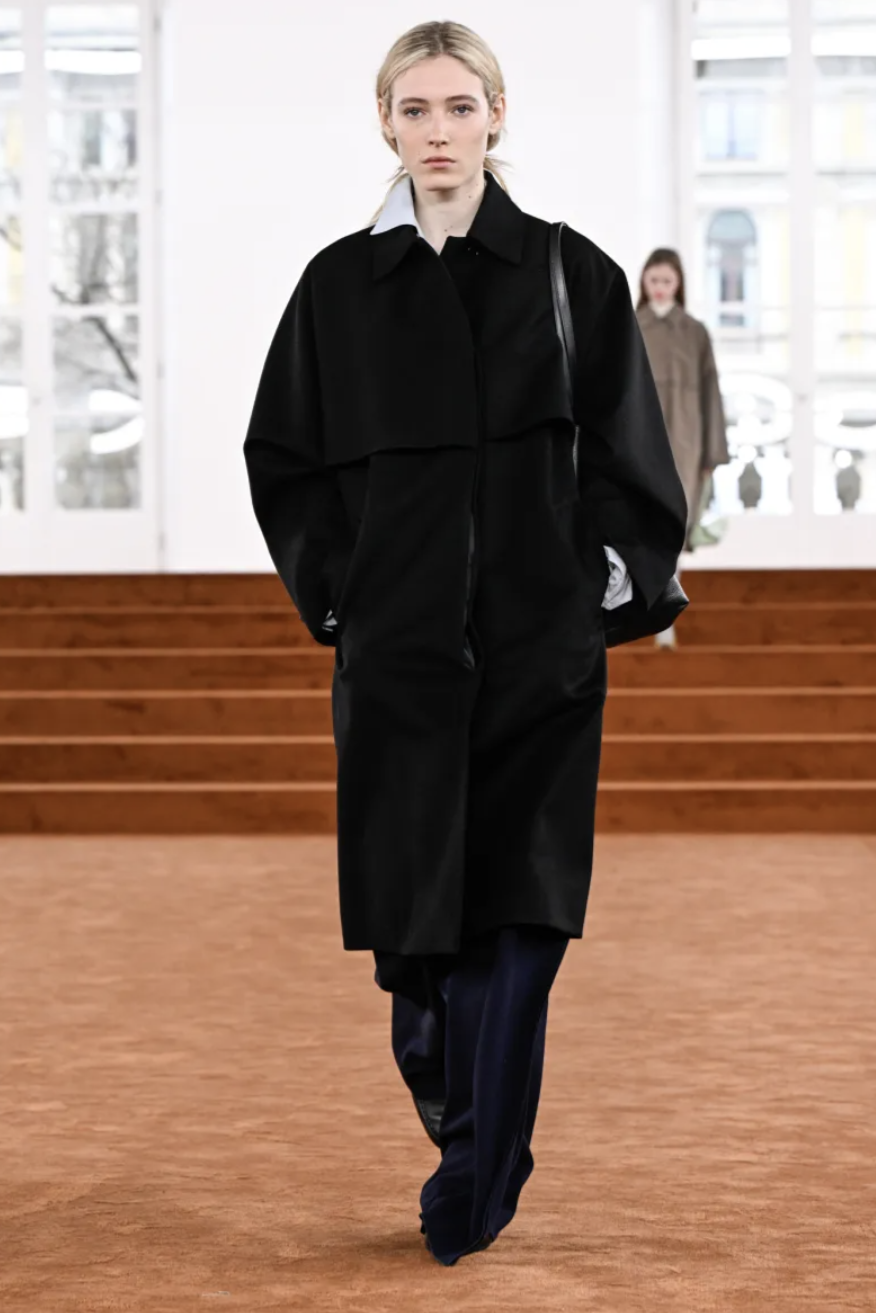
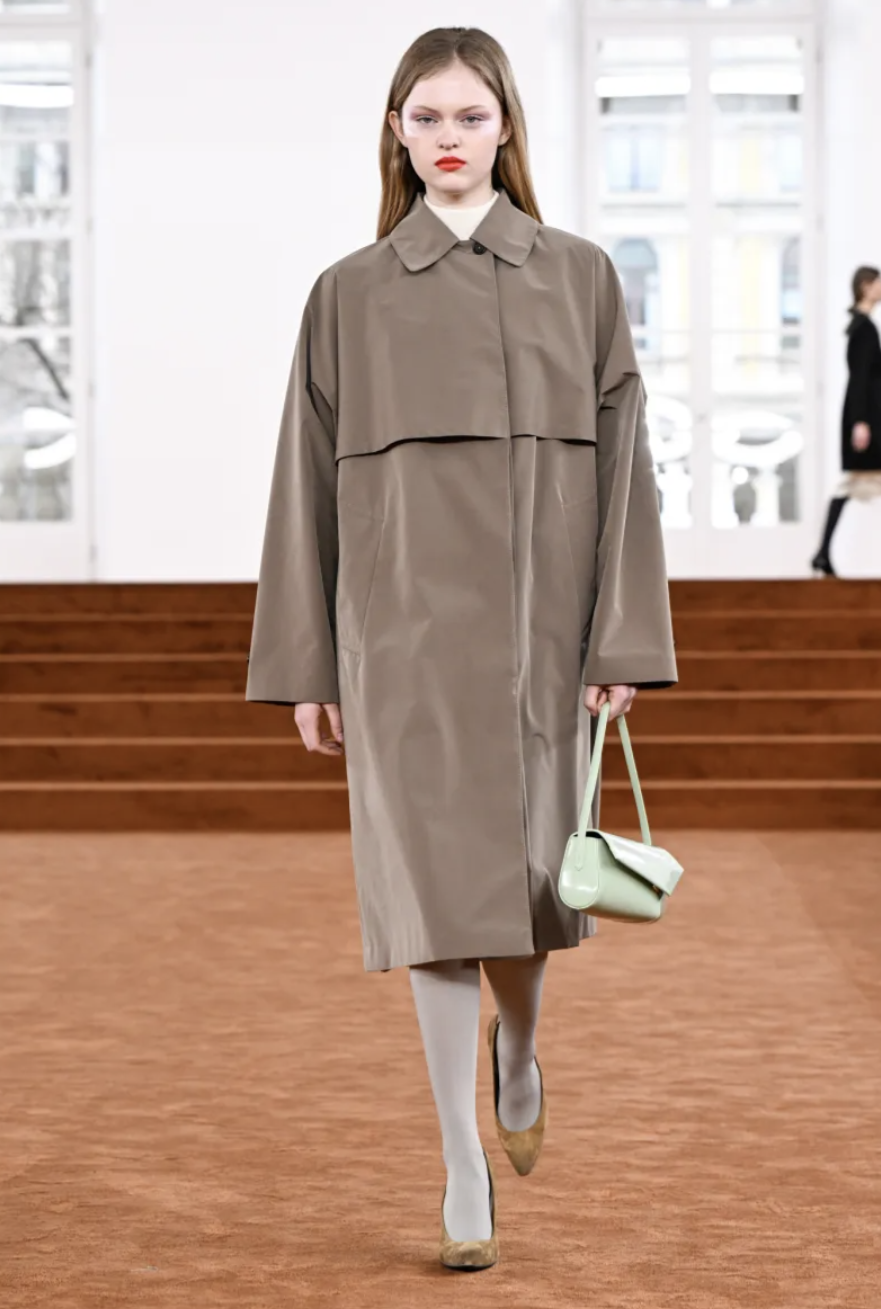
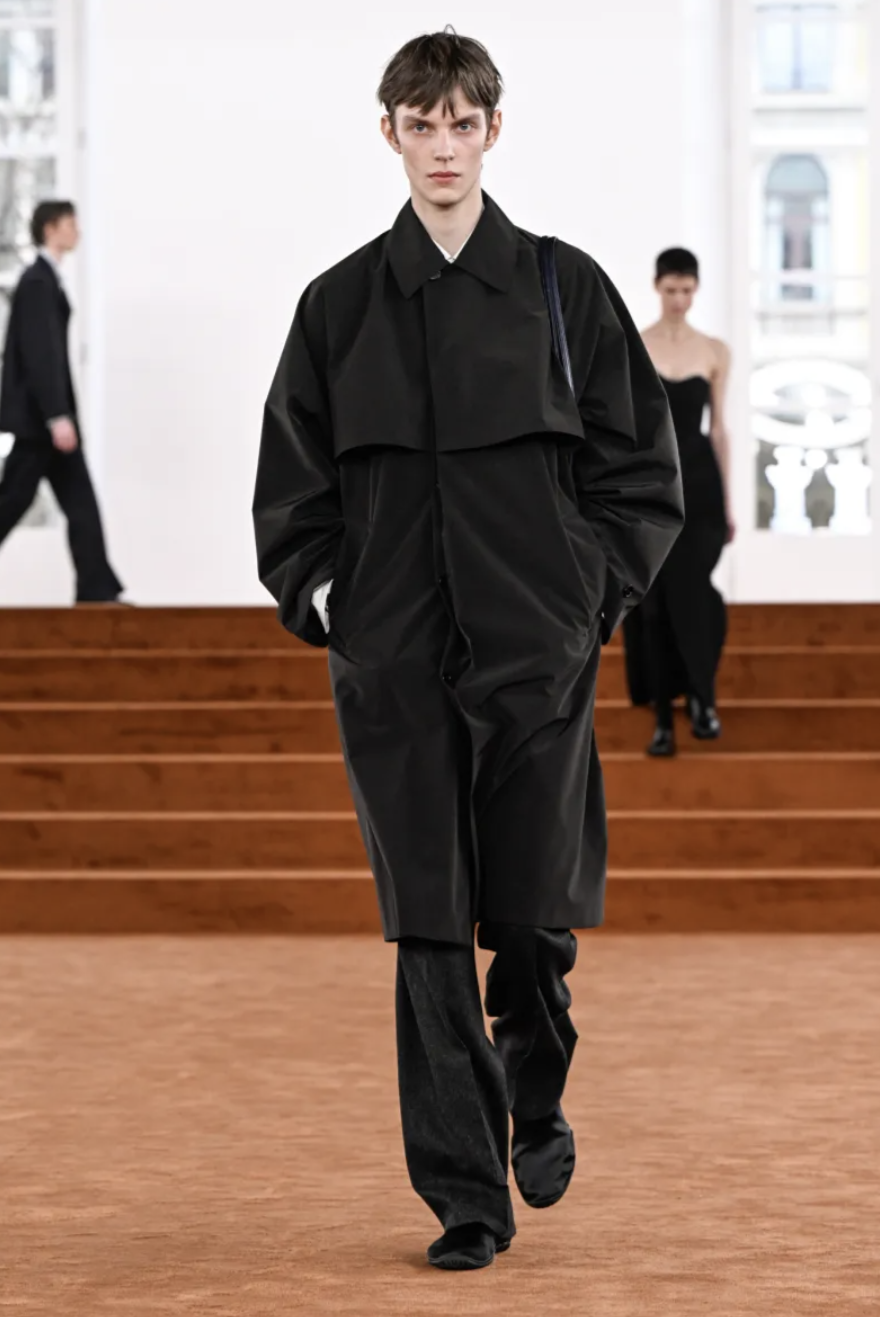
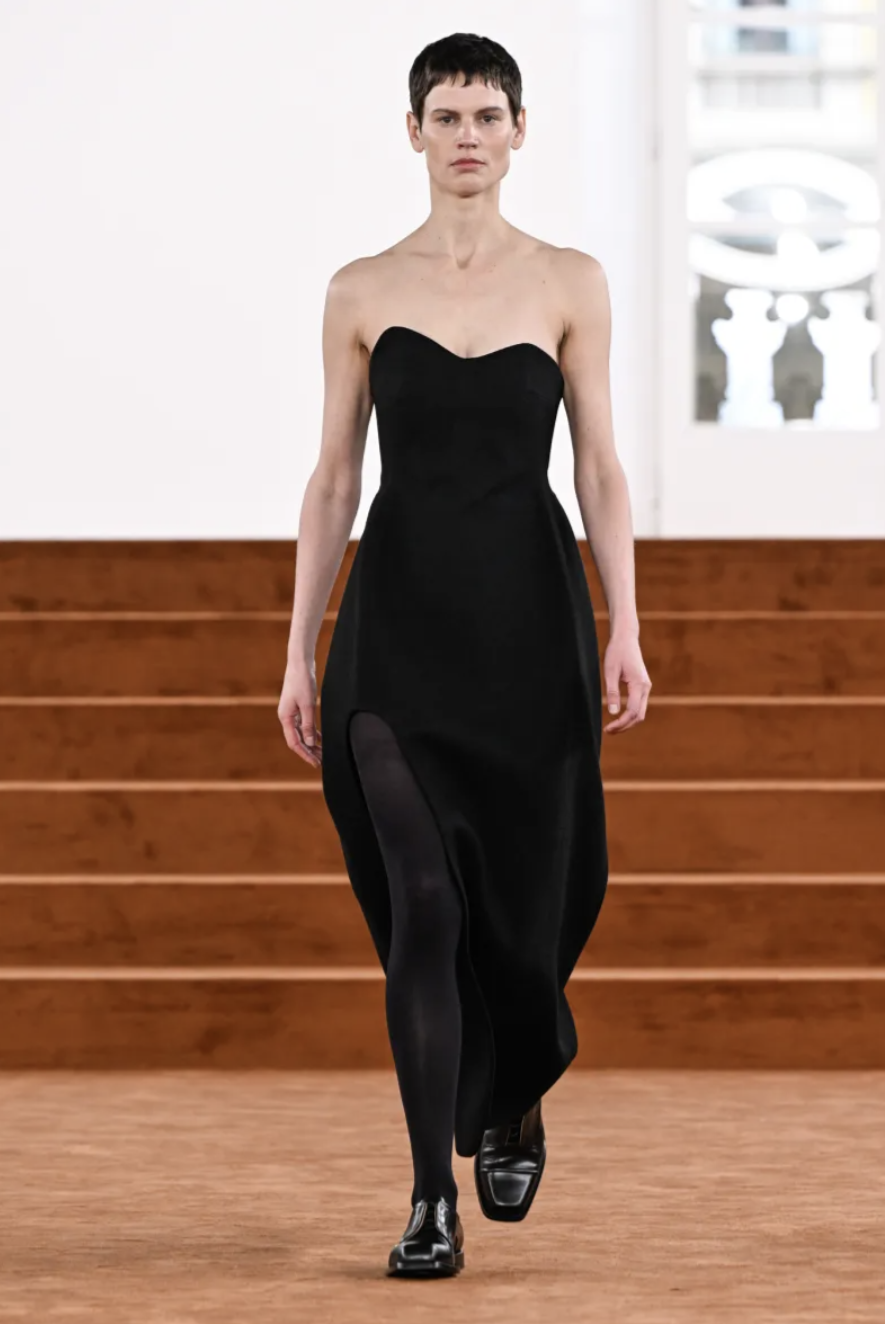
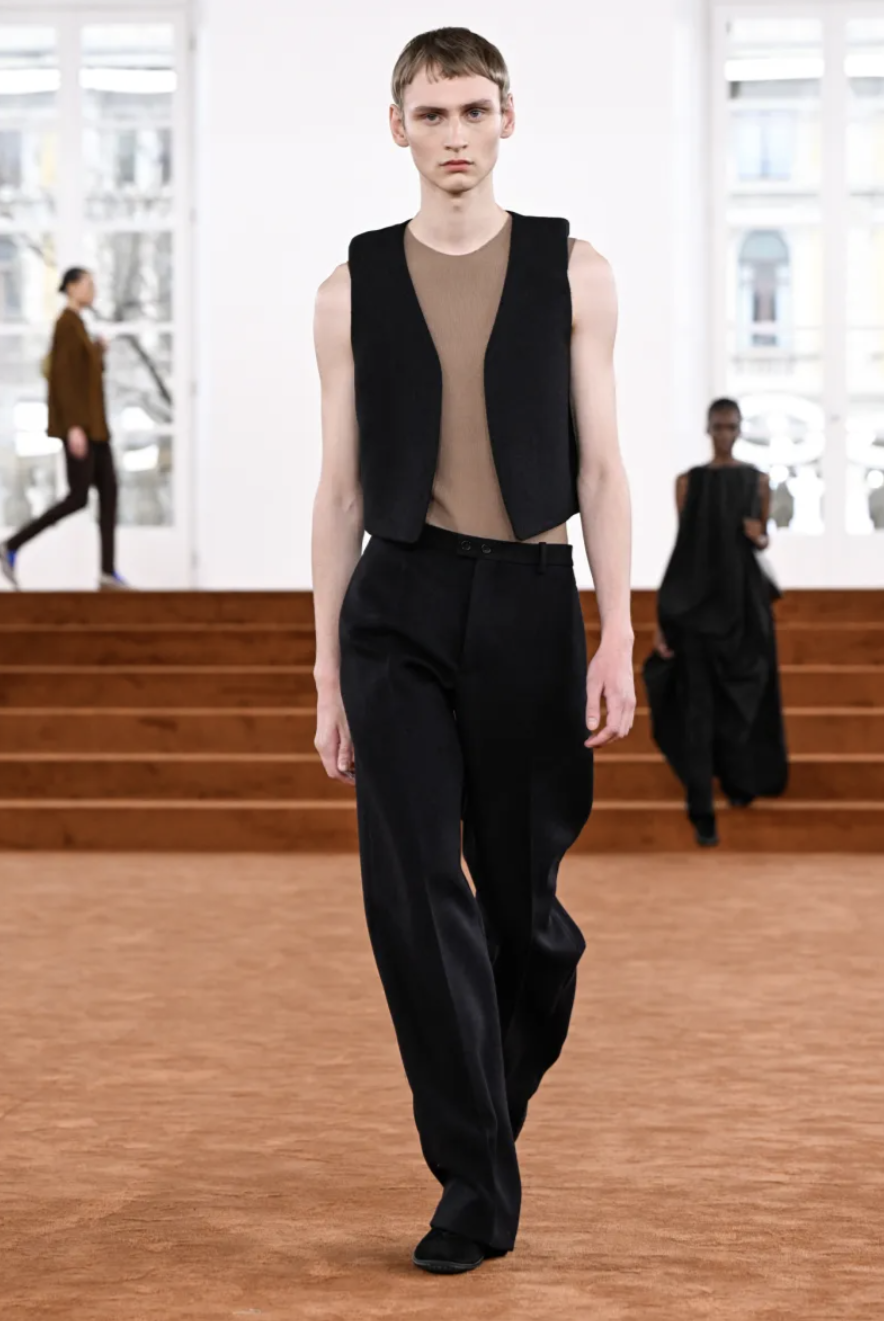
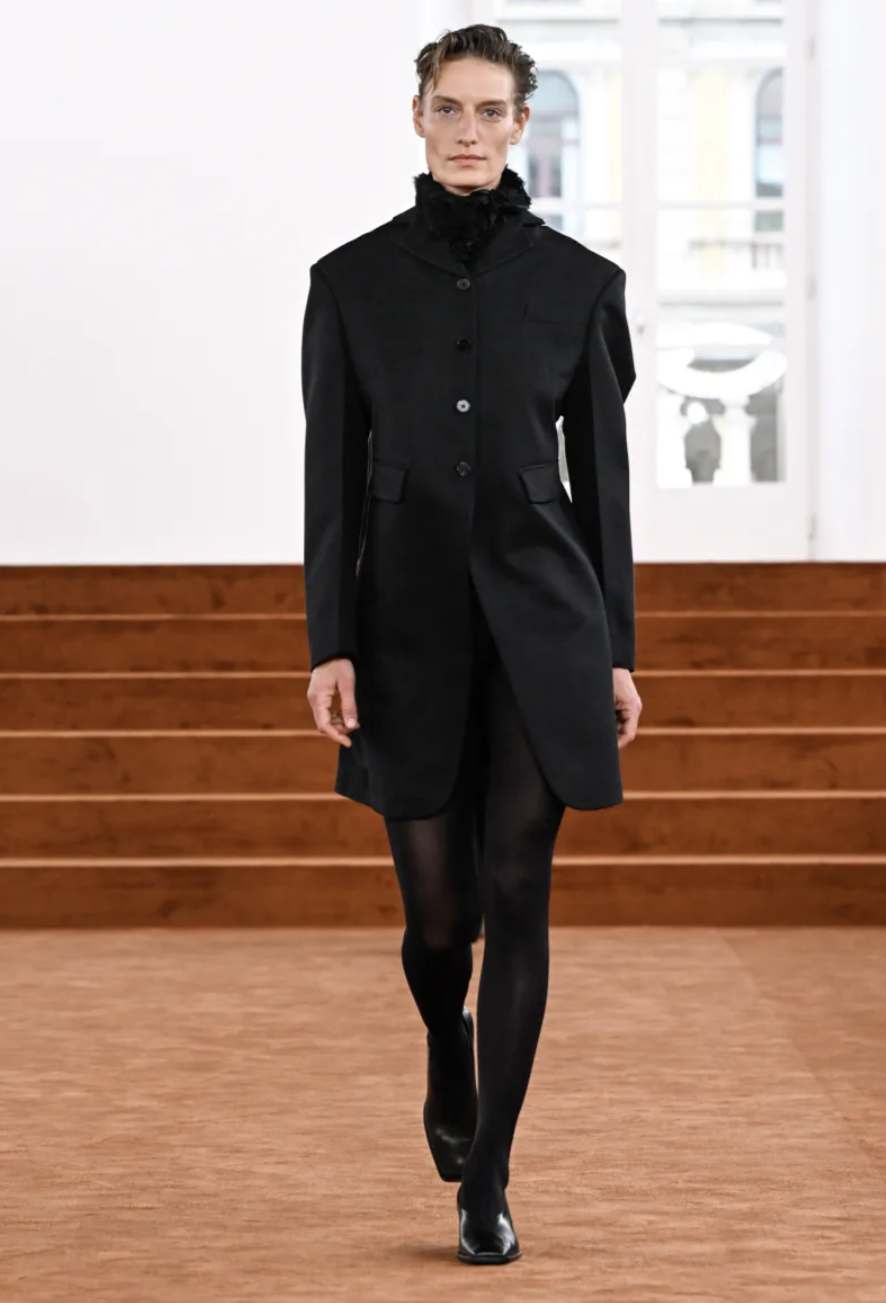
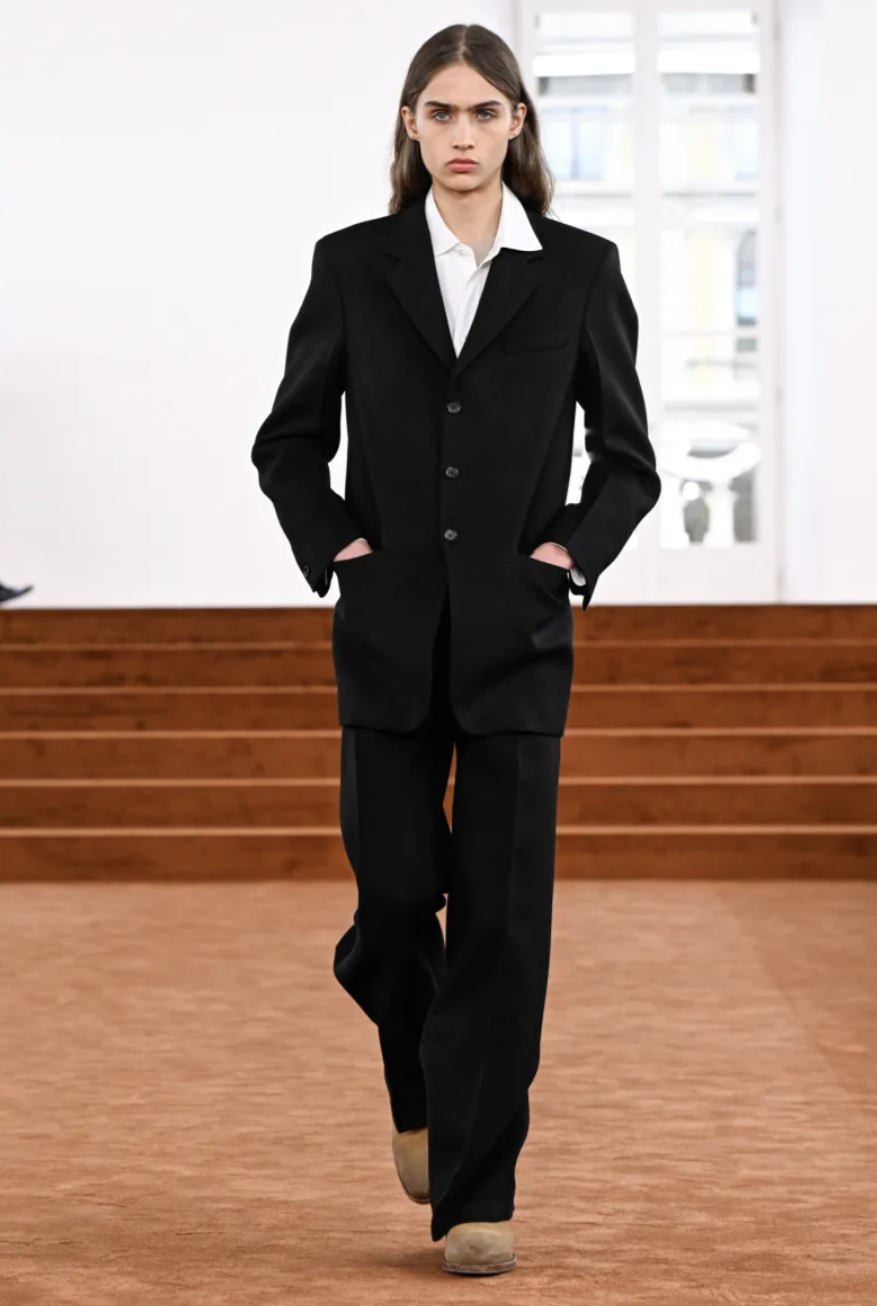
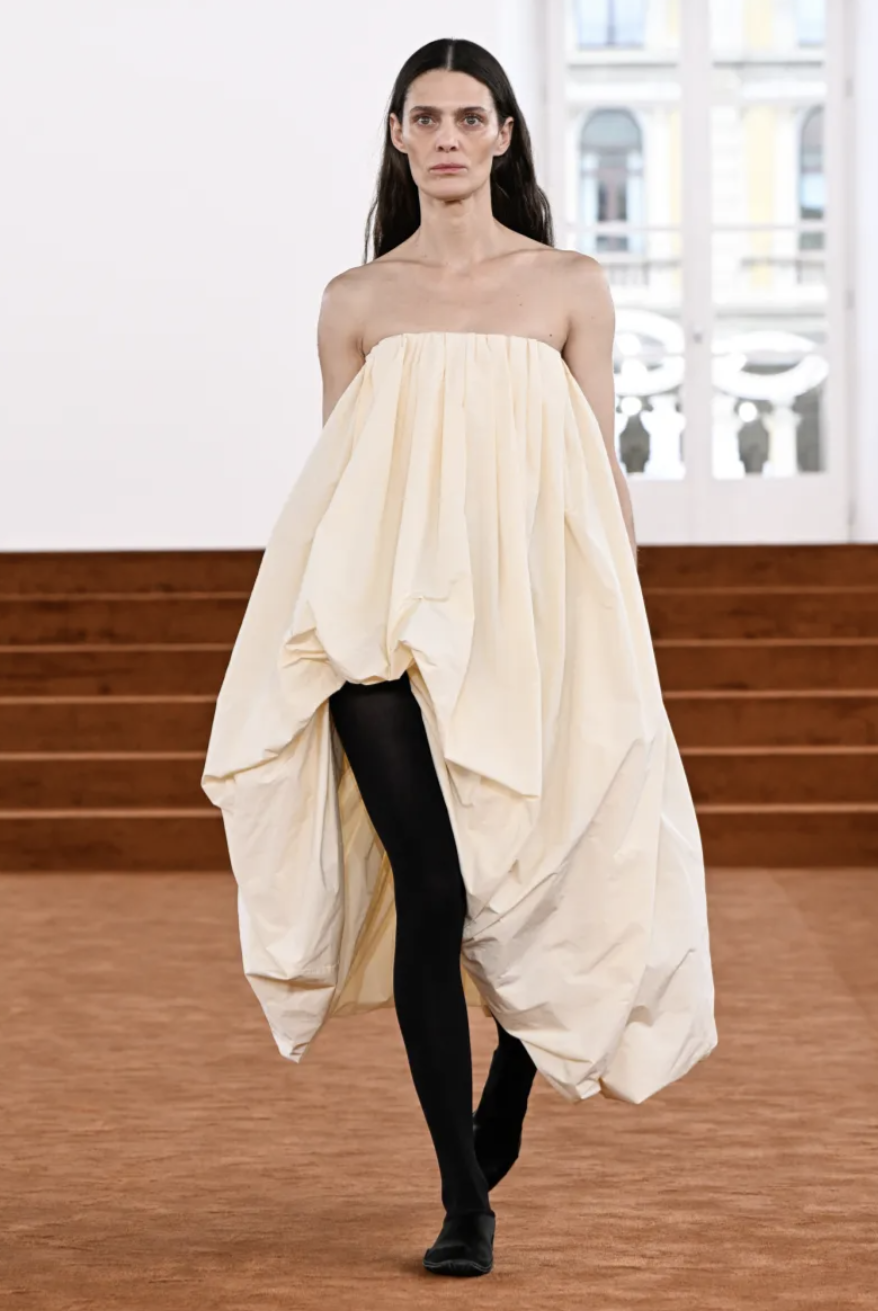
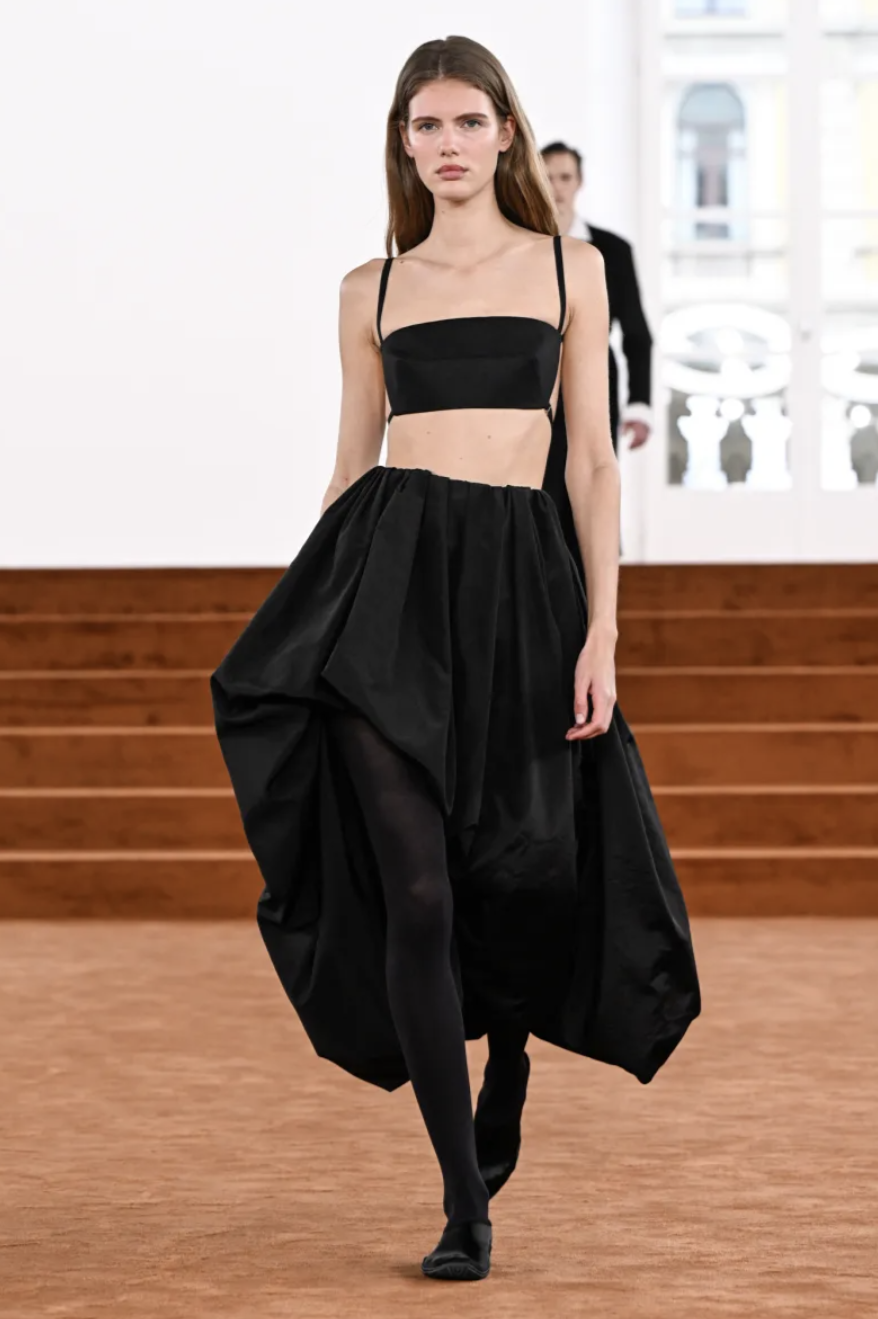
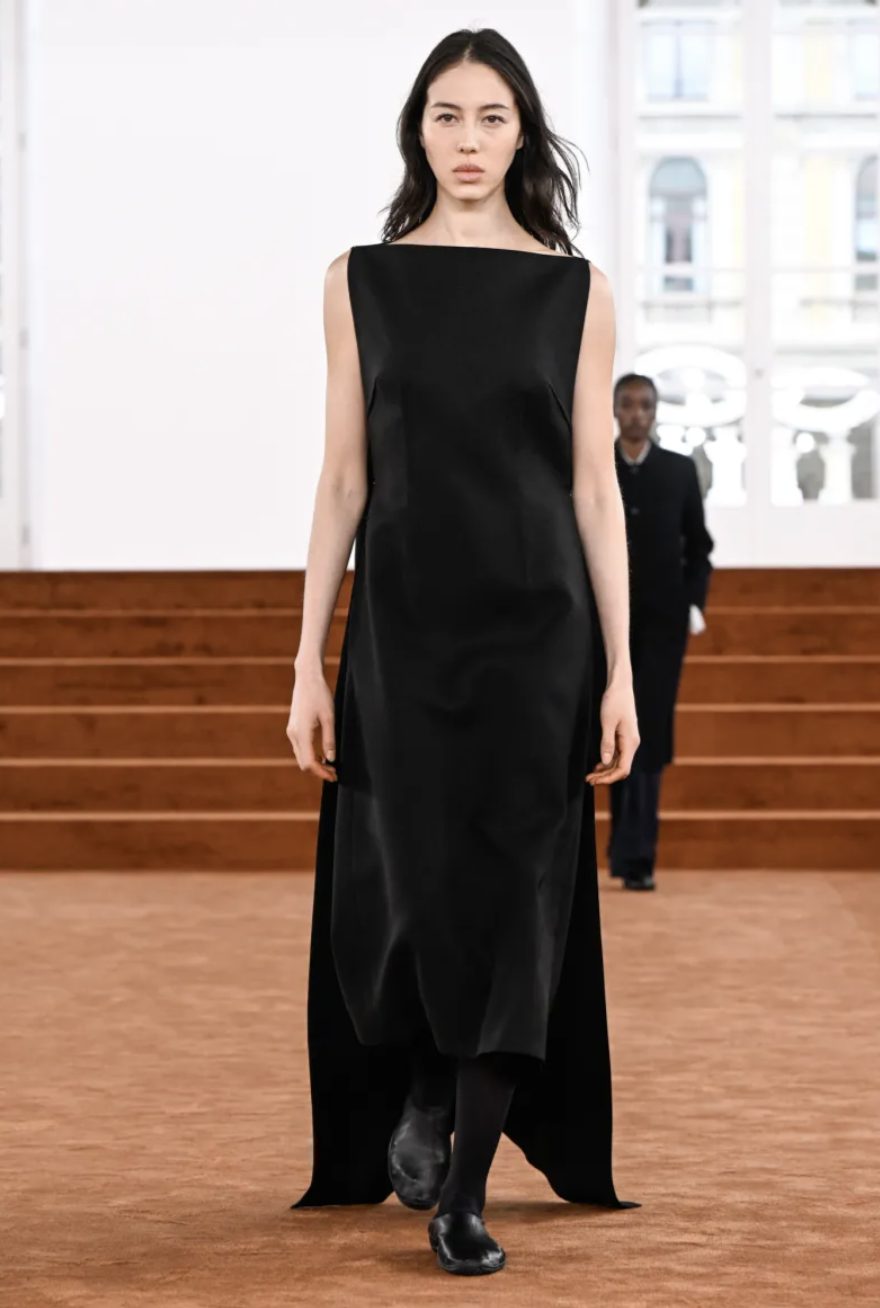
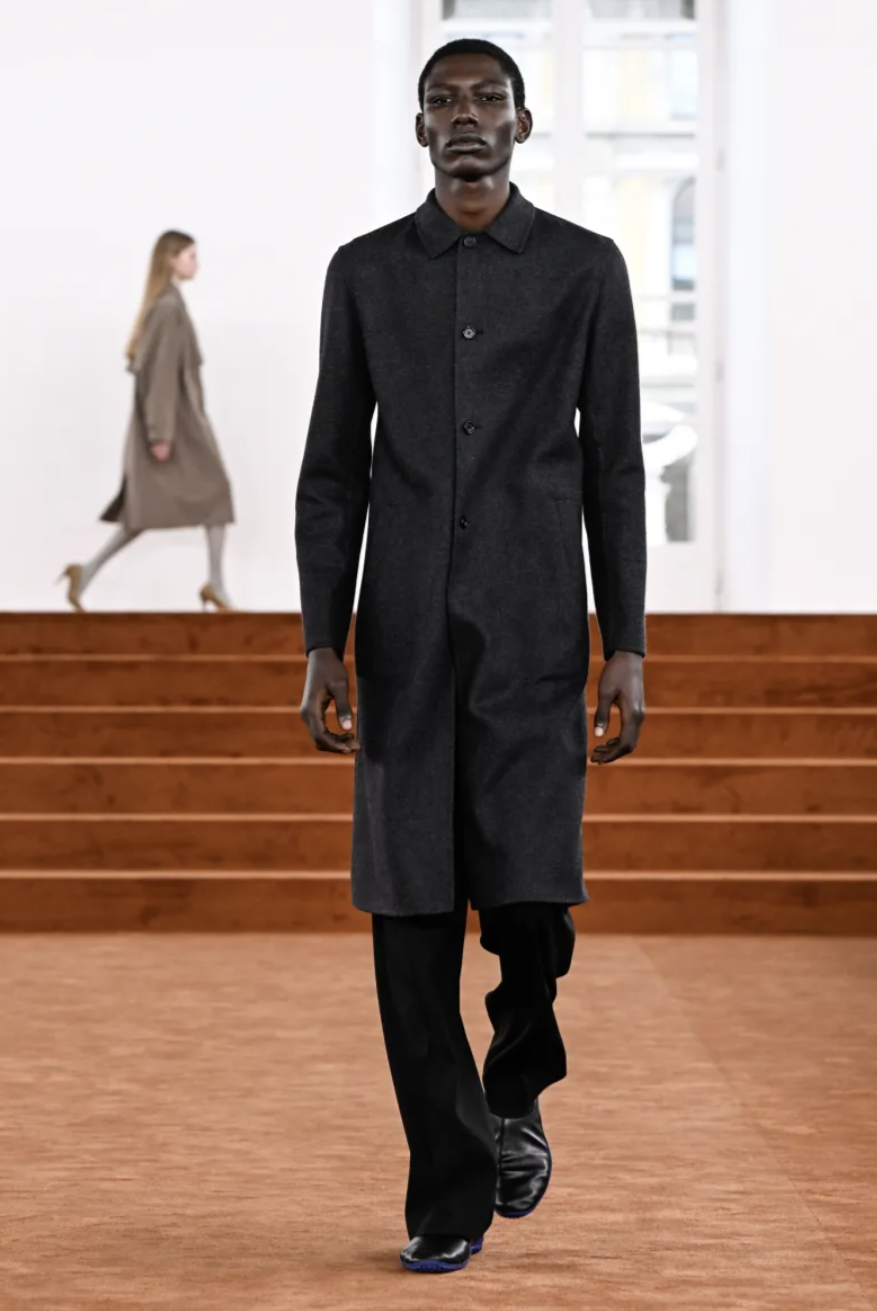
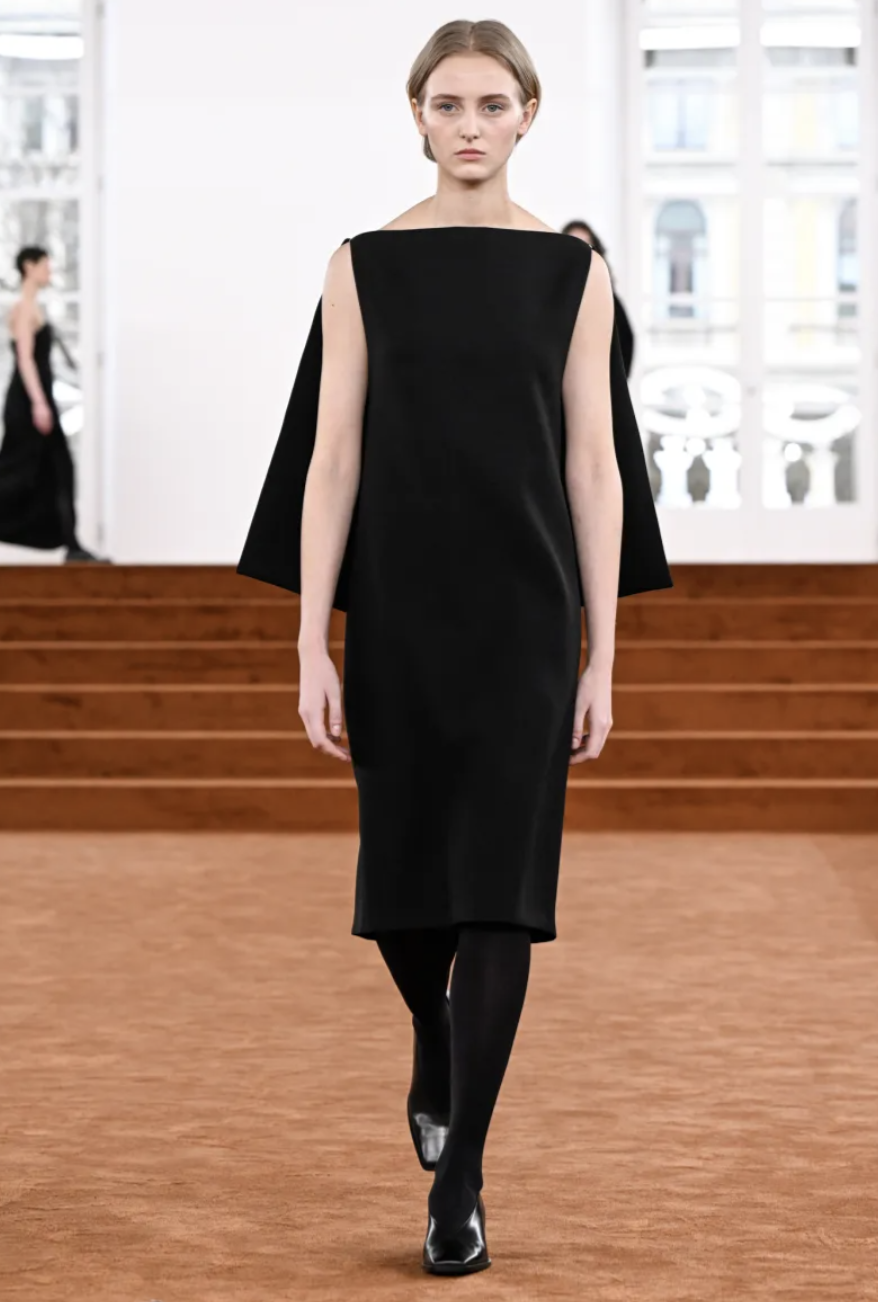
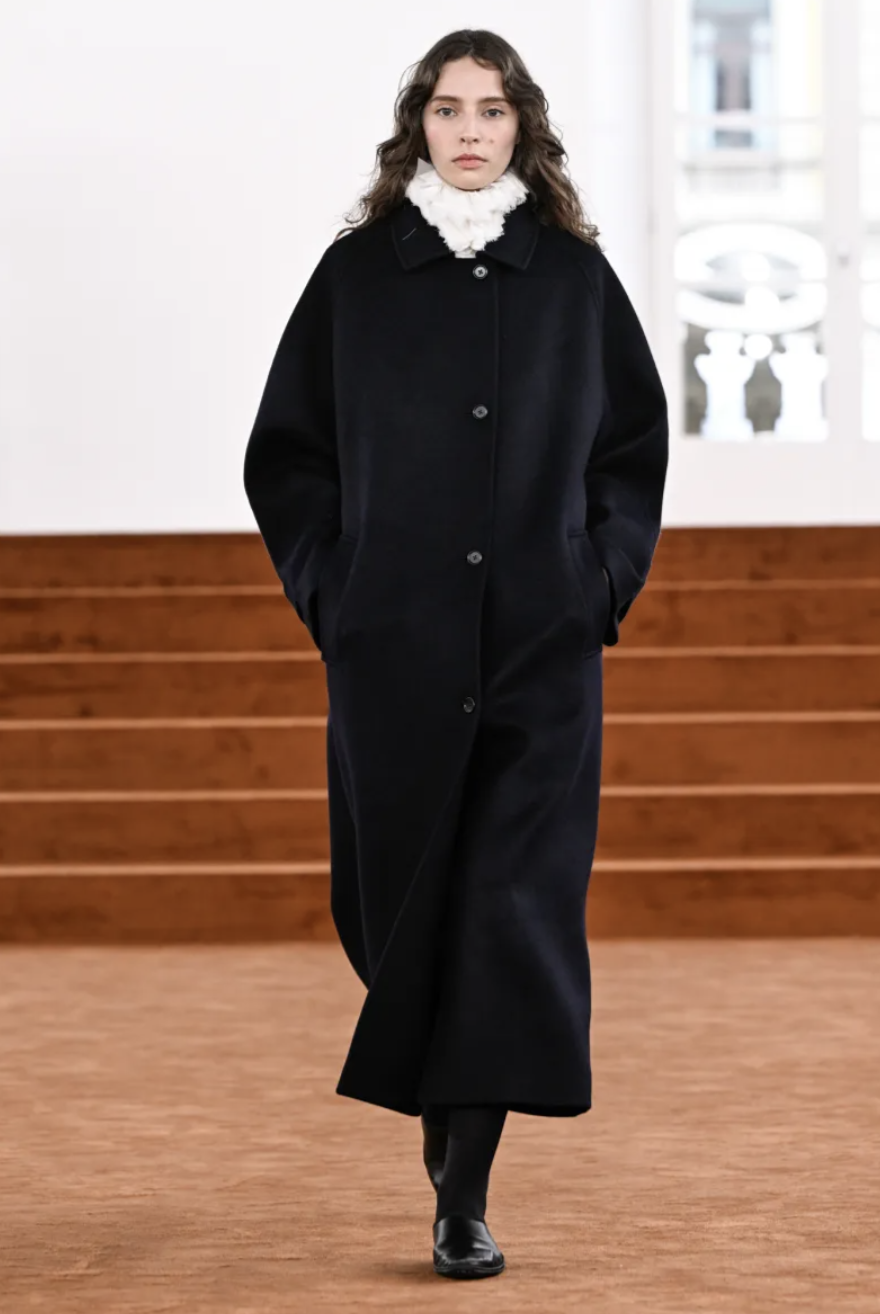
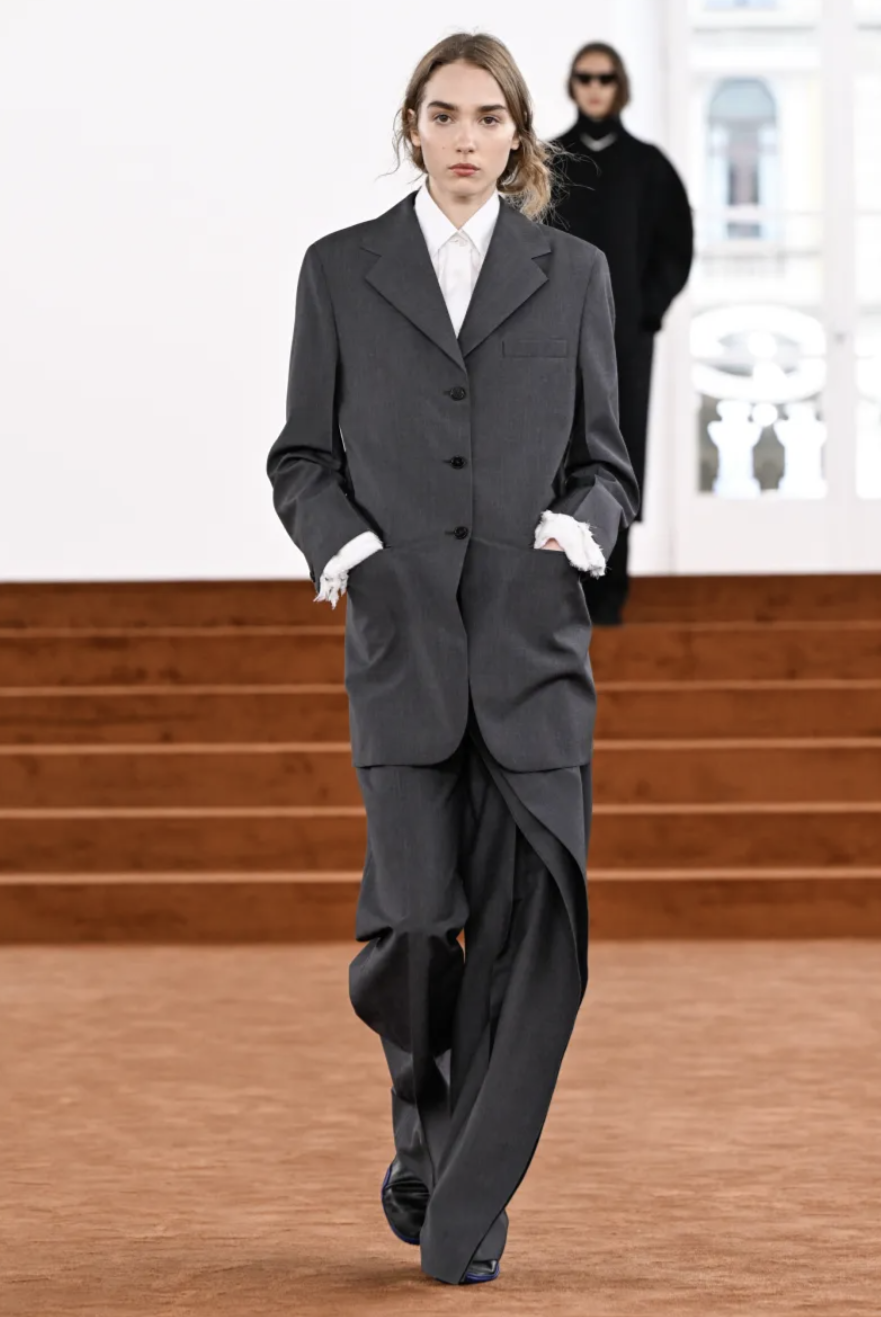
Simone Bellotti’s second outing for Jil Sander began where his debut left off at the edge of minimalism and then took a deliberate step into the dirt. The Fall 2026 show was inspired by Anders Petersen’s Café Lehmitz, the 1978 photo book documenting Hamburg’s rough-edged bar crowd. Bellotti translated that spirit of imperfection into a collection that felt human, tactile, and slightly offbeat, as if the famously pristine Jil Sander world had finally exhaled. The runway, covered in rust-brown carpet and lit with harsh fluorescent tubes, looked more dive bar than design studio, setting the tone for a kind of “lived-in minimalism.”
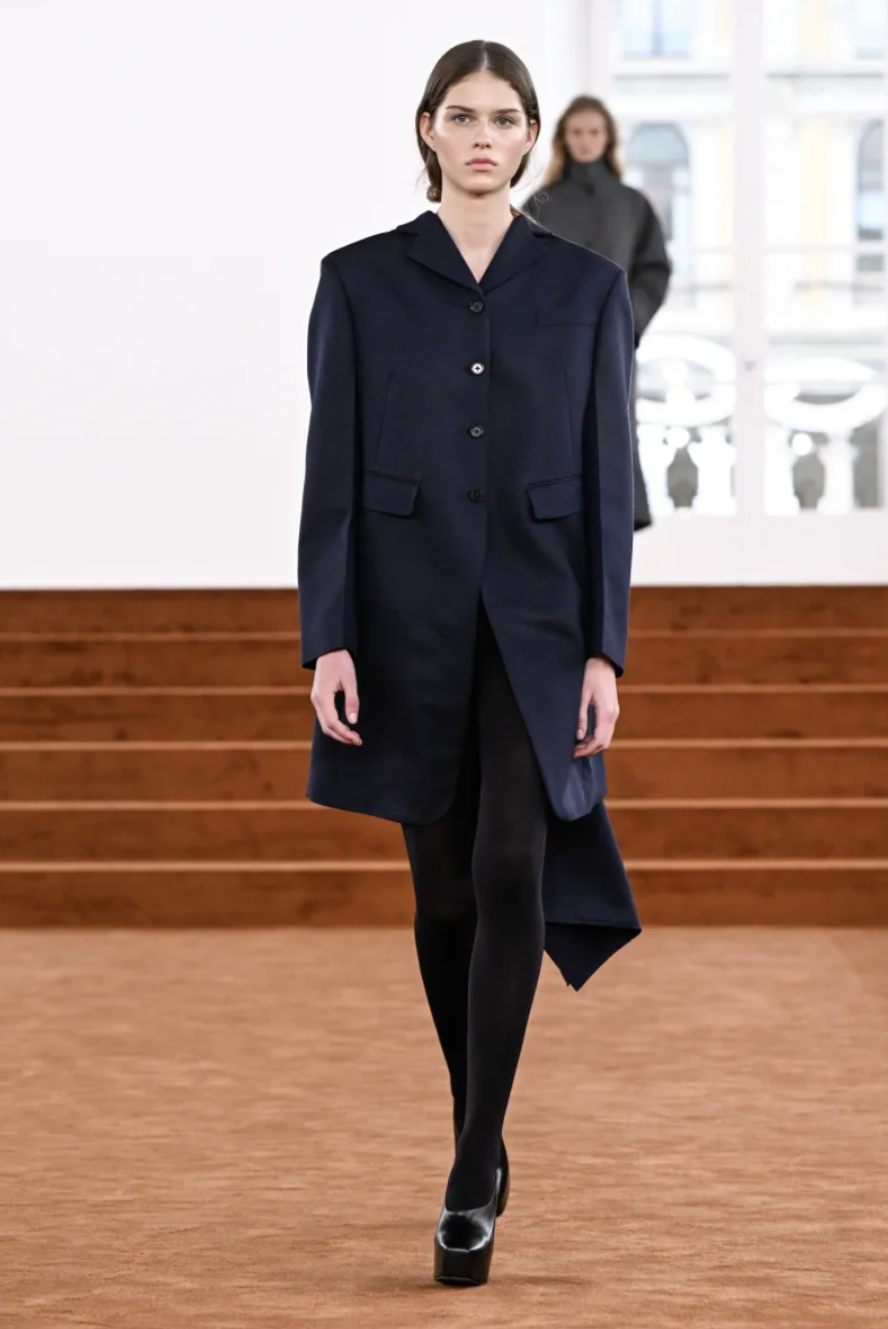
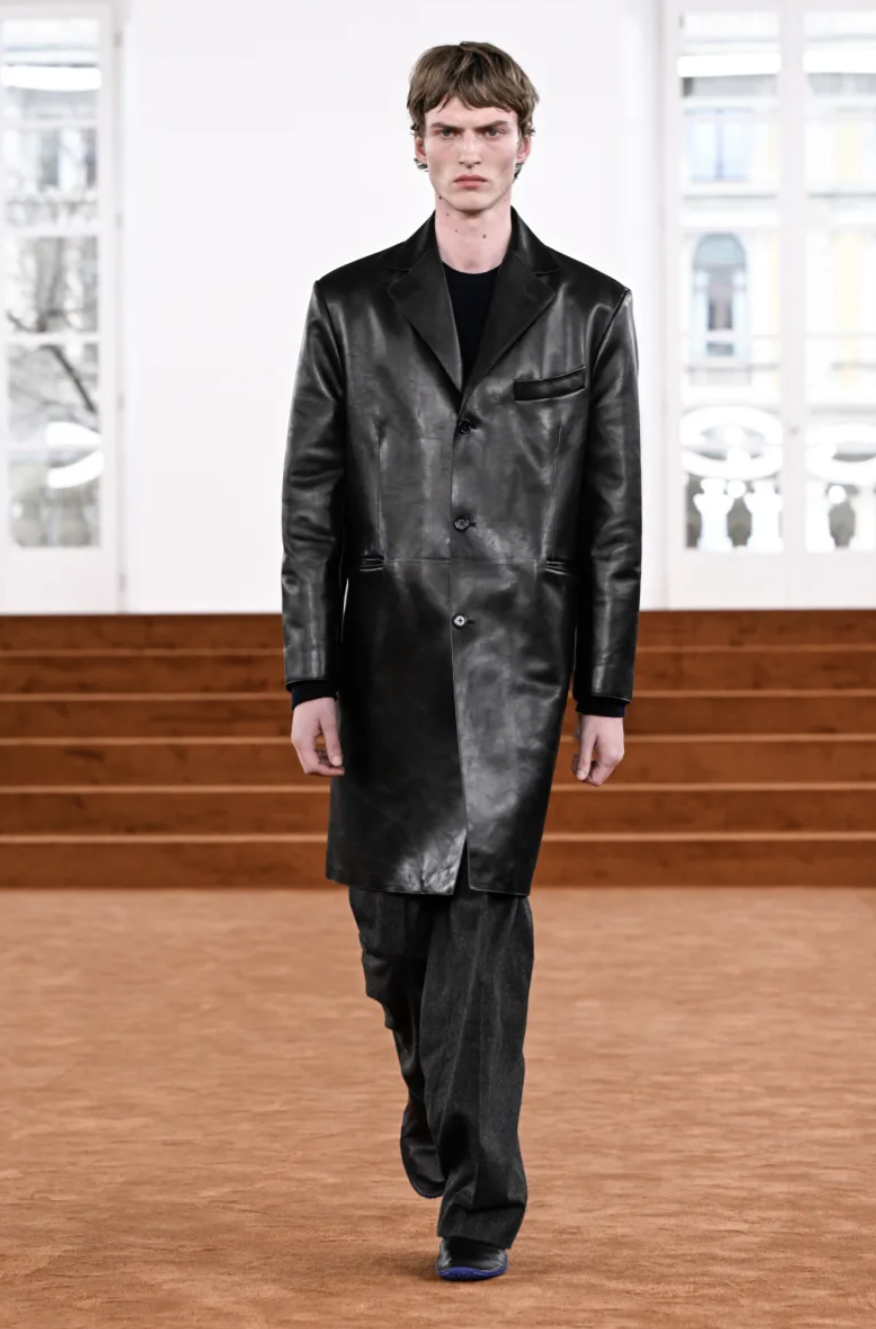
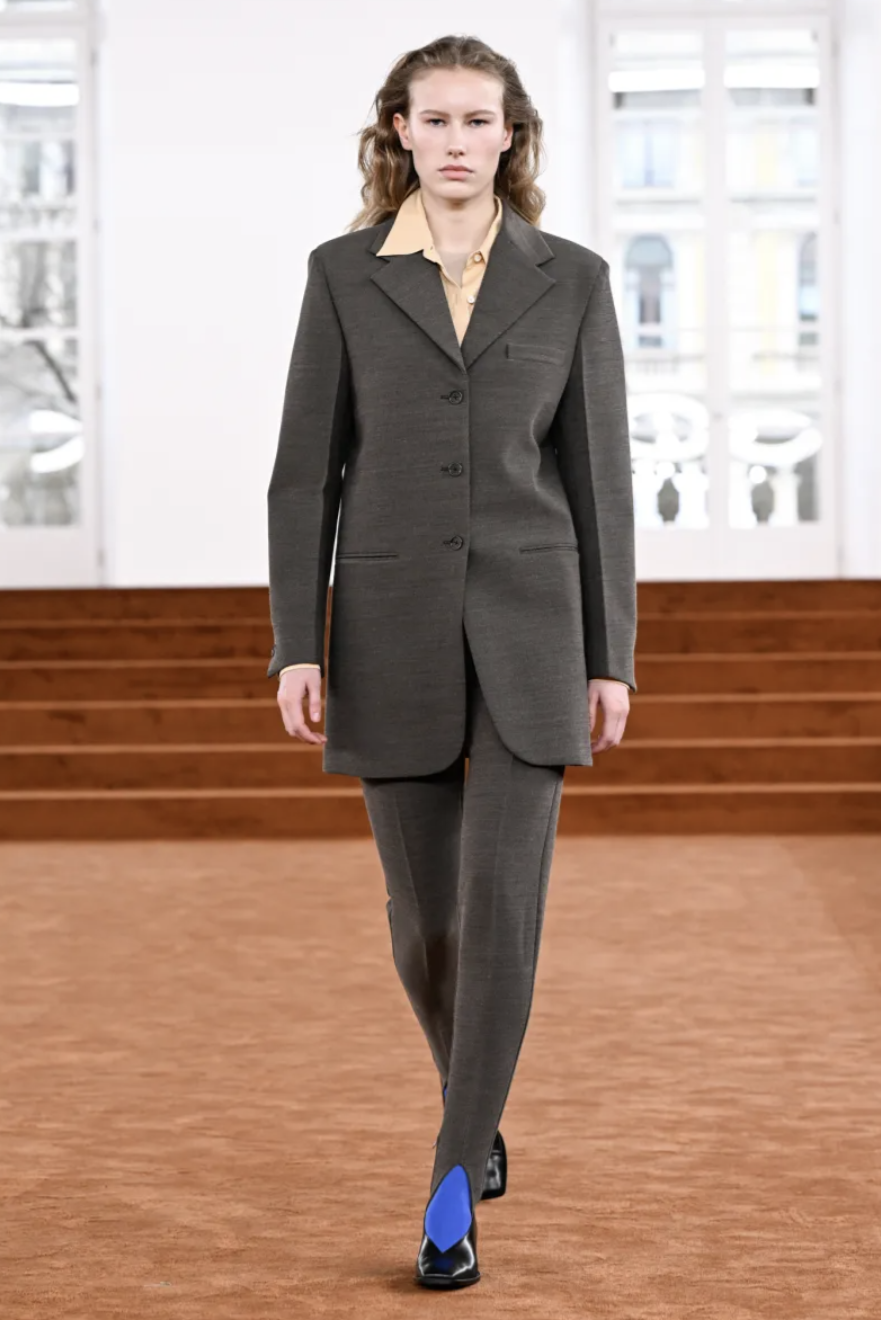
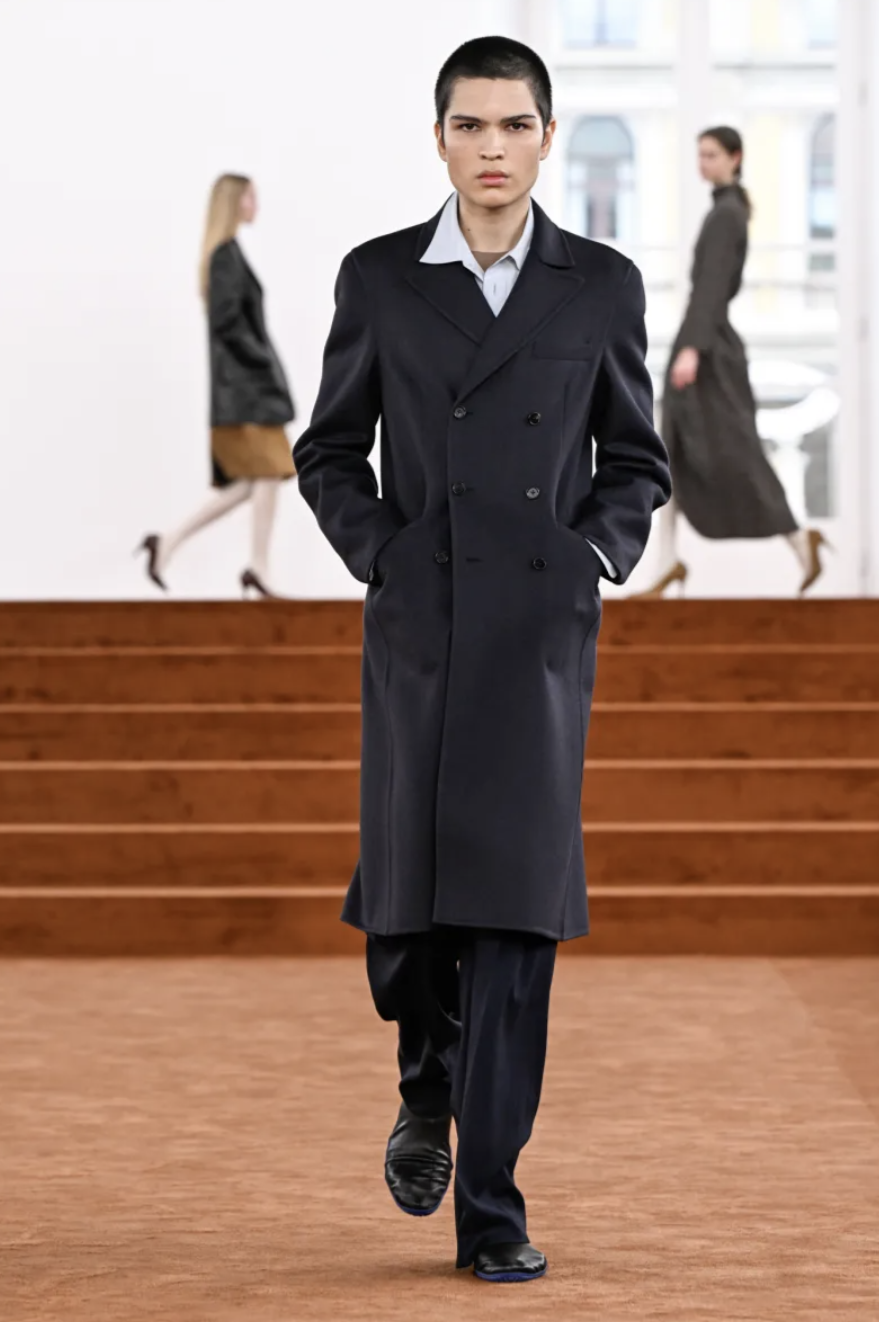
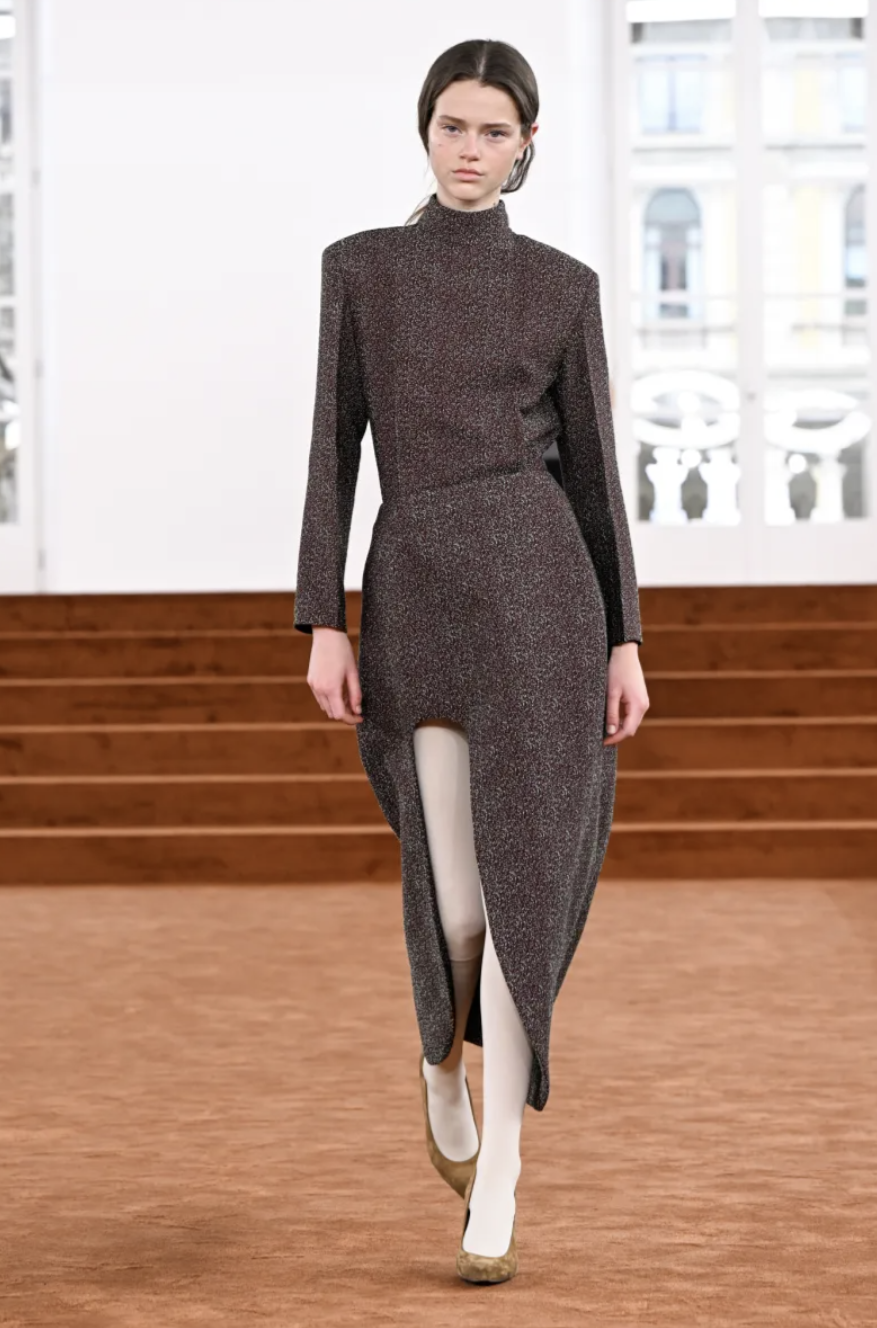
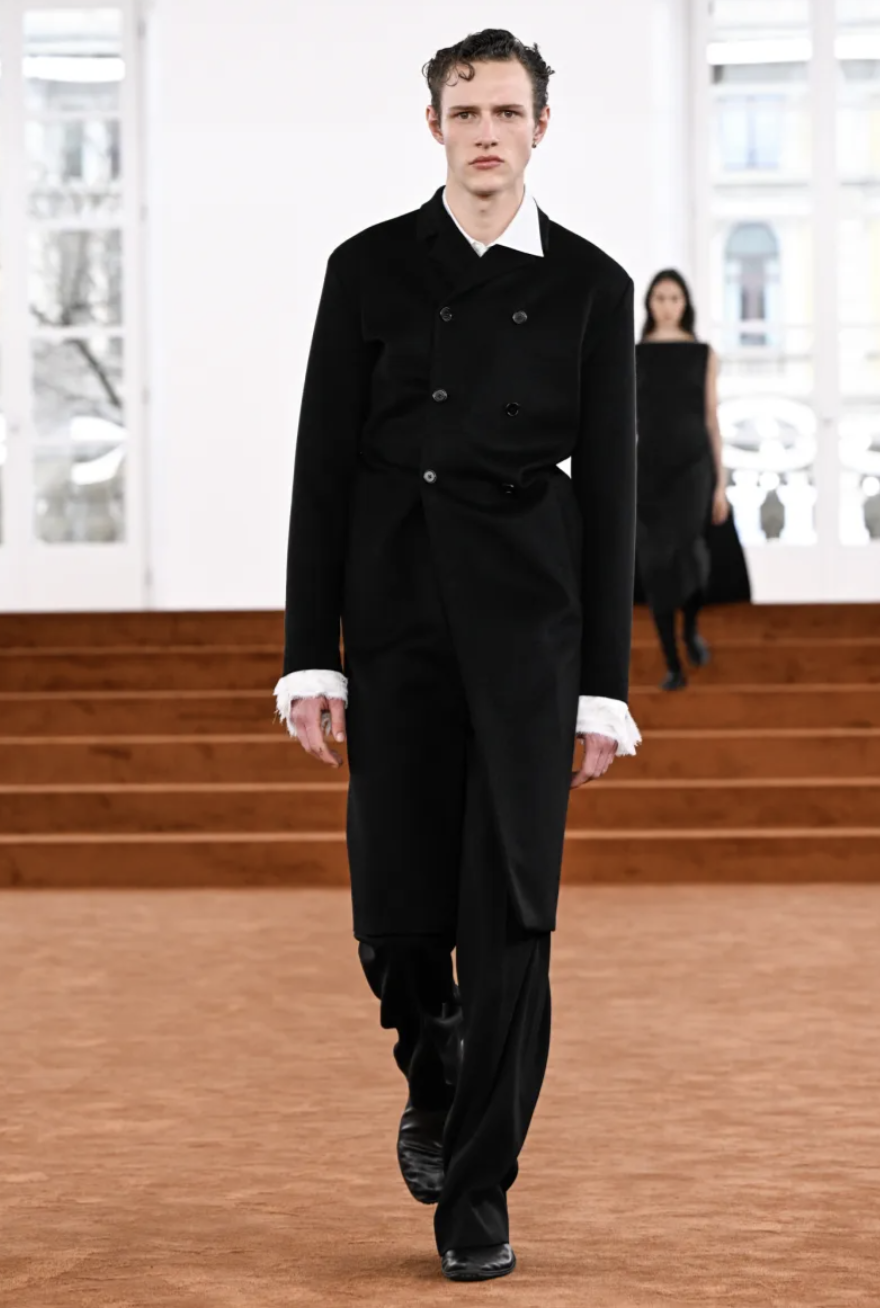
Tailoring, the house’s heartbeat, was reworked with intentional irregularity. Jackets hung long in front but cropped in back, shoulders were narrow and hunched, and some coats appeared short on fabric while others billowed with excess. It was a study in proportion and tension, where imperfection became its own kind of beauty. Sleek black leather coats and blazers carried the brand’s usual precision but were styled with scuffed boots and worn suede skirts, injecting warmth into the cool Sander codes. The effect was surprisingly emotional, like seeing structure loosen its tie.
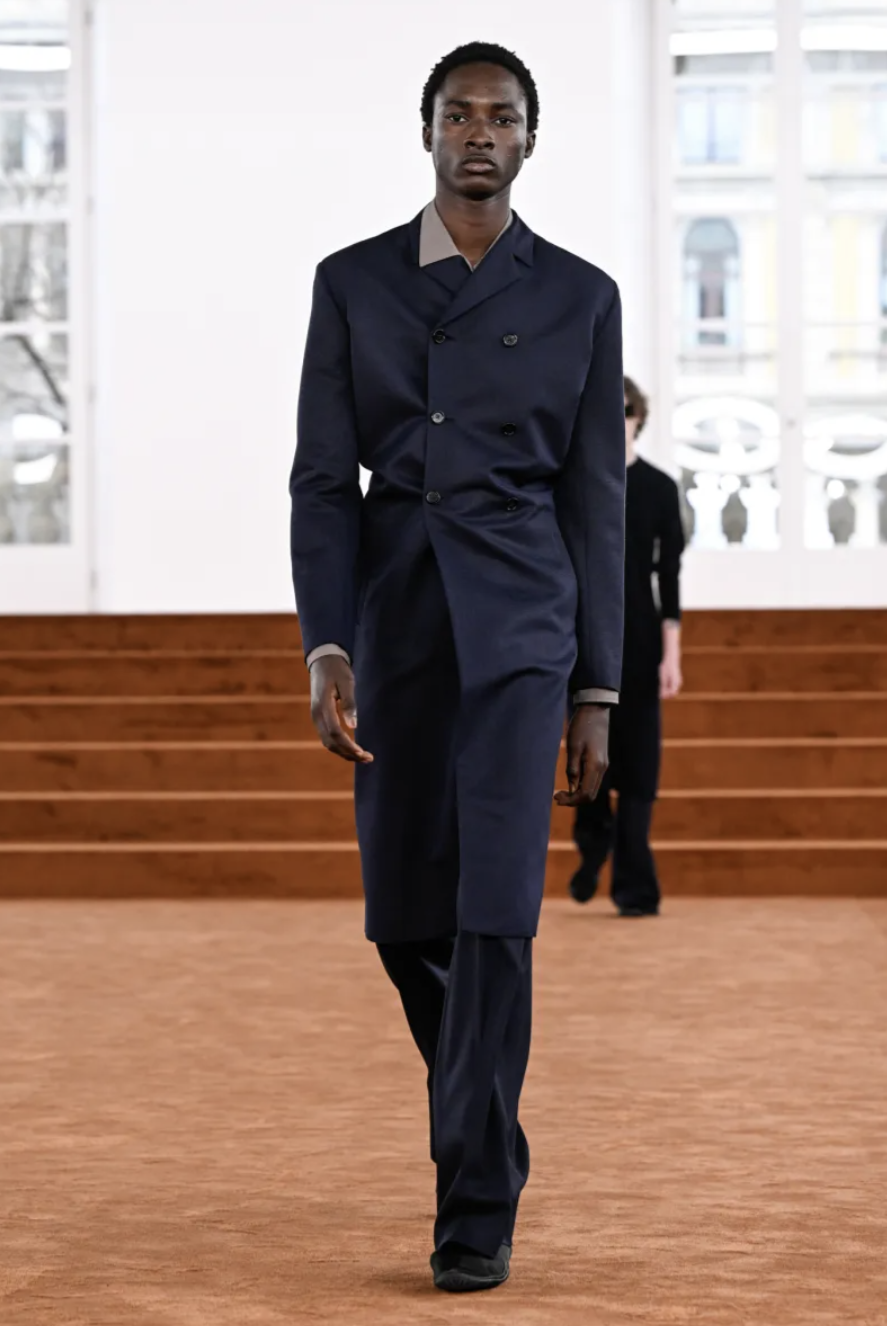
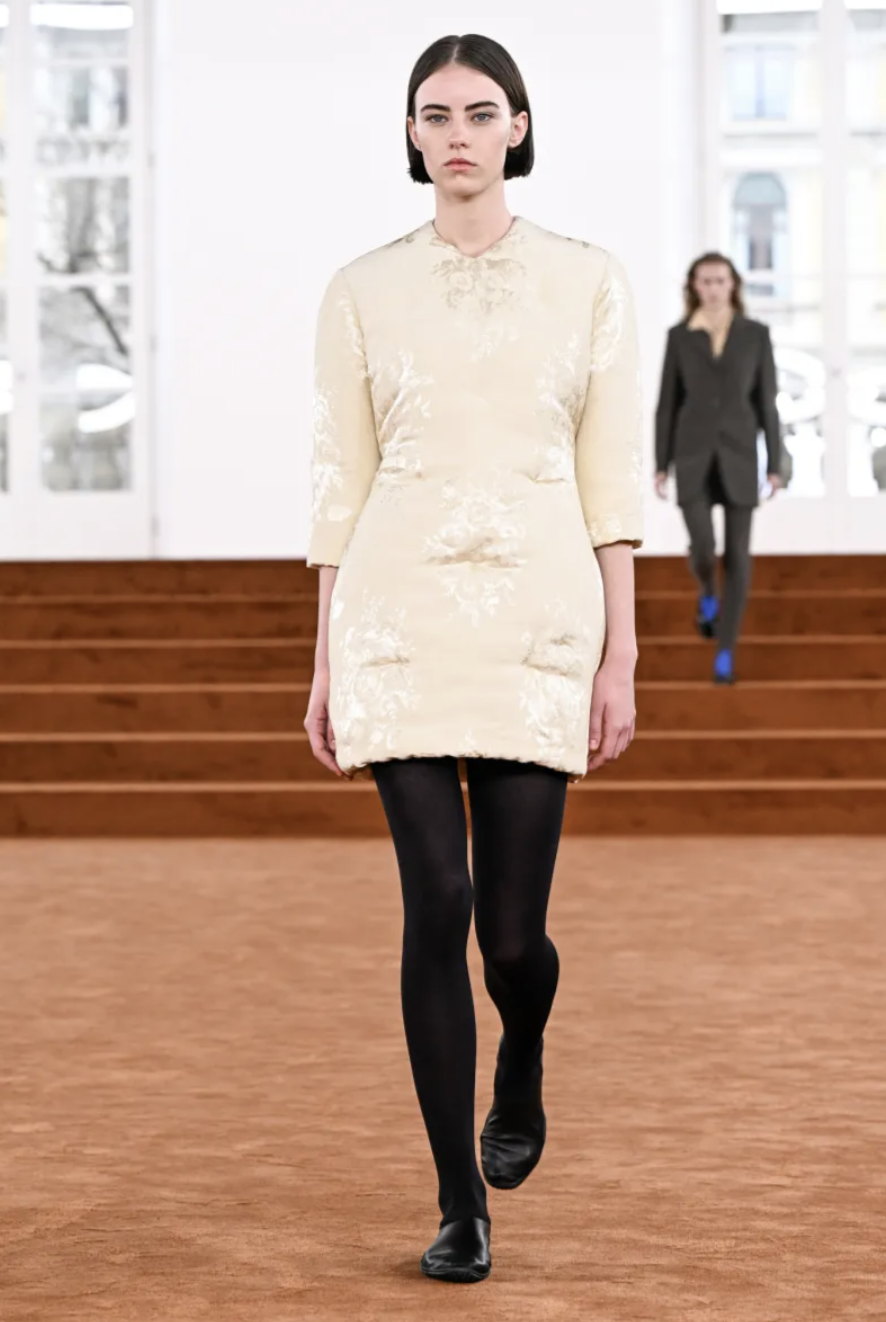
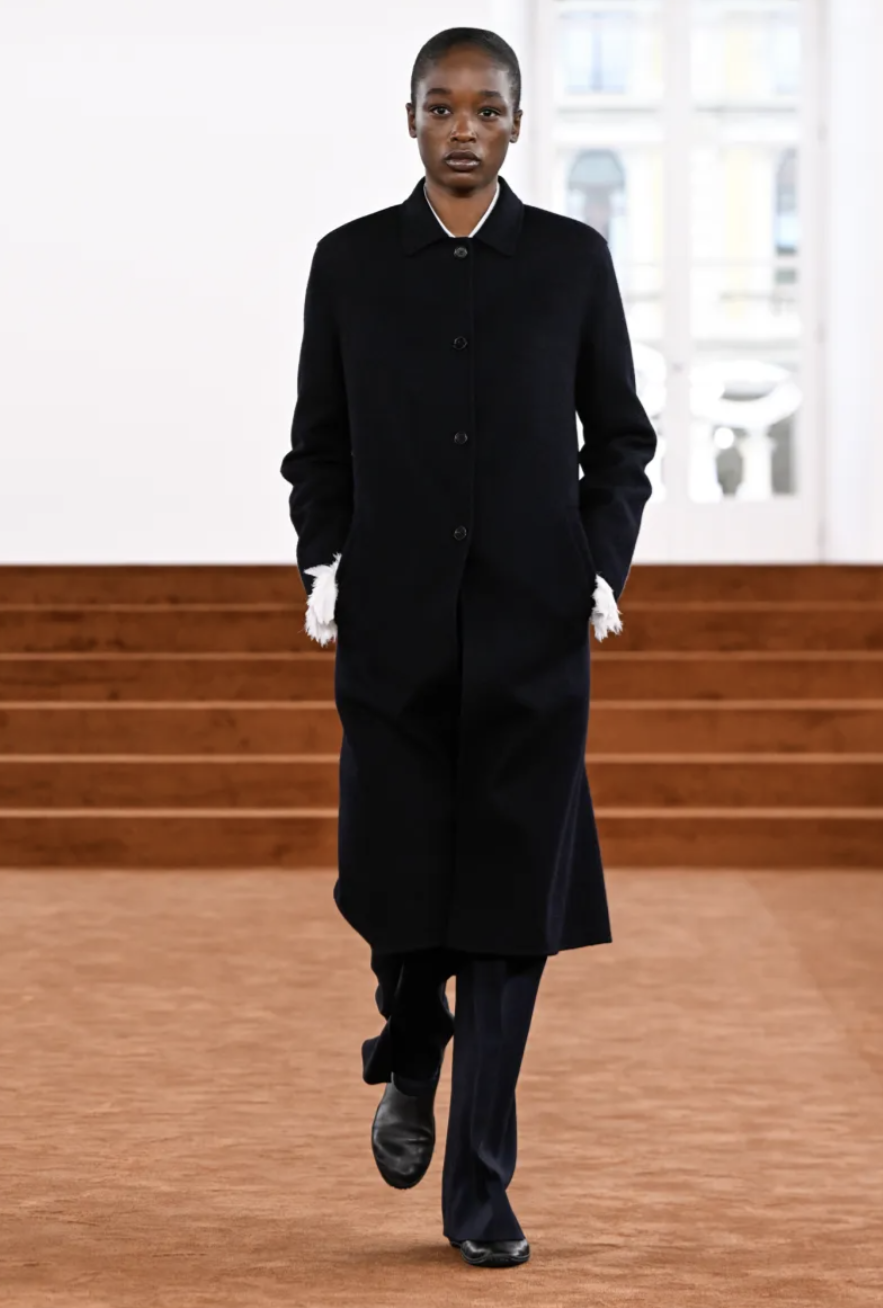
The show’s theme of “home” came full circle in a tribute to Bellotti’s late father, an upholsterer, reflected in tweeds that looked borrowed from old sofas and a padded jacquard minidress reminiscent of a mattress. But nostalgia wasn’t the point. Amid the grit, there were flashes of pure Jil Sander polish, navy coats with millefeuille collars and cuffs that fluttered just enough to feel imperfectly perfect. Bellotti’s message was clear: minimalism doesn’t need to be pristine to feel new. Sometimes, a little mess is what makes it modern.