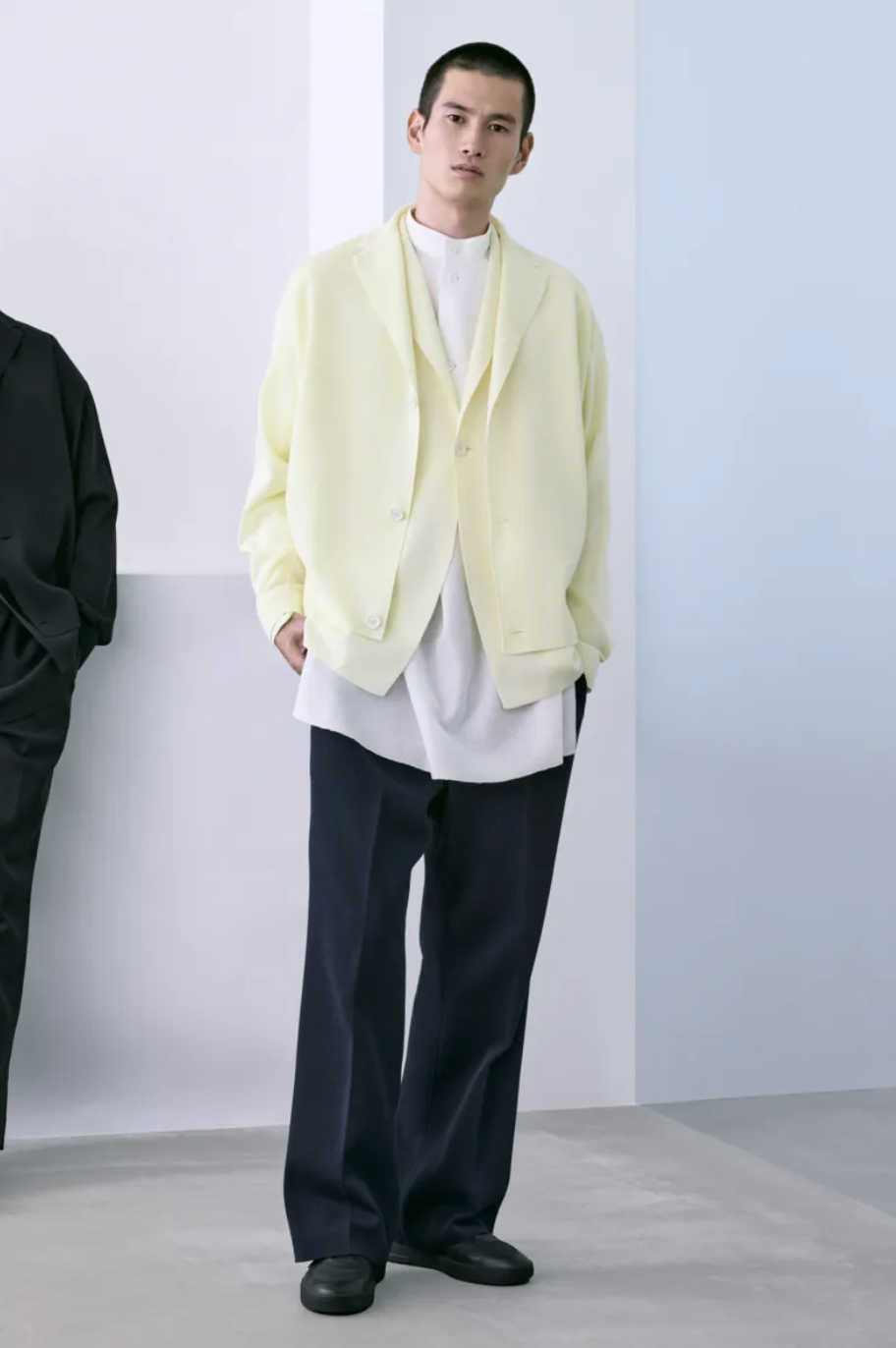
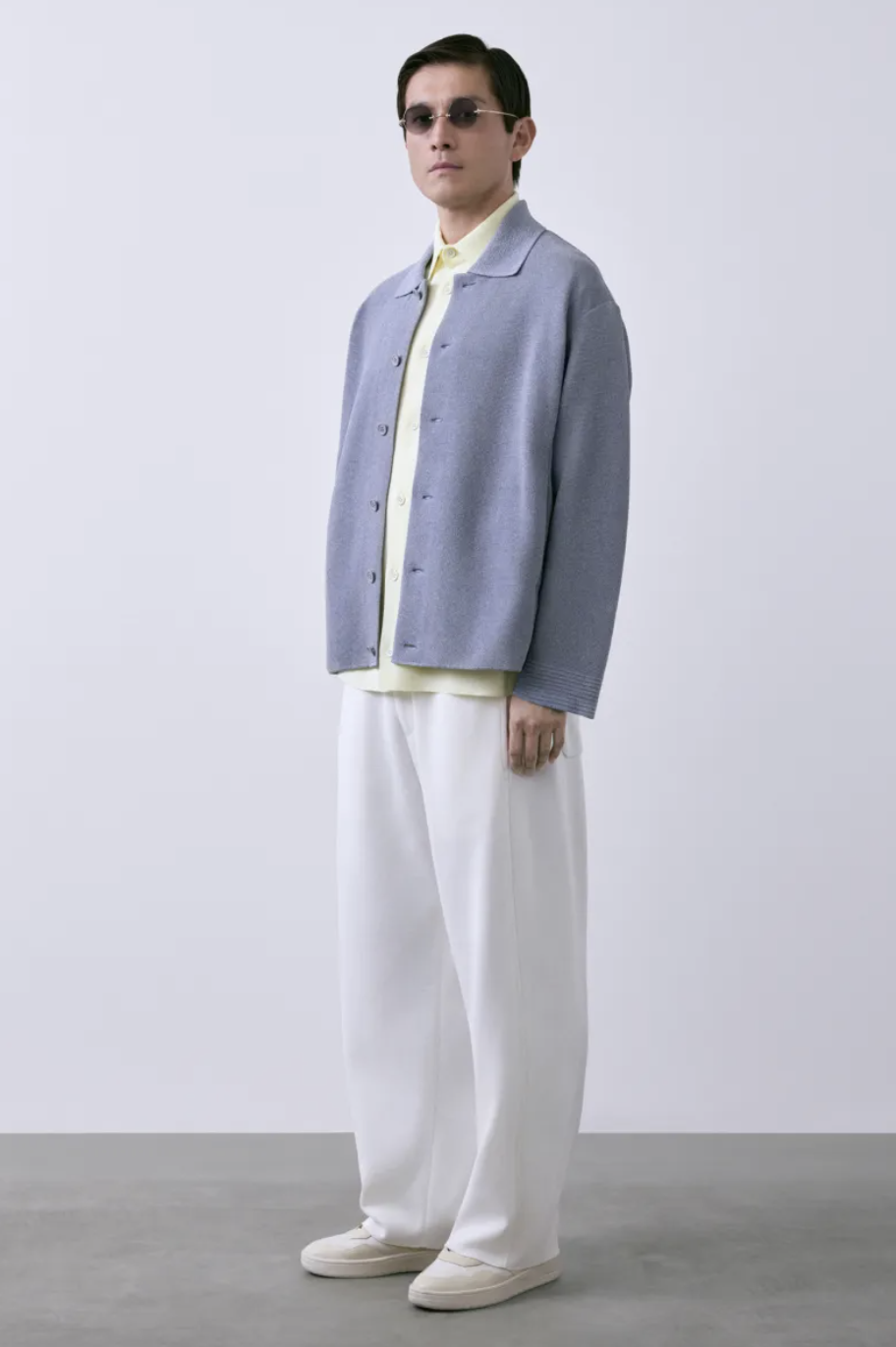
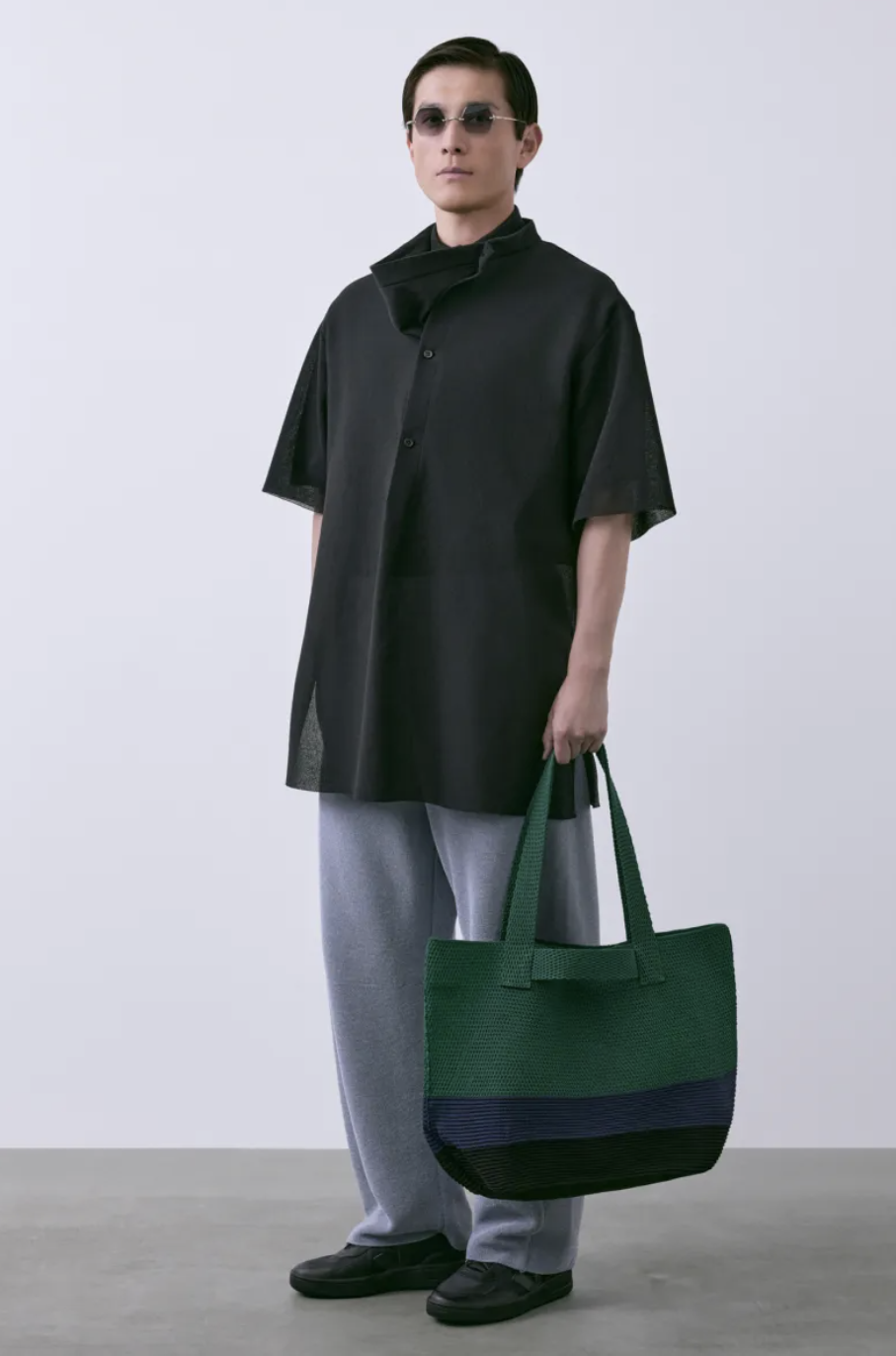
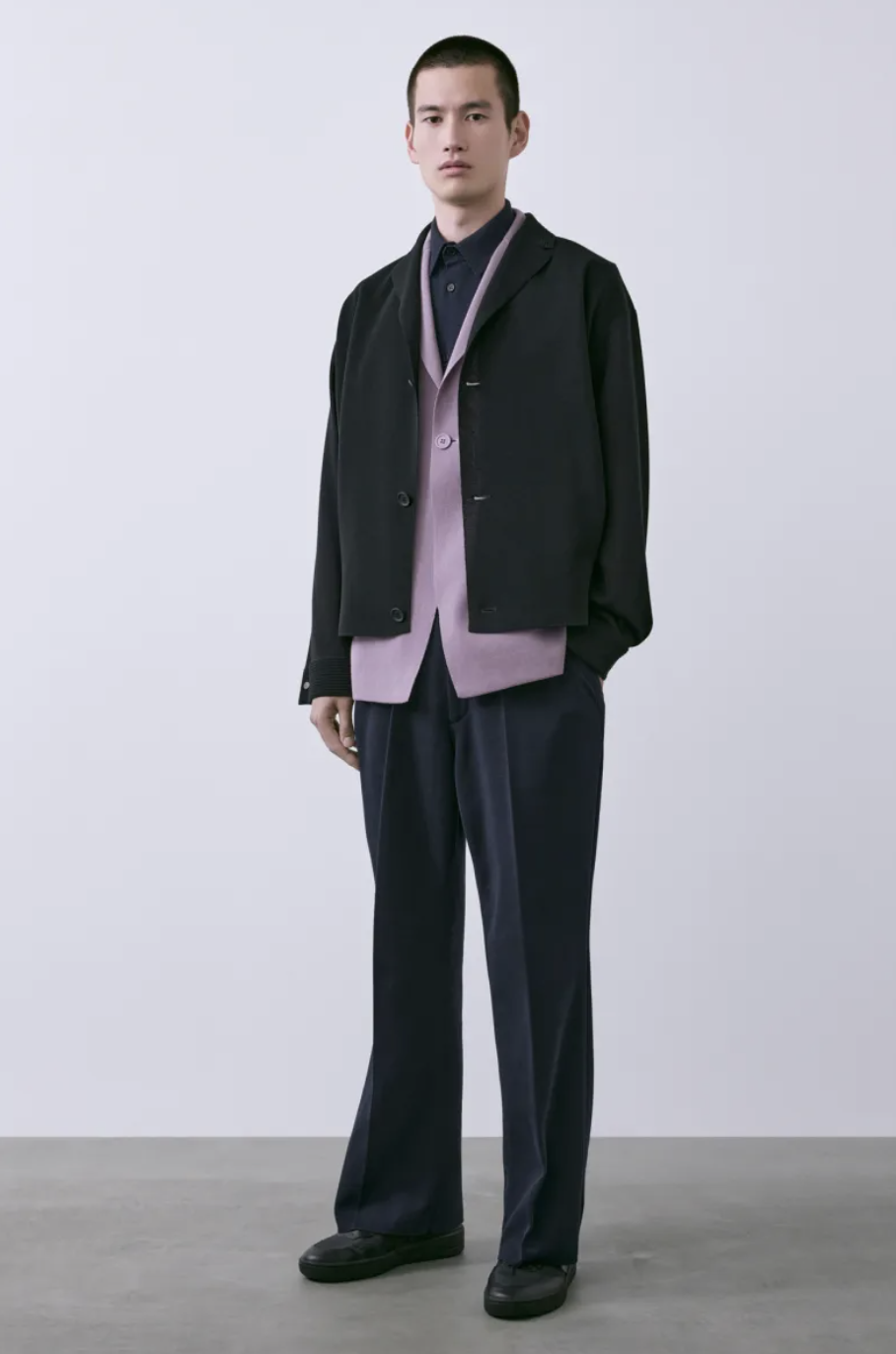
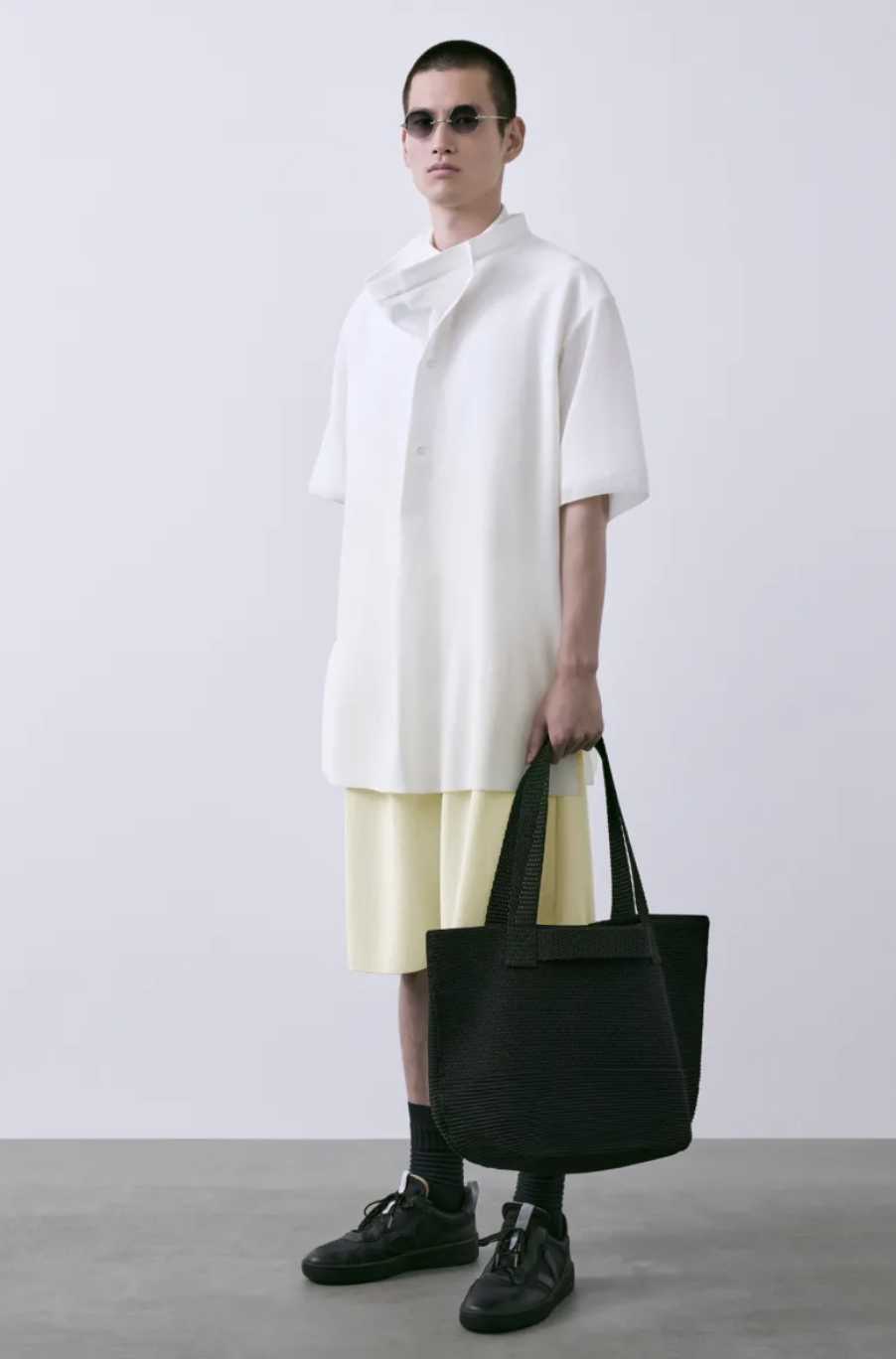
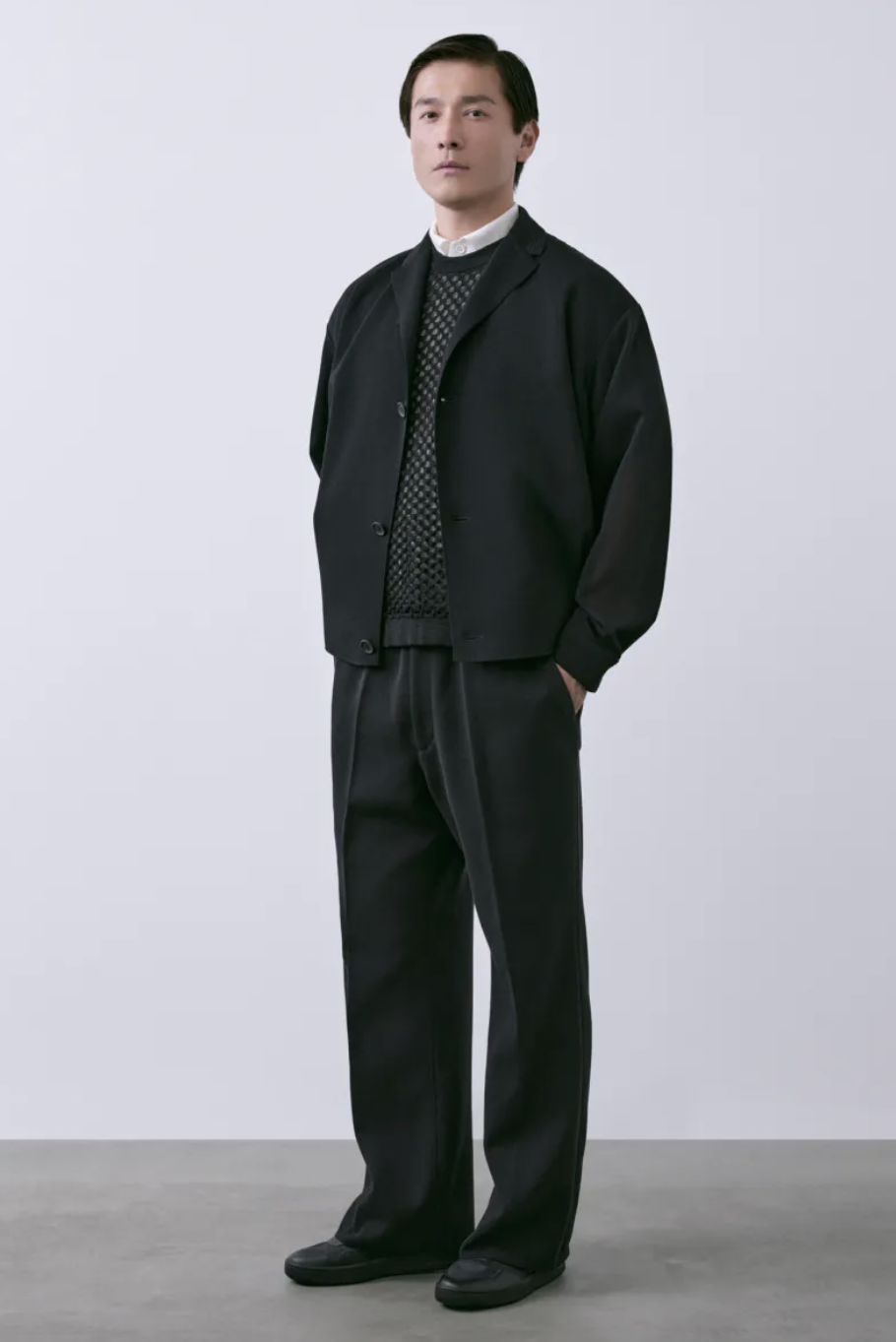
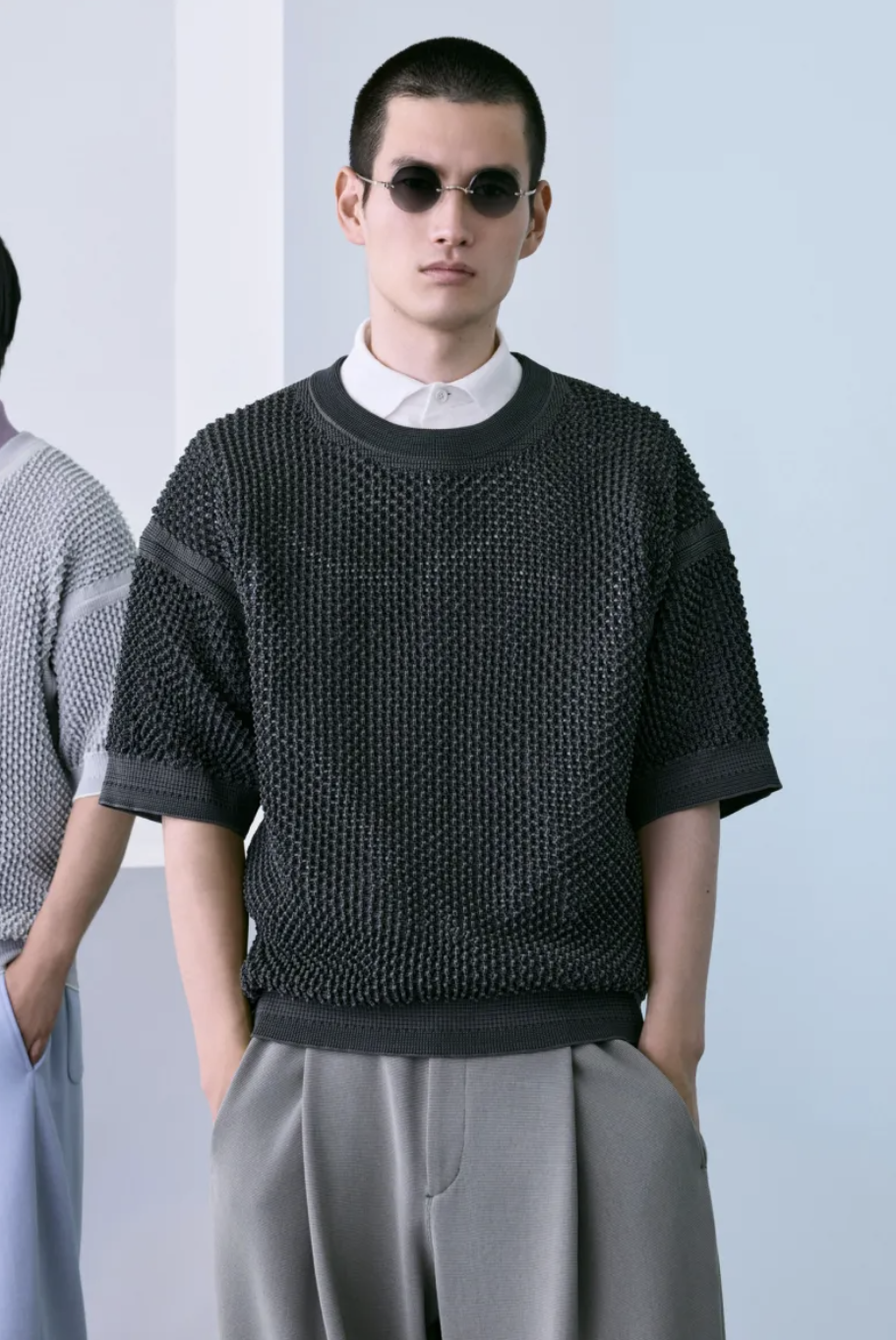
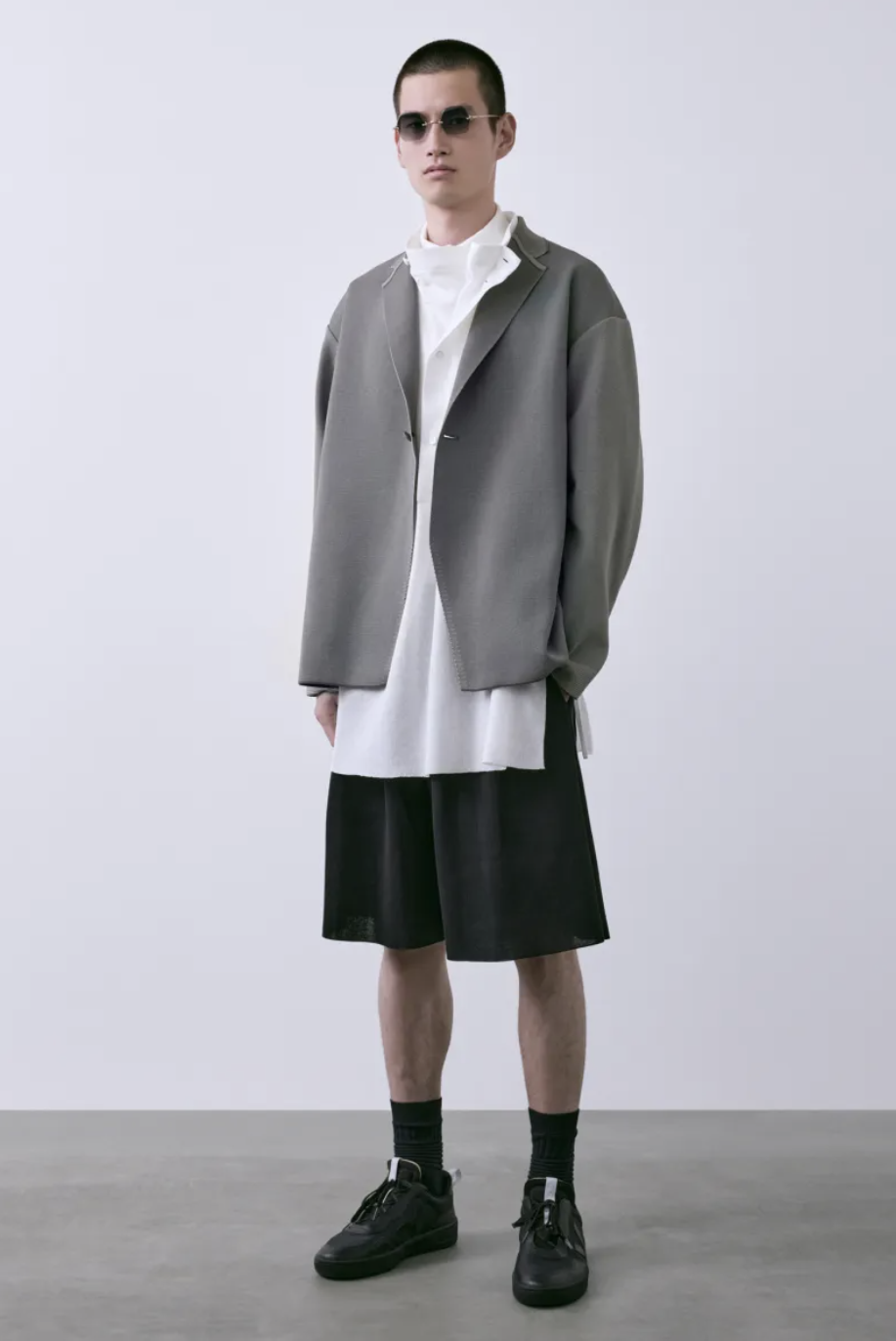
CFCL Men’s Spring 2027
There is something quietly reassuring about a CFCL show. In a season where many designers leaned into spectacle, celebrity and increasingly elaborate narratives, Yusuke Takahashi once again demonstrated that innovation doesn't always need a dramatic stage. Presented during Paris Fashion Week on one of the hottest days the city has ever recorded, CFCL Men's Spring/Summer 2027 felt remarkably attuned to the realities of contemporary dressing. Rather than asking how menswear can become louder or more theatrical, Takahashi posed a far more relevant question: how should luxury clothing evolve for the world we actually live in?
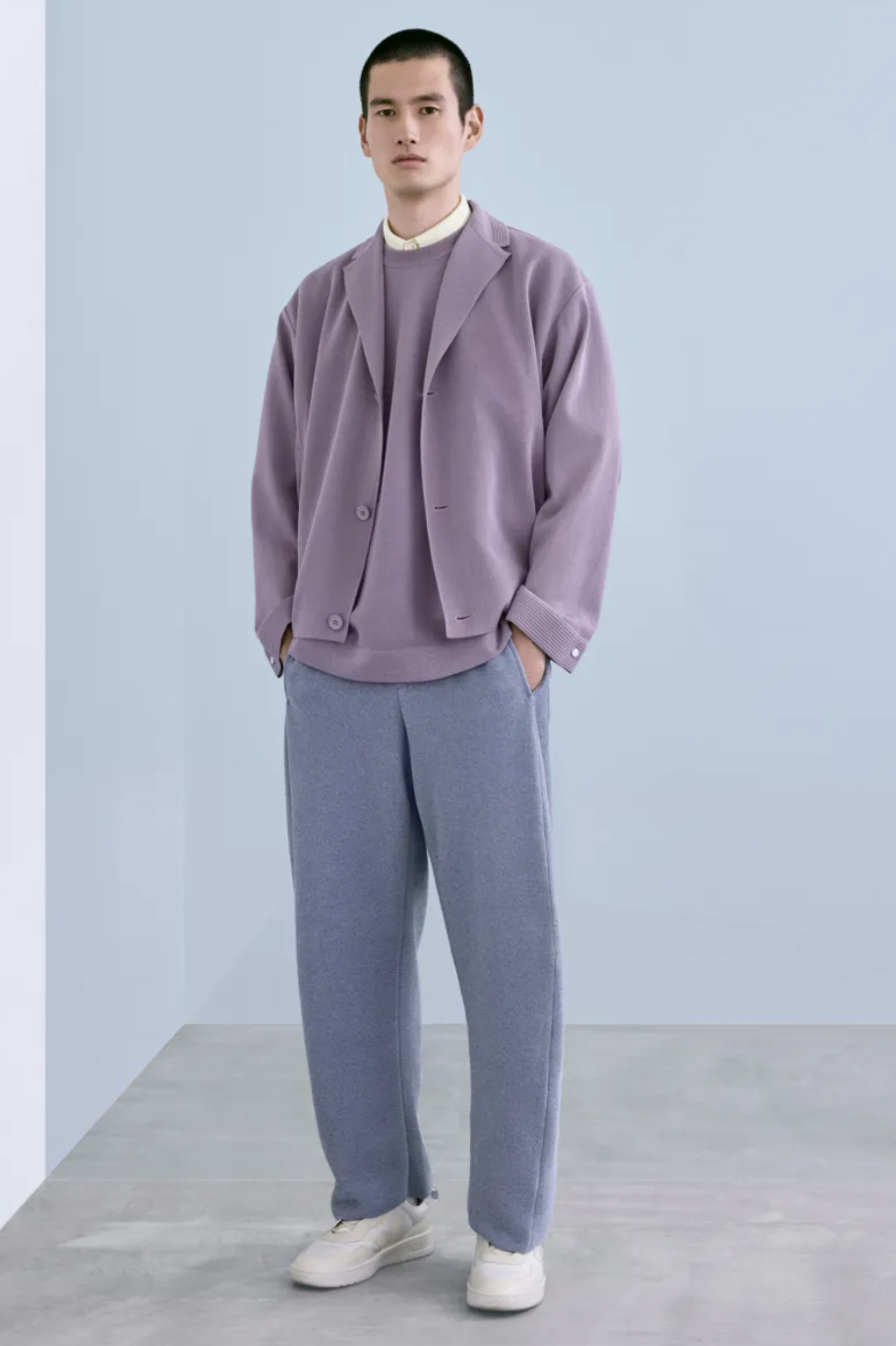
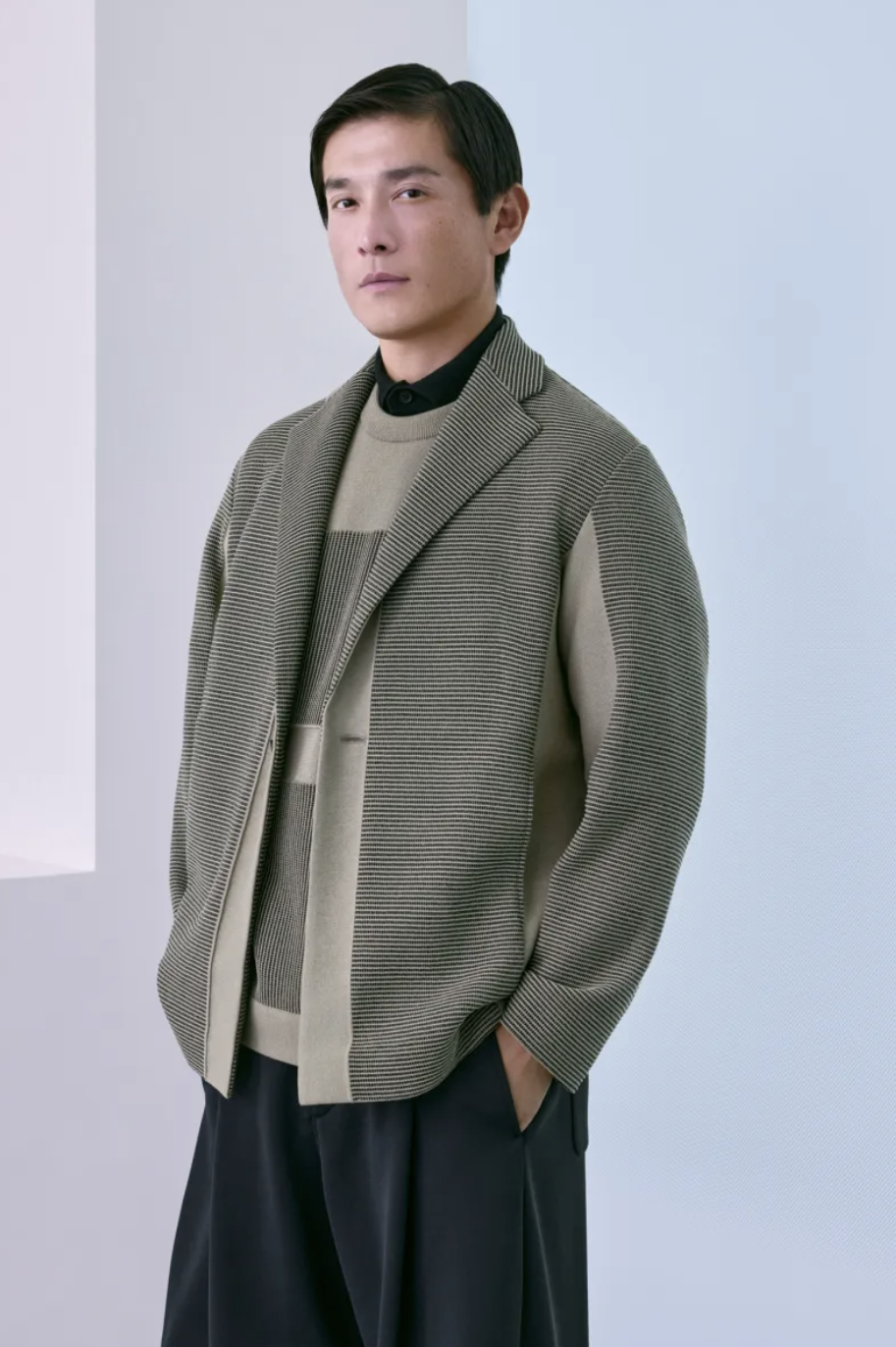
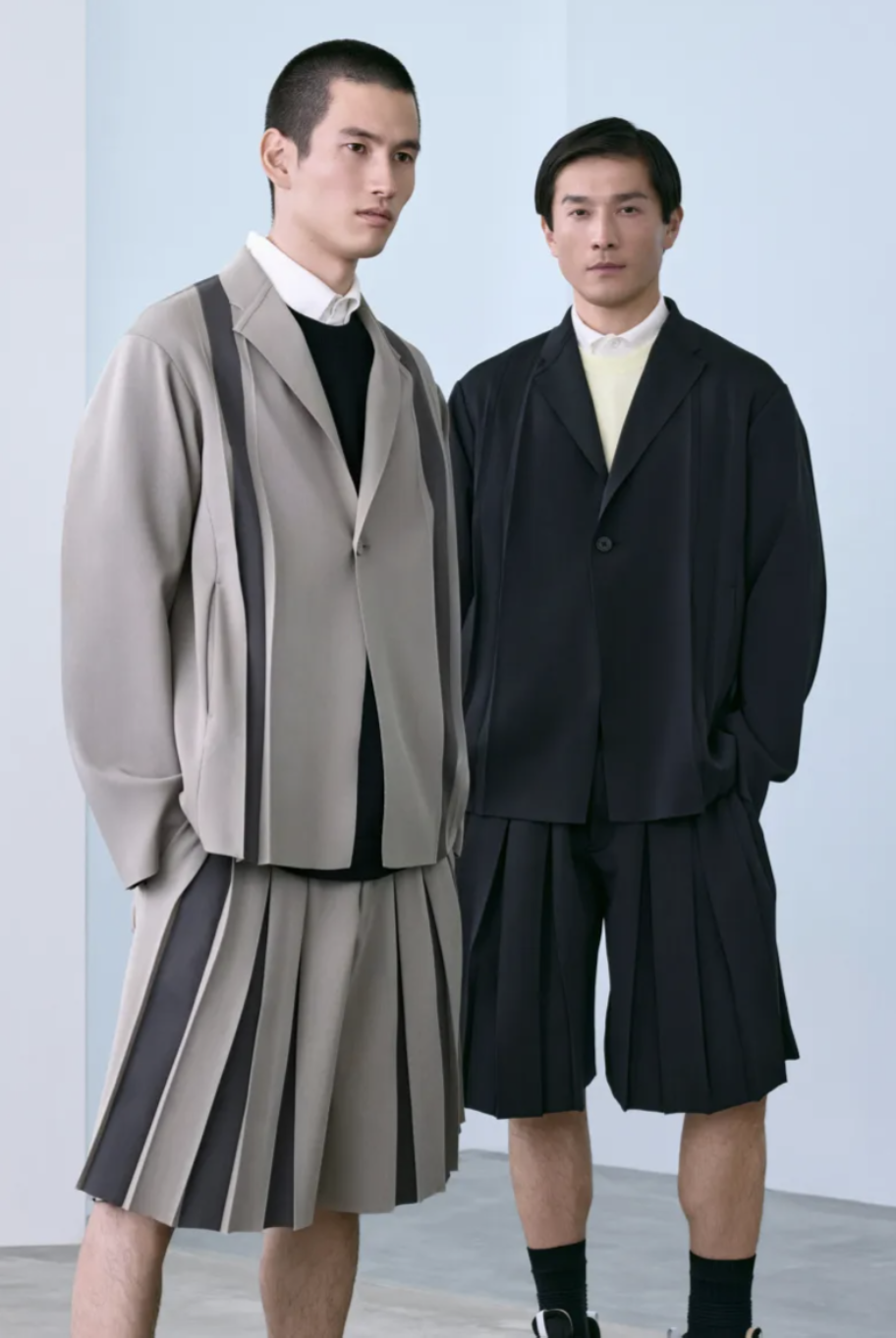
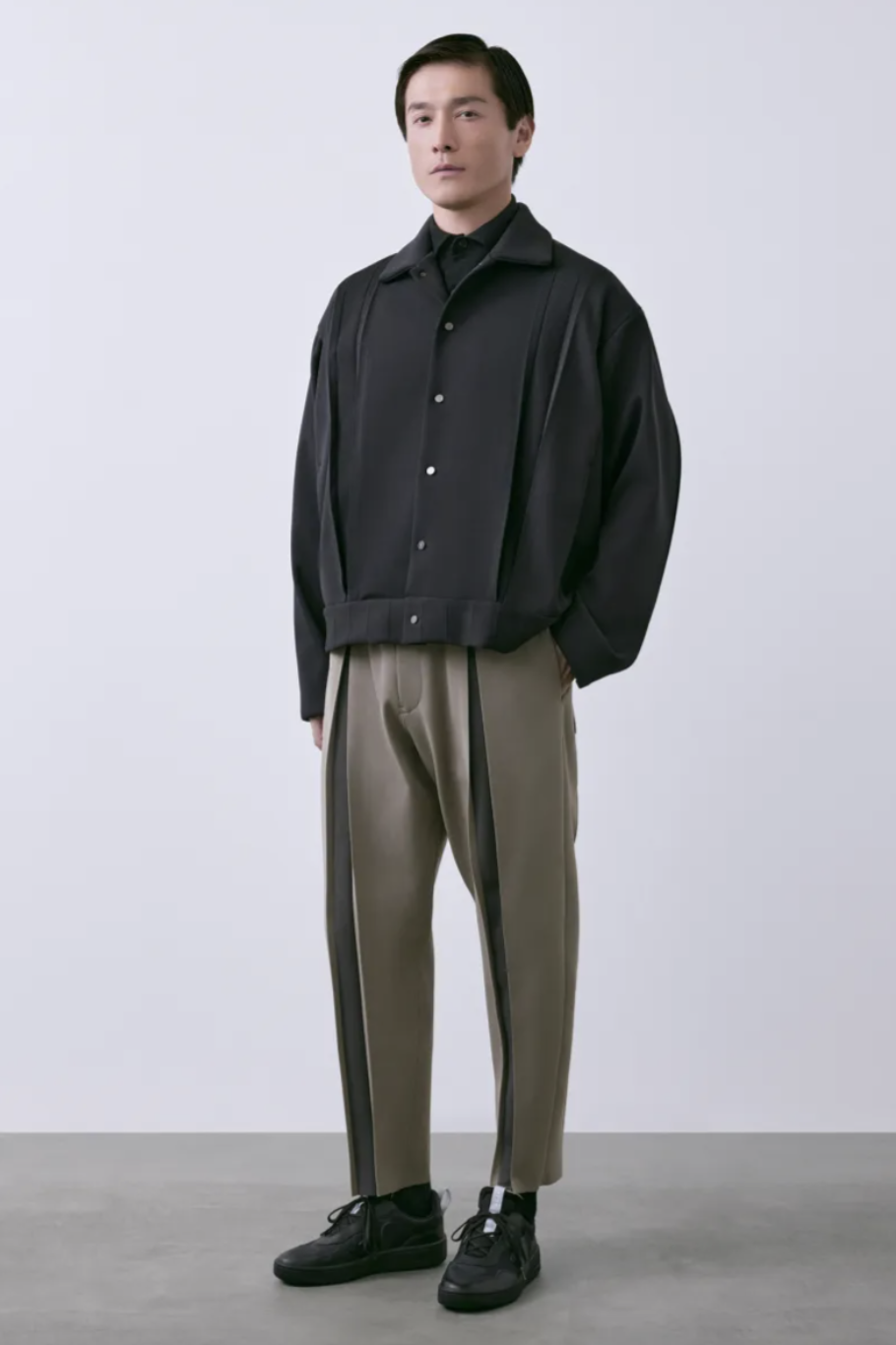
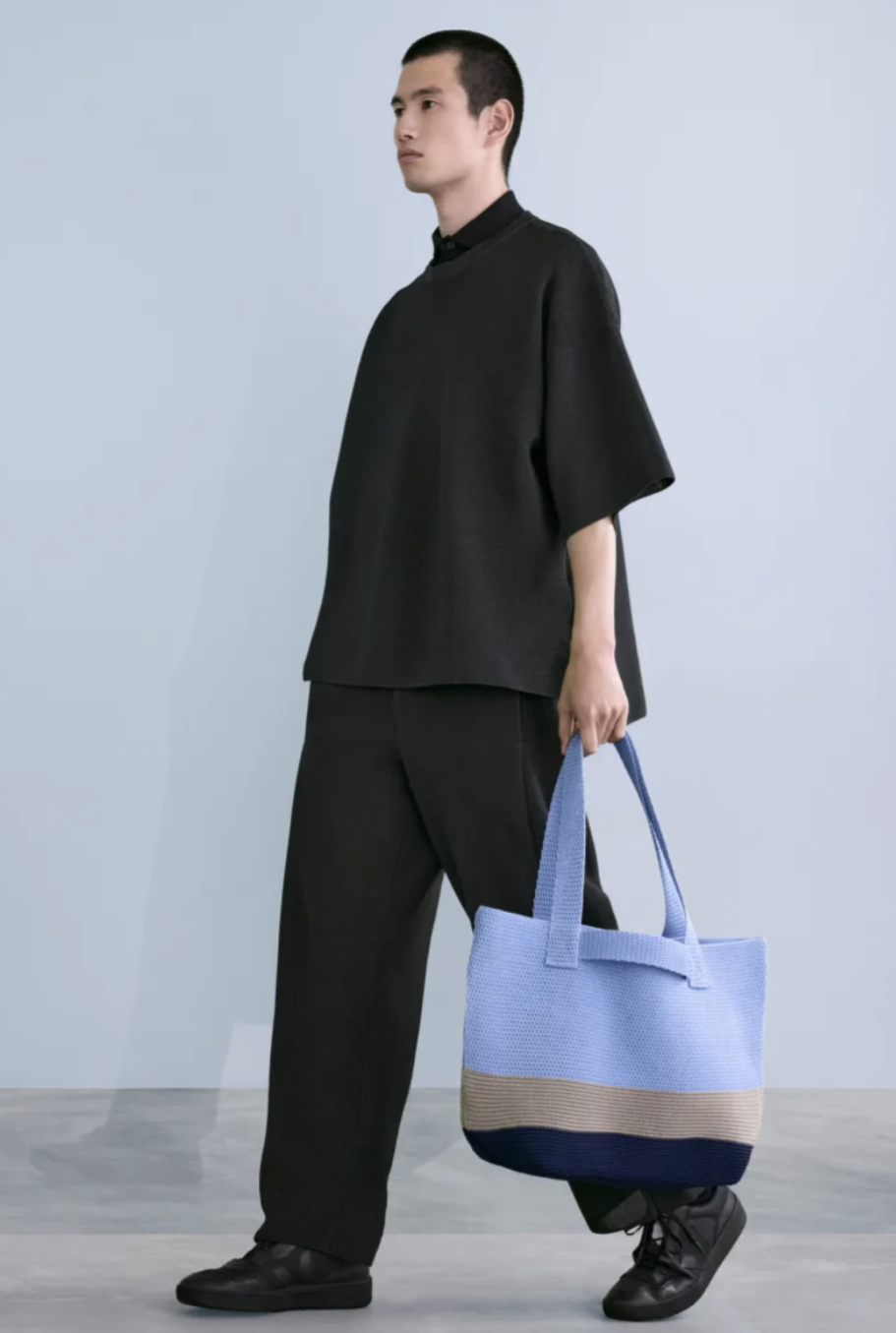
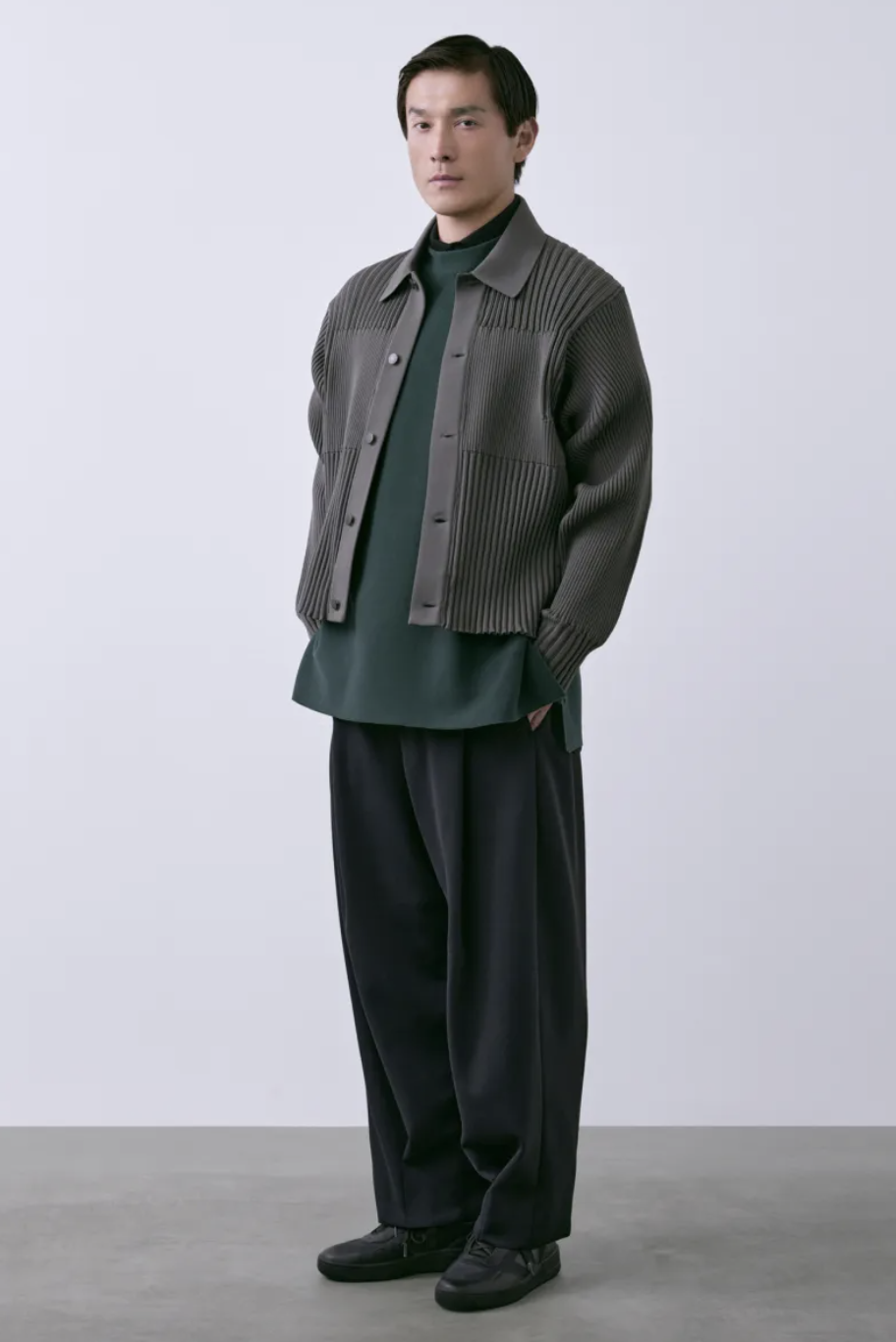
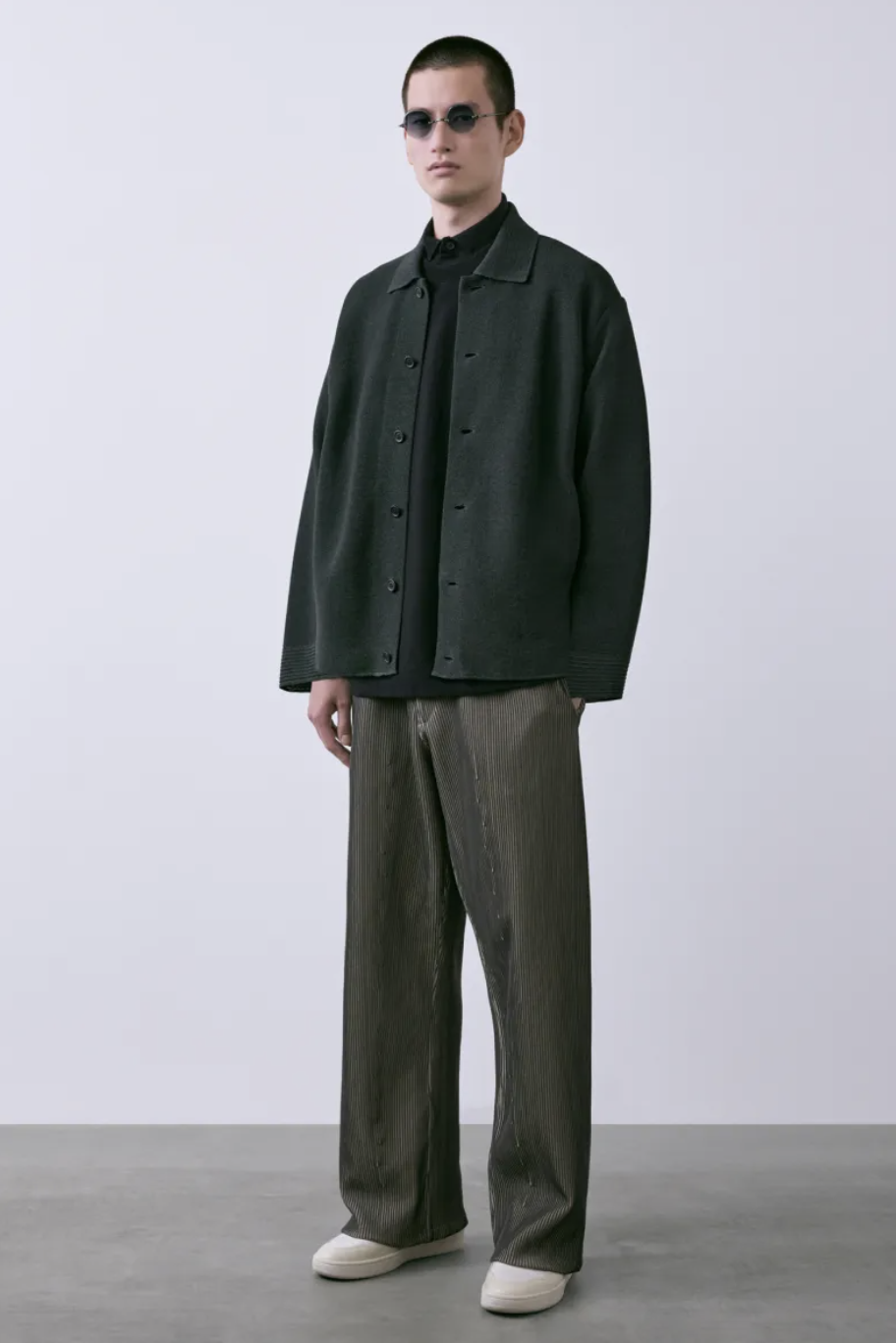
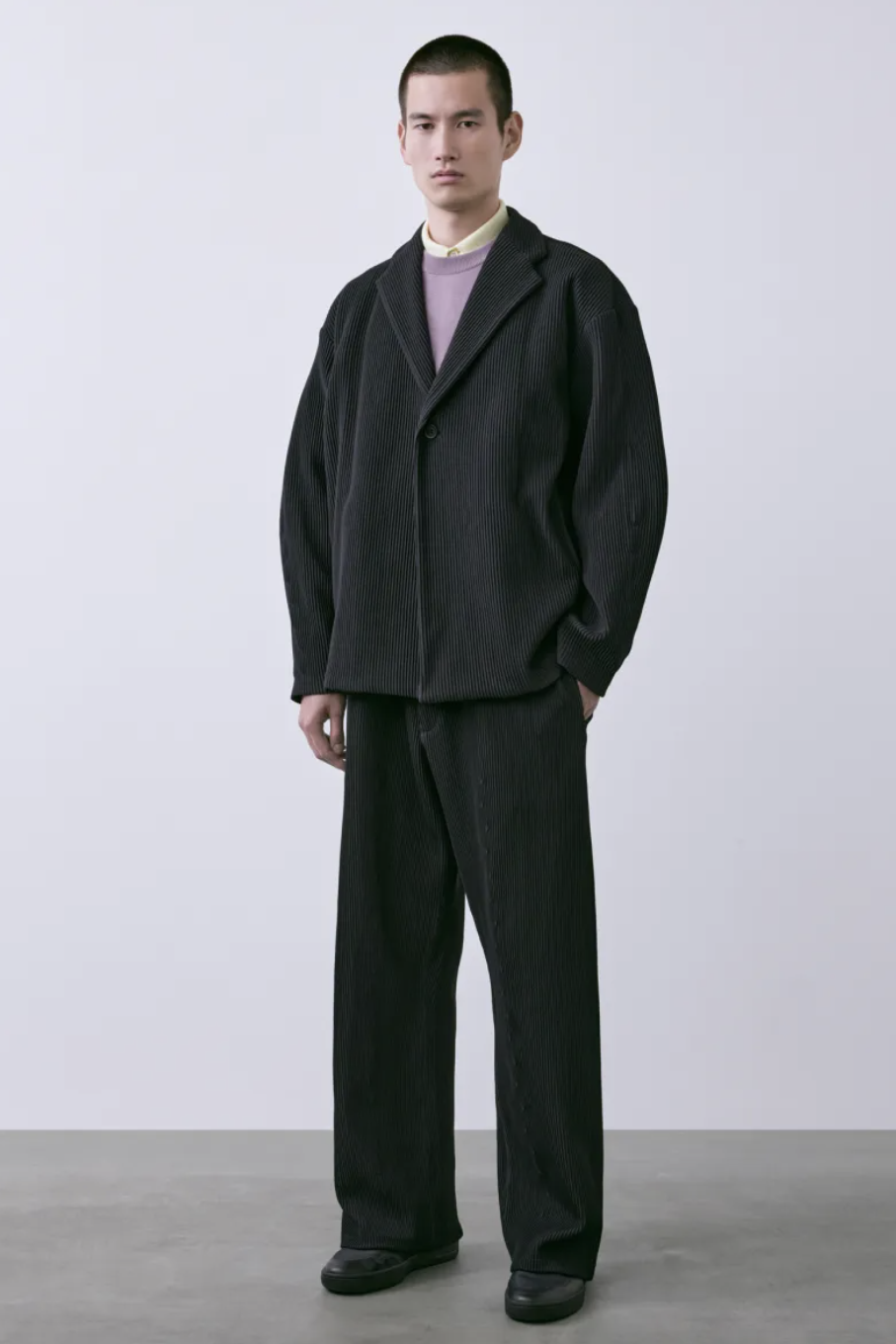
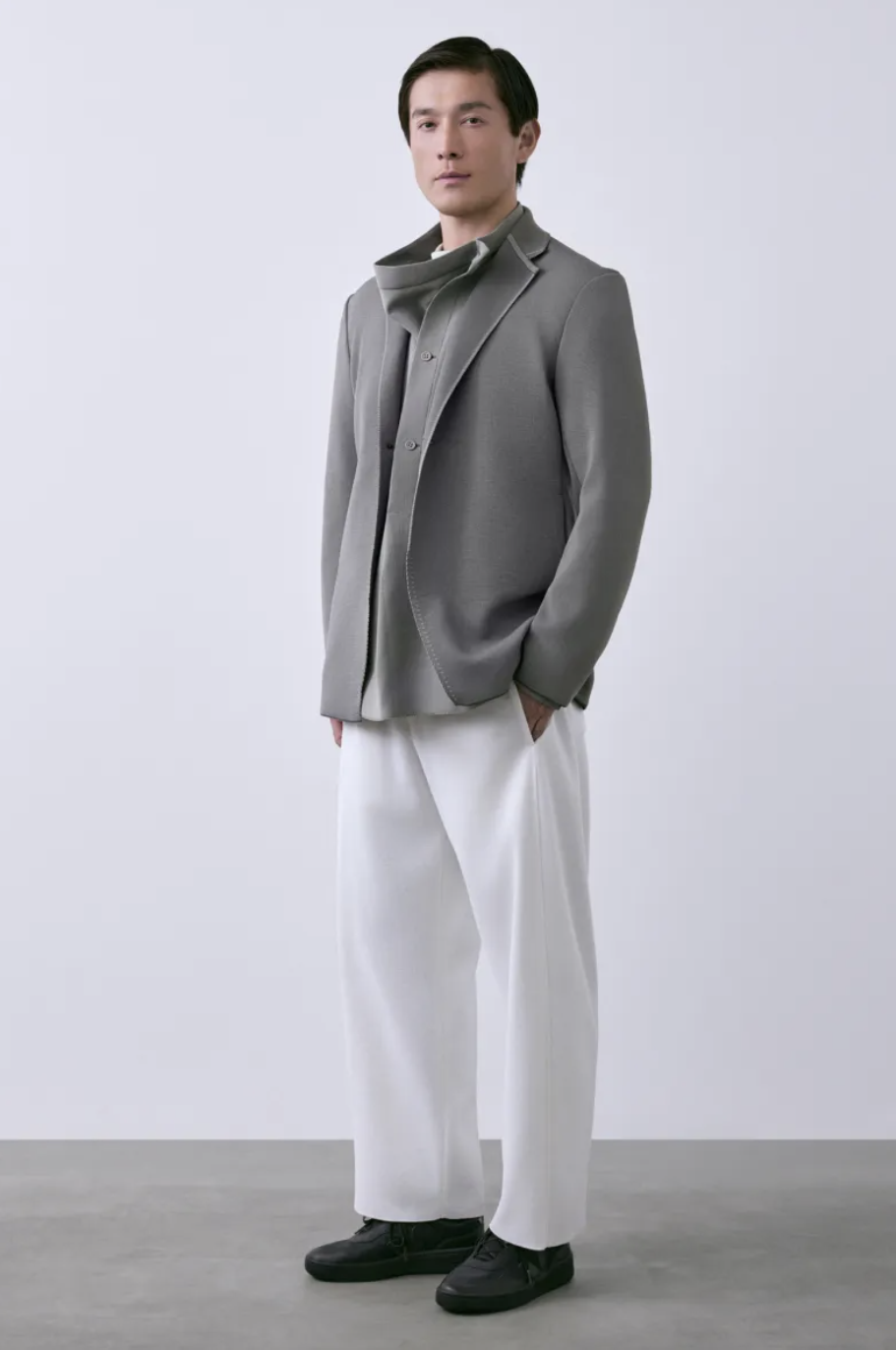
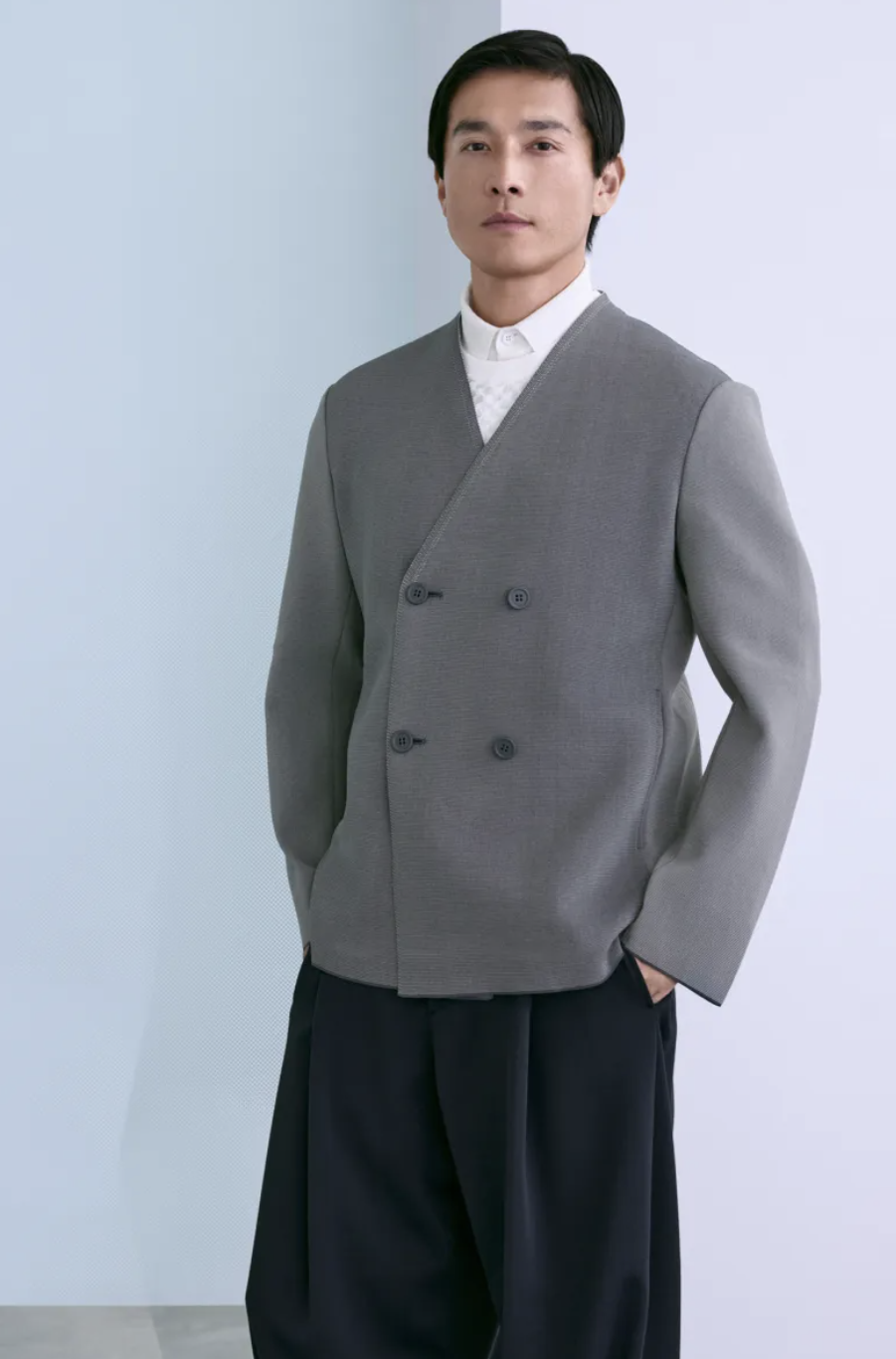
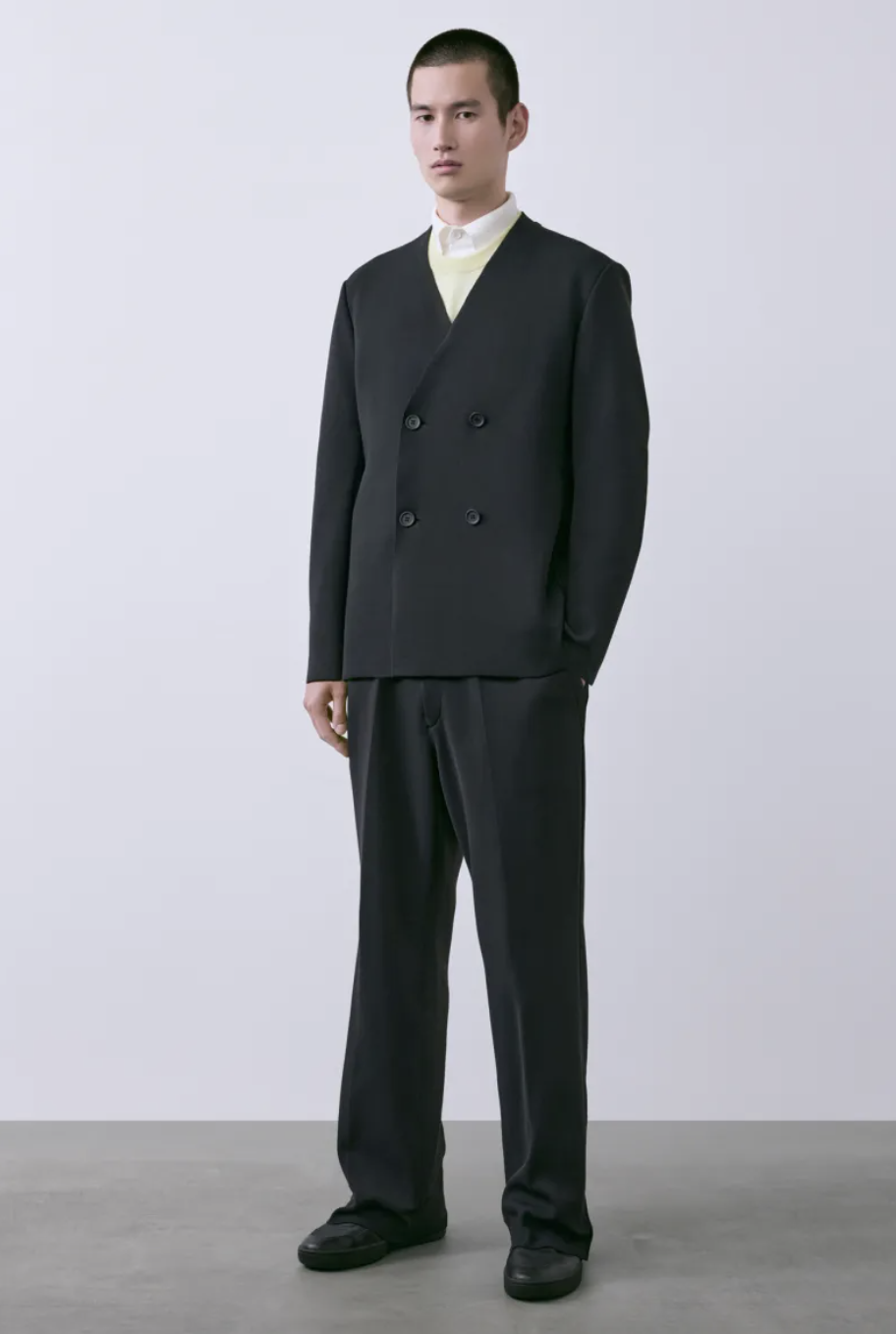
Since founding CFCL—short for Clothing For Contemporary Life—Takahashi has built the Japanese label around technical knitwear that prioritises movement, comfort and longevity without sacrificing elegance. That philosophy remains central to Spring/Summer 2027, a collection inspired by the work of Finnish architects Aino and Alvar Aalto. Their modernist approach to form and functionality found its way into a wardrobe defined by architectural precision, relaxed tailoring and a muted palette of khaki, stone, soft grey and Mediterranean blues. Like the buildings that inspired it, the collection never sought attention through excess; instead, it relied on thoughtful construction and proportion.
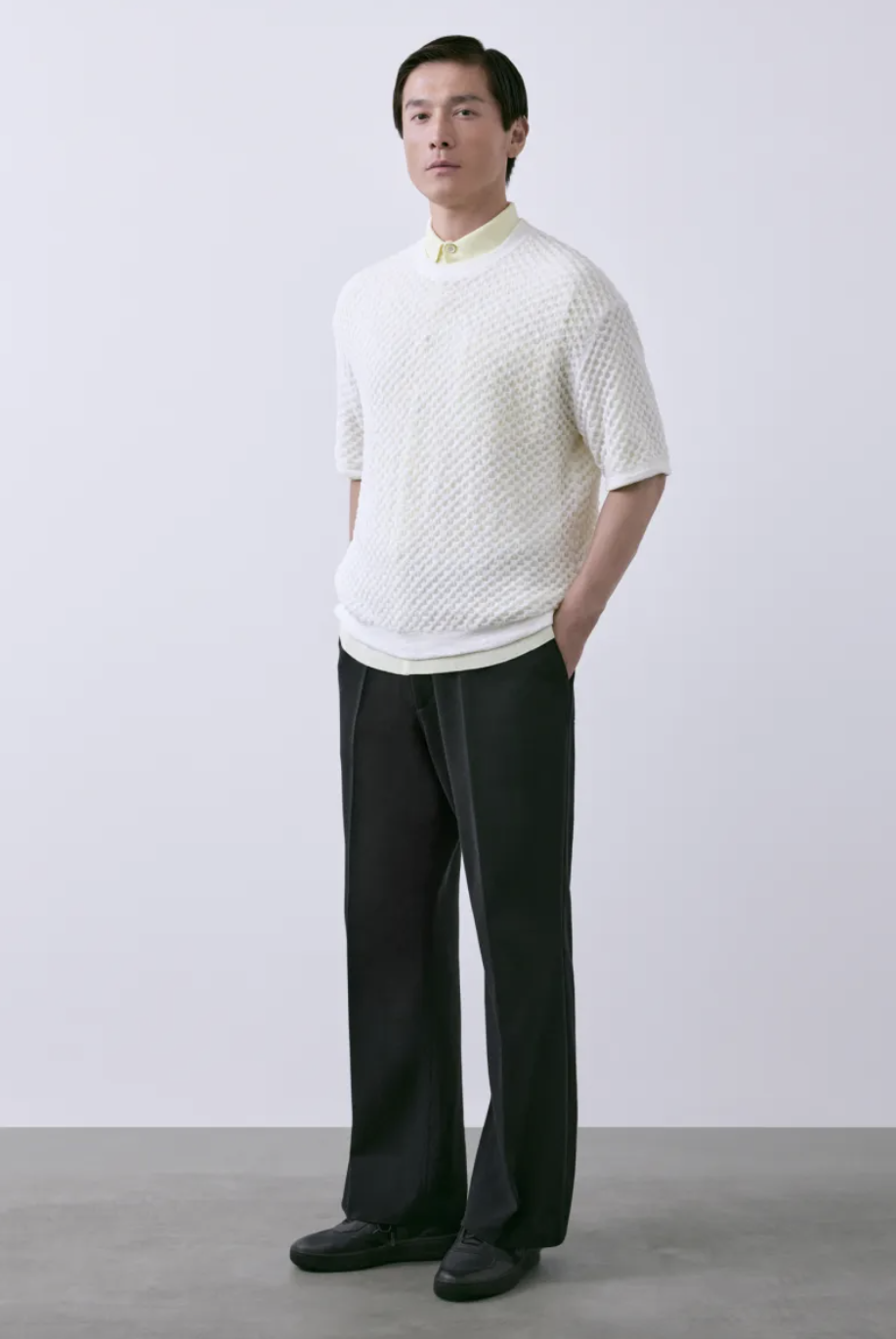
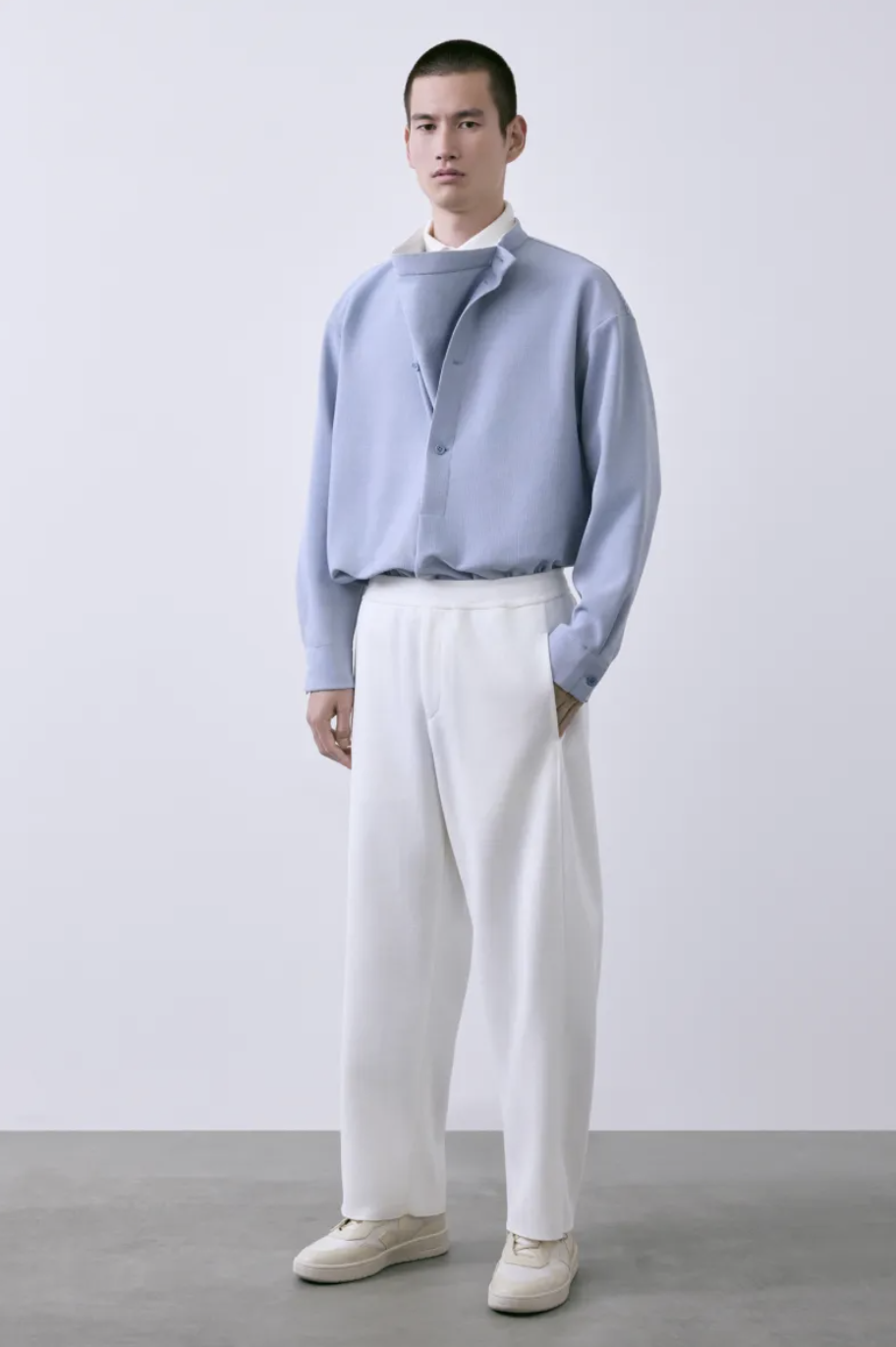
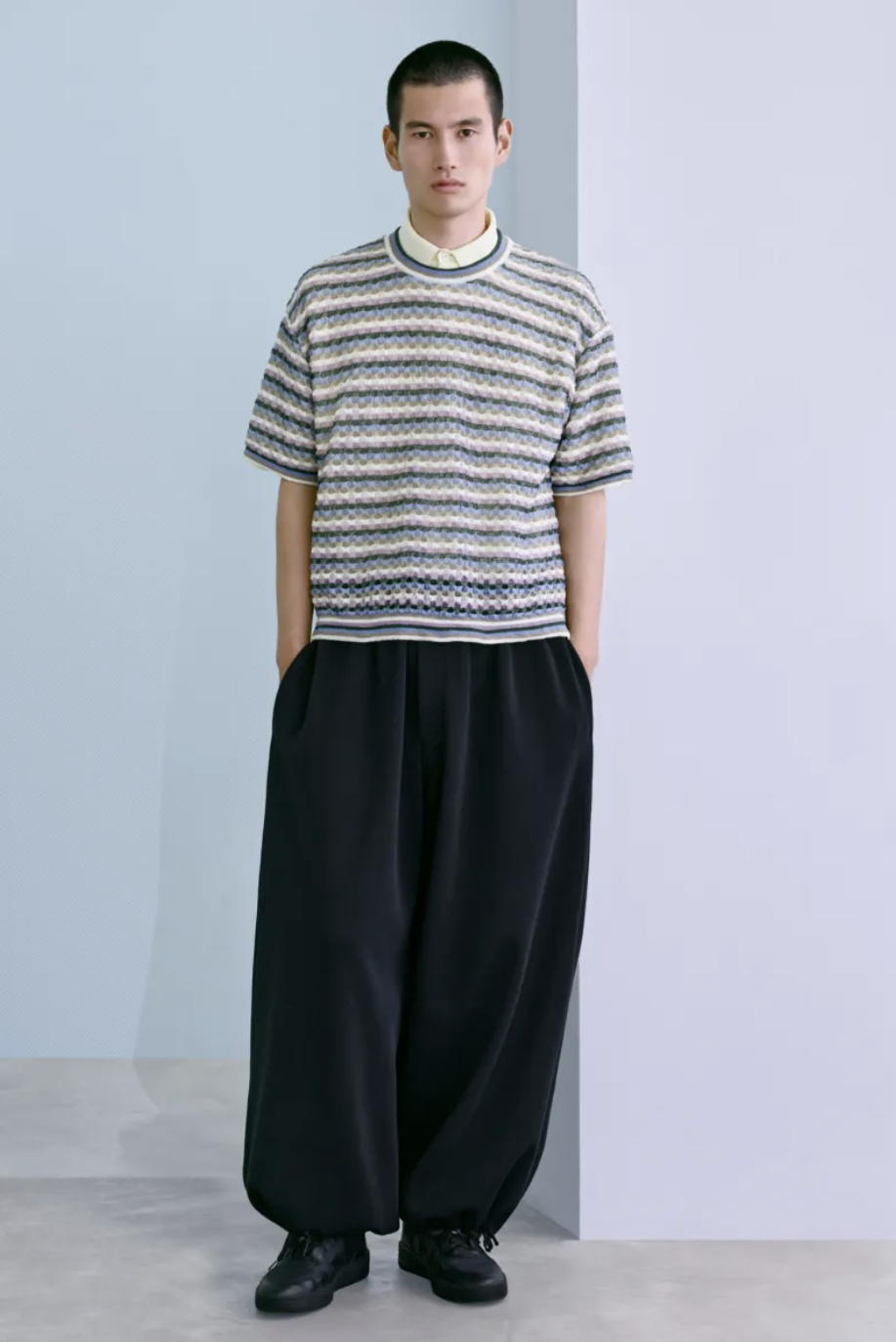
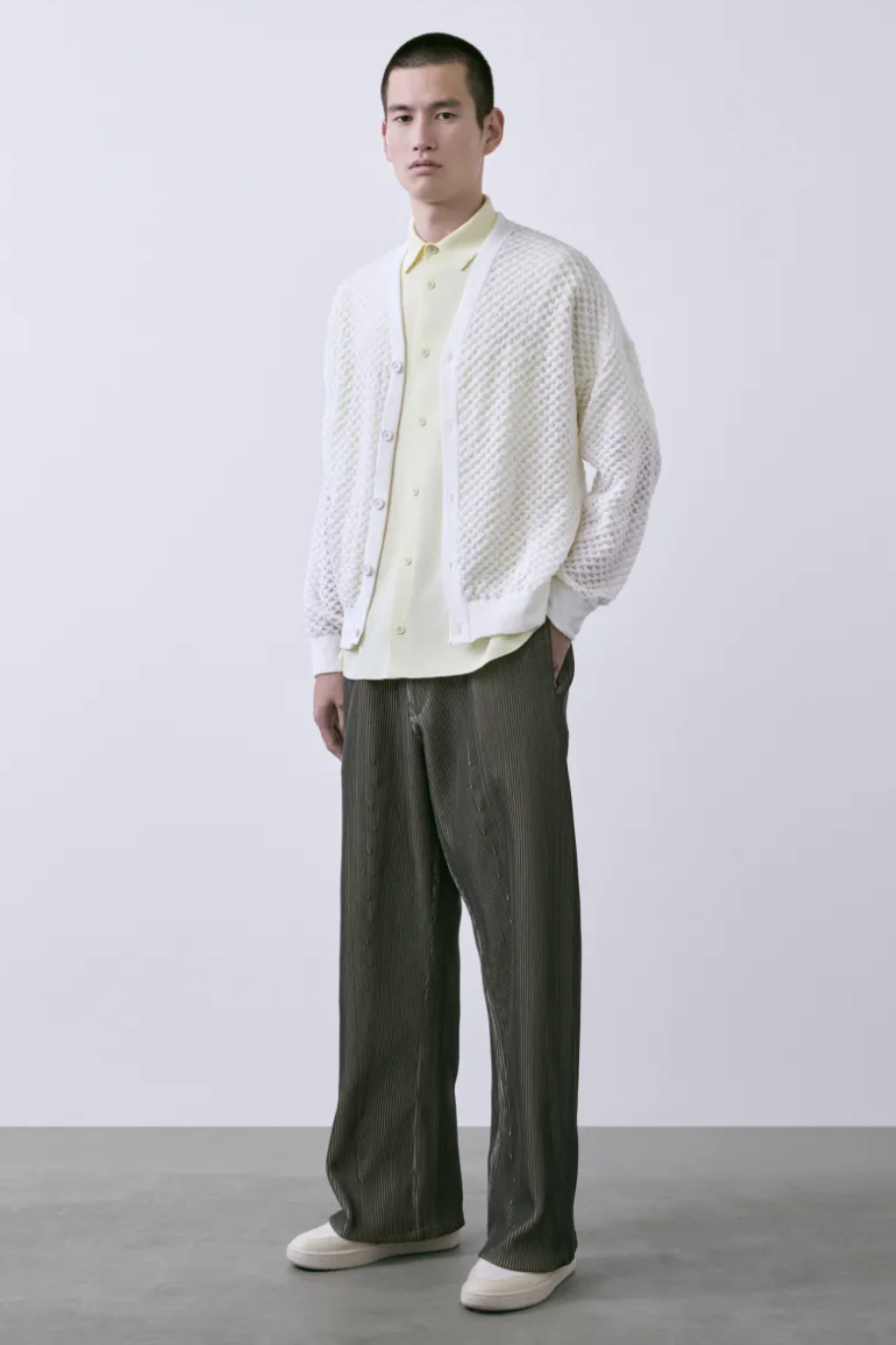
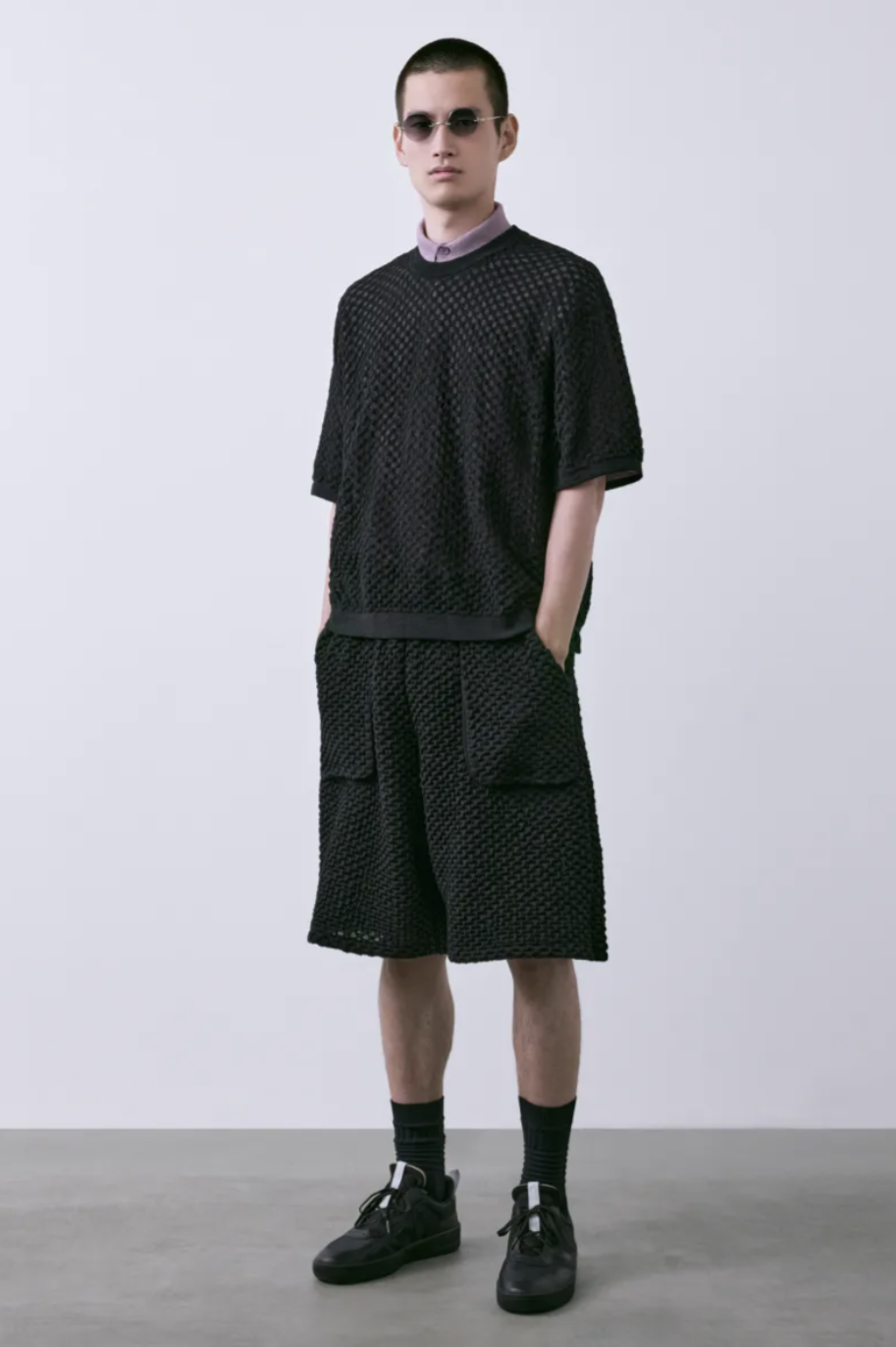
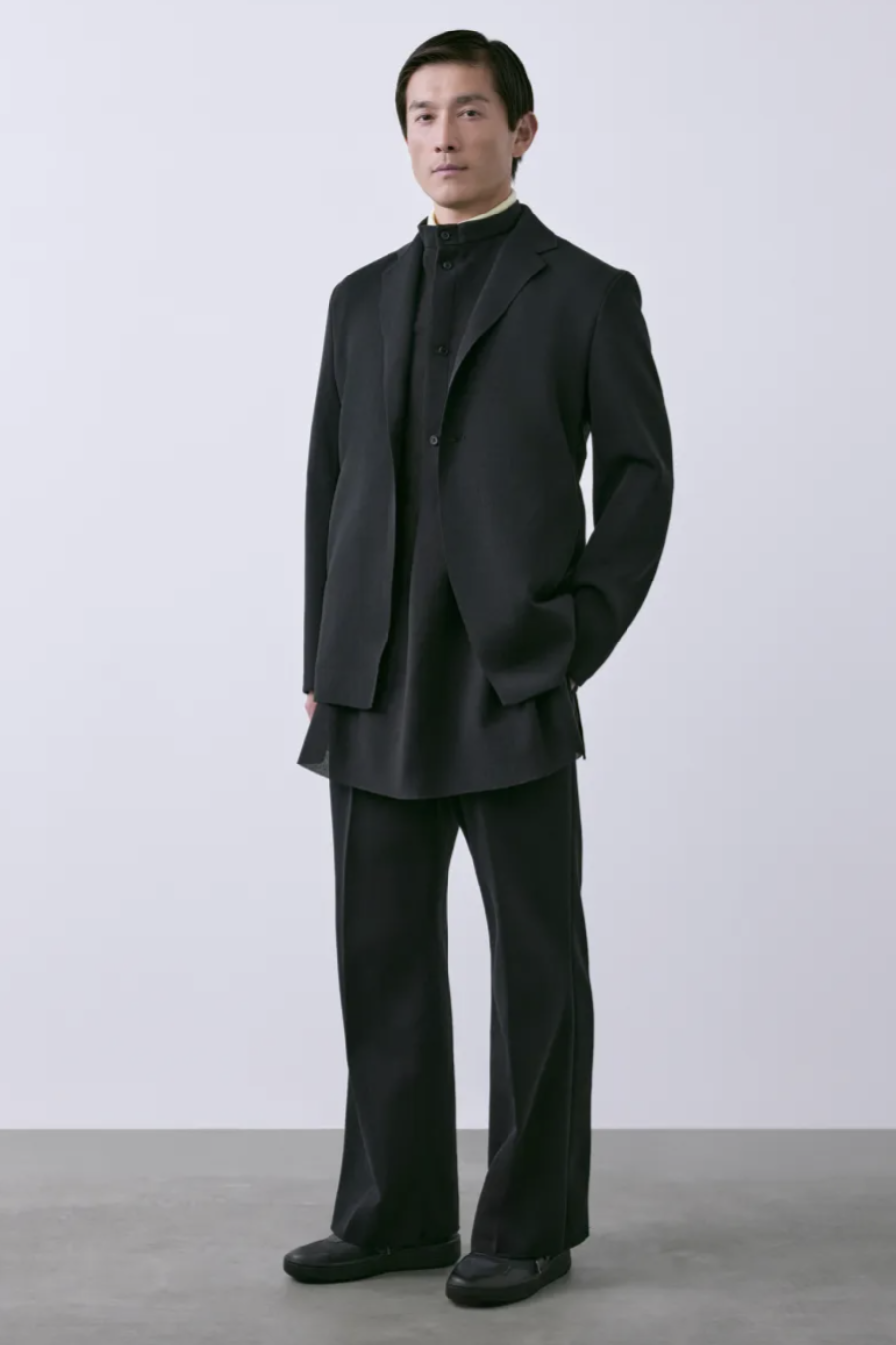
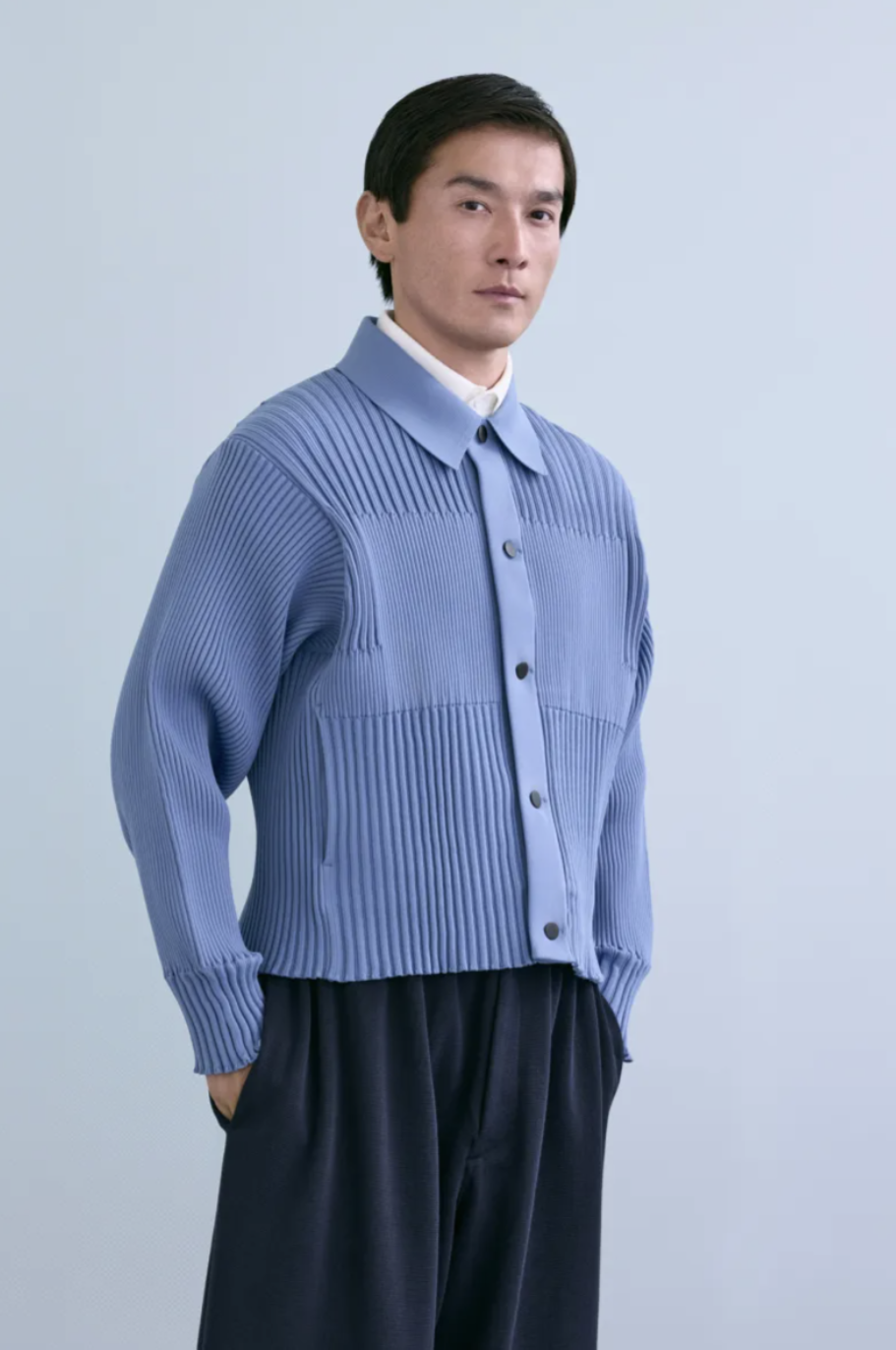
At first glance, the clothes appeared almost deceptively simple. Unlined blazers, easy pleated trousers, lightweight overshirts and relaxed knit T-shirts formed the backbone of a wardrobe designed for executives, creatives and professionals who have long been underserved by the choice between rigid tailoring and overly casual sportswear. Yet the closer you looked, the more the collection revealed itself. Clean, almost paper-like edges gave knit garments an unexpected sharpness, while subtle construction details—such as an overshirt with a hidden panel that altered the shape of the collar depending on how it was fastened—demonstrated Takahashi's ability to rethink familiar garments without overcomplicating them.
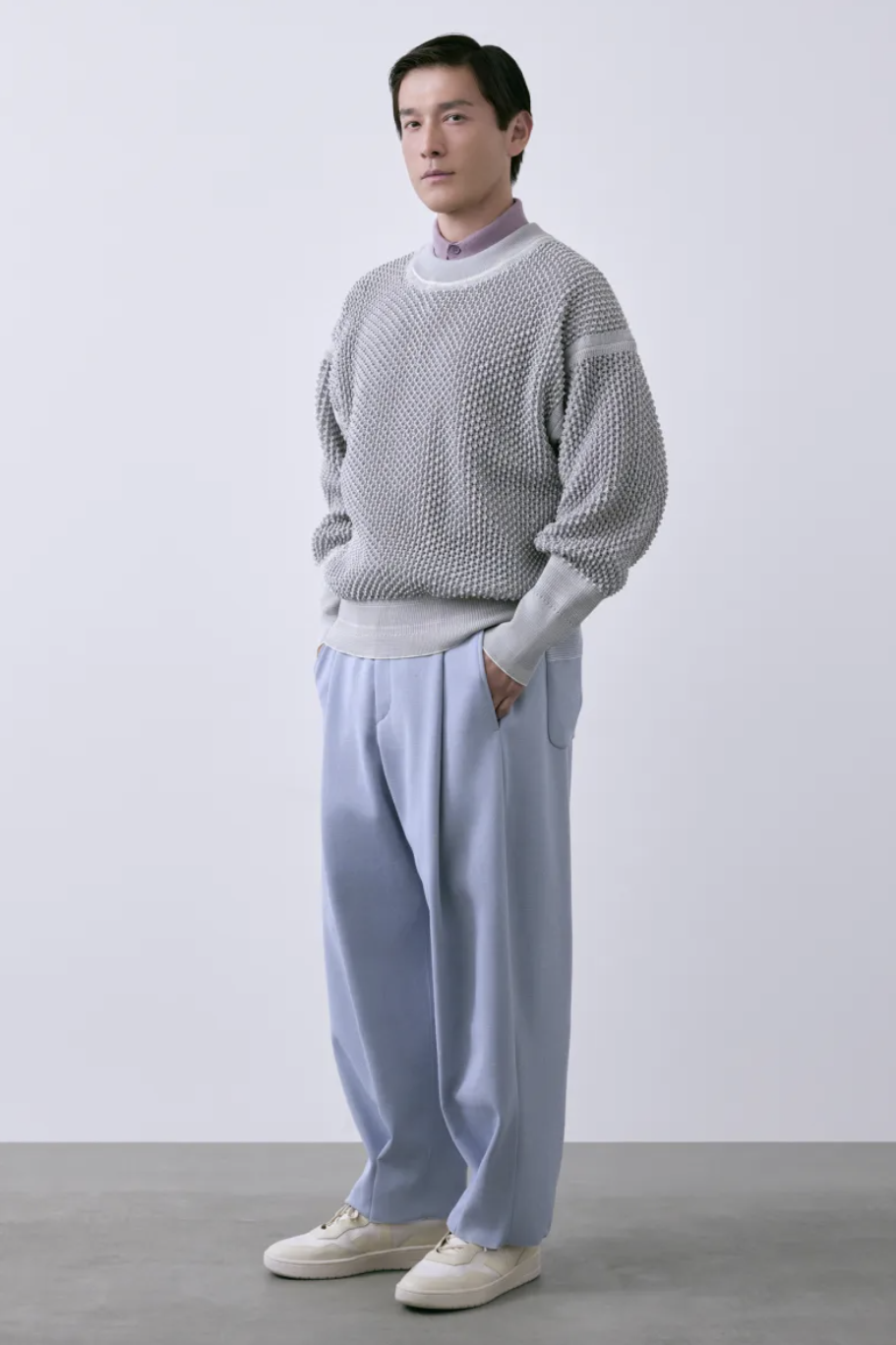
The real innovation, however, lay in the fabrics. CFCL has earned a reputation for pushing knitwear beyond its conventional limits, and this season continued that evolution. A newly developed cotton and polyester textile created a translucent waffle-like texture that introduced lightness without compromising structure, while the brand's signature Milano knit was reimagined in lighter gauges that draped more fluidly than before. One of the standout pieces was also one of the simplest: a knitted T-shirt that fell with the softness of a well-worn favourite while retaining the precision of technical craftsmanship. It perfectly encapsulated the brand's philosophy that luxury is often felt before it is seen.
What makes CFCL particularly compelling is its refusal to chase fashion's constant demand for novelty. There are no archival revivals, viral accessories or oversized runway statements here. Instead, Takahashi continues to refine a clear design language centred on textile innovation, sustainability and garments that are built to be lived in rather than merely photographed. In many ways, that restraint feels increasingly radical. While other collections this season competed for social media attention, CFCL quietly focused on solving real problems—how to stay comfortable in rising temperatures, how tailoring can feel lighter without losing its elegance, and how knitwear can become a genuine alternative to traditional suiting.
If the collection has a limitation, it is that its subtlety may not immediately resonate with those looking for dramatic silhouettes or bold styling. CFCL rarely delivers instant visual impact, and that has always been part of its identity. These are clothes that reveal themselves over time, rewarding careful attention rather than demanding it.
Spring/Summer 2027 won't be remembered as the loudest show of Paris Fashion Week, nor should it be. Instead, Yusuke Takahashi has produced one of the season's most intelligent collections, proving that thoughtful design and technical innovation remain just as relevant as spectacle. In an industry increasingly defined by noise, CFCL continues to make a compelling case for quiet confidence.