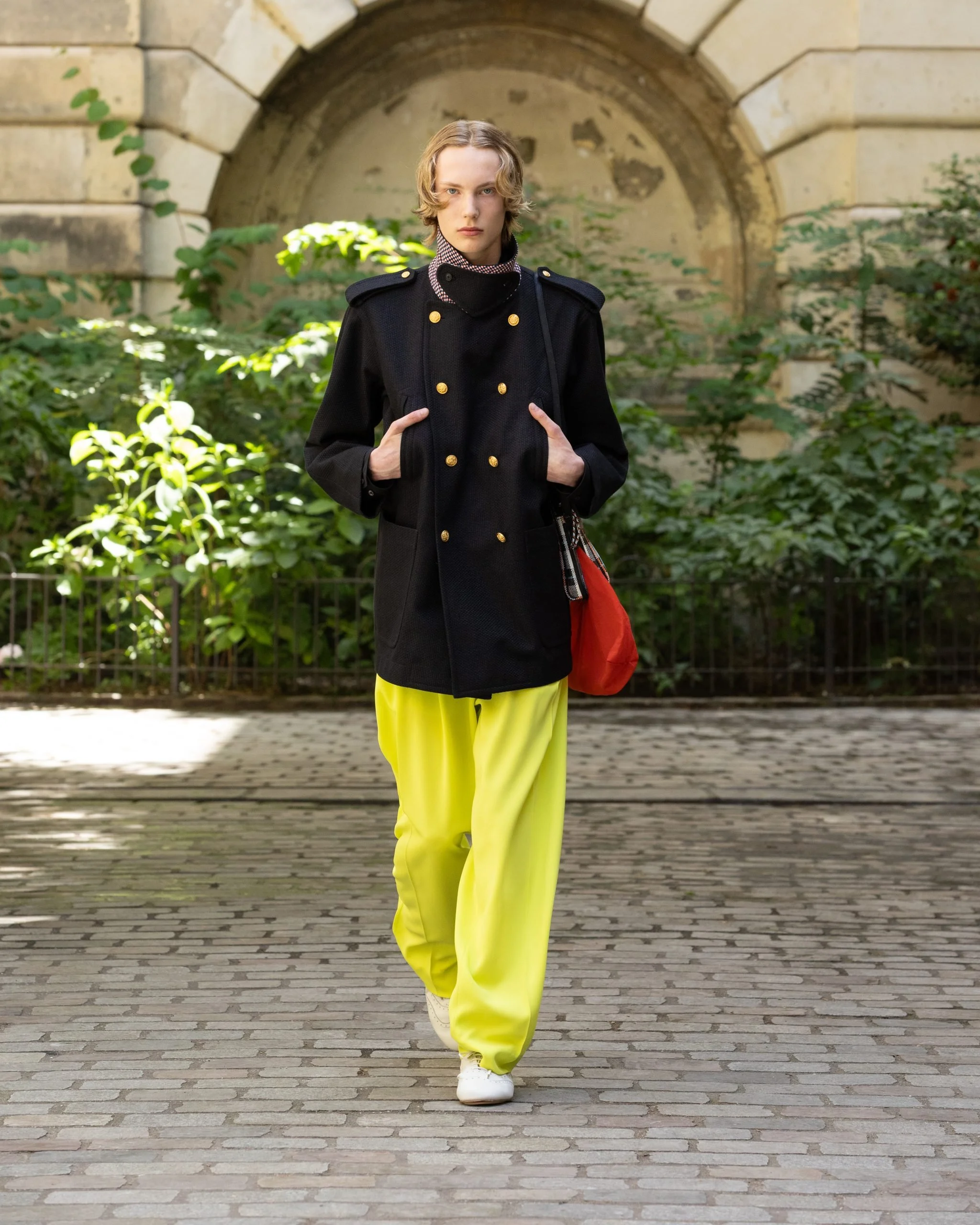
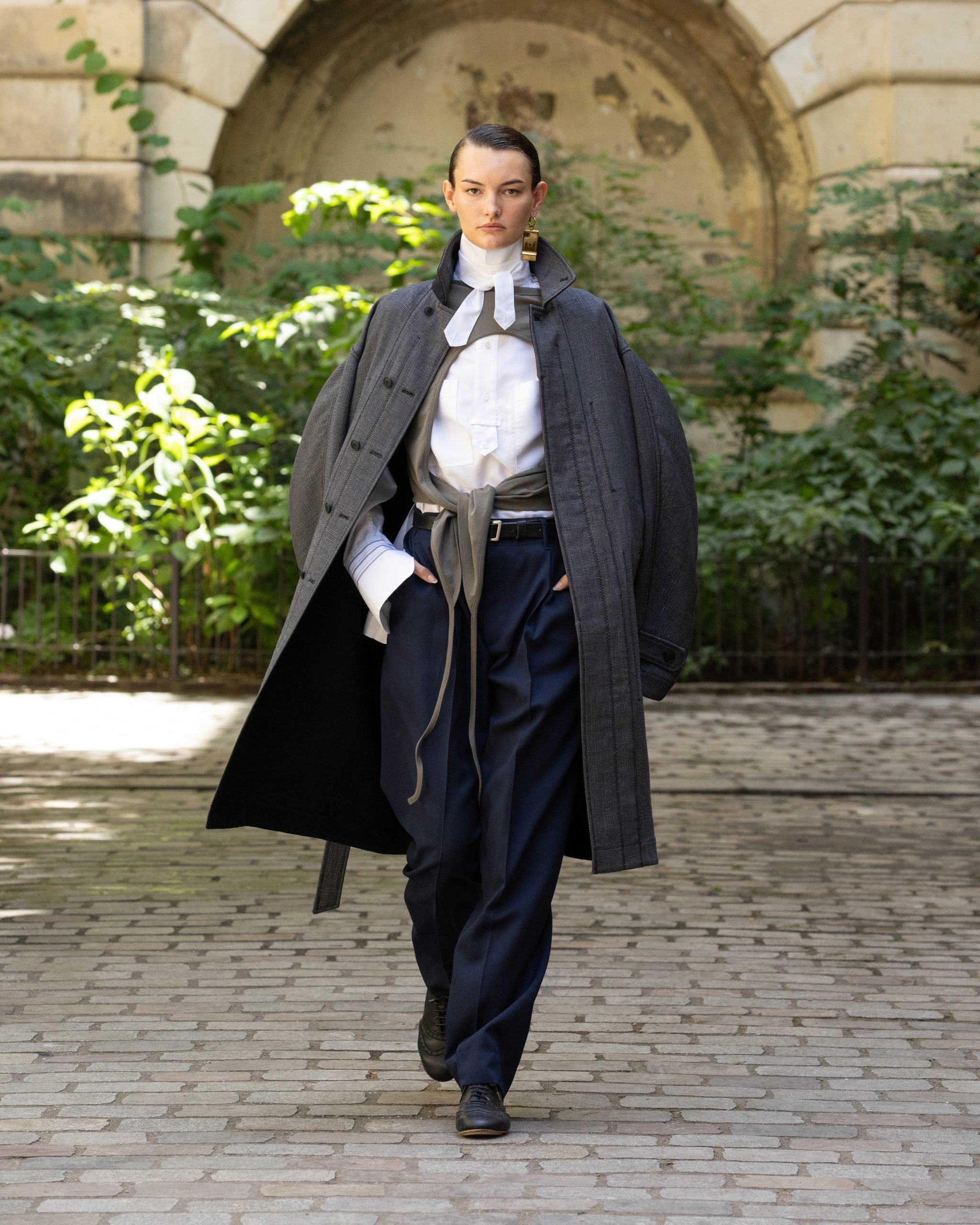
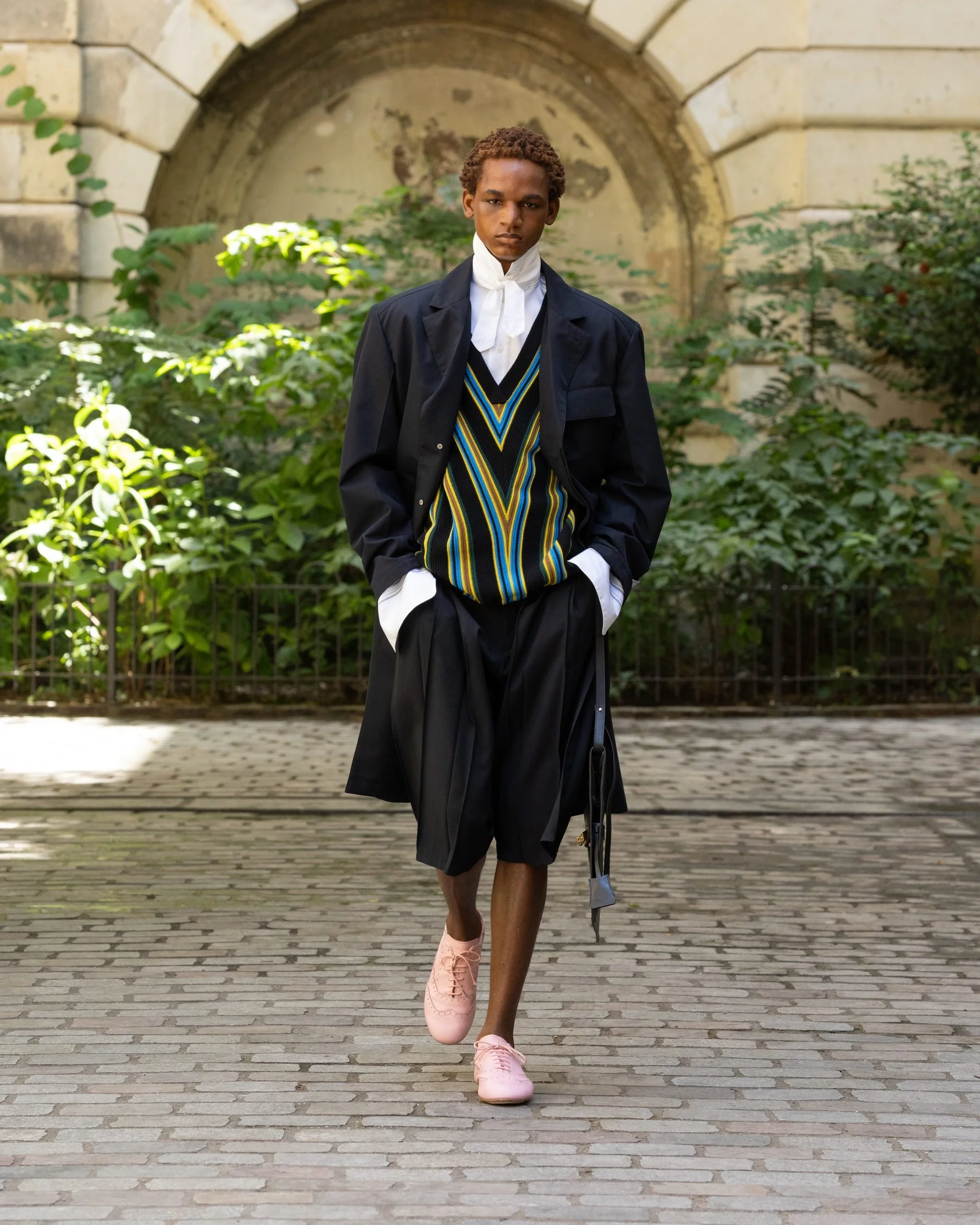
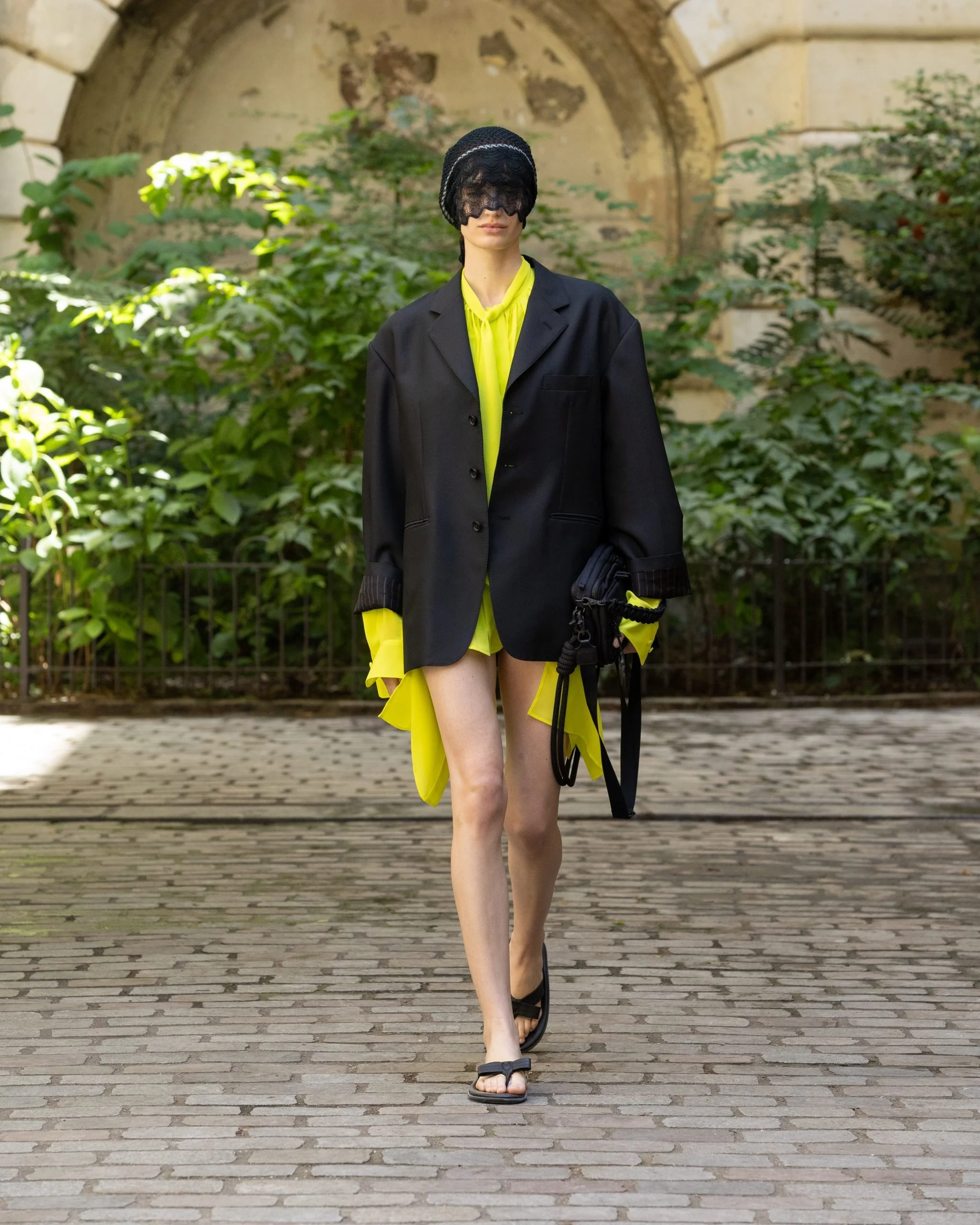
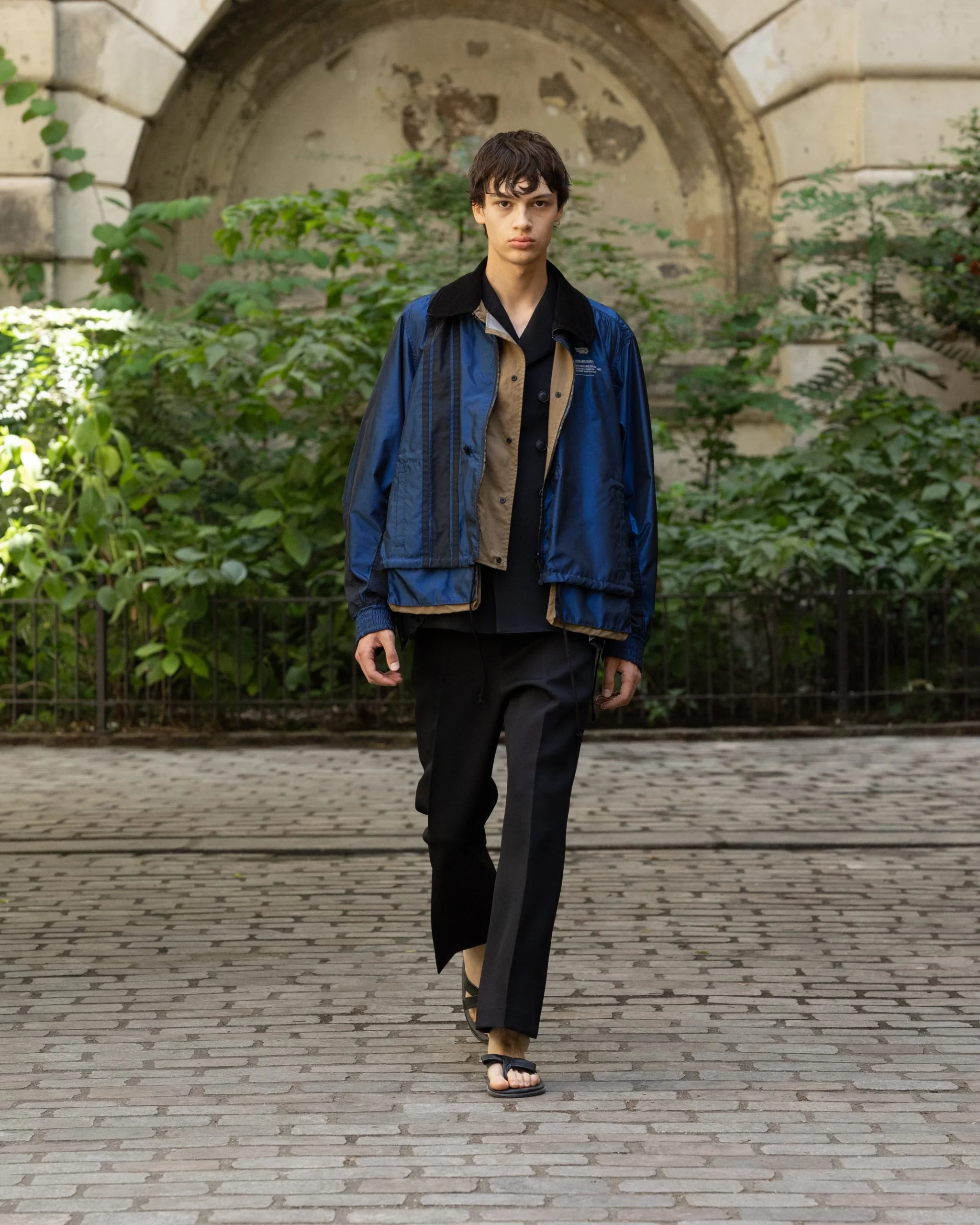
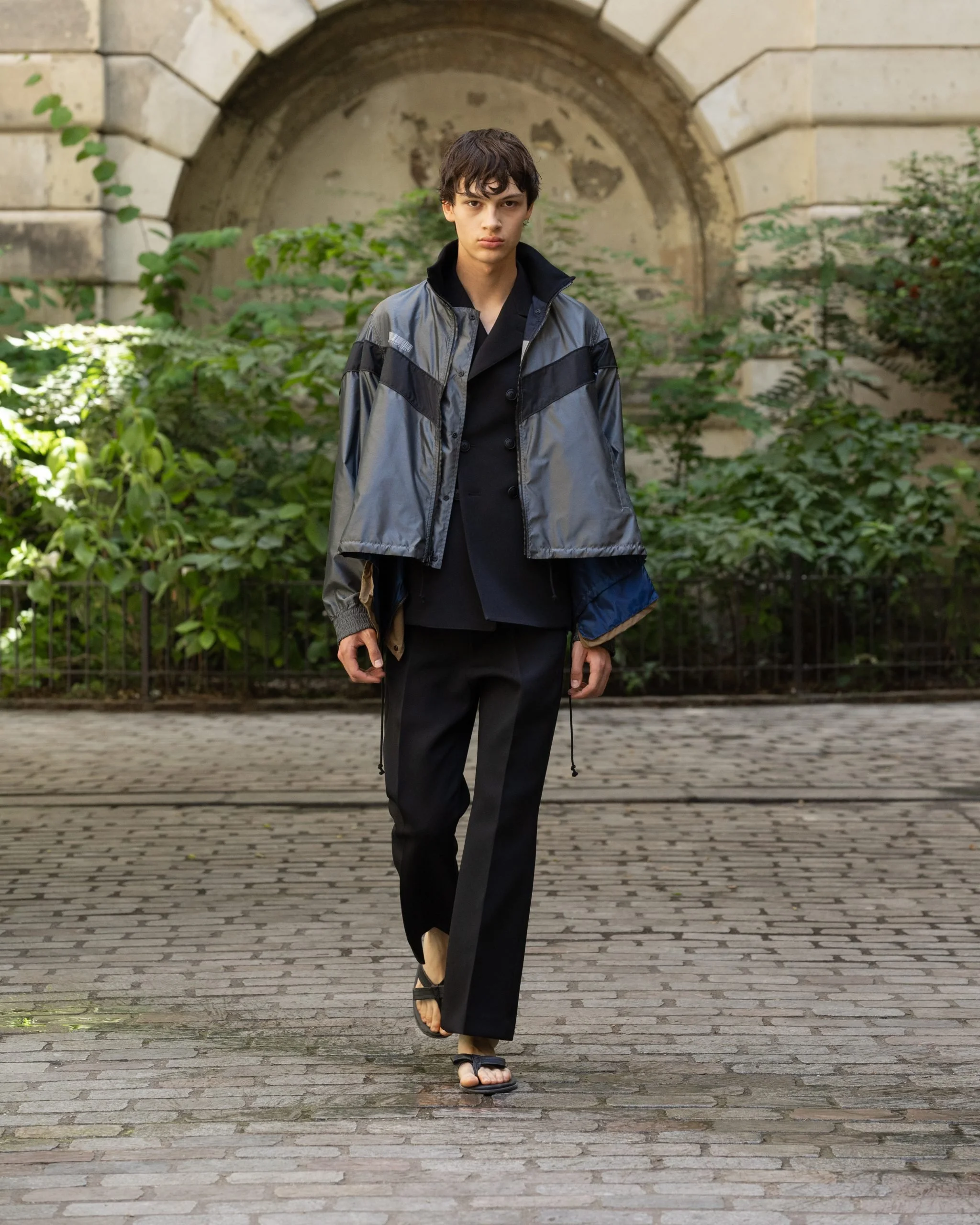
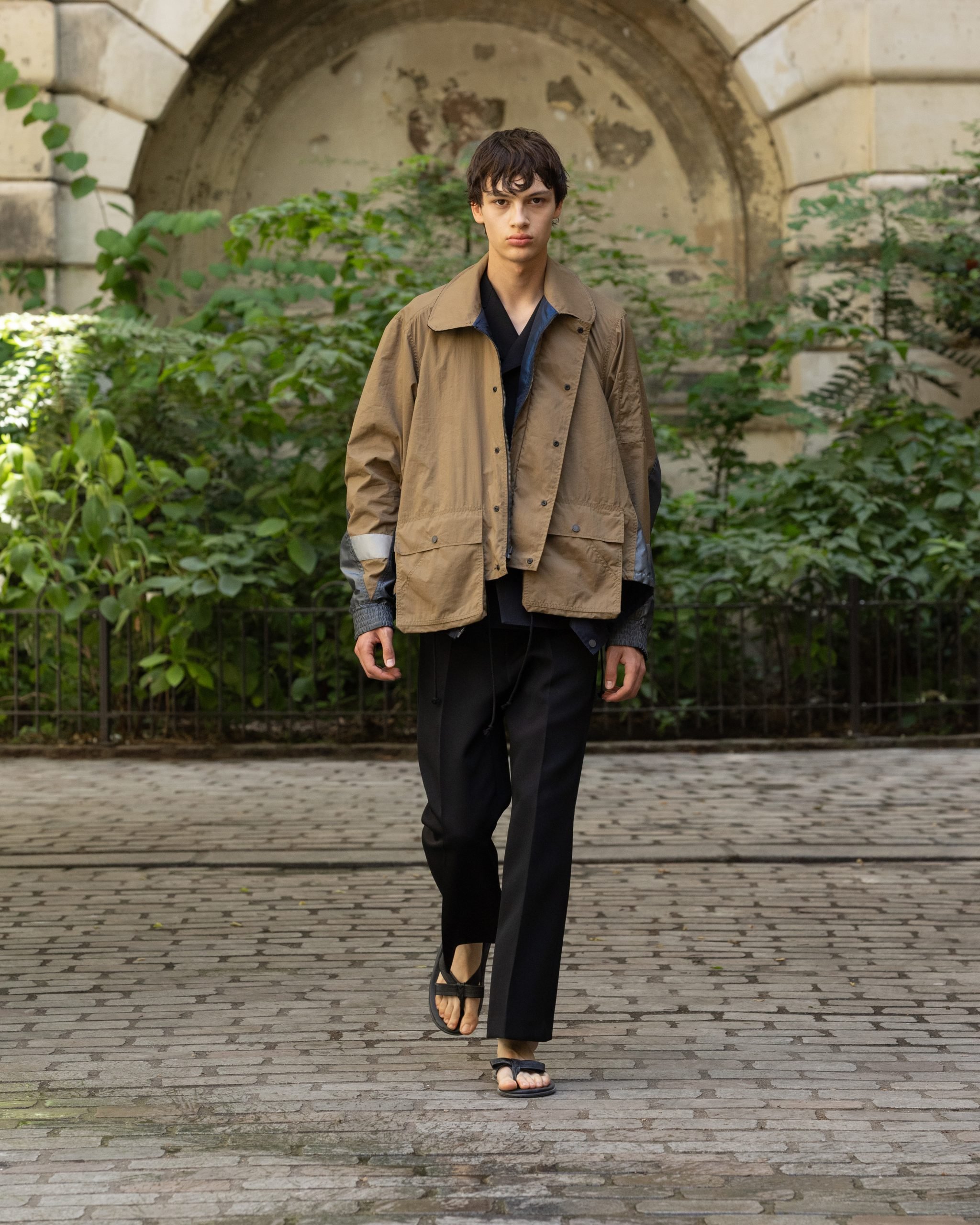
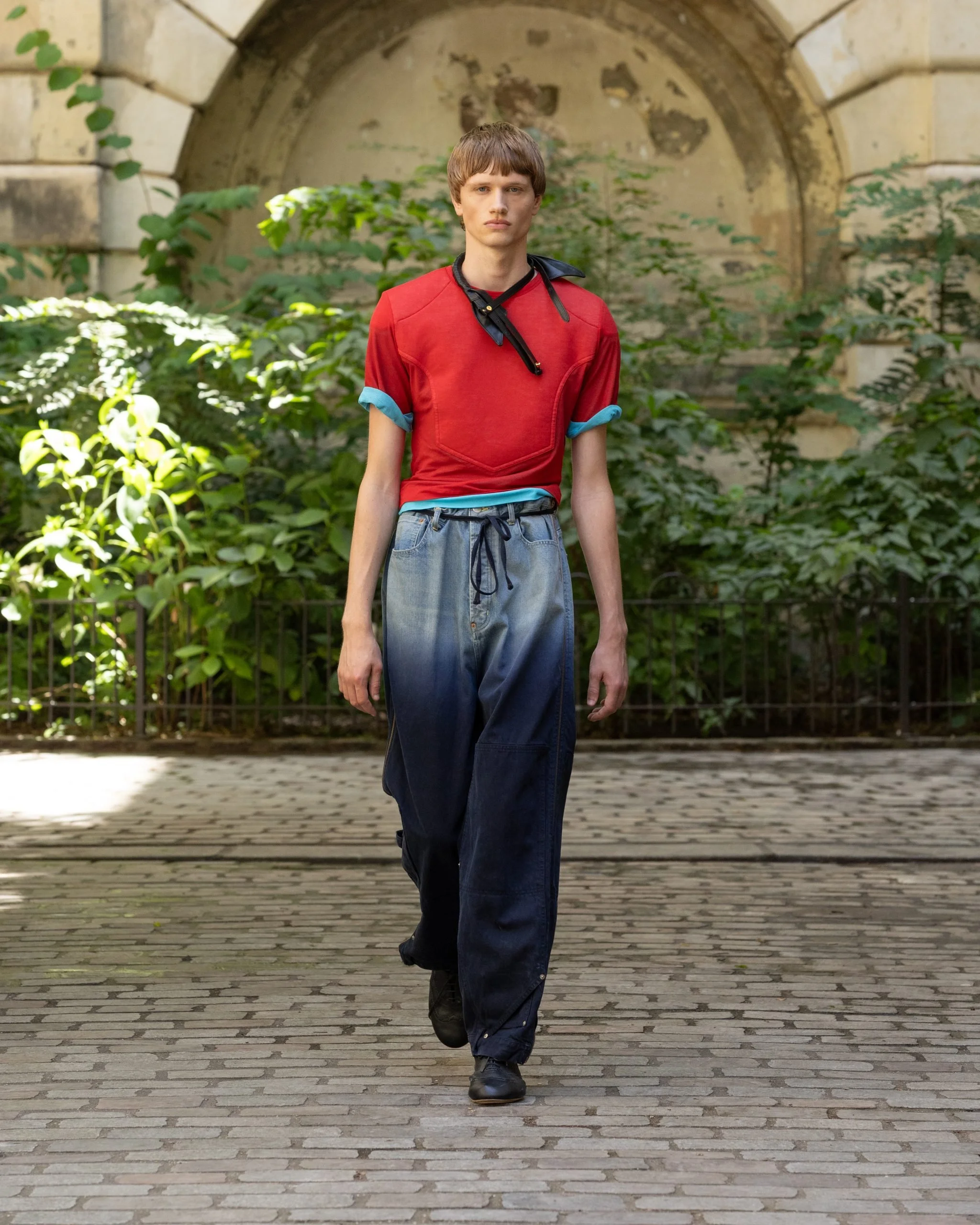
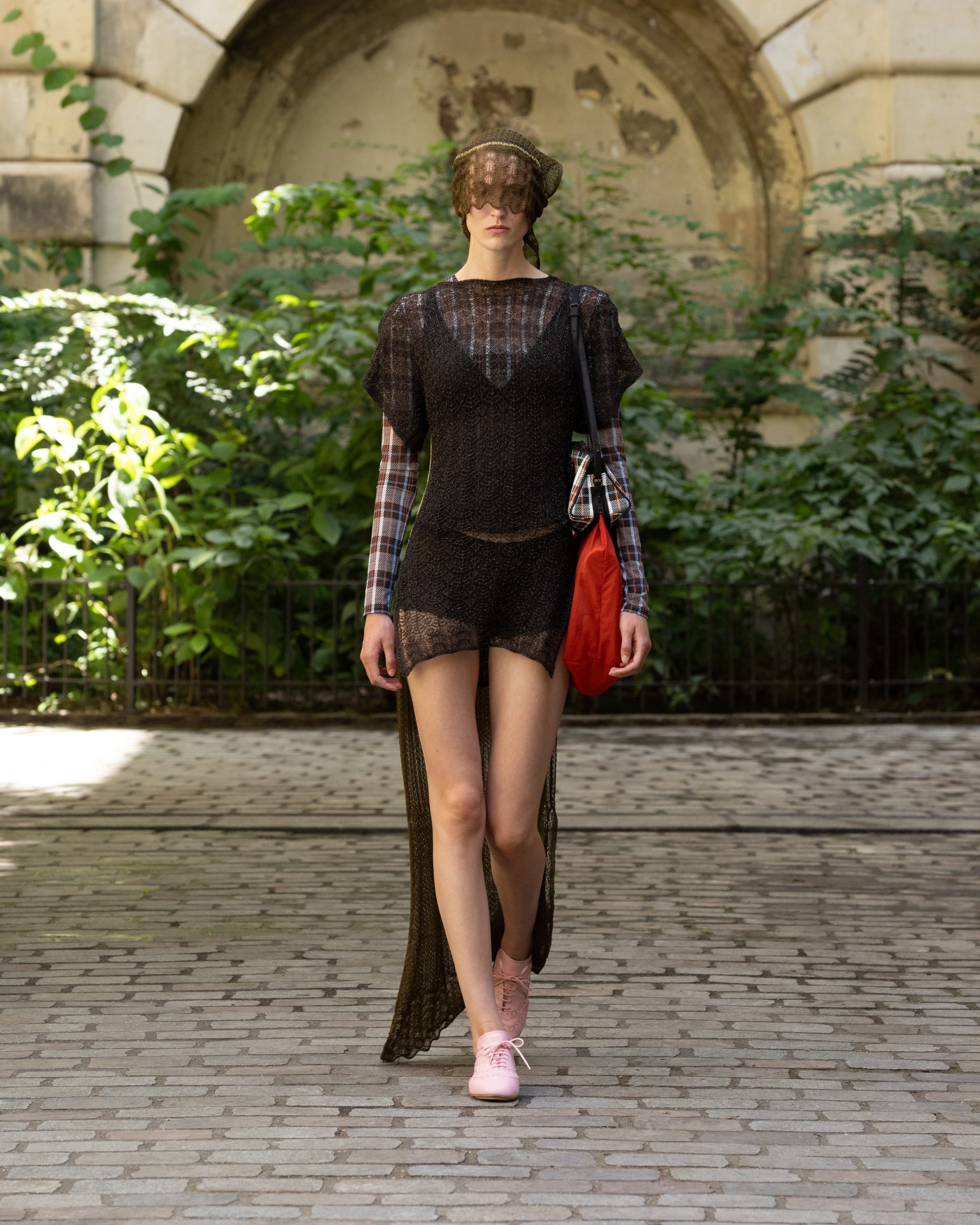
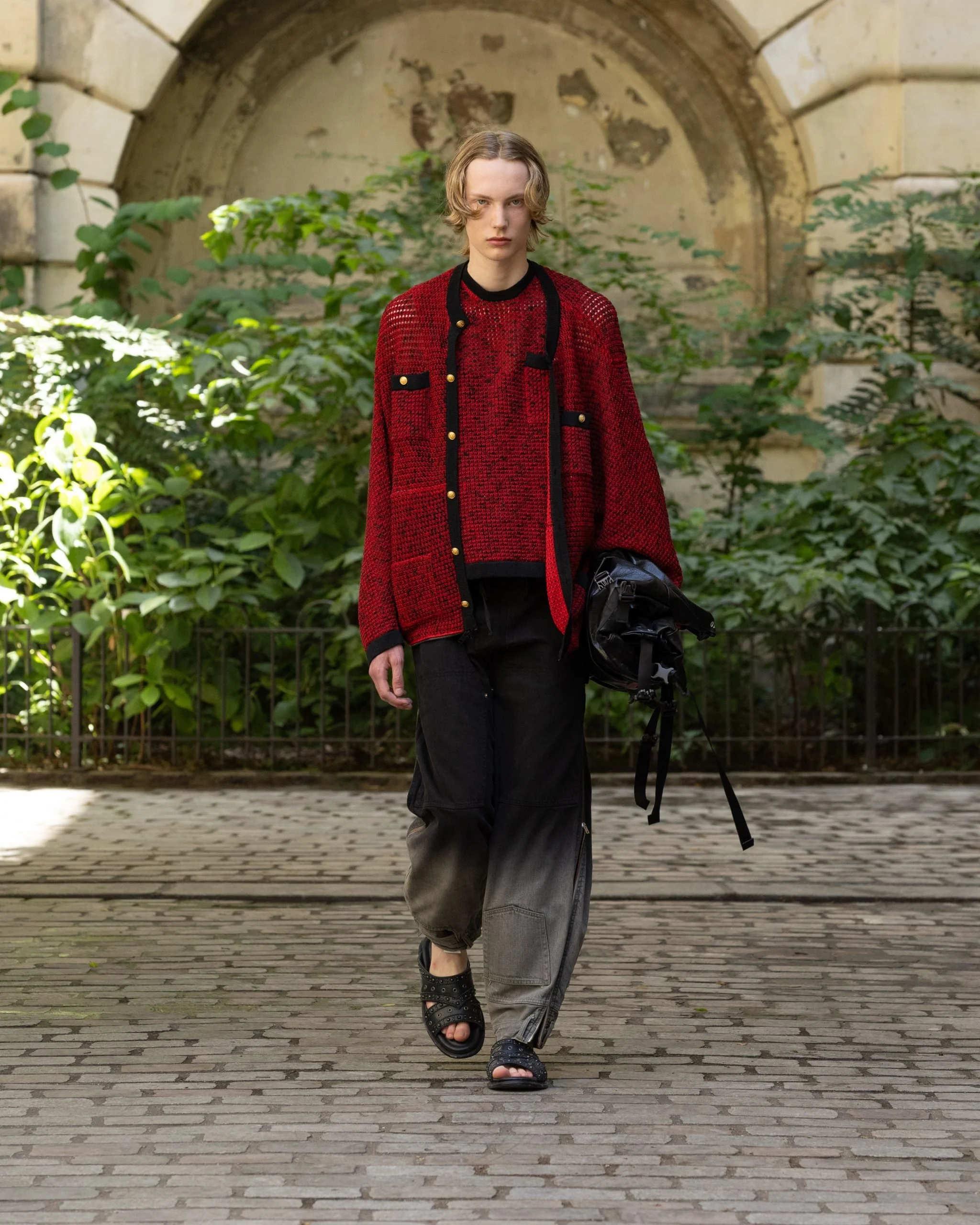
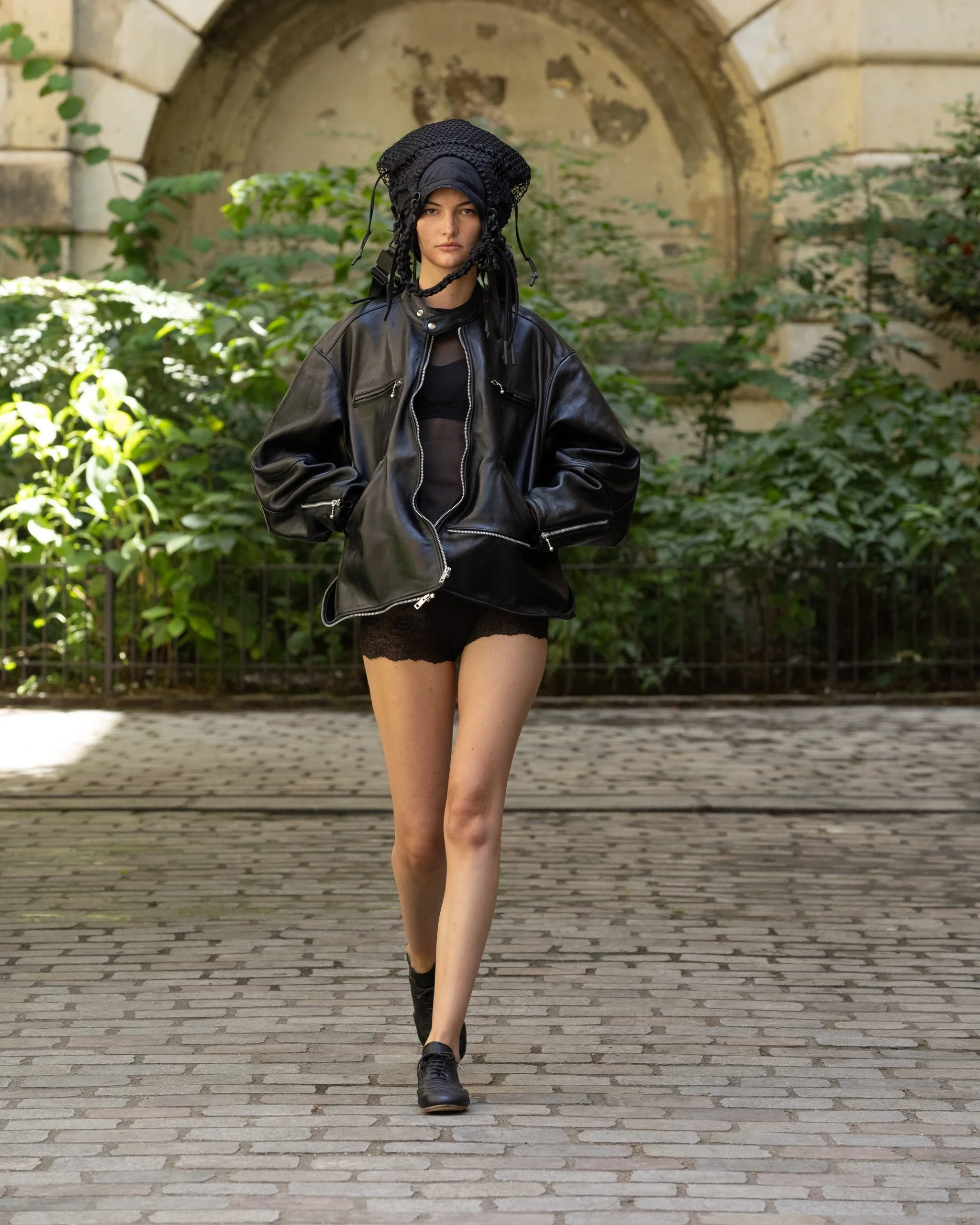
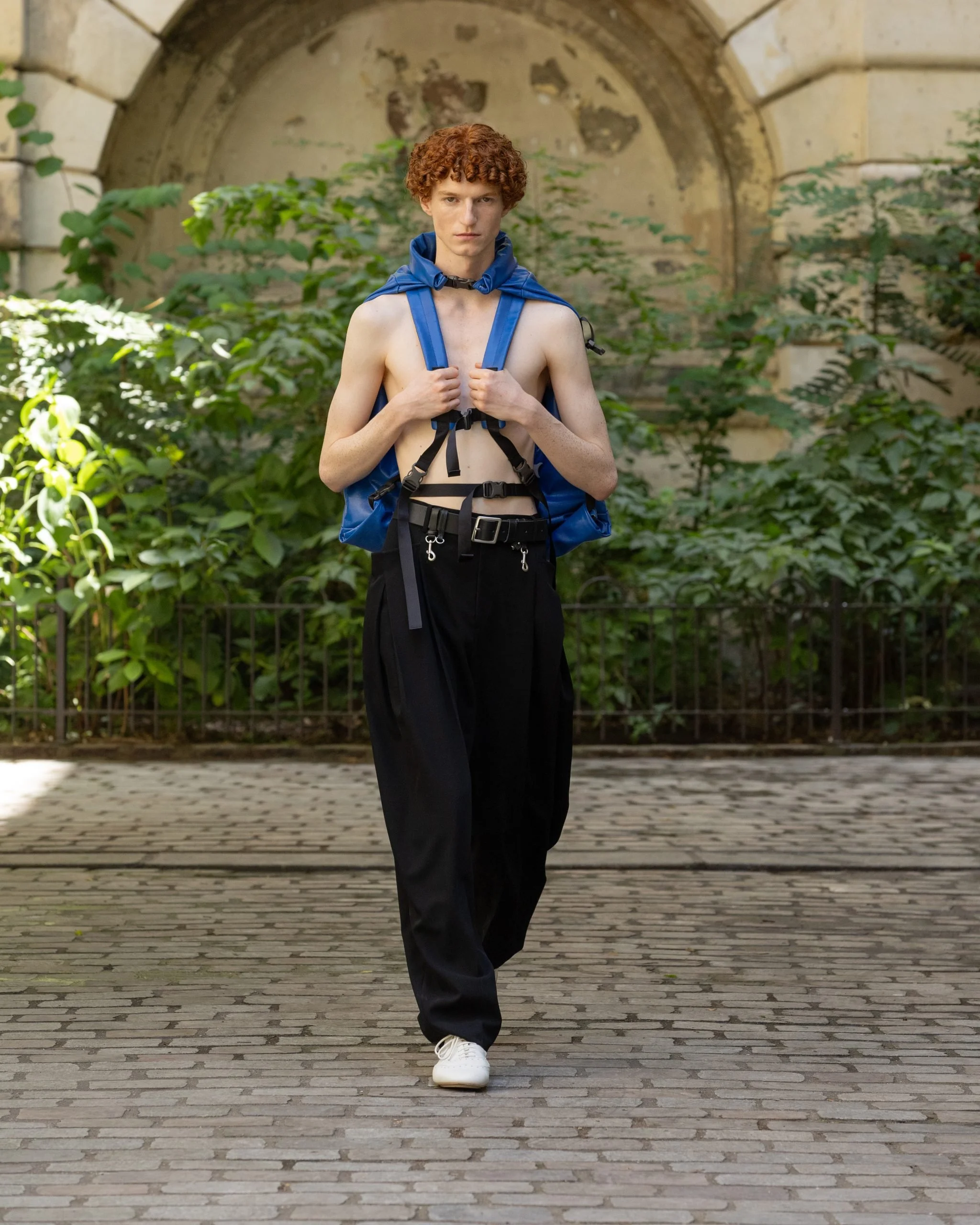
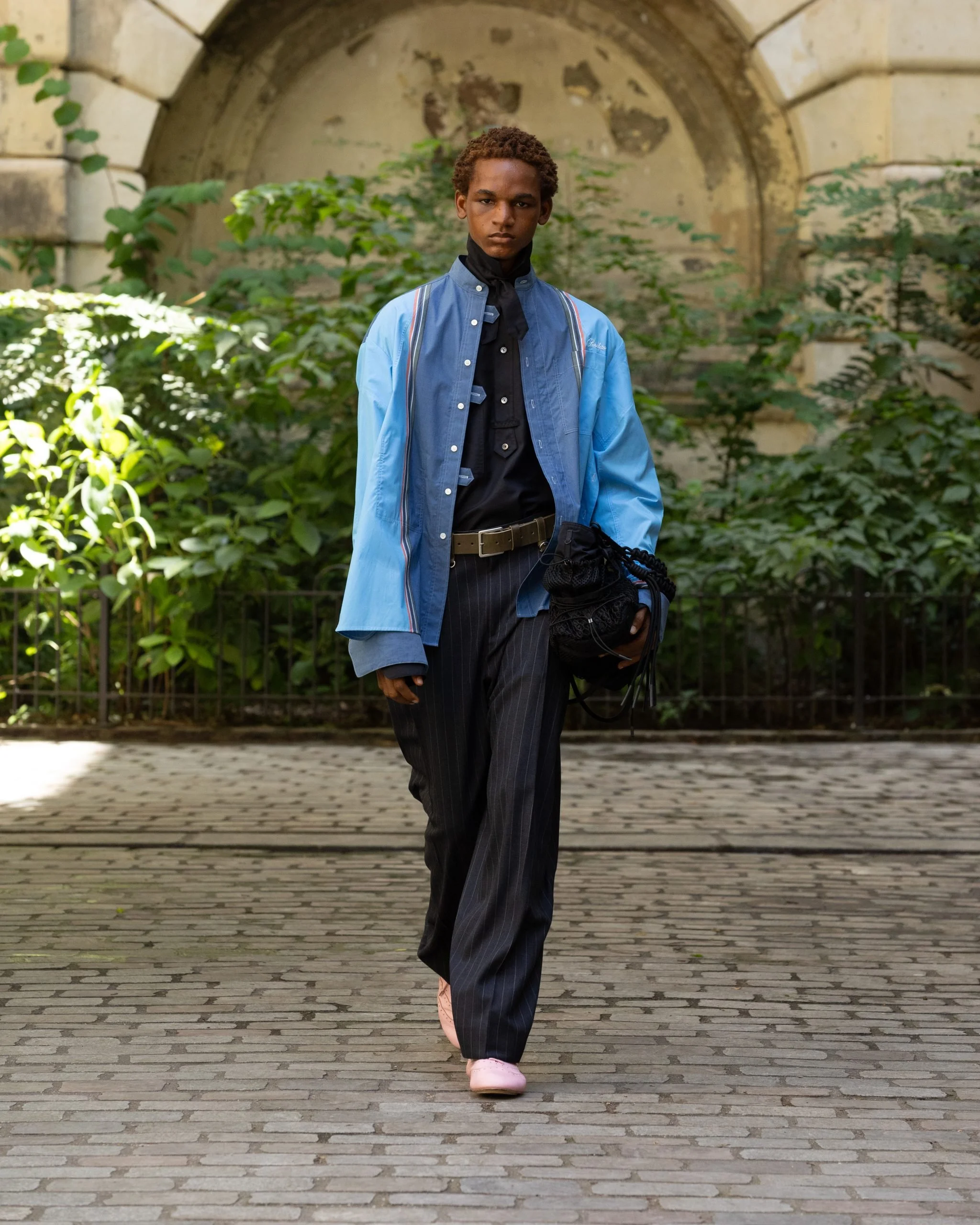
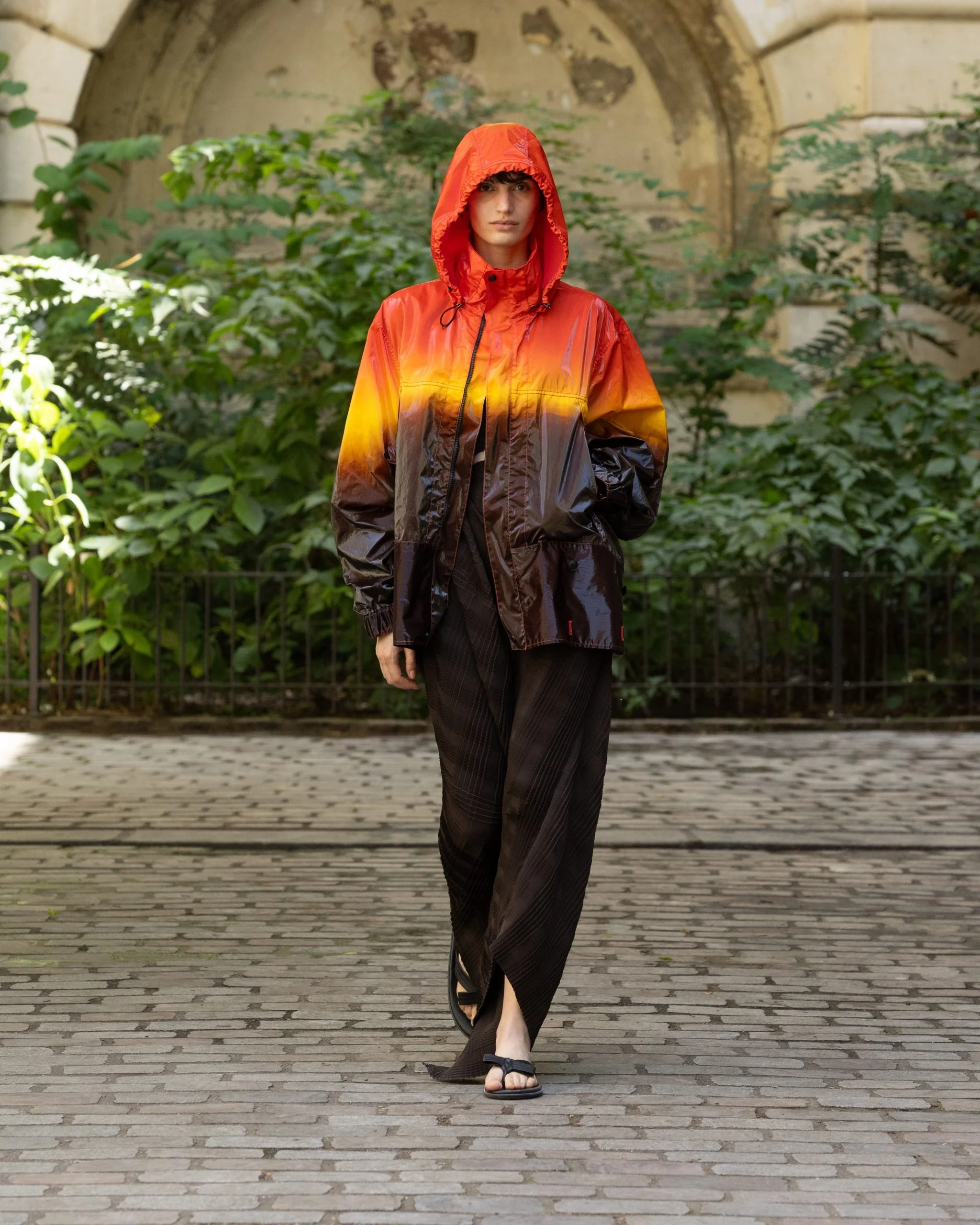
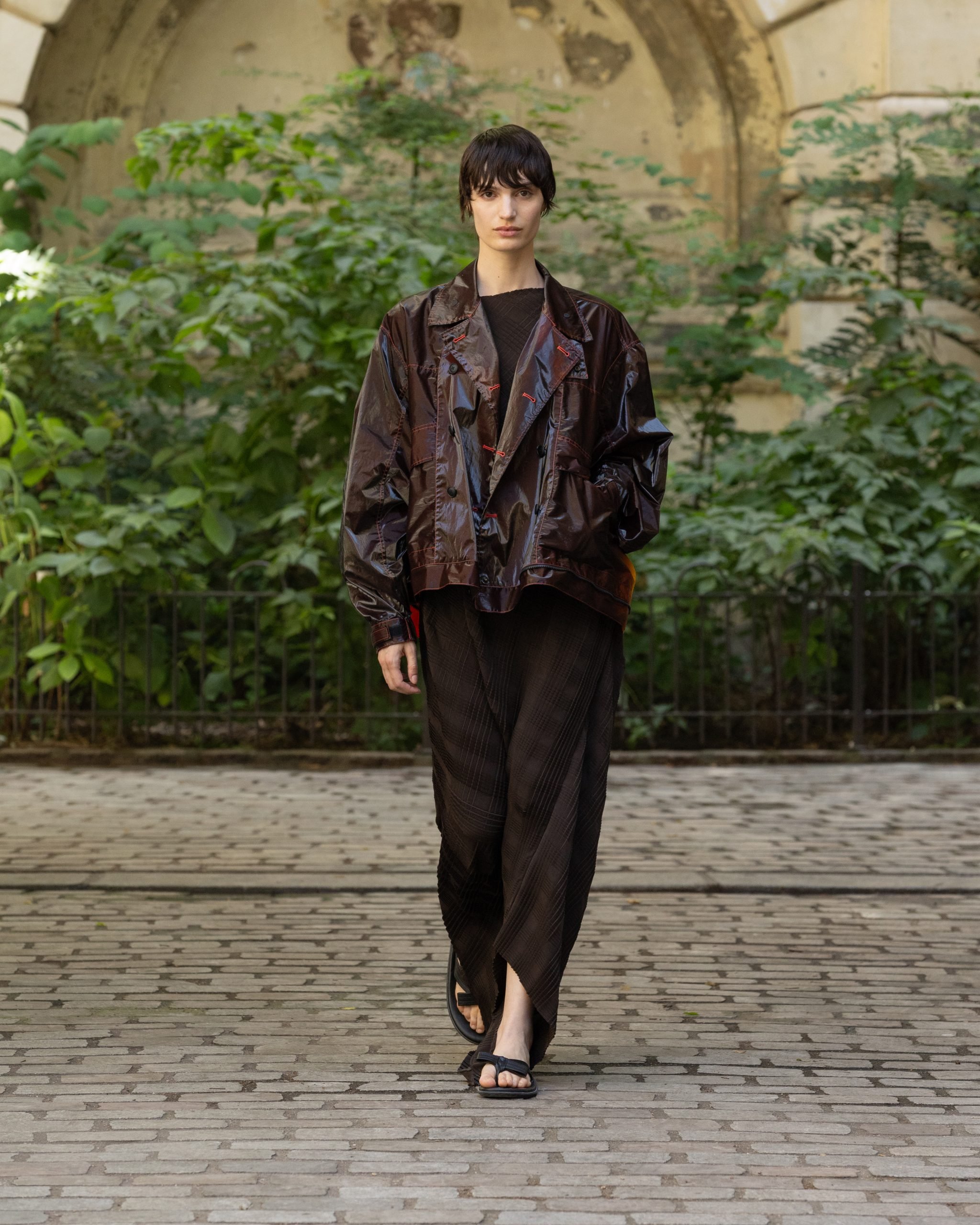
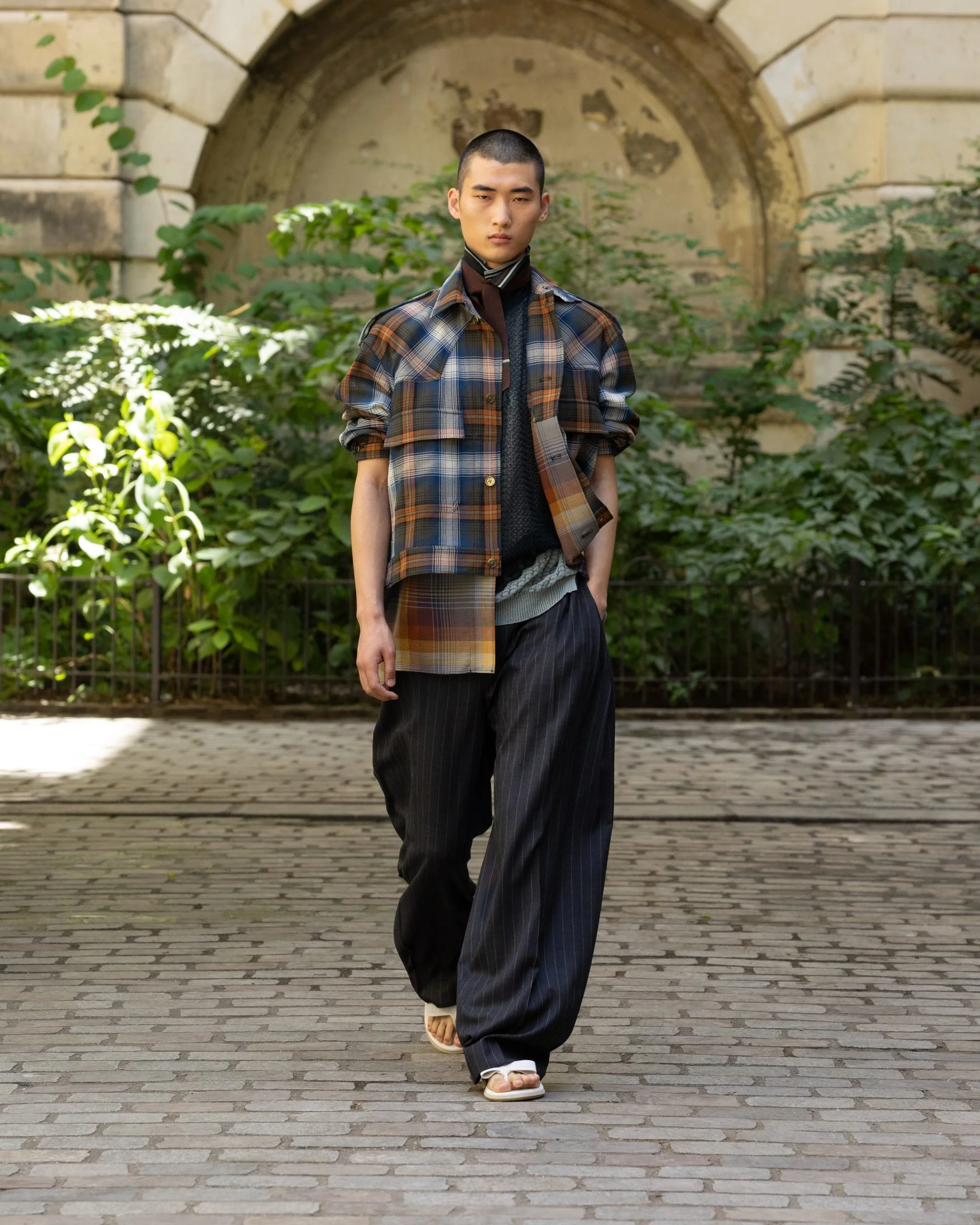
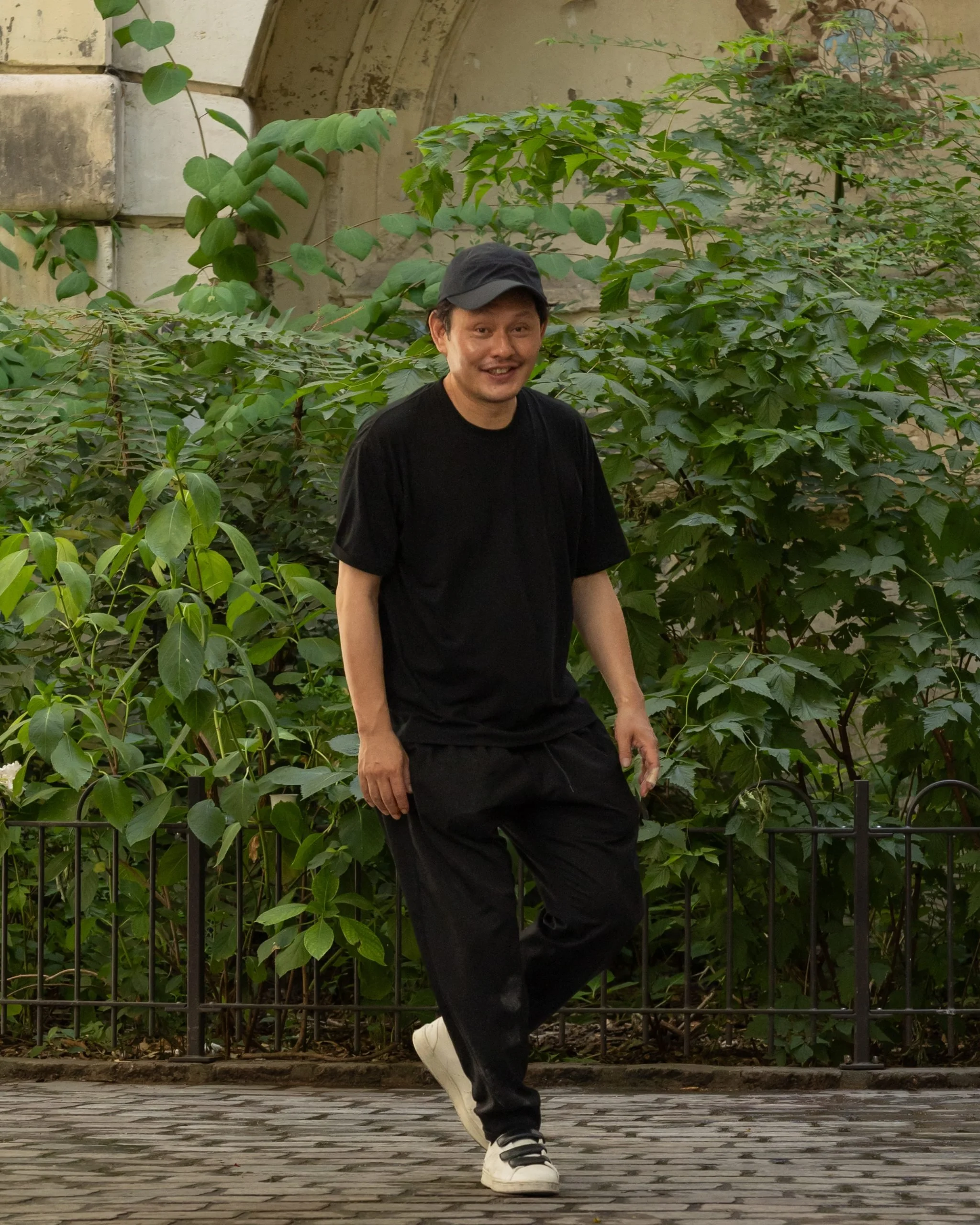
Beautiful People Spring 2027
Fashion has long celebrated reinvention, but few designers approach transformation with the technical precision of Hidenori Kumakiri. For Spring/Summer 2027, the Beautiful People founder continued his ongoing exploration of modular dressing, presenting a collection that questioned not what clothing looks like, but how it behaves once it leaves the runway.
Titled Tuned to a Natural E, the collection borrowed its name from the purest tuning of a guitar. For Kumakiri, the reference extended far beyond music. Just as an instrument reaches its clearest resonance when perfectly tuned, he imagined clothing functioning in complete harmony with the human body—responding instinctively to movement, protection and comfort before aesthetics ever enter the conversation.
In an industry often obsessed with appearance, it was a quietly radical proposition.
Clothing That Changes With You
Spring 2027 marked the third chapter in Kumakiri's ongoing exploration of multifunctional design, following the conceptual frameworks of Side-C and System-D. Rather than introducing another visual theme, the designer continued refining an idea that has become central to Beautiful People: garments should evolve alongside the person wearing them.
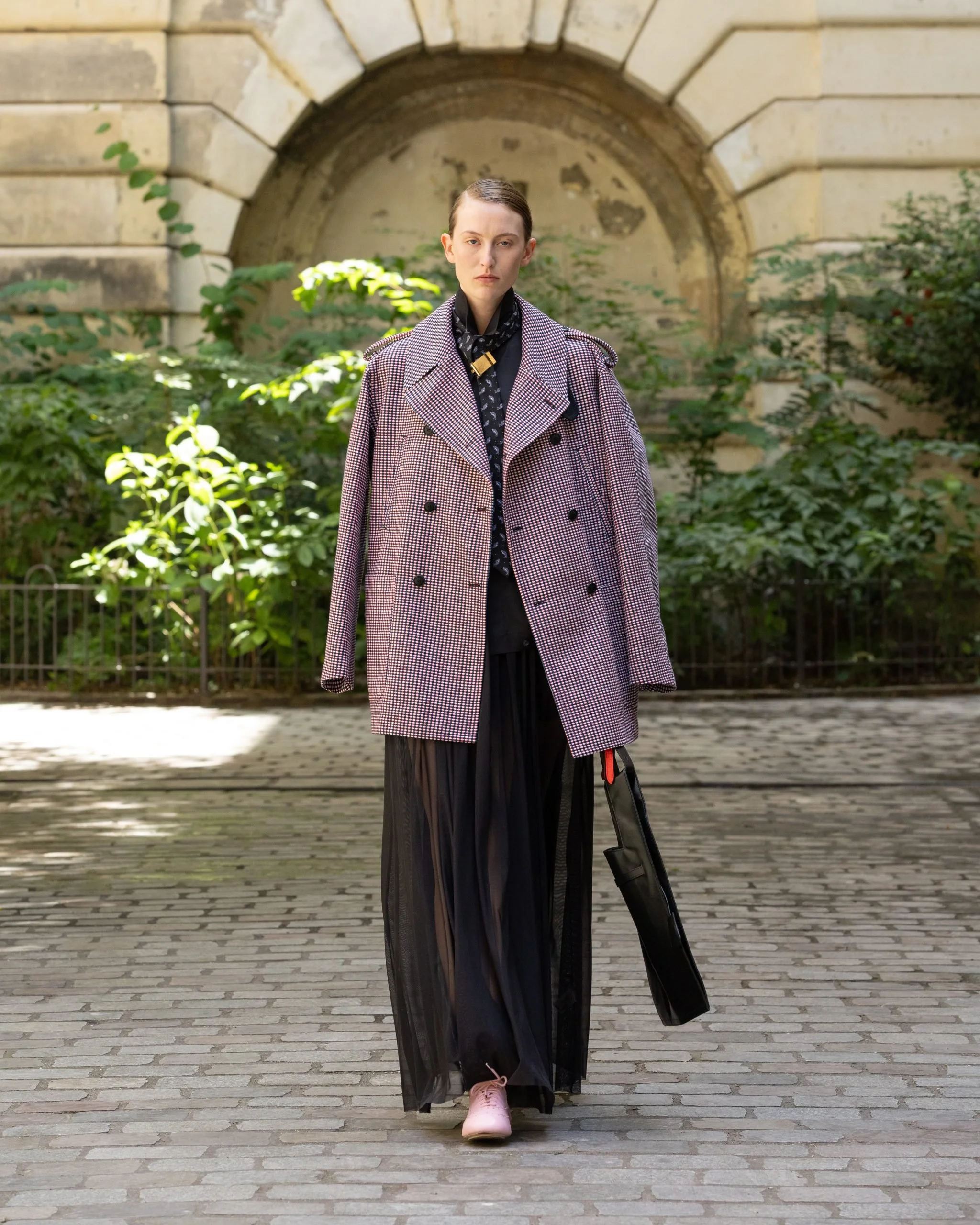
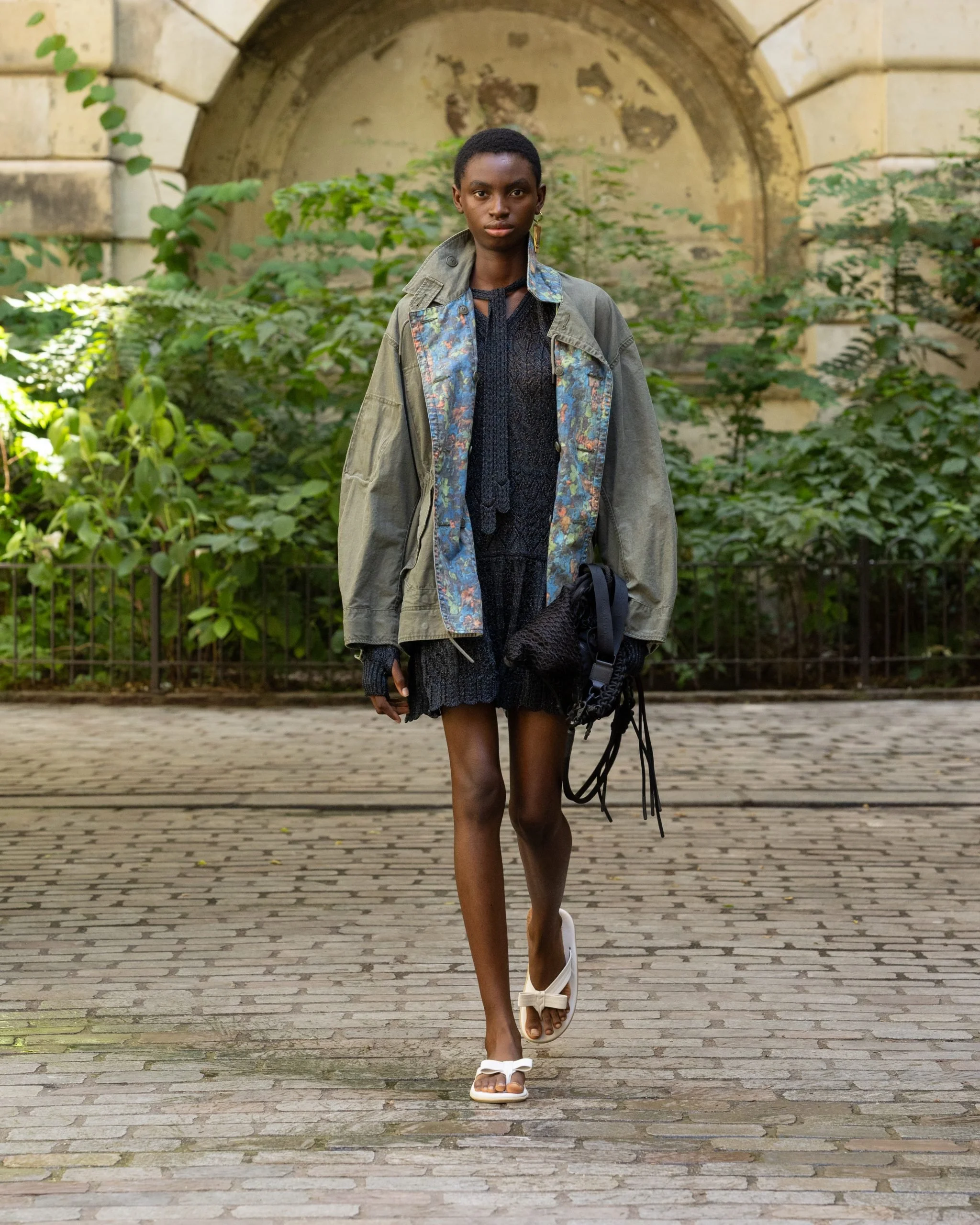
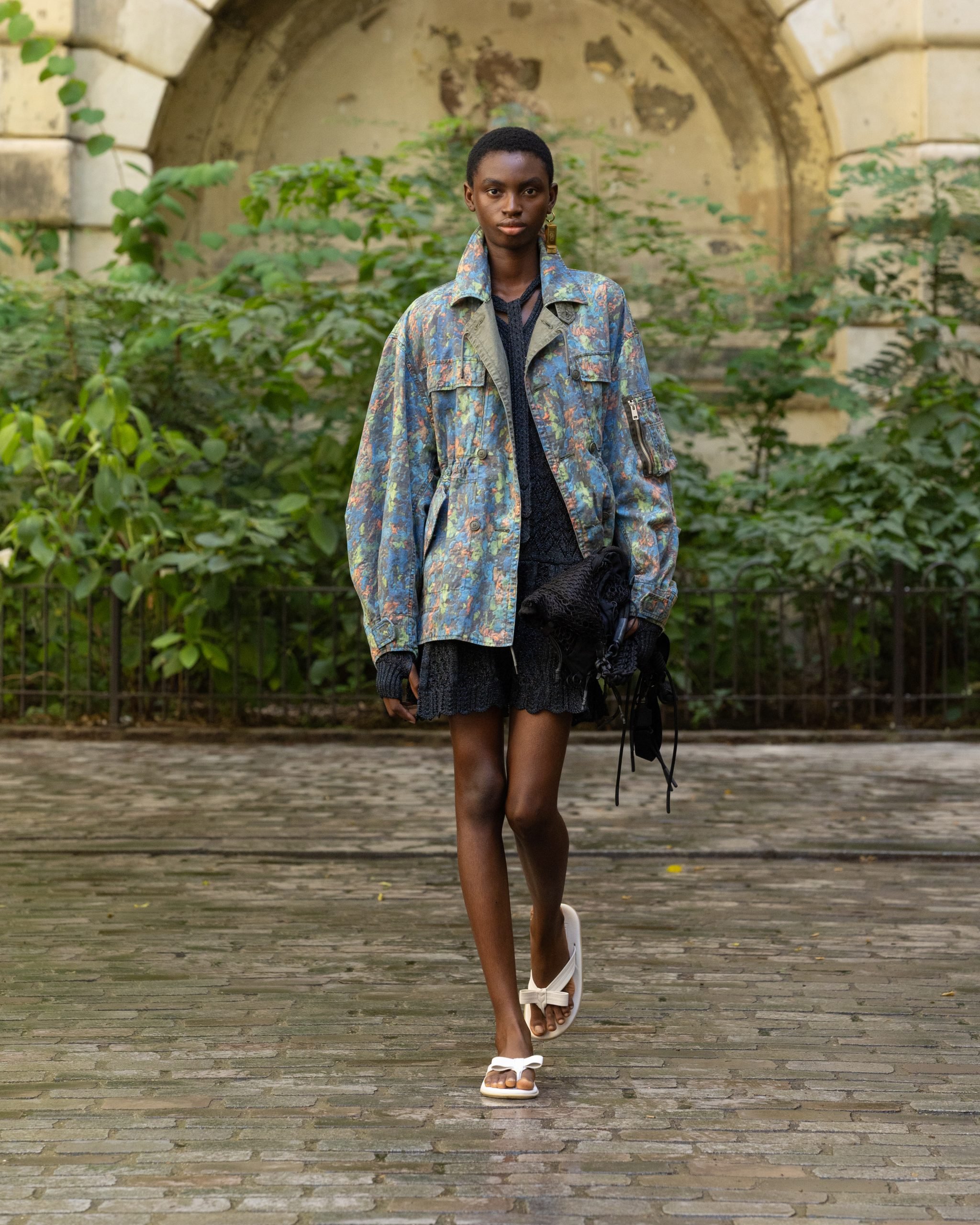
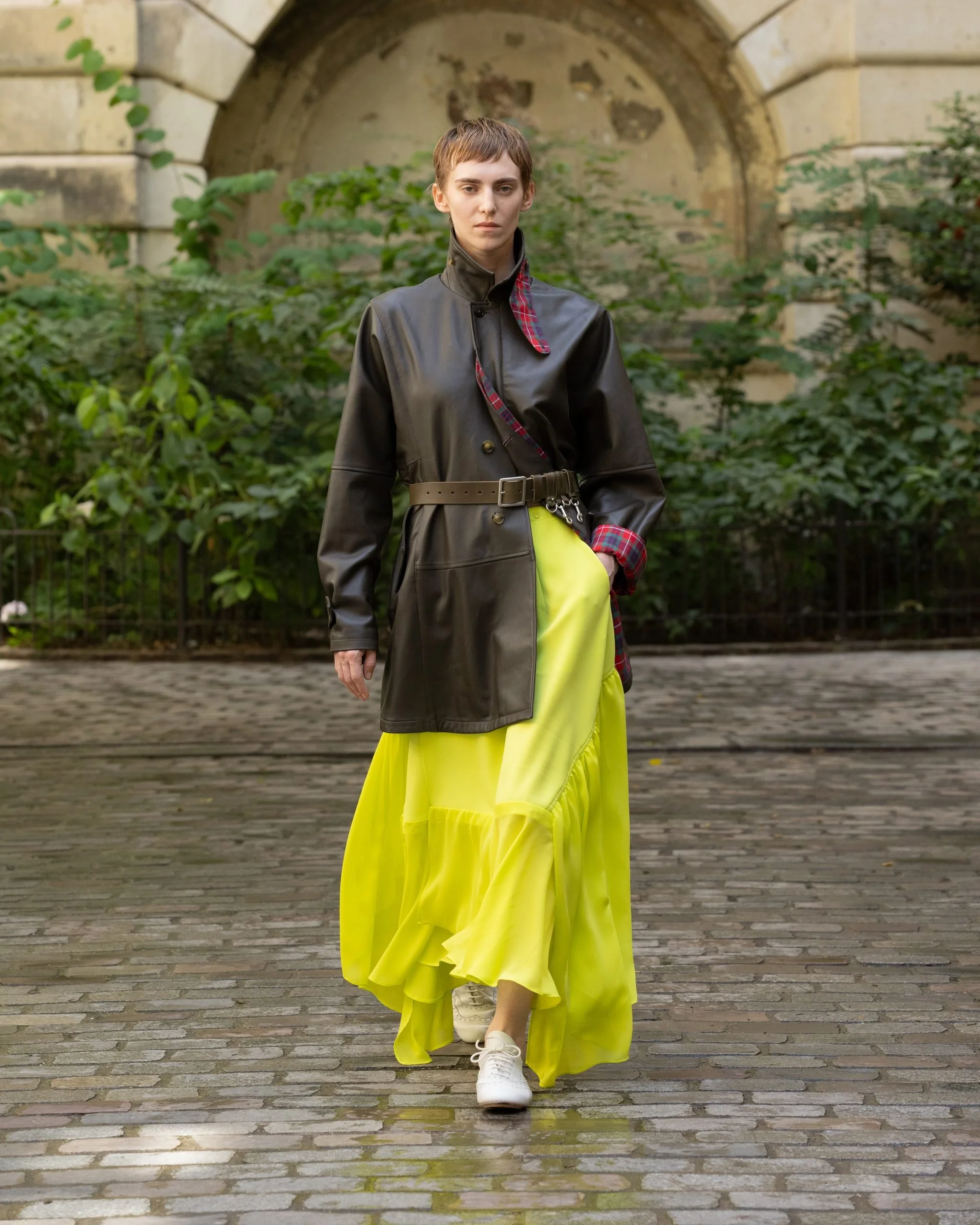
Many pieces could be worn inside out, upside down or reconfigured entirely through simple adjustments. Lightweight outerwear shifted effortlessly between raincoat and contemporary jacket, while sleeves folded, wrapped and transformed into entirely different silhouettes as models paused before mirrors to demonstrate each garment's hidden possibilities.
The transformations never felt theatrical. Instead, they suggested clothing capable of adapting naturally to changing environments and everyday routines.
Complexity Hidden Beneath Simplicity
What appeared effortless on the runway concealed extraordinary technical sophistication.
Kumakiri, one of fashion's most accomplished pattern cutters, deliberately masked the complexity of his construction beneath clean, understated silhouettes. As he explained backstage, intricate pattern engineering remains largely invisible, existing almost as a hidden language embedded within each garment.
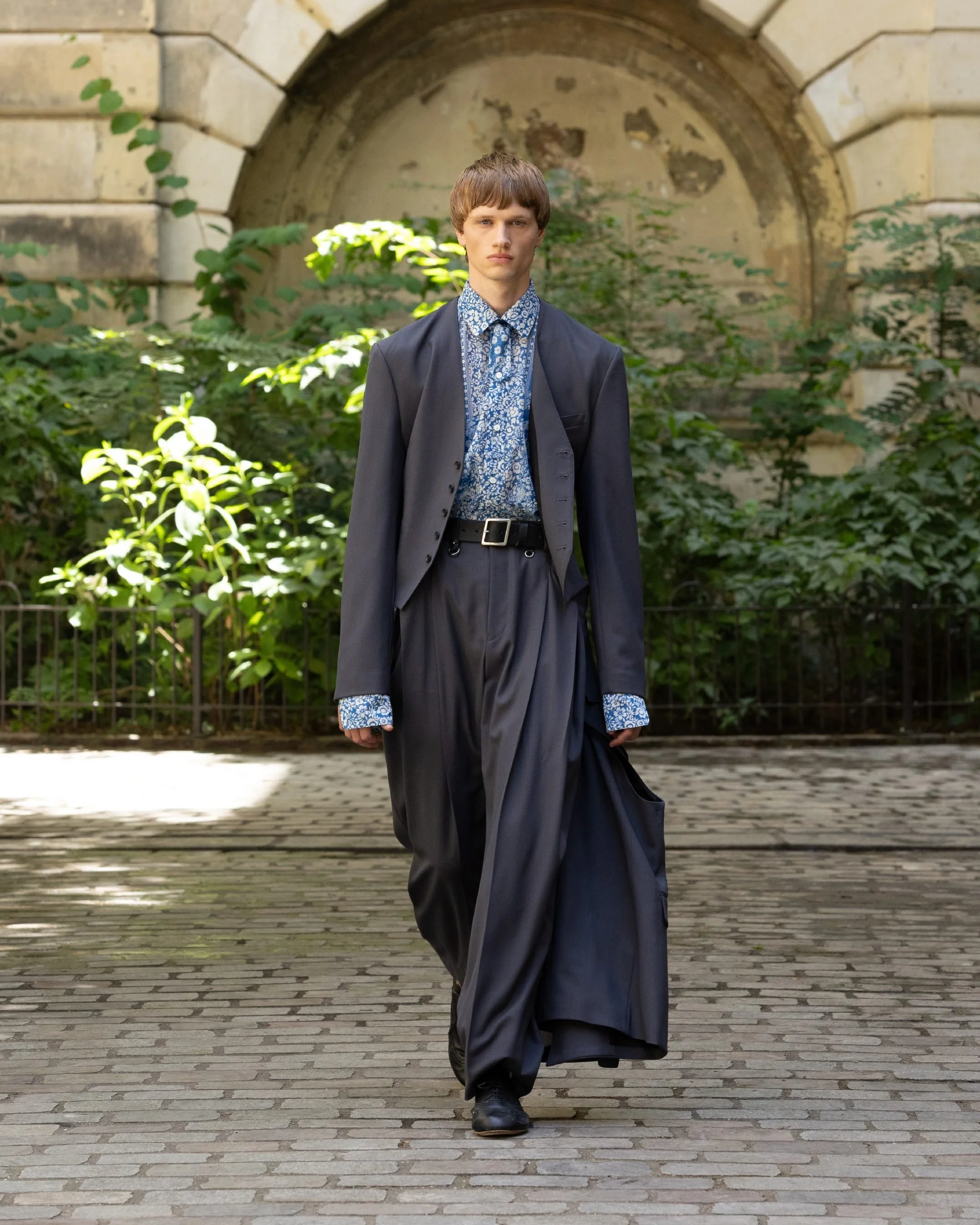
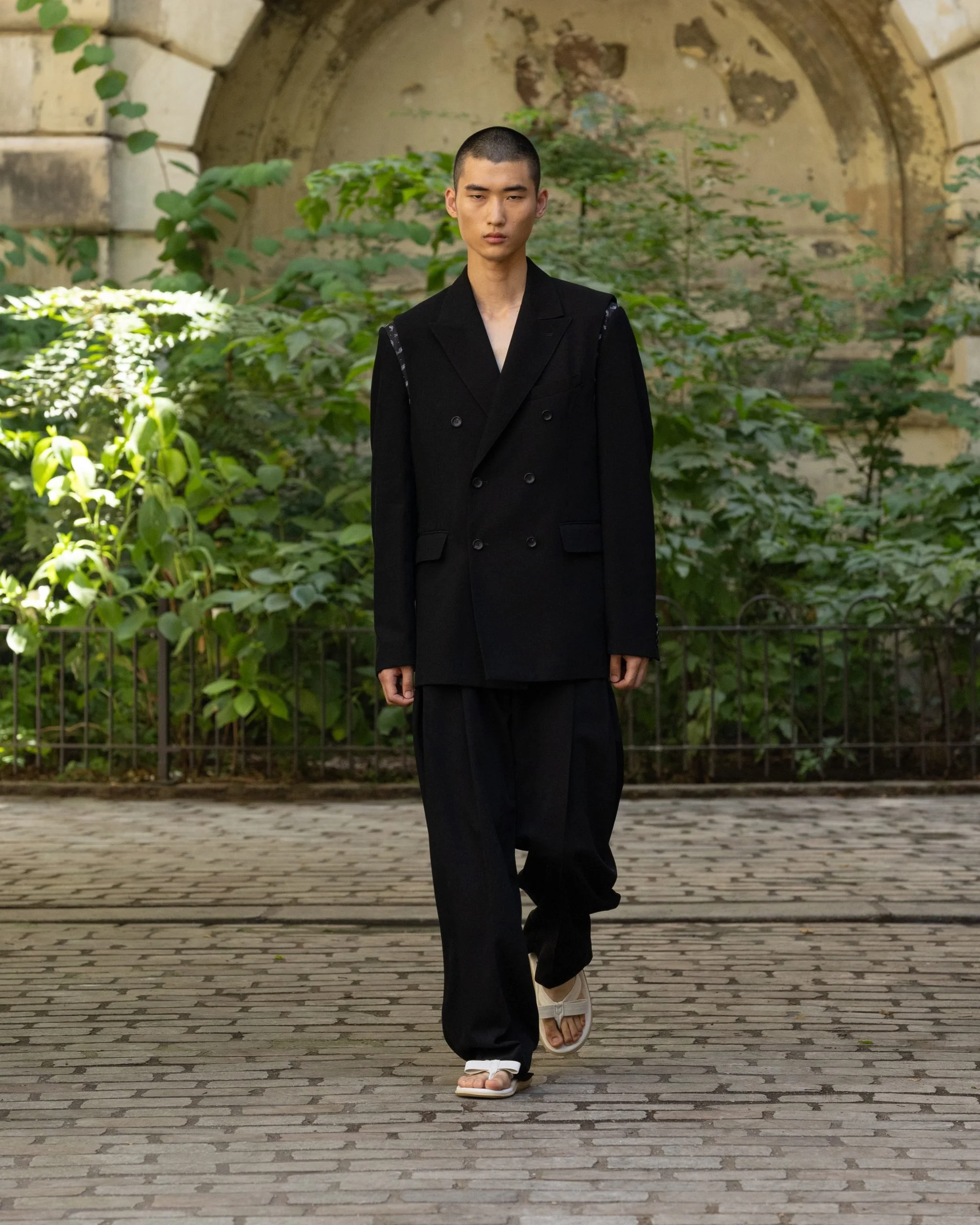
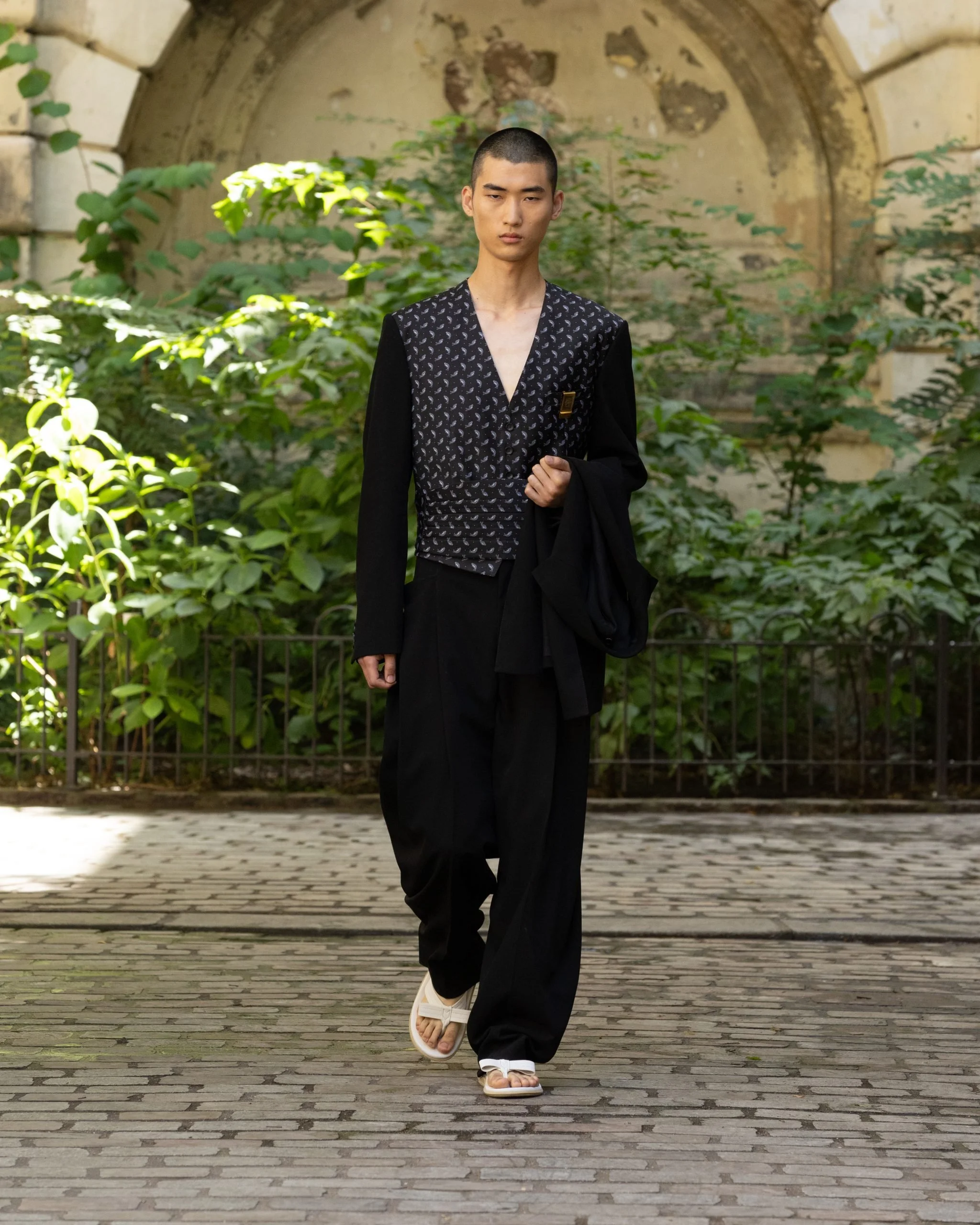
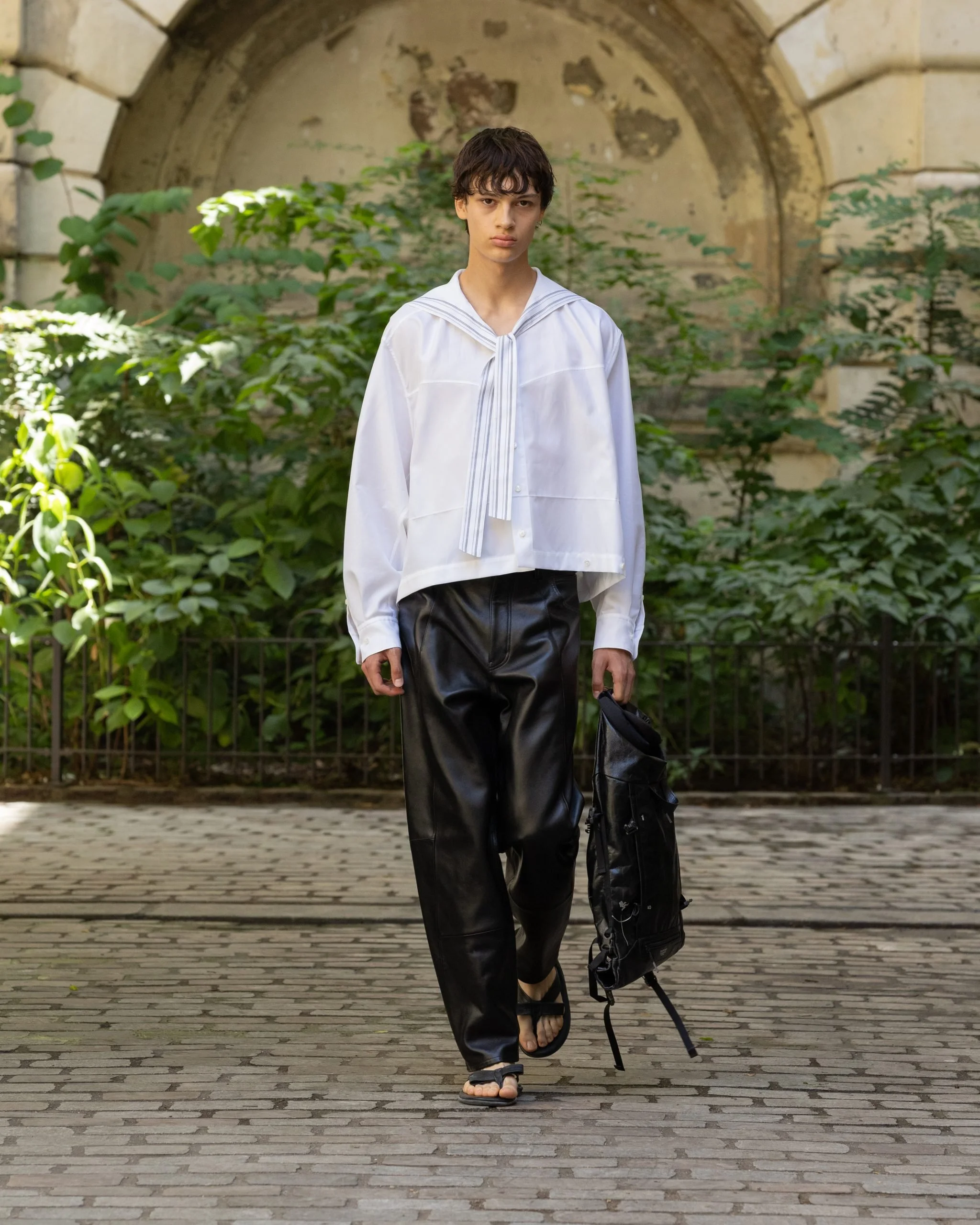
That philosophy became particularly evident in the tailoring. One sharply cut jacket revealed itself to be a layered construction, with a long-lapelled waistcoat sitting above what appeared to be an entirely separate tailored vest complete with jacket sleeves. Elsewhere, garments unfolded to reveal entirely different proportions depending on how they were worn.
Like an optical illusion, the clothes continuously invited a second look.
Beyond Fashion, Towards Function
Although Beautiful People has often been celebrated for its experimental construction, the collection never lost sight of wearability.
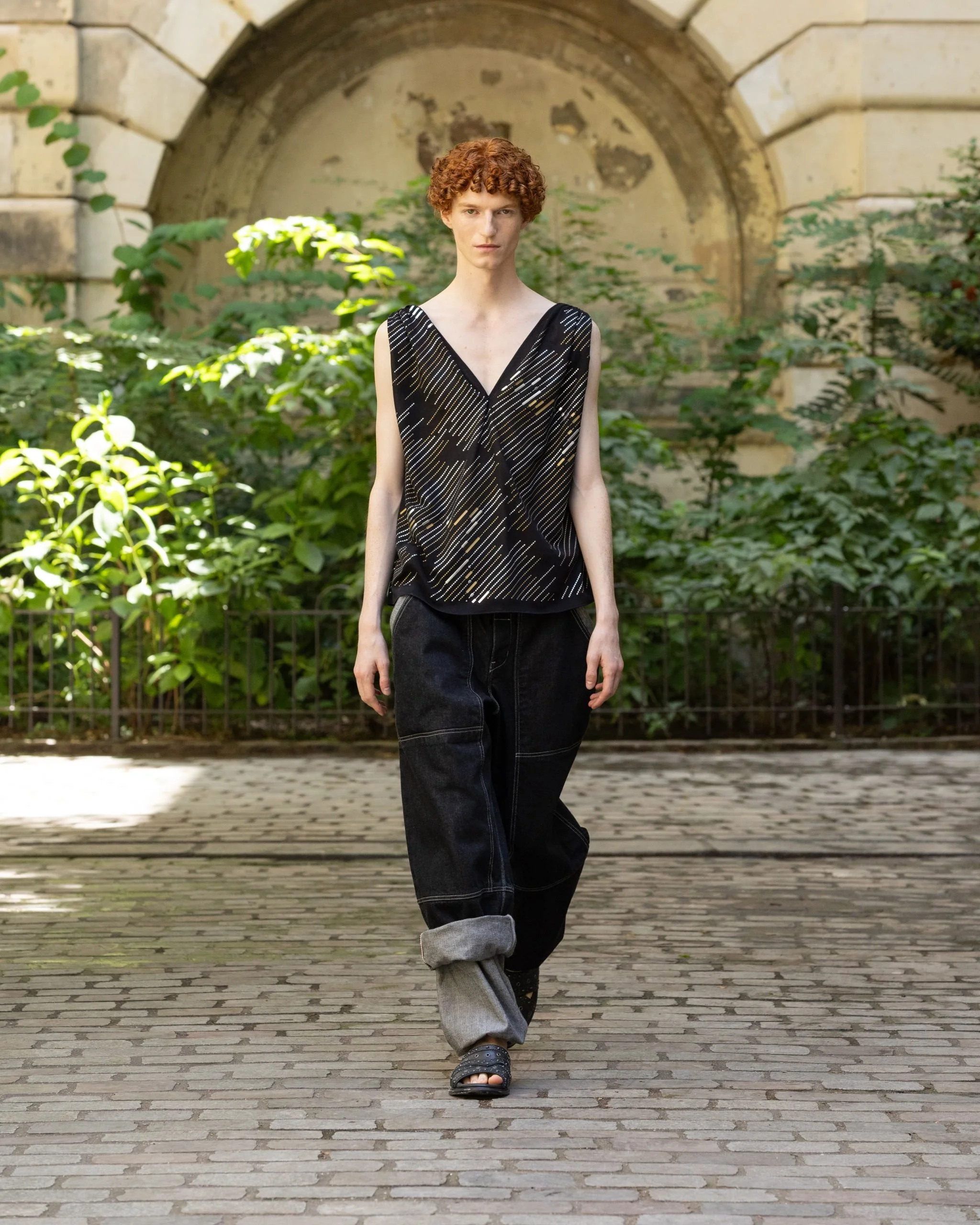
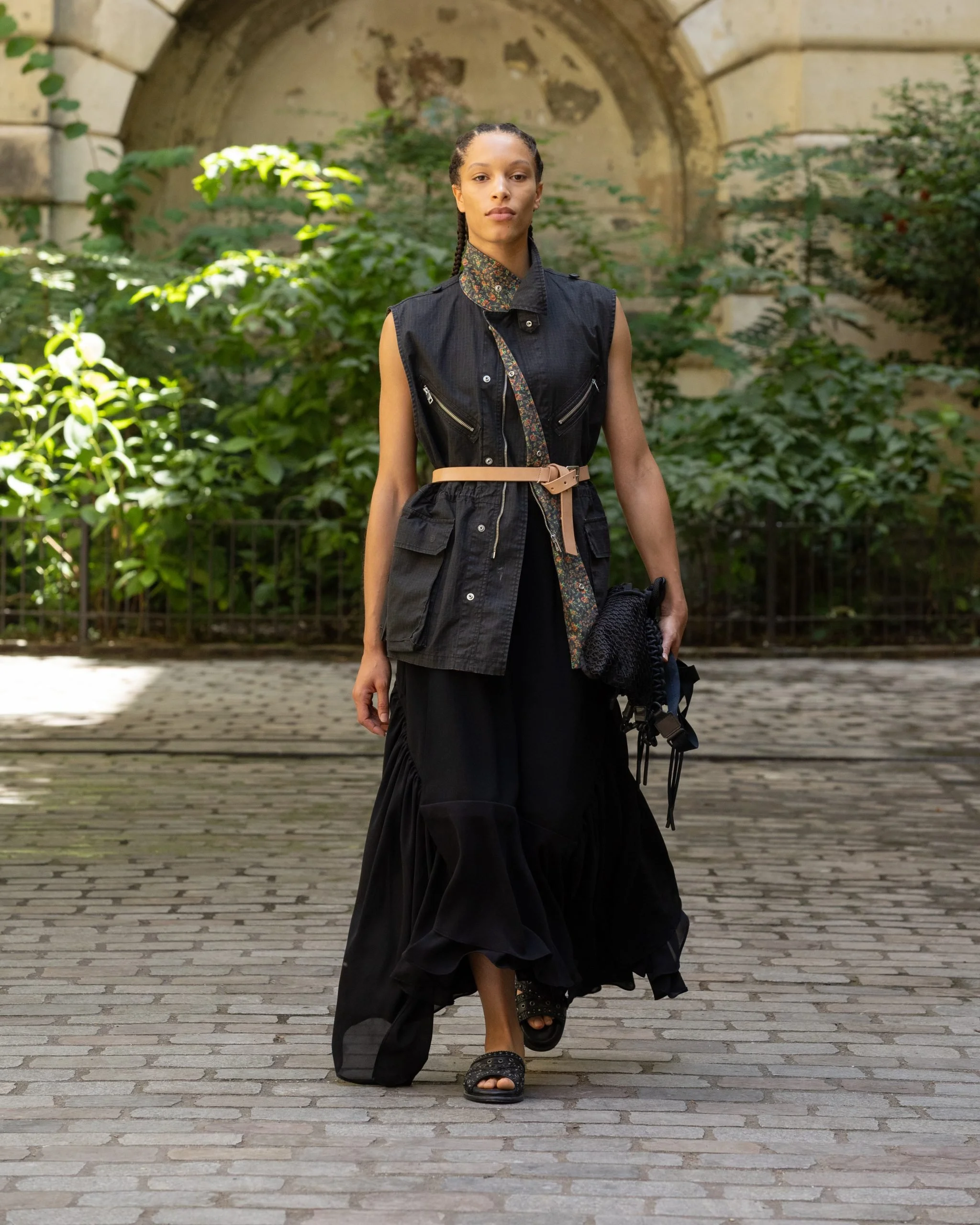
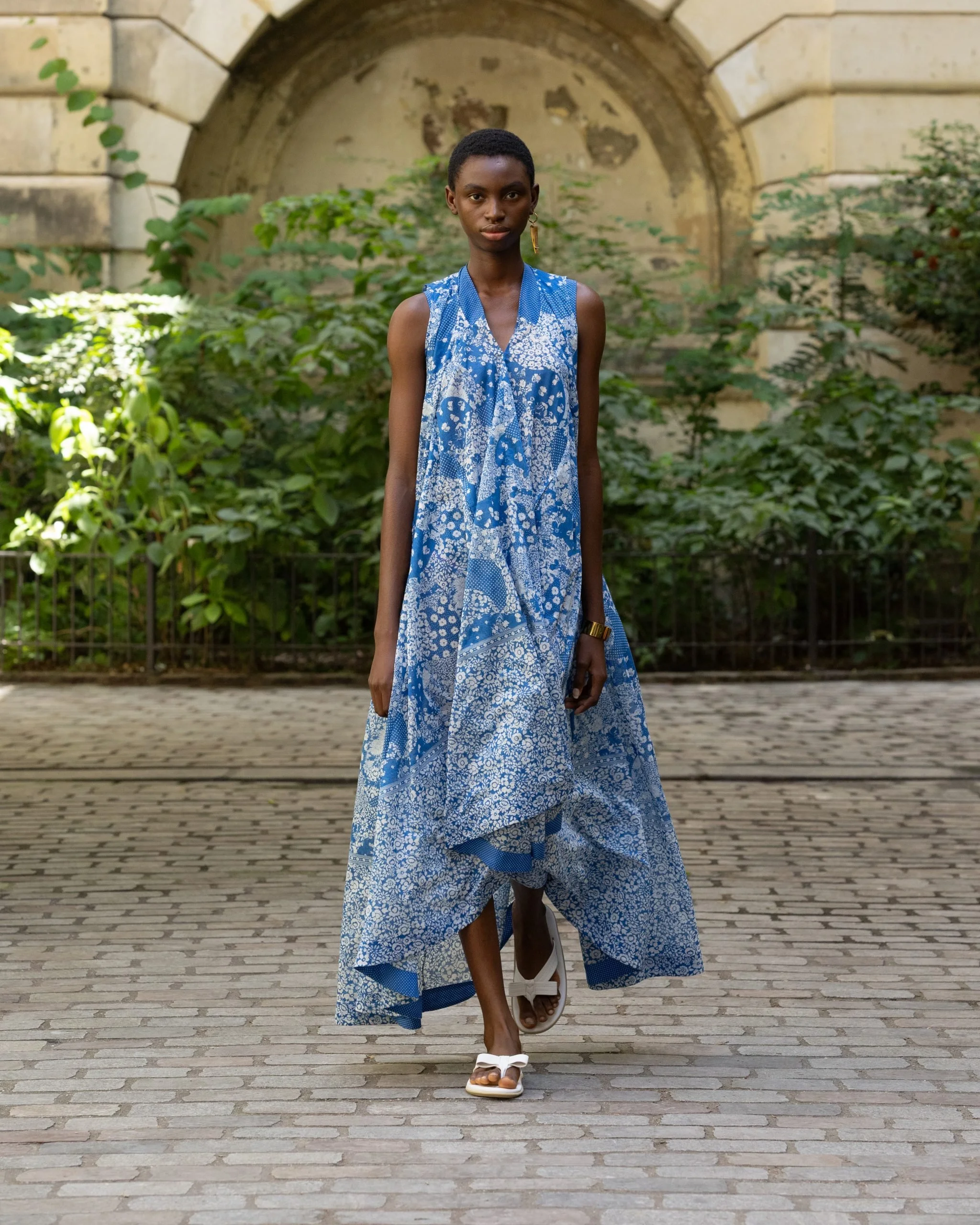
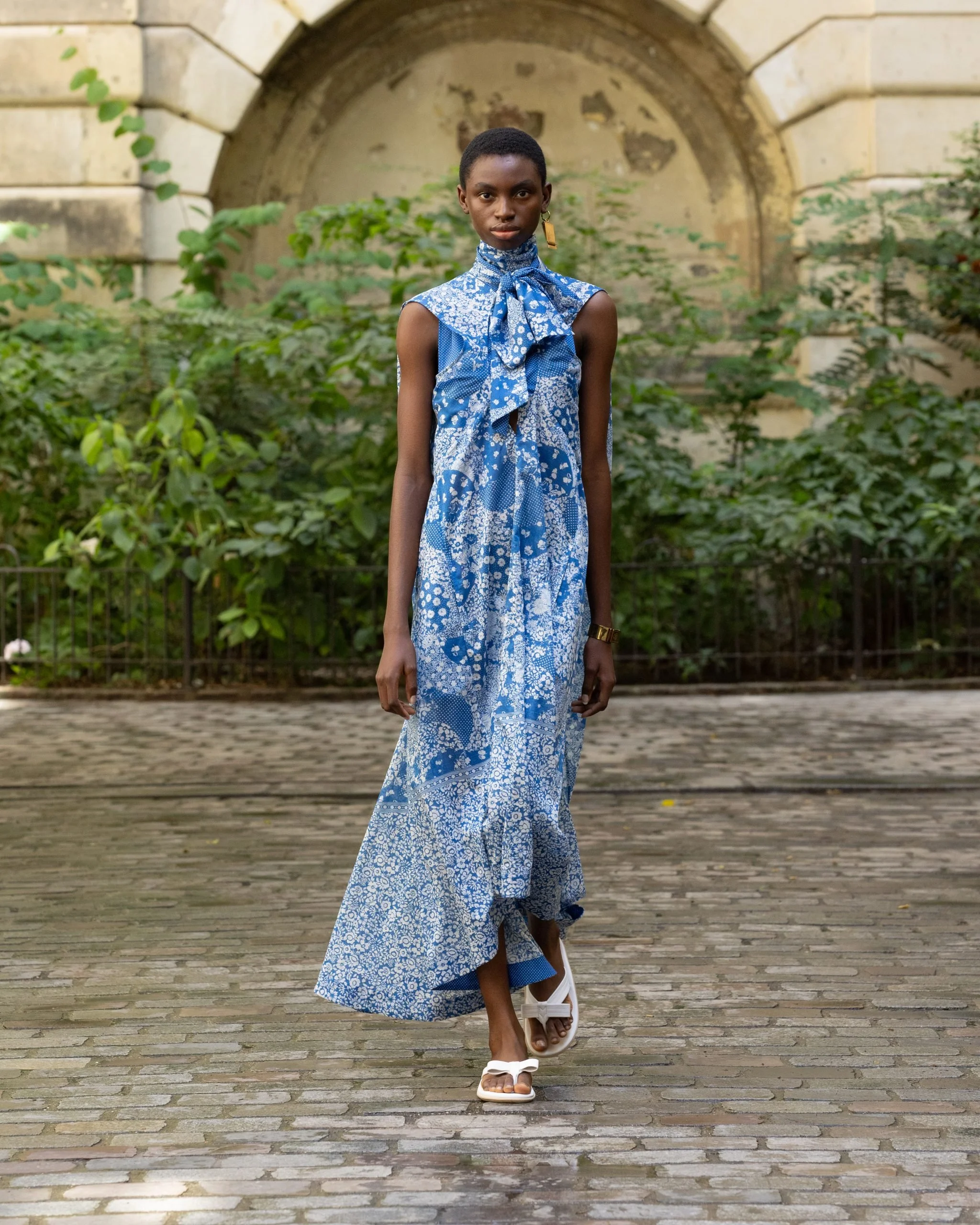
Wrapped outerwear, softly tied layers and relaxed proportions encouraged intuitive dressing rather than rigid styling. A cornflower-blue printed maxi dress featuring dual neck openings and adjustable ties demonstrated the collection's versatility while responding naturally to the realities of a sweltering Paris Fashion Week.
Rather than prescribing a single way to wear each garment, Kumakiri allowed the wearer to determine its final form.
In doing so, he quietly challenged one of fashion's oldest assumptions—that designers should dictate exactly how clothes ought to be worn.
A Different Kind of Luxury
Luxury has increasingly become synonymous with craftsmanship, but Beautiful People argues that intelligence deserves equal recognition.
The collection's value lay not in embellishment or branding but in invisible engineering. Every hidden seam, reversible panel and transformable construction reflected hours of technical problem-solving designed to simplify the experience of getting dressed.
It was innovation expressed through restraint rather than spectacle.