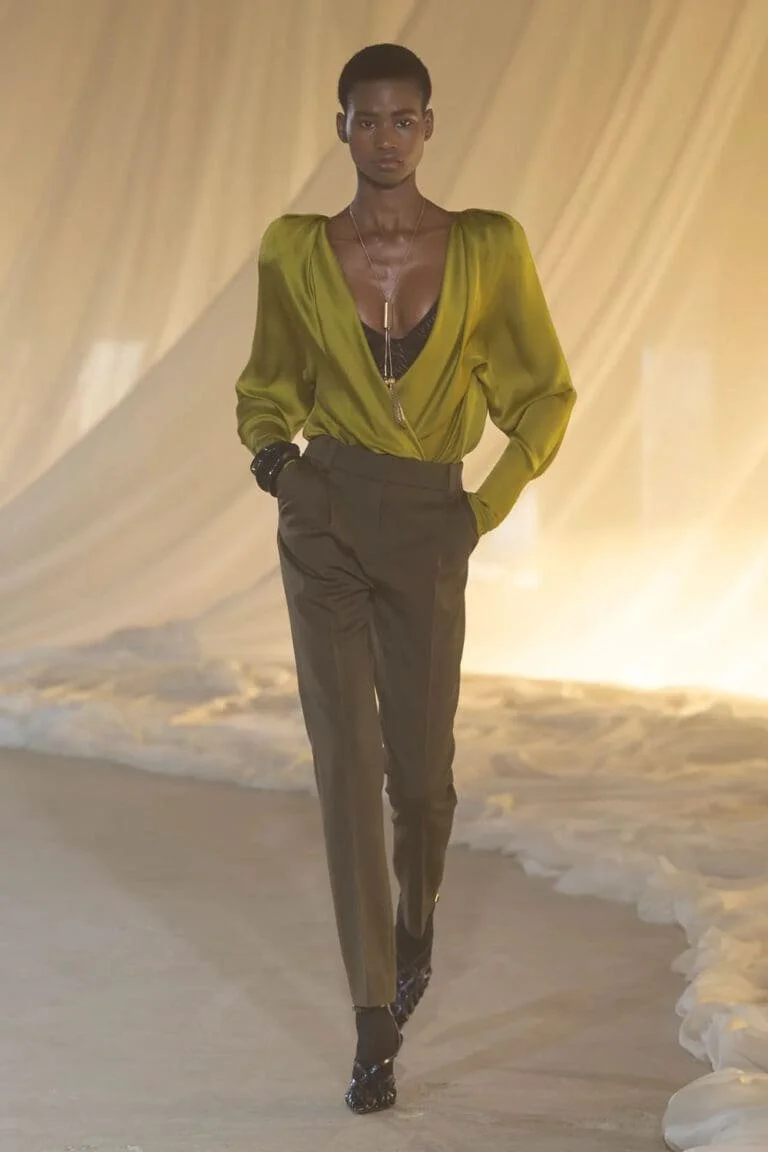
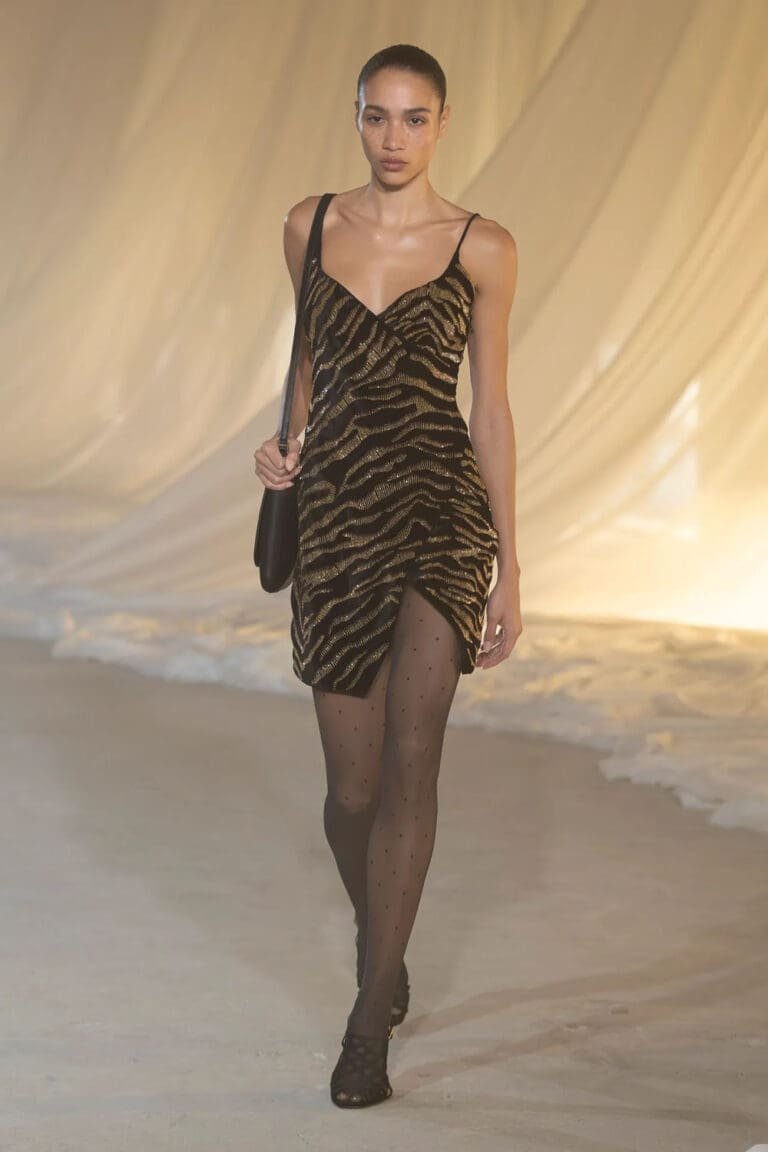
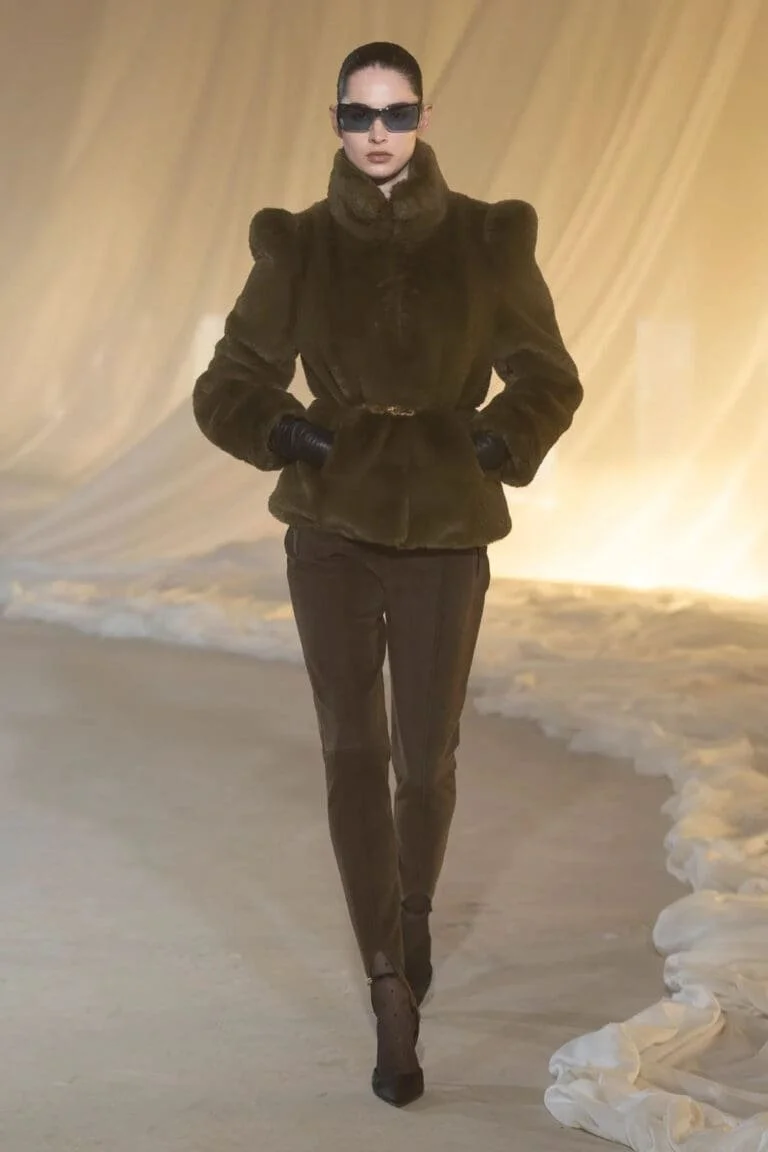
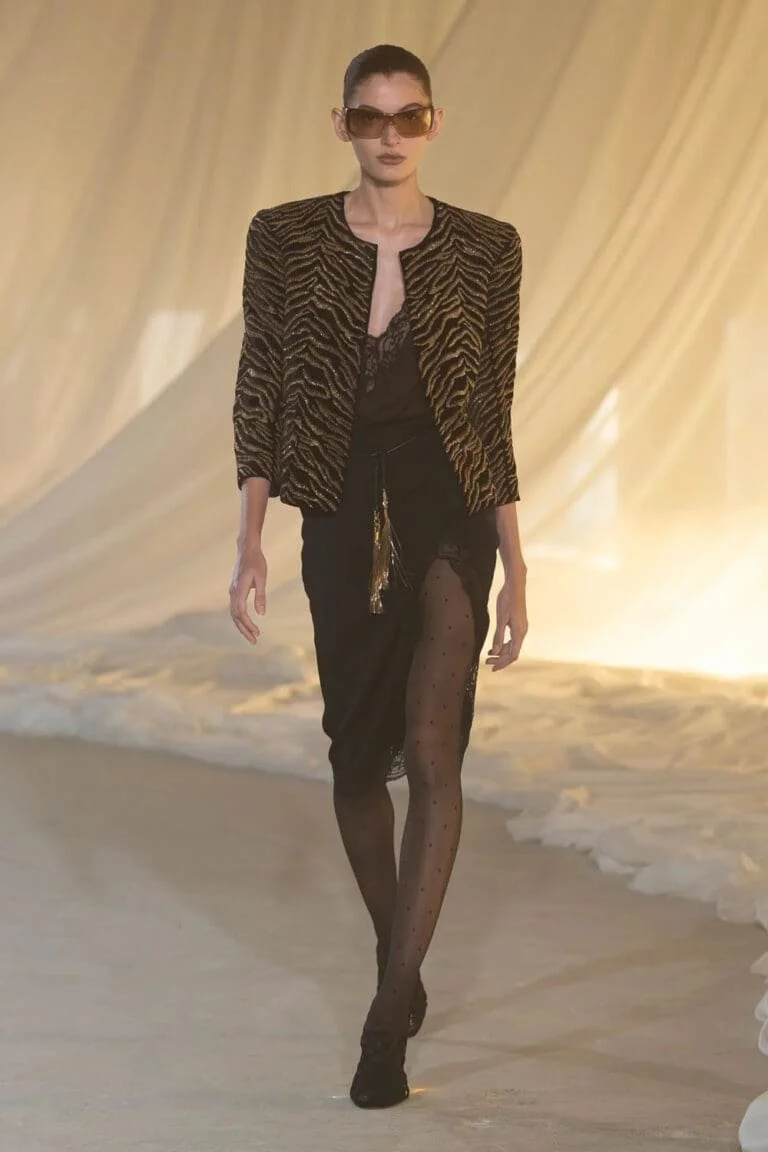
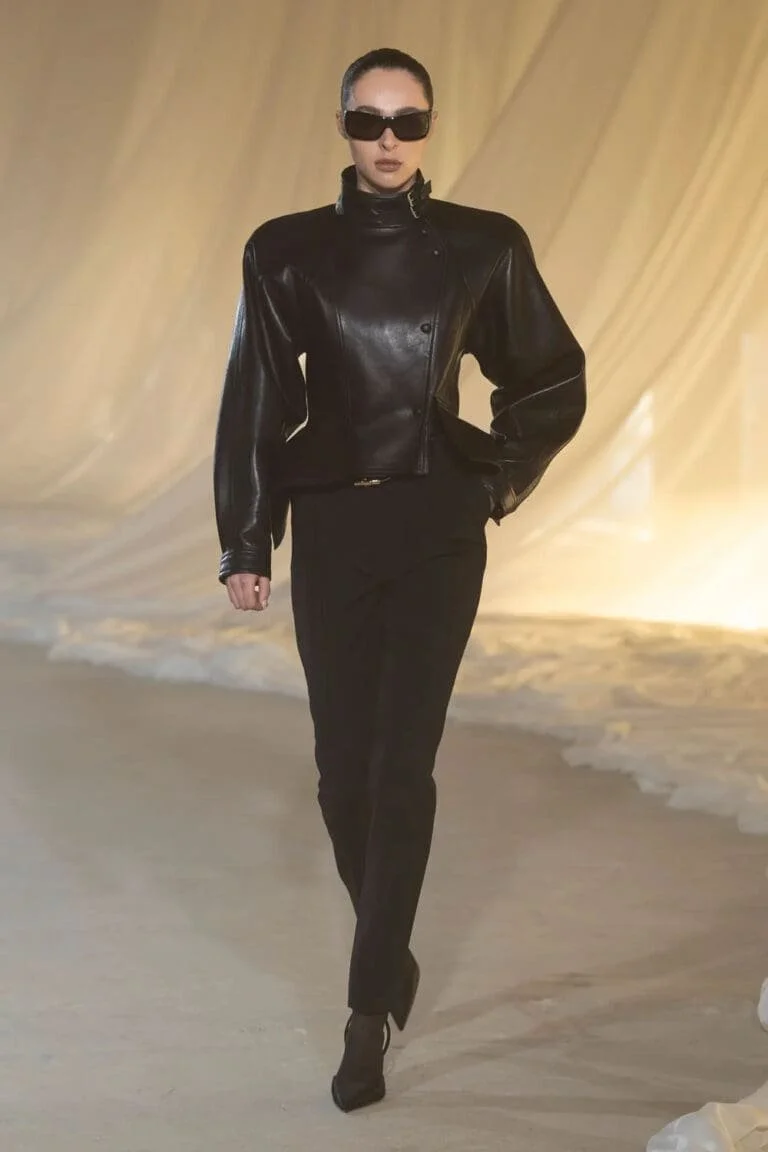
Balmain Fall 2026
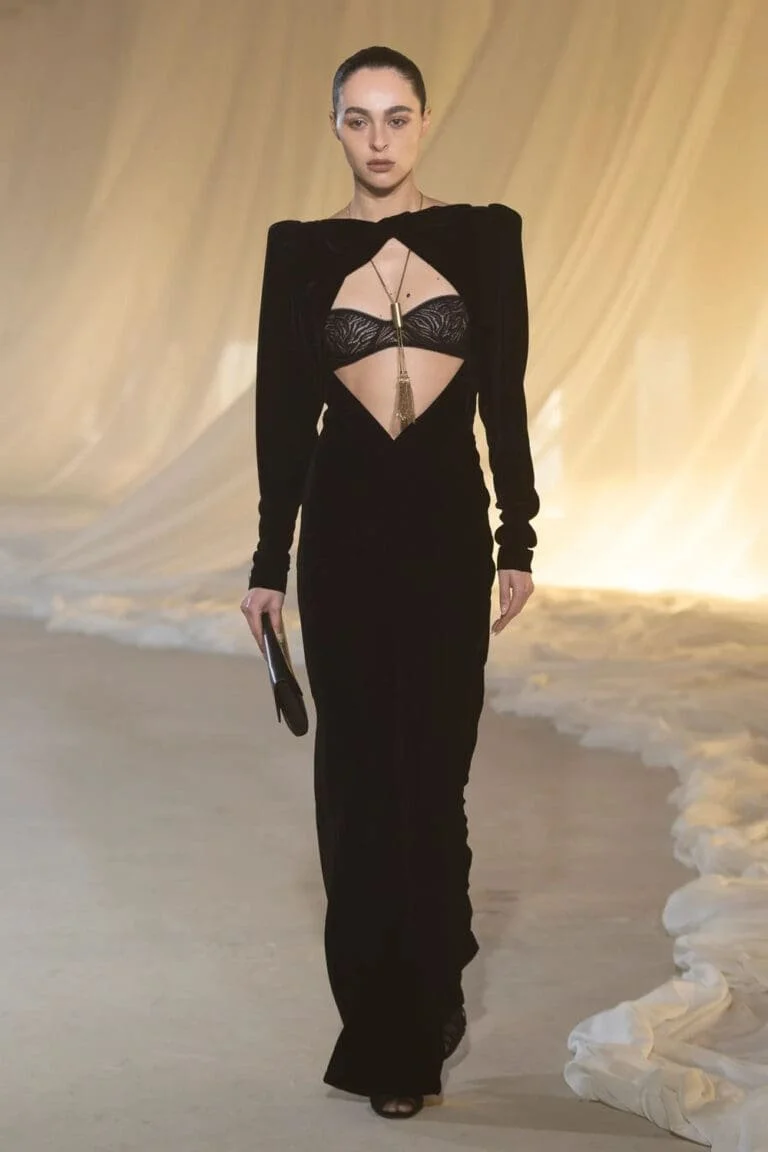
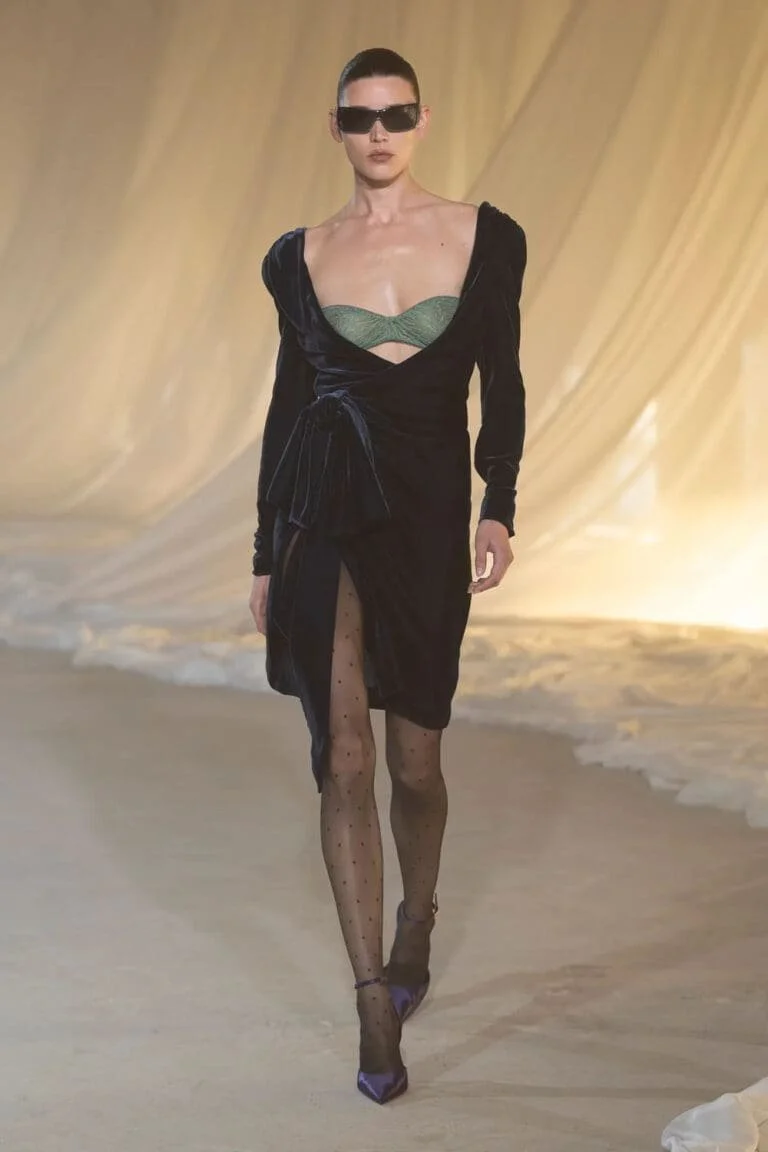
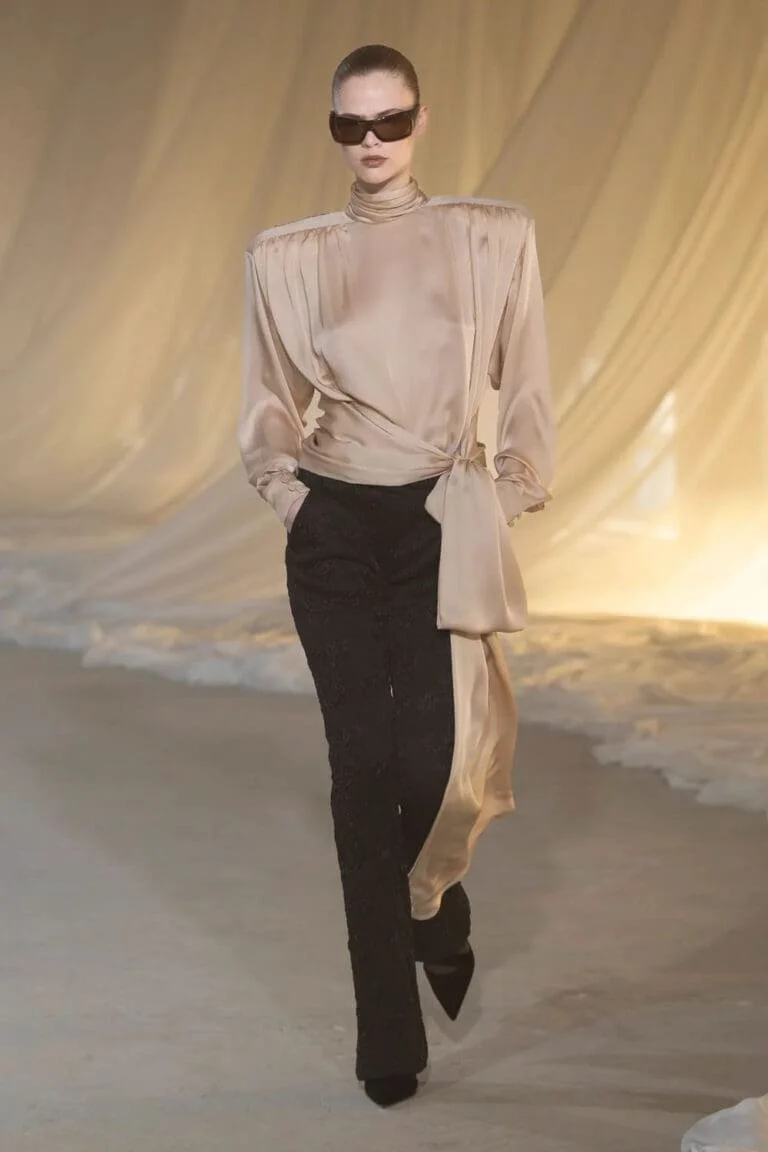
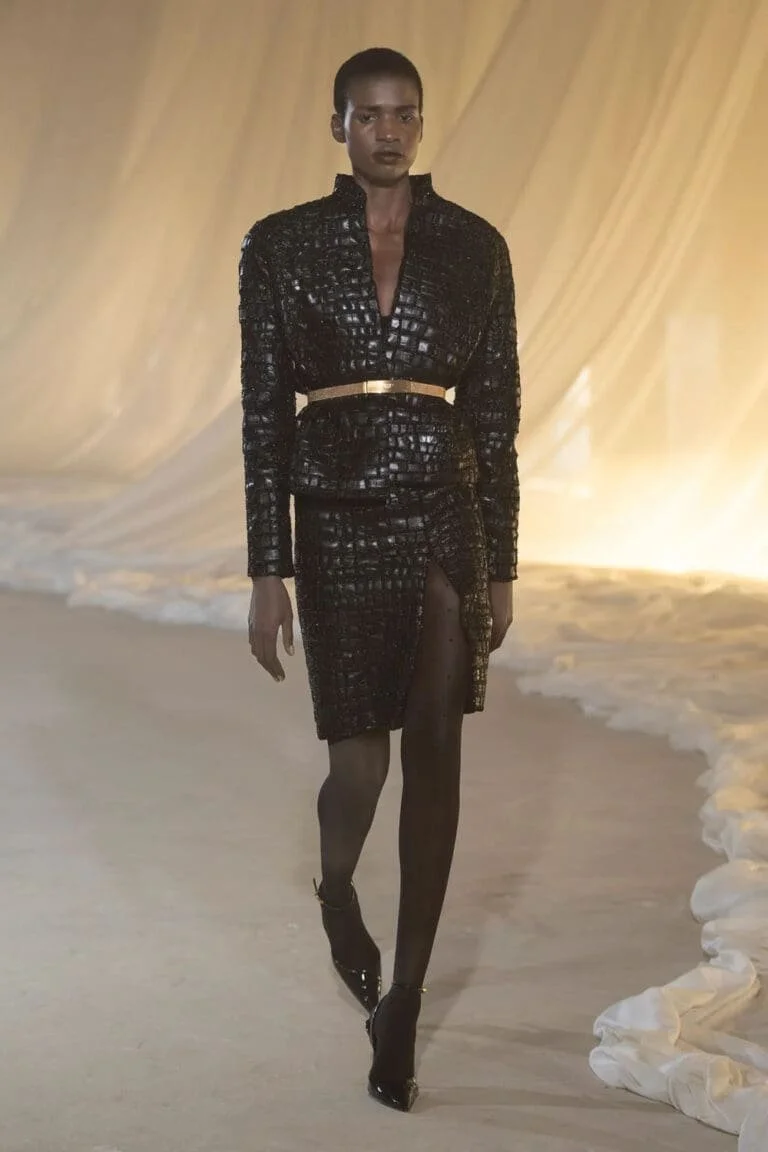
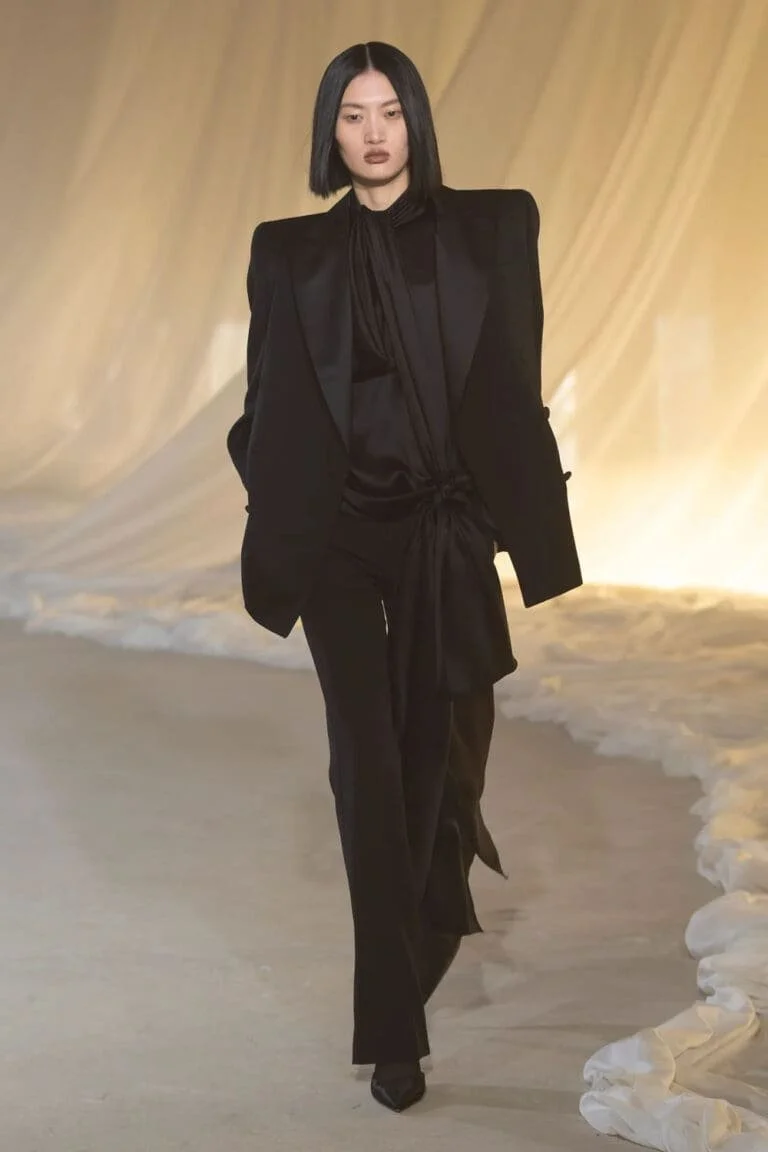
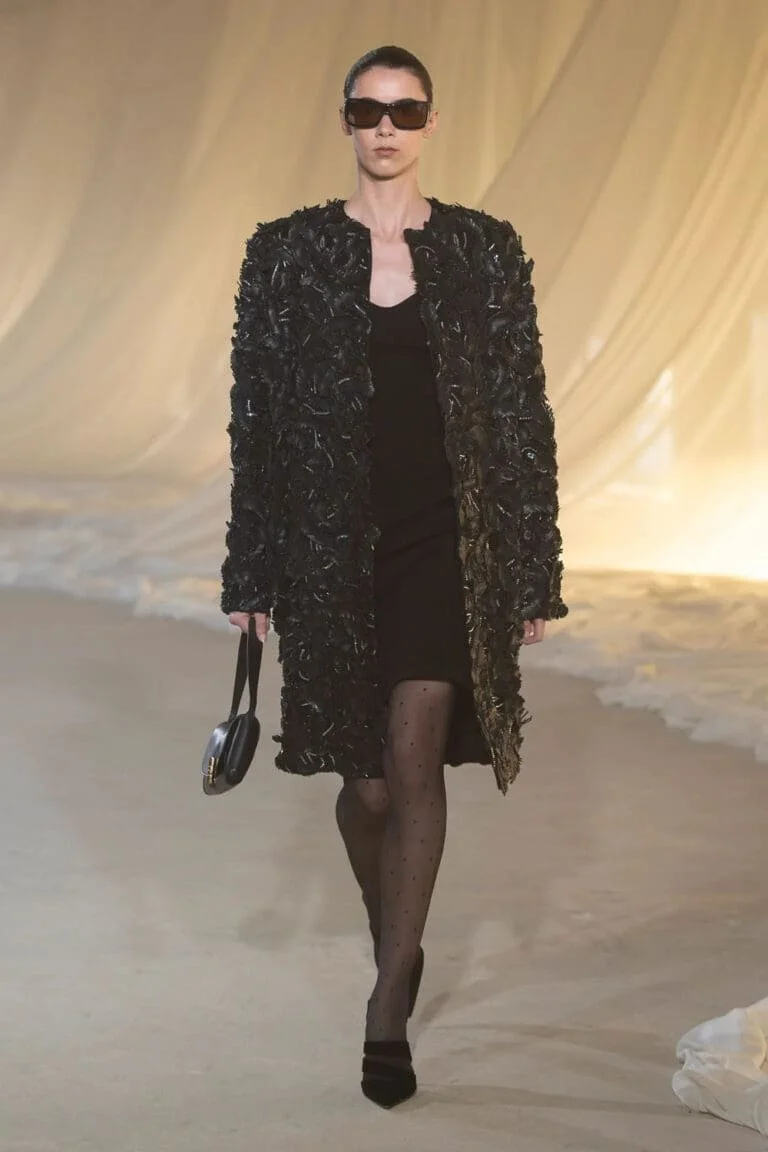
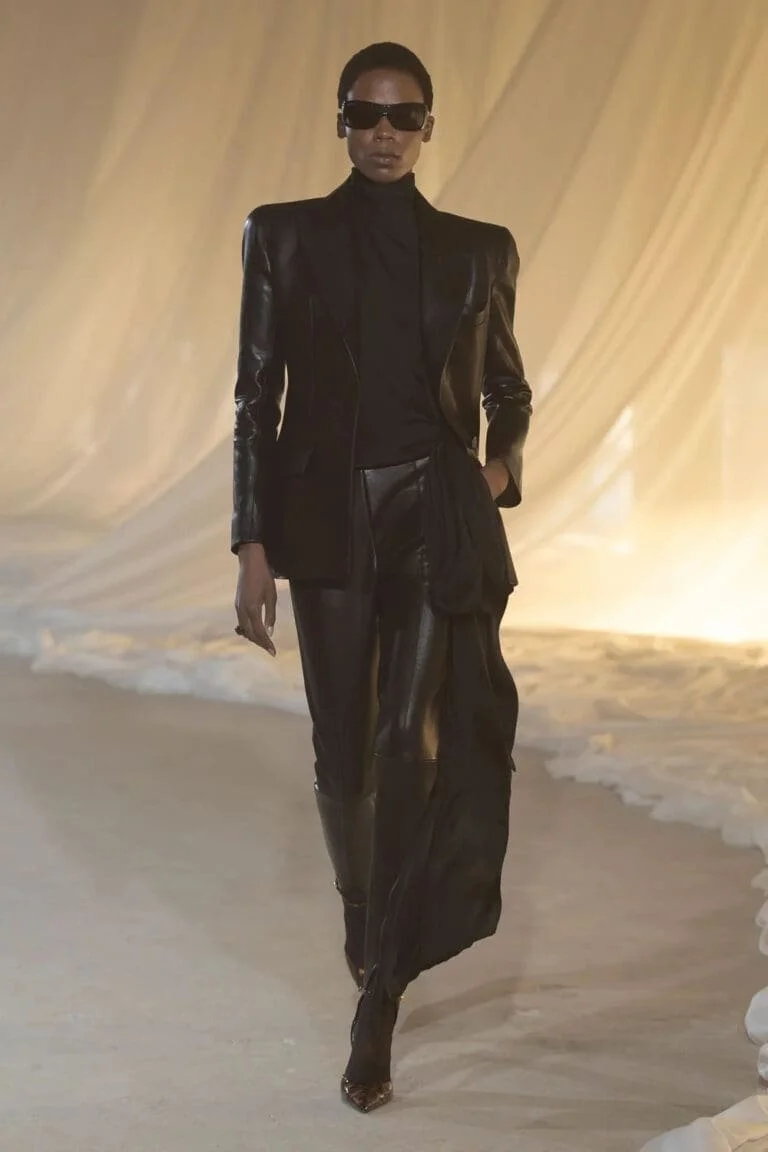
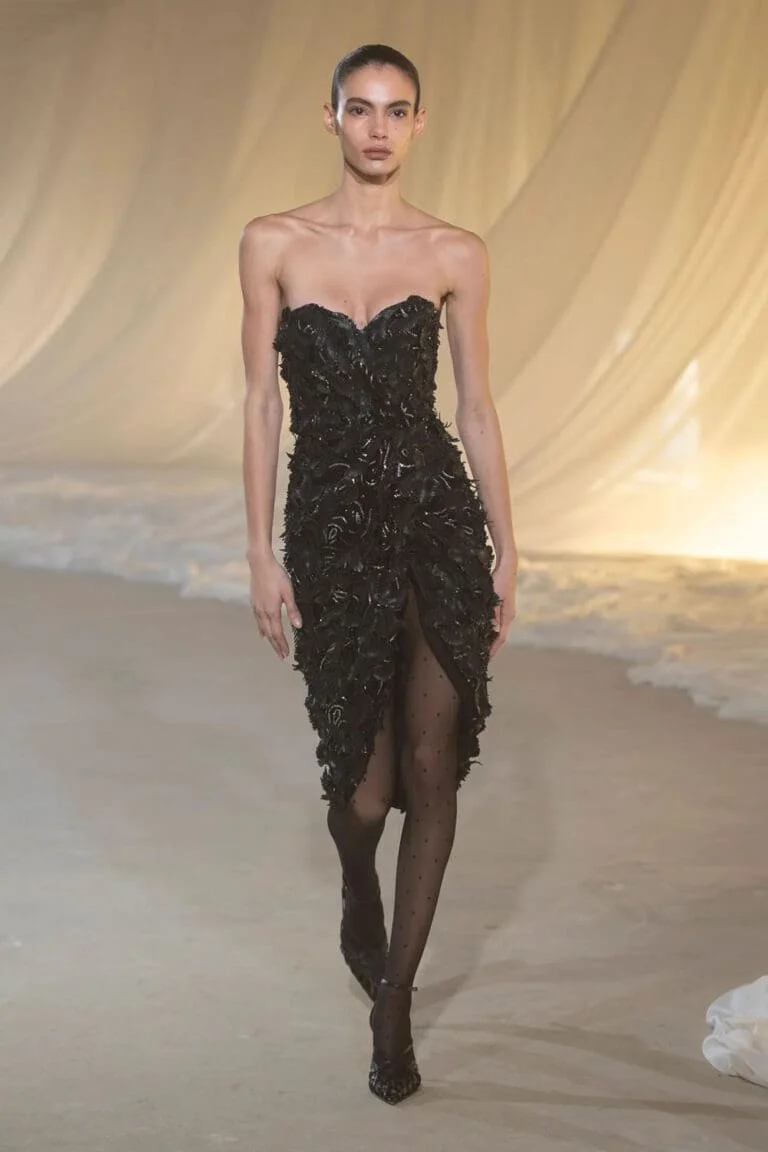
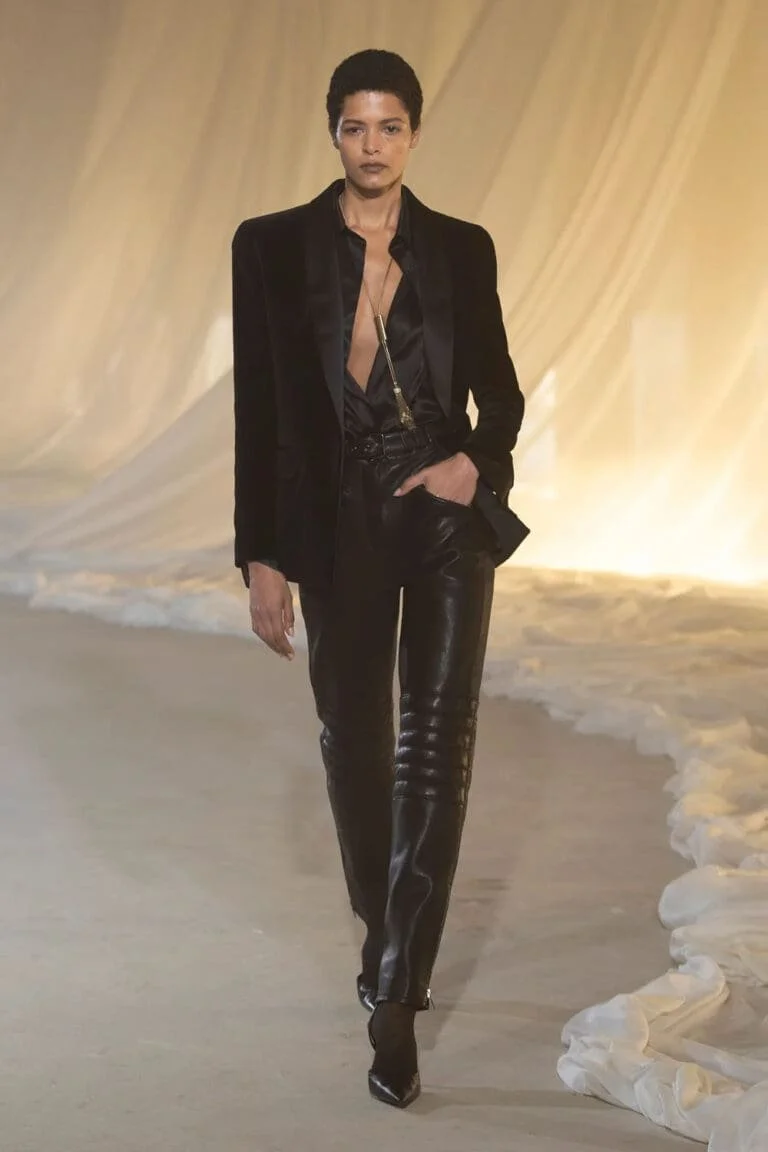
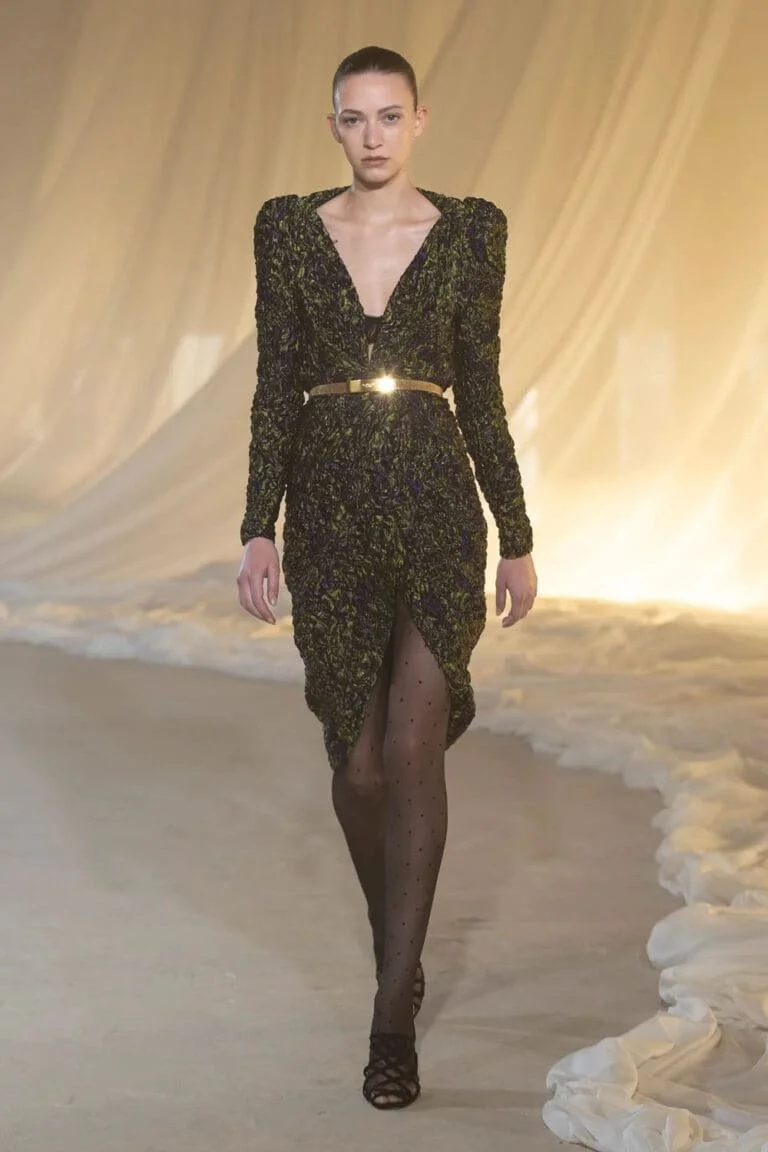
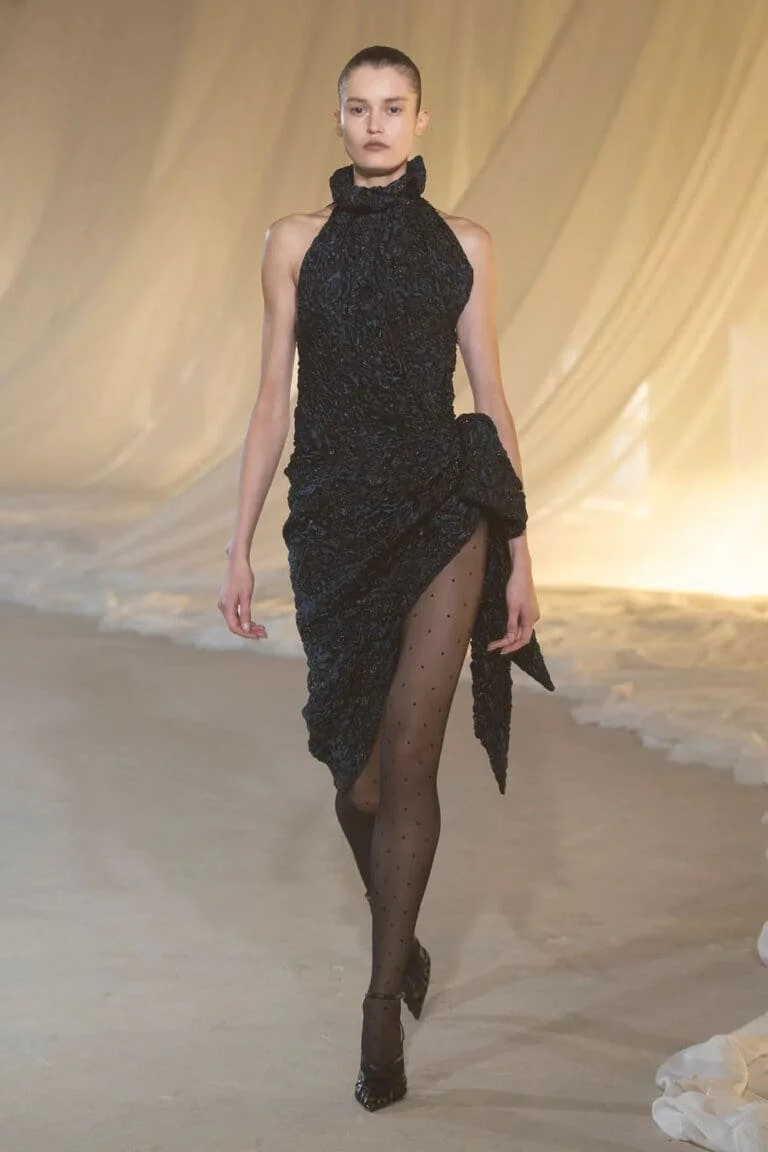
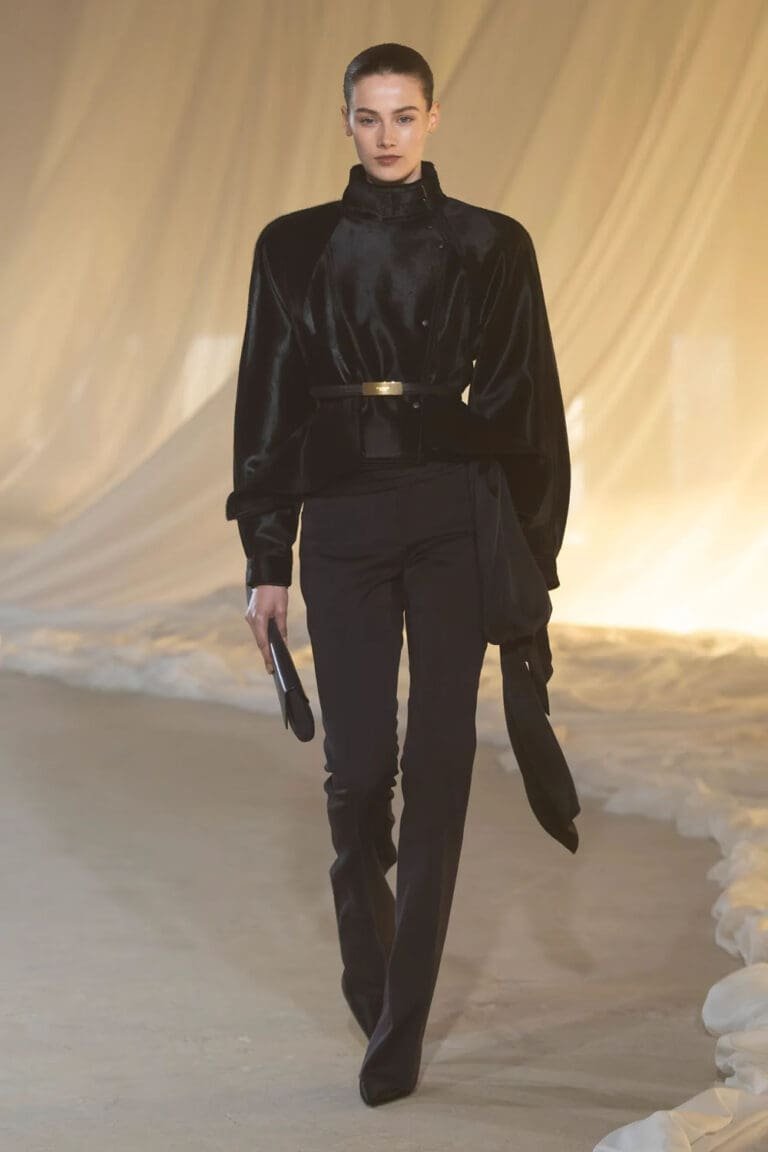
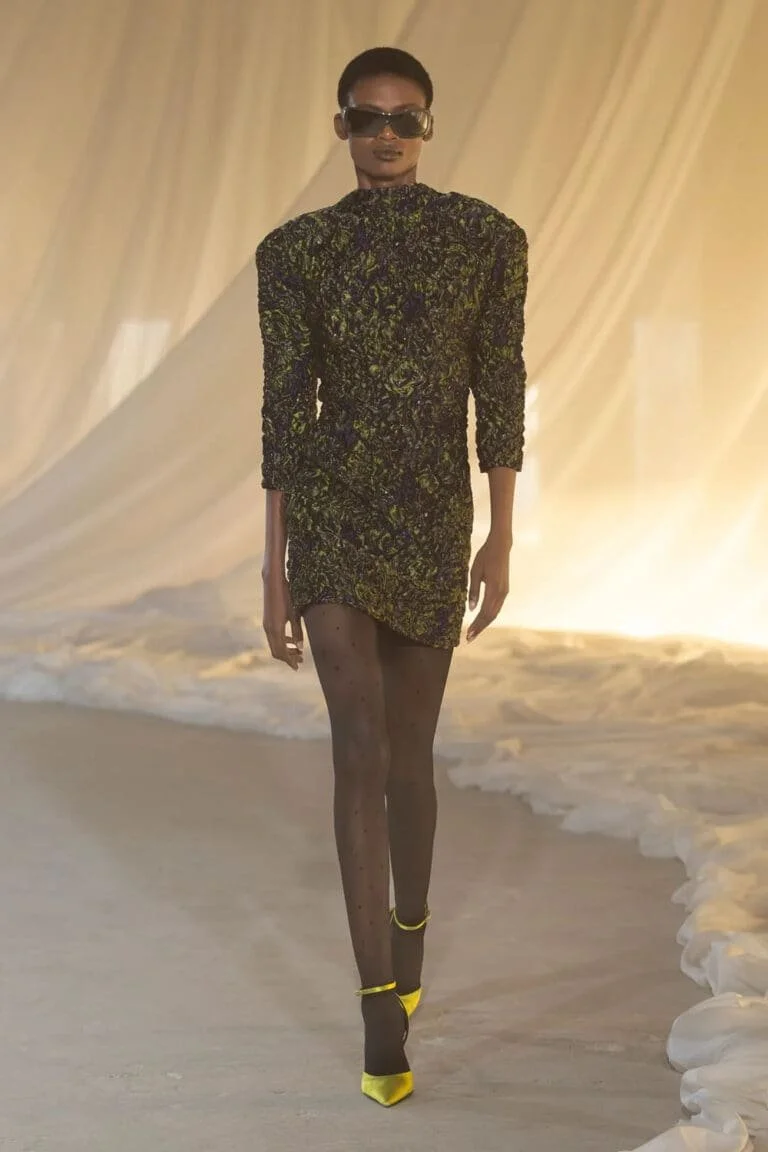
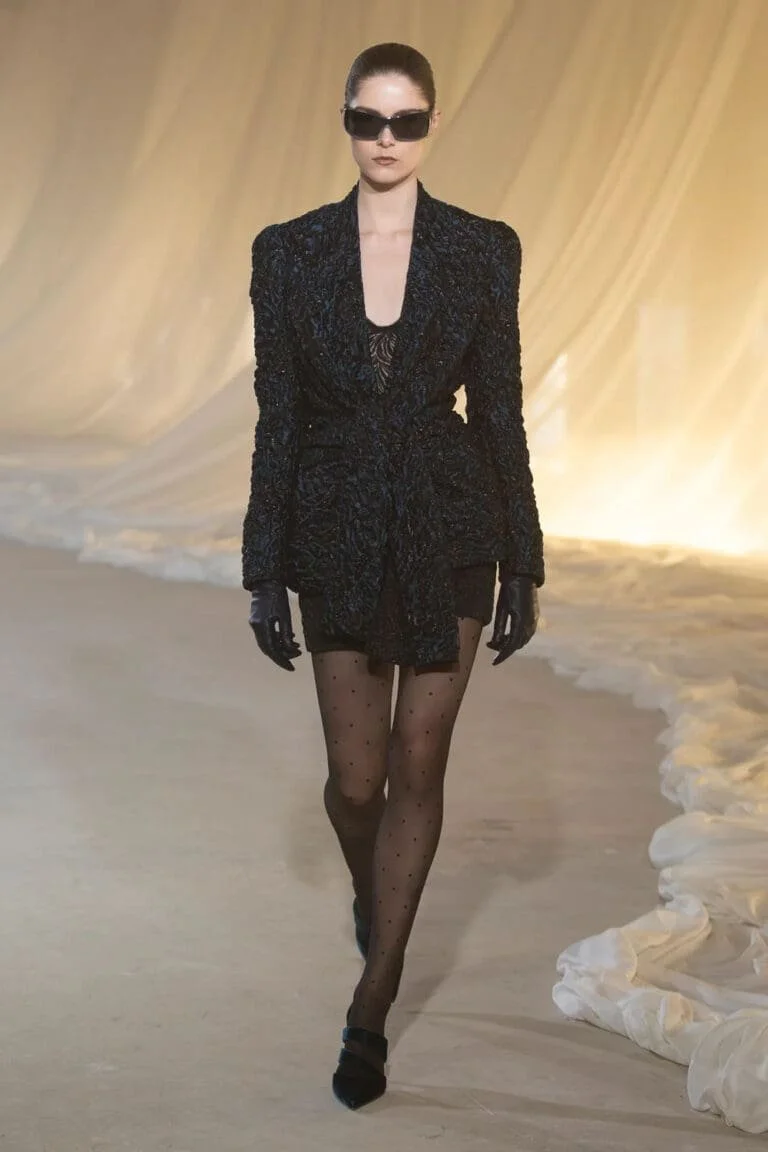
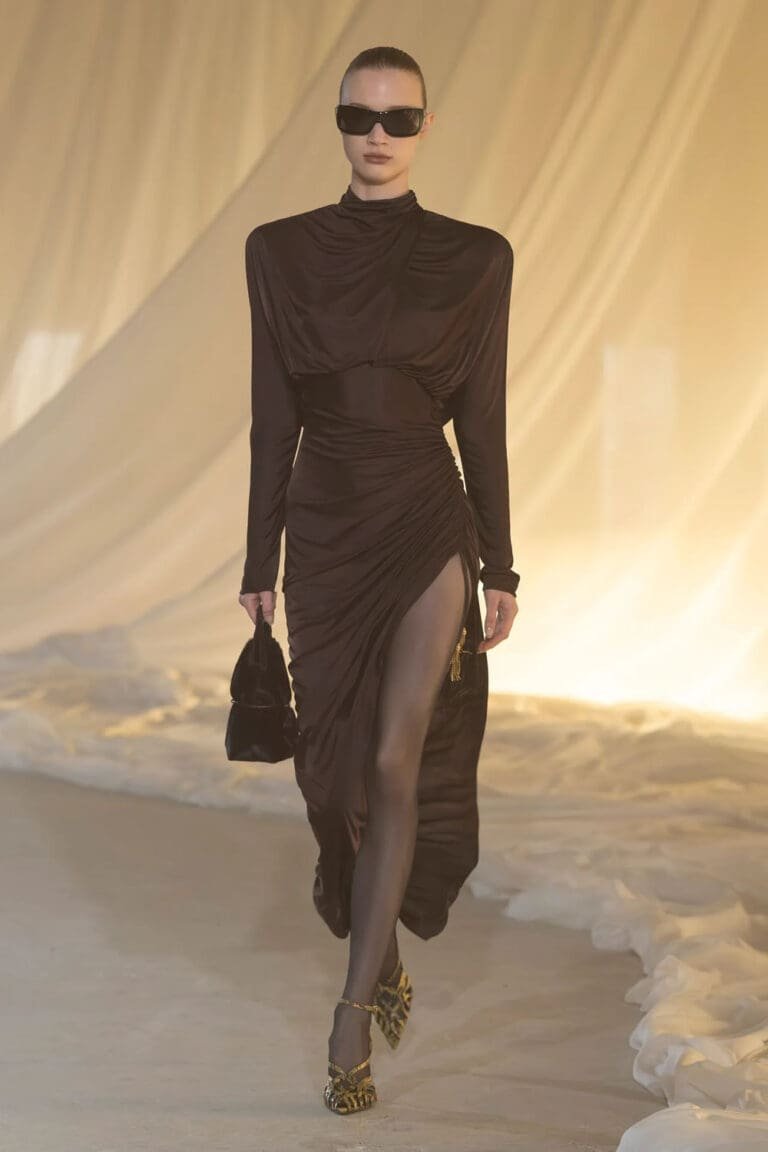
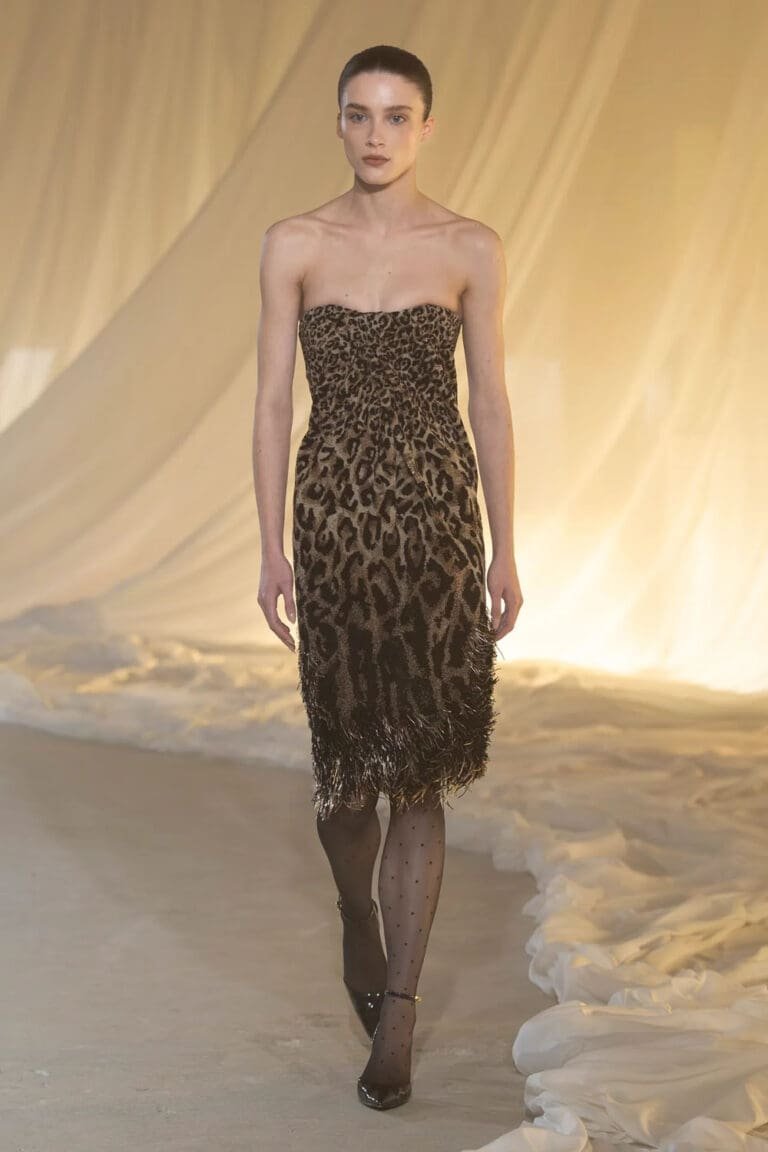
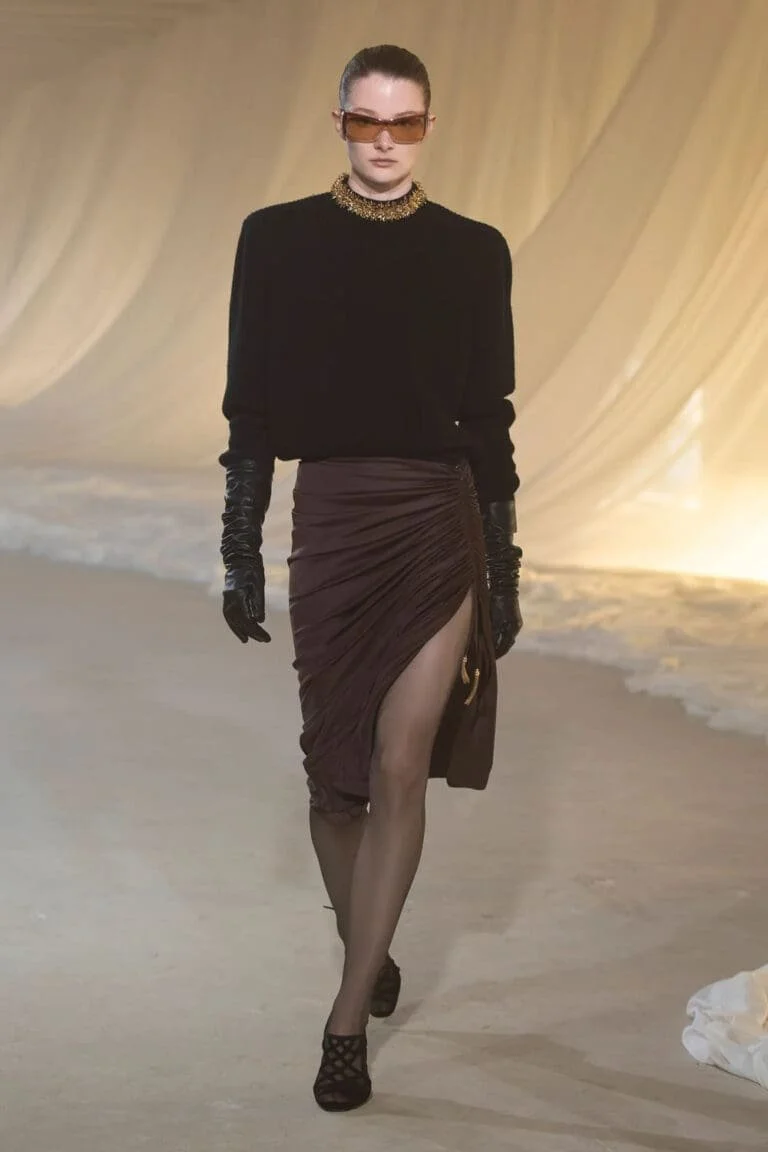
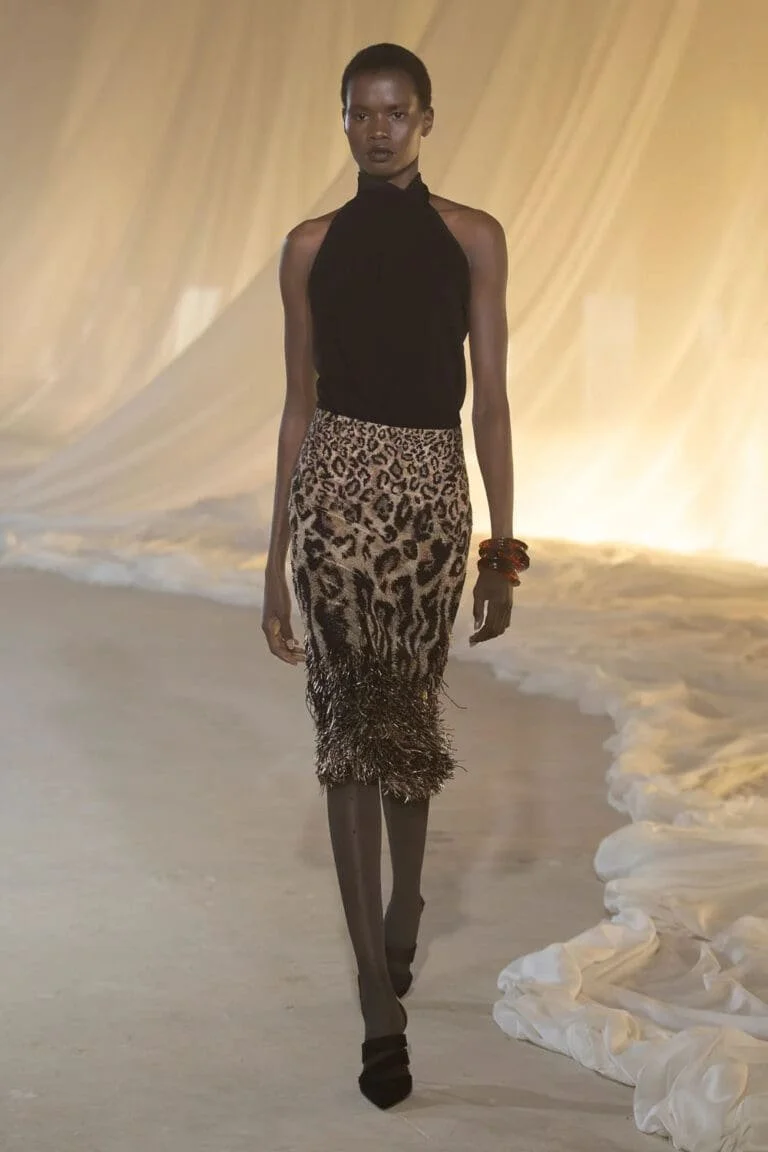
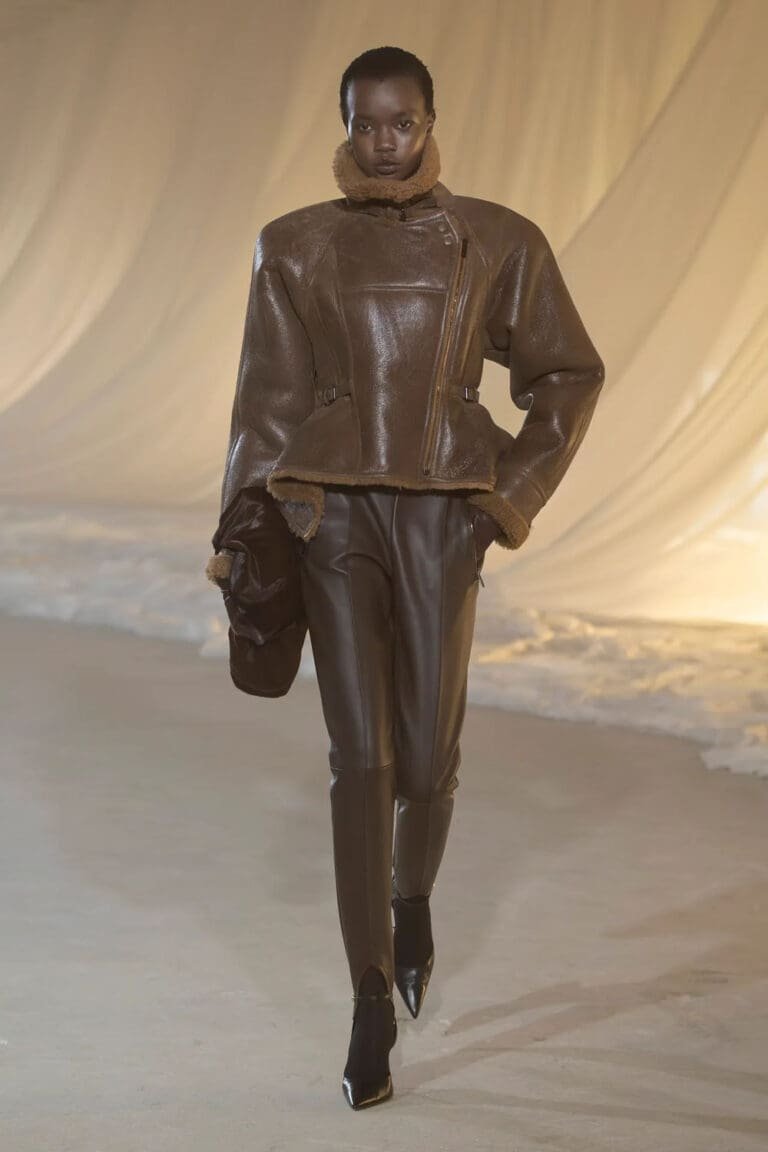
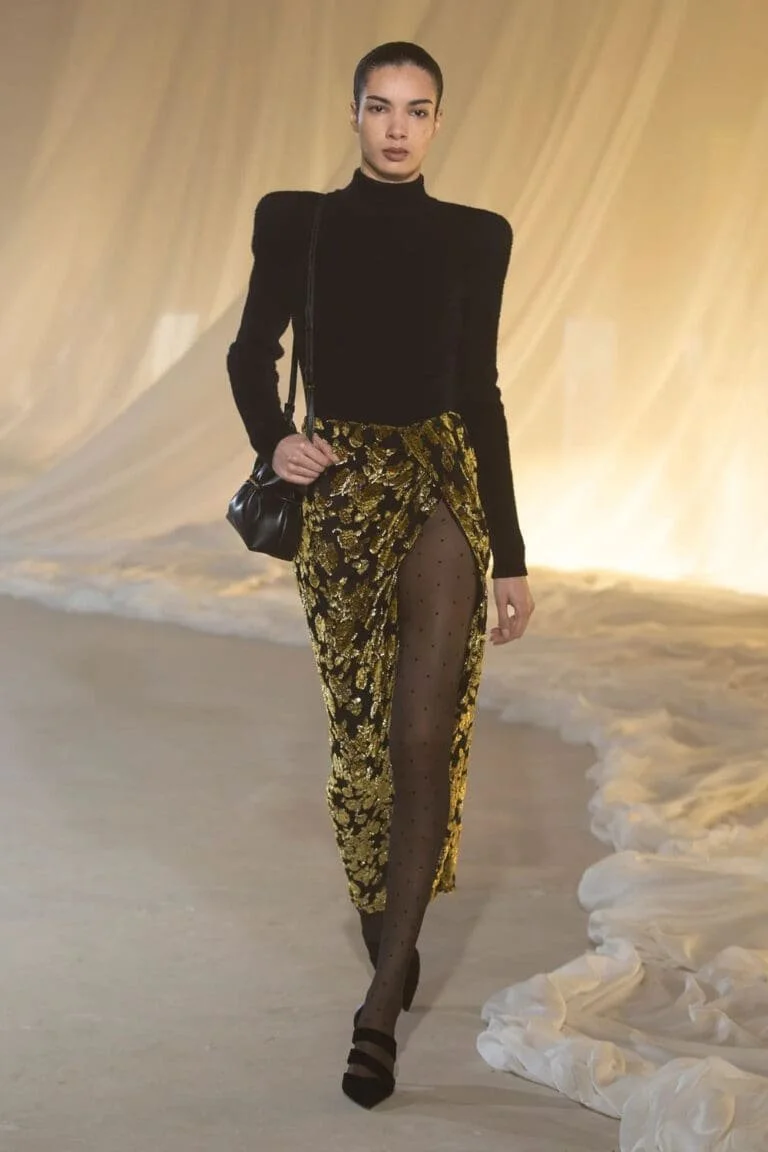
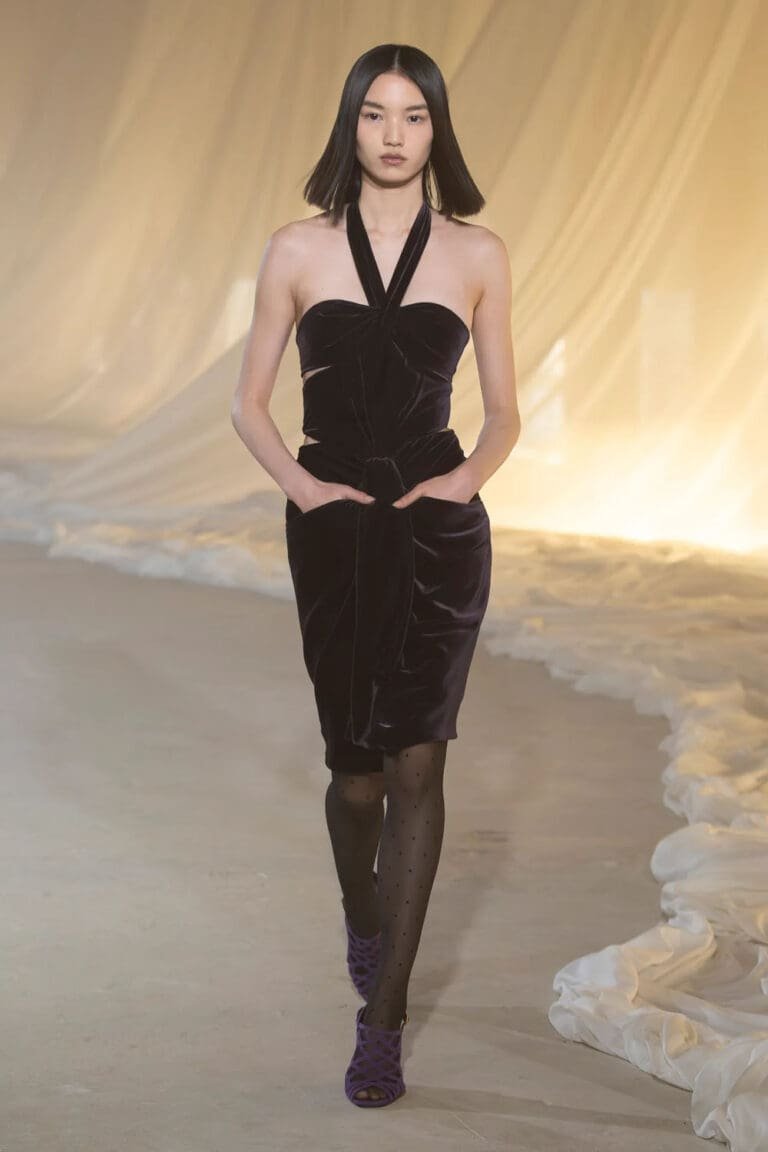
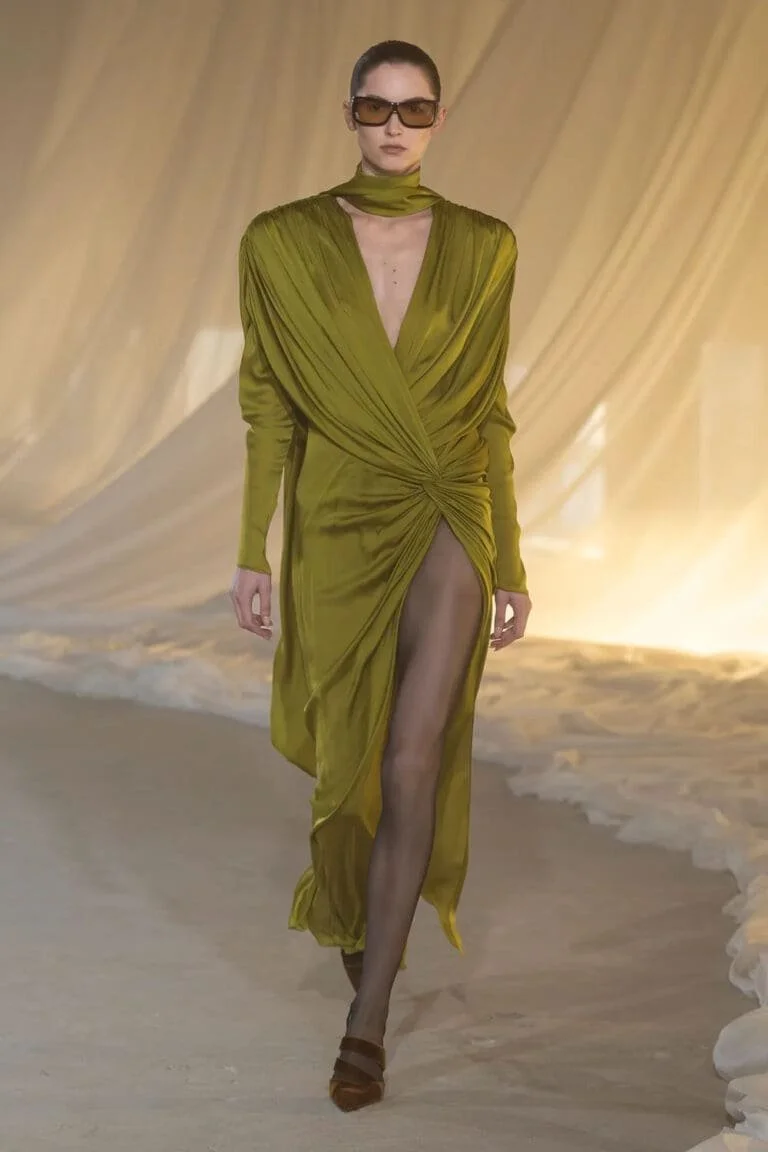
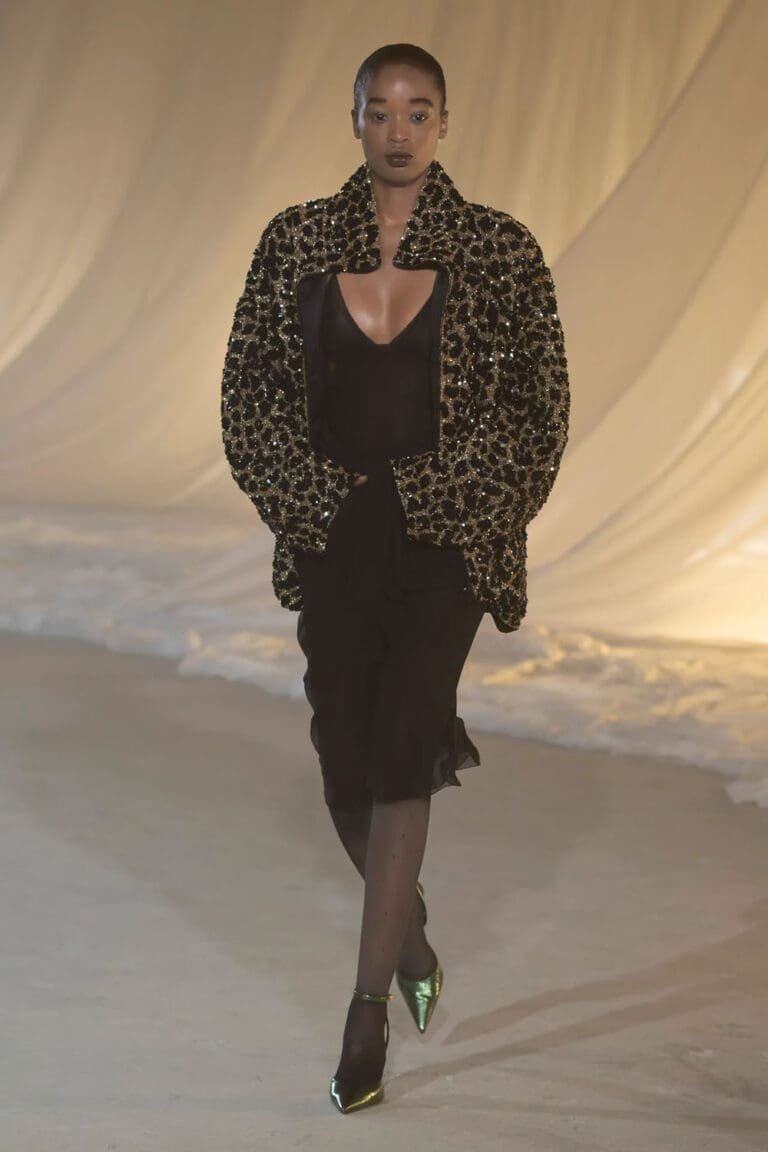
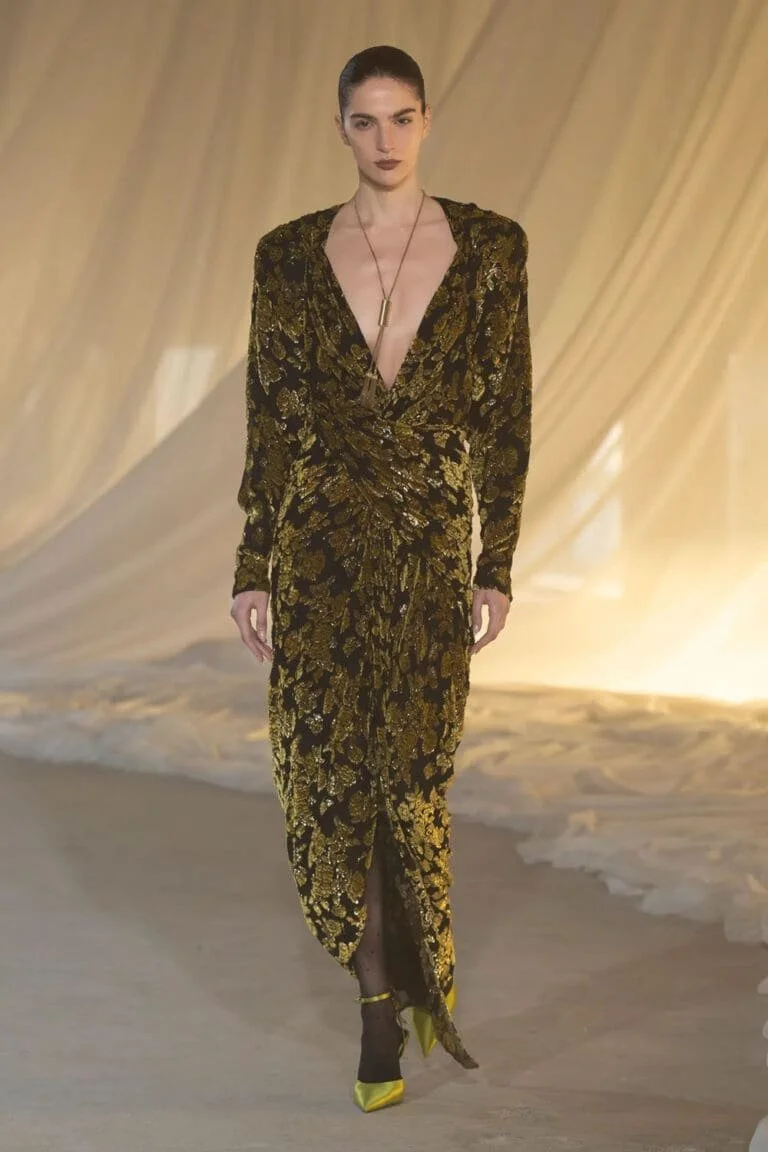
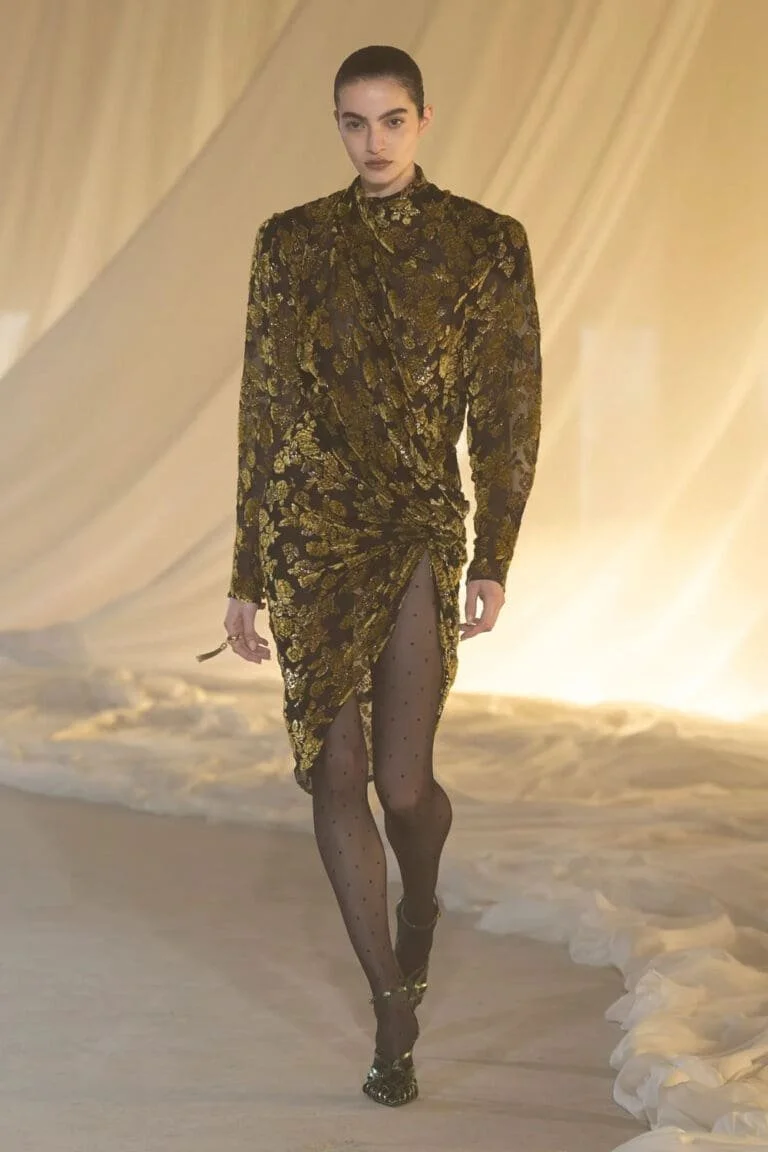
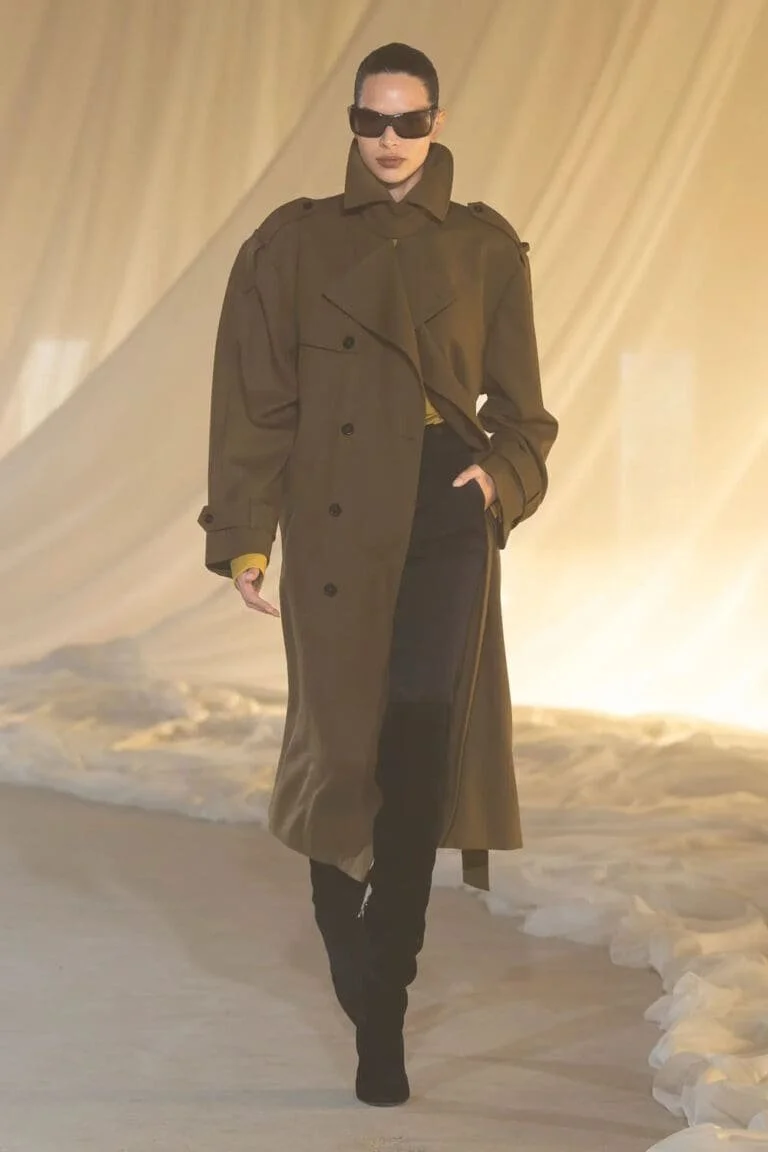
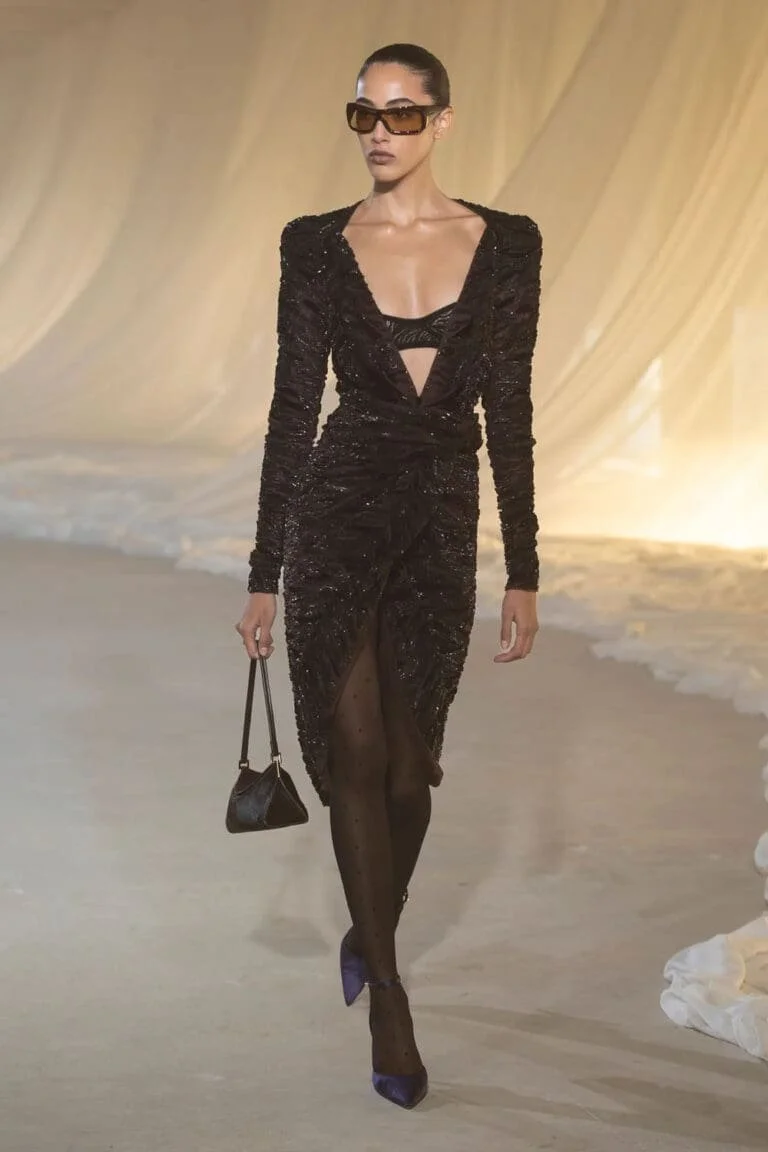
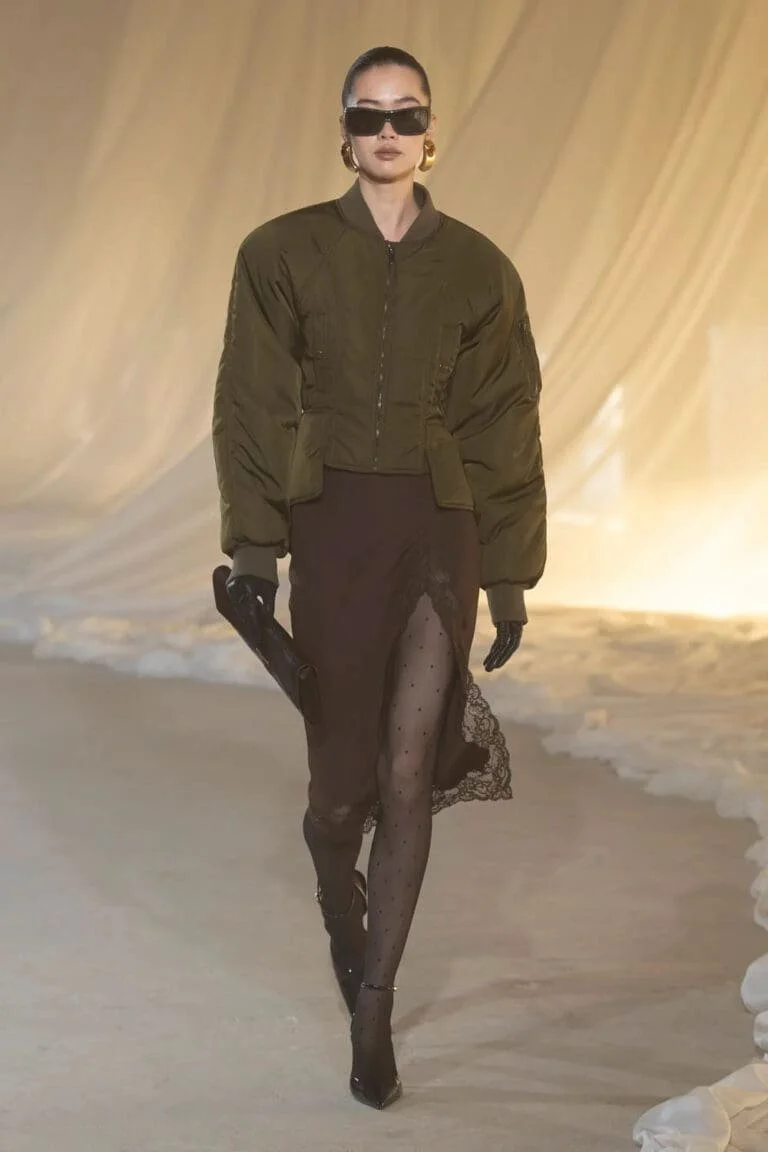
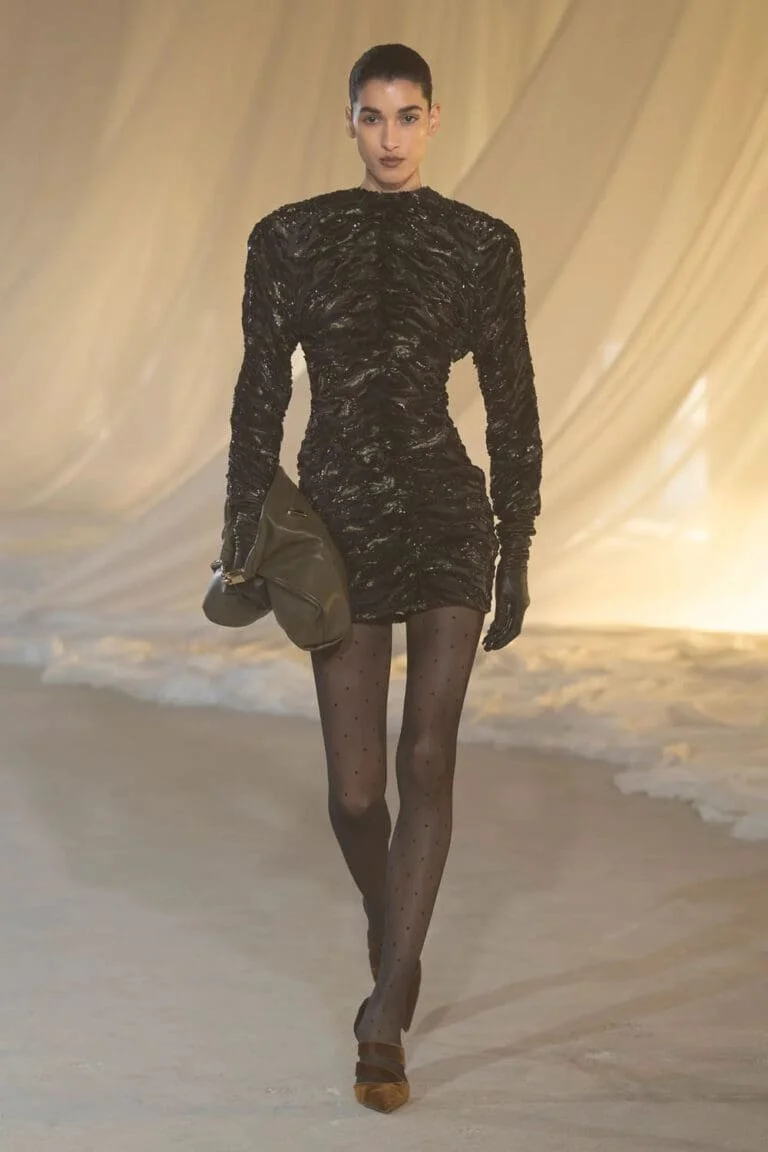
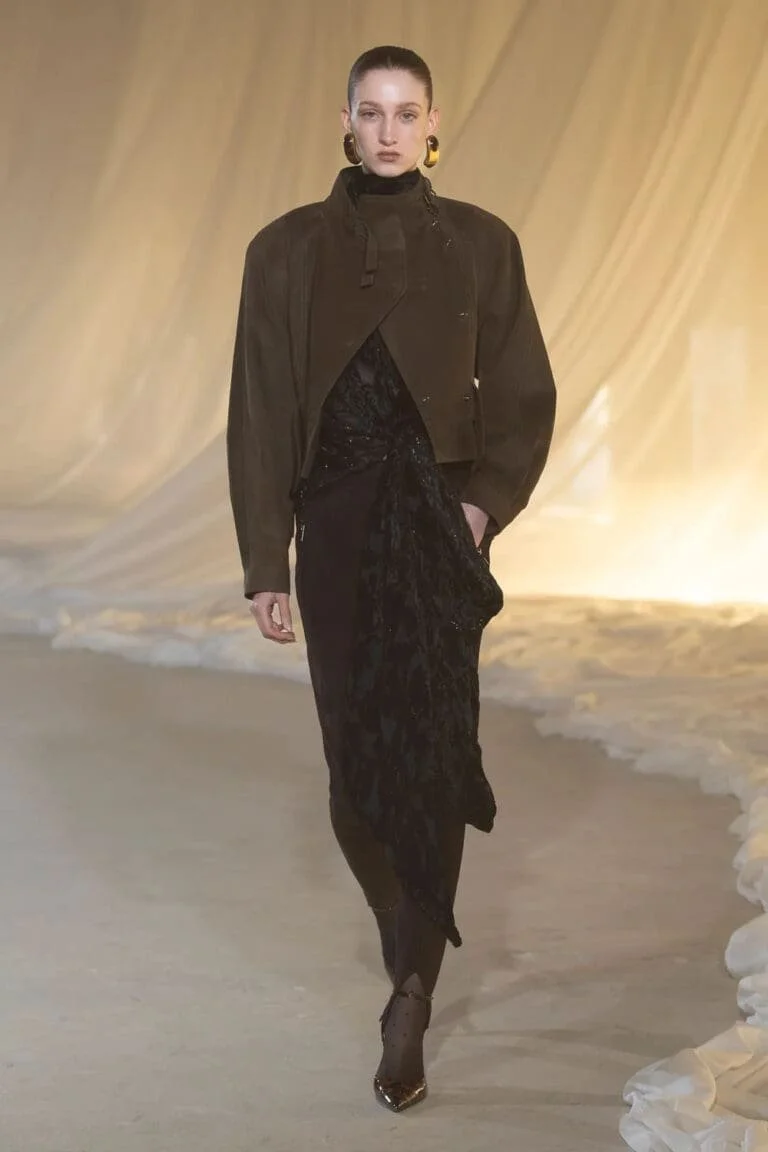
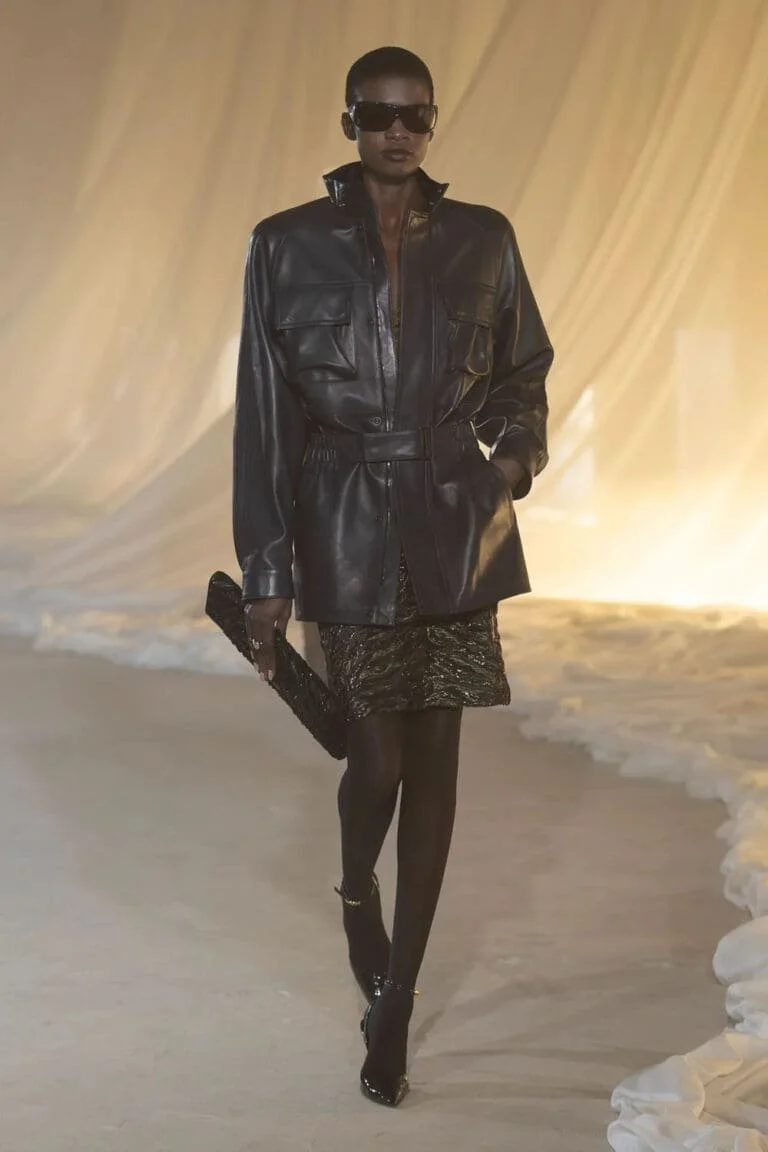
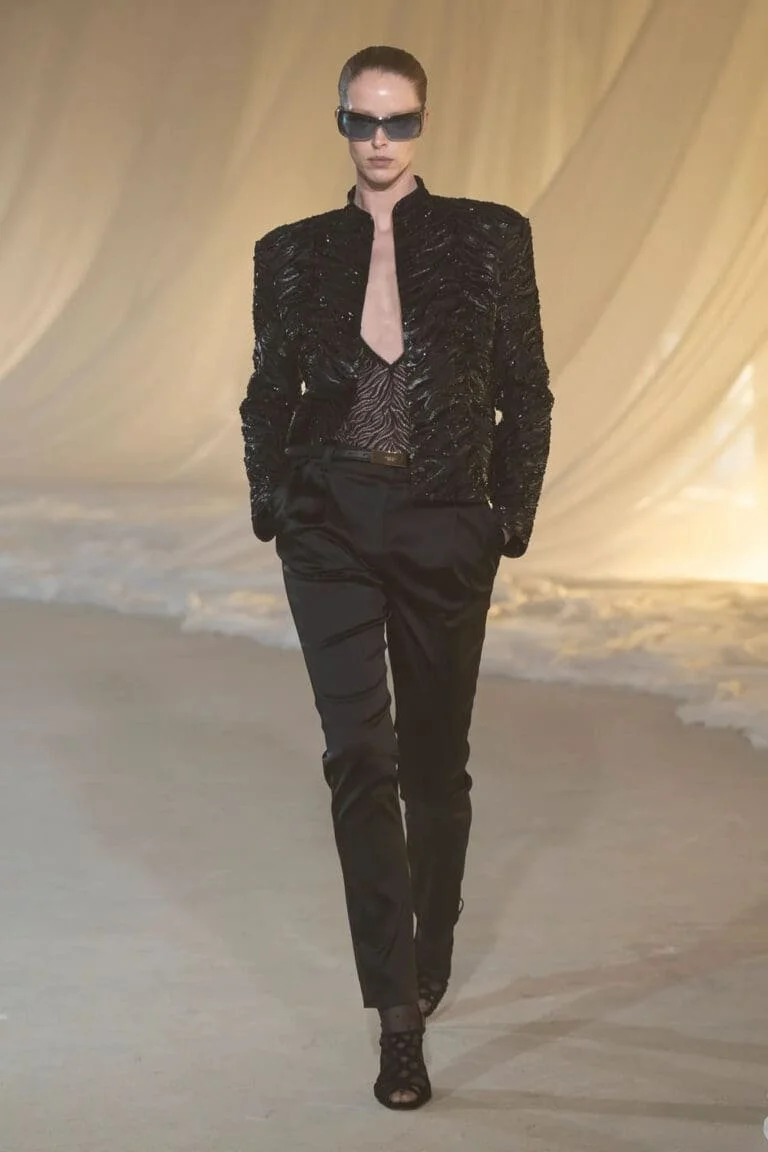
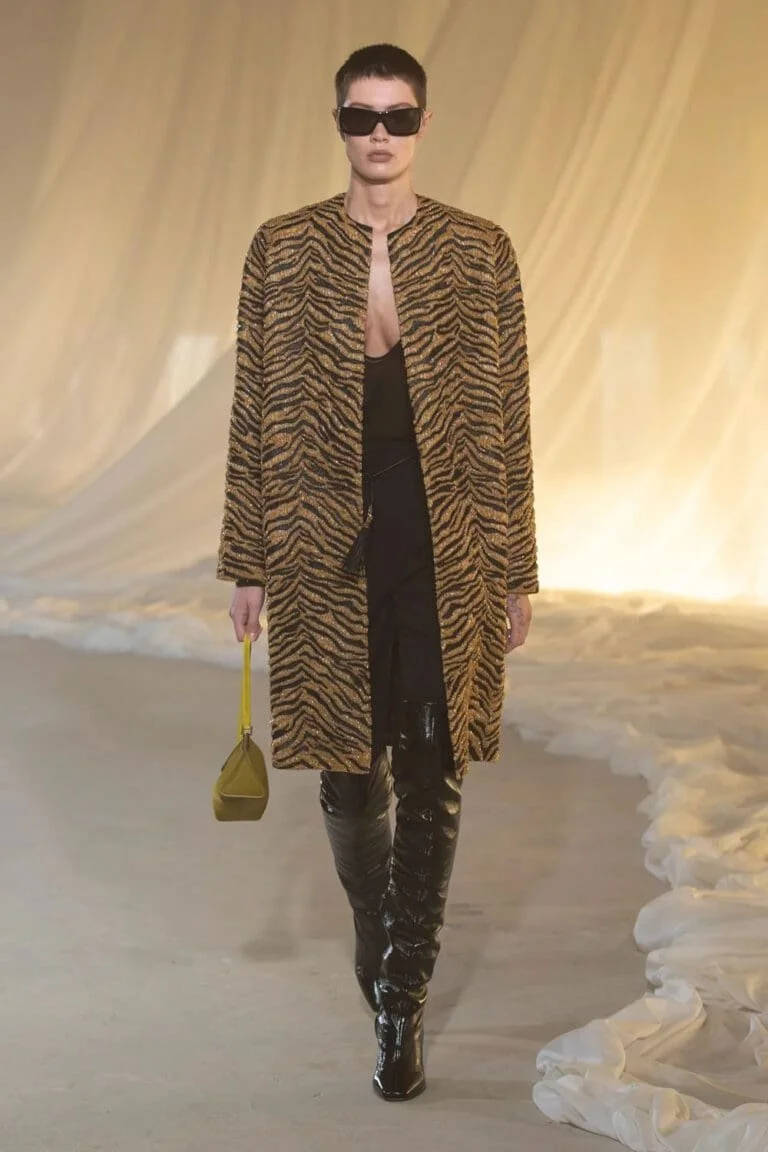
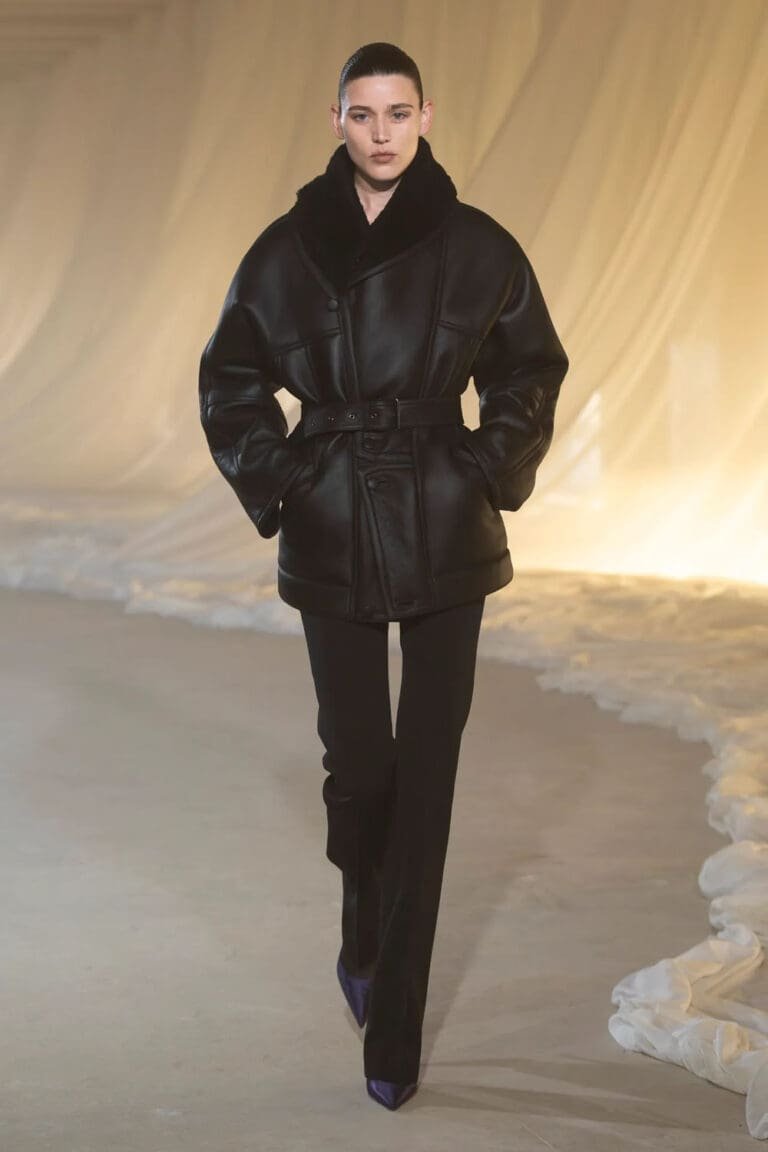
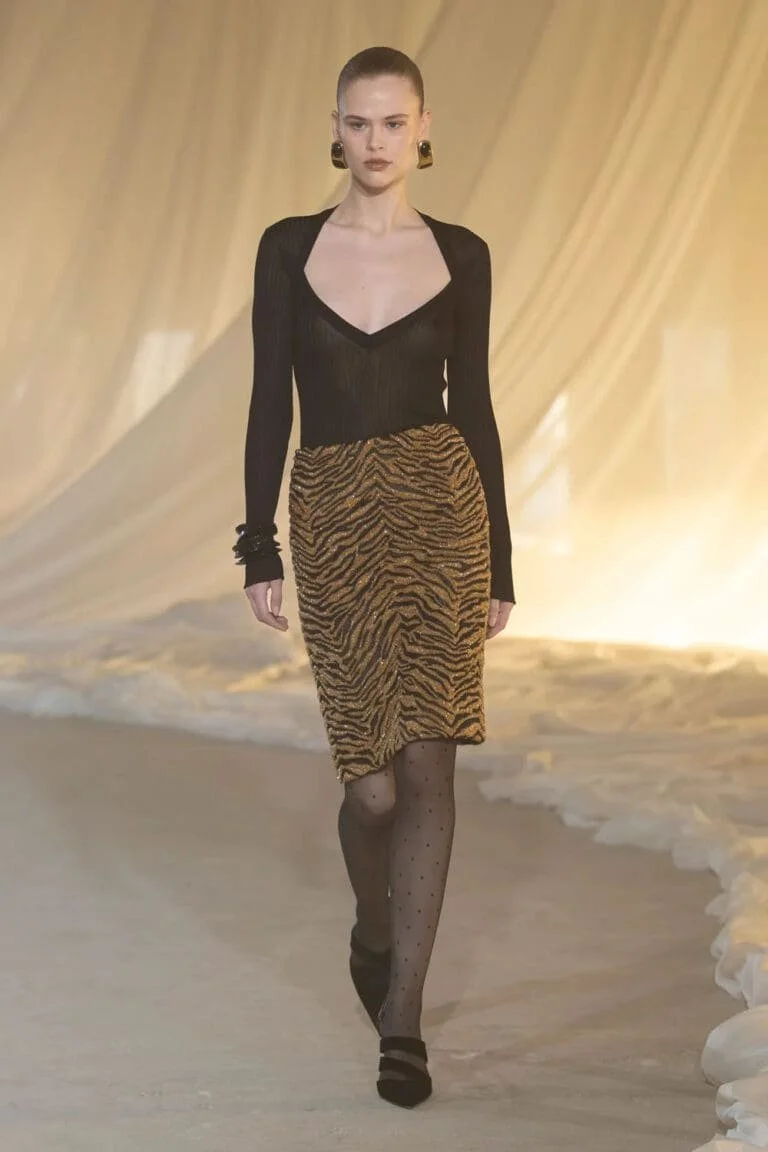
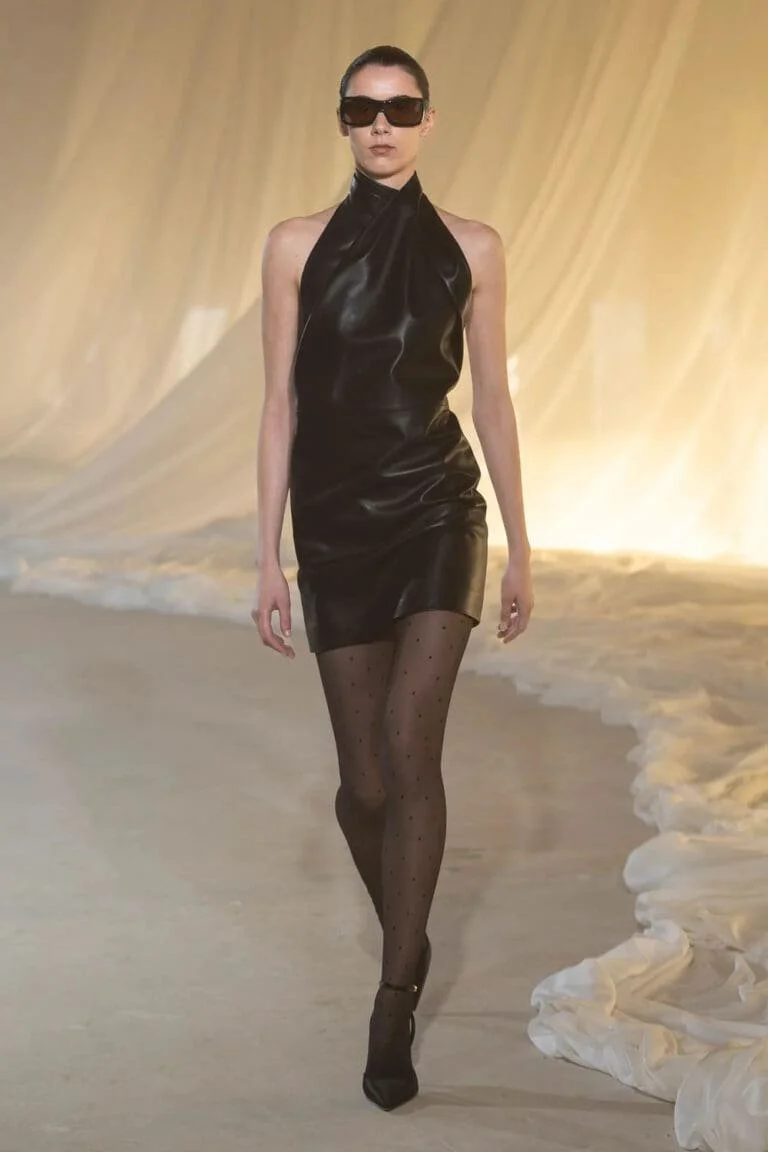
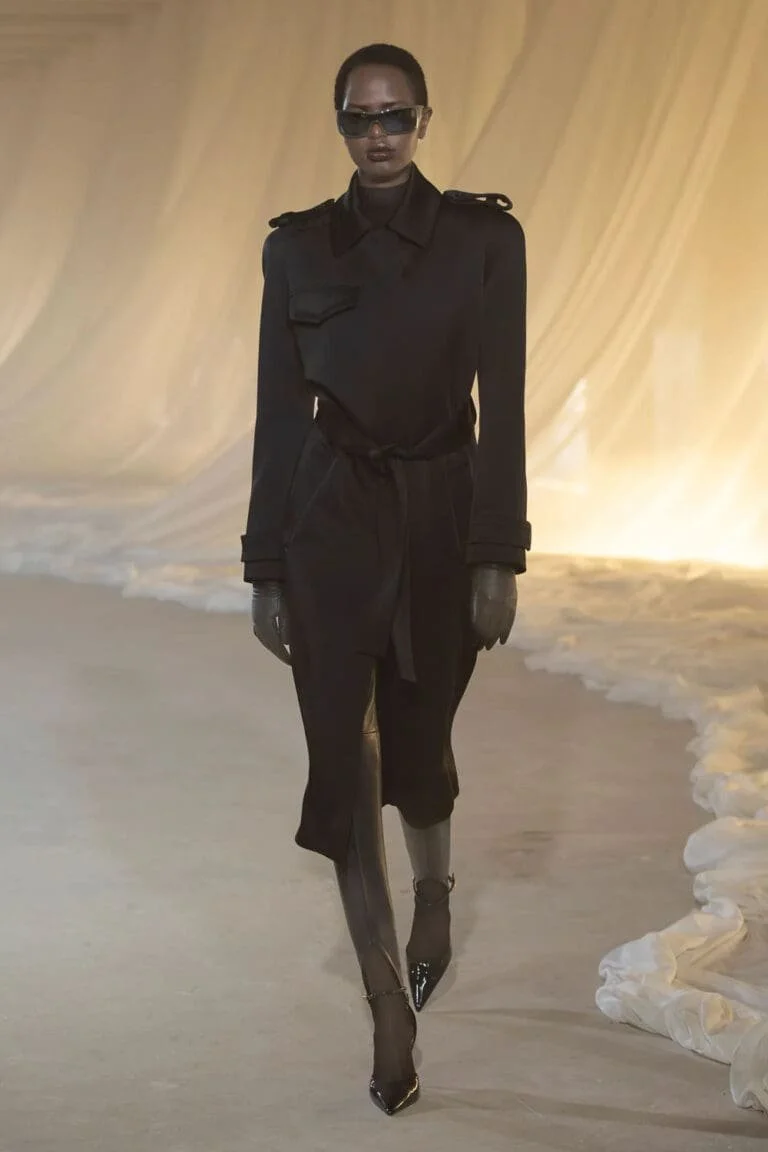
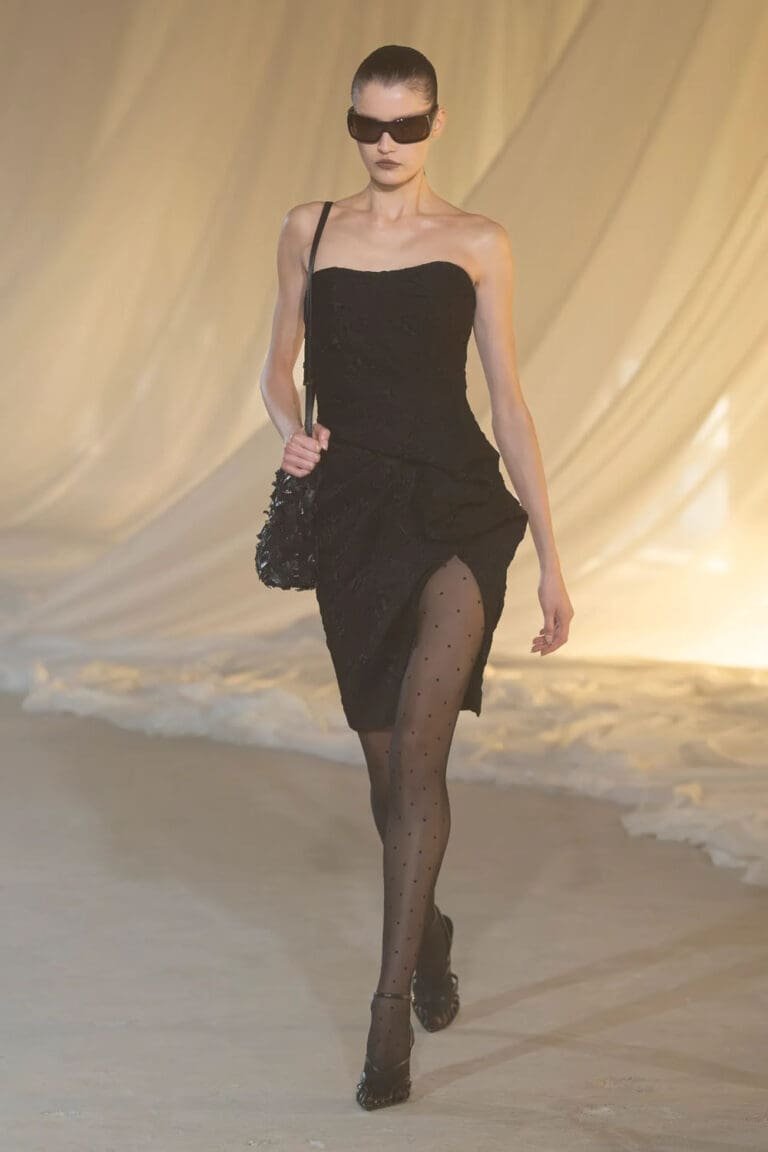
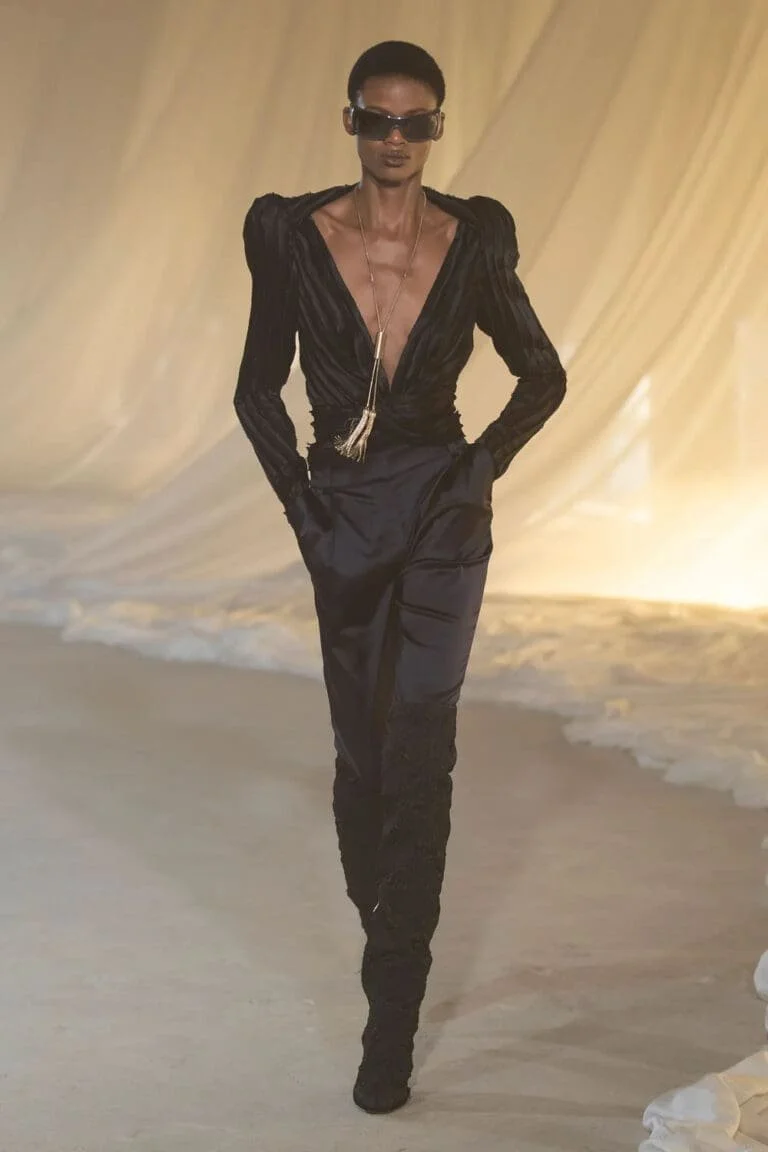
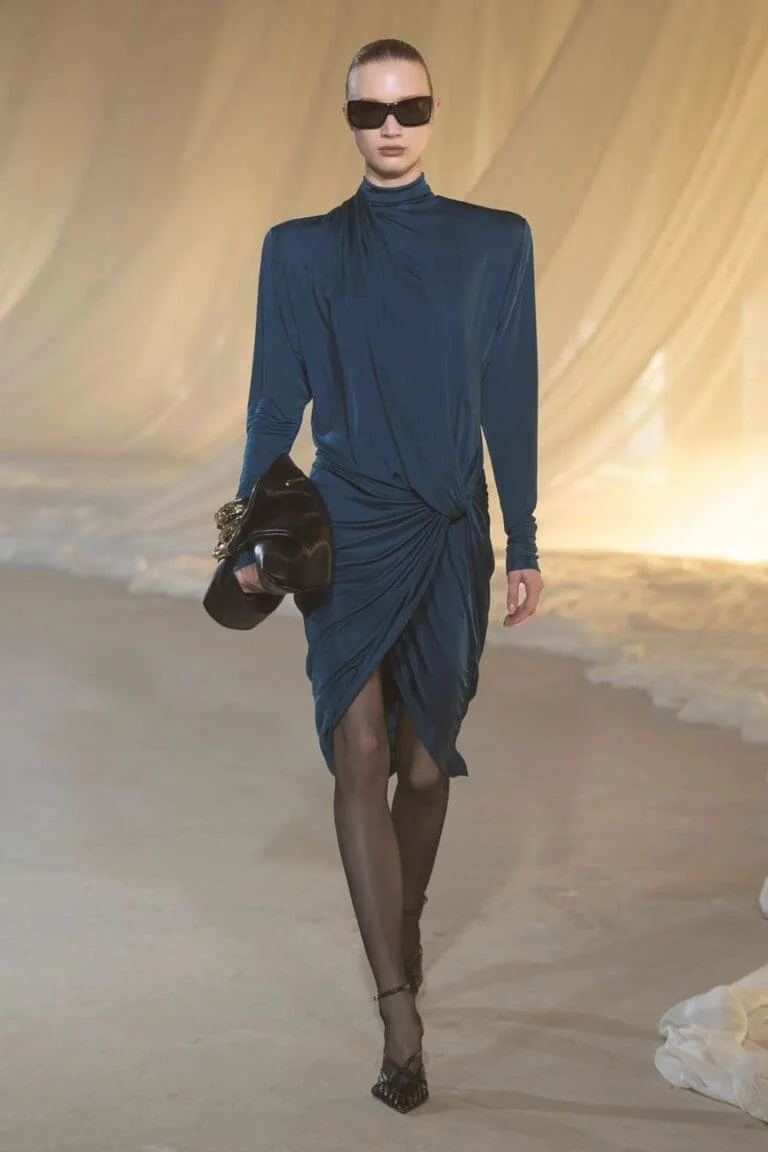
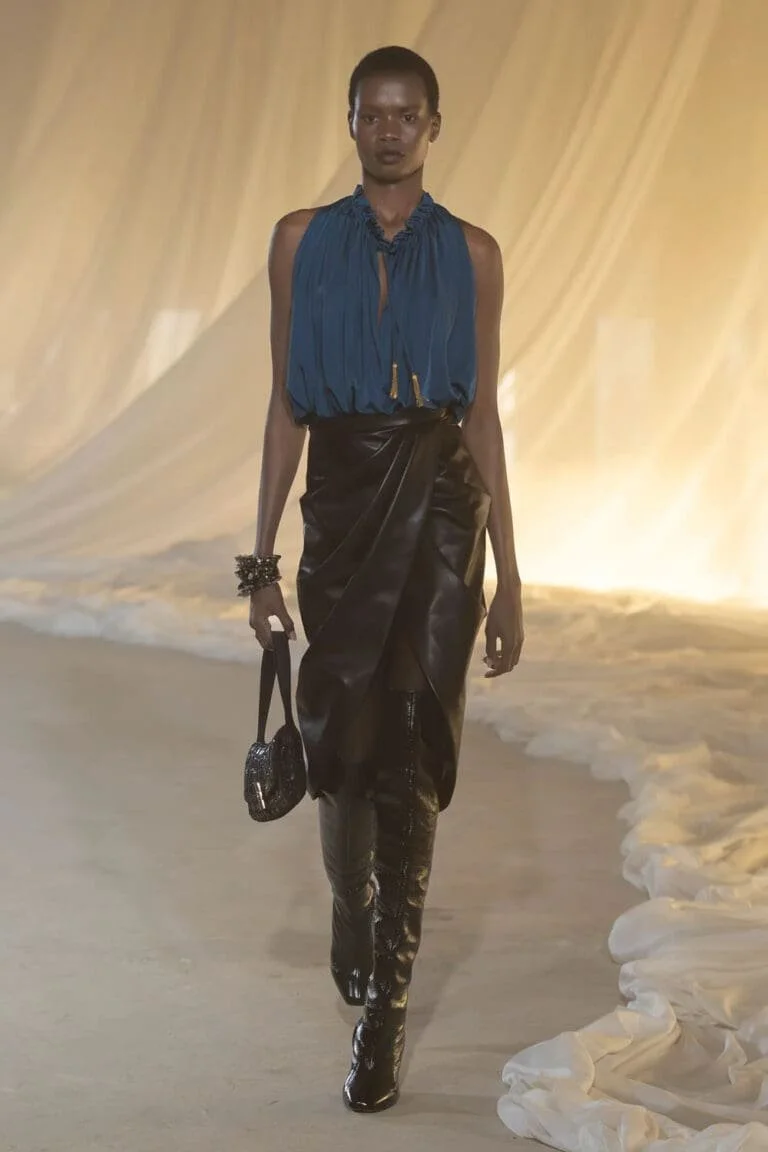
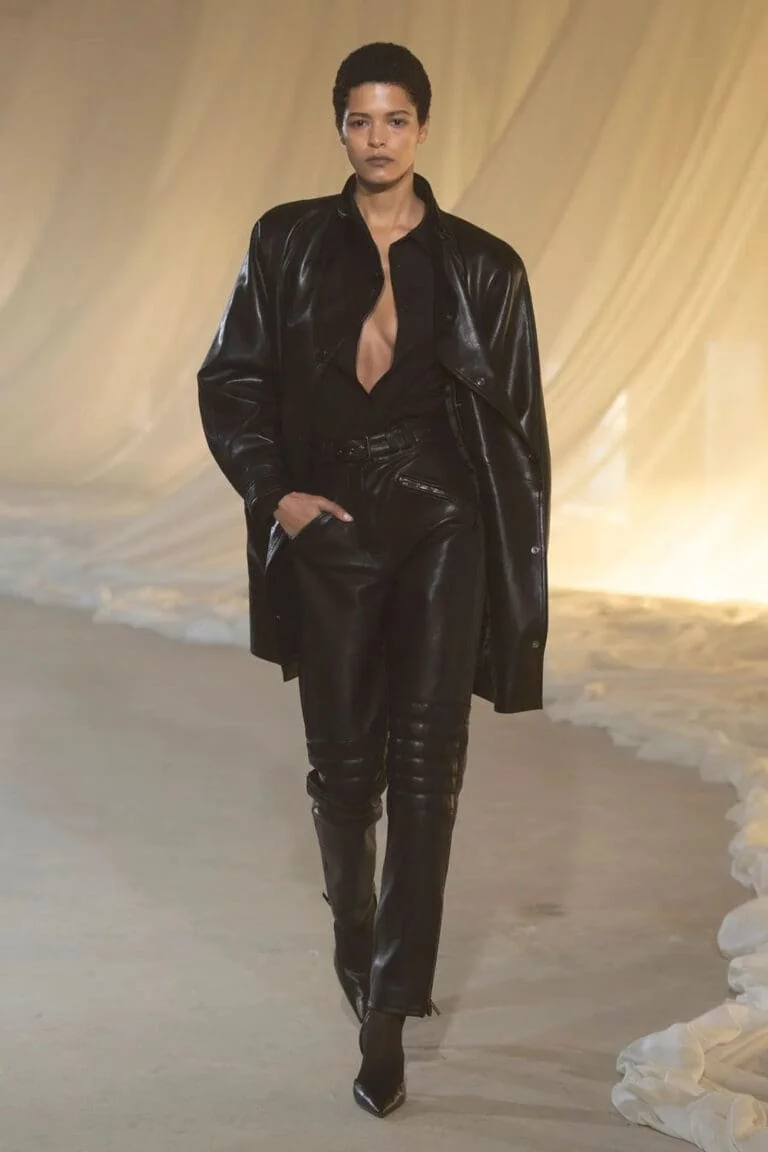
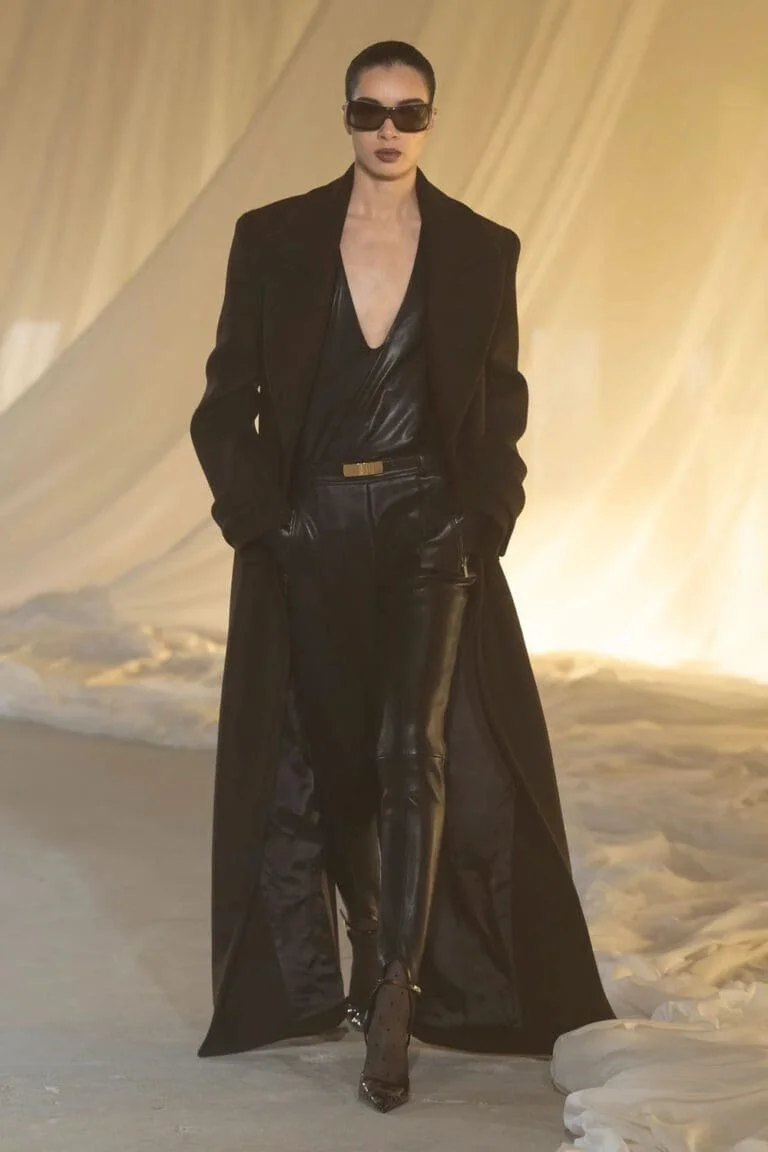
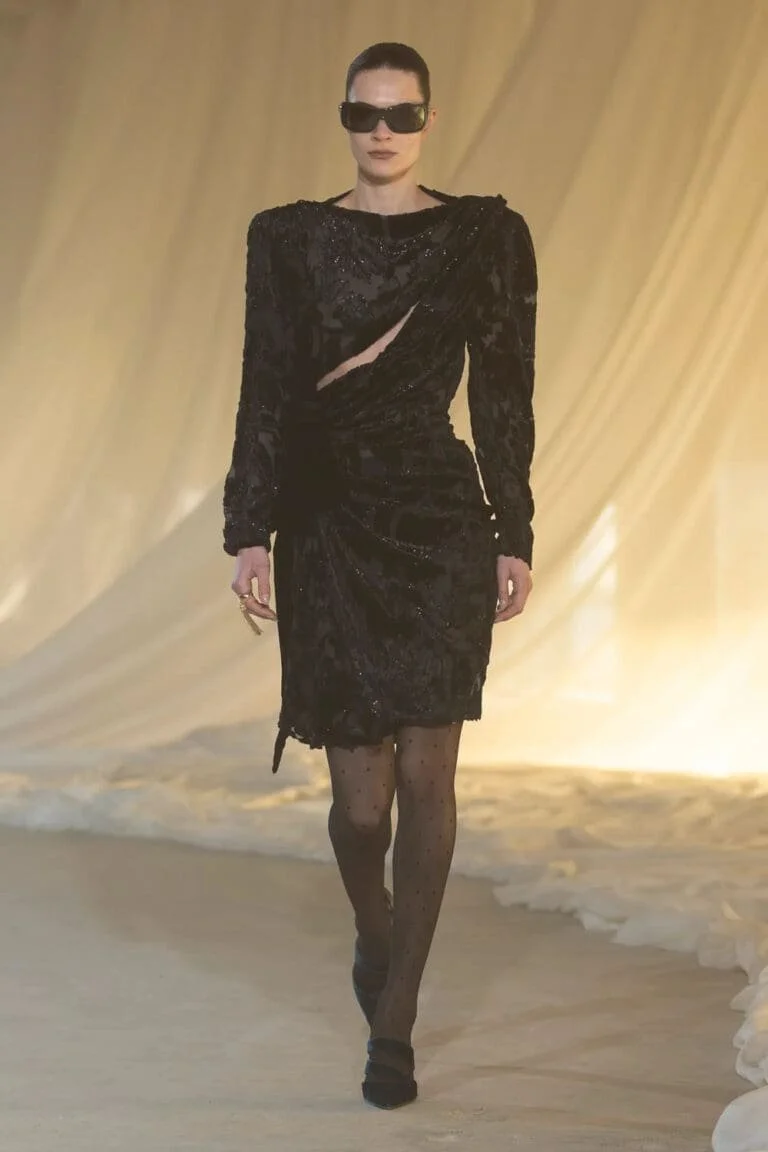
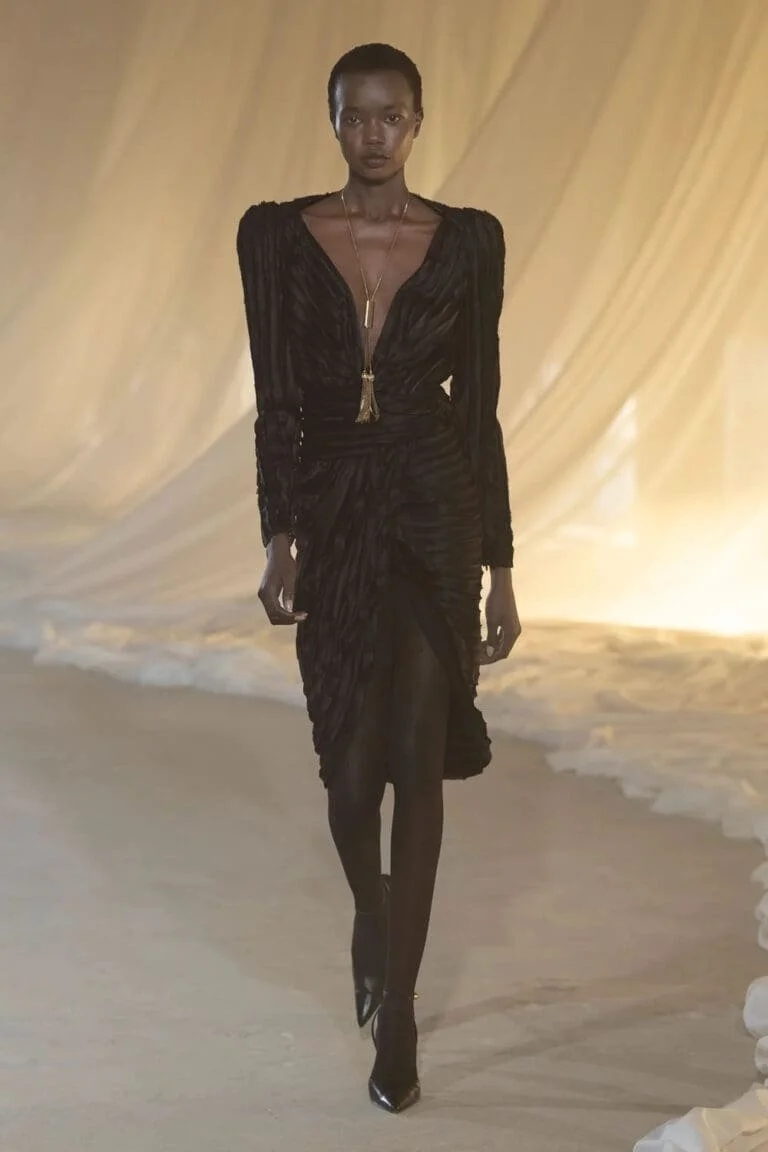
Antonin Tron made a striking debut as creative director of Balmain, presenting a fall collection that felt like a careful reset rather than a continuation. Held in a warehouse draped with diaphanous white curtains, the show balanced restraint and subtle drama, with models gliding through black leather, draped olive and chartreuse gowns, and a restrained use of sparkling animal prints. Tron’s mission was clear: minimal opulence. Drawing on midcentury references and Balmain’s Old Hollywood roots, he revisited archival pieces from the 1940s to understand line, tension, and proportion, using them as scaffolding for a collection defined by structure, elegance, and understated power.
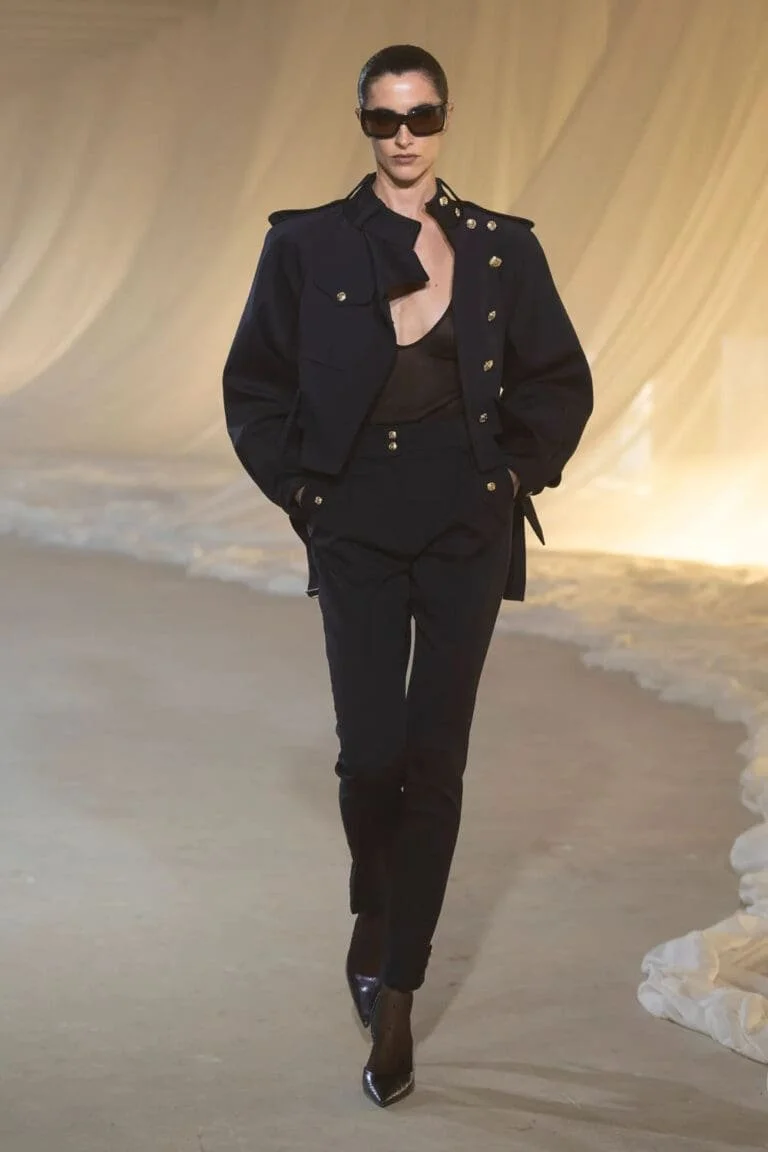
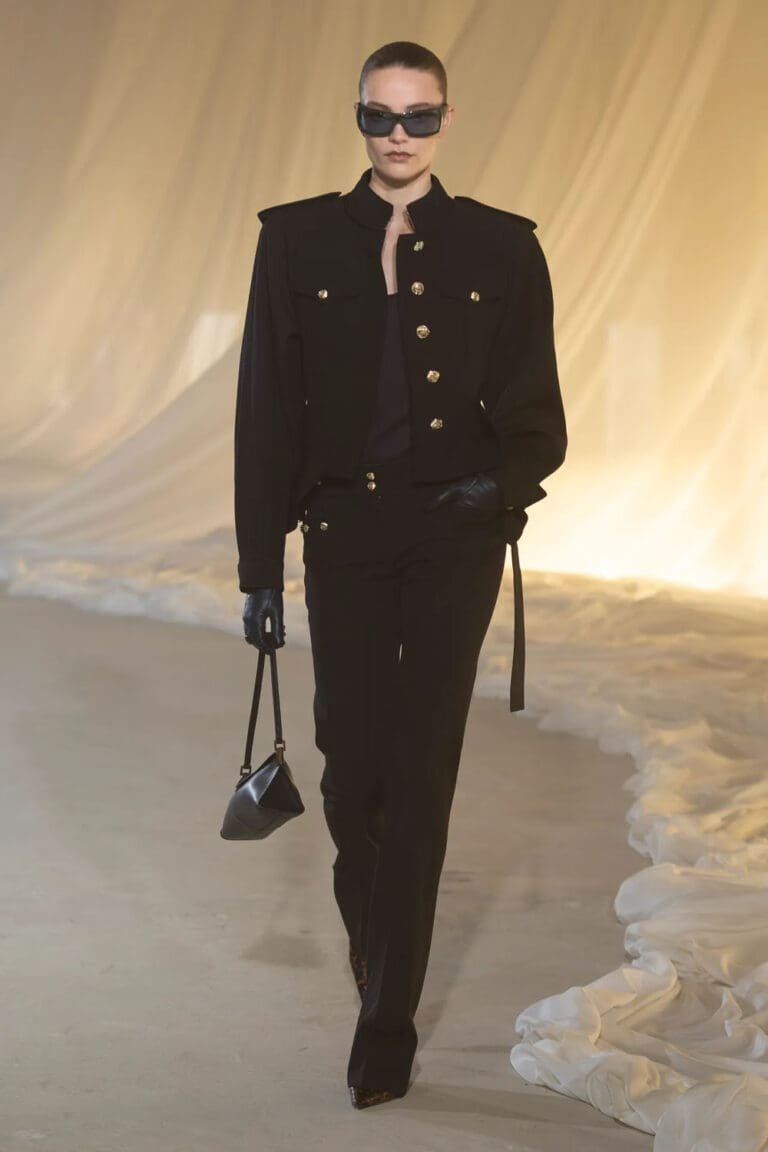
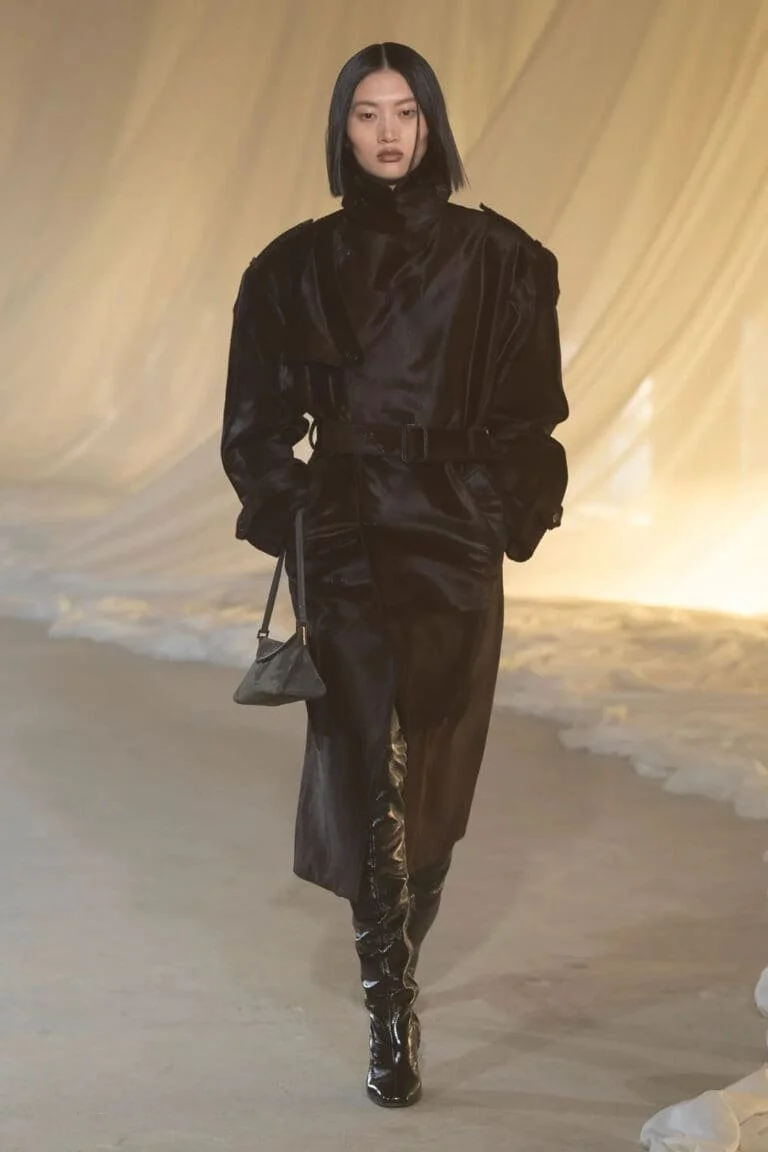
The silhouettes spoke with quiet authority. Rounded shoulders, gathered waists, and pencil skirts evoked the cinematic precision of icons like Lauren Bacall, while architectural bodices and tailored trenches reinforced the house’s discipline. Tron’s approach was never nostalgic for nostalgia’s sake; it was about rebuilding the brand’s identity with intelligence and clarity. Every detail, from ruched minis to fluid draped gowns, emphasized movement and sensuality without succumbing to spectacle. The collection was a lesson in how elegance can feel intentional and strong when it is rooted in proportion and tailoring.
Yet there was an undeniable dialogue with contemporary peers. The sharp shoulders, slinky dresses, and tight black tailoring recalled the stylistic vocabulary of Saint Laurent under Anthony Vaccarello, raising questions about differentiation in a shared corporate landscape. Tron’s Balmain is just one season in, but it has established a controlled, sophisticated base. The intrigue now lies in how the new director will expand from this platform, injecting the house’s historic theatricality in measured doses while maintaining the structural clarity at the core of his vision.