For two weeks every four years, the Olympic Games become the centre of the sporting universe. But beyond the medals, records and emotional podium moments, another competition quietly unfolds: fashion.
The Opening Ceremony has evolved into one of the largest global runways in the world, watched by hundreds of millions of people and analysed almost as intensely as the athletic performances themselves. Luxury fashion houses, heritage tailoring brands and technical sportswear labels all compete to define how a nation presents itself on the international stage. National identity is expressed through silhouettes, embroidery, colour palettes and craftsmanship, turning what could simply be uniforms into powerful exercises in storytelling.
In recent years, Olympic fashion has become increasingly sophisticated. Ralph Lauren has transformed Team USA into ambassadors for classic American style, Ben Sherman has modernised British tailoring for Team GB, while independent designers have used the platform to celebrate their countries' cultural heritage in ways that resonate far beyond sport. The rise of social media has only amplified this phenomenon, with Olympic uniforms now generating millions of views before athletes even enter a stadium.
The Paris Games demonstrated that the Olympics are no longer just about performance—they have become one of fashion's biggest global stages. From couture gowns worn during the Opening Ceremony to beautifully crafted uniforms inspired by centuries of tradition, these are the designers and countries proving that style deserves a medal too.
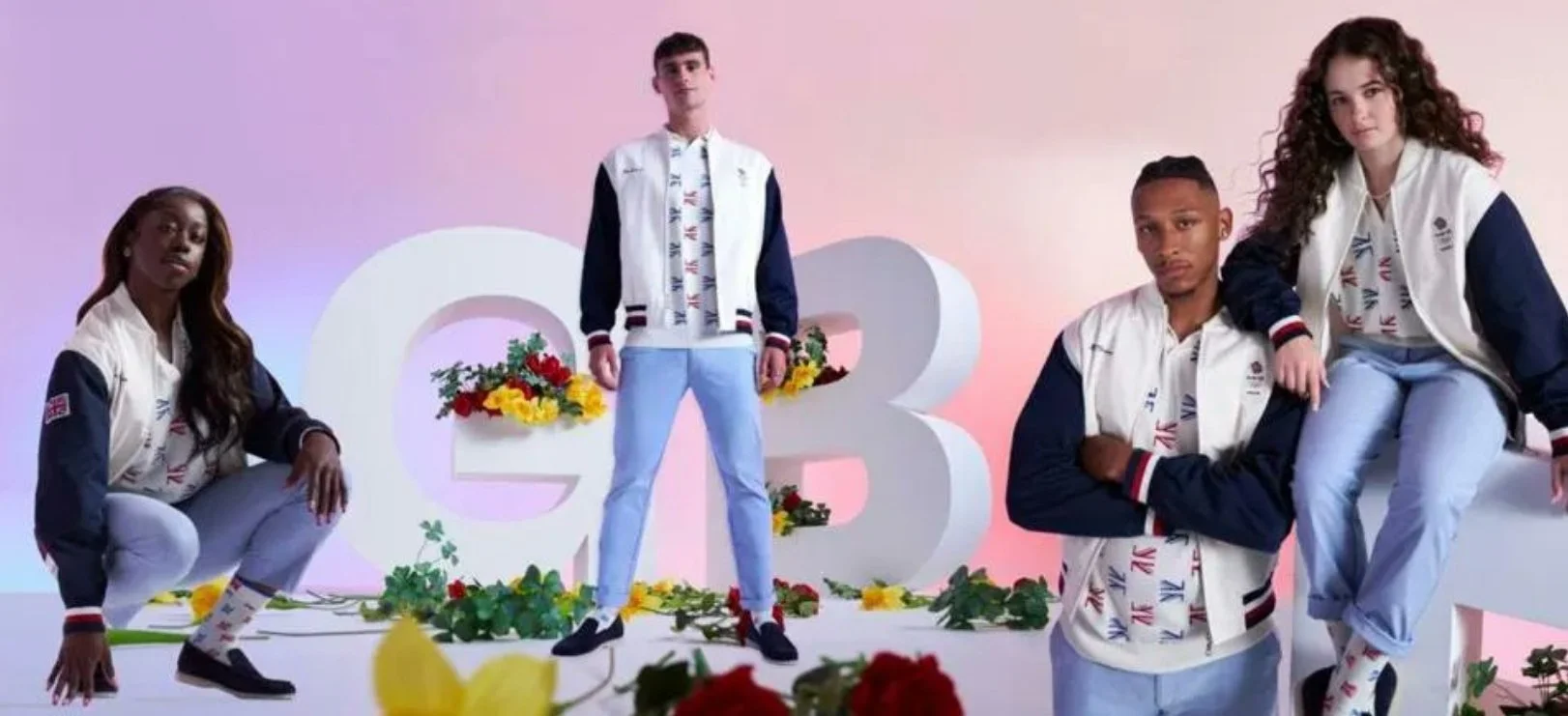
Team GB - Ben Sherman
British style has always excelled at combining tradition with modernity, and Ben Sherman continues to deliver that balance for Team GB.
Sharp tailoring, clean lines and subtle references to British heritage created uniforms that felt polished without appearing overly ceremonial. The collection captured the effortless confidence associated with contemporary London fashion while paying homage to classic British menswear.
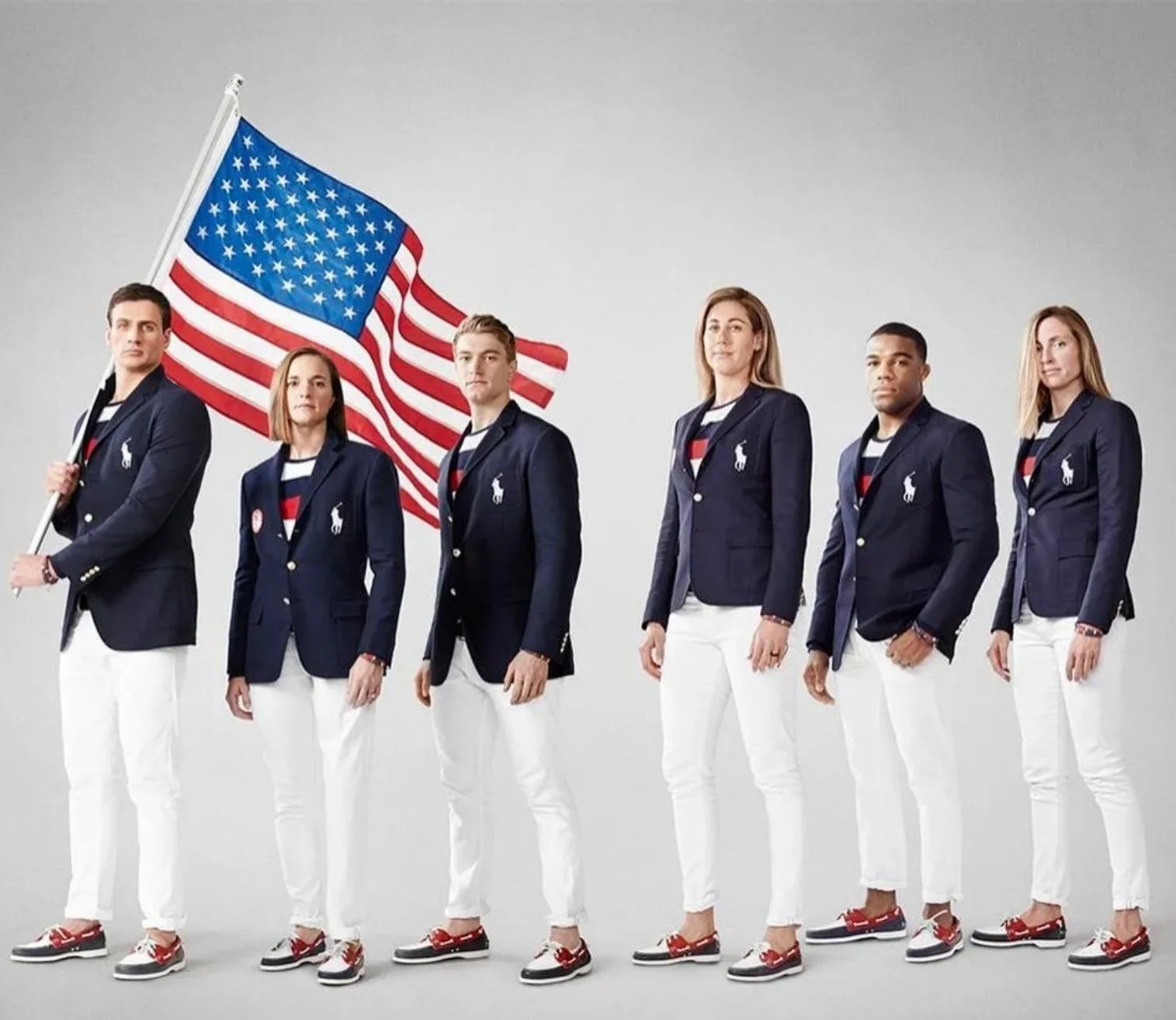
Team USA - Ralph Lauren
Few partnerships feel as natural as Ralph Lauren and Team USA. The brand has spent years refining an aesthetic that celebrates classic Americana through crisp tailoring, timeless sportswear and understated patriotism.
The white uniforms, paired with denim and moto-inspired jackets, balanced heritage with contemporary styling. Rather than chasing trends, Ralph Lauren leaned into what it does best: creating clothes that feel aspirational while remaining distinctly American.
It is perhaps the clearest example of how Olympic fashion can reinforce a brand's identity while simultaneously representing a nation.
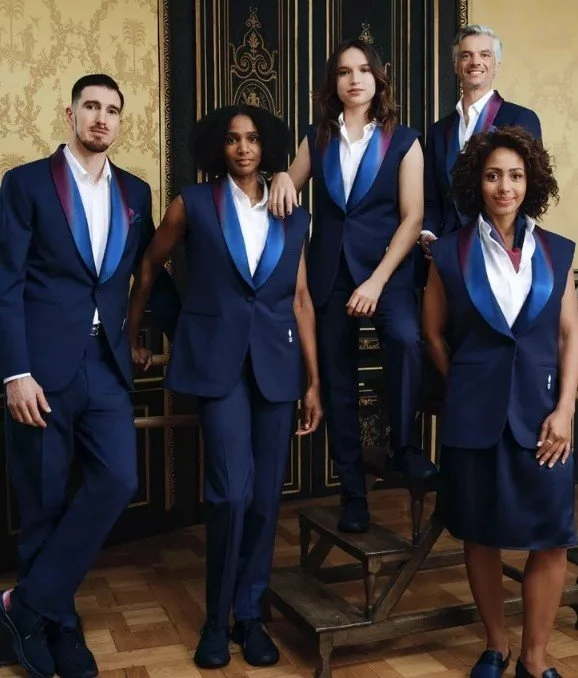
France - Le Coq Sportif
As the host nation, France faced enormous expectations. Fashion is woven into the country's cultural identity, making the Opening Ceremony an opportunity to showcase its creative influence.
Le Coq Sportif embraced this responsibility through contemporary sportswear infused with unmistakably French elegance. The result was modern yet rooted in tradition, proving that technical performance and sophisticated design can coexist.
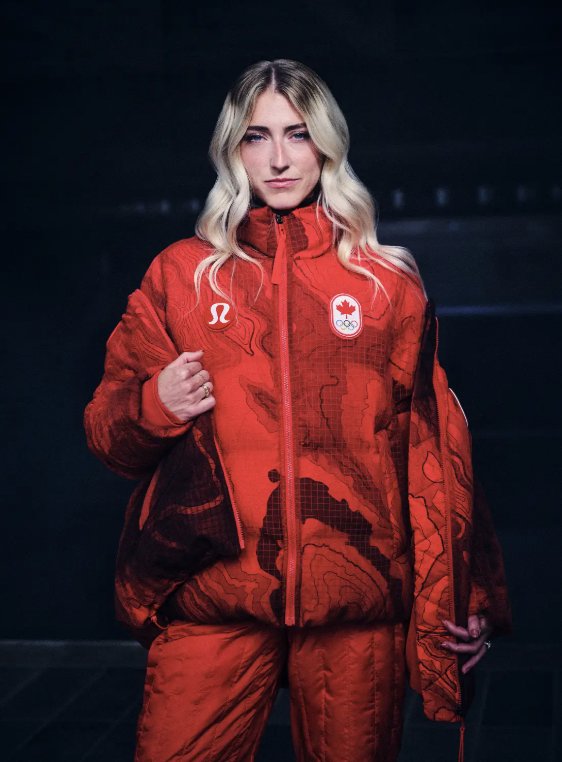
Canada - Lululemon
Lululemon has redefined modern athleisure, so its partnership with Team Canada felt perfectly timed.
The uniforms prioritised movement, comfort and versatility while maintaining a refined aesthetic. Rather than separating fashion and functionality, the collection demonstrated that technical innovation can produce clothing that performs at the highest level while remaining visually compelling.
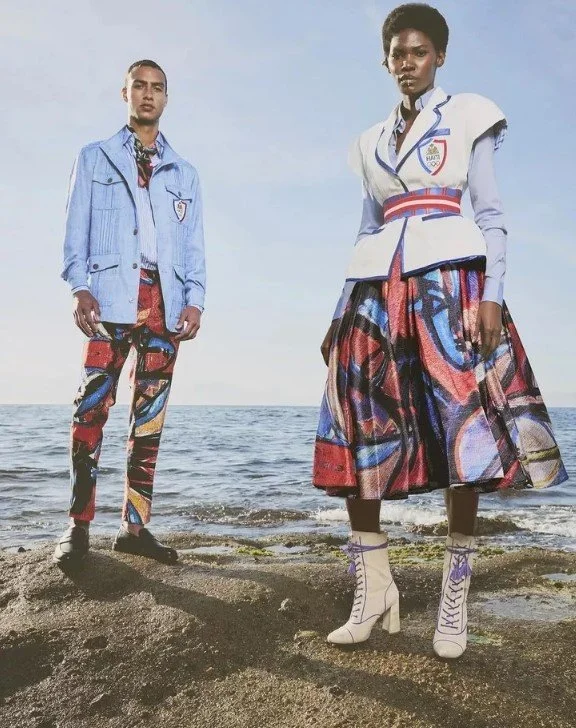
Haiti — Pyer Moss
Among the most celebrated Olympic uniforms in recent memory were those created for Haiti by Pyer Moss.
Rather than producing generic sportswear decorated with a national flag, the collection celebrated Haitian culture through vibrant colour, tailoring and storytelling. The garments reflected the country's artistic heritage while presenting a confident vision of modern fashion.
It was a reminder that Olympic uniforms can become cultural artefacts rather than simple athletic apparel.
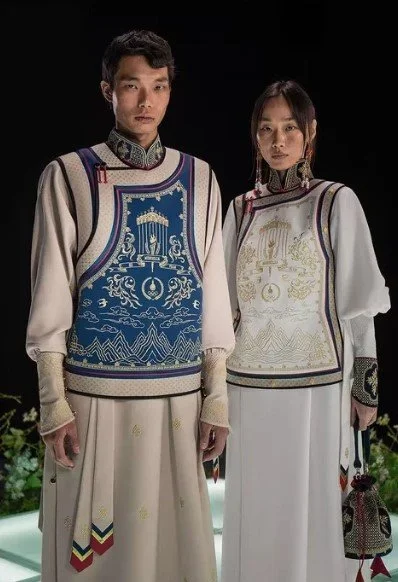
Mongolia - Michel & Amazonka
If there was one collection that dominated social media, it was Mongolia's.
Designed by Michel & Amazonka, the uniforms combined traditional Mongolian craftsmanship with couture-level execution. Ornate embroidery, structured silhouettes and intricate detailing created garments that looked closer to museum pieces than sports uniforms.
Fashion commentators and casual viewers alike praised the collection, with many describing it as the standout design of the Games.
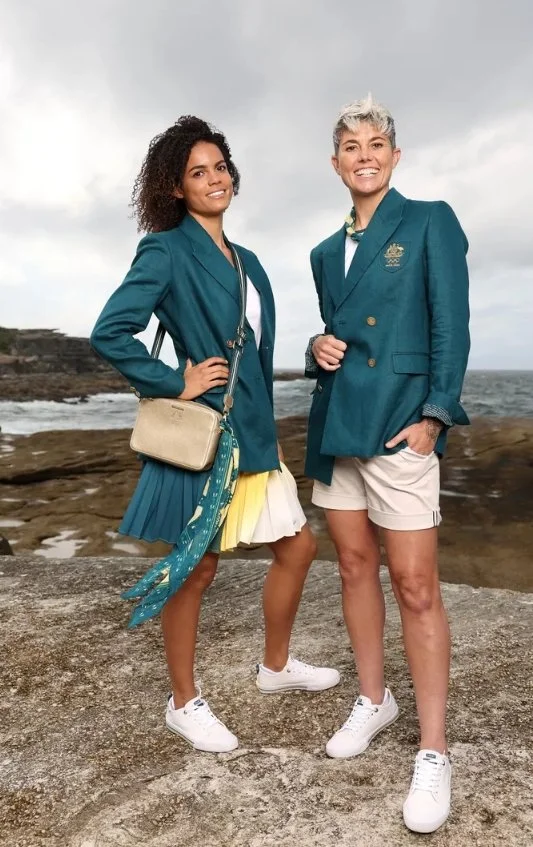
Australia - ASICS
Australia's partnership with ASICS focused on technical excellence while embracing a clean and contemporary visual identity.
The uniforms reflected the country's sporting culture through lightweight materials and functional construction, proving that simplicity can often be more impactful than excessive decoration.
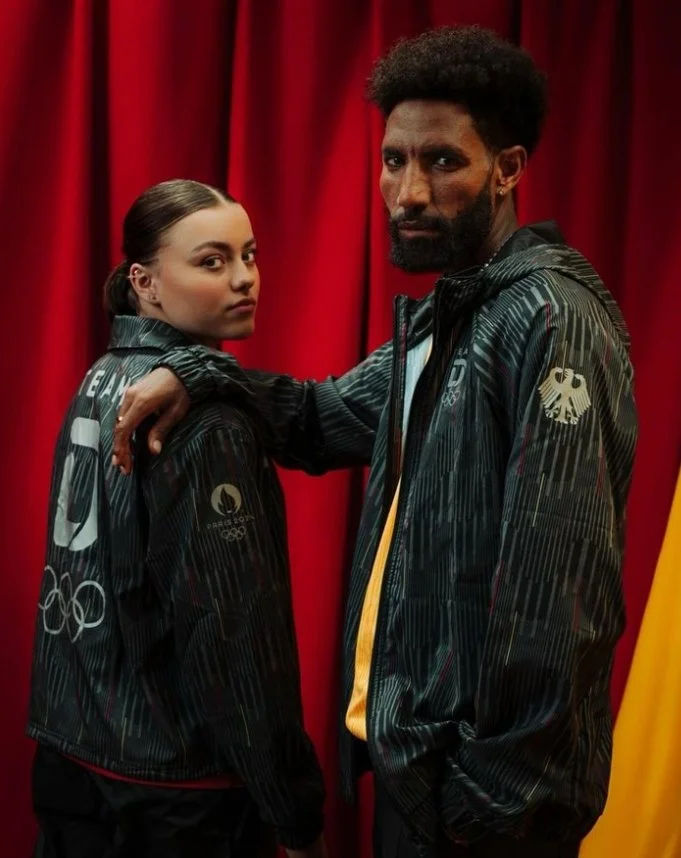
Germany - Adidas
Germany's Adidas uniforms demonstrated the brand's expertise in combining innovation with minimalist design.
Advanced fabrics and ergonomic tailoring created a collection centred on athletic performance while maintaining a sleek, recognisable aesthetic synonymous with German design principles.
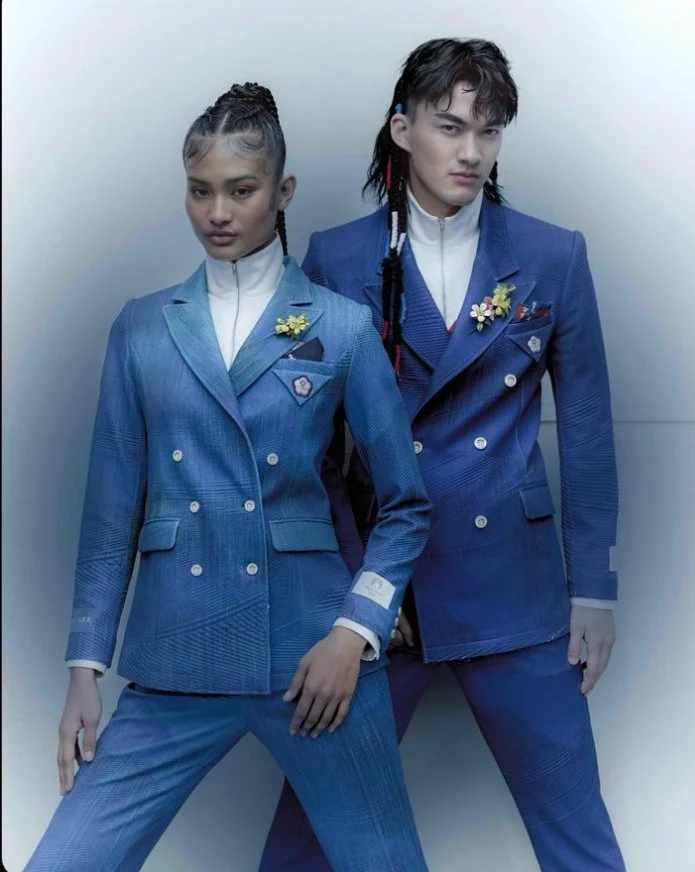
Chinese Taipei - Li-Ning
Li-Ning blended traditional influences with contemporary sportswear to produce uniforms that balanced cultural heritage and innovation.
Intricate details referenced history while modern construction techniques ensured the garments remained suitable for elite competition.
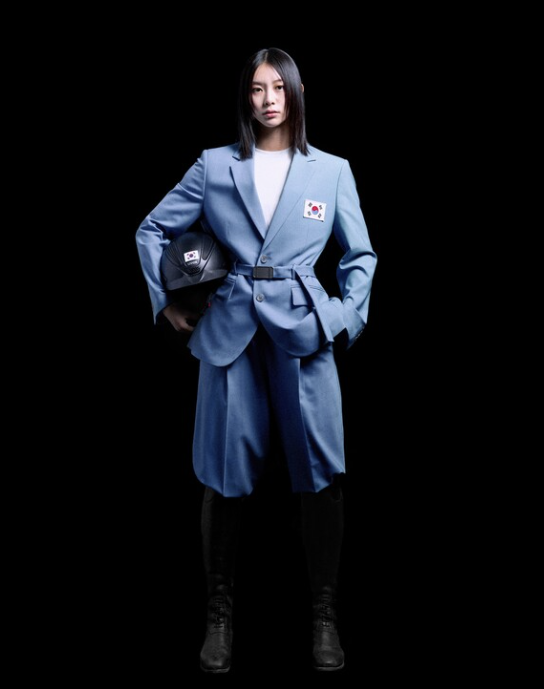
South Korea — The North Face
The North Face approached Olympic fashion through the lens of functionality and technical expertise.
The uniforms featured performance-driven materials alongside streamlined silhouettes, reflecting South Korea's reputation for innovation and contemporary design.
The Best Celebrity Fashion at the Olympics
The athletes were not the only stars of Olympic fashion.
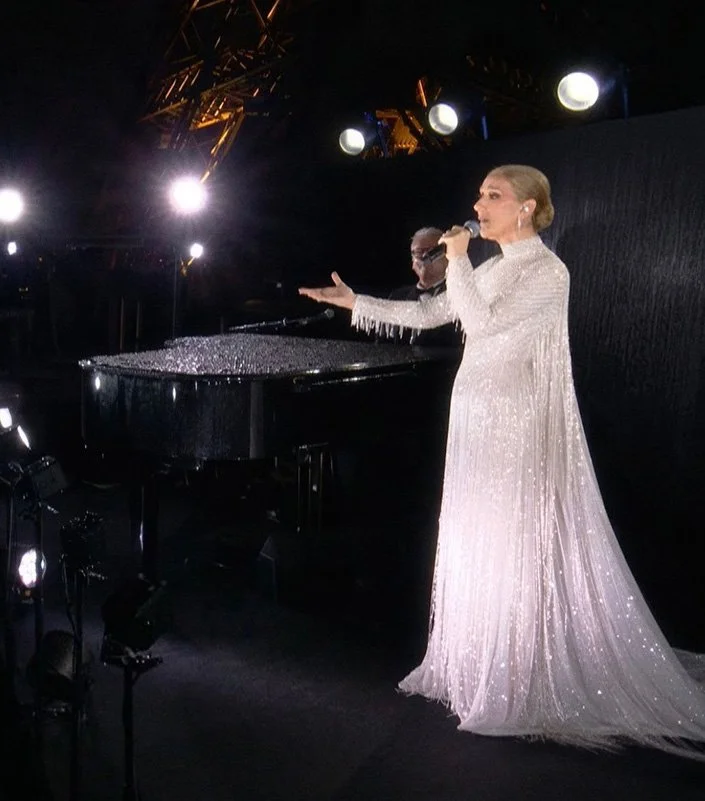
Celine Dion in Dior
Celine Dion delivered one of the defining fashion moments of the Games in a spectacular custom Dior gown by Maria Grazia Chiuri.
Covered in crystals and delicate embellishments, the design balanced theatrical glamour with timeless elegance. Rather than overshadowing the performance, the dress amplified it, becoming one of the most memorable couture moments of the year.
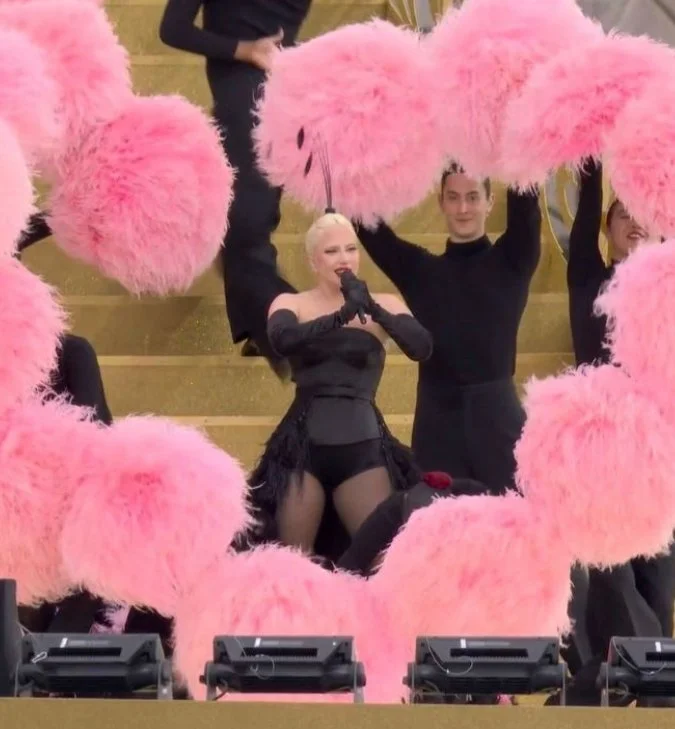
Lady Gaga in Valentino
Lady Gaga has long understood the relationship between performance and fashion, and her Valentino look demonstrated exactly why.
The dramatic silhouette, intricate detailing and unmistakable sense of theatre transformed her appearance into a cultural event in itself, reinforcing the Opening Ceremony's status as one of the world's biggest fashion spectacles.
Why Olympic Fashion Matters
An Olympic uniform has a difficult job. It must represent an entire nation while remaining practical enough for athletes who may spend hours walking, competing or standing during ceremonies. At the same time, it serves as a cultural statement and, increasingly, a global marketing campaign for the brands behind it.
Today's Olympic fashion exists somewhere between luxury design and national diplomacy. The best uniforms communicate history without feeling nostalgic, embrace innovation without becoming gimmicky, and celebrate identity without relying on clichés.
For fashion brands, the Olympics provide exposure on a scale that few runway shows can match. Millions of viewers who may never watch Paris Fashion Week will instantly recognise an exceptional Opening Ceremony look.
Final Word
The Olympics have become much more than a sporting event. They are a celebration of culture, creativity and national identity, and fashion has emerged as one of the most powerful ways countries communicate their stories to the world.
The best Olympic outfits succeed because they do more than dress athletes—they capture history, craftsmanship and ambition in a single look. Long after the medals have been awarded, it is often these uniforms that remain etched into the cultural memory, proving that style, like sport, has the power to transcend borders.