Sneaker culture was once one of the most powerful forces in modern fashion. A limited-edition Nike collaboration could turn anonymity into influence overnight. A rare pair of Jordans signalled insider status, cultural awareness, and access. For a moment, sneakers weren’t just shoes — they were identity, currency and community.
But that era is fading.
What once felt like a subculture has now become the default. And when everyone is part of sneaker culture, the culture itself begins to dissolve.
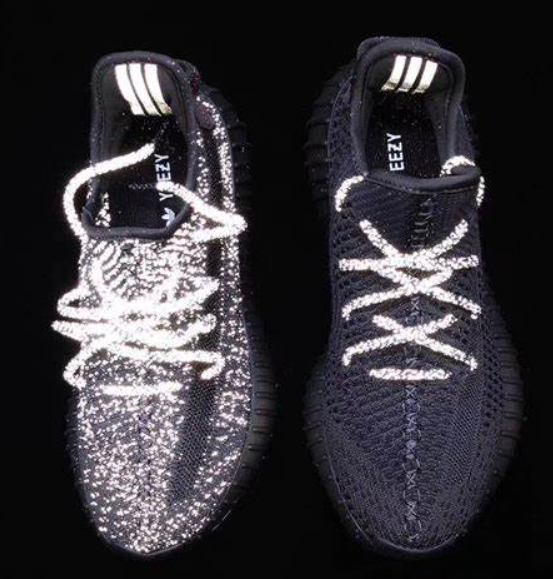
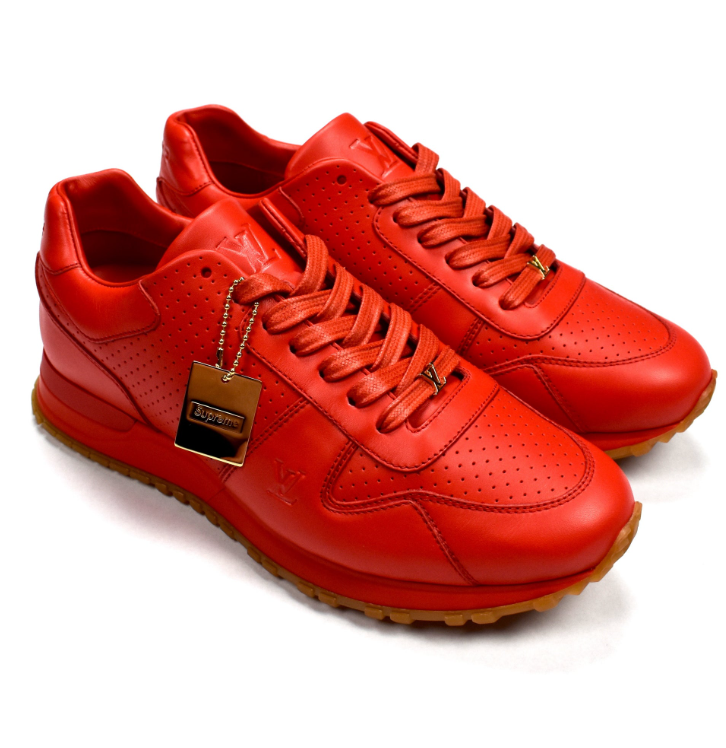
Sneaker Culture Has Become Mainstream
Sneakers are no longer rebellious or niche. They are everywhere.
Your boss wears them in meetings. Guests wear them to weddings. Even traditionally formal spaces have absorbed them. What was once a visual shorthand for youth, sport or subversion has become standard officewear.
This shift has changed their meaning entirely. Sneakers are still worn, but they no longer signify anything specific. They are no longer a statement — they are a default.
The Hype Cycle Has Collapsed
For years, sneaker culture thrived on scarcity: raffles, queues, bots, and limited drops that created artificial urgency. The resale market turned trainers into financial assets, with hype often outweighing design.
But that system has reached saturation.
Today, sneaker releases feel less like cultural moments and more like algorithm-driven transactions. Access is no longer about taste or subcultural awareness — it is about speed, software, or resale platforms.
When culture becomes speculation, meaning starts to disappear.
The Louis Vuitton x Nike Moment That Marked the Shift
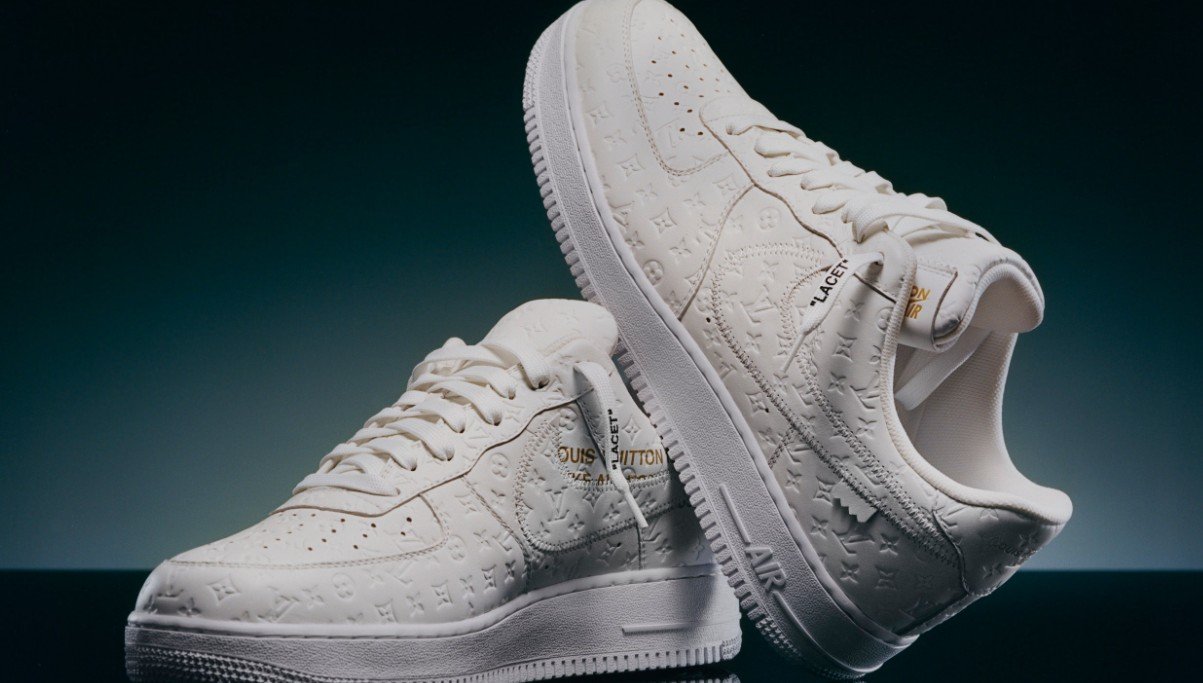
The symbolic turning point came with the Louis Vuitton x Nike Air Force 1, designed by Virgil Abloh.
It was a landmark collaboration: part fashion history, part cultural artefact, and part luxury object. But it also marked something else — the formal absorption of sneaker culture into high-fashion institutions.
When sneakers are auctioned at Sotheby’s for the price of a luxury car, they are no longer part of a subculture. They are archival objects.
Even Virgil Abloh recognised the shift. In the final years of his career, he spoke about a move away from hype-driven fashion toward individuality, archival knowledge, and personal style — a direction that now feels more relevant than ever.
The Rise of Quiet Luxury Changed Everything
According to Lyst’s 2024 fashion report, searches for “quiet luxury” rose by 138%, while interest in logo-heavy, hype-driven brands declined.
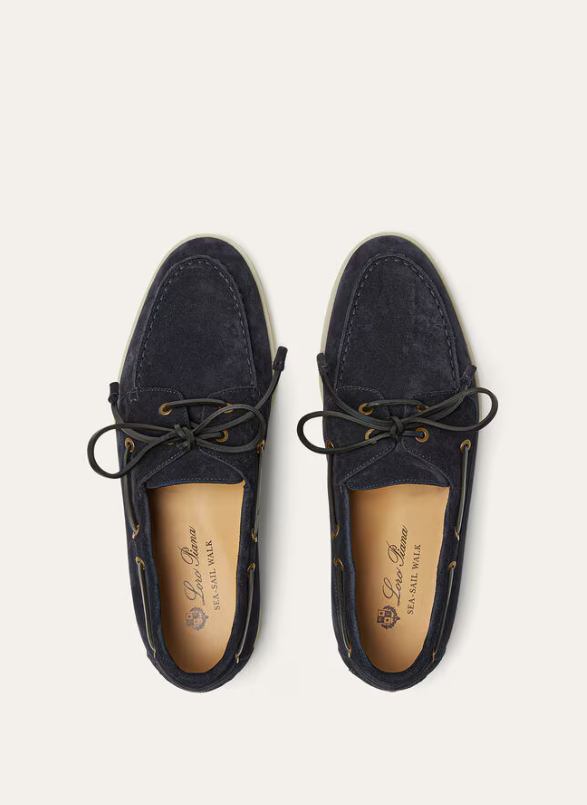
At the same time, understated labels such as The Row, Khaite and Loro Piana gained significant traction.
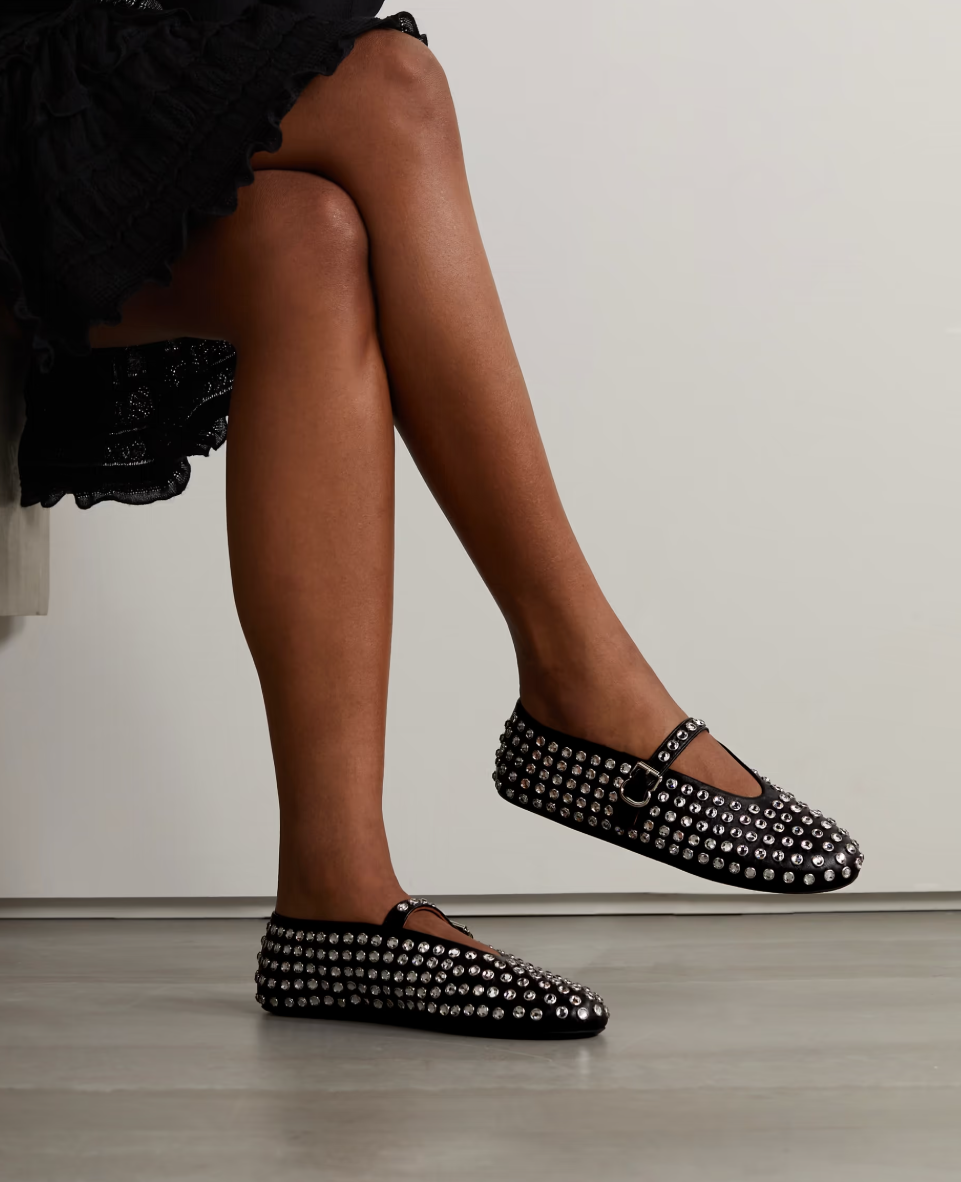
Importantly, the shift wasn’t just about clothing — it extended to footwear. The most in-demand shoes of recent seasons have moved away from sneakers entirely, leaning instead toward minimalist silhouettes, leather flats, and refined everyday footwear.
The message is clear: visibility is no longer the goal. Restraint is.
Drop Fatigue and the End of Sneaker “Events”
Sneaker launches were once cultural events. Now they are exhausting systems of digital competition.
Consumers no longer experience drops as moments of excitement, but as friction: apps, queues, notifications, bots, resale groups. The process of acquiring sneakers has become more technical than emotional.
And when the experience of buying a product becomes more complicated than the product itself, enthusiasm naturally declines.
Even Celebrity Style Has Shifted
Luxury fashion has already moved on.
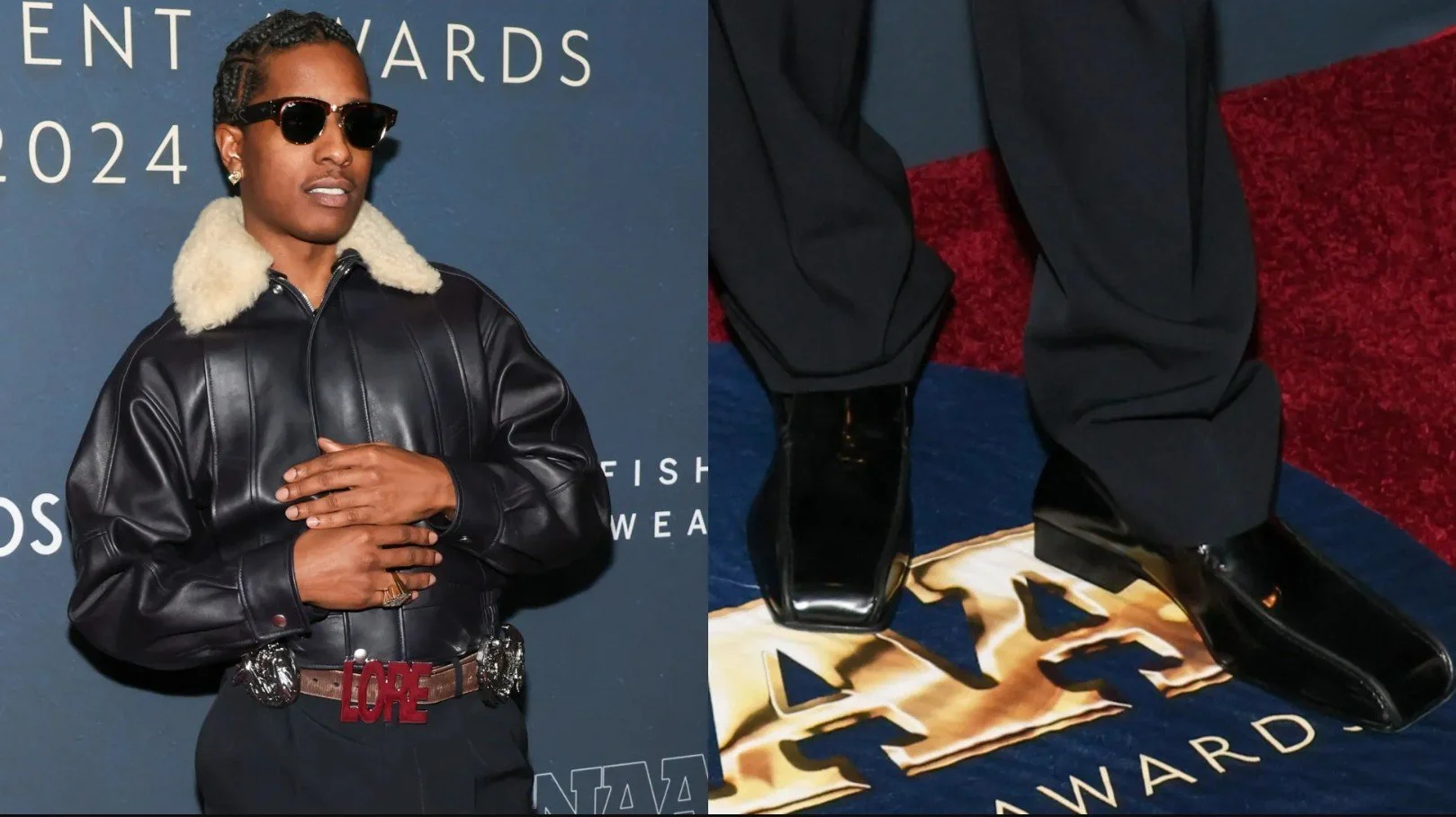
Figures like A$AP Rocky — once deeply associated with sneaker culture — have increasingly been seen in tailored silhouettes, loafers, and leather footwear from houses such as Bottega Veneta.
The visual language of status has changed. Recognition is no longer the goal. In fact, anonymity has become more desirable than visibility.
A sneaker everyone recognises is no longer aspirational. A shoe no one can immediately identify is.
Taste Has Replaced Hype
The biggest shift in modern menswear is not aesthetic — it is psychological.
Consumers are no longer chasing what they are told to want. Instead, they are searching for individuality, craftsmanship, and longevity. This is why minimal leather shoes, loafers, and understated design-led sneakers are gaining ground.
Sneakers have not disappeared. But they are no longer the centre of cultural attention.
They are becoming background pieces.
Final Verdict: Sneaker Culture Isn’t Dead — It’s Overexposed
Sneaker culture is not collapsing overnight. But it is no longer expanding. It has reached its saturation point.
What remains is a quieter, more fragmented landscape where taste matters more than hype, and where fashion is shifting toward subtlety rather than signal.
Sneakers will continue to exist — but their cultural dominance is fading.
And in fashion, that usually means one thing:
The era is already over.
That’s the real shift: taste has replaced hype. People are tired of queuing for a product they’ve been told they need. They want to feel like they discovered something. They want minimalism, quiet craftsmanship, even (gasp) elegance. You know what feels elegant? A hand-stitched Italian loafer. You know what doesn’t? A size 11 sneaker covered in plastic zip ties and irony.
So no, sneaker culture isn’t dead. Not quite. But it’s limping. And in the world of luxury fashion, that’s the first sign of rigor mortis.