Pierpaolo Piccioli Named Balenciaga Creative Director
Some creative appointments feel inevitable. Others feel surprising. And then there are those rare moments that seem to reset the conversation entirely. The announcement that Pierpaolo Piccioli has been named the new Creative Director of Balenciaga, succeeding Demna, belongs firmly in the latter category.
The Italian designer will officially begin the role on 10 July, with his first collection expected during Paris Fashion Week this October. It marks one of the most significant leadership changes in luxury fashion in recent years, bringing the designer who transformed Valentino into a global couture powerhouse to a maison whose recent identity has been built on disruption, irony and streetwear.
The question now isn't simply whether Piccioli can design for Balenciaga. It's whether he can redefine what Balenciaga means.
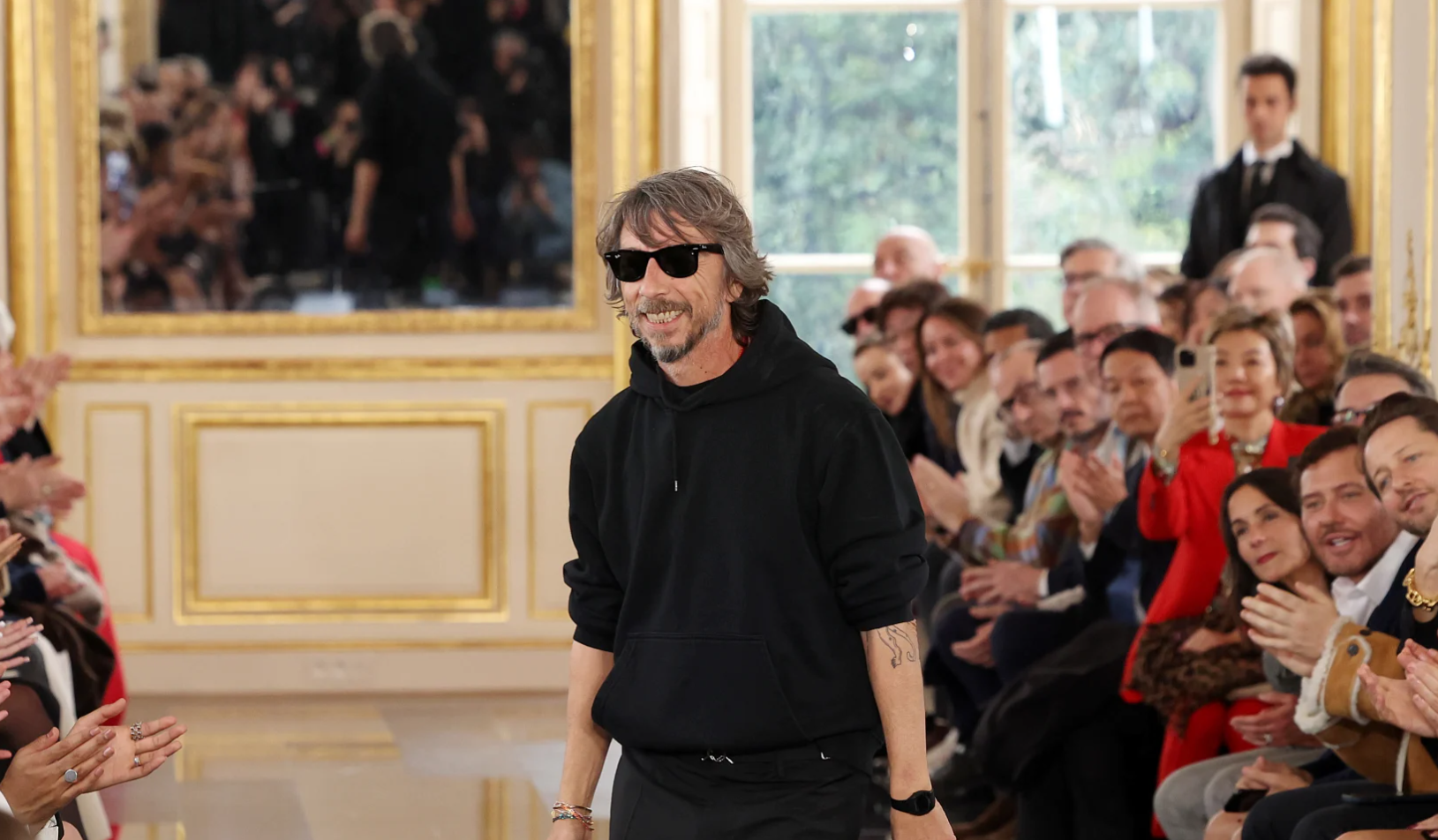
Who is Pierpaolo Piccioli?
For more than sixteen years, Pierpaolo Piccioli shaped Valentino into one of fashion's most emotionally resonant houses. His collections celebrated craftsmanship, romance and humanity at a time when much of luxury fashion chased hype and spectacle.
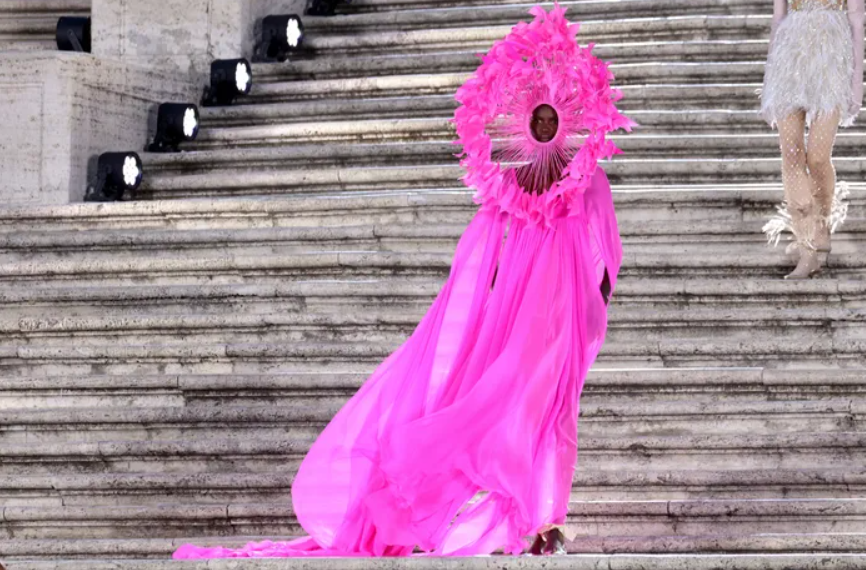
His runway shows rarely relied on shock value. Instead, they built narratives through silhouette, colour and extraordinary couture technique. The viral "PP Pink" collection became a cultural phenomenon, but beneath the monochrome lay a designer deeply committed to the traditions of haute couture while making them feel contemporary.
That combination of respect for heritage and willingness to reinterpret it is precisely what makes his appointment at Balenciaga so fascinating.
A House Defined by Reinvention
Balenciaga has reinvented itself before.
Cristóbal Balenciaga established the house through architectural tailoring and revolutionary silhouettes that changed twentieth-century fashion. Decades later, Demna transformed it again, replacing couture restraint with oversized proportions, meme-worthy accessories and collections that blurred the boundaries between luxury, politics and internet culture.
Under his leadership, Balenciaga became one of the most talked-about brands in the world. Whether celebrated or criticised, it rarely left anyone indifferent.
Piccioli inherits not only a successful business but a brand whose identity has become synonymous with cultural disruption.
From Deconstruction to Reconstruction
If Demna's Balenciaga was built around deconstruction, Piccioli's version may be about reconstruction.
His own statement hinted at exactly that:
"What I am receiving is a brand full of possibilities that is incredibly fascinating... This gives me the chance to shape a new version of the maison, adding another chapter with a new story."
The language is telling. Rather than rejecting Balenciaga's recent history, Piccioli appears intent on adding another layer to it.
That approach feels particularly relevant today, as luxury consumers increasingly seek craftsmanship and longevity alongside cultural relevance.
Will Balenciaga Lose Its Streetwear Audience?
Perhaps the biggest question surrounding the appointment is whether Balenciaga's younger audience will follow this new direction.
The brand's enormous commercial success over the past decade has been built on oversized hoodies, exaggerated sneakers and an ironic visual language that resonated with Gen Z consumers. Many of those customers became loyal followers of Demna as much as Balenciaga itself.
Some may follow him to Gucci, much as fans have historically followed influential designers between houses.
But history suggests that exceptional creative directors do not simply inherit audiences—they create entirely new ones.
Piccioli has spent years cultivating relationships with cultural figures including Zendaya, Florence Pugh and Suga, proving his ability to translate couture into modern relevance without relying on provocation.
Why This Appointment Matters Beyond Balenciaga
The appointment also reflects a broader shift taking place across luxury fashion.
Creative directors are increasingly becoming cultural figures whose identities carry almost as much value as the brands they lead. The movement of designers between houses has become one of fashion's biggest commercial stories, influencing consumer behaviour, resale markets and even investor confidence.
Balenciaga's decision to appoint Piccioli suggests that the industry may be entering another phase—one where emotional storytelling, craftsmanship and elegance regain prominence after years dominated by irony and hype.
When Will Pierpaolo Piccioli's First Balenciaga Collection Debut?
Piccioli officially joins Balenciaga on 10 July and is expected to unveil his debut collection during Paris Fashion Week this October.
The timing is particularly symbolic, arriving immediately after Demna's final haute couture presentation for the house. The comparison between the two designers will be inevitable and will likely become one of the defining moments of the fashion calendar.
The Future of Balenciaga
No one yet knows whether oversized tailoring, exaggerated proportions and streetwear references will remain central to Balenciaga's identity. Nor is it clear whether Piccioli will revive the sculptural elegance that made Cristóbal Balenciaga one of fashion's greatest innovators.
What seems certain, however, is that this is more than a routine executive appointment.
It is a shift in philosophy.
After a decade defined by disruption, Balenciaga appears ready to explore something different: a future where craftsmanship, emotion and couture reclaim the spotlight. If Demna taught the industry how to weaponise irony, Pierpaolo Piccioli may remind it that grace can be equally radical.