Inside the V&A’s Diva Exhibition
The Victoria and Albert Museum’s latest exhibition, DIVA, is a spectacle of glamour, talent, and fearless self-expression. Supported by NET-A-PORTER, it celebrates some of the world’s most iconic performers, from Marilyn Monroe and Maria Callas to Rihanna and Lizzo, showing how divas have shaped culture and challenged societal norms for centuries. Curator Kate Bailey has crafted an immersive experience where fashion, music, and history collide, highlighting the artistry and agency behind the word diva.
Entering the exhibition, visitors are immediately struck by the reverence afforded to these figures. The first galleries pay homage to the early opera stars like Adelina Patti, whose command of stage and image set the blueprint for all divas to come. Through portraits, stage costumes, and archival prints, the exhibition traces the evolution of the diva from the silent film era, with Lyda Borelli and Greta Garbo, to Hollywood legends such as Mae West, Bette Davis, and Vivien Leigh. These women were more than entertainers. They were pioneers of self-expression, navigating fame with charisma, style, and a quiet defiance that made them larger than life.
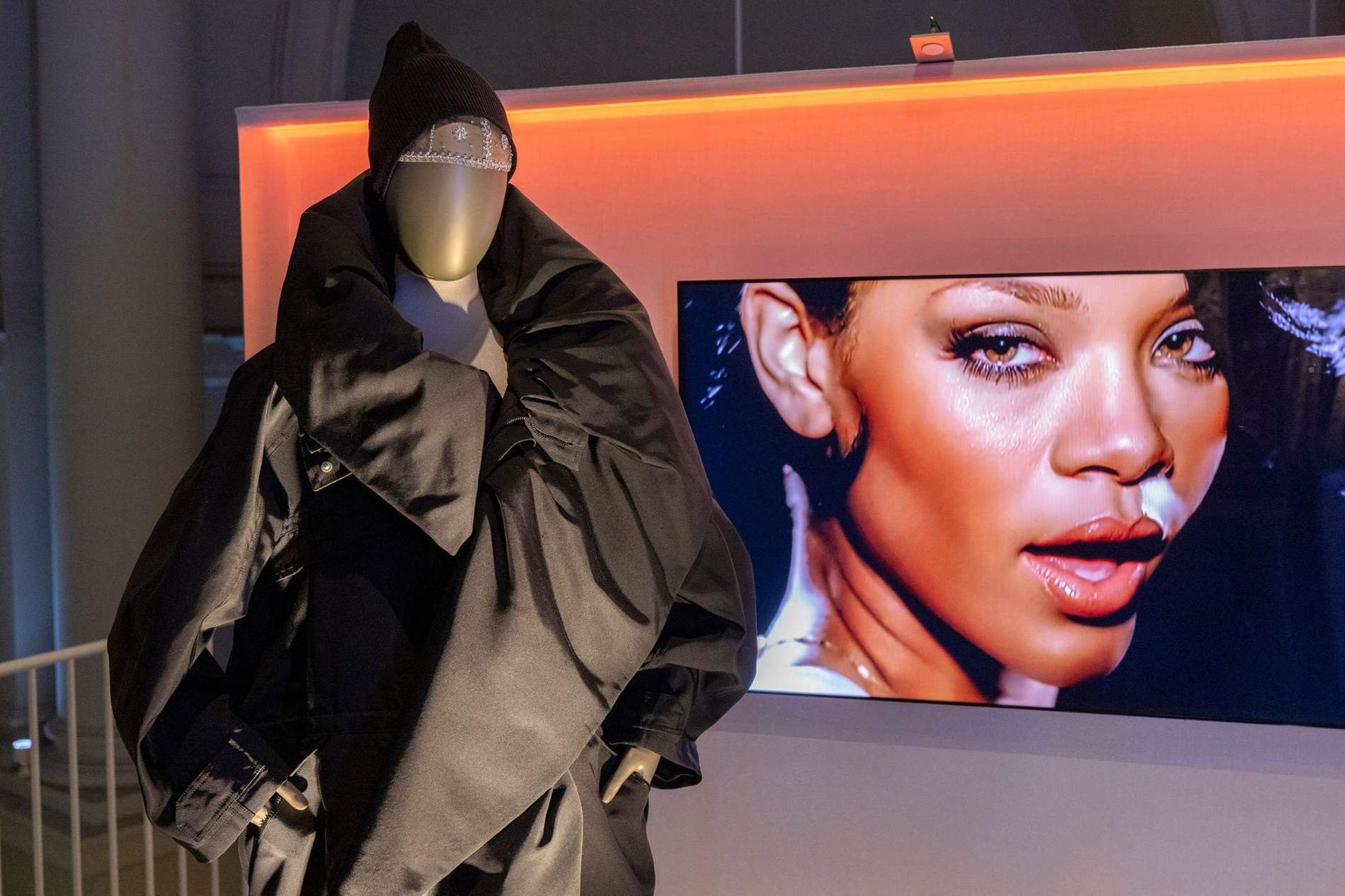
Rihanna has loaned the V&A five looks in total, one of which is this Balenciaga coat she wore to the Met Gala back in 2019
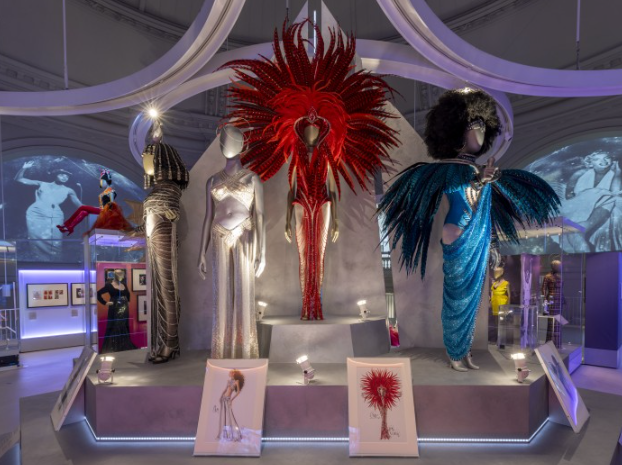
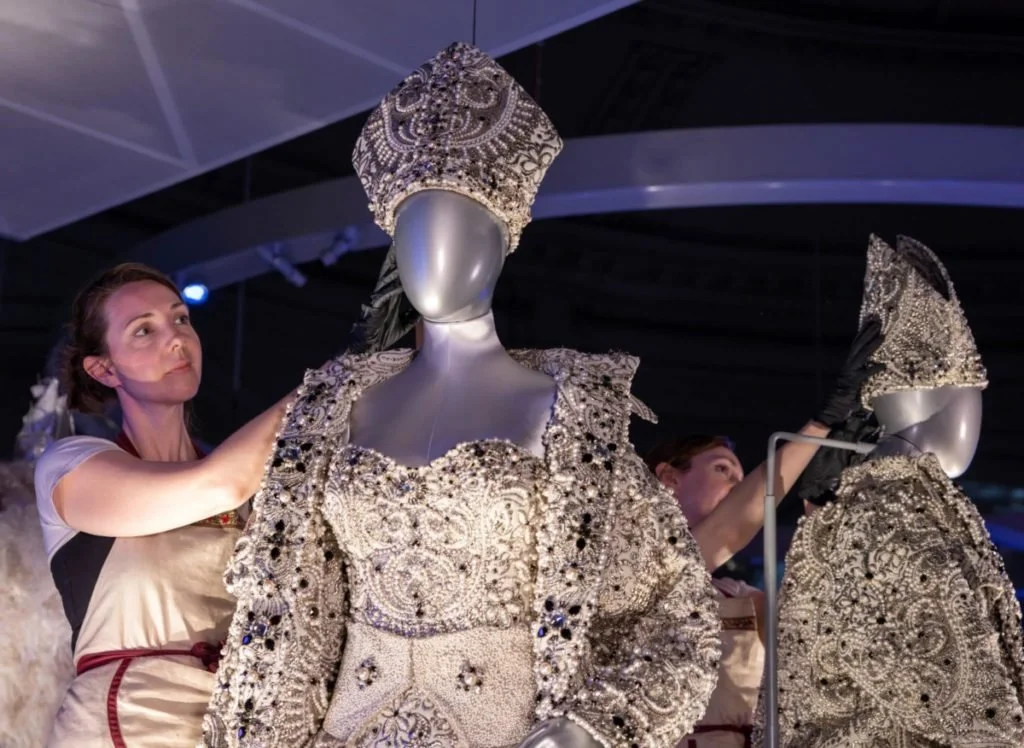
Act Two of DIVA bridges the past and present, celebrating the contemporary divas who continue to redefine the title. Visitors can marvel at Tina Turner’s flame dress, Cher’s Bob Mackie designs, and Rihanna’s Met Gala Pope ensemble, while headphones deliver an audio journey through their voices, from opera arias to pop hits. The exhibition emphasizes the relationship between performance and fashion, showing how these artists consciously crafted their images to command attention and inspire audiences. Grace Jones, Lady Gaga, and Elton John exemplify how divas have used their vision to challenge boundaries and set trends.
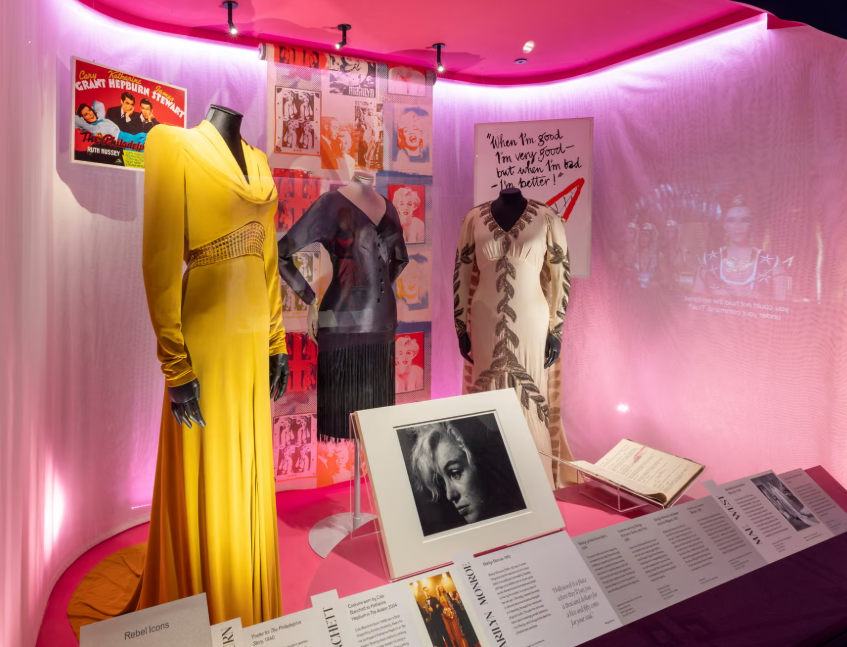
(L-r) Dresses worn by Cate Blanchett (as Katharine Hepburn) in The Aviator (2004); Marilyn Monroe in Some Like It Hot (1959); and Mae West in I’m No Angel (1933). Photograph: Peter Kelleher/V&A
The exhibition does not shy away from the complexities of diva culture. Bailey traces how the term, rooted in the Latin for goddess, shifted from praise to critique, and explores how female performers were often labeled difficult for asserting control over their careers. DIVA reframes the word, highlighting how divas have wielded their platforms for empowerment, activism, and social change. From Josephine Baker’s civil rights work to Aretha Franklin’s and Nina Simone’s advocacy, the exhibition showcases divas as forces of cultural transformation, not just entertainment.
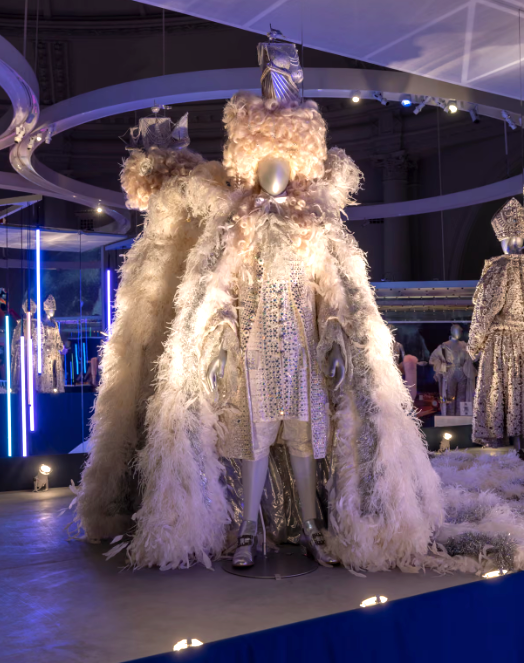
Elton John’s 50th birthday outfit, designed by Sandy Powell
In the final galleries, visitors encounter a constellation of contemporary and historical stars, connected visually and thematically like a galaxy of talent. The immersive design, combining video, sound, and dazzling costumes, allows you to experience the grandeur, audacity, and sheer power of these performers. DIVA is more than a celebration of celebrity. It is a testament to courage, creativity, and the timeless allure of artists who refuse to be confined, reminding us that divas do not just entertain—they inspire.