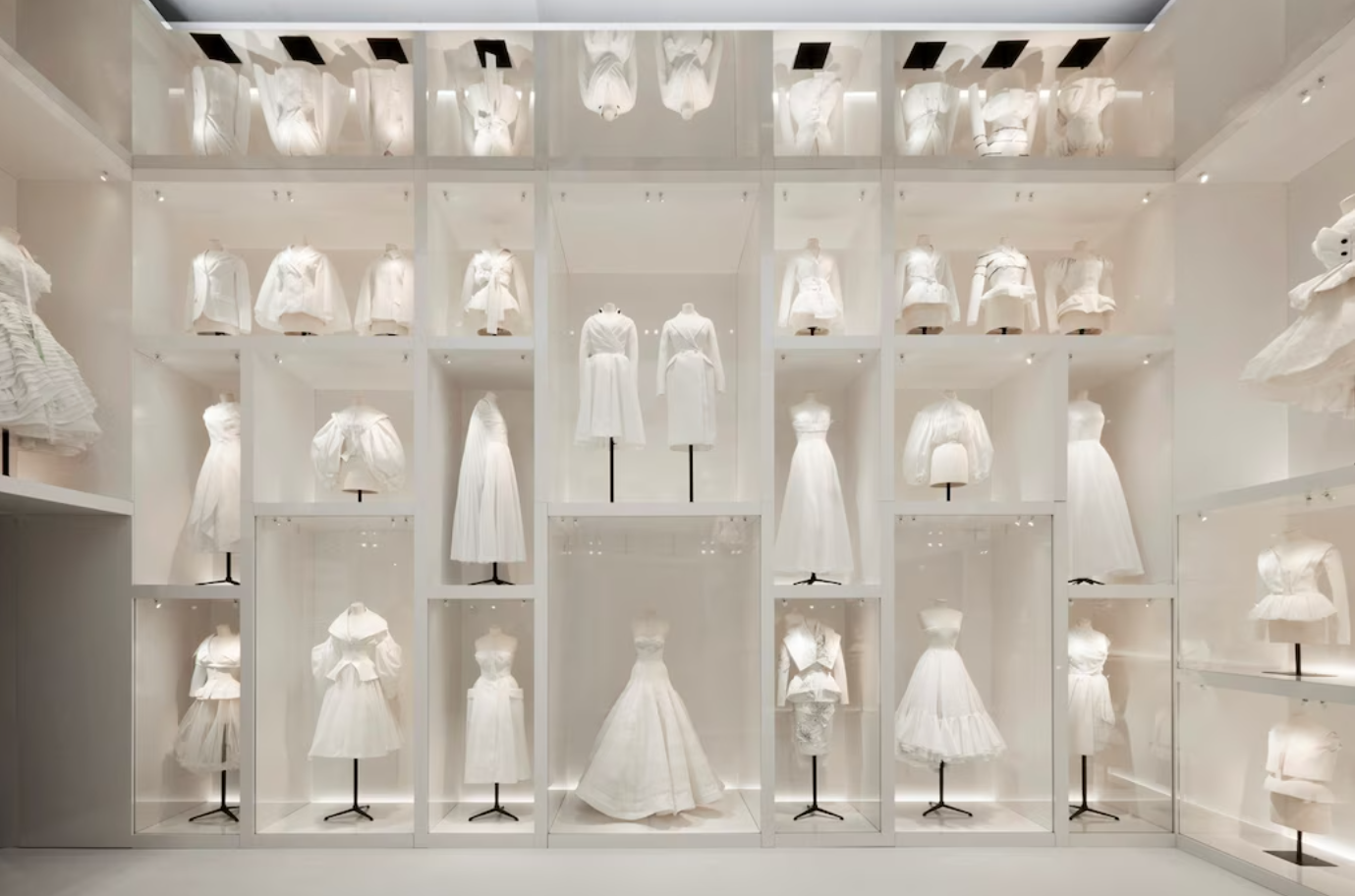
At the Victoria and Albert Museum in London, the exhibition Christian Dior: Designer of Dreams offered something rare in fashion: a chance to see the mythology of a brand laid out almost like a biography. Spanning from 1947 to the present, the show traced the rise of the House of Dior from the moment Christian Dior introduced his first collection in postwar Paris to the global fashion powerhouse it remains today. When the museum announced the exhibition, the response was immediate. Tickets sold out within weeks, prompting the V&A to extend its run as crowds continued to arrive for what quickly became the most visited exhibition in the museum’s history.
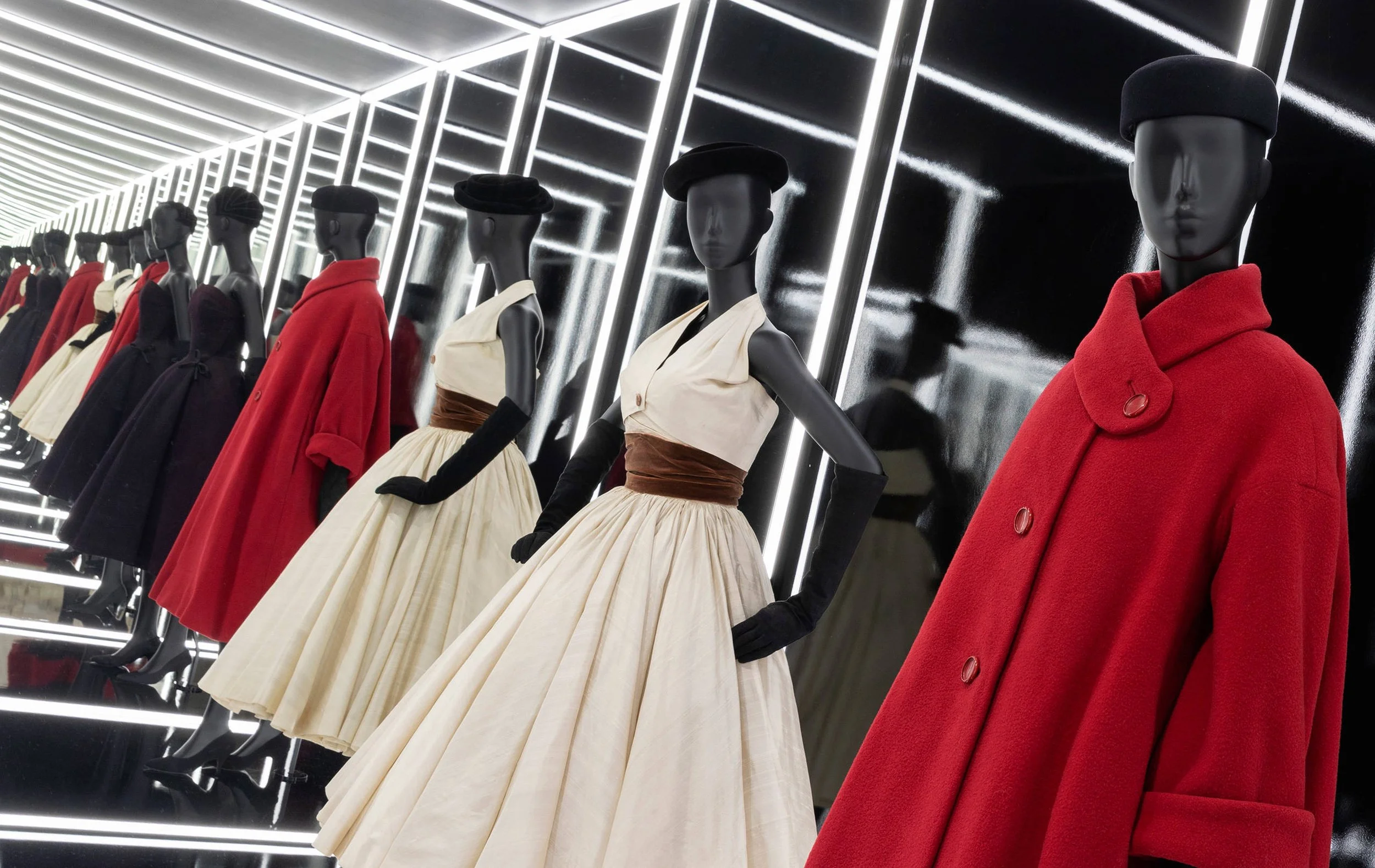
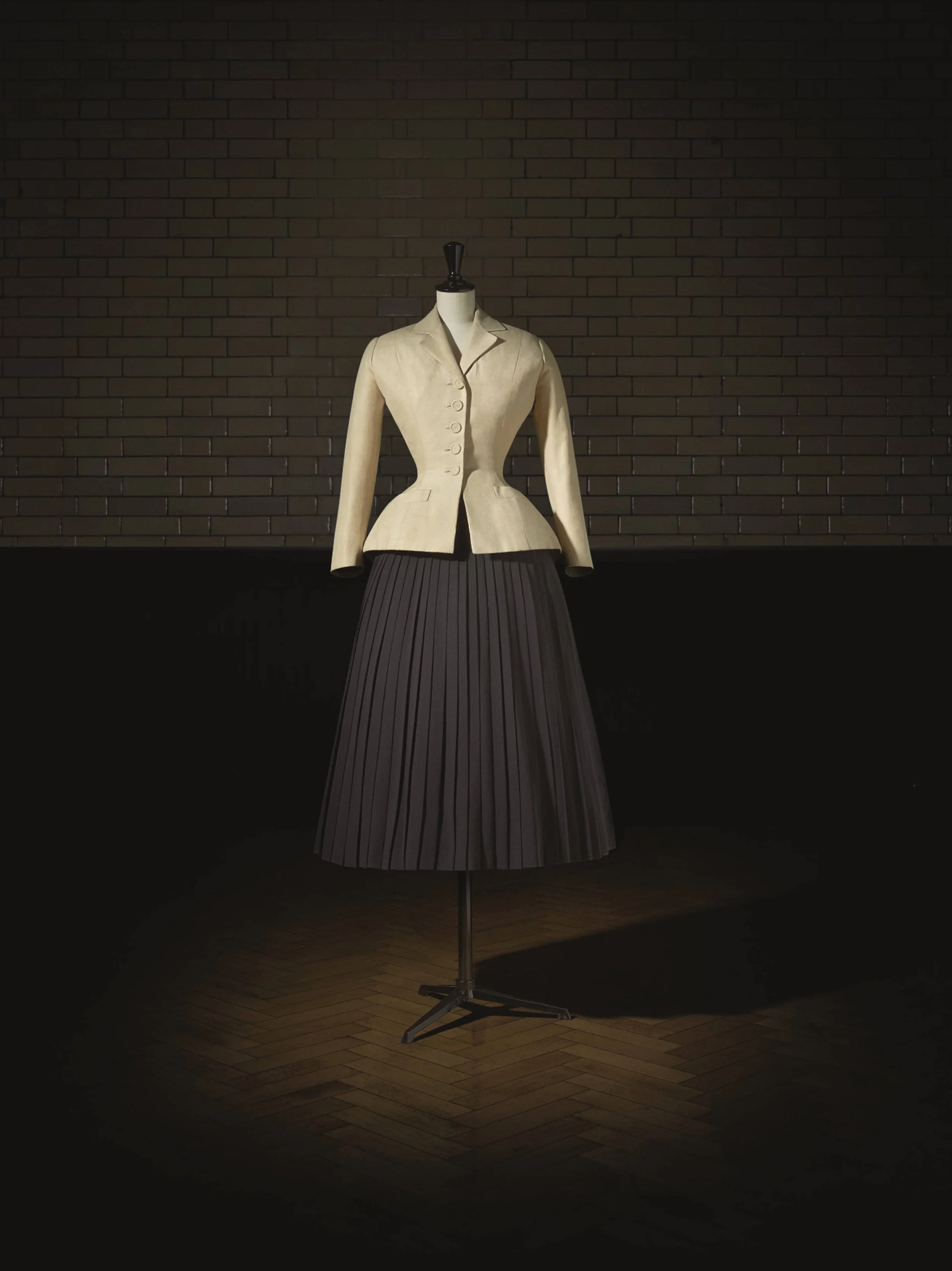
Walking into the gallery felt less like entering a museum and more like stepping into the narrative of fashion itself. Dior’s story begins in 1947 with the collection that changed the silhouette of the twentieth century. At a time when wartime austerity had defined women’s wardrobes, Dior introduced soft shoulders, cinched waists, and voluminous skirts. The look was unapologetically feminine and radically extravagant for its moment. Carmel Snow, then editor of Harper’s Bazaar, famously called it a “new look,” and the phrase stuck. The exhibition placed the legendary Bar suit at the center of this moment, a deceptively simple jacket and skirt that would become one of the most recognizable outfits in fashion history.
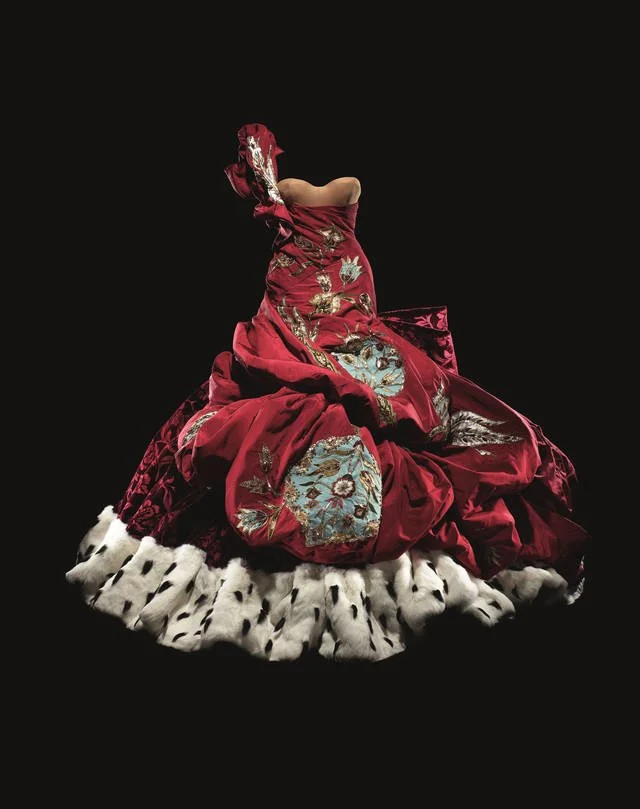
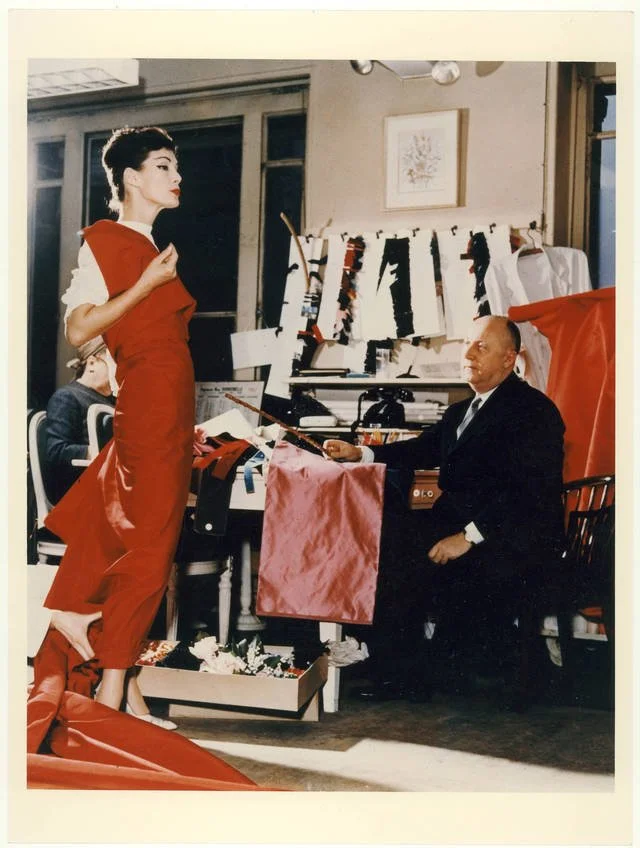
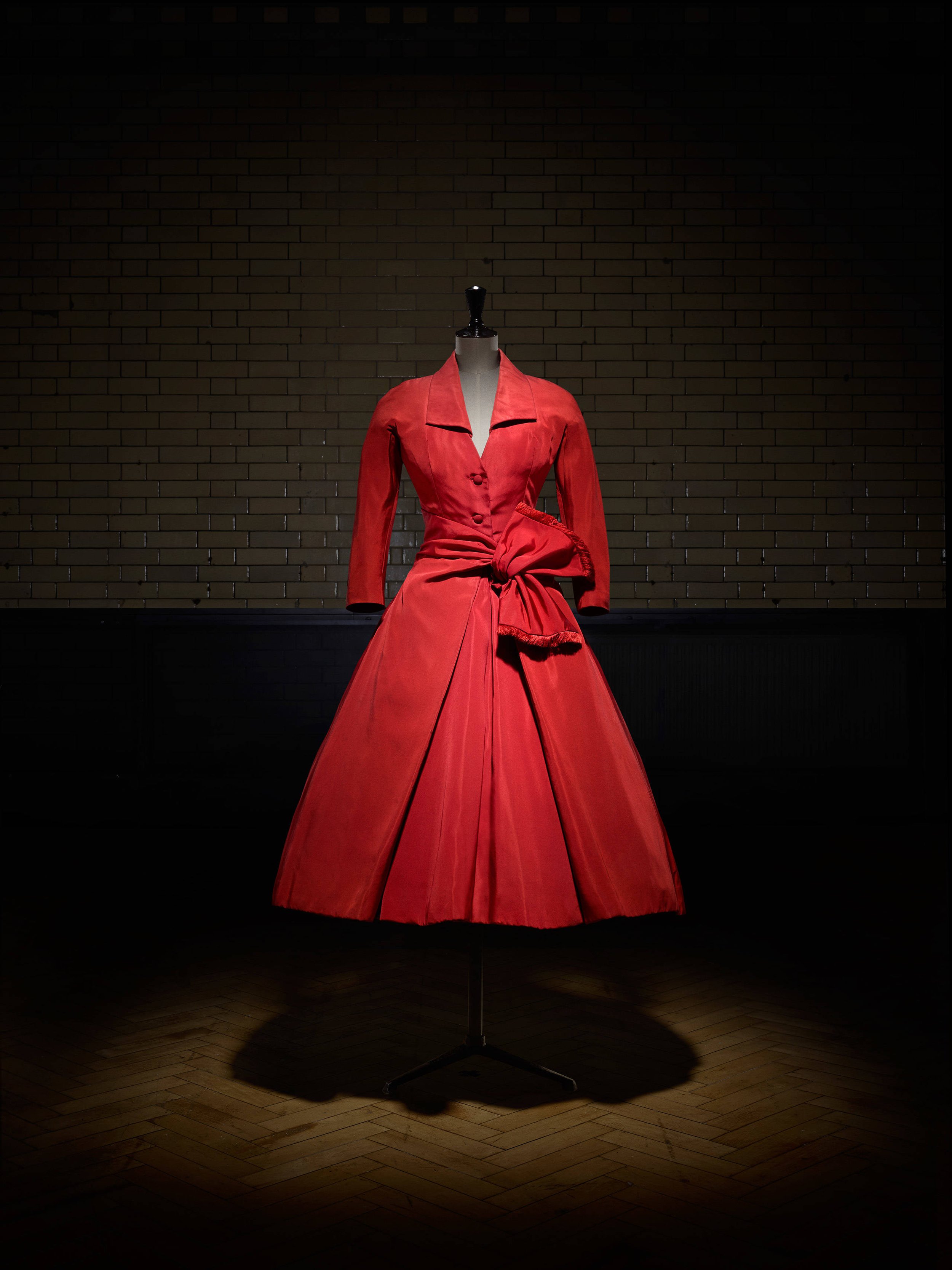
The show also revealed Dior as something more complicated than the mythic designer often remembered only for that silhouette. Archival sketches, photographs, and personal objects traced the life of a man who had originally hoped to work in art before finding his path in fashion. Dior’s rise was remarkably swift. Within a decade of opening his house on Avenue Montaigne, he had transformed it into an international brand with ateliers, perfumes, and global clients. The exhibition framed this expansion as part of a larger story about fashion becoming a modern industry, one capable of shaping culture as much as responding to it.
One of the most fascinating sections focused on Dior’s affection for Britain. The designer once wrote that there was no country besides France whose way of life he admired so much. He loved British traditions, architecture, and even its famously misunderstood cuisine. That admiration translated into lasting ties with the country, from fashion shows staged in grand estates to collaborations with British manufacturers. The exhibition’s highlight in this section was the off shoulder gown Dior created for Princess Margaret for her twenty first birthday, a dress that captured both royal glamour and the meticulous craftsmanship that defined the house.
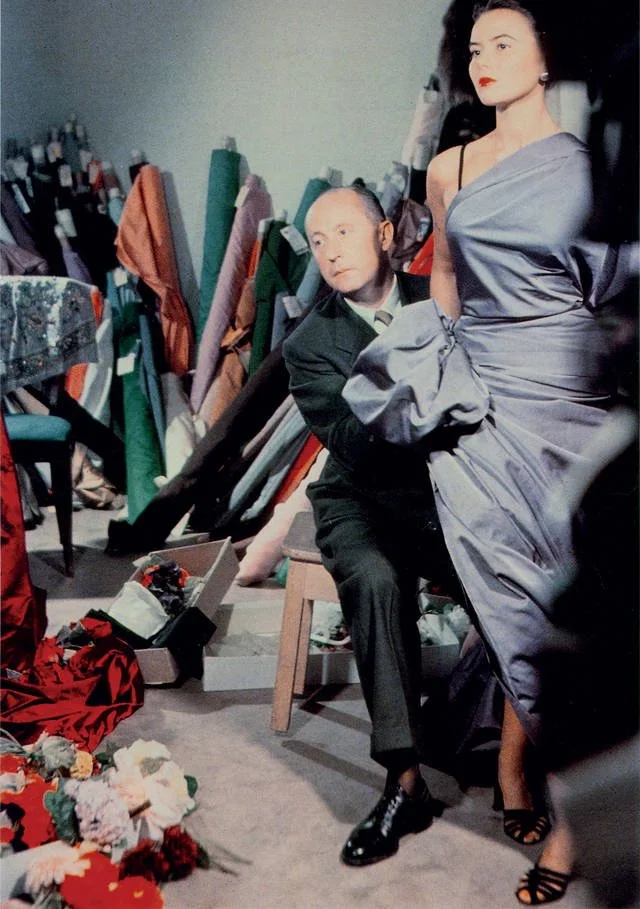
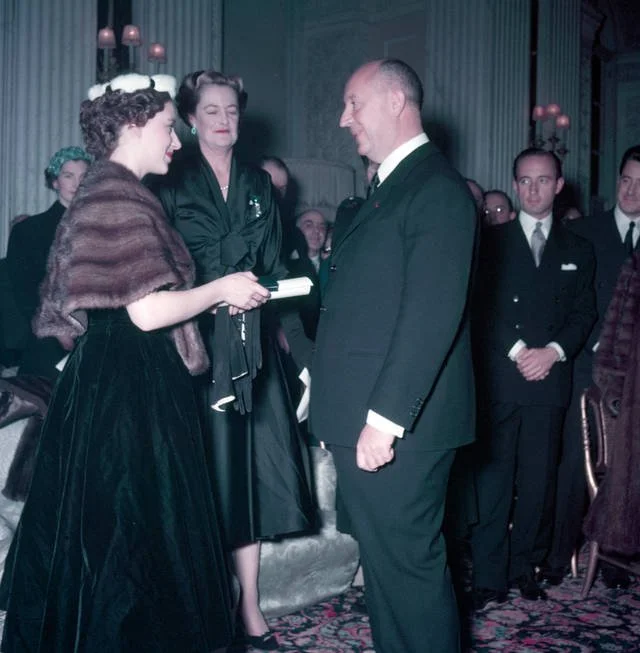
What ultimately made Christian Dior: Designer of Dreams so compelling was its reminder that the house has always been larger than its founder. After Dior’s death in 1957, a succession of creative directors including Yves Saint Laurent, John Galliano, and Maria Grazia Chiuri reinterpreted the codes he established. Walking through the exhibition, you could see how each designer balanced reinvention with reverence for Dior’s original vision. The result was less a retrospective than a living timeline of fashion itself, a reminder that the most enduring houses are not defined by a single moment but by their ability to evolve while still holding onto the dream that began it all.