How Staycation Is Changing Luxury Hotel Experiences for Londoners
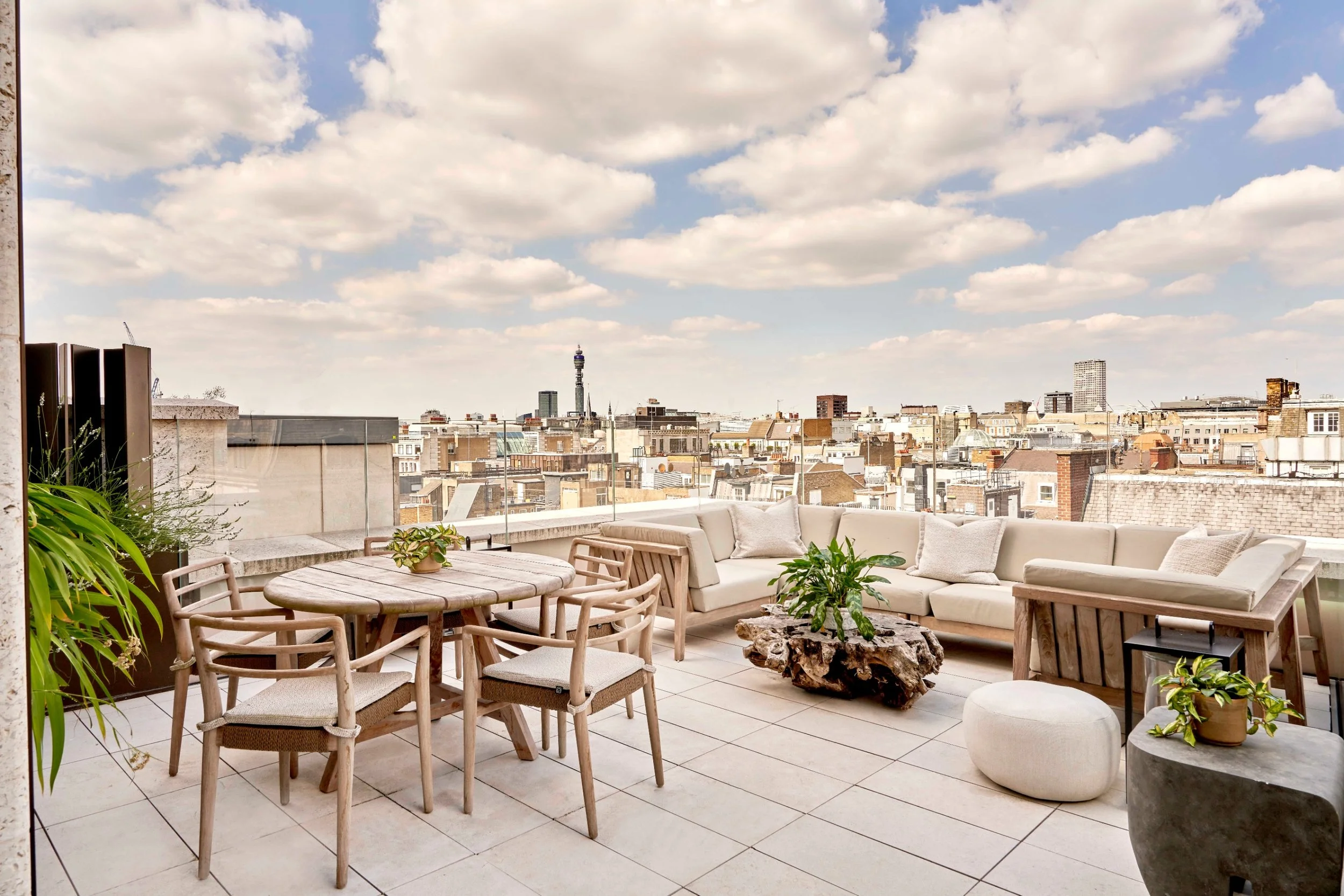
London’s luxury hotels are increasingly being used less like places to sleep and more like extensions of city life. Spa afternoons at Raffles London at The OWO, rooftop dinners at 1 Hotel Mayfair and wellness escapes at Park Hyatt London River Thames are becoming part of how younger Londoners socialise, unwind and experience luxury without ever leaving the city.
At the centre of that shift is Staycation, the hospitality platform founded in 2017 that allows users to book curated hotel experiences ranging from spa access and dining packages to overnight stays across London and Europe.
With more than four million users across Europe, the company has quietly positioned itself at the intersection of hospitality, wellness and urban lifestyle — redefining hotels not as destinations for tourists, but as spaces locals can use more fluidly.

What Is Staycation and Why Is It Growing in London?
For Staycation, the European hospitality app, that distance between locals and their city’s hotels is precisely the point. The platform was designed to reconnect residents with these spaces by curating experiences, from spa afternoons to Michelin starred dinners and overnight stays, that make luxury hotels feel less like destinations for travellers and more like part of the city’s social fabric.
Since launching in 2017, the platform has grown rapidly, attracting more than four million users across Europe and expanding into cities including Paris, Geneva, Amsterdam and Barcelona. London marks its latest chapter, and arguably its most fitting stage. Few cities balance heritage and reinvention quite like the British capital, where historic palaces sit alongside quietly radical design hotels and where luxury often hides in plain sight.
To understand the philosophy behind the platform and its ambitions for London, I spoke with Staycation’s co-founder Kevin Hutchings about the rise of what the company calls “hoteltainment” and why the future of luxury may lie just a few streets from home.
1. Staycation has grown to over four million users across Europe. What do you think has driven that success?
We started from a simple observation: hotels were underused by urban audiences, even though under one roof they already host the best spas, rooftops, restaurants, design and atmosphere. At the same time, city dwellers are constantly looking for ways to escape, celebrate or recharge — without necessarily travelling.
Staycation connects those two realities.
We’ve created a format that opens hotels to locals, with or without an overnight stay, for a few hours or 24 hours, close to home. That shift — making hotels part of everyday city life rather than just places for travellers — is what has driven our growth.
2. Every city you’ve launched in - from Paris to Geneva, has its own rhythm and relationship with luxury. What does London bring to the Staycation story that’s unique? How do you capture the mood of this city through its hotels?
London has a particular energy. Luxury here is layered: historical, discreet, constantly reinvented.
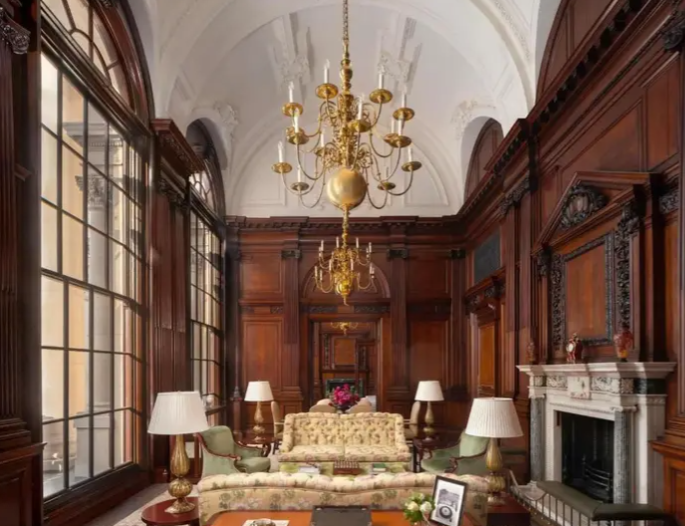
You can move from the former Old War Office - now Raffles, one of London’s most iconic palaces - to a townhouse hotel in Chelsea for a quiet tea or cocktail. From a spa overlooking the Thames at the Park Hyatt to a design-led new opening like Mason & Fifth, housed in the former headquarters of London’s black cabs.
That contrast is very London.
Hotels here aren’t just places to stay - they hold pieces of the city’s history and culture. Our role is to make those spaces accessible in flexible ways: for a breakfast, a spa afternoon, cocktails, or a full 24-hour stay.
We’re reconnecting Londoners with places they may have walked past for years - not as destinations reserved for tourists, but as part of their own urban life.
3. Do you see Staycation as part of a broader lifestyle shift, where people are seeking luxury and escape closer to home?
Yes, we do see it as part of a broader shift.
People may travel less far or less often, but they’re seeking better, more meaningful experiences. They’re willing to reduce the distance, not the quality. We see this very clearly in our data: 50% of our users book within 6 kilometres of home, and the average age is 31, around twenty years younger than traditional hotel clientele.
It shows that luxury today isn’t necessarily about flying somewhere remote. It’s about creating memorable moments more frequently, closer to home. Our role is to make that easy and desirable - to prove that you don’t need a plane ticket or two weeks off to step out of everyday life.
Sometimes, it’s simply about seeing your own city differently, and choosing to spend quality time in places you might otherwise overlook.
4. Luxury has become less about ownership and more about access, about being part of a moment that can’t be replicated. How does Staycation tap into that mindset, especially among a generation that values experiences over things?
Absolutely! What feels magical isn’t ownership - it’s access to a space you wouldn’t normally enter, and time you wouldn’t usually allow yourself.
That’s where Staycation sits.
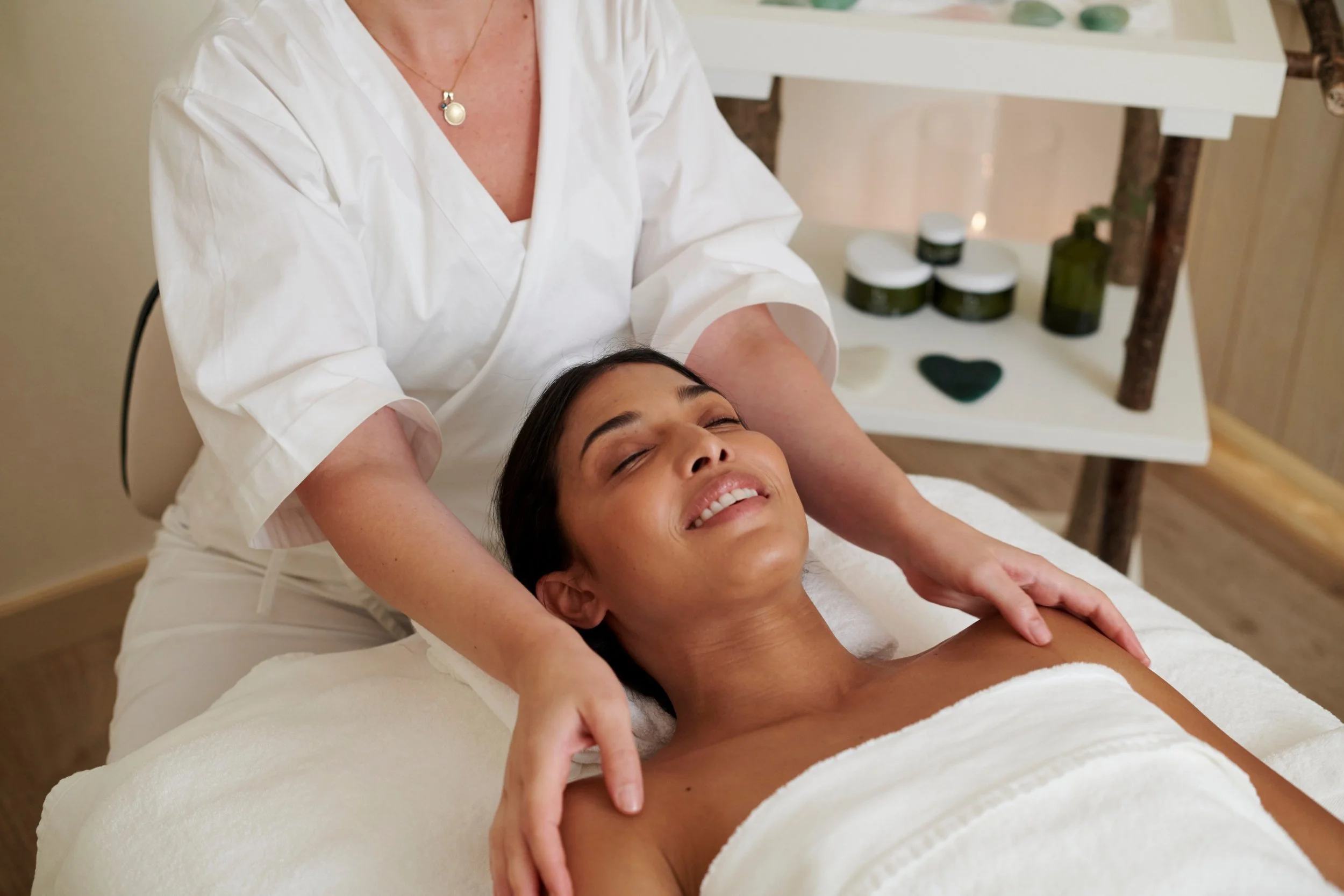
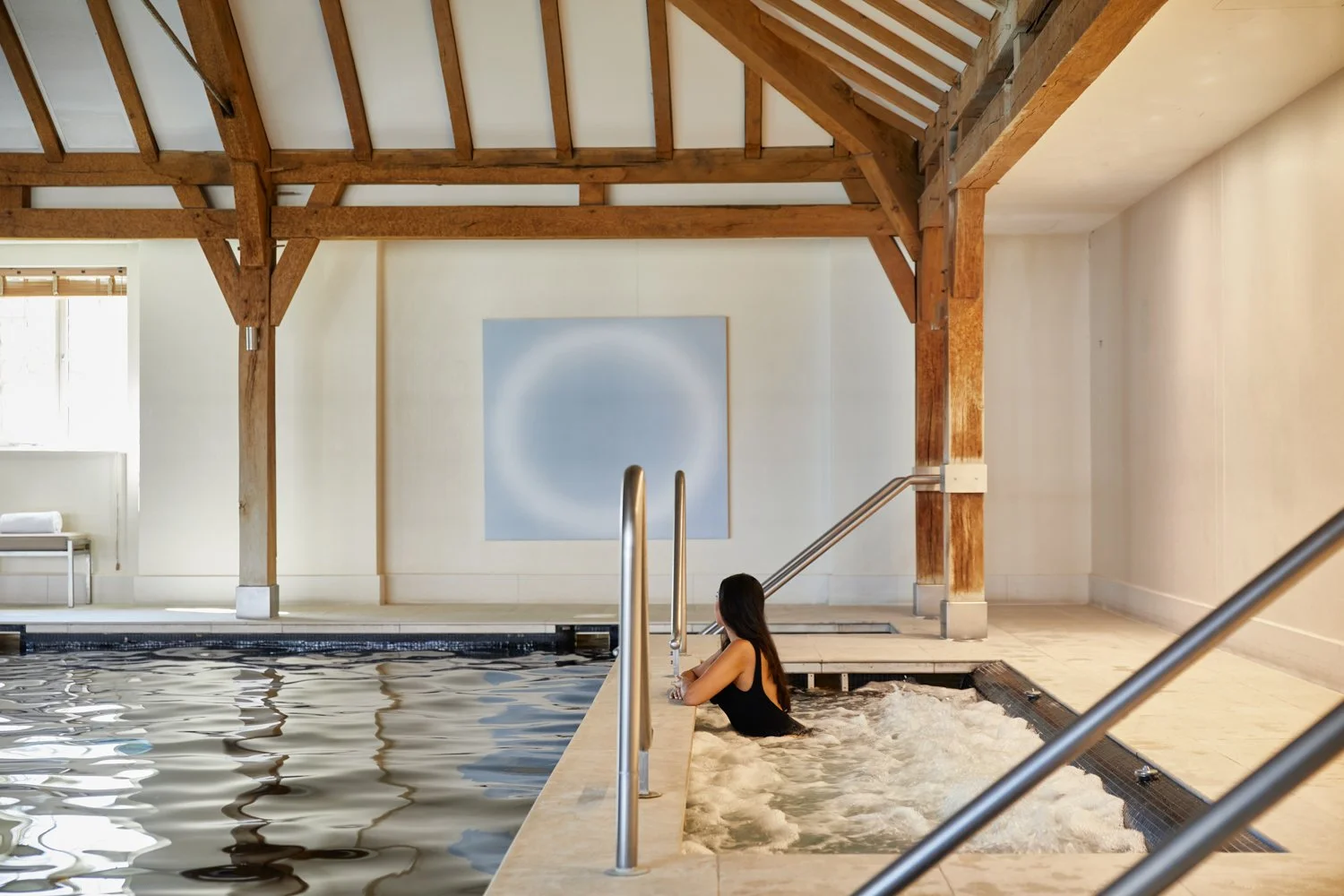
We create new uses within everyday urban life. A “Splunch” - spa and lunch in one afternoon. A palace breakfast before work. A swim and sauna overlooking the Thames before heading back to the office. A Michelin-star dinner without committing to a full weekend away.
And sometimes, it’s a full 24-hour immersion in a carefully selected hotel in your own city - stepping out of your routine without leaving town.
These aren’t diluted versions of luxury. They’re signature moments woven into the rhythm of your city.
What makes them powerful is that they feel insider. You step into places typically reserved for a different audience - and for a few hours, or a full day and night, they’re yours.
Our ambition isn’t to make luxury ordinary. It’s to make extraordinary spaces and experiences part of everyday life - by turning hotels into places you go out to.
5. How do you curate experiences for the app? What makes a Staycation moment feel special?
Every hotel already contains multiple venues under one roof - spa, rooftop, restaurant, suites. Most were designed for travellers.
We ask a simple question: how can this space be used differently by locals?
A Staycation feels special when it creates a clear break in your routine - without requiring travel.
It might be a spa and lunch in one afternoon.
A palace breakfast before work.
A 24-hour stay in one of the city’s most iconic hotels.
You’re stepping into a place that usually feels reserved for someone else - and using it in a new way.
That’s how hotels shift from being accommodation to becoming part of the city’s entertainment landscape - alongside restaurants, theatres and concerts.
6. What does success look like to you in five years — is it geographic expansion, brand partnerships, or becoming part of how locals live their cities?
The real ambition isn’t just expansion. It’s cultural integration.
In five years, success means that in London, when someone asks, “What should we do tonight?”. Going to a hotel feels like a natural option- alongside restaurants, cinemas or galleries.
If hotels become part of everyday urban leisure, not just places to sleep, we’ve done our job.
7. Is there a Staycation experience in London currently on your bucket list?
Honestly, there are so many.
What I love about London is the contrast. You have icons like Raffles or the Kimpton Fitzroy - very grand, very historic. Then there’s the creative energy around Bankside near Tate Modern. You’ve got newer, design-led places like 1 Hotel Mayfair or Mason & Fifth. And at the other end, intimate boutique spots like Batty Langley’s in Spitalfields.
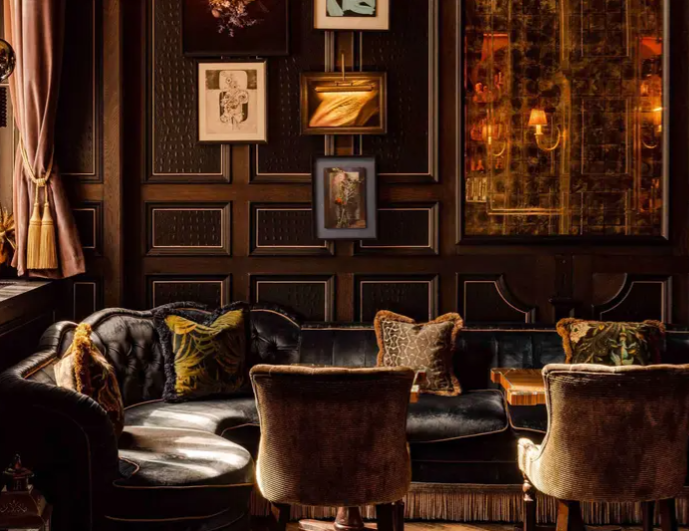
They all represent completely different sides of London.
That variety is what makes Staycation exciting here. You’re not just booking a hotel, you’re choosing the side of London you want to step into.