Frieze London: The Ultimate Guide to the Art Fair, Highlights & Must-See Artists
Frieze London is no longer simply an art fair. Every October, it transforms the capital into one of the world's most exciting cultural destinations, attracting collectors, museum directors, artists, fashion executives, celebrities and luxury travellers from across the globe. For one week, London becomes the centre of the international art market, with blockbuster exhibitions, gallery openings, exclusive dinners and private events unfolding across the city.
At the heart of the celebration sits Frieze London, where more than 160 of the world's leading contemporary galleries gather inside Regent's Park to showcase the artists shaping today's cultural conversation. Just steps away, Frieze Masters offers a fascinating dialogue between antiquity and modernity, bringing together works spanning thousands of years of art history. Meanwhile, Frieze Sculpture transforms the park itself into an open-air museum, allowing visitors to encounter monumental installations completely free of charge.
But Frieze Week extends far beyond the tents. London's major institutions—including the Tate Modern, the Royal Academy of Arts, the Barbican, the Serpentine Galleries, Whitechapel Gallery and the Hayward Gallery—carefully schedule many of their biggest exhibitions to coincide with the arrival of the international art world. The result is a city-wide cultural programme that rivals any art event on the planet.
Whether you're a seasoned collector planning acquisitions, a first-time visitor hoping to experience London's creative energy, or simply looking for the best exhibitions to see this autumn, this guide brings together everything worth knowing about Frieze London 2025—from the fairs themselves to the museum shows that should be on every itinerary.
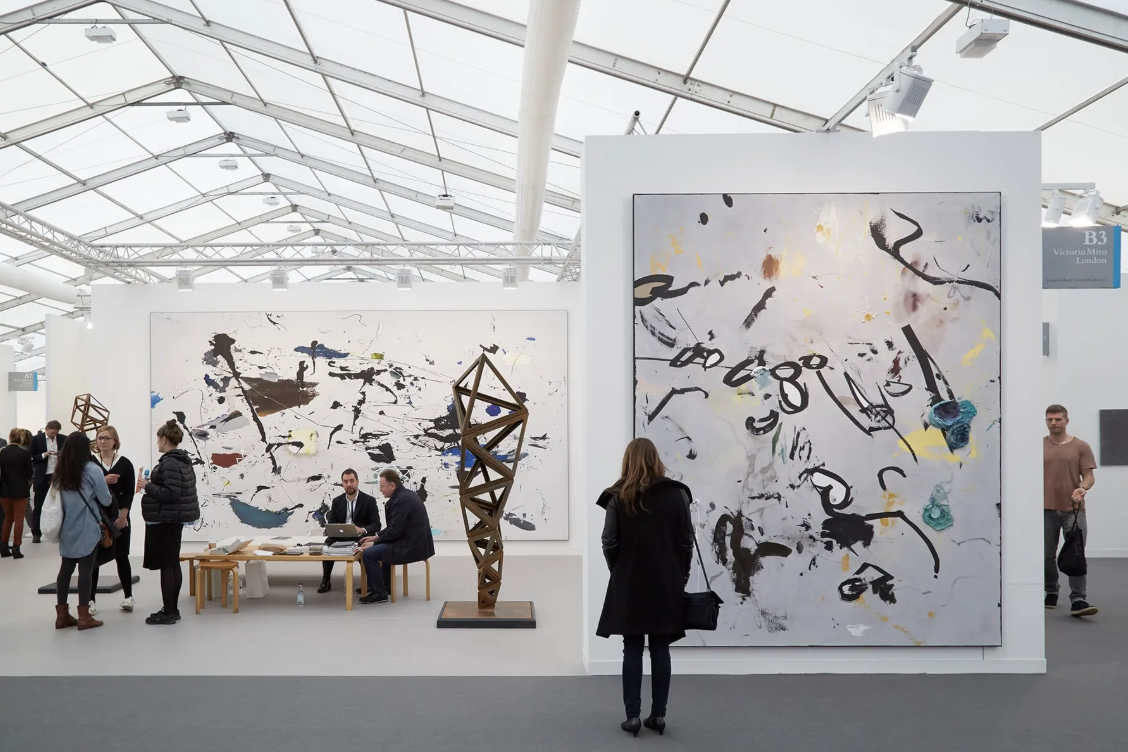
Frieze London
Unlike traditional art fairs that focus primarily on commerce, Frieze London has built its reputation on discovery. Since launching in 2003, it has become one of the world's leading platforms for contemporary art, introducing audiences to both established international names and emerging artists whose careers often accelerate after exhibiting here.
Visitors can expect an ambitious mix of painting, sculpture, installation, performance, photography and digital practices presented by some of the most influential galleries in Europe, North America, Asia and beyond. Alongside the stands, the fair hosts talks, curated sections and special commissions that explore the most pressing conversations shaping contemporary culture.
For collectors, it represents an opportunity to acquire museum-quality works before they enter major collections. For everyone else, it offers an unrivalled snapshot of where contemporary art is heading.
When: 15–19 October 2025
Where: Regent's Park, London
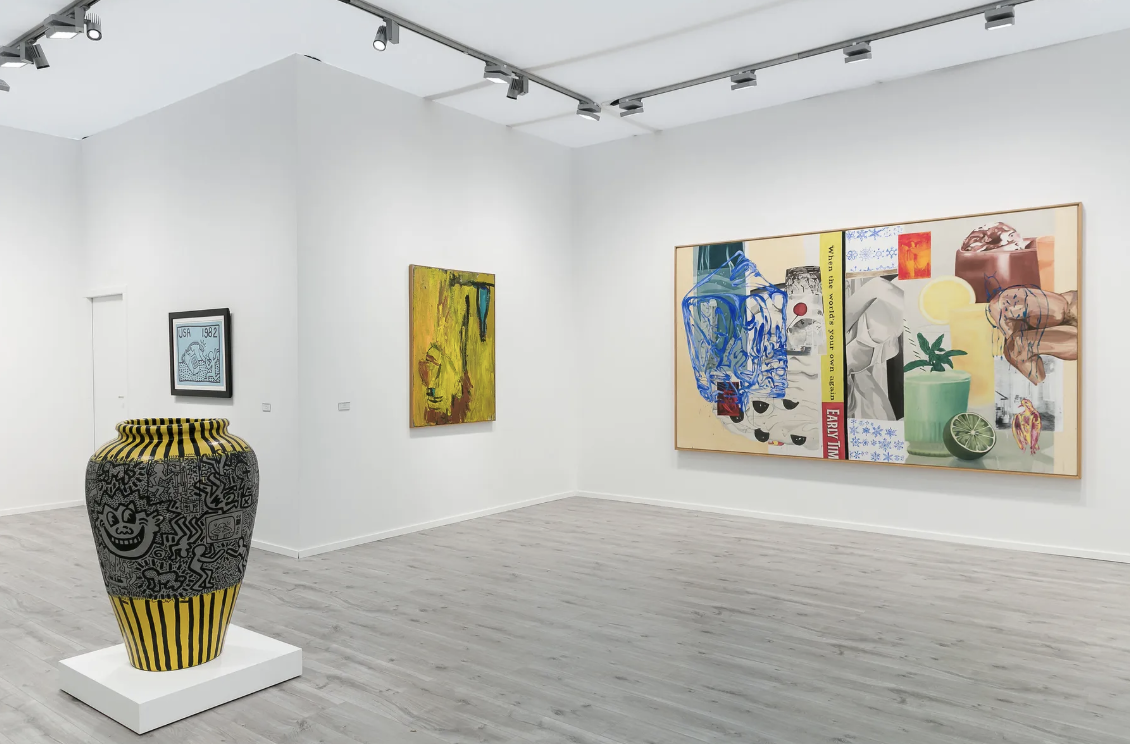
Frieze Masters
If Frieze London looks towards the future, Frieze Masters demonstrates how deeply today's artists remain connected to the past.
Spanning over 6,000 years of art history, the fair brings together antiquities, Old Masters, Renaissance paintings, Modern masterpieces and twentieth-century icons under one roof. What makes Frieze Masters unique is not simply the quality of the works but the way they are presented alongside contemporary practices, encouraging visitors to draw unexpected connections across centuries.
One booth may feature an Egyptian artefact beside a contemporary installation, while another places Impressionist painting alongside post-war abstraction. The result is less a conventional art fair than an evolving conversation about artistic influence and cultural continuity.
For many visitors, Frieze Masters has become the highlight of Frieze Week.
When: 15–19 October 2025
Where: Regent's Park, London
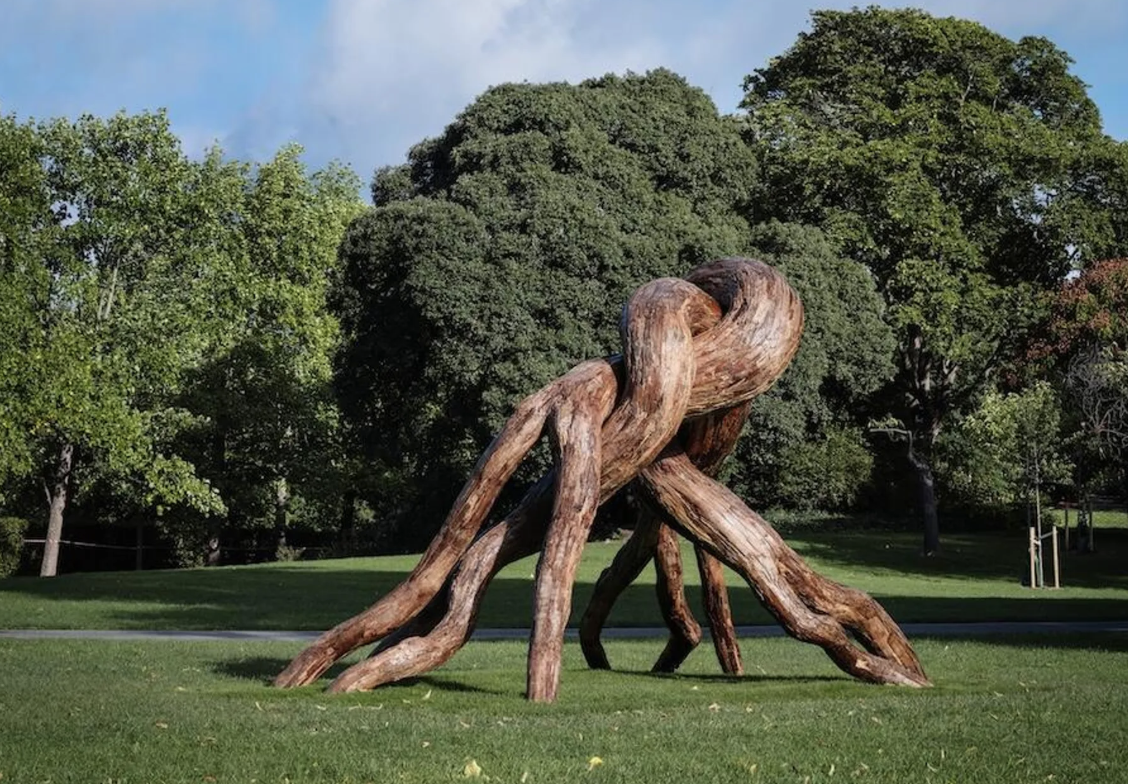
Frieze Sculpture
One of London's finest free cultural experiences returns each autumn with Frieze Sculpture.
Curated within the English Gardens of Regent's Park, the exhibition places monumental works by internationally renowned artists directly into the landscape, allowing visitors to encounter contemporary sculpture outside the traditional gallery setting.
Whether you're visiting Frieze or simply enjoying a walk through the park, the exhibition offers an accessible introduction to some of today's most significant sculptural practices while transforming one of London's most beautiful green spaces into an open-air museum.
When: 17 September–2 November 2025
Where: Regent's Park, London
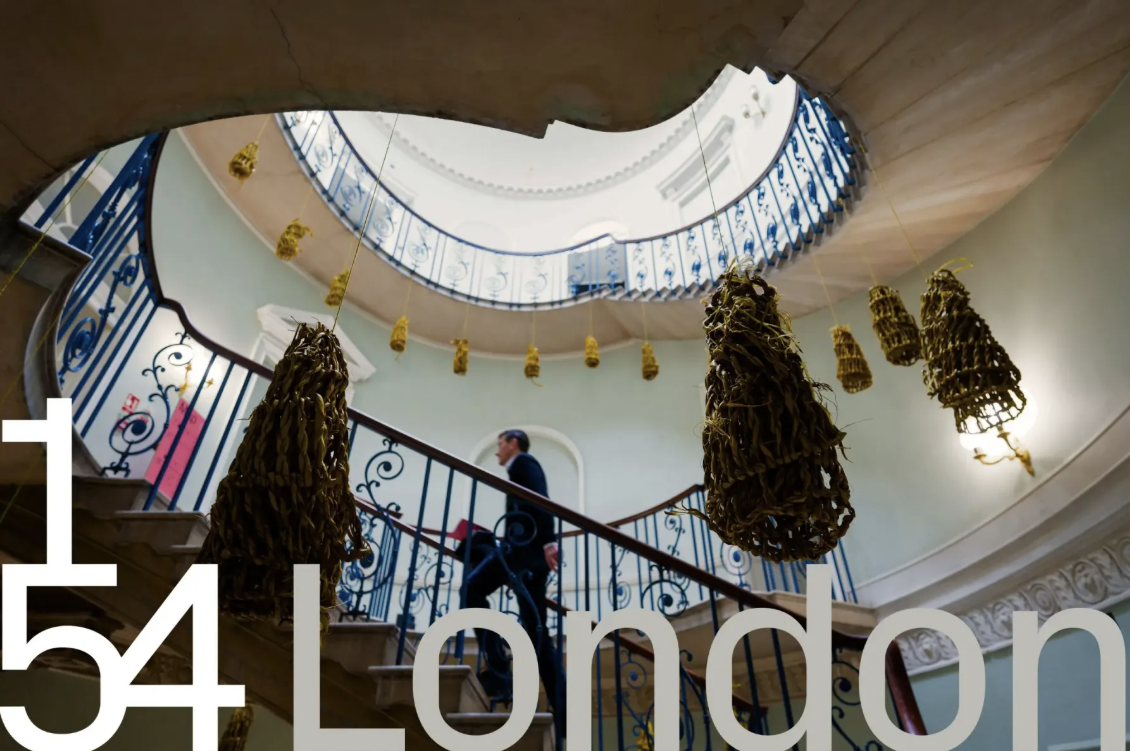
1-54 Contemporary African Art Fair
Running alongside Frieze Week, 1-54 Contemporary African Art Fair has become one of the most important events celebrating artists from Africa and its global diaspora.
Held at Somerset House, the fair showcases galleries from across the continent and beyond, presenting painting, photography, sculpture and multimedia installations that challenge conventional narratives around African contemporary art. Its programme of talks and special projects further expands discussions around identity, history and cultural exchange.
For visitors looking to experience London's broader art ecosystem during Frieze Week, 1-54 is an essential addition to the itinerary.
When: 16–19 October 2025
Where: Somerset House, London
The Best Museum Exhibitions During Frieze Week 2025
Frieze Week extends far beyond Regent’s Park. Some of London’s most influential museums and galleries time their most ambitious exhibitions to coincide with the arrival of the international art world, turning the city into a layered cultural itinerary that rewards both planning and spontaneity.
Below is a curated selection of the key shows defining Frieze Week 2025.
Tate Modern
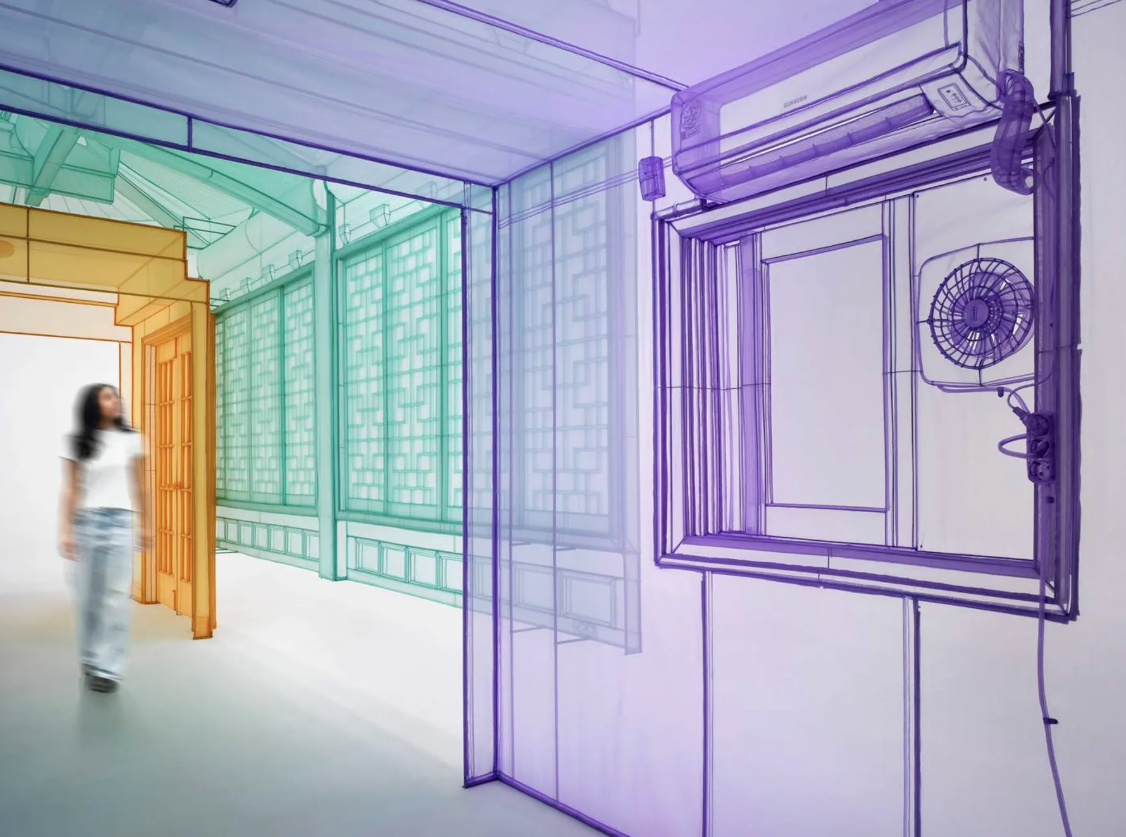
Do Ho Suh: Walk the House
One of the defining exhibitions of the season, Do Ho Suh’s Walk the House brings together three decades of the artist’s practice exploring memory, migration and domestic space. Known for his translucent fabric architectures, Suh reconstructs full-scale replicas of homes he has lived in across Seoul, New York and London.
Visitors physically move through these suspended spaces, experiencing architecture as memory rather than structure. The result is one of the most emotionally resonant exhibitions in London this autumn.
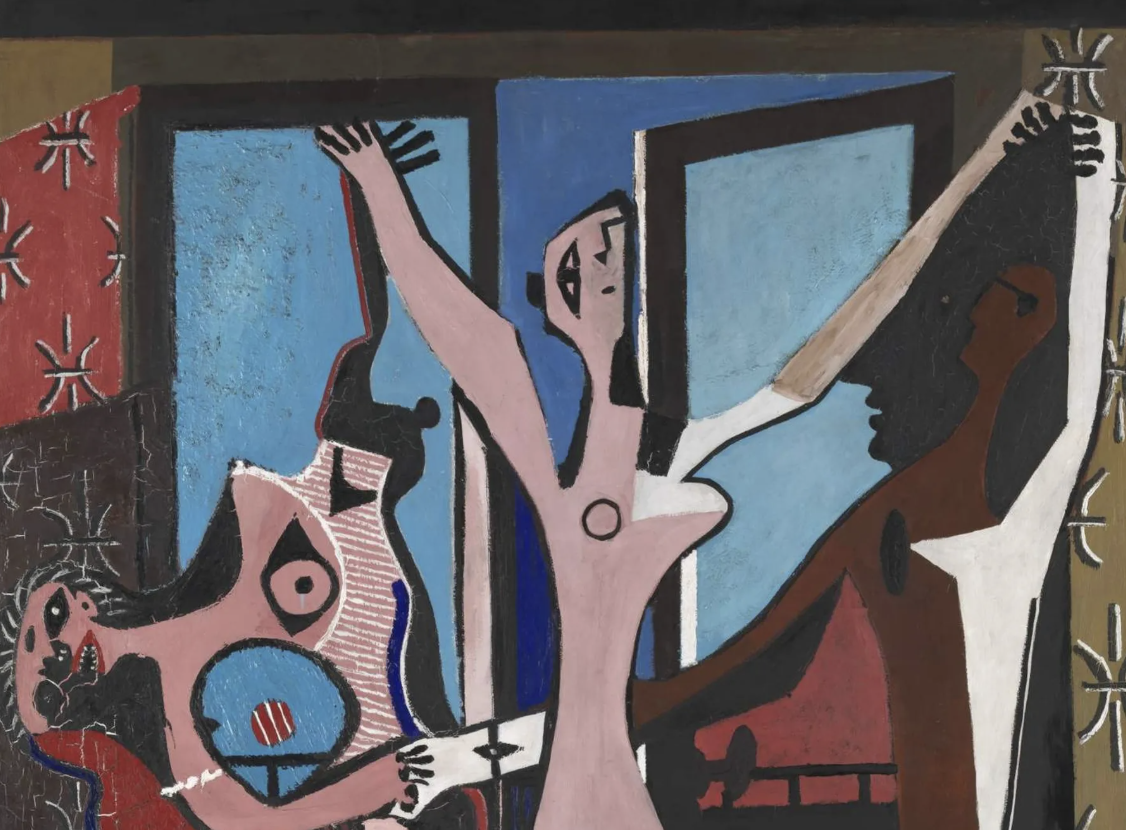
Theatre Picasso
Marking 100 years since The Three Dancers, this ambitious exhibition reframes Picasso’s practice through performance, choreography and theatrical staging. Curated by Wu Tsang and Enrique Fuenteblanca, the show transforms the gallery into a shifting stage where painting, sculpture and costume collide.
By placing Picasso’s work in dialogue with contemporary interpretations, the exhibition repositions him less as a fixed historical figure and more as an evolving cultural presence.
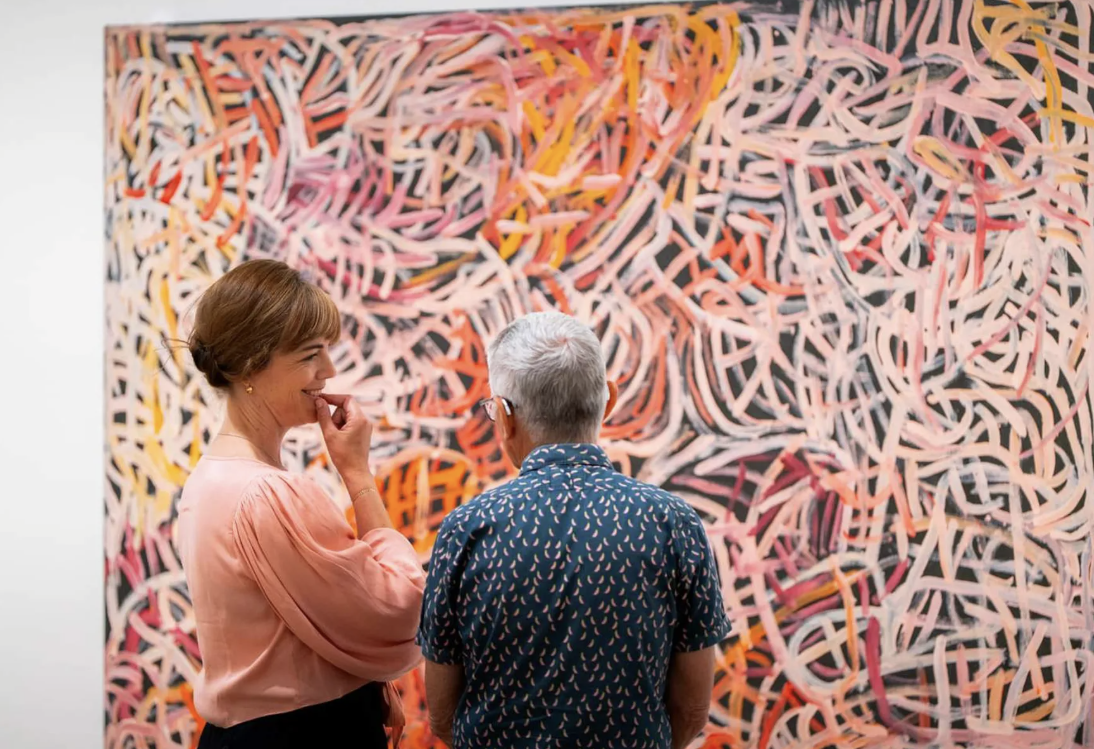
Emily Kam Kngwarray
This landmark exhibition introduces European audiences to one of Australia’s most significant artists. Emily Kam Kngwarray’s vast canvases translate Anmatyerr cultural knowledge into abstract, rhythmic fields of colour and movement.
Created in the final years of her life, the works carry a sense of urgency and spiritual continuity, offering one of the most powerful painting practices of the twentieth century.
Royal Academy of Arts

Simone Leigh
Simone Leigh’s largest UK exhibition to date transforms the Royal Academy with monumental sculptures that explore Black female subjectivity, heritage and form. Bronze, ceramic and video installations create an immersive environment rooted in both African traditions and contemporary sculpture.
The exhibition reinforces Leigh’s position as one of the most important sculptors working today.
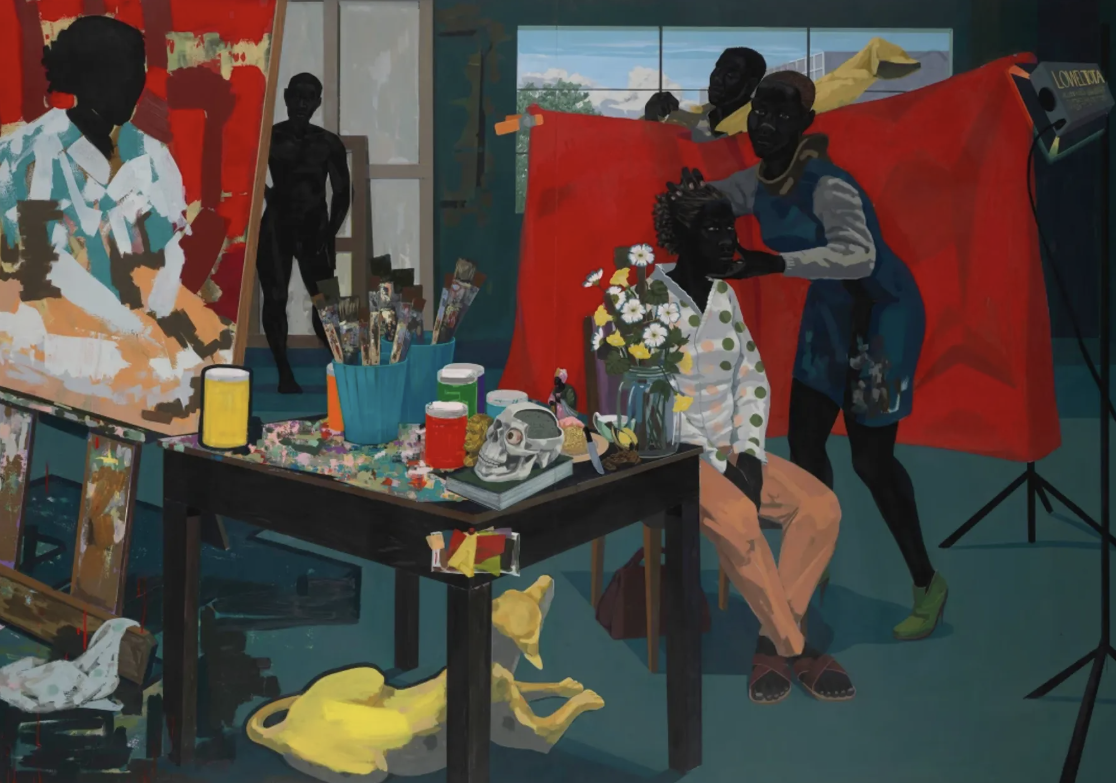
Kerry James Marshall: The Histories
A major institutional moment for the artist, this exhibition brings together sweeping narrative paintings that reframe Western art history through Black figuration. Marshall’s richly detailed canvases challenge historical omission while offering new visual languages for representation, memory and identity.
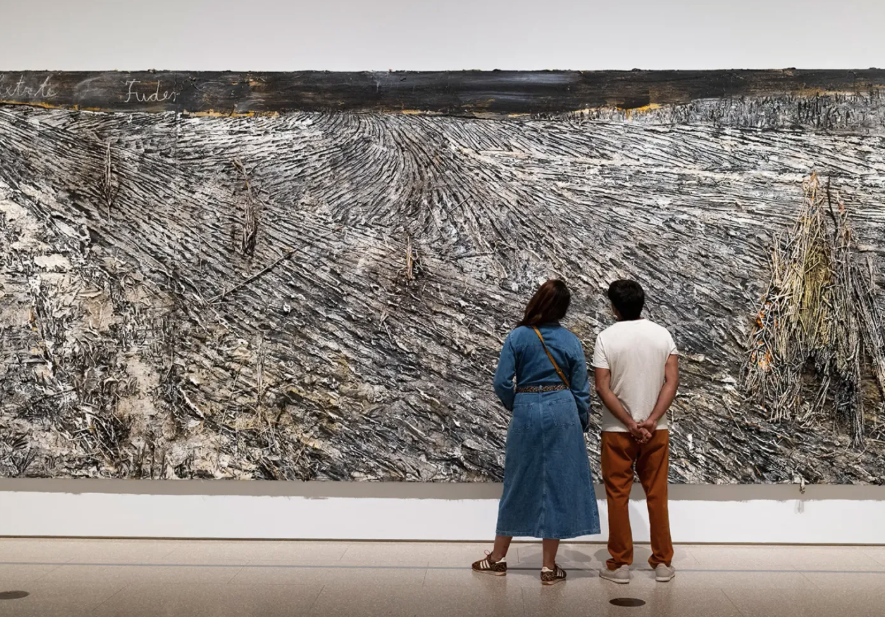
Kiefer / Van Gogh
This exhibition explores the enduring influence of Van Gogh on Anselm Kiefer, bringing together works that trace a shared fascination with landscape, mythology and existential scale. Monumental paintings and sculptural works reveal how artistic lineage can operate across time, geography and medium.
Barbican Centre
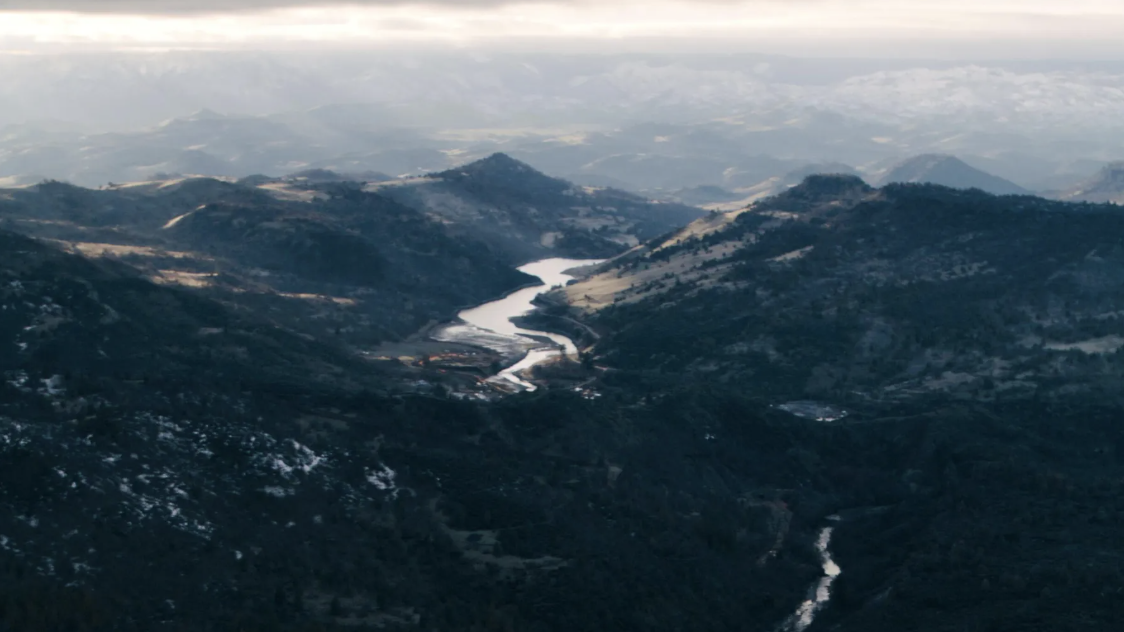
Lucy Raven: Rounds
Lucy Raven’s moving-image installation captures the transformation of landscapes shaped by infrastructure and extraction. The work moves between aerial perspectives and submerged environments, revealing the invisible systems that structure modern life.
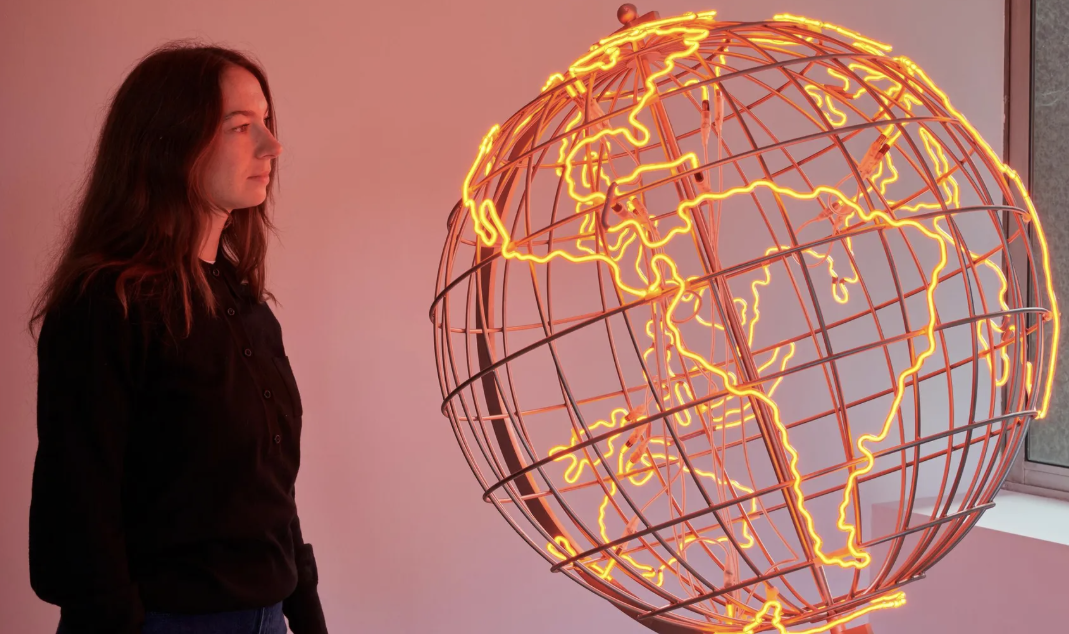
Mona Hatoum: Encounters with Giacometti
This rare dialogue between Mona Hatoum and Alberto Giacometti explores shared themes of confinement, fragility and human presence. Hatoum’s installations interact with Giacometti’s elongated figures to create an intense meditation on space, power and displacement.
Serpentine Galleries
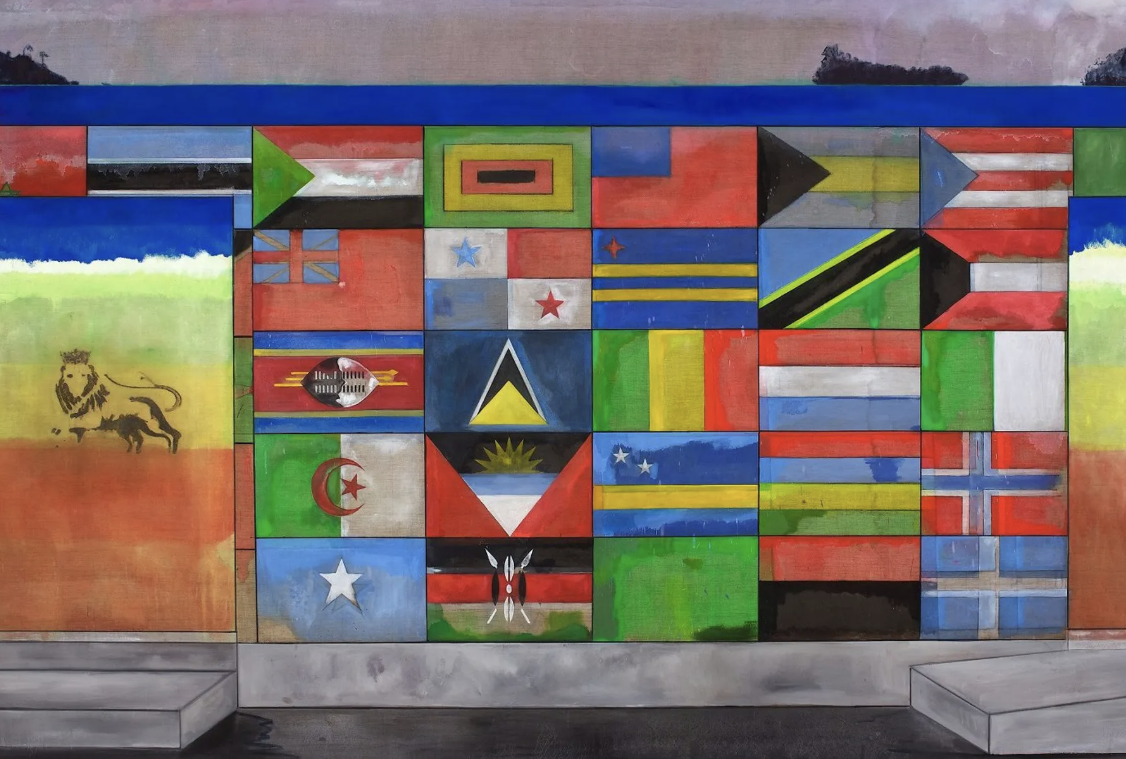
Peter Doig: House of Music
Peter Doig transforms painting into a multi-sensory environment, incorporating sound, archival recordings and film references. The exhibition blends memory and music into a spatial experience that dissolves the boundaries between image and atmosphere.
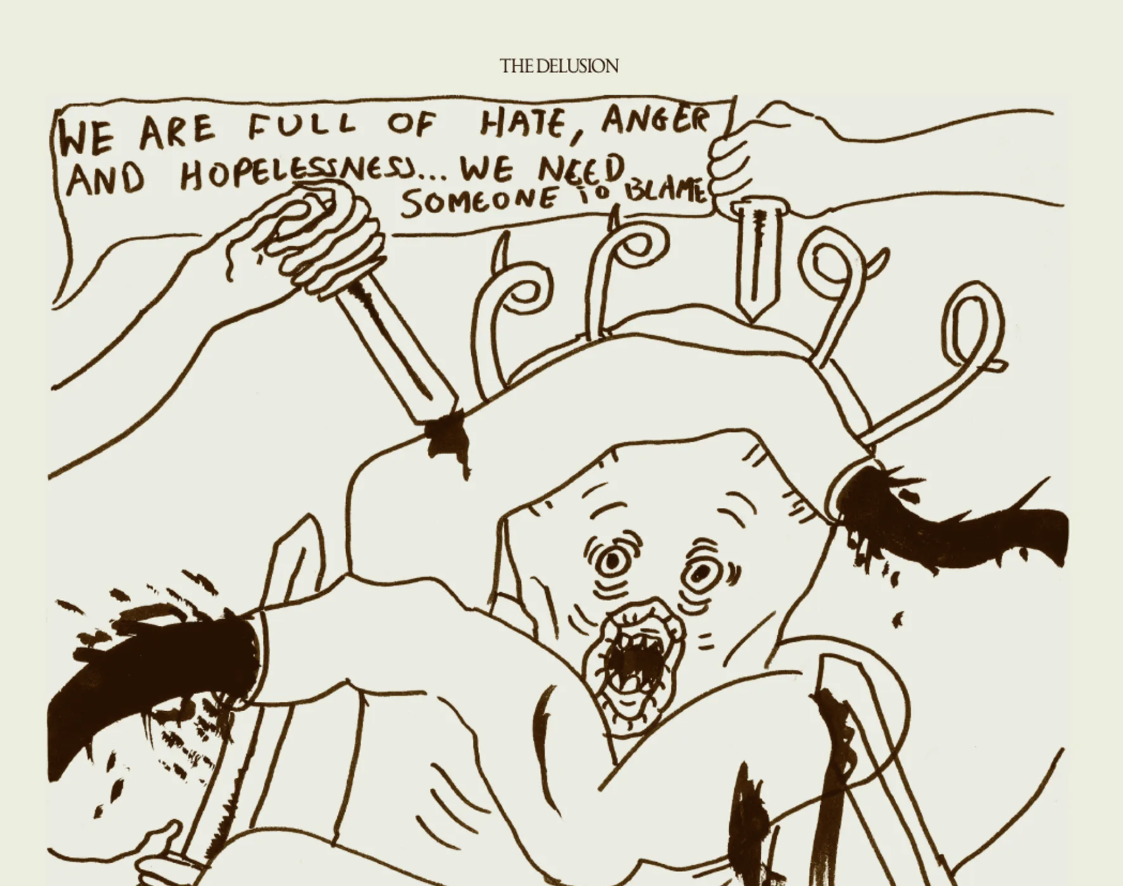
Danielle Brathwaite-Shirley: The Delusion
An immersive installation combining gaming, performance and digital storytelling, The Delusion constructs a fractured post-apocalyptic world shaped by competing truths. Visitors become participants in a system that questions identity, belief and community.
Whitechapel Gallery
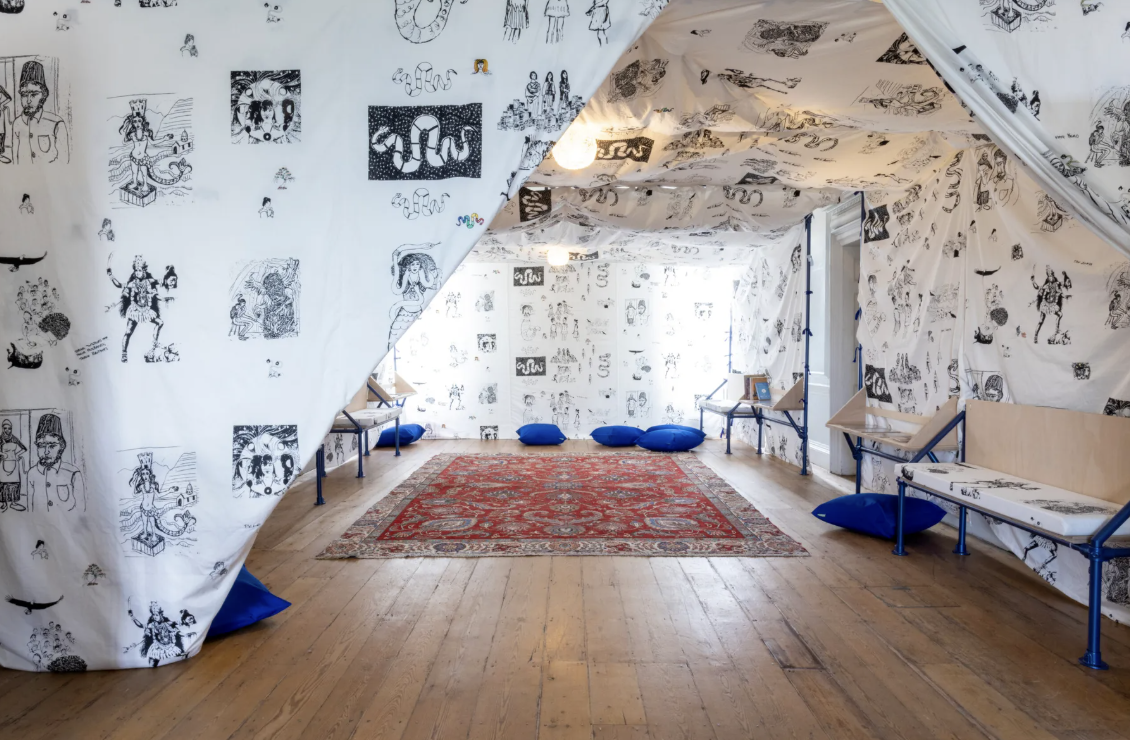
Joy Gregory: Fierce and Fearless
A textile-based installation celebrating female mythologies across cultures, Gregory’s work transforms storytelling into a physical environment. Visitors are invited to engage with embroidered narratives that explore folklore, resistance and imagination.
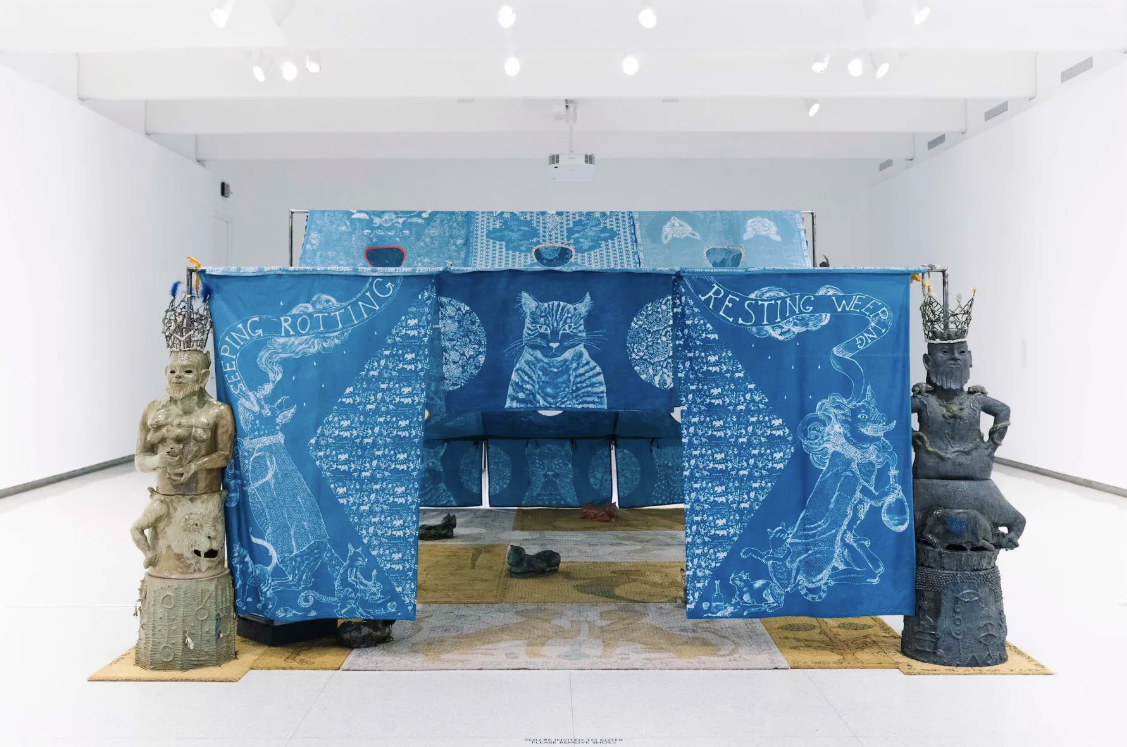
Candice Lin: g/hosti
A labyrinthine installation made of painted cardboard structures, Lin’s work blurs the boundary between childhood play and historical violence. The piece creates an unsettling but compelling environment that reflects on how histories are constructed and remembered.
Hayward Gallery
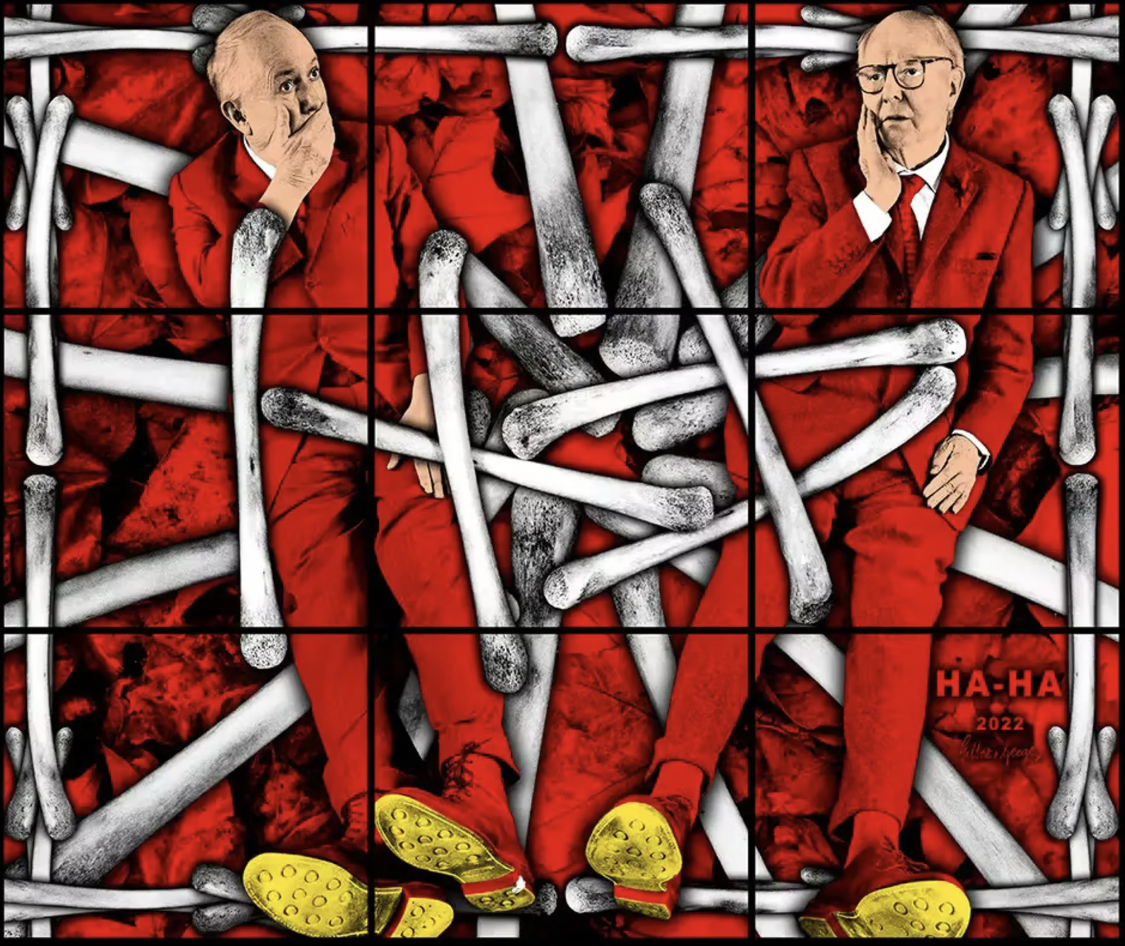
Gilbert & George: 21st Century Pictures
A retrospective spanning 25 years of work, this exhibition presents the duo’s unmistakable visual language across large-scale compositions addressing religion, sexuality, urban life and mortality.
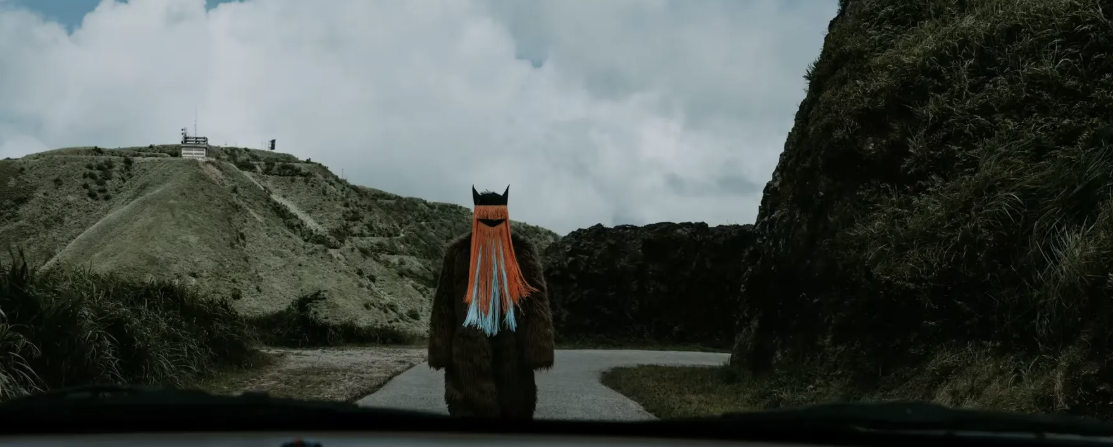
Val Lee: The Presence of Solitude
Val Lee’s first UK solo exhibition examines isolation and psychological space through installation and multimedia work. Drawing on political history and personal narrative, the exhibition creates an atmospheric reflection on absence and resilience.
Frieze Week Beyond the Museums
While Frieze London anchors the week, the city itself becomes part of the experience. Private viewings, gallery openings in Mayfair and Fitzrovia, and brand-led cultural events across fashion, design and luxury hospitality all contribute to the wider ecosystem of Frieze Week.
For many collectors and visitors, the most important discoveries happen outside the fair itself — in studios, temporary exhibitions and invitation-only presentations that define London’s position as a global cultural capital.
Why Frieze Week Matters
Frieze Week has evolved into more than an art fair calendar moment. It is now one of the most significant intersections of culture, commerce and contemporary creativity in the world.
For galleries, it is a commercial peak. For artists, a global platform. For collectors, a moment of acquisition and discovery. And for London, it is a reaffirmation of its role as one of the world’s leading cultural cities.
Each October, the city doesn’t just host art — it becomes it.