Frida: The Making of an Icon at Tate Modern
Few artists have become as recognisable as Frida Kahlo. Her face is everywhere: on fashion campaigns, books, posters and the inevitable tote bag, while the flowers, jewellery, traditional Mexican dress and distinctive brows have become a visual shorthand for the artist herself. So when I arrived at Tate Modern to see Frida: The Making of an Icon, I was curious about what was left to discover. The exhibition opened in June and had already sold more than 41,000 tickets in advance, making it Tate's highest-selling exhibition before opening and beating the previous record set by David Hockney in 2017. The timing is also difficult to ignore. Kahlo's image has recently taken over parts of London, from Piccadilly Circus to Carnaby Street in Fridamania, making the Tate's attempt to examine how an artist becomes an icon feel particularly relevant.

What I found most interesting about Frida: The Making of an Icon, however, was not the icon at all. It was the woman underneath it. The exhibition brings together more than 30 works by Kahlo alongside photographs, personal belongings, clothing, jewellery and other objects, allowing you to see the person behind the image rather than simply another collection of her most reproduced paintings. Her clothes are particularly revealing. Kahlo's Tehuana dresses, jewellery and carefully constructed appearance were not just a matter of personal style; they were part of how she presented her Mexican identity and, more broadly, how she chose to be seen. Looking at these objects in person makes it easier to understand why fashion has become such an important part of her legacy. She understood something that feels very contemporary now: that the way you dress can become part of the story you tell about yourself.
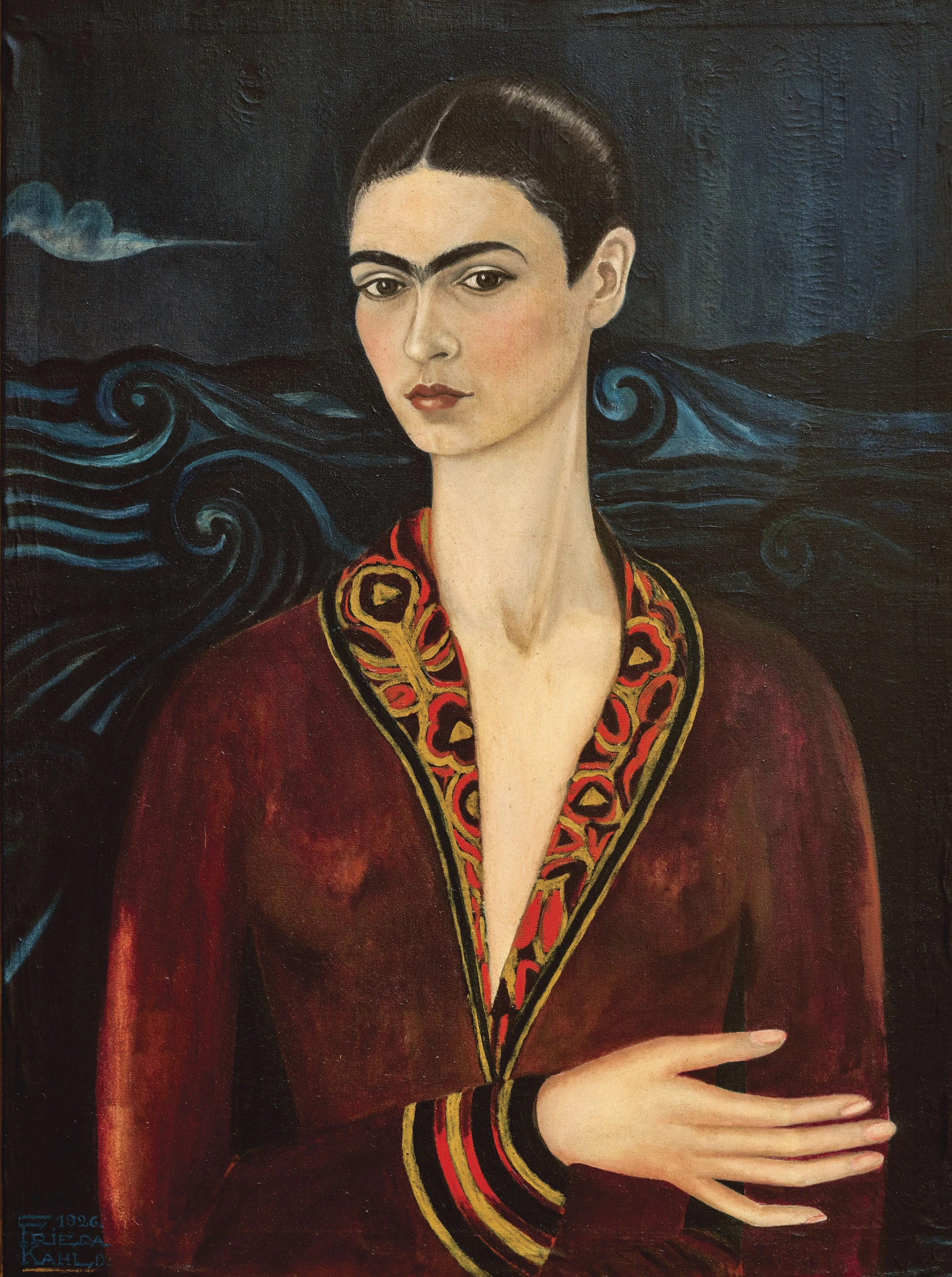
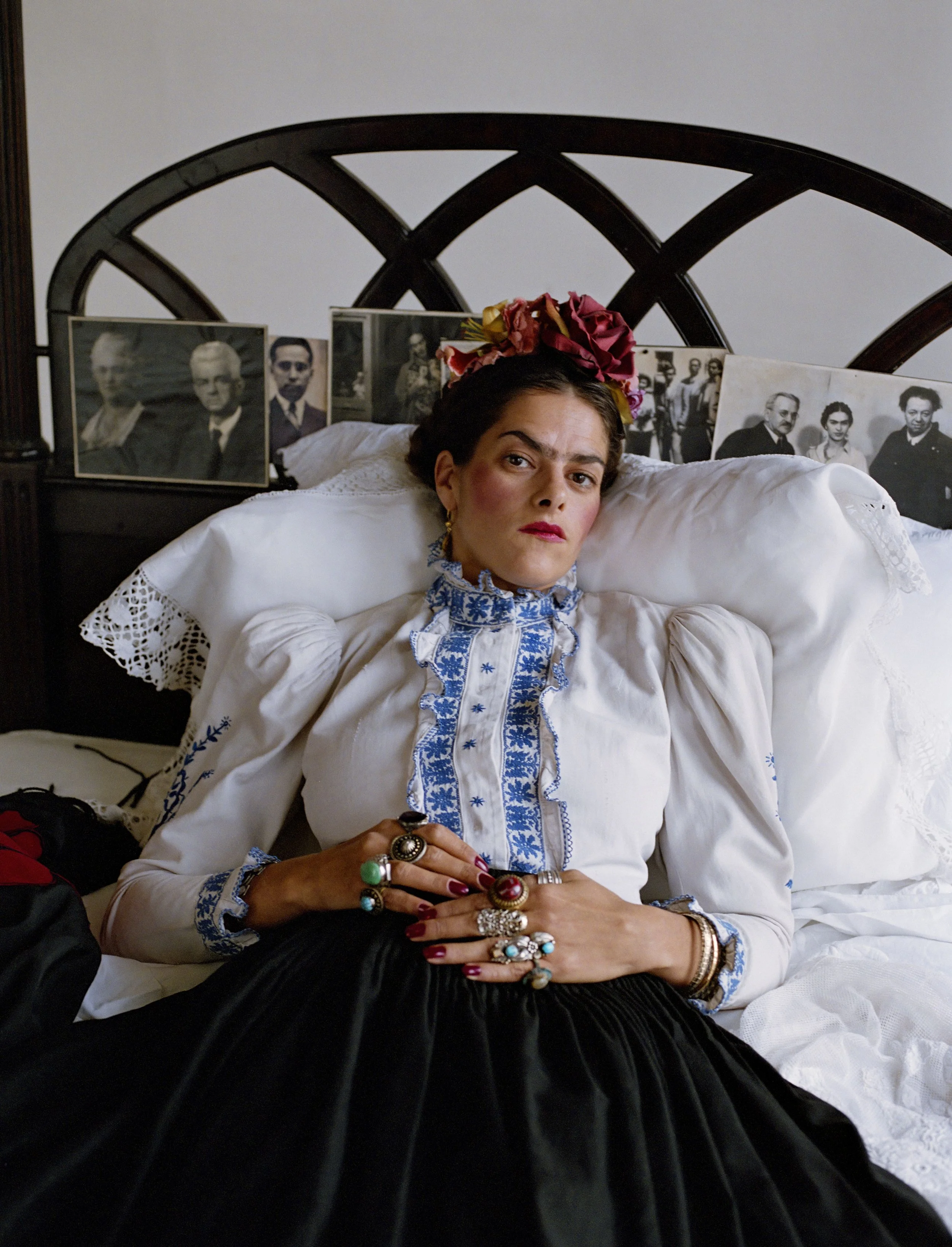
The more time I spent inside the exhibition, the less interested I became in the familiar Frida Kahlo mythology and the more interested I was in her control over her own image. Her physical suffering is impossible to separate from her work. After the bus accident she experienced at 18, Kahlo lived with serious injuries and chronic pain, and her body became one of the central subjects of her paintings. Yet her self-portraits rarely feel like straightforward documents of illness. She is presenting herself, rather than simply allowing herself to be observed. That distinction matters. Even when she depicts pain, heartbreak or physical limitation, there is a remarkable sense that she remains in charge of the image. Her relationship with Diego Rivera, her political beliefs, her sexuality, her Mexican identity and her experience of disability all form part of the picture, but none of them quite explains her on its own. The exhibition is strongest when it lets those contradictions sit together rather than trying to turn Kahlo's life into a neat story of suffering and resilience.
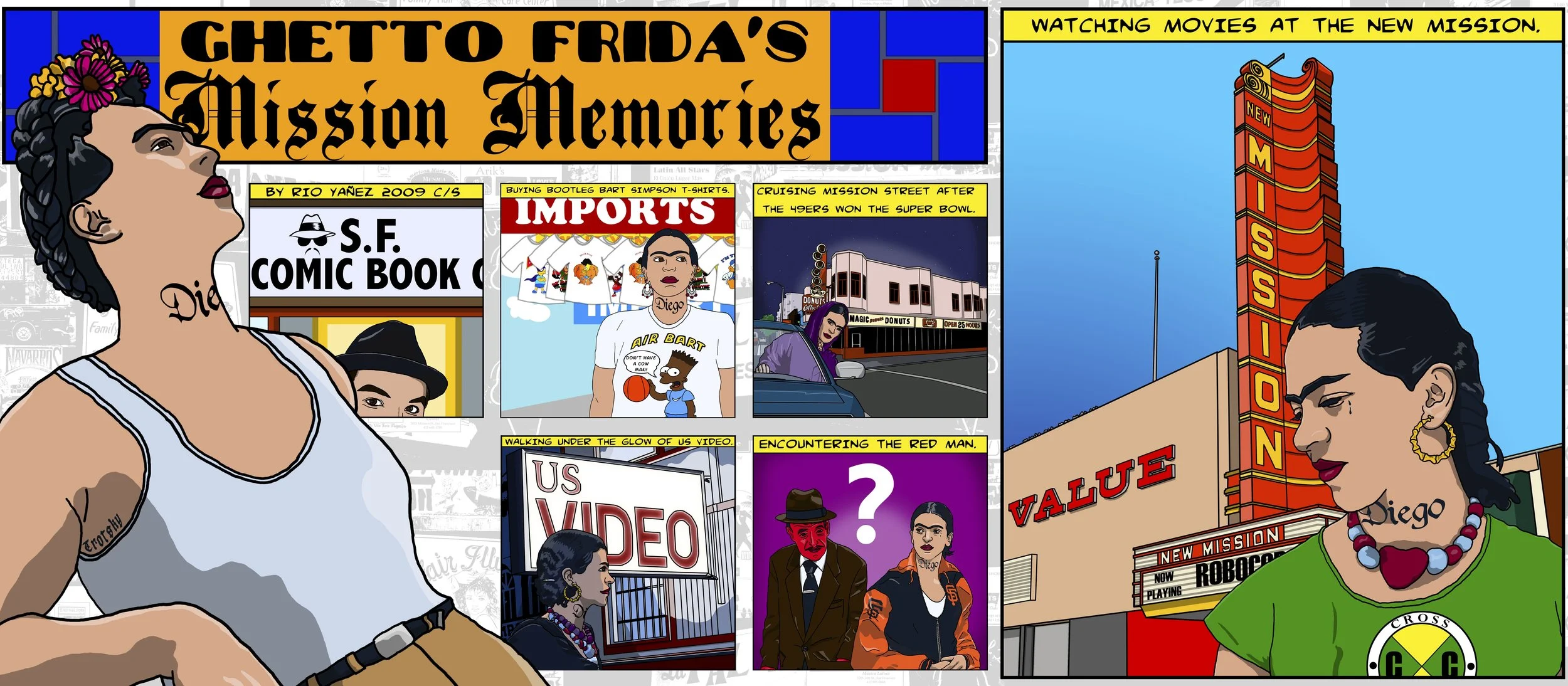
There is, inevitably, a slightly uncomfortable question running through the whole exhibition: how do you make an exhibition about the creation of an icon without contributing to it? Frida: The Making of an Icon is not a conventional retrospective. Alongside Kahlo's work, Tate explores the artists and cultural movements that have responded to her, as well as the phenomenon of “Fridamania” and the commercial afterlife of her image. I found this part less compelling than the rooms devoted to Kahlo herself. The further the exhibition moves towards the endless reproductions, references and interpretations of Frida, the more distant she becomes. There is a strange irony in standing inside Tate Modern surrounded by objects that explain how Kahlo became an icon while being confronted with precisely the same phenomenon outside the gallery: her face on billboards, merchandise and London streets. It made me think that perhaps the most valuable thing the exhibition can do is make you temporarily forget the brand that Frida Kahlo has become.
That was ultimately what stayed with me after leaving Tate Modern. Kahlo's continued relevance is not really explained by the flowers in her hair or the clothes that have inspired generations of designers. It comes from the fact that she was unusually conscious of the relationship between her body, her identity and the way she was represented. She made herself the subject, but she also made herself the author of that subject. In an age when personal image has become part of almost every creative career, that feels surprisingly modern. Frida: The Making of an Icon does not completely escape the mythology surrounding Kahlo, and nor could it. What it does, at its best, is give you a little distance from it. For me, the most memorable Frida was not the face staring down from another London billboard, but the woman looking back at me from her paintings, surrounded by the objects she actually lived with. That felt considerably more interesting.
Frida: The Making of an Icon is at Tate Modern in London until 3 January 2027.