Africa Fashion Exhibition at the V&A London
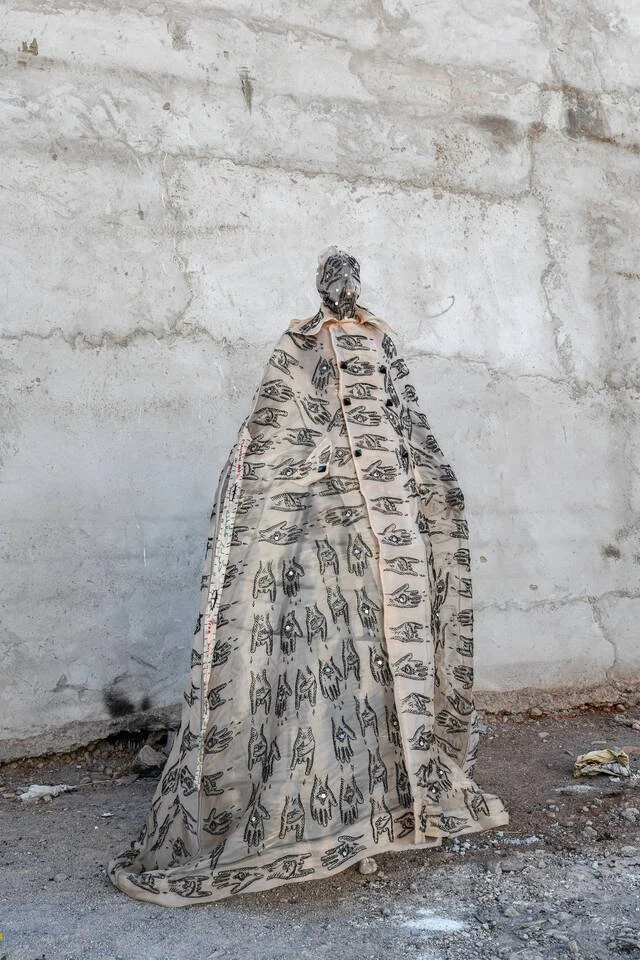
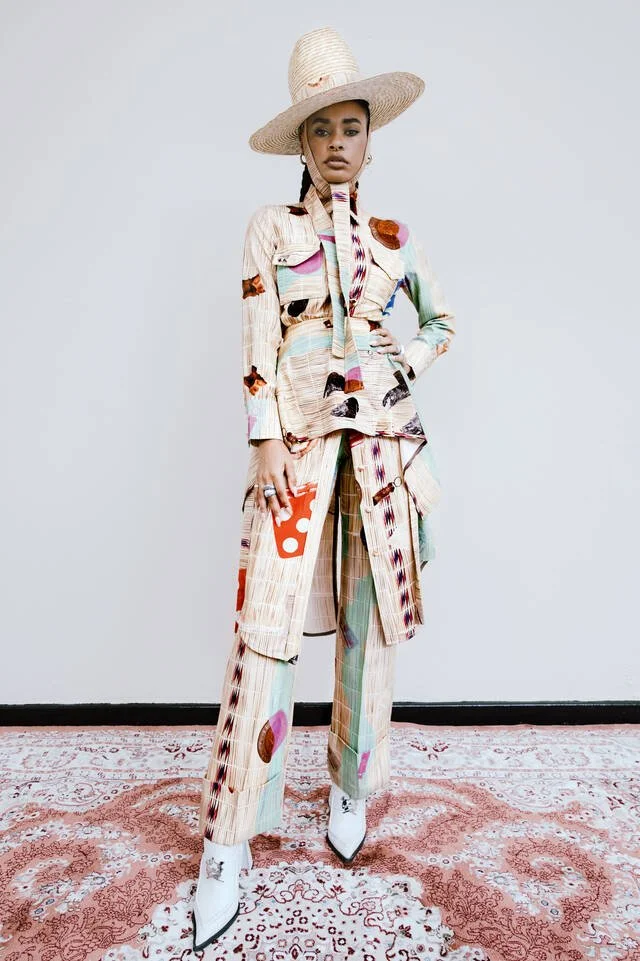
The V&A recently staged Africa Fashion, an exhibition that examined the breadth and global resonance of African fashion from the mid twentieth century to the present day. It brought together more than 250 objects, spanning garments, textiles, photography, music and printed material, to present a narrative that was as much about cultural identity and political history as it was about clothing. Rather than attempting a reductive overview, the exhibition positioned African fashion as a living, evolving force that has consistently shaped and challenged the global industry.
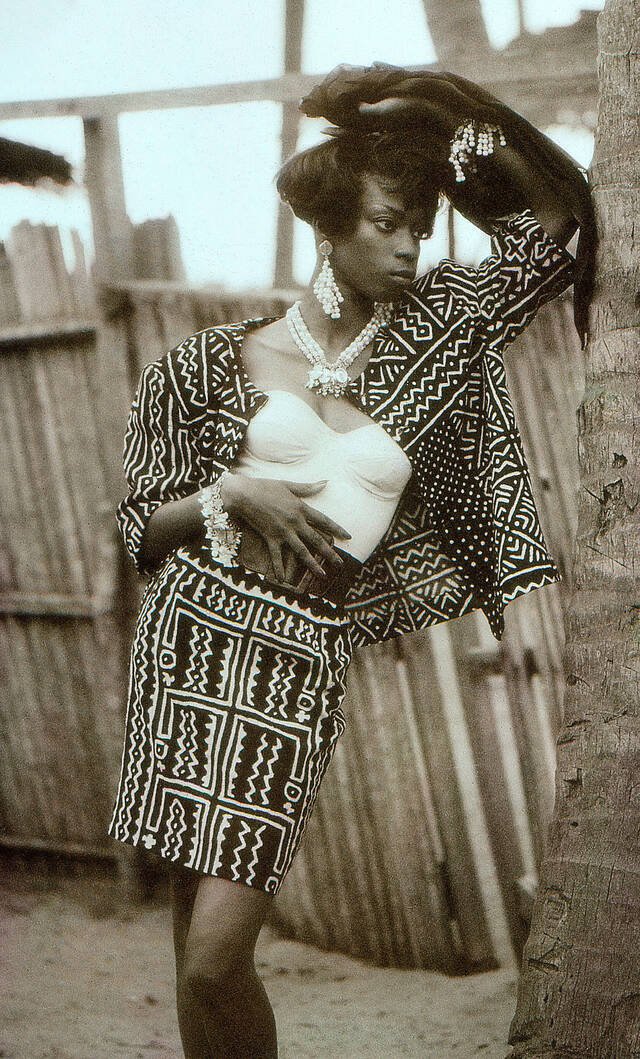
Curated by Christine Checinska, the exhibition unfolded across two floors and opened with a contextual exploration of the post independence decades of the 1950s and 1960s. These years were presented not simply as a historical backdrop but as a generative moment in which dress became a form of expression tied to liberation, nationhood and self definition. Textiles such as kente, aṣọ òkè and indigo dyed adire were shown alongside cultural artefacts including records by Miriam Makeba and literary works by Aimé Césaire, situating fashion within a wider intellectual and artistic movement. The effect was immersive, offering a sense of how style, music and politics moved in tandem during a period of profound transformation.
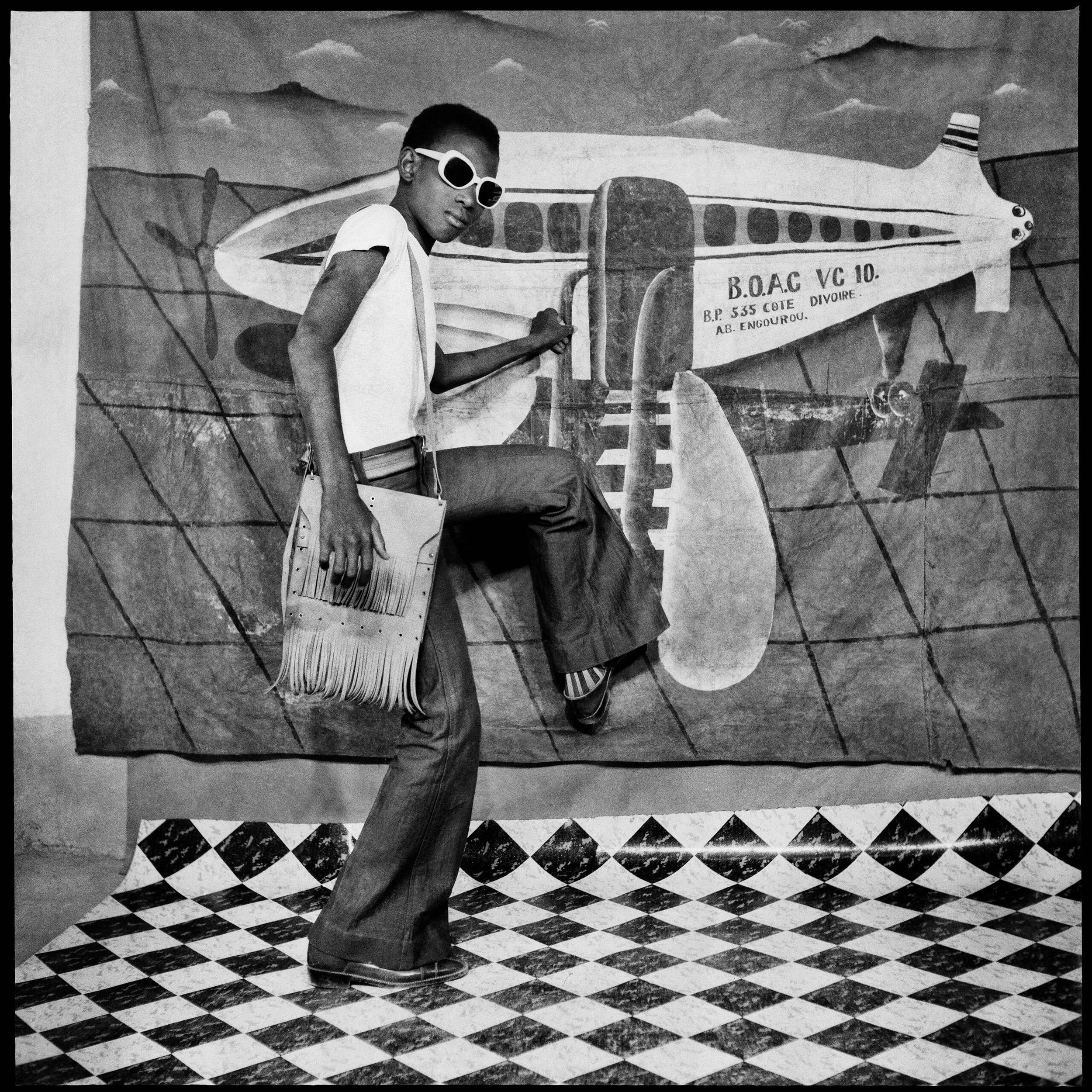
What made Africa Fashion particularly compelling was its attention to image making. Studio portraits and street photography by figures such as James Barnor, Seydou Keita and Malick Sidibé lined the exhibition, capturing the elegance and confidence of newly independent societies. These photographs did not merely document clothing. They revealed how fashion functioned as a tool of self presentation and aspiration, reinforcing the idea that African style has long been forward looking rather than folkloric.
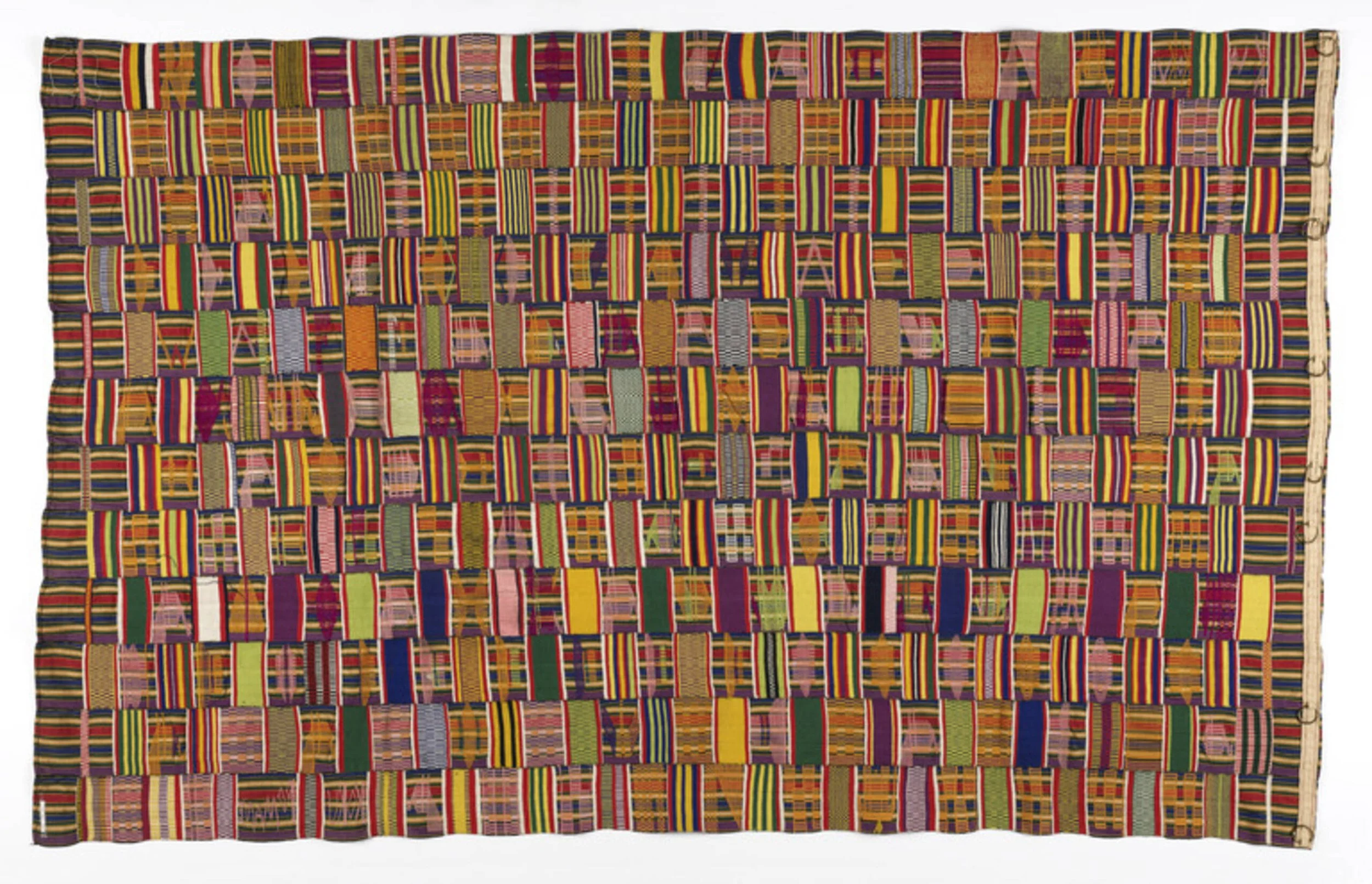
The exhibition moved fluidly into contemporary practice, highlighting designers who are redefining the parameters of global fashion. Labels such as Lagos Space Programme and MMUSOMAXWELL demonstrated how craft, sustainability and conceptual design intersect across the continent today. There was a clear emphasis on material innovation, from raffia and hand woven textiles to reworked fabrics that spoke to both heritage and modernity. In this context, African fashion was not framed as emerging, but as established and influential, quietly informing the direction of international style.

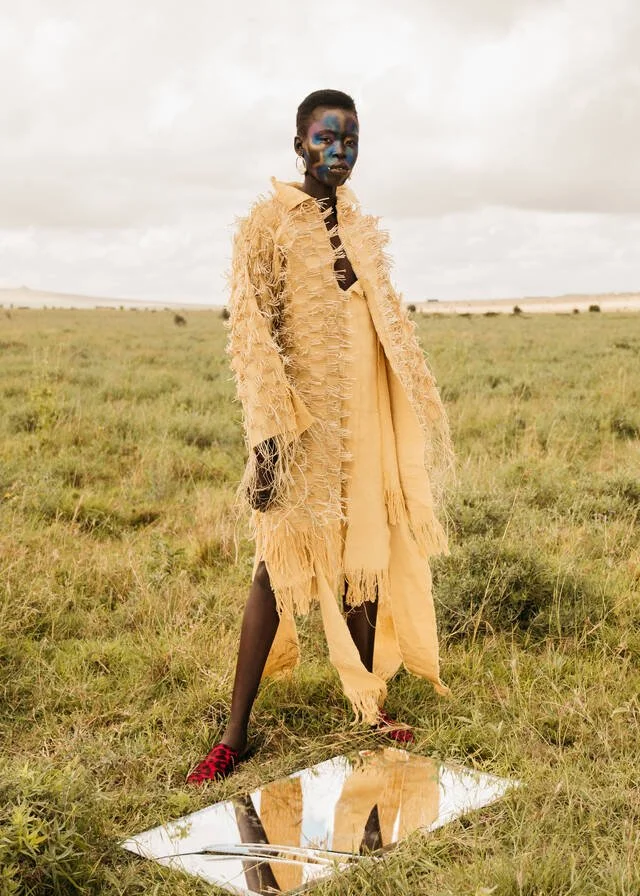
At its best, Africa Fashion resisted the easy tropes that often accompany museum exhibitions of this scale. It did not flatten the continent into a single narrative, though it did lean heavily toward West African perspectives, particularly from Nigeria and Ghana. This imbalance reflected, in part, the historical biases of museum collections, but it also underscored the challenges of representing a continent of such vast cultural diversity within a single institutional framework. Regions such as North and East Africa were less prominently featured, leaving certain histories and aesthetics only lightly touched upon.
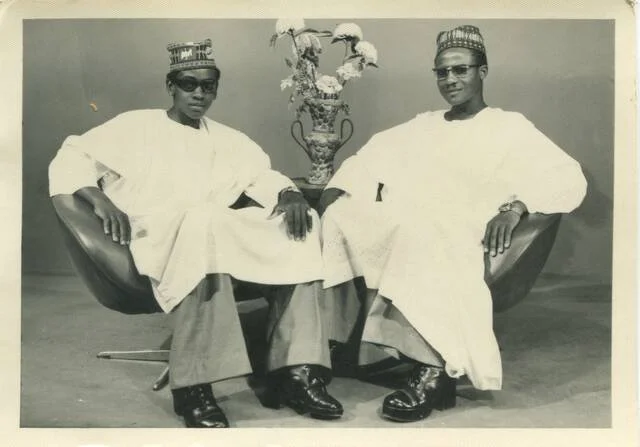
Still, the exhibition succeeded in articulating something more nuanced than a survey. It showed how fashion operates as both a personal and political language, one that carries memory, resistance and aspiration in equal measure. By placing archival pieces alongside contemporary work and personal testimonies, the Victoria and Albert Museum positioned African fashion not as a trend but as a continuum, shaped by decades of creativity and exchange.
In retrospect, Africa Fashion felt less like a retrospective and more like a recalibration. It challenged the hierarchy that has long placed Western fashion at the centre of the conversation and instead suggested a more expansive view, one in which influence flows in multiple directions. The exhibition did not declare this outright. It simply made it visible.